Glastonbury Tribunal
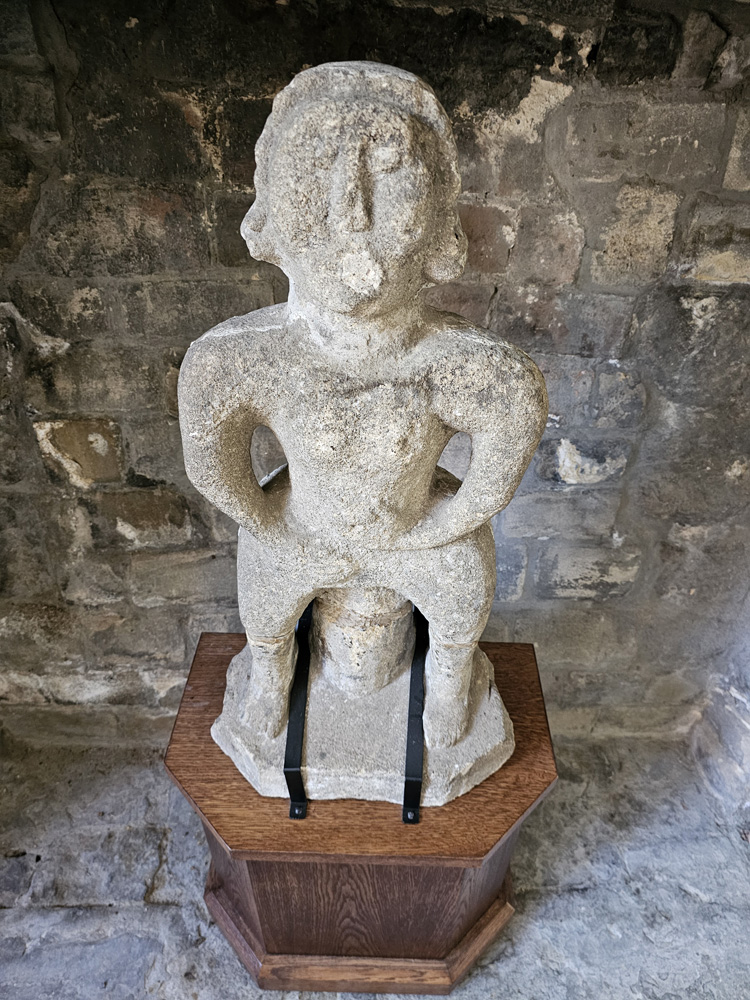
Glastonbury Tribunal is a late 15th-century stone merchant’s house situated on the high street in Glastonbury, Somerset, England. Once thought to have been the courtroom of Glastonbury Abbey, it now houses both the Tourist Information Centre and the Glastonbury Lake Village Museum which contains some very interesting archaeological finds.
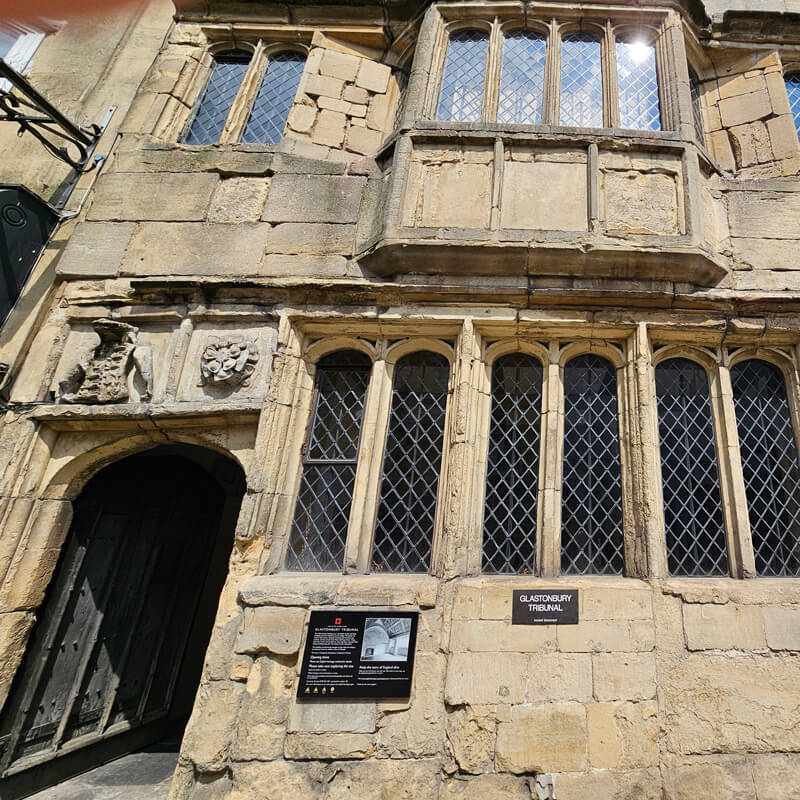
The High Street in Glastonbury is thought to have been the central focus of the medieval market town from at least the 12th century, and the Tribunal is the earliest surviving building. It is thought that the late medieval town house gets it name “The Tribunal” from being used as the courthouse of the abbots of Glastonbury. It was used during the Monmouth Rebellion trials by Judge Jefferies.
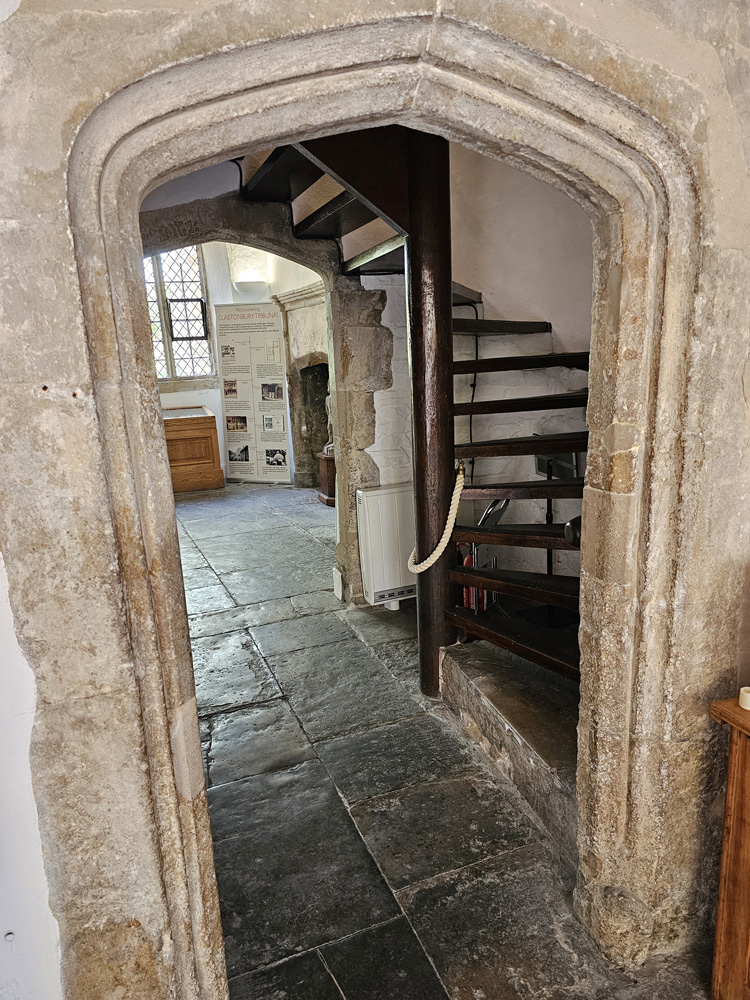
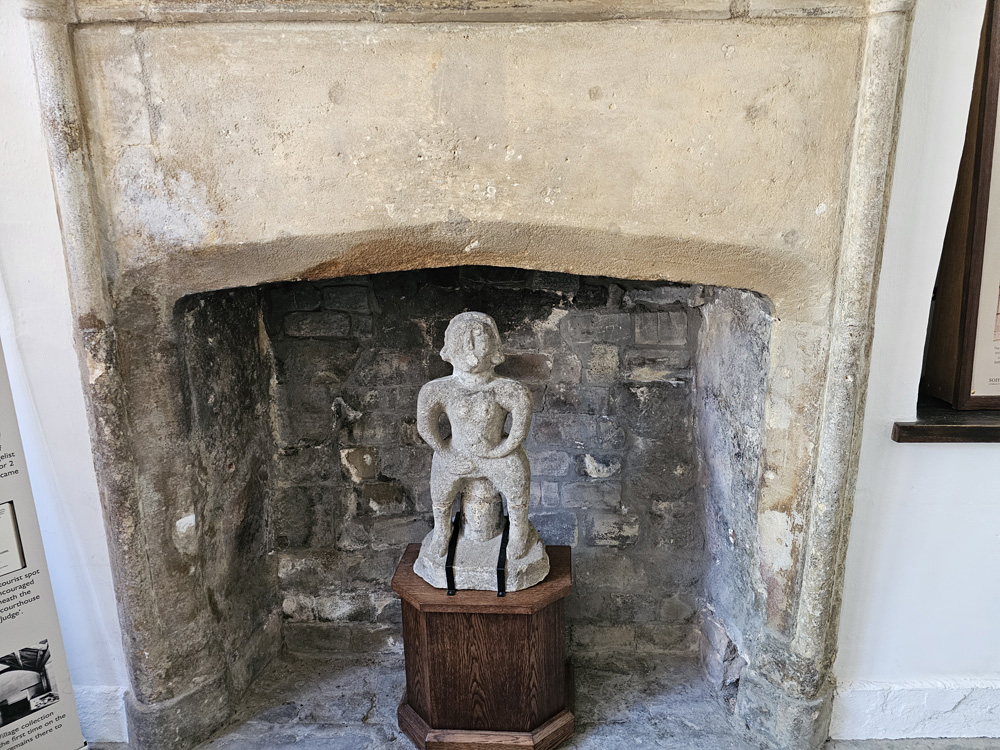
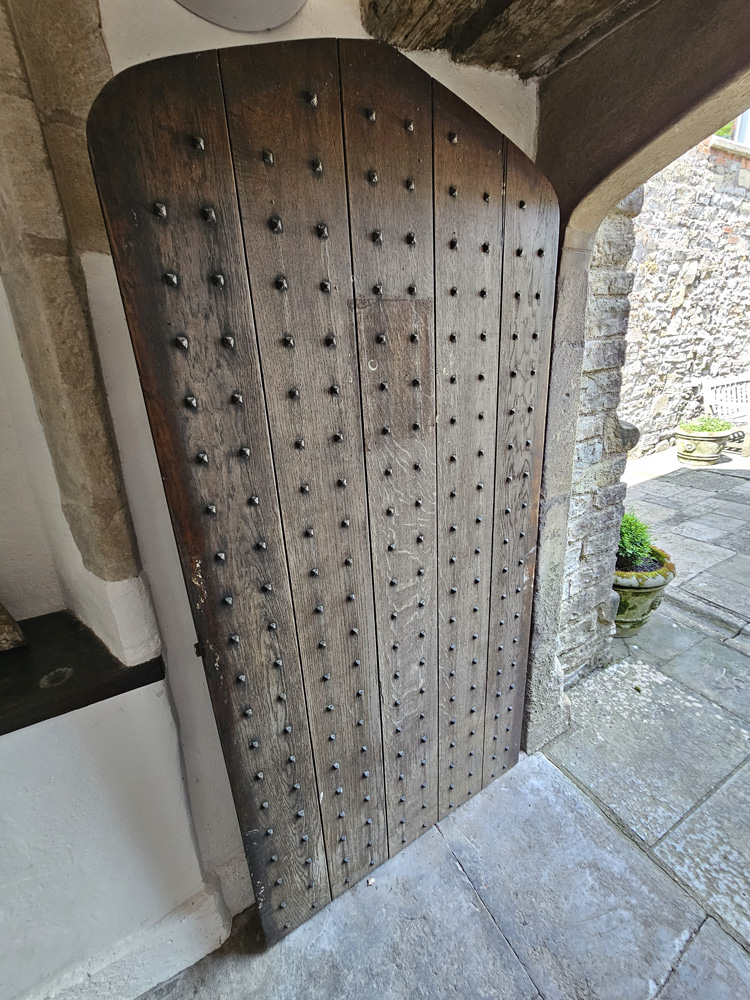
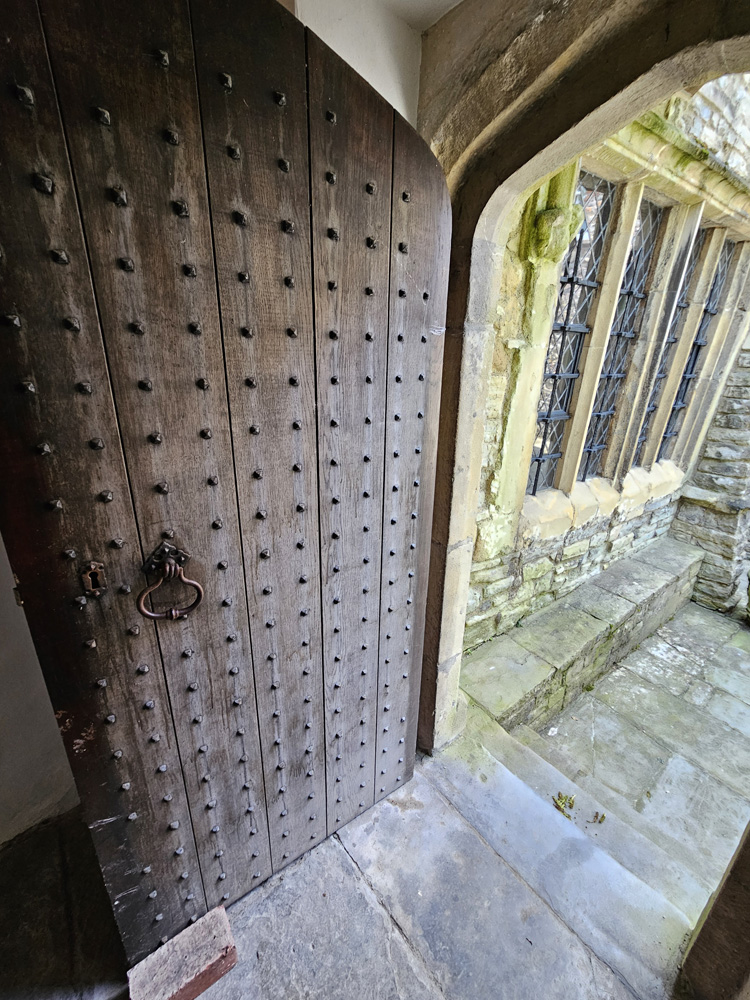
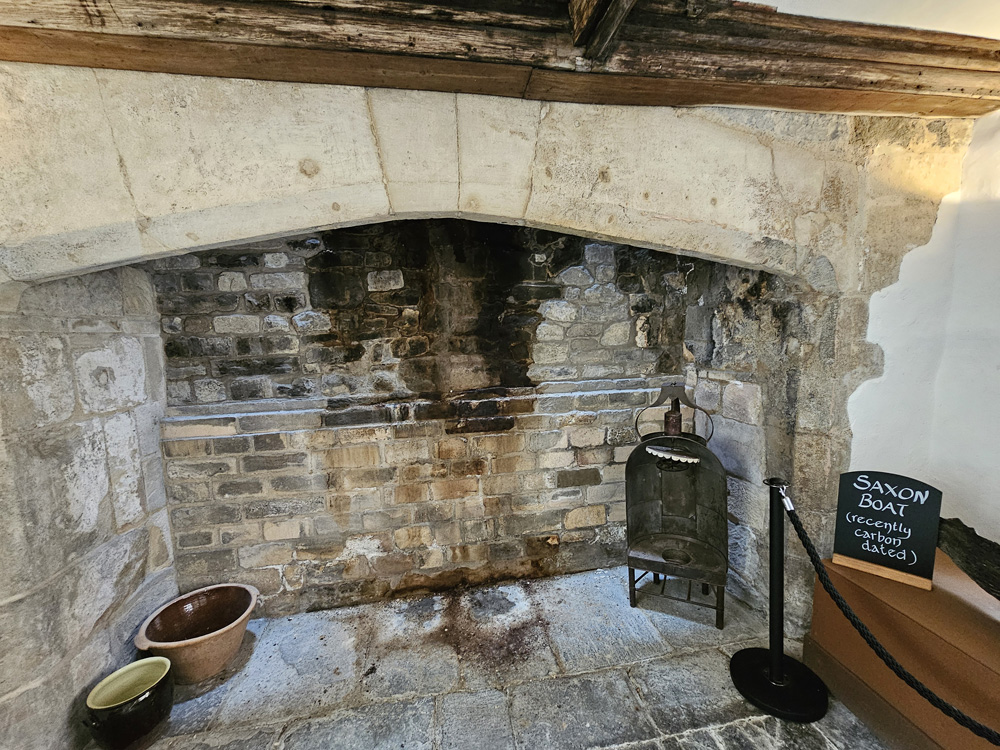
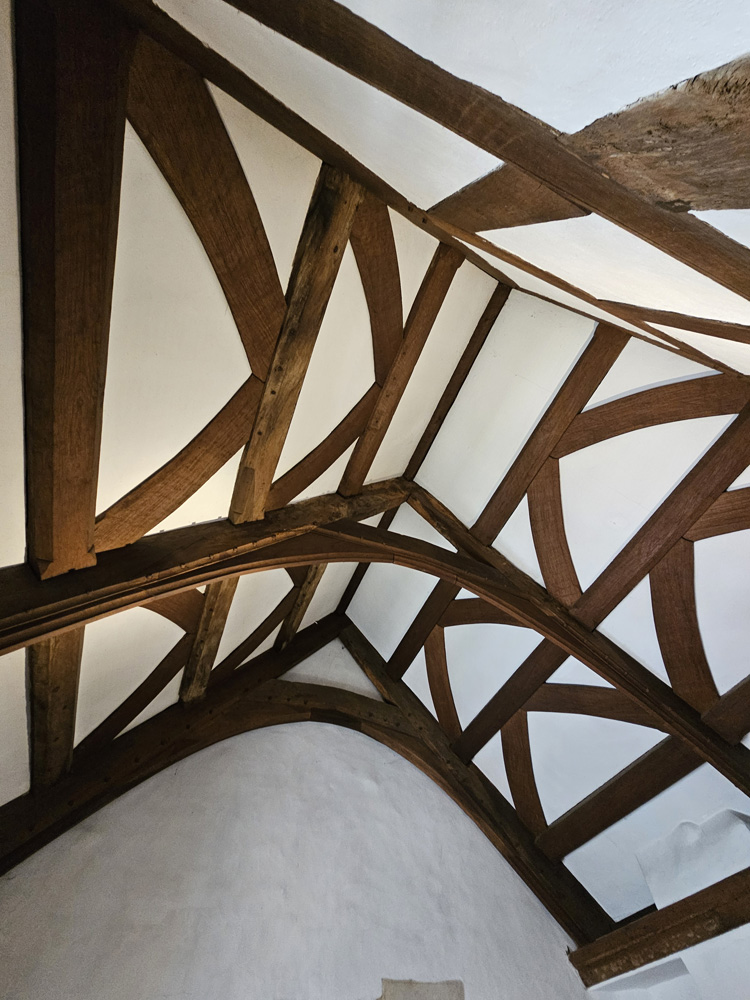
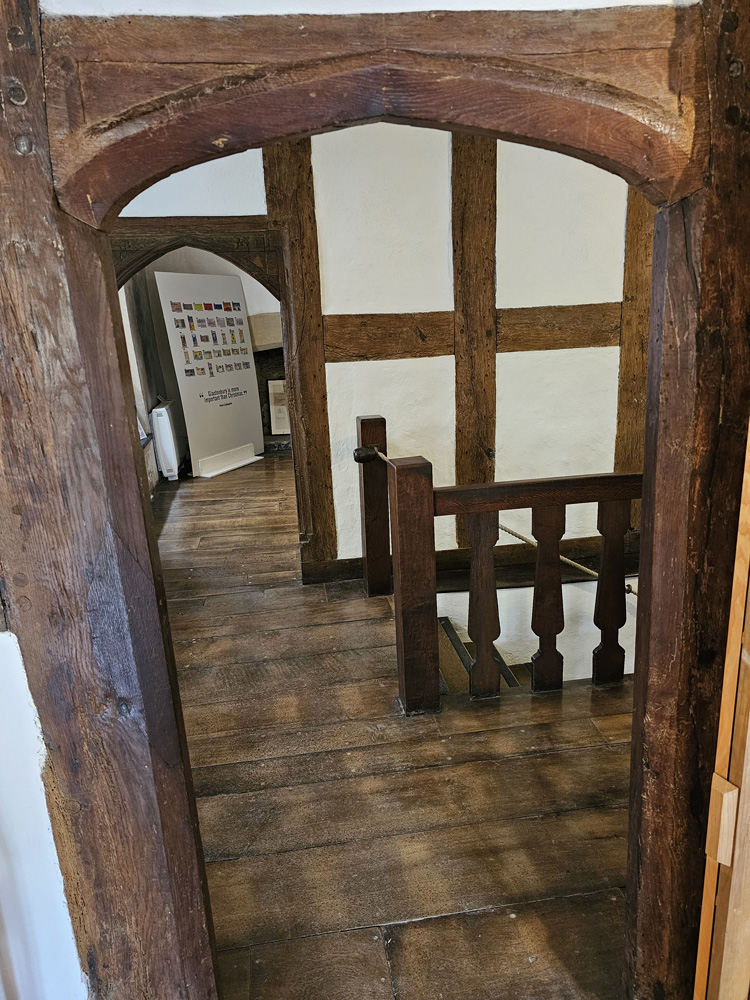
The present building dates from the late 15th century though excavations around the house have provided evidence for an earlier 12th-century timber building. The present house retains many of its original architectural features including Tudor panelled interiors and the ground-floor front room fireplace.
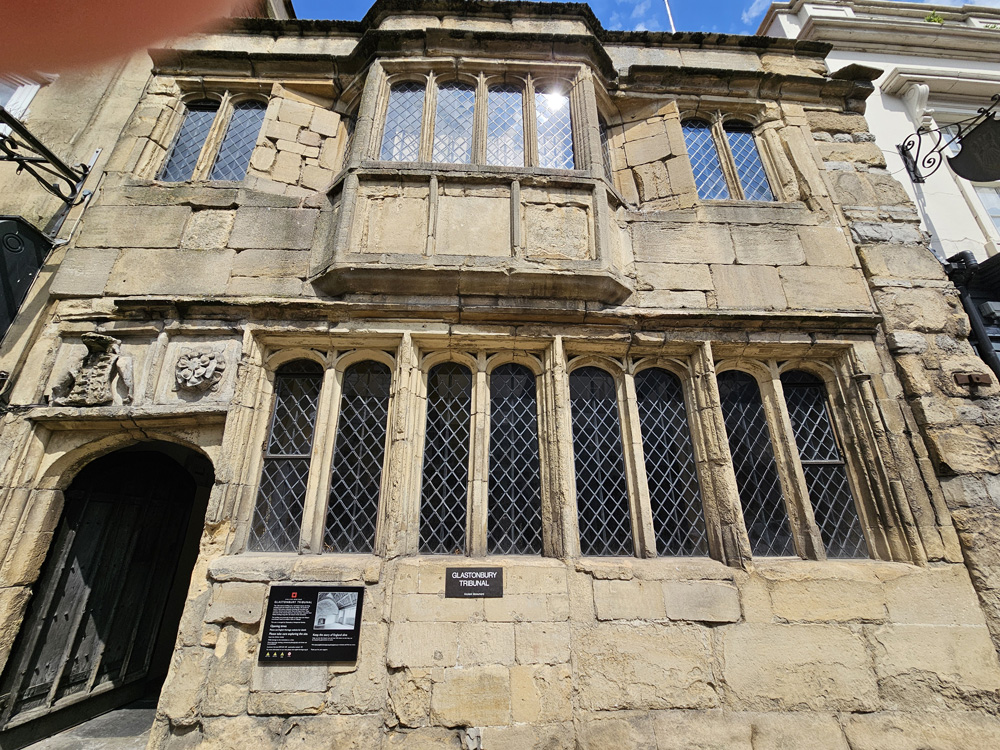
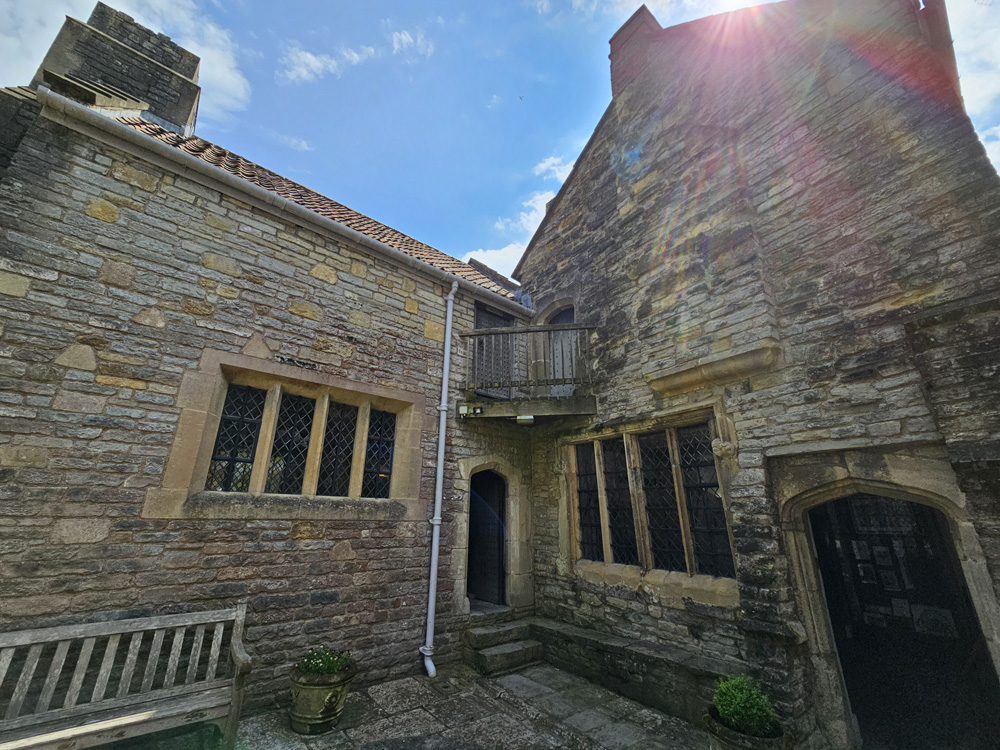
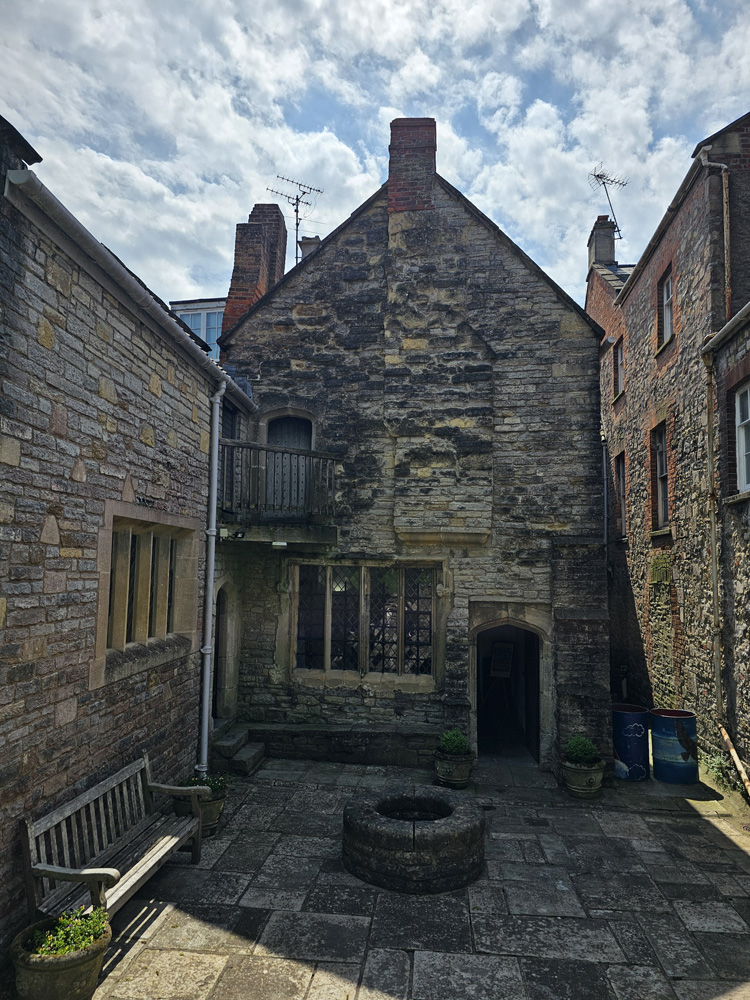
The stone street front is late medieval / early Tudor, which was inserted to replace a timber front by Abbot Bere, who was Abbot of Glastonbury from 1493 to 1521. Over the doorway are heraldic shields carved with symbols of the Tudor rose and the arms of Abbot Beer who died in 1524. The projecting first-floor bay was added in the early 16th century, and at the rear of the building is a kitchen that was added as a separate back wing in the Elizabethan period.
After the Dissolution of the Monasteries the building became a dwelling and this is when the separate wing was added at the back.
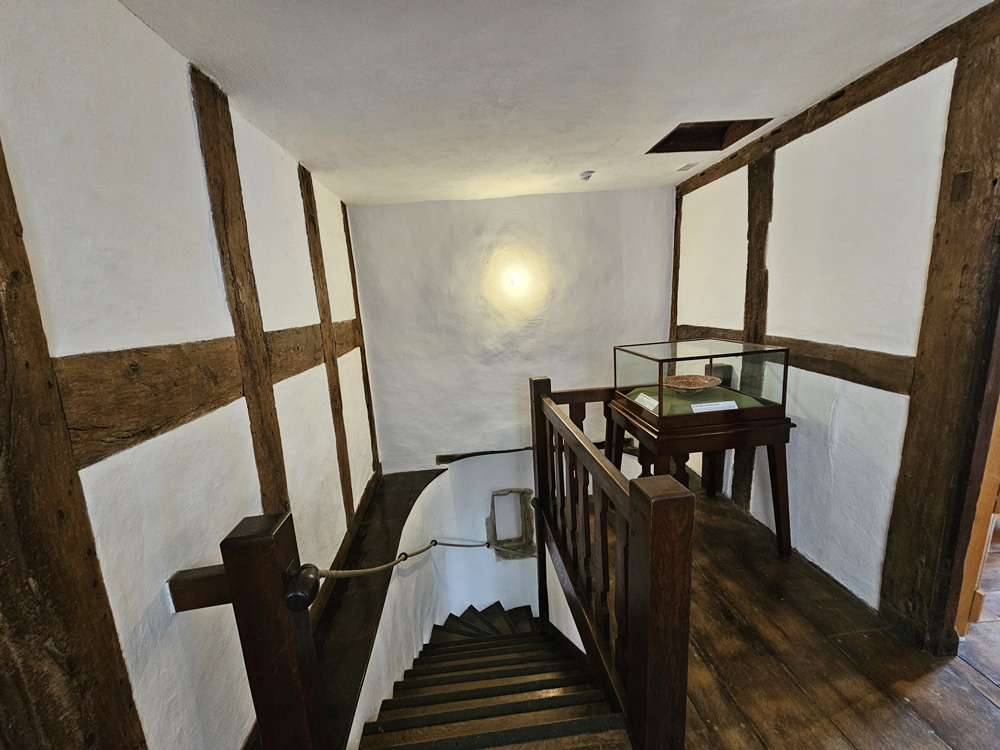
The ground floor houses the local tourist information centre, while on the first floor is the Glastonbury Lake Village Museum, where you will find lots of fascinating artefacts from the archaeological site.
The Glastonbury Lake Village collection presents an insight into everyday life in an Iron Age settlement, when 2,000 years ago much of Somerset’s landscape was covered by wetlands. The Glastonbury Lake site was discovered in 1892 when an amateur archaeologist discovered a number of earth mounds between Glastonbury and Godney. Excavations revealed the remains of an Iron Age village built on an artificial platform that was reached by boat on a network of wooden tracks laid across the marshland.
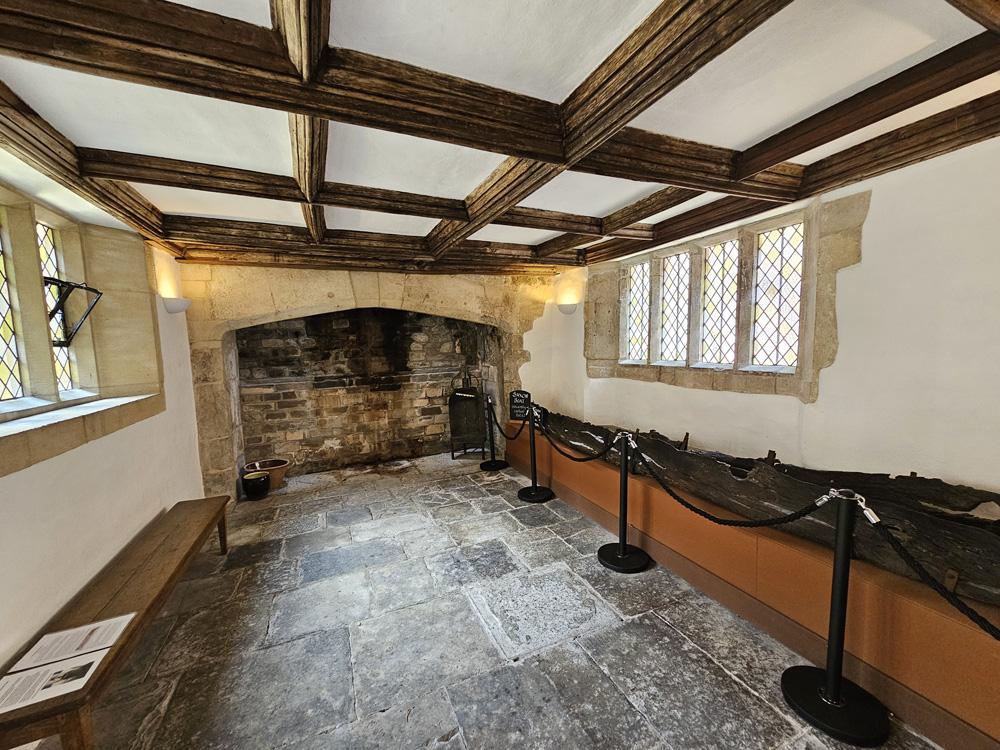
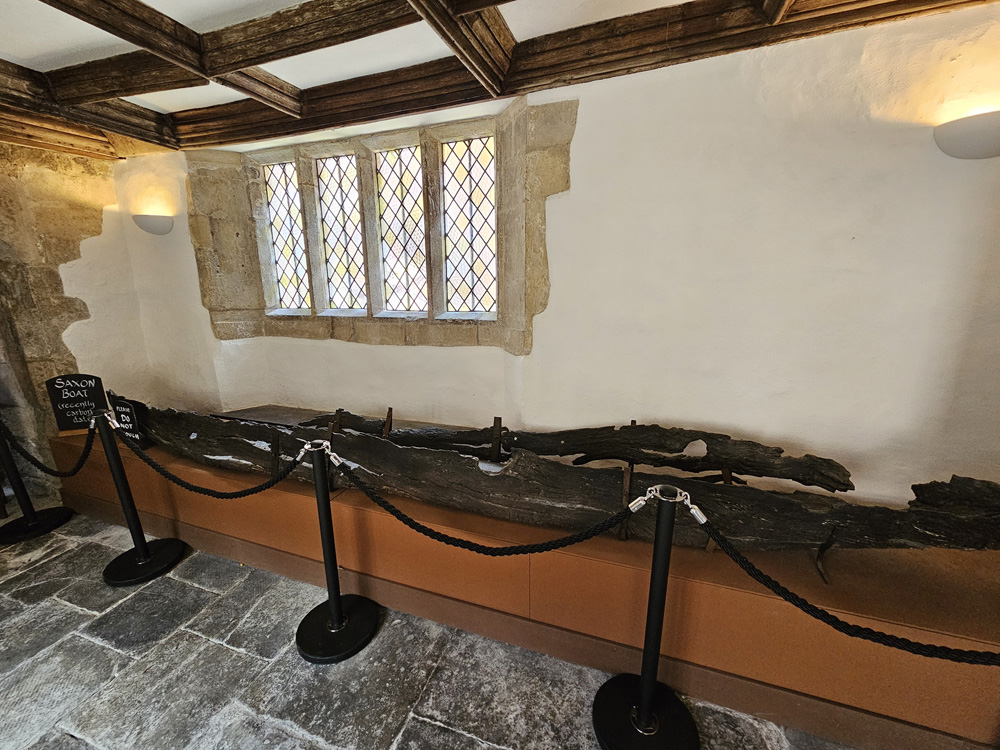
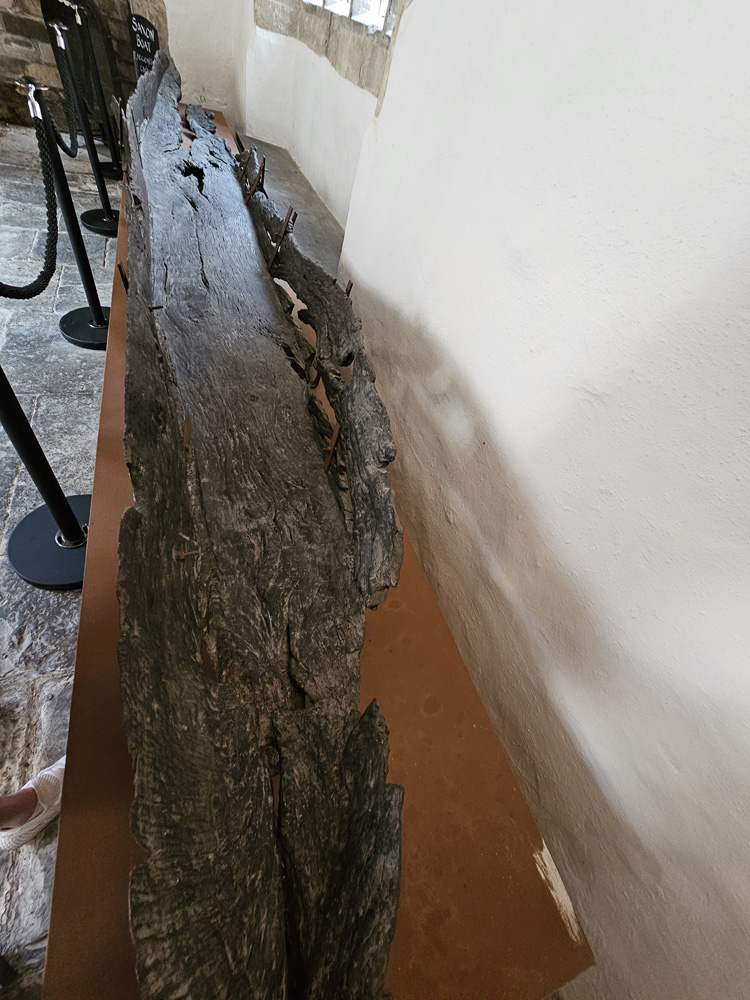
Hundreds of artefacts were recovered from the site during the 1892 excavations, including many items made of wood, iron and bronze dating throughout the first millennium BC. However my favourite of these artefacts isn’t Iron Age, but a canoe of Saxon origin. The Godney Anglo-Saxon Canoe is on display in the Tudor Kitchen. Wood samples from the canoe were sent for carbon dating and tests revealed that the canoe was not of Iron Age date as had been previously assumed, but actually Anglo-Saxon. Dating from between the early 6th to early 7th century, it is the only Anglo-Saxon boat to have been found in Somerset.
Photo Gallery.
Did you enjoy this post?
I hope you found this post useful. I put a great deal of time and effort in to building, maintaining and populating the website. If you like, you could say a small thank you by buying me a coffee. You don't have to, but it would be nice :)
Buy me a coffee
Stay up to Date
Follow me on my journey and get notified whenever a new post is published by following Kings & Castles on Facebook.
Follow MeExplore The Map
Discover the hundreds of castles, churches, monasteries, cathedrals and other historic locations that I've personally visited across England and Wales. Search by location, explore nearby sites and plan your next historical adventure.
Share: