Norman Crypt of St Peter-in-the-East
The Crypt of St Peter-in-the-East is located beneath the church that now serves as the library for St Edmund Hall in Oxford. The crypt is one of the oldest and most significant features of the building, which survives largely unaltered since its construction in the 12th century.
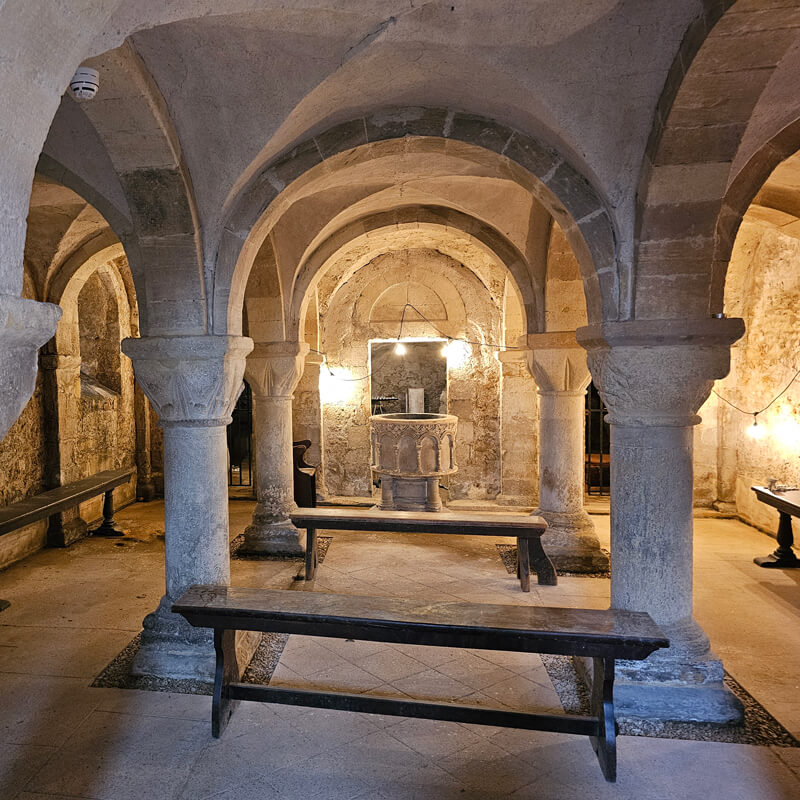
The origins of the church of St Peter-in-the-East go back to Saxon times, sometime in 10th century, although the core of the existing church – the nave, chancel and crypt – was built between 1130 and 1160. The church grounds are accessible via the historic St Edmund Hall which is one of Oxford‘s historic academic buildings. The church has since been restored and has been repurposed as a college library for the Students of Oxford and is closed to the public. For me personally, the church had therefore lost its historic appeal and was of no interest to me anyway… but the crypt beneath the church, one of the oldest surviving structures in Oxford, most definitely was.
On arrival I was disappointed to learn that the crypt was also closed to the public as this was one of my main reasons for visiting Oxford, but luckily for me I managed to persuade a staff member to let me in and give me a personal tour, and I’m so glad he did because this crypt is amazing.
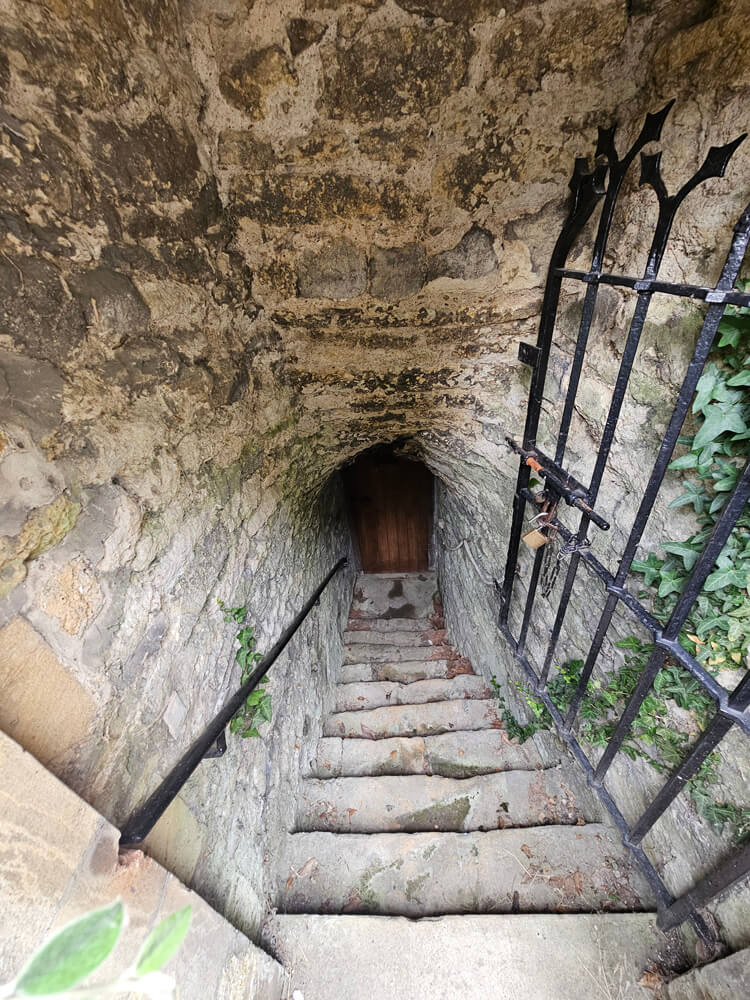
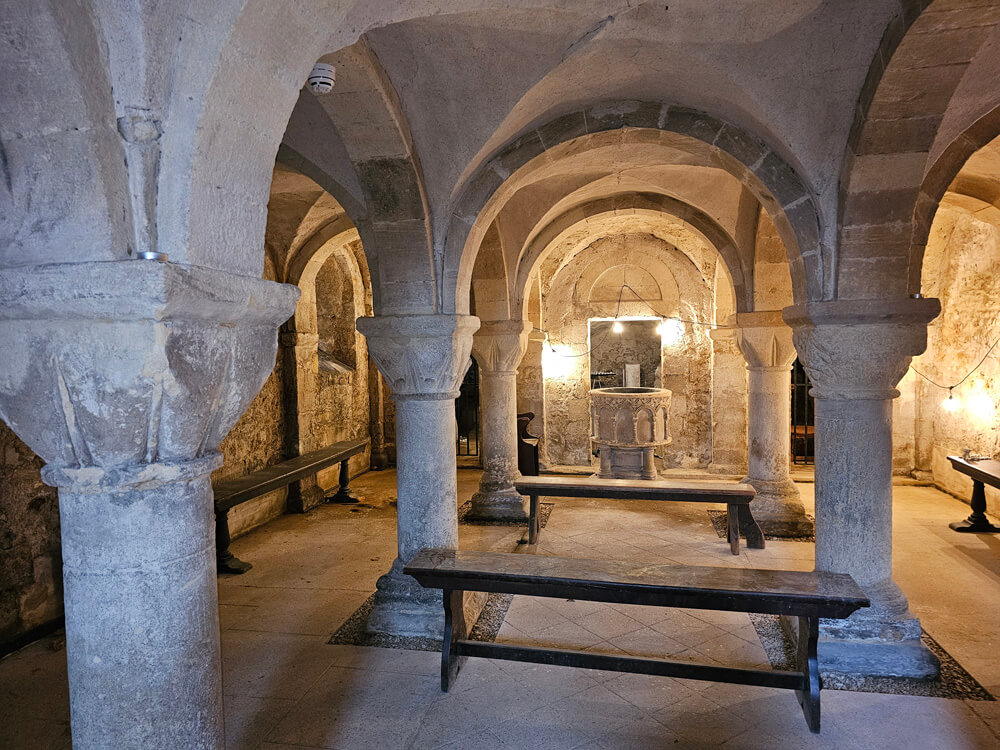
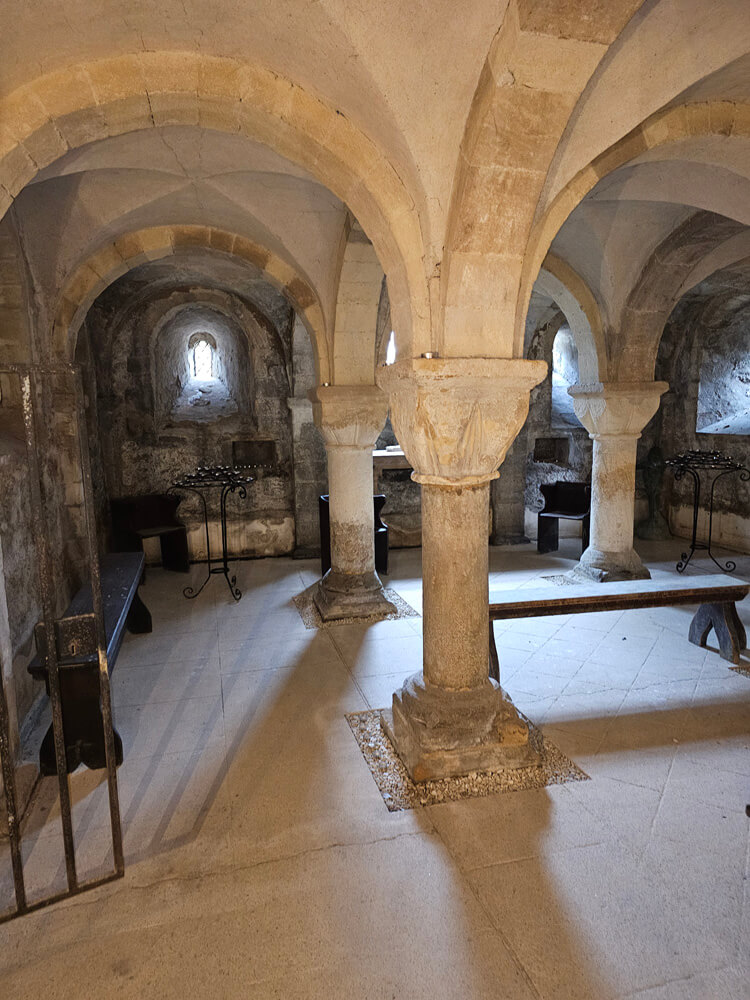
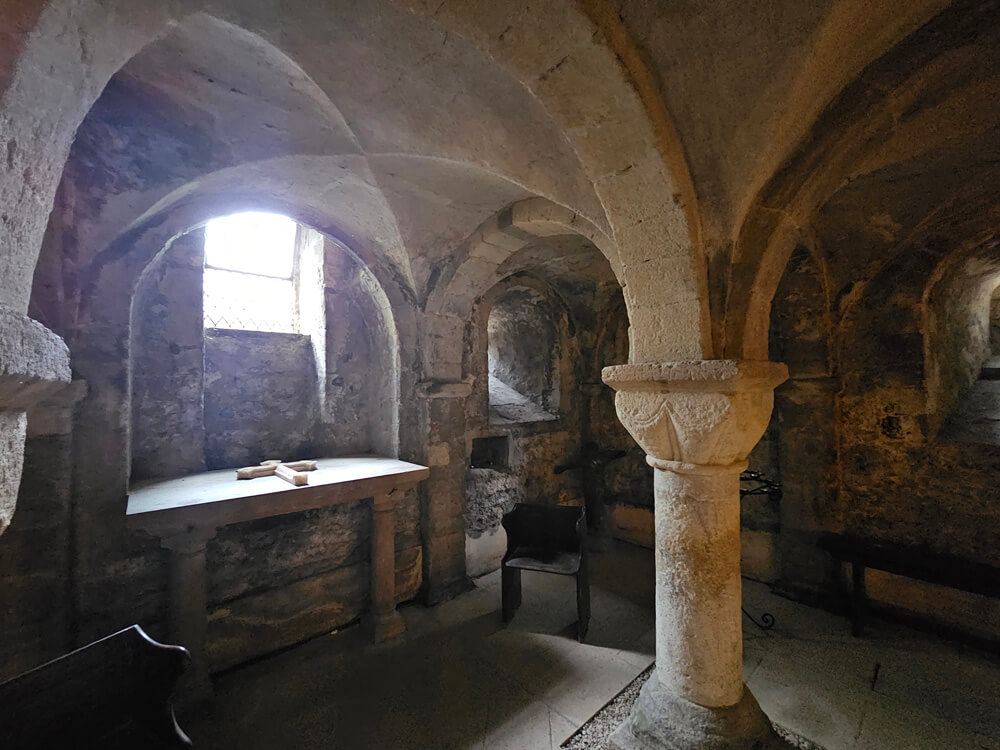
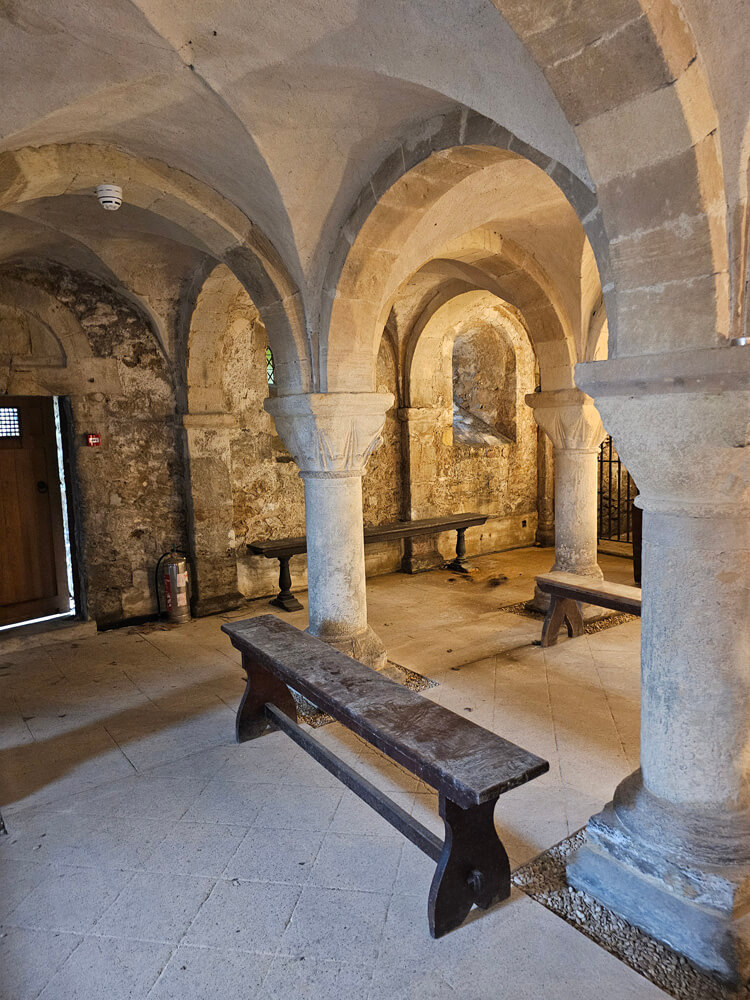
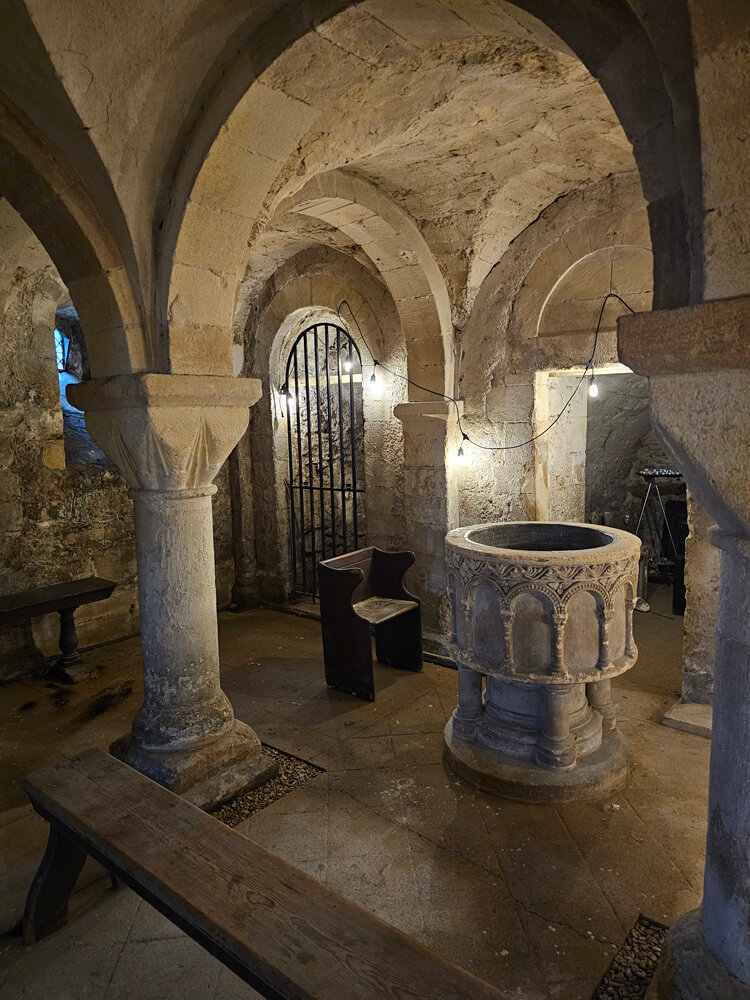
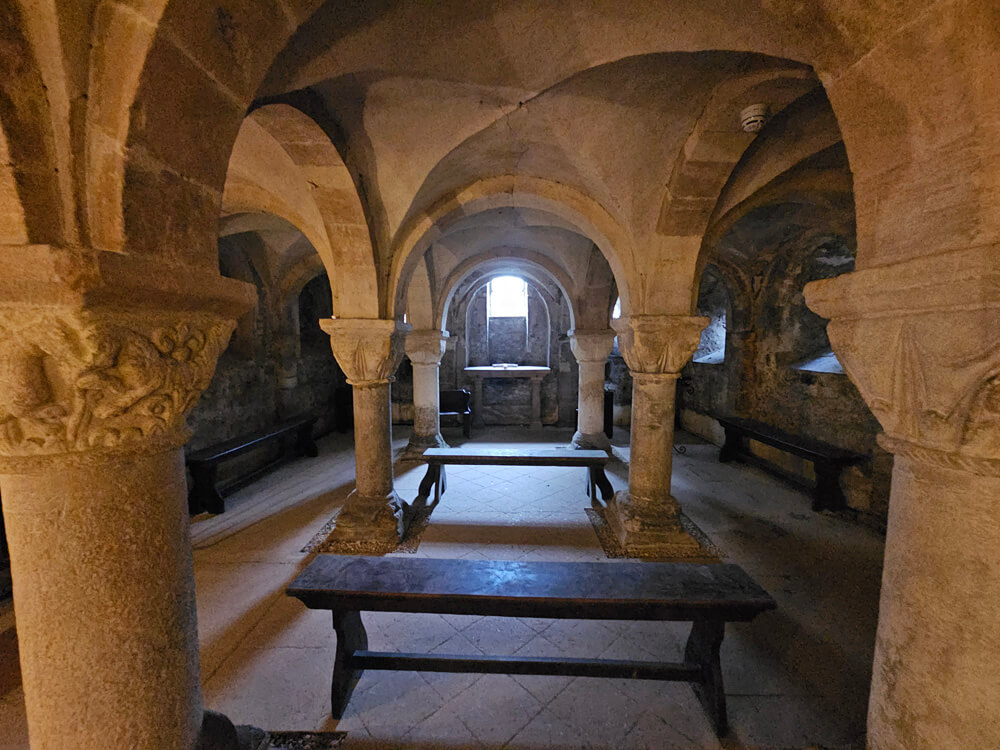
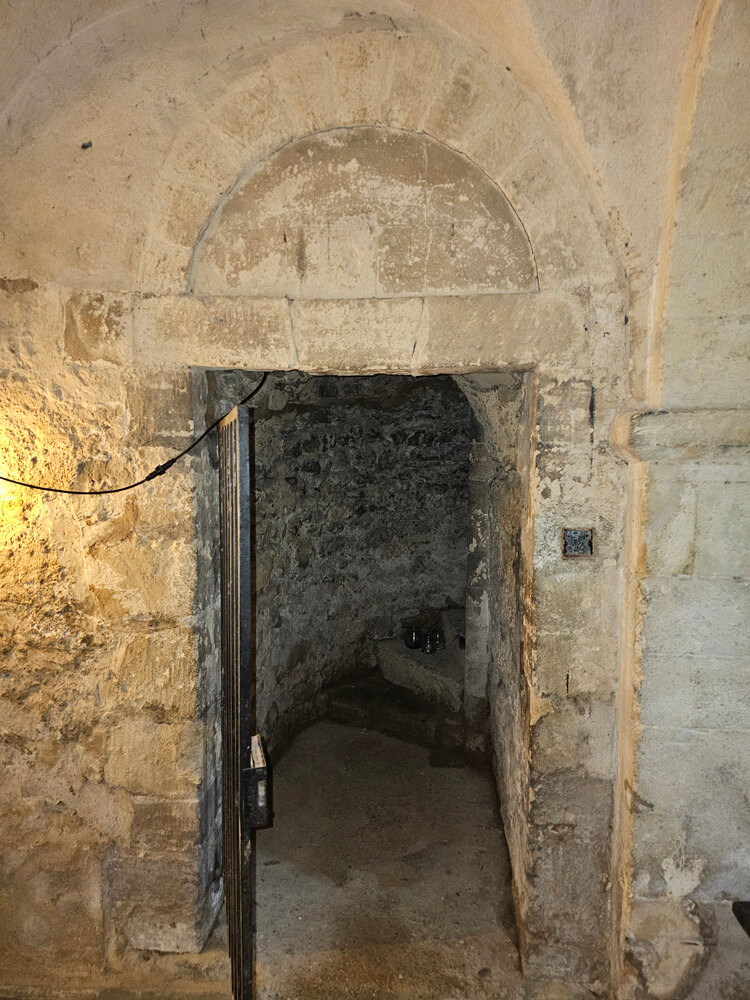
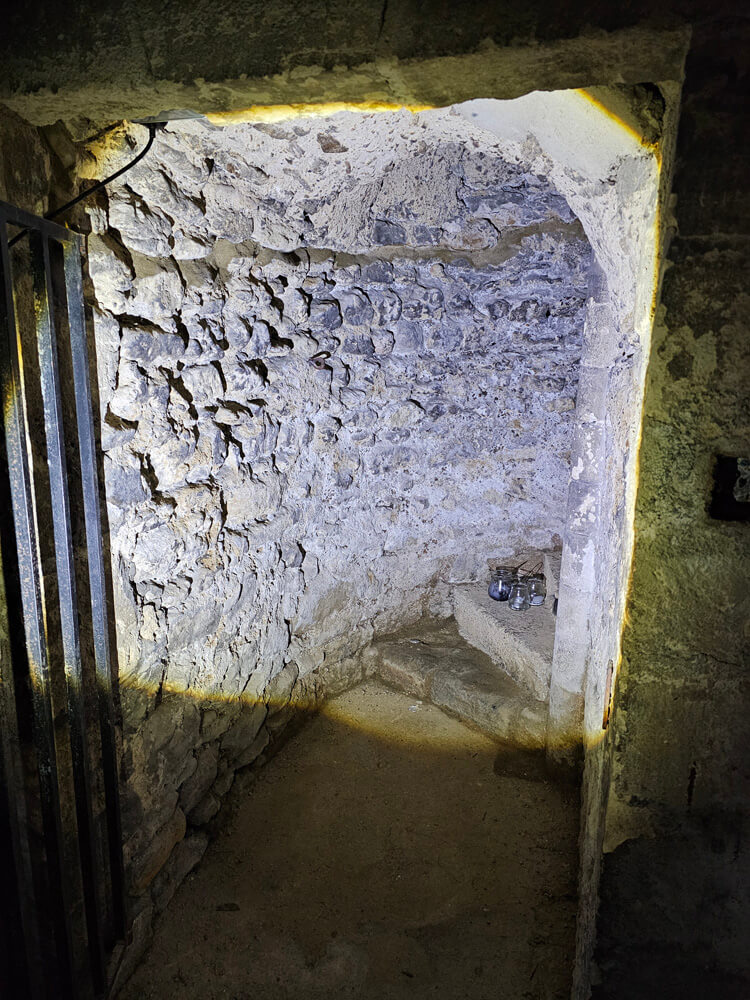
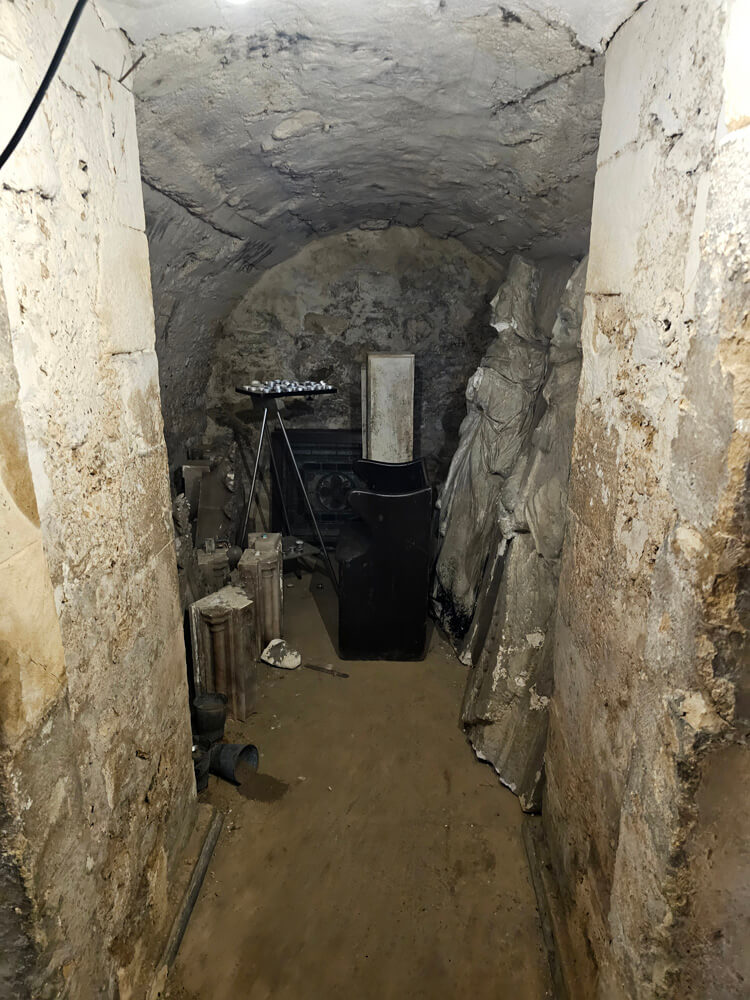
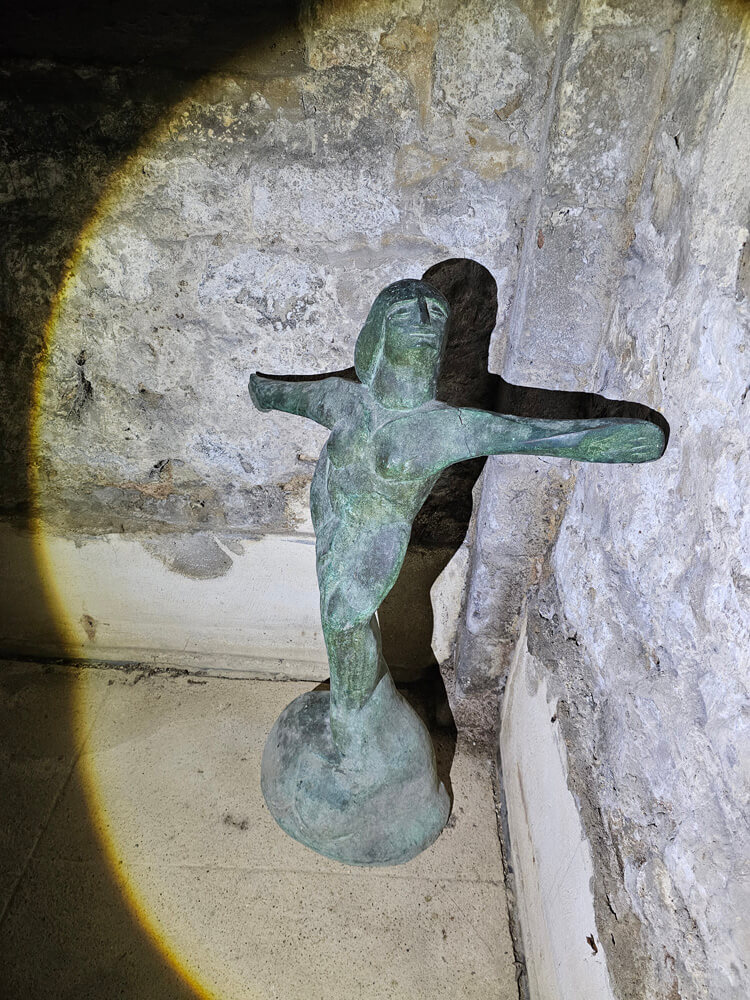
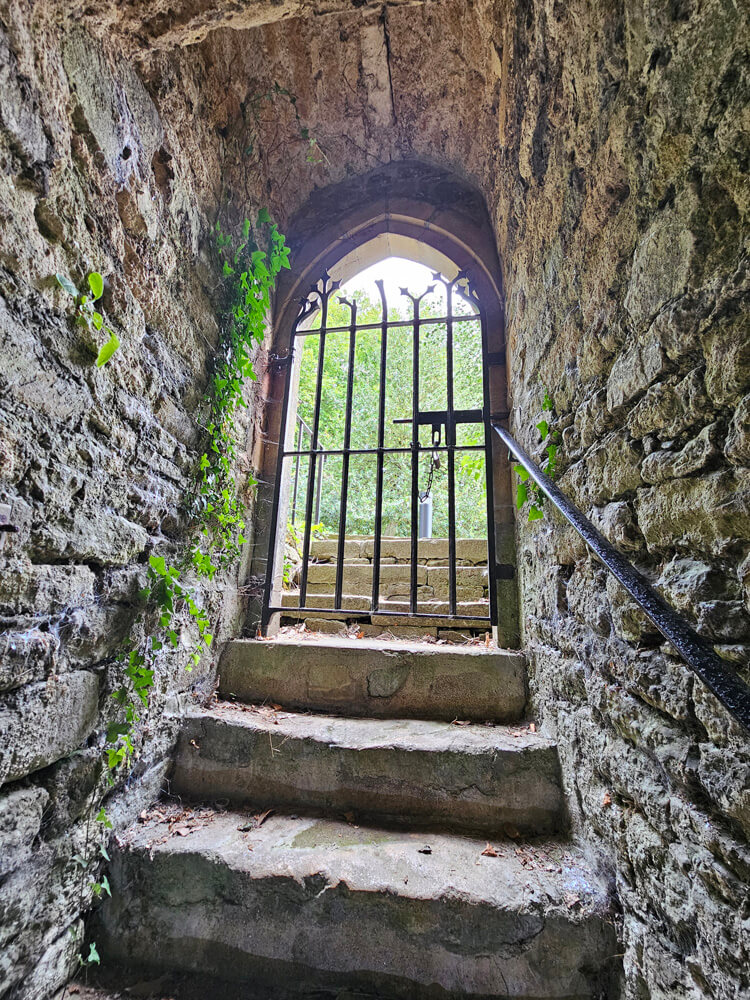
We accessed the crypt from an outside entrance through a locked gate and descended down the steps through a kind of narrow tunnel. Using a torch as we went down and entered through the crypt door we could only partially see the crypt with the light from the torch until we turned on the lights. Once lit up it was a glorious sight, remaining remarkably well-preserved, it felt very quiet, atmospheric, eerie and mysterious.
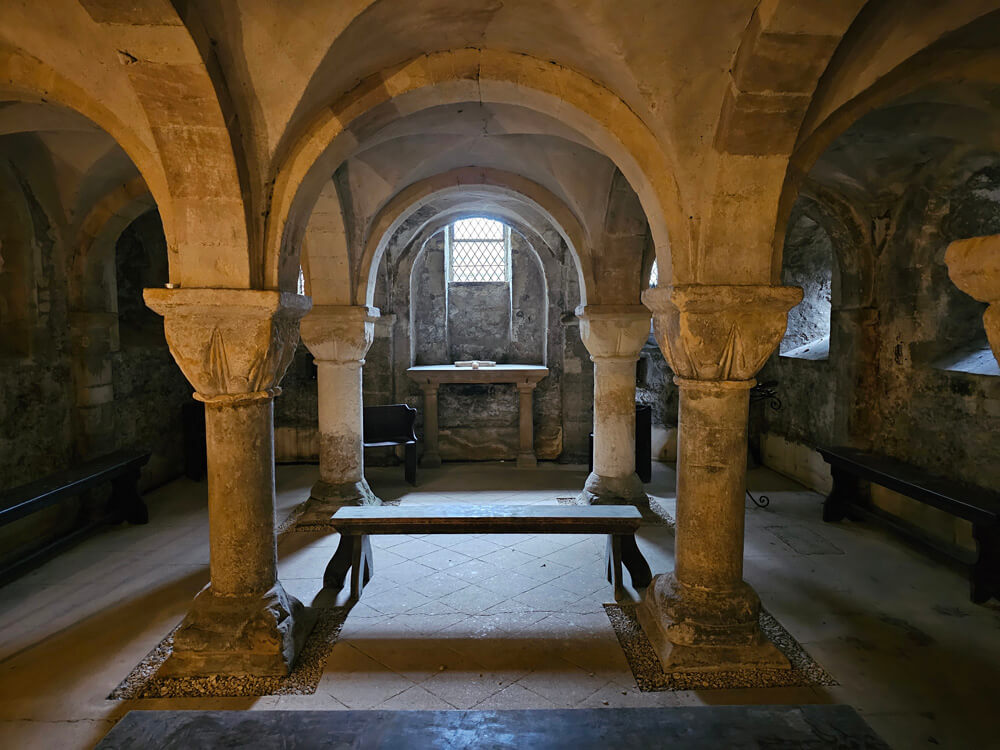
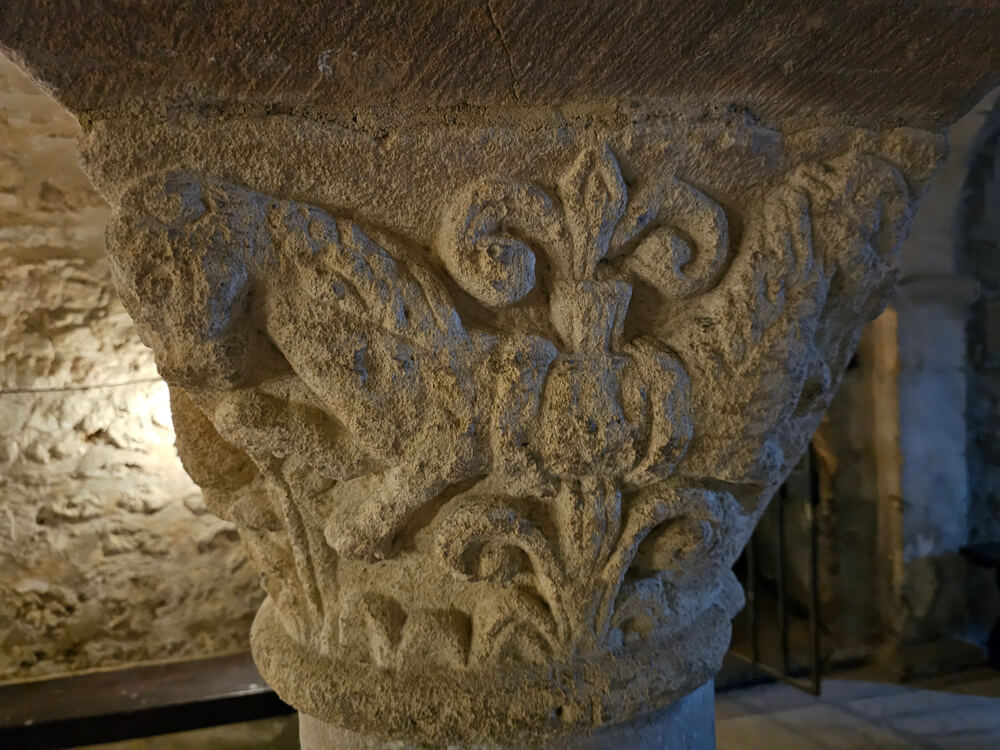
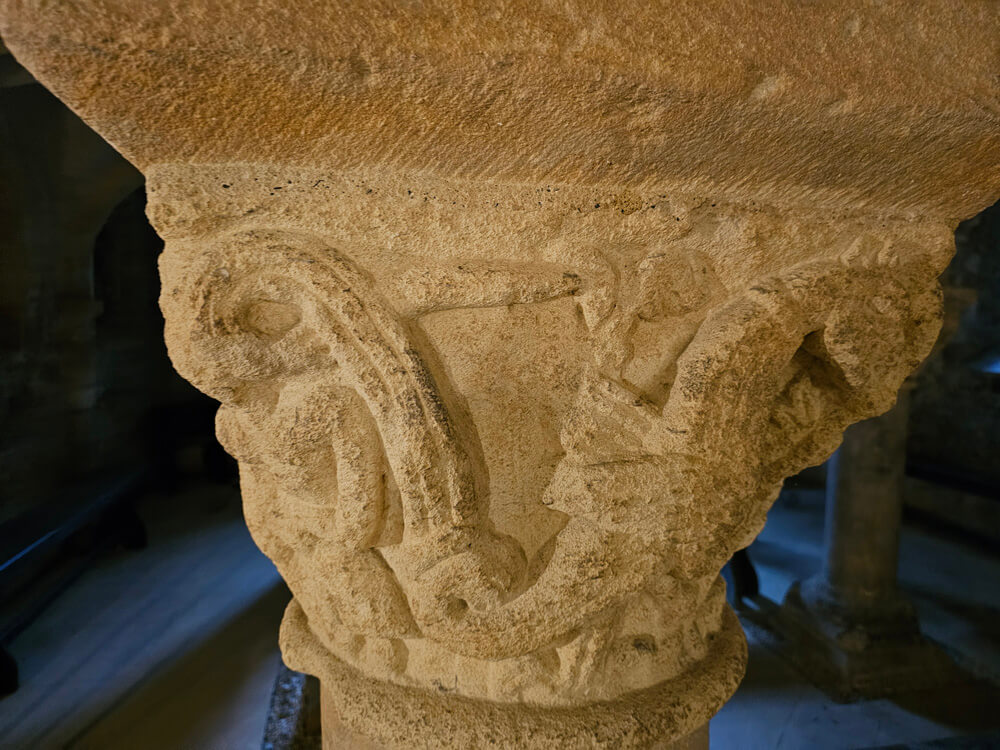
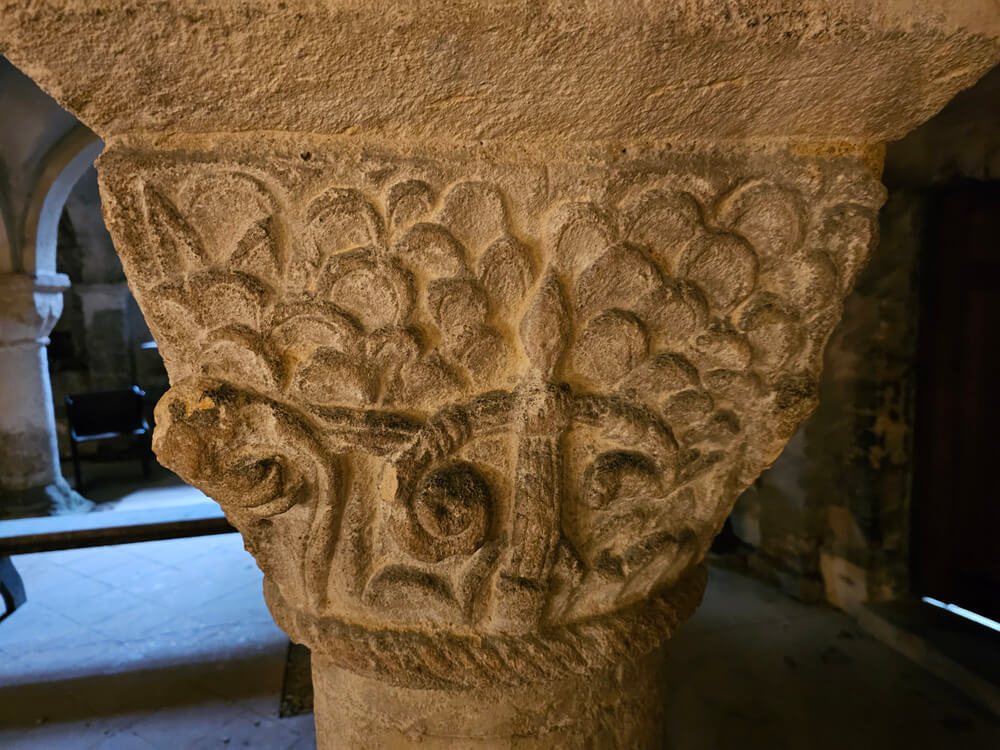
The crypt survives largely unaltered since its construction in the 12th century. It was constructed as part of the Norman church and is notable for its impressive architectural design. Although the layout of the crypt is relatively simple, it is highly effective; divided by two rows of four columns linked by rounded arches, allowing the roof to be split into fifteen separate groin vaults. The vaults are supported by sturdy pillars (some with elaborate ornamentation), creating a series of interconnected, low-ceilinged chambers that have withstood the test of time.
Originally the crypt served as a burial place and a sacred space for the church above. But while the church has since been repurposed as a college library, the crypt remains a poignant reminder of the site’s ancient past.
Photo Gallery.
Did you enjoy this post?
I hope you found this post useful. I put a great deal of time and effort in to building, maintaining and populating the website. If you like, you could say a small thank you by buying me a coffee. You don't have to, but it would be nice :)
Buy me a coffee
Stay up to Date
Follow me on my journey and get notified whenever a new post is published by following Kings & Castles on Facebook.
Follow MeExplore The Map
Discover the hundreds of castles, churches, monasteries, cathedrals and other historic locations that I've personally visited across England and Wales. Search by location, explore nearby sites and plan your next historical adventure.
Share: