Church of St Mary and All Saints, Whalley
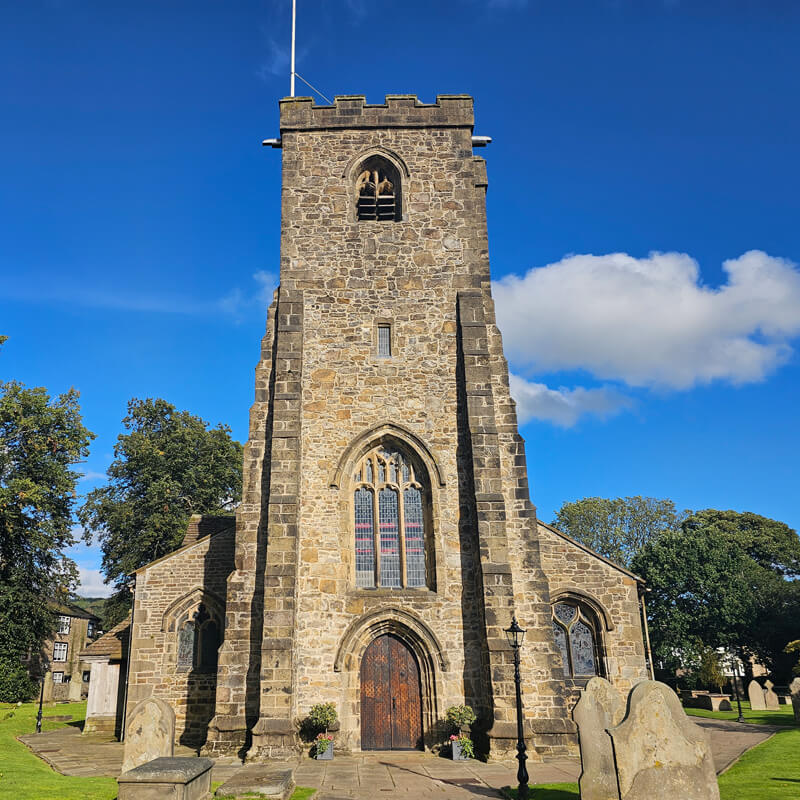
Standing at the heart of the historic village of Whalley in Lancashire, St Mary and All Saints Church is one of the area’s most remarkable buildings.
Historic
Highlights.
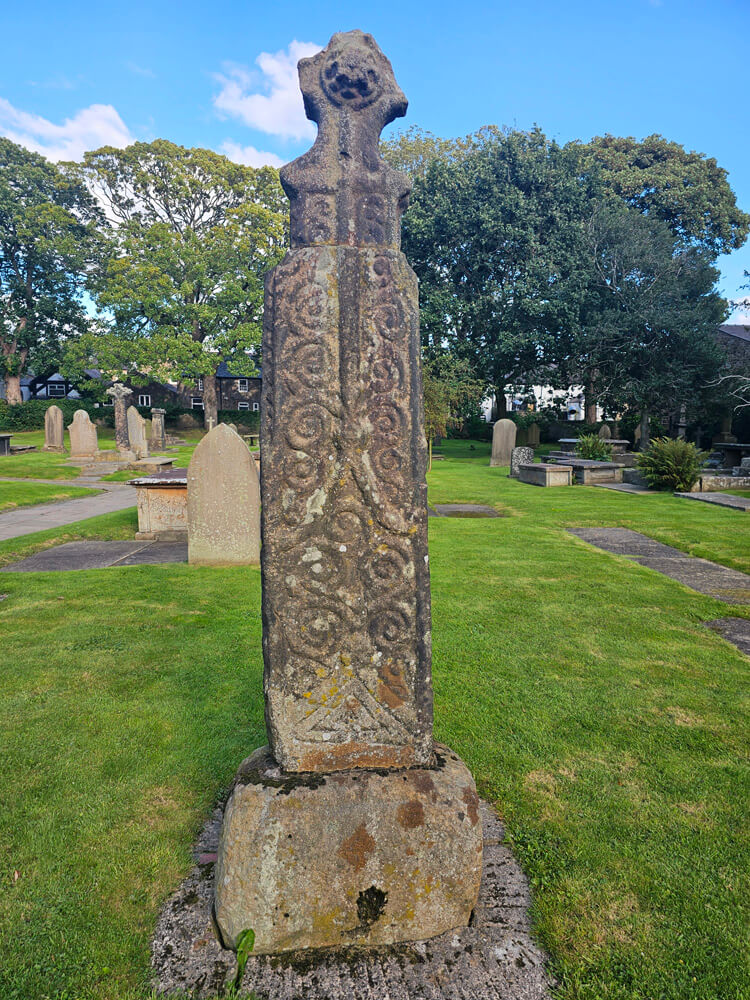
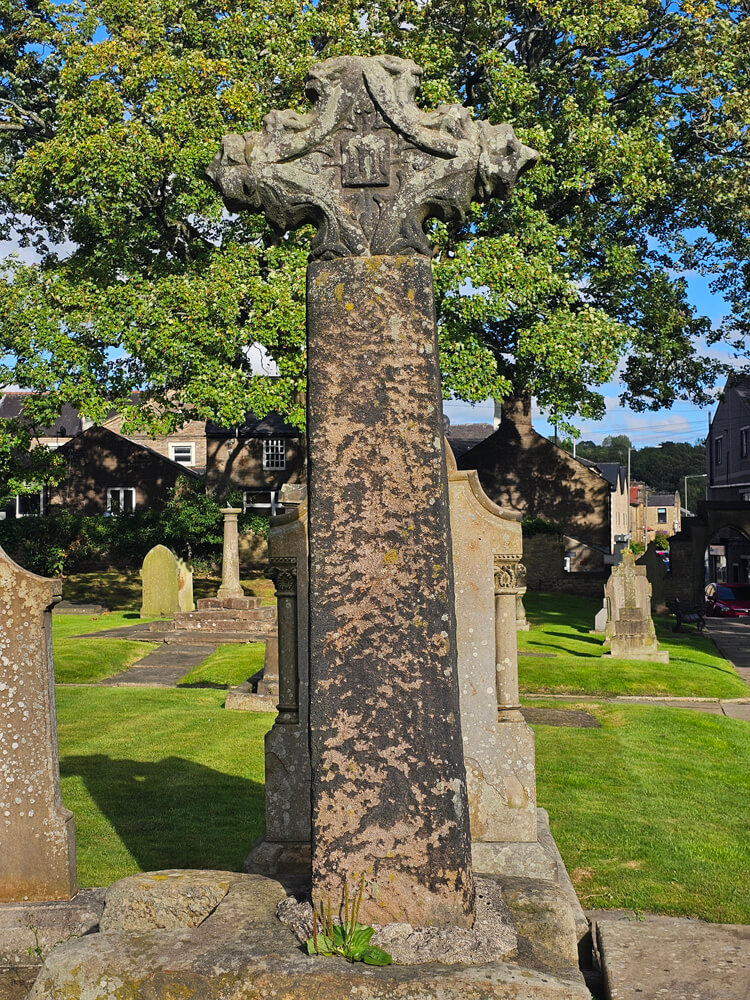
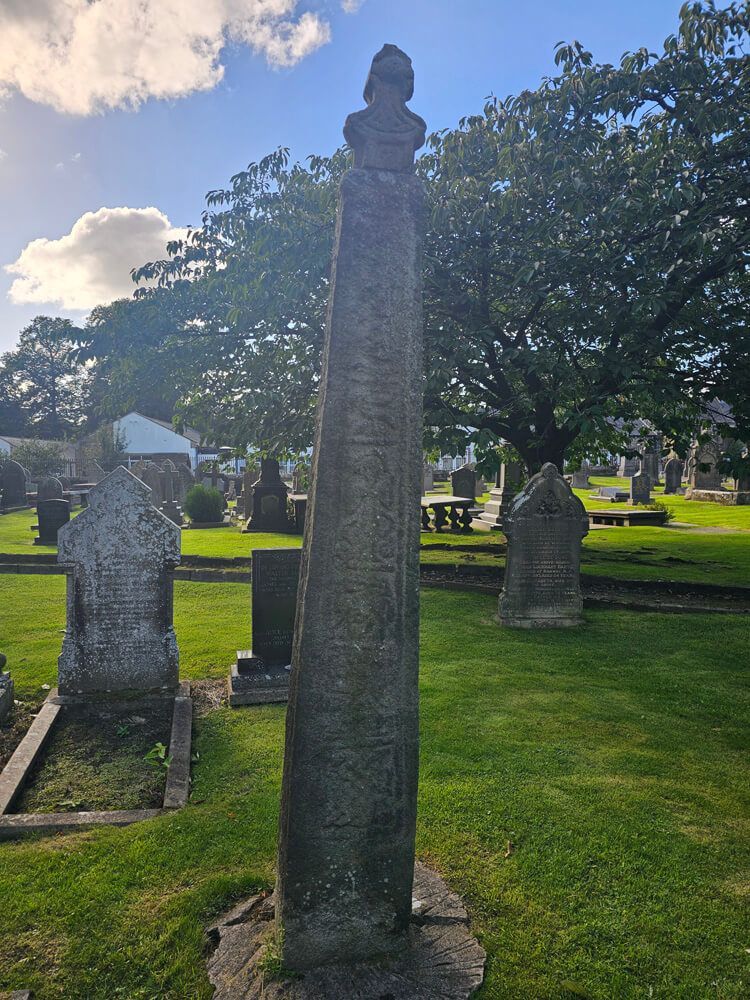
- Three Anglo-Saxon stone crosses
- Medieval choir stalls
With a history stretching back more than a thousand years, the church has witnessed the development of Whalley from an early Christian settlement into the picturesque Ribble Valley village we know today.
Christian worship in Whalley has very ancient origins. Local tradition states that the missionary St Paulinus preached in the area around AD 628. Archaeological evidence also points to an early Christian presence, with three carved stone crosses in the churchyard believed to date from the Anglo-Saxon period. The present church was built on the site of earlier buildings, including an 8th-century church and a later Norman church.
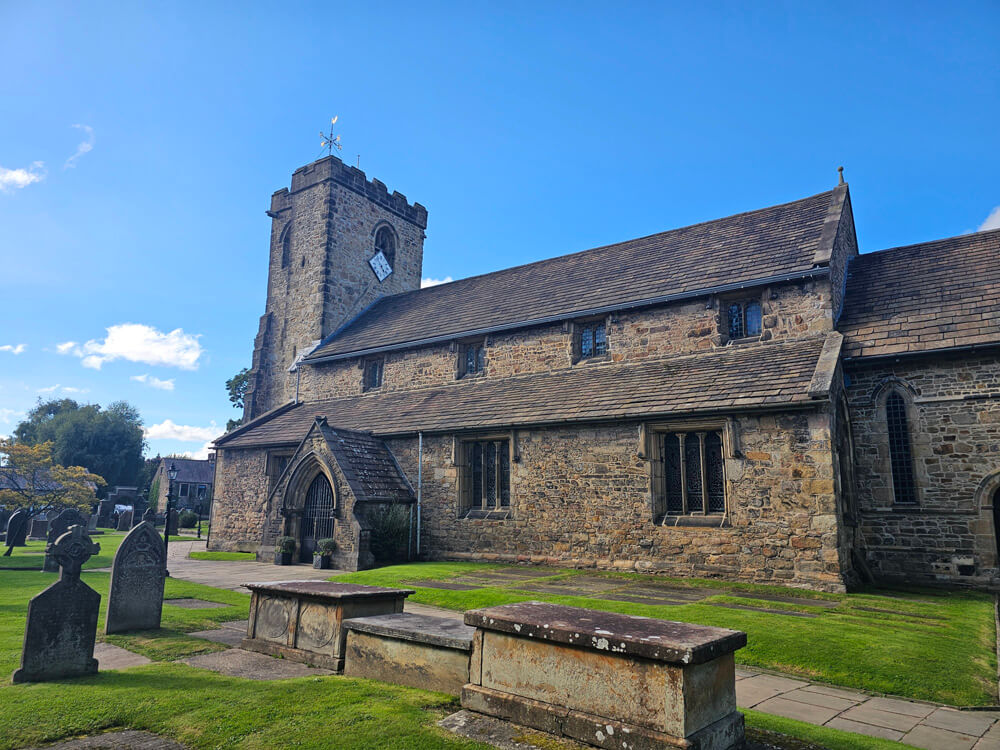
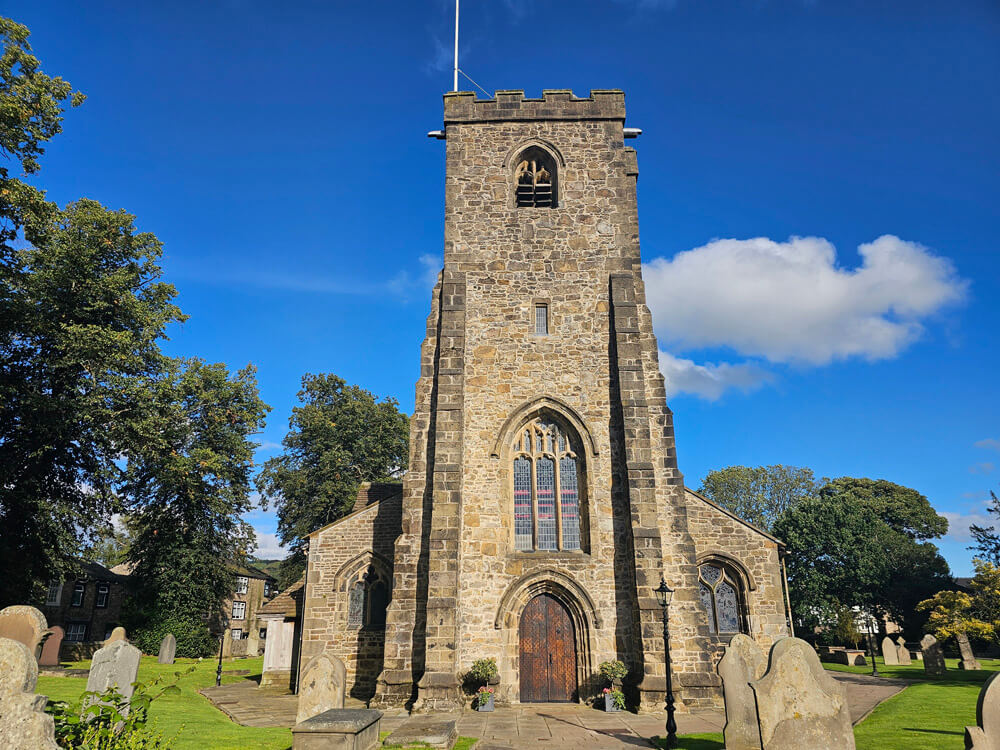
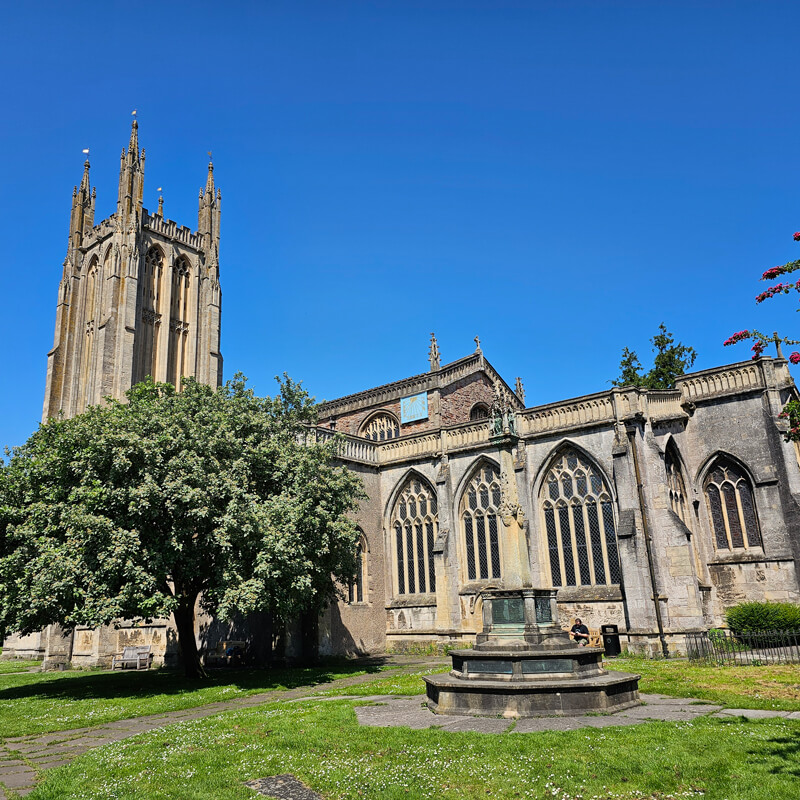
The main body of the present building dates from around 1200, with significant additions made during the following centuries. The church’s impressive western tower was added in the 15th century, around 1440, and its architecture reflects the changing styles of medieval England.
During the medieval period, Whalley was an important ecclesiastical centre. Its parish was enormous, containing numerous townships and chapels. The church later became closely connected with Whalley Abbey, the Cistercian monastery founded nearby in 1296. Some of the church’s most interesting medieval features are associated with this relationship. In particular, the impressive choir stalls inside the church originally came from Whalley Abbey.
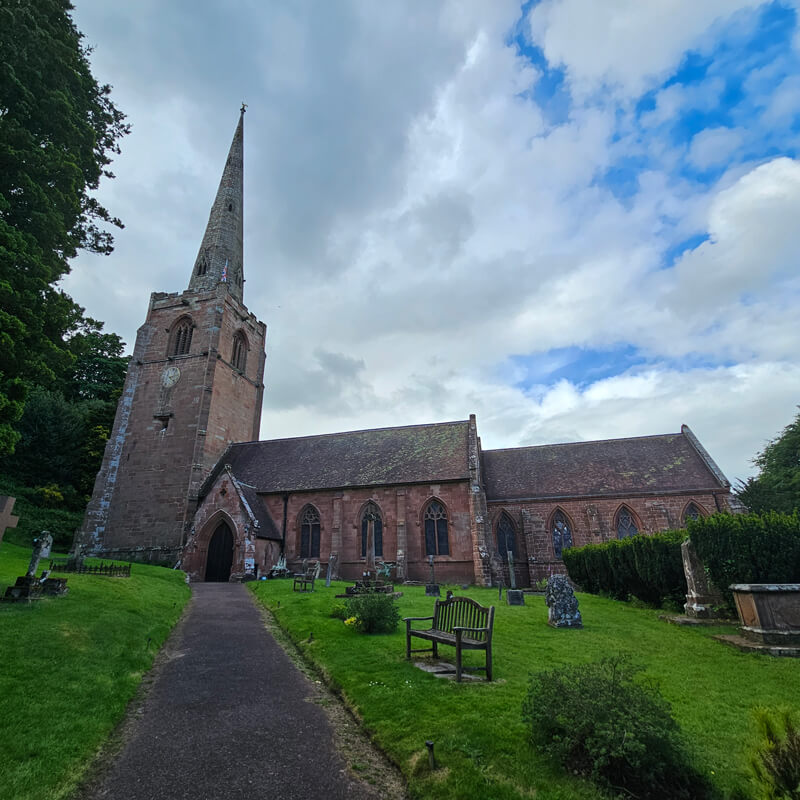
The churchyard is equally significant. Three ancient stone crosses stand among the graves, providing a tangible connection with Whalley’s early Christian past. Fragments of early carved stone have also been incorporated into the church itself. Their survival makes the site particularly valuable for understanding the religious history of the region.
St Mary and All Saints is therefore much more than an old parish church. Its ancient crosses, medieval architecture, historic furnishings and links with Whalley Abbey combine to tell the story of more than a thousand years of Christian life in Lancashire. For anyone exploring the Ribble Valley, it provides a remarkable opportunity to step back into the area’s distant past.
The church is open to visitors at advertised times, although it was unfortunately closed when I visited so I was unable to take photos inside the church.
Photo Gallery.
Did you enjoy this post?
I hope you found this post useful. I put a great deal of time and effort in to building, maintaining and populating the website. If you like, you could say a small thank you by buying me a coffee. You don't have to, but it would be nice :)
Buy me a coffee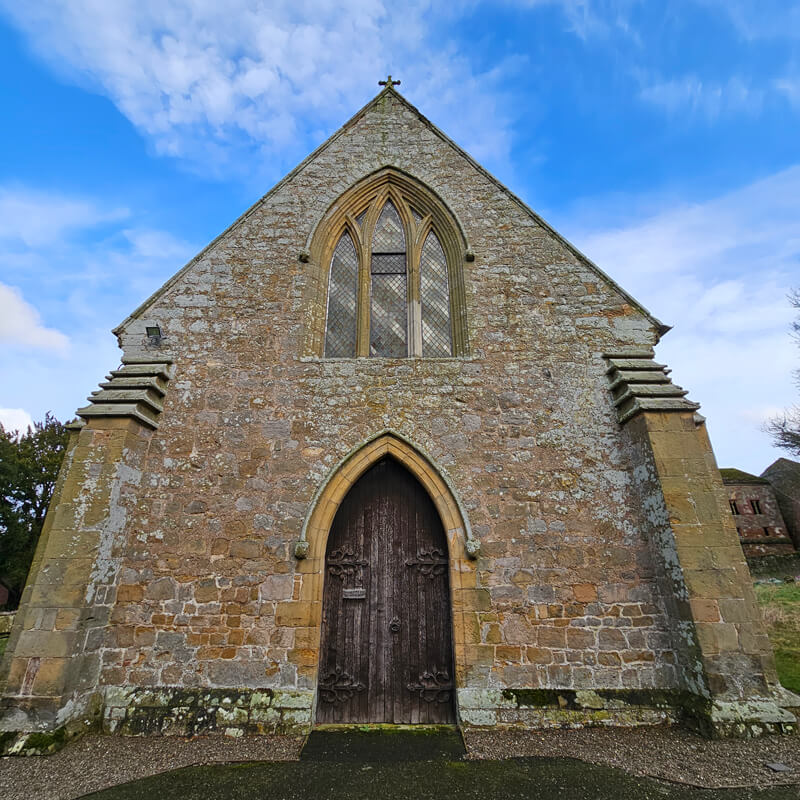
Stay up to Date
Follow me on my journey and get notified whenever a new post is published by following Kings & Castles on Facebook.
Follow MeExplore The Map
Discover the hundreds of castles, churches, monasteries, cathedrals and other historic locations that I've personally visited across England and Wales. Search by location, explore nearby sites and plan your next historical adventure.
Share: