St Helens Church, Stillingfleet
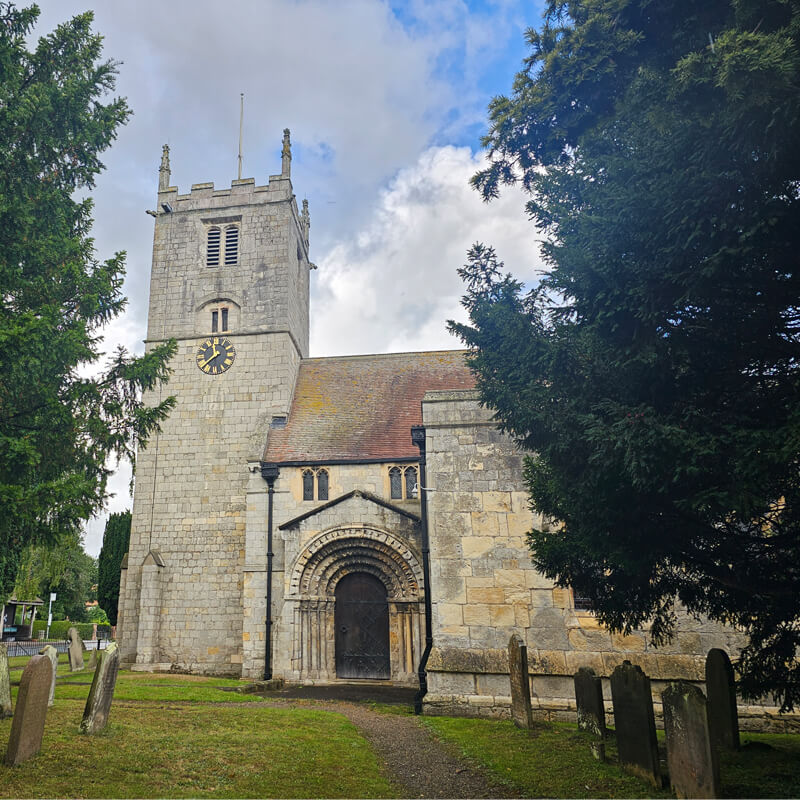
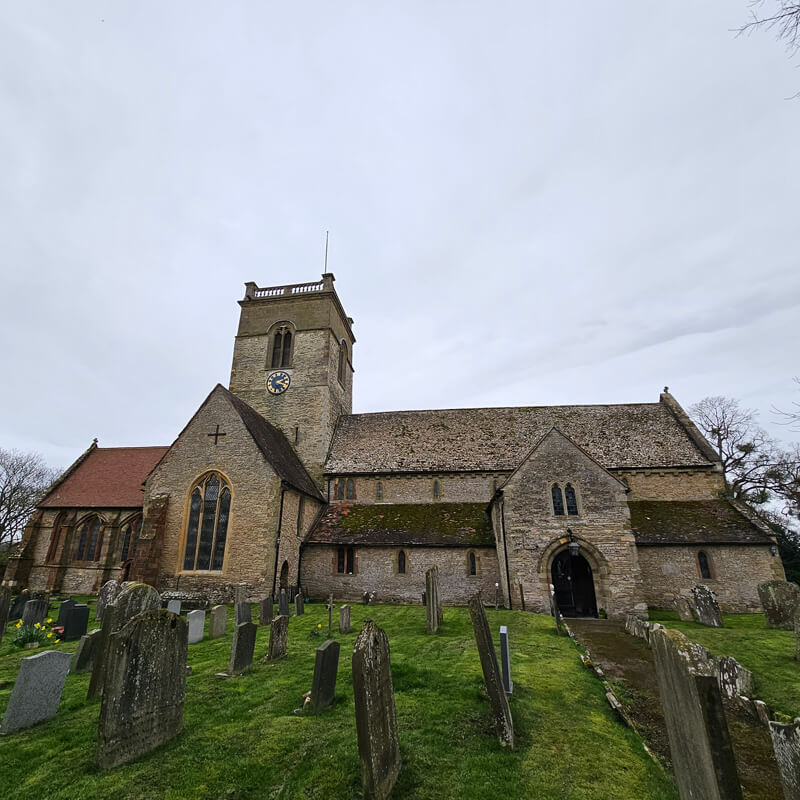
Hidden in the quiet village of Stillingfleet, six miles south of York, St Helen’s Church is one of Yorkshire’s finest surviving examples of medieval church architecture. Built primarily in the 12th century, the church preserves an exceptional collection of Norman stonework alongside its famous 10th-century door.
Historic
Highlights.
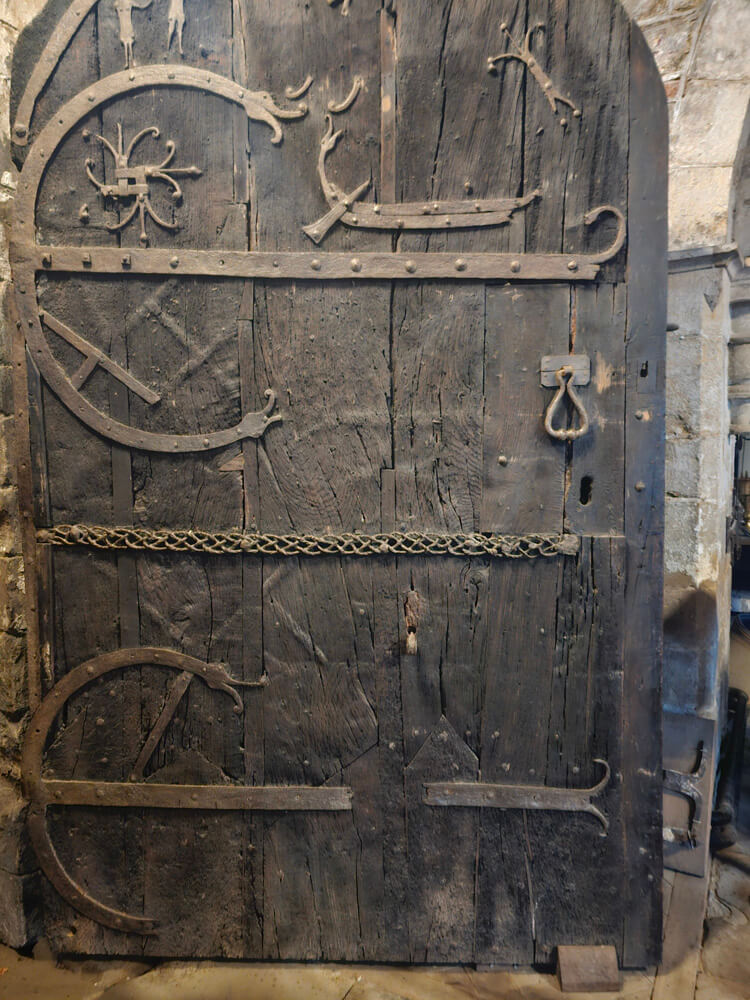
- The remarkable Viking door
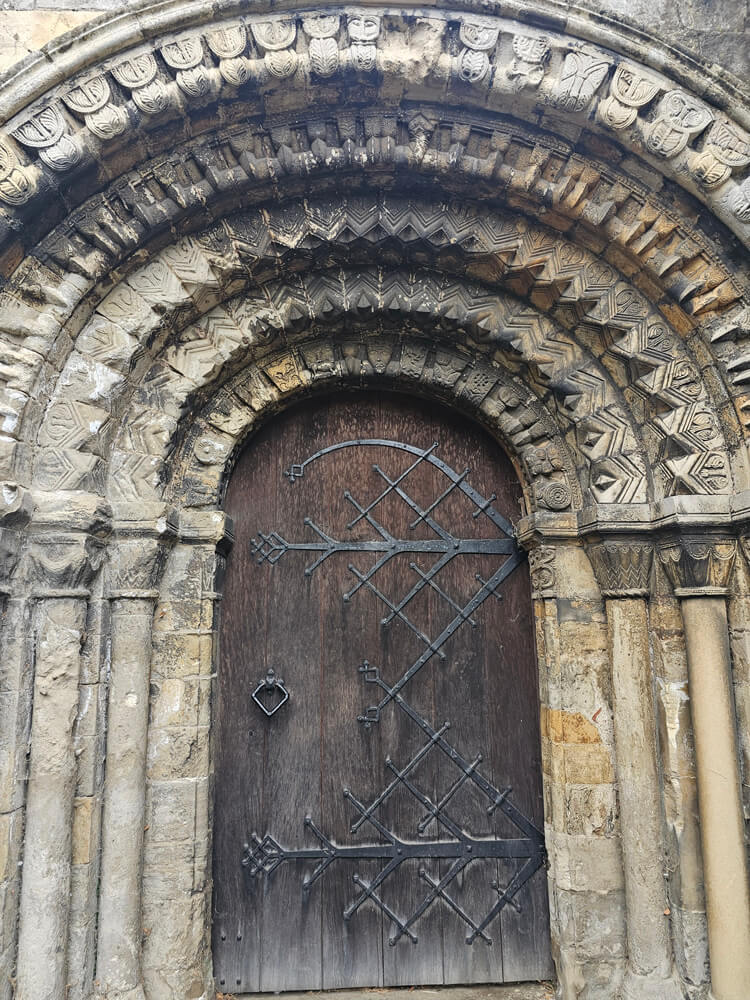
- The magnificent 12th-century south doorway
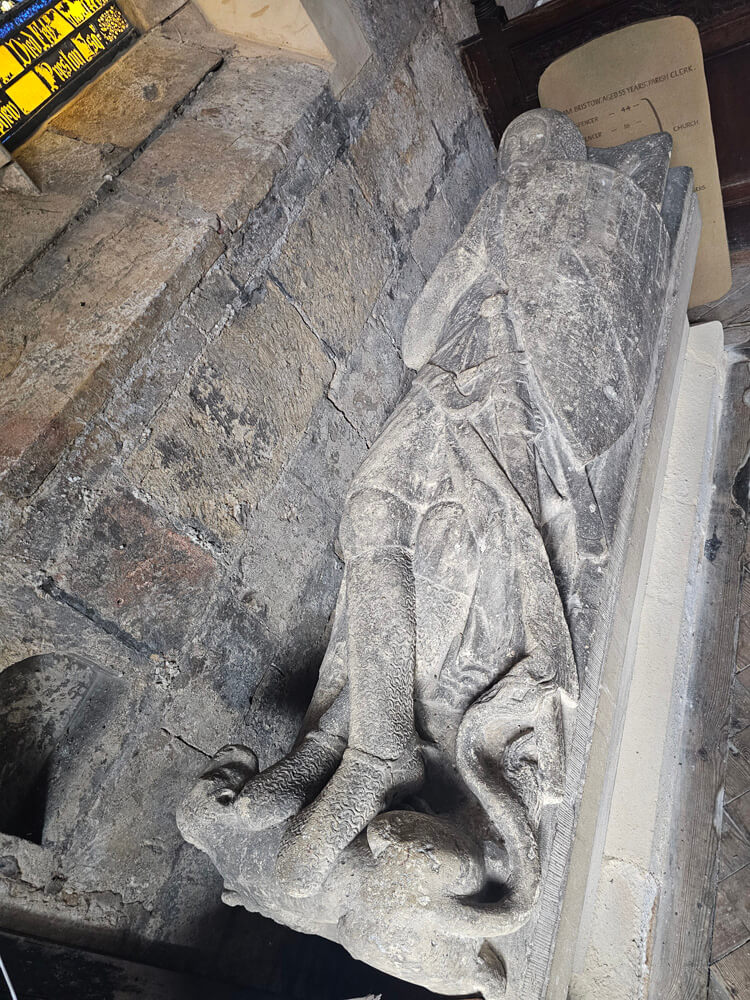
- Sir Robert Moreby effigy, c. 1337
Norman Foundations
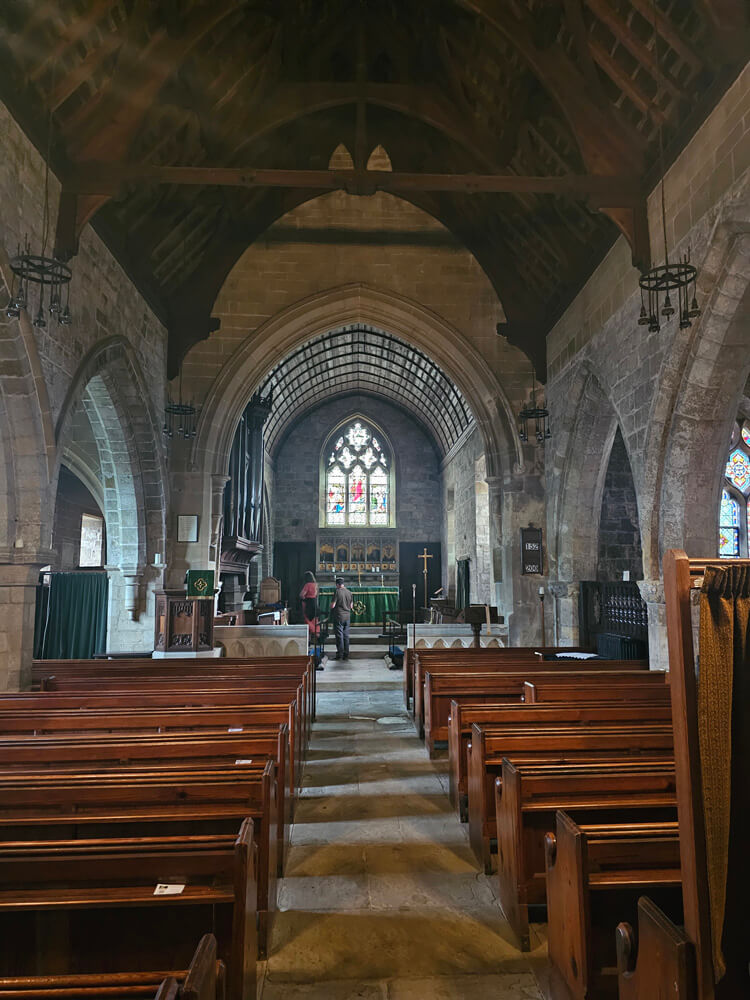
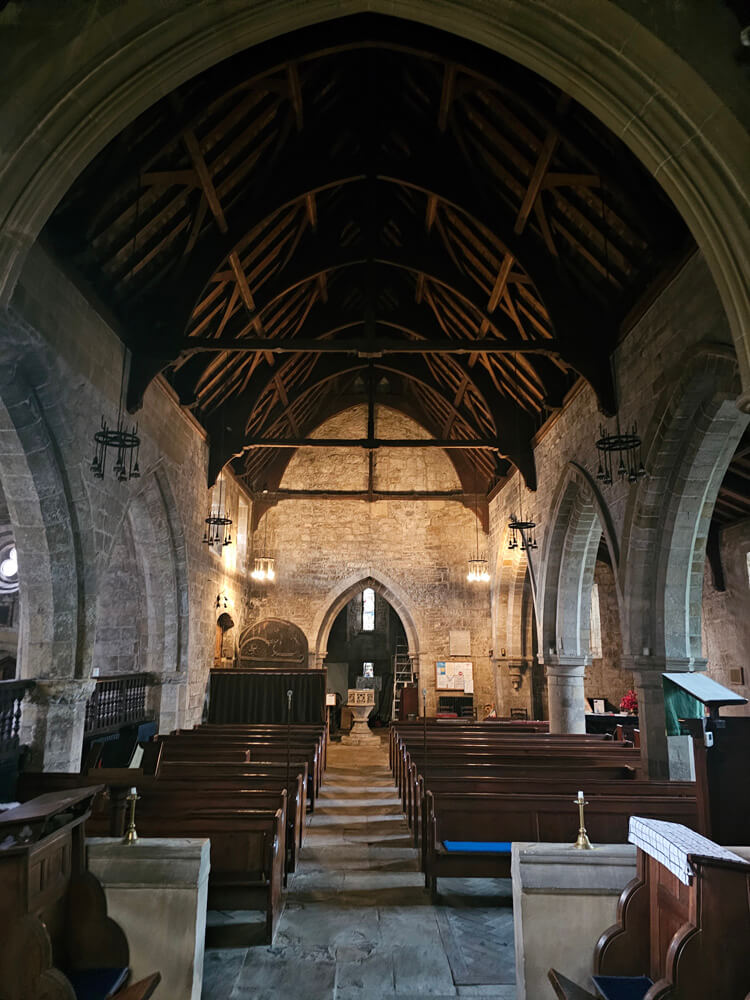
The church was constructed around 1145, during a period when the Normans were reshaping England’s religious landscape. Its original design followed a simple Romanesque plan of nave, chancel and south porch. While many churches of this era were later rebuilt beyond recognition, St Helen’s retains much of its original fabric, making it an important example of 12th-century craftsmanship.
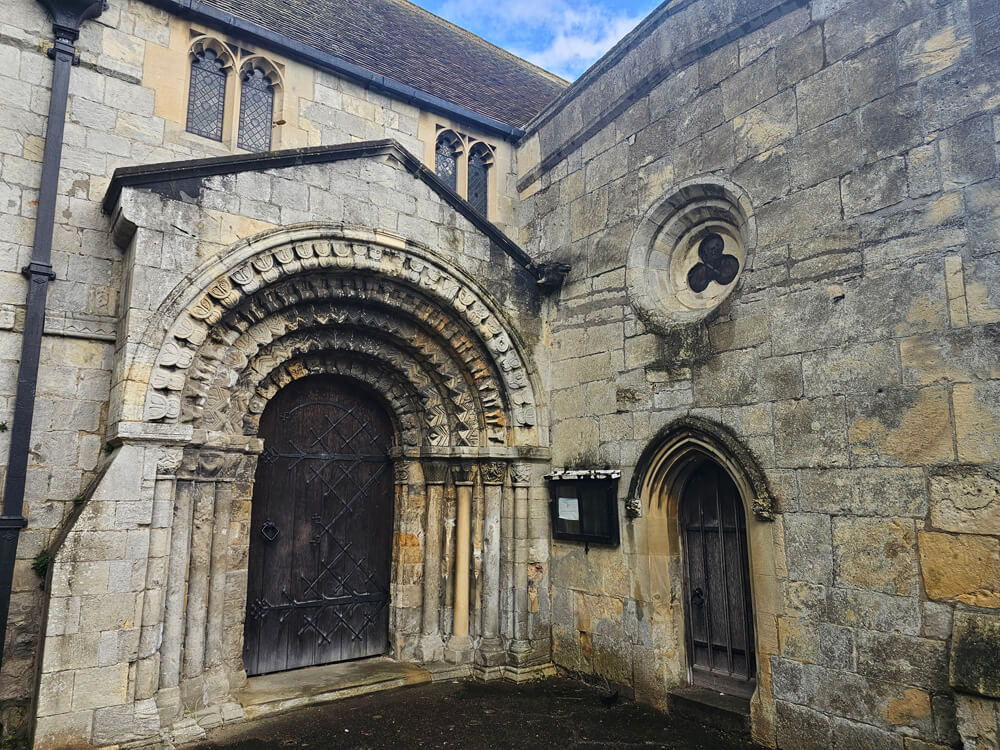
The Magnificent Norman arched doorway
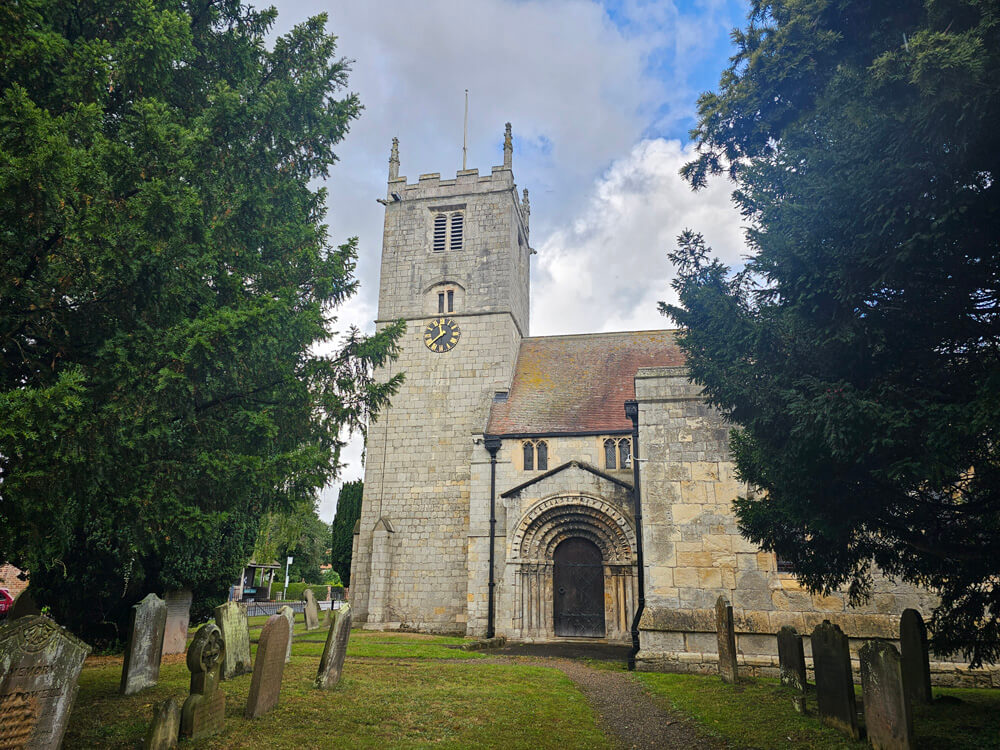
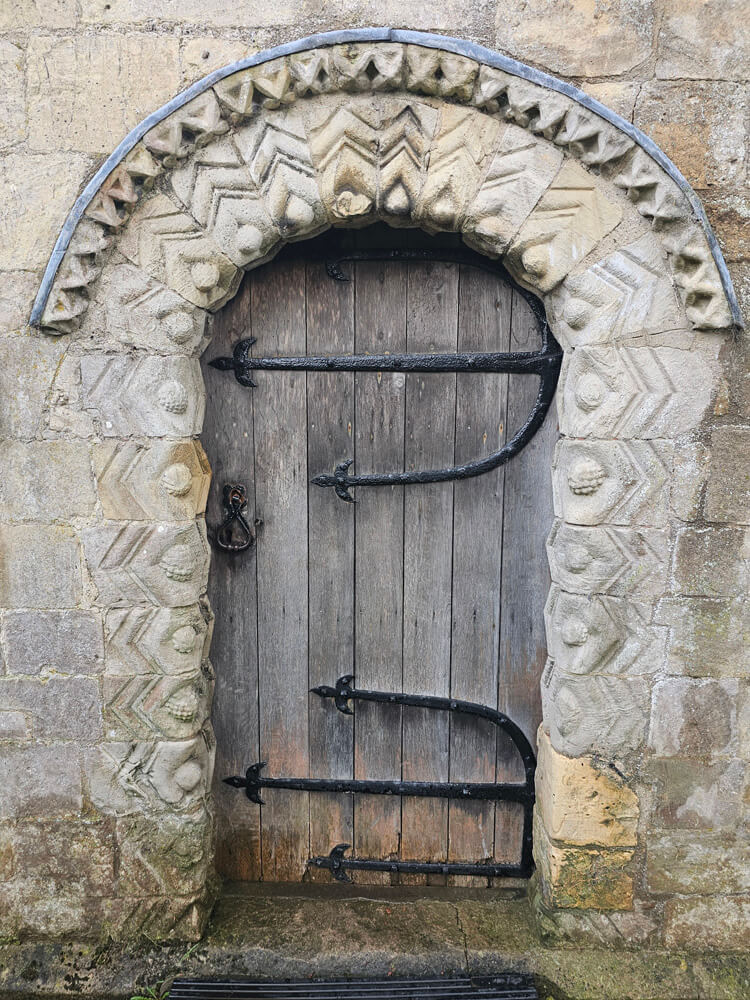
The south doorway is the architectural highlight. Its richly carved arch is decorated with bold chevron mouldings, sculpted capitals and intricate Romanesque ornament typical of Norman design. The heavy rounded arch and thick stonework reflect the solid, fortress-like character that distinguished Norman churches. The south door that currently hangs within this impressive doorway is a modern replica of the original medieval wooden door, which is now on display inside the church to preserve it from weathering.
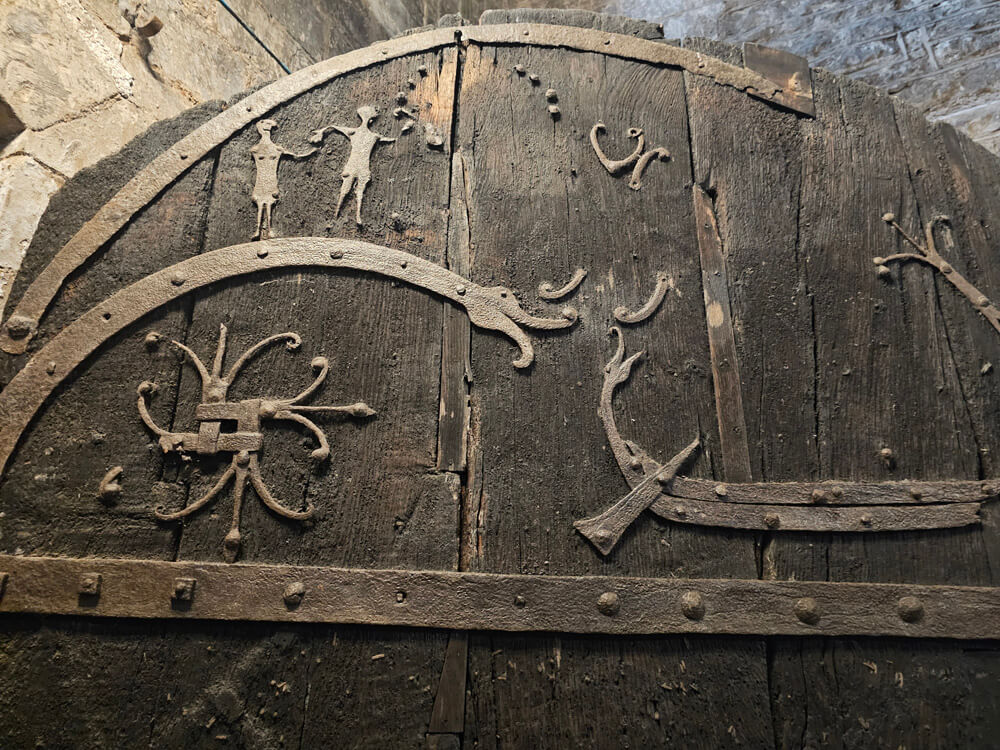
The Remarkable Viking Door
The original Viking door is one of England’s most extraordinary medieval survivals and, may predate the church by as much as two centuries, believed to date from the 10th century. Rather than replacing it, the Norman builders incorporated the older door into their new entrance, which wasn’t removed until as recently as 1990.
Its elaborate wrought-iron hinges form swirling patterns around symbolic figures, including an interlocked cross, a Viking longship and human forms that may reflect Anglo-Scandinavian artistic traditions.
Gothic Expansion
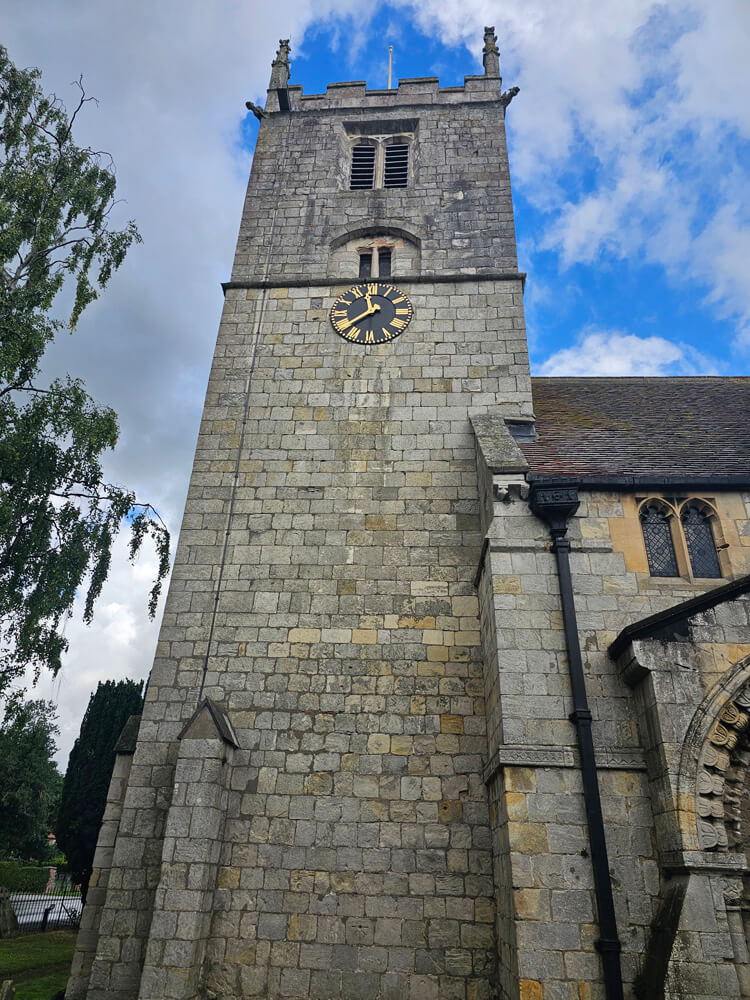
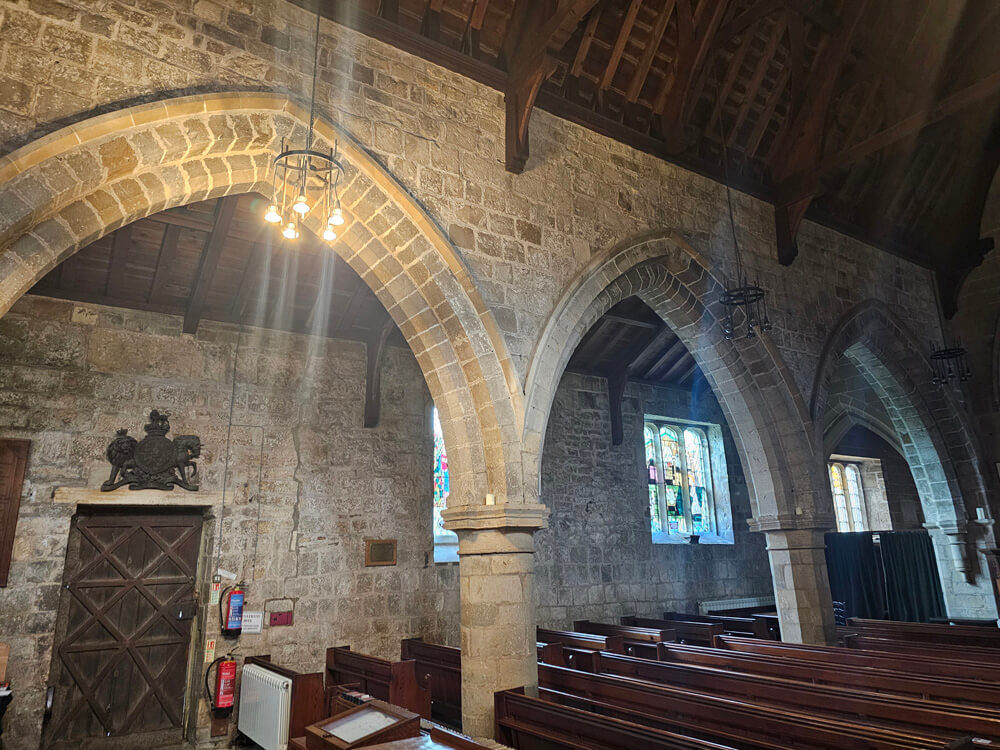
As the village grew, so did its church. During the 13th century, builders added a north aisle and the Chapel of St Anne, introducing Early English Gothic architecture with taller proportions and more graceful detailing than the earlier Norman work. The lower stage of the west tower also dates from this period, giving the building greater presence.
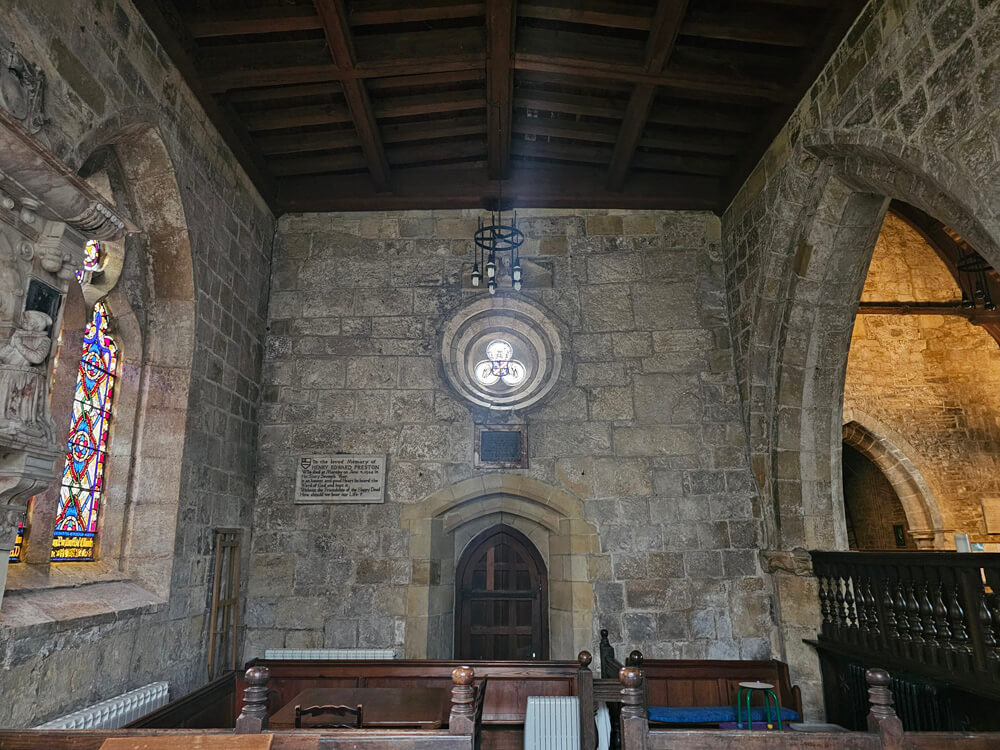
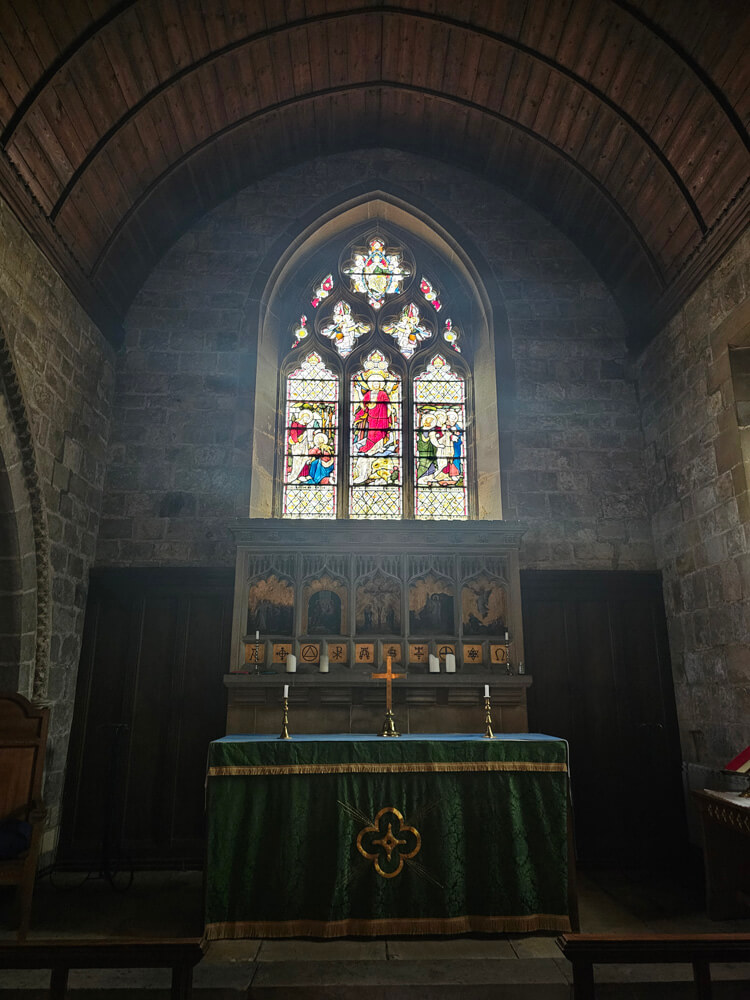
The 14th century brought further refinement with the creation of the Moreby Chapel, founded by the influential local Moreby family. Larger windows allowed more light into the interior, reflecting changing medieval tastes that favoured brighter, more spacious worship.
In the 15th century, the tower was heightened, the north aisle enlarged and Perpendicular Gothic windows inserted. These later additions introduced stronger vertical lines and broader windows while respecting the earlier Norman core.
Other Medieval Treasures
The interior contains several remarkable medieval features beyond its architecture. The 14th-century effigy of Sir Robert Moreby survives in the Moreby Chapel. Sir Robert was the son of William de Moreby, the lord of the manor of Stillingfleet, and was a knight who fought in Edward II’s Scottish wars from 1310-1320.
Fragments of medieval stained glass preserve traces of the colourful interiors that once characterised late medieval churches. Carved stone capitals, ancient masonry and surviving medieval woodwork create an unusually complete picture of parish church life before the Reformation.
Photo Gallery.
Did you enjoy this post?
I hope you found this post useful. I put a great deal of time and effort in to building, maintaining and populating the website. If you like, you could say a small thank you by buying me a coffee. You don't have to, but it would be nice :)
Buy me a coffee
Stay up to Date
Follow me on my journey and get notified whenever a new post is published by following Kings & Castles on Facebook.
Follow MeExplore The Map
Discover the hundreds of castles, churches, monasteries, cathedrals and other historic locations that I've personally visited across England and Wales. Search by location, explore nearby sites and plan your next historical adventure.
Share: