Wall Roman Site (Letocetum)
Letocetum, as it was once called, is the ancient remains of a Roman settlement. It was an important military staging post on Watling Street, the Roman military road to north Wales. The site is now within the parish of Wall, Staffordshire, England.
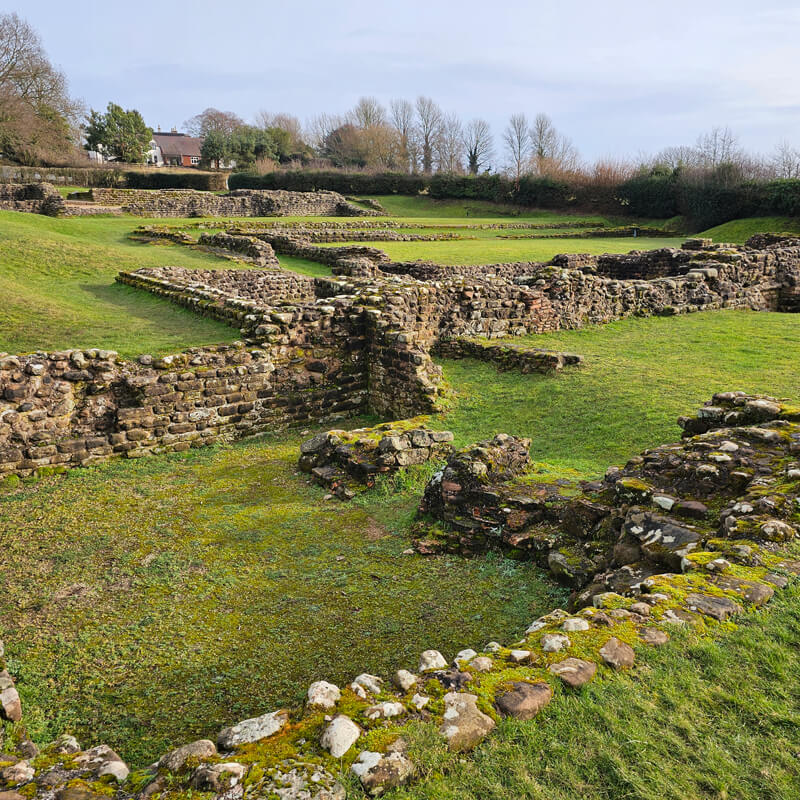
The Romans came to Letocetum in the year 50 CE to establish a fortress during the early years of their invasion of Britain as they were advancing on Wales. The land couldn’t support large numbers of soldiers, so Letocetum, at an important cross-roads, became a large scale posting station. The road network was crucial to the Romans’ control over their empire. At staging posts like Letocetum, weary Roman officials, soldiers and imperial messengers could find lodging for the night and change their horses. The settlement developed with successive bath houses and mansiones built to serve the official travellers as well as the growing civilian population.
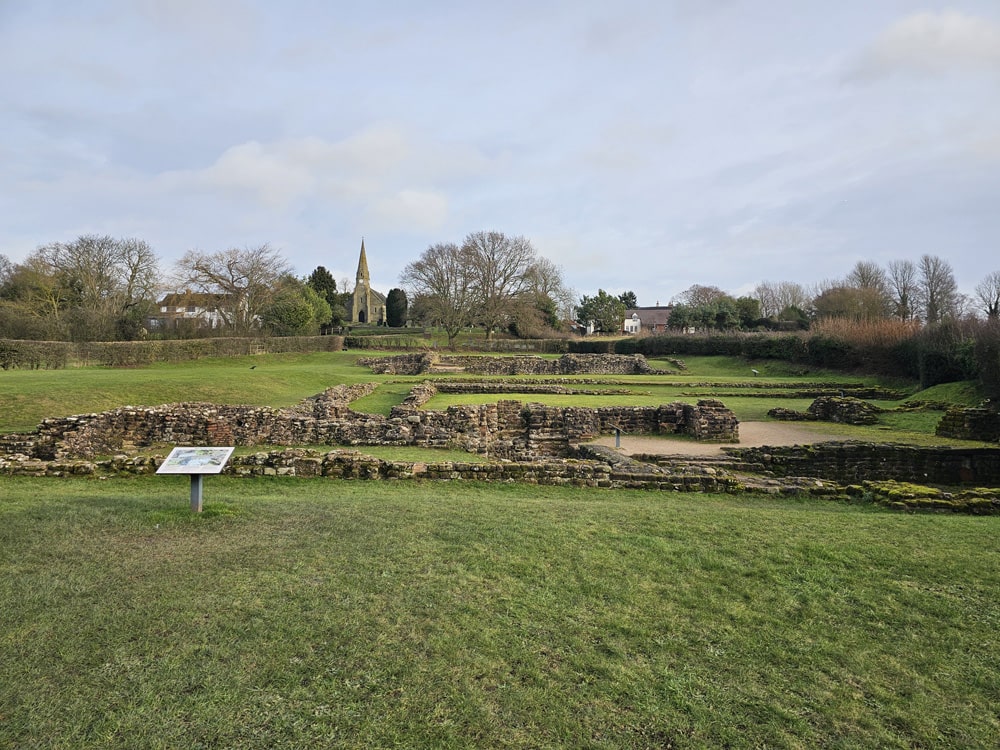
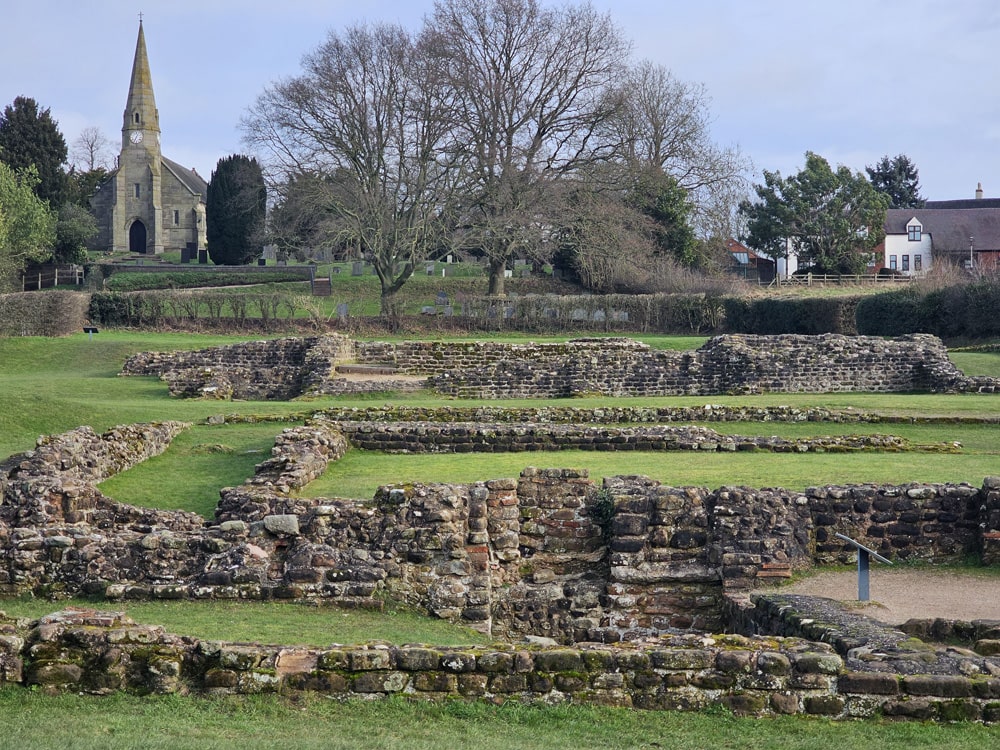
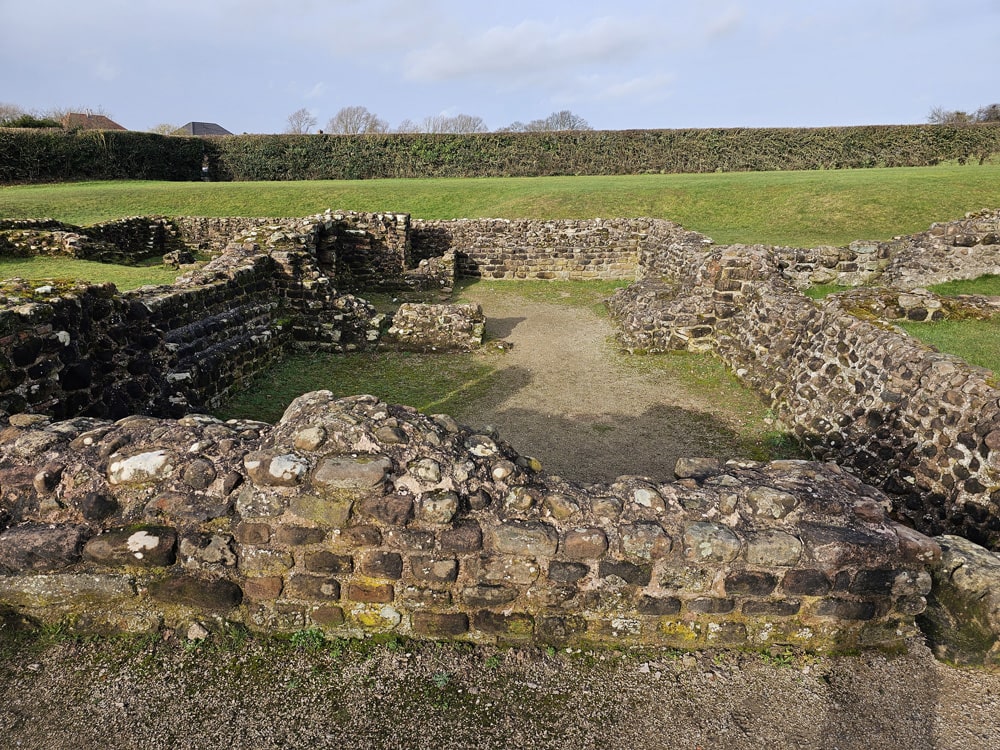
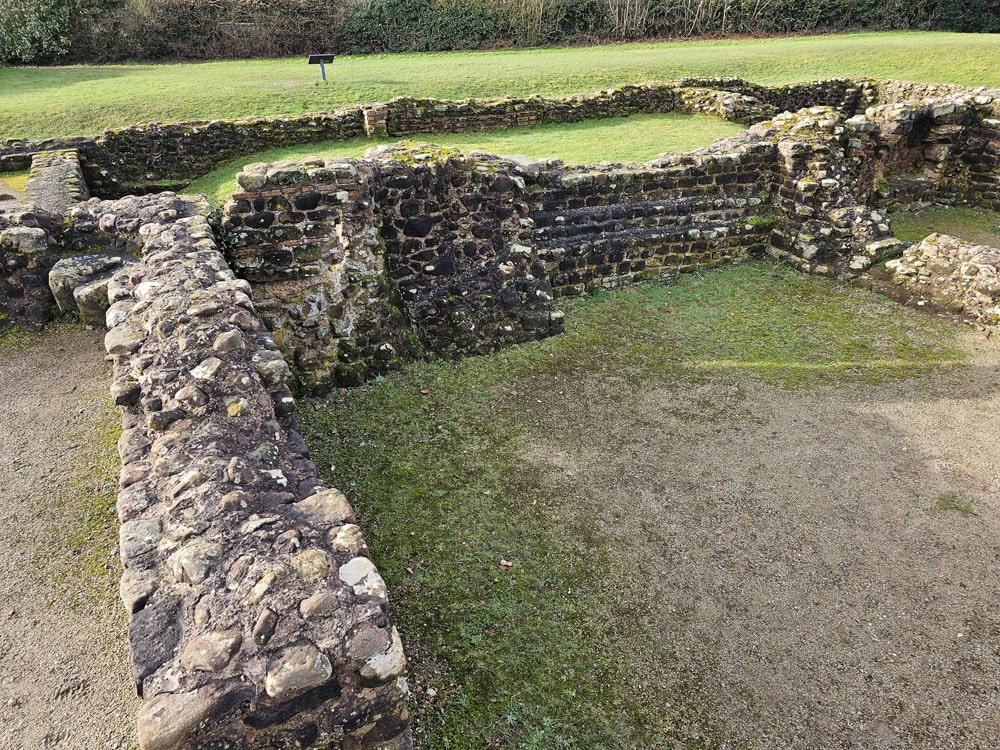
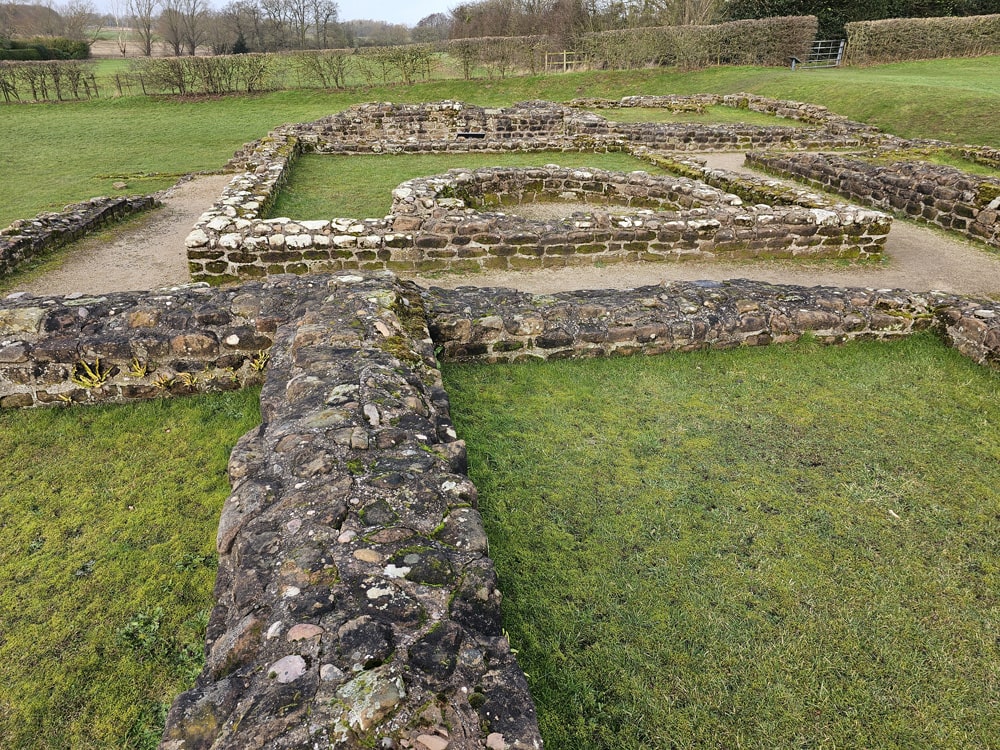
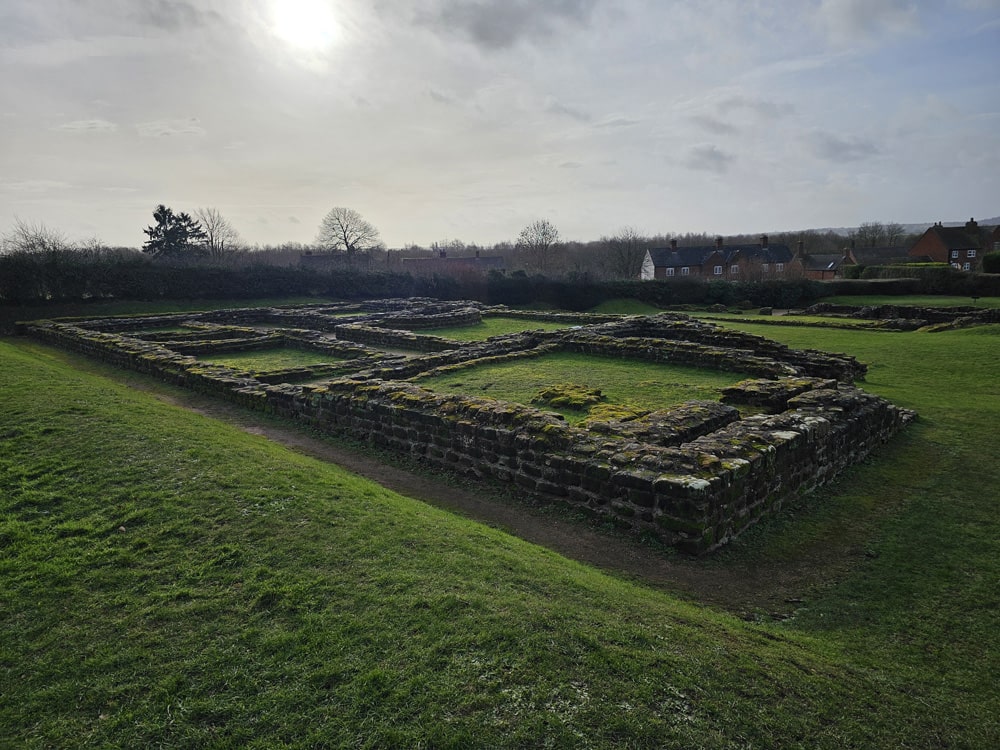
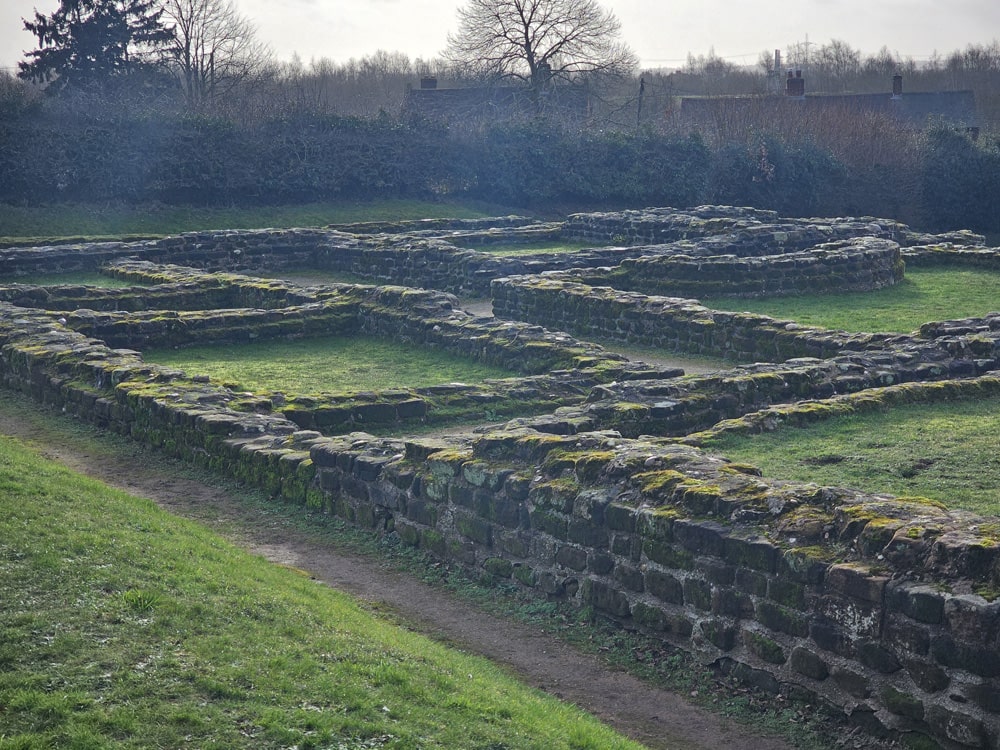
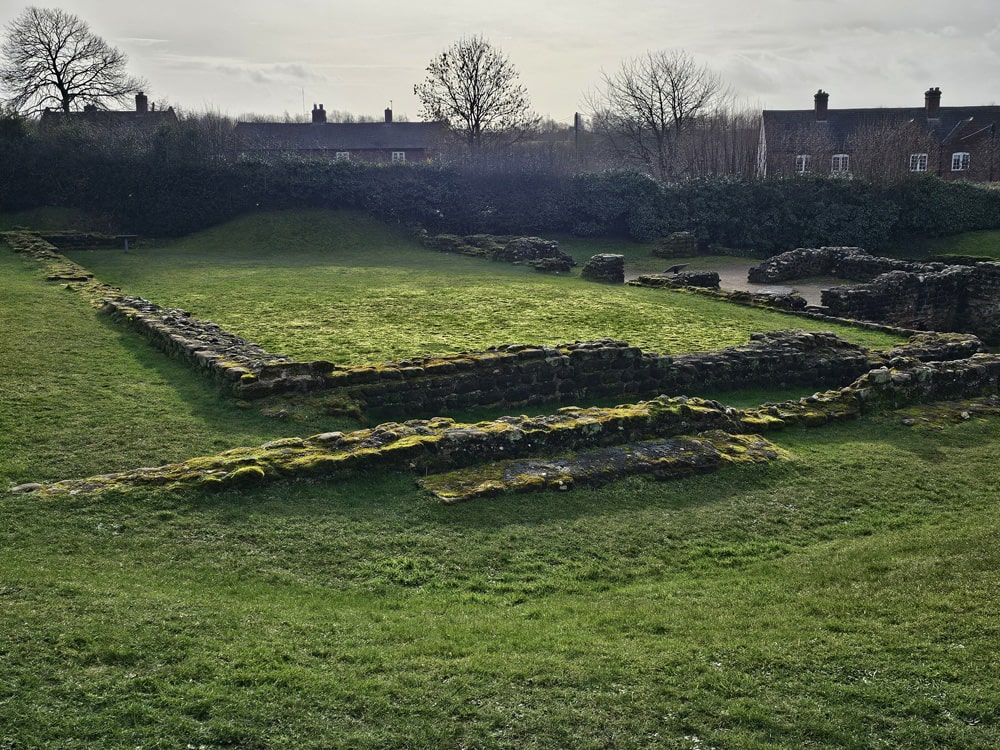
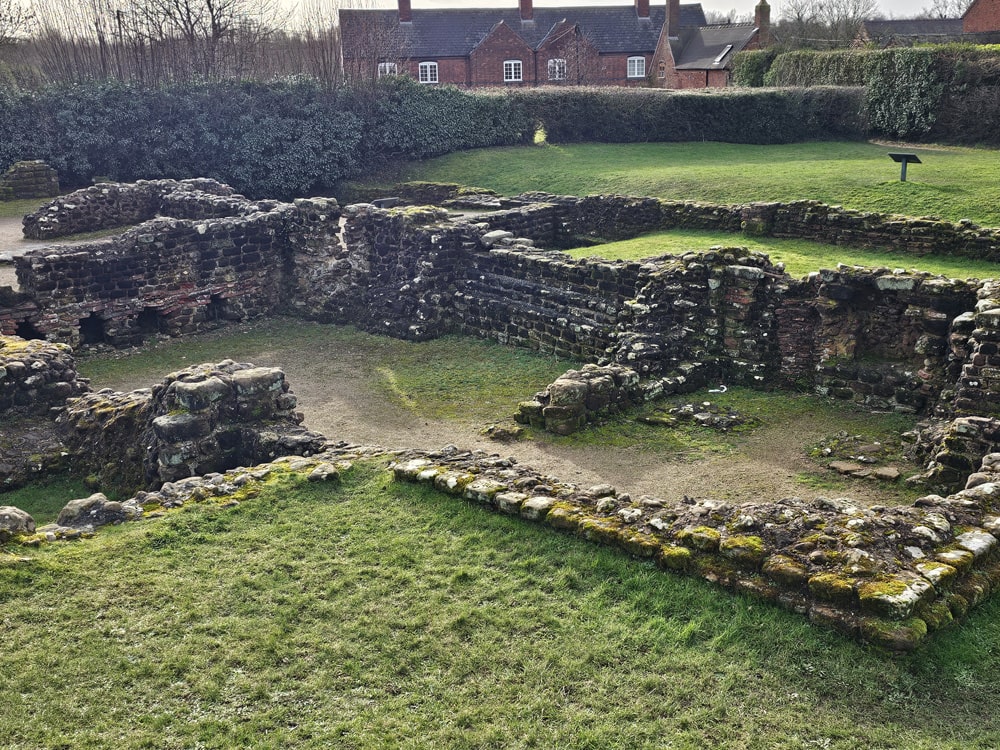
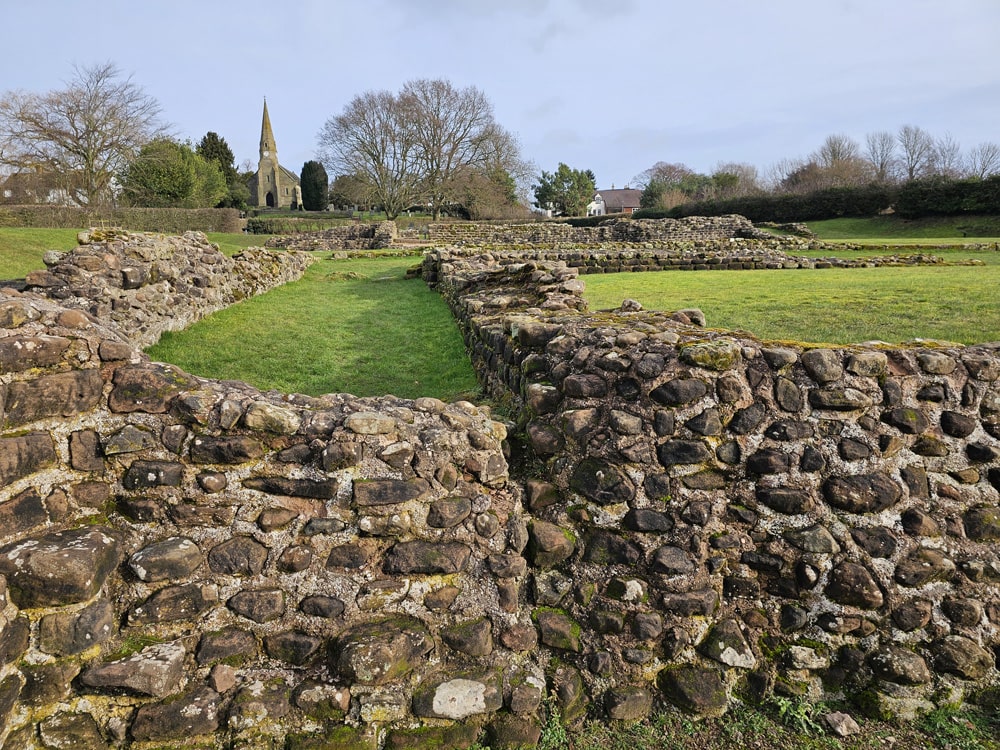
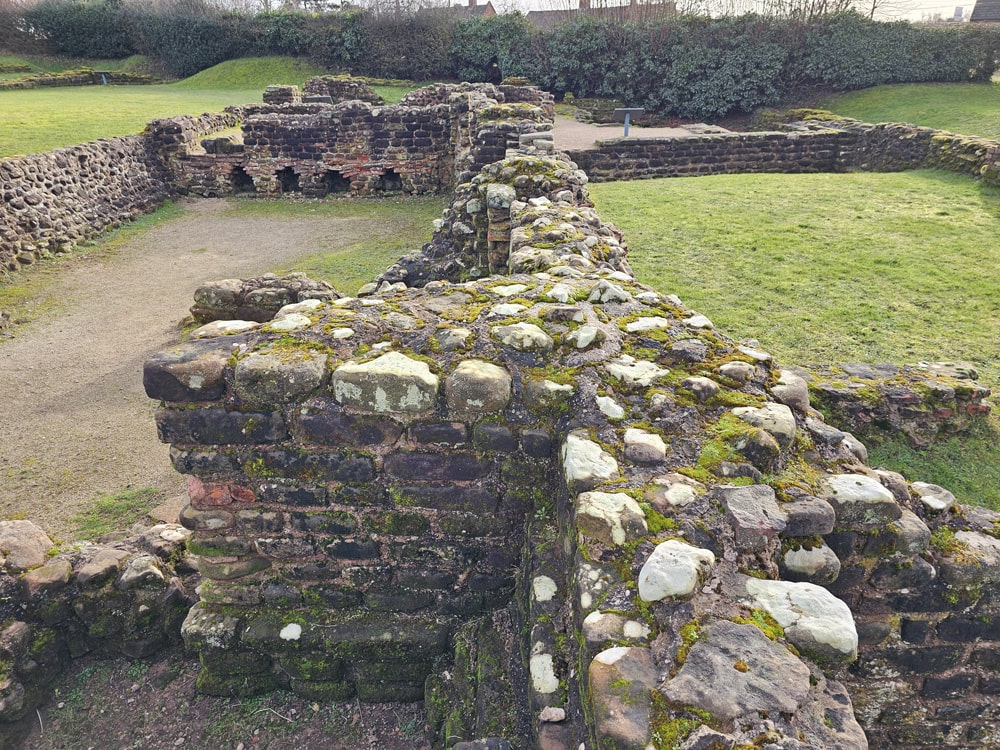
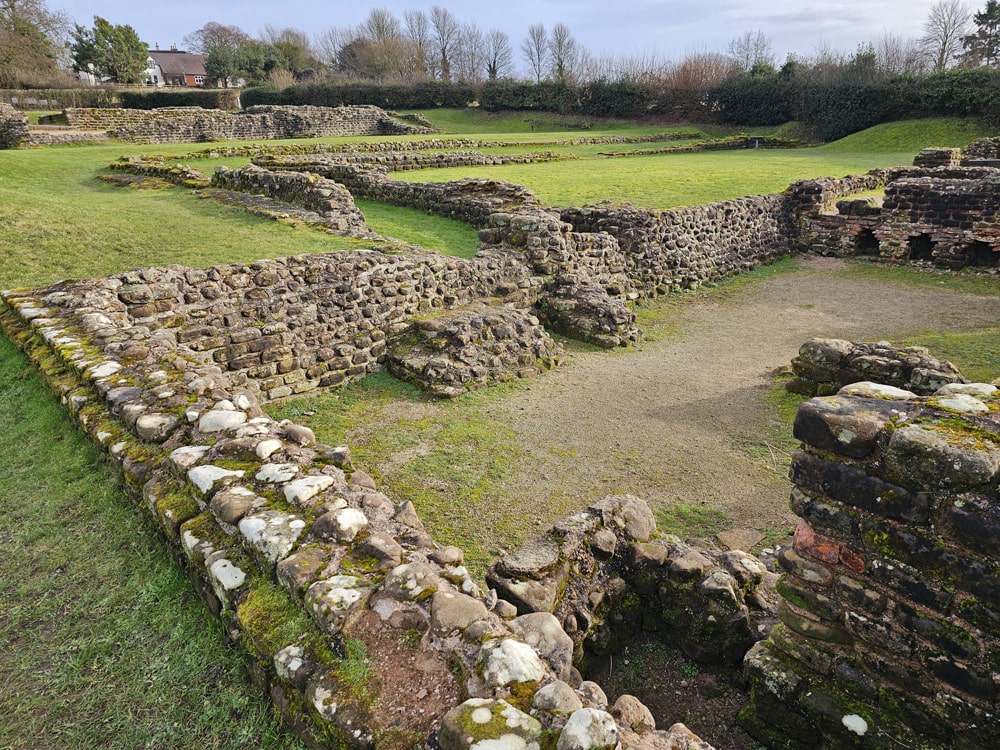
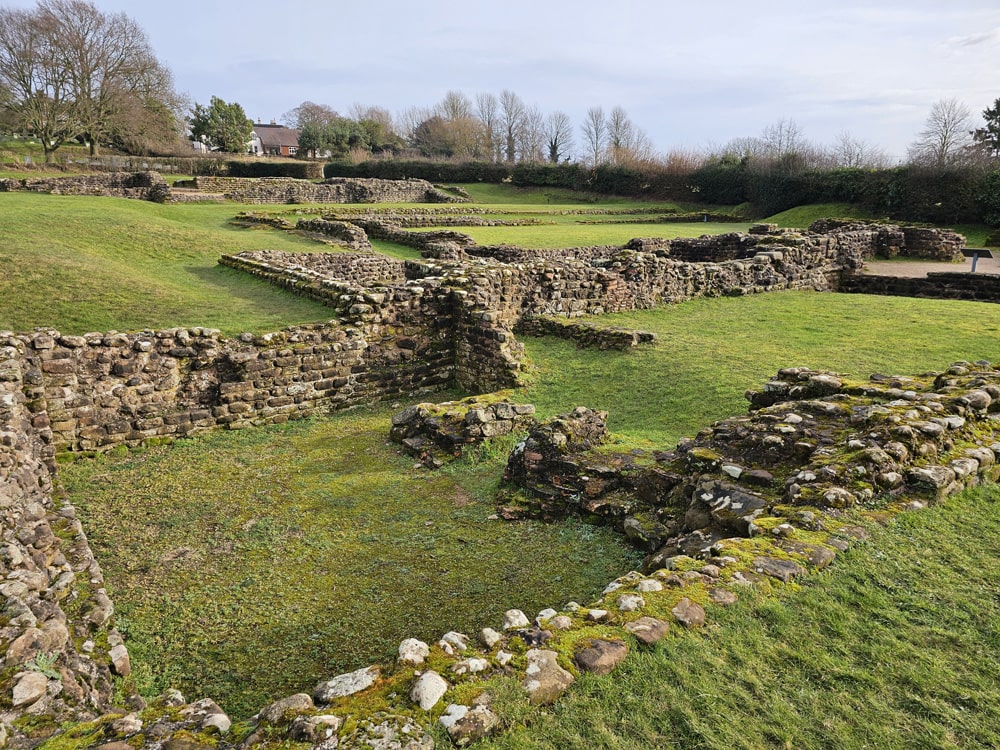
The remains visible today are those of a stone bath house and mansio, built in approximately 130 CE after Letocetum ceased to have a military function and became a civilian settlement. The settlement reached its peak during the 2nd and 3rd centuries and at this time occupied around 20 – 30 acres of land. After the Romans left early in the 5th century the settlement went into decline. The modern village of Wall emerged in the land once occupied by Letocetum.
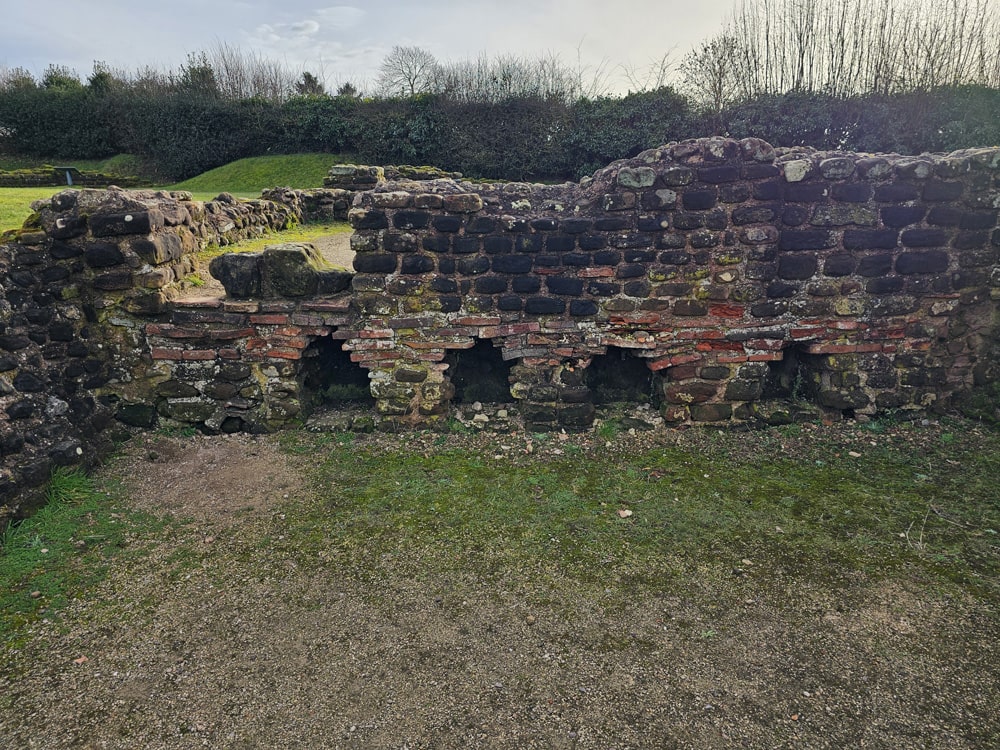
The bath house would have comprised of a series of buildings including an exercise hall, changing room and a sequence of cold, warm and hot rooms. The exercise hall would have been a popular social gathering place, with ball games, wrestling and weight training taking place every day. The heated rooms utilised a hypocaust system where hot air from a furnace passed under raised floors. This hot air would then have been ducted through flue tiles in the walls to emerge at the eves, acting in a similar fashion to modern day saunas.
The mansio was effectively the Roman equivalent of a modern day motel, providing roadside accommodation, stabling facilities and food and drink. The mansio at Letocetum was focused around a central open courtyard, which would also have acted as an informal meeting place, with both travellers and locals gathering to exchange news and gossip.
Although the bath house and mansio are the only two remaining visible sections of Letocetum, it is thought that an amphitheatre, basillica, temples and mansions are still buried under the modern village of Wall.
There is also a museum which provides a fascinating insight into life here and displays many excavated finds.
Photo Gallery.
Did you enjoy this post?
I hope you found this post useful. I put a great deal of time and effort in to building, maintaining and populating the website. If you like, you could say a small thank you by buying me a coffee. You don't have to, but it would be nice :)
Buy me a coffee
Stay up to Date
Follow me on my journey and get notified whenever a new post is published by following Kings & Castles on Facebook.
Follow MeExplore The Map
Discover the hundreds of castles, churches, monasteries, cathedrals and other historic locations that I've personally visited across England and Wales. Search by location, explore nearby sites and plan your next historical adventure.
Share: