Clifford’s Tower
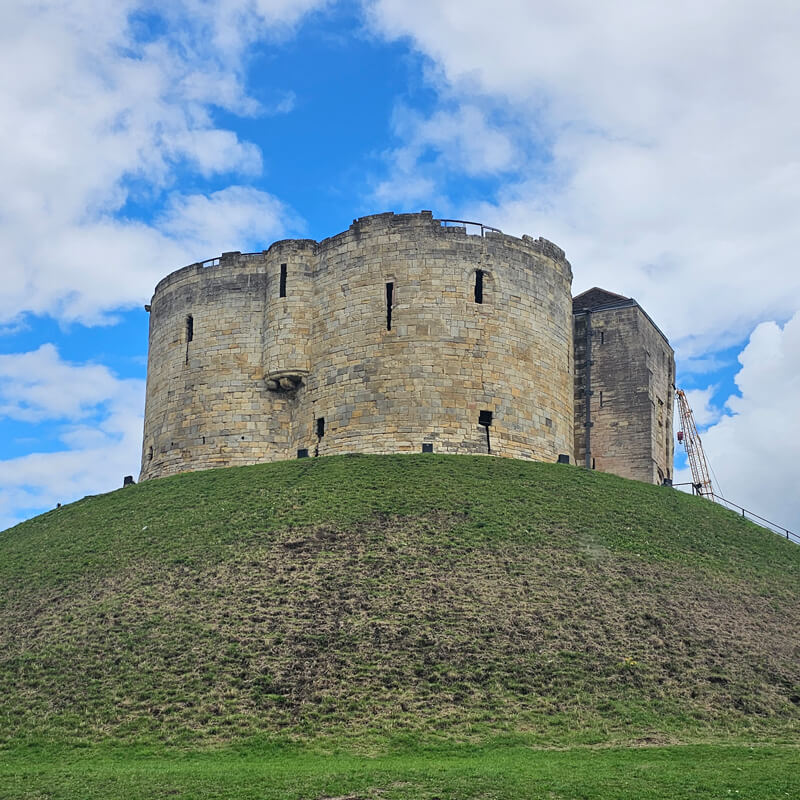
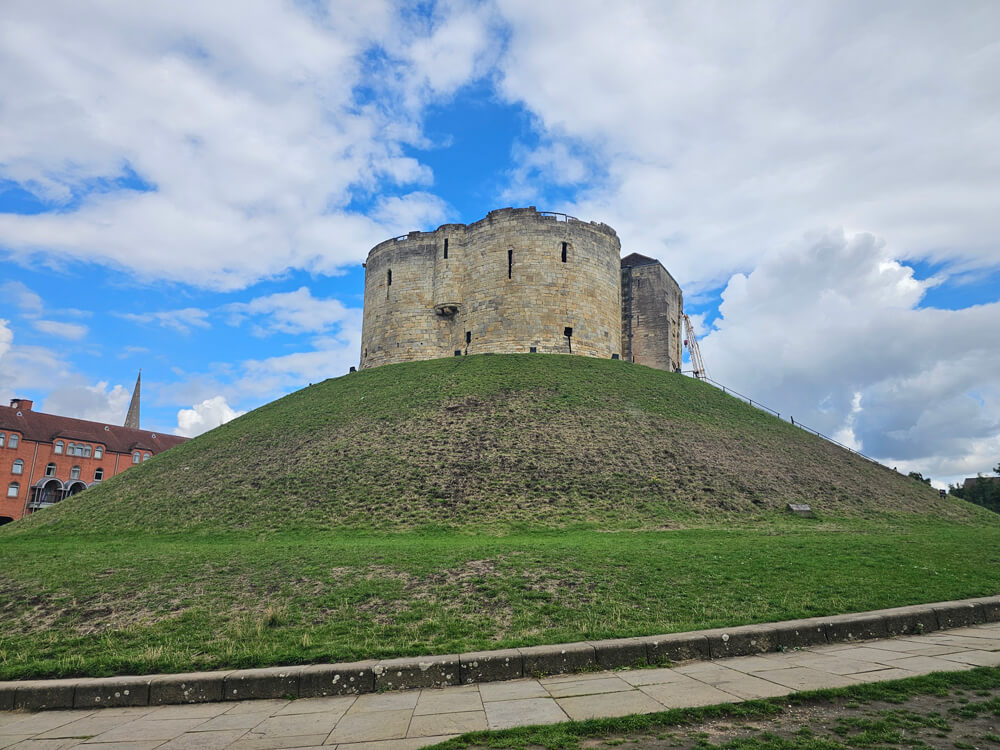
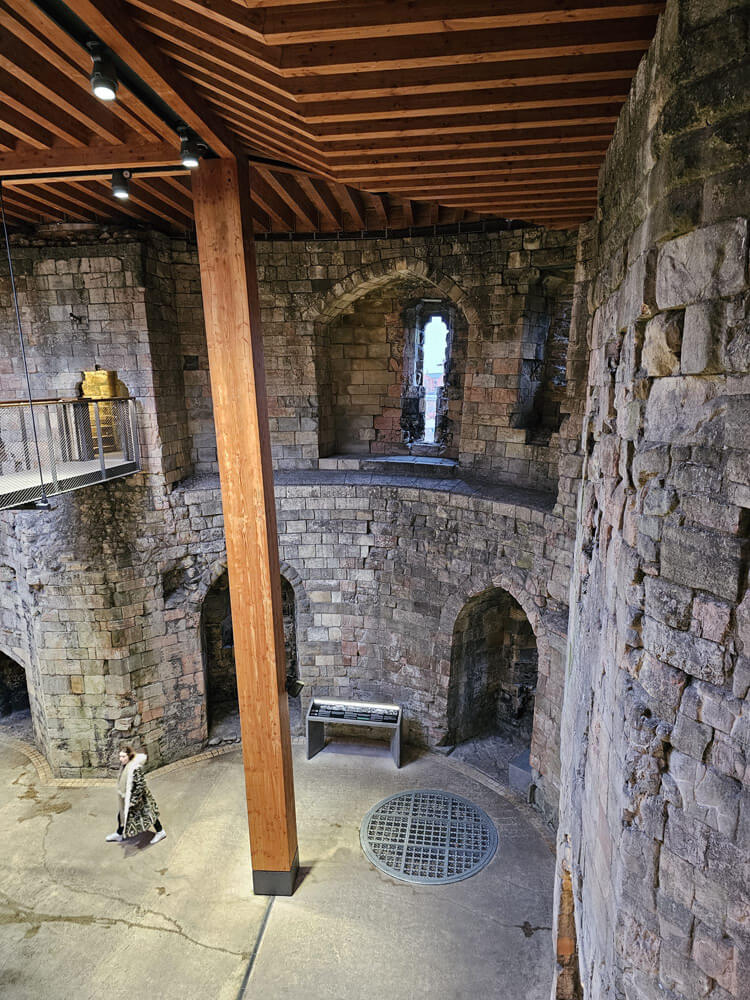
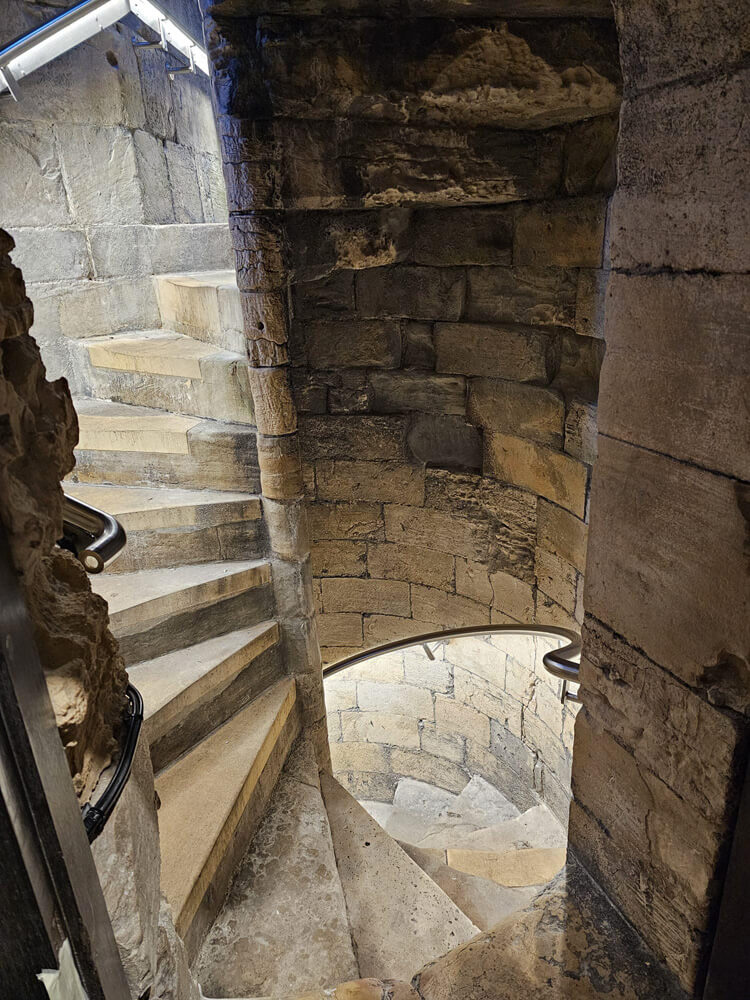
Clifford’s Tower is all that remains of what once was York Castle. Originally built as a timber tower on top of an earth mound, work began in 1068, but the stone tower we see today wasn’t built until 1245 by Henry III. The present 13th-century stone tower was probably used as a treasury and later as a prison.
Quick
Facts.
- Location: York, England
- Established: 1068
- Built in stone: c. 1245 - 1290
- Condition: Partially intact
- Date visited: November 2023
- More info: Visit website
- Rating:
A Bit of History…
Standing as a proud symbol of the power of England’s medieval kings; the tower was originally built by William the Conqueror to subdue the rebels of the north, it was twice burned to the ground, before being rebuilt by Henry III in the 13th century. The tower takes its name from one grisly incident in its long history, when Roger de Clifford was executed for treason against Edward II and hanged in chains from the tower walls.
Clifford’s Tower is the largest remaining part of York Castle, once the centre of government for the north of England, a royal mint, a medieval stronghold and a Civil War garrison.
In 1190, the 11th-century timber tower on top of the earth mound was burned down in one of the worst anti-Semitic massacres of the Middle Ages, when York’s Jewish community were trapped there by a violent mob and many Jews chose to commit suicide rather than be murdered.
The tower was rebuilt shortly afterwards it was burnt down in 1190. Further repairs and rebuilding, some in stone, took place in the castle during the early 13th century. Then in the middle years of that century, as war with Scotland loomed, King Henry III decided to build a completely new stone tower on the mound in 1245.
In 1322 the tower gained its present name when Roger de Clifford was executed by Edward II for treason. Clifford was hanged in chains from the tower walls, and the building has since been popularly known as ‘Clifford’s Tower’.
The castle was allowed to decay in the Tudor period. Defences were neglected and many castle buildings were used as gaols. In 1596 the gaoler was accused of trying to tear down the decaying tower and sell the stone. This event was the first recorded use of ‘Clifford’s Tower’.
The tower’s last military role began with the Civil War when, in 1642, it was again occupied by troops – first Royalists, then Parliamentarians. A garrison of soldiers stayed in the tower until it was burnt out in a fire in 1684.
Over the centuries the tower has regularly been threatened by demolition or neglect and yet still it stands, a proud, if somewhat decayed monument to York’s turbulent and bloody past.
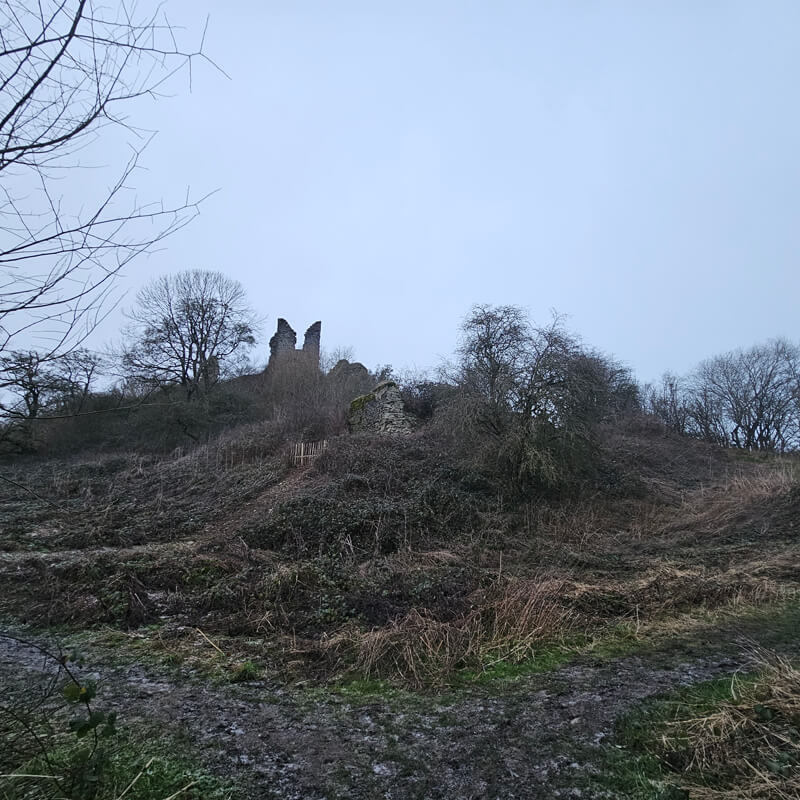
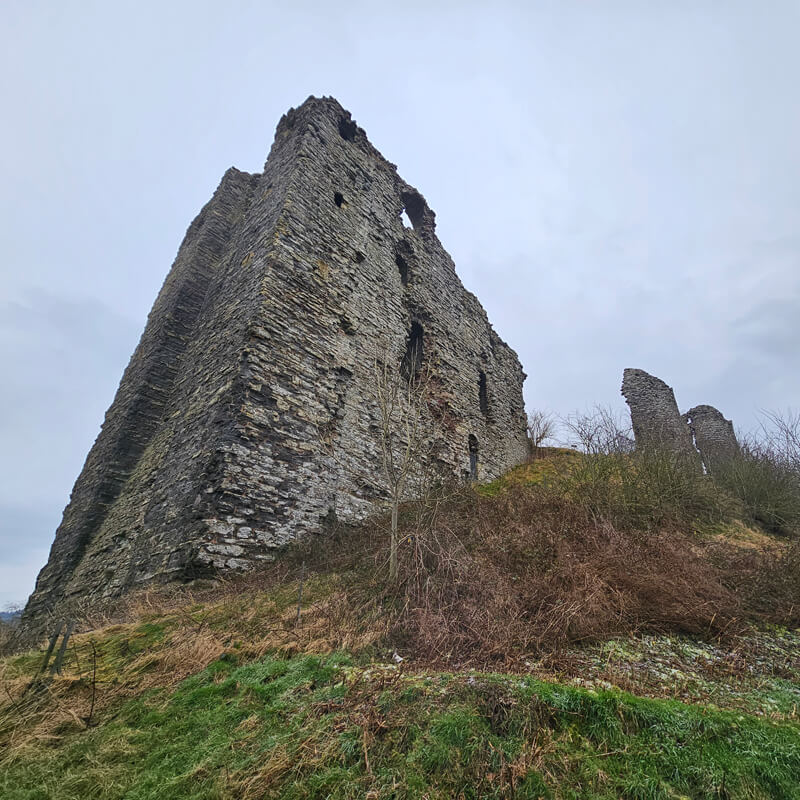
Photo Gallery.
Did you enjoy this post?
I hope you found this post useful. I put a great deal of time and effort in to building, maintaining and populating the website. If you like, you could say a small thank you by buying me a coffee. You don't have to, but it would be nice :)
Buy me a coffee
Stay up to Date
Follow me on my journey and get notified whenever a new post is published by following Kings & Castles on Facebook.
Follow MeExplore The Map
Discover the hundreds of castles, churches, monasteries, cathedrals and other historic locations that I've personally visited across England and Wales. Search by location, explore nearby sites and plan your next historical adventure.
Share: