Raglan Castle
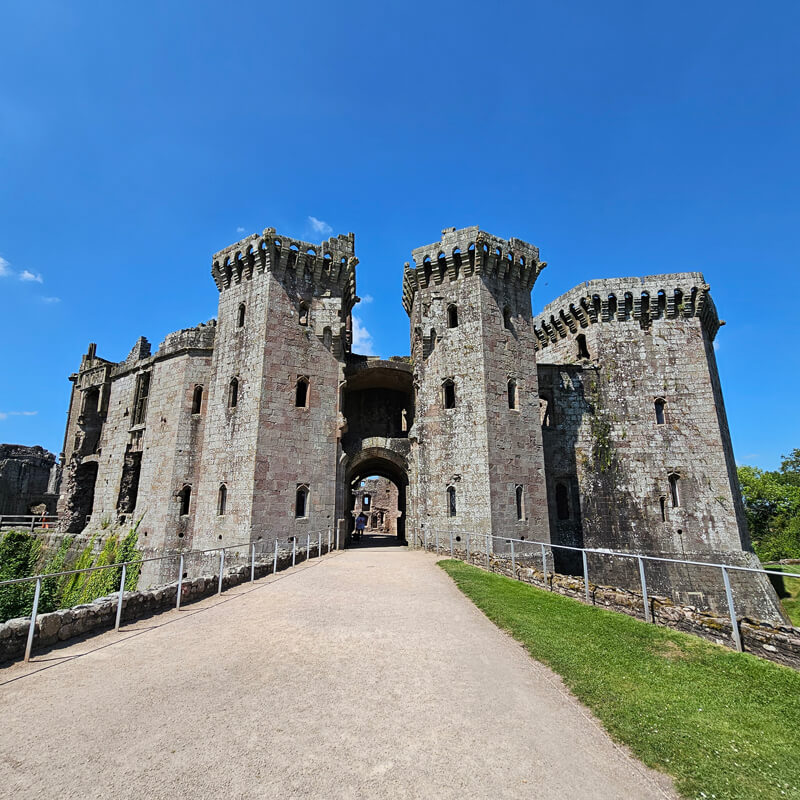
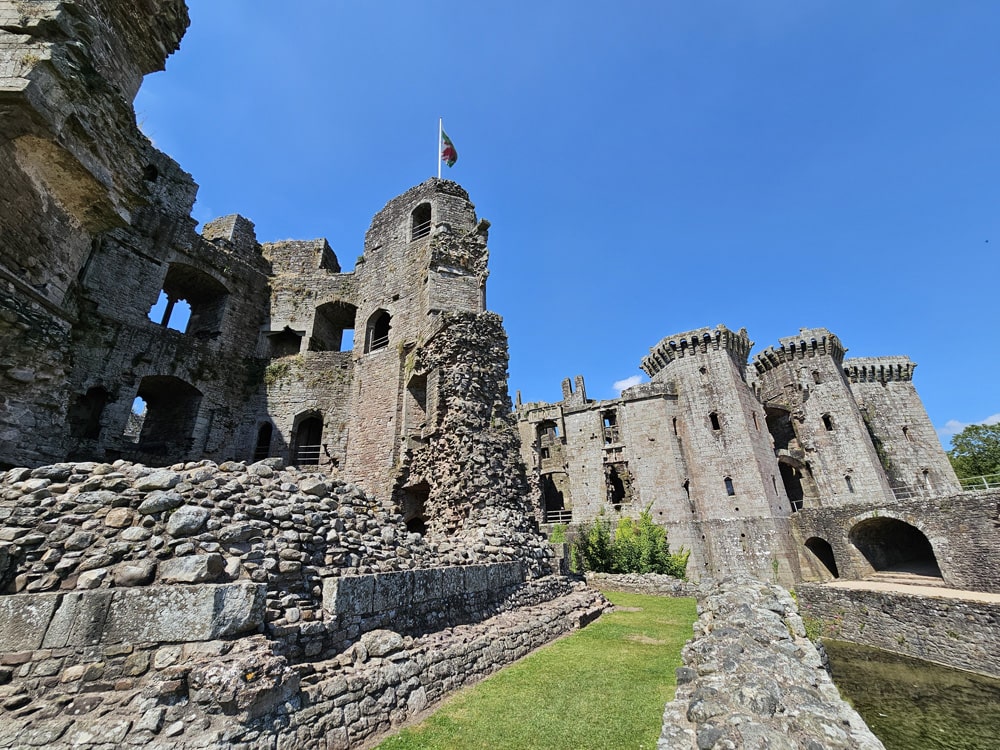
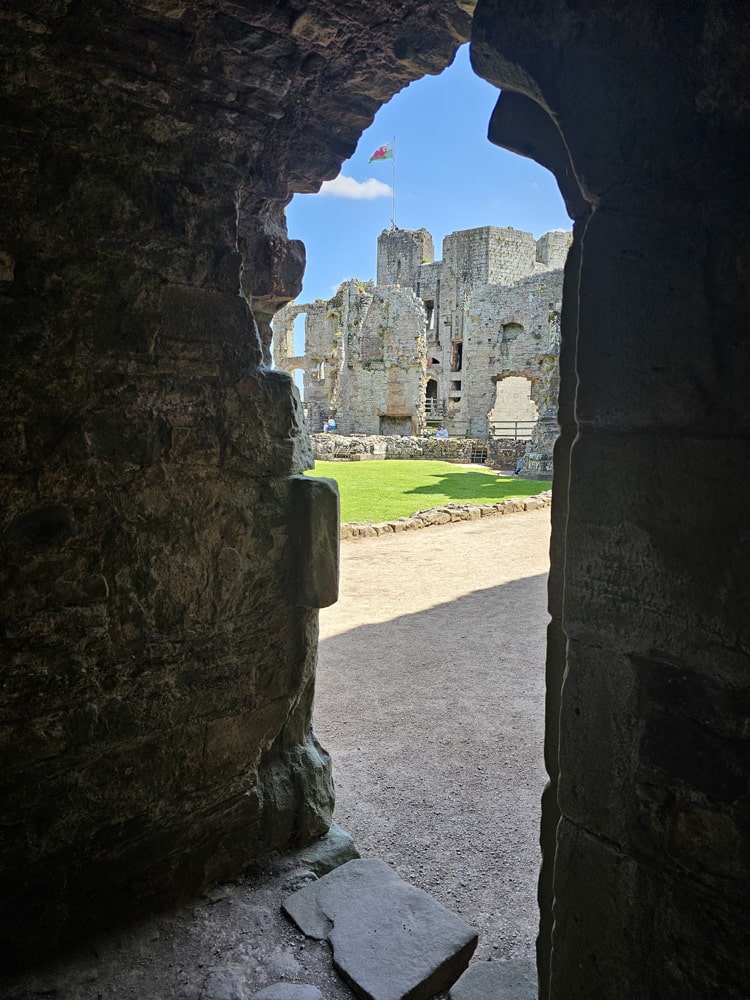
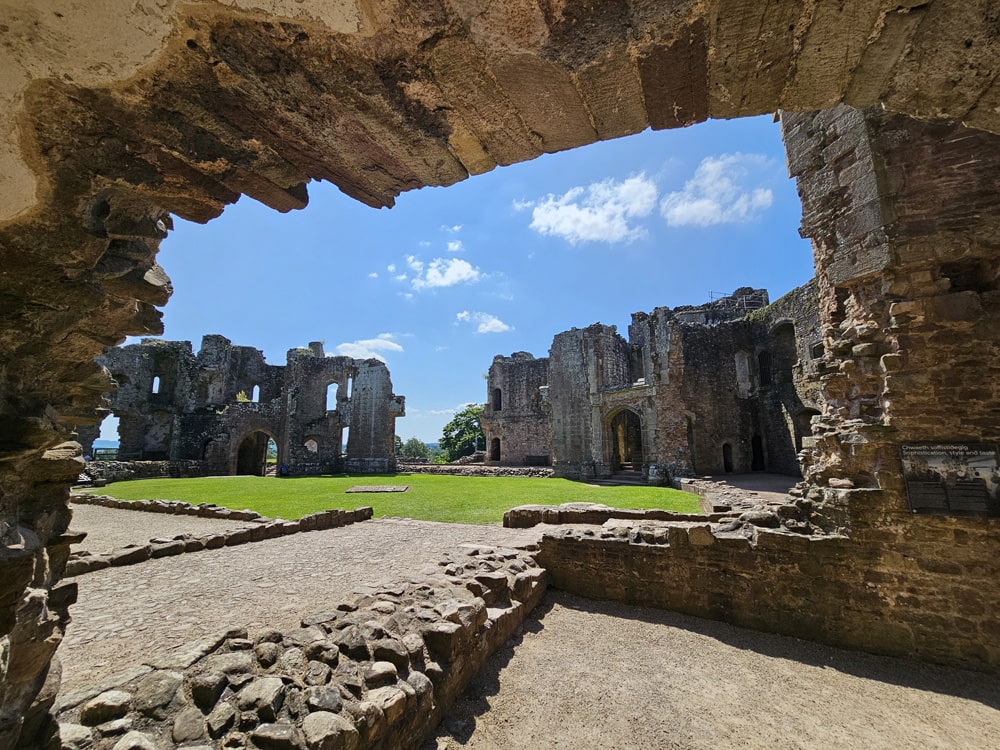
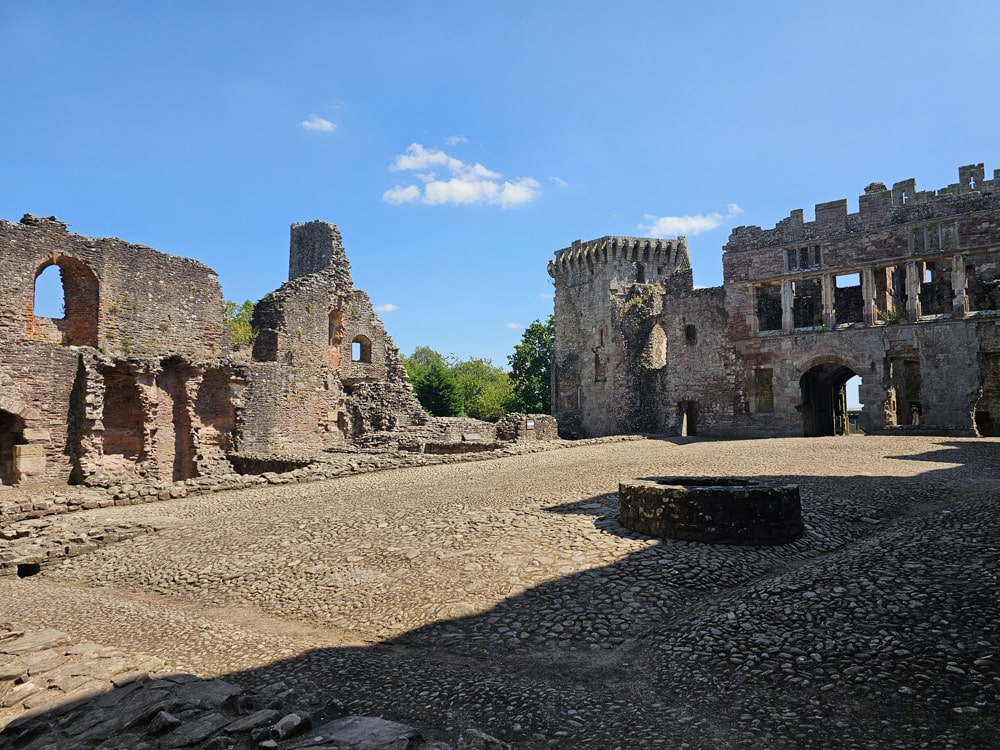
Raglan Castle is a late medieval castle located just north of the village of Raglan in the county of Monmouthshire in south-east Wales. Described as the grandest castle ever built by Welshmen, Raglan Castle came 150 years later than the turbulent heyday of castle-building, and was one of the last castles to be built in Britain.
Quick
Facts.
- Location: Raglan, Monmouthshire, Wales
- Built: 15th century
- Condition: Ruined
- Date visited: July 2024
- More info: Visit website
- Rating:
A Bit of History…
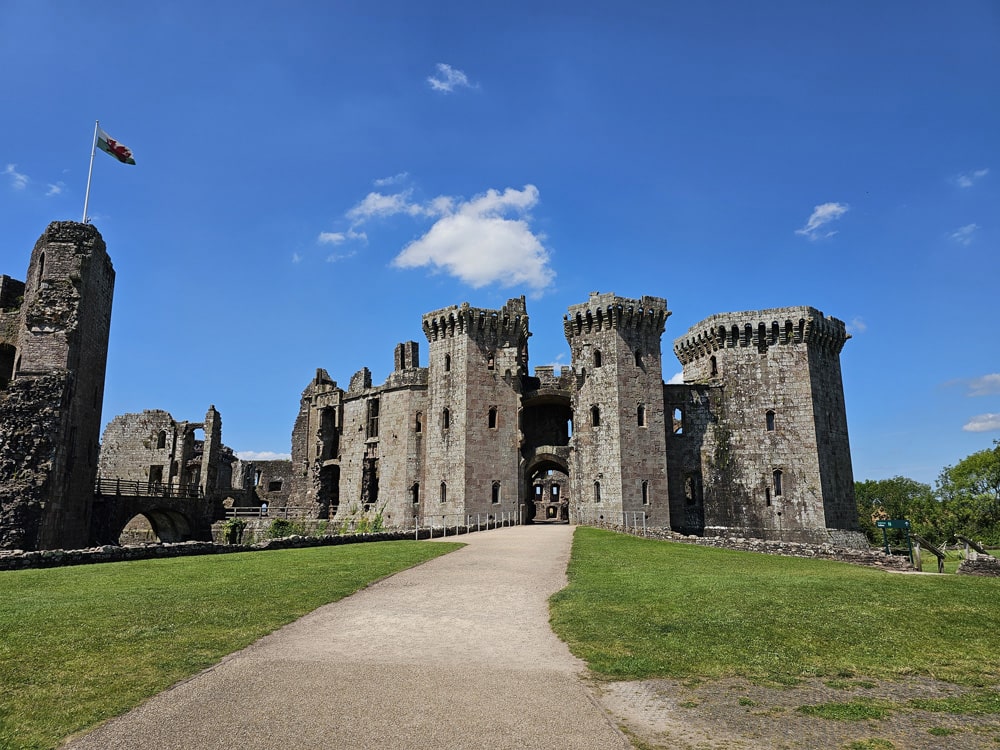
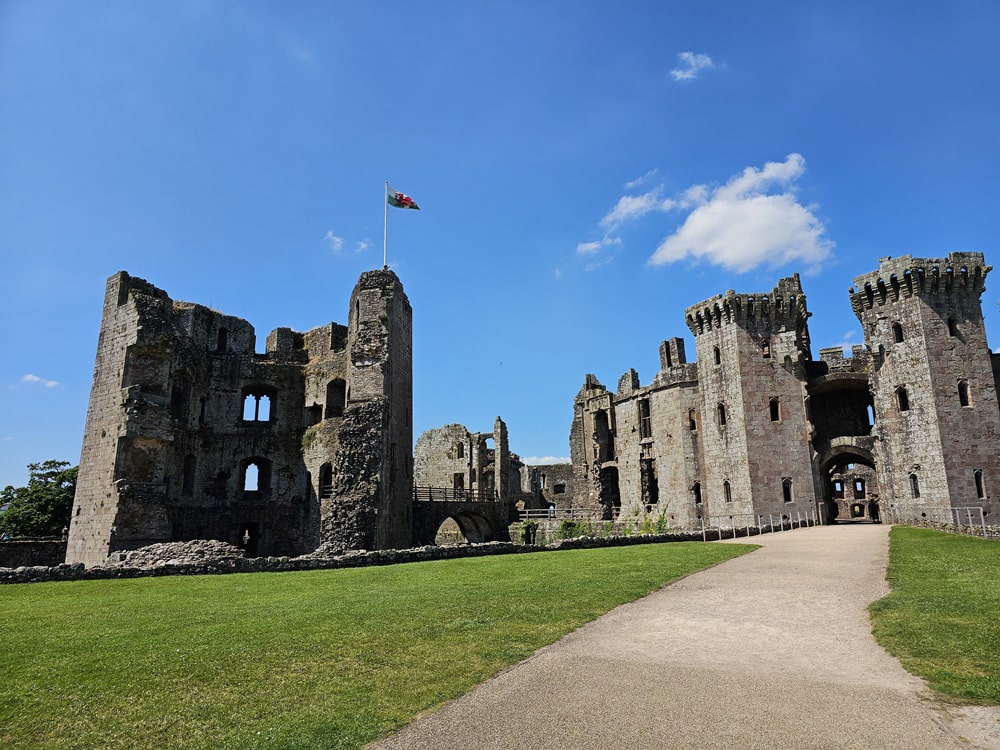
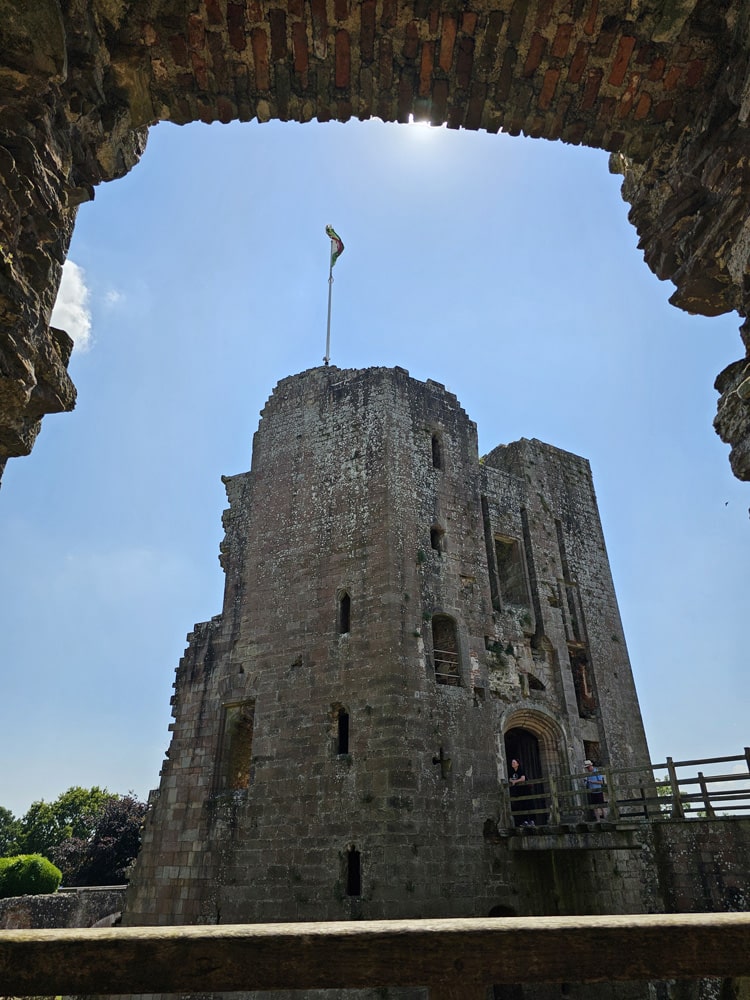
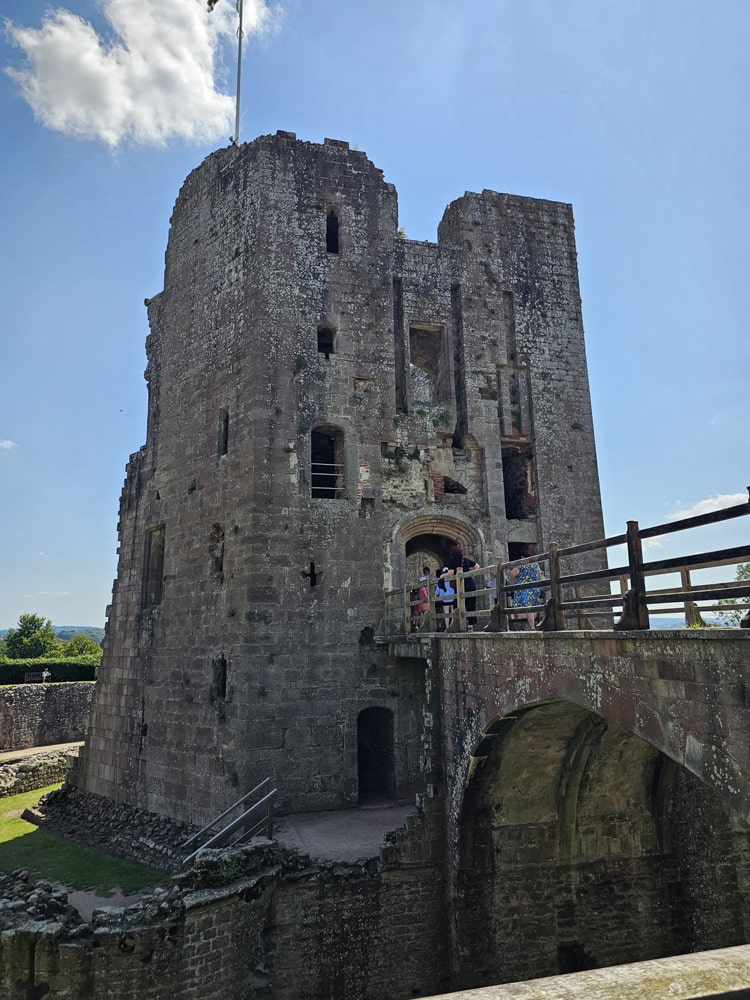
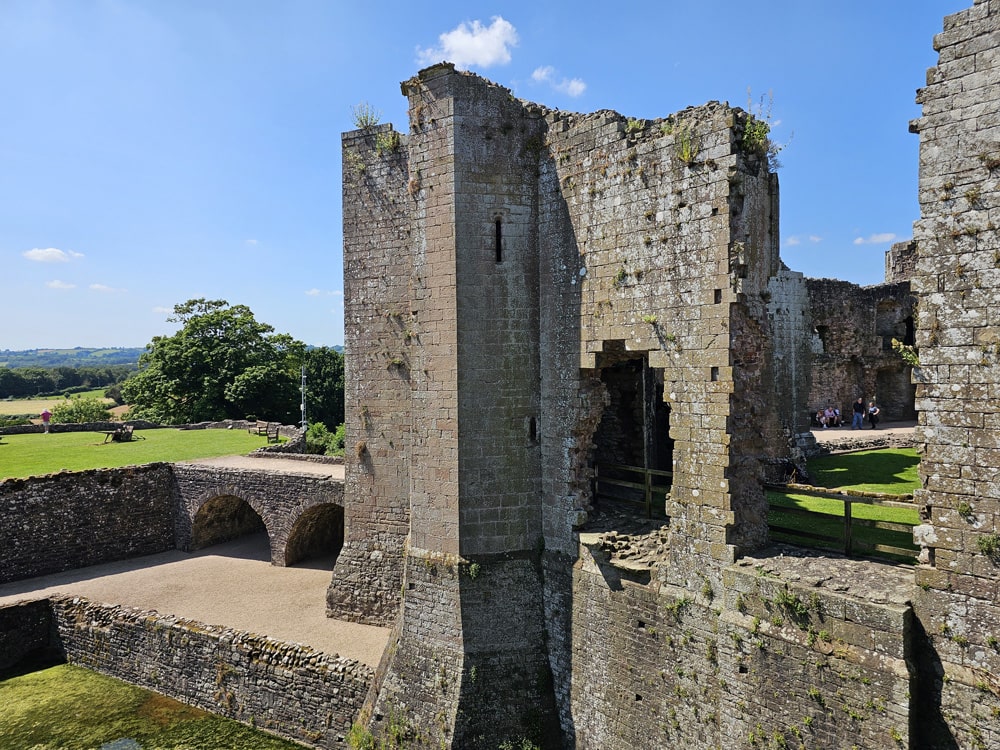
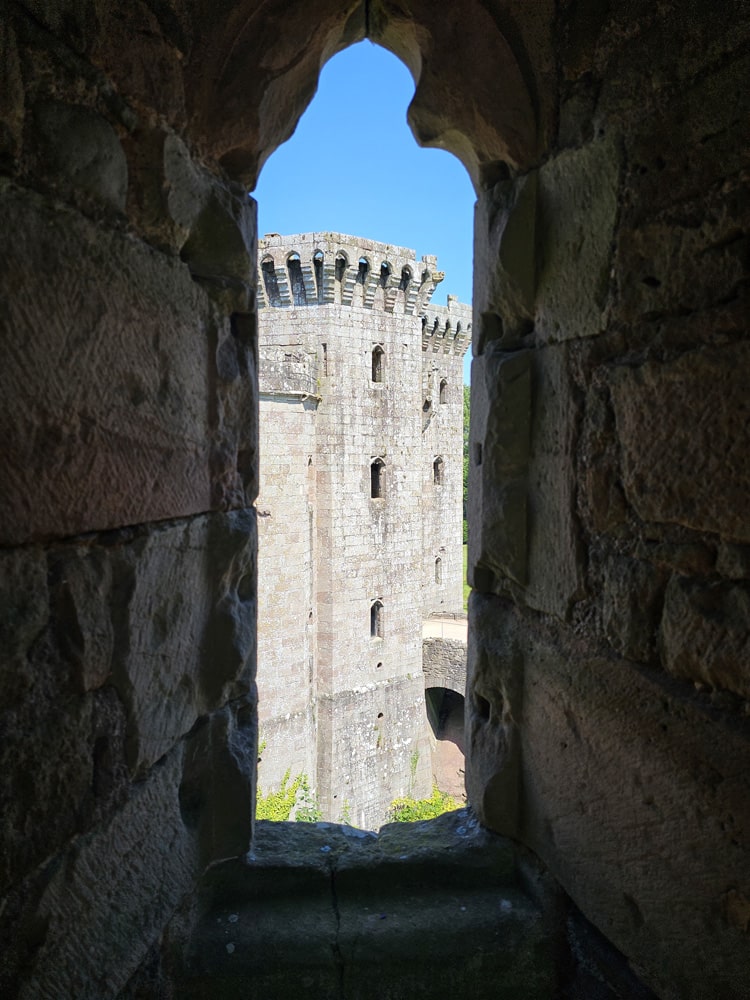
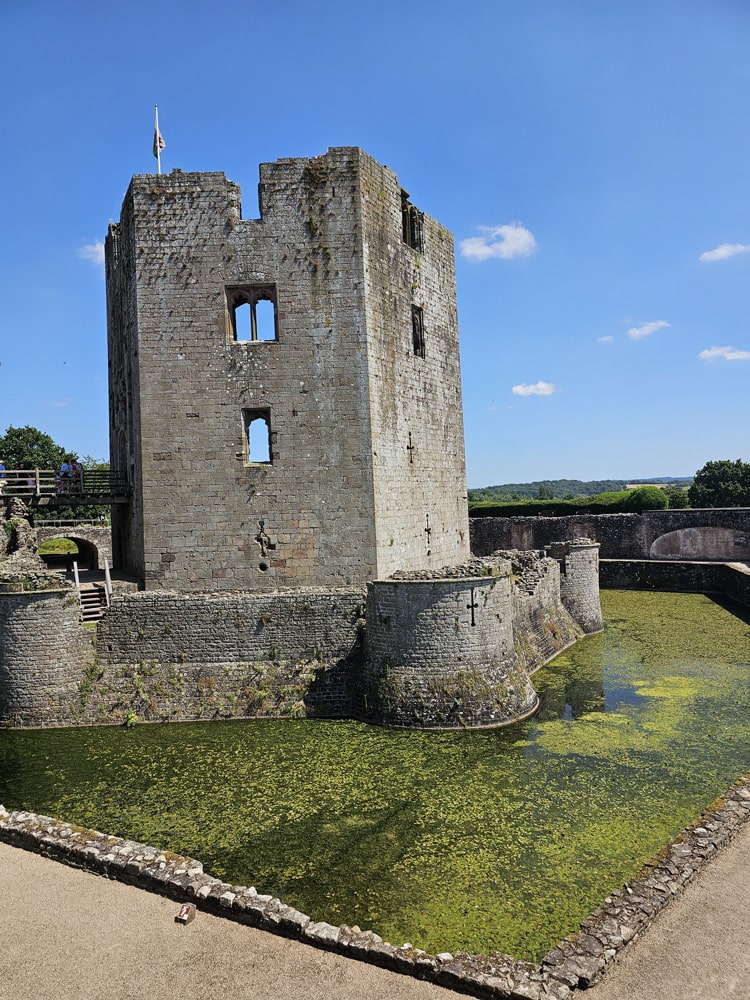
The construction of Raglan Castle began in the 1430s by Sir William ap Thomas, the ‘Blue Knight of Gwent’, who fought at the Battle of Agincourt with King Henry V in 1415. He was responsible for building the moated Great Tower, known as the Yellow Tower of Gwent, that still dominates the mighty fortress-palace. With its great multi-angular towers and Tudor-styling, Raglan is unlike any other castle in Wales.
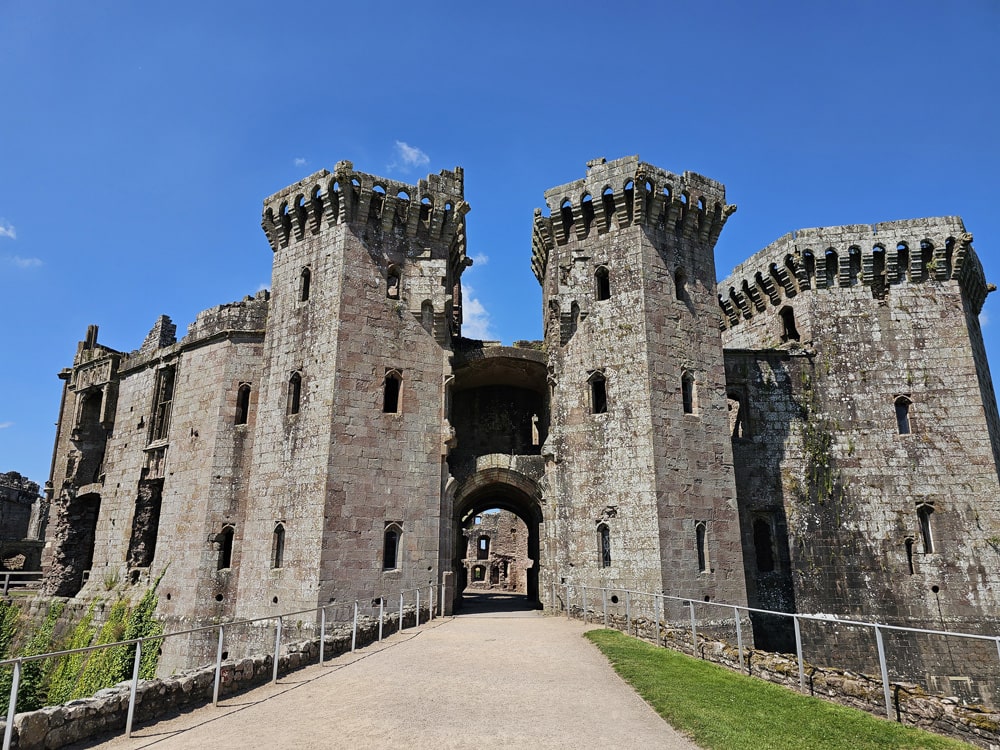
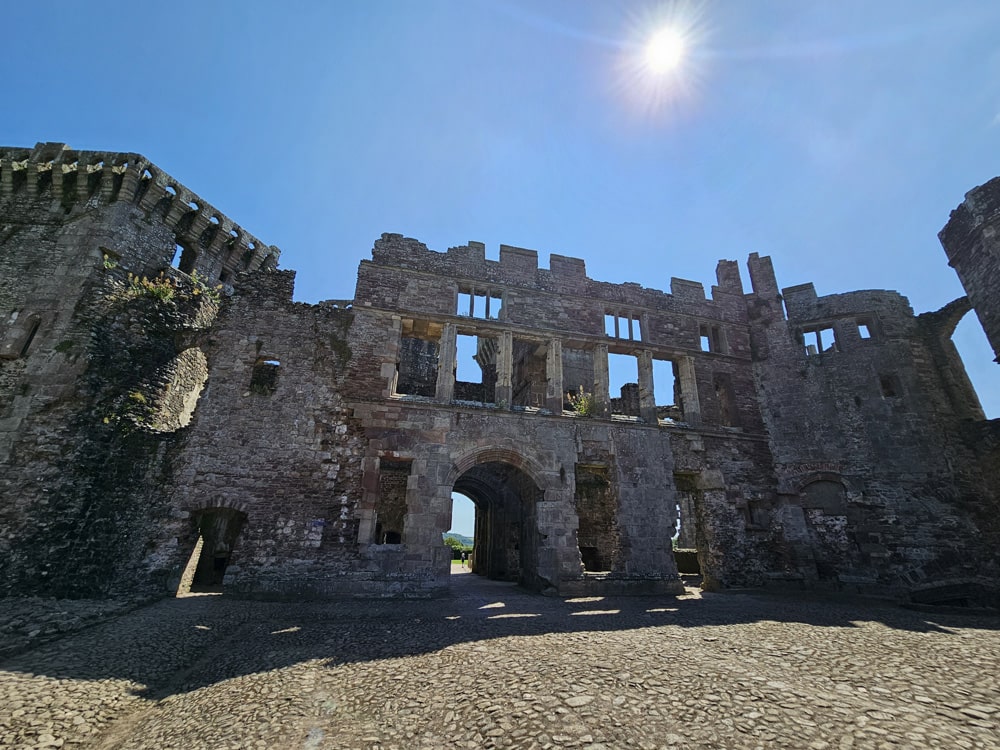
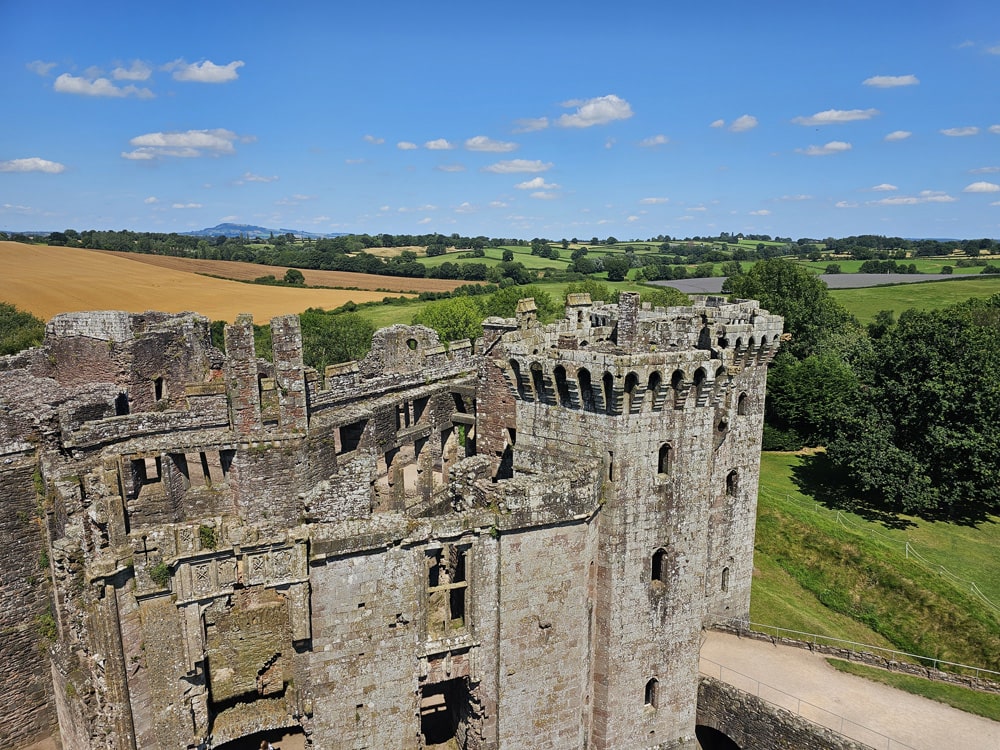
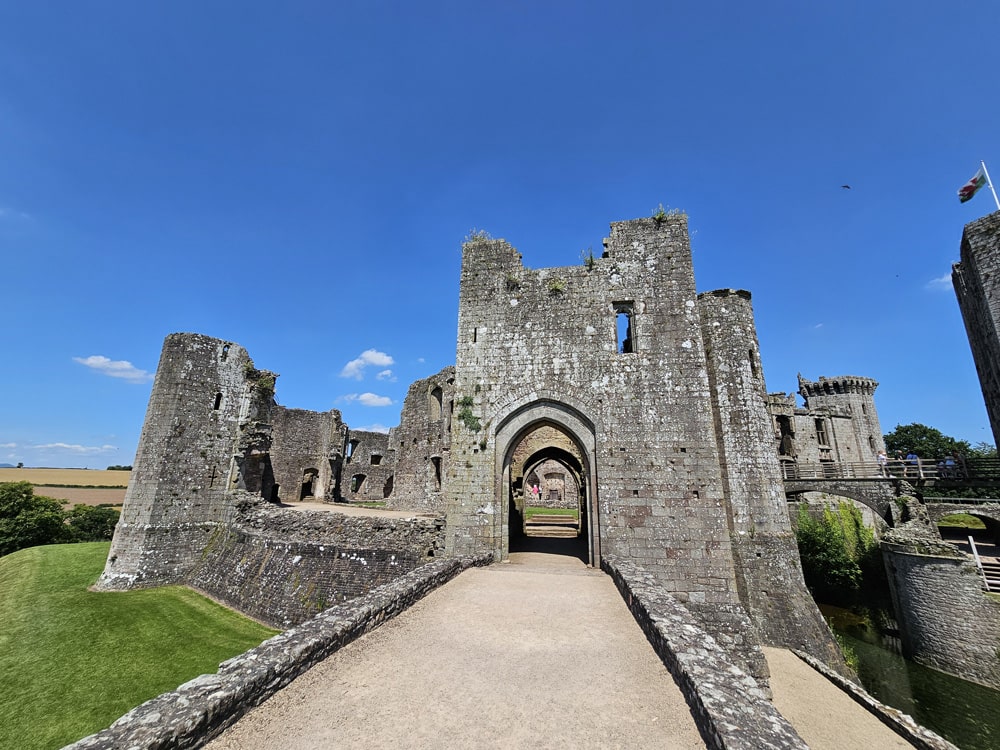
After Sir William ap Thomas died in 1445, the castle passed to his son William who took the surname, Herbert. His son, Sir William Herbert, Earl of Pembroke, undertook a massive programme of building at Raglan, and it is he who built the gatehouse with its flared ‘machicolations’, amongst many other additions. Henry Tudor, the future King Henry VII, was sent to Sir William Herbert to be brought up at Raglan Castle.
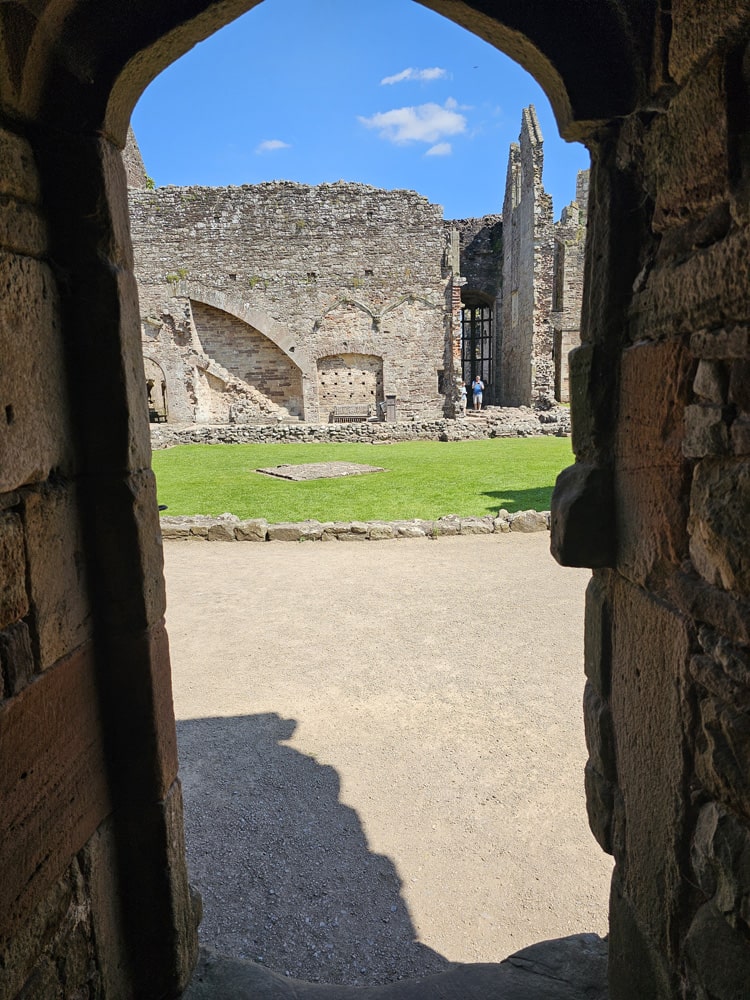
However, William Herbert didn’t enjoy his prestige for long. He was defeated and captured at the battle of Edgecote in 1469 and brutally beheaded the next day, leaving his grand building projects unfinished. The castle then passed to the Somerset family, the Earls of Worcester, who finished the castle which became their traditional home. Under the various earls, they transformed Raglan into a magnificent country seat, and in 1589 the castle entered its last primary construction phase, which included rebuilding the hall, a new hammer-beam roof and erecting a fashionable long gallery on the second floor overlooking the Fountain Court, one of the finest Renaissance gardens in Britain.
Part castle, part palace; the castle was gifted much more attention to comfort than earlier castles. However, it was also certainly built for defence, as it took one of the longest sieges of the English Civil War to subdue it.
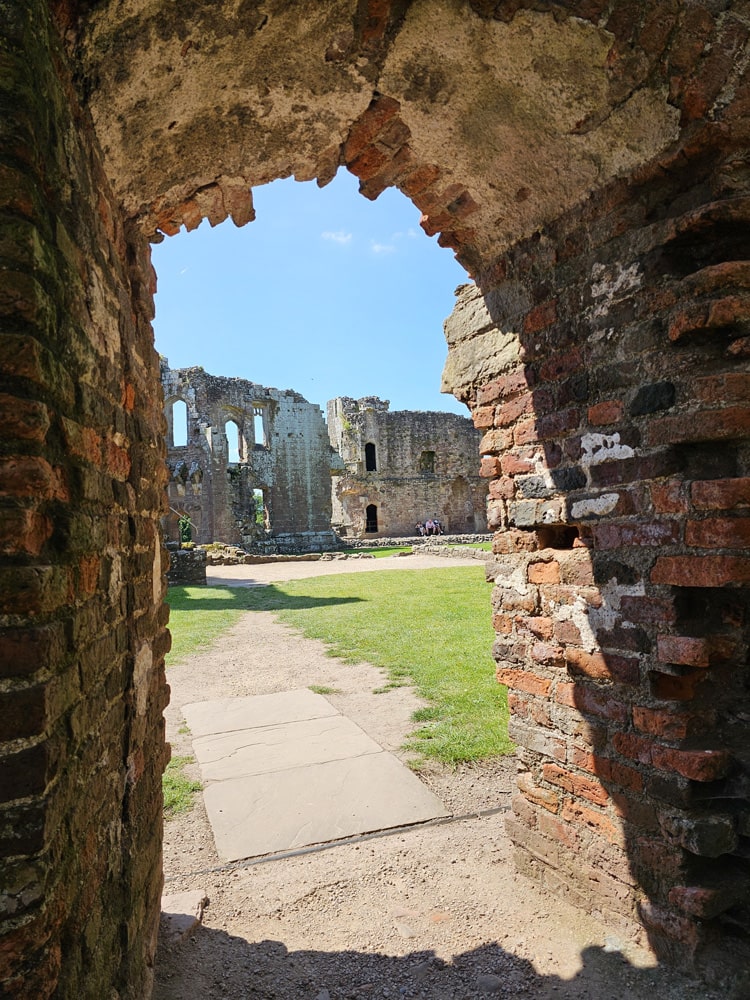
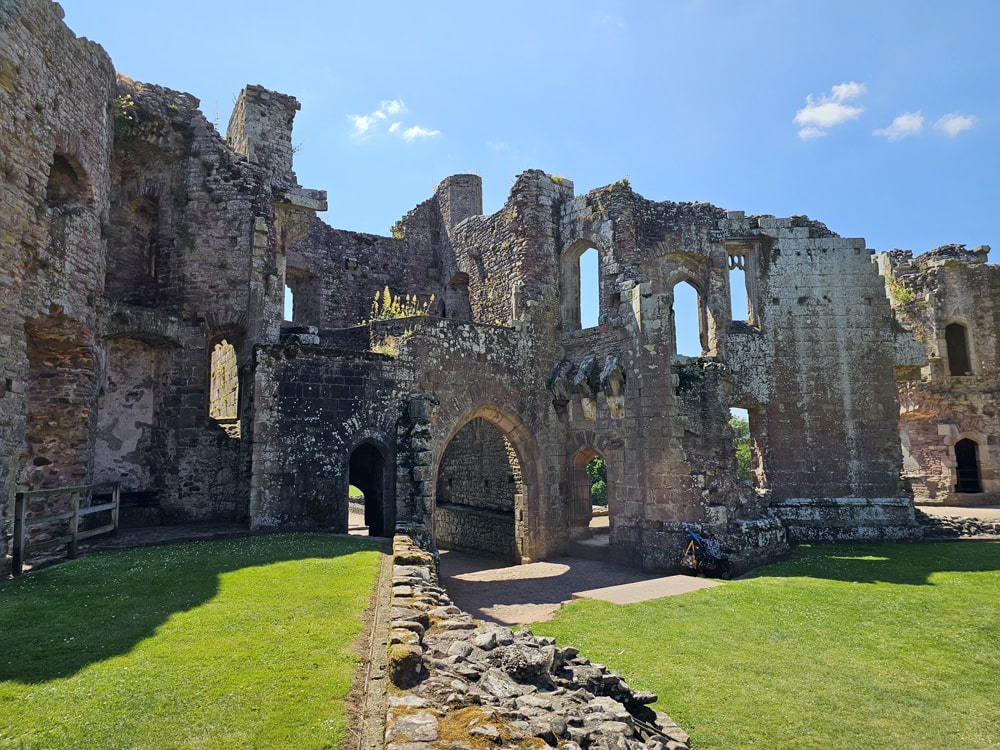
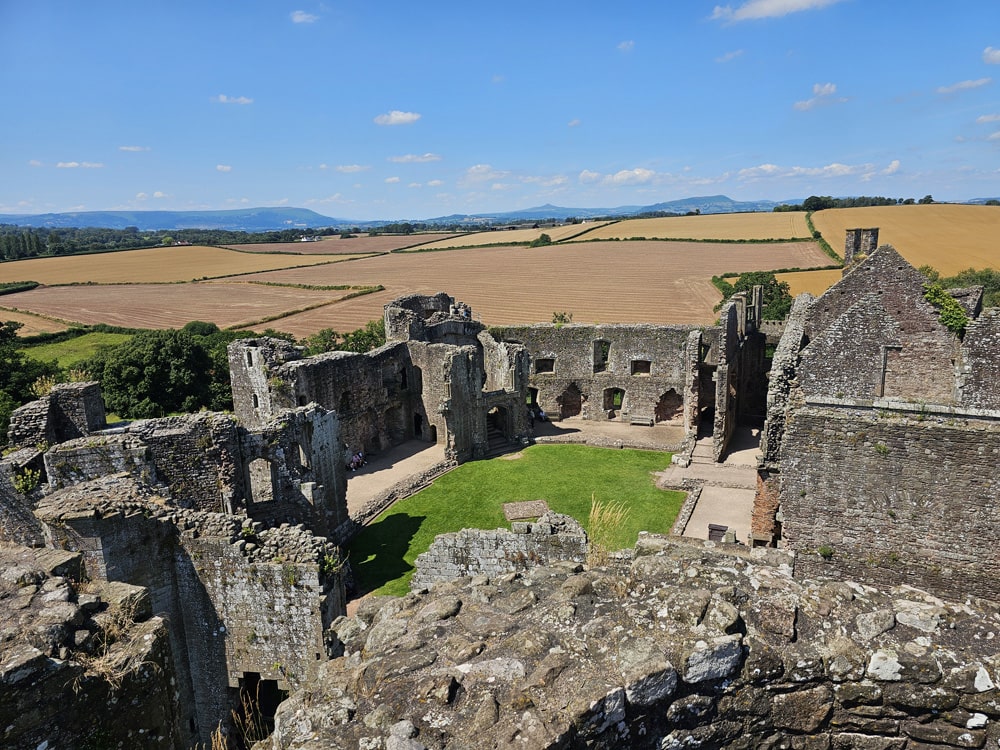
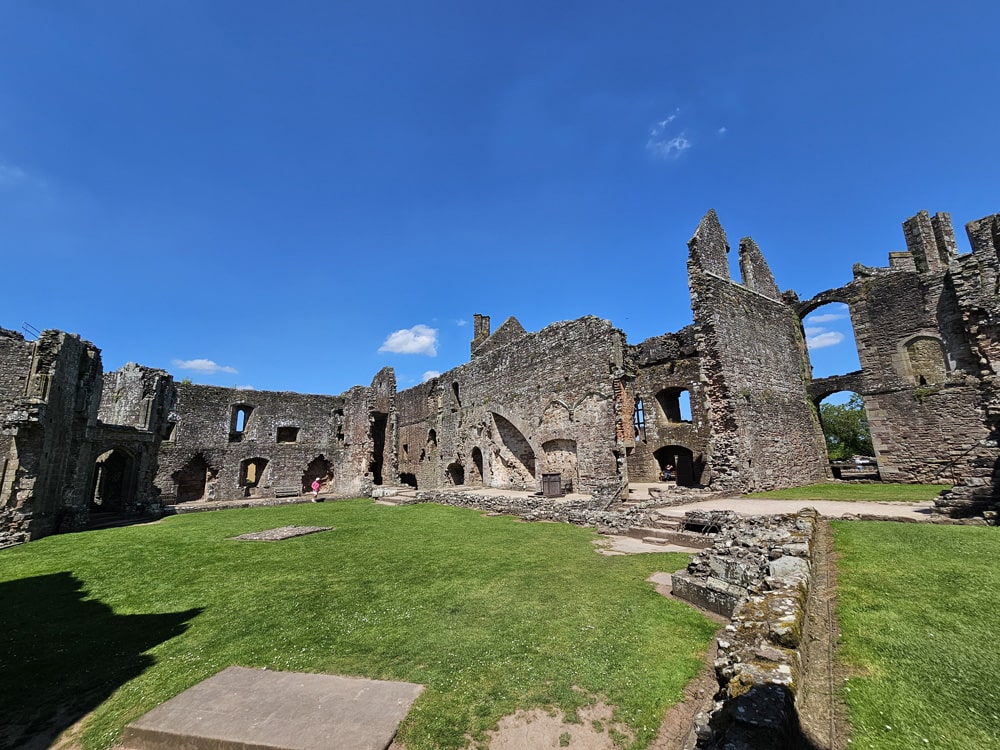
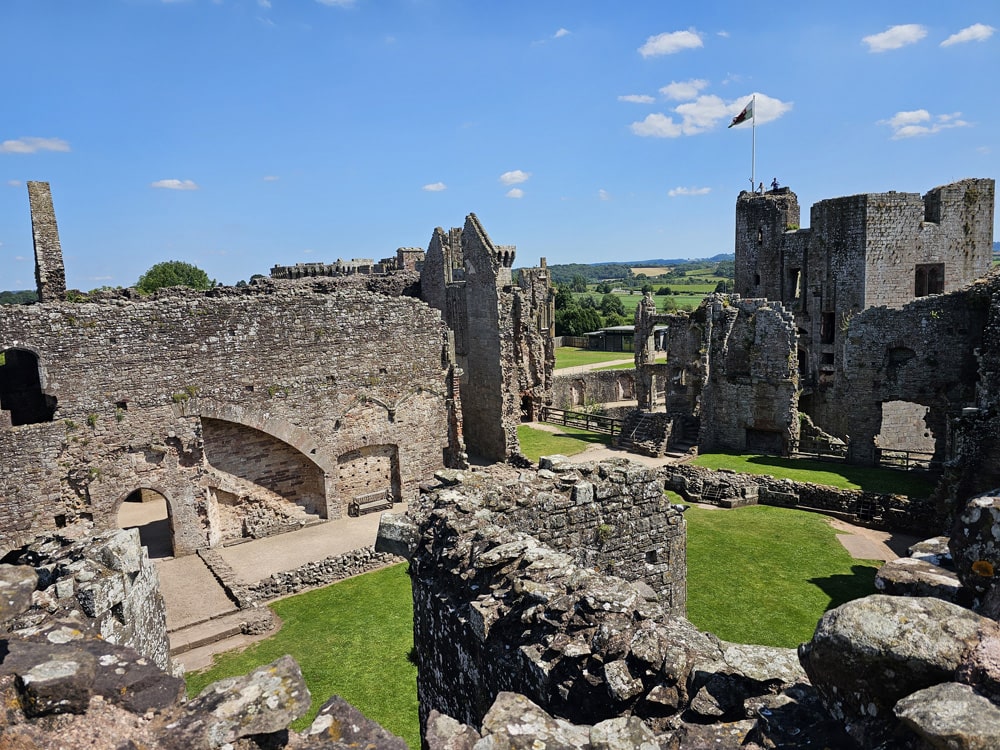
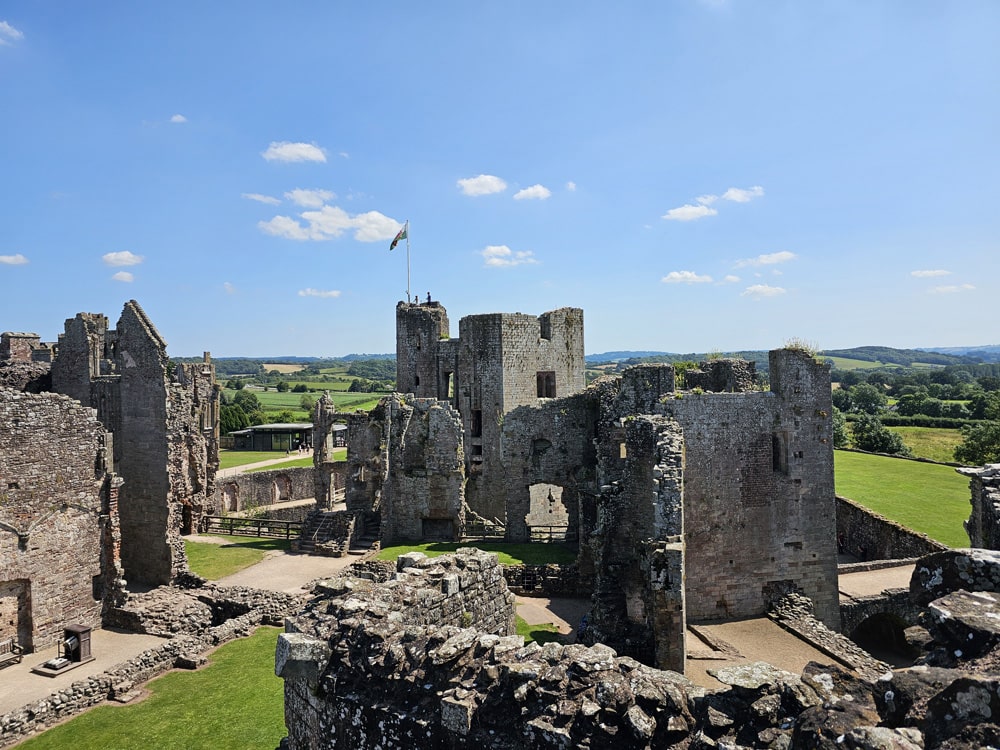
During the English Civil War in 1646, Raglan Castle was besieged for 10 weeks by Parliamentarian forces. The castle eventually fell and was deliberately destroyed. The castle was heavily damaged but enough still remains today for us to enjoy.
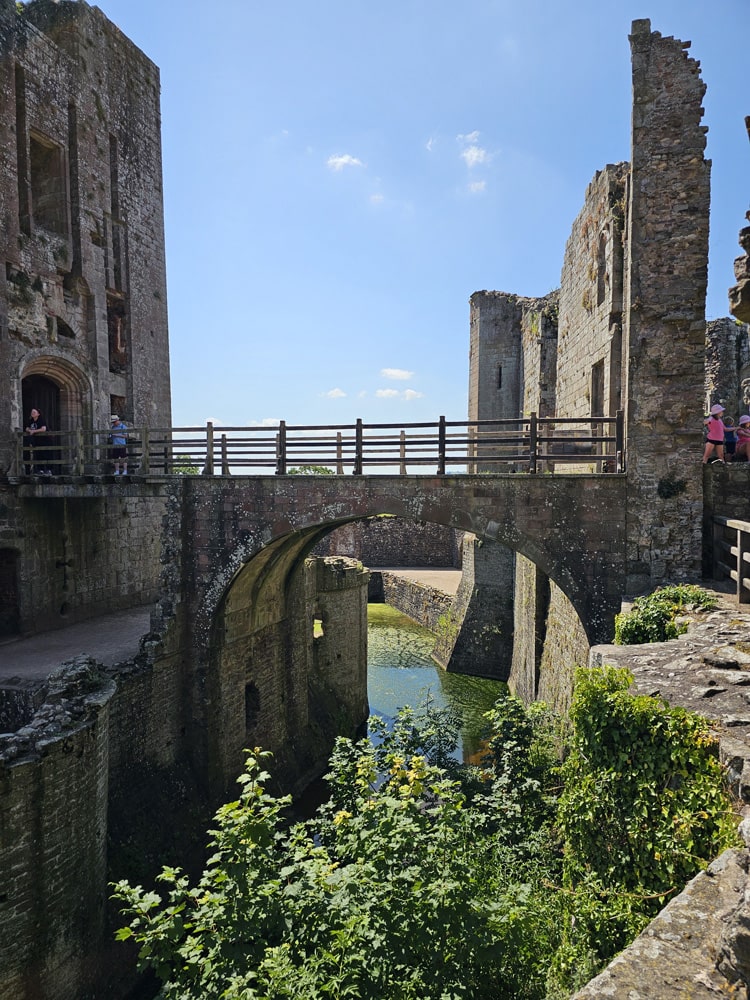
Both William ap Thomas and his son William Herbert fought in France, and undoubtedly, the castles that they saw in France influenced their work at Raglan. The elaborately decorated polygonal keep, as well as the double-drawbridge arrangement of the keep, which is unique in Britain, demonstrate French influence. And it is to the Somerset family, the earls of Worcester that we owe the final architectural touches of the castle.
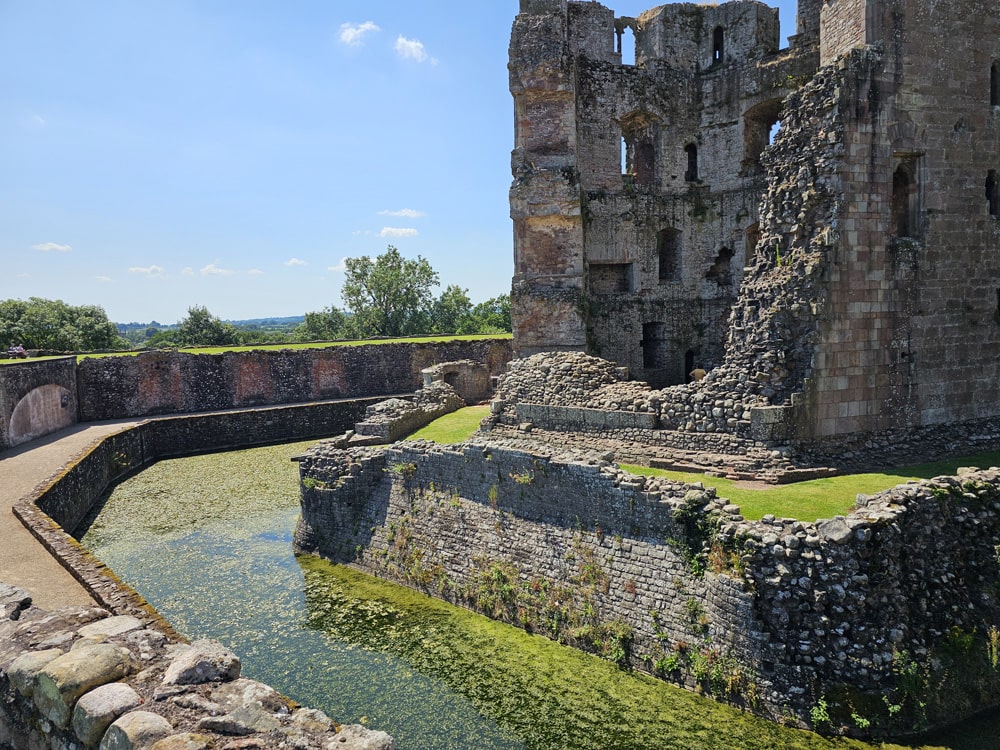
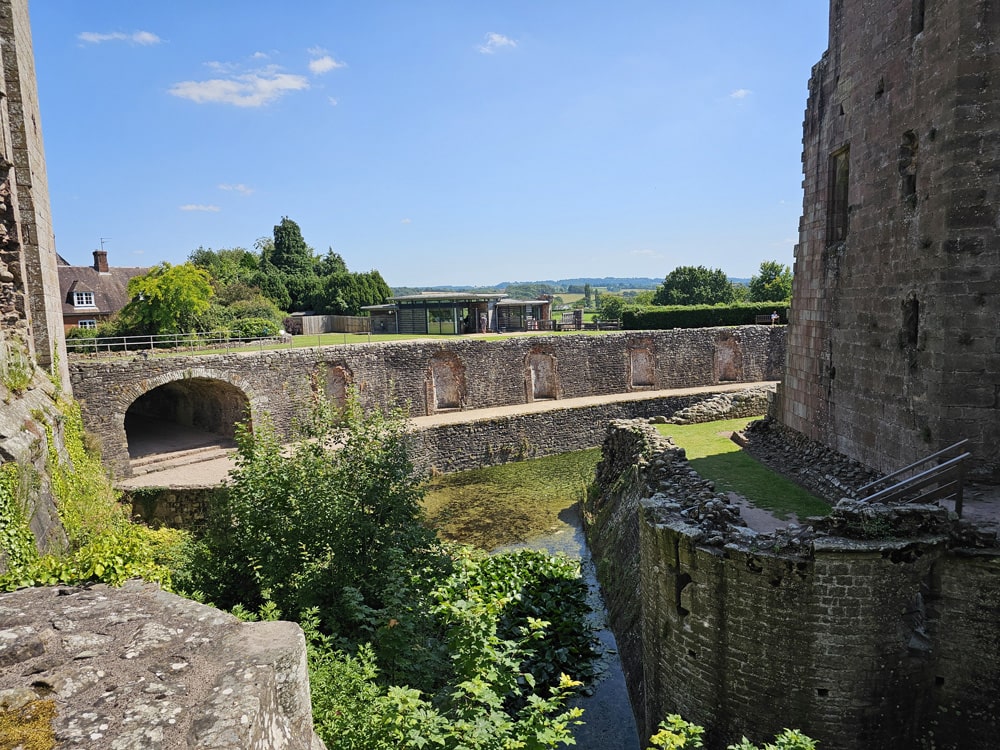
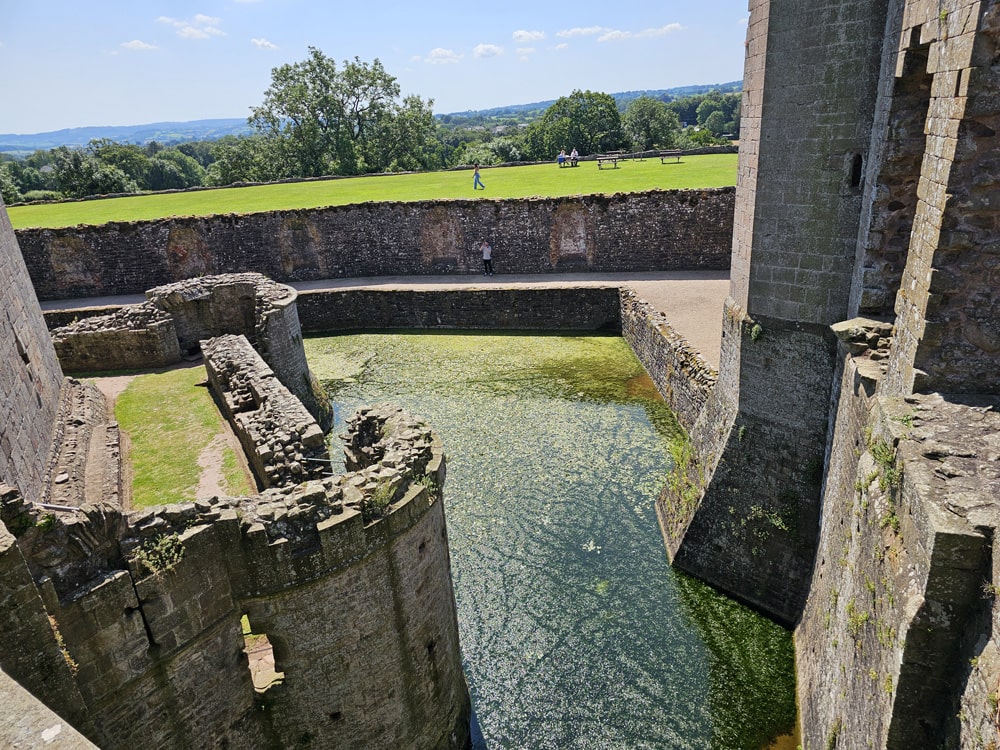
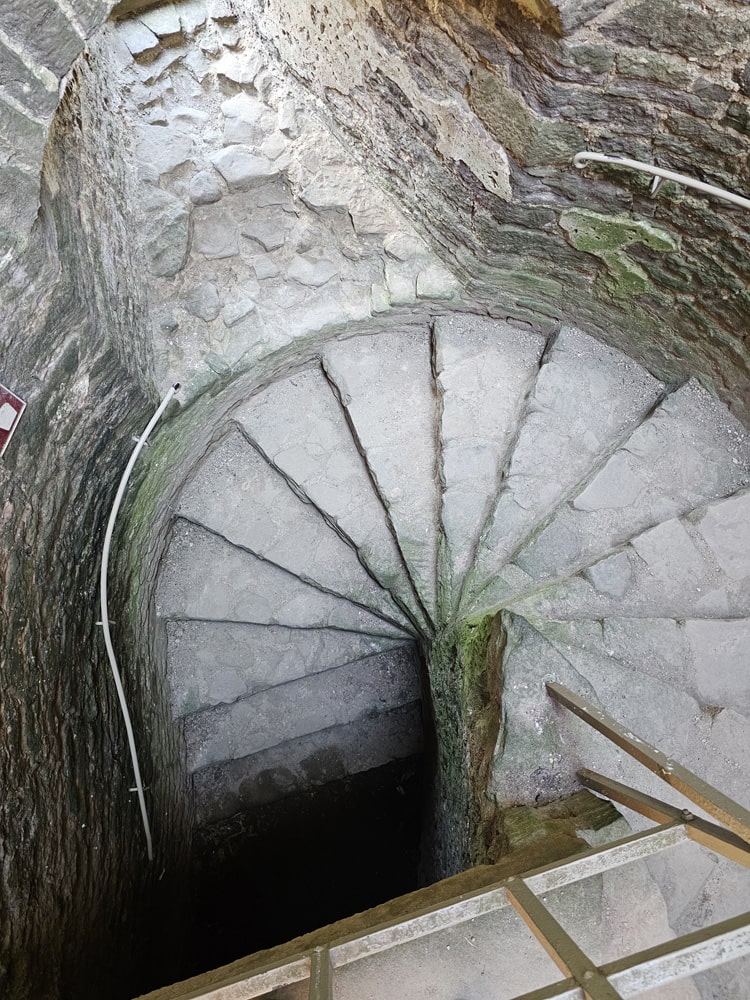
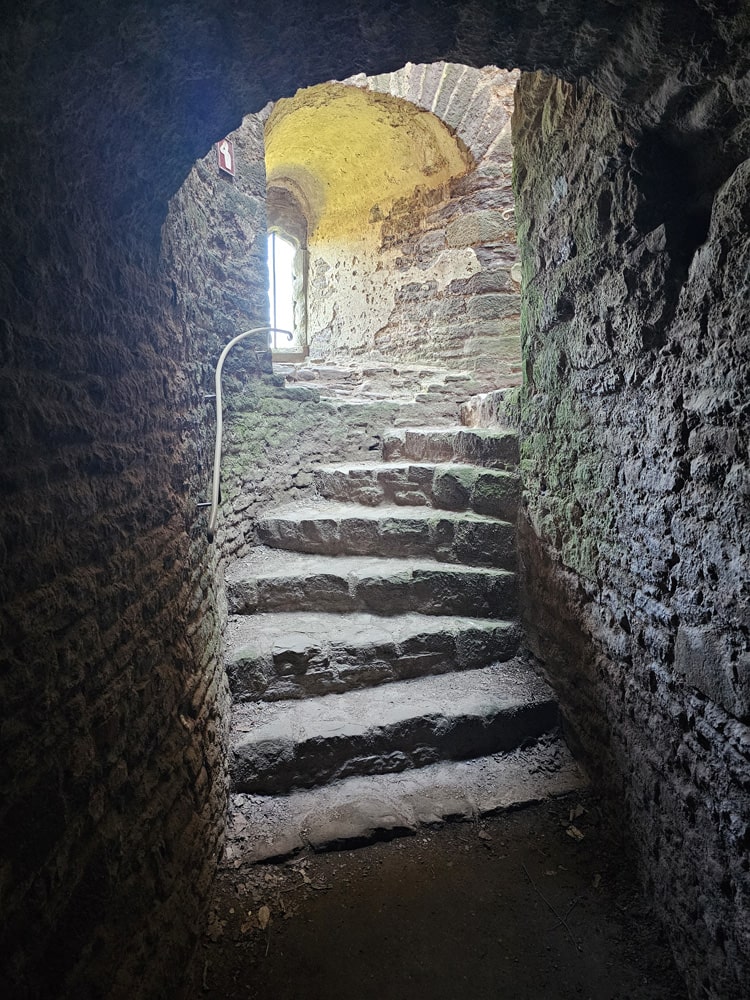
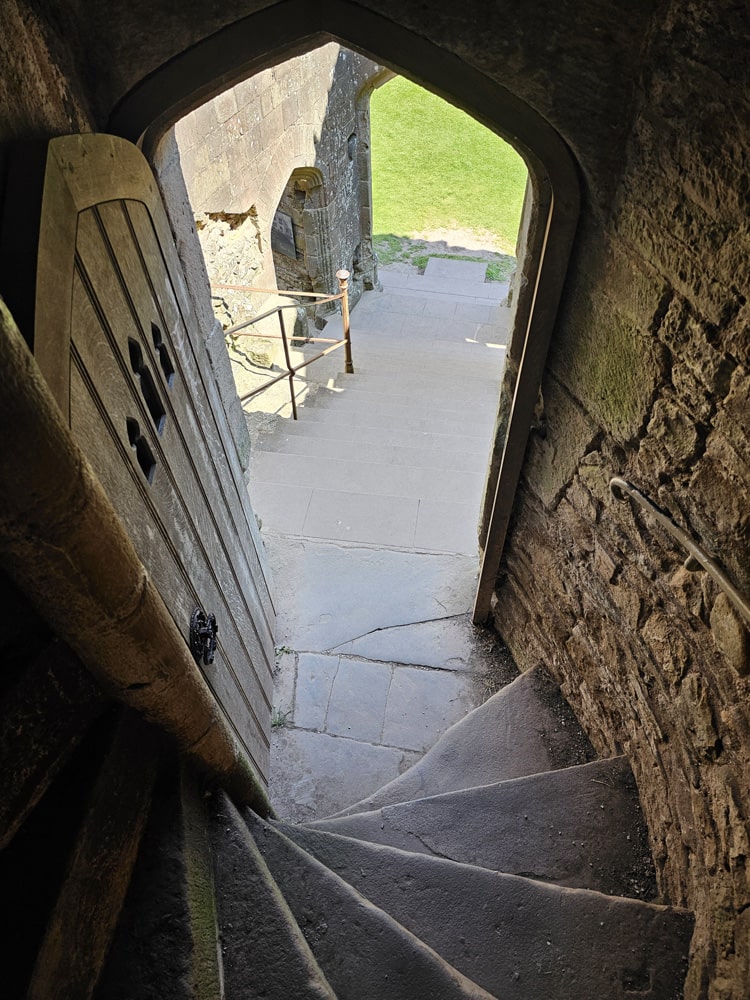
The Great Tower serves as the predominant feature of the castle. The tower and moat are outside the main body of the castle. You can climb to the top of the tower and look straight down into the moat below, or out across the surrounding countryside. You can also walk around the moat.
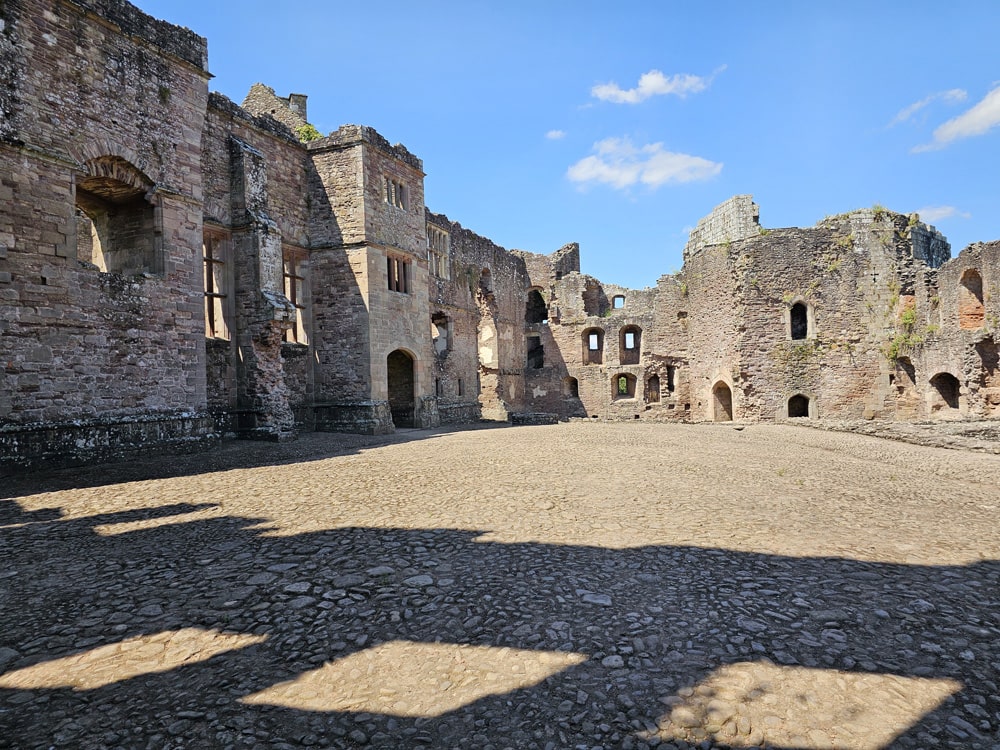
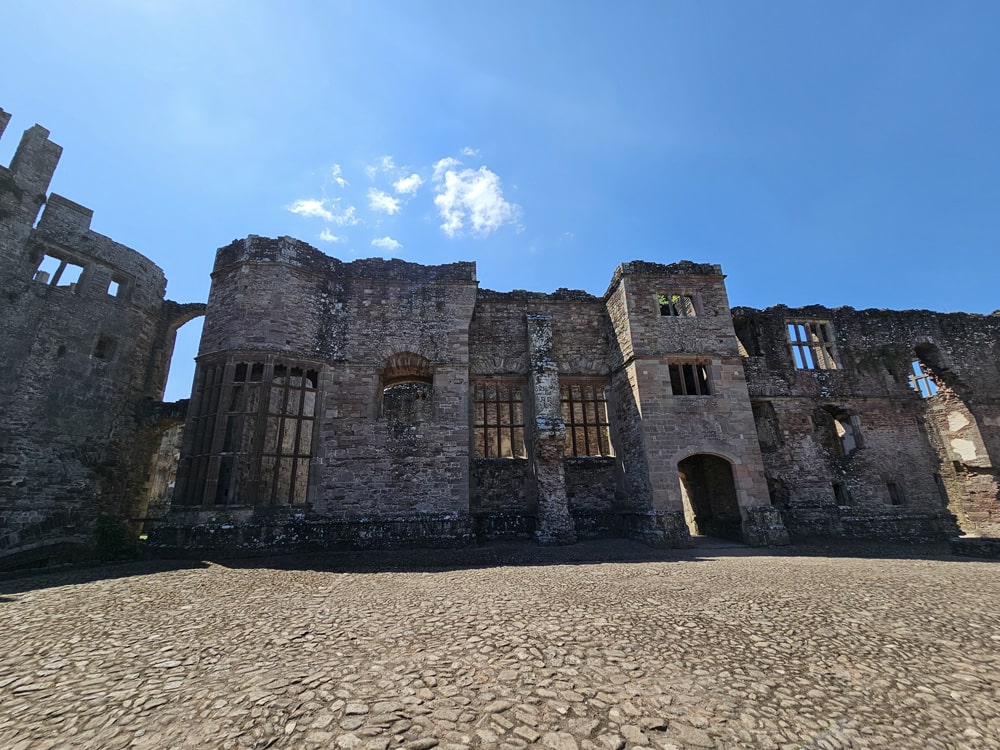
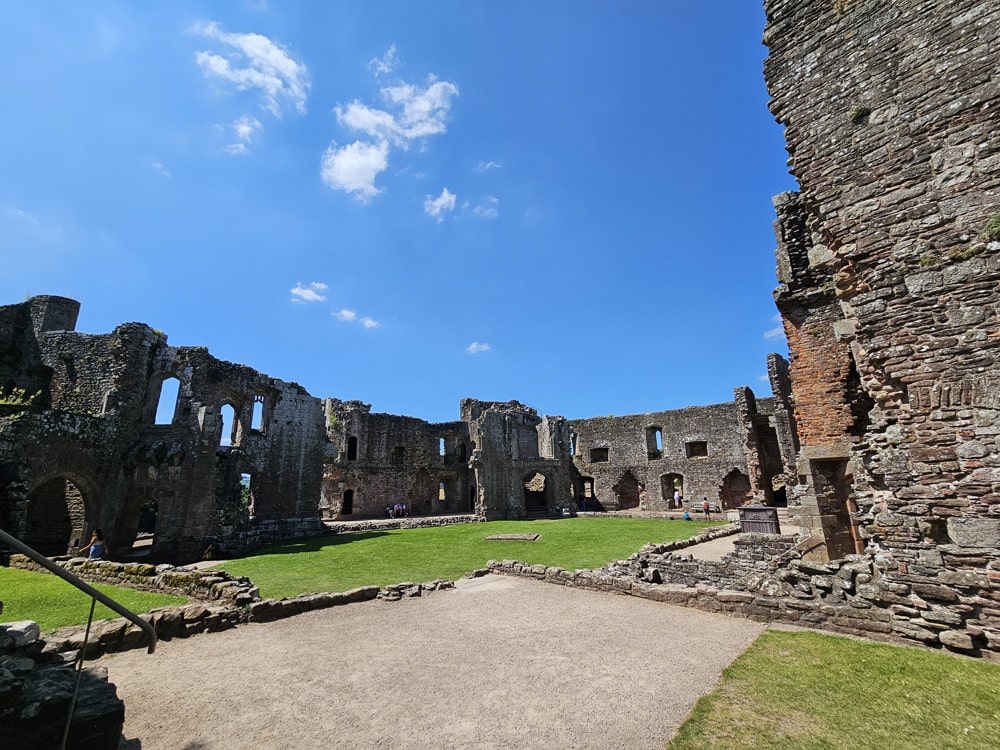
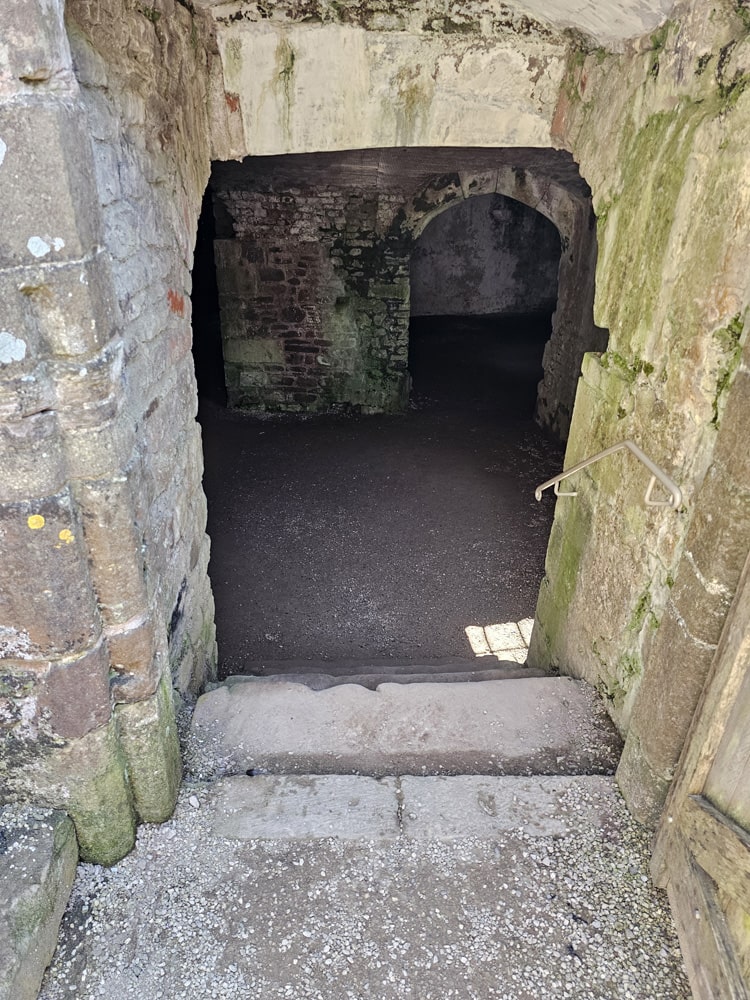
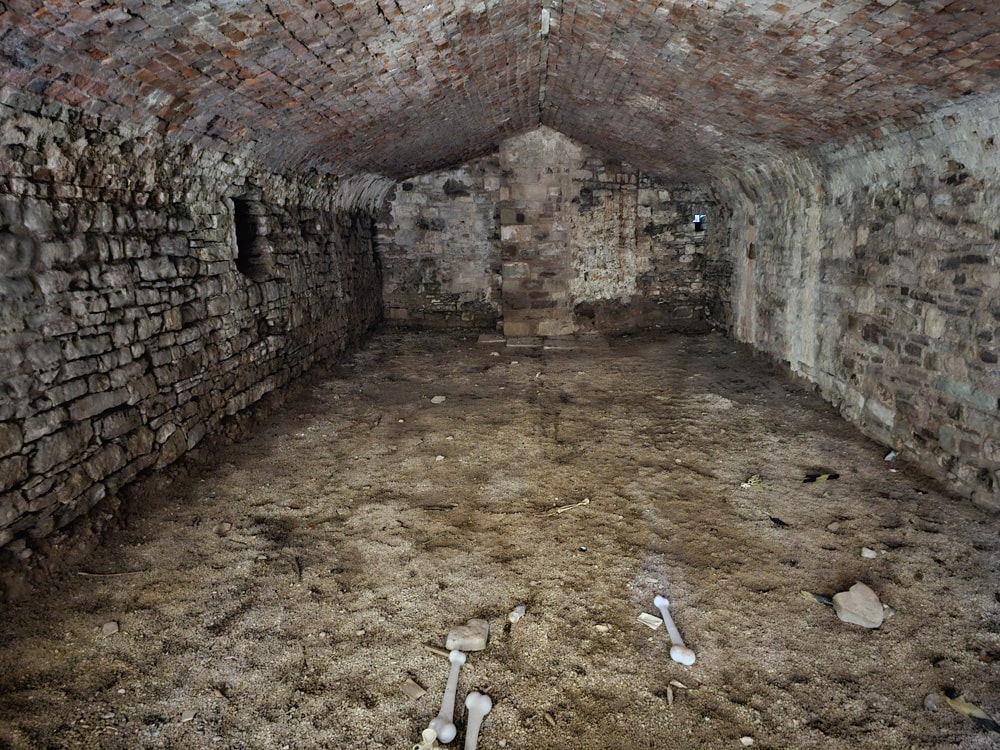
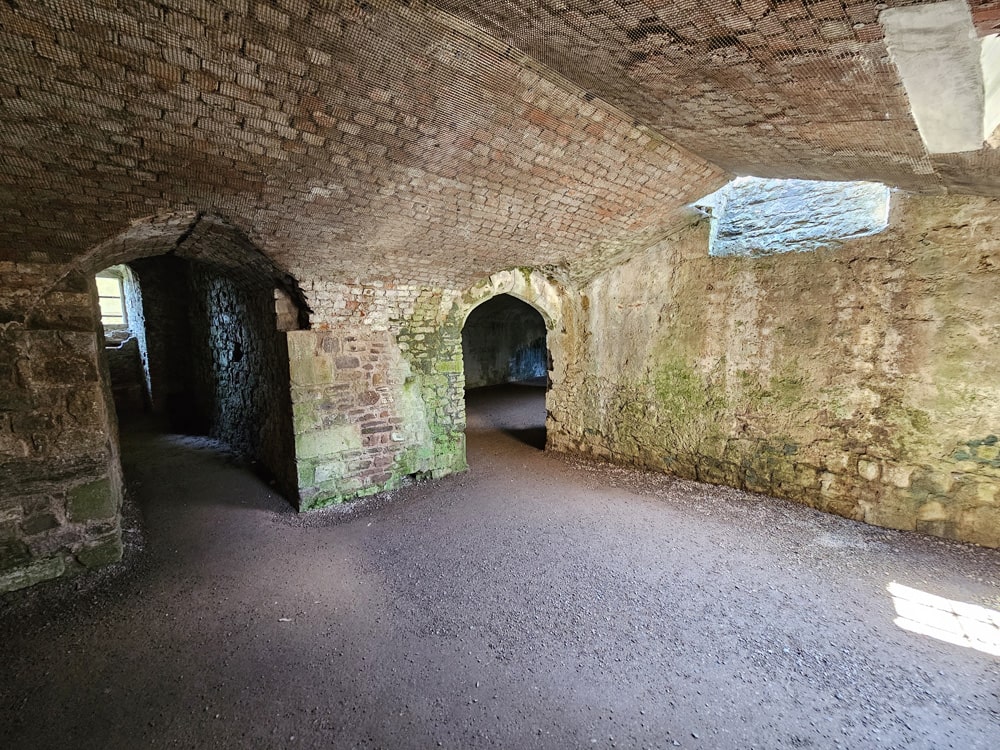
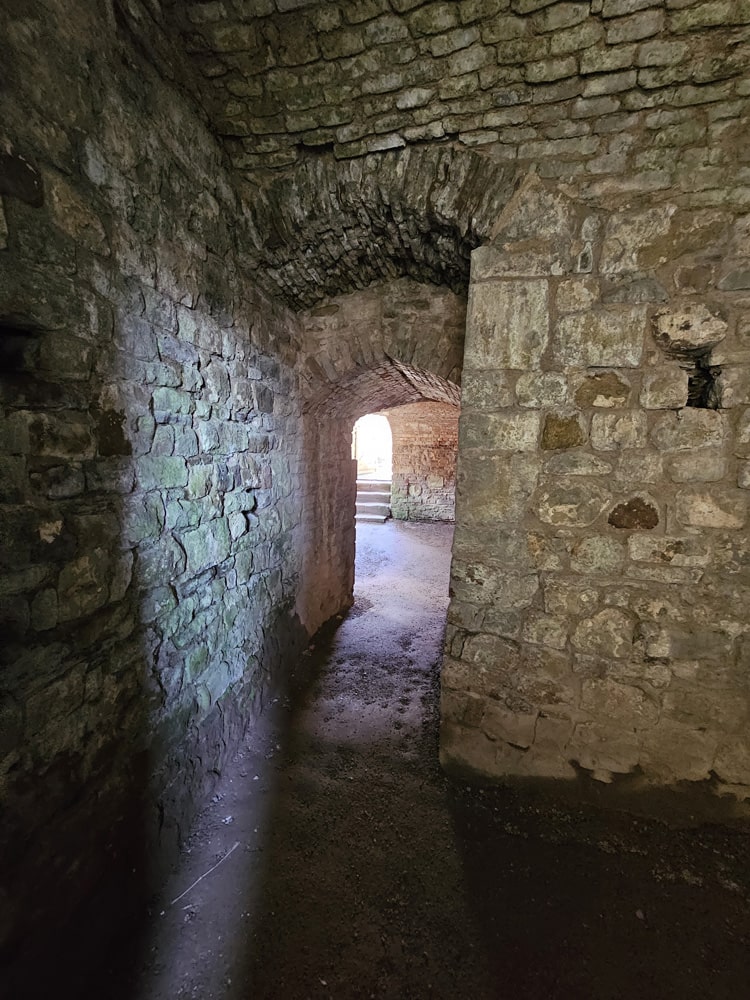
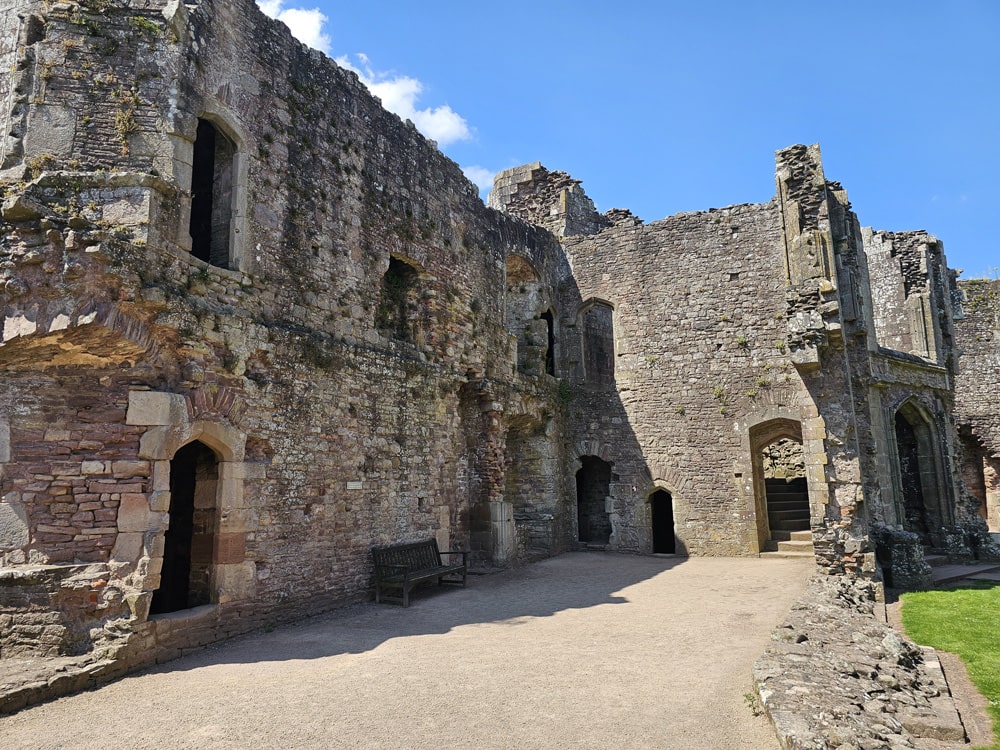
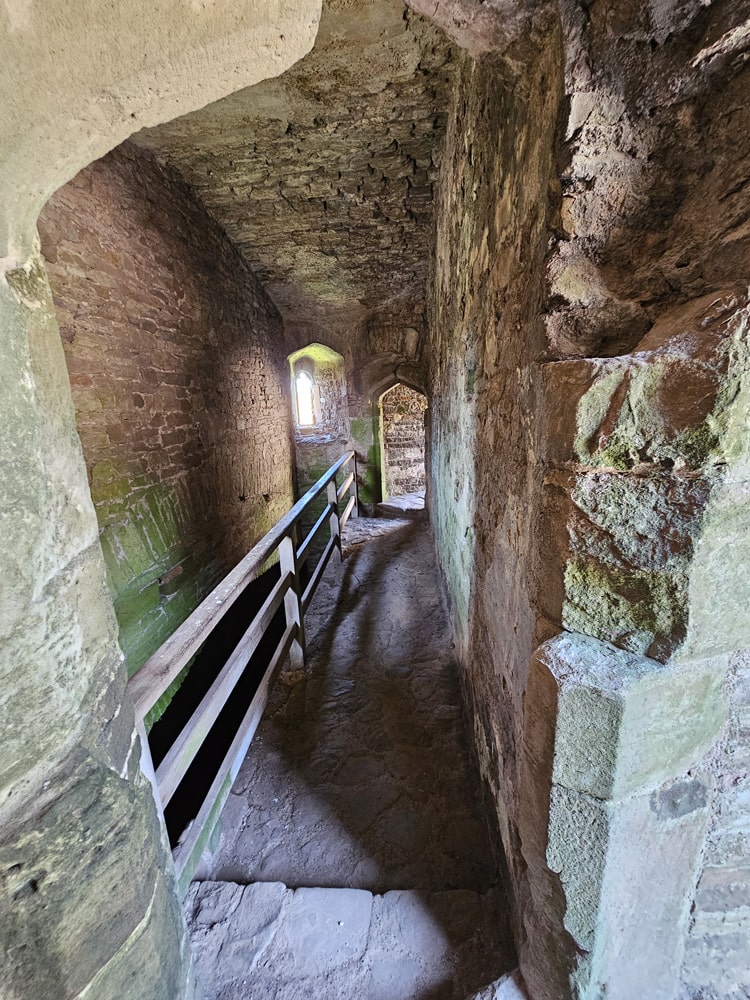
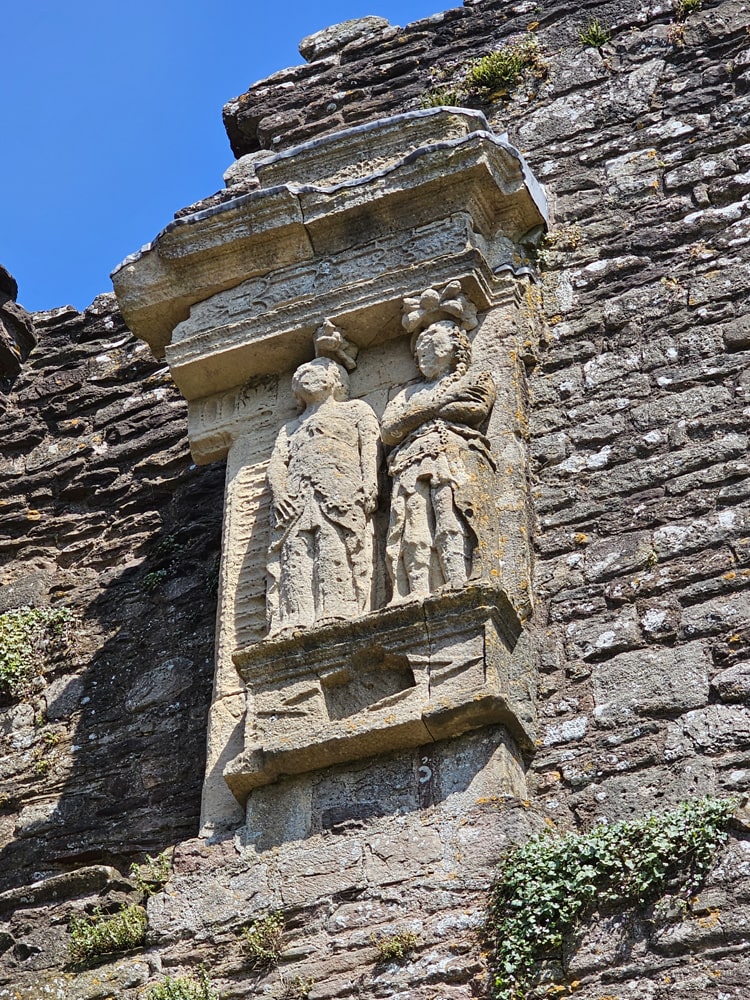
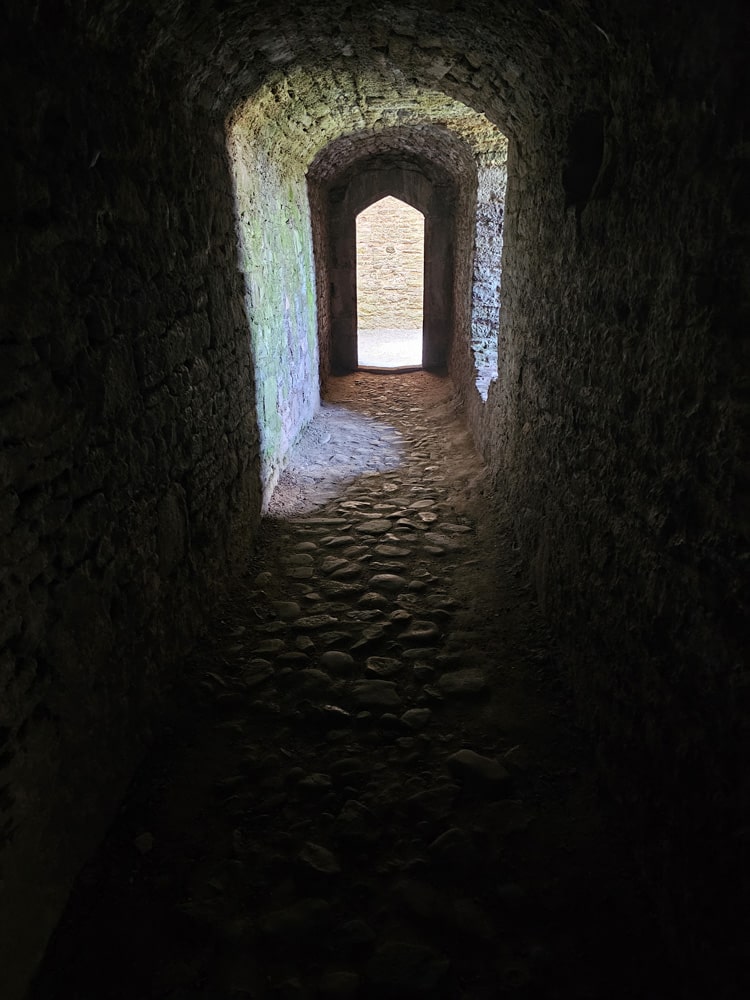
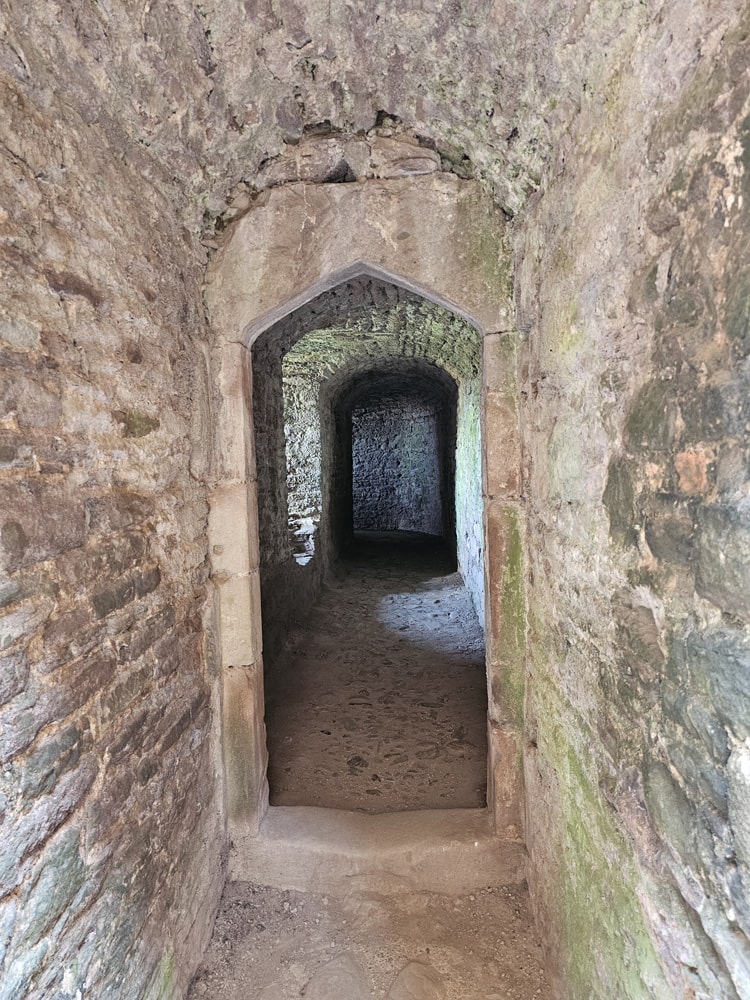
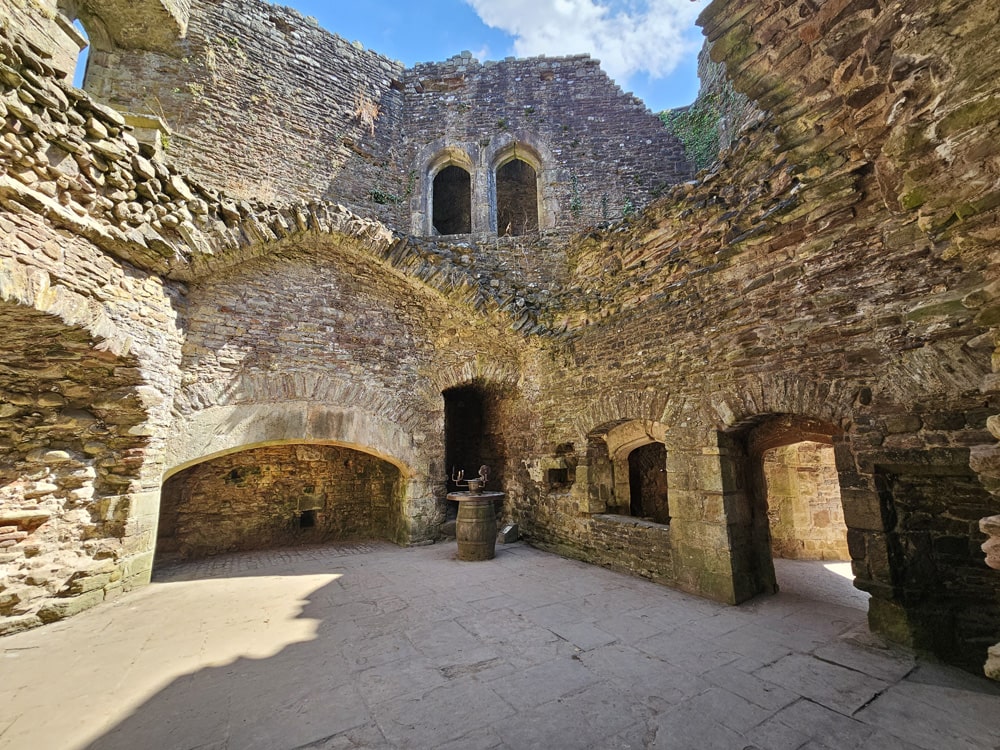
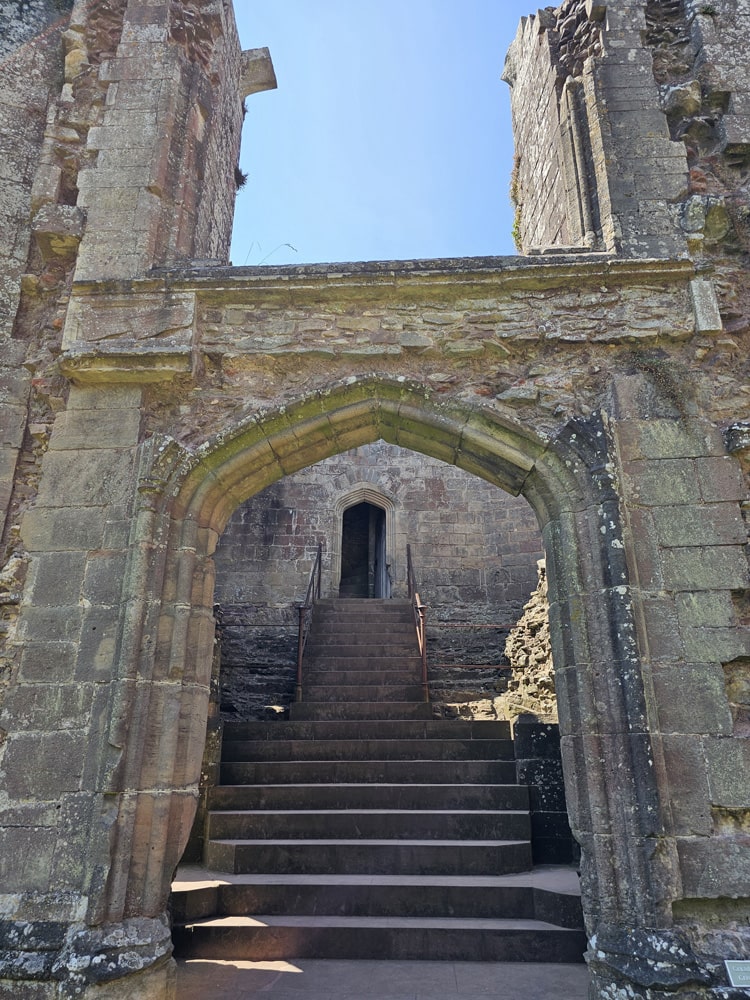
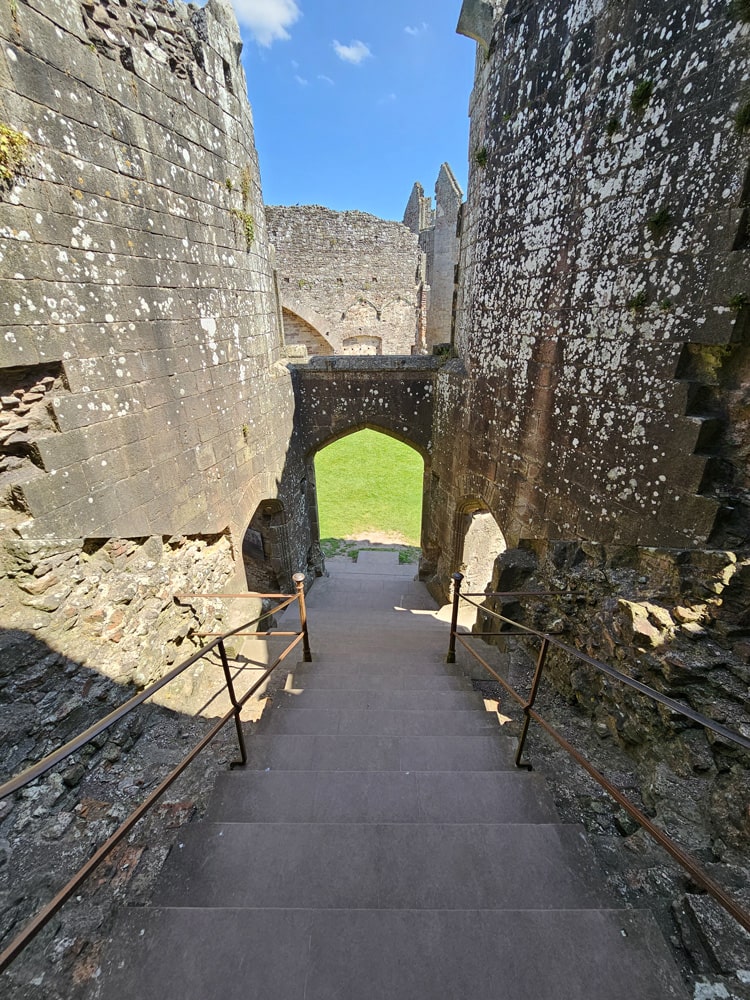
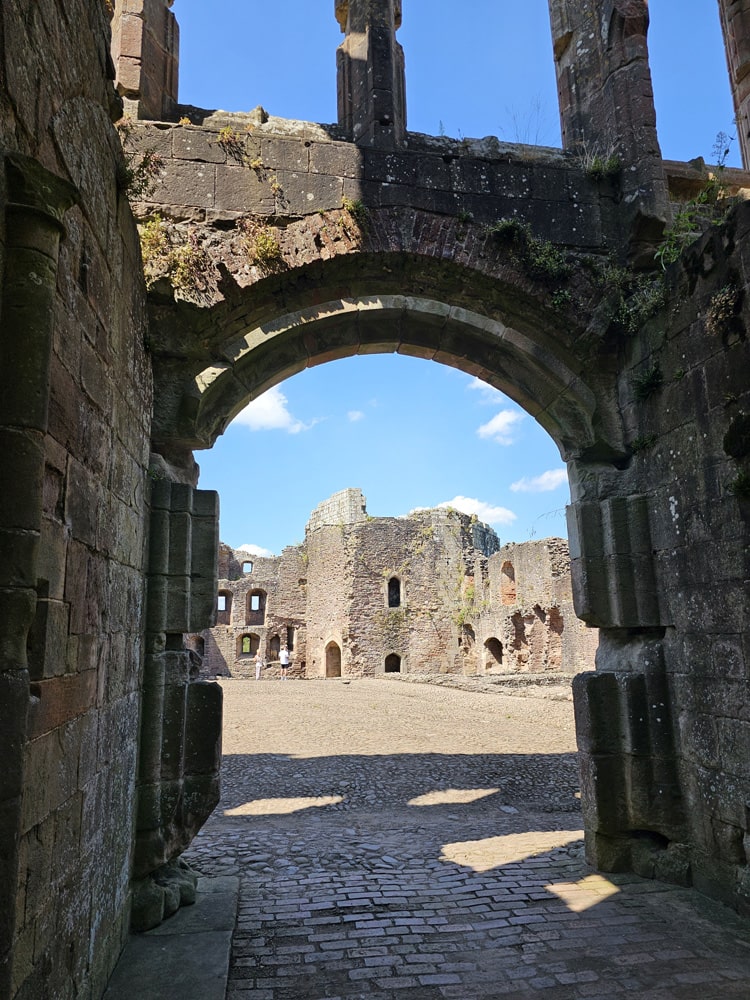
Raglan Castle has several other rooms worth visiting, including the Great Gatehouse, The Hall, Long Gallery, South Gate, and The Cellars. The Hall is the finest and most complete of the castle’s surviving apartments. The Long Gallery has been called one of the finest rooms of Tudor rebuilding in Britain, and still has some carvings high on the walls.
Photo Gallery.
Did you enjoy this post?
I hope you found this post useful. I put a great deal of time and effort in to building, maintaining and populating the website. If you like, you could say a small thank you by buying me a coffee. You don't have to, but it would be nice :)
Buy me a coffee
Stay up to Date
Follow me on my journey and get notified whenever a new post is published by following Kings & Castles on Facebook.
Follow MeExplore The Map
Discover the hundreds of castles, churches, monasteries, cathedrals and other historic locations that I've personally visited across England and Wales. Search by location, explore nearby sites and plan your next historical adventure.
Share: