Caernarfon Castle
Caernarfon Castle is a 13th-century medieval fortress in north-west Wales, and is recognised around the world as one of the greatest buildings of the Middle Ages. This royal fortress on the banks of the River Seiont is grouped with Edward I’s other castles at Conwy, Beaumaris and Harlech as a World Heritage Site.
Quick
Facts.
- Location: Caernarfon, north-west Wales
- Established: Late 11th century
- Built in stone: 1283 - 1330
- Condition: Largely intact
- Date visited: March 2025
- More info: Visit website
- Rating:
A Bit of History…
The area has been inhabited since Celtic times, and was taken by the Romans in the late 70s AD. On a hilltop east of the castle are the remains of a Roman fort, Segontium, founded around 77 AD and was occupied for around three centuries. The layout of many of the buildings can still be seen. When the Romans left, the Celts retook the area and lived in relative peace for around six centuries until the Normans invaded.
The first fortification on the site of the castle was a Norman motte-and-bailey castle built in the late 11th century, which King Edward I of England began to replace with the current stone castle. Edward started building Caernarfon Castle from about 1283, at roughly the same time as two of his other grand fortresses at Harlech and Conwy.
Caernarfon is one of a number of castles that Edward I built in Wales as part of his so called ‘Iron Ring‘ (or Ring of Iron), a series of castles designed to crush and subdue the rebellious Welsh Princes. Caernarfon acted as a seat of power; the administrative centre of north Wales and a symbol of English dominance over the subdued Welsh, and as a result the defences were built on a grand scale.
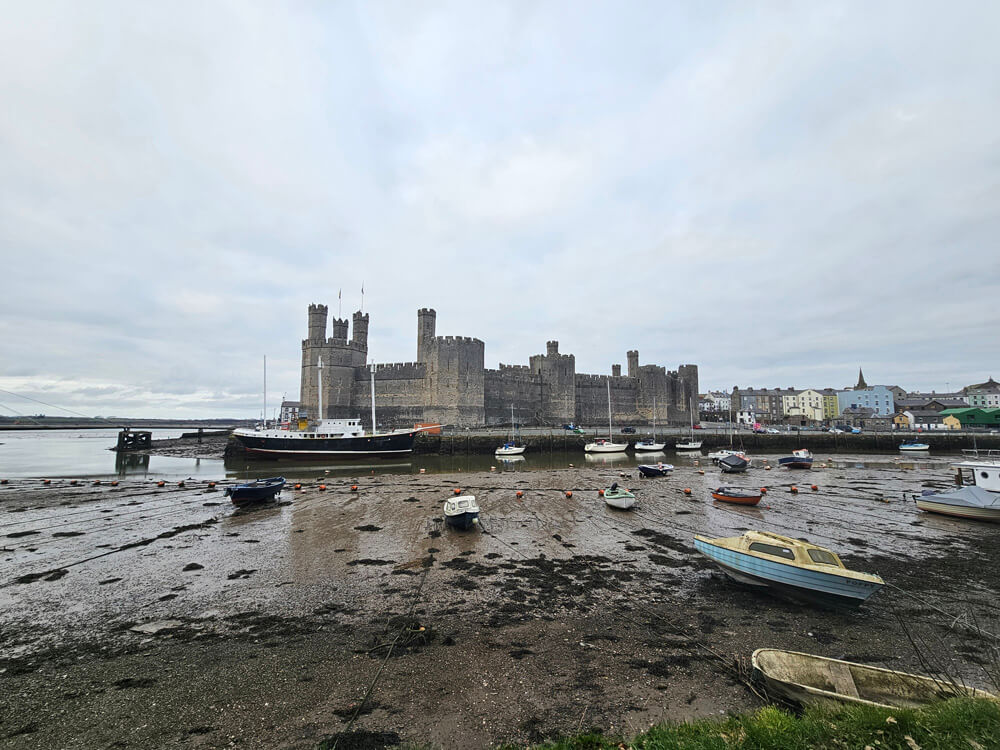
As with all of the castles of Edward I’s Iron Ring, Caernarfon was built on the shoreline. Its strategically chosen location, at the southern end of the Menai Straits, allowed for sea access between the north and western Welsh coasts. The location was the site of an existing Welsh settlement that was destroyed to make way for the new castle and its town walls, and was populated entirely by English settlers once it was completed.
While the castle was under construction, town walls were built around Caernarfon, connected to the castle, creating a new English walled town. Here Edward and his royal military architect Master James of St George erected the castle, town walls and a new quay all at the same time. This gigantic building project took 47 years to complete and cost a colossal 90 per cent of the nation’s annual income. Caernarfon’s town walls were mostly complete by 1285 but the building of the castle continued until 1330.
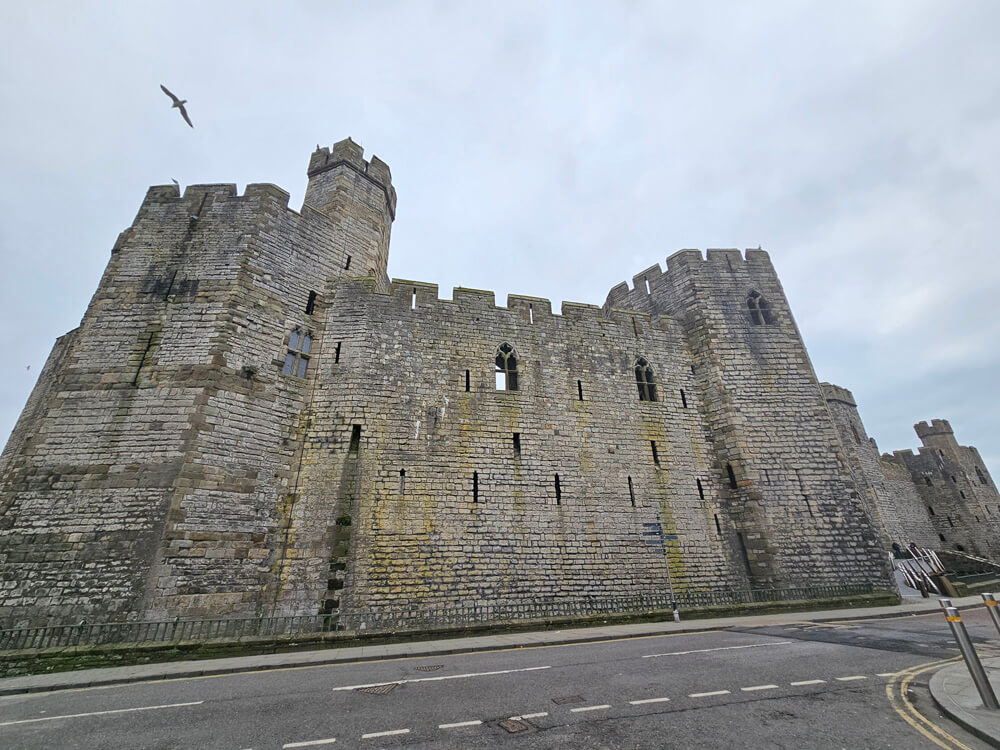
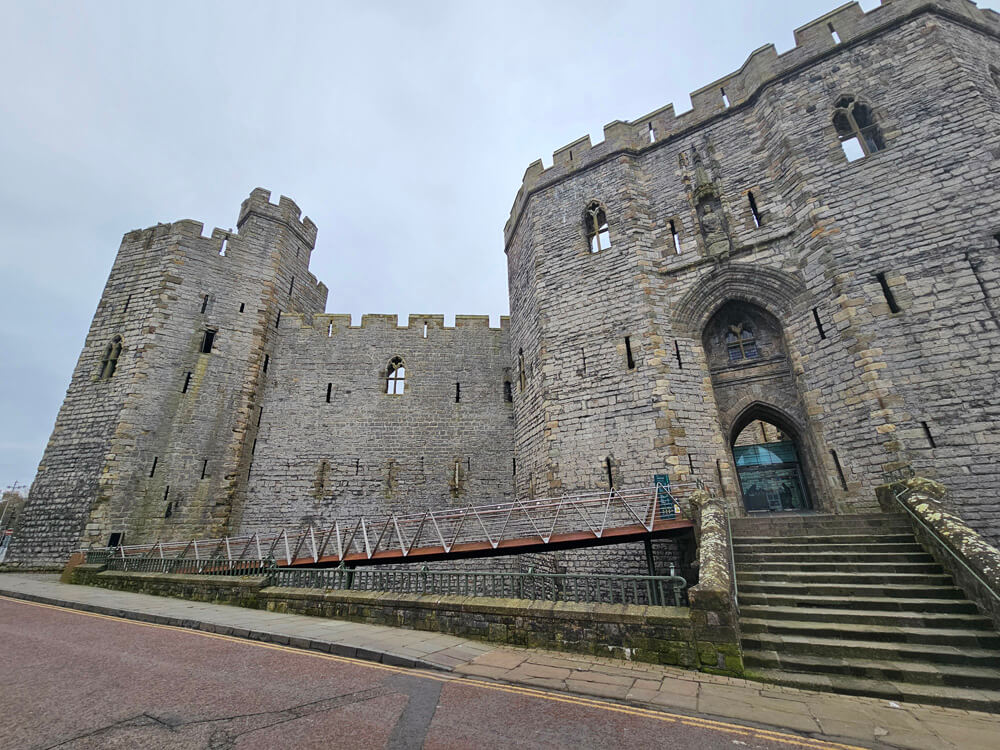
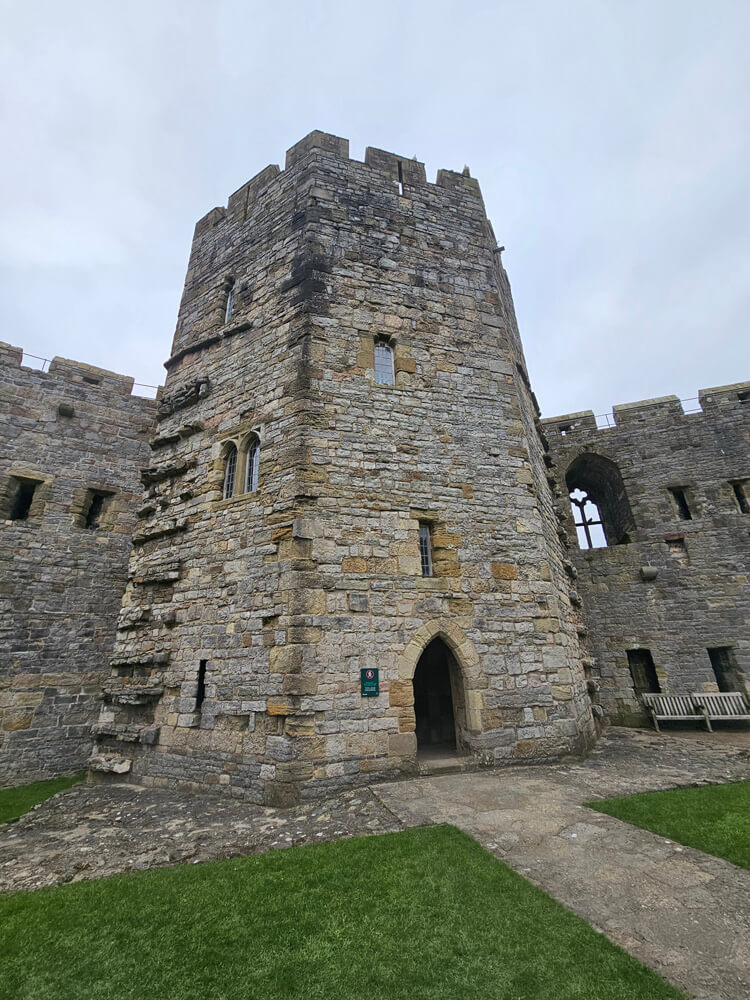
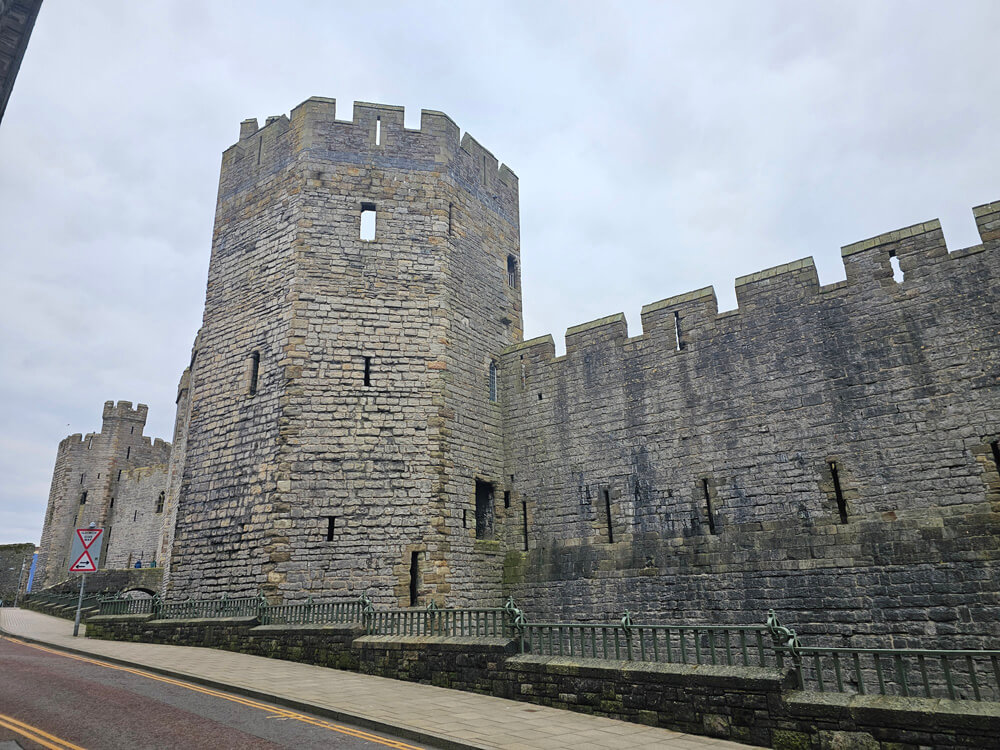
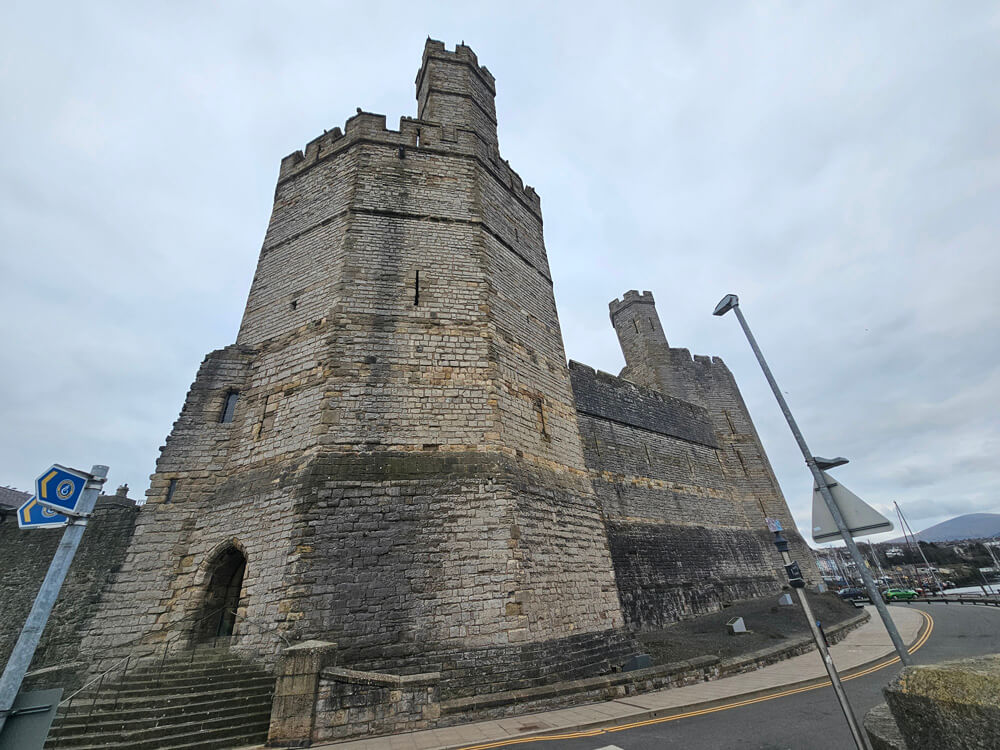
Some of the castle’s stone was taken from the nearby Roman fort. Unlike Edward’s other castles, Caernarfon has polygonal towers, modelled on defences built for the emperor Constantine in Constantinople, capital of the eastern Roman empire. The towers’ shape was meant to project England’s conquering power.
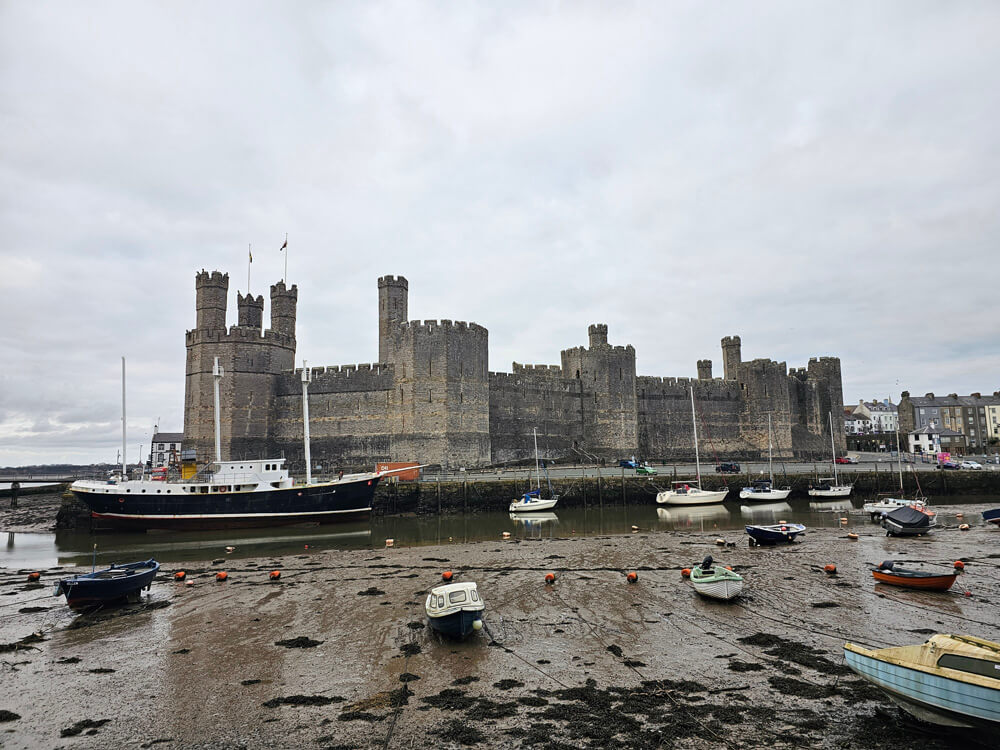
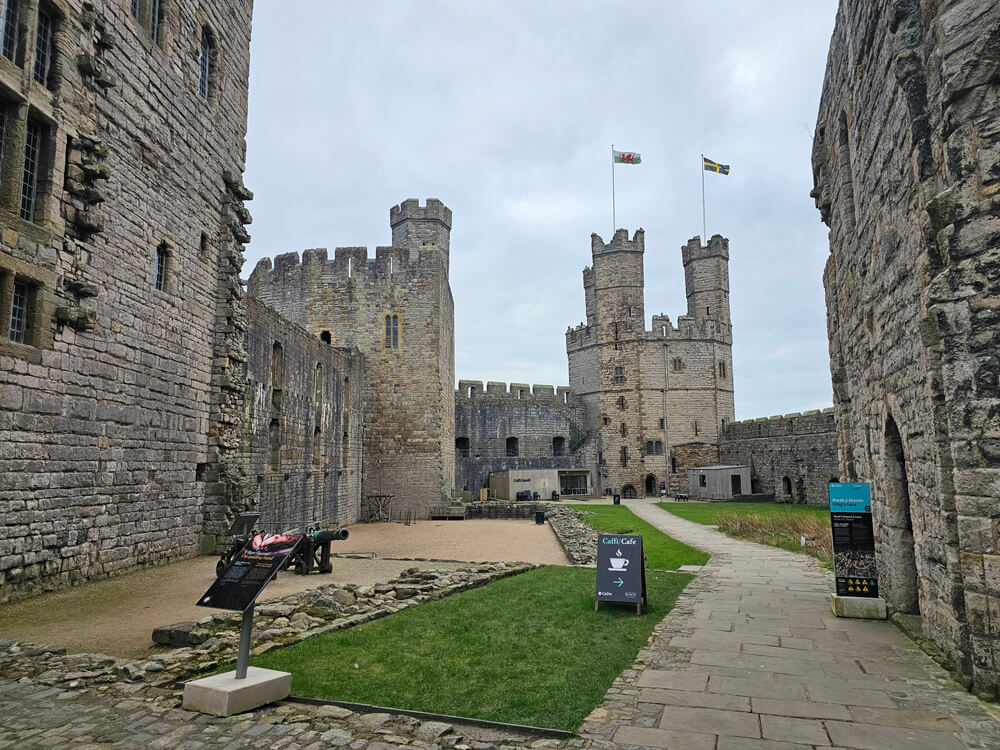
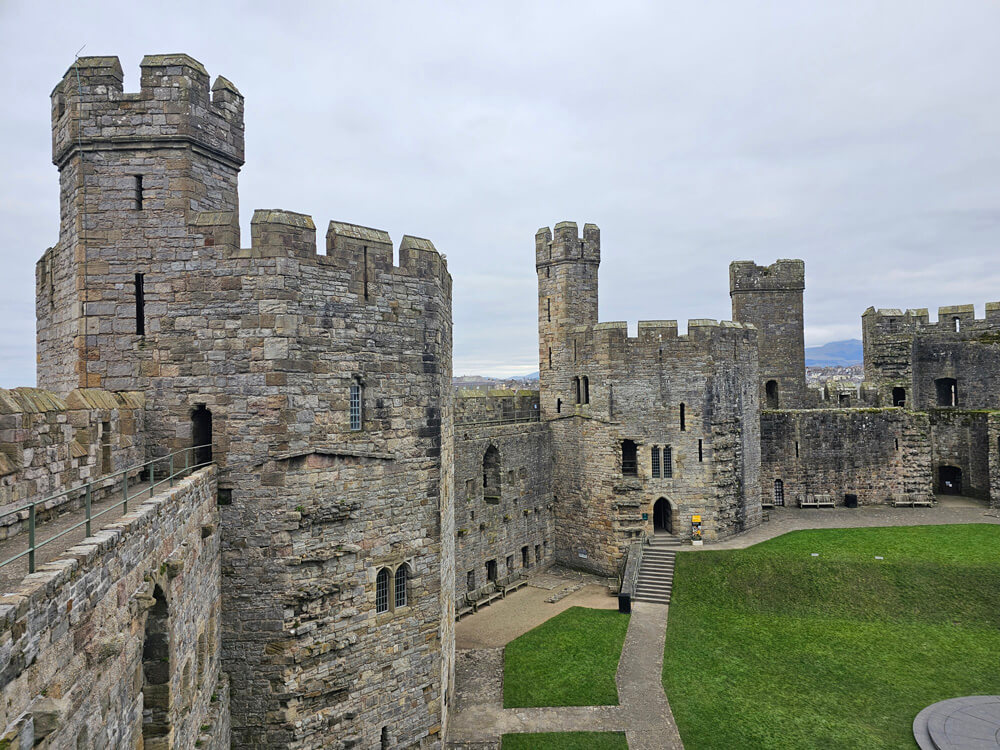
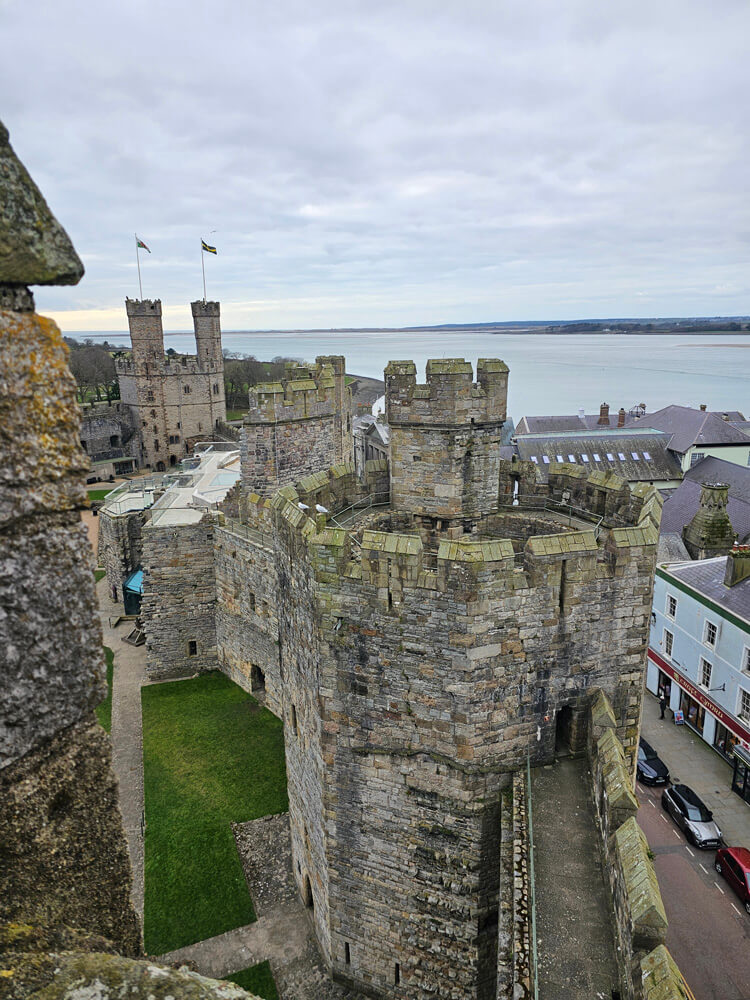
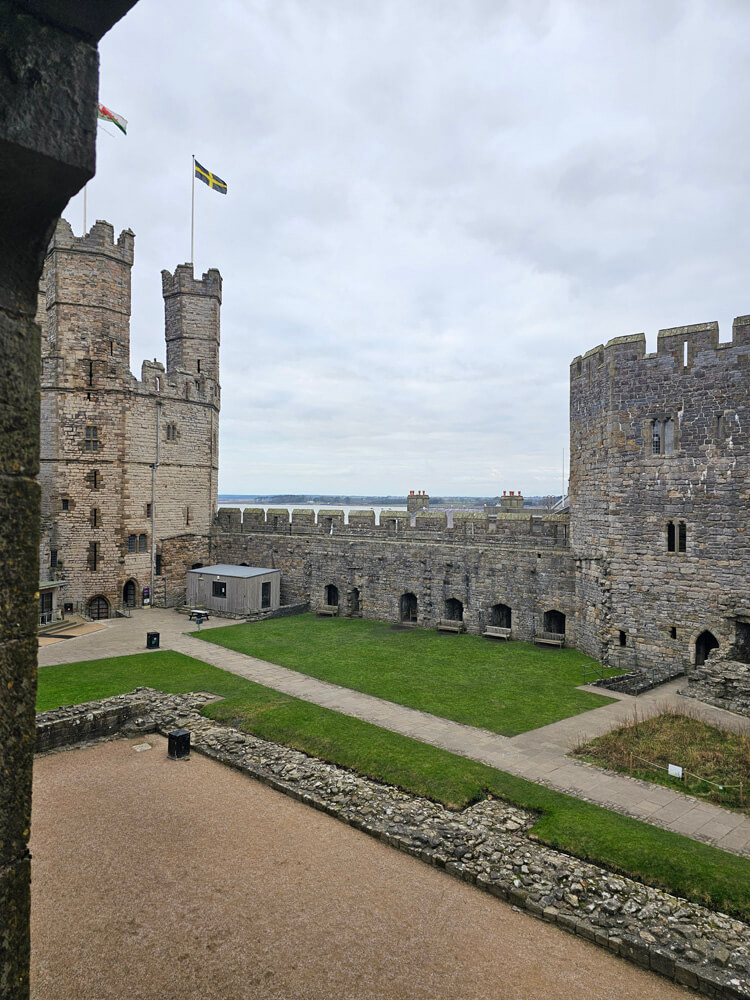
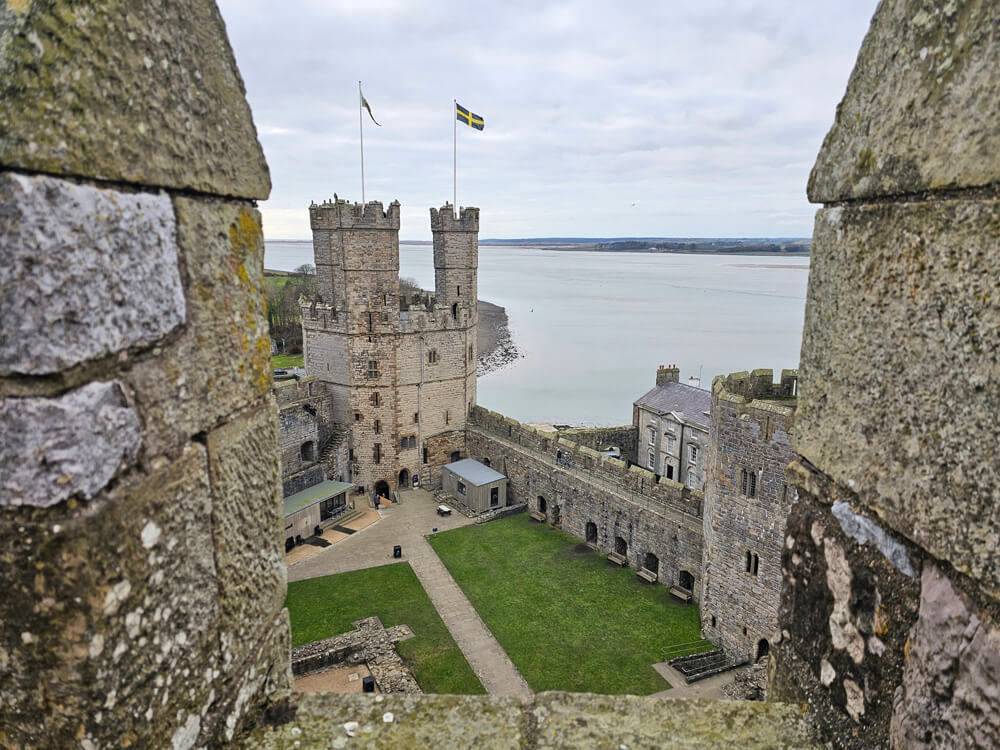
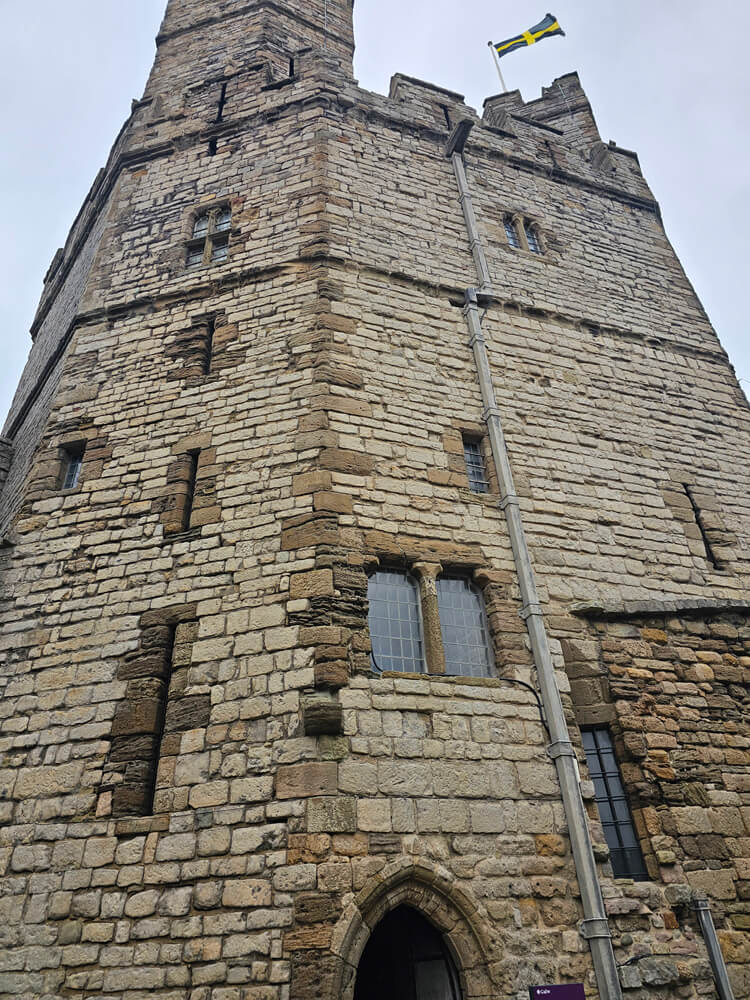
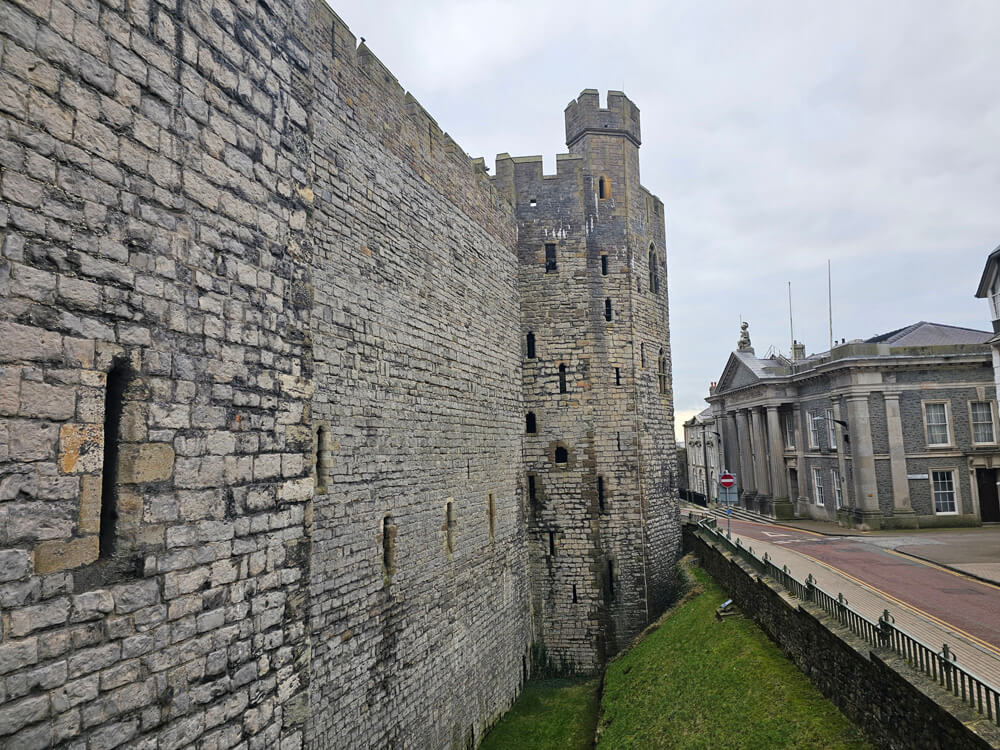
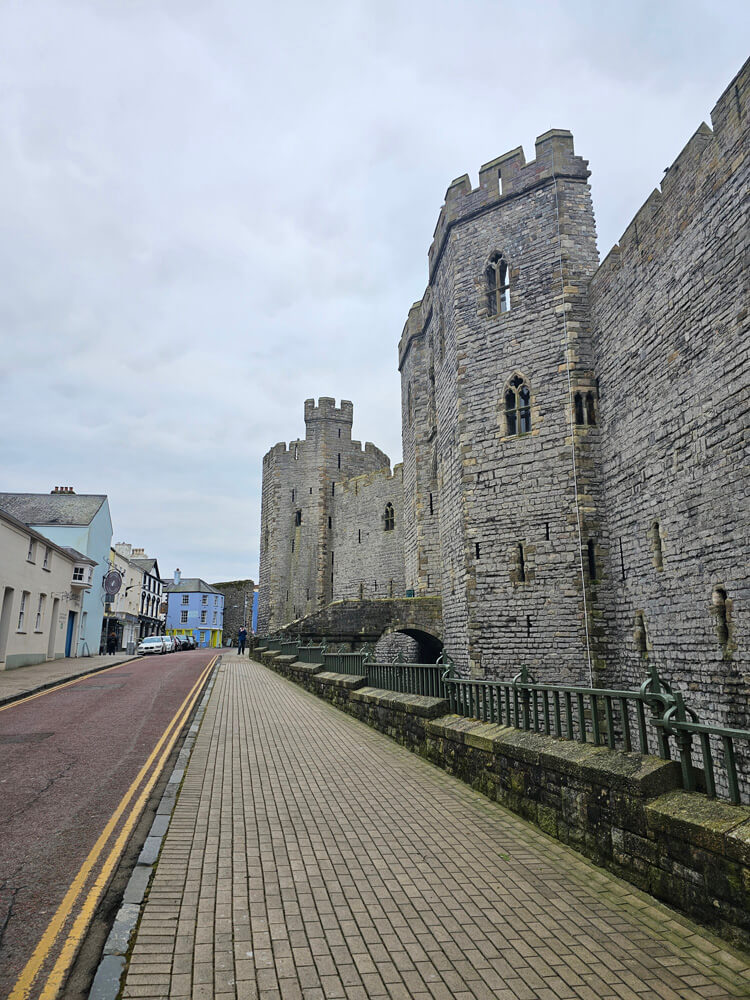
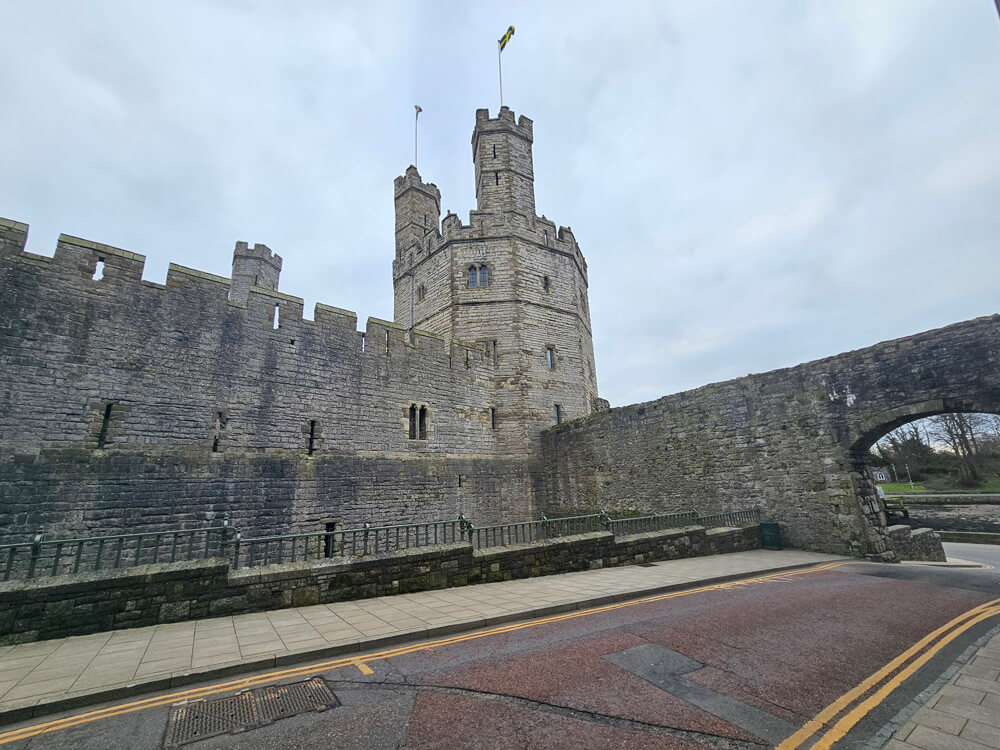
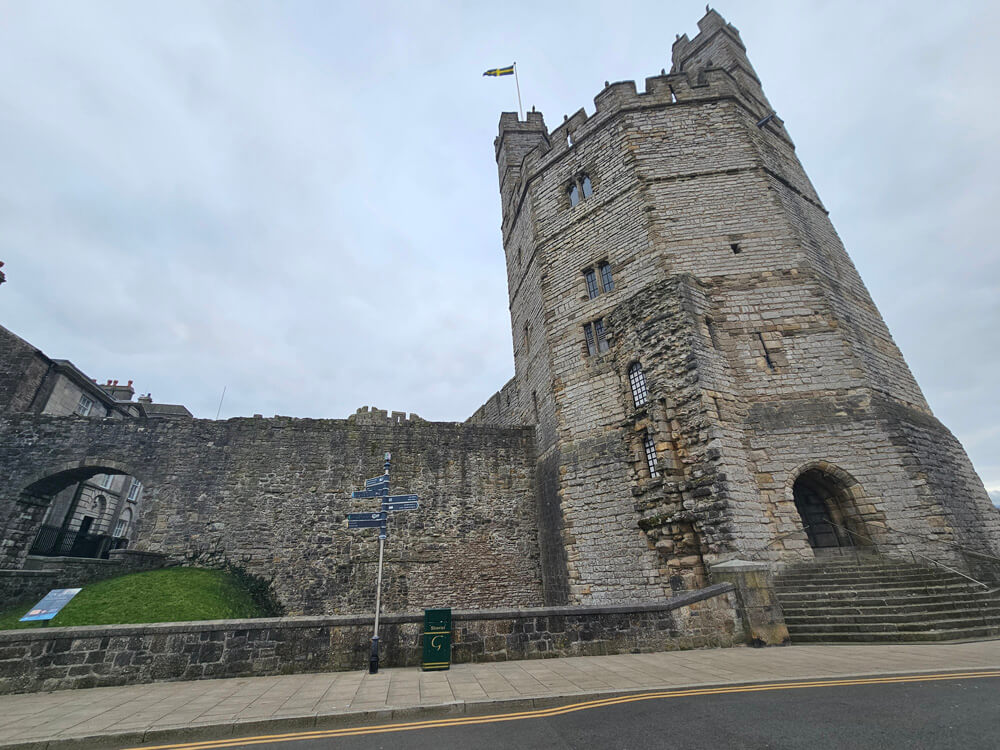
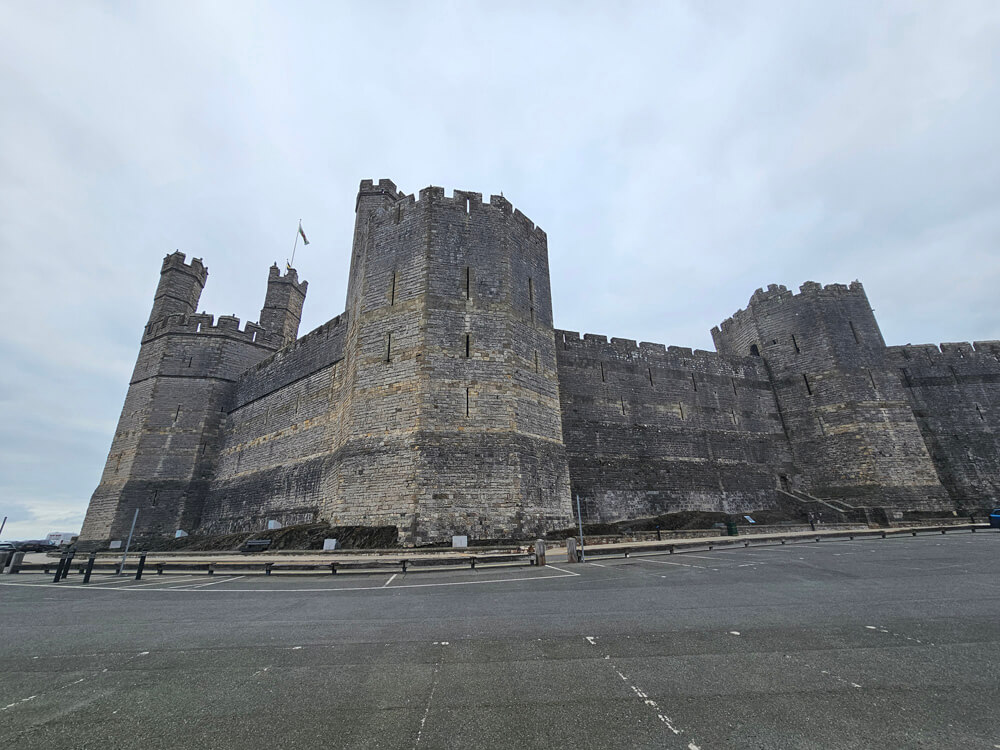
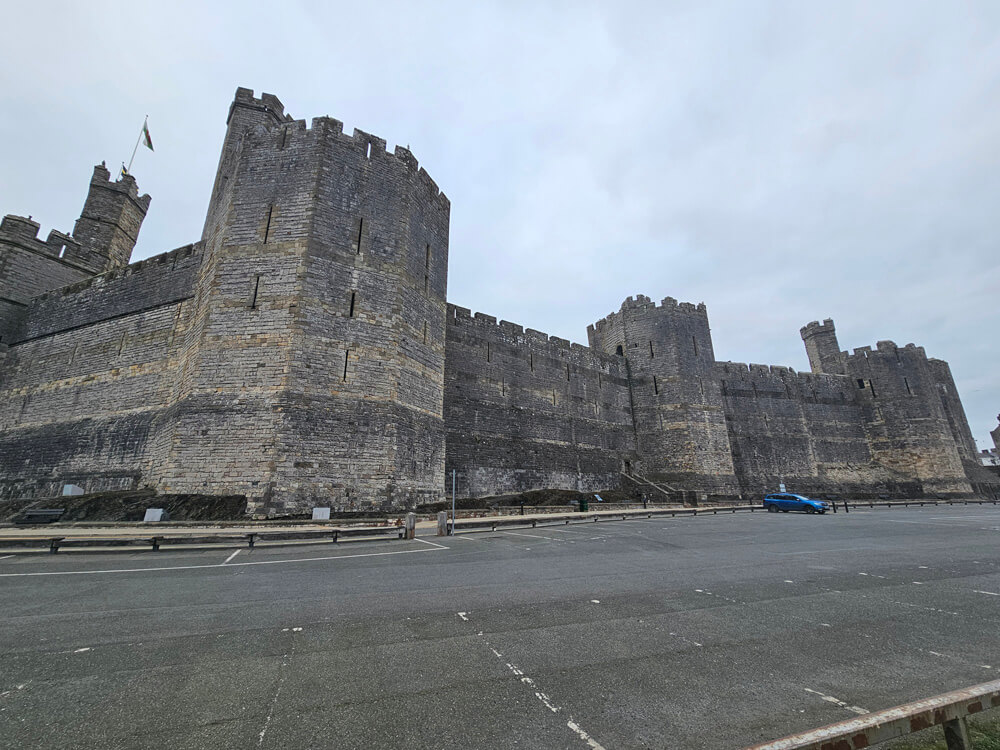
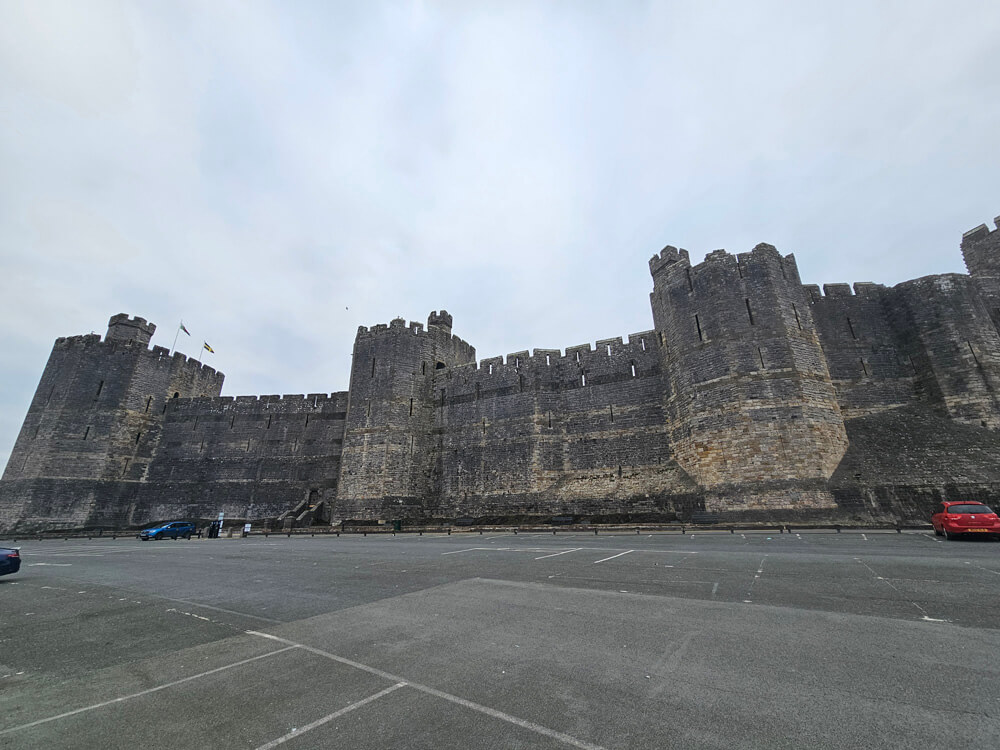
Caernarfon’s main function was to boldly impress, intimidate and strike fear into the hearts of any Welsh locals who dared question his authority. Caernarfon Castle is comprised of 4 main towers; Black Tower, Chamberlain Tower, Eagle Tower and Queen’s Tower. The Eagle Tower, with its three great turrets and 18-feet thick walls, is the most impressive of the towers and is the crowning glory of the castle. The walls of the castle were up to 20 feet thick in some places.
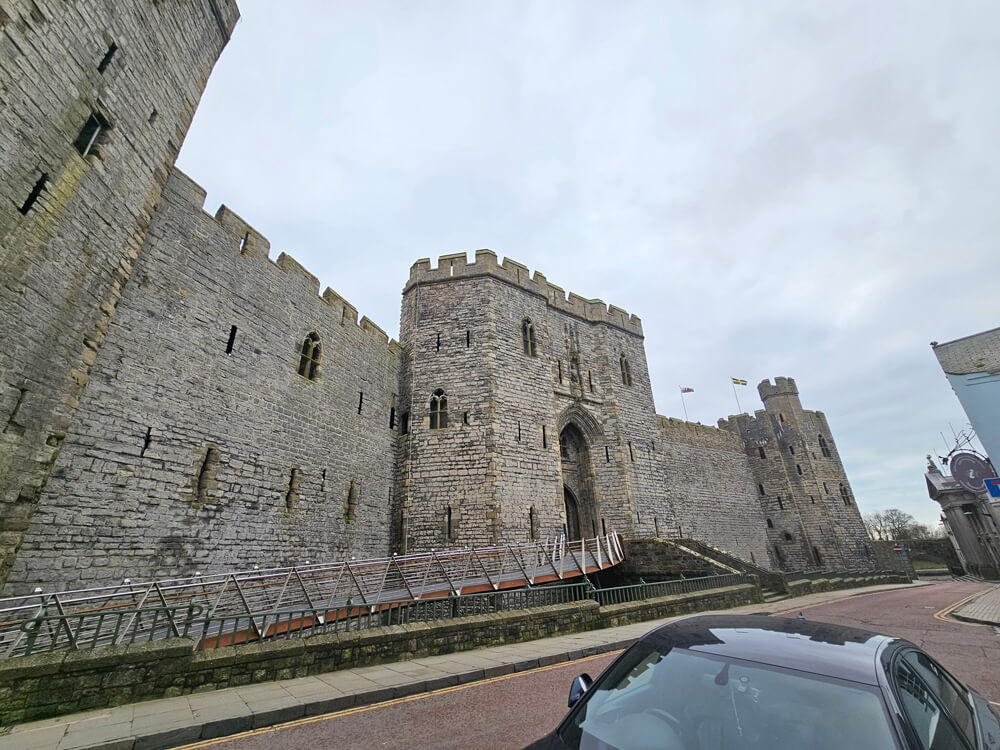
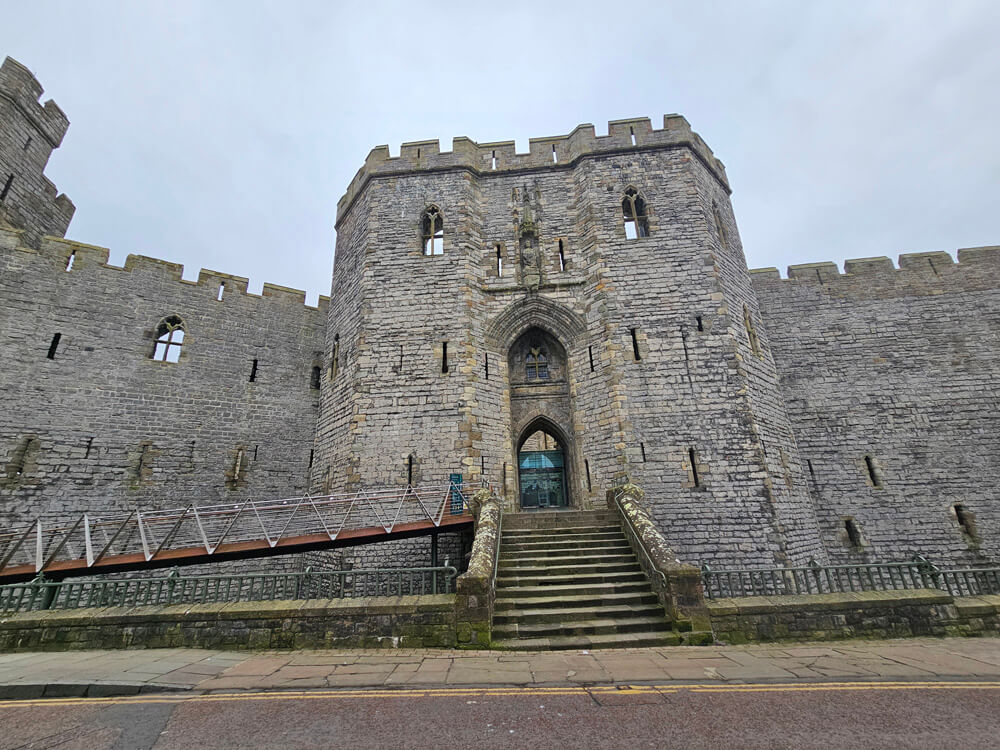
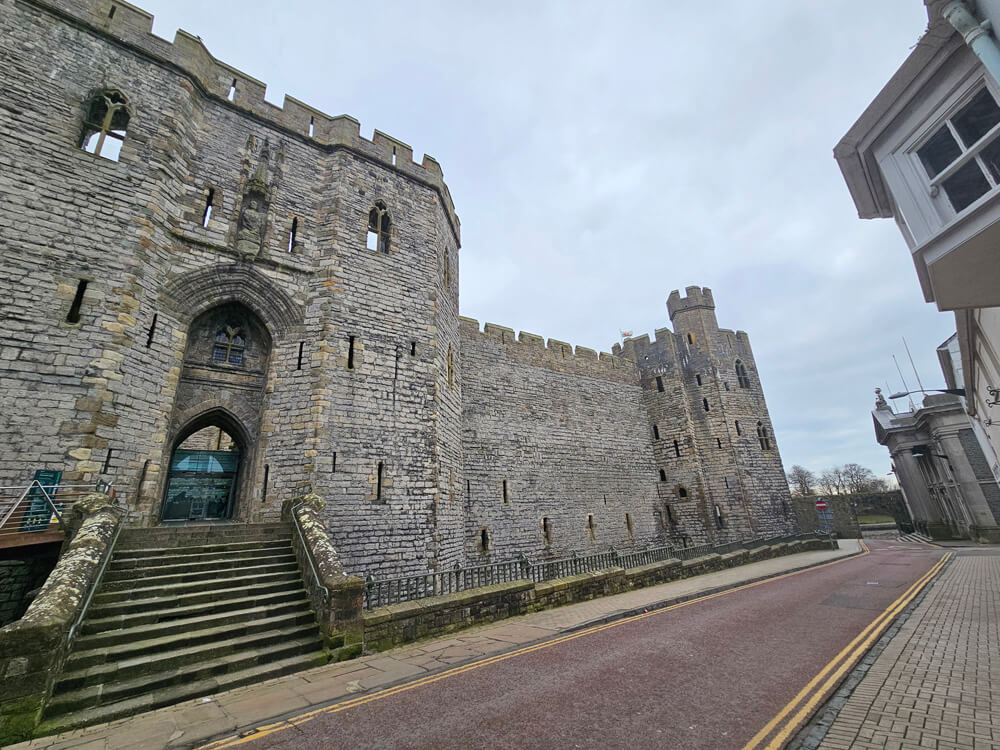
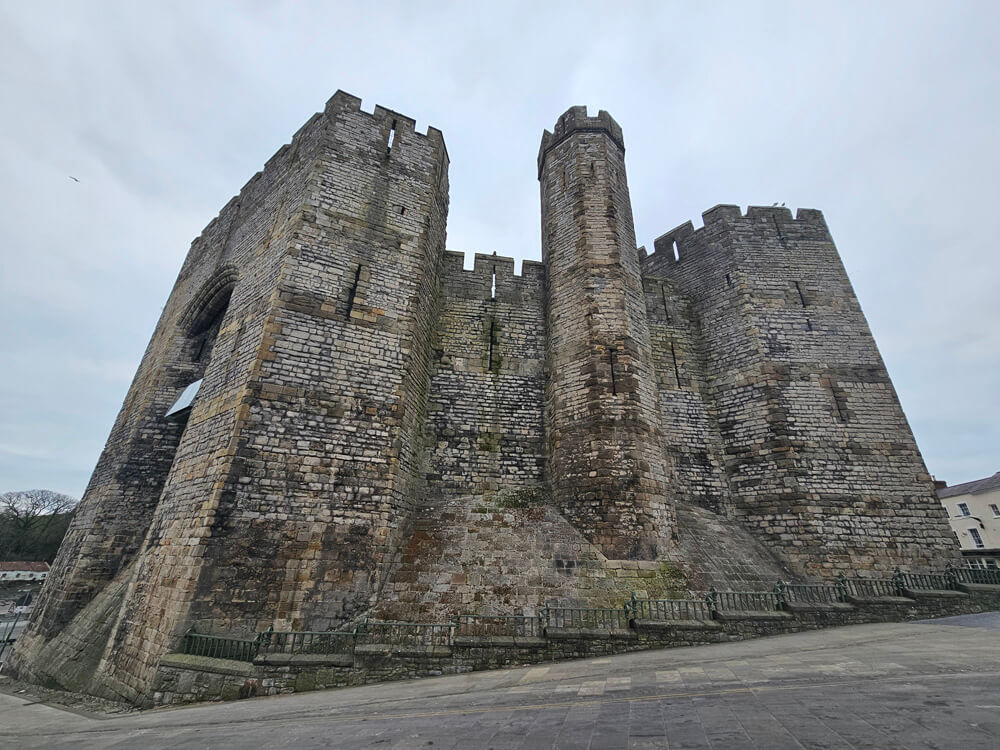
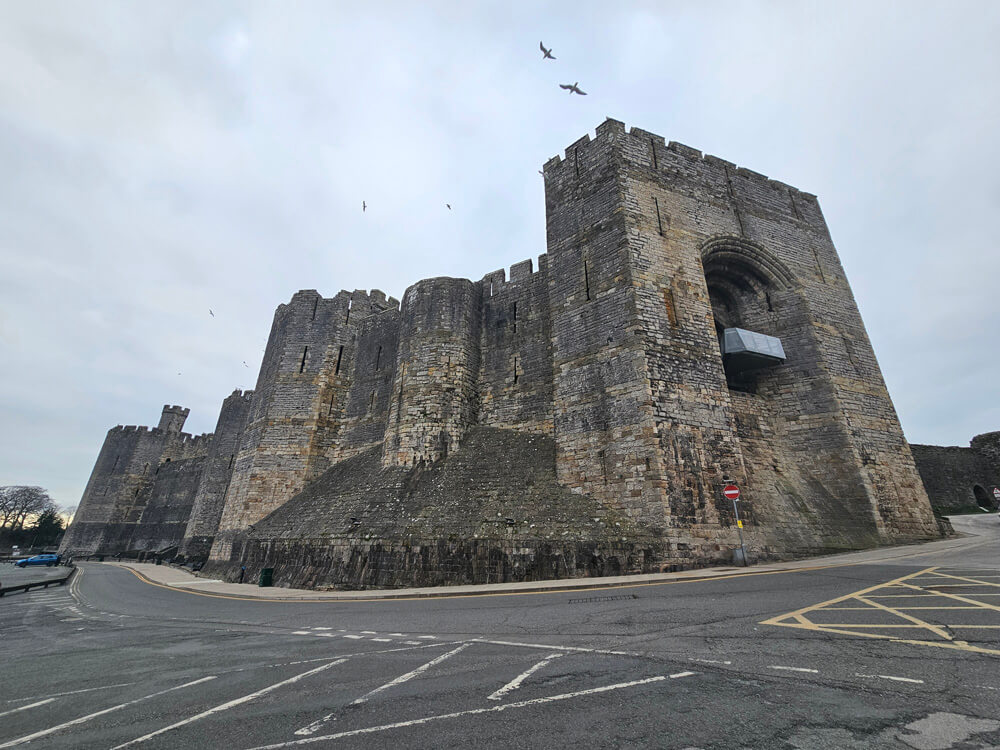
The two gateways; the King’s Gate and the Queen’s Gate were never fully built, but even in an incomplete state they provided good defences for the castle, both being twin towered. The main King’s Gate was designed to be defended by a drawbridge and no less than six portcullises, plus arrow loops, spy holes and murder holes, through which deadly substances and objects could be hurled down onto attackers.
The castle and walled town was attacked by the Welsh on a couple of occasions. In 1294, Wales broke out in rebellion led by Madog ap Llywelyn, Prince of Wales. Madog’s forces captured Caernarfon in September, and in the process heavily damaged the town walls. In the summer of 1295, the English recaptured Caernarfon, and by November the same year, began refortifying the town. The castle was unsuccessfully besieged during the Glyndŵr Rising of 1400–1415, when Caernarfon was one of the targets of Owain Glyndŵr’s army with support from French forces.
Like many of the castles and town walls of King Edward I, it wasn’t long until Caernarfon fell into disrepair. The accession of the Tudor dynasty to the English throne in 1485 heralded a change in the way Wales was administered. The Tudors were of Welsh origin, and their rule eased hostilities between the Welsh and English, and as a result, castles such as Caernarfon became less important and were neglected.
However, the castle was still in a good enough structural condition that it managed to survive being besieged three separate times during the English Civil War in the mid 17th century. Caernarfon was eventually captured by Parliamentarian forces, and it would never again see fighting. After the English Civil War many castles were destroyed so they couldn’t be used for military use again, but fortunately for Caernarfon it was spared.
The Prince of Wales
The intention for Caernarfon was to be the Royal Palace in Wales and the home of the English Prince of Wales, his family and attendants. The Eagle Tower, with its 18-feet thick walls, housed the royal quarters.
Edward I’s son, Edward of Caernarfon, later to become King Edward II, was born at Caernarfon in 1284. Edward’s wife Eleanor didn’t just give birth to a son, but to a new royal dynasty. Edward named the boy ‘Prince of Wales’ to emphasise that Wales no longer had indigenous princes, that Wales was a conquered nation and all the money from the Crown’s Welsh lands was now his. Edward II was therefore the very first English Prince of Wales, and for the last 700 years the title Prince of Wales has traditionally been taken by the eldest son of the reigning monarch. An eroded statue of Edward II sits in a niche above the King’s Gate.
Caernarfon Castle Today
When you visit Caernarfon for the first time, the sheer scale and architectural drama of the castle is quite overwhelming. It is architecturally one of the most impressive of all of the castles in Wales. Today, this English-built castle is one of Wales’ most prized architectural treasures. As you approach, it’s easy to imagine how menacing it must have appeared in medieval times. It dominates the small walled town of Caernarfon, enclosed by medieval stone walls.
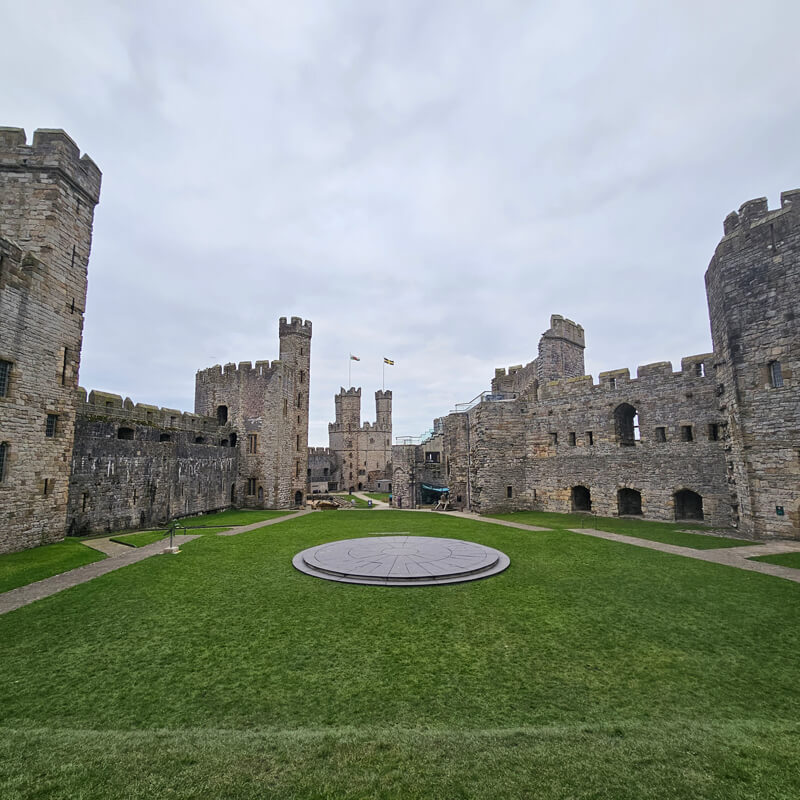
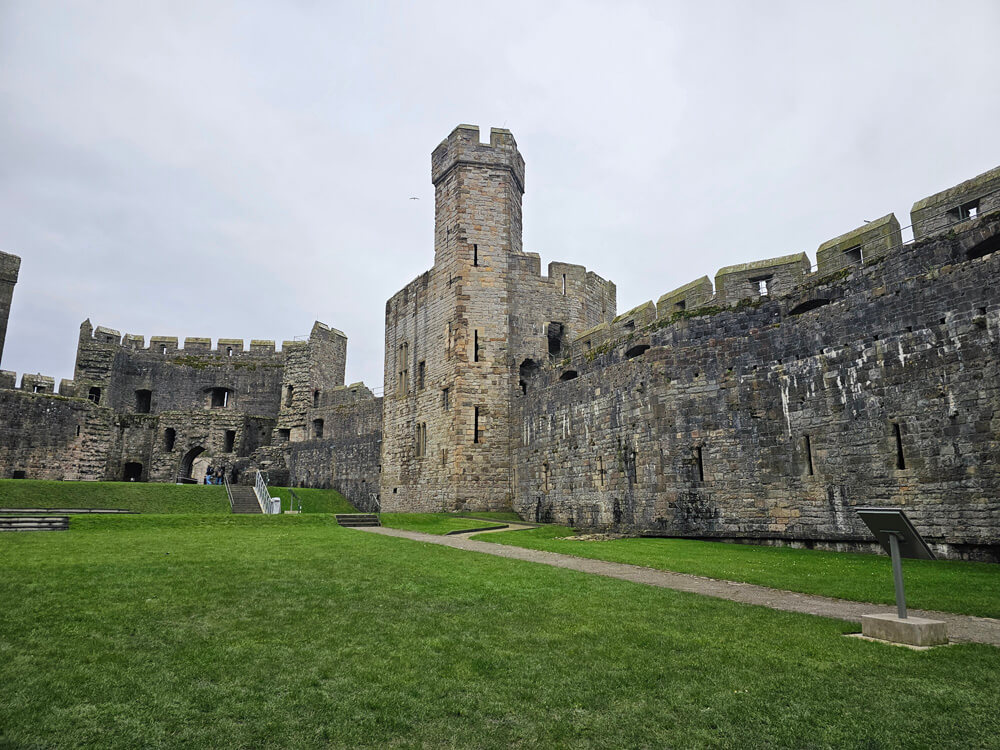
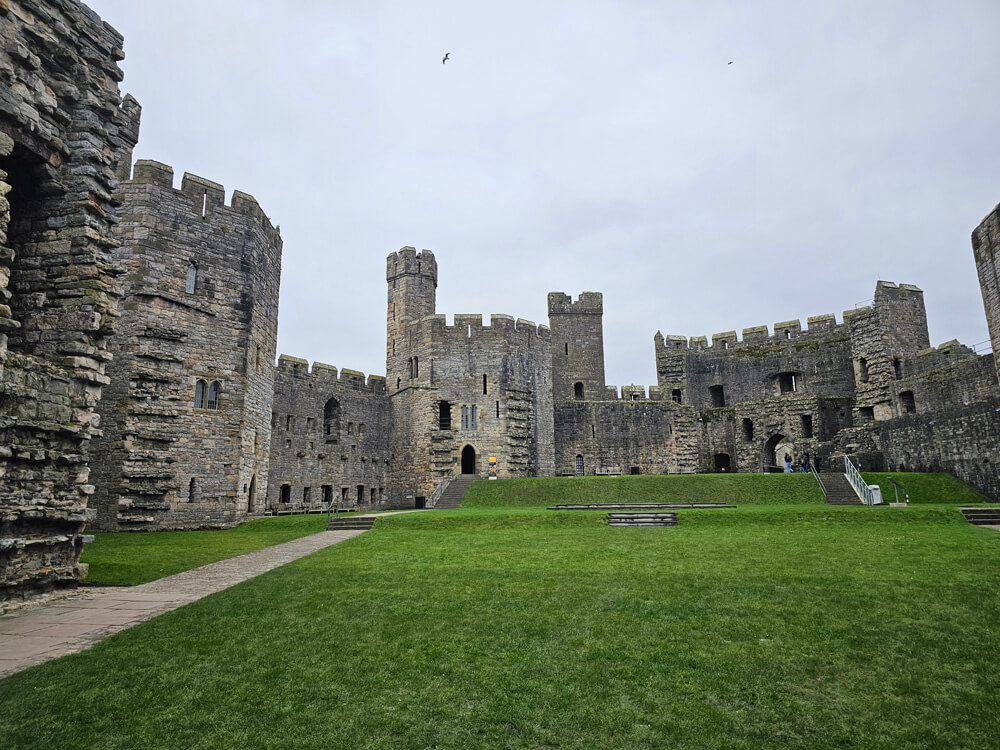
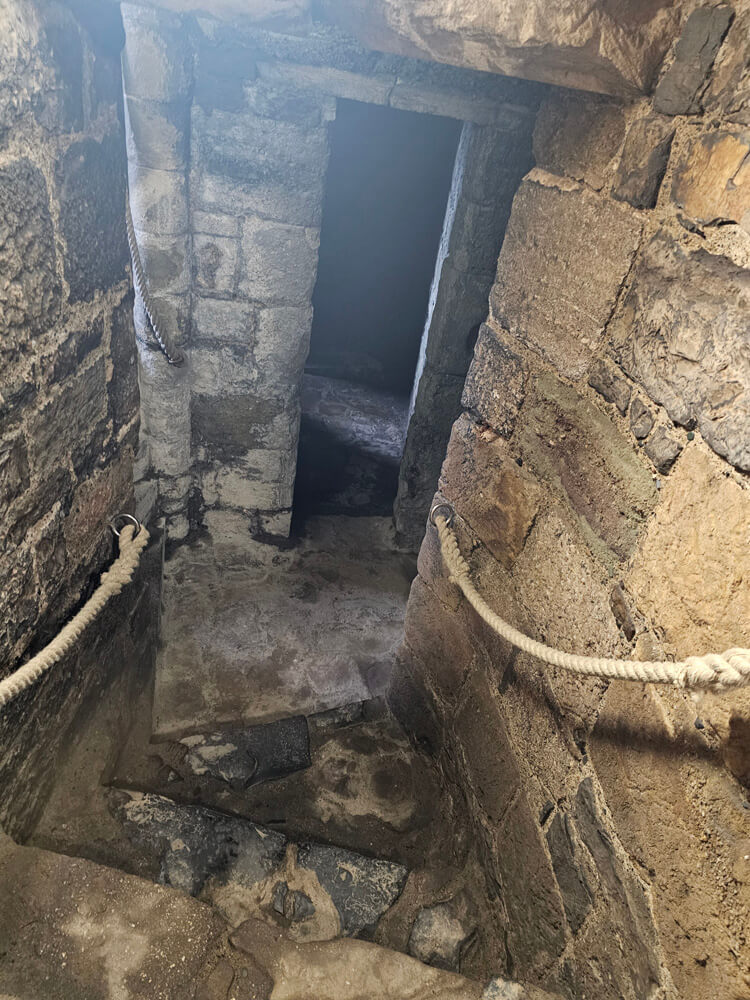
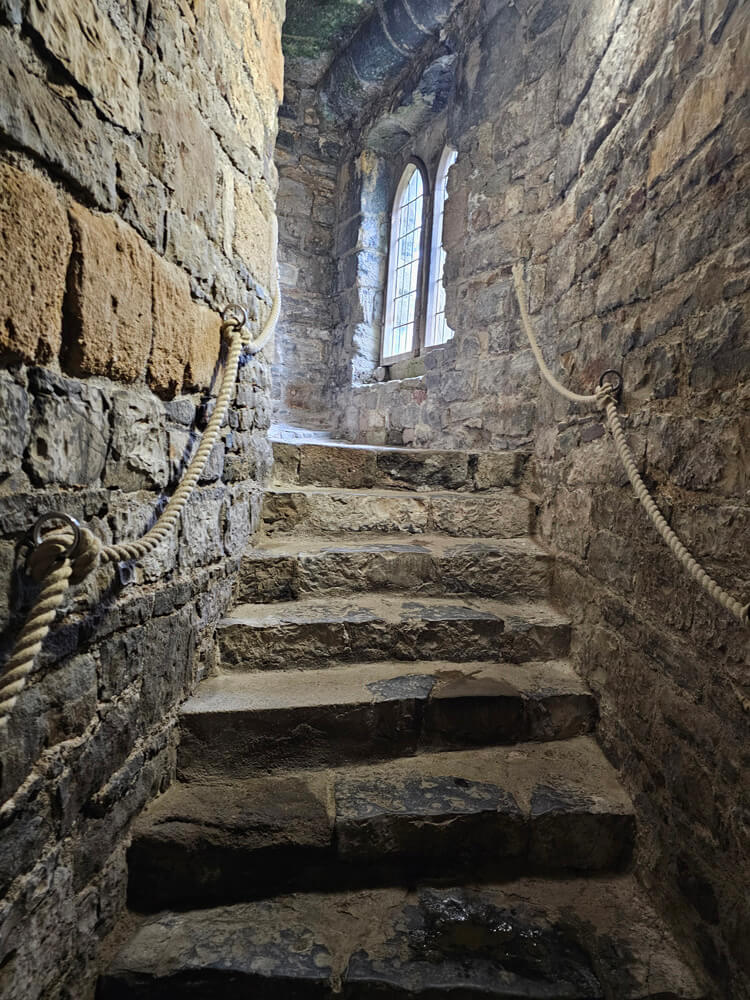
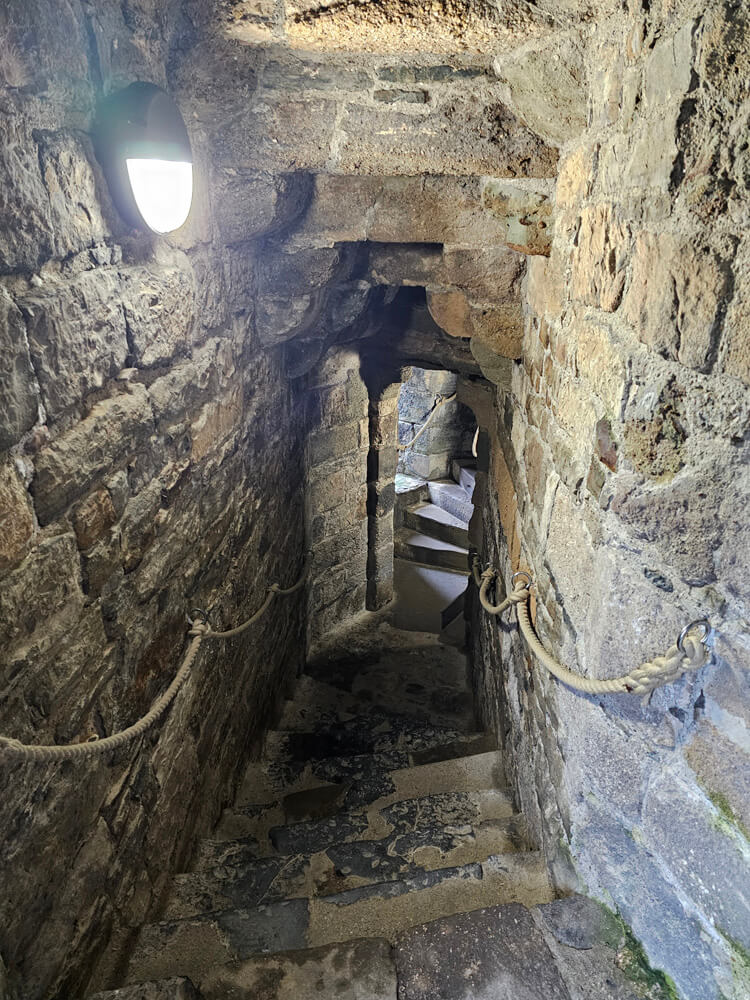
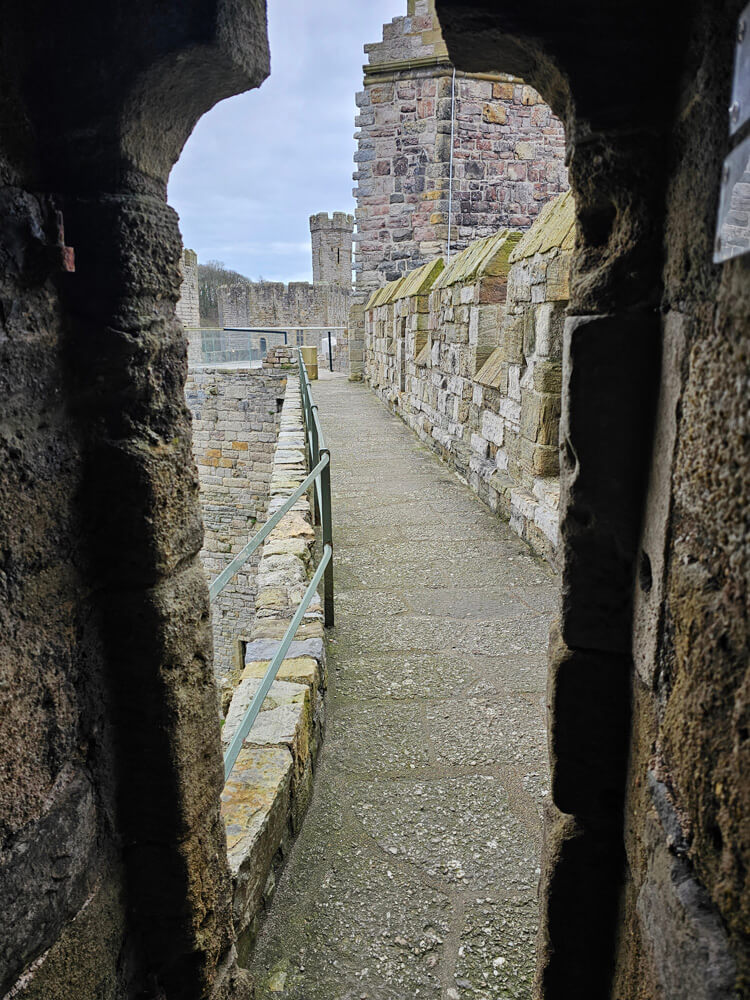
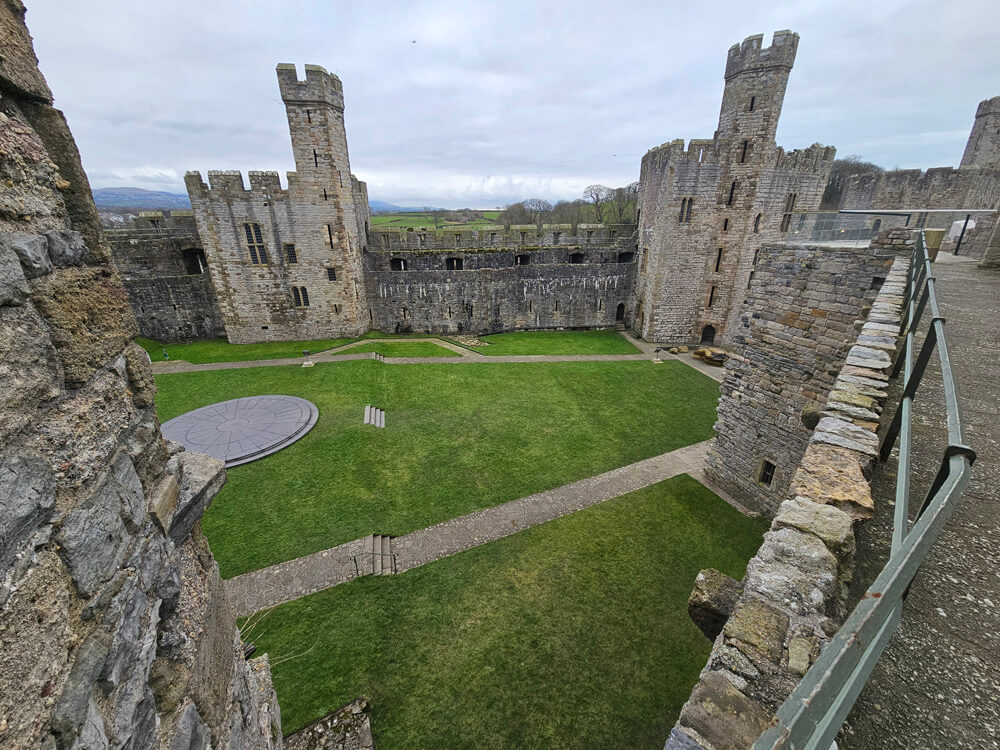
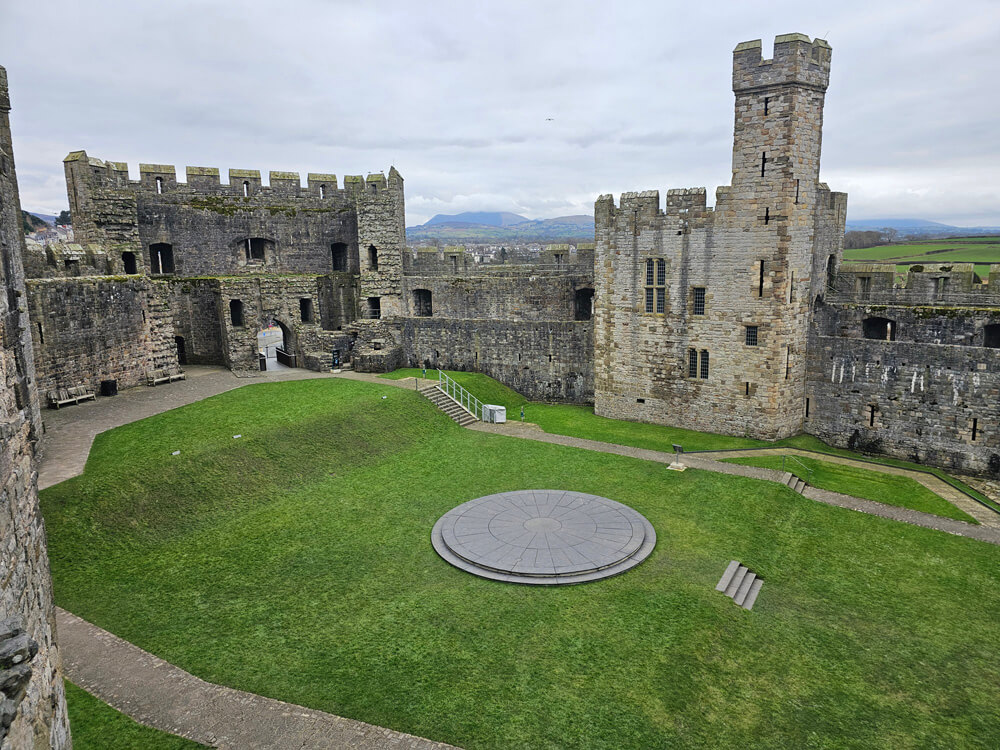
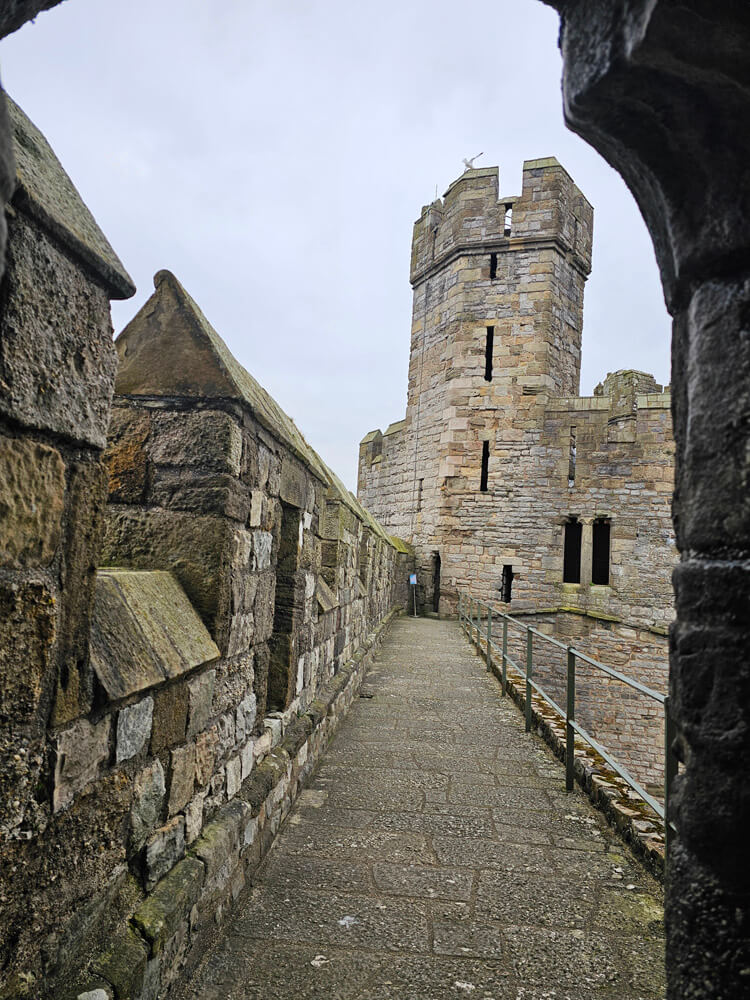
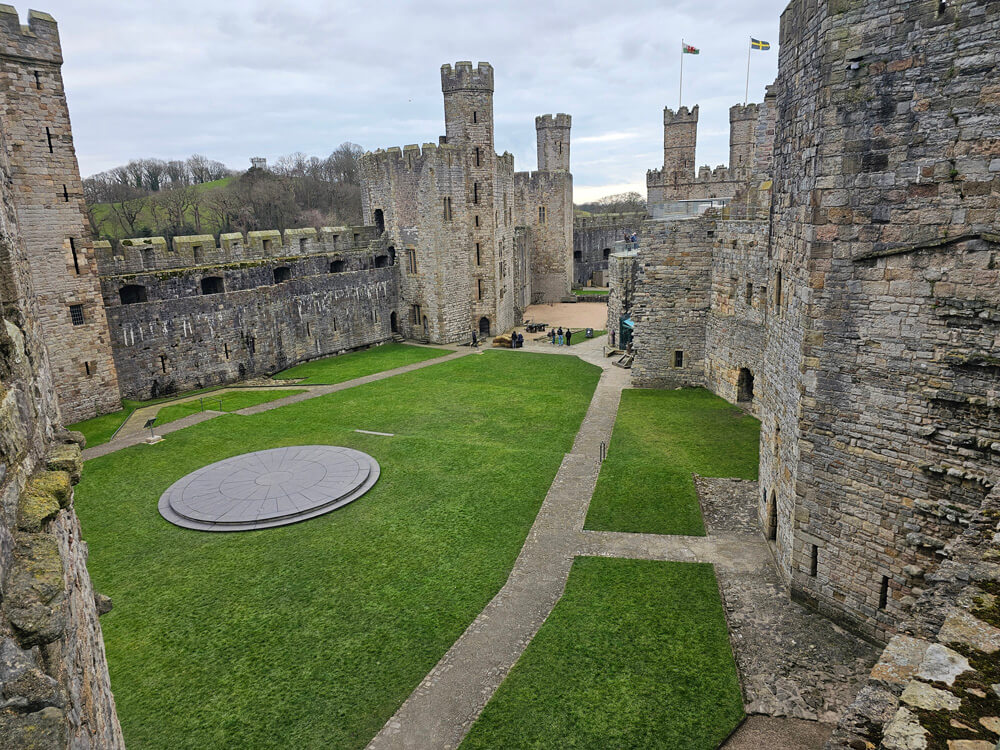
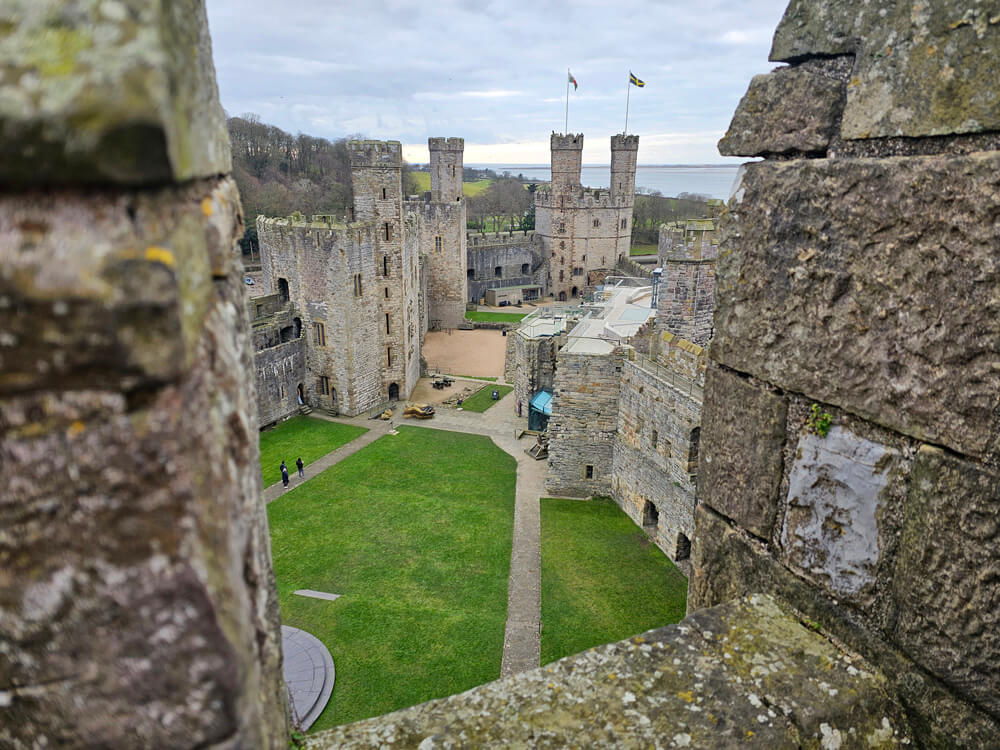
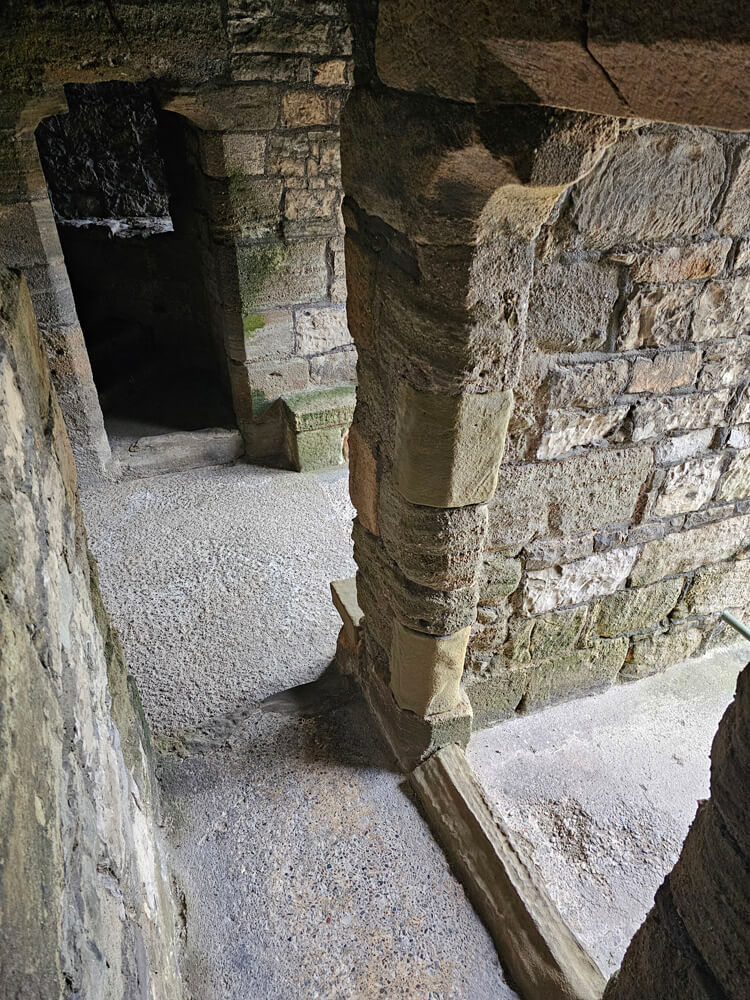
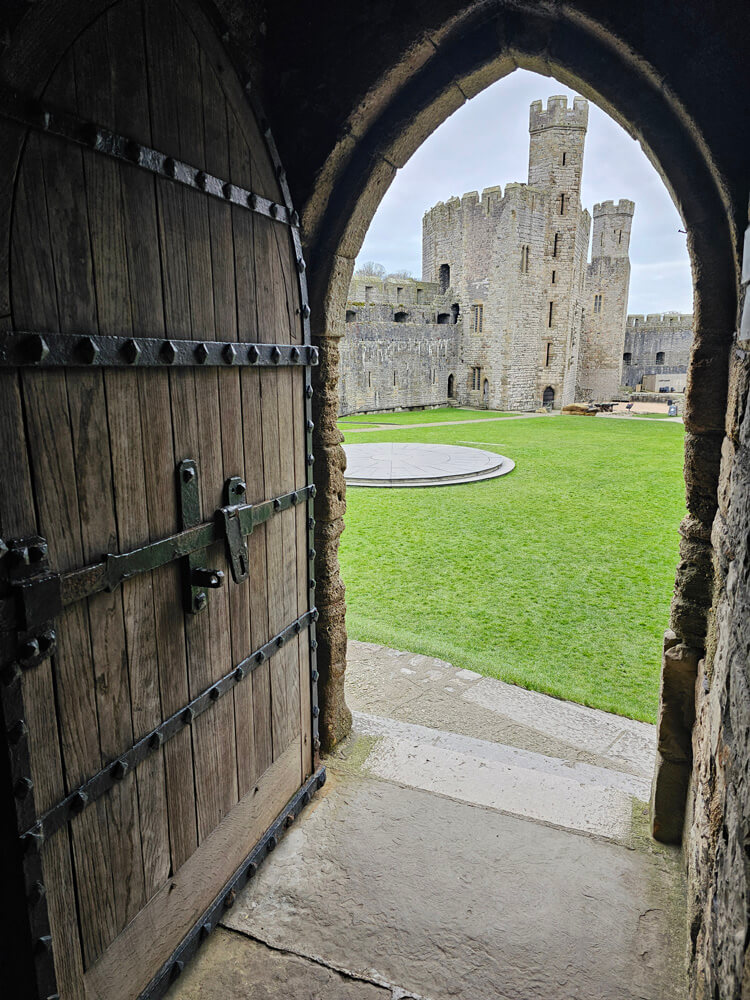
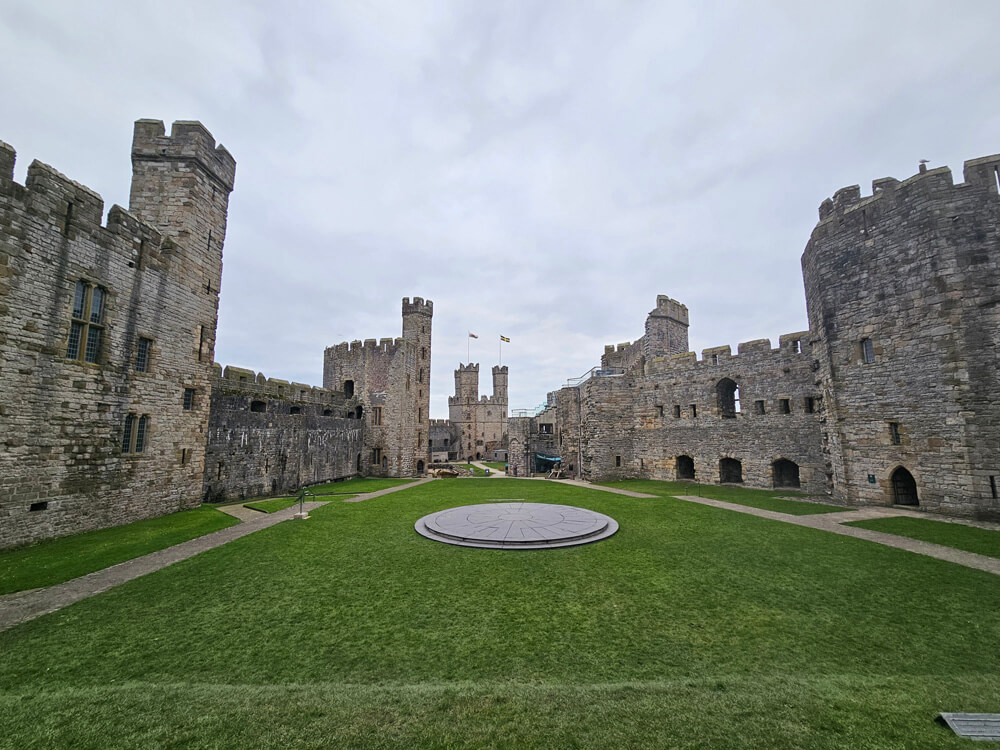
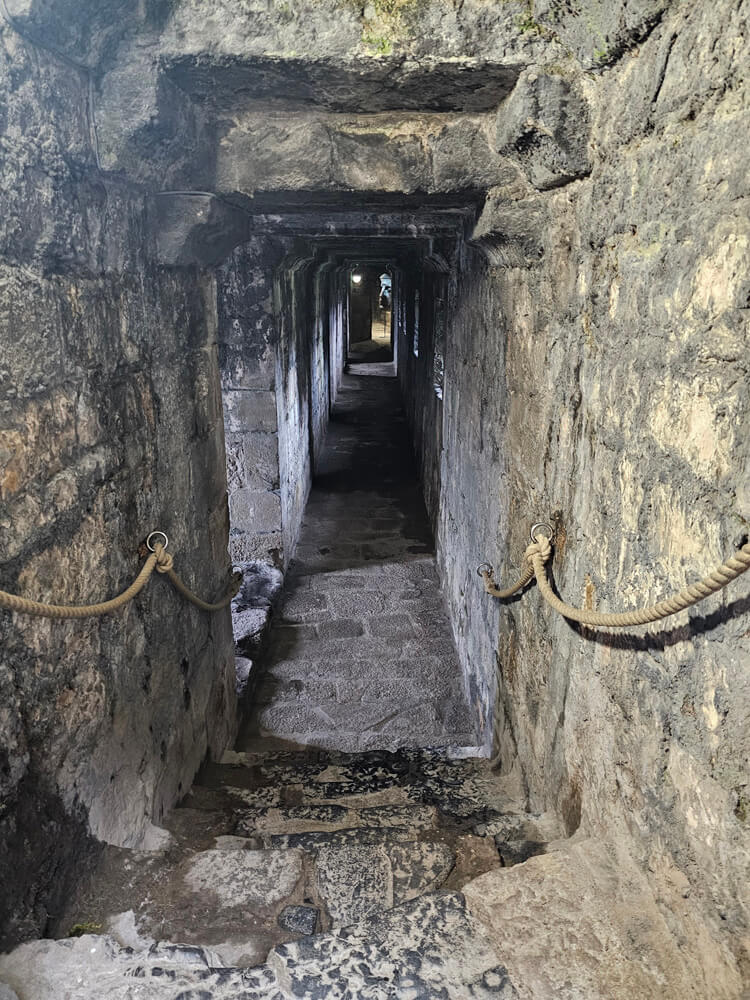
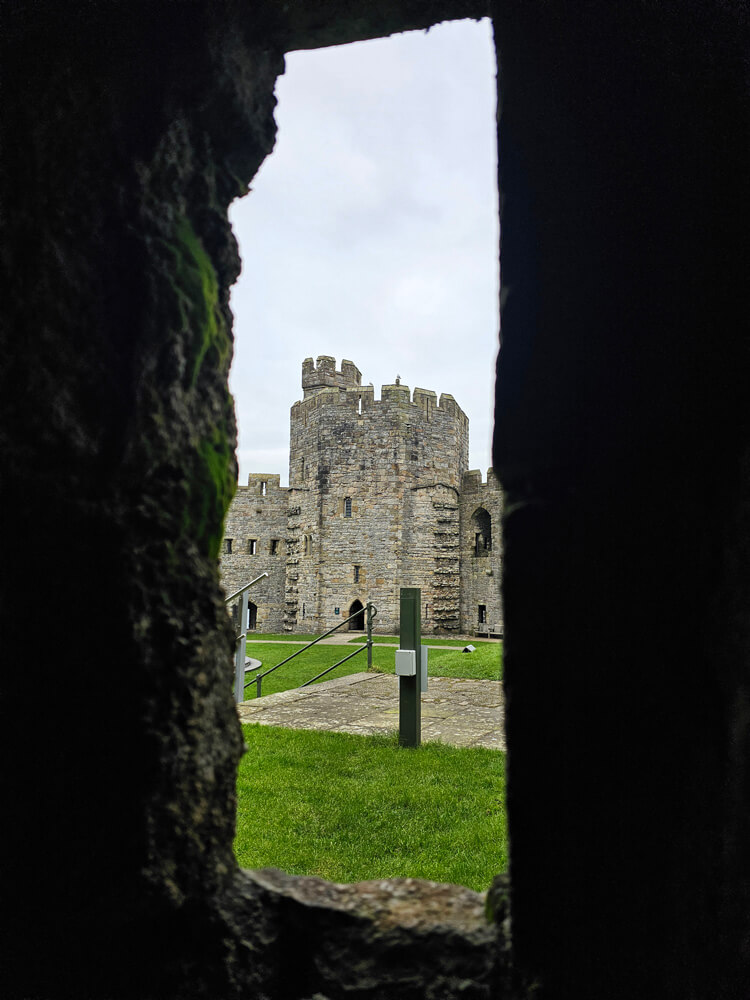
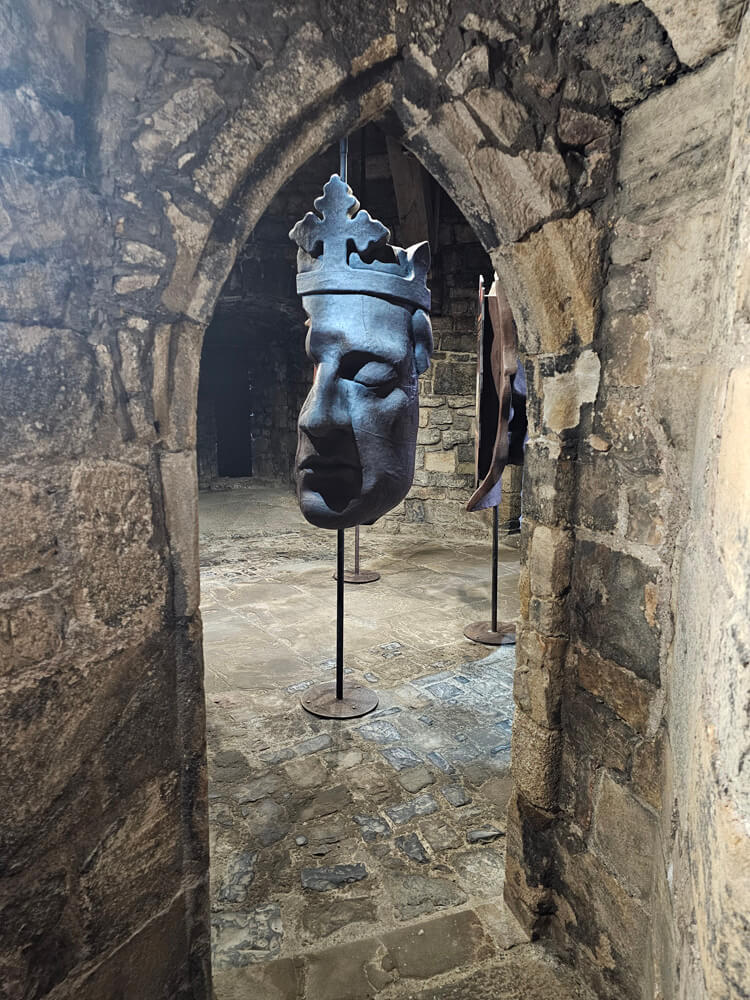
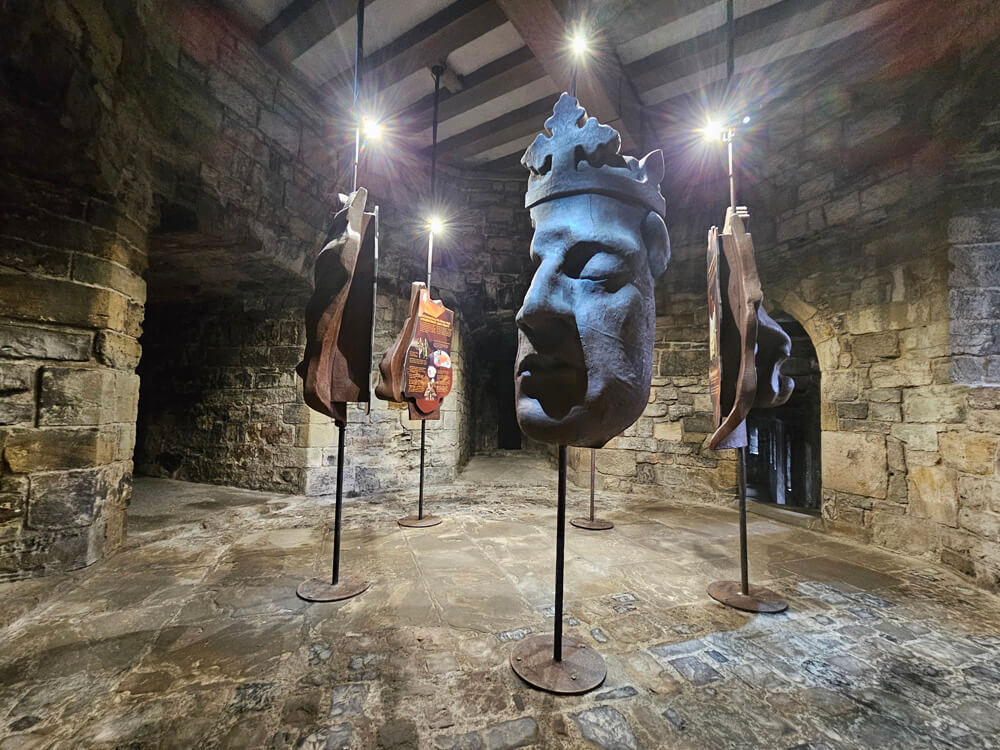
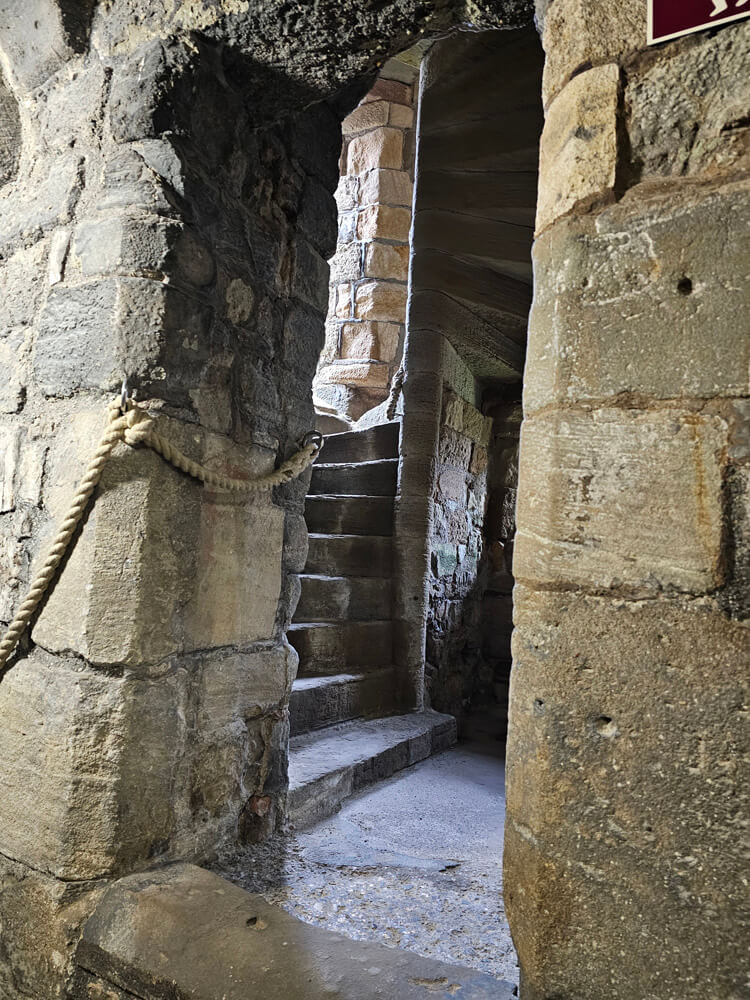
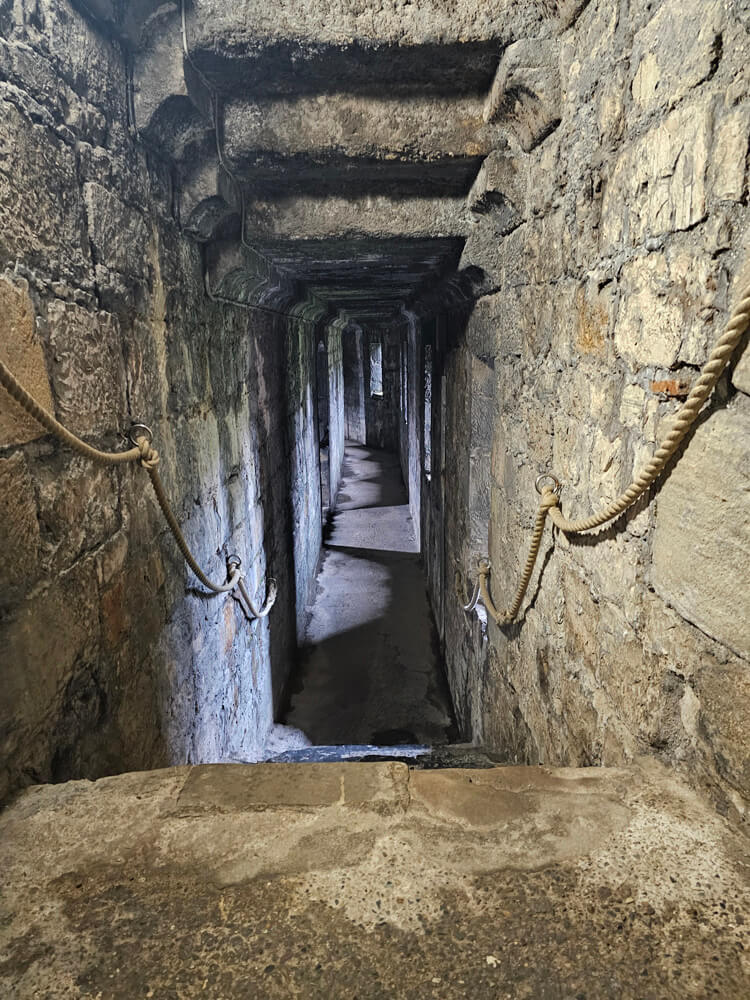
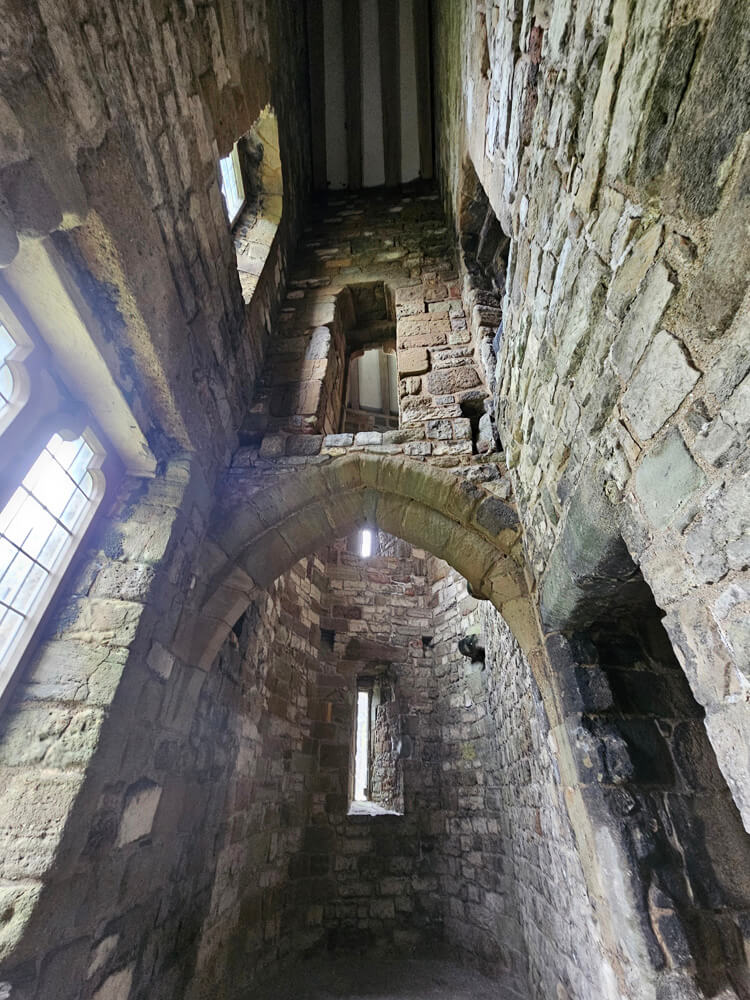
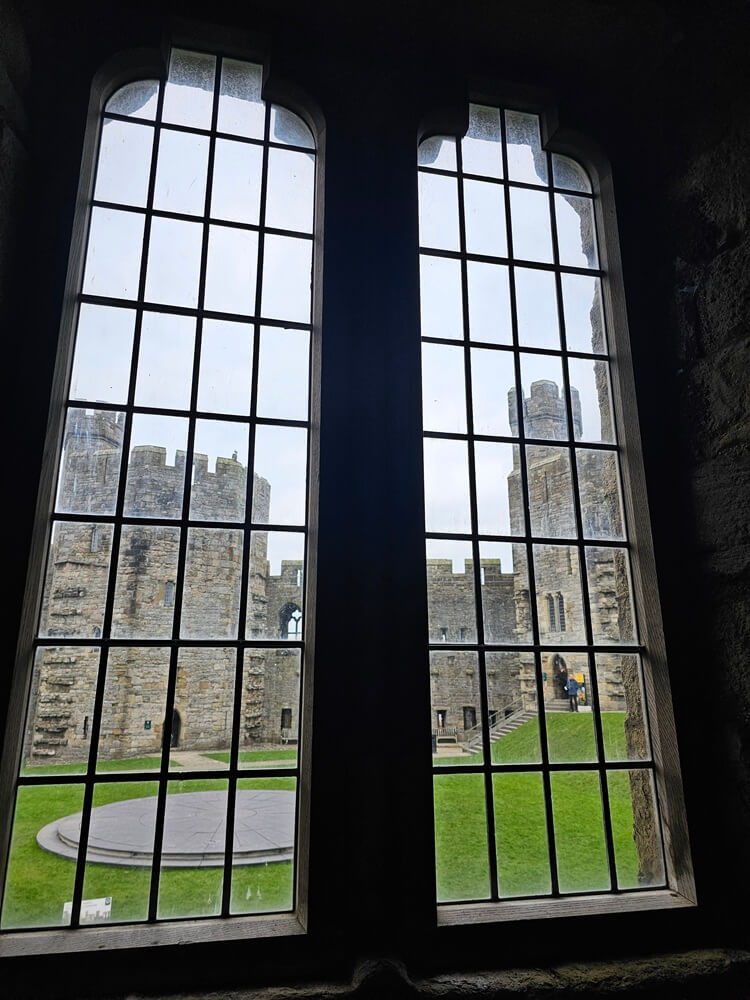
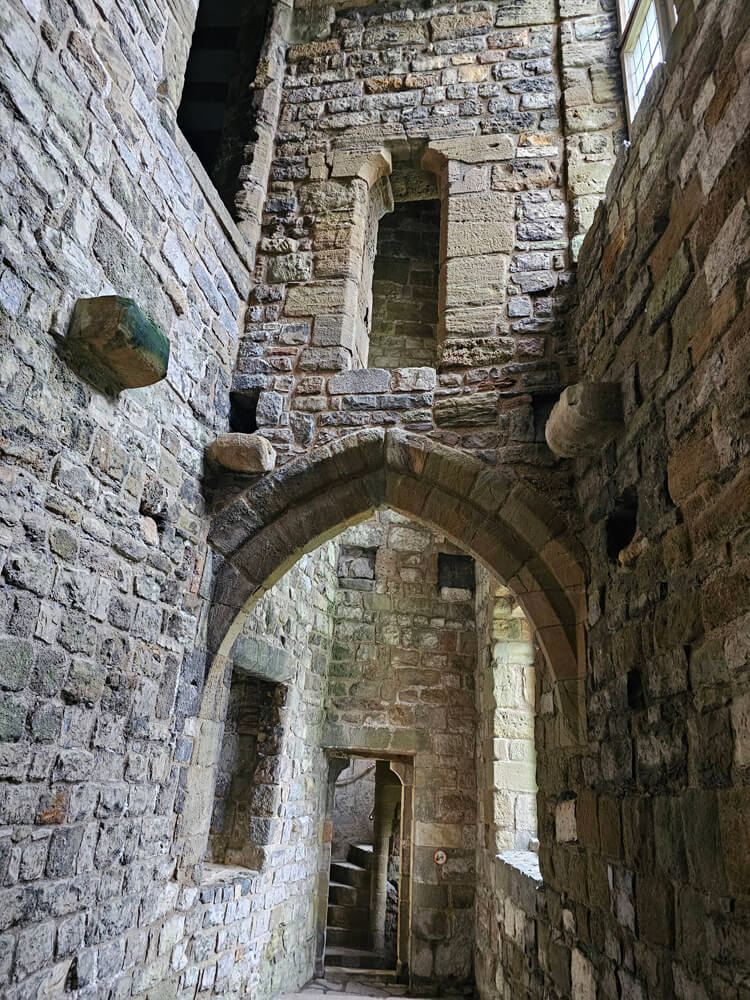
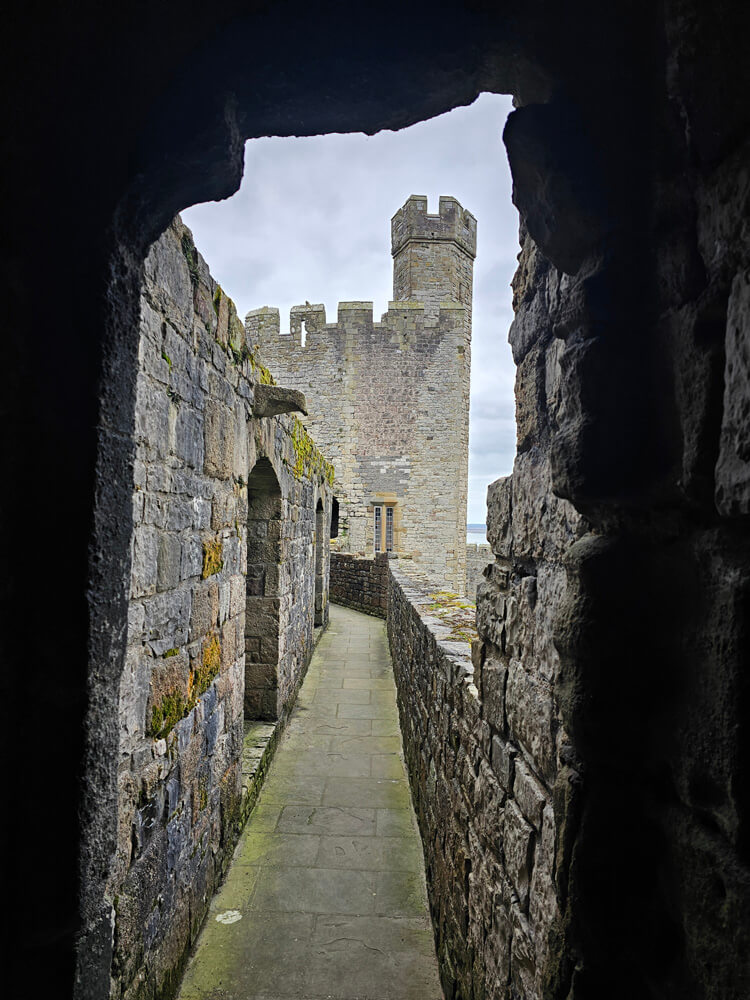
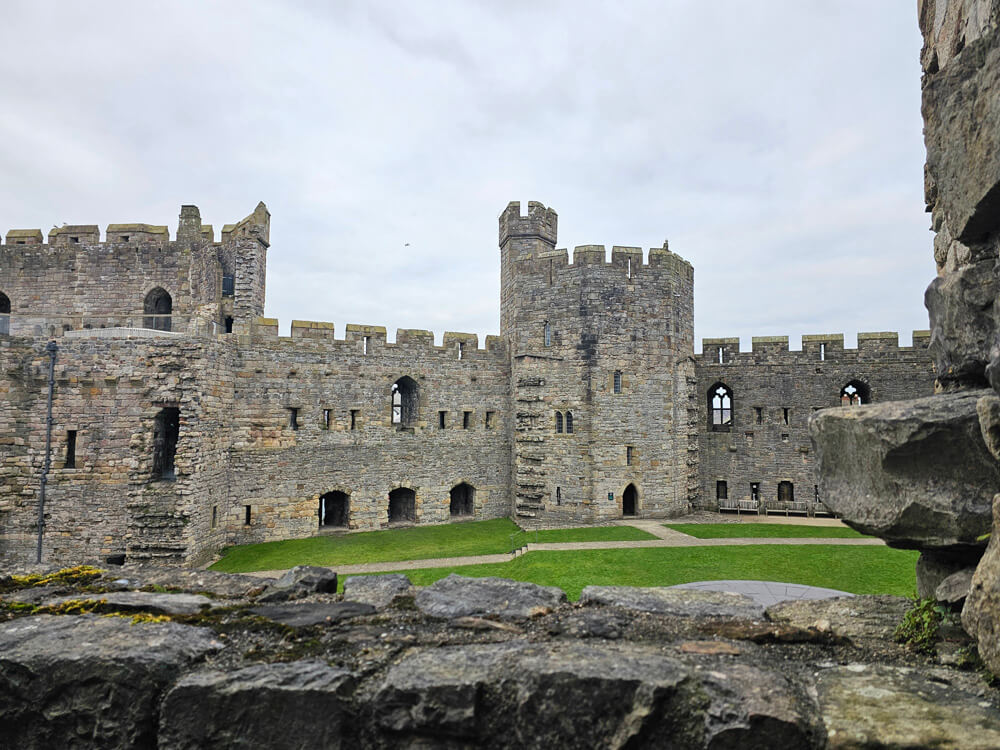
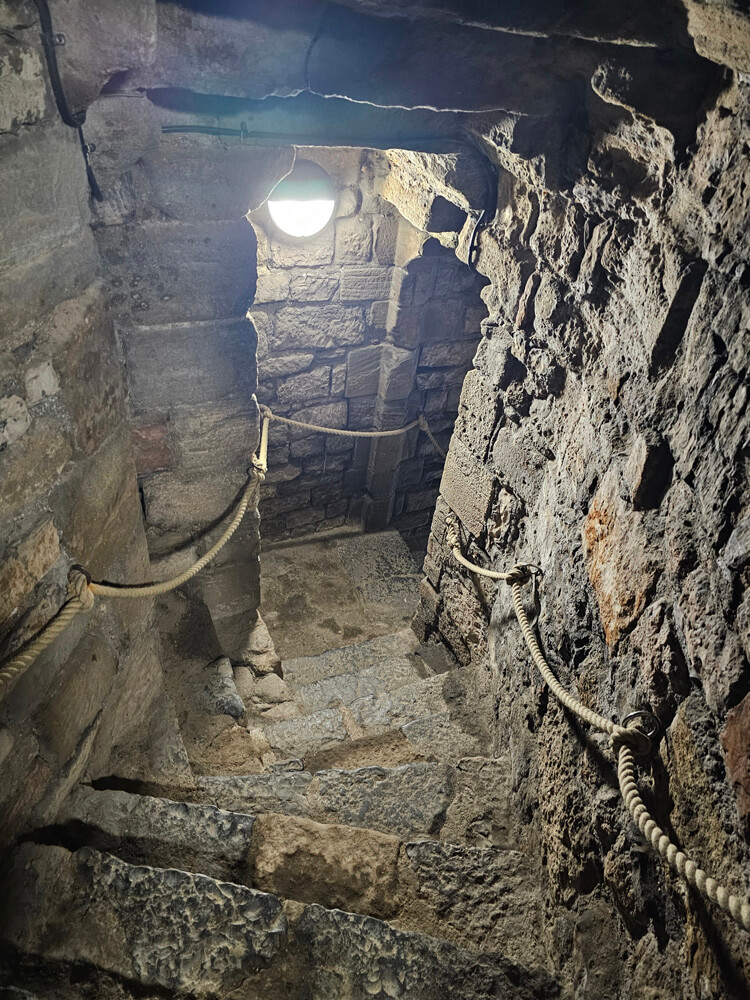
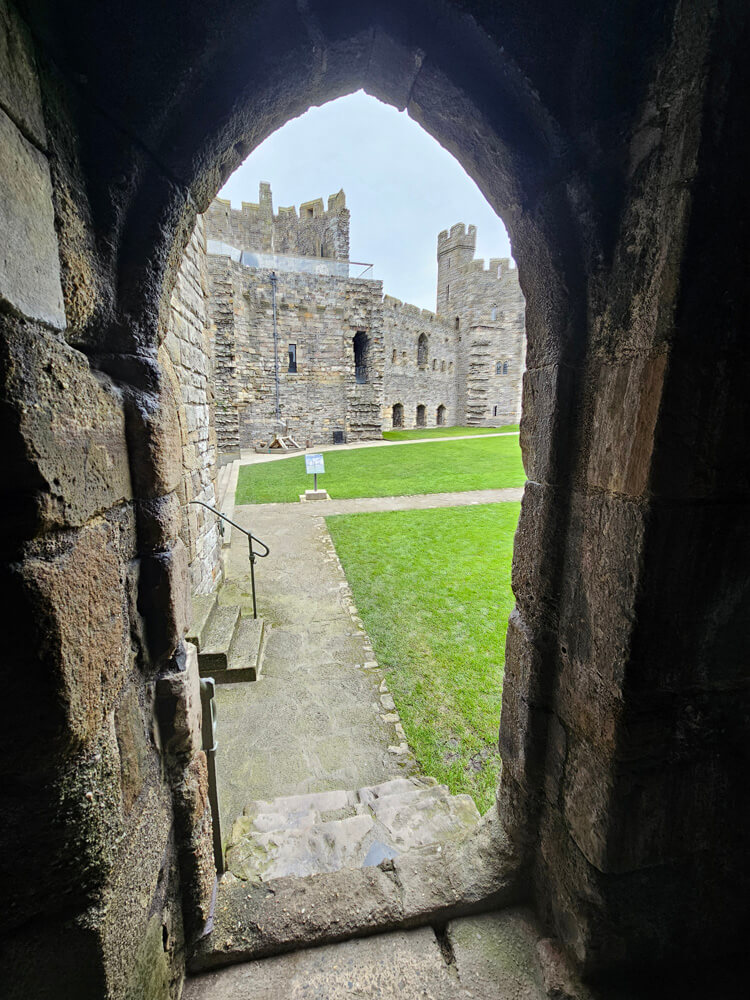
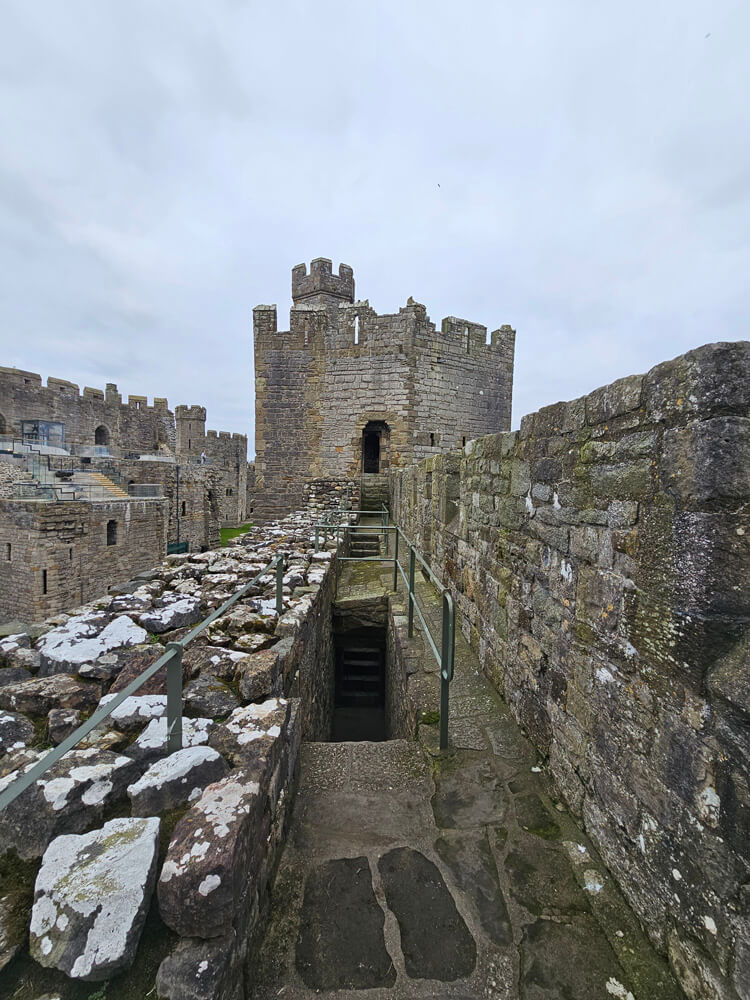
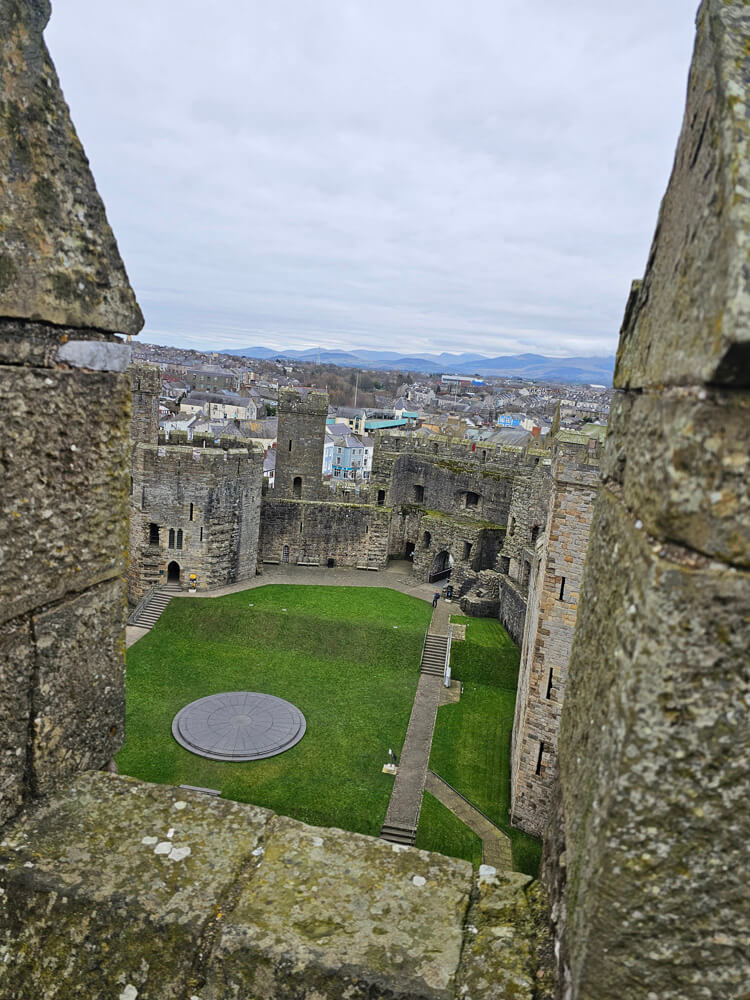
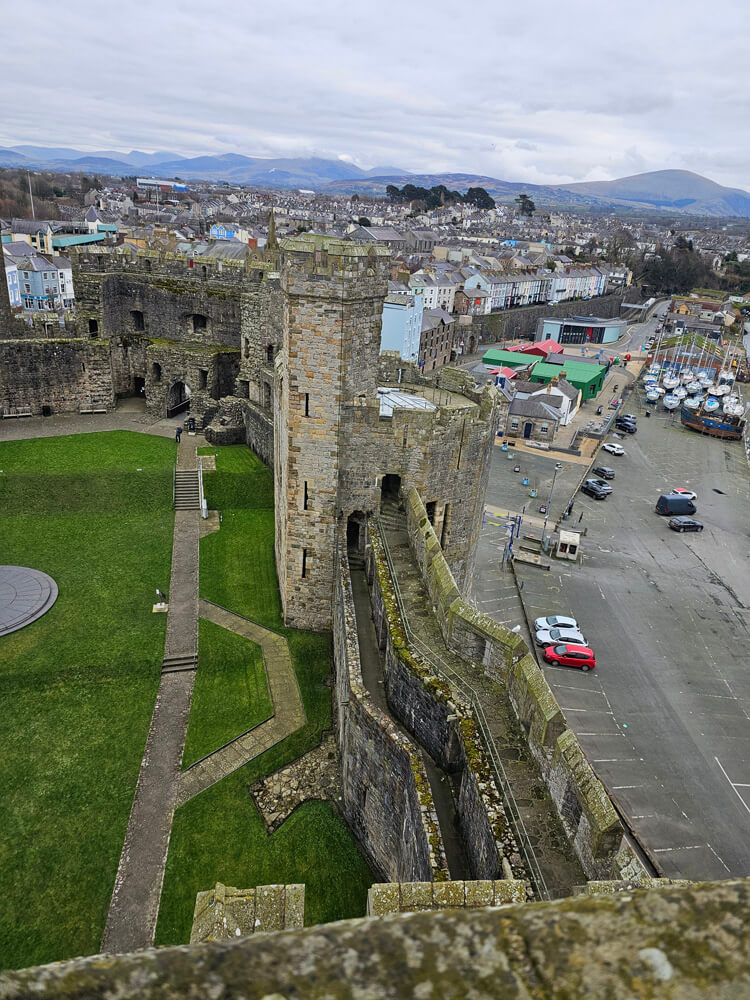
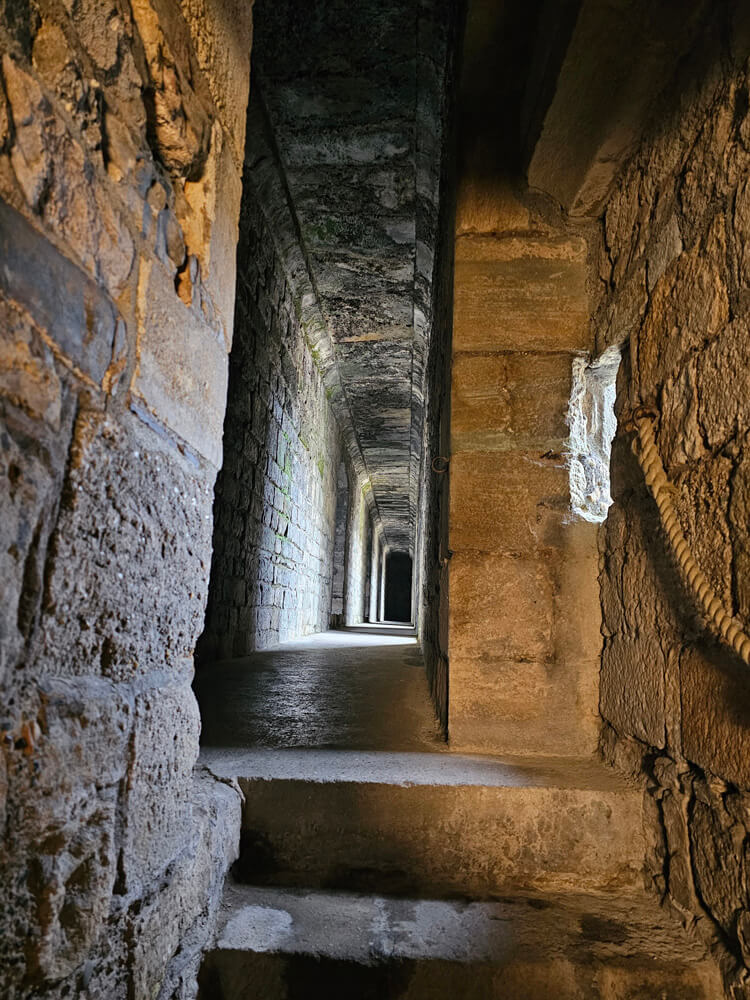
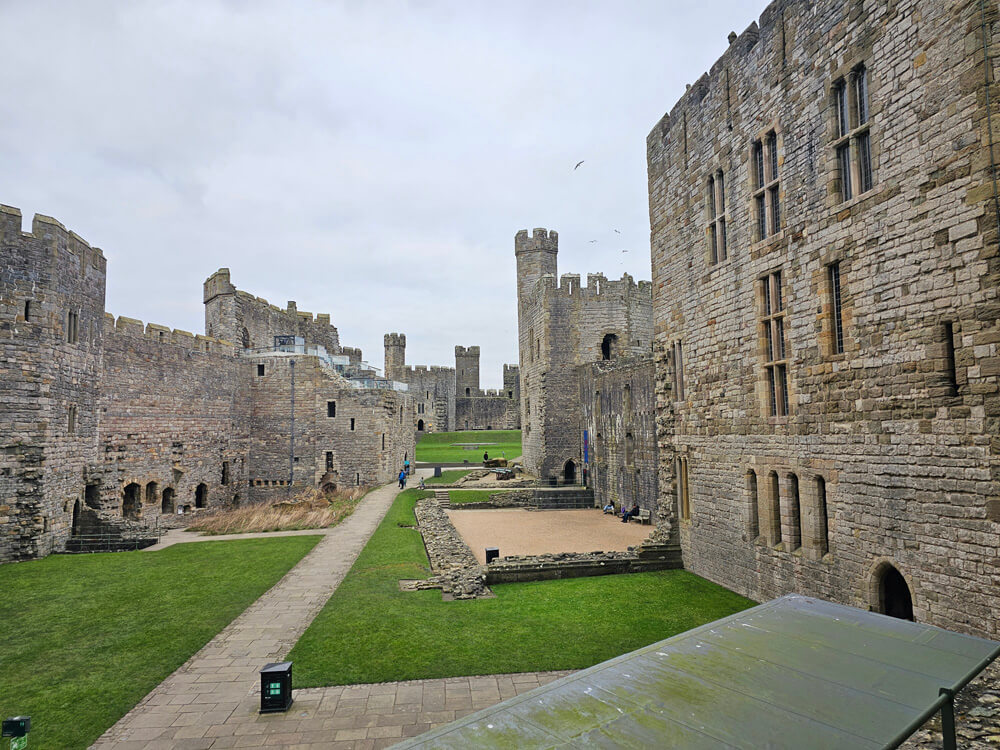
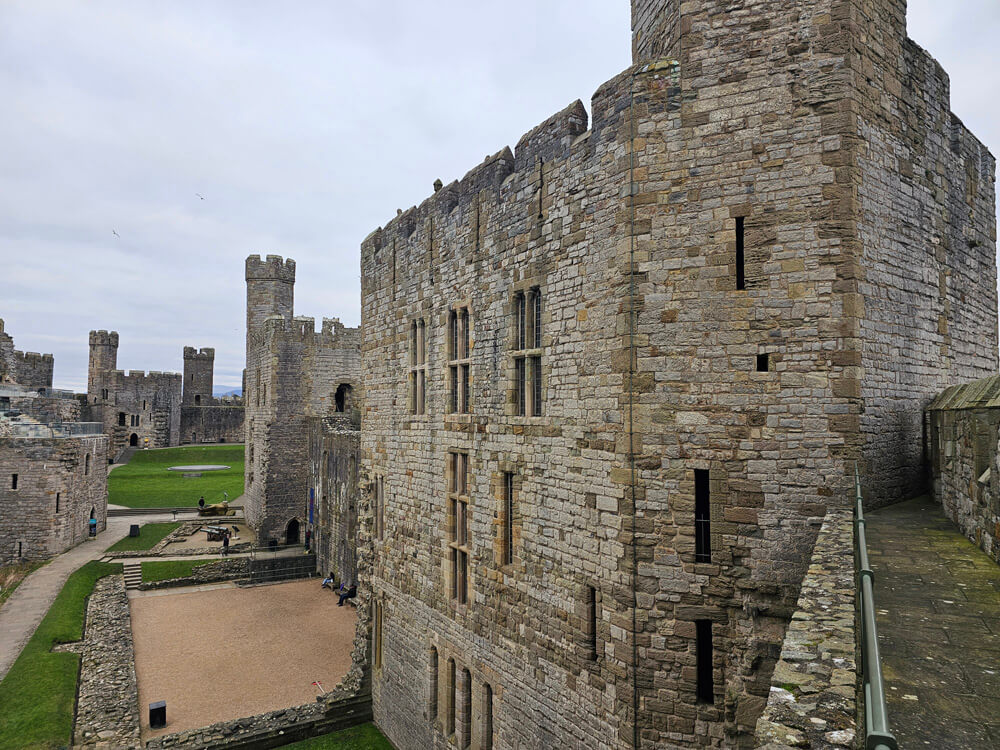
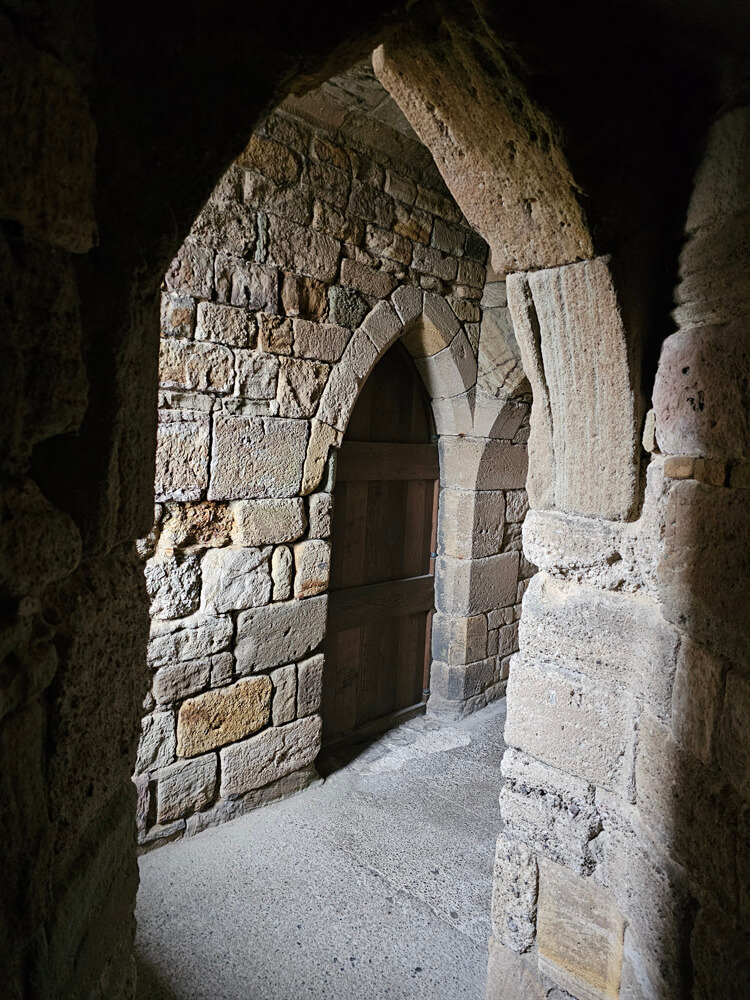
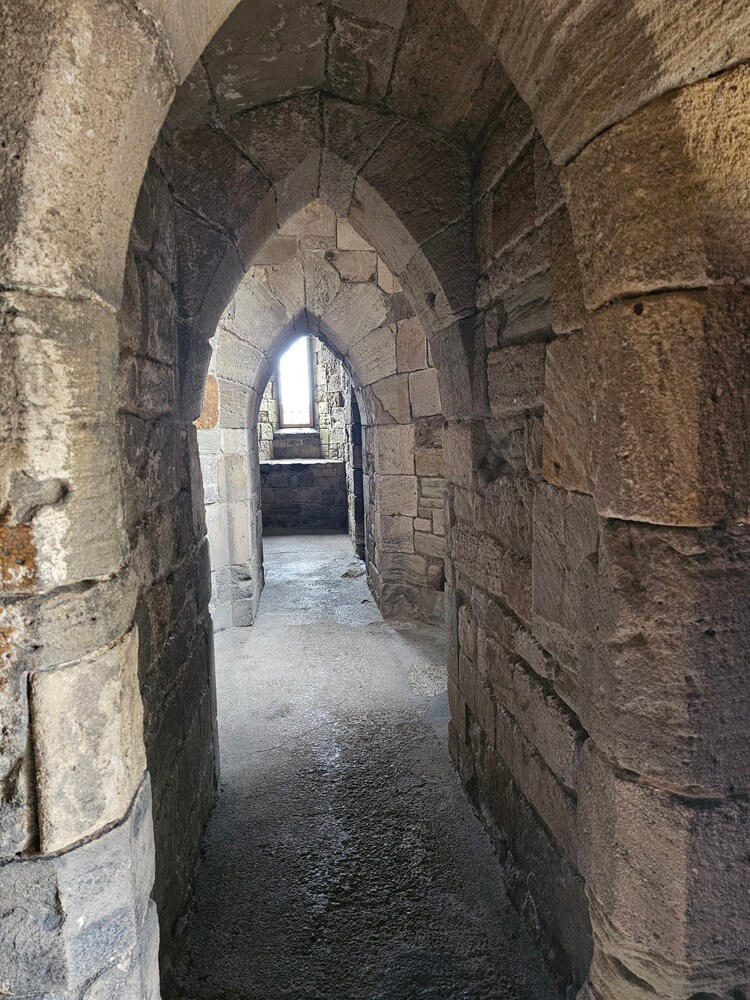
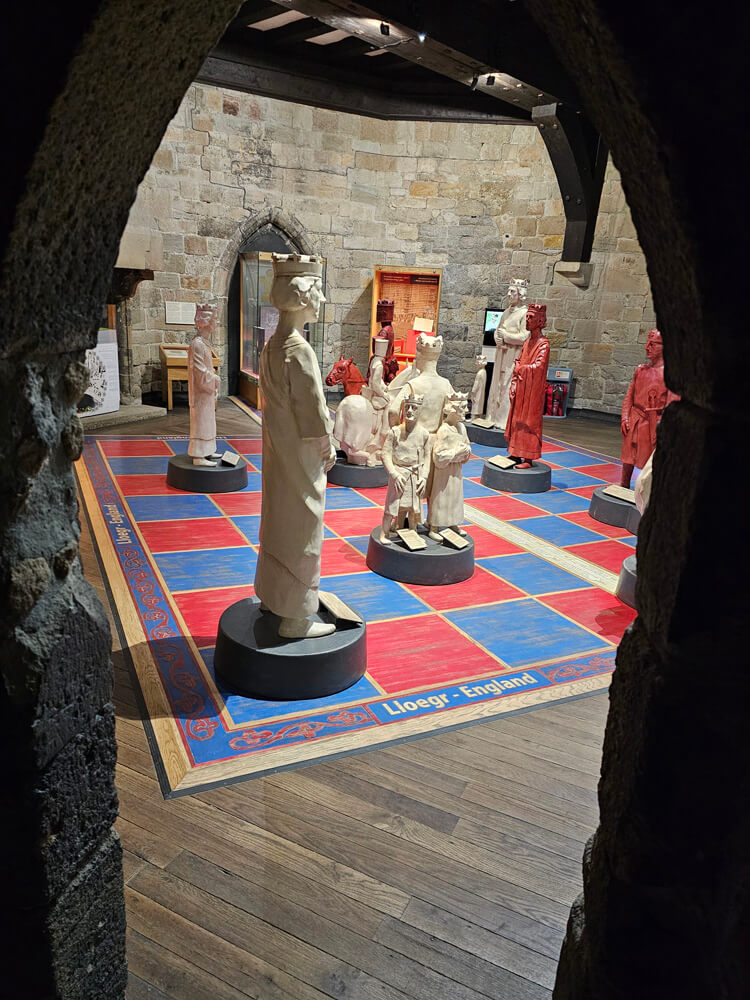
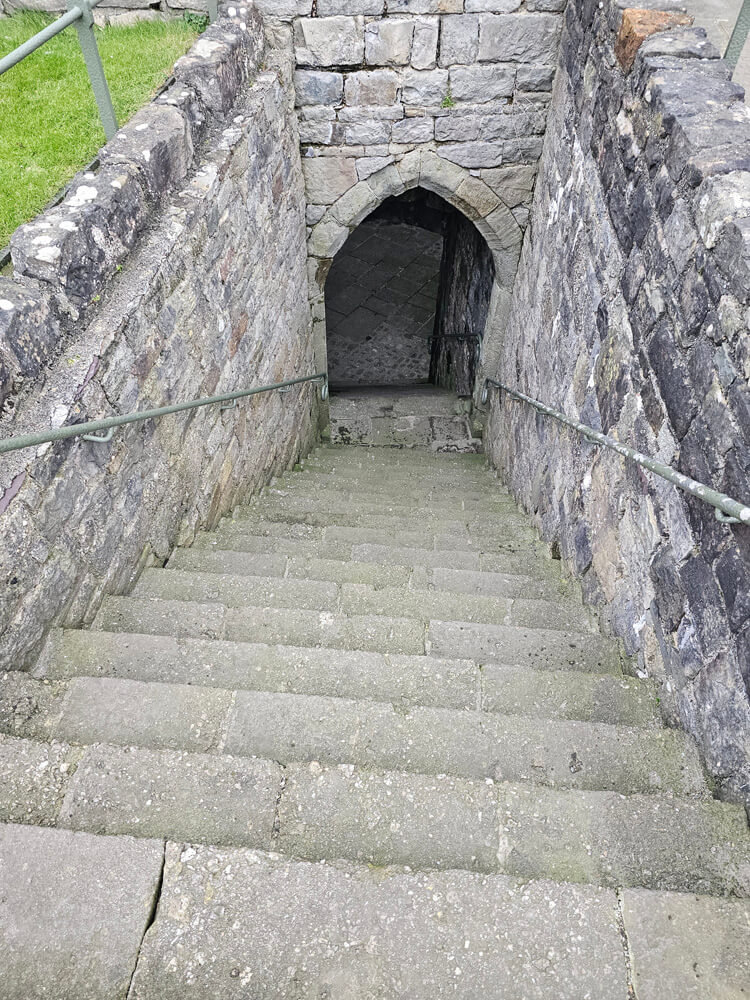
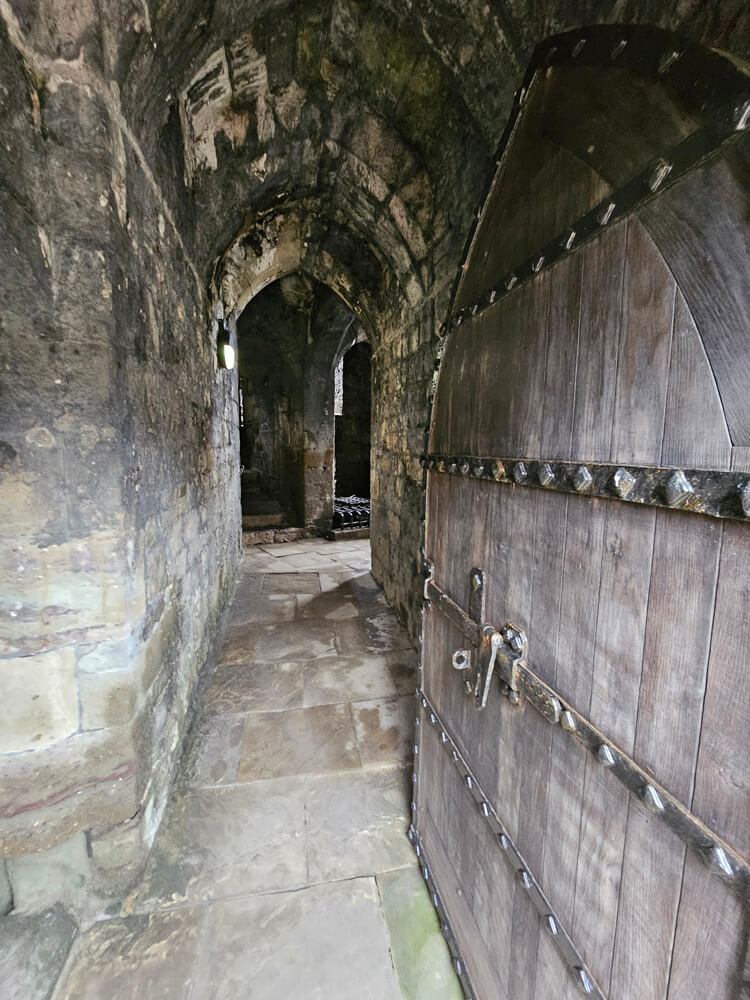
Once inside, you are struck by the scale of the structure, much of which is still substantially intact. Even after 700 years it still stirs the imagination like no other Welsh castle. This was actually the first time I ever got lost in a castle – it is huge! It has so many hidden passageways and long corridors. It really is like exploring a maze. You can admire the view of Caernarfon from the lofty Eagle Tower, navigate the castle’s many rooms, and climb up and down the many spiral staircases to gaze down at the grassy central area.
Photo Gallery.
Did you enjoy this post?
I hope you found this post useful. I put a great deal of time and effort in to building, maintaining and populating the website. If you like, you could say a small thank you by buying me a coffee. You don't have to, but it would be nice :)
Buy me a coffee
Stay up to Date
Follow me on my journey and get notified whenever a new post is published by following Kings & Castles on Facebook.
Follow MeExplore The Map
Discover the hundreds of castles, churches, monasteries, cathedrals and other historic locations that I've personally visited across England and Wales. Search by location, explore nearby sites and plan your next historical adventure.
Share: