Langley Chapel
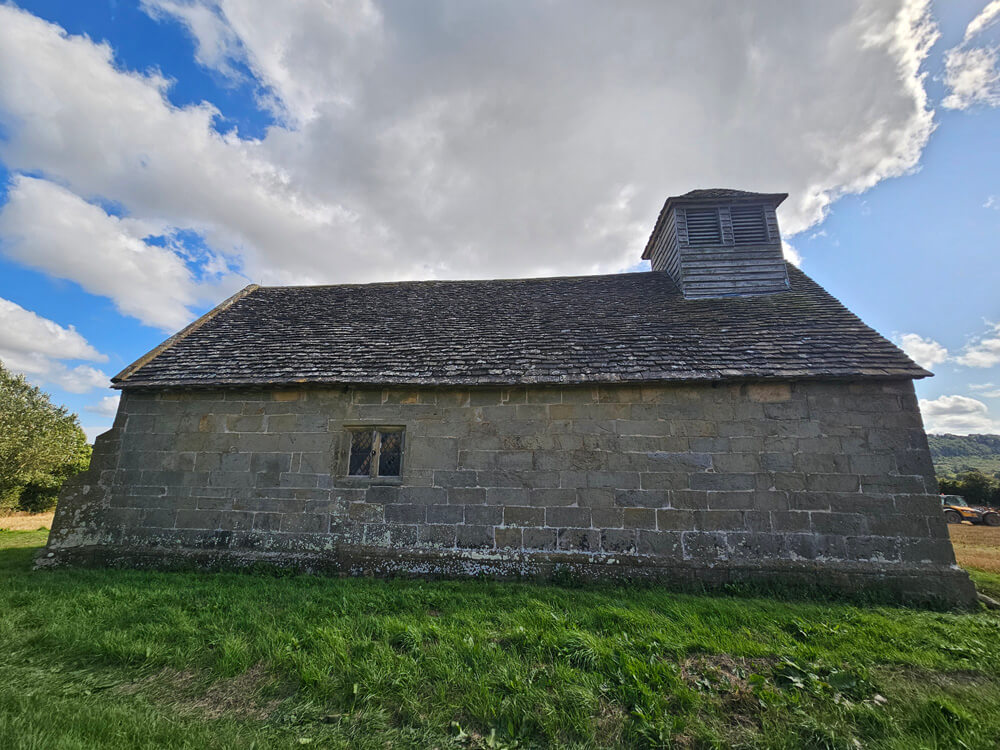
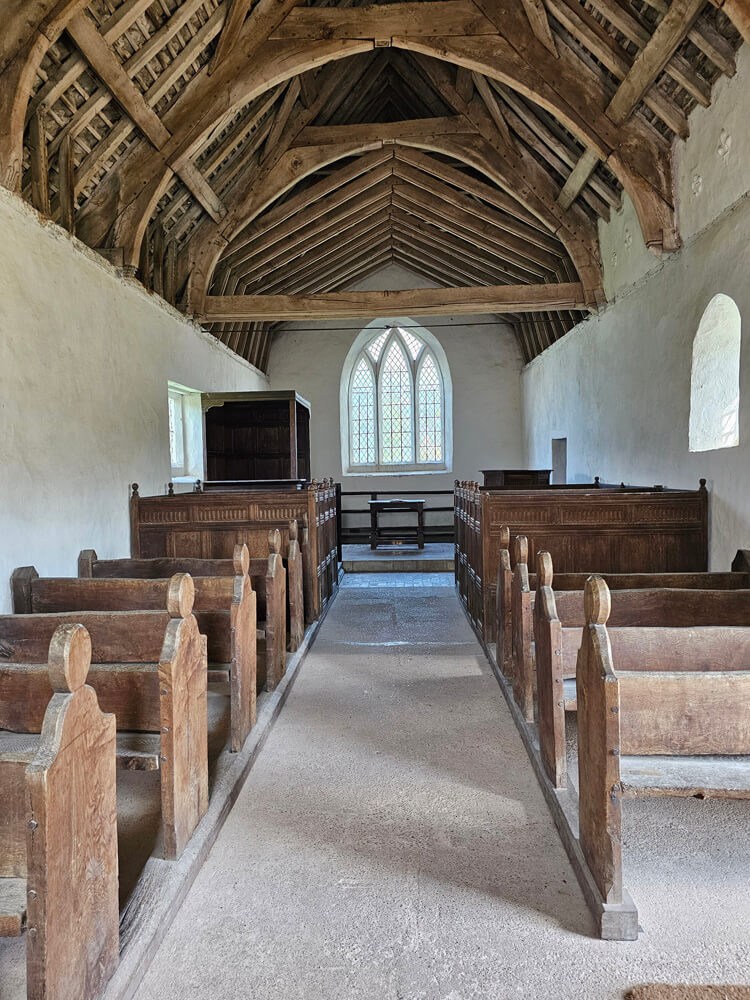
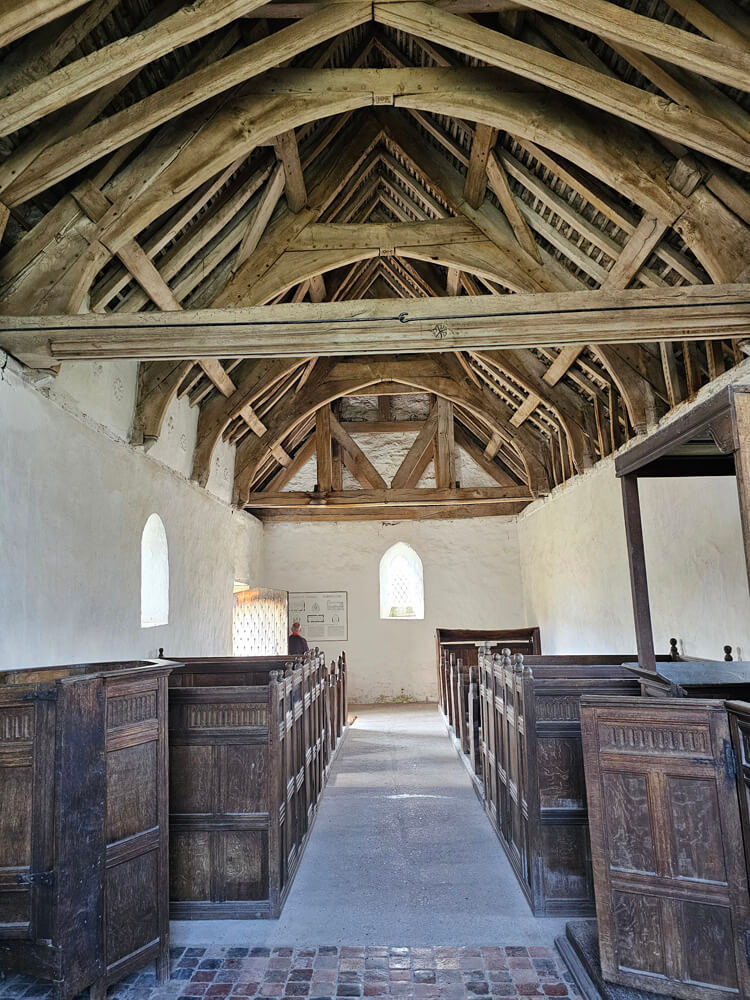
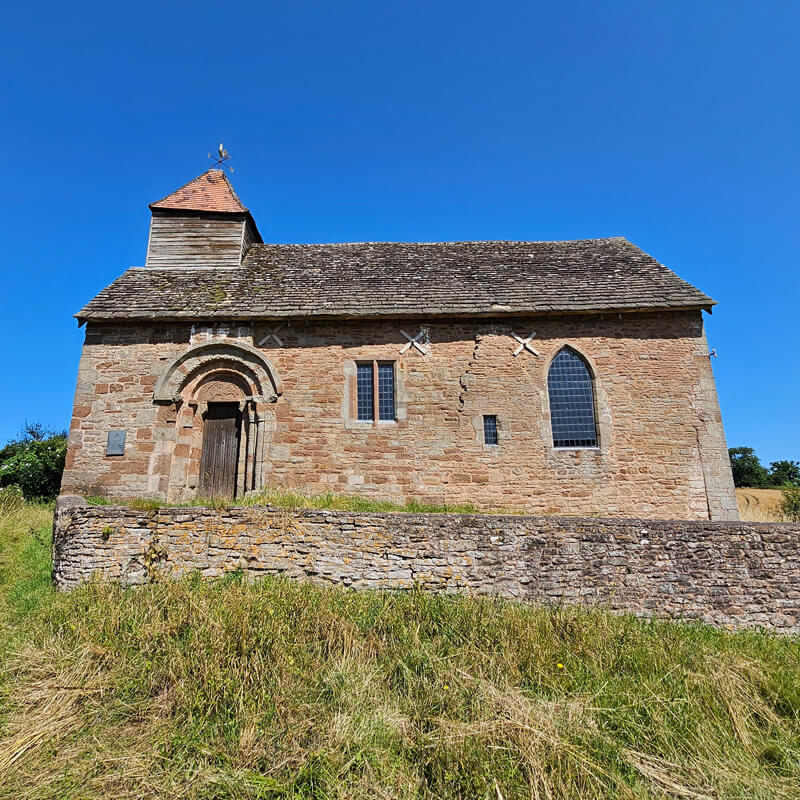
Langley Chapel is an enchanting little chapel located in a remote area approximately 1.5 miles to the south of Acton Burnell, Shropshire, England. Perched on the edge of a cornfield, practically hidden in tranquil countryside, the chapel is one of Britain’s best surviving examples of Christian heritage. Its atmospheric interior contains a complete set of original 17th-century timber furnishings.
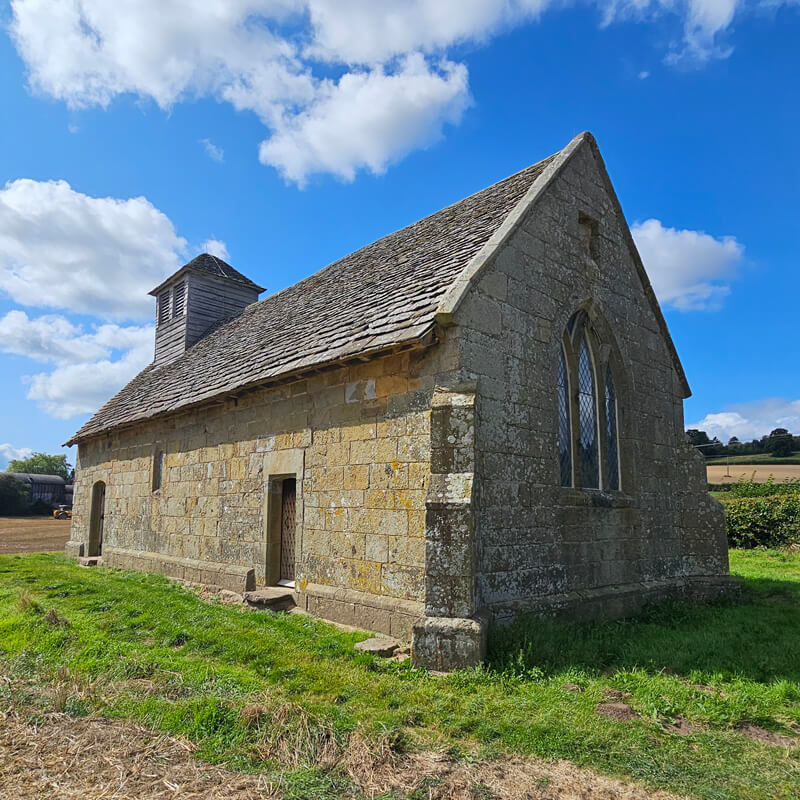
Langley Chapel dates primarily from the early 14th century. The first chapel here was built sometime around 1313 by Richard Burnell, to serve as a private family chapel when the Burnells of nearby Acton Burnell were lords of the manor of Langley. The structure of the present building dates from this time.
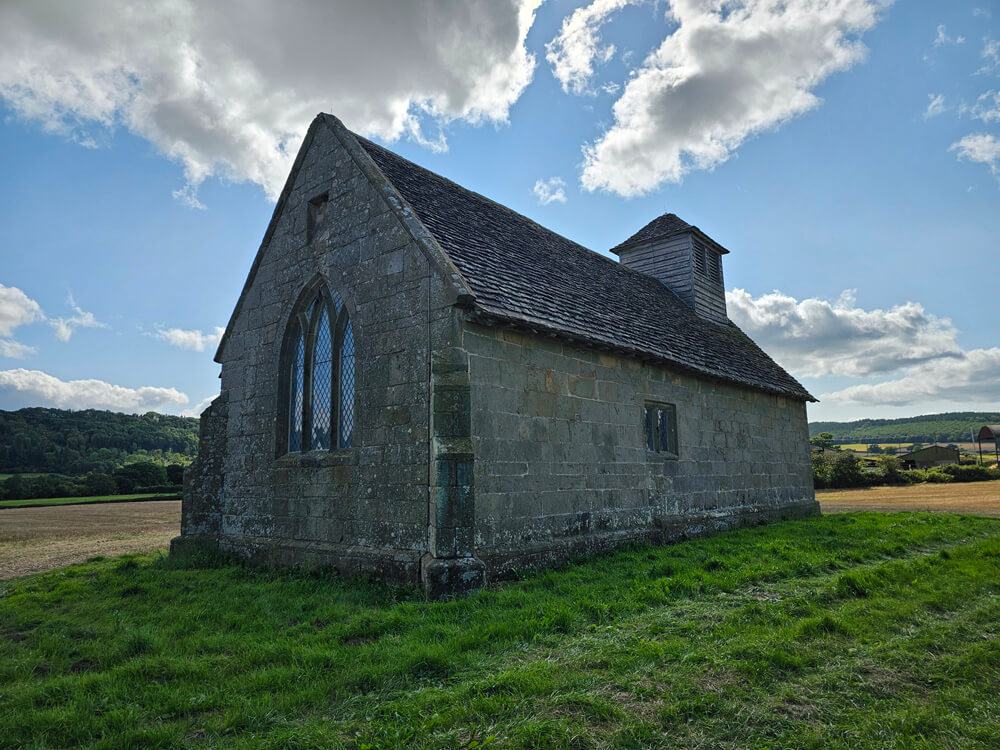
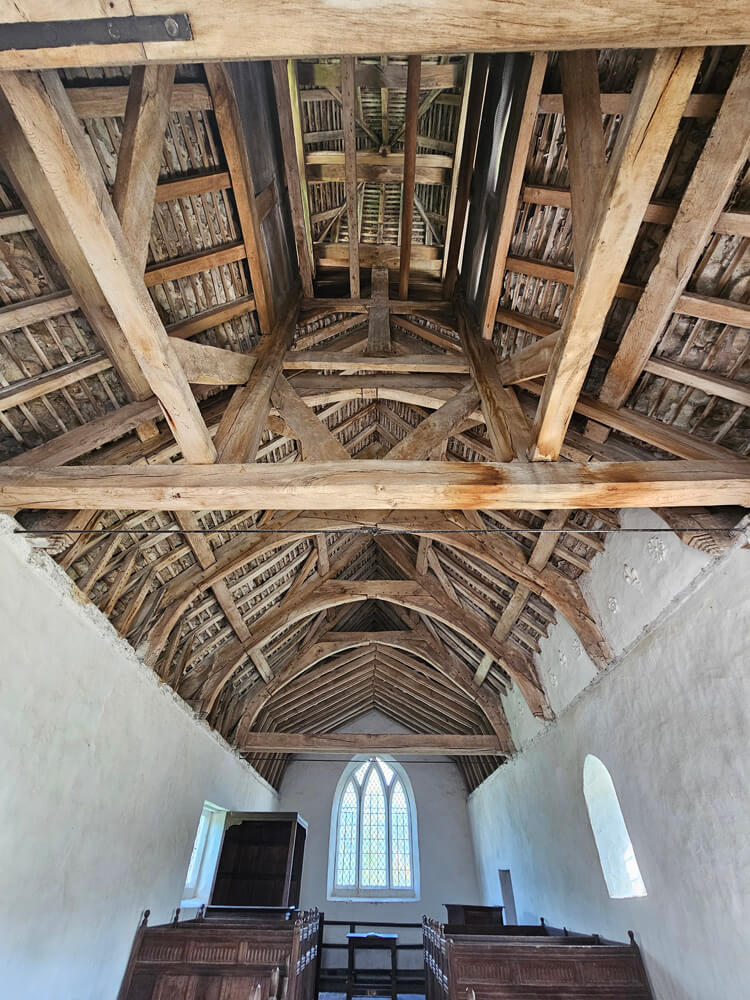
Later in the 14th century the manor of Langley, along with the chapel, passed to the Lee family who rebuilt the chapel in 1546, and it was around this time that the small weather-boarded bell tower was added. The chapel was re-roofed in 1601 by Sir Humphrey Lee – a date given on the nave roof.
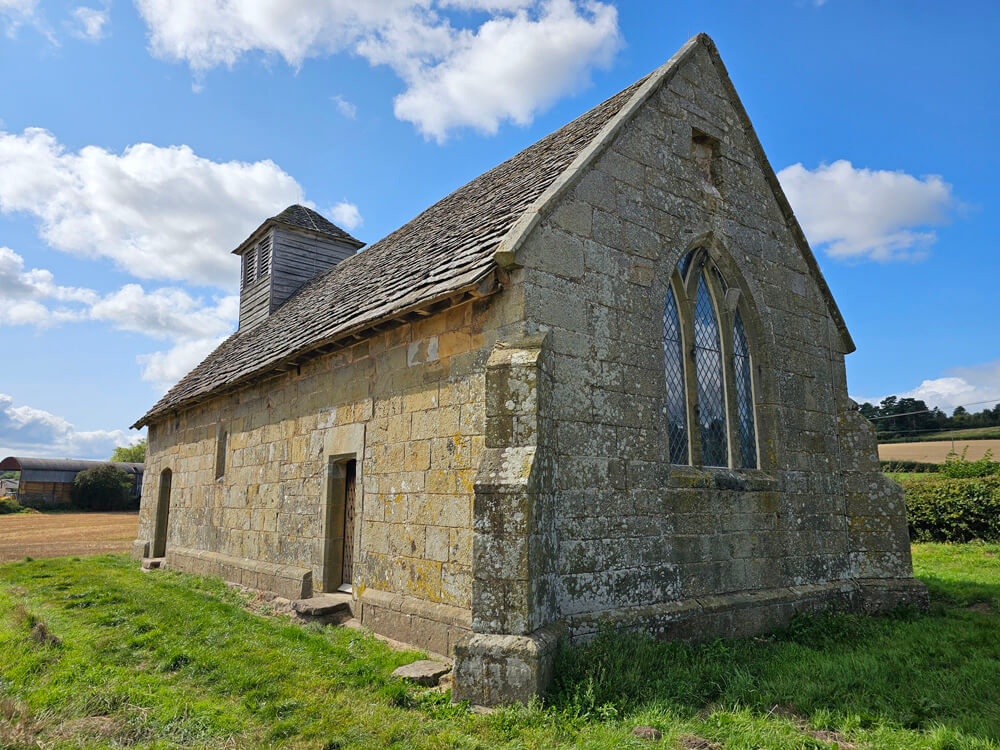
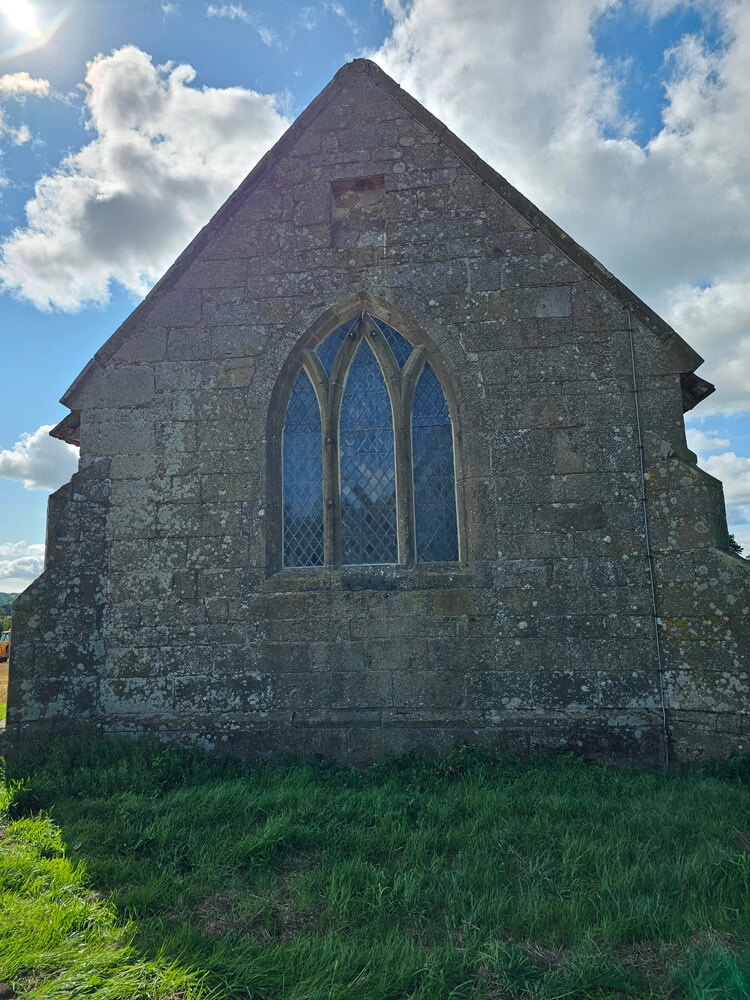
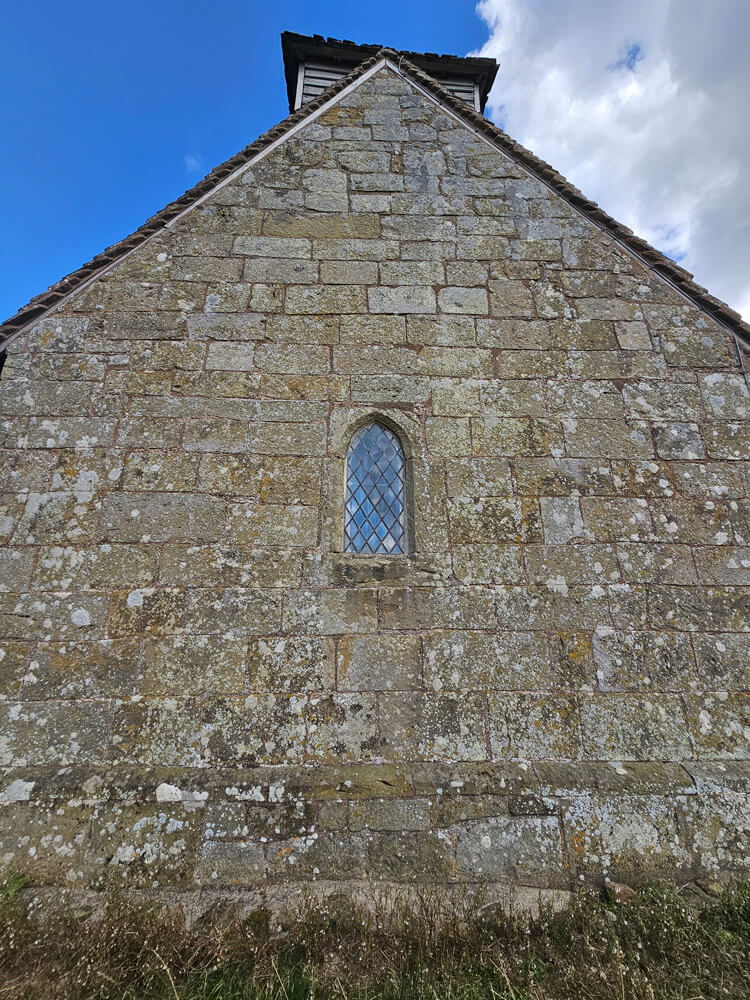
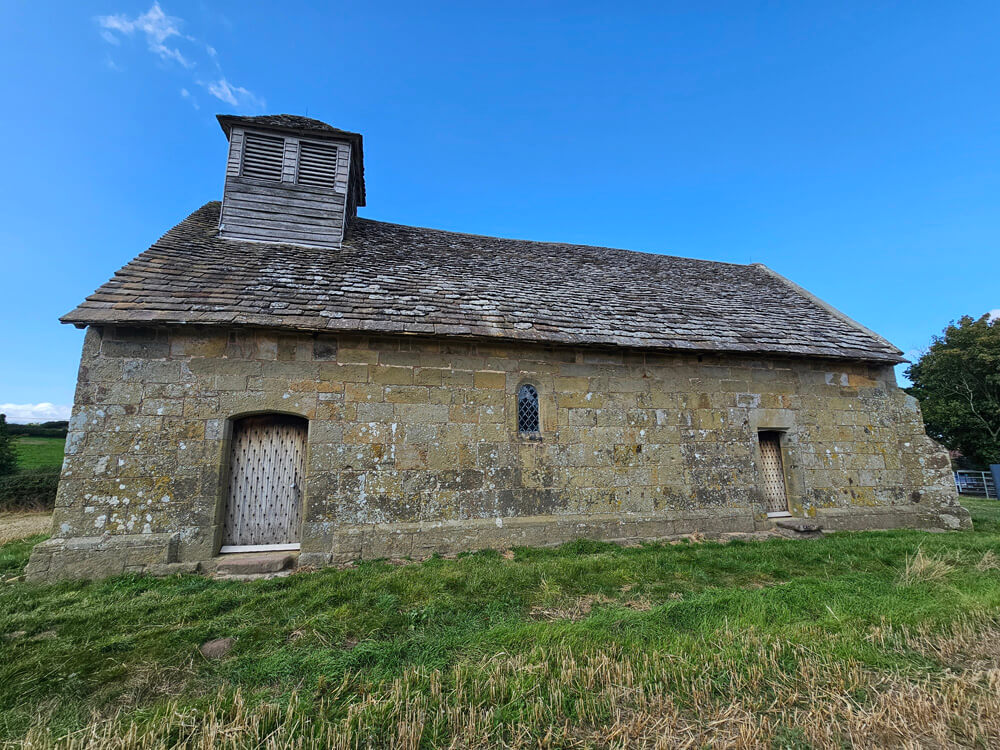
The chapel has two Tudor doorways with nail-studded doors on the south wall, and features a variety of rather plain windows, some of them perhaps remodelled from earlier medieval windows.
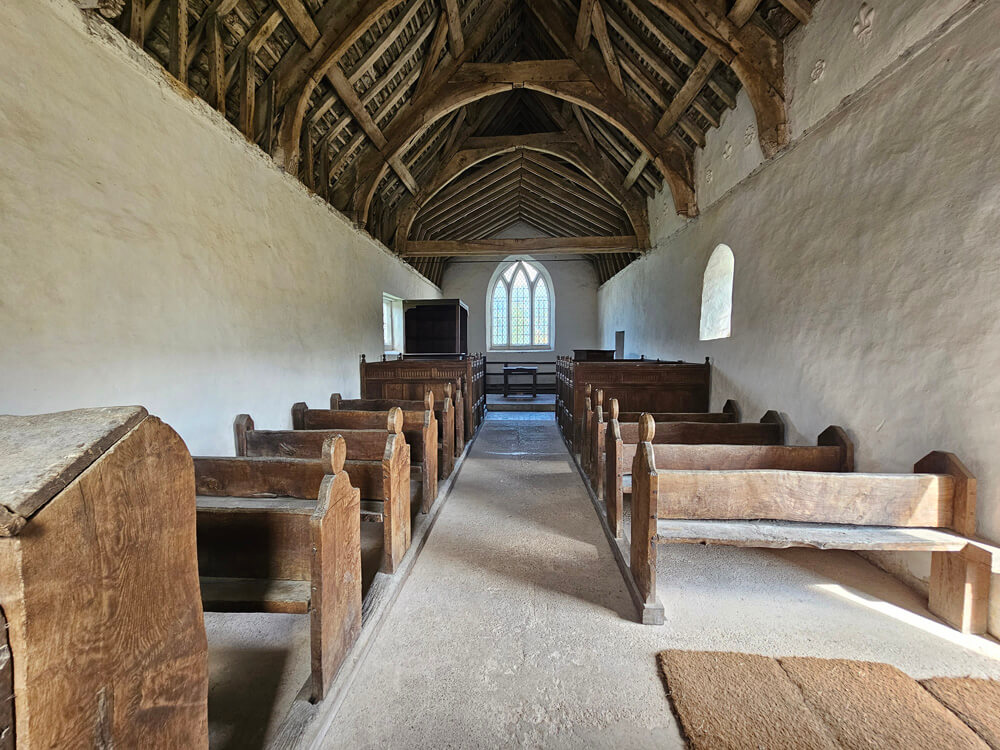
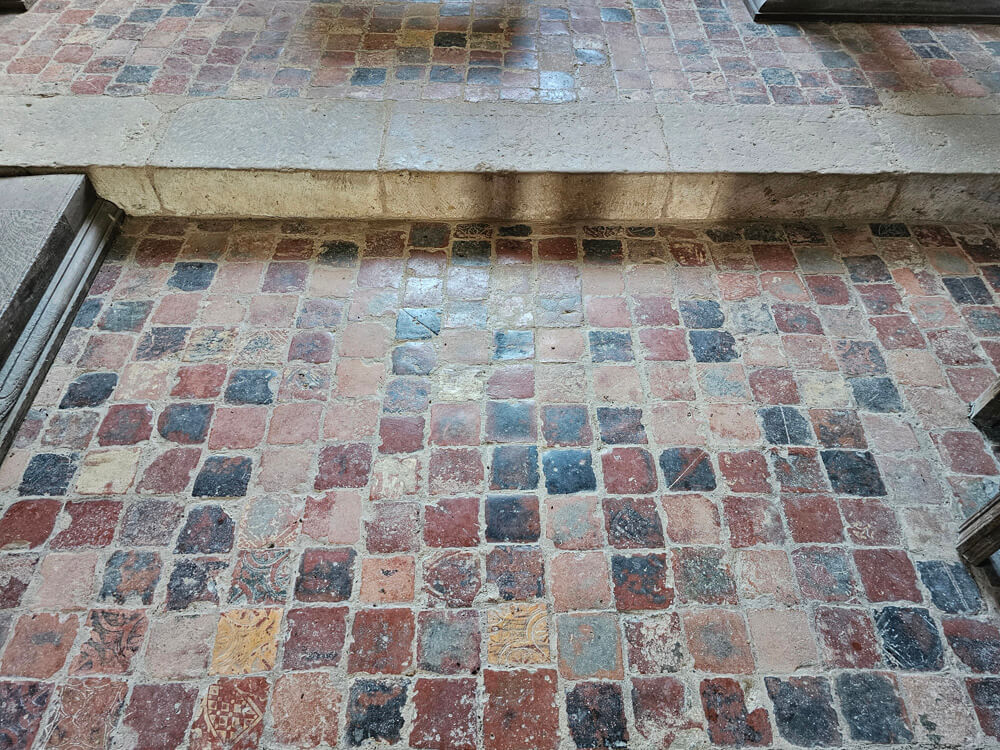
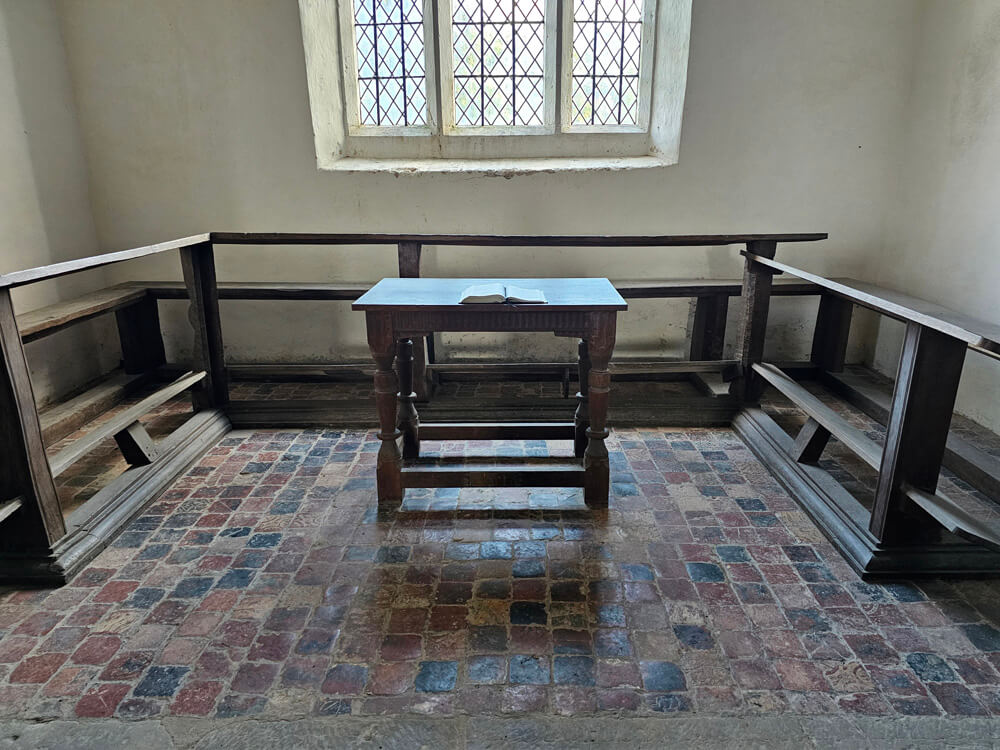
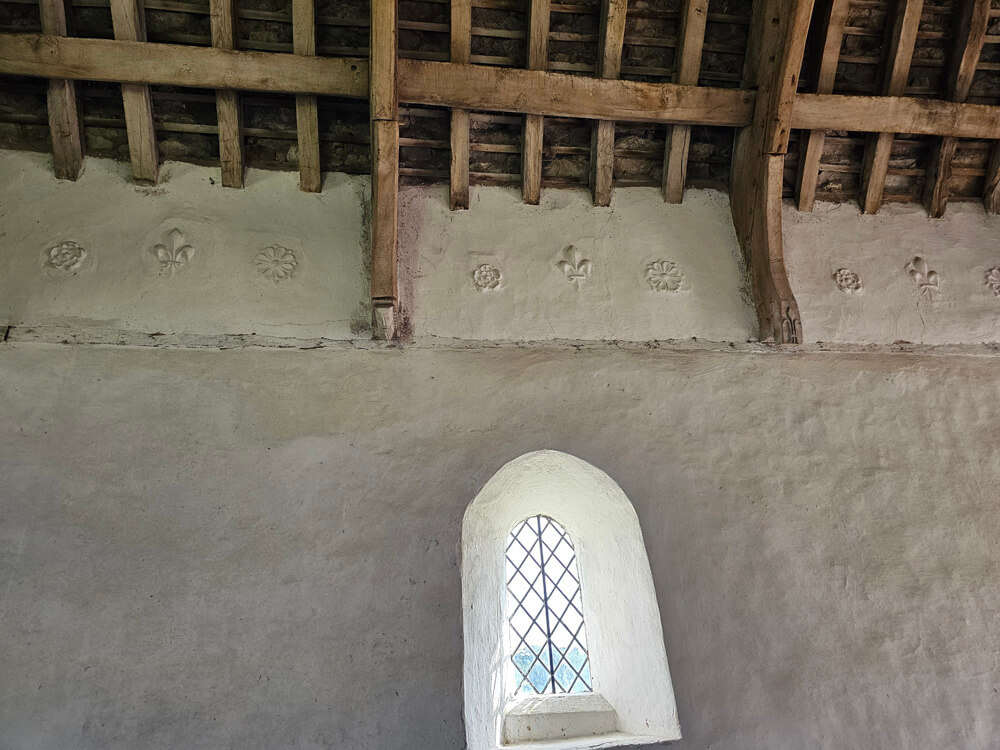
Inside, Tudor decoration of roses and fleur-de-lis runs along the top of the south wall in the plaster frieze, although the frieze opposite on the north wall has been lost over time. The chancel floor contains many glazed and decorated medieval tiles.
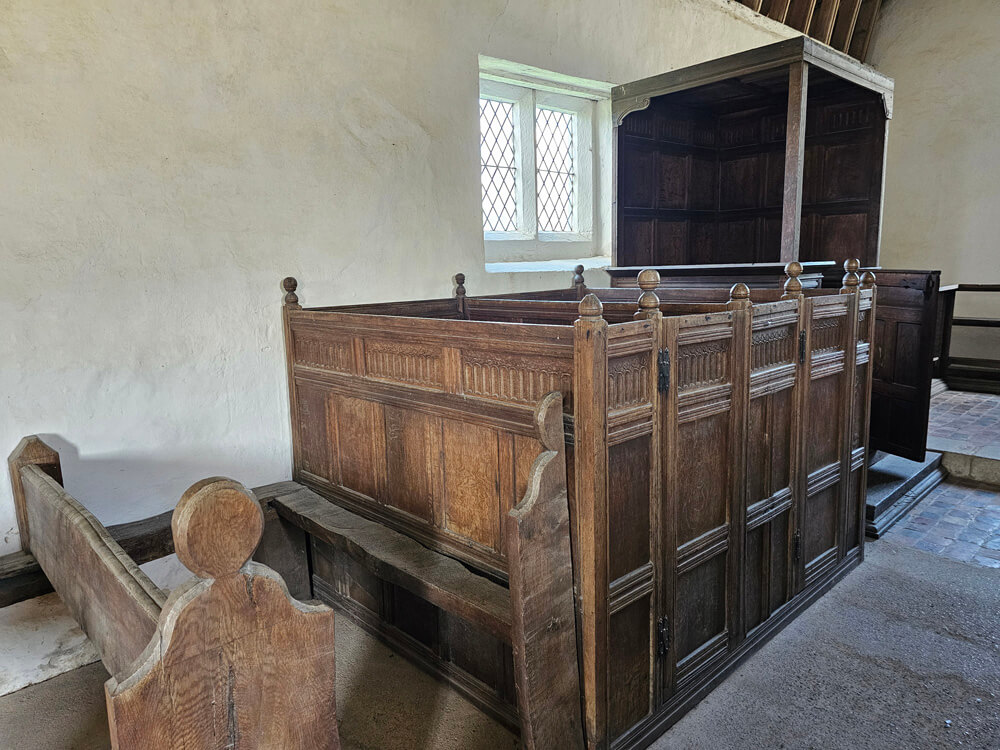
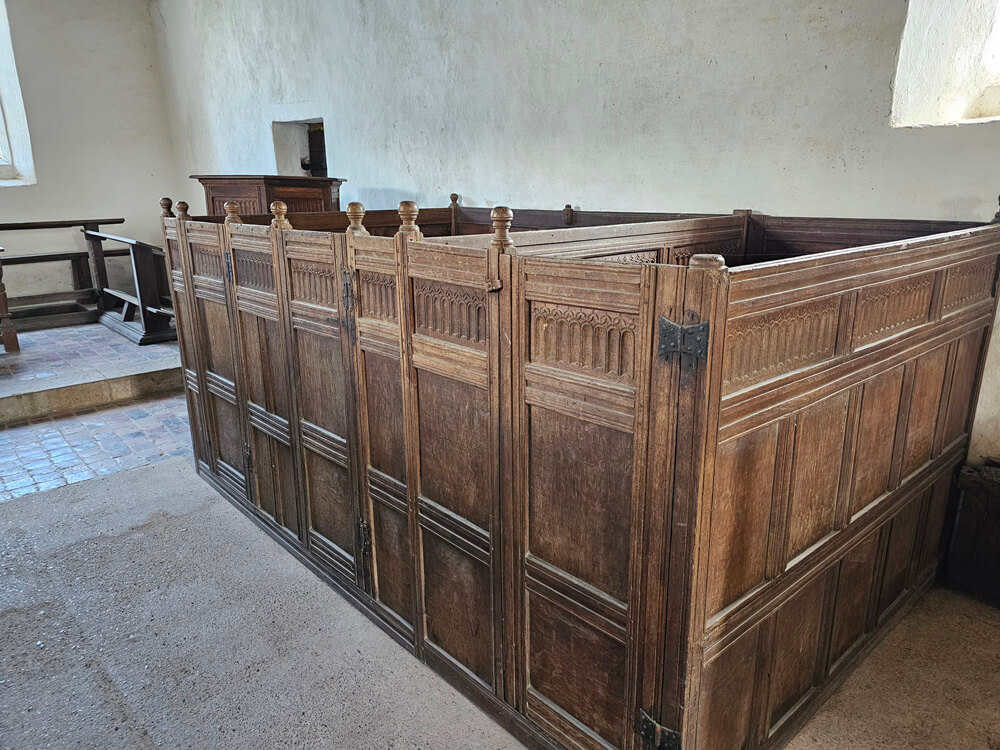
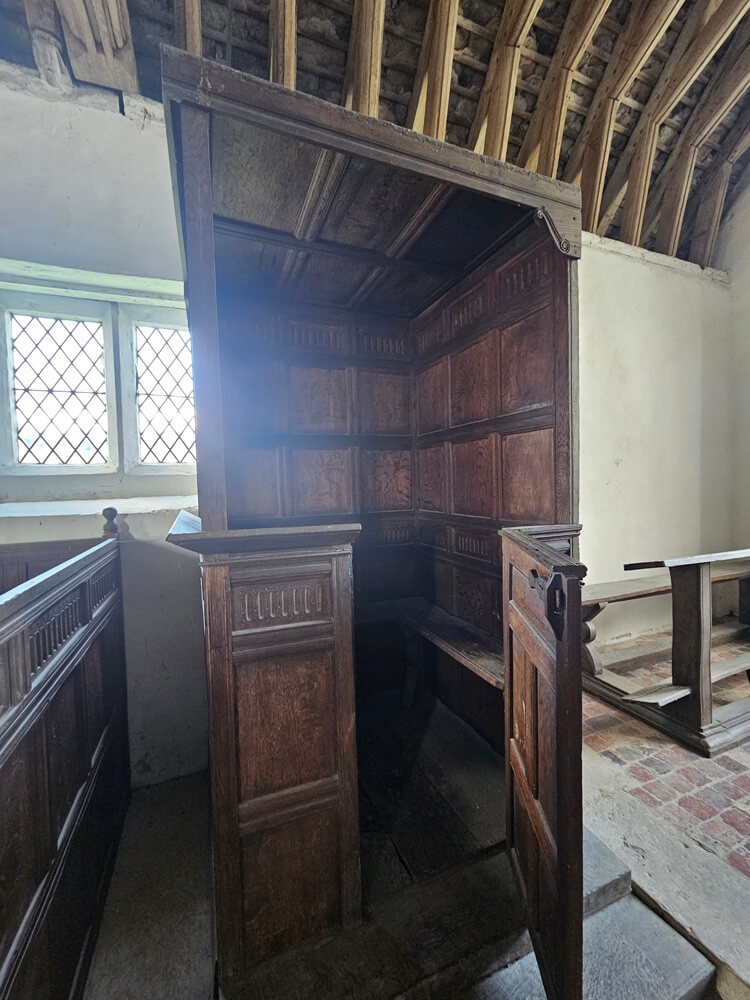
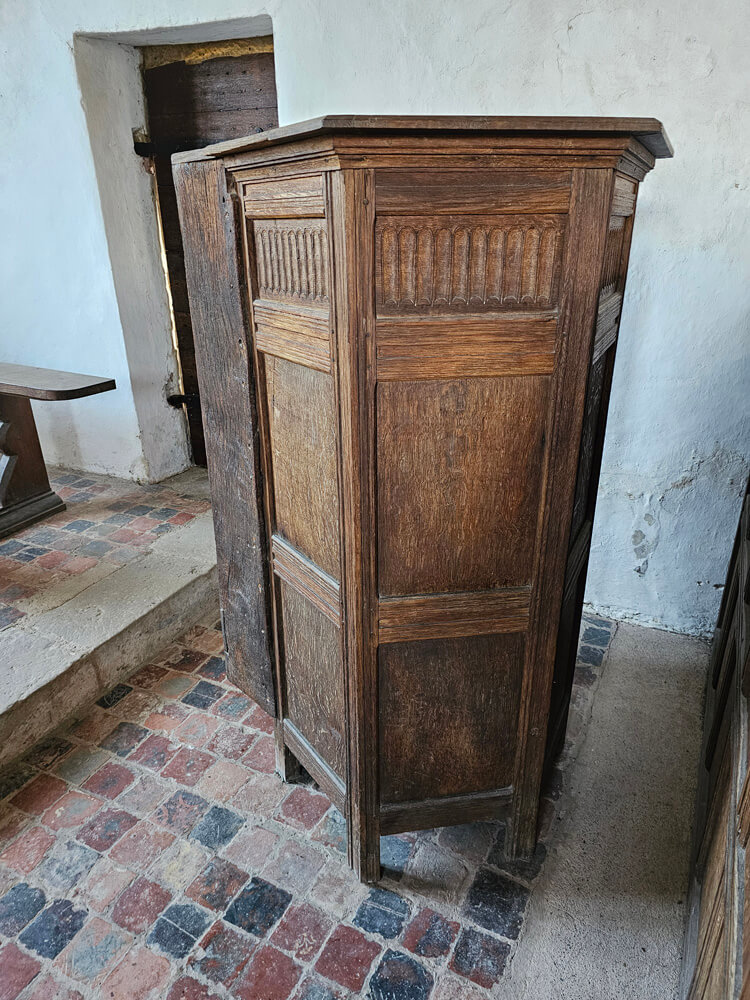
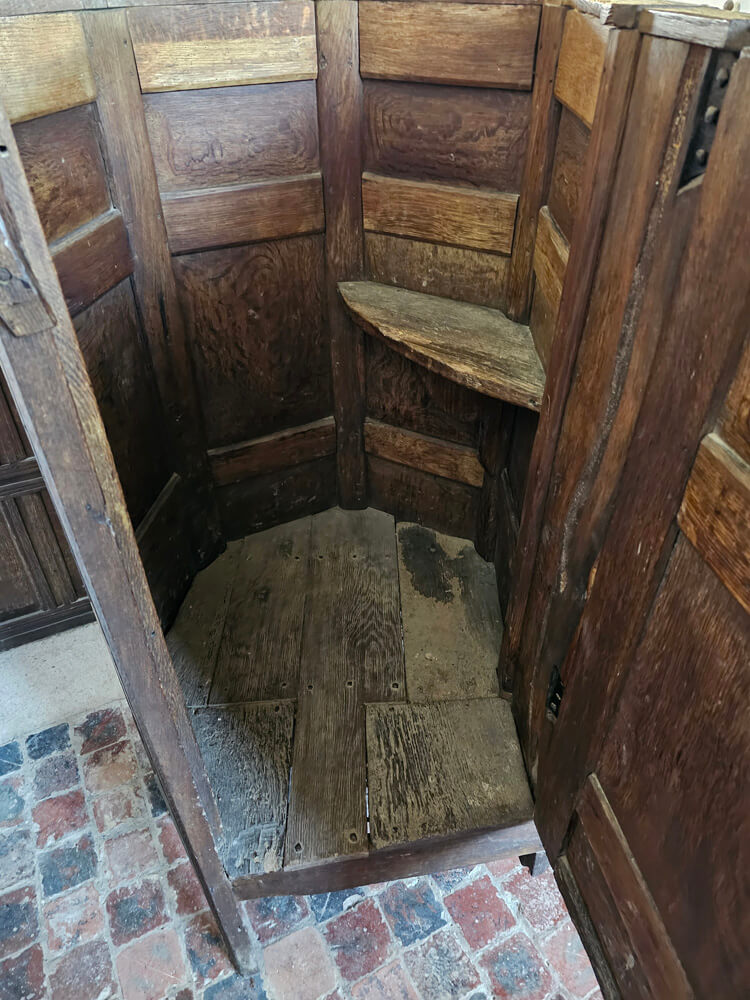
Most of the interior wooden furnishings date to the early 1600s when the chapel was restored by Sir Humphrey Lee. Regarded as “an almost perfect set of 17th-century timber furnishings” they include a musician’s gallery, panelled box pews, a small moveable hexagonal pulpit, and a reading desk with a canopy roof, which are all decorated in a typical early Jacobean style.
By the late 17th century, many of the local farm labourers left the area in search for higher paid work and the chapel largely fell out of use, with its last regular service taking place in 1871.
Amazingly the chapel’s furnishings remain unchanged, like a time capsule of the early 17th century, untouched by the changing fashions in church decoration in the following centuries. If a 16th-century Puritan was to enter the chapel today, it would look very familiar to them, barely unchanged in over 400 years.
Photo Gallery.
Did you enjoy this post?
I hope you found this post useful. I put a great deal of time and effort in to building, maintaining and populating the website. If you like, you could say a small thank you by buying me a coffee. You don't have to, but it would be nice :)
Buy me a coffeeMore Historic Churches
View all Historic Churches
Stay up to Date
Follow me on my journey and get notified whenever a new post is published by following Kings & Castles on Facebook.
Follow MeExplore The Map
Discover the hundreds of castles, churches, monasteries, cathedrals and other historic locations that I've personally visited across England and Wales. Search by location, explore nearby sites and plan your next historical adventure.
Share: