Shrewsbury Abbey
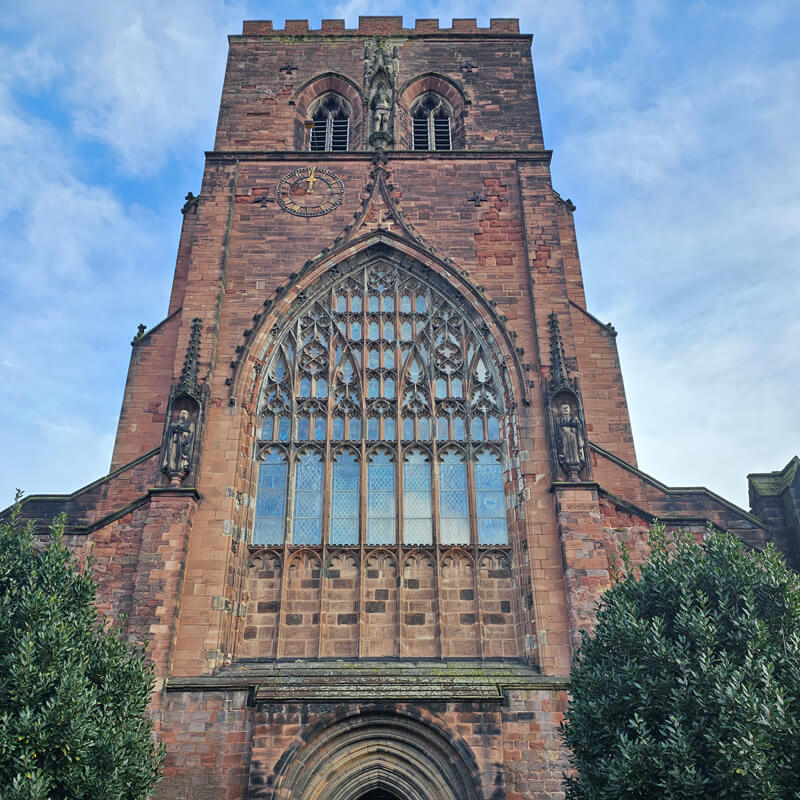
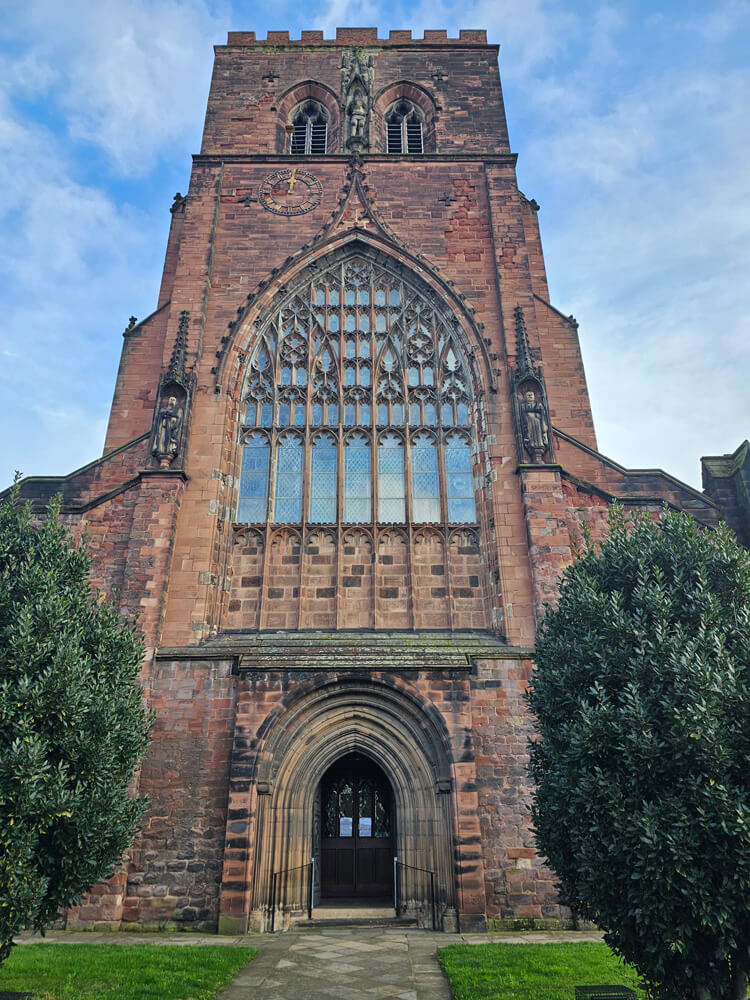
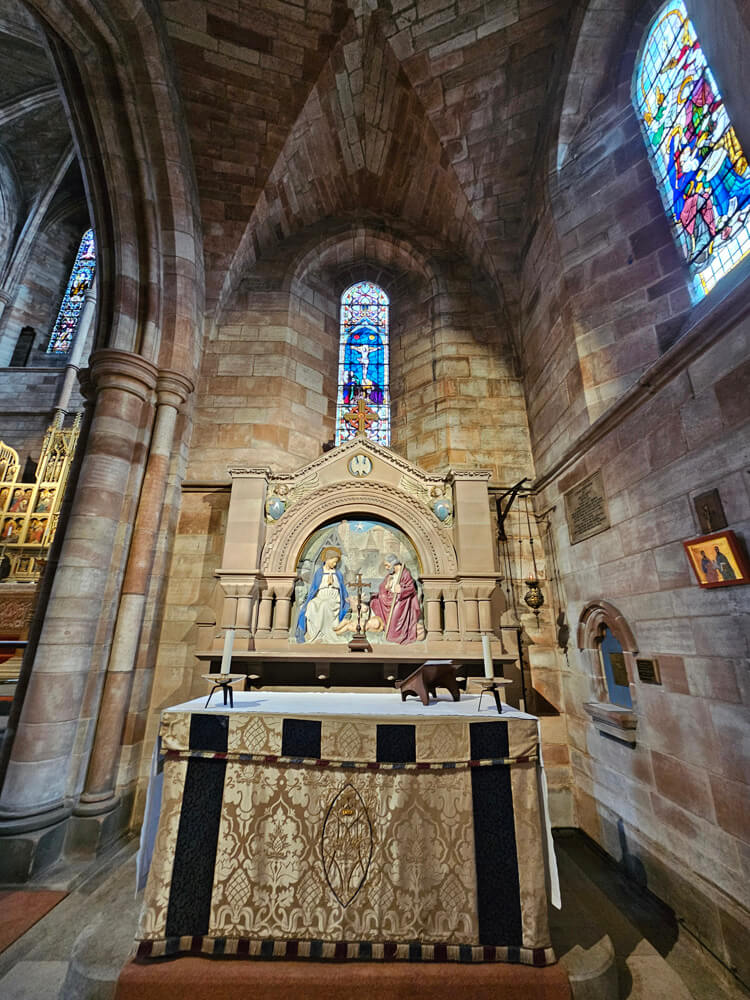
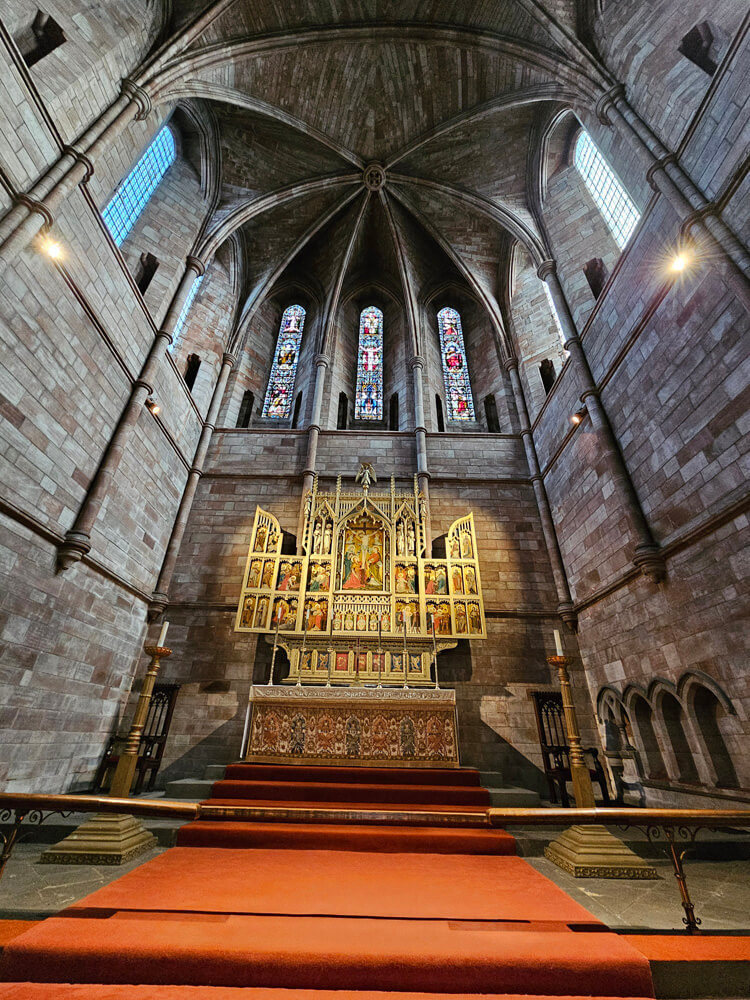
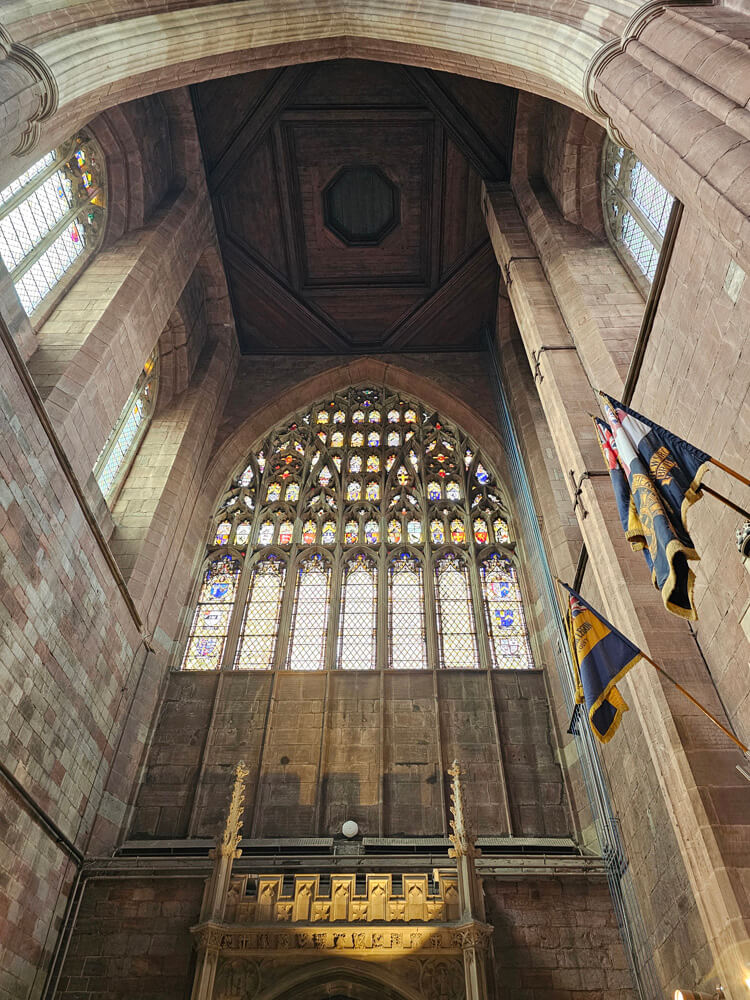
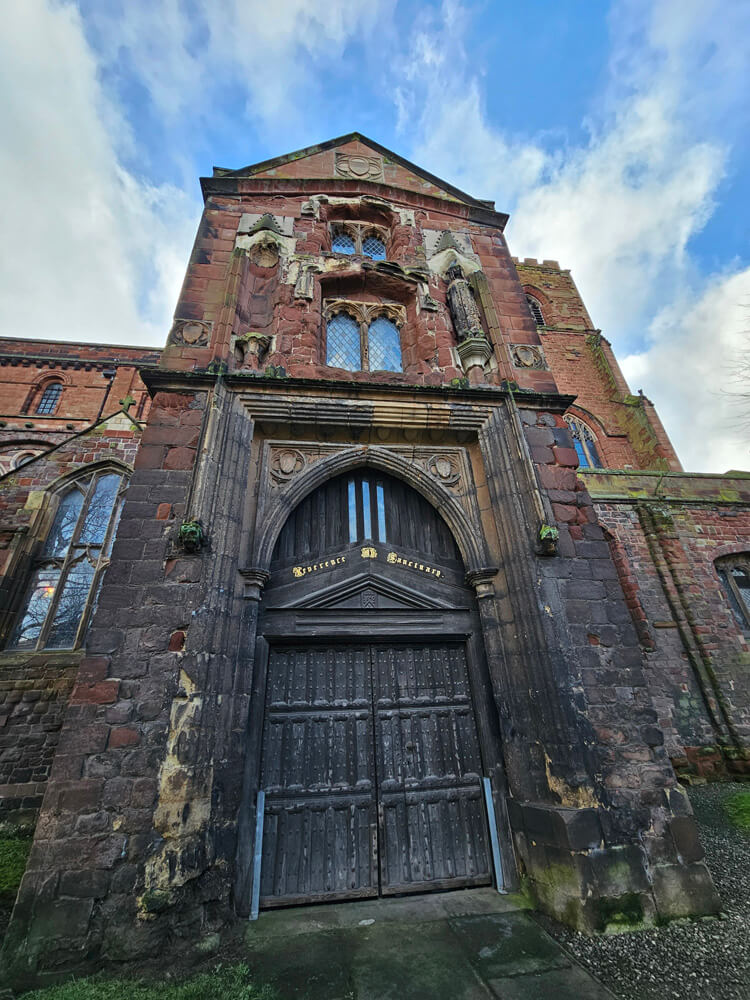
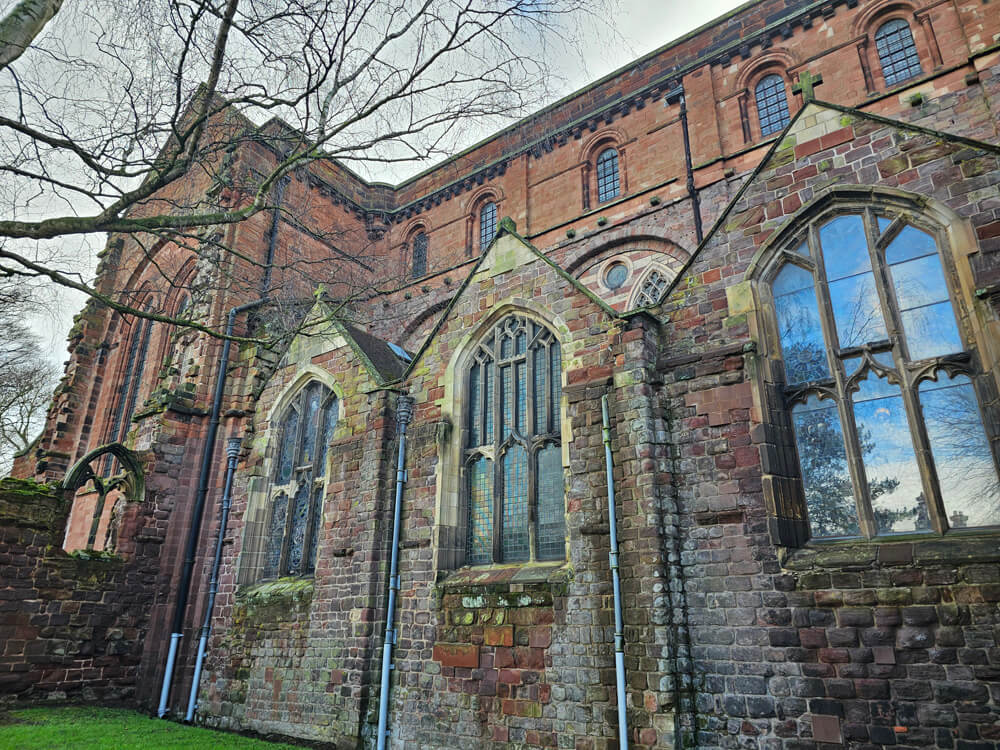
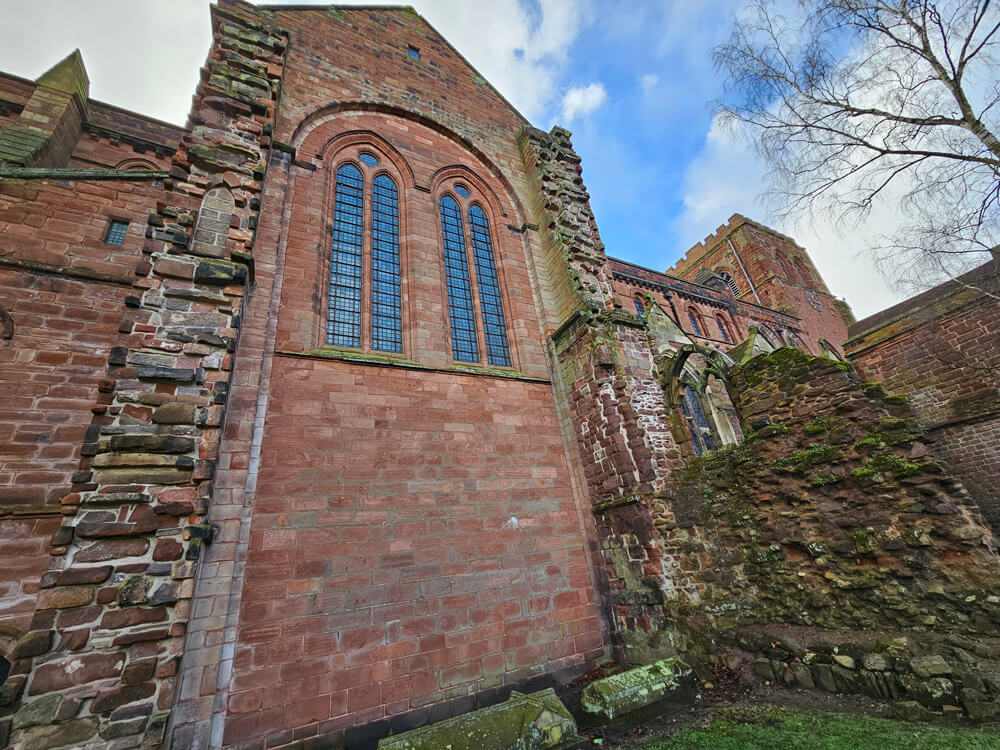
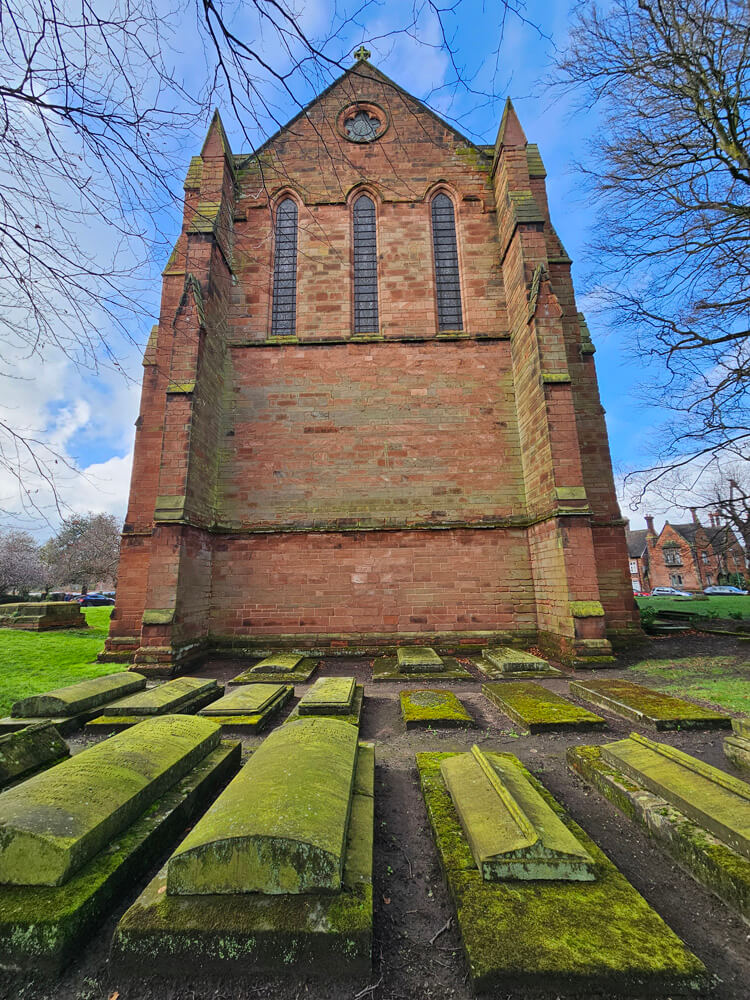
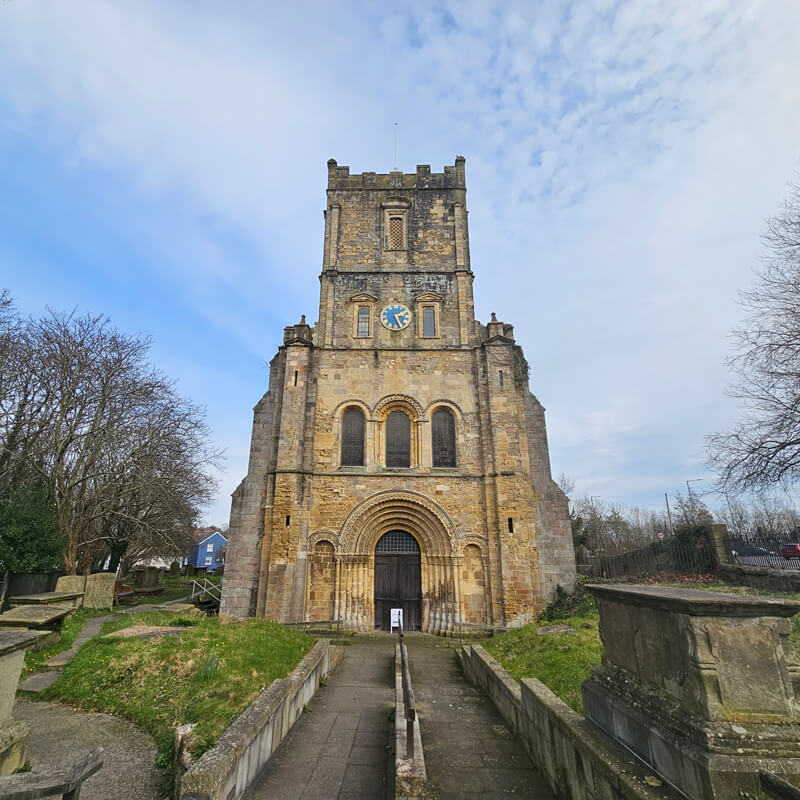
Founded in 1083 as a Benedictine monastery, the Abbey Church of the Holy Cross, also known as Shrewsbury Abbey, or the church of St Peter and St Paul, is an ancient foundation in Shrewsbury, the county town of Shropshire, England. Its architectural styles are Romanesque architecture and English Gothic architecture.
Quick
Facts.
- Location: Shrewsbury, Shropshire
- Founded: 1083
- Founder: Roger de Montgomery
- Religious order: Benedictine
- Dissolved: 1540
- Condition: Surviving church of a ruined abbey
A Bit of History…
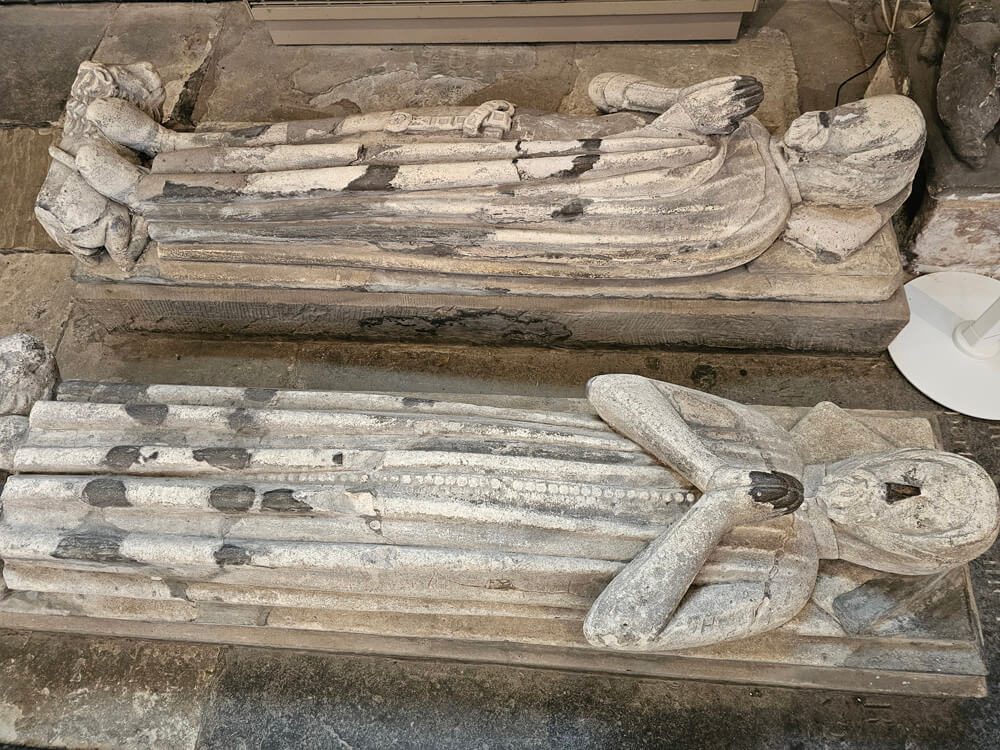
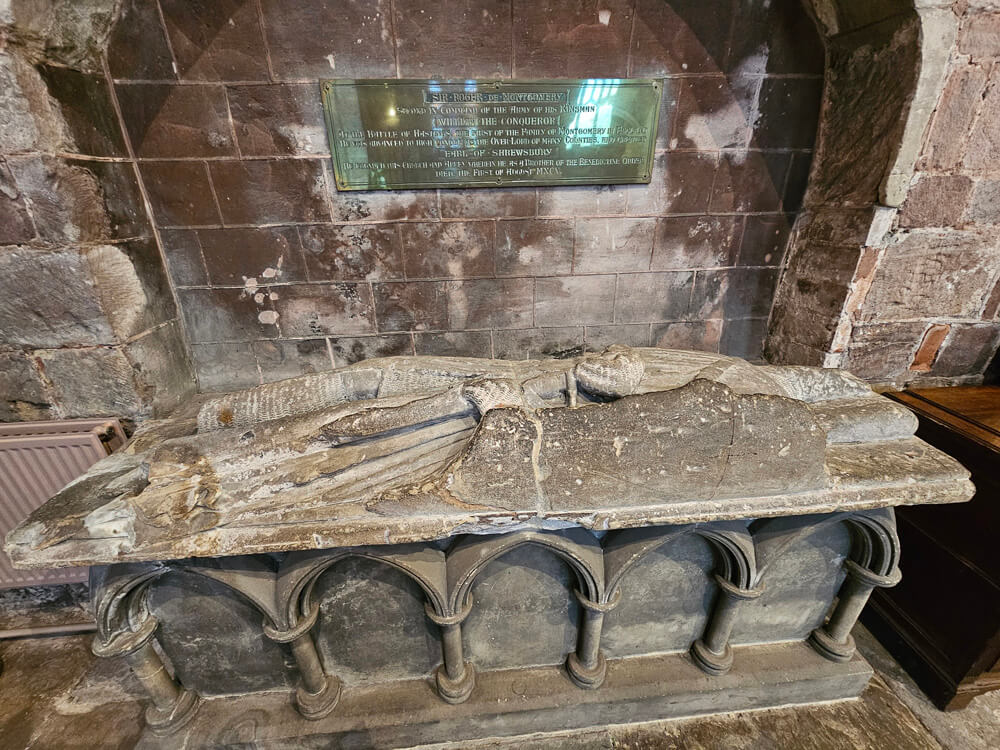
There has been a place of worship on the site of Shrewsbury Abbey since Anglo-Saxon times, which was built by a close relative of Edward the Confessor. The current abbey was founded in 1083 after the Norman Conquest as a Benedictine monastery, and was built on the site of an existing Saxon church that was dedicated to St Peter. It was built by the Norman Earl of Shrewsbury, Roger de Montgomery, who was later buried at the abbey, and who’s tomb is still inside the abbey as well as several other tombs.
The abbey that he founded grew to become one of the most powerful and influential in the country, due in large part to the surge in visits from pilgrims when the relics of Saint Winefride were brought to Shrewsbury in 1147. The next major event in the history of the abbey took place in 1283 when Edward I gathered a Parliament to meet in the chapter house. This was the first Parliament in which the Commons had a legal role. Parliament met for a second time at Shrewsbury Abbey in 1398 under Richard II.
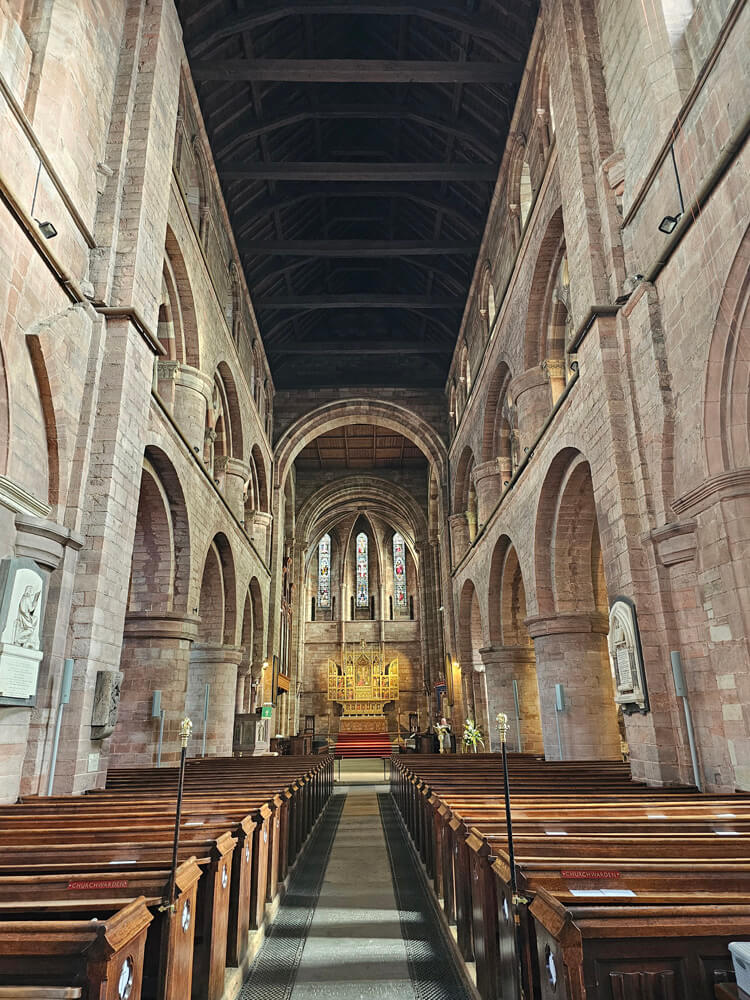
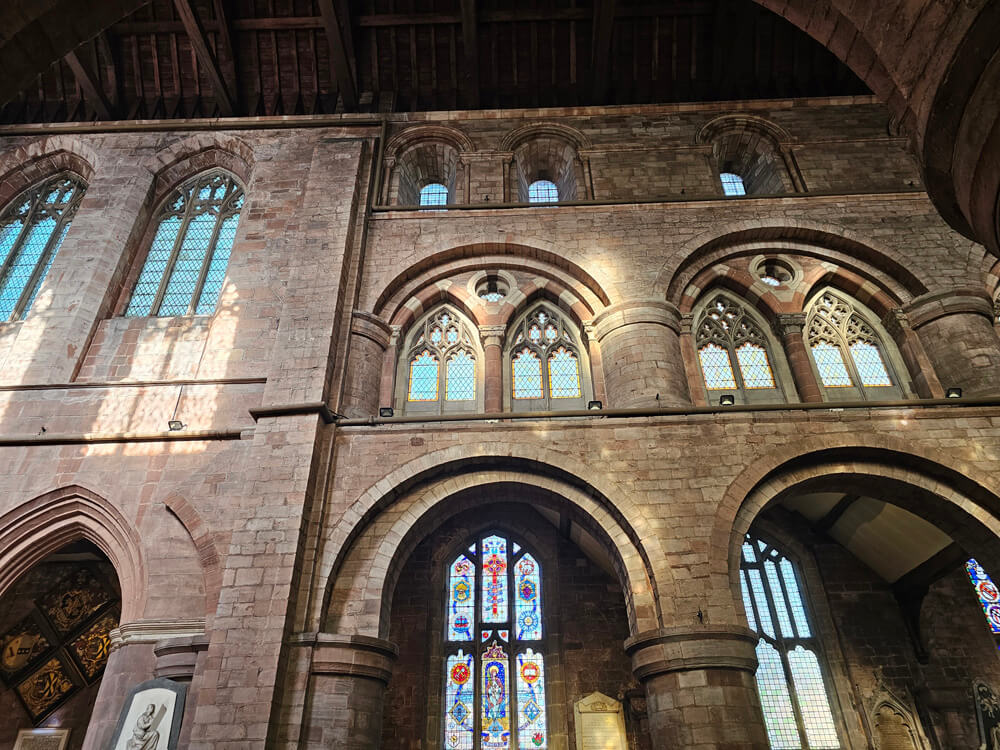
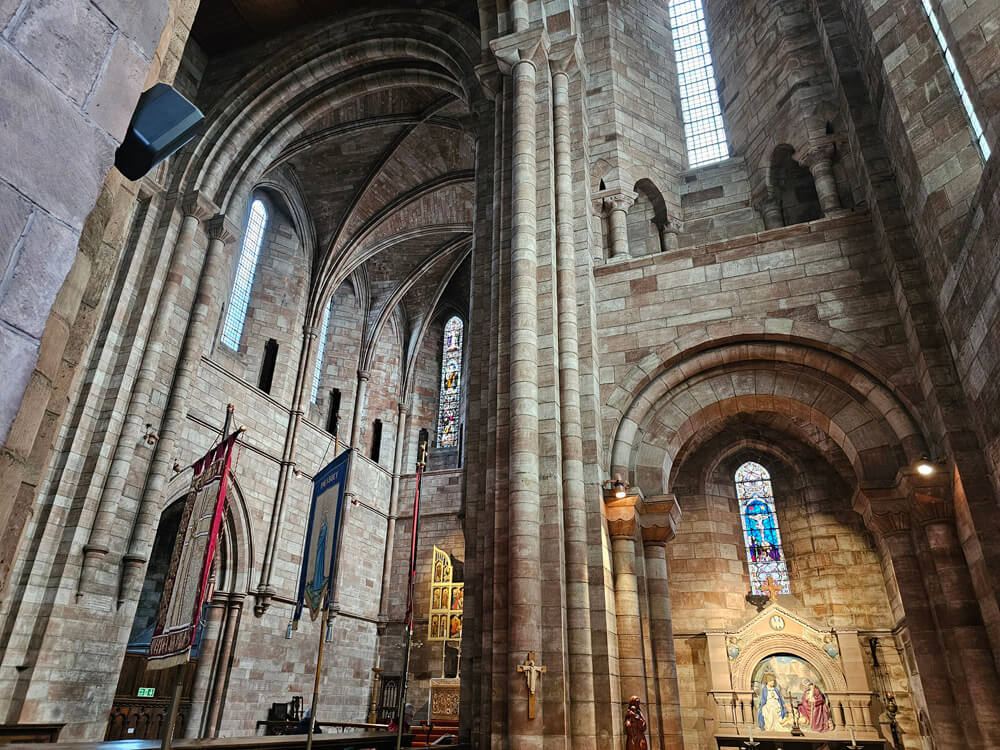
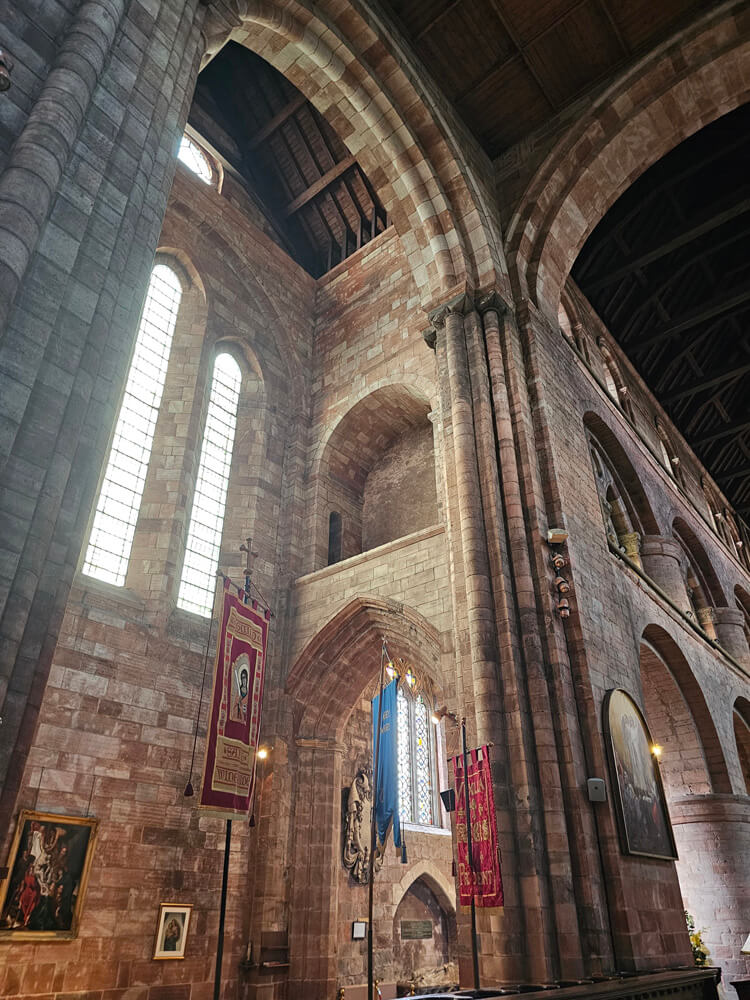
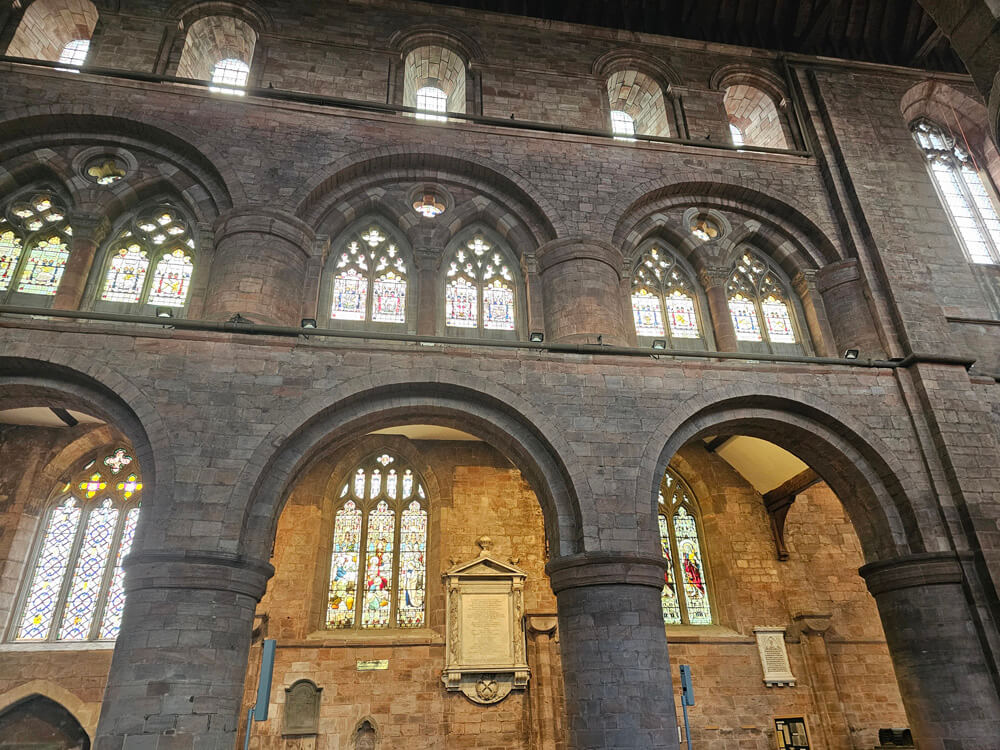
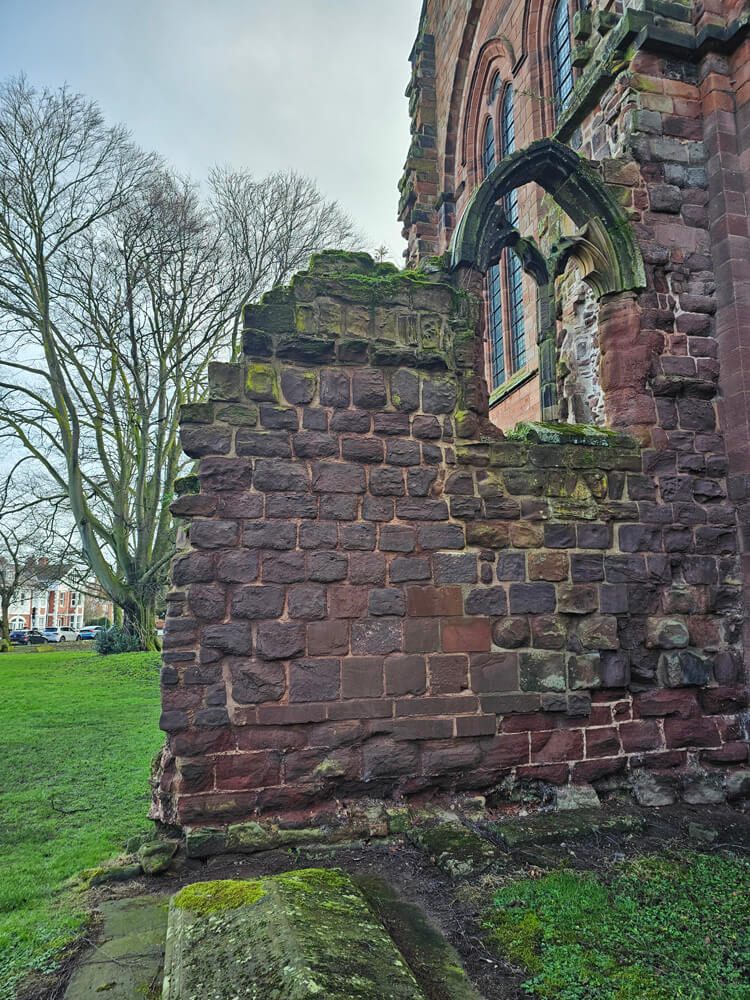
This wonderful medieval church is the only substantial remain of Shrewsbury Abbey, a great medieval monastery beside the River Severn. After the Dissolution of the Monasteries in the reign of King Henry VIII, the part of the Abbey building which survived continued as a parish church – as it is to this day. Much of the original 11th-century Norman building survives in the present abbey church, notably the short thick piers in the eastern half of the nave and the remnants of the original transepts.
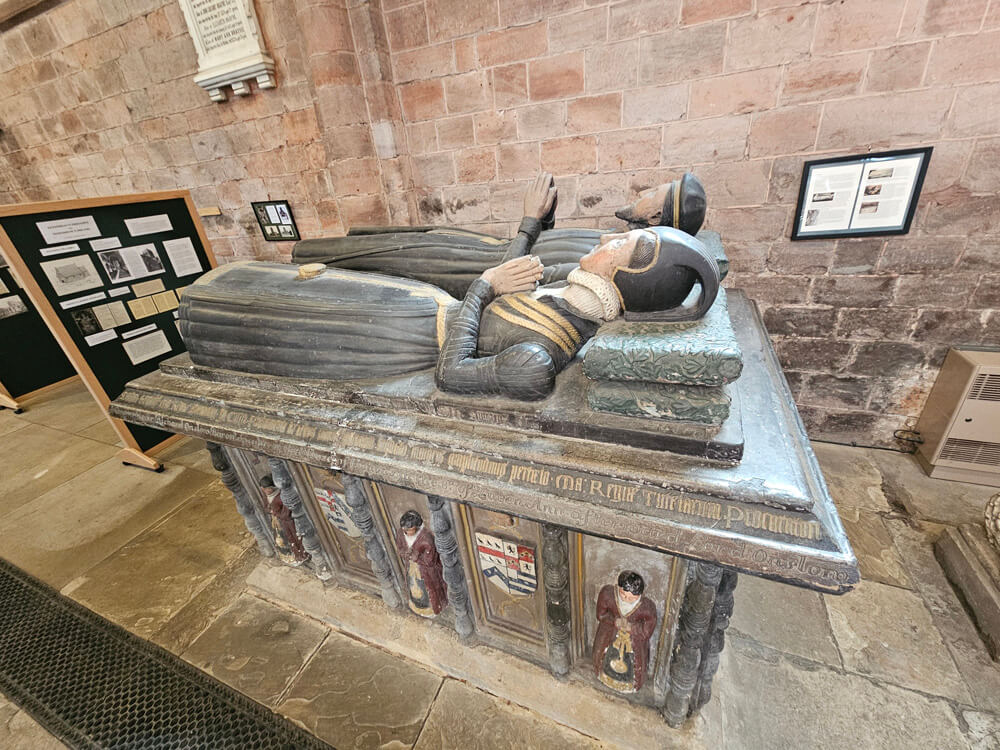
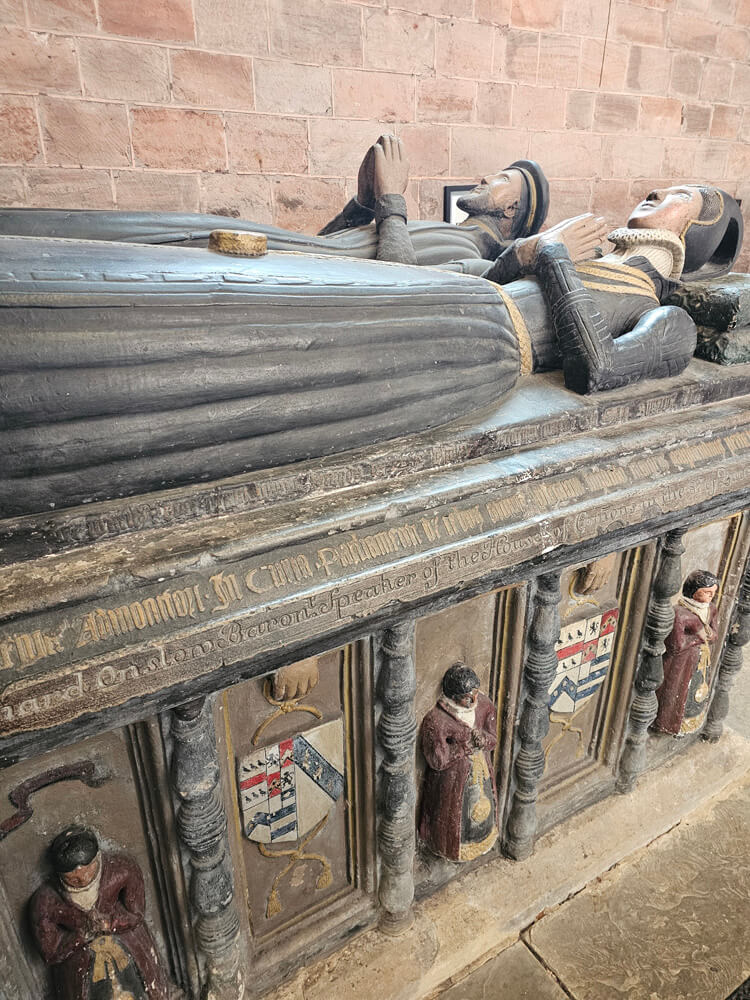
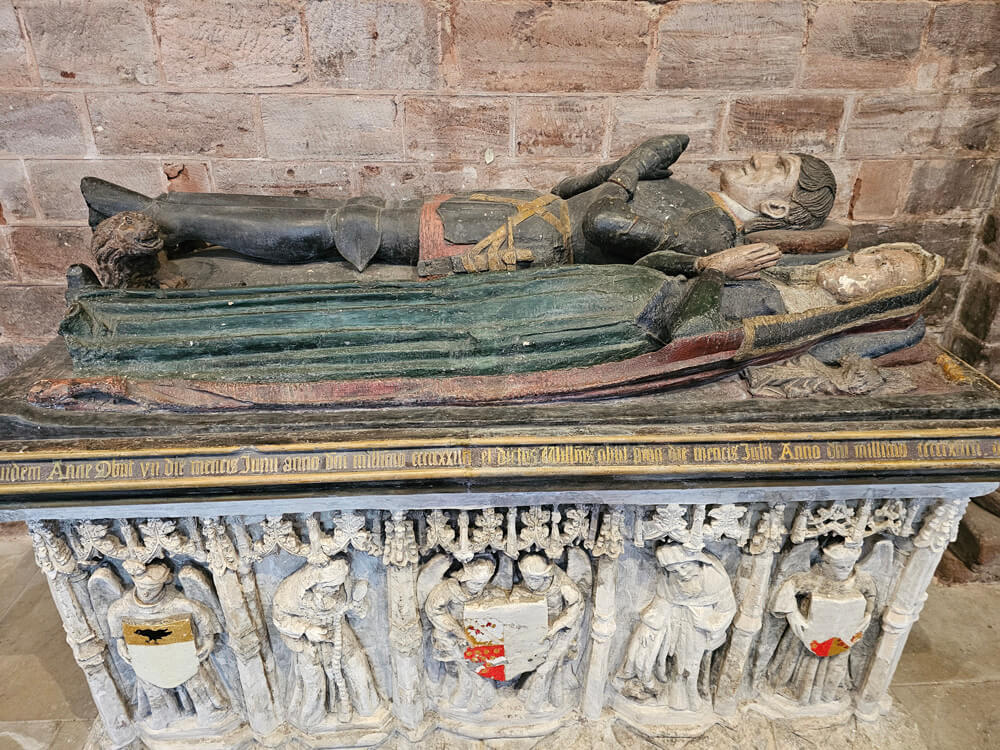
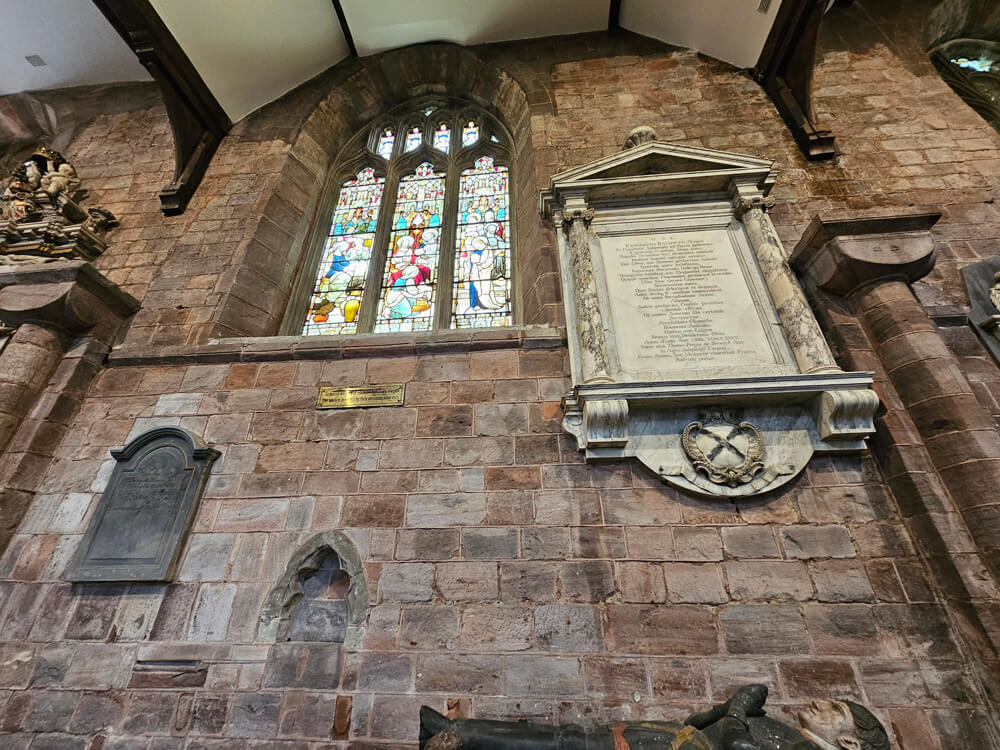
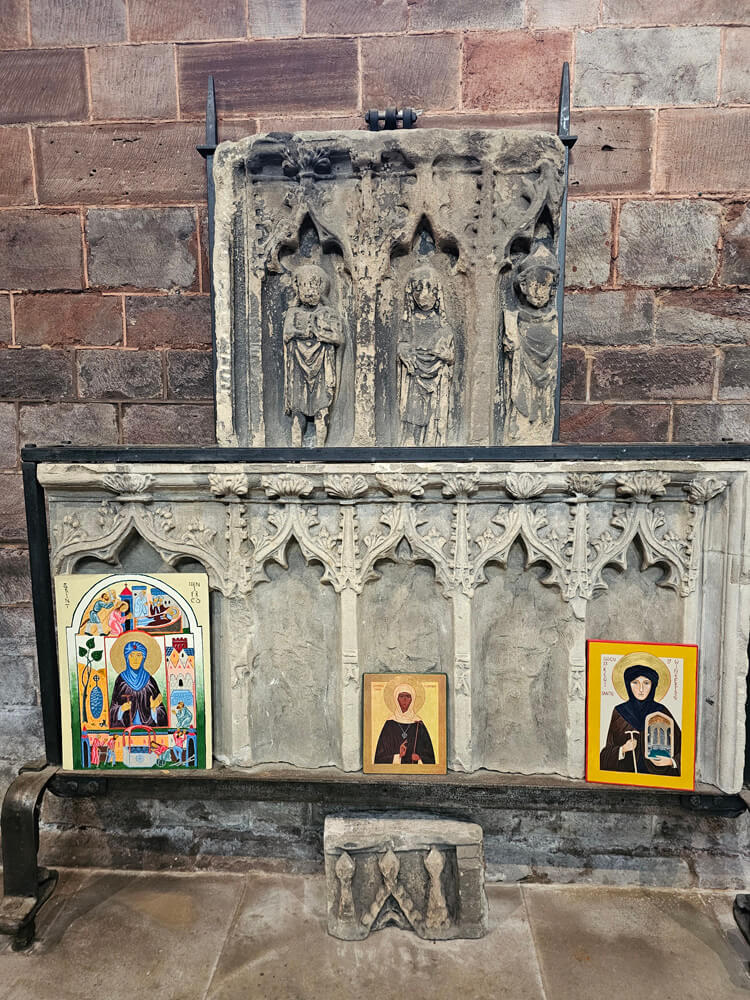
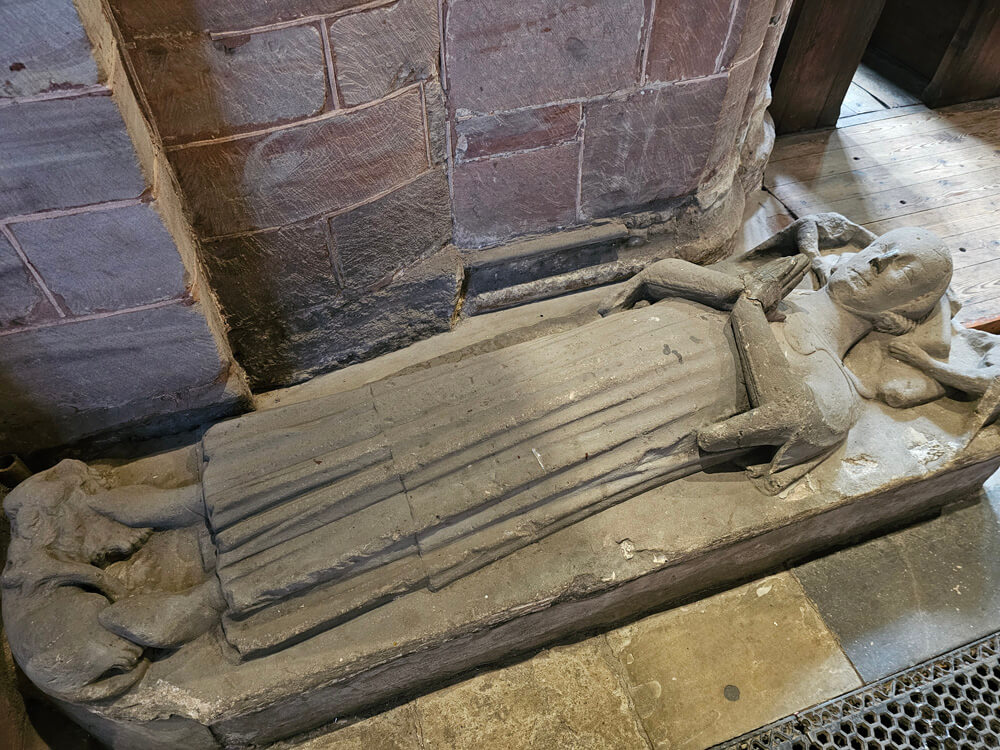
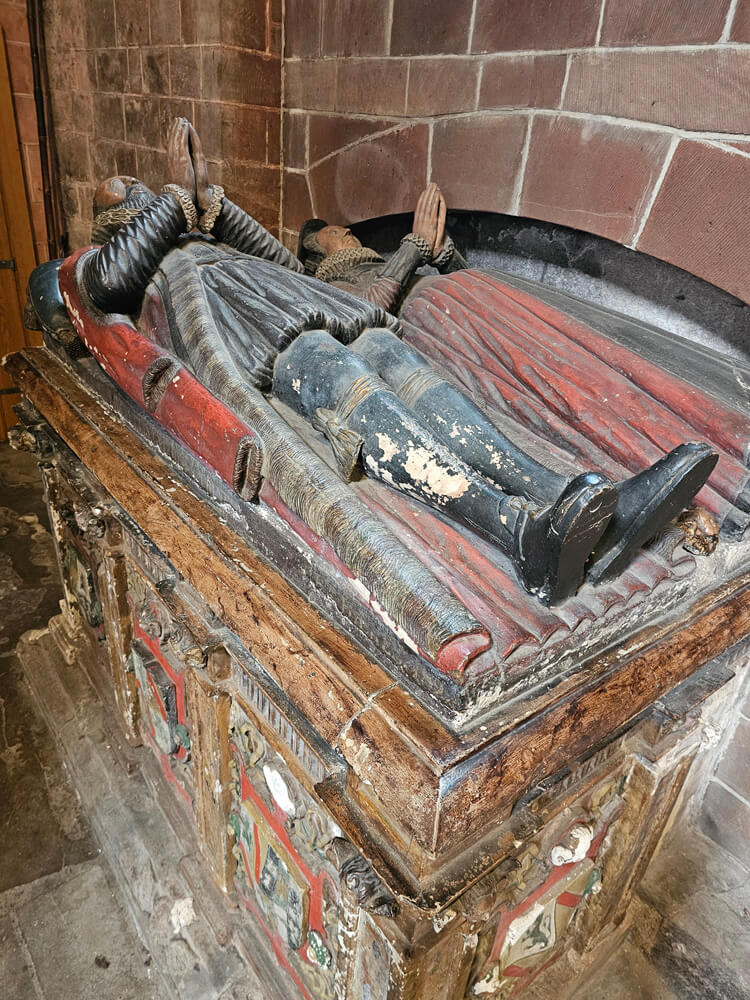
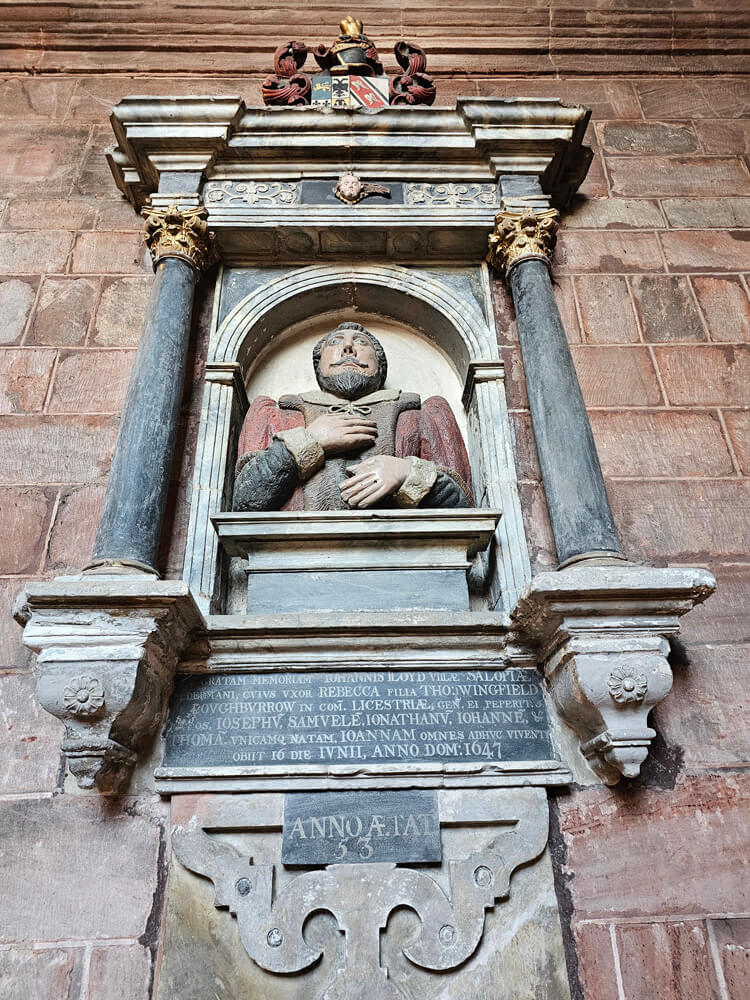
The highlight of the interior is the large number of historic monuments scattered throughout. Among these is a tomb ascribed to the abbey’s founder, Roger de Montgomery. There are further medieval effigies and some glorious later memorials, including several 16th and 17th-century aldermen of Shrewsbury, dressed in their fine robes.
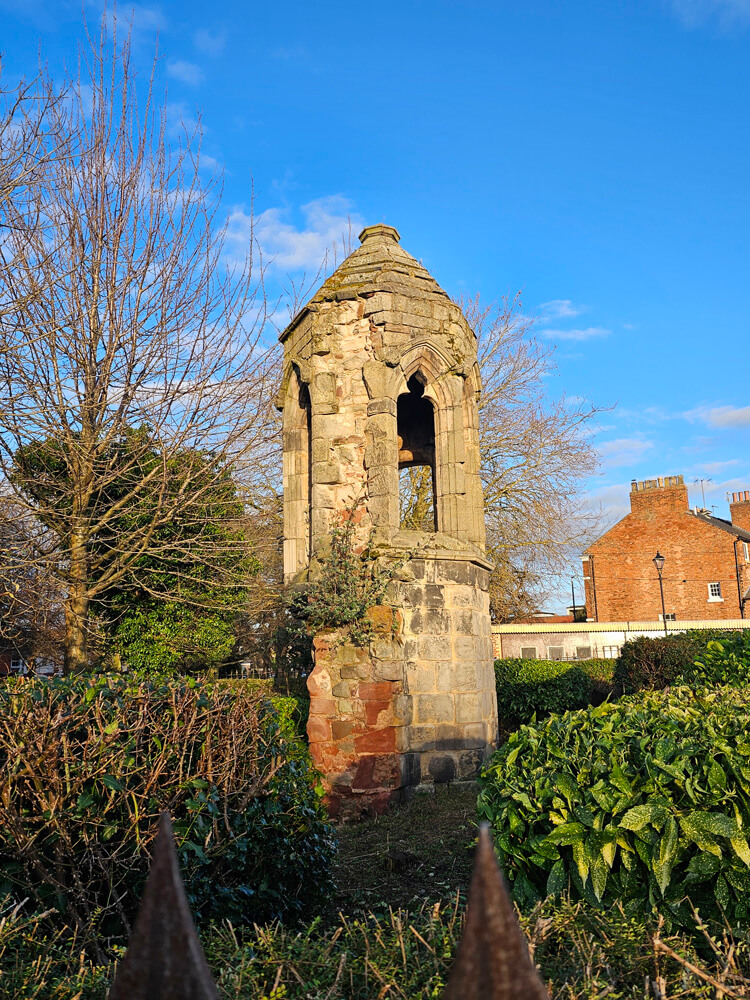
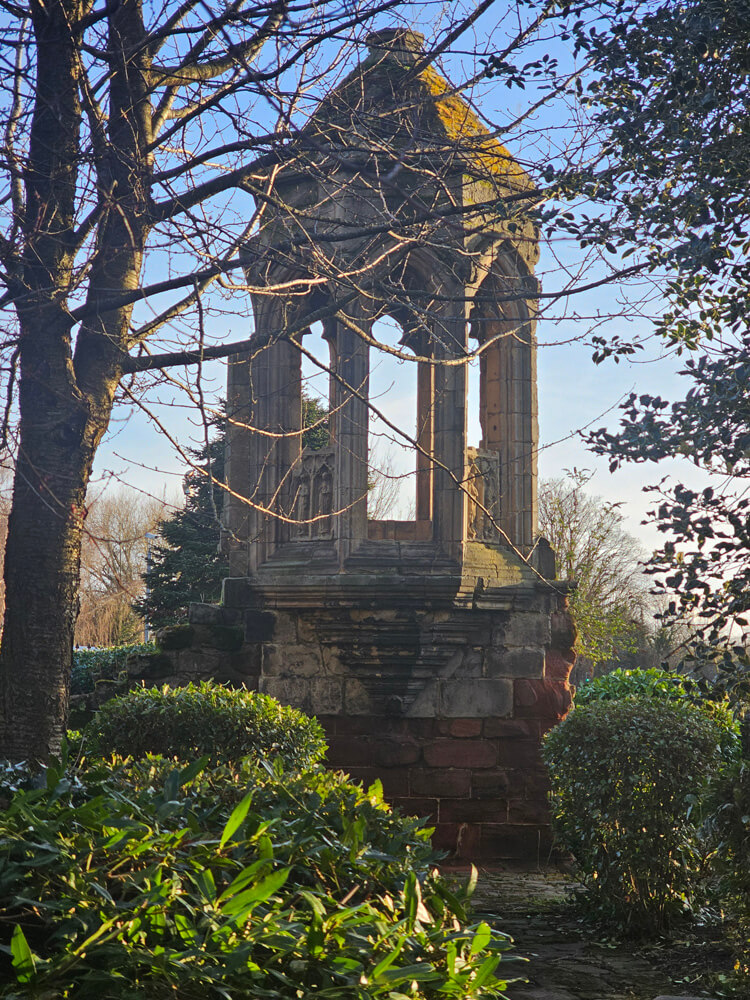
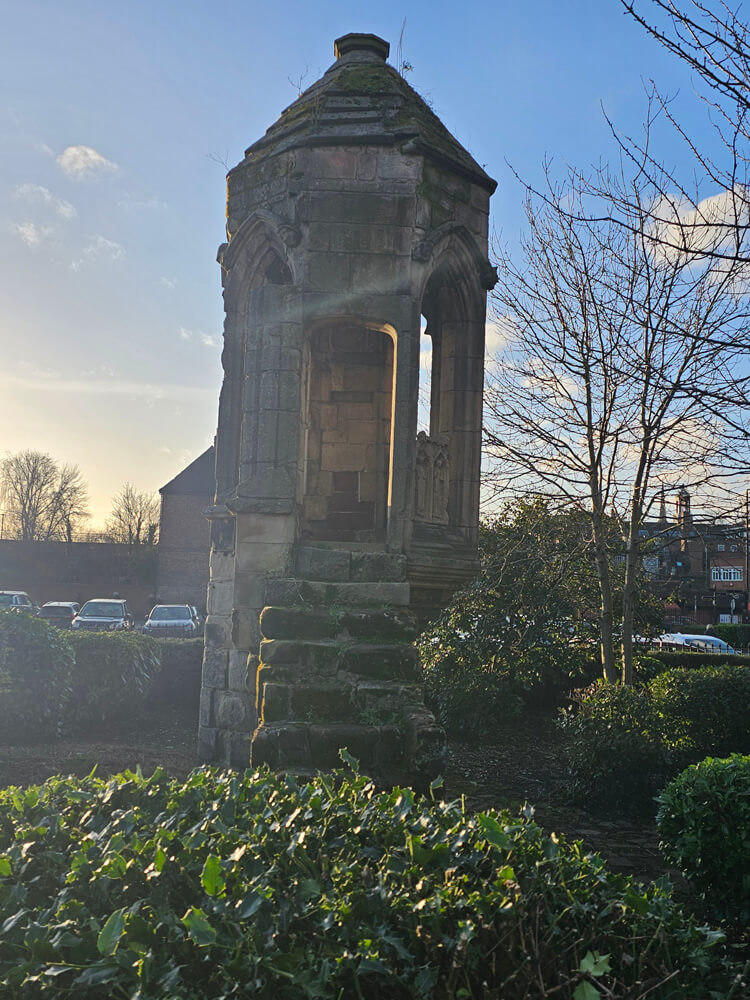
The abbey was split in half by Thomas Telford in the 1830s when he created a road to pass through it. Motorists now entering Shrewsbury from the east will be driving through the site of the former chapter house and cloister. All that remains of the monastic buildings to the south of Shrewsbury Abbey is a magnificent 14th-century pulpit which once stood in the abbey’s refectory (dining hall), and is now isolated in a car park across the road from the abbey church. It is one of only three known from England.
Photo Gallery.
Did you enjoy this post?
I hope you found this post useful. I put a great deal of time and effort in to building, maintaining and populating the website. If you like, you could say a small thank you by buying me a coffee. You don't have to, but it would be nice :)
Buy me a coffee
Stay up to Date
Follow me on my journey and get notified whenever a new post is published by following Kings & Castles on Facebook.
Follow MeExplore The Map
Discover the hundreds of castles, churches, monasteries, cathedrals and other historic locations that I've personally visited across England and Wales. Search by location, explore nearby sites and plan your next historical adventure.
Share: