Criccieth Castle
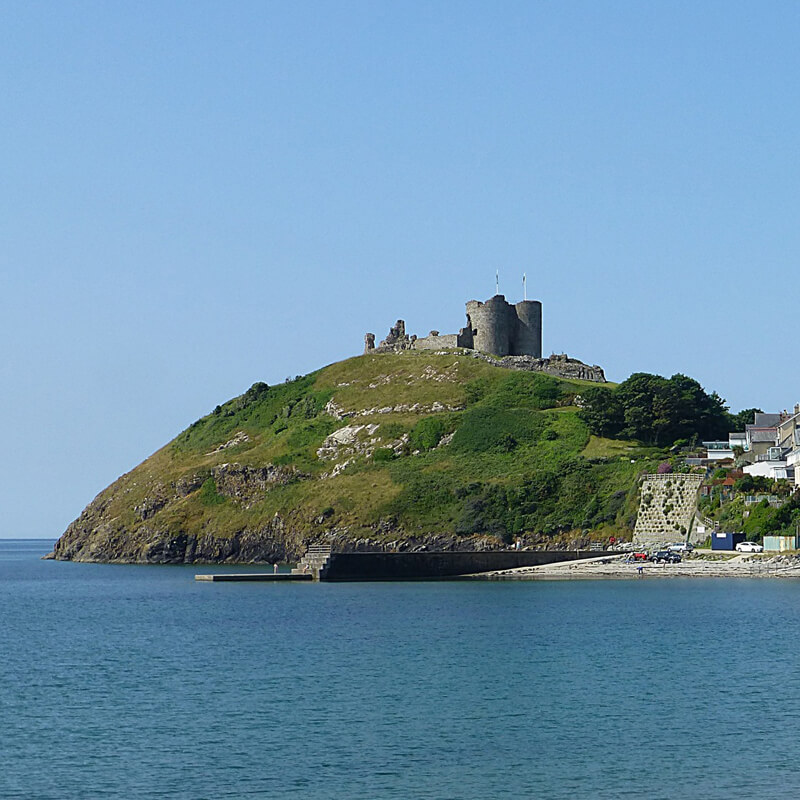
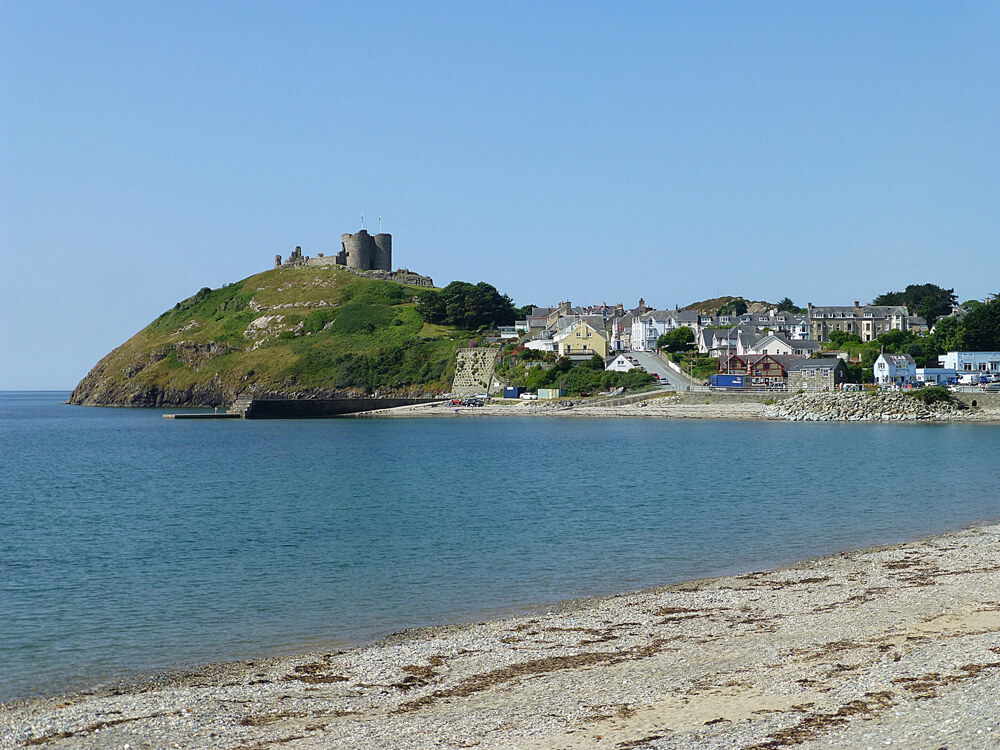
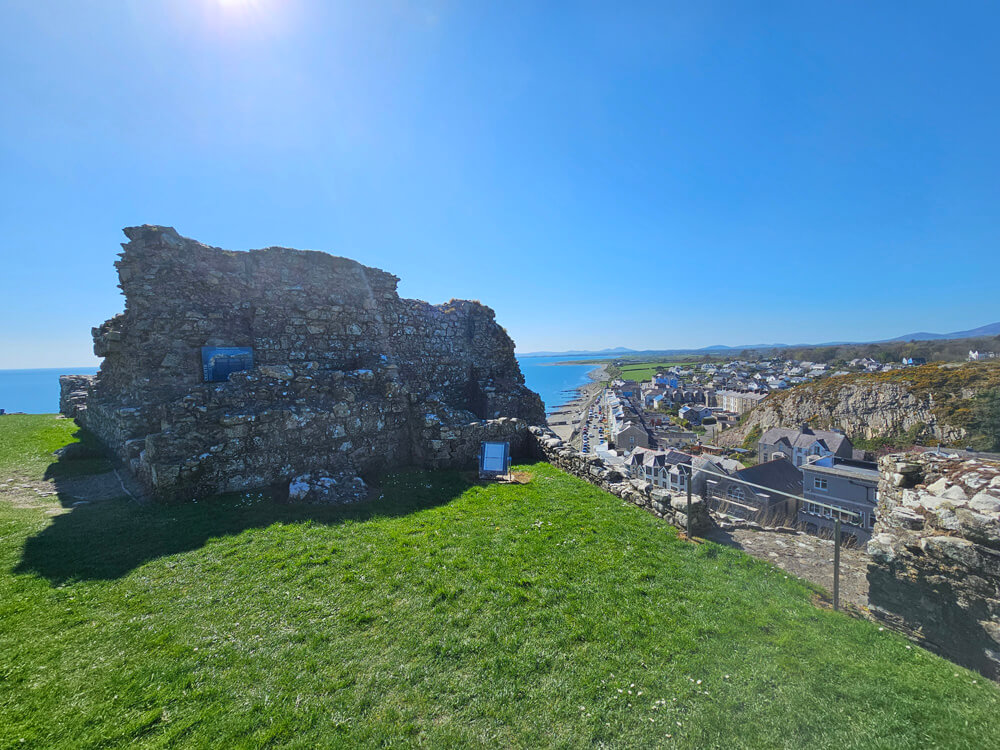
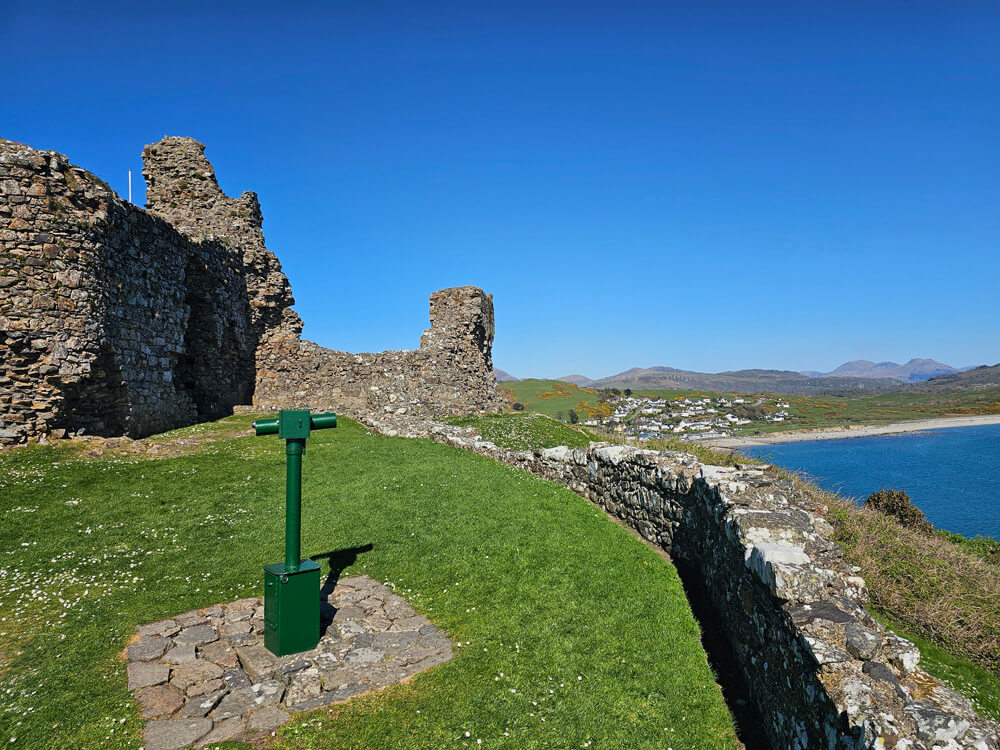
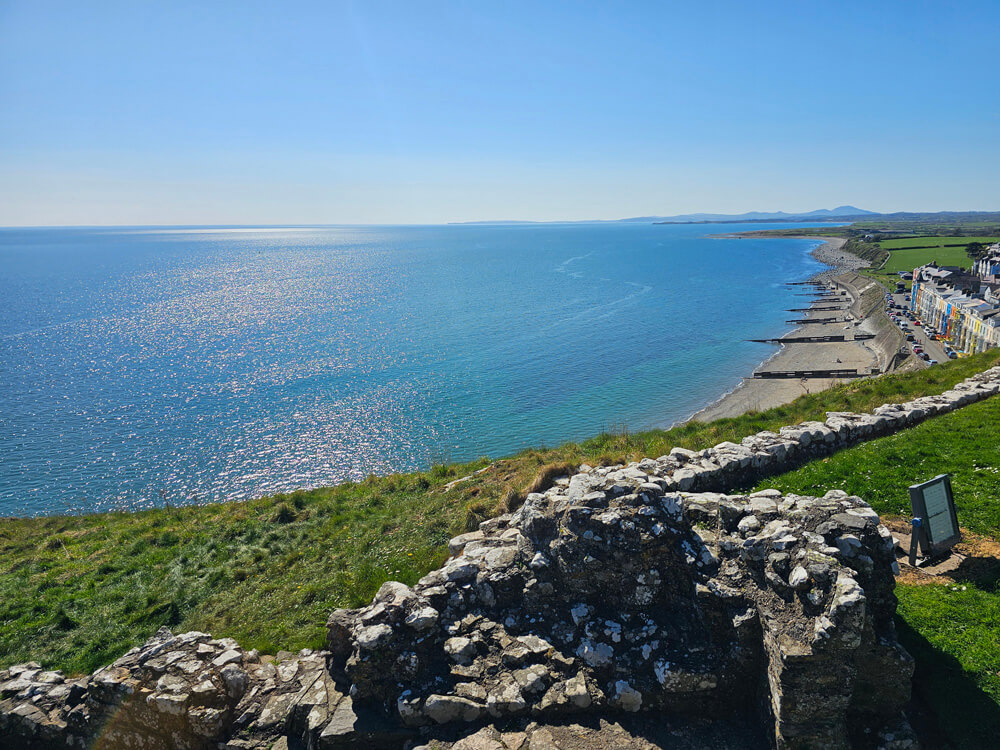
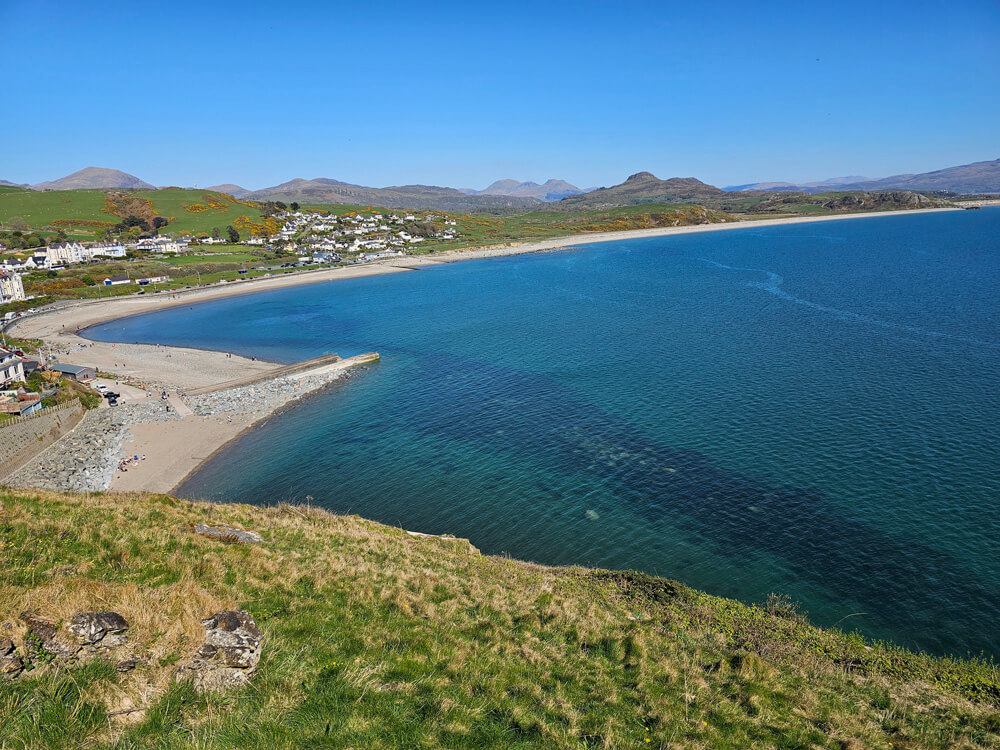
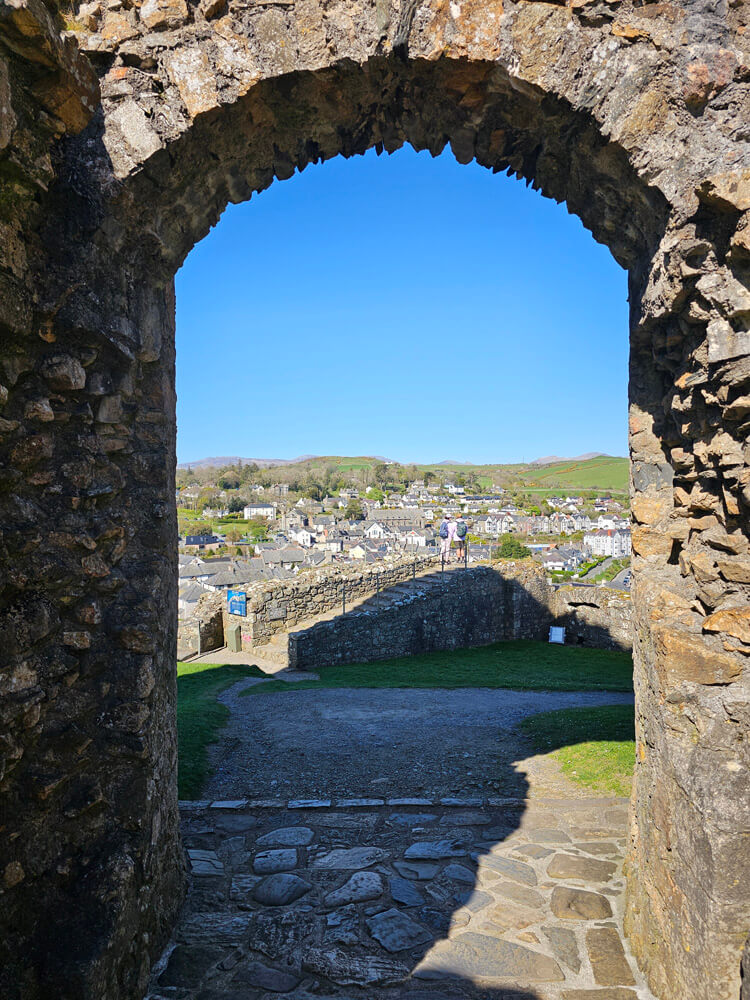
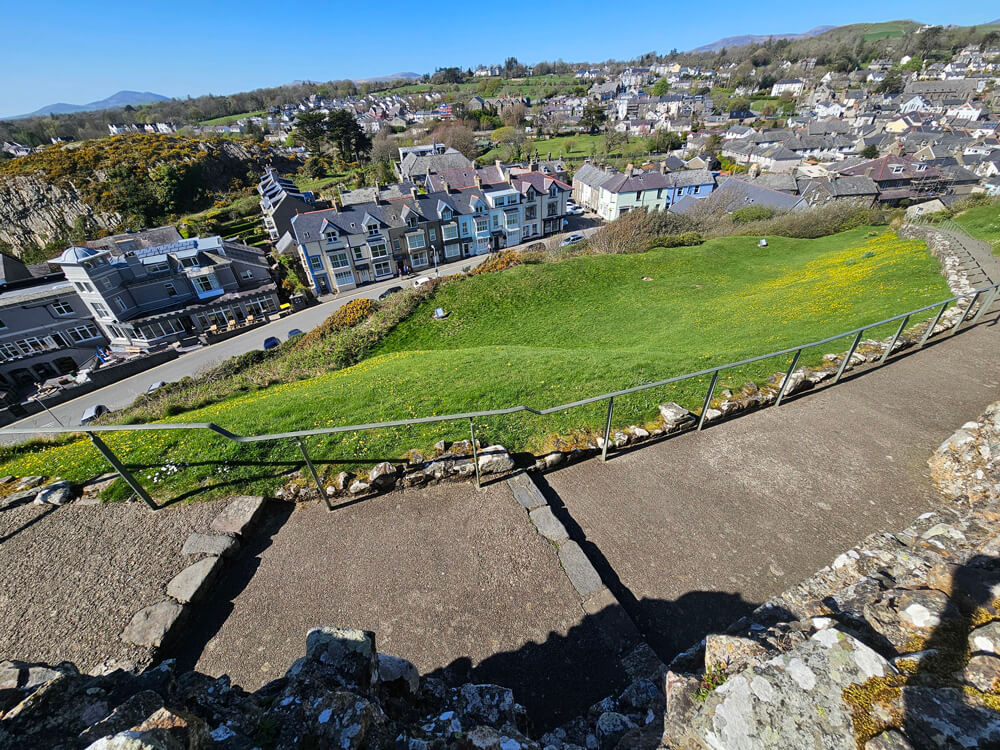
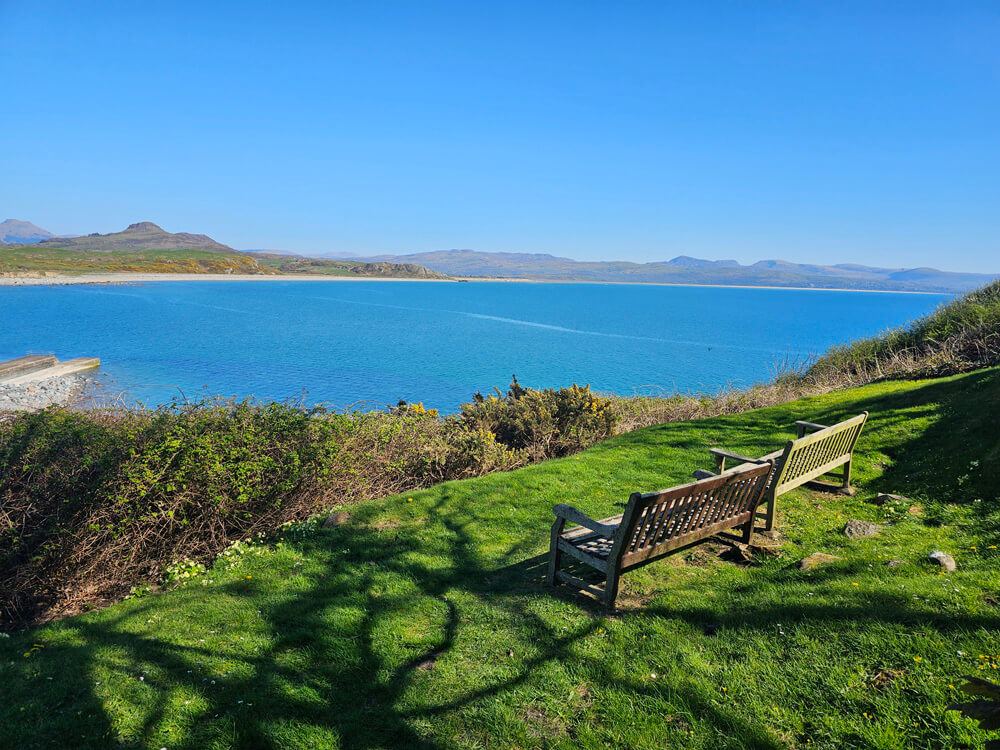
Crowning its own rocky headland between two beaches, Criccieth Castle commands astonishing views over the town of Criccieth and across the wide sweep of Tremadog Bay in north-west Wales. Its ruins are a symbol of power, conflict, and storytelling that date back to the 13th century, having been fought over for generations between the native Welsh princes and the monarchs of England.
Quick
Facts.
- Location: Criccieth, north-west Wales
- Built: 13th century
- Condition: Ruined
- Date visited: April 2025
- More info: Visit website
- Rating:
A Bit of History…
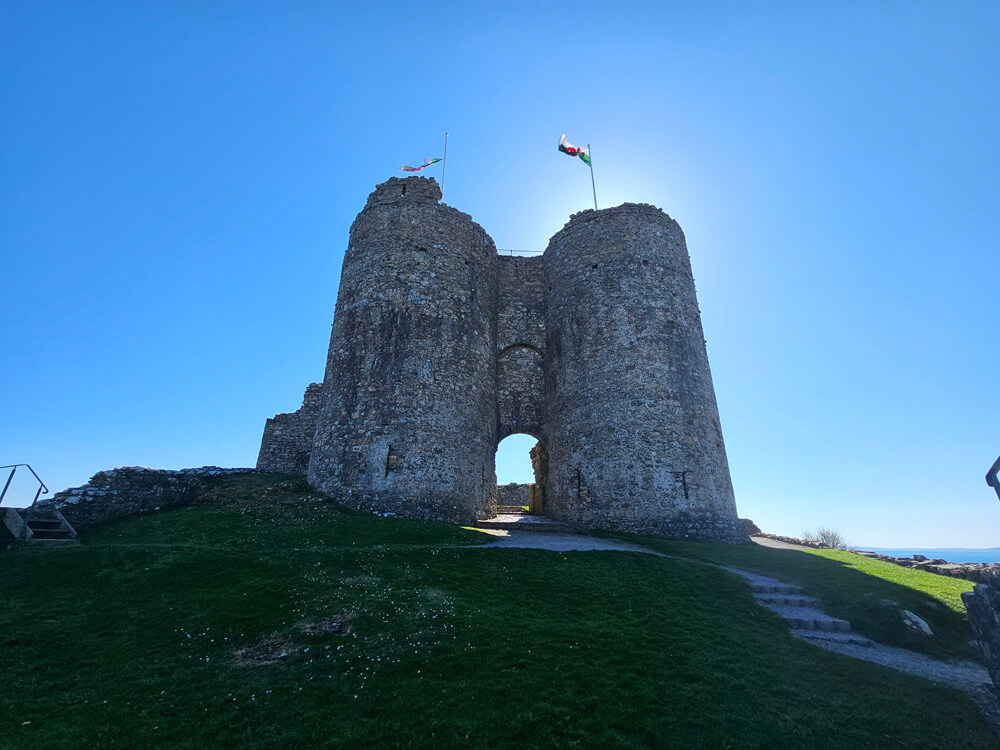
Criccieth Castle was originally established in the 1230s by Llywelyn ab Iorwerth, also known as Llywelyn the Great, the prince of Gwynedd, who built the inner ward, at which time was the only ward, and the immense gatehouse flanked by D-shaped stone towers. It is a prime example of a native Welsh castle, designed not just for defence but also as a residence.
The castle was extended in the 1260s or 1270s by his grandson, Llywelyn ap Gruffudd, also known as Llywelyn the Last, who built the outer ward, curtain walls and two new towers.
Criccieth was captured by King Edward I of England in 1283 during his conquest of Wales and the castle was significantly remodelled. Edward’s improvements included the heightening of the towers and inner gatehouse, he added an outer barbican for added defence, and equipped the north tower with a stone-throwing machine to deter Welsh attacks.
The castle was besieged in 1294–1295 during an unsuccessful revolt against English rule by Madog ap Llywelyn, and further repairs took place under Edward’s son, Edward II in the early 14th century.
Criccieth was still in English hands in 1404 during another Welsh revolt, this time led by Welsh leader Owain Glyndŵr, one of Wales’s most powerful medieval princes. In what was to be the last major Welsh rebellion against the English, Glyndŵr sealed Criccieth’s fate when the English garrison surrendered and his troops captured and destroyed the castle. Glyndŵr’s men tore down the stone walls and burned the castle, ending its history of military use, and without a garrison to protect it, the town became entirely Welsh once more.
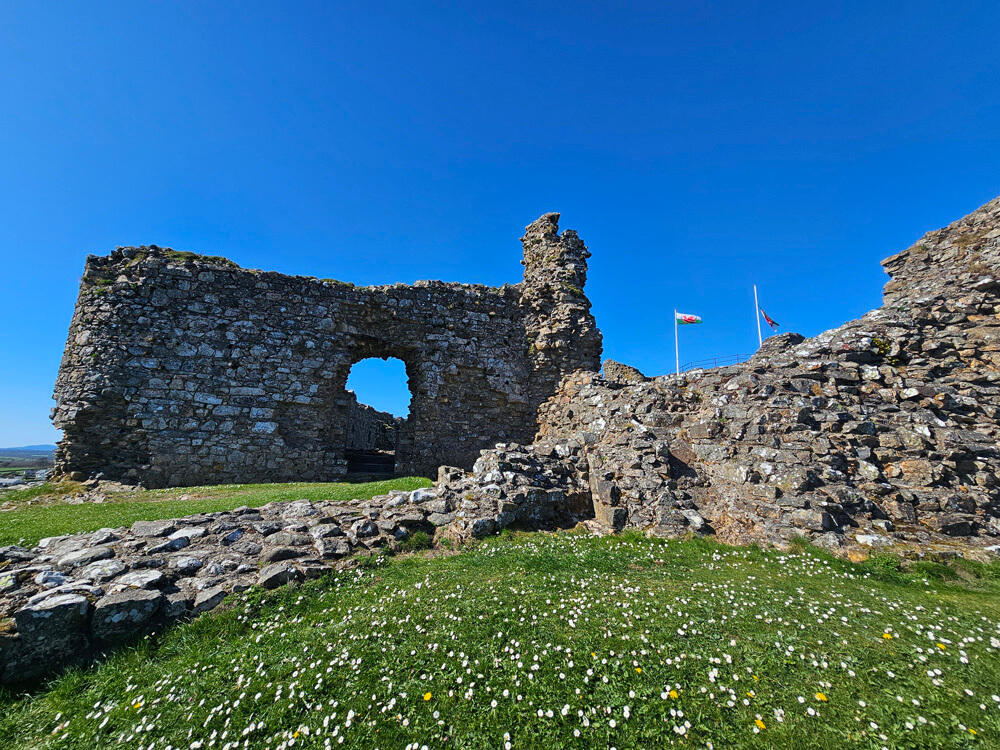
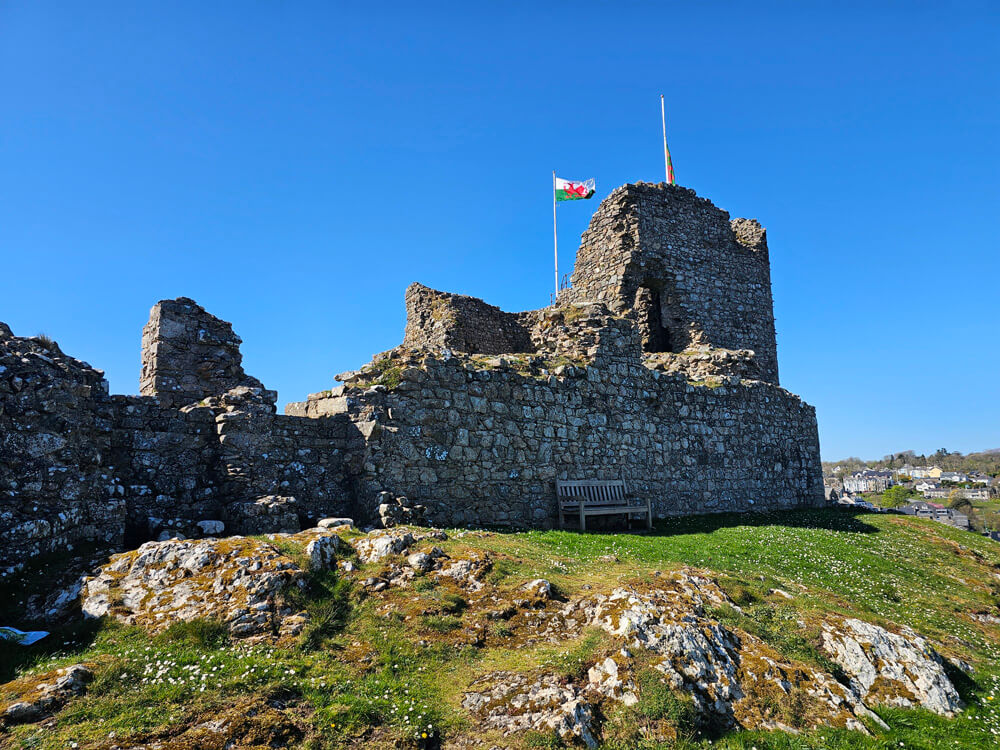
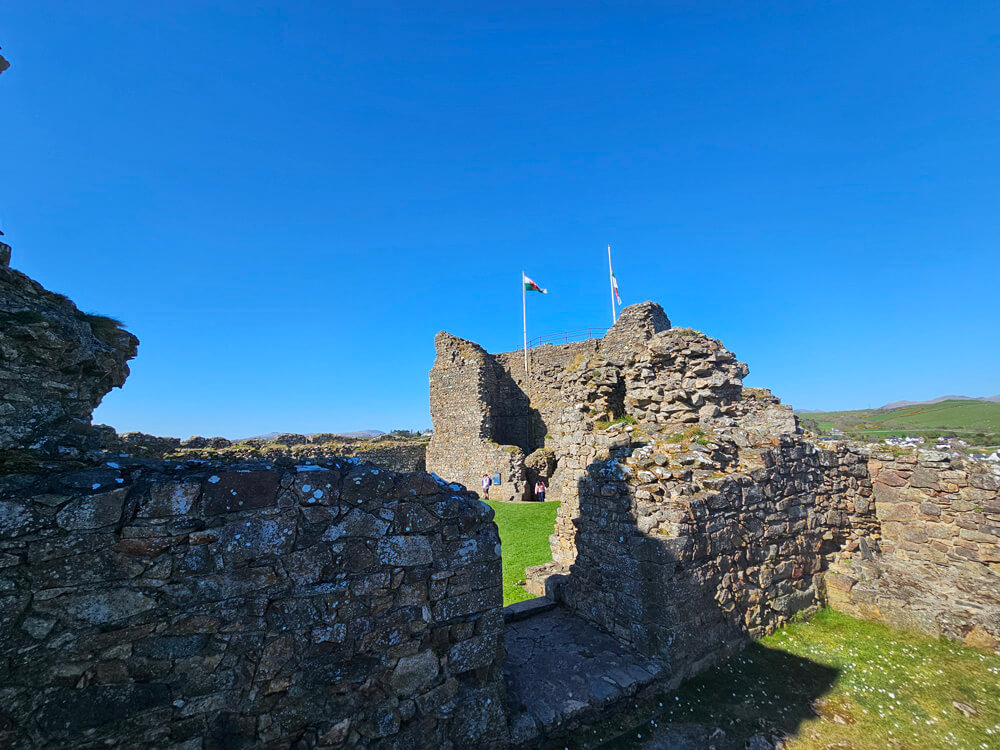
After the Glyndŵr rebellion the castle was left to decay, and it was completely ruinous by the 1450s. Today, remnants of the devastation can be spotted, not only by the crumbled towers and curtain wall, but by the fire-scarred rock too. It stands today as a monument to the Anglo-Welsh conflicts of the Middle Ages, and its history is an example of the tumultuous relationship between England and Wales during this period.
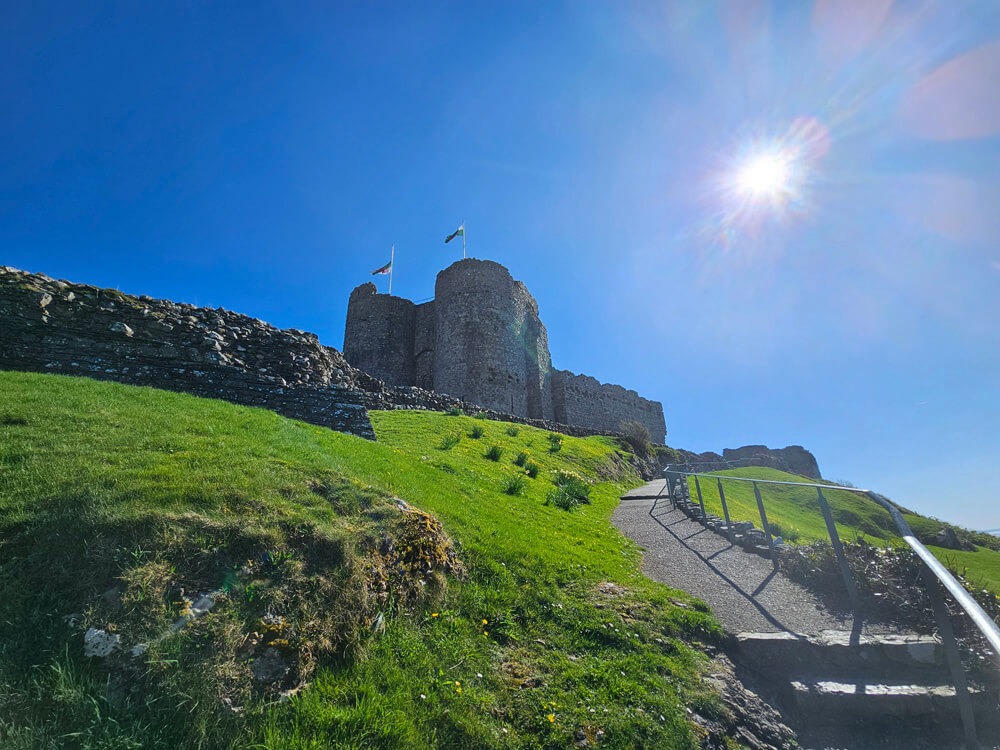
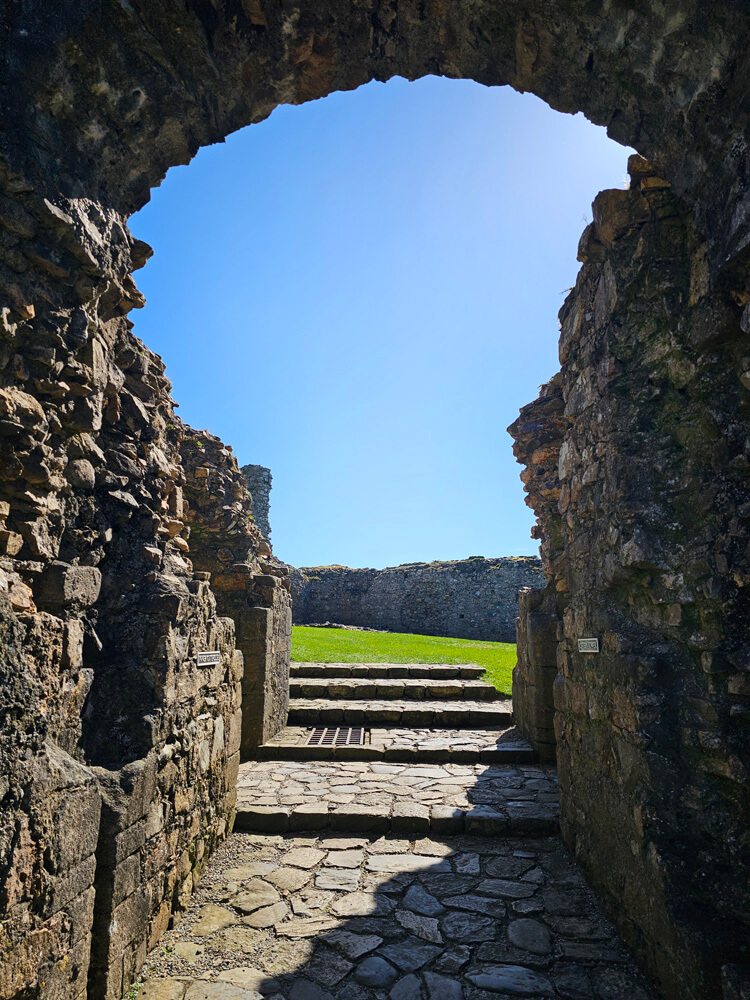
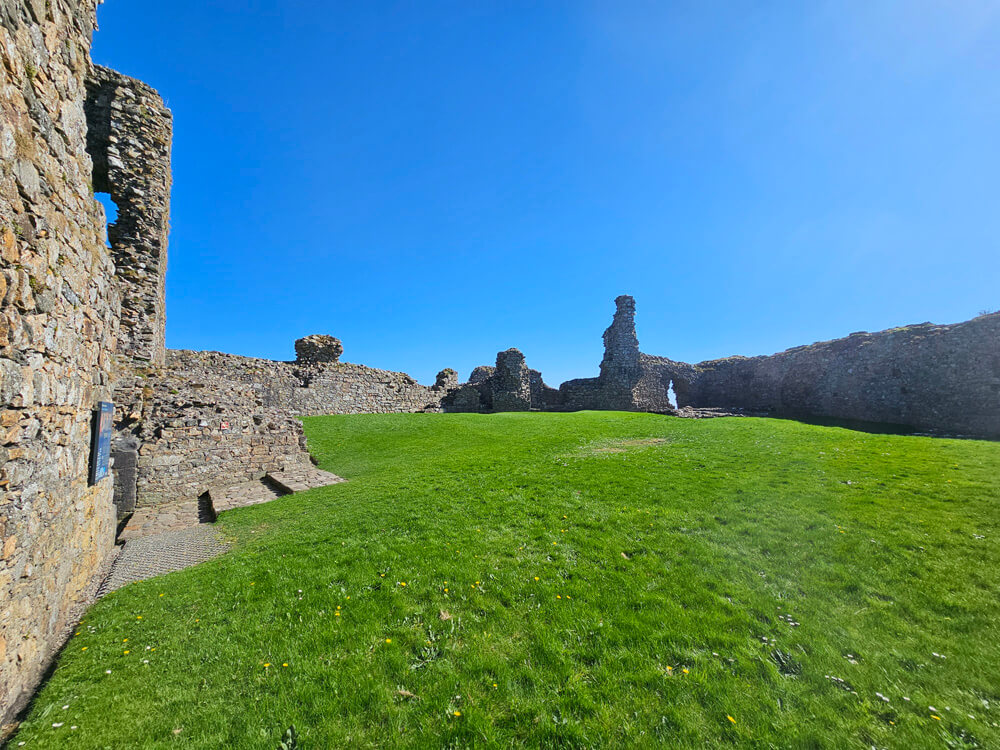
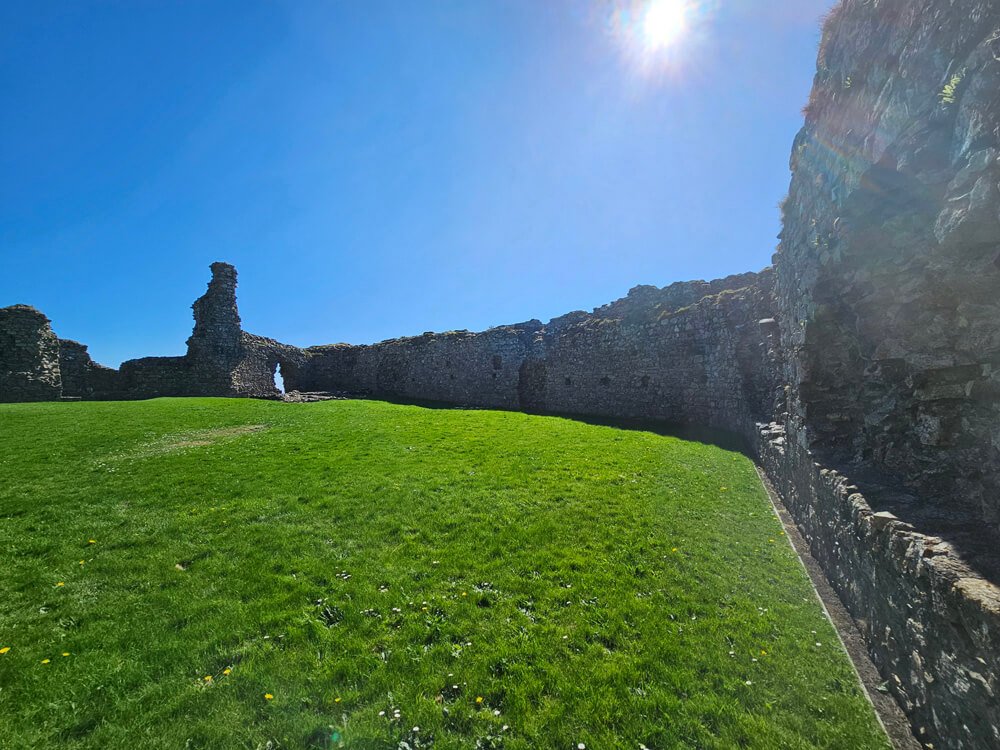
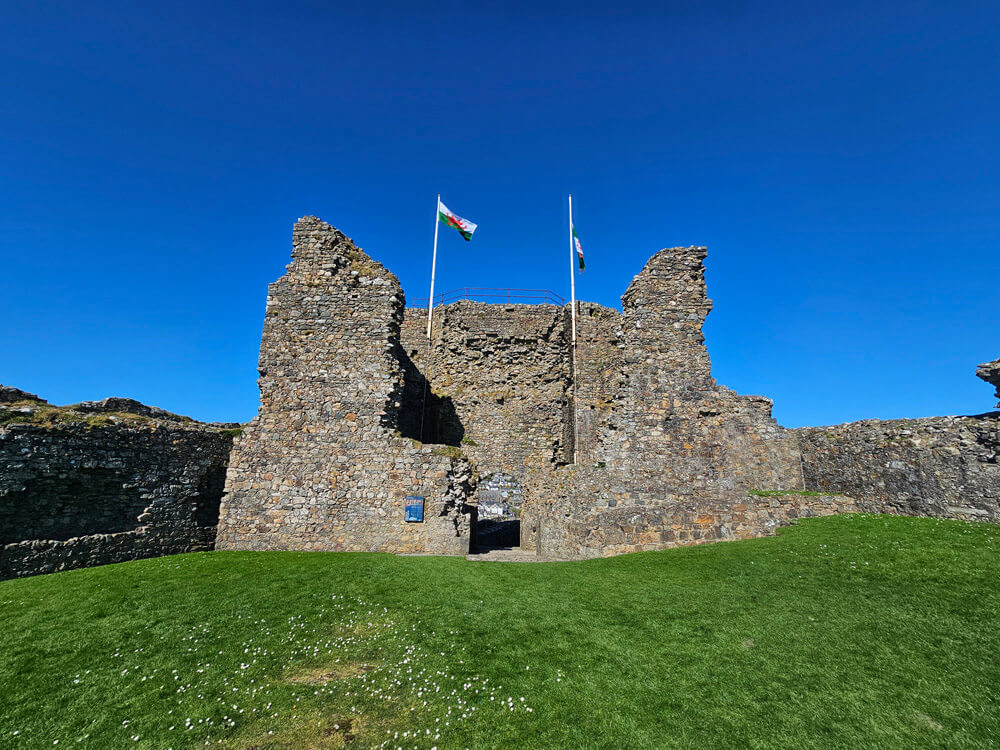
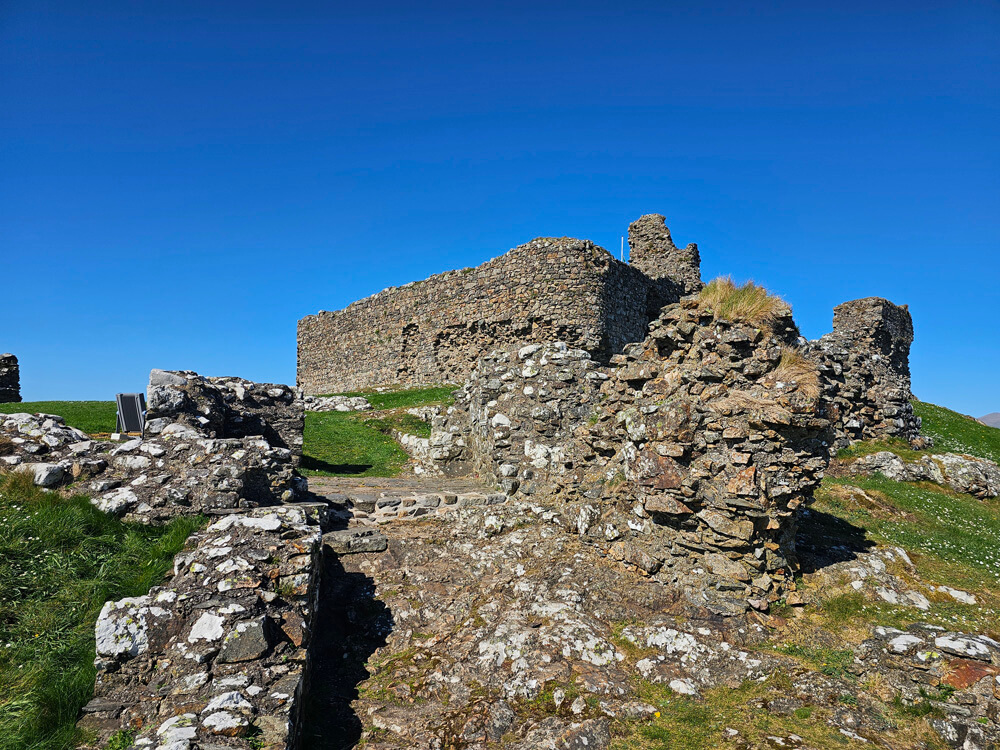
The twin-towered inner gatehouse is the most prominent remaining feature of the castle and survives almost to its full height, as does the inner curtain wall. The outer curtain wall, the inner ward buildings, and the castle’s other three towers are significantly more ruinous, and in places survive only as foundations.
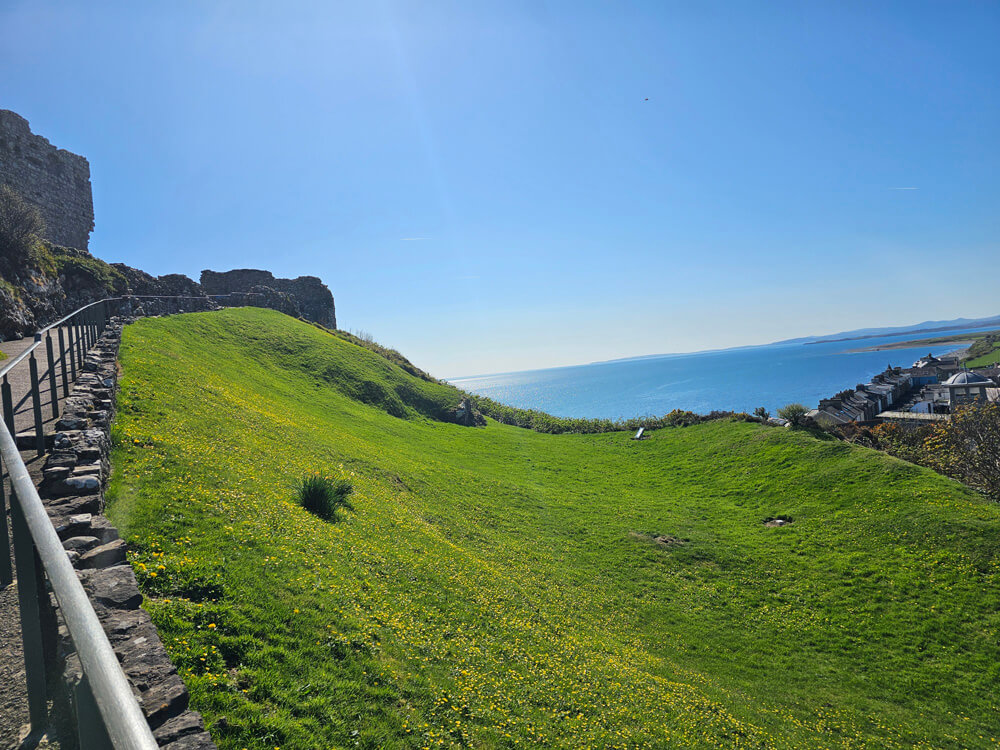
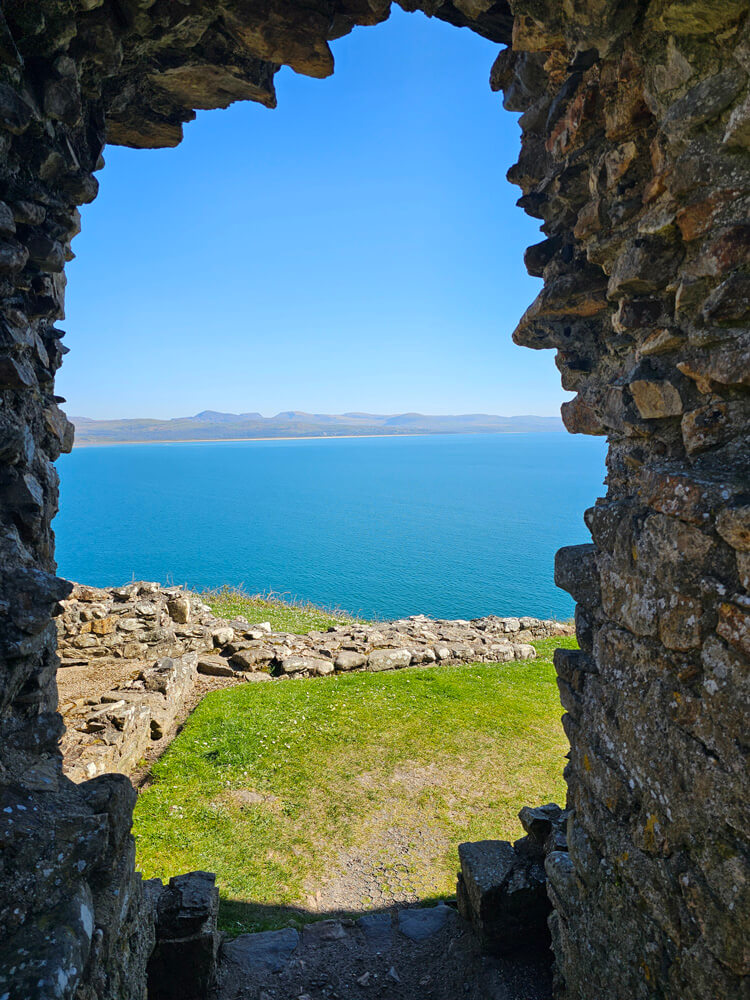
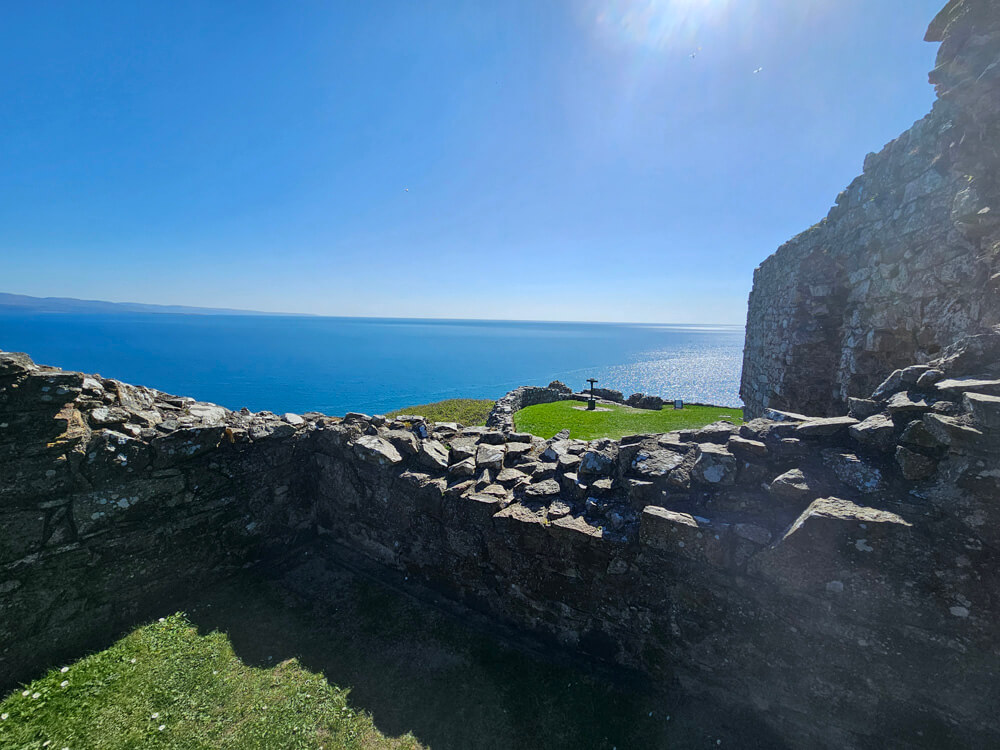
Criccieth Castle might not be the best or grandest of ruins, but its setting in unrivalled. The castle’s strategic position offers breathtaking panoramic views that sweep across Tremadog Bay and towards the peaks of Snowdonia, showcasing the natural beauty of the Welsh landscape. This stunning location is as much a draw for visitors as the historical allure of the ruins themselves. Although the castle itself is nowhere near the top half of my list of favourites, in terms of setting however, it’s right up there at the very top.
Photo Gallery.
Did you enjoy this post?
I hope you found this post useful. I put a great deal of time and effort in to building, maintaining and populating the website. If you like, you could say a small thank you by buying me a coffee. You don't have to, but it would be nice :)
Buy me a coffee
Stay up to Date
Follow me on my journey and get notified whenever a new post is published by following Kings & Castles on Facebook.
Follow MeExplore The Map
Discover the hundreds of castles, churches, monasteries, cathedrals and other historic locations that I've personally visited across England and Wales. Search by location, explore nearby sites and plan your next historical adventure.
Share: