Conwy Castle
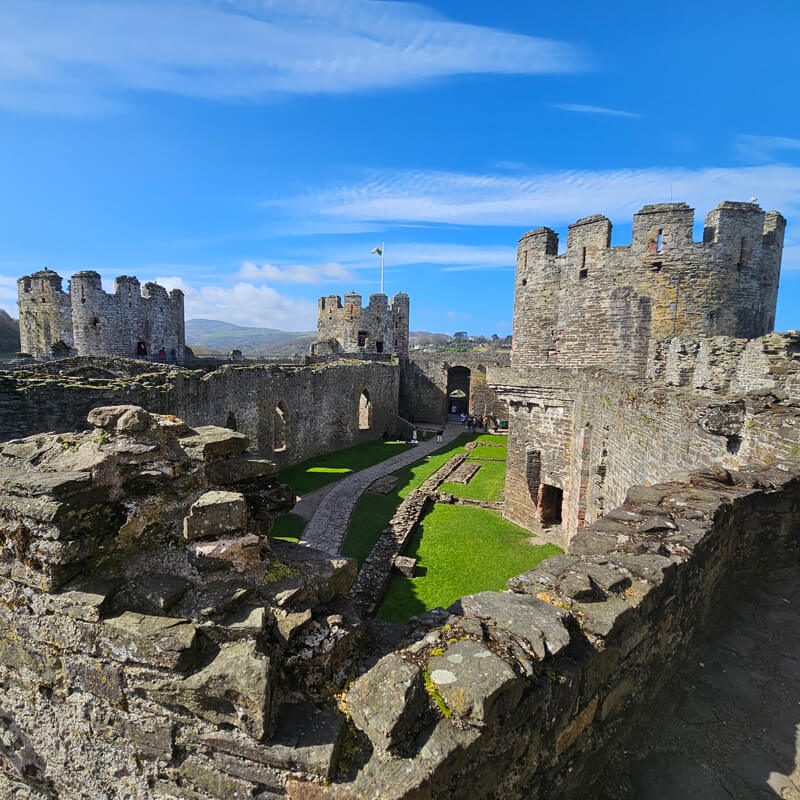
Conwy Castle is a magnificent medieval fortress that still towers over the town of Conwy in North Wales after 700 years. Built in the late 13th century as one of a string of Edward I’s castles along the Welsh coast, it was intended to dominate and intimidate. It was built at the same time as the walled town and are part of a UNESCO World Heritage Site which also includes Beaumaris, Caernarfon and Harlech castles.
Quick
Facts.
- Location: Conwy, North Wales
- Built: Between 1283 and 1287
- Condition: Largely intact
- Date visited: March 2025
- More info: Visit website
- Rating:
A Bit of History…
Before the construction of Conwy’s castle and town walls, the area was known as Aberconwy, the site of a grand Cistercian monastery called Aberconwy Abbey built by Cistercian monks on land given to them by Welsh prince Llywelyn the Great. Following the English conquest of Wales in 1282, the monks were forced to move. King Edward I established Conwy Castle and the associated walled town, and the area became known as Conwy.
Conwy Castle was designed by Edward I’s master castle builder James of St George, and surprisingly it took just four years between 1283 and 1287 to build what is considered to be one of the most magnificent medieval fortresses in all of Europe. It was built at the same time as the town walls, built as a single entity, creating a fortified walled town and North Wales’ largest medieval borough.
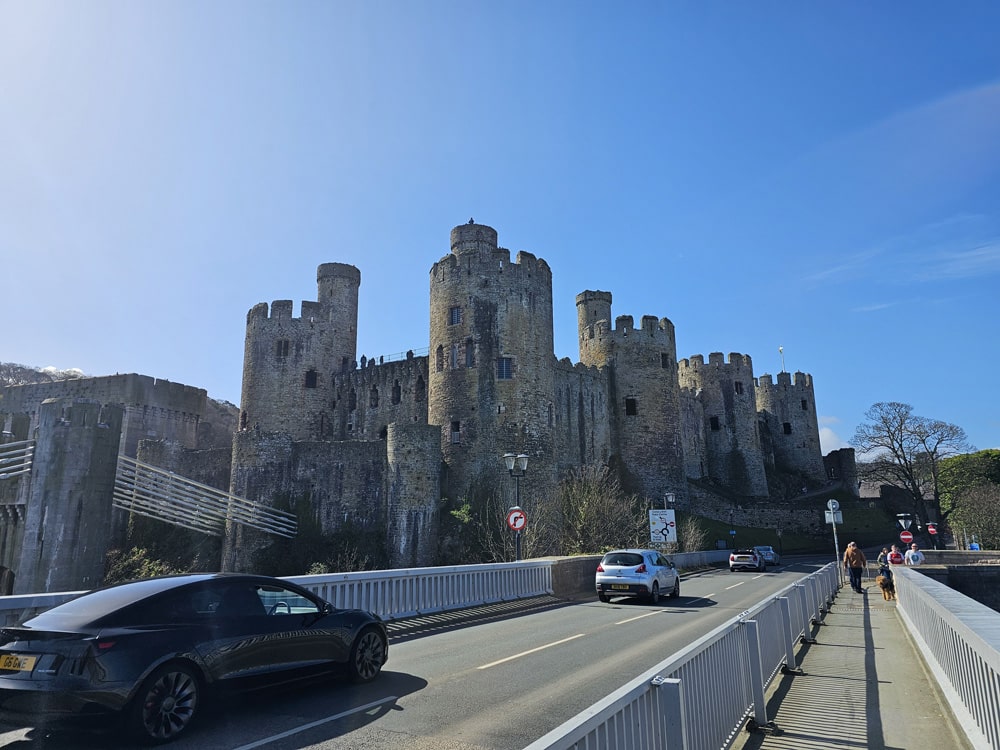
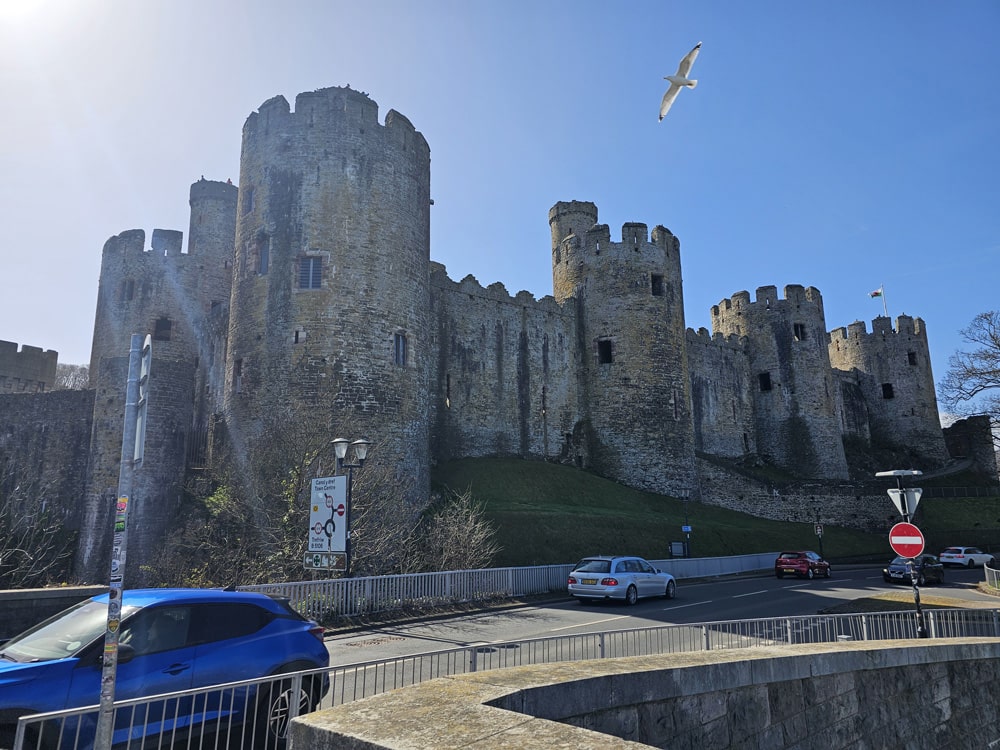
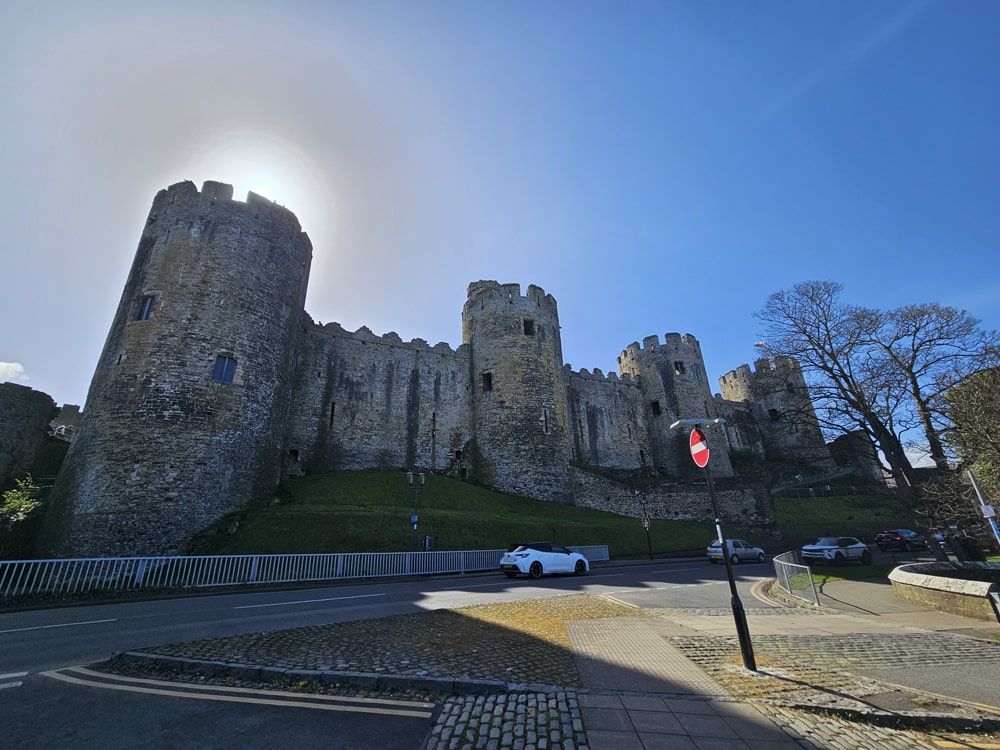
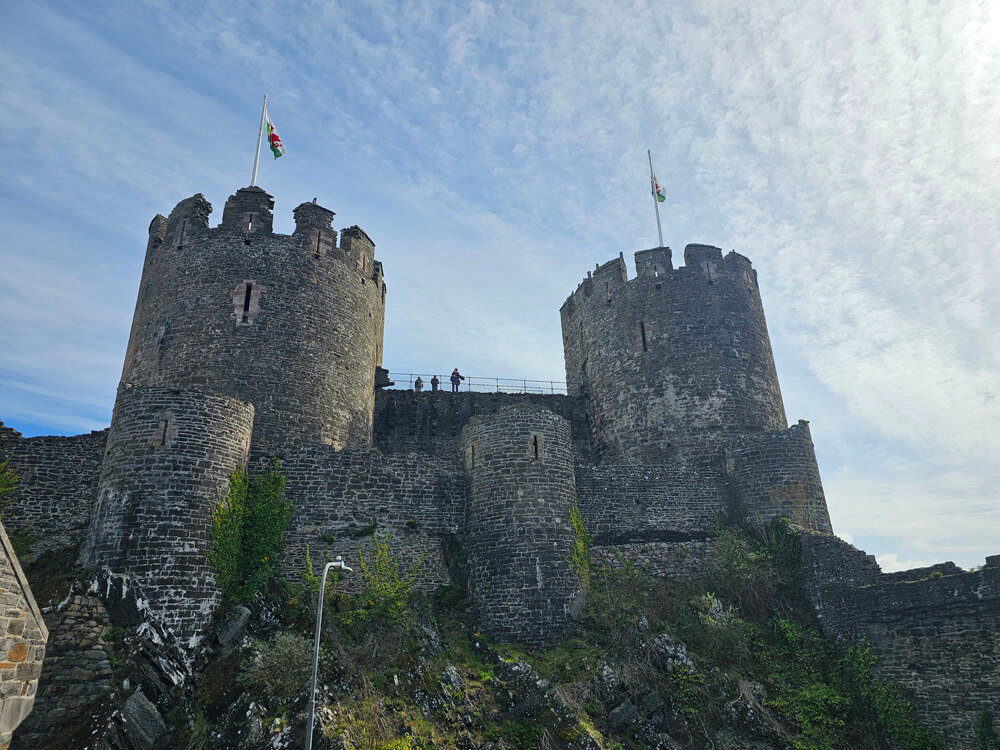
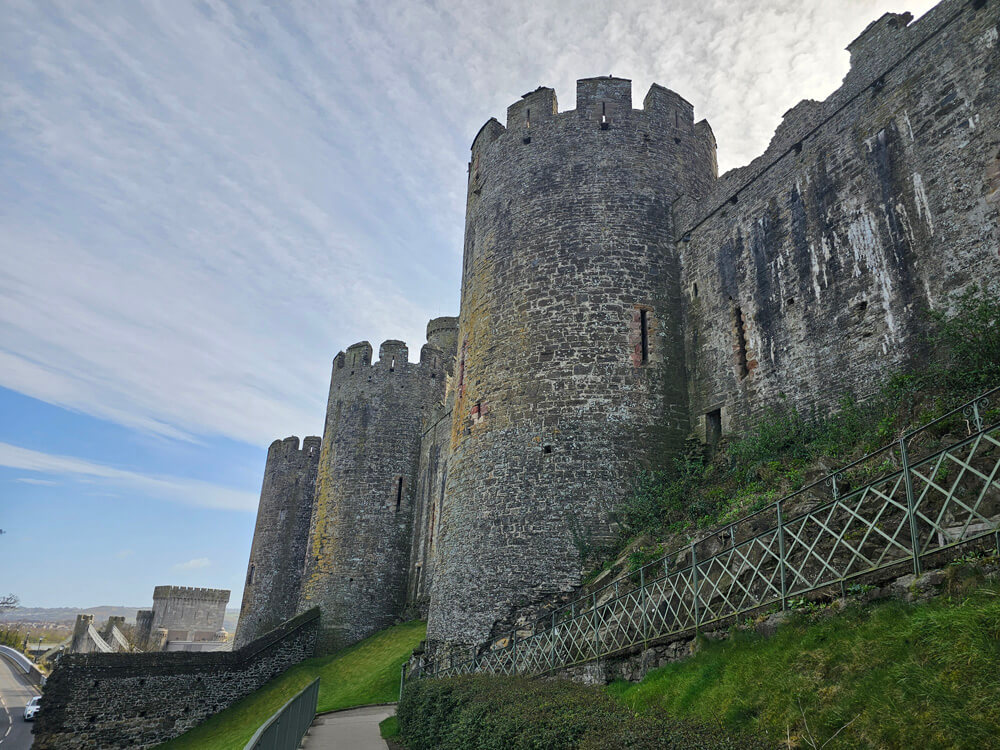
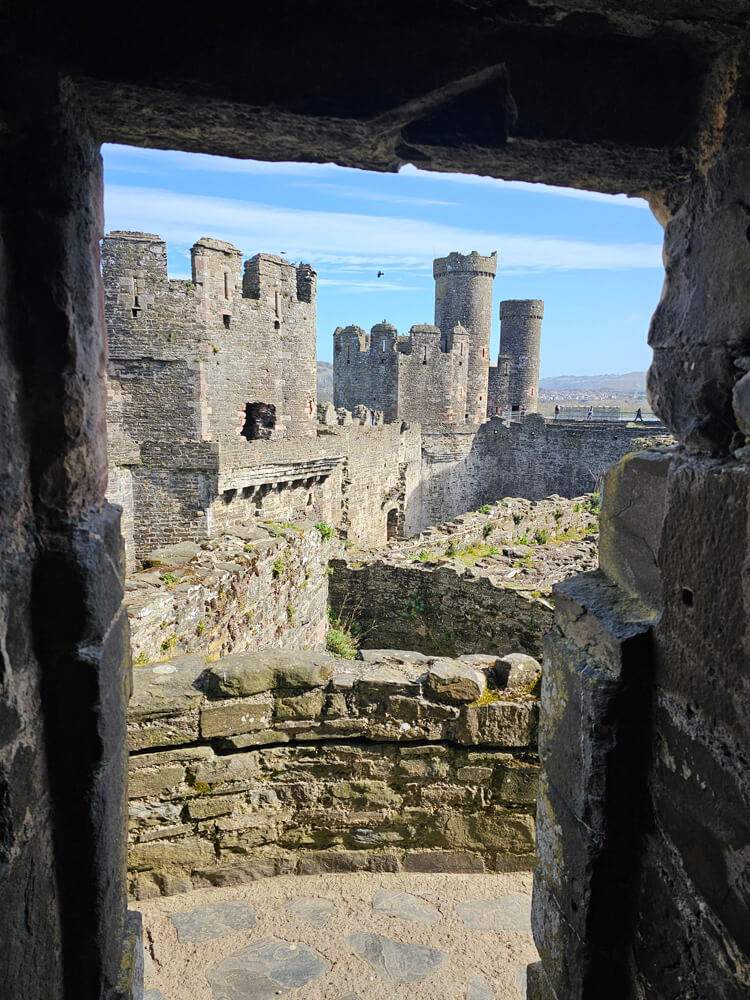
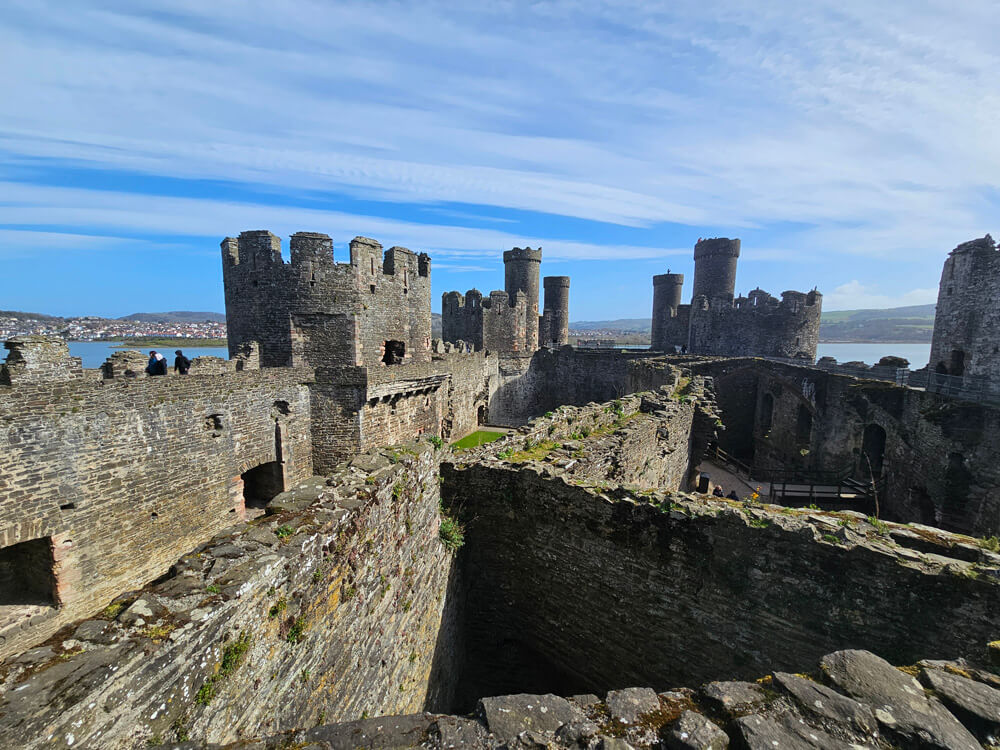
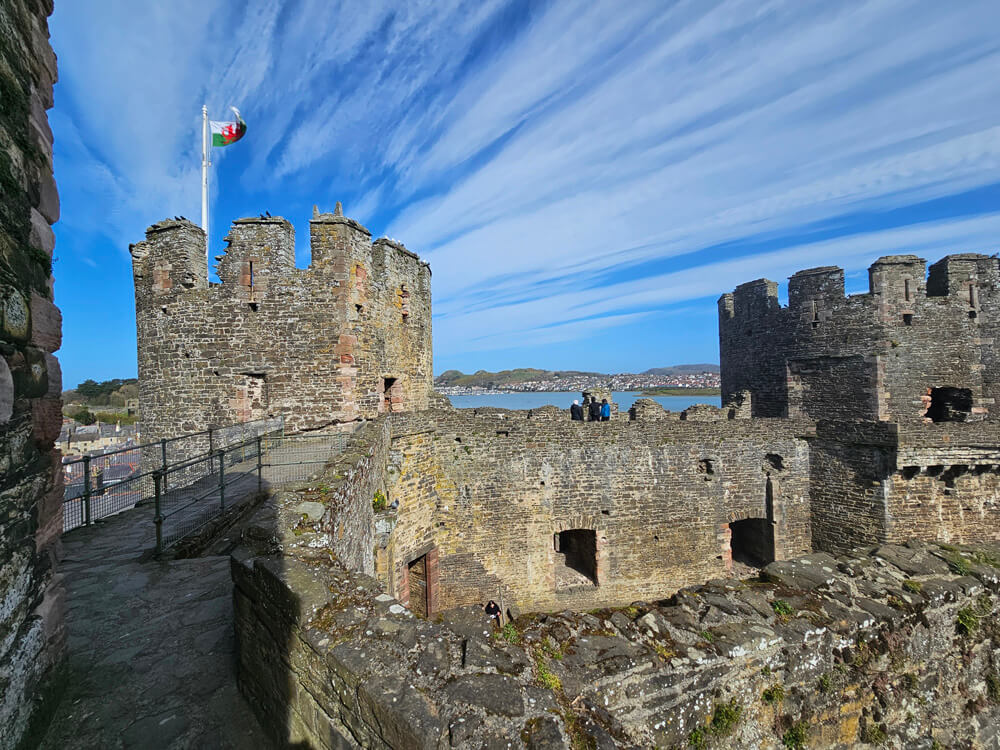
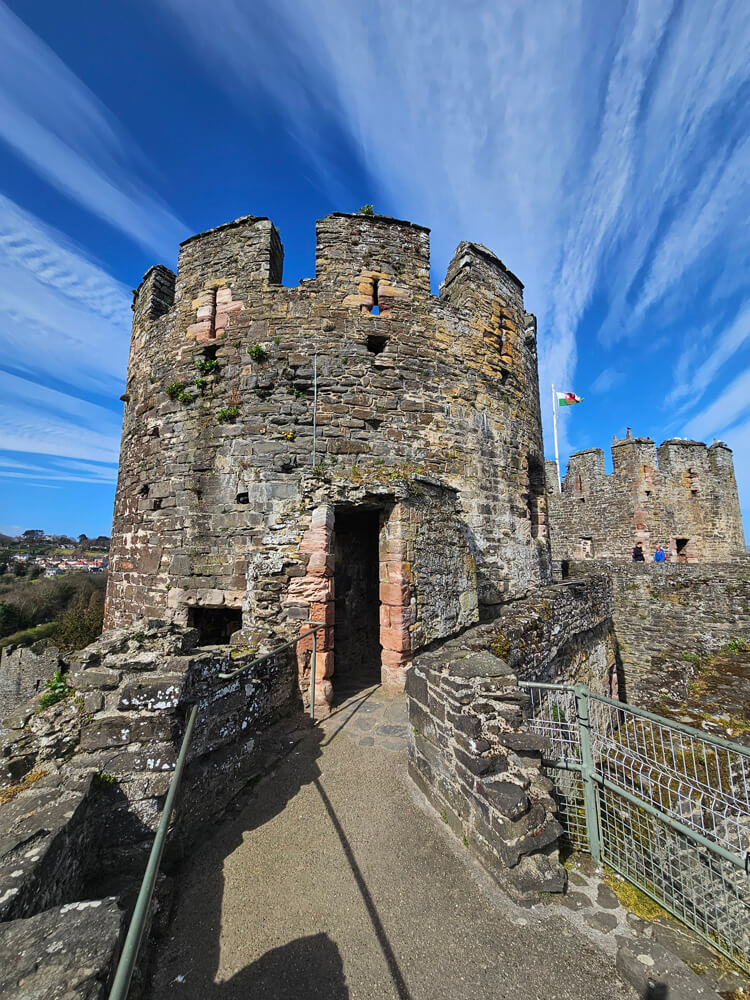
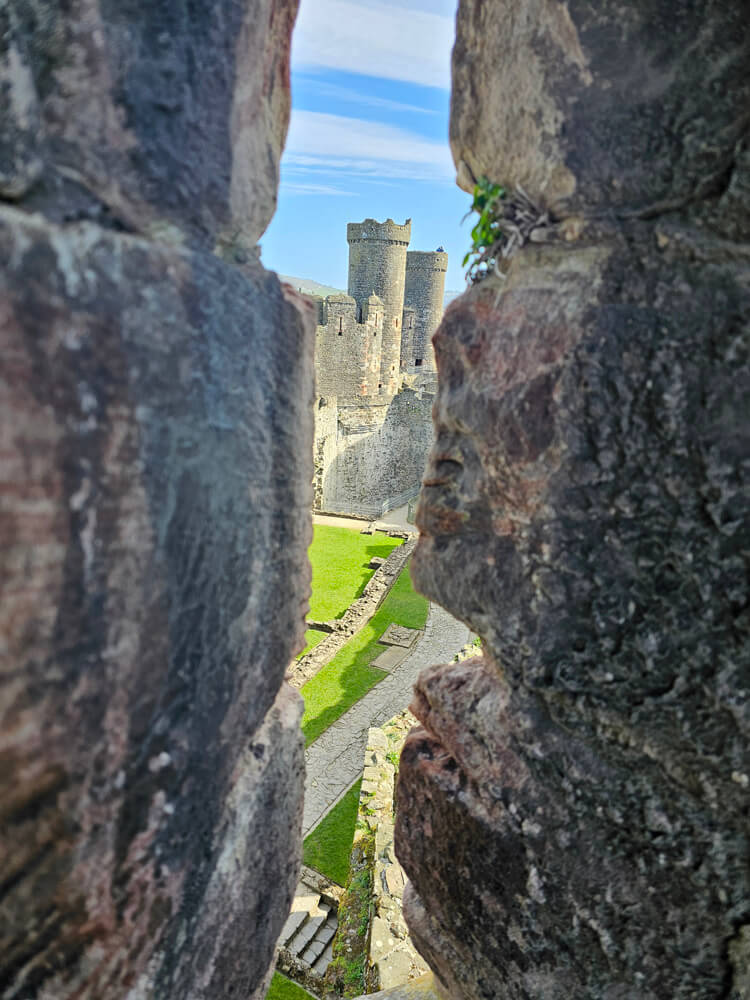
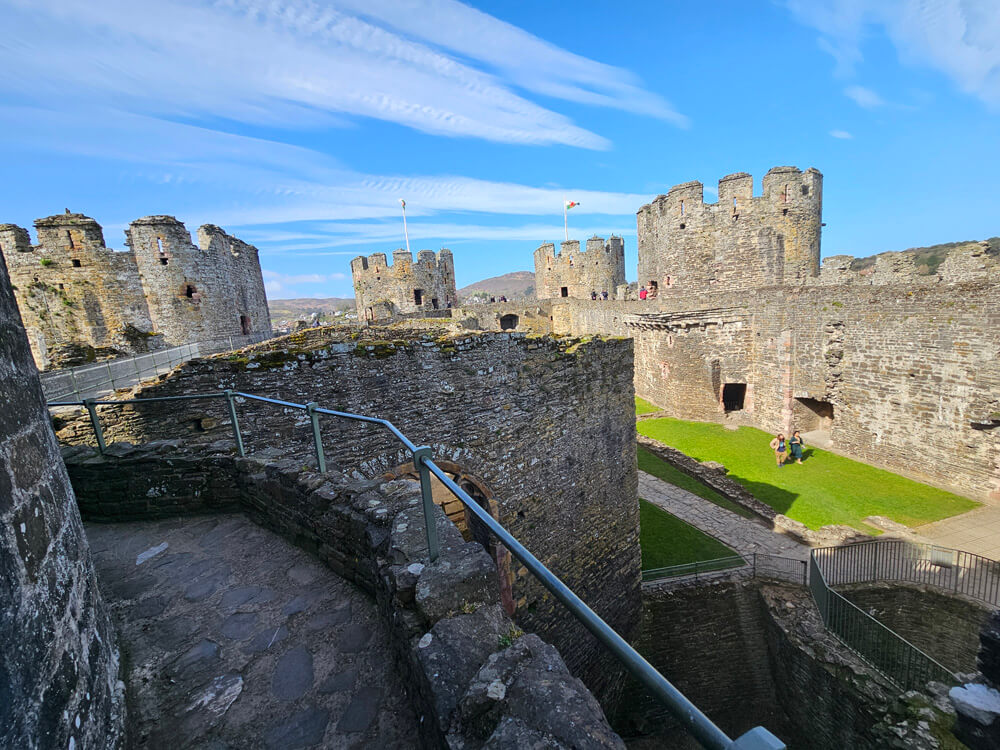
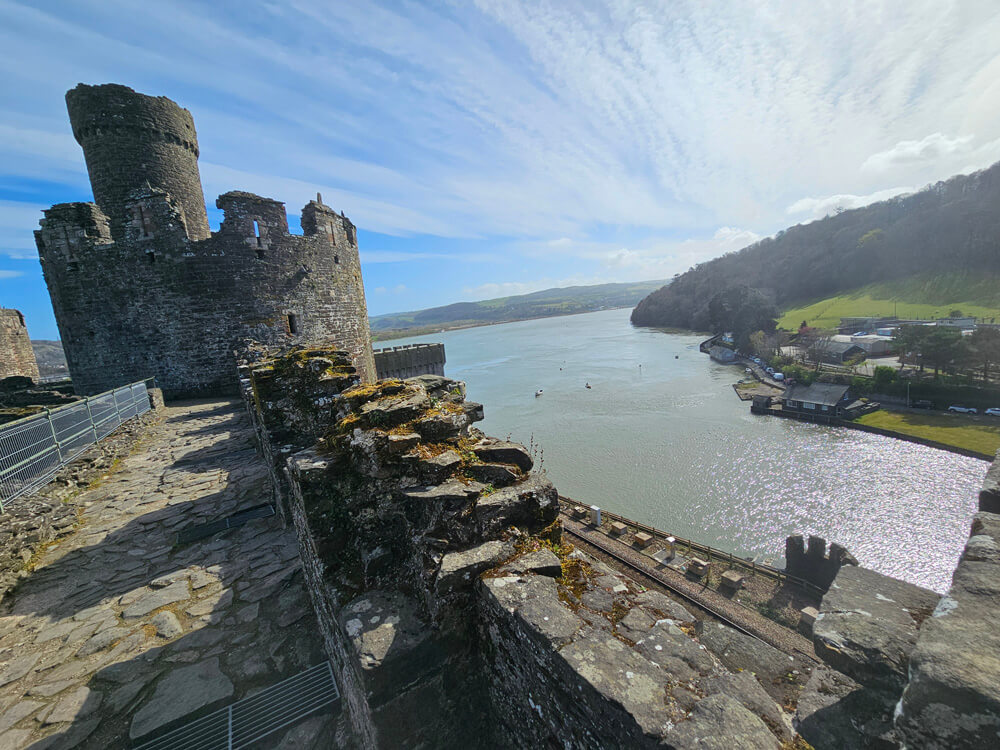
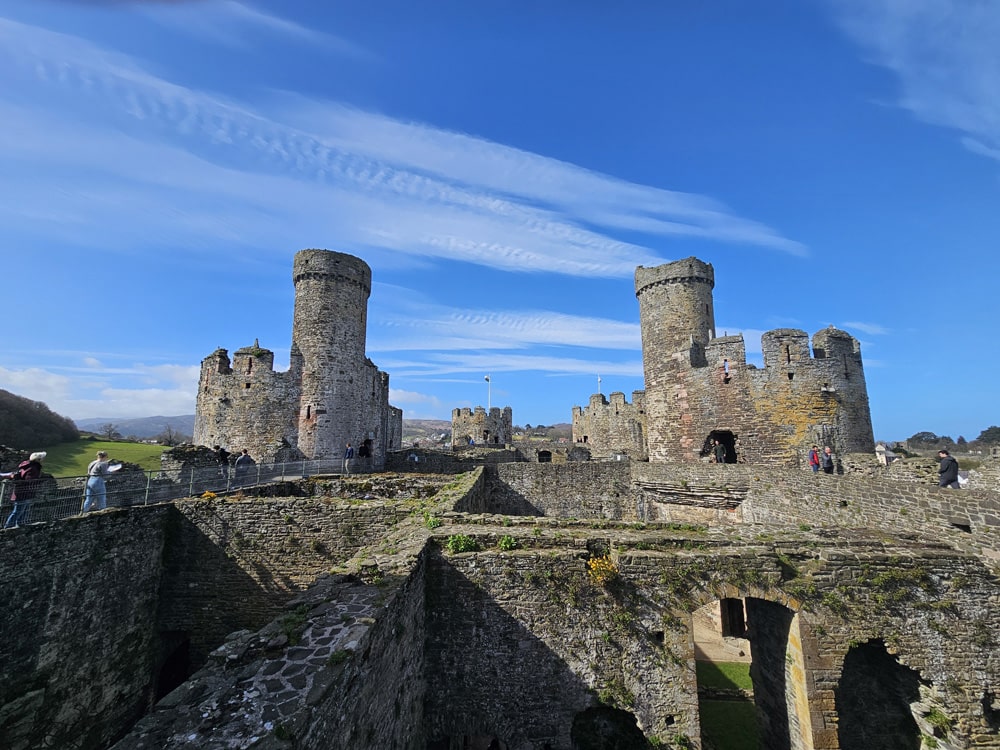
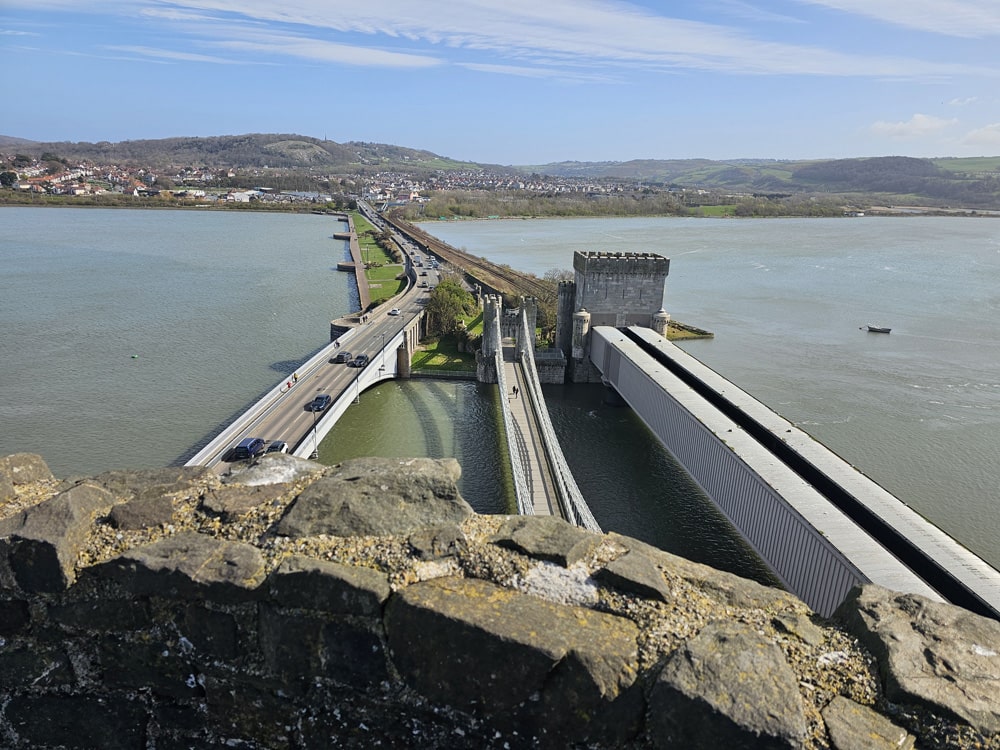
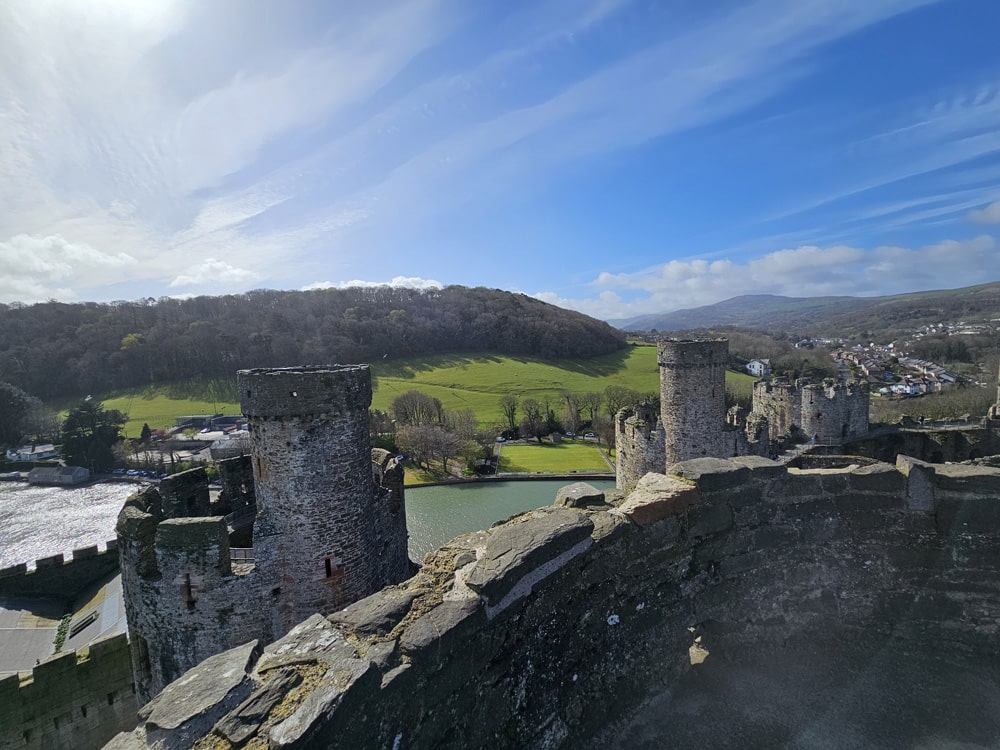
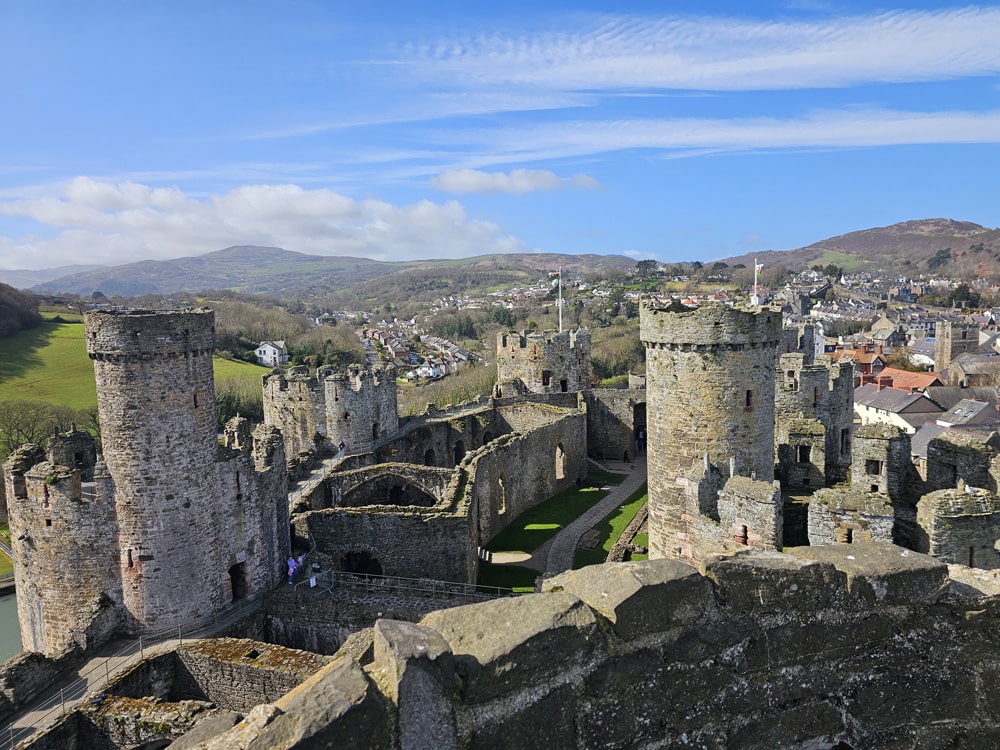
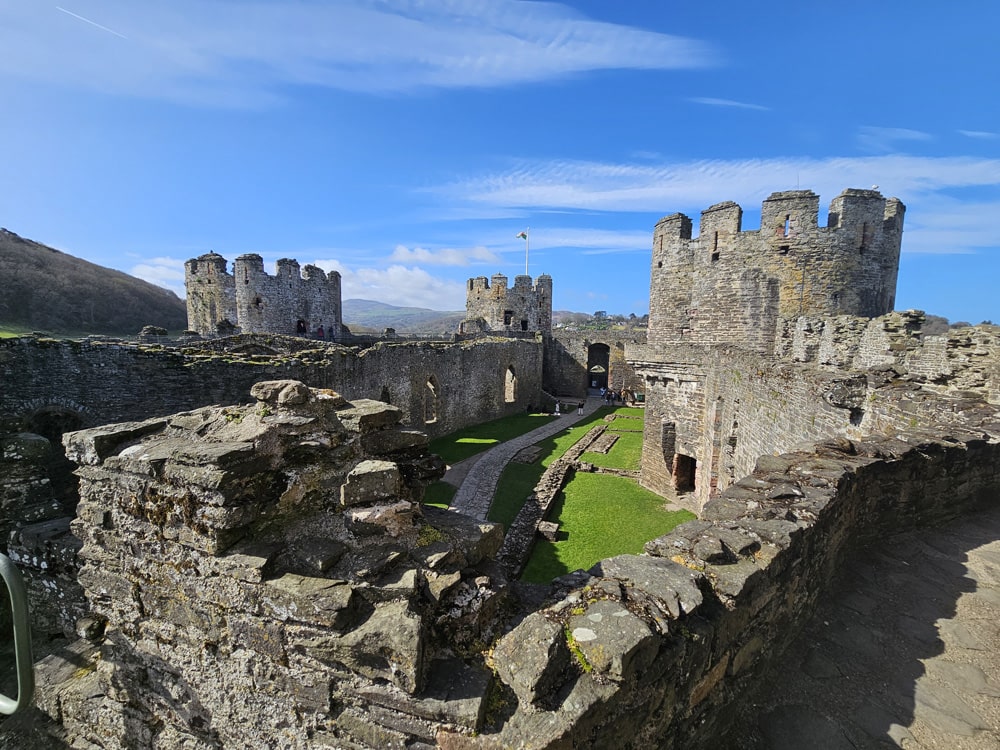
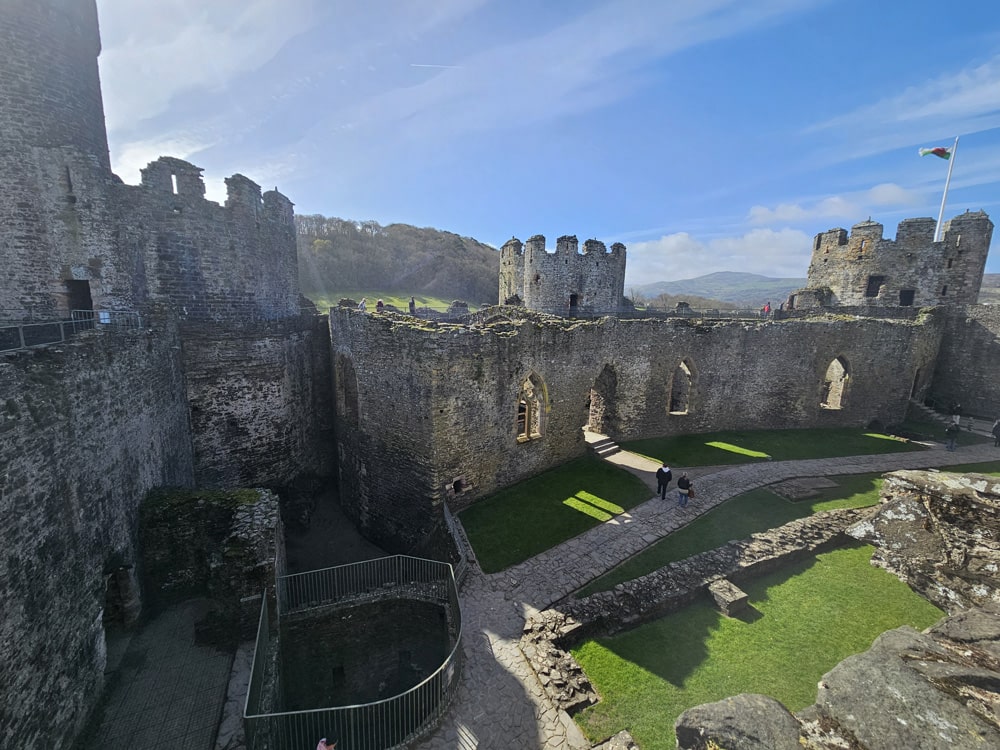
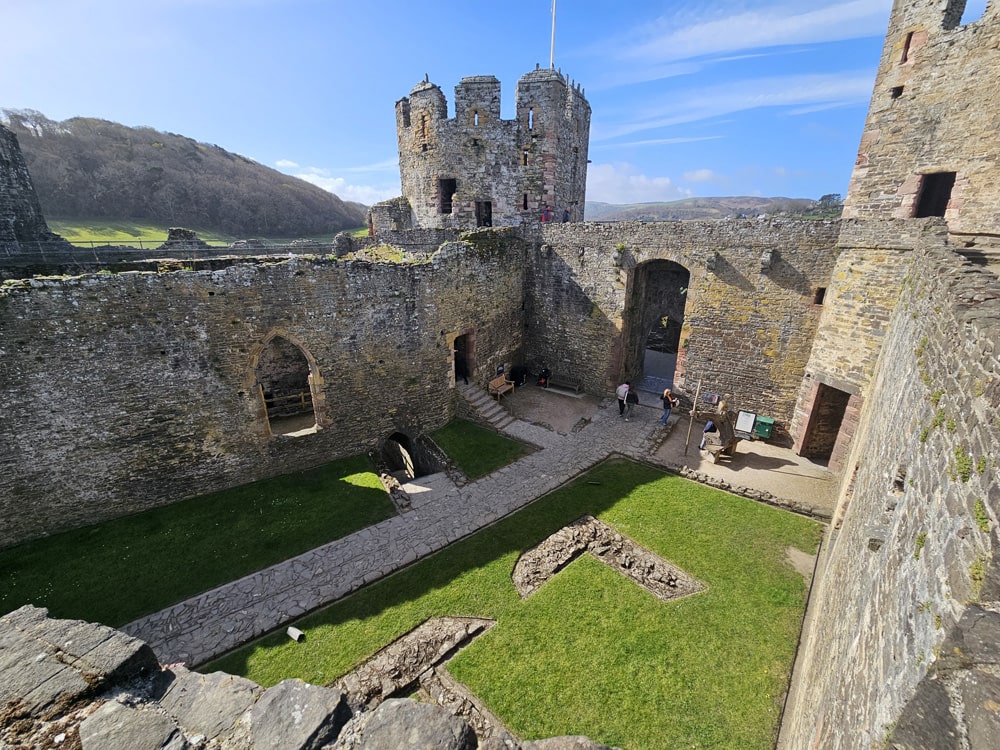
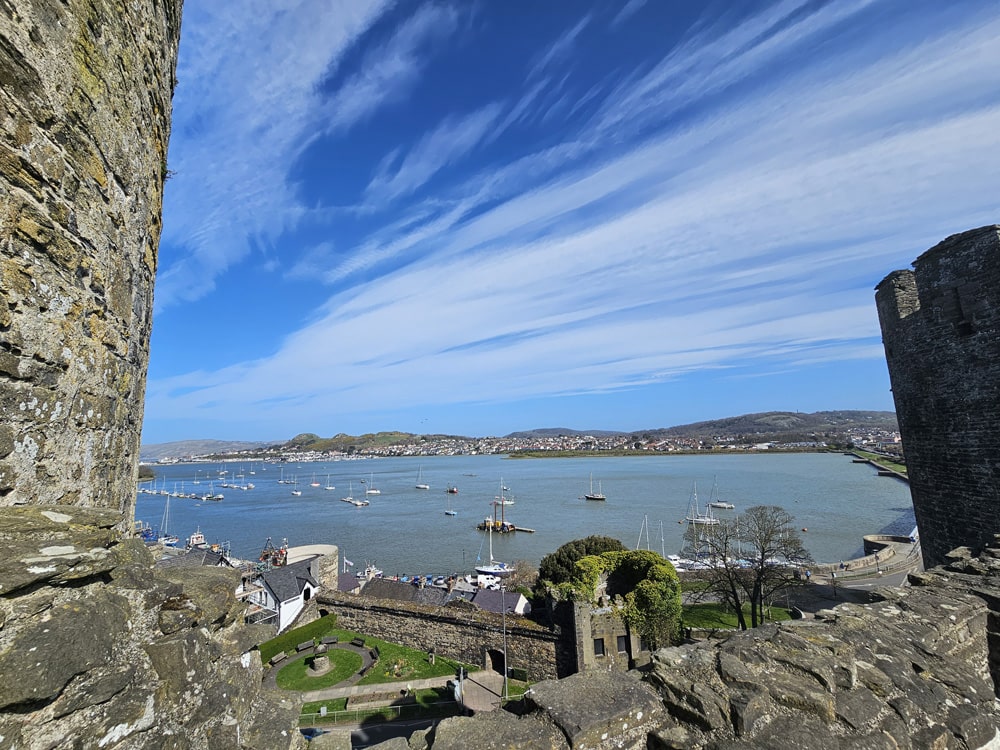
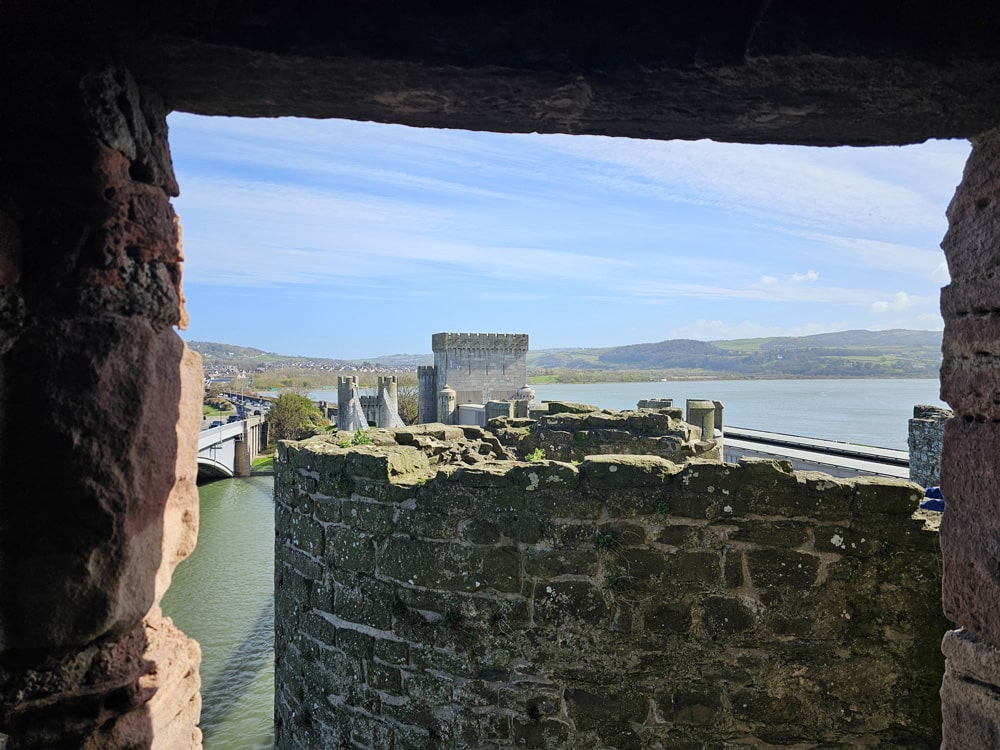
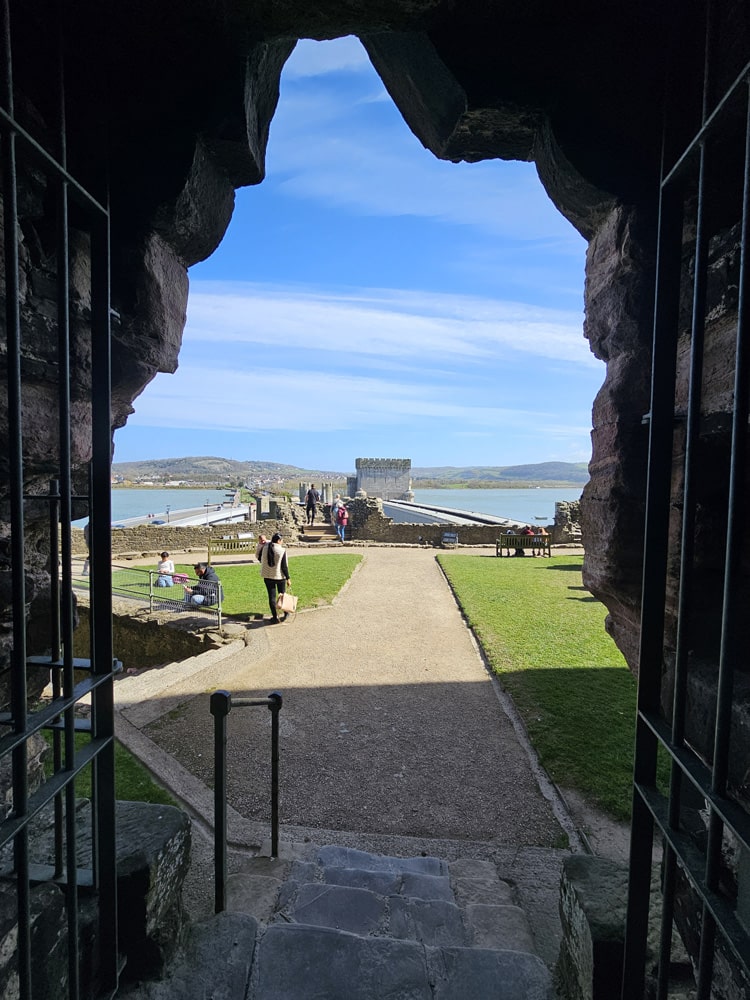
Unlike most of Edward I’s other new castles in Wales, Conwy Castle included a relatively unique plan in that it was not built to the traditional concentric layout, but rather a divided rectangular layout. Set against the mountains of Snowdonia, the castle is dramatically positioned on a rocky outcrop, built within a restricted space. Its compact design, high curtain wall and eight mighty towers are a show of tremendous military strength, offering breath-taking views across the estuary of the River Conwy and down onto the harbour and narrow streets of Conwy.
Conwy Castle was an important part of Edward I’s plan of surrounding North Wales in an ‘Iron Ring‘ of castles to subdue the rebellious Welsh population. The defensible stone wall built around the town was intended to protect the English colony planted at Conwy and to keep the native Welsh population out.
Over the next few centuries, the castle played an important part in several wars. It withstood a siege by Madog ap Llywelyn, leader of the Welsh revolt against the English in the winter of 1294–95. In 1399 King Richard II found refuge here as he fled from his rival, Henry Bolingbroke, later crowned King Henry IV. Two years later in 1401, the castle was captured and held for several months by Welsh forces loyal to Welsh leader Owain Glyndŵr.
By the time of the Wars of the Roses in the 15th century the castle was in a poor state, and although it was refortified it played no significant part in the wars. Following the outbreak of the English Civil War in 1642, the castle was held by forces loyal to King Charles I, holding out until 1646 when it surrendered to the Parliamentary armies. In the aftermath, the castle was partially slighted by Parliament and it was left to decay.
Conwy Castle Today
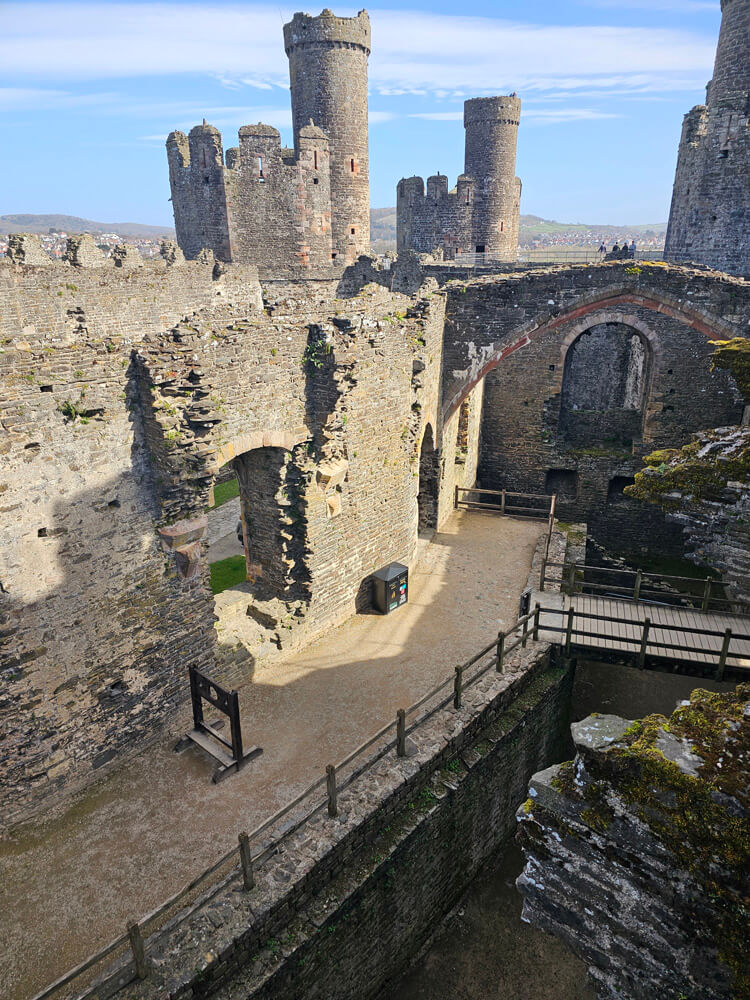
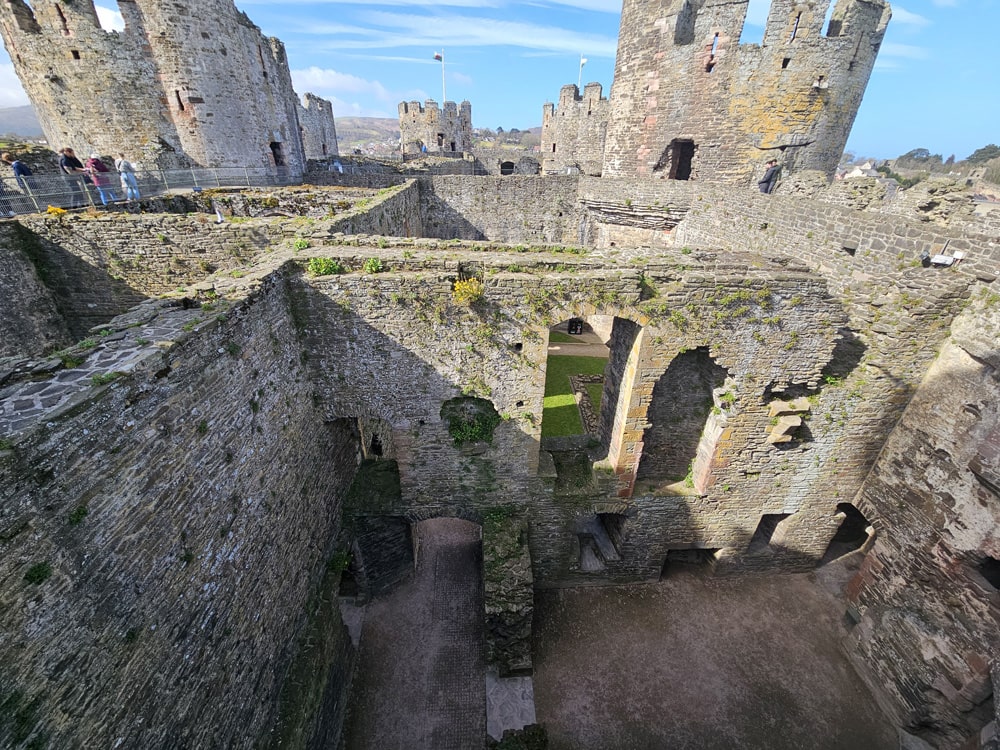
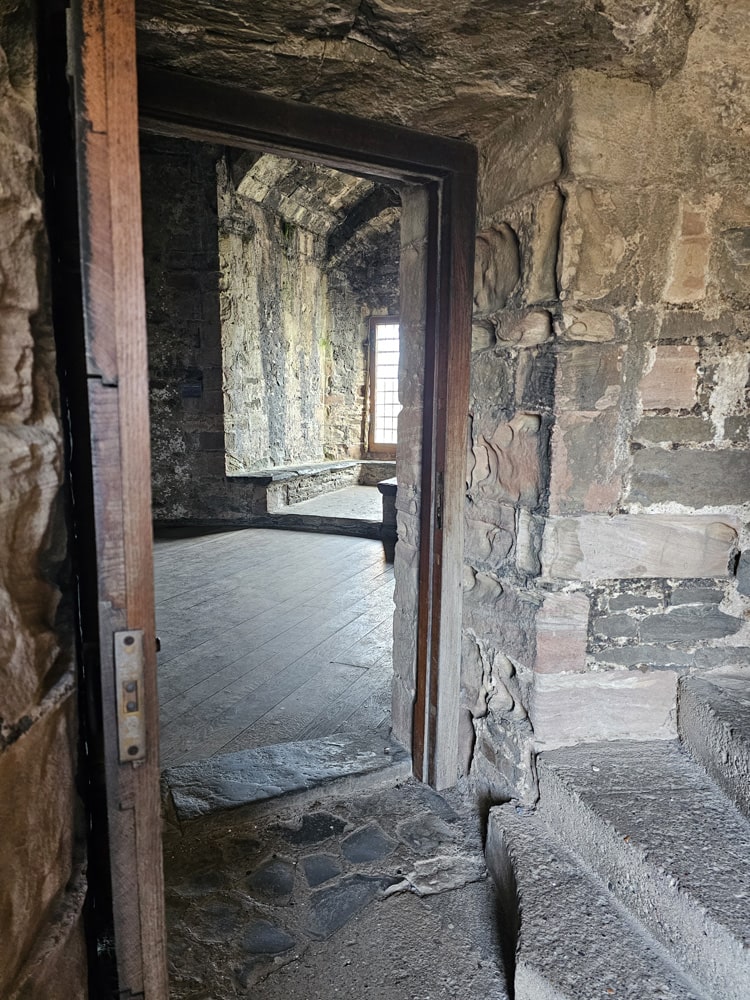
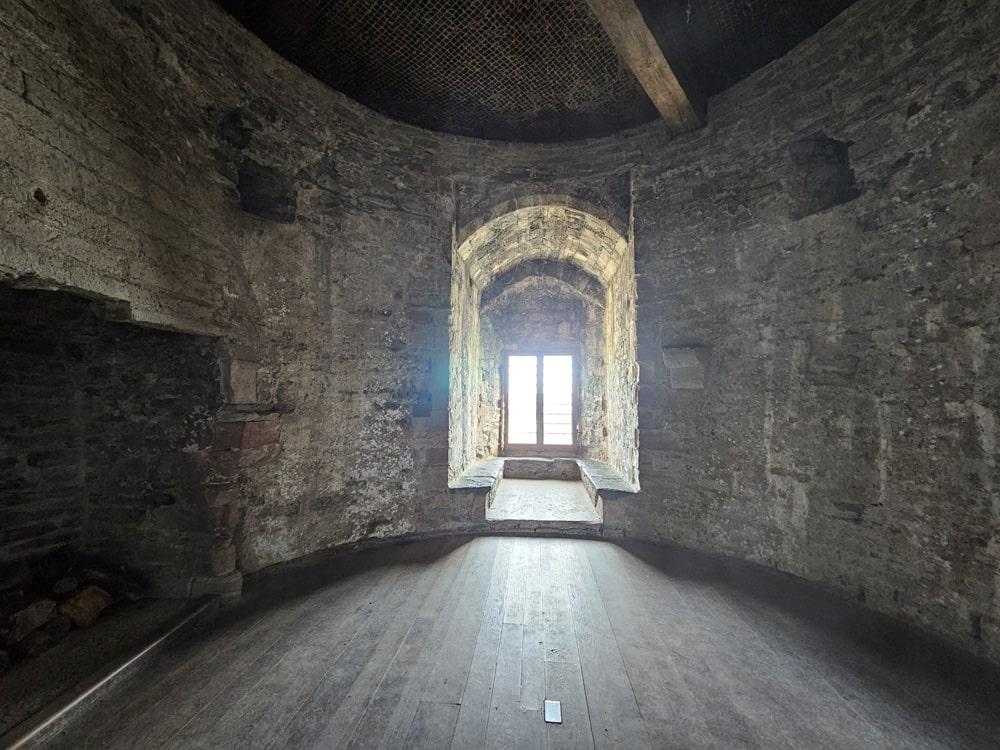
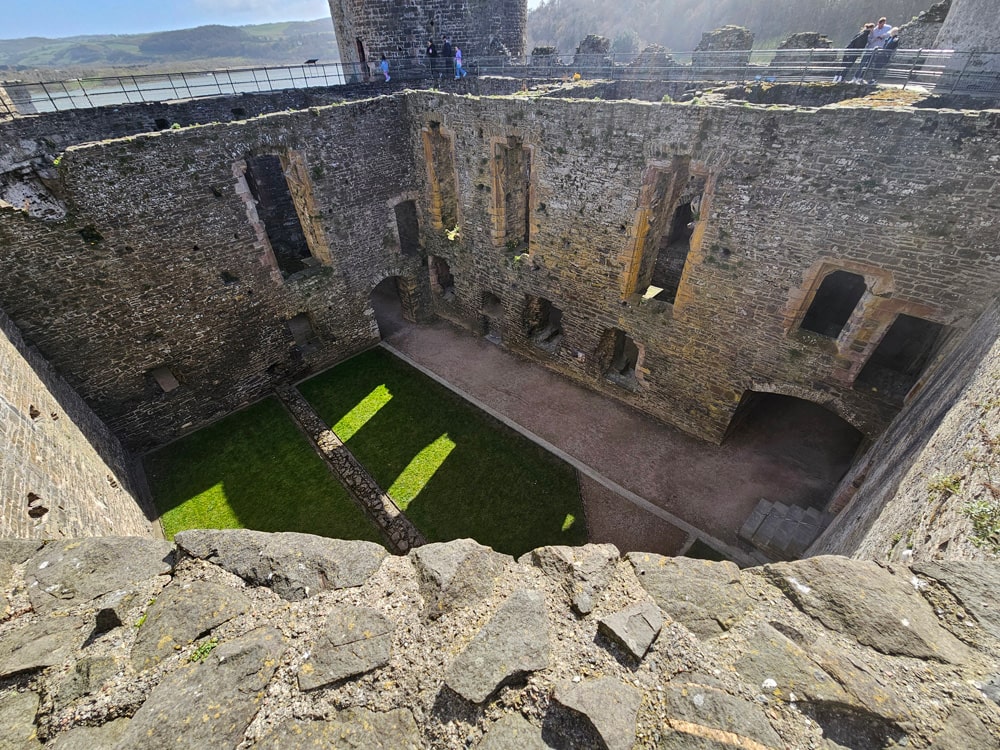
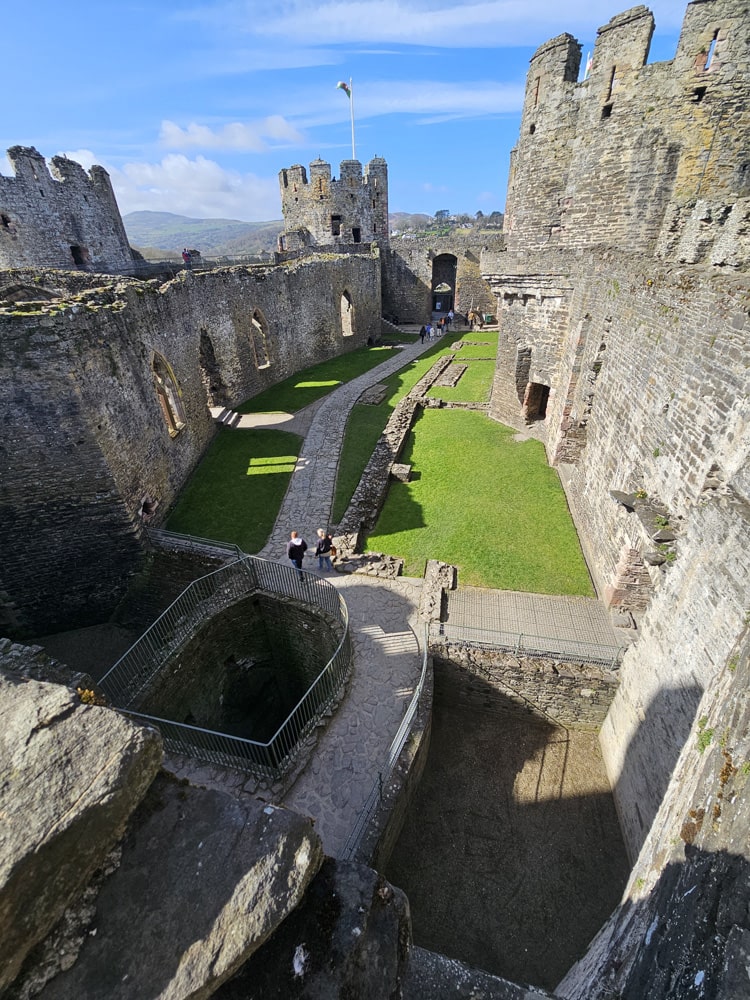
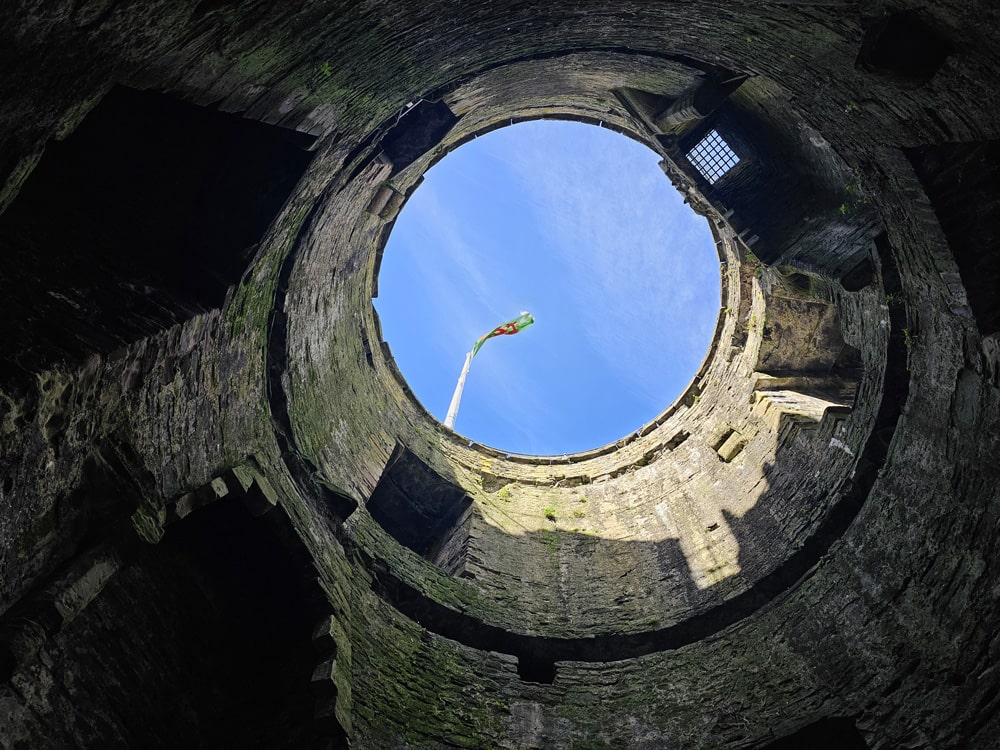
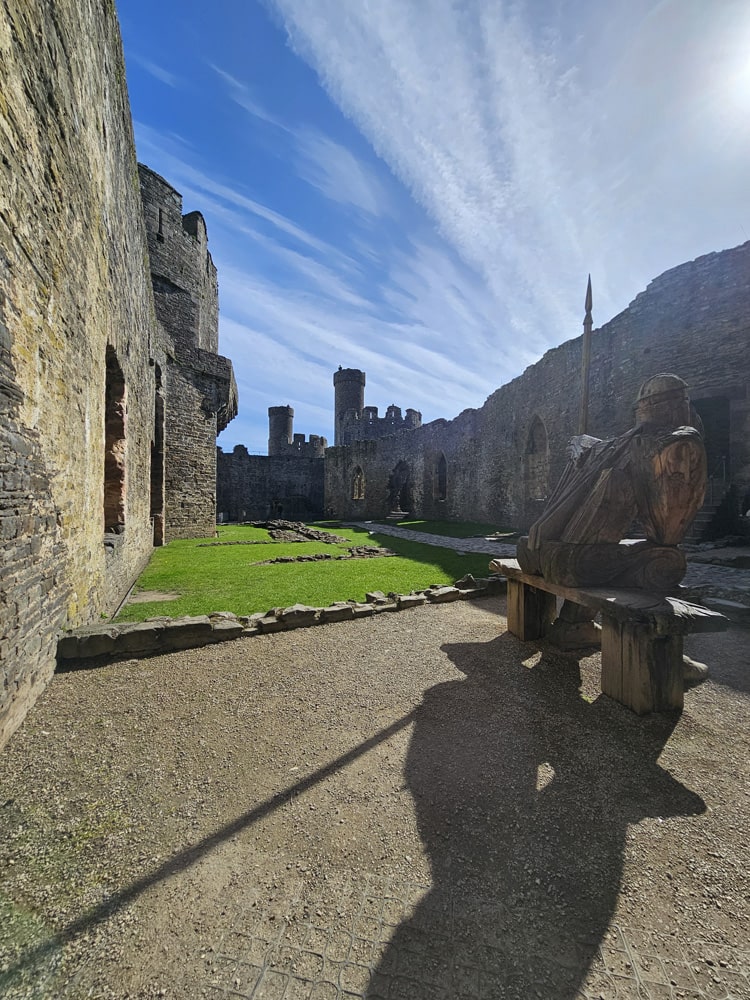
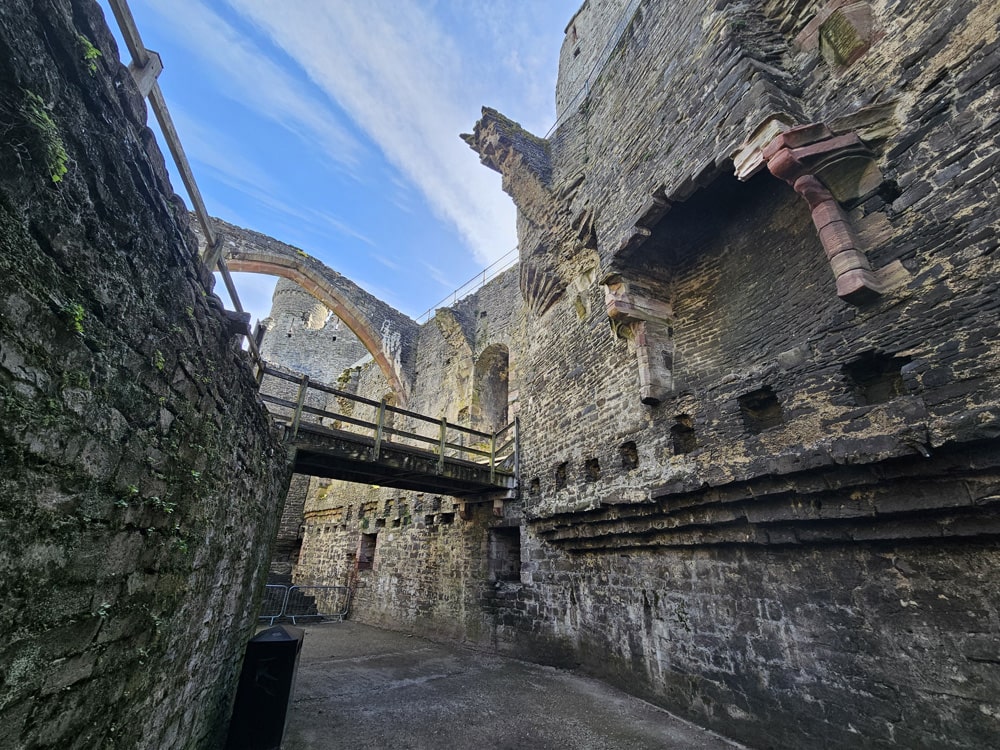
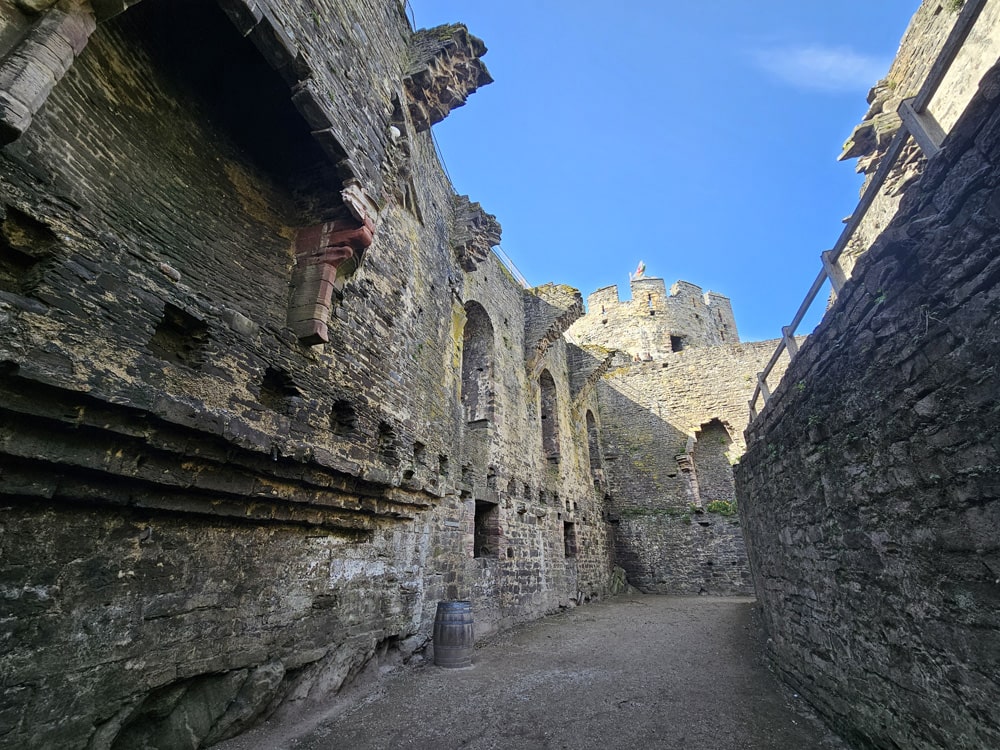
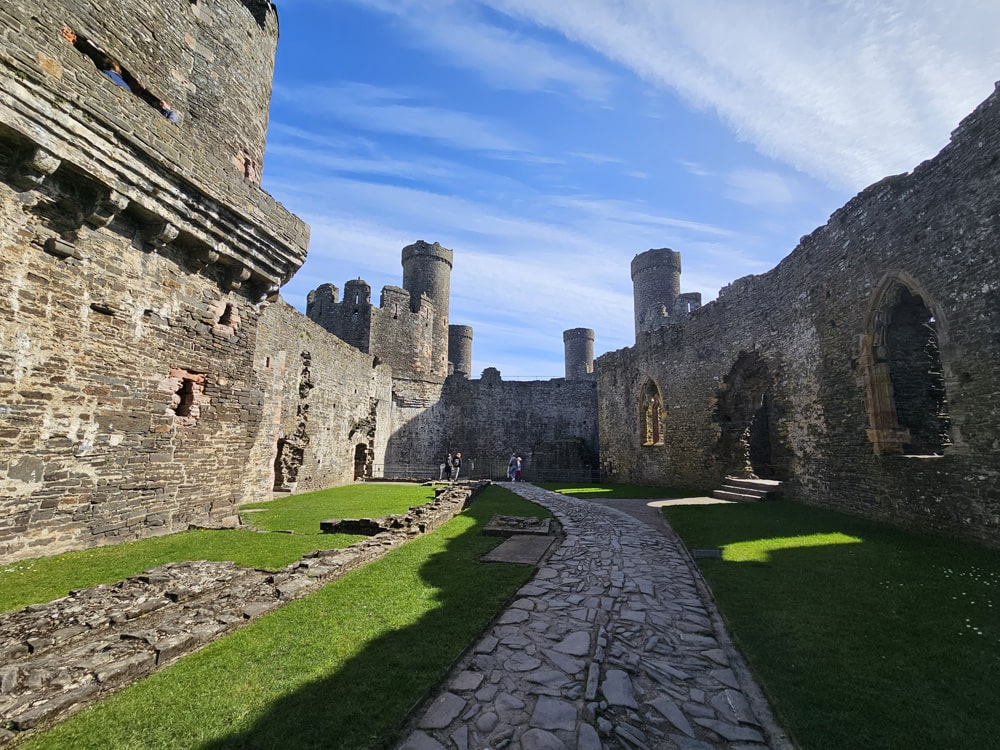
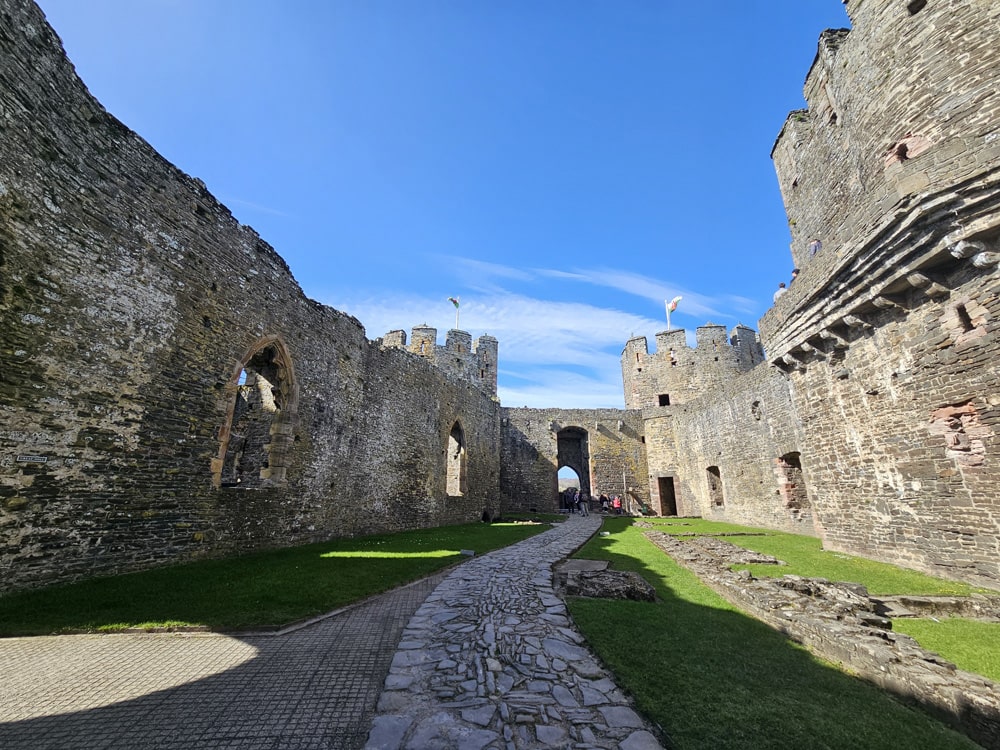
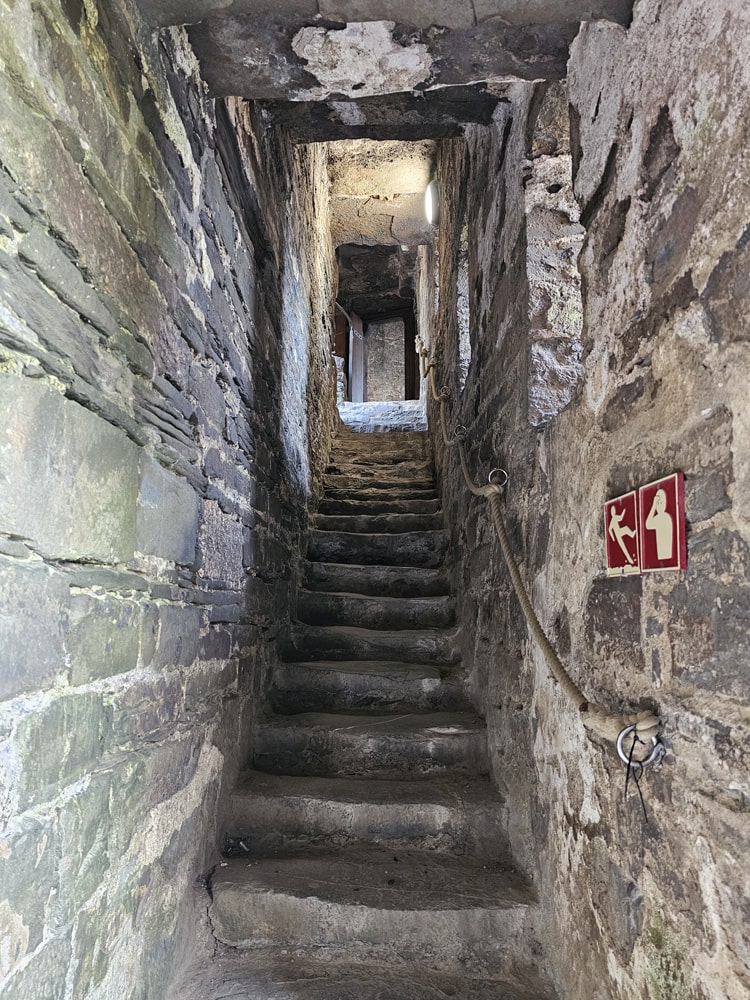
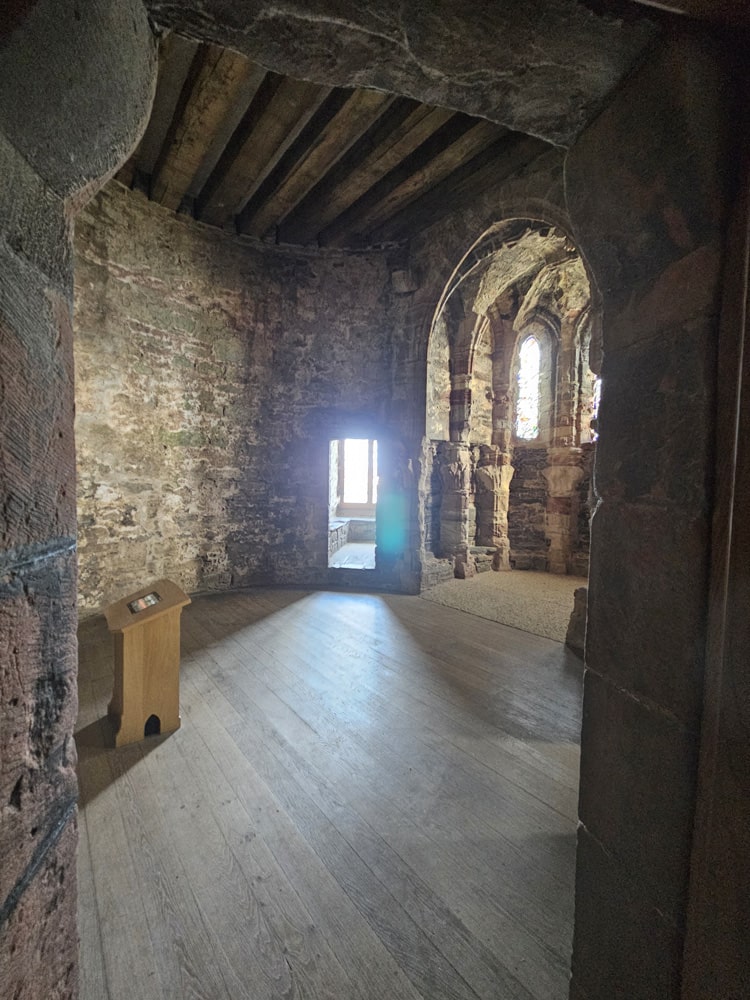
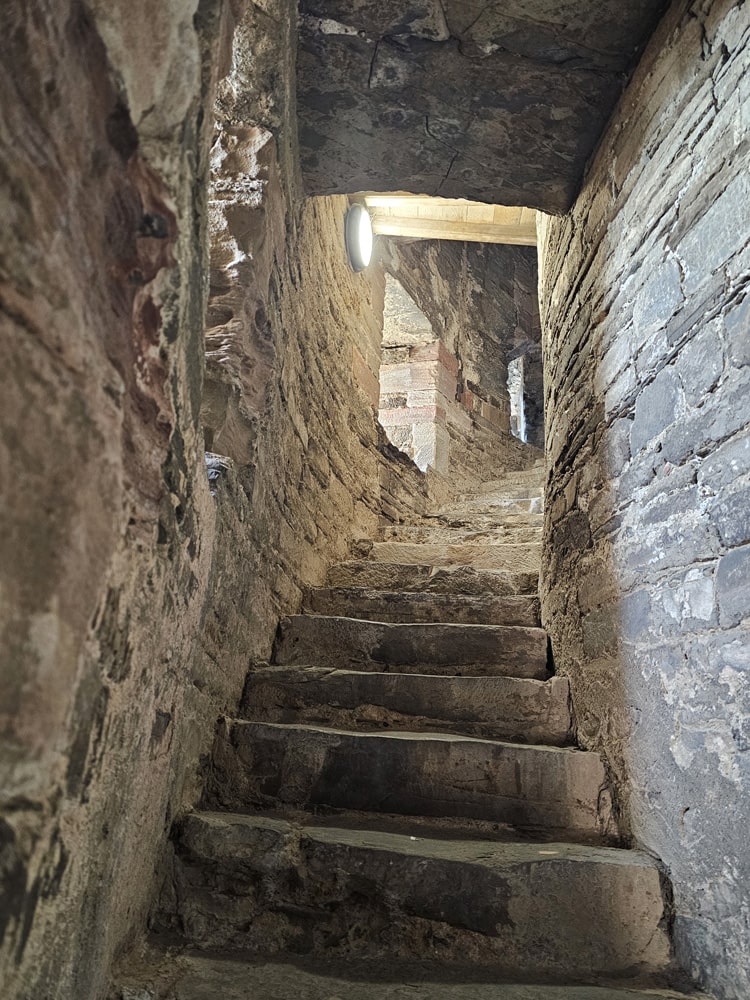
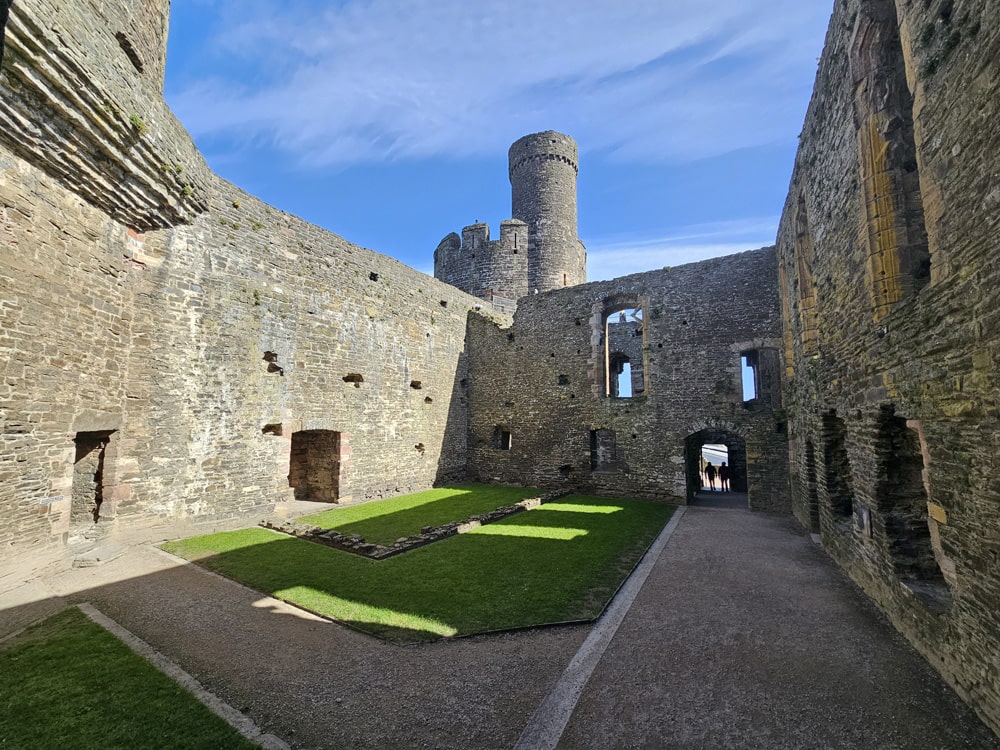
The famous fortress is exceptionally well preserved and almost all of the castle is accessible. It contains the most intact set of medieval royal apartments in Wales. The high curtain wall and eight mighty towers, a defining characteristic, look as though they emerge from the very rock upon which they stand, and rise almost as impressively as when they were built more than 700 years ago. Four of the towers were designed to carry turrets and surrounded the inner ward which housed the royal apartments. These medieval chambers are still in excellent condition today and remain largely unaltered from their 13th-century form.
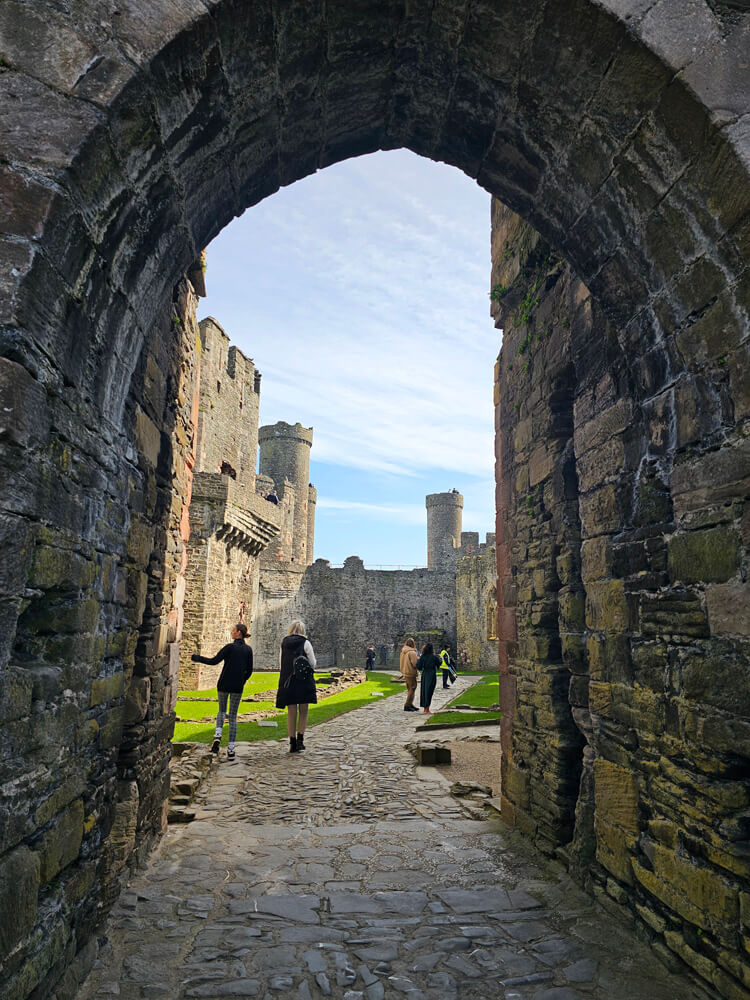
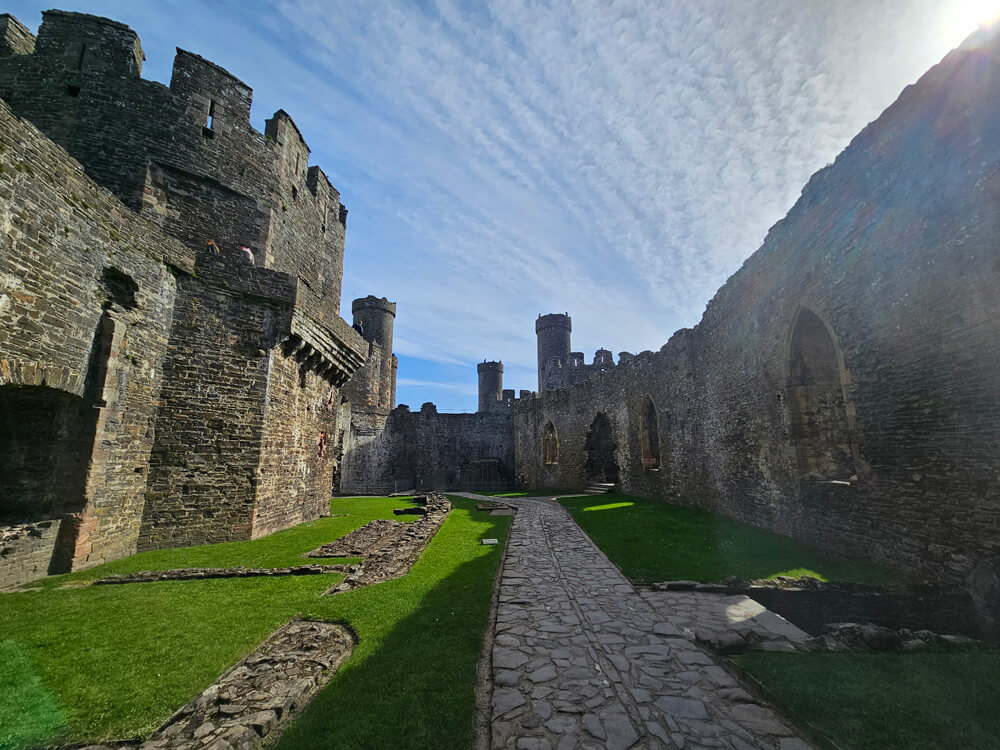
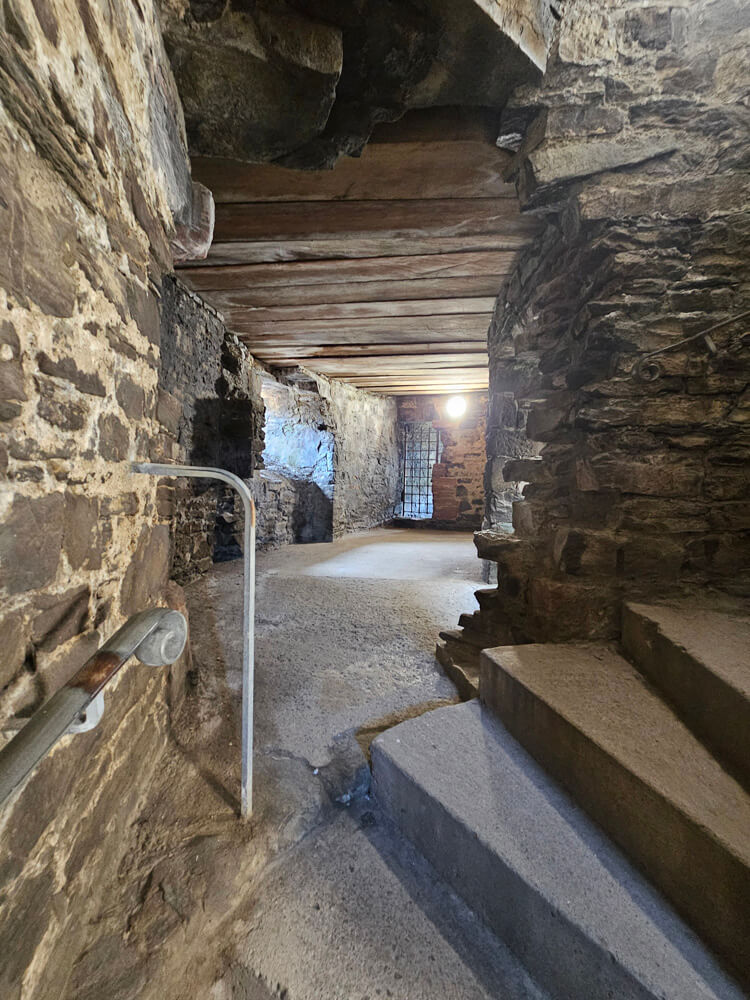
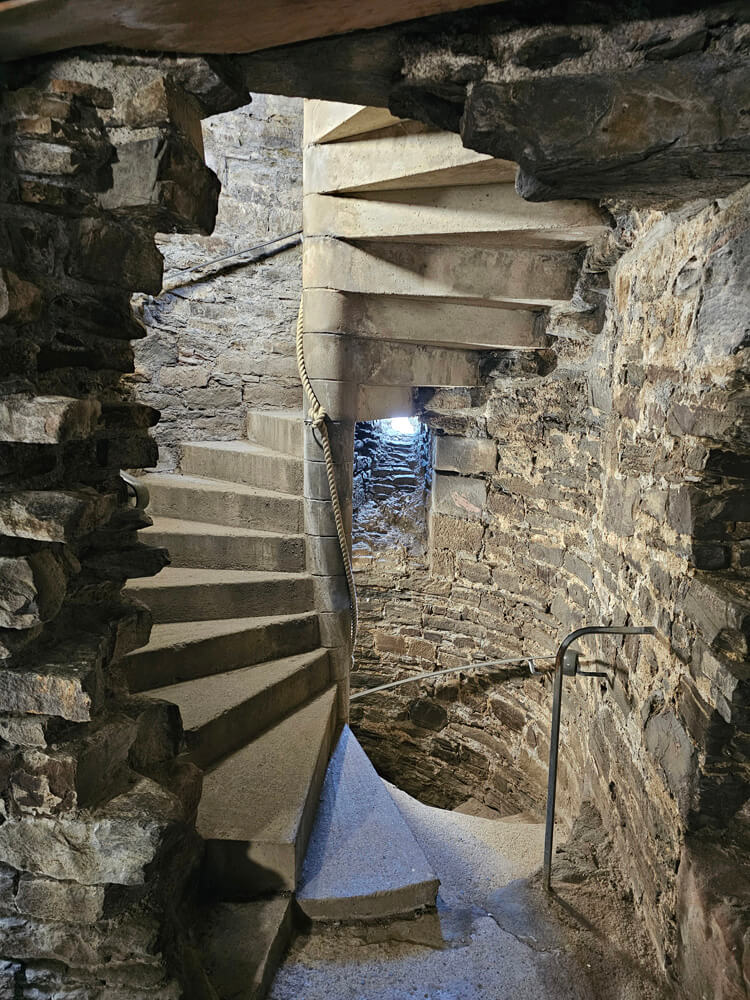
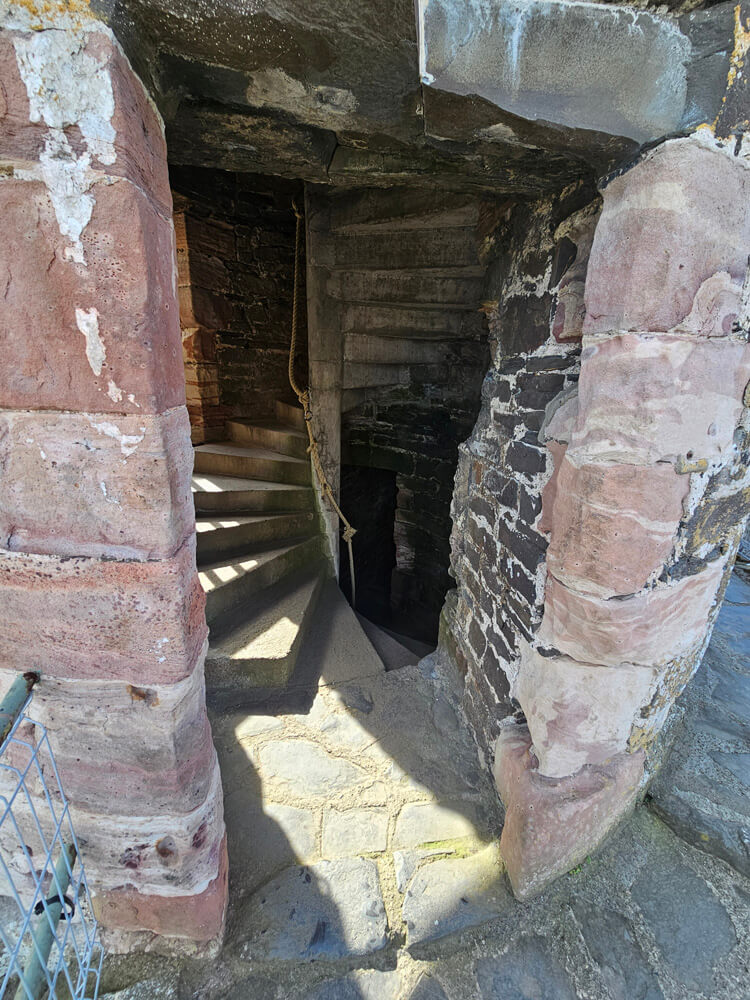
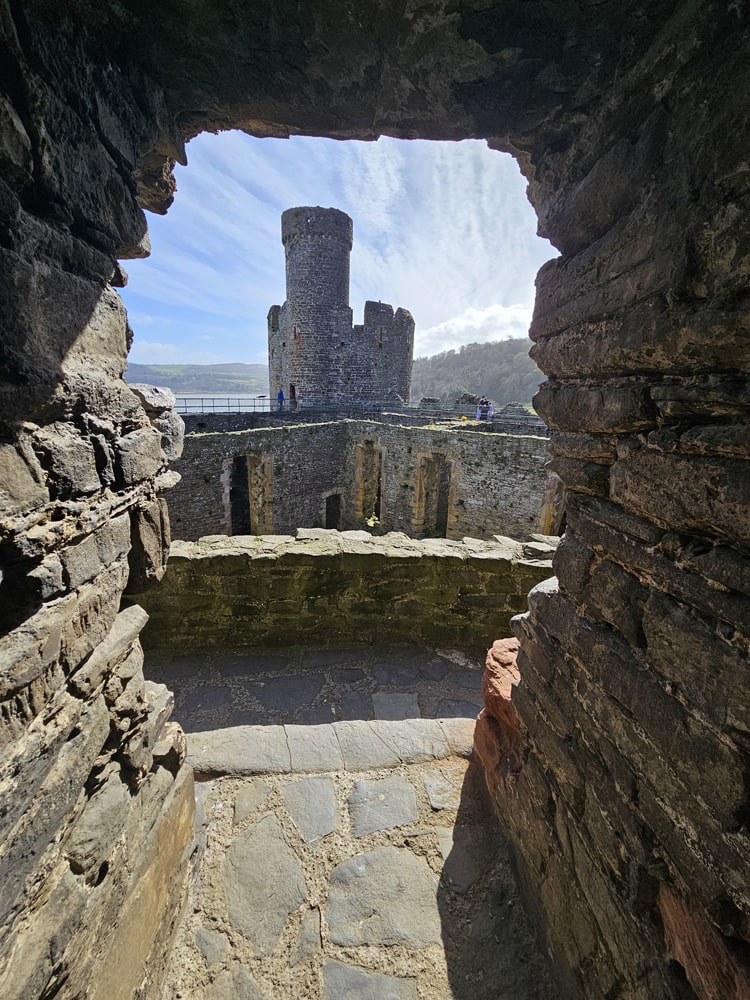
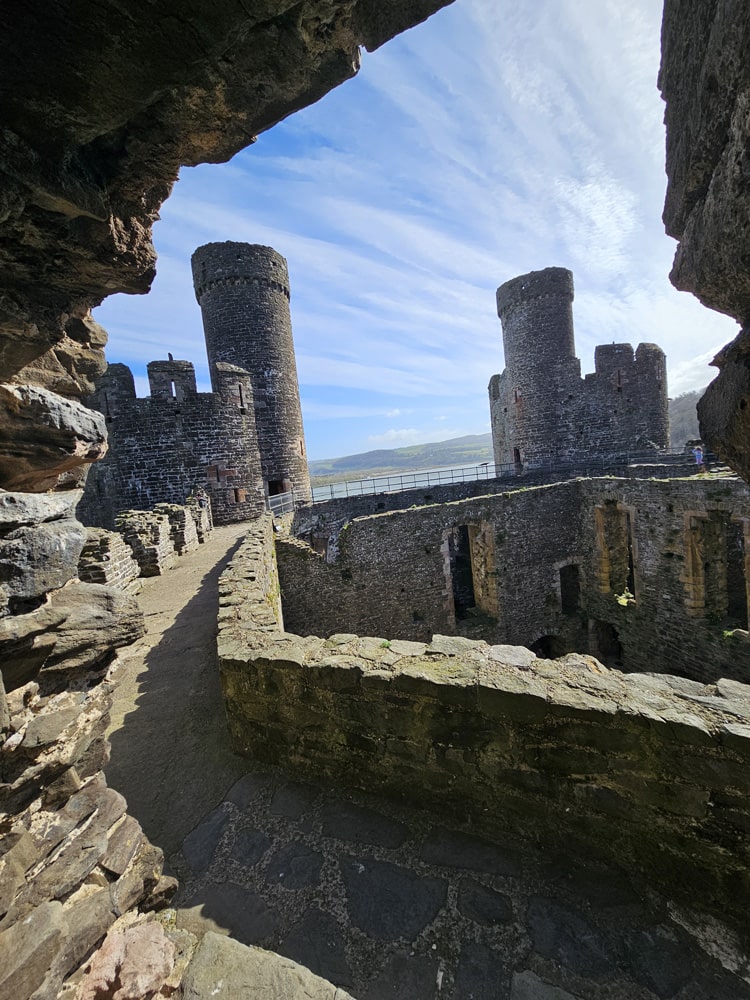
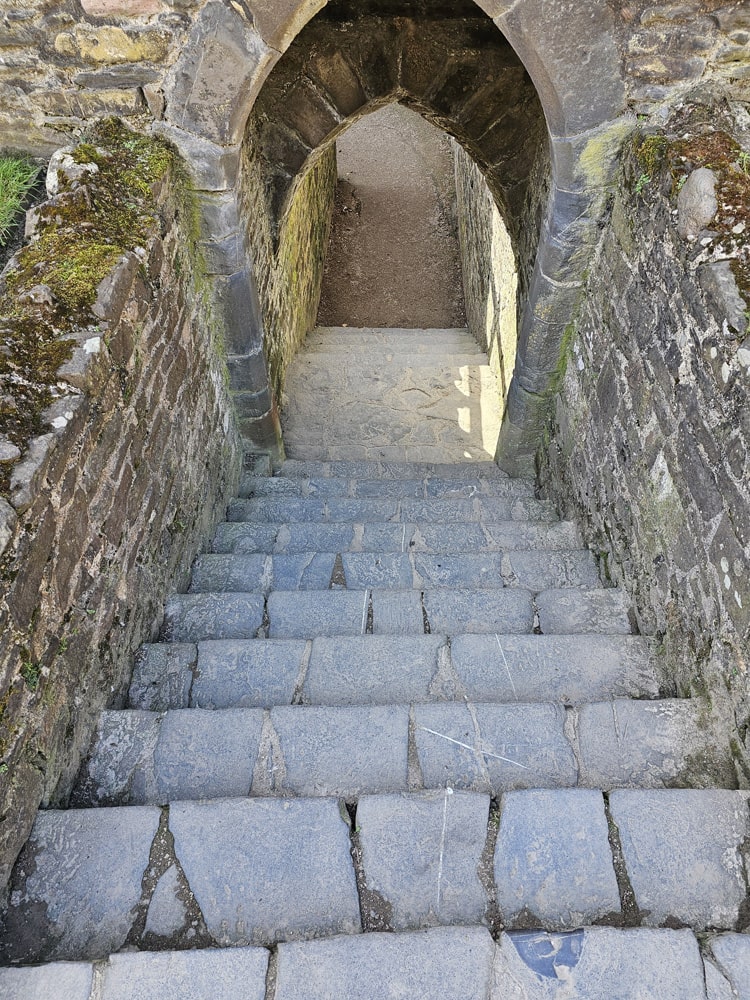
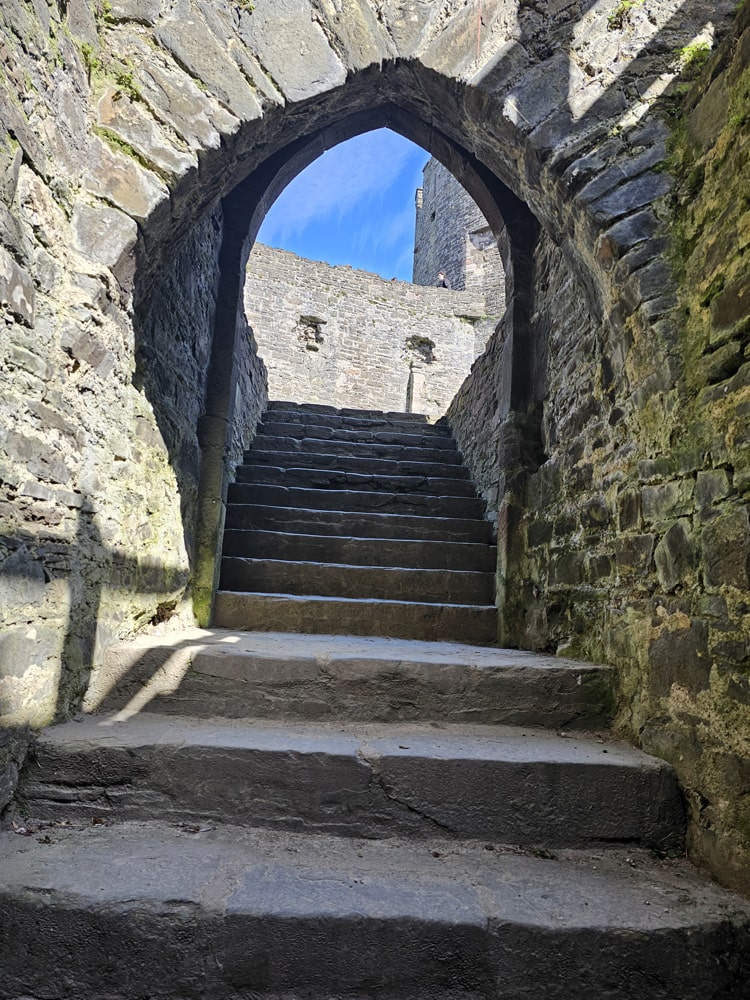
The castle also features two barbicans (fortified gateways), a classic dungeon in the Prison Tower, and a complete circuit of walkable battlements. Apart from the absence of roofs, the interior is largely intact, especially the grand 130ft long Great Hall and King’s Apartments.
UNESCO considers Conwy to be one of “the finest examples of late 13th century and early 14th century military architecture in Europe”, and proudly takes its place alongside Edward I’s other great castles at Beaumaris, Harlech and Caernarfon as a World Heritage Site.
Photo Gallery.
Did you enjoy this post?
I hope you found this post useful. I put a great deal of time and effort in to building, maintaining and populating the website. If you like, you could say a small thank you by buying me a coffee. You don't have to, but it would be nice :)
Buy me a coffee
Stay up to Date
Follow me on my journey and get notified whenever a new post is published by following Kings & Castles on Facebook.
Follow MeExplore The Map
Discover the hundreds of castles, churches, monasteries, cathedrals and other historic locations that I've personally visited across England and Wales. Search by location, explore nearby sites and plan your next historical adventure.
Share: