Church of St Margaret of Antioch, Marton
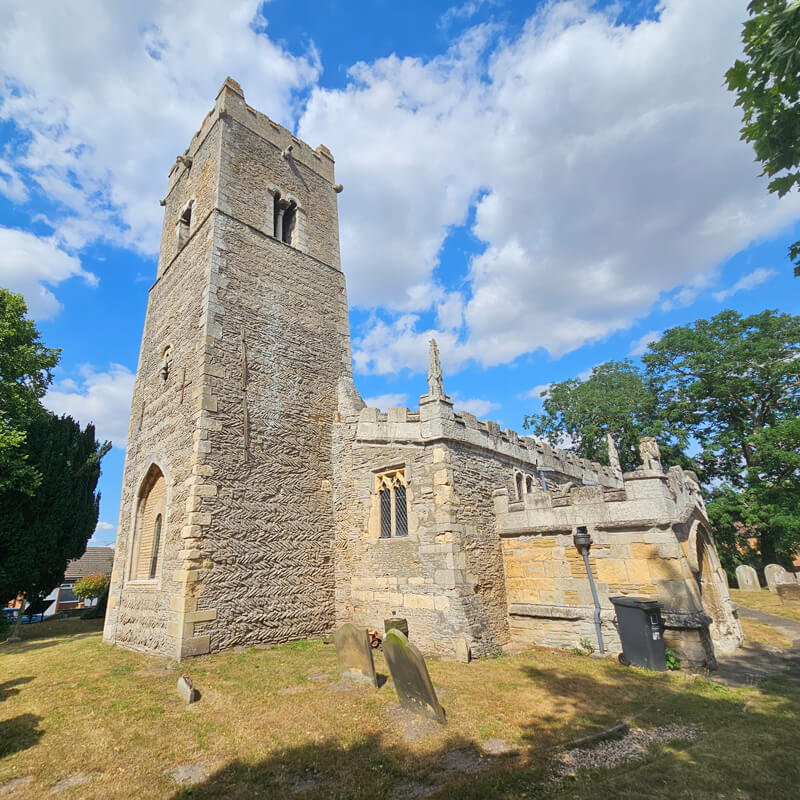
The Church of St Margaret of Antioch in Marton, Lincolnshire, is one of the county’s most remarkable historic churches. A Grade I listed building, it contains substantial remains of an 11th-century church and is an exceptional survival of the transition between Anglo-Saxon and Norman England.
Historic
Highlights.
- Lots of Saxon herringbone stonework
- 12th-century crucifix
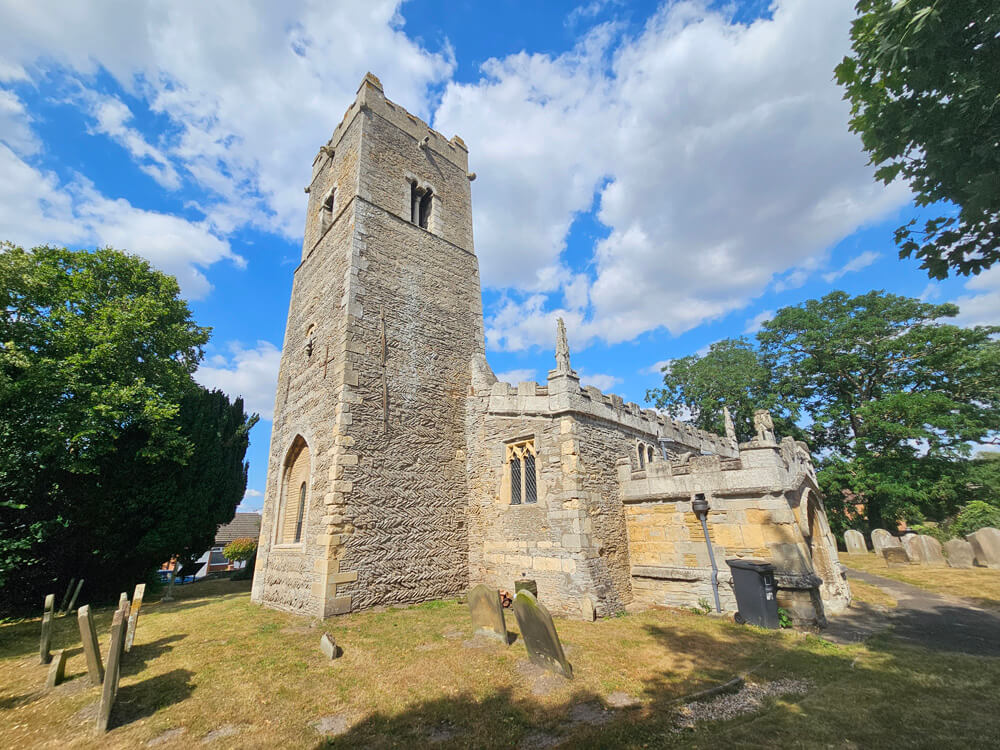
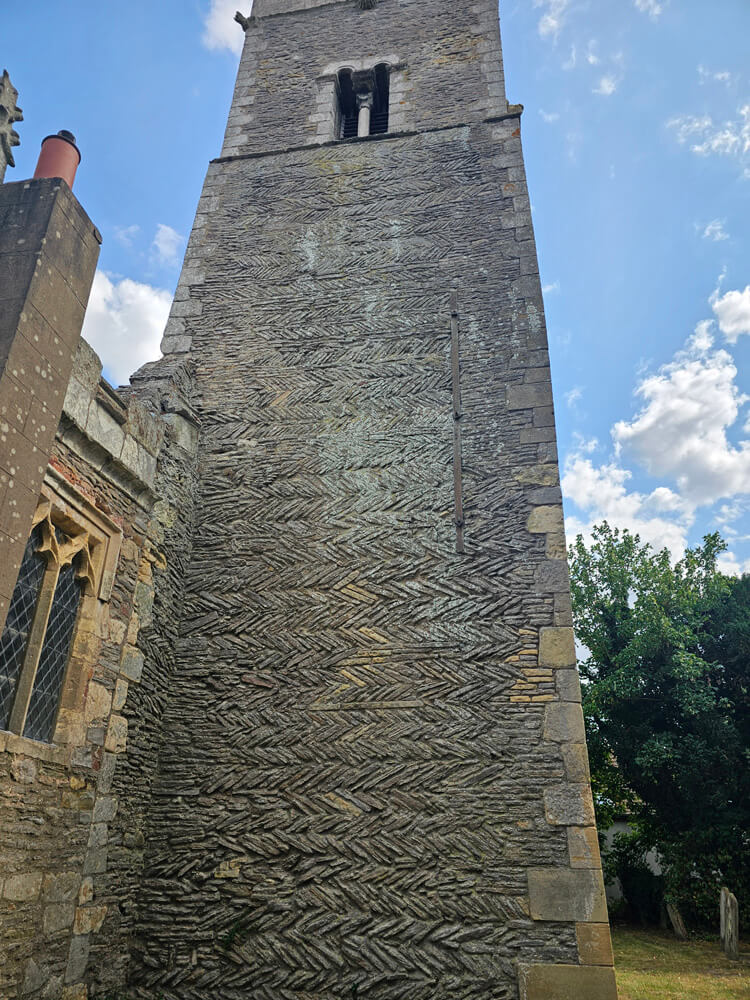
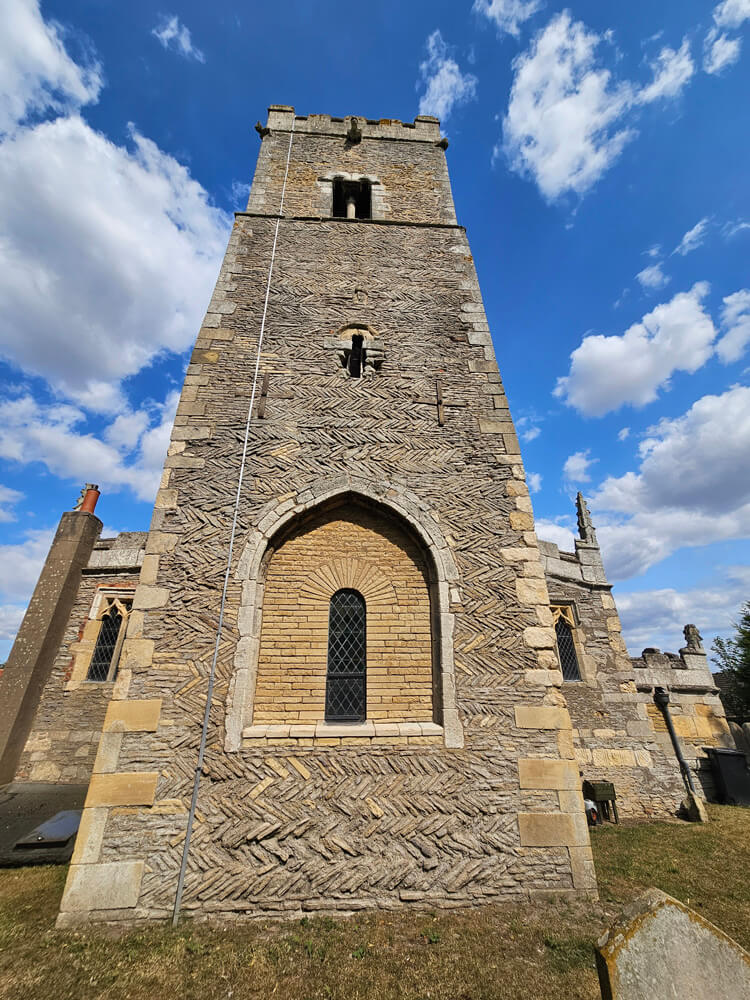
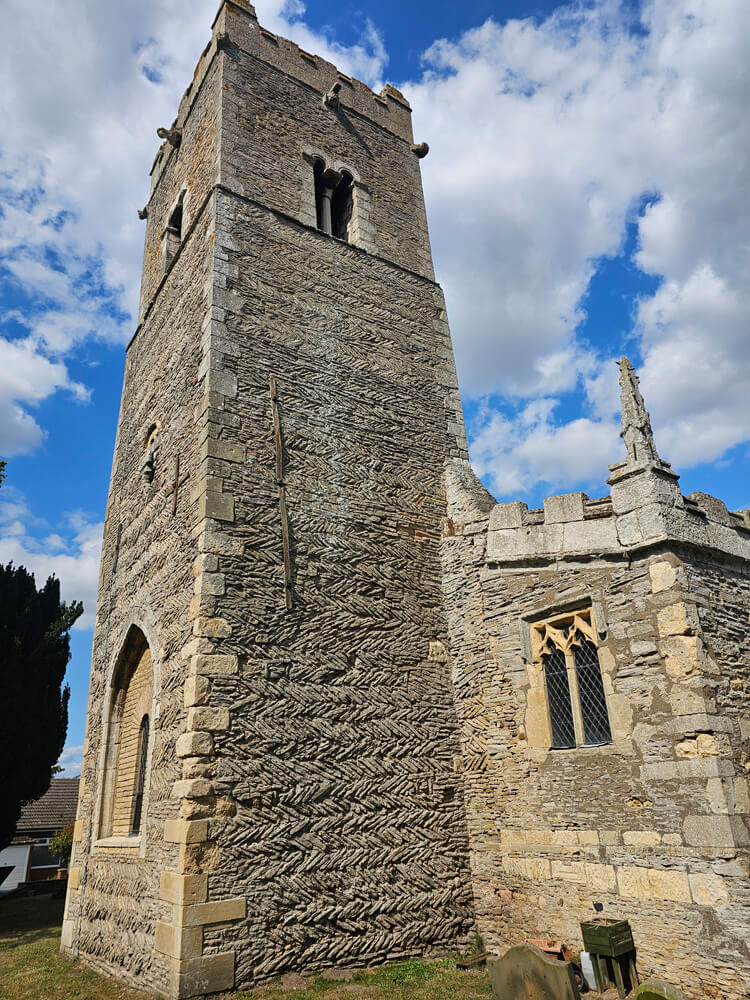
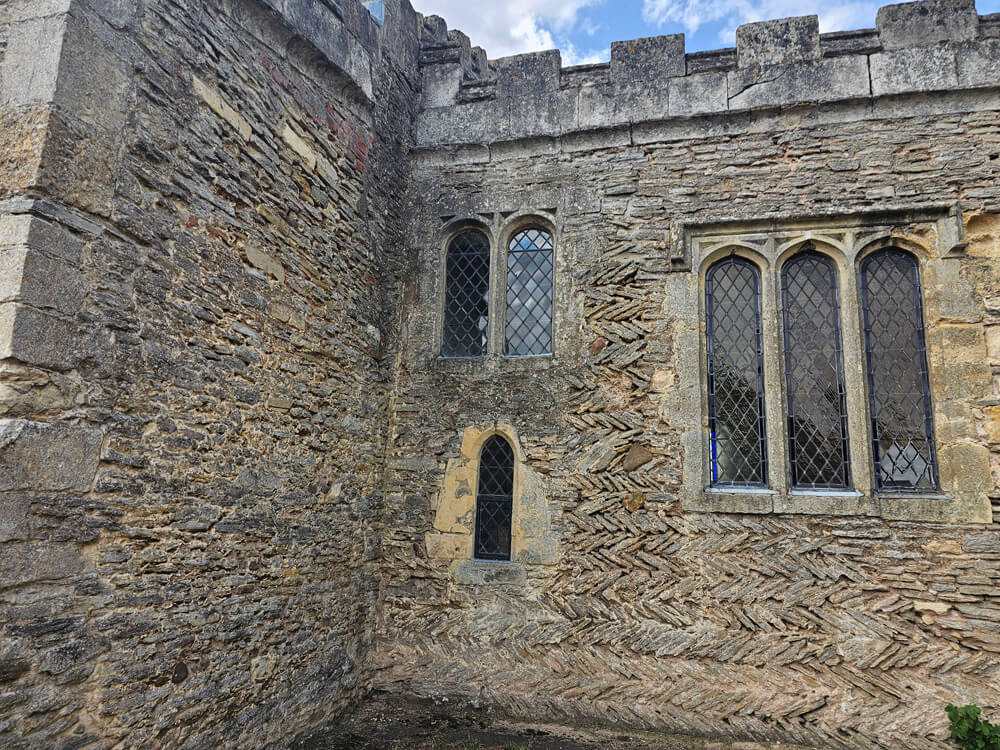
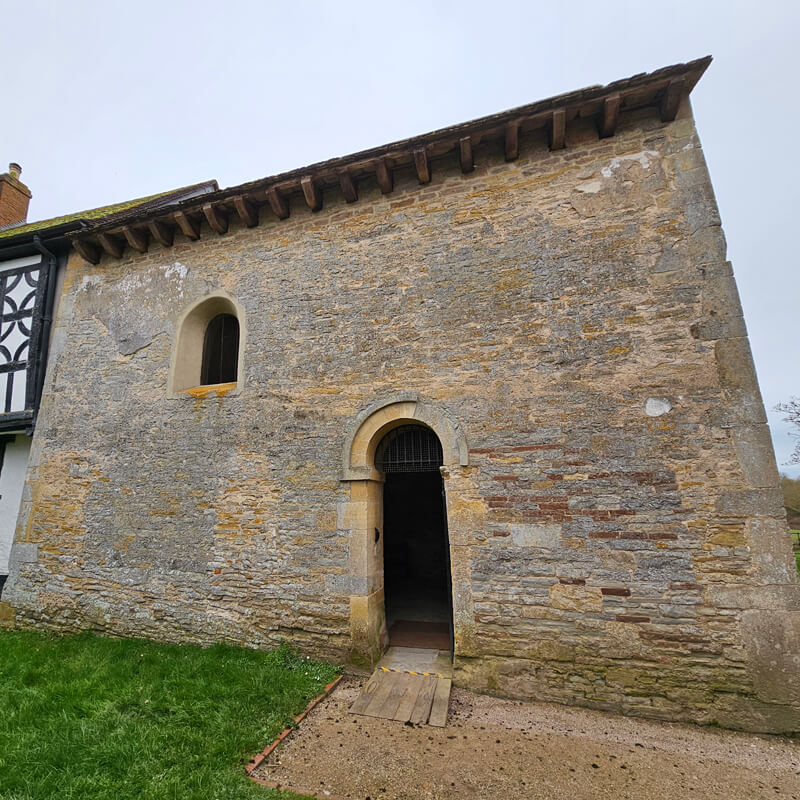
The present church was built largely during the mid-11th century, during the reign of Edward the Confessor. Although its west tower is technically post-Conquest, it continues the architectural traditions of the earlier Anglo-Saxon builders. The tower is particularly striking for its herringbone masonry, in which courses of stone are laid diagonally in alternating directions. Parts of the original Anglo-Saxon nave and chancel also survive, making the building an important example of late Saxon architecture.
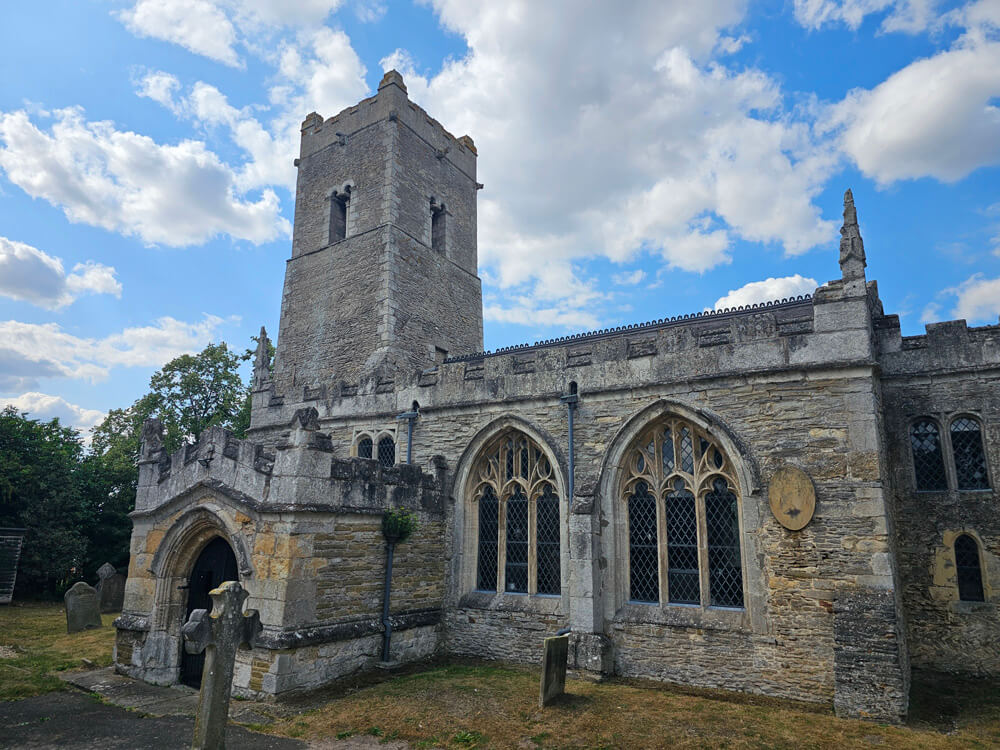
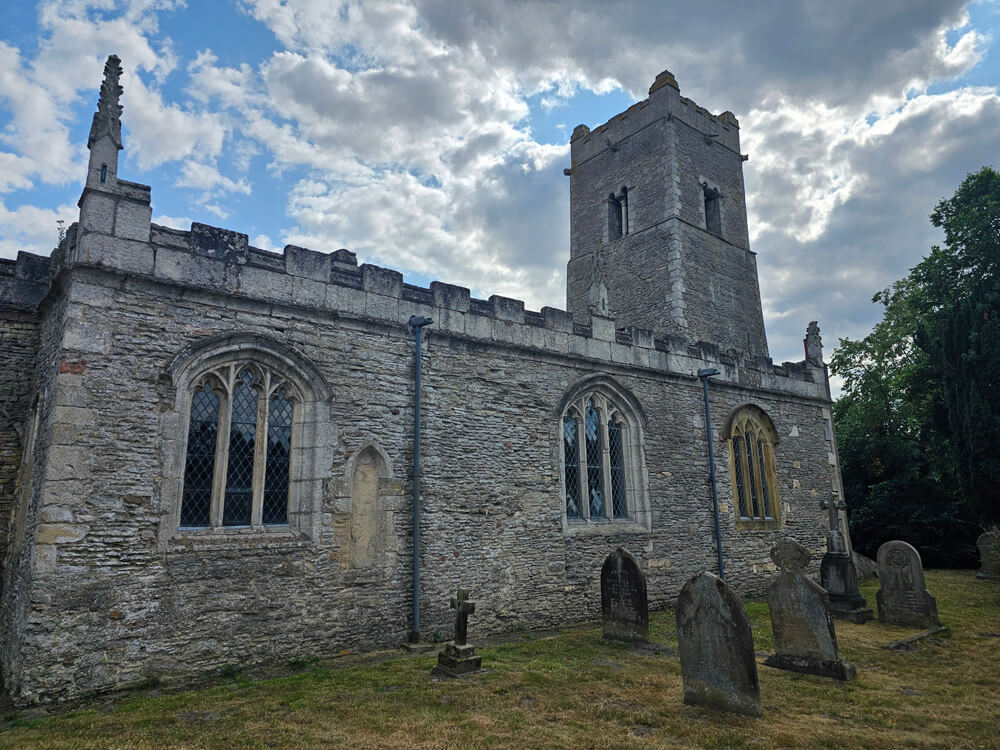
The church was subsequently enlarged and altered over several centuries. The north arcade dates from the late 12th century and displays Norman characteristics, while the south arcade is later, belonging largely to the 13th century. During the 15th century, further work included alterations to the aisles, windows and south porch. These additions created the fascinating mixture of Saxon, Norman, Early English and Perpendicular Gothic features visible today.
One of St Margaret’s most intriguing features is its collection of pre-Conquest carved stones. Fragments of an Anglo-Saxon cross shaft, decorated with interlacing patterns, have been incorporated into the church walls. Other fragments include carved figures and parts of a possible grave cover. Their presence provides evidence of an earlier Christian community at Marton and suggests that religious activity on the site predates the Norman Conquest.
Inside the chancel is another unusual survival: a small carved crucifix, probably dating from the Saxon or early Norman period. Its design is distinctive because Christ’s feet are shown separately rather than overlapping. The crucifix was discovered during building work and is now one of the church’s most notable historic objects.
Like many ancient English churches, St Margaret’s underwent restoration in the 19th century. Work carried out in 1868 was comparatively restrained, allowing much of the medieval and Anglo-Saxon fabric to survive.
The churchyard contains another fascinating reminder of Marton’s medieval past: the remains of a 14th-century churchyard cross. Originally associated with the village marketplace, the surviving medieval stonework was adapted as a war memorial, which was unveiled in 1921.
Today, St Margaret of Antioch remains a living parish church and an outstanding monument to Lincolnshire’s early Christian history. Its combination of Anglo-Saxon masonry, Norman craftsmanship, medieval additions and later restoration makes it an unusually complete record of more than 900 years of architectural and religious development. For such a small village, Marton possesses a church of extraordinary historical importance.
Unfortunately the church was locked when I visited and I was therefore unable to take photos of the inside of the church and its many great features.
Photo Gallery.
Did you enjoy this post?
I hope you found this post useful. I put a great deal of time and effort in to building, maintaining and populating the website. If you like, you could say a small thank you by buying me a coffee. You don't have to, but it would be nice :)
Buy me a coffee
Stay up to Date
Follow me on my journey and get notified whenever a new post is published by following Kings & Castles on Facebook.
Follow MeExplore The Map
Discover the hundreds of castles, churches, monasteries, cathedrals and other historic locations that I've personally visited across England and Wales. Search by location, explore nearby sites and plan your next historical adventure.
Share: