Grosmont Castle
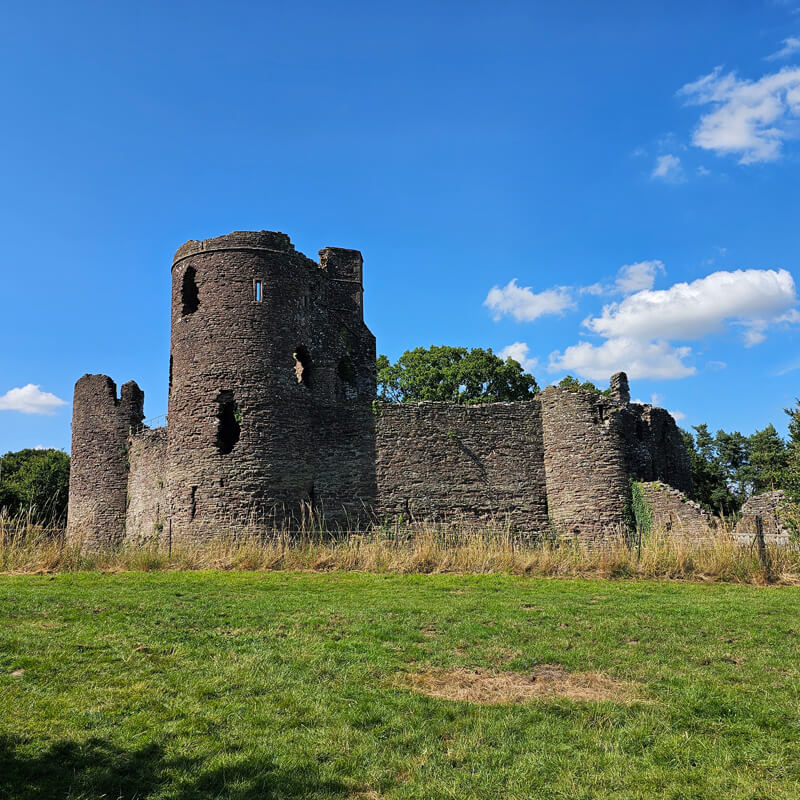
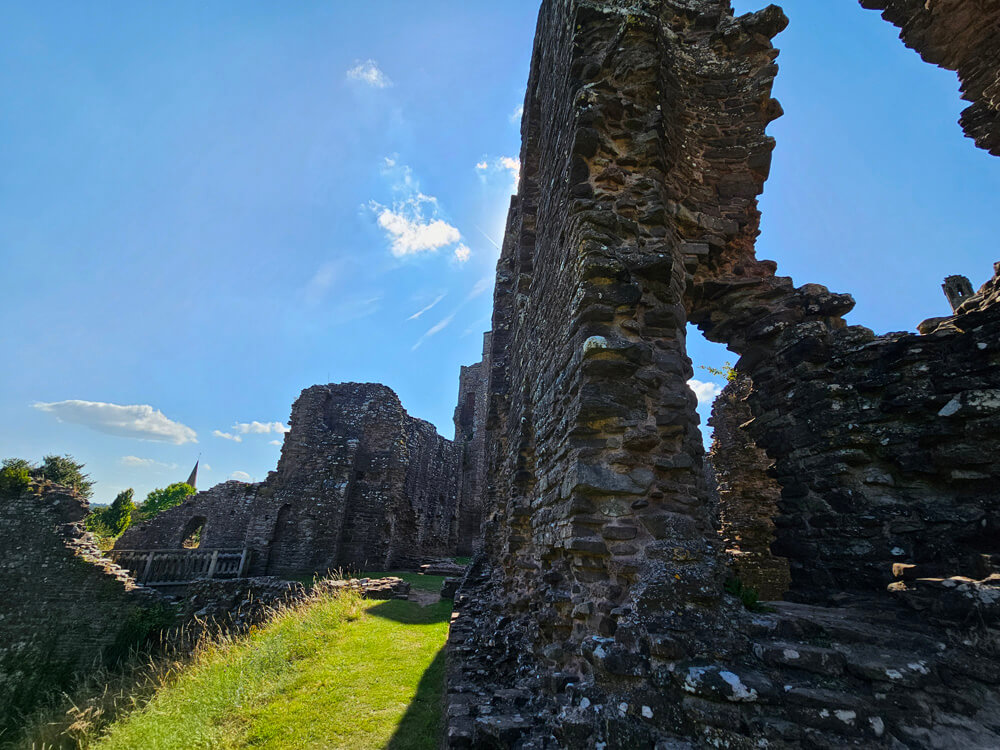
Grosmont Castle is a ruined castle in the village of Grosmont, Monmouthshire, Wales. Along with Skenfrith Castle and White Castle, Grosmont is one of the ‘Three Castles of Gwent’, a trio of strongholds built by the Normans to protect the route from Wales to Hereford, to control a key section of troublesome border country.
Quick
Facts.
- Location: Grosmont, Monmouthshire, Wales
- Established: 1100s
- Built in stone: 13th century
- Condition: Ruined
- Date visited: July 2024
- More info: Visit website
- Rating:
A Bit of History…
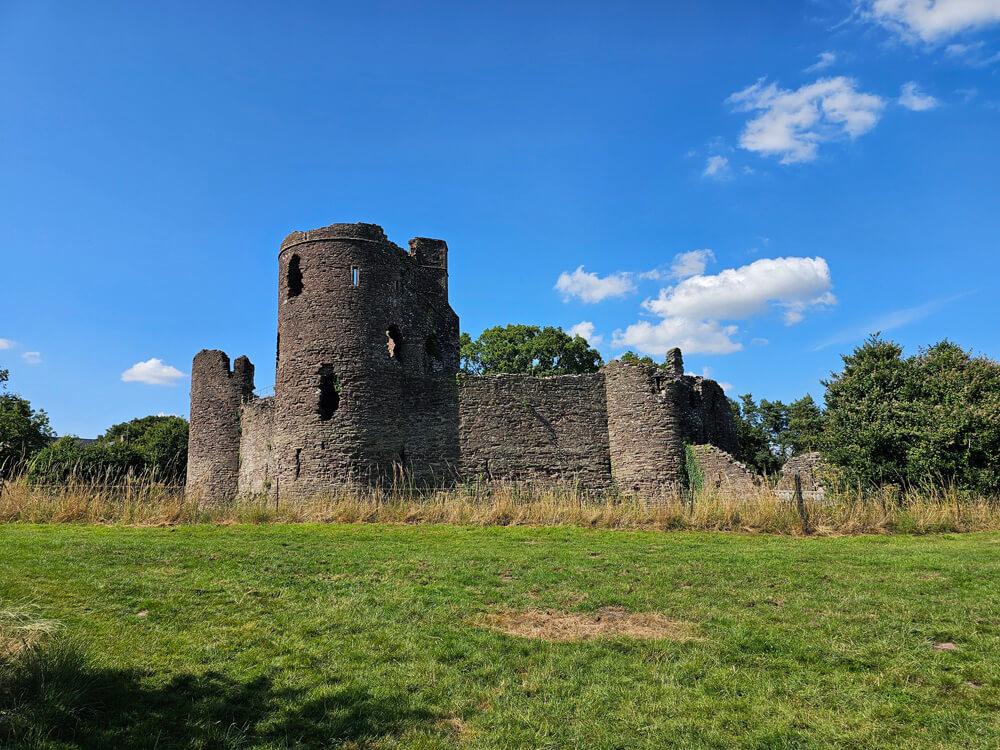
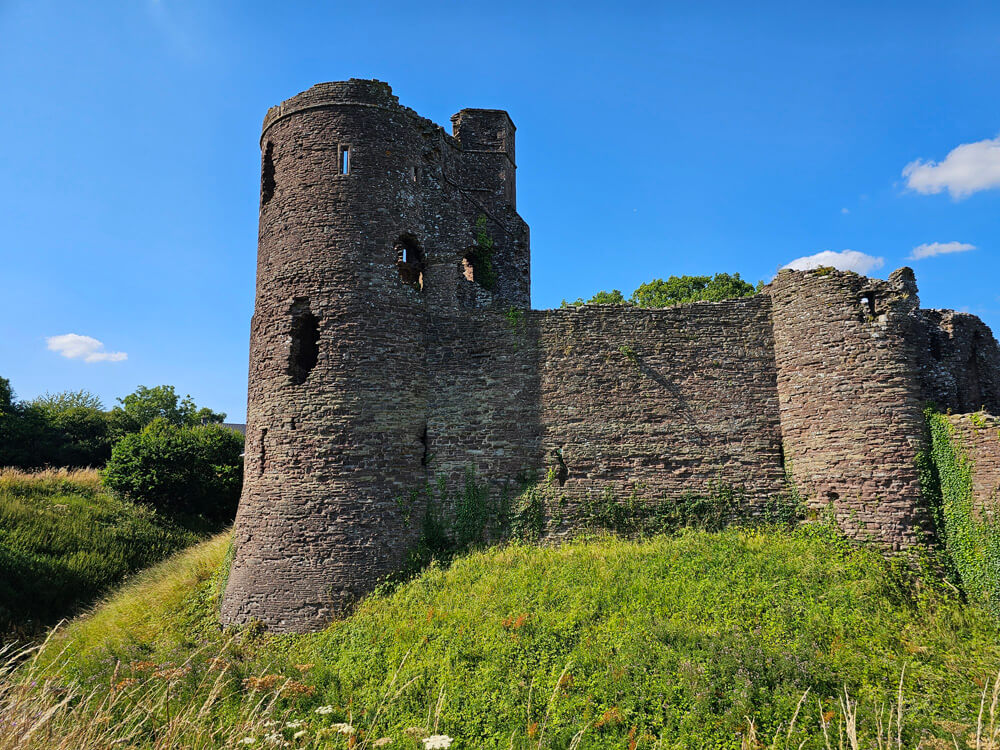
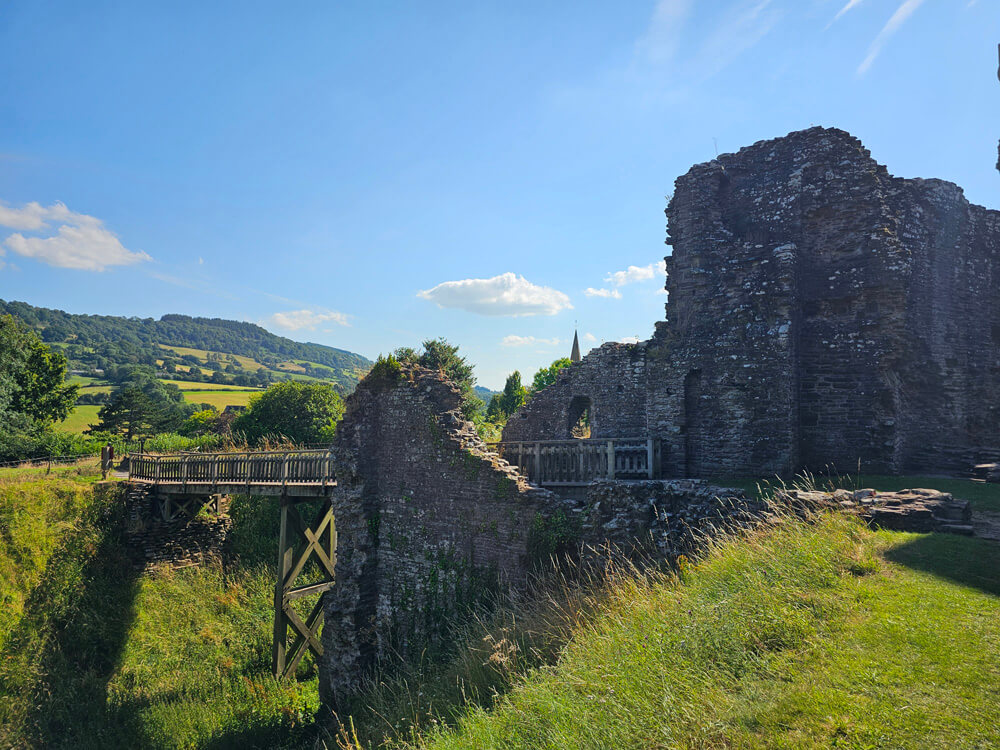
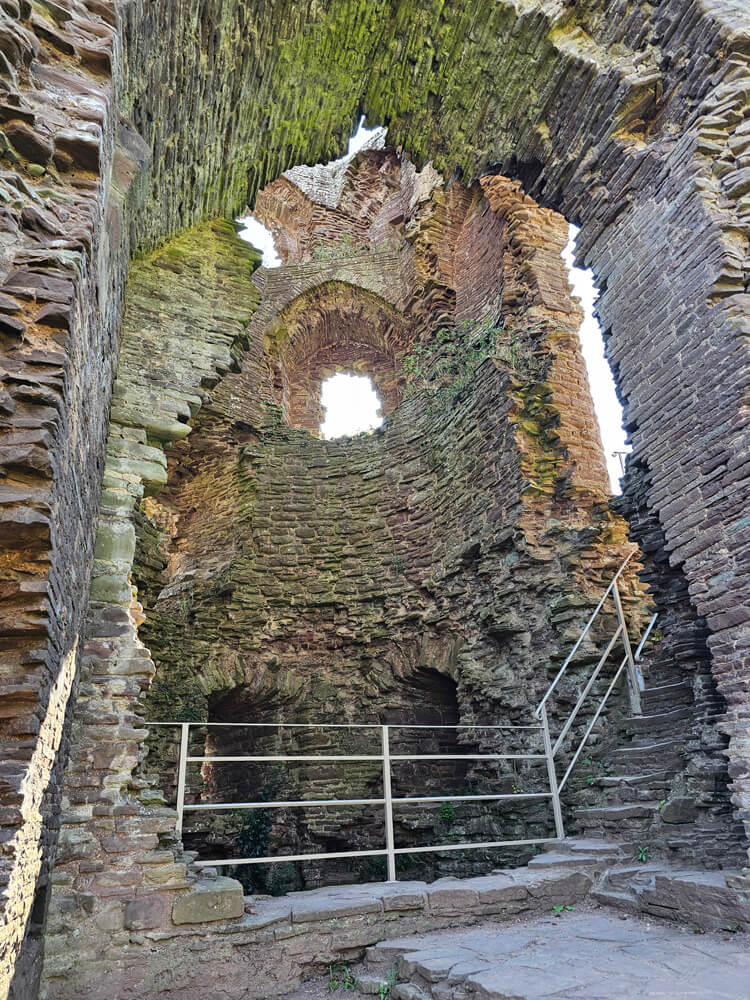
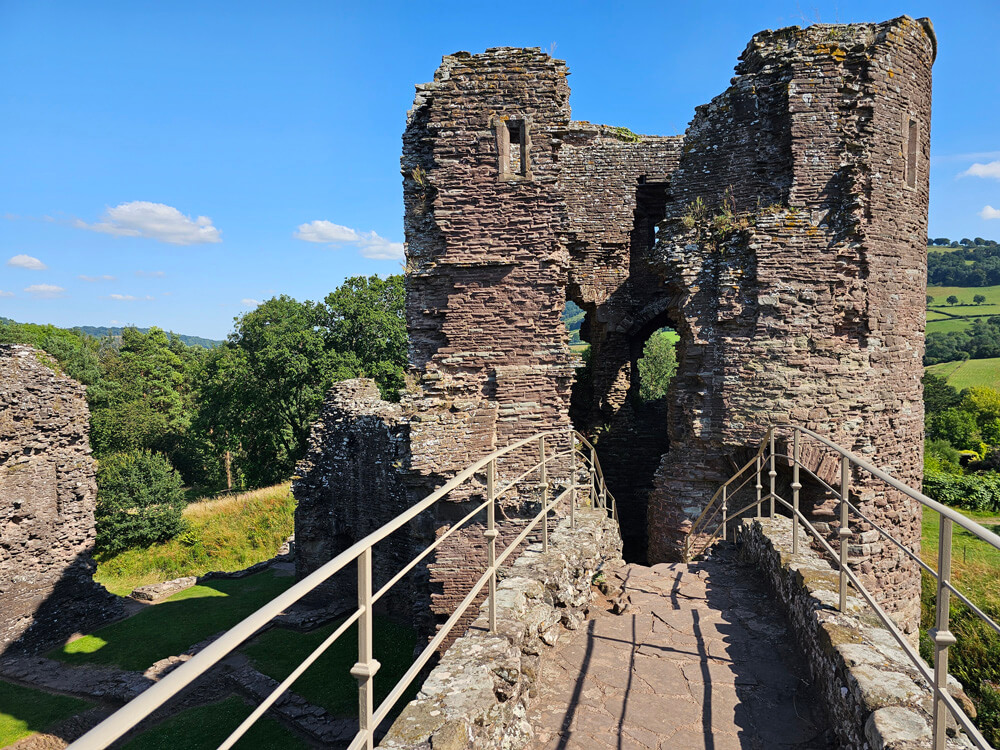
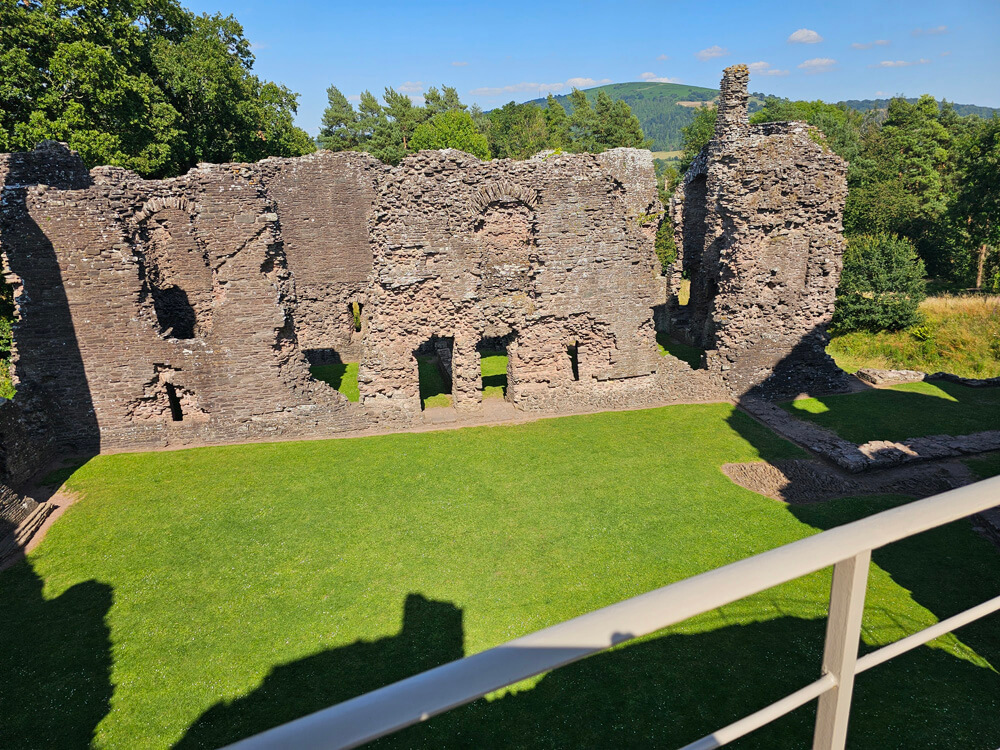
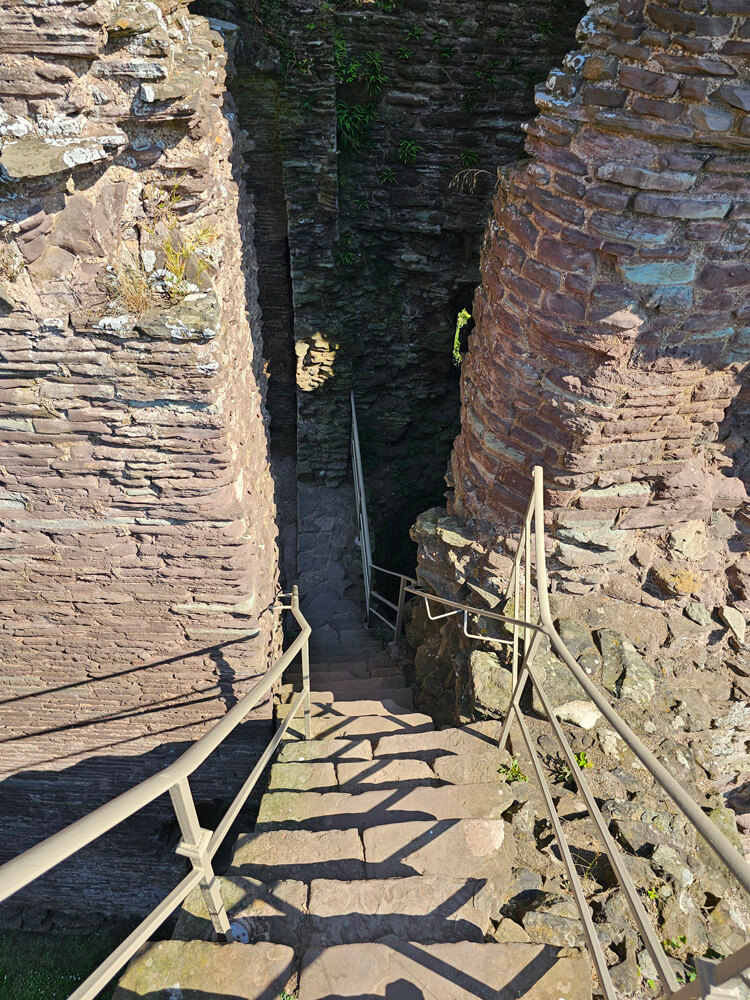
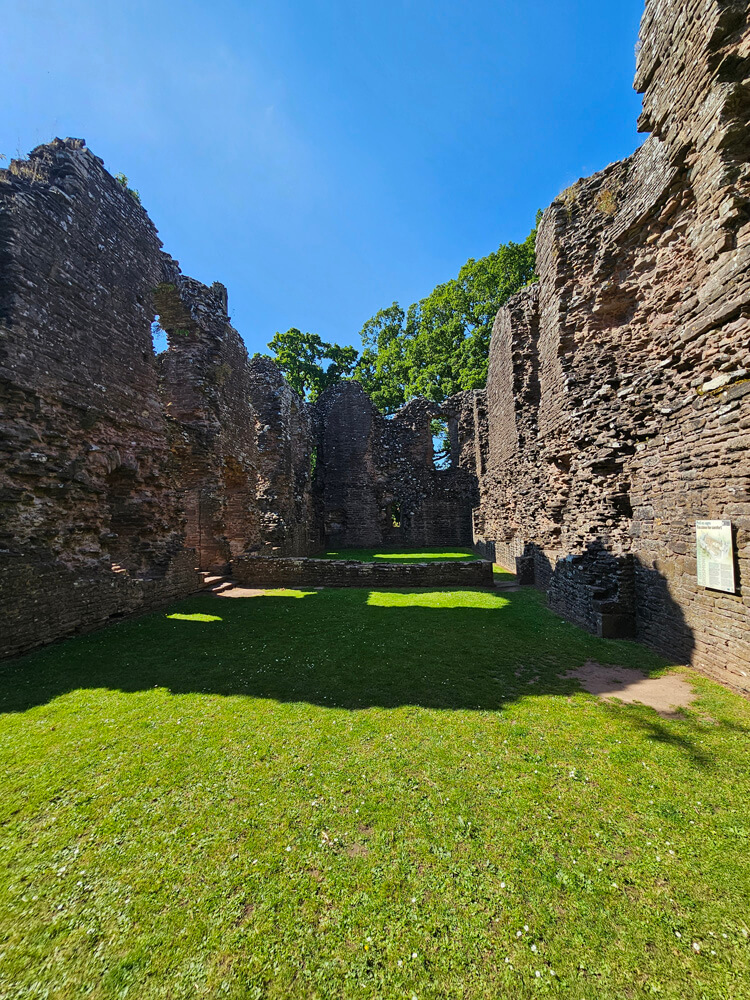
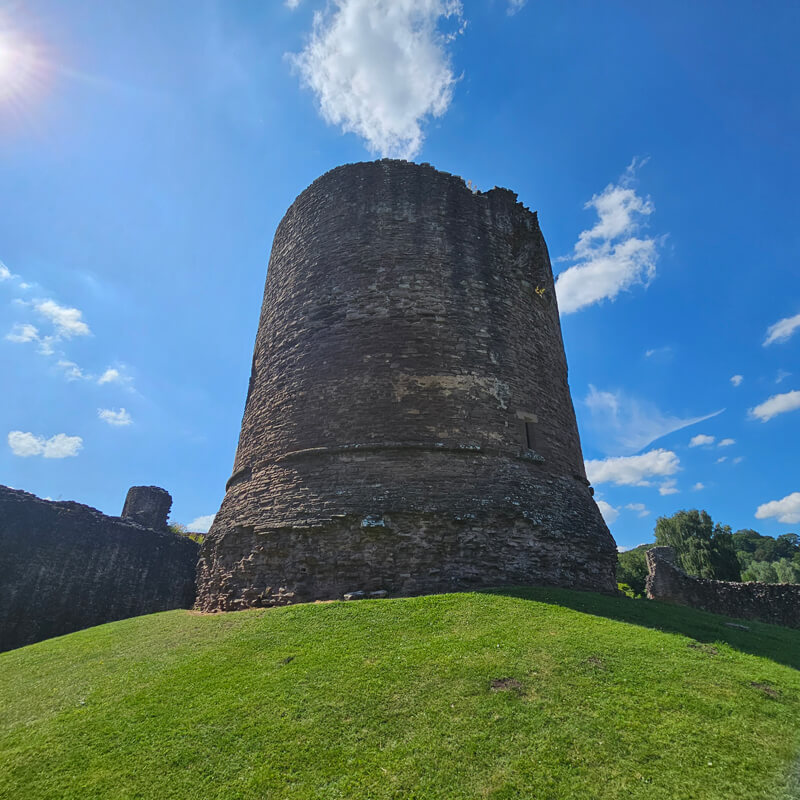
The original castle was a wooden stronghold, built in the 1100s on a gros mont (French for ‘big hill’), and was later rebuilt in local red sandstone by Earl Hubert de Burgh, who was one of the most powerful Marcher Lords. It is his work that gives the castle much of its appearance today. The first stone building was the great hall built around the year 1200. Later 13th-century reconstruction included the curtain wall, gatehouse and circular towers. The castle is protected by a wide moat, 20 metres across, with a system of ditches and banks and accessed via a drawbridge.
Grosmont Castle saw several Welsh rebellions throughout the years and it changed hands on multiple occasions.
In 1233 Henry III came to Grosmont to quell a Welsh rebellion, at which time he dismissed Hubert de Burgh and took over Grosmont. In 1267 Henry III granted the castle to his second son Prince Edmund, Earl of Lancaster, who converted the fortress into one of his main residences. The castle, along with Skenfrith Castle and White Castle then became part of the earldom of Lancaster. Most of Prince Edmund’s rebuilding at Grosmont was carried out probably in the period 1274 to 1294.
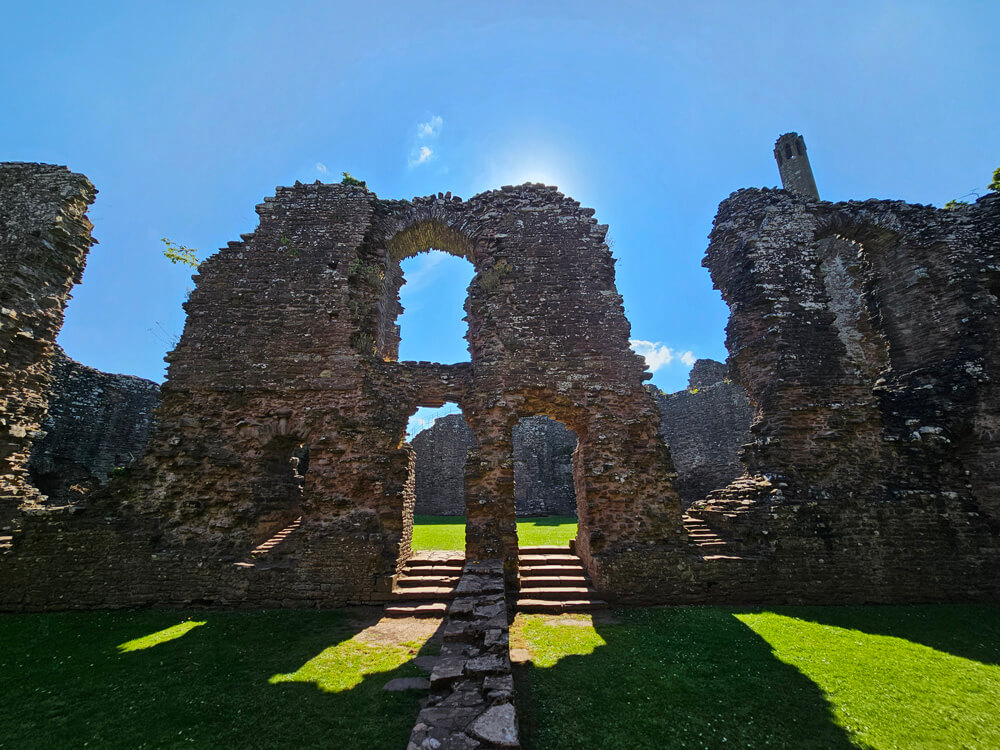
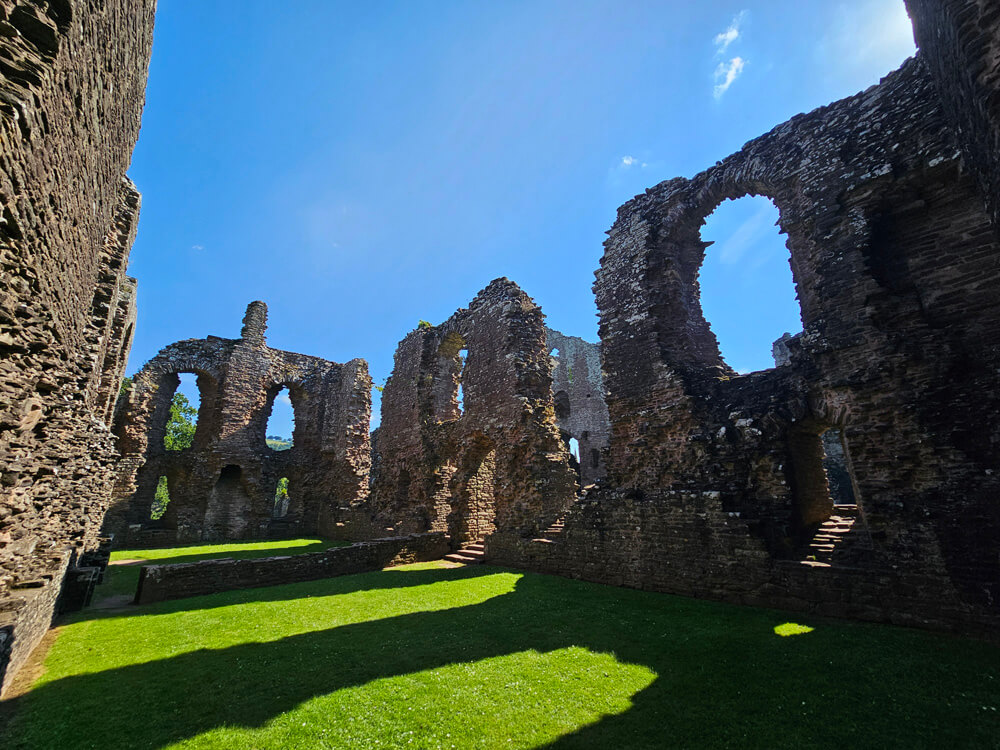
In the 14th century the Earls of Lancaster enlarged the gatehouse, accessed by a drawbridge. They also built the chamber block, with the distinctive Gothic chimney – ‘Eleanor’s chimney’, named after Edmund’s mother, Queen Eleanor, the wife of Henry III.
Before he was crowned king, Henry V made use of the castle when stamping out a rebellion led by charismatic Welsh leader Owain Glyndwr in 1405.
Thereafter Grosmont Castle declined and fell into disuse, with records dated 1538 noting that it was abandoned and in decay. It was taken into state care in 1923 and is now administered by Cadw, Welsh Heritage.
Photo Gallery.
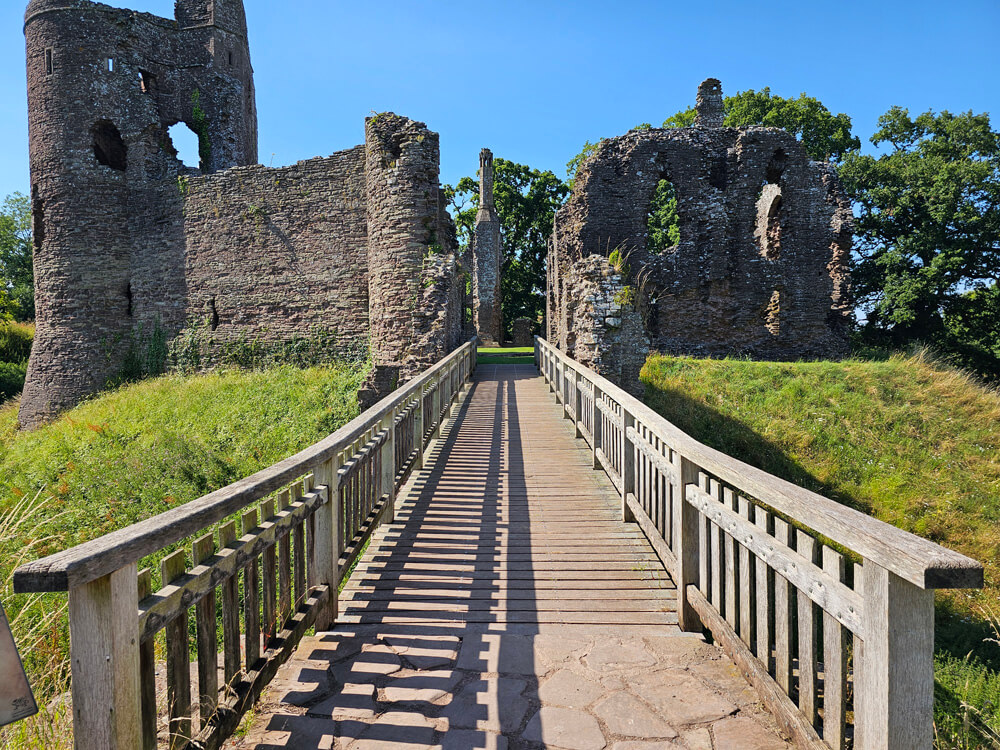
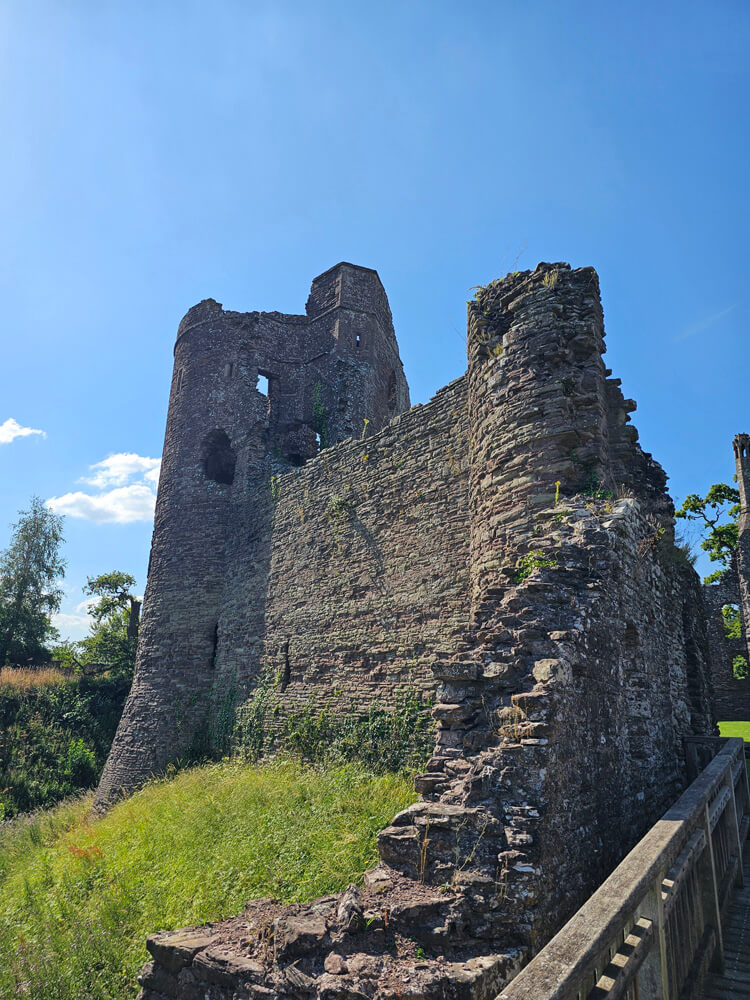
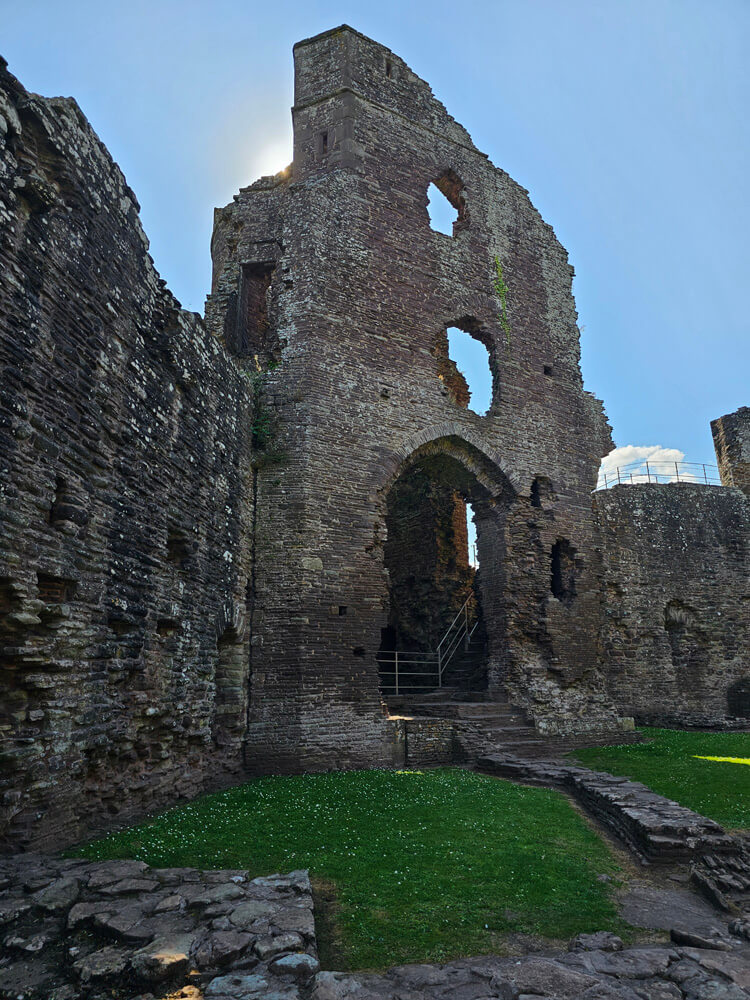
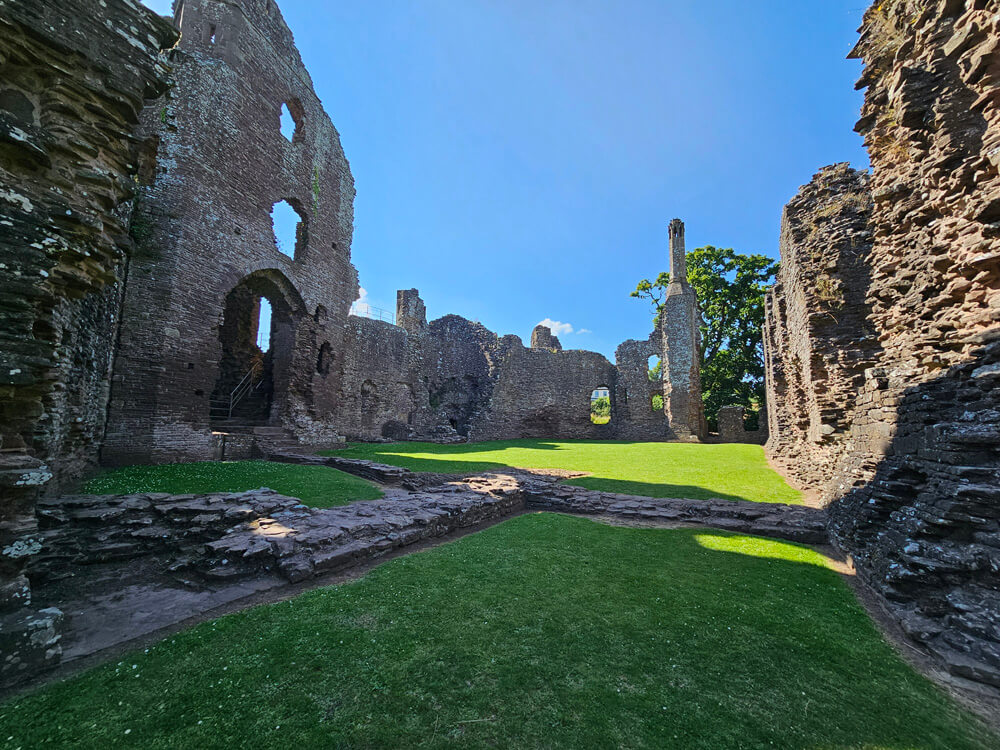
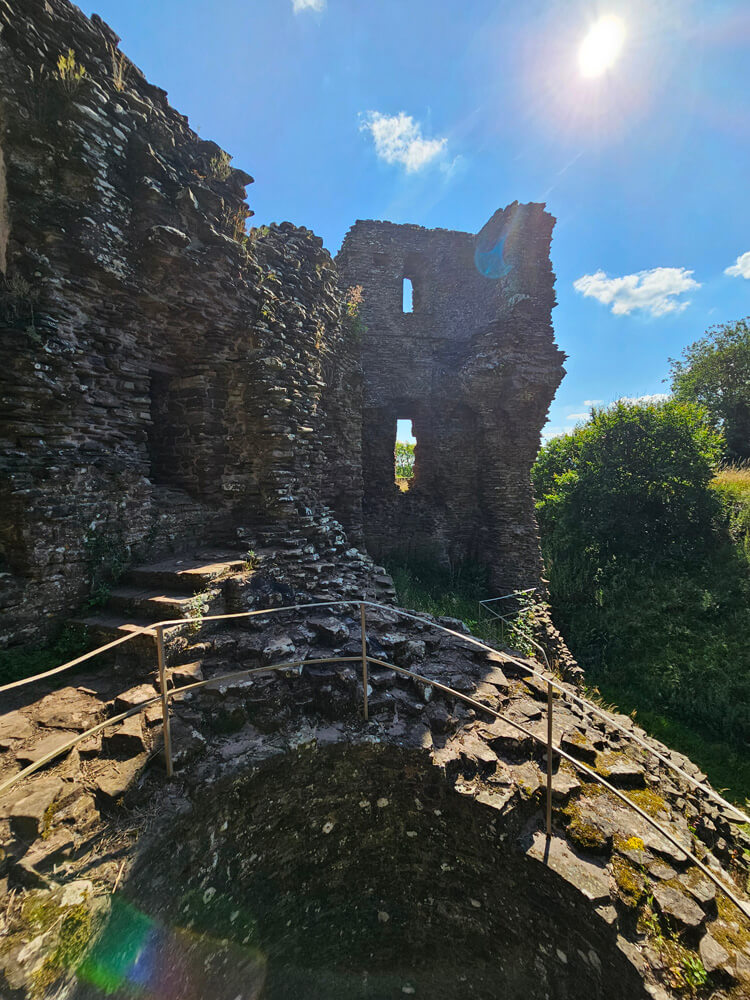
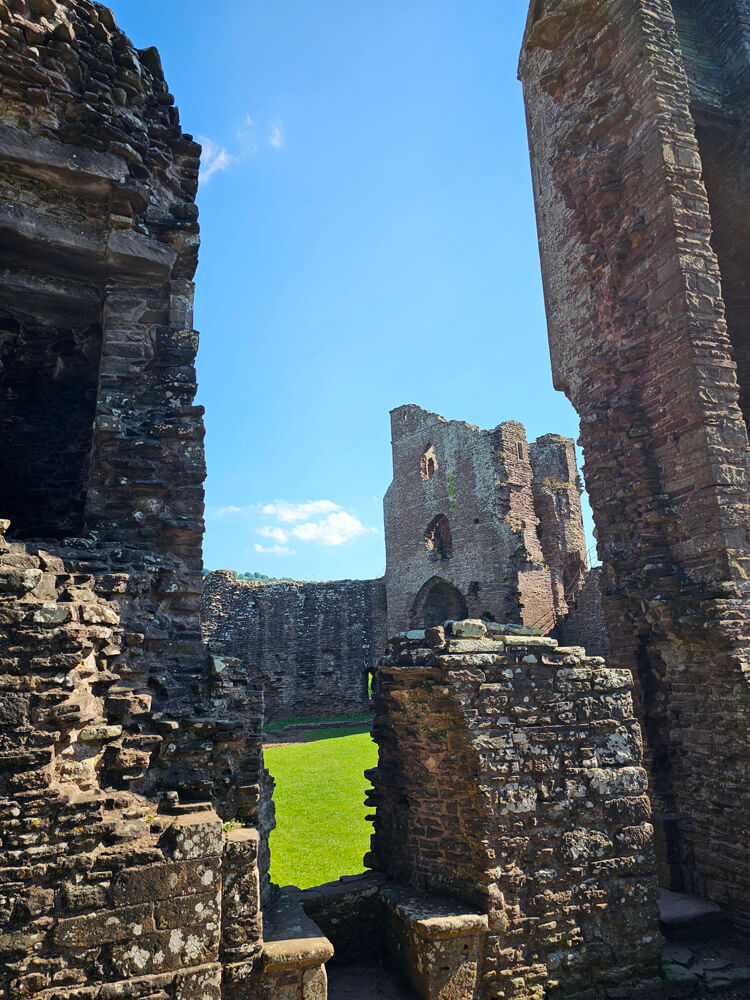
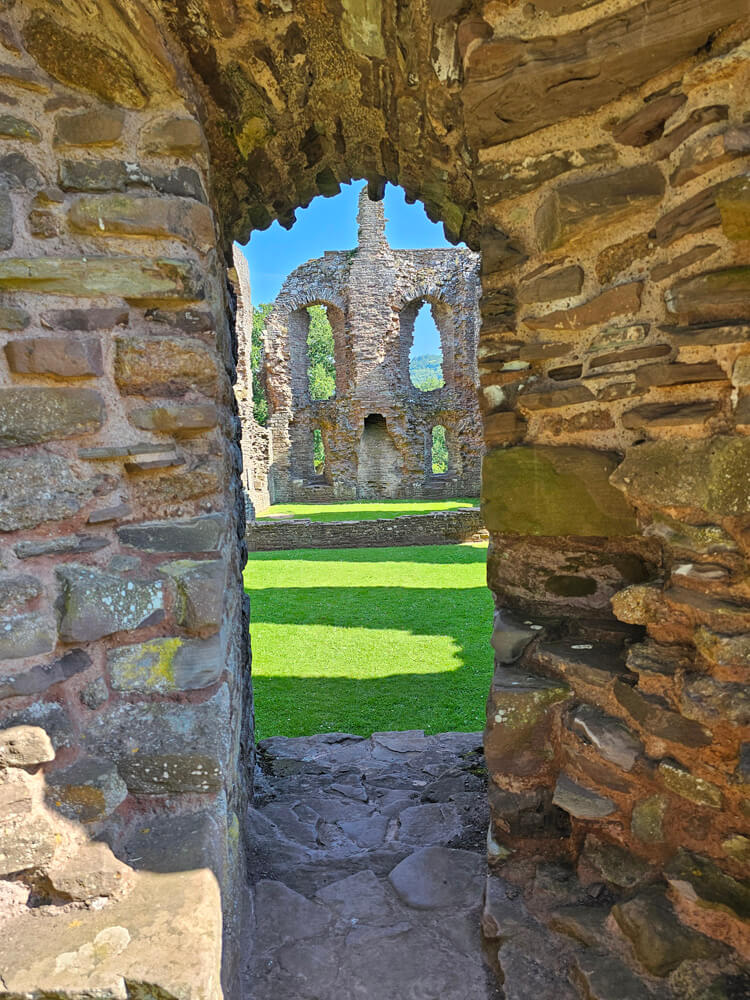
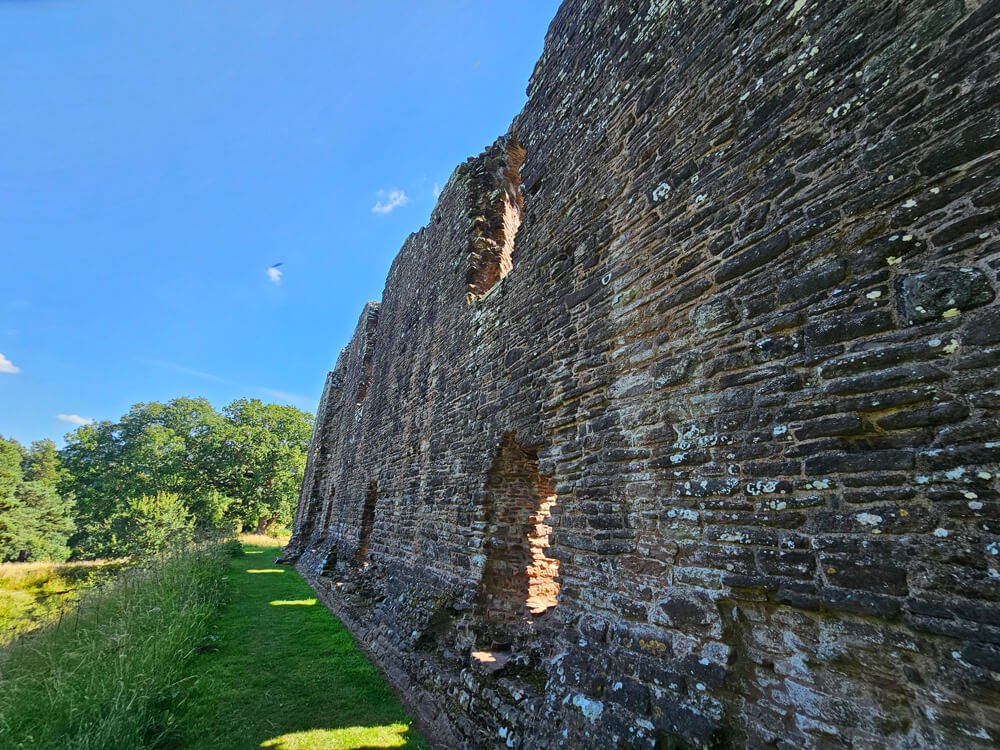
Did you enjoy this post?
I hope you found this post useful. I put a great deal of time and effort in to building, maintaining and populating the website. If you like, you could say a small thank you by buying me a coffee. You don't have to, but it would be nice :)
Buy me a coffee
Stay up to Date
Follow me on my journey and get notified whenever a new post is published by following Kings & Castles on Facebook.
Follow MeExplore The Map
Discover the hundreds of castles, churches, monasteries, cathedrals and other historic locations that I've personally visited across England and Wales. Search by location, explore nearby sites and plan your next historical adventure.
Share: