St James Church, Shipton
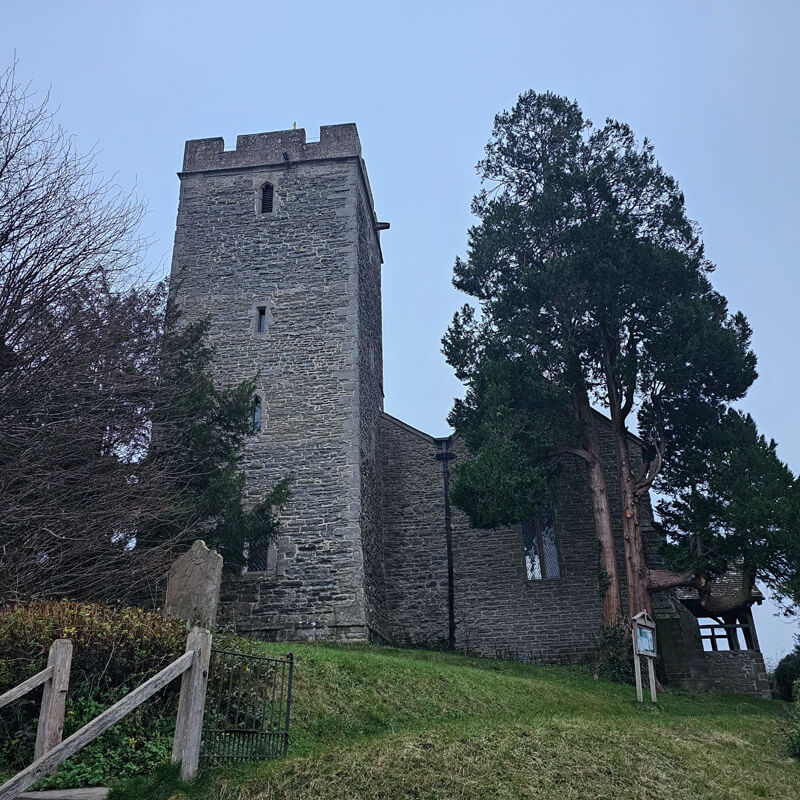
Grade II listed St James Church in the small village of Shipton in Shropshire has origins dating back to the 12th century. It is a mixture of medieval and Elizabethan rebuilding with links to the nearby Elizabethan Shipton Hall and an interesting story relating to the 1620 Mayflower pilgrims journey to America.
Some sources suggest that St James has origins dating back to the 11th century, and some even suggest as far back as the 10th century. However, the majority say that 12th century origin is most likely, with evidence maybe pointing to the fact that Shipton church is first mentioned in historical records circa 1110.
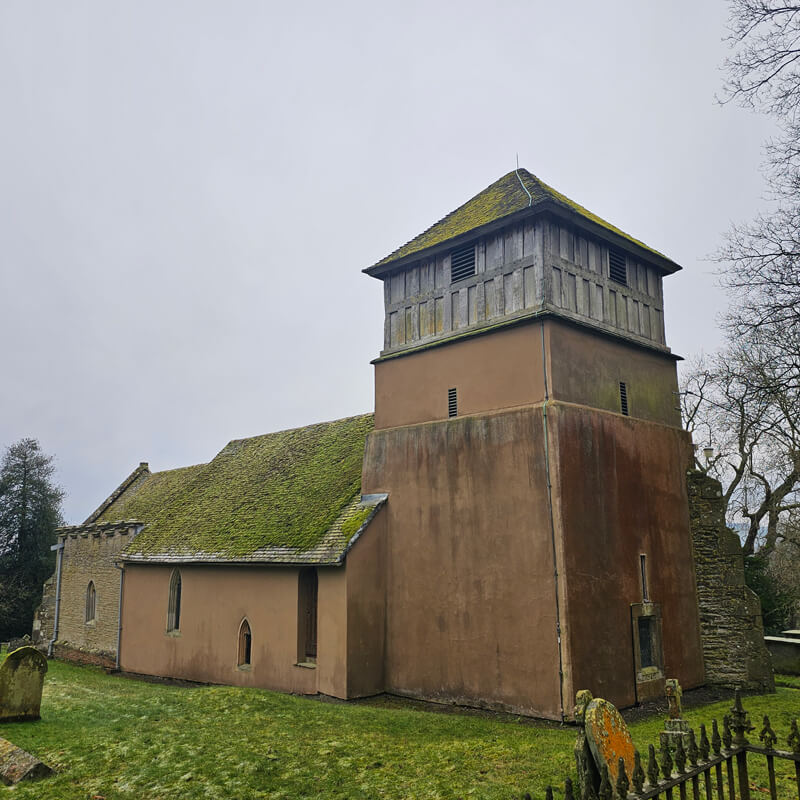
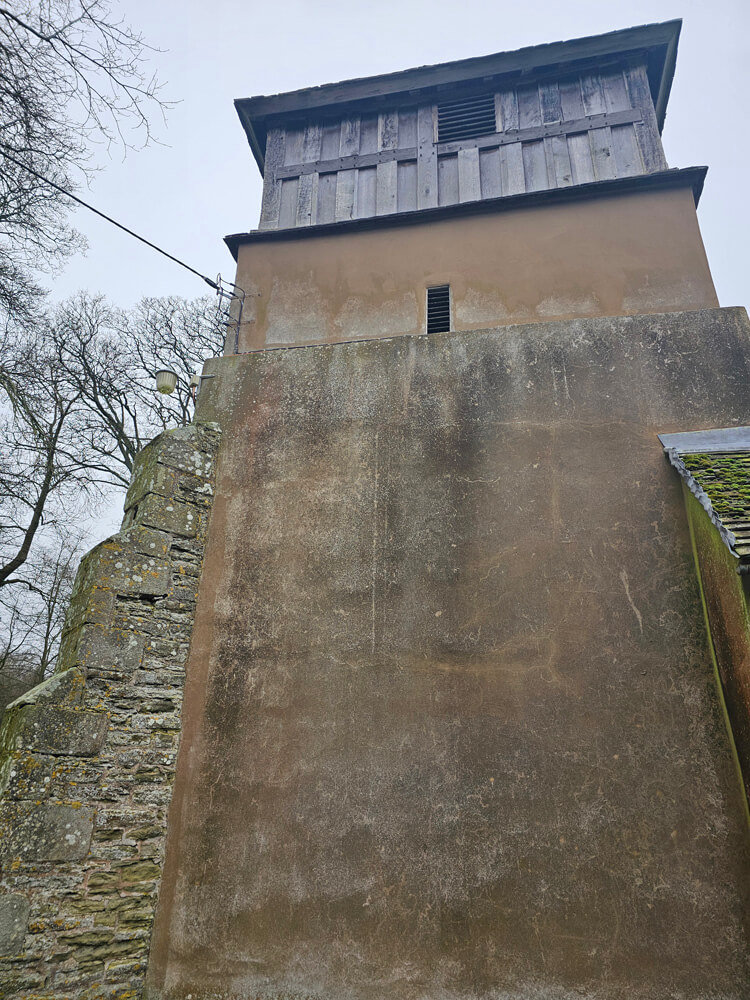
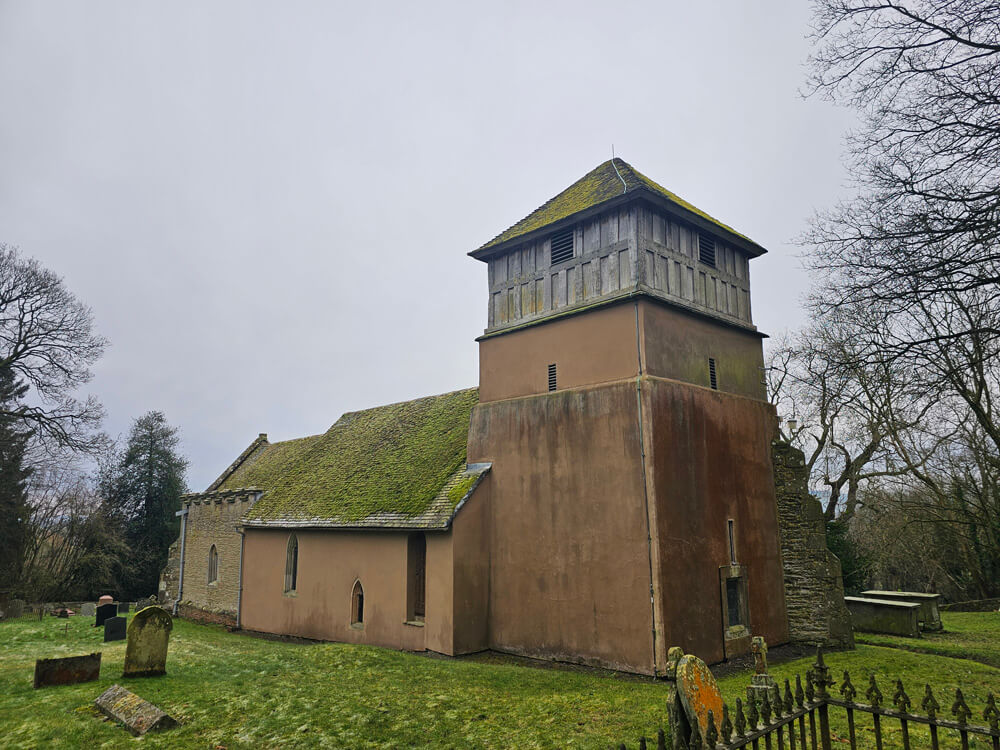
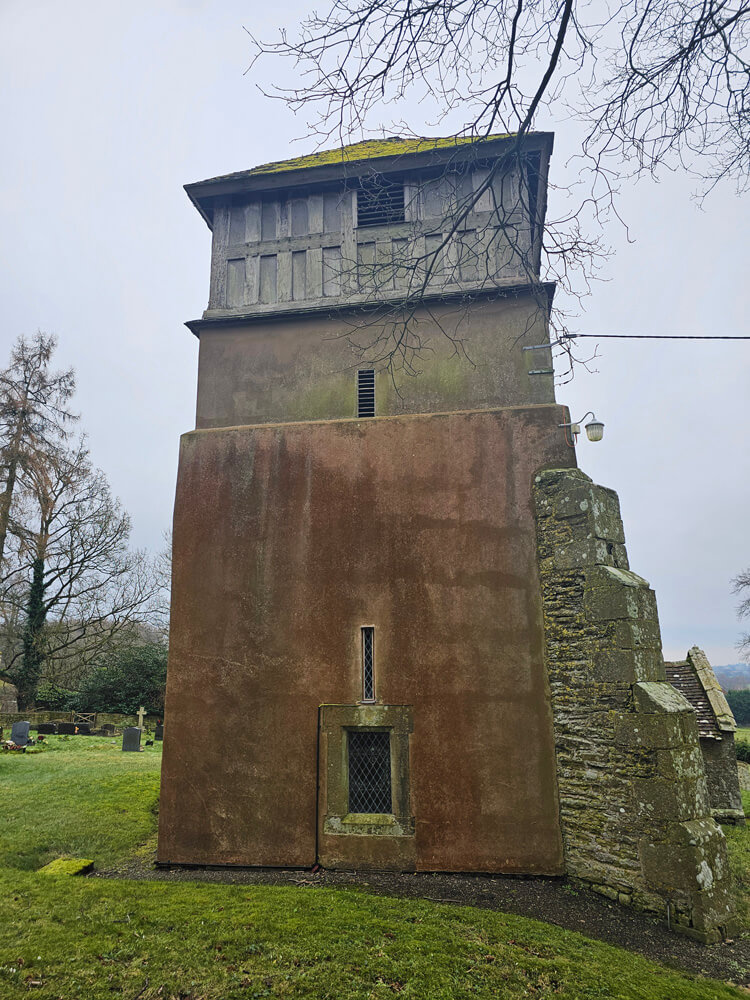
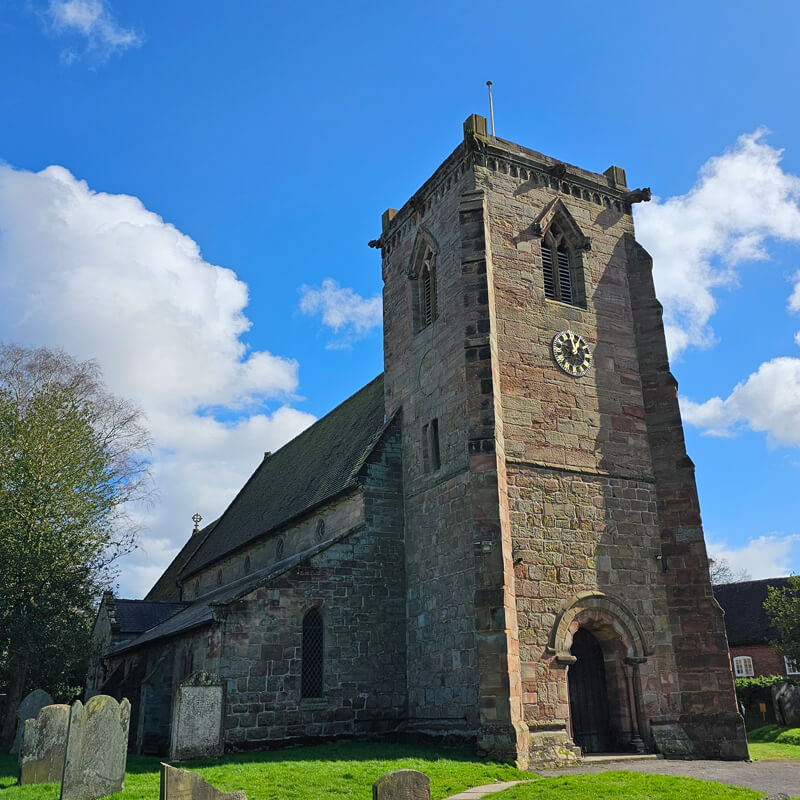
Originally the church was probably a small 2-celled church (nave and chancel) until the west bell tower was added at some time in the medieval period, most likely in the 13th or 14th century, which is one of the few surviving features of the old church.
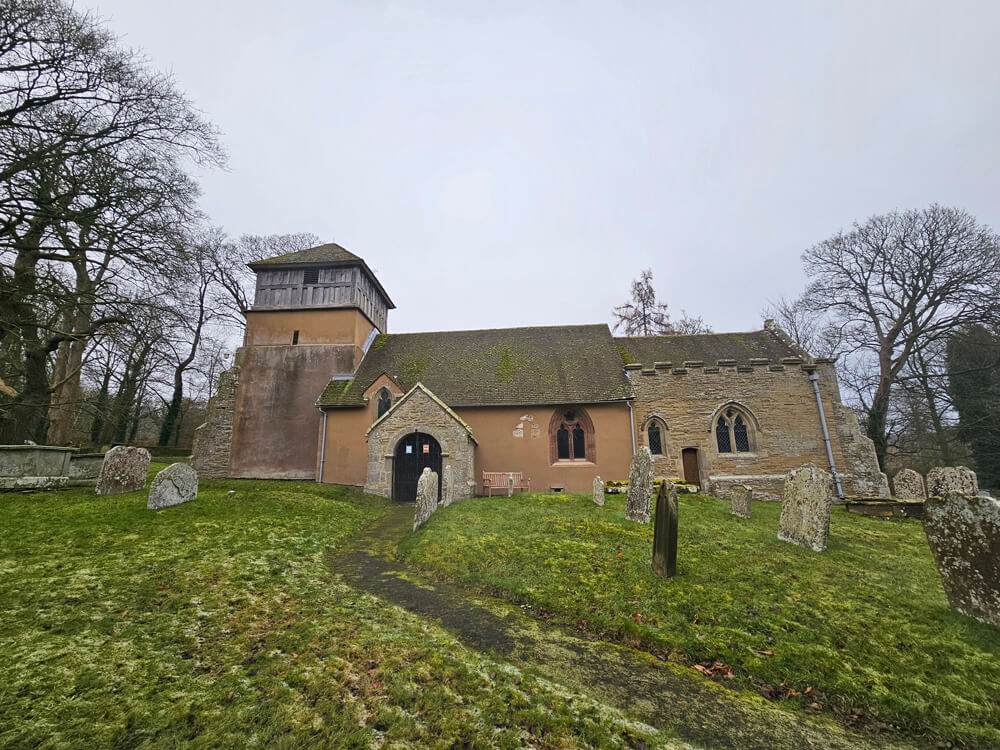
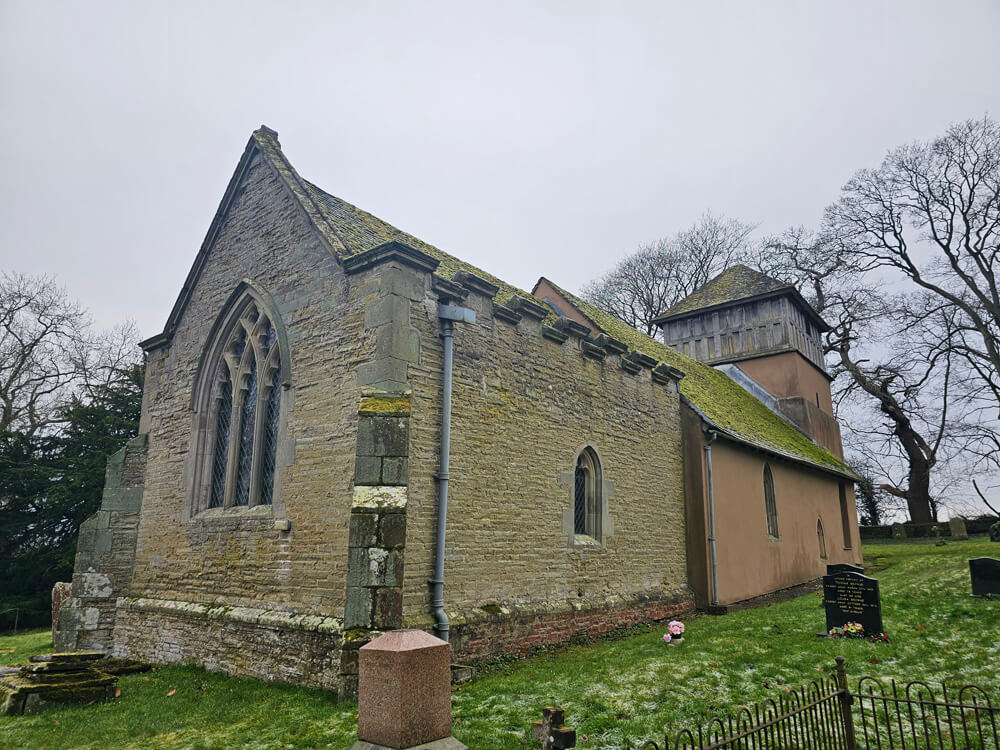
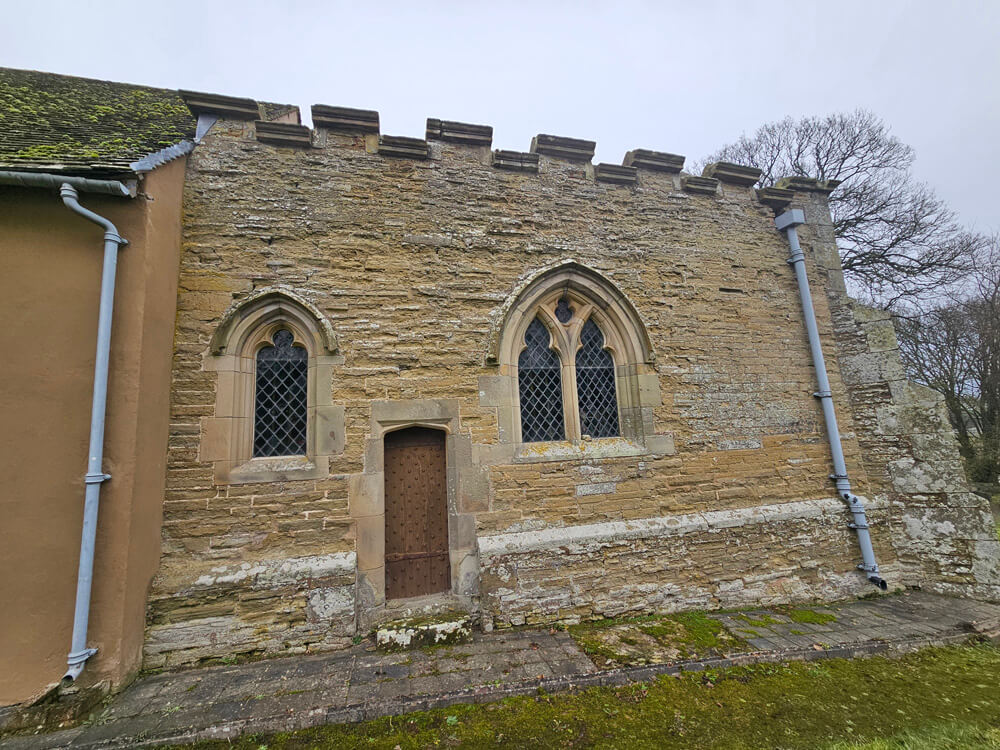
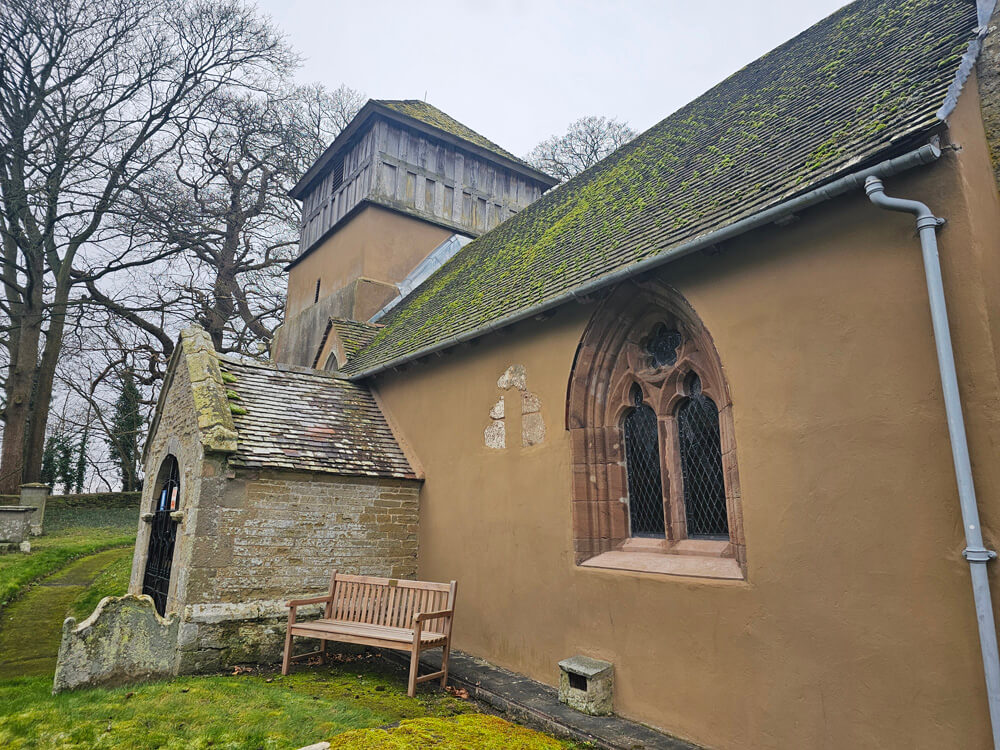
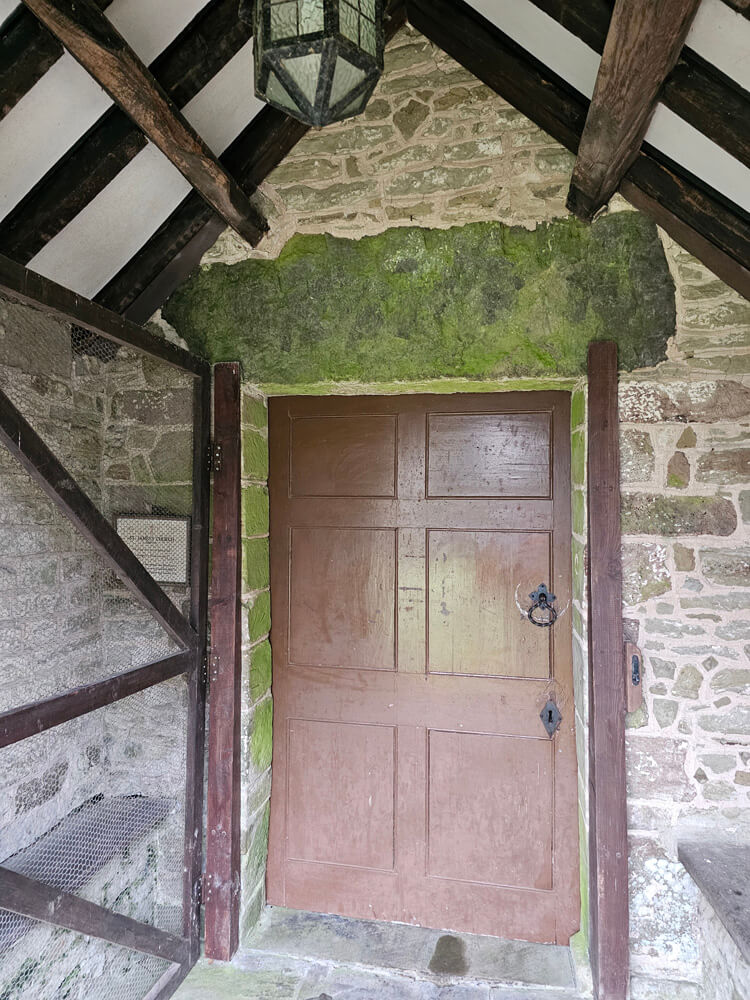
The exterior walls of the nave and tower have been covered in brown render. The chancel was rebuilt in 1589 in the Elizabethan and Gothic Survival style because the original was said to be “in ruins” for several decades. This work was done and paid for by the Lutwyche family who also built and owned the adjacent Shipton Hall. The south porch of the church appears to have been part of the same works.
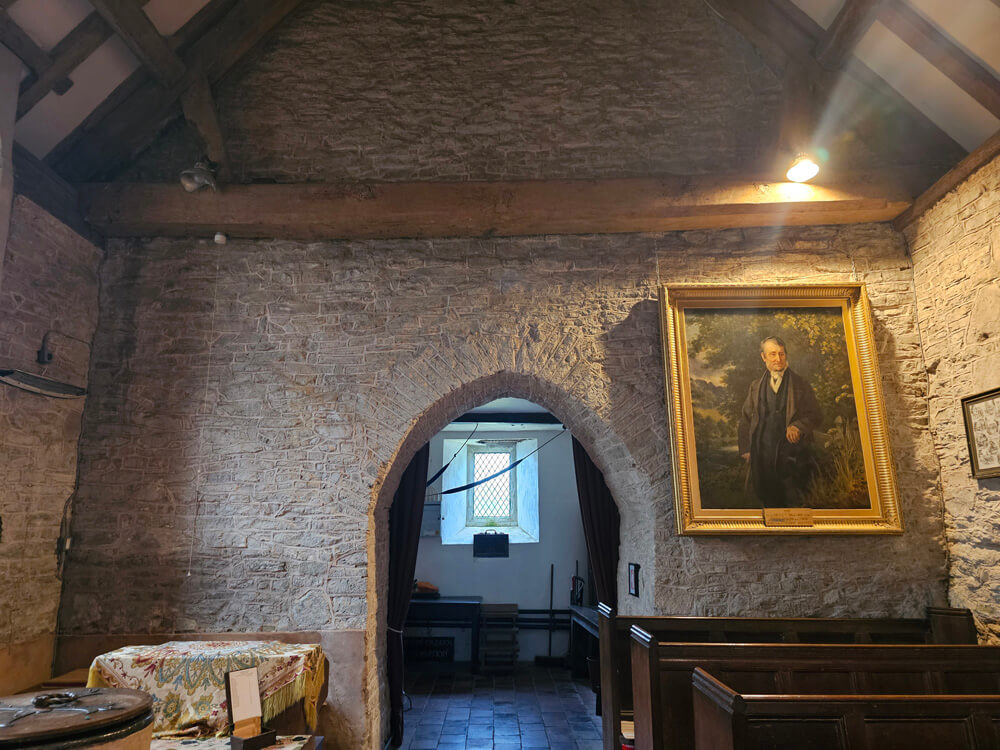
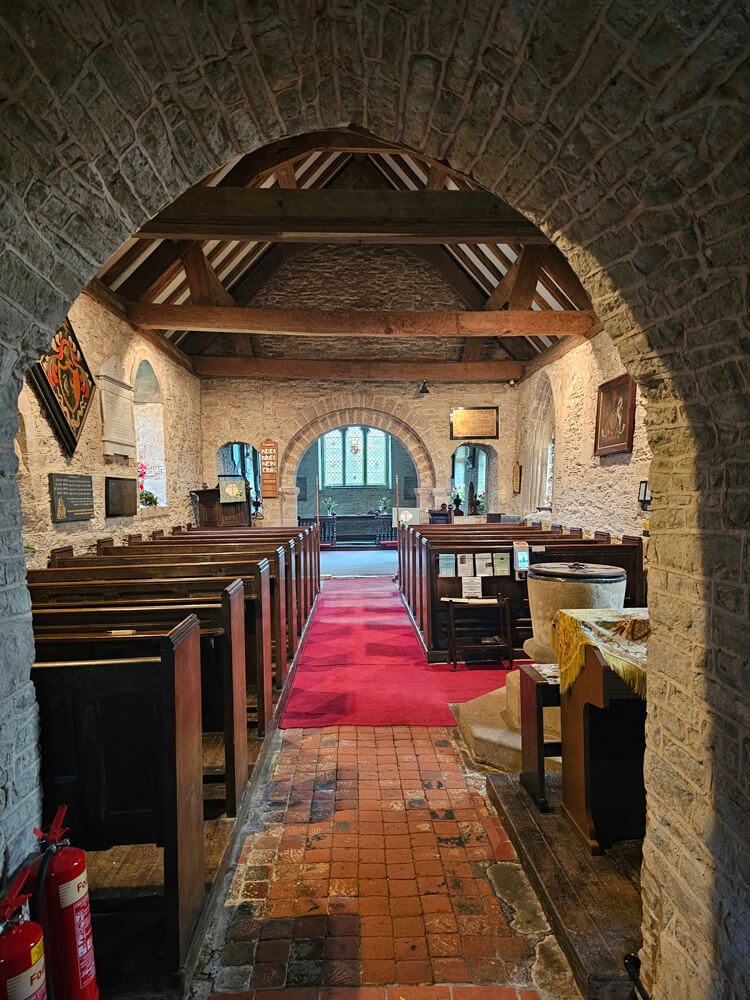
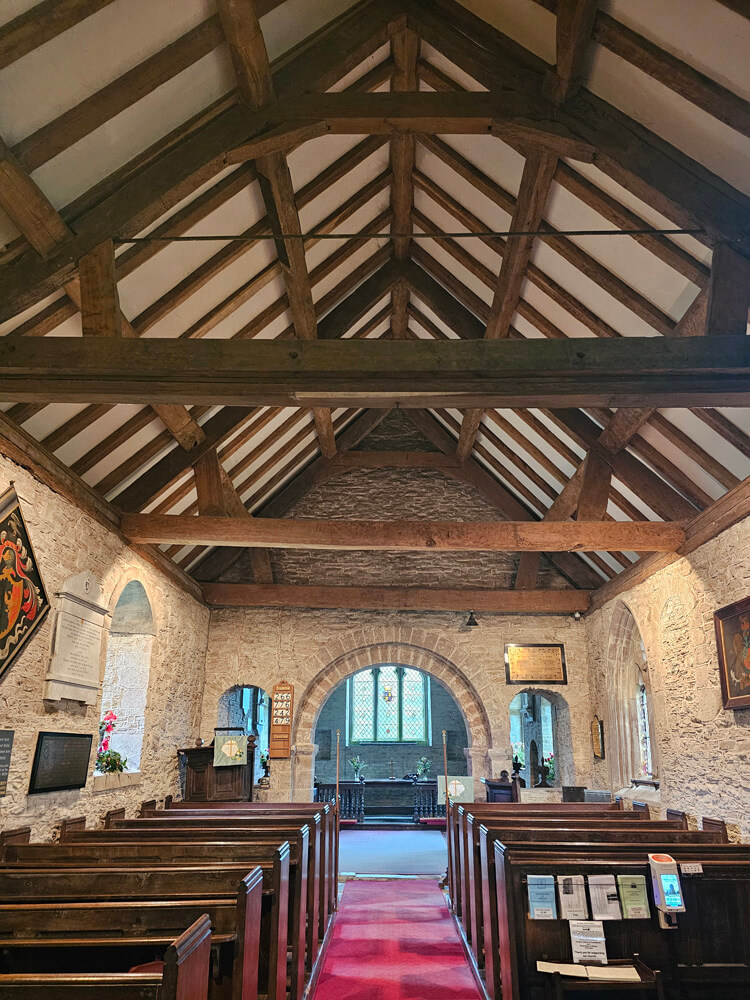
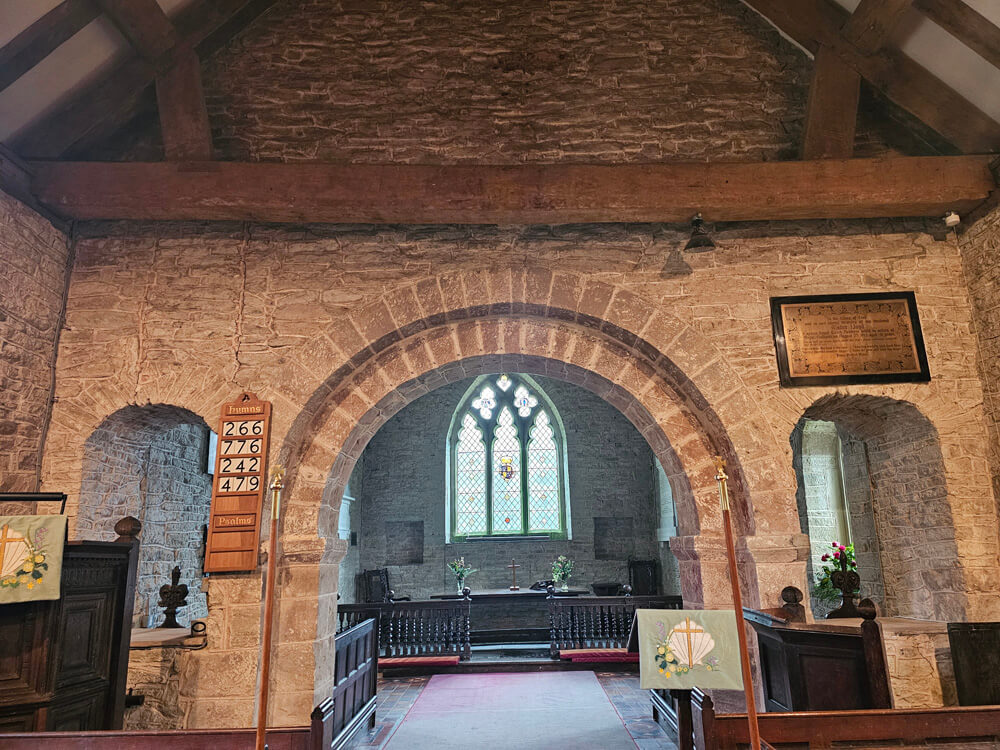
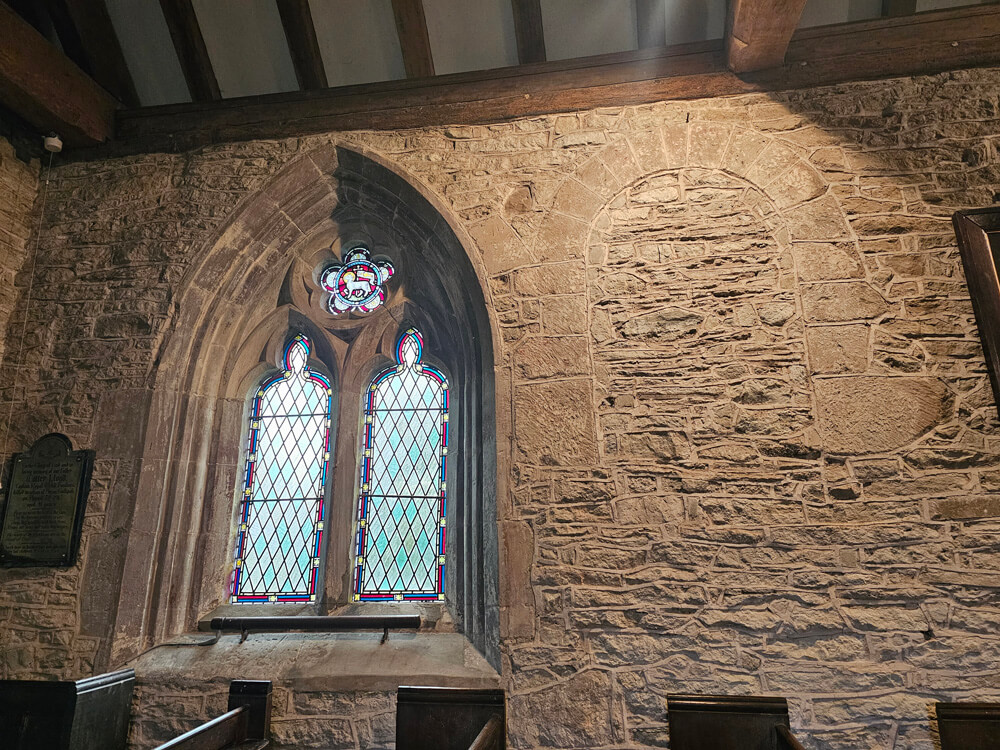
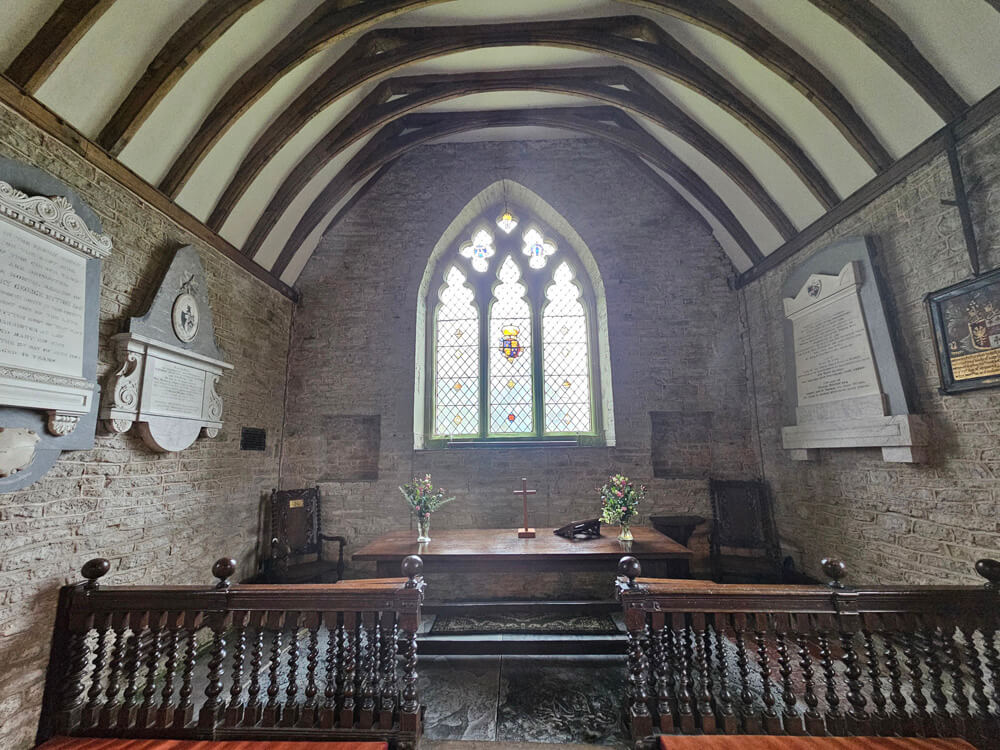
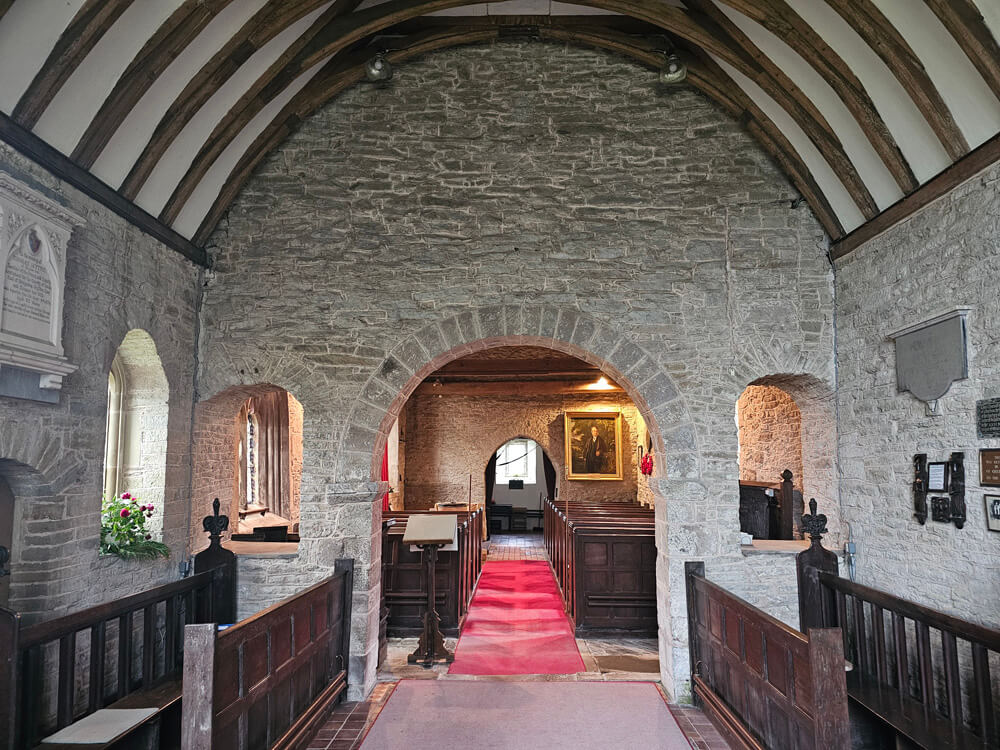
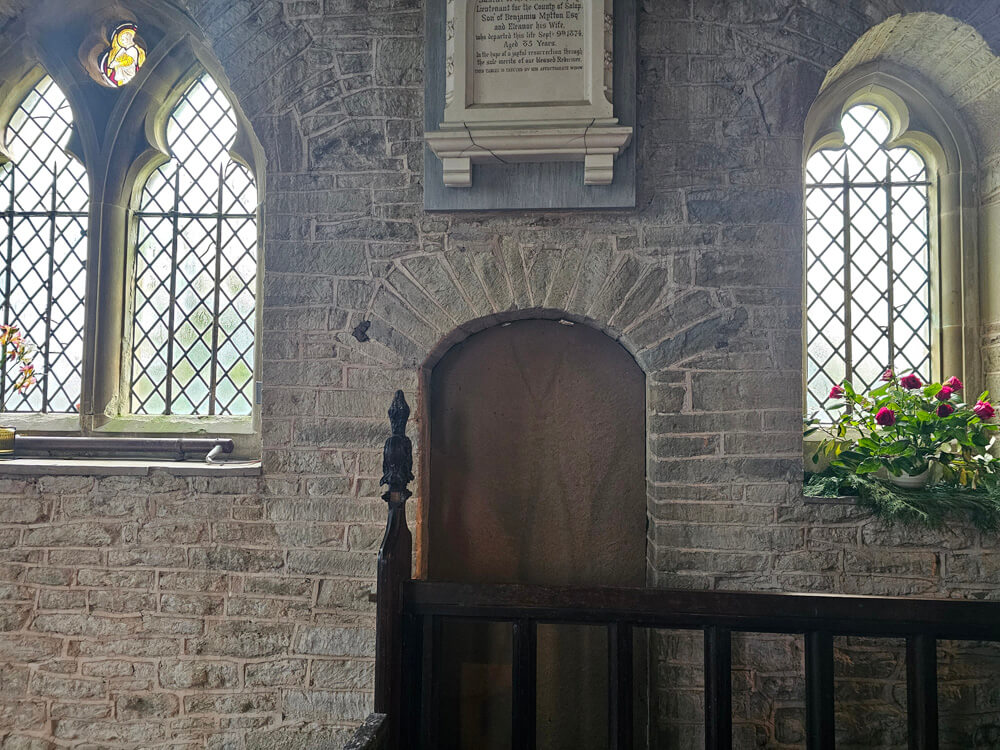
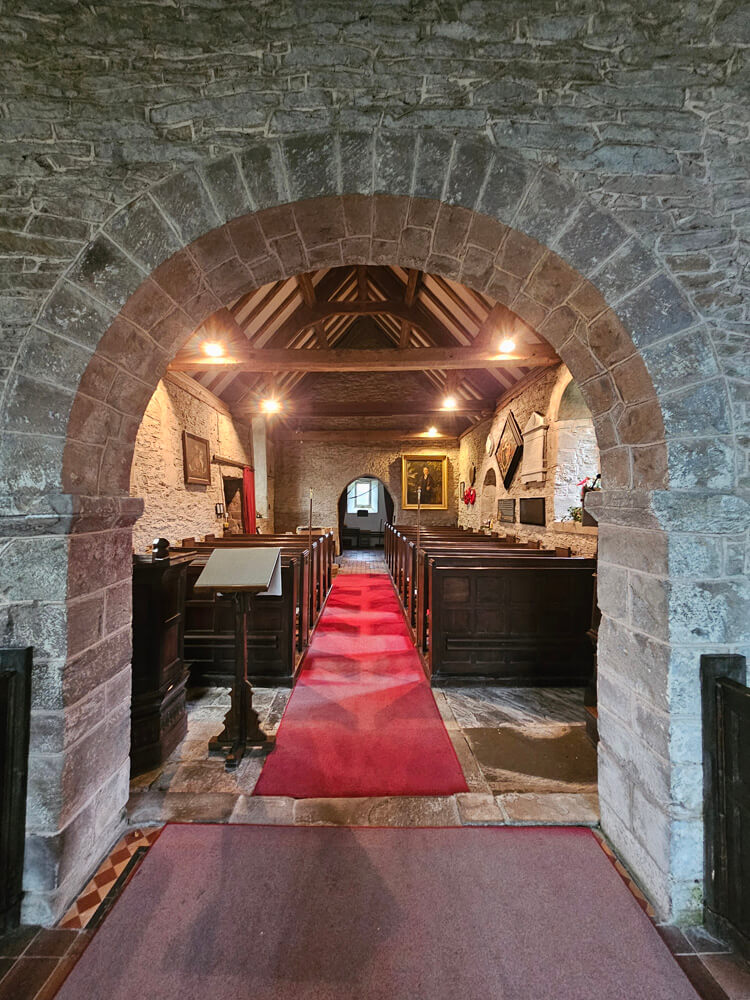
Inside the church, the walls are stripped of plaster, exposing lots of very nice old stonework. The nave has an attractive tie-beam roof and the floor is laid with reclaimed medieval tiles and some re-used ledger stones. The round chancel arch is 12th-century and has rubble-stone arches on either side. These smaller arches are of uncertain date but are possibly 14th or 15th-century. The chancel has a 16th-century trussed rafter roof.
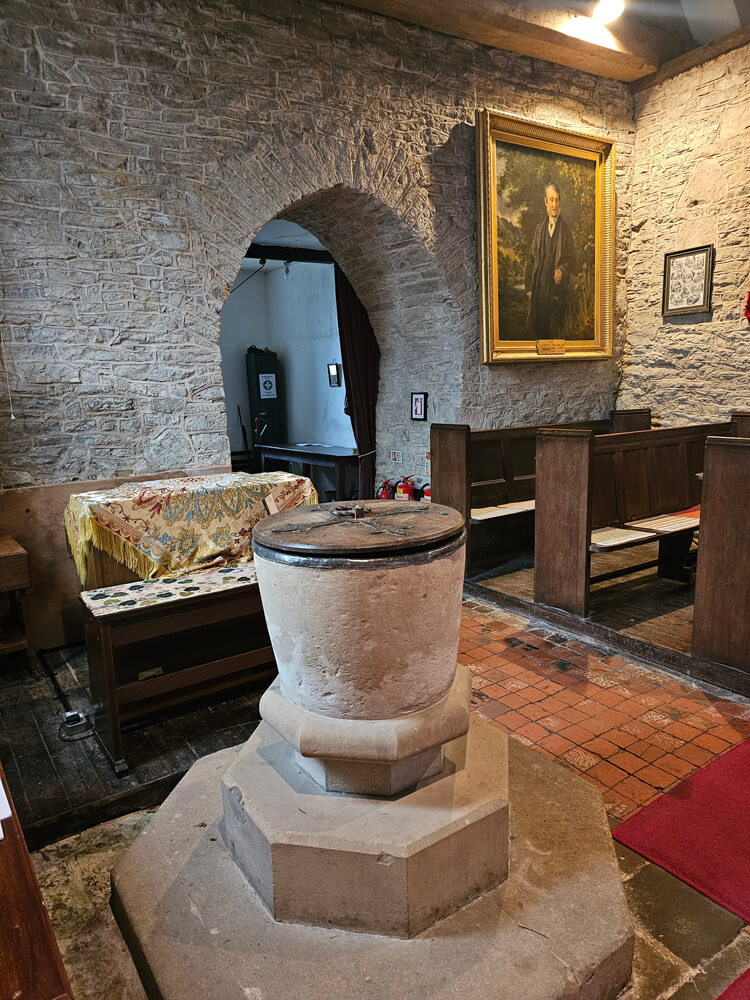
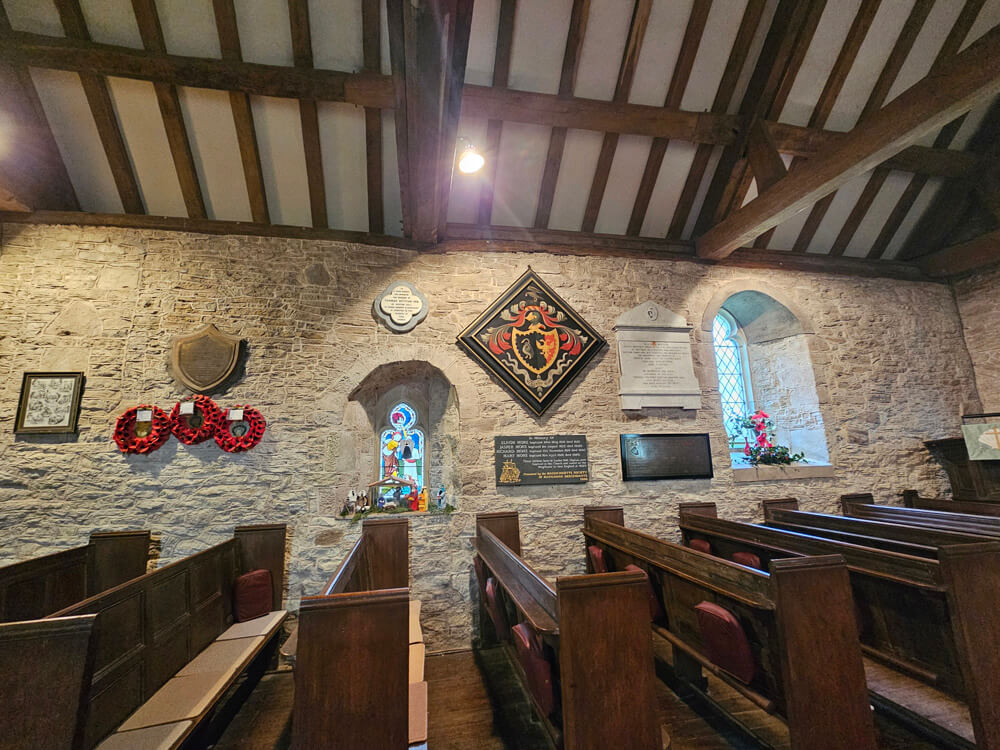
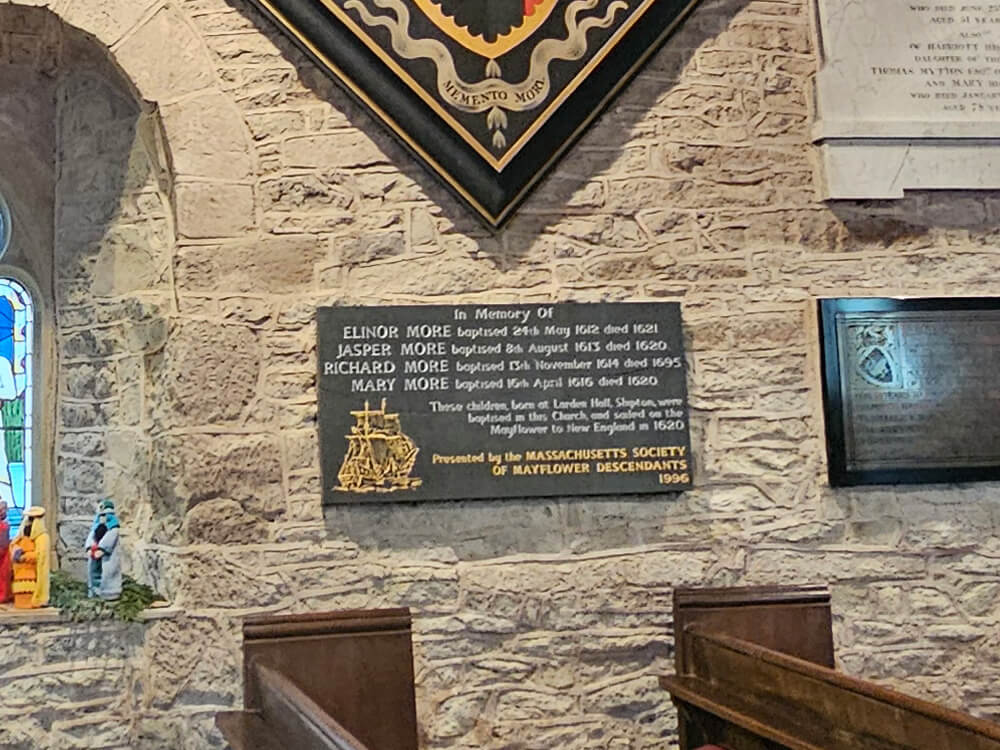
There is also a plain 12th-century lead-lined tub font, a late 17th-century polygonal wooden pulpit, and lots of wall plaques and memorials. One plaque in particular commemorates the sad story of the four young children of the local More family who were banished to the New World (America) aboard the Mayflower in 1620.
Shipton’s Mayflower Children
Shipton’s four Mayflower children were the children of Katharine More and Samuel More. Katharine and Samuel were actually cousins from a wealthy family, and their marriage was an ill-matched one, with the aim of consolidating their two estates and keeping their wealth within the family.
Jasper More’s sons died, leaving no male heir, but leaving him with his unmarried daughter, Katherine. Samuel’s father, Richard More, paid 600 pounds to Jasper for a marriage settlement between Katherine, aged 25, and her 17-year-old cousin, Samuel.
They married in 1610, and over four years Katherine bore four children: Elinor, born in 1612; Jasper, born in 1613; Richard, born in 1614; and Mary, born in 1616. All were baptised at St James church in Shipton using the very same font that exists today.
Samuel was an aristocrat who worked in London as secretary to Lord Zouche. In 1616, Samuel accused his wife of adultery, and at the direction of his father, Richard More, devised a plan to rid himself of Katherine and the children. Samuel suspected that the children were actually the children of Jacob Blakeway, a young man near in age to Katherine who lived close by and whose family had been More tenants for several generations. Jacob Blakeway was the son of one of Katherine’s father’s tenant farmers and she was actually previously betrothed to him before her marriage to Samuel.
During a lengthy court battle, Samuel denied that he was the father of the children, and claimed that they were children of an adulterous relationship. Katherine didn’t deny her relationship with Jacob Blakeway, stating that there was a former betrothal contract with him, and therefore he was her true husband, making her marriage to Samuel invalid.
The more Samuel looked at the children, the more he suspected they weren’t his. As the children’s legal father, Samuel could do with them as he pleased. He didn’t want another man’s children and he wanted to punish his wife, so he decided to take them away from her.
Four years later, after a bitter divorce, Samuel and his employer and family friend, Lord Zouche, drew up a plan for the disposition of the children. Without their mother’s knowledge, the four young children were banished to the New World, and their passage aboard the Mayflower in 1620 was paid for by Samuel. The children were between four and eight years old at the time.
At that time, children were routinely rounded up from the streets of London or taken from low-income families and used as labourers in the New World colonies. Any legal objections to the involuntary transportation of the children were overridden by the Privy Council, namely, Lord Zouche. Most people viewed it as a death sentence, and rightly so, as many did not survive either the voyage or the harsh climate, disease, and scarcity of fresh food, for which they were ill-prepared.
Only one of the children, Richard, survived the crossing and the hardships of the first year in America and grew to adulthood and produced descendants. He became part of the Brewster household and has his own interesting story as a sea captain, merchant adventurer and privateer.
The More children are registered and spoken about on the Mayflower Society website.
Photo Gallery.
Did you enjoy this post?
I hope you found this post useful. I put a great deal of time and effort in to building, maintaining and populating the website. If you like, you could say a small thank you by buying me a coffee. You don't have to, but it would be nice :)
Buy me a coffee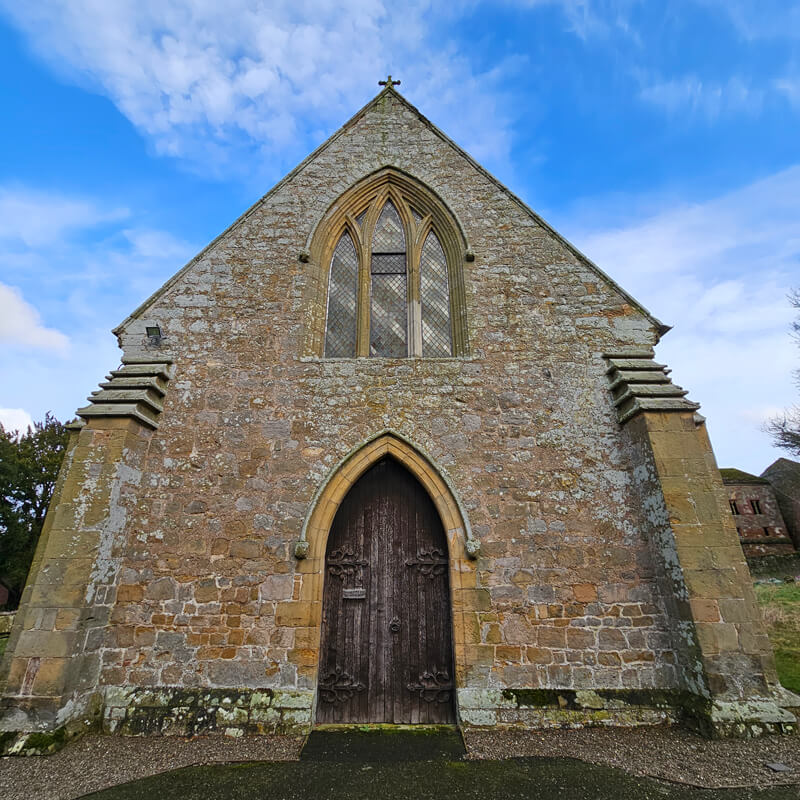
Stay up to Date
Follow me on my journey and get notified whenever a new post is published by following Kings & Castles on Facebook.
Follow MeExplore The Map
Discover the hundreds of castles, churches, monasteries, cathedrals and other historic locations that I've personally visited across England and Wales. Search by location, explore nearby sites and plan your next historical adventure.
Share: