St James Church, Wigmore
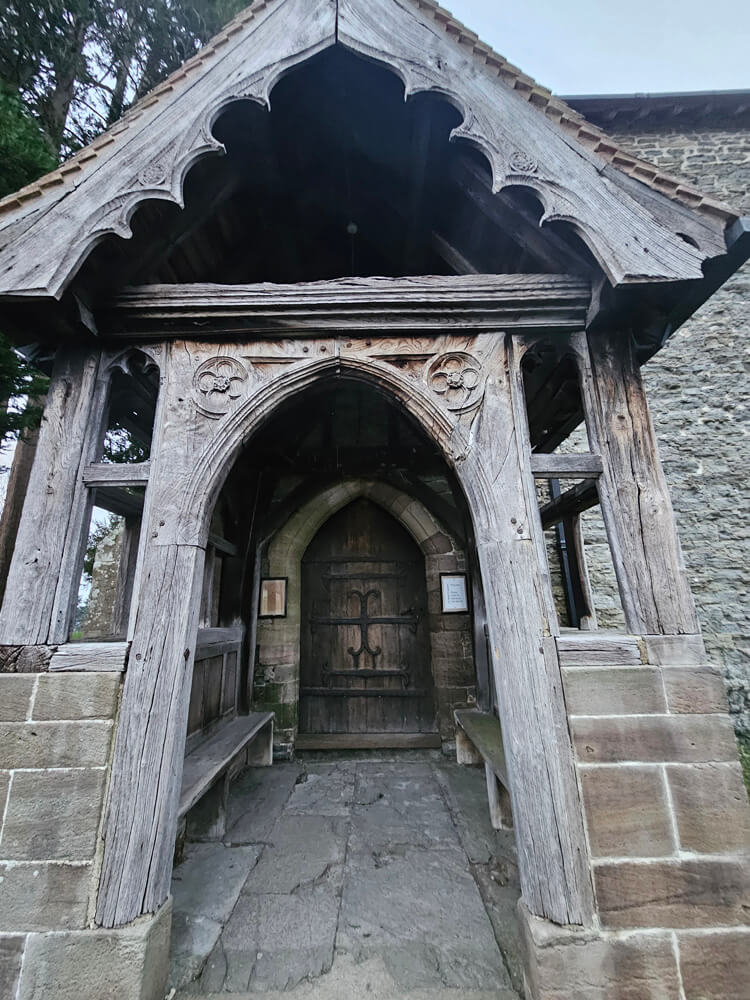
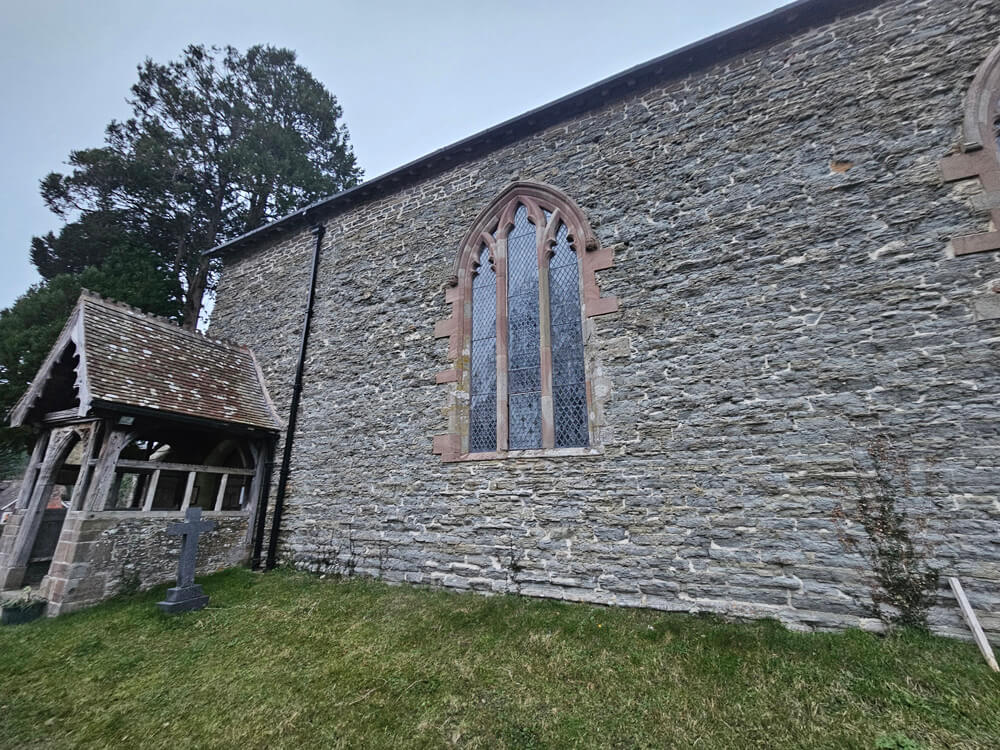
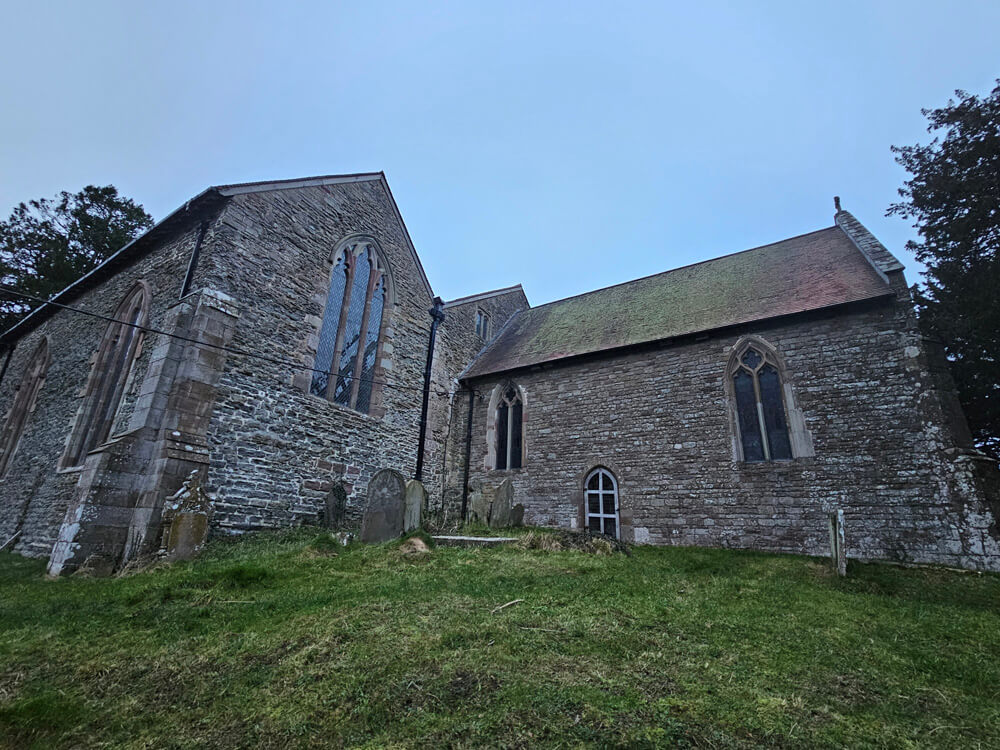
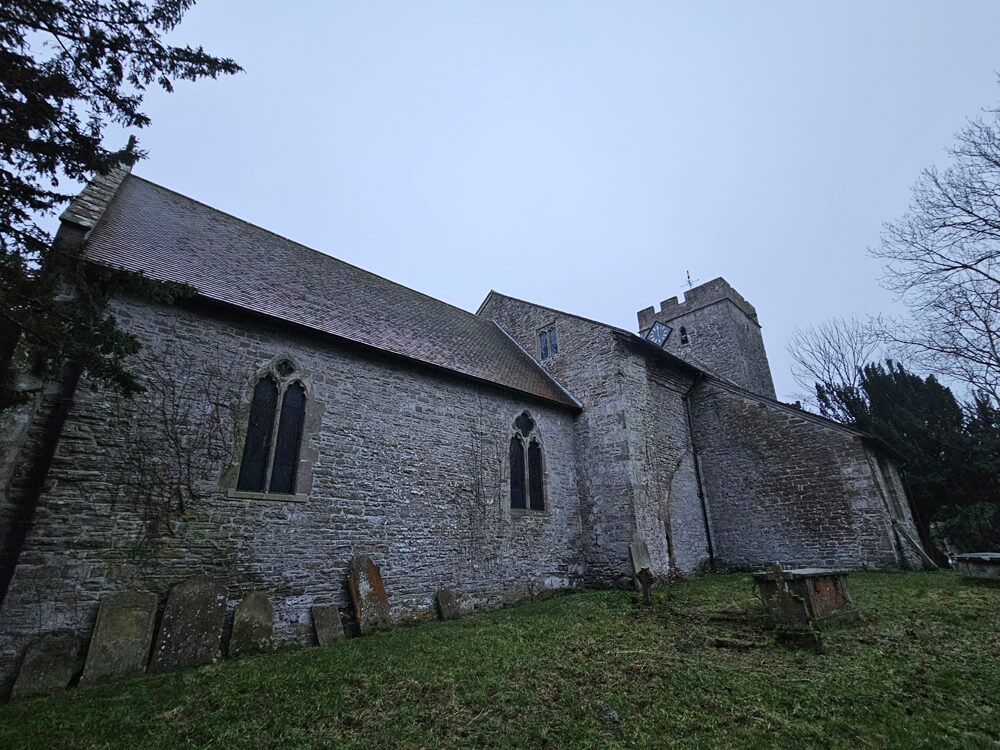
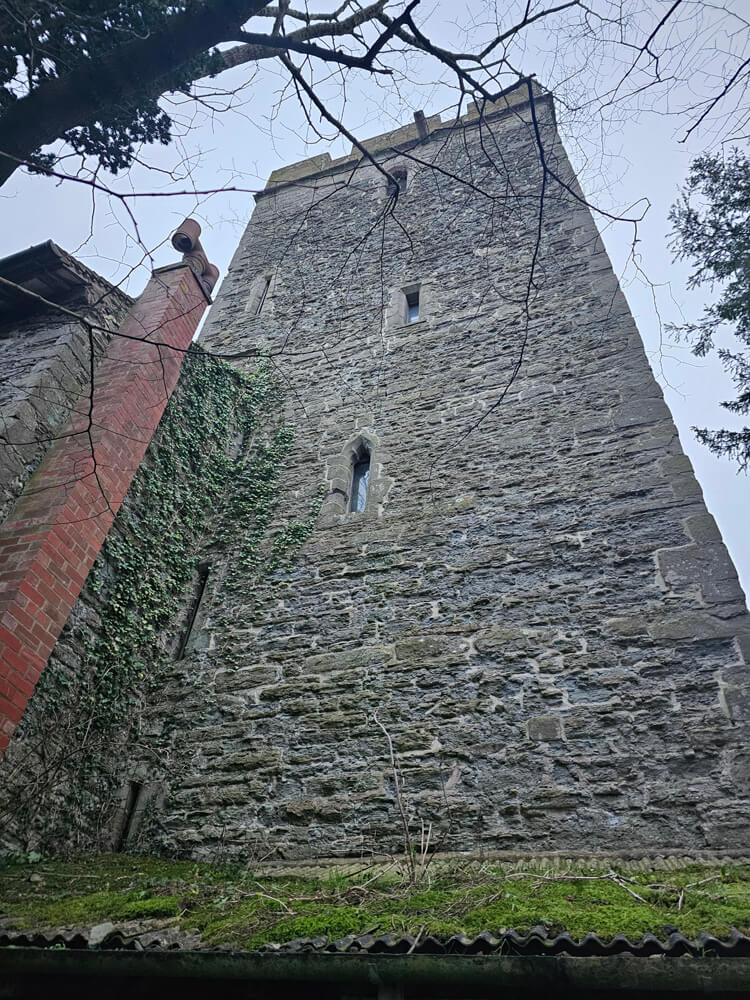
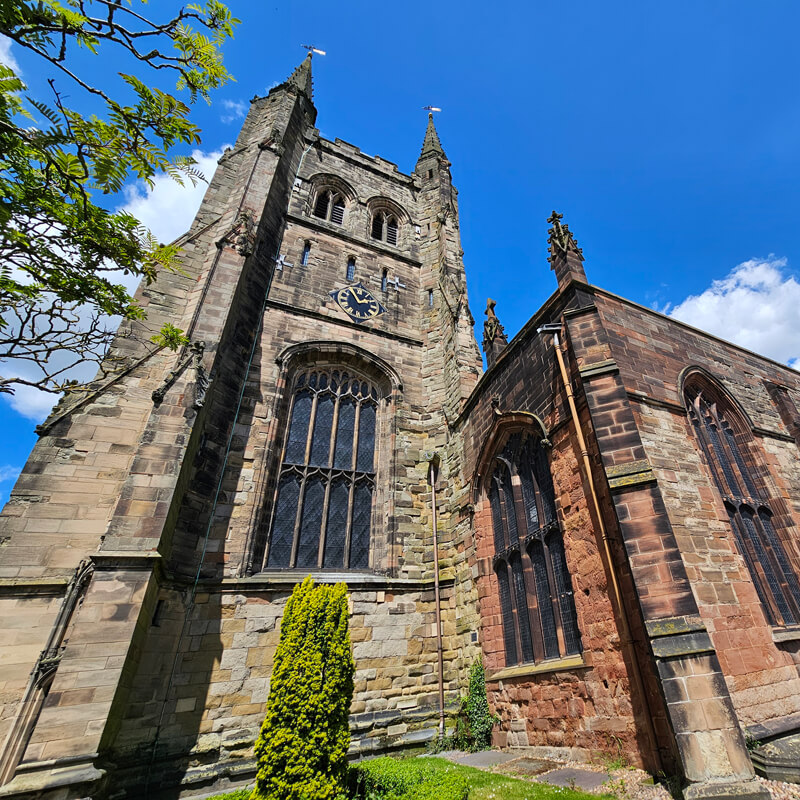
A thousand years of history are steeped in the stones and mortar of this medieval church. St James stands above the village and, with the nearby ruins of Wigmore Castle, dominates the north Herefordshire village and surroundings of Wigmore.
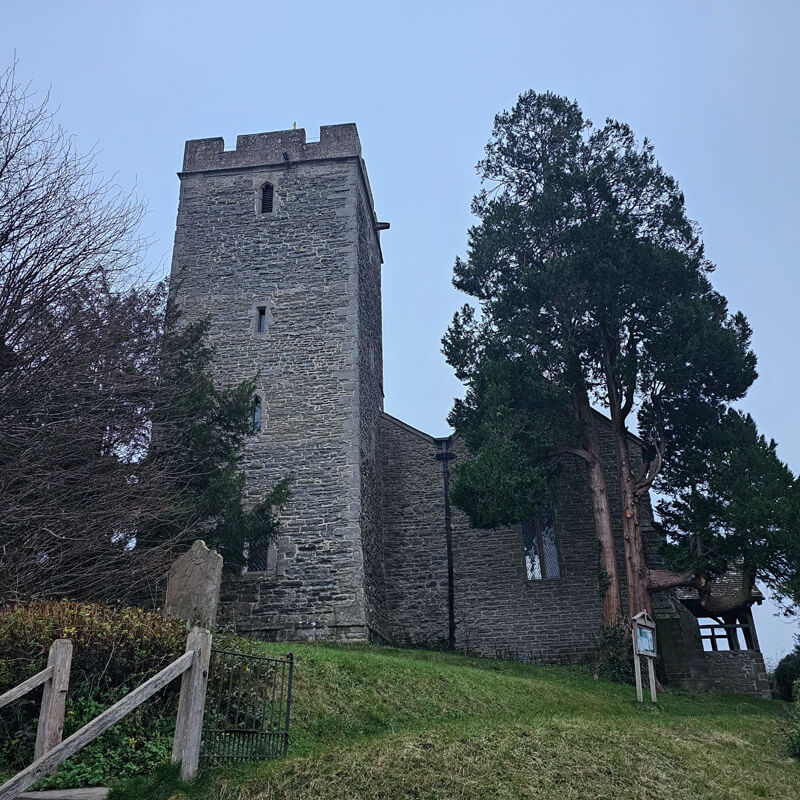
The current church was established shortly after the Norman Conquest and was built on the site of an earlier Saxon building. It has stood on its hill overlooking the village for the last 1000 years, but it has seen much alteration through the centuries.
St James was founded as a collegiate church by the powerful Mortimer family in the 12th century, who virtually ruled England from the adjacent Wigmore Castle. The Mortimers partly rebuilt and extended the church in the 14th century, and further alterations were made in the 15th century. The following centuries saw a gradual decline in the fortunes of the village and its church until the Victorians restored the church in the 19th century.
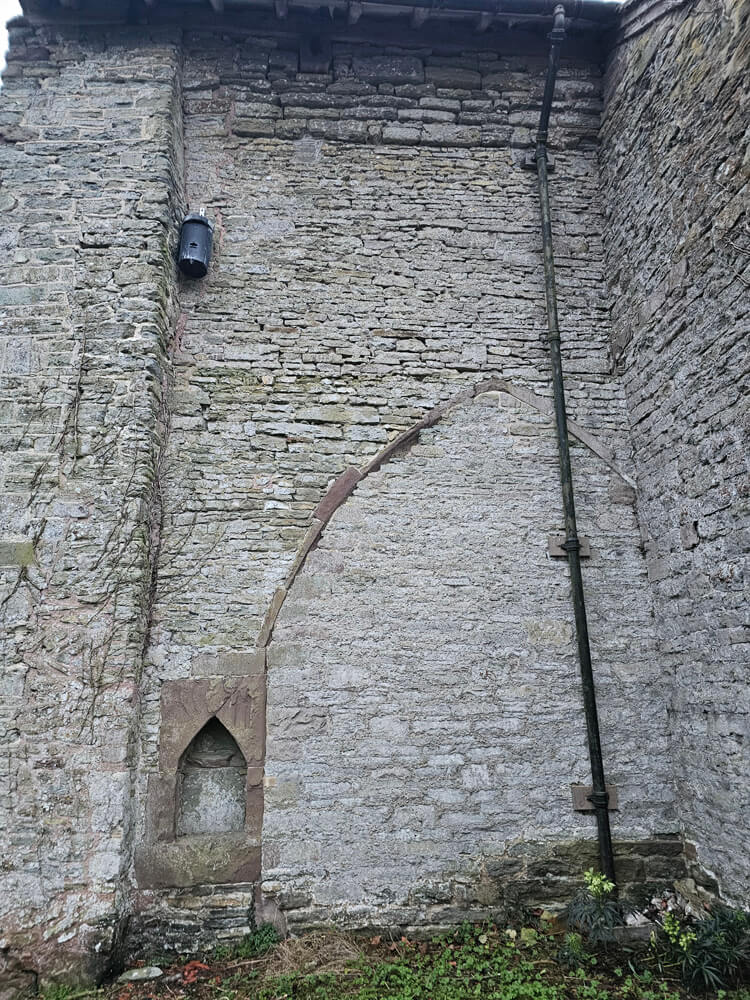
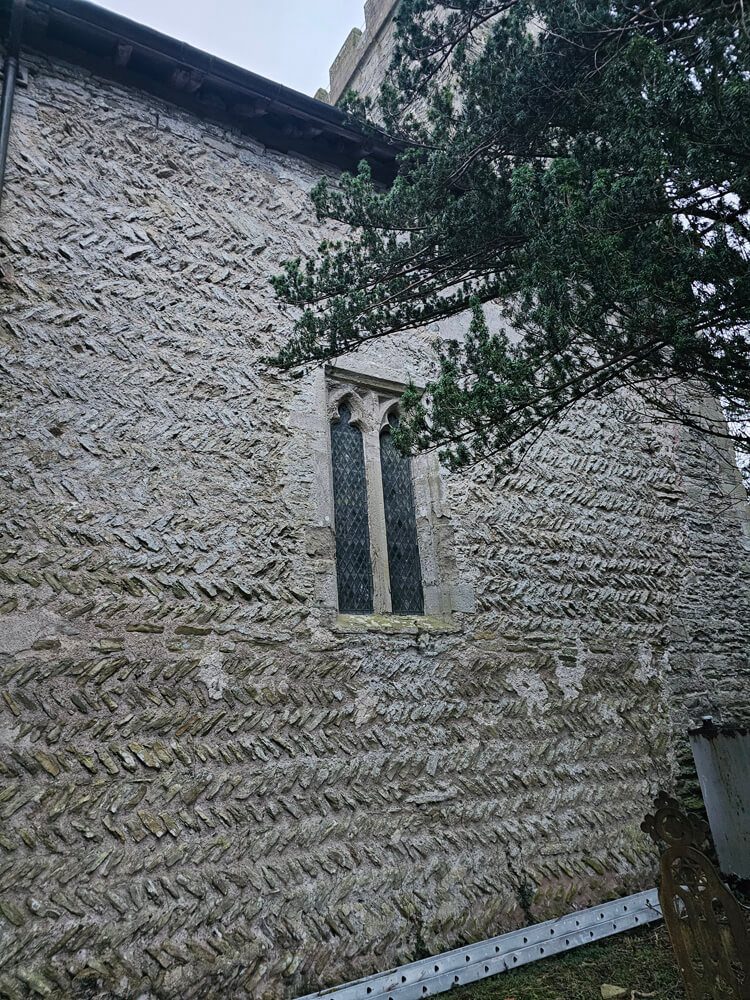
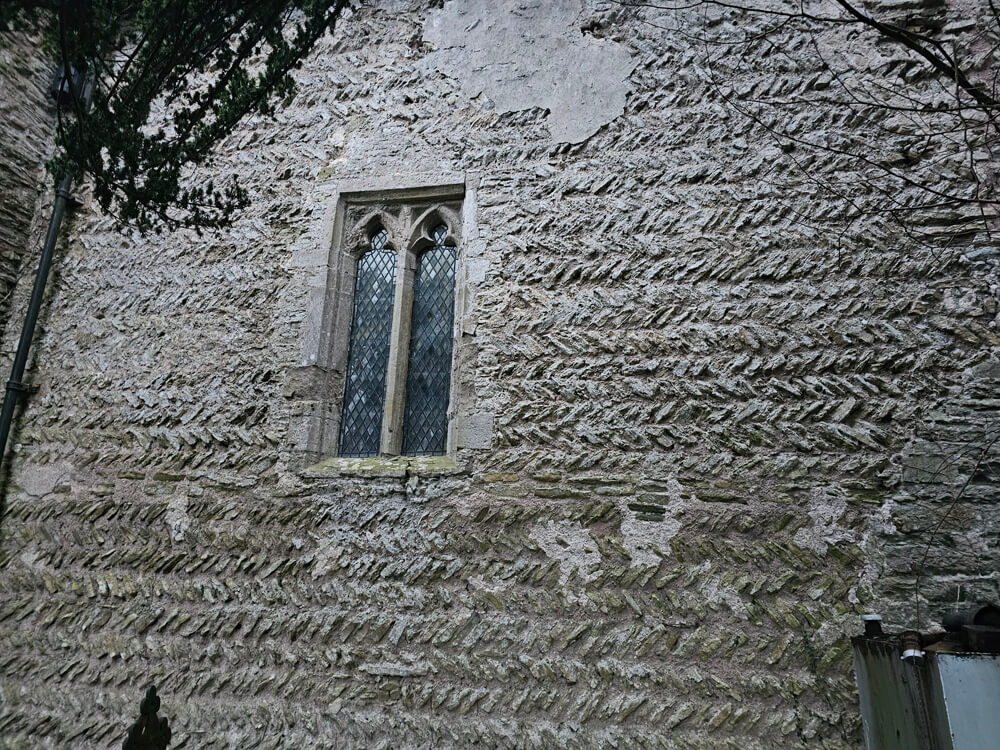
The oldest and most interesting part of St James is the large 11th-century Norman nave, with its distinctive herringbone masonry on the north wall. The herringbone masonry, which is typical of the period, is original and is visible on walls both internally and externally, and has been dated circa 1050. The herringbone stonework is either late Saxon or early Norman and was probably entirely of this type of construction when it was built.
I visited this church and the adjacent castle on a late afternoon after visiting nearby Clun, but unfortunately the church was closed so I didn’t get to explore the inside of the church. However, it turns out I didn’t miss much, as other than the internal herringbone stonework there isn’t really much else of historic interest.
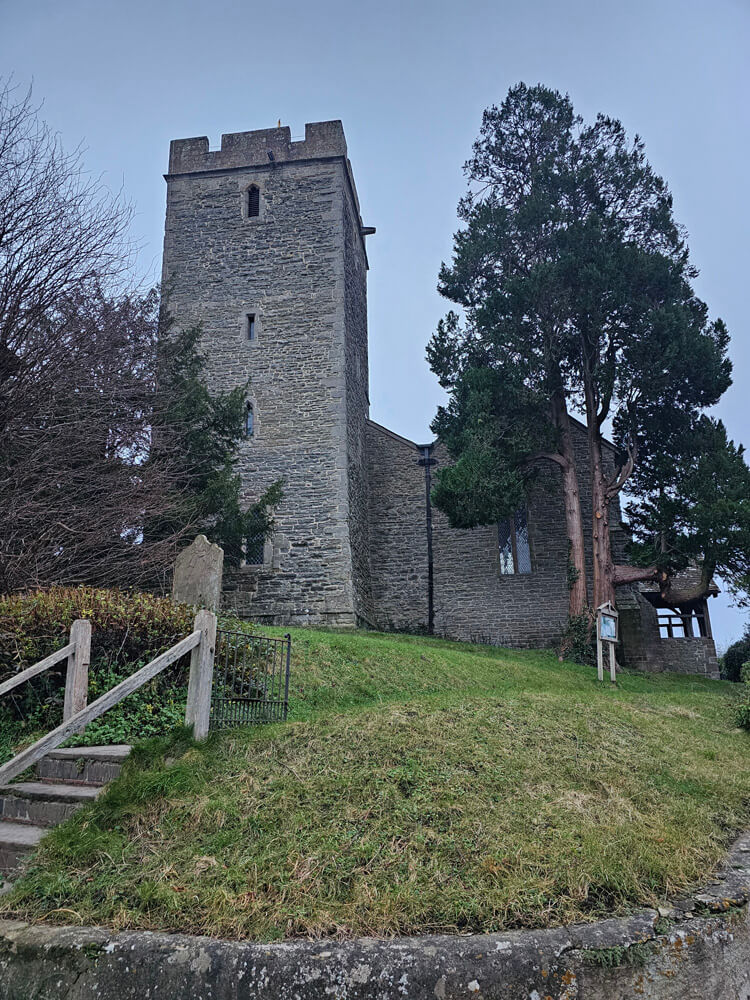
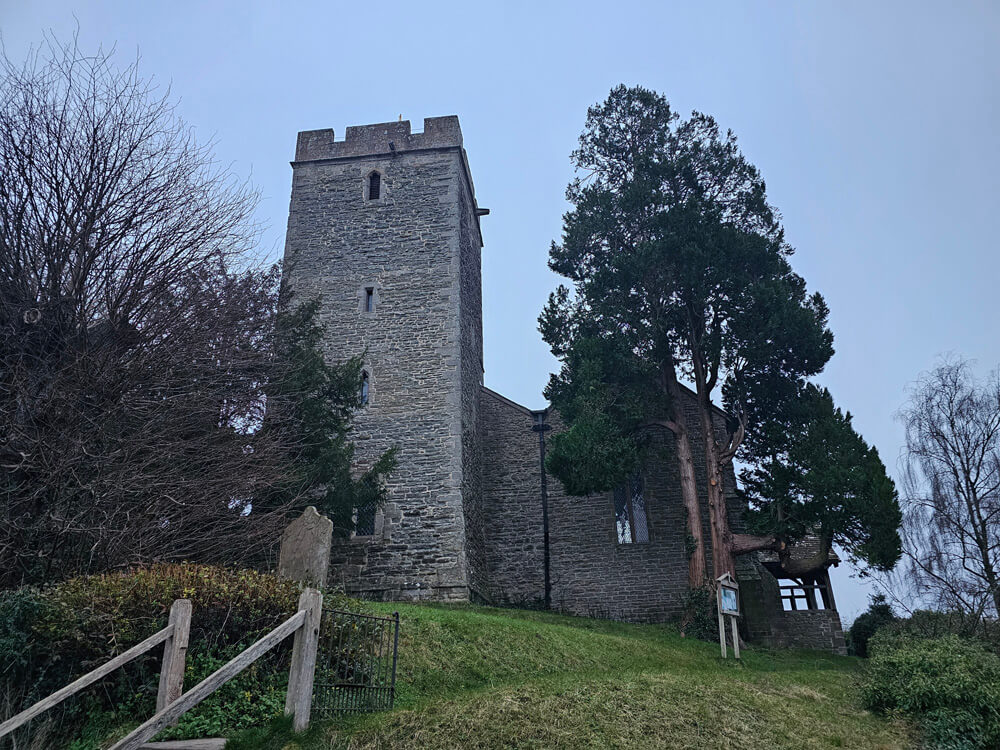
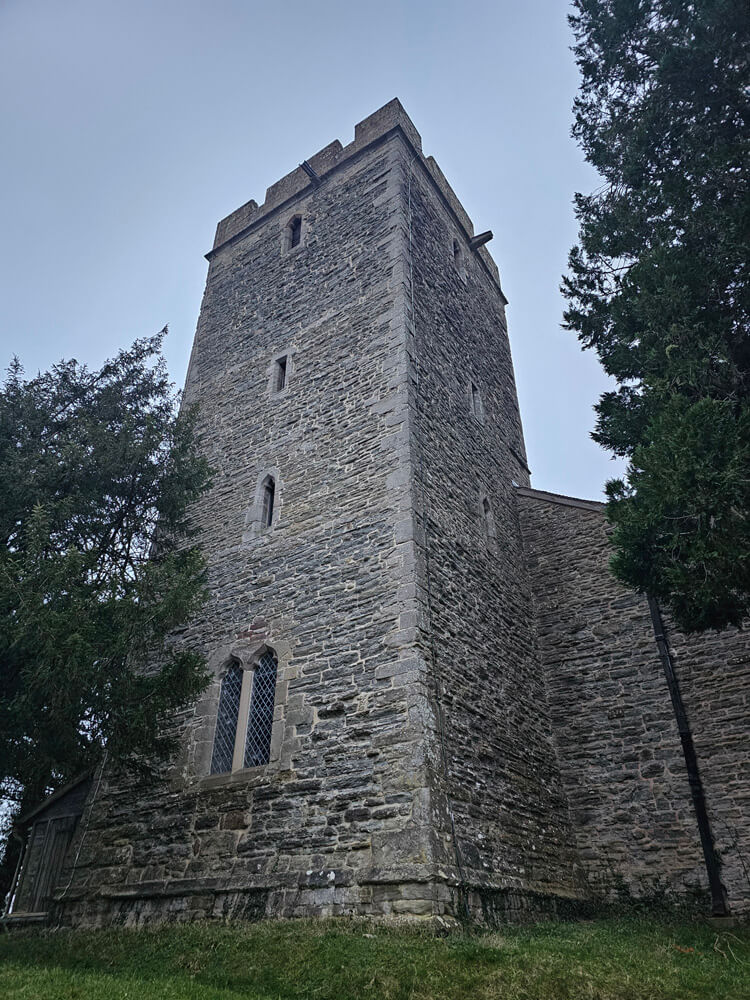
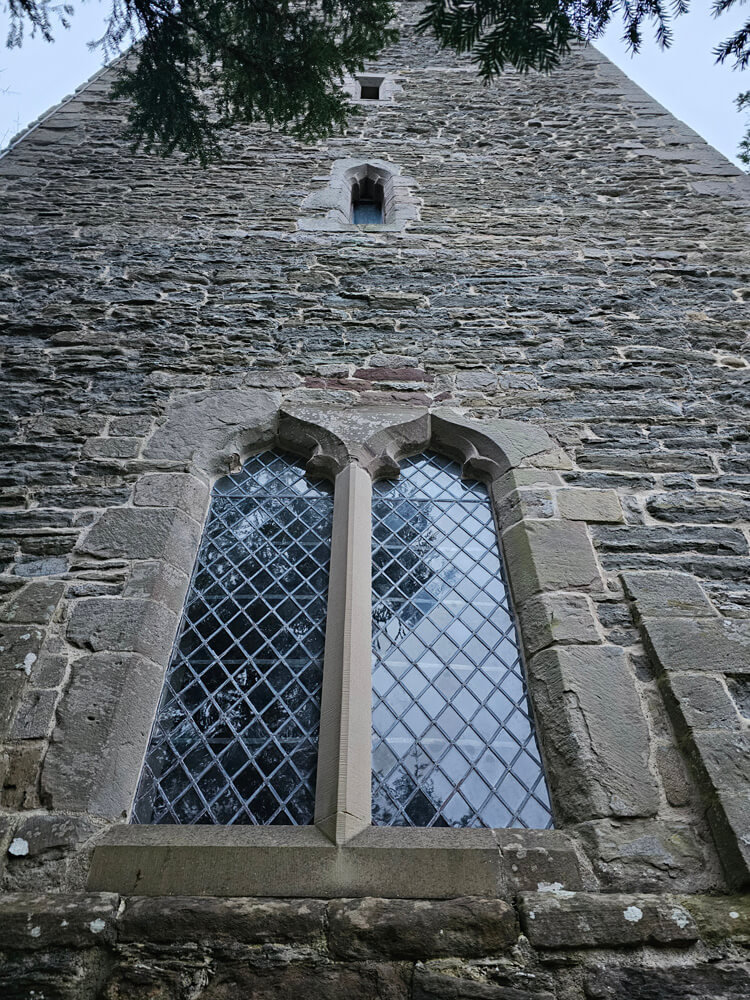
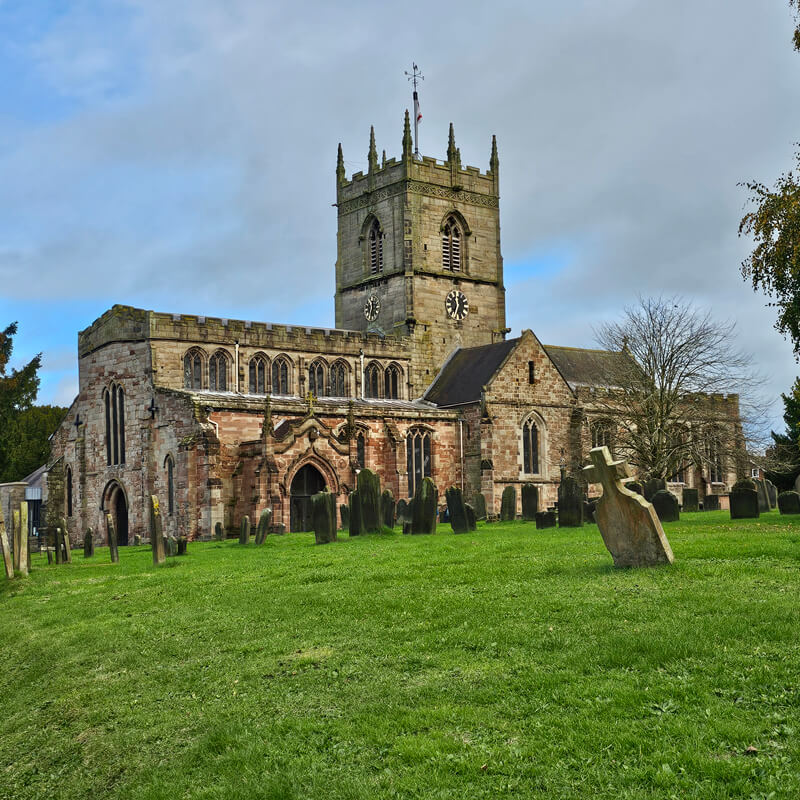
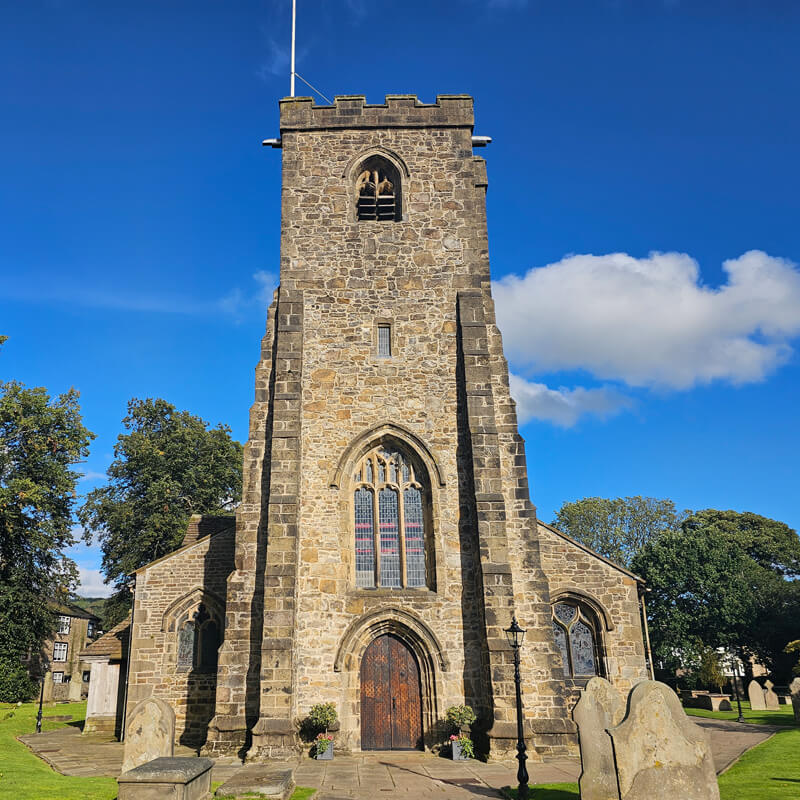
Photo Gallery.
Did you enjoy this post?
I hope you found this post useful. I put a great deal of time and effort in to building, maintaining and populating the website. If you like, you could say a small thank you by buying me a coffee. You don't have to, but it would be nice :)
Buy me a coffee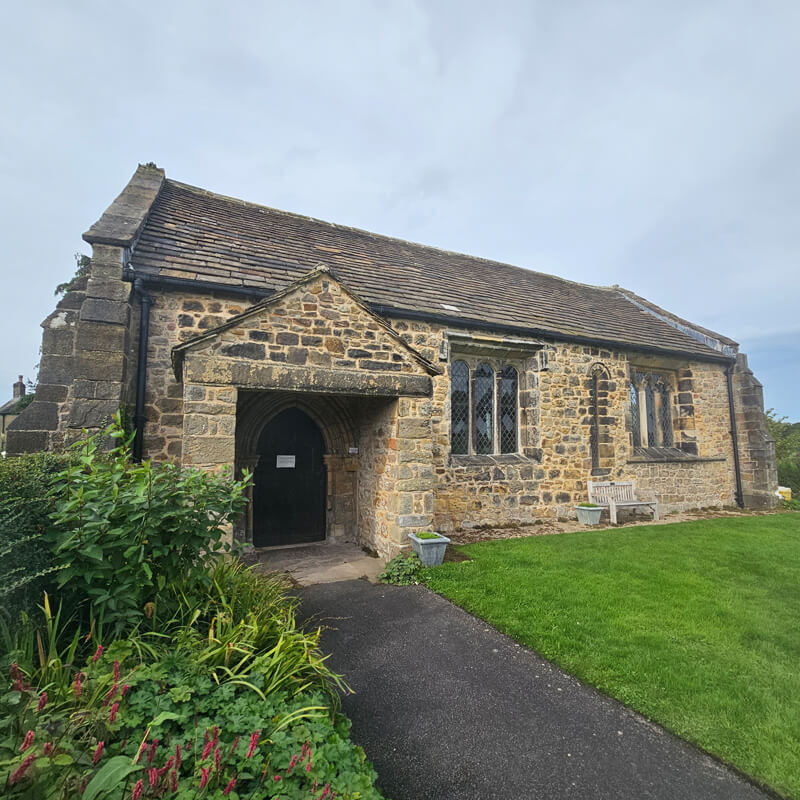
Stay up to Date
Follow me on my journey and get notified whenever a new post is published by following Kings & Castles on Facebook.
Follow MeExplore The Map
Discover the hundreds of castles, churches, monasteries, cathedrals and other historic locations that I've personally visited across England and Wales. Search by location, explore nearby sites and plan your next historical adventure.
Share: