St John the Baptist Church, Berkswell
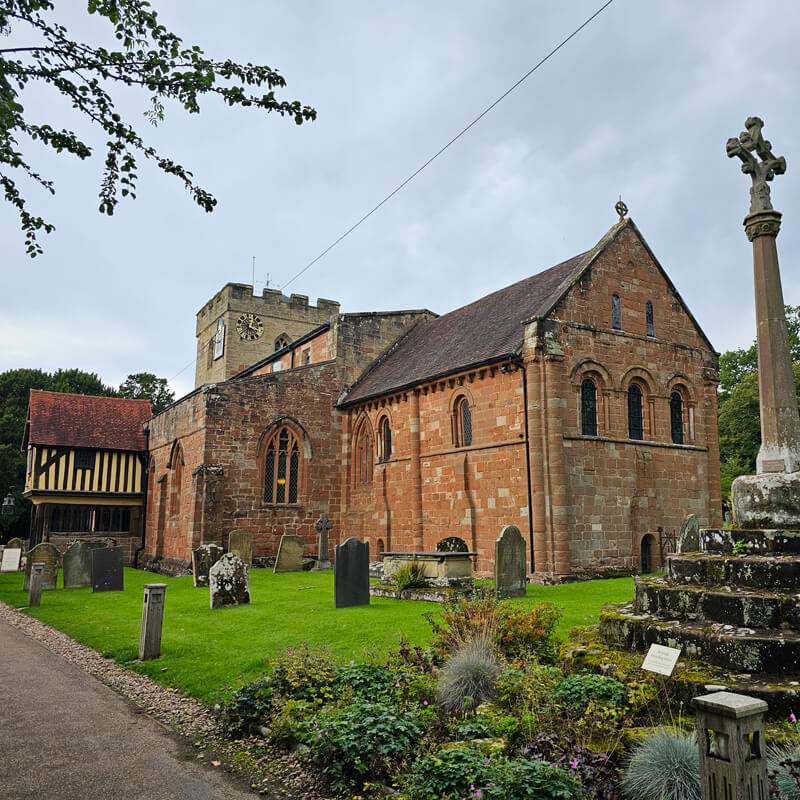
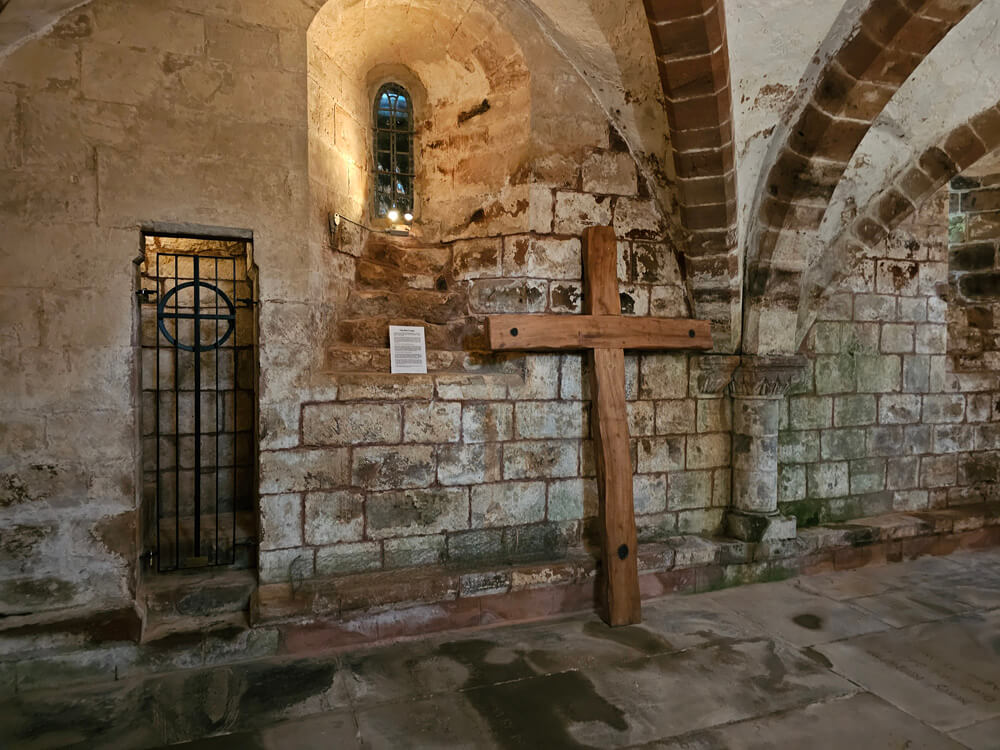
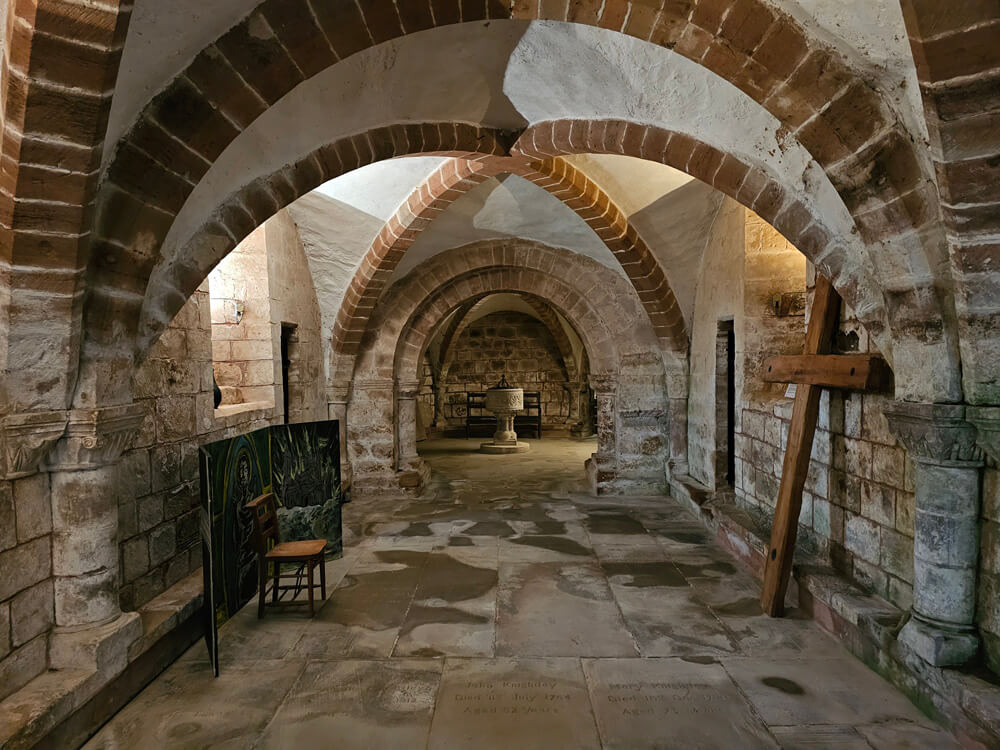
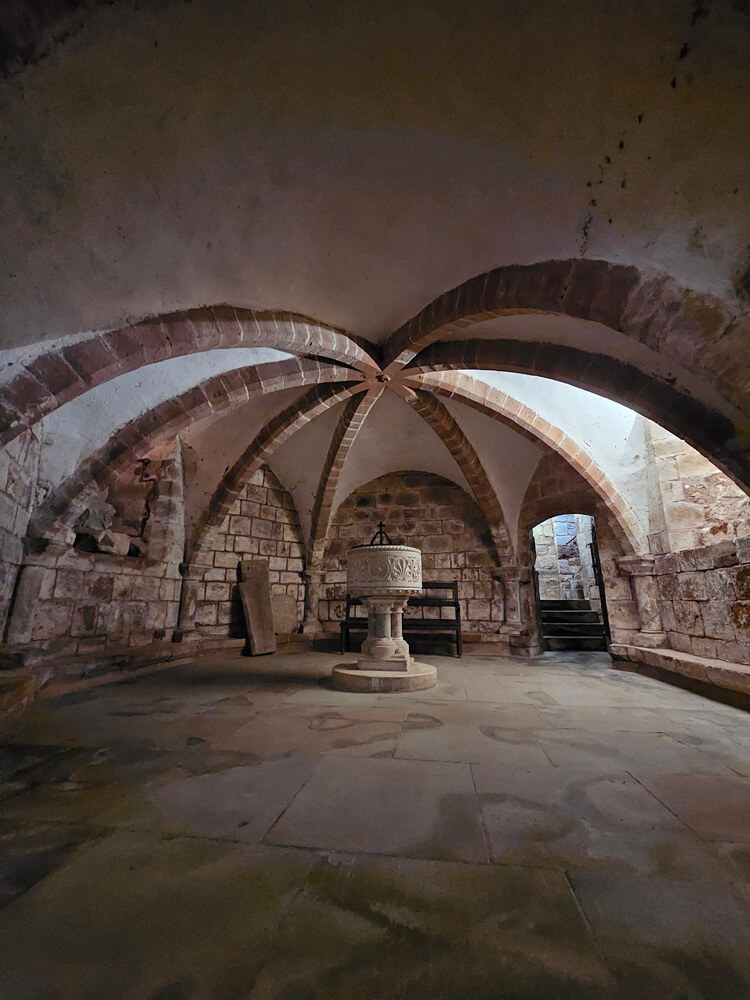
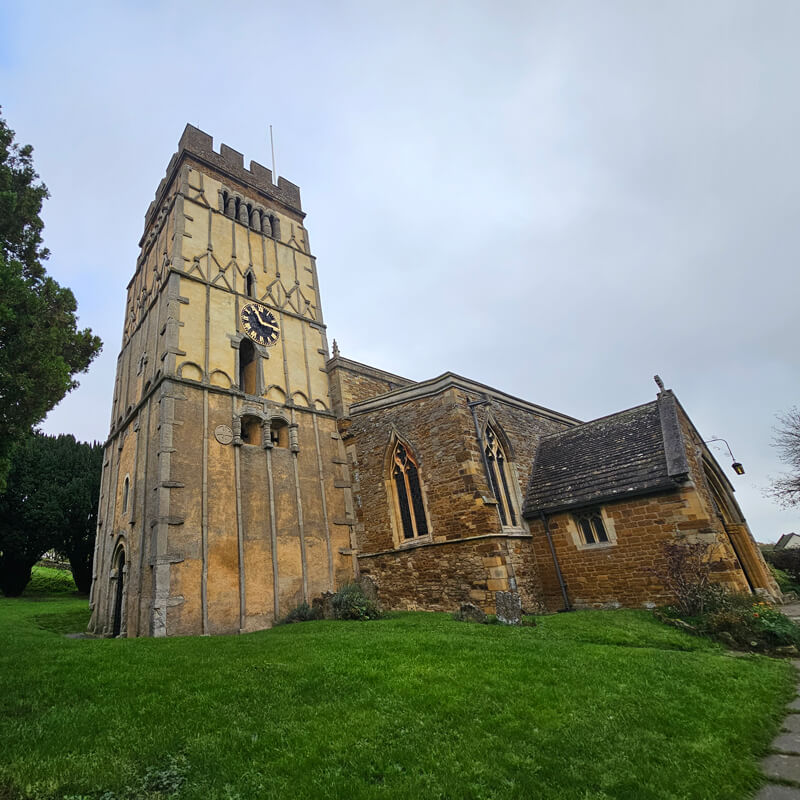
St John the Baptist Church in Berkswell is a Norman parish church containing one of the finest crypts in the country, and is featured in England’s Thousand Best Churches by Simon Jenkins.
Historic
Highlights.
- Magnificent Norman crypt
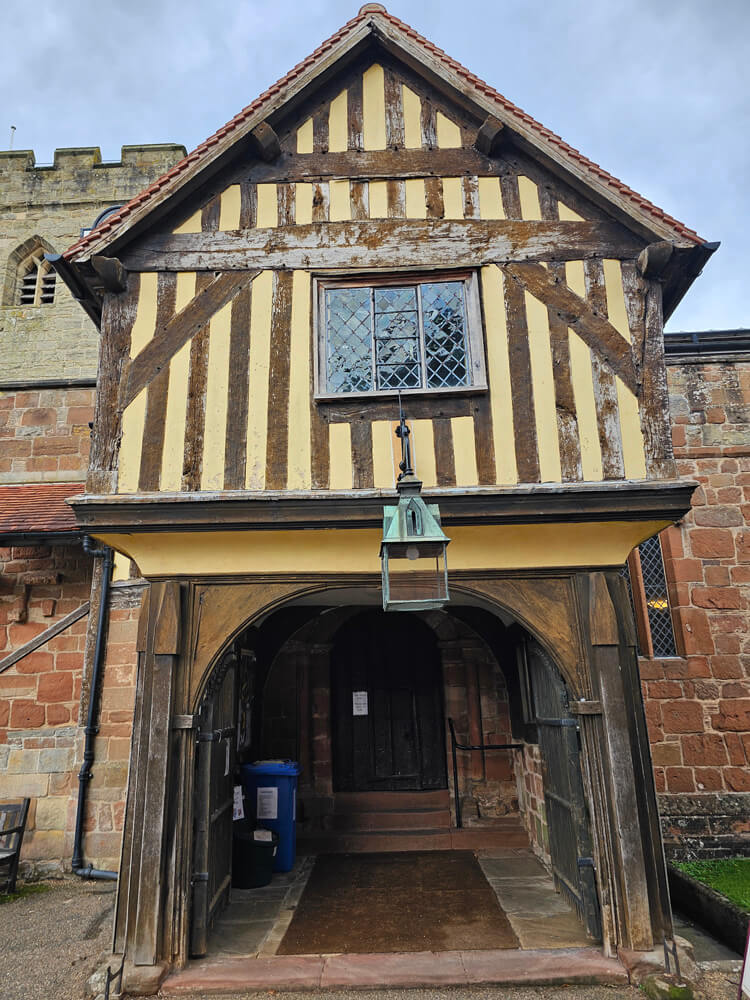
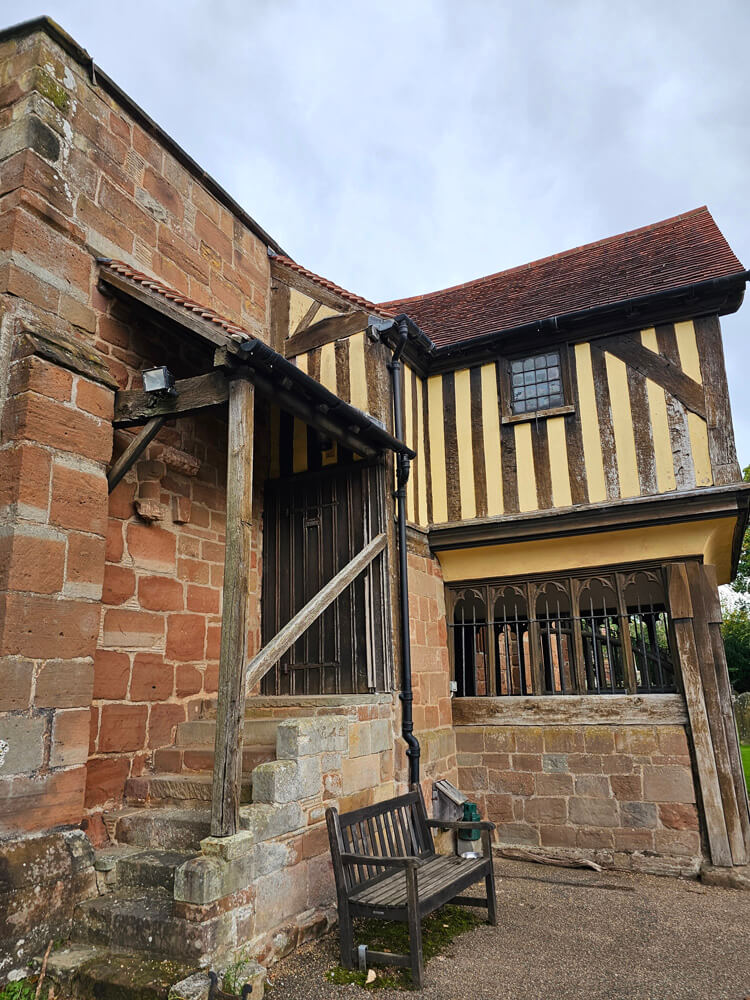
- Stunning half-timbered porch
- 12th-century south doorway
- Norman windows in the chancel
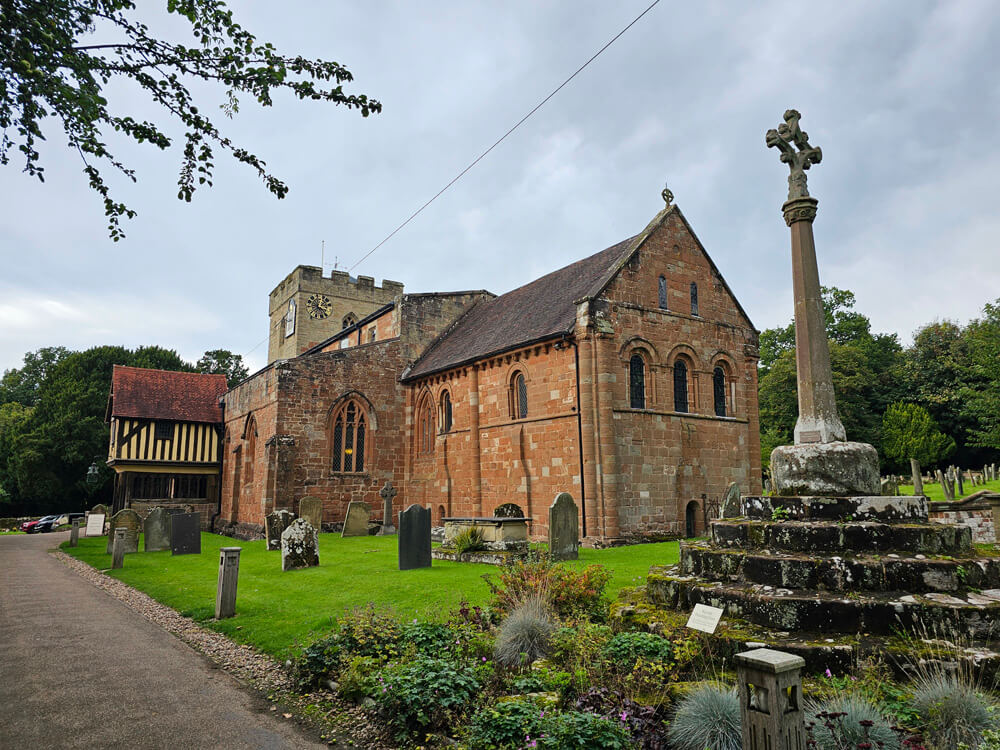
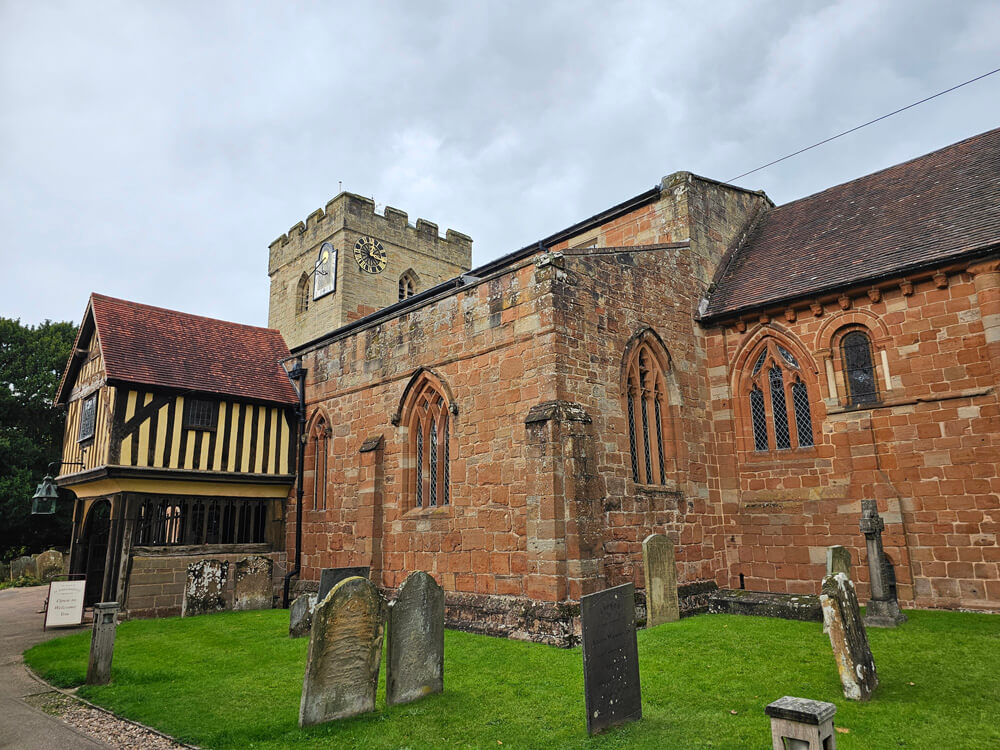
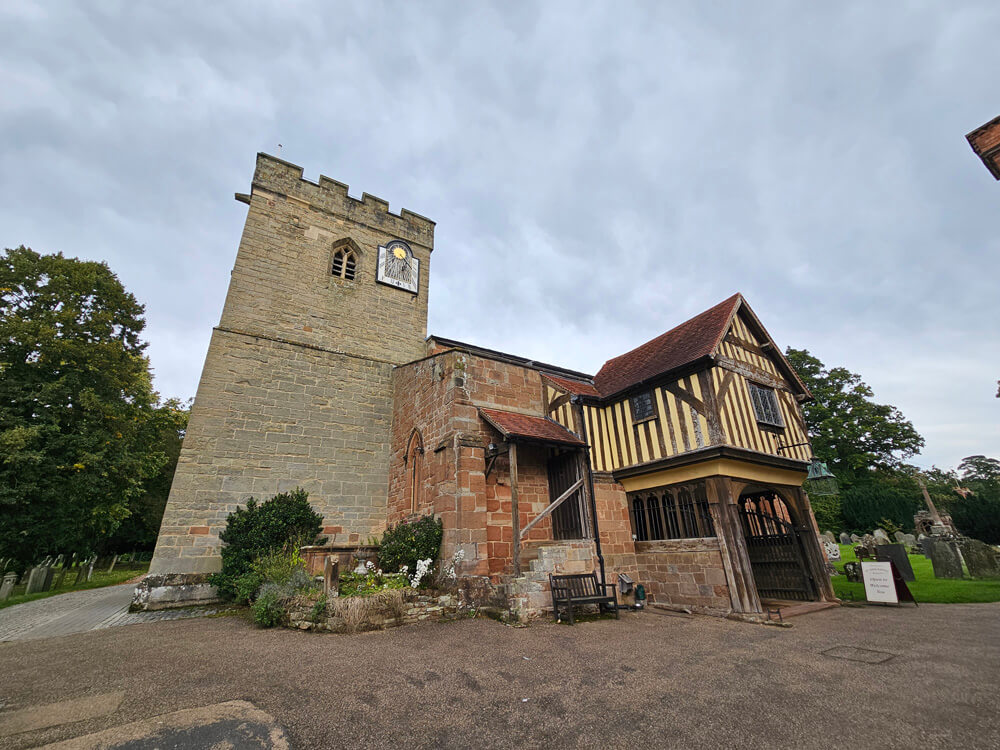
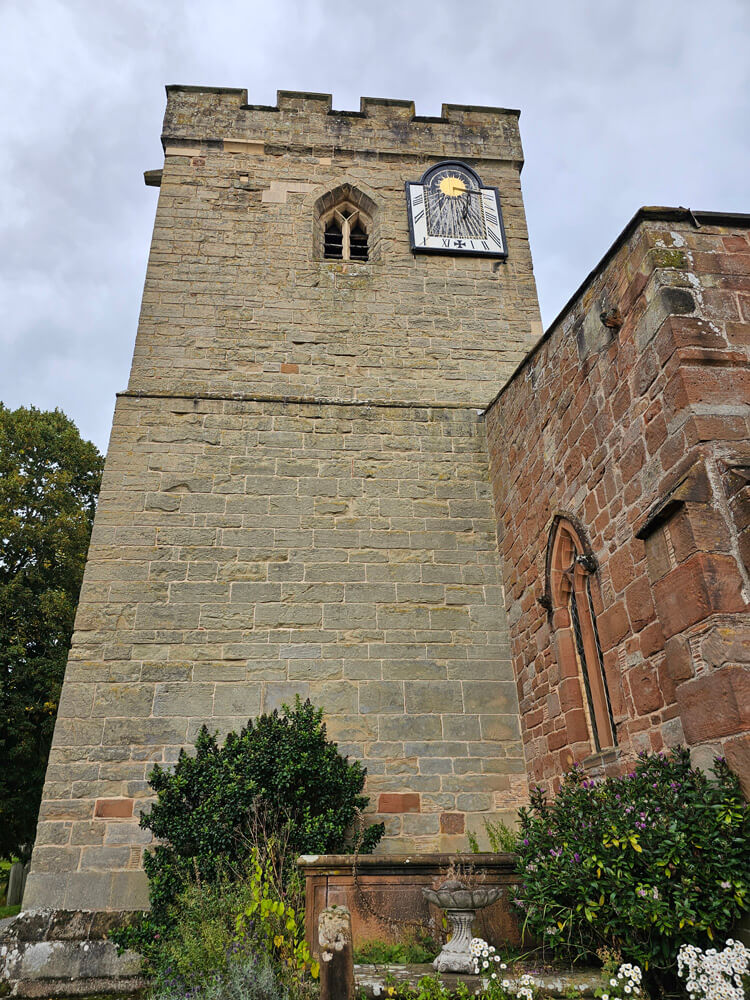
Construction of the present church began in the 12th century, around the year 1150, when the south doorway, crypt, chancel, nave and north aisle were built. During the 14th century two archways leading to a south aisle were added and the nave was partly altered. In the 15th century the tower was built and the north aisle was lengthened.
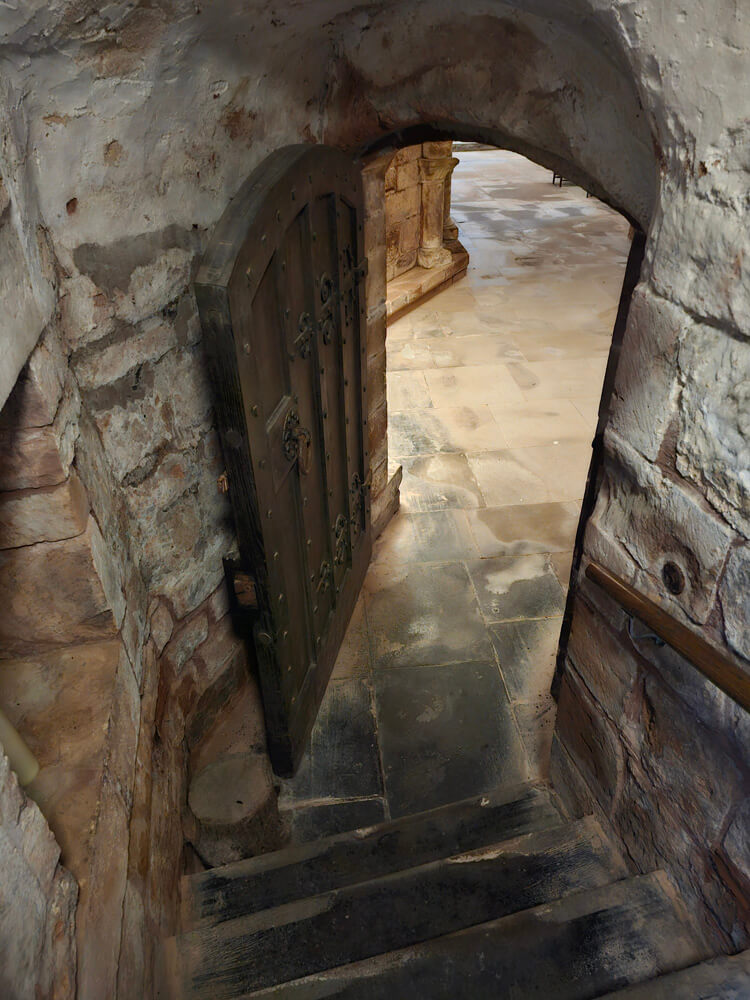
Sitting above the south doorway like a miniature cottage is the stunning half-timbered porch which was added around the year 1500, and was formerly used as a schoolroom. The south doorway itself is another survival from the 12th century, with its oak door containing handmade nails still in use.
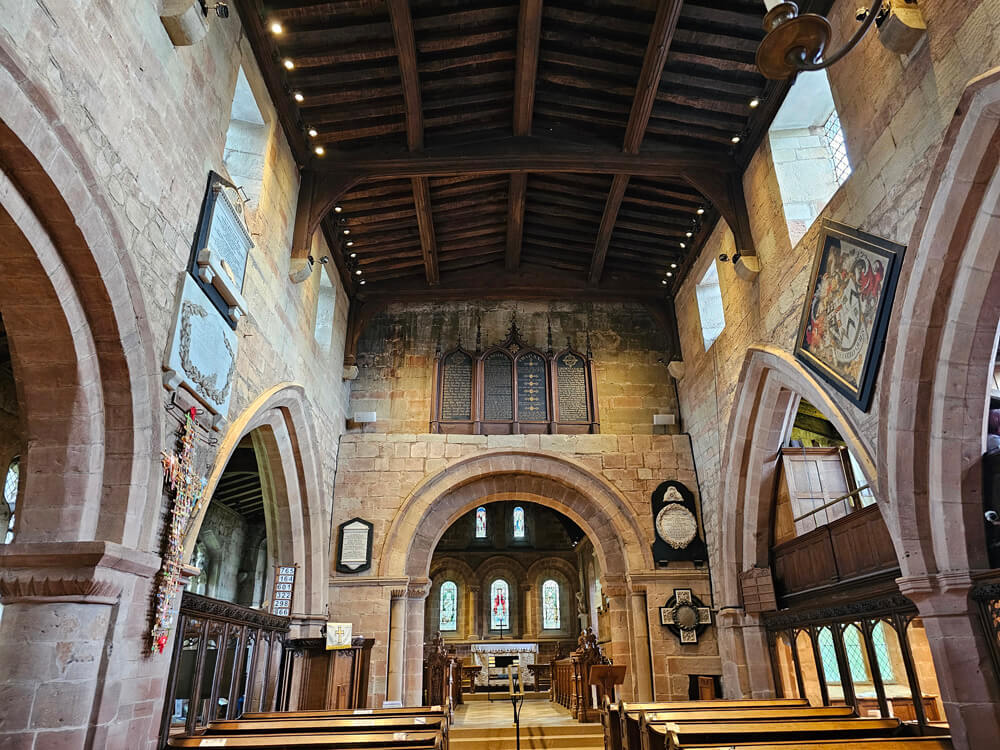
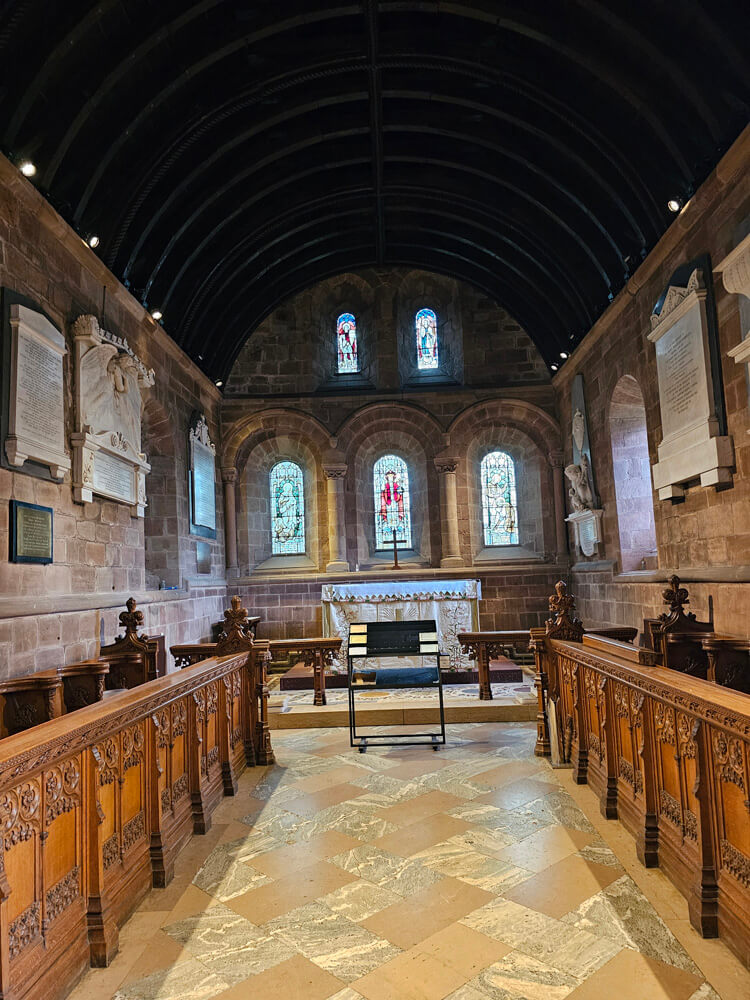
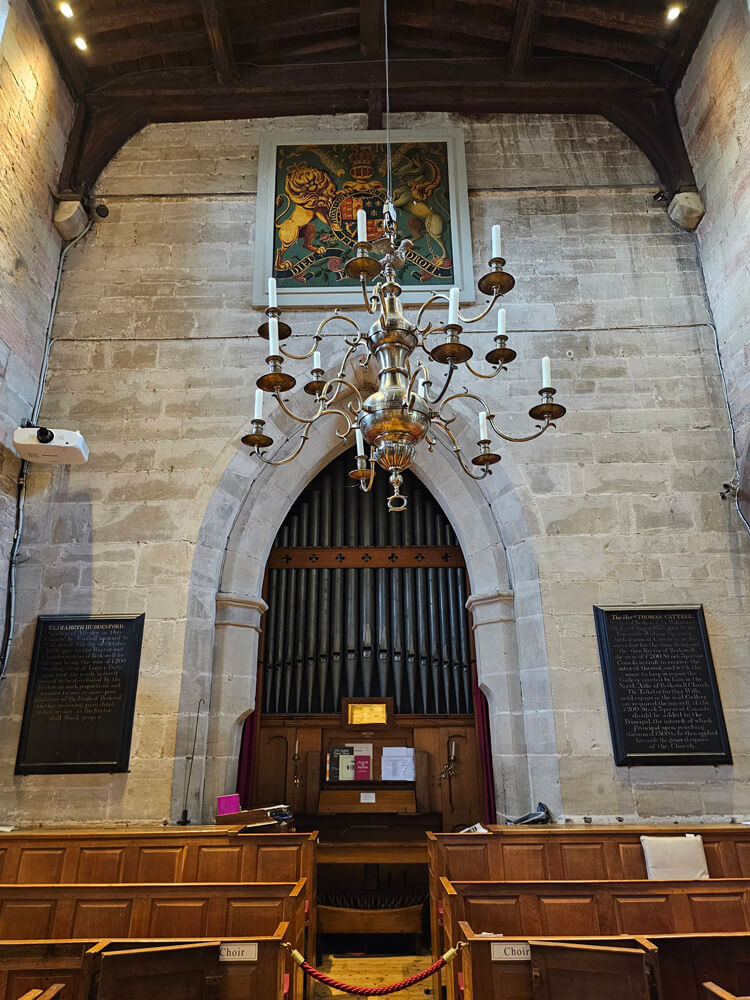
Inside the church, steps leads up to the chancel, with five Norman windows framed by a round 12th-century chancel arch.
The Crypt
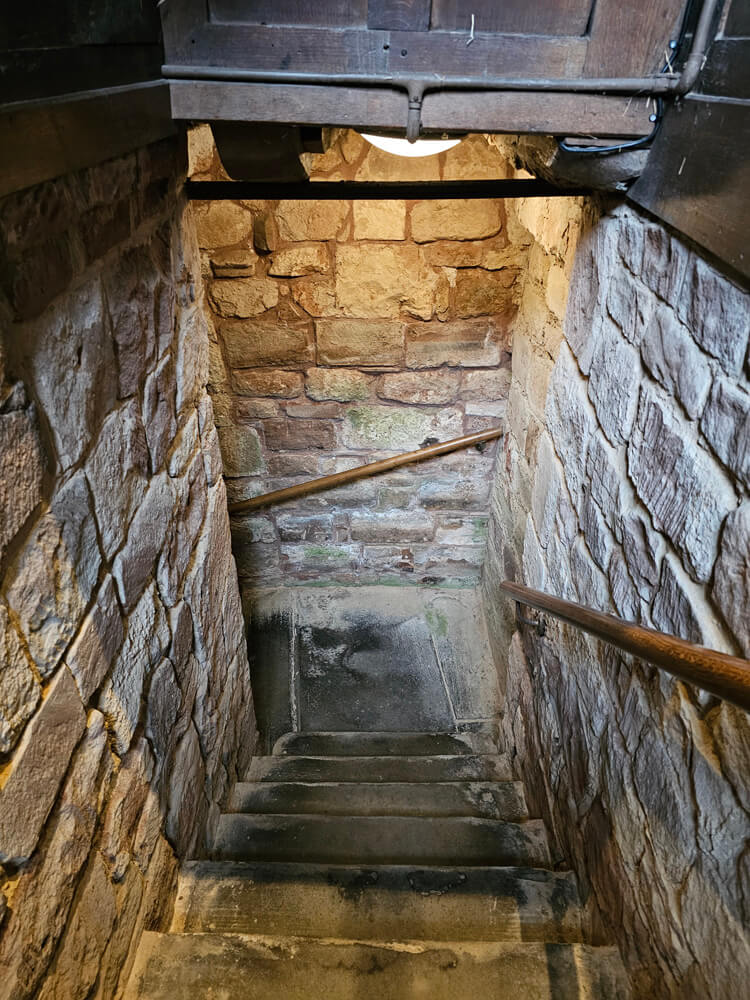
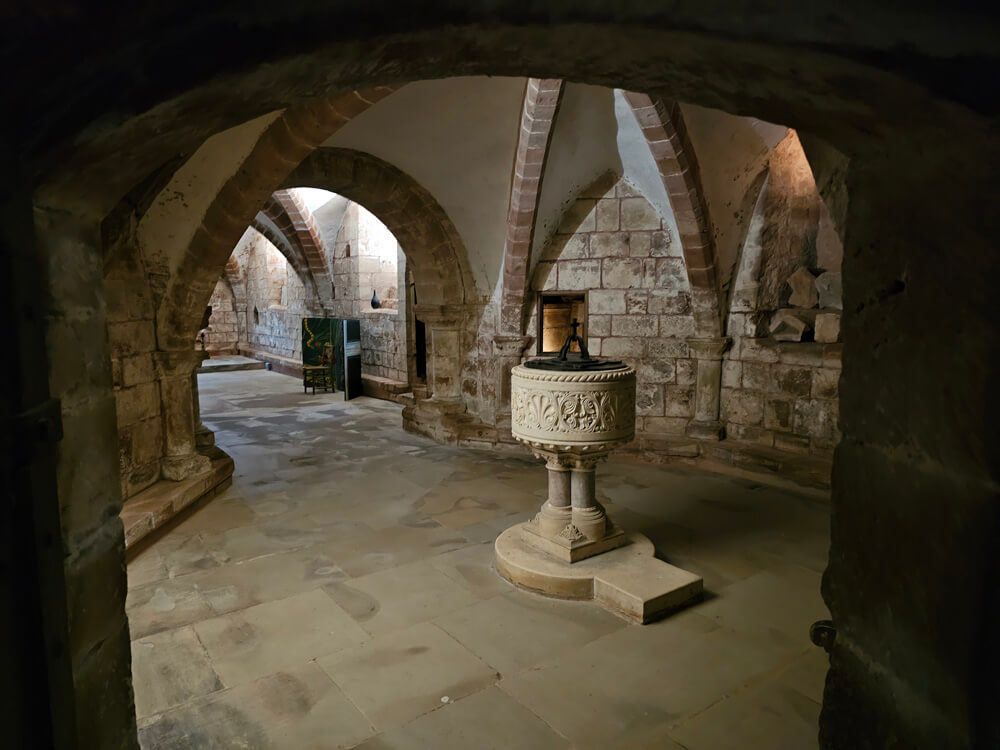
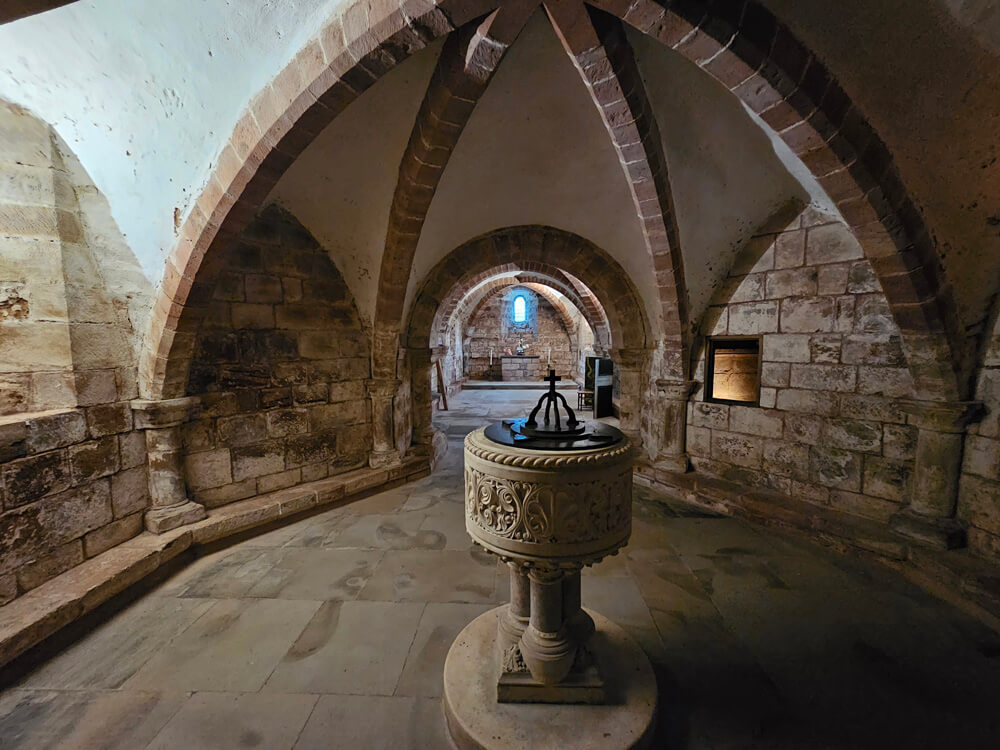
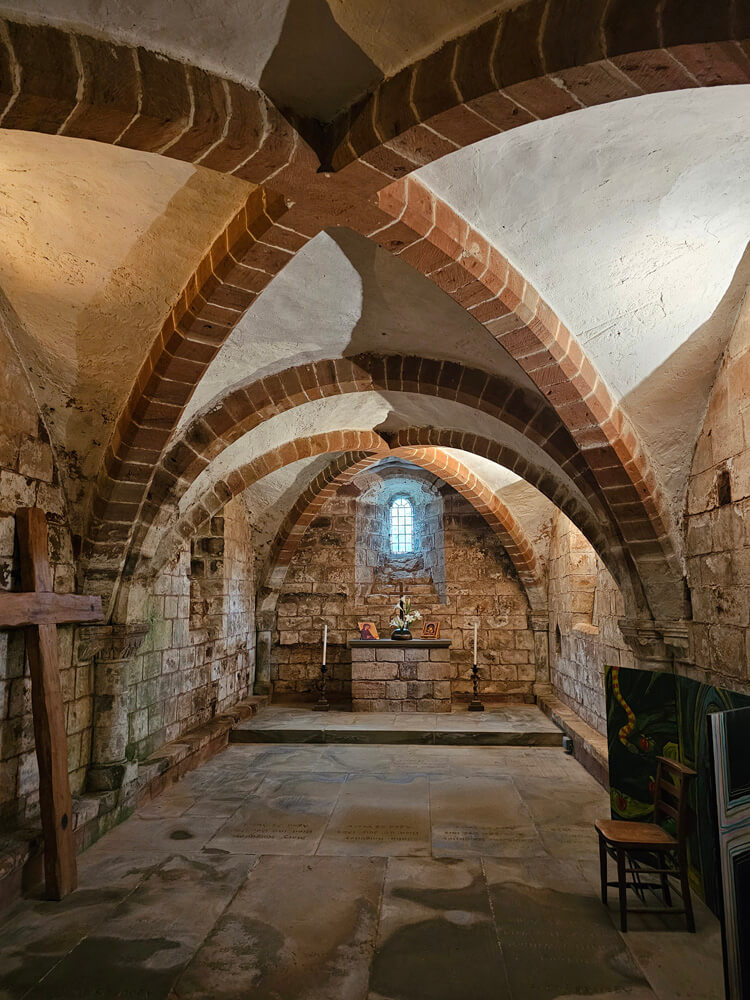
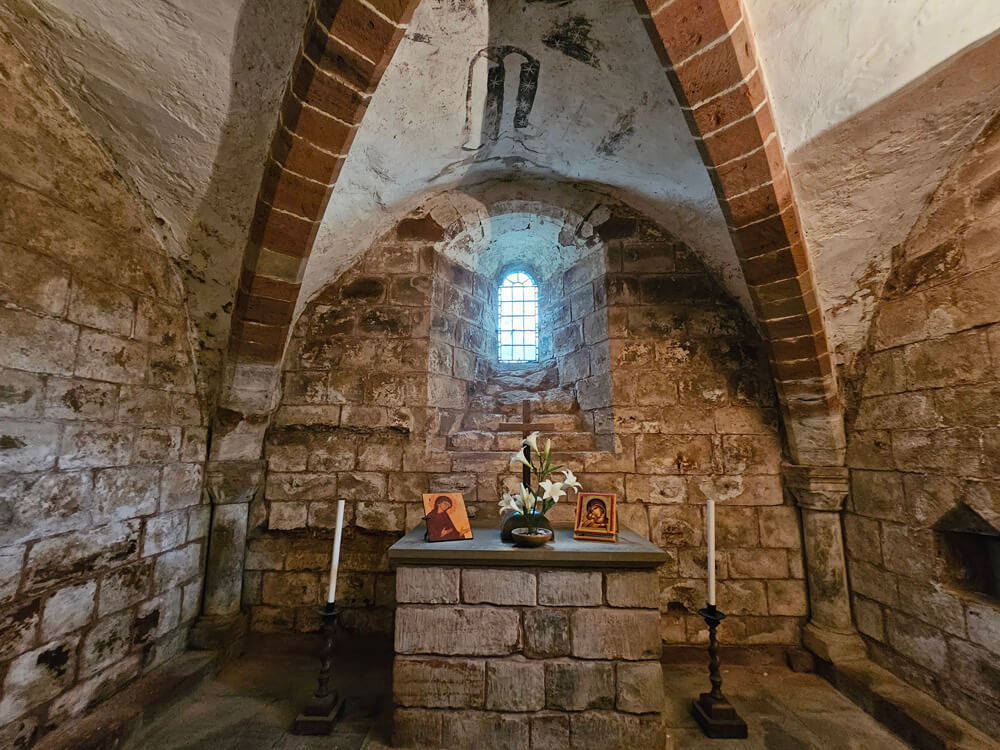
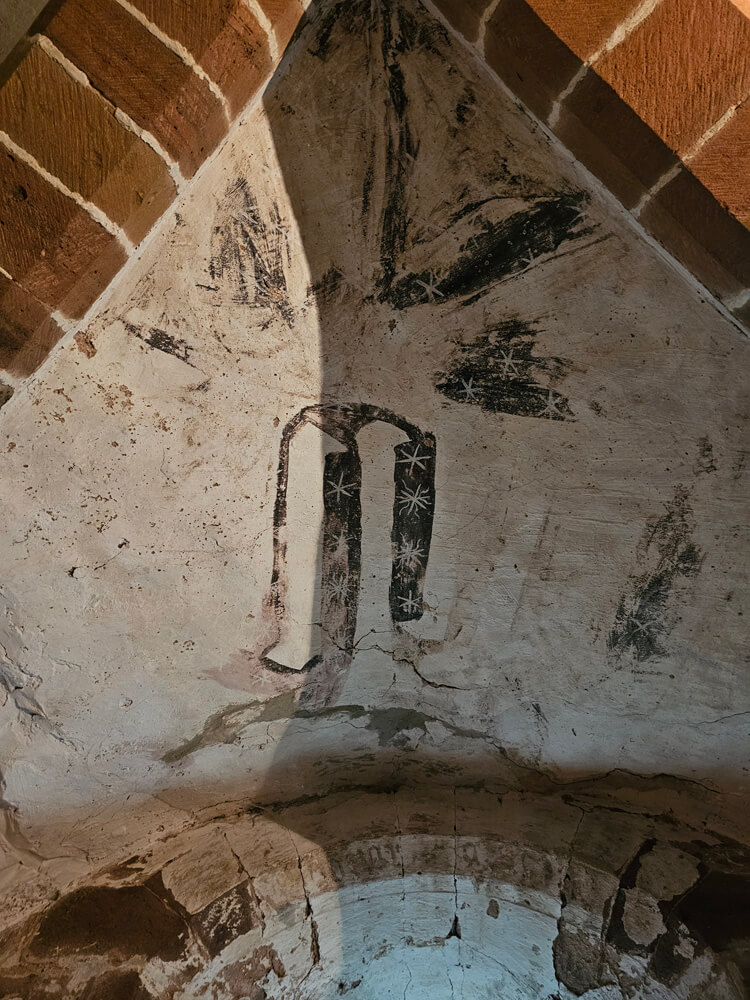
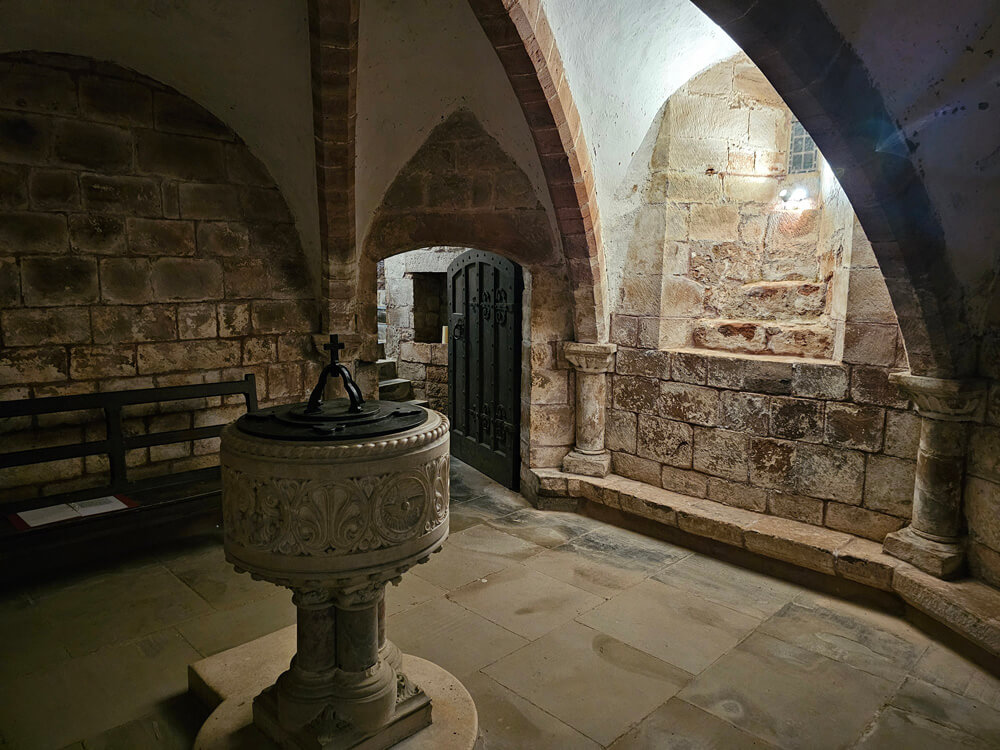
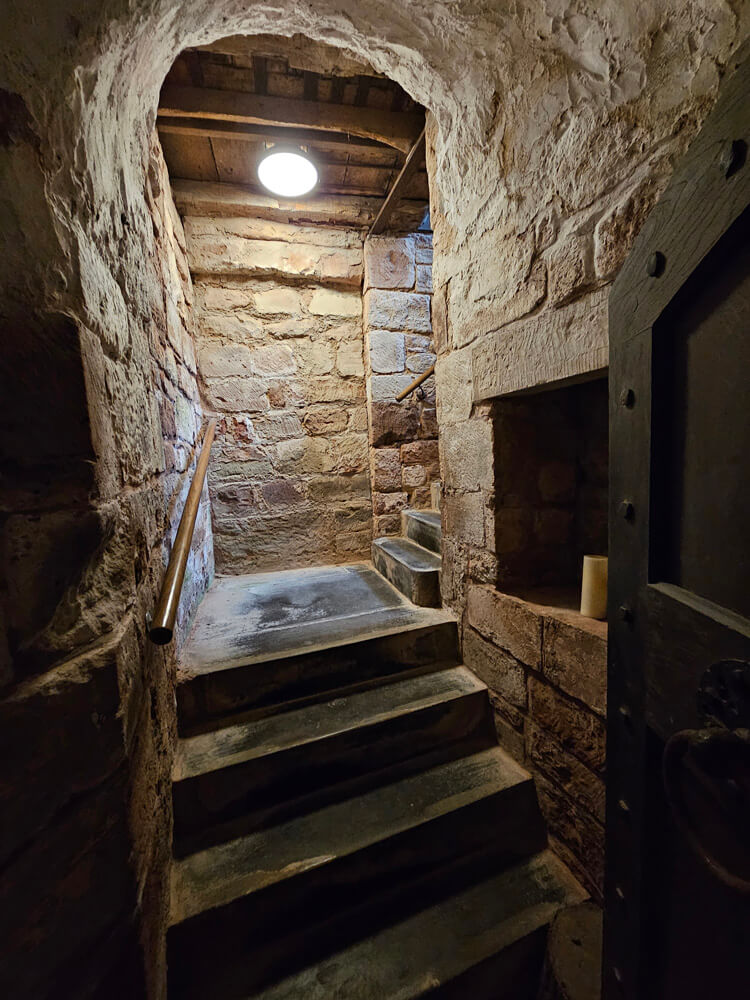
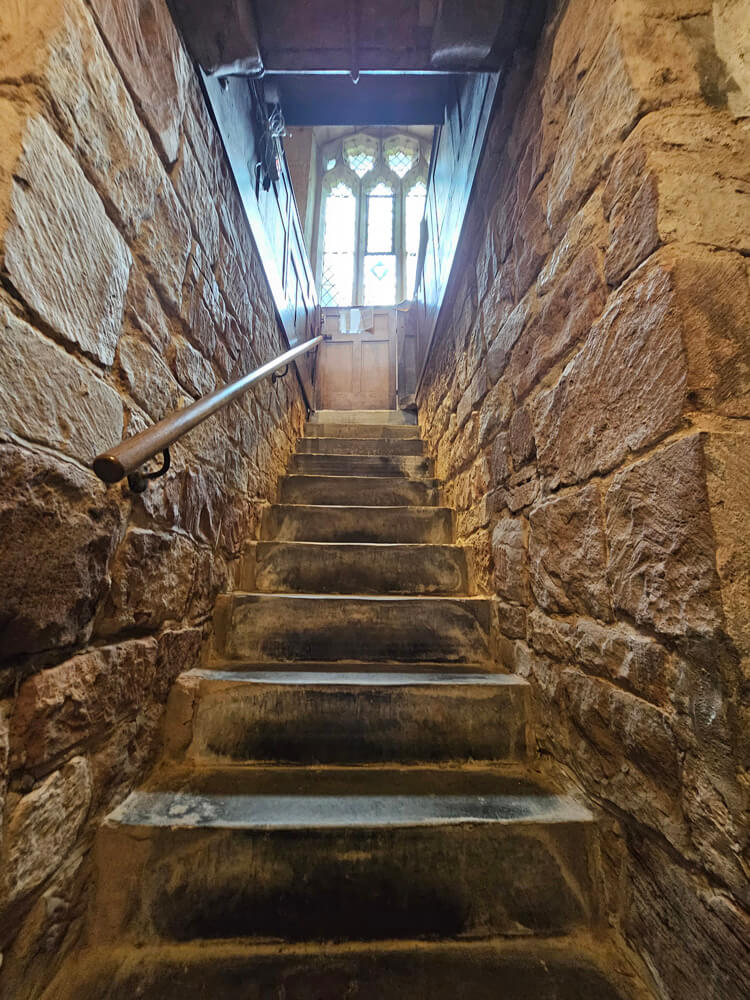
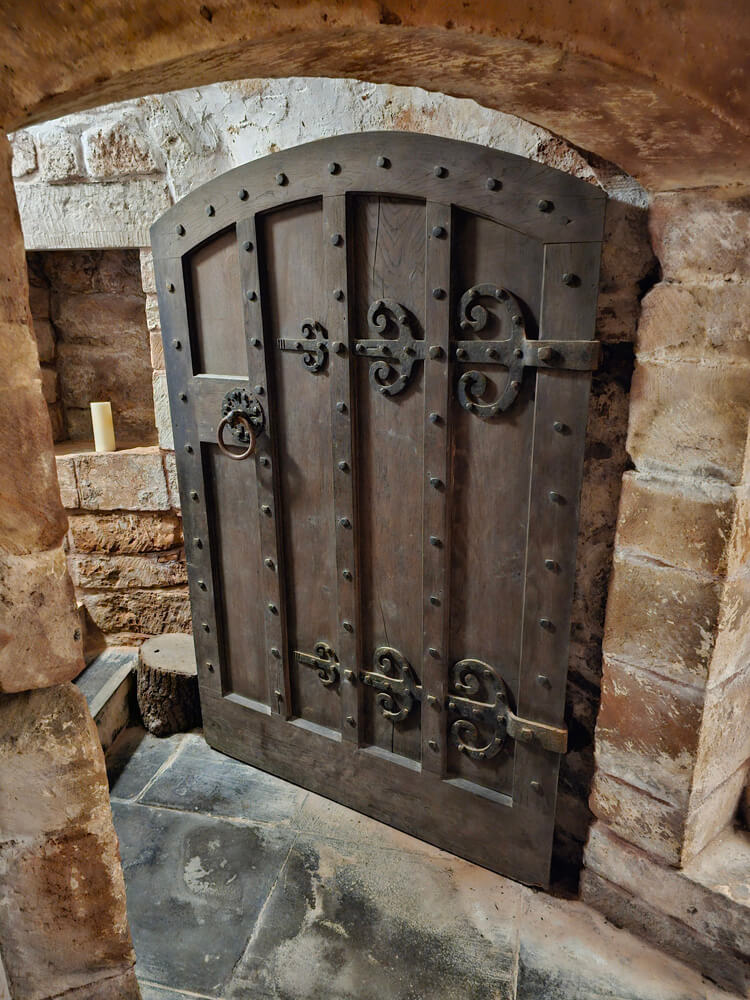
The real treasure inside this church is the well-preserved rib-vaulted Norman crypt, which has a separate octagonal chamber and some stonework believed to date back to the 8th century. The crypt is entered from a pew in the north aisle, which takes you down a narrow twisting stairway. Running underneath the chancel and the eastern part of the nave, it is a remarkably fine example of Norman architecture, one of the best preserved of any English parish church. The eastern part was built about 1150 and the octagonal or western part was built later in the same century. The unique octagonal western chamber contains a beautiful Caen stone font, and the eastern rectangular chamber contains traces of a medieval wall decoration above the altar. The low stone seating around the walls was once used by the elderly and infirm.
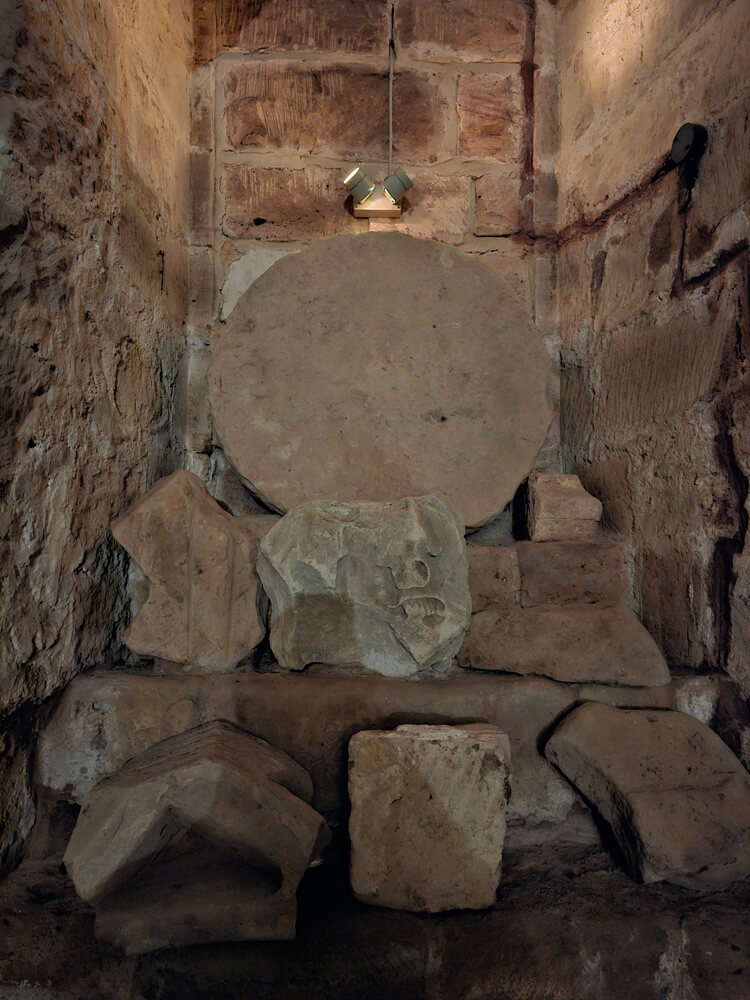
The crypt was probably a reconstruction of an earlier crypt that had existed from Saxon times which may have been the shrine of a saint, and some authorities suggest there were once two separate crypts. One theory is that it was St Milred, Bishop of Worcester, that was buried here when he died in 772. Another theory is that it was the shrine of the better-known St Mildred, Abbess of Minster-in-Thanet who died in 725.
Photo Gallery.
Did you enjoy this post?
I hope you found this post useful. I put a great deal of time and effort in to building, maintaining and populating the website. If you like, you could say a small thank you by buying me a coffee. You don't have to, but it would be nice :)
Buy me a coffee
Stay up to Date
Follow me on my journey and get notified whenever a new post is published by following Kings & Castles on Facebook.
Follow MeExplore The Map
Discover the hundreds of castles, churches, monasteries, cathedrals and other historic locations that I've personally visited across England and Wales. Search by location, explore nearby sites and plan your next historical adventure.
Share: