St Peter’s Church, Stanton Lacy
The ancient Shropshire village of Stanton Lacy has been served by the Saxon church of St Peter for 1000 years, which is one of the few churches mentioned in the 1086 Domesday Book.
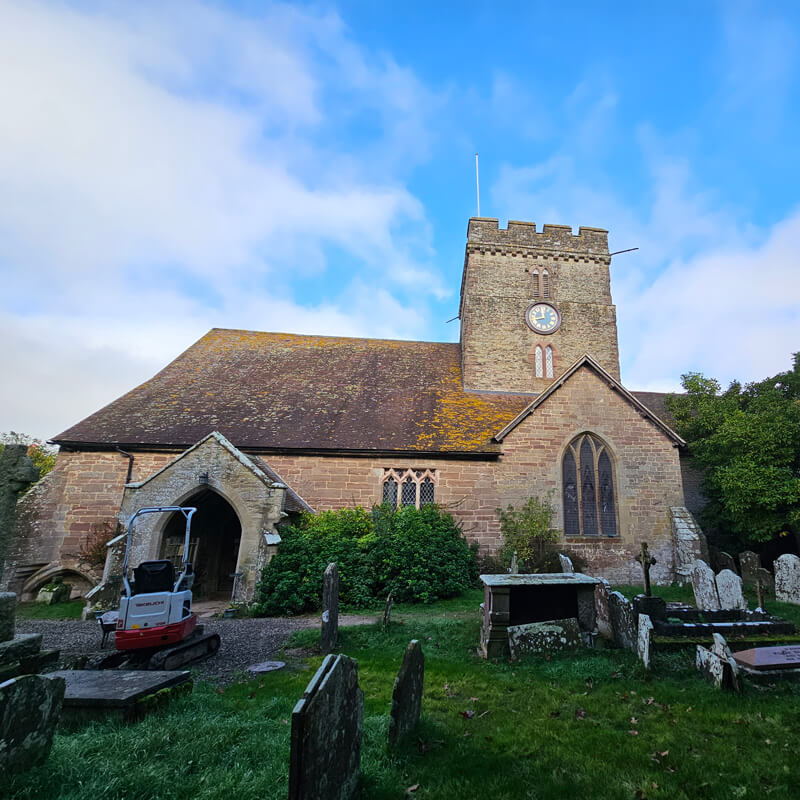
Historic
Highlights.
- Saxon doorway
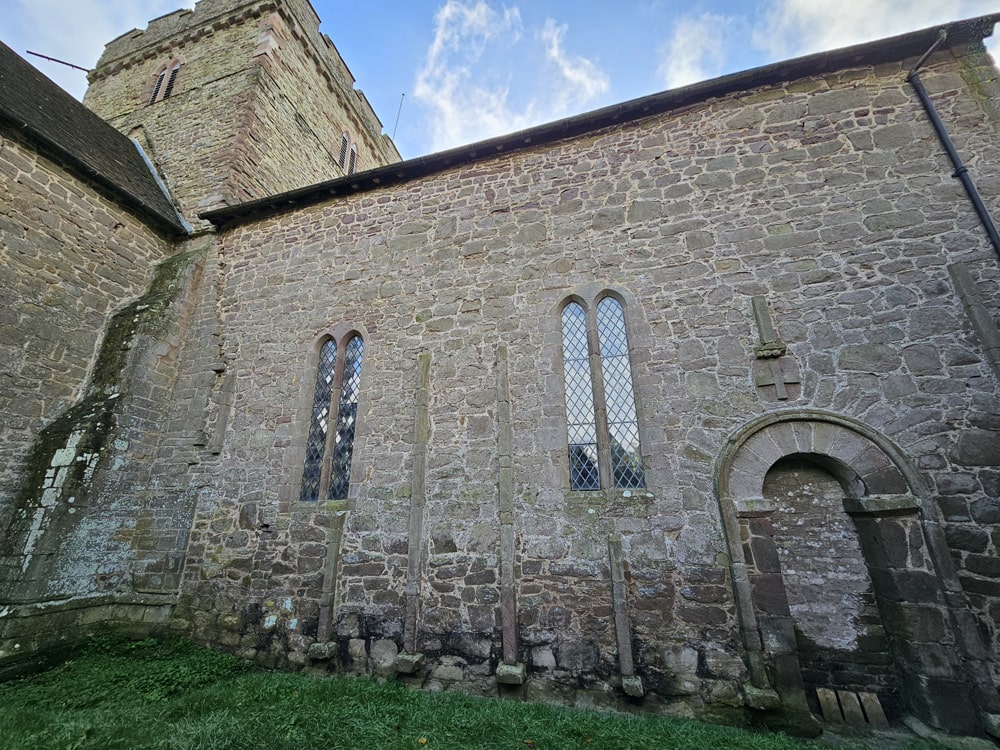
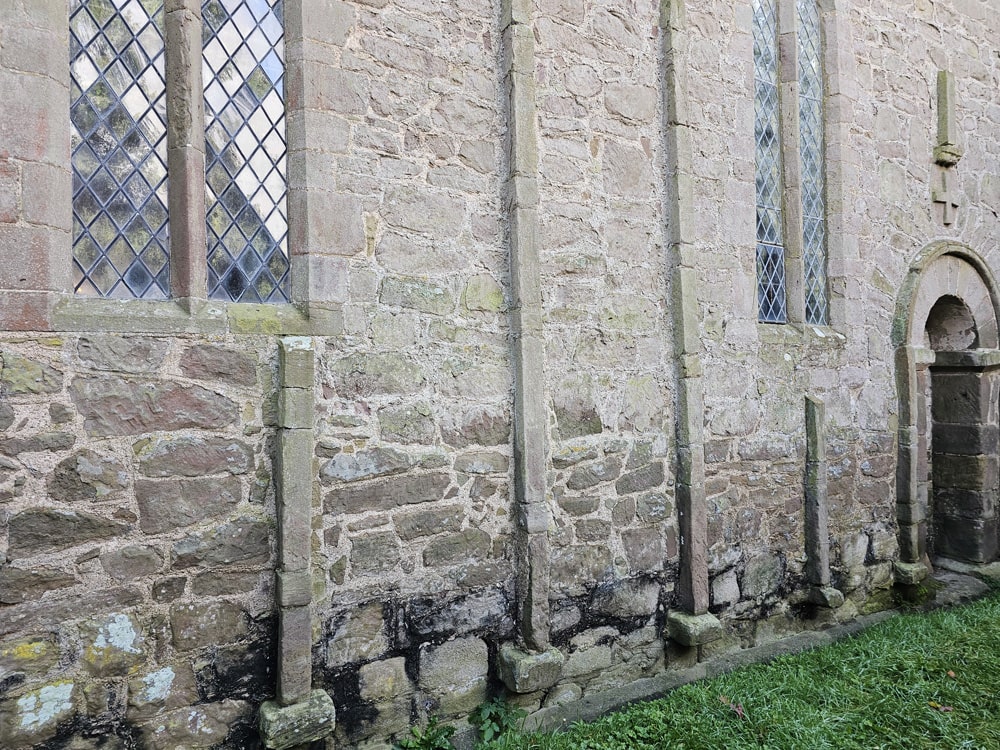
- Saxon pilaster strips
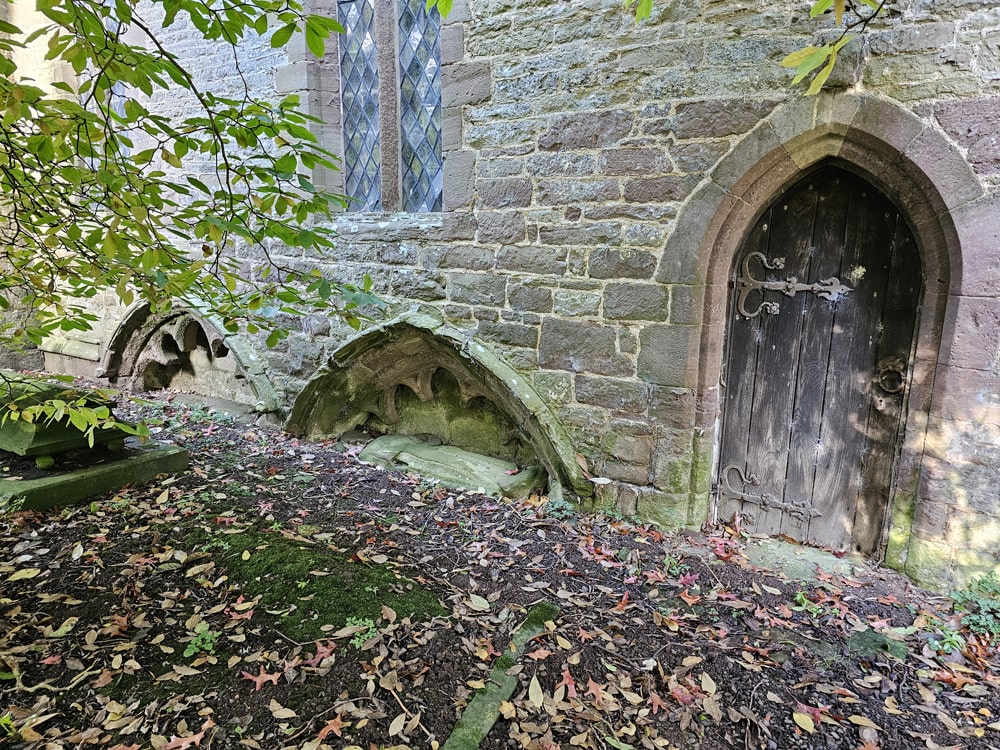
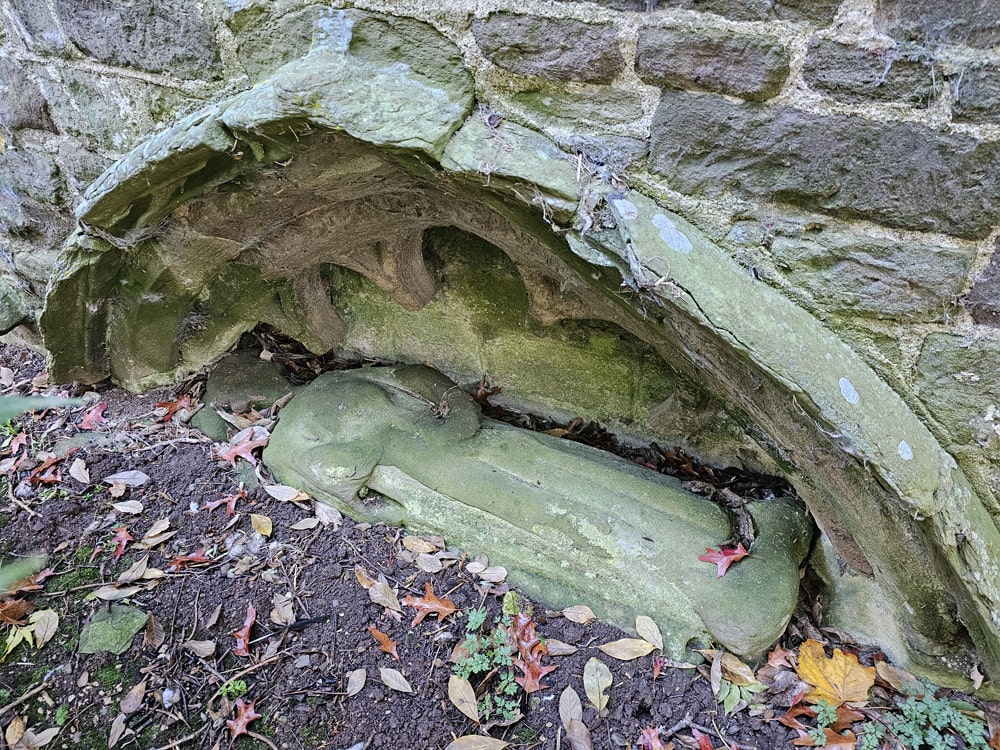
- 14th-century tomb recesses and carved effigies
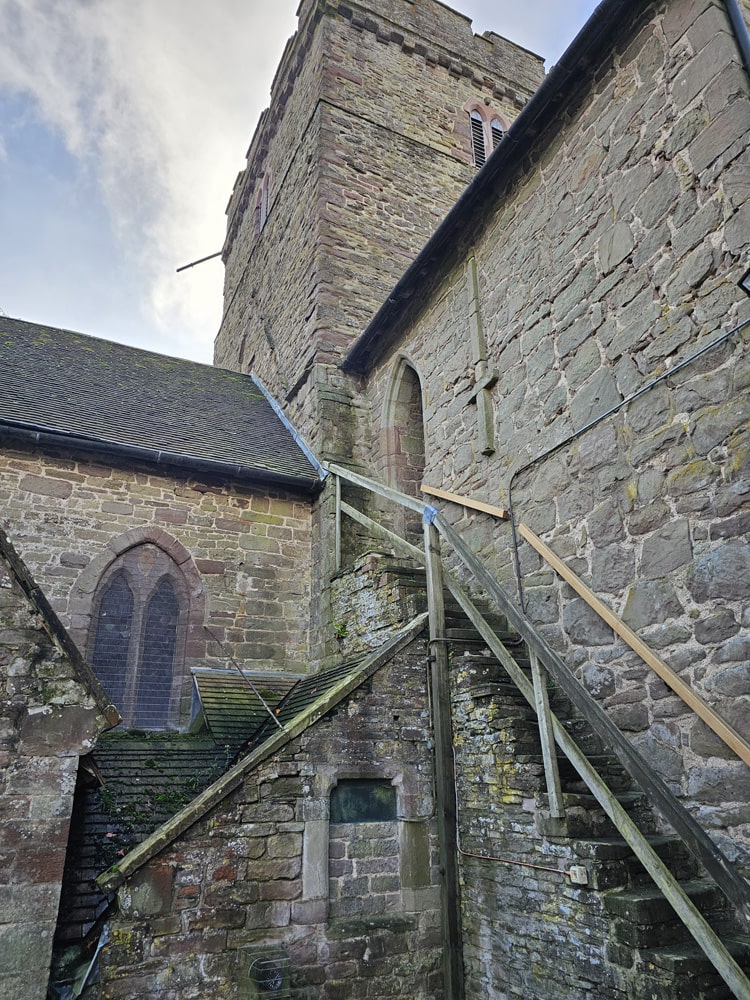
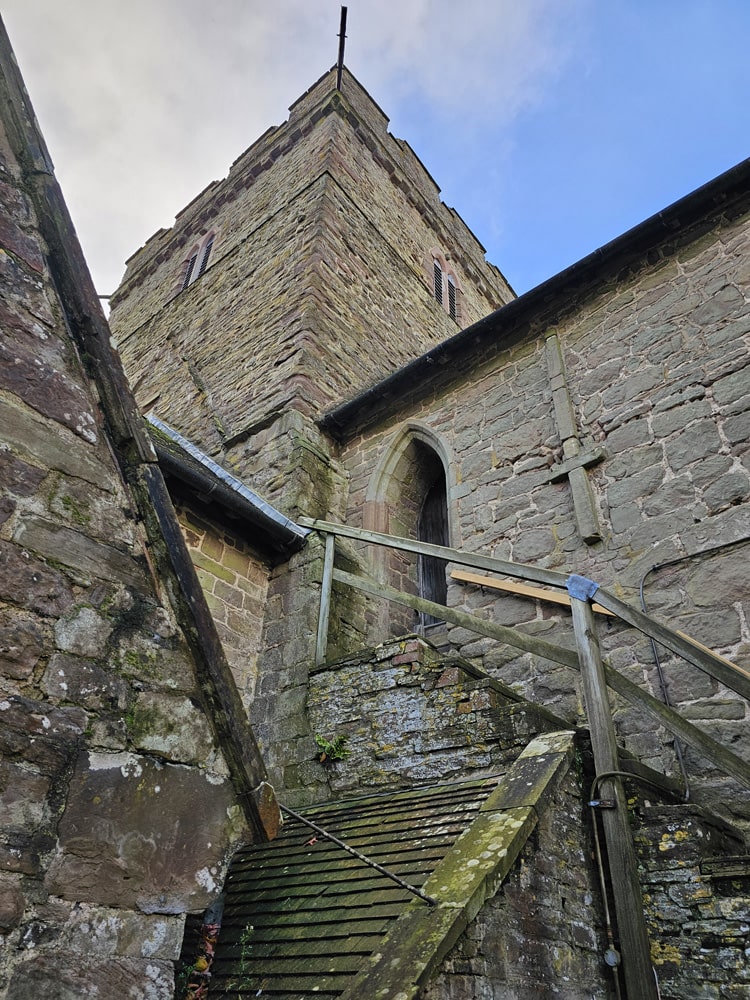
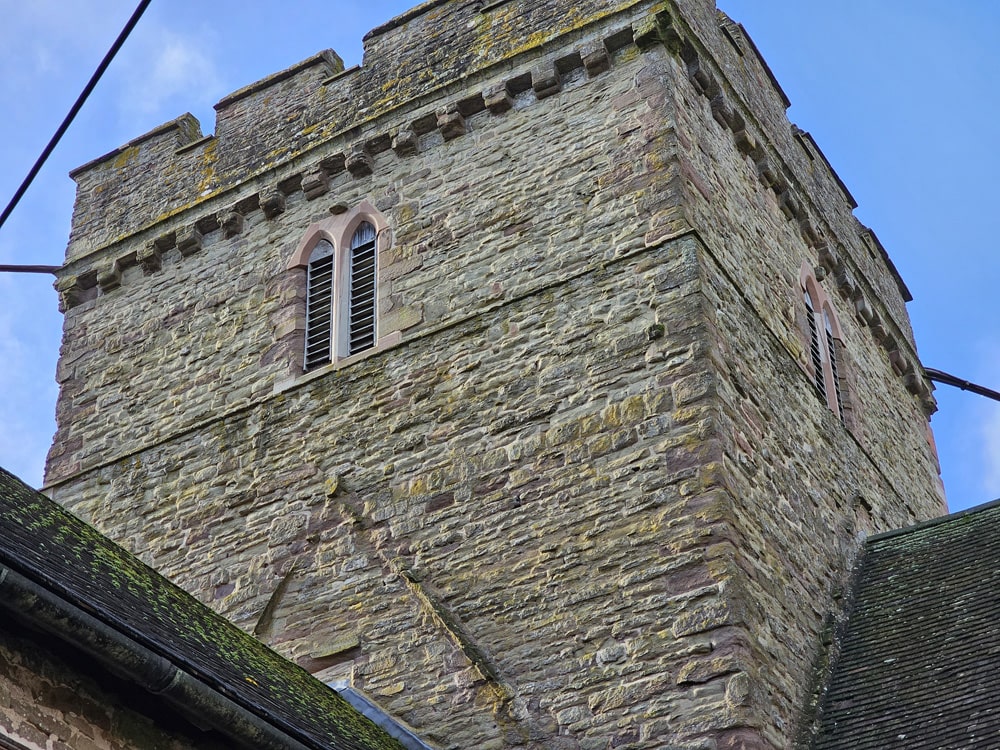
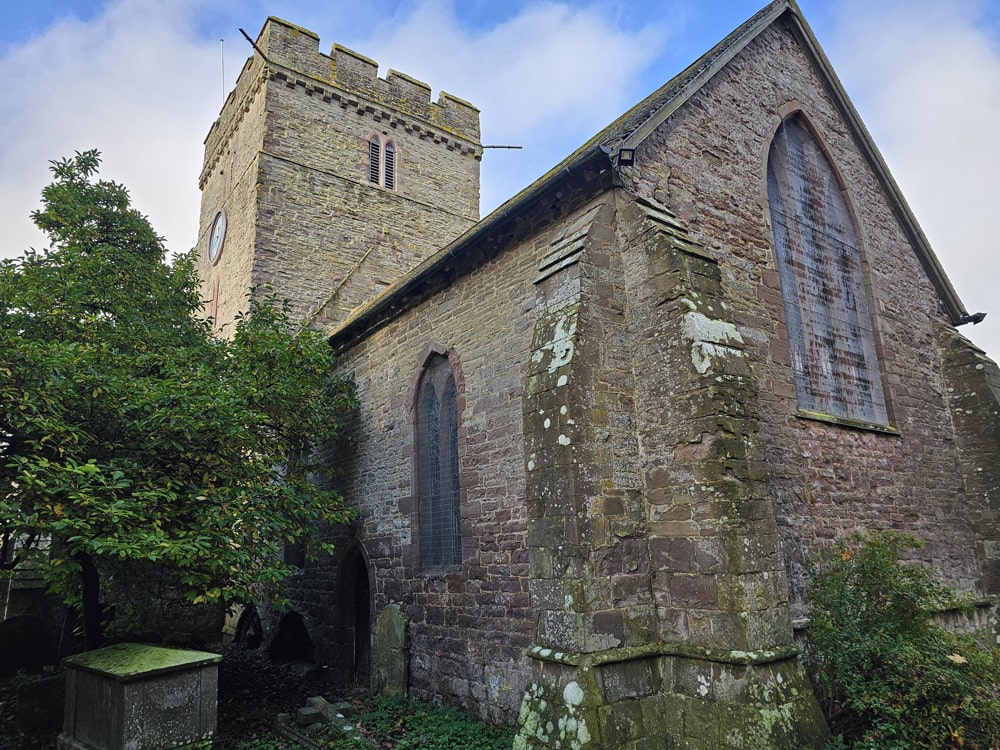
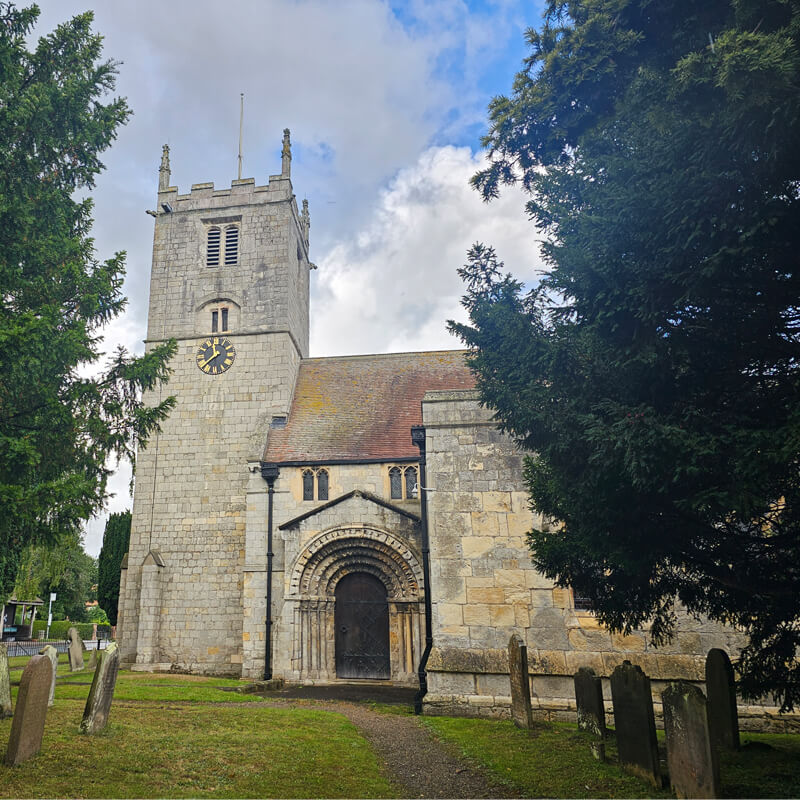
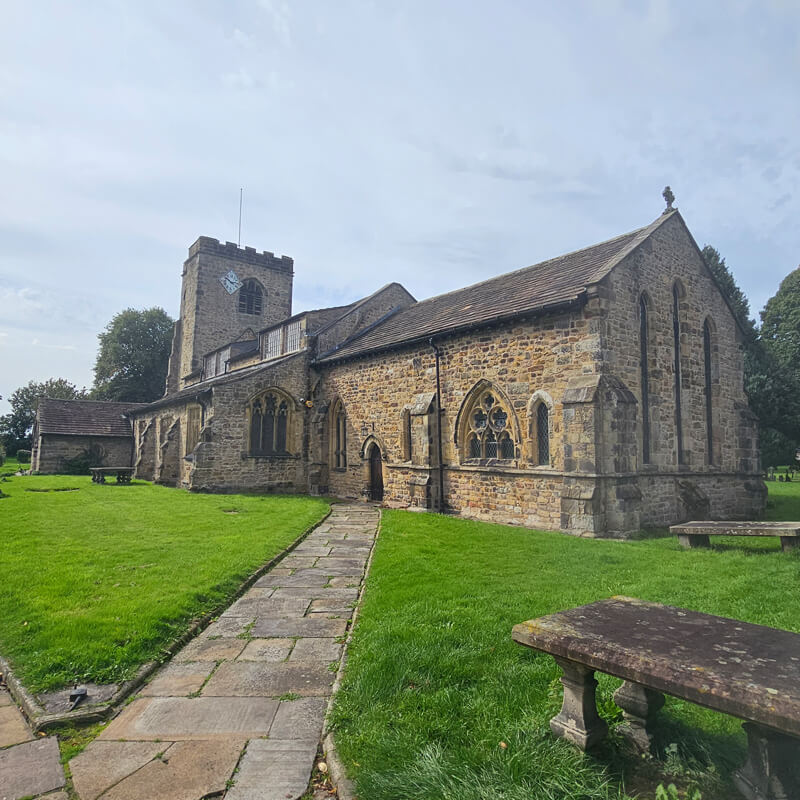
St Peter’s Church is built to a cruciform plan, with a sturdy central tower. It was first built in the early 11th century, possibly replacing a church that was built on the site roughly 300 years before that. The churchyard is even older than the church itself, dating to at least the 6th to 9th centuries, although its semi-circular shape suggests that it likely once contained a Celtic church, making it pre-Anglo-Saxon.
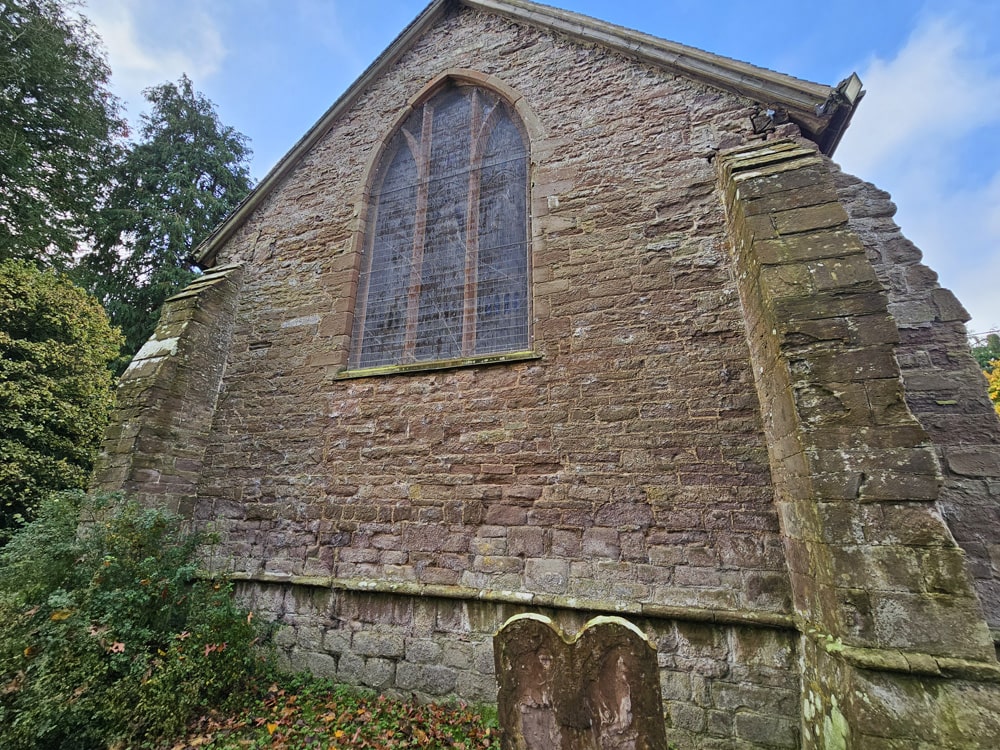
The current church building dates between the 11th and 14th centuries. Much of the church was built during the Norman and Early English periods, but parts of the nave and north transepts are Saxon, dating to around 1050.
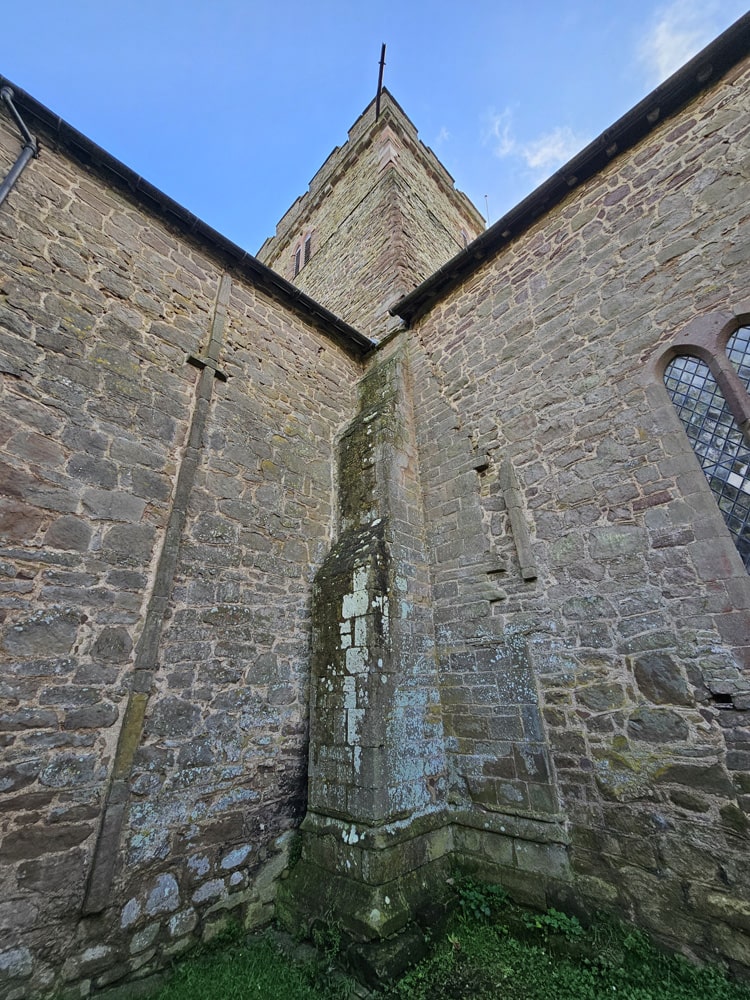
Its Saxon origins are still visible in the stonework in the west and north walls of the nave and part of north transept, with its thin pilaster strips which are typical of Anglo-Saxon work. In the north wall of the nave is an original Saxon doorway that has been blocked off. These are the oldest parts of the church.
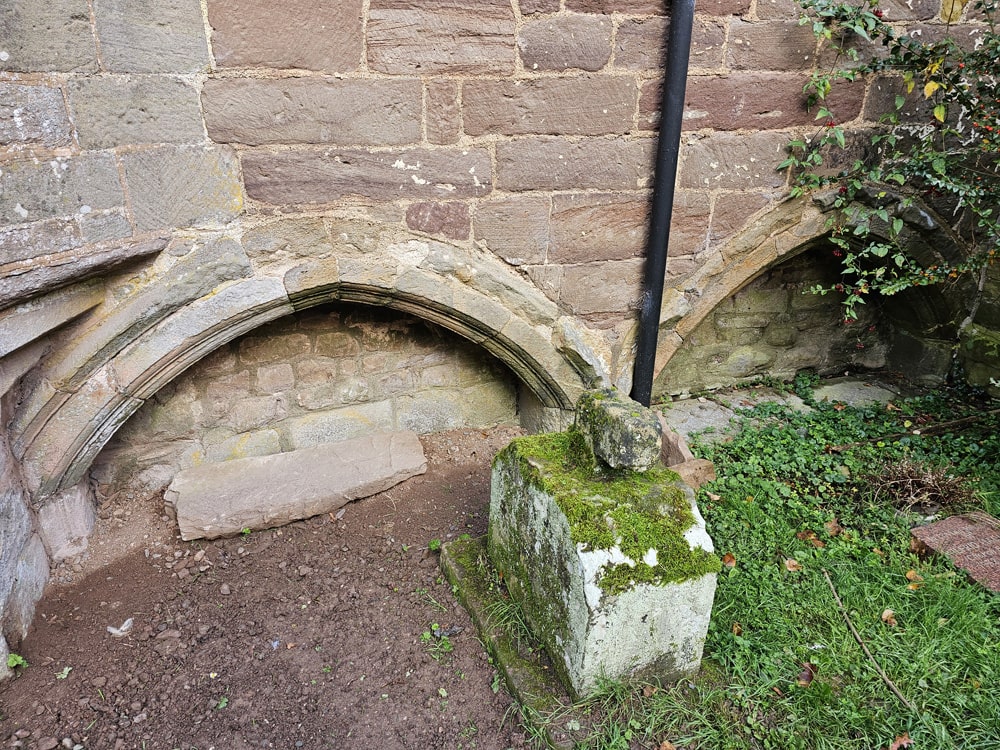
The chancel is mostly 13th century with the tower and south transept built a century later. The exterior south wall of the chancel features two 14th century canopied tomb recesses containing weathered carved effigies, one allegedly for Edmund de Mortimer. There is a story that in about 1850 one of the tombs was opened and found to contain a skeleton of great size. It has been suggested that this was Edmund de Mortimer who died, supposedly at Stanton Lacy in 1332. There is another pair of tomb recesses in the wall of the south aisle, but without effigies.
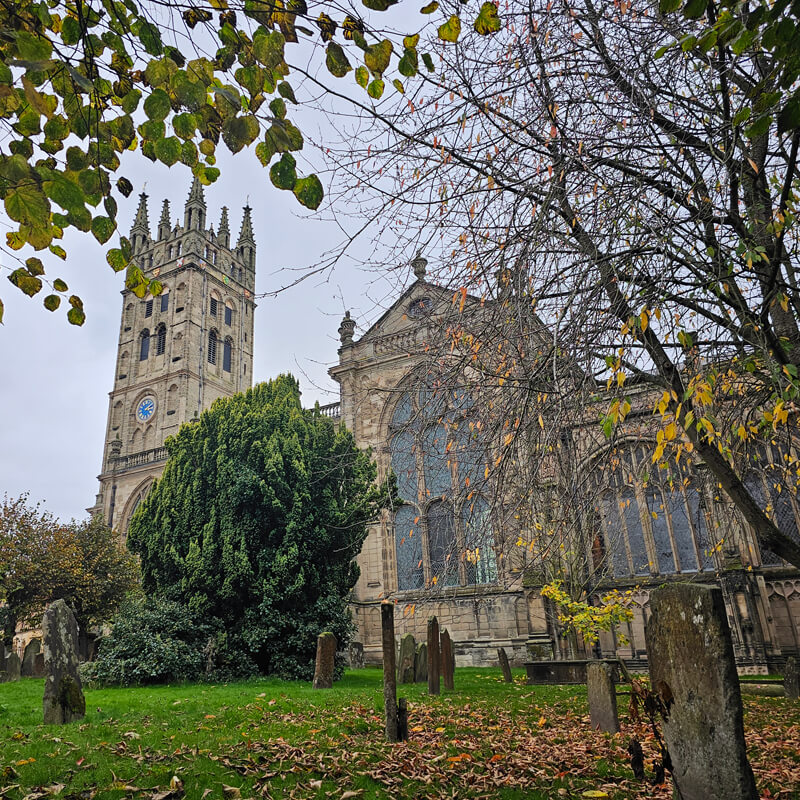
Unfortunately, when I visited St Peter’s it was closed due to construction work being carried out so I could only explore and take pictures of the exterior of the church. But as far as I’m aware the interior isn’t overly interesting and it is the exterior of this church that is the most fascinating part.
Photo Gallery.
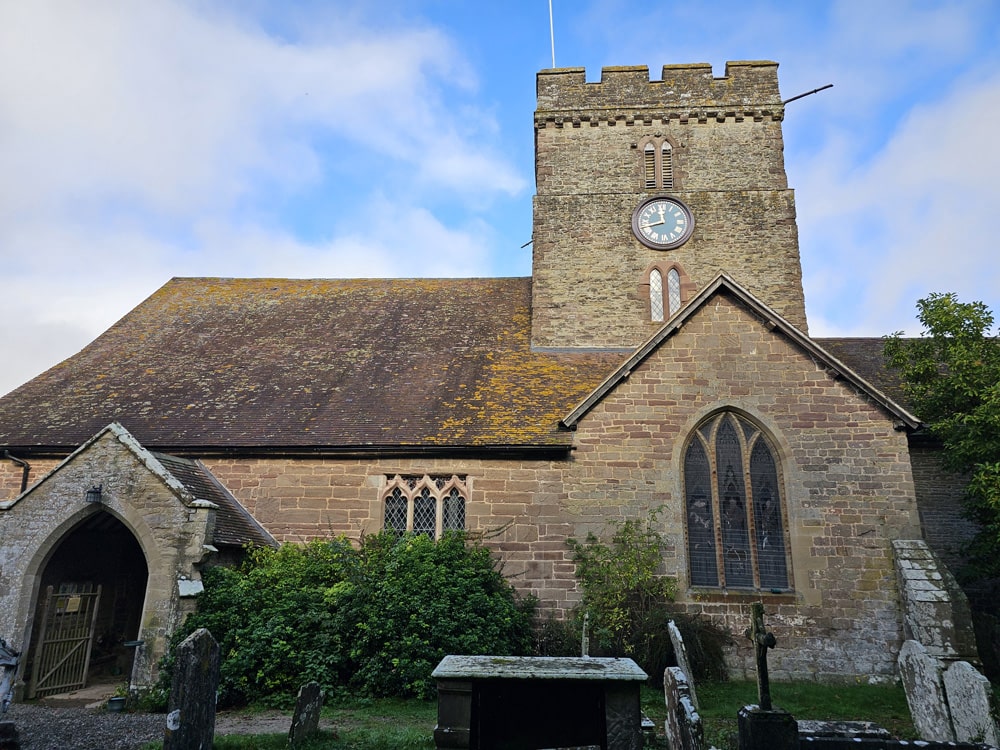
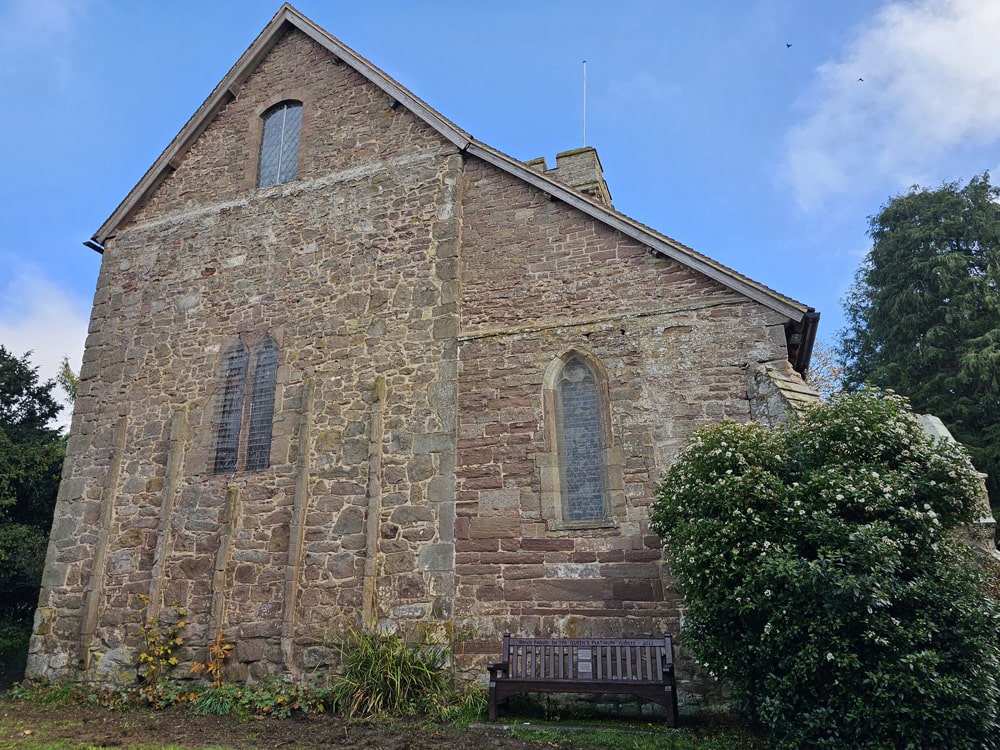
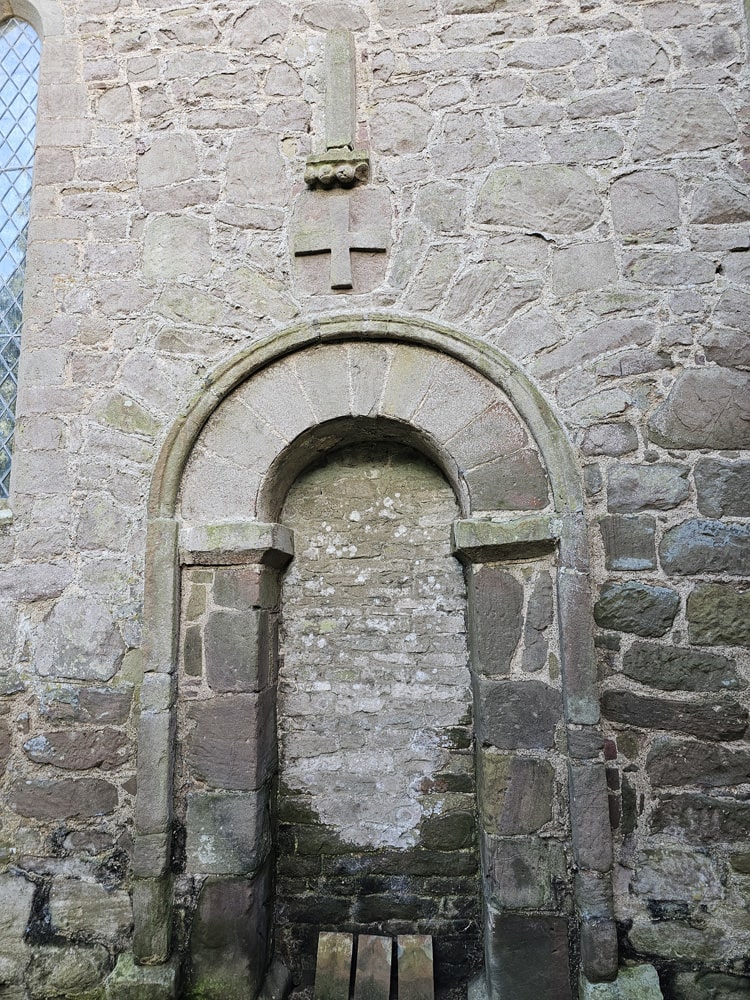
Did you enjoy this post?
I hope you found this post useful. I put a great deal of time and effort in to building, maintaining and populating the website. If you like, you could say a small thank you by buying me a coffee. You don't have to, but it would be nice :)
Buy me a coffee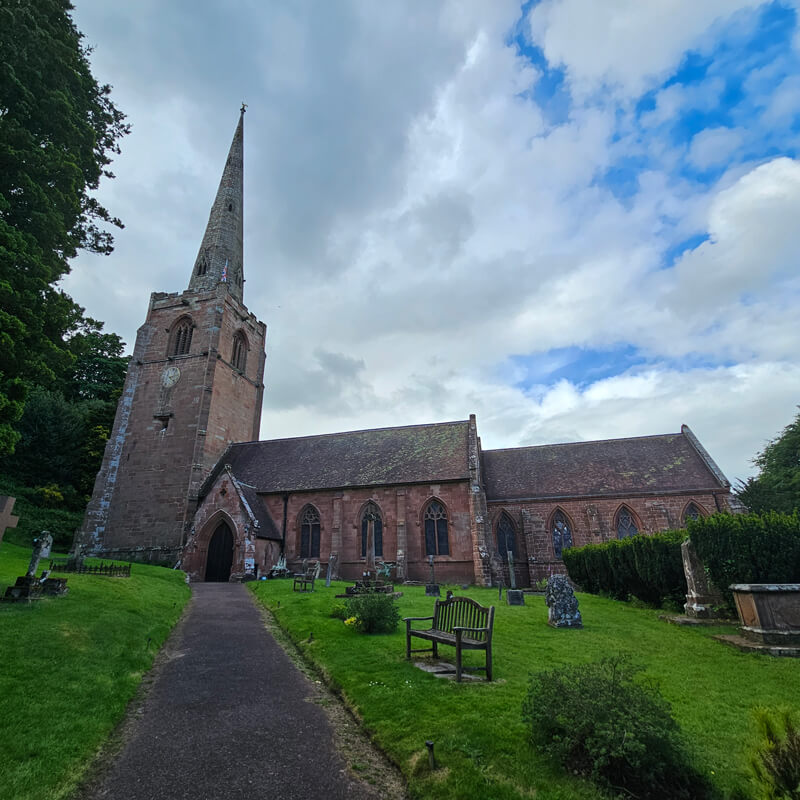
Stay up to Date
Follow me on my journey and get notified whenever a new post is published by following Kings & Castles on Facebook.
Follow MeExplore The Map
Discover the hundreds of castles, churches, monasteries, cathedrals and other historic locations that I've personally visited across England and Wales. Search by location, explore nearby sites and plan your next historical adventure.
Share: