St Wilfrid’s Church, Ribchester
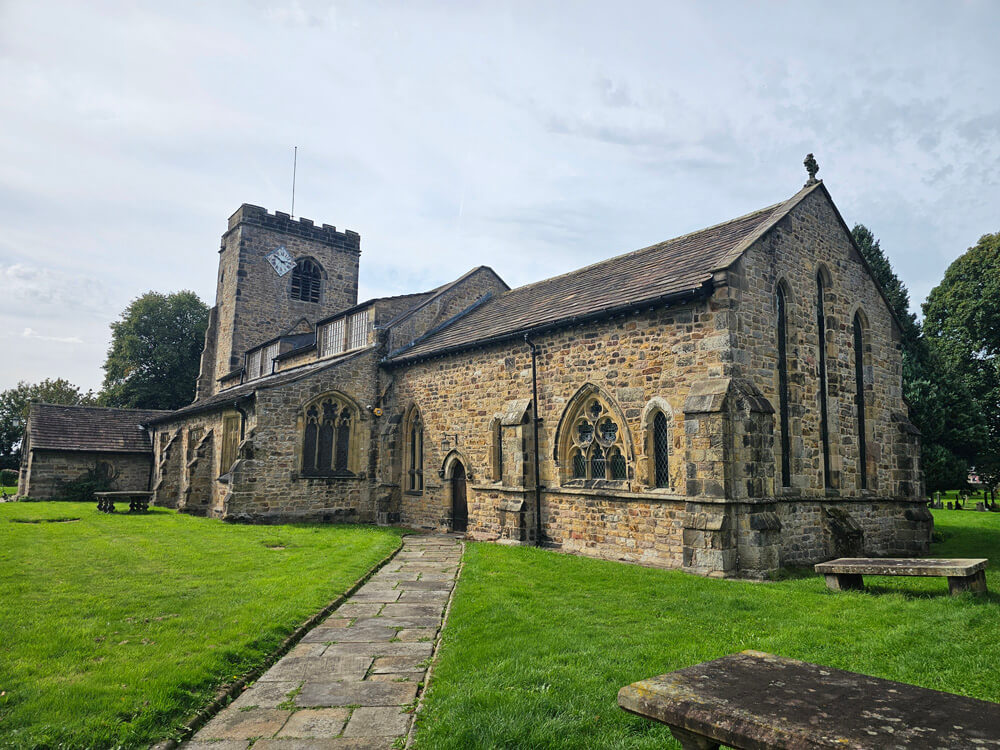
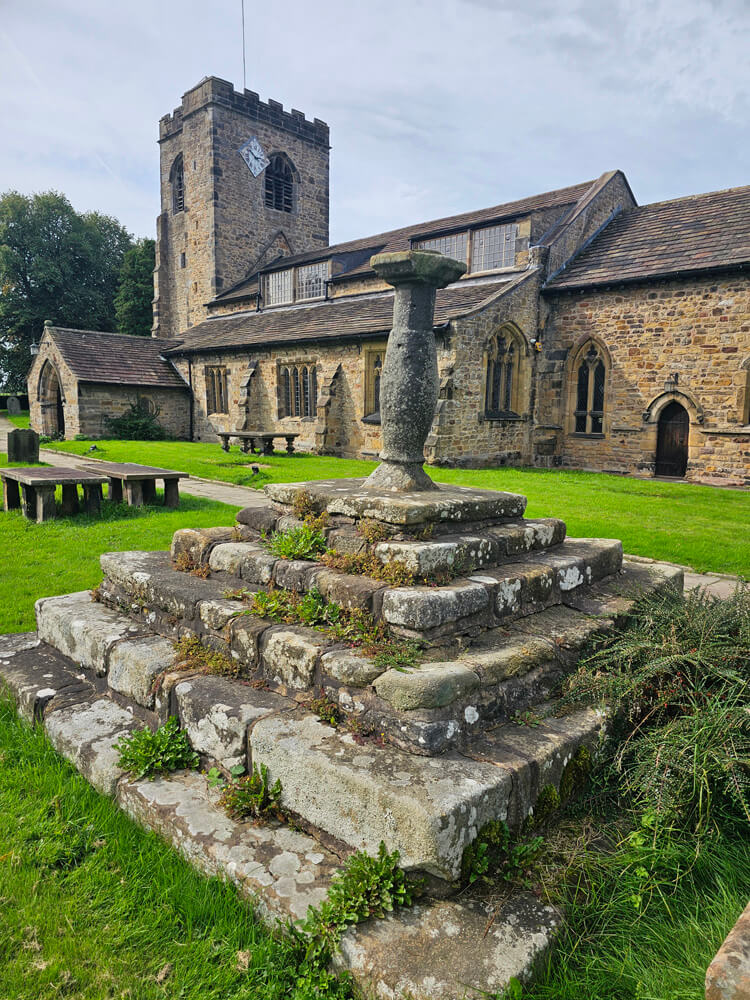
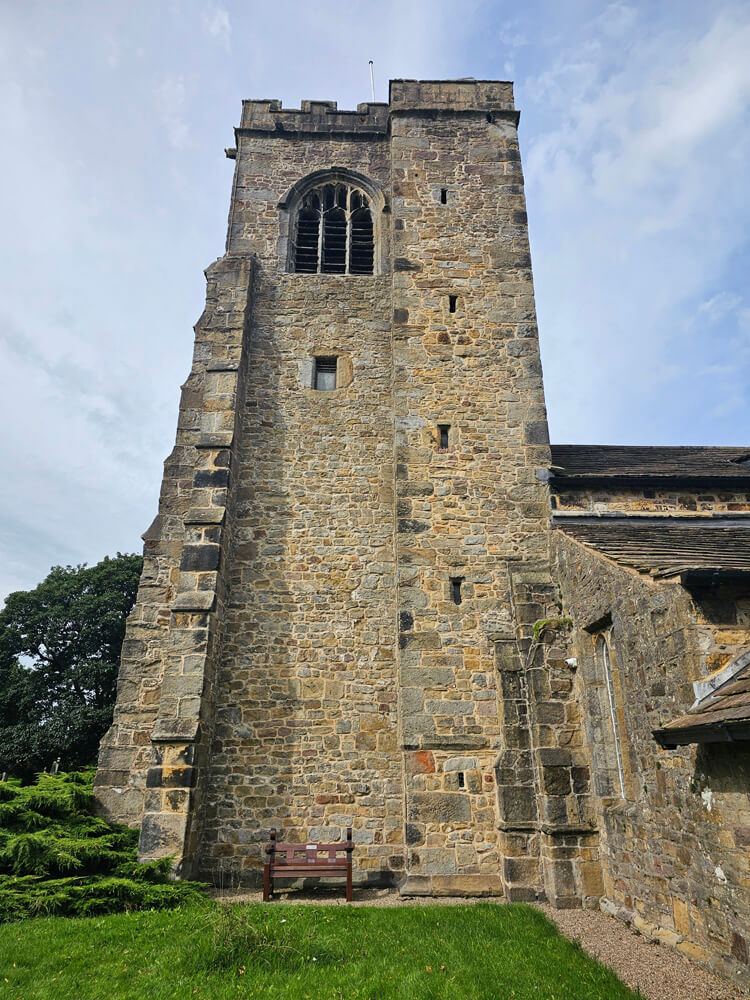
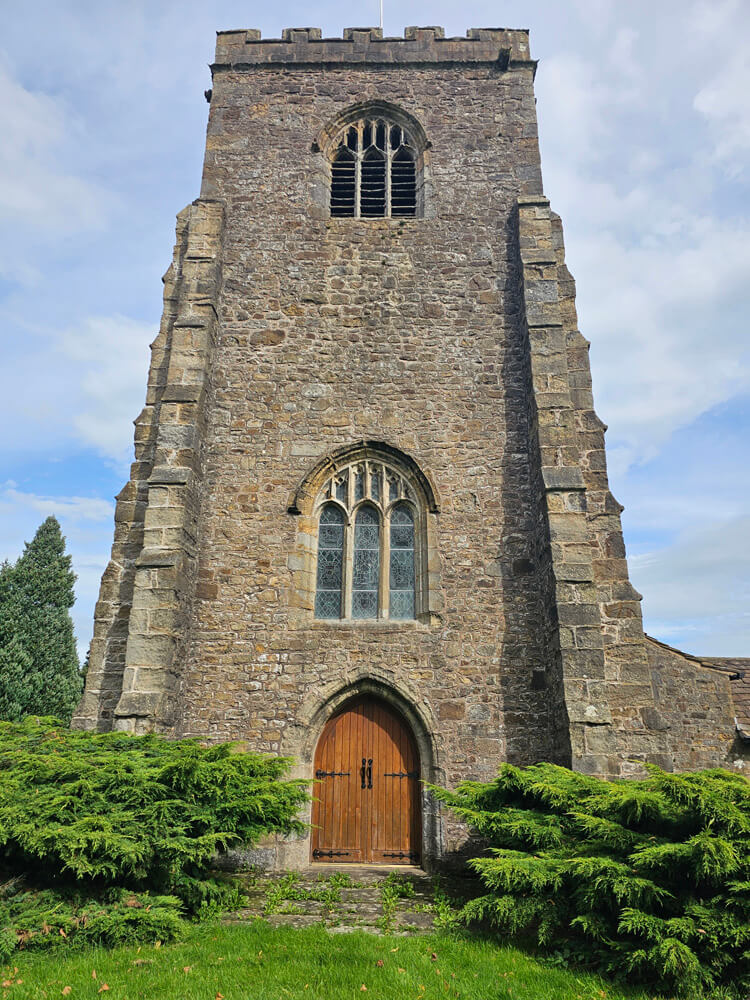
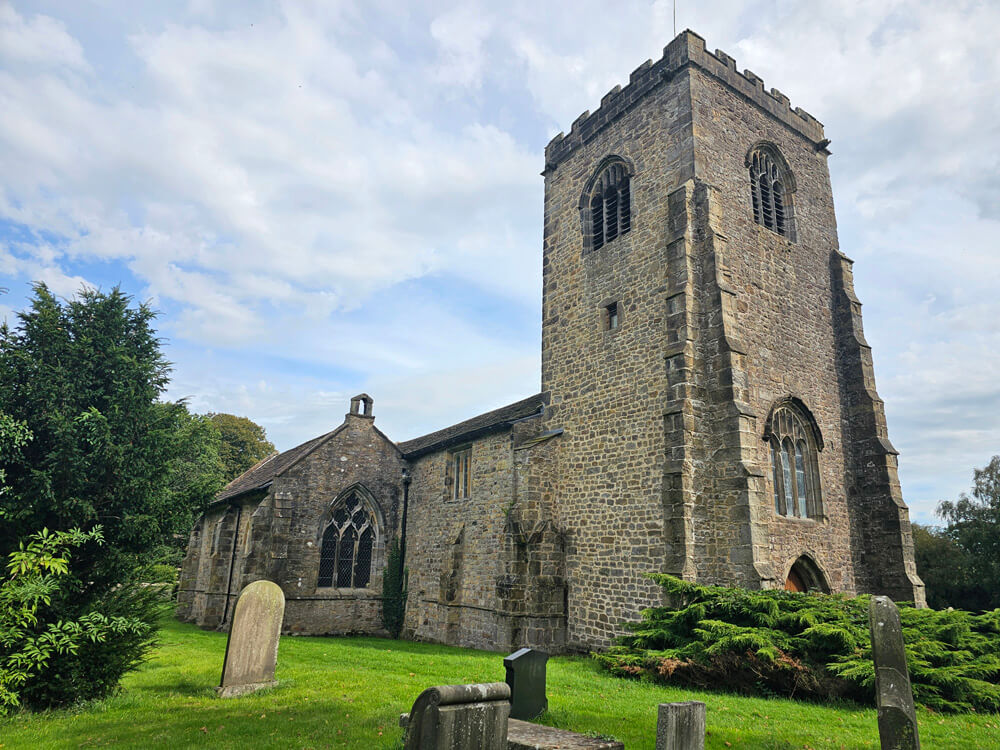
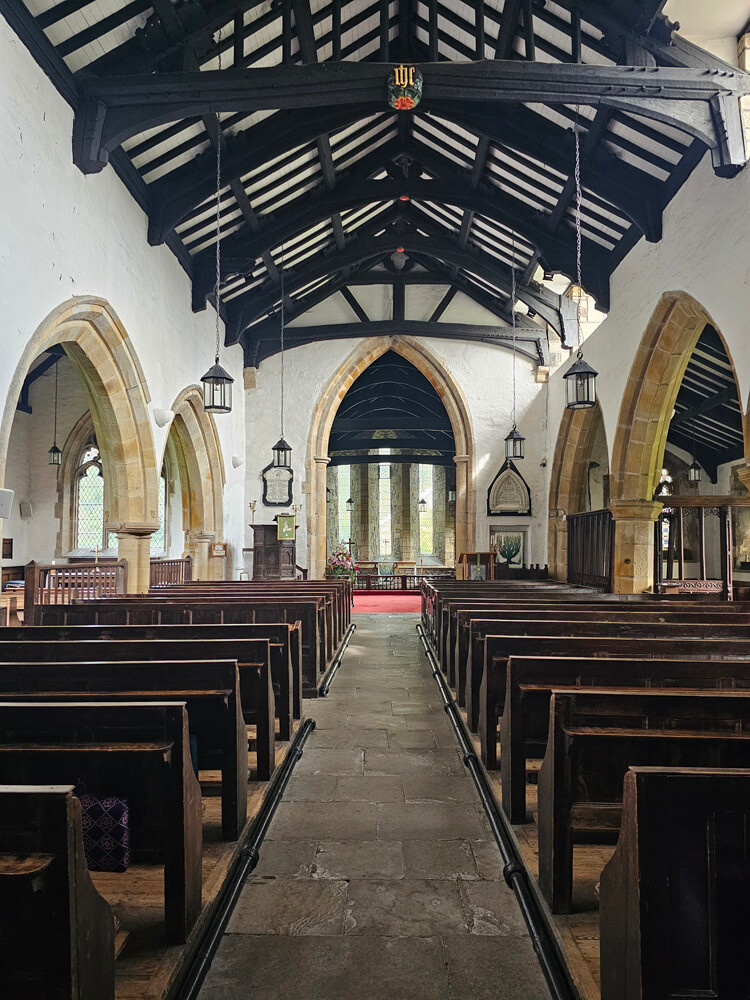
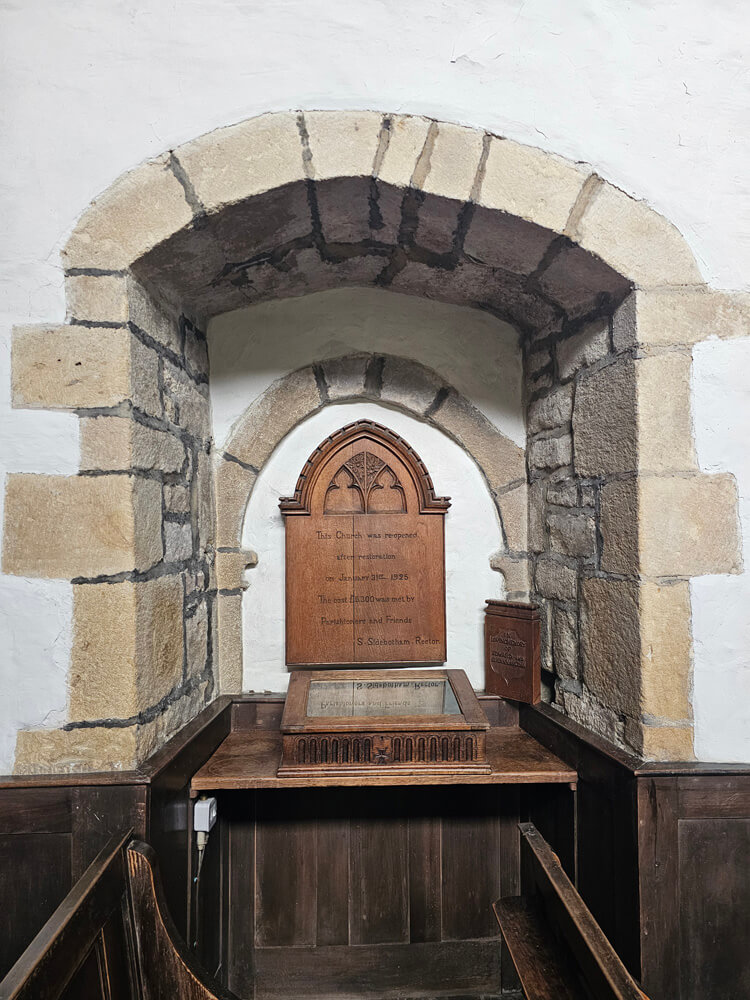
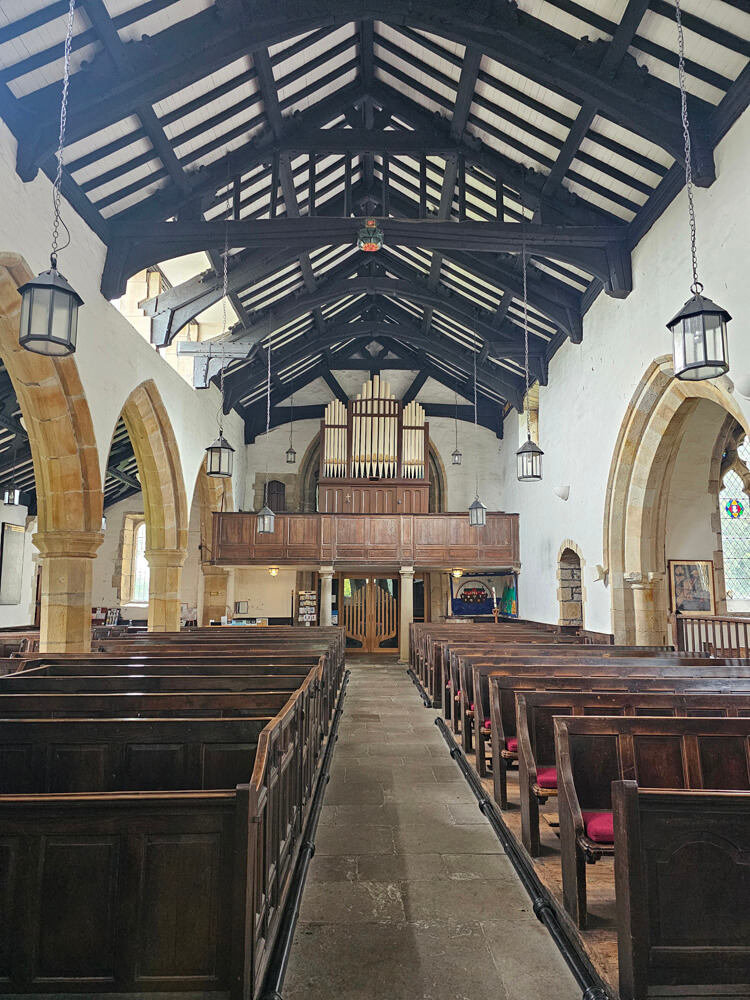
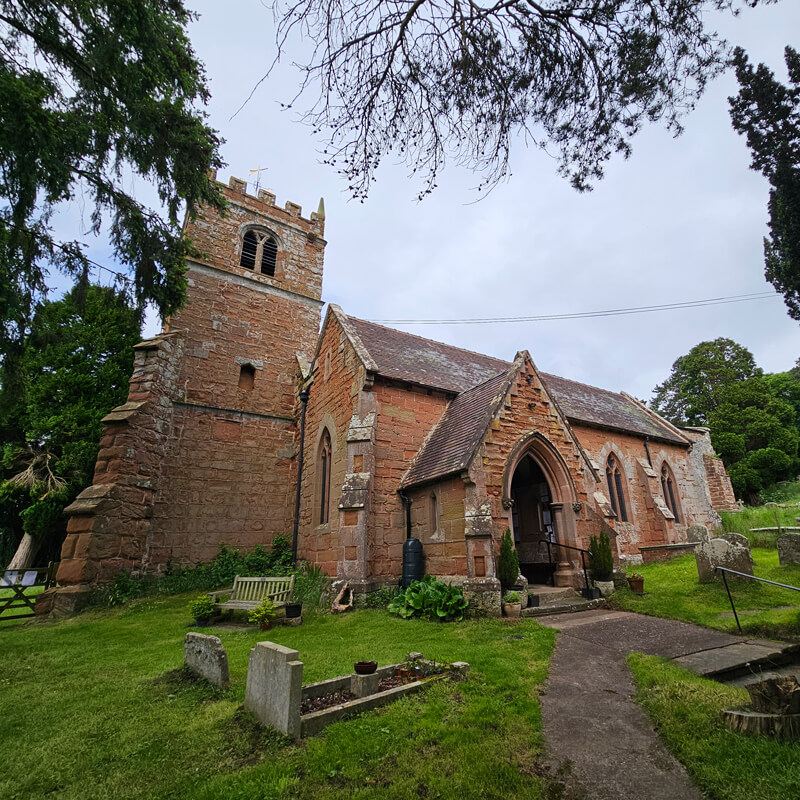
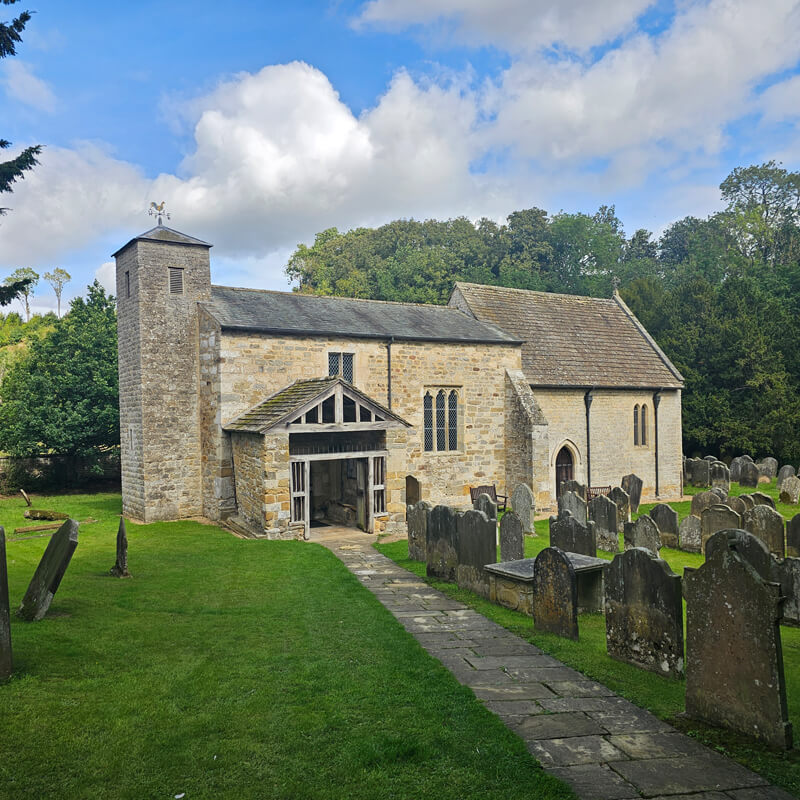
St Wilfrid’s Church in Ribchester, Lancashire, stands in a village whose history stretches back to Roman times. The church is in the main part Medieval, in the Early English tradition, with much of it dating to the 13th and 14th centuries.
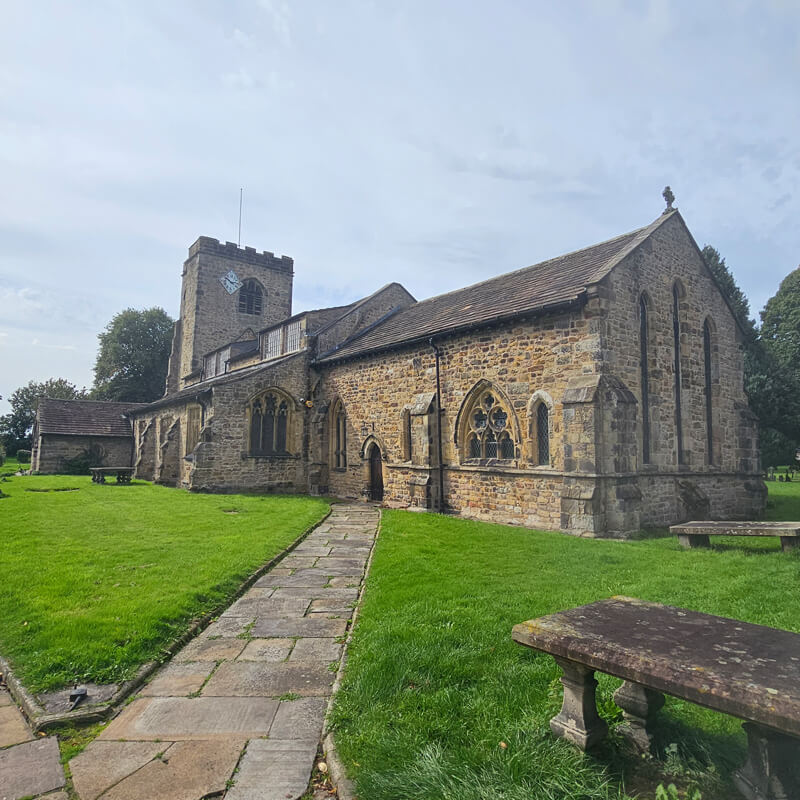
The church is dedicated to St Wilfrid, the 7th-century Northumbrian bishop who played an important role in the conversion of northern England to Christianity. Although the present building has been altered over the centuries, it retains important features from the medieval period.
The church occupies a site close to the remains of the Roman settlement of Bremetennacum, and there is evidence that Christian worship took place in Ribchester from an early date. The present church largely dates from the 13th and 14th centuries, although earlier structures may have occupied the site.
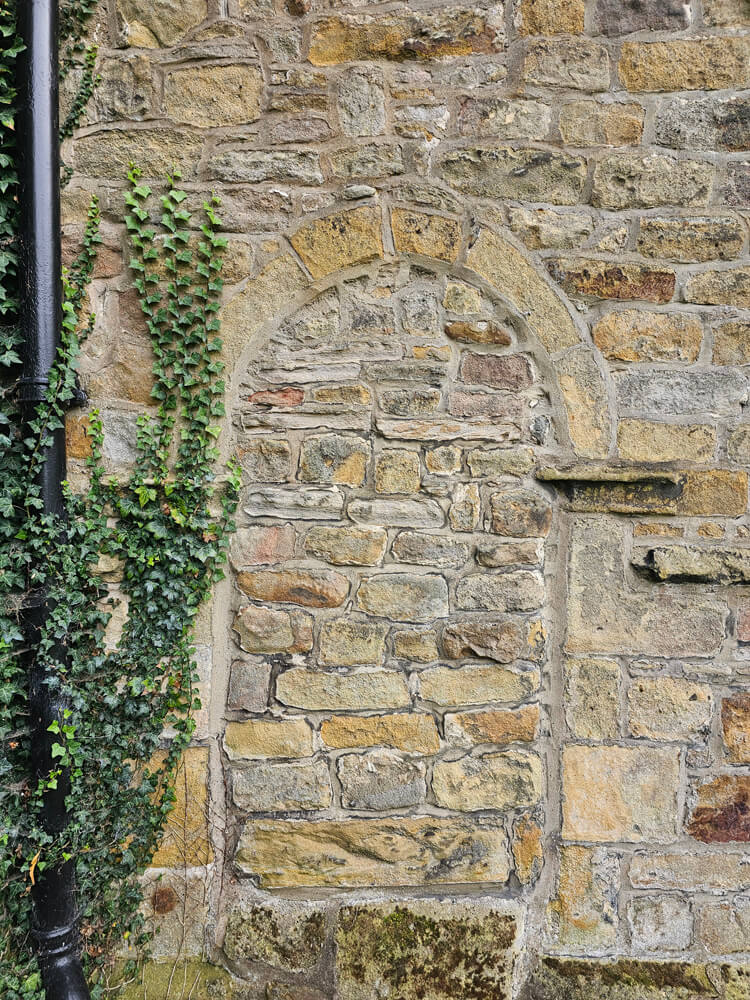
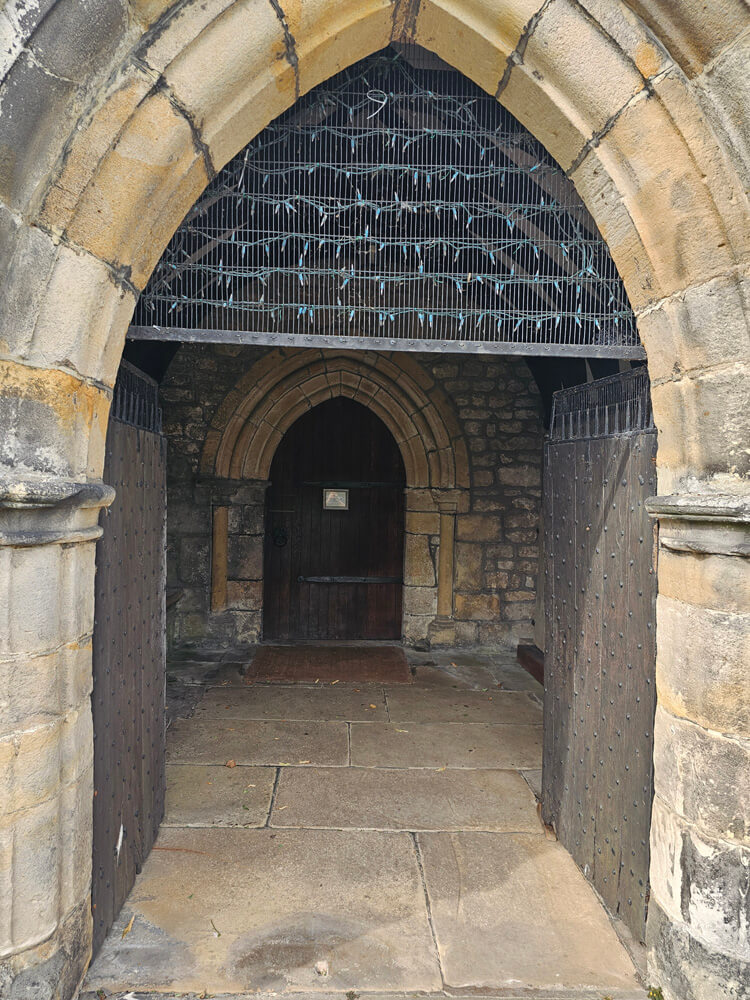
One of its most interesting medieval features is the Norman doorway, incorporating reused Roman stone. This reflects Ribchester’s unusual history, where medieval builders had access to the remains of the abandoned Roman settlement. Roman fragments can also be seen incorporated into the church’s fabric, providing a fascinating link between the ancient and medieval communities. A blocked Norman doorway in the north wall is probably part of an earlier structure.
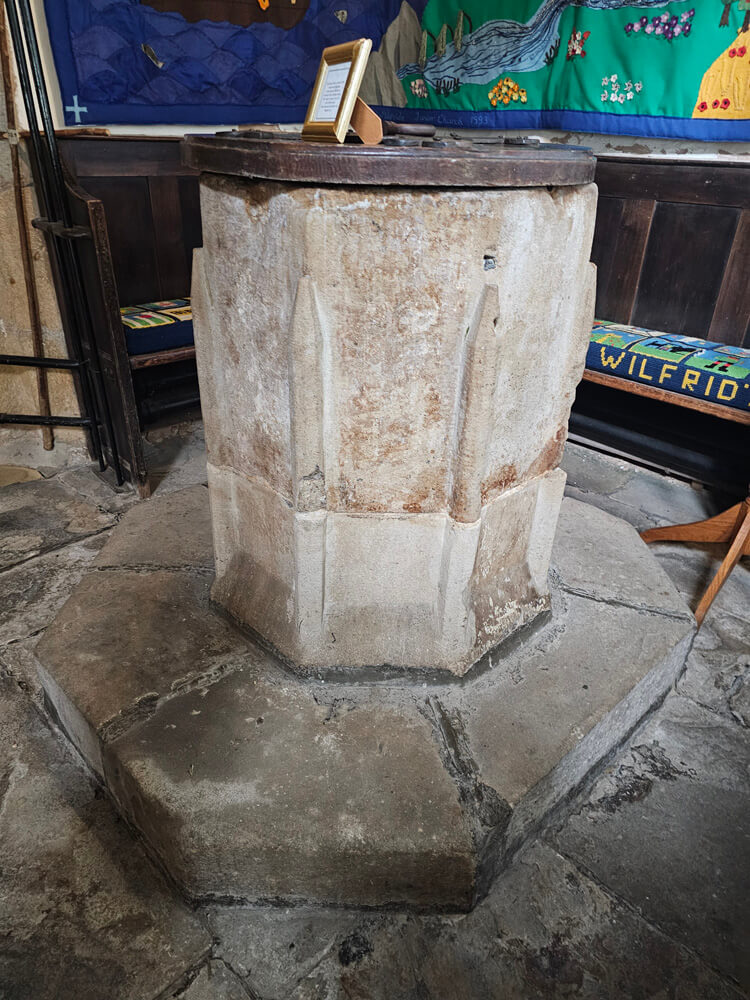
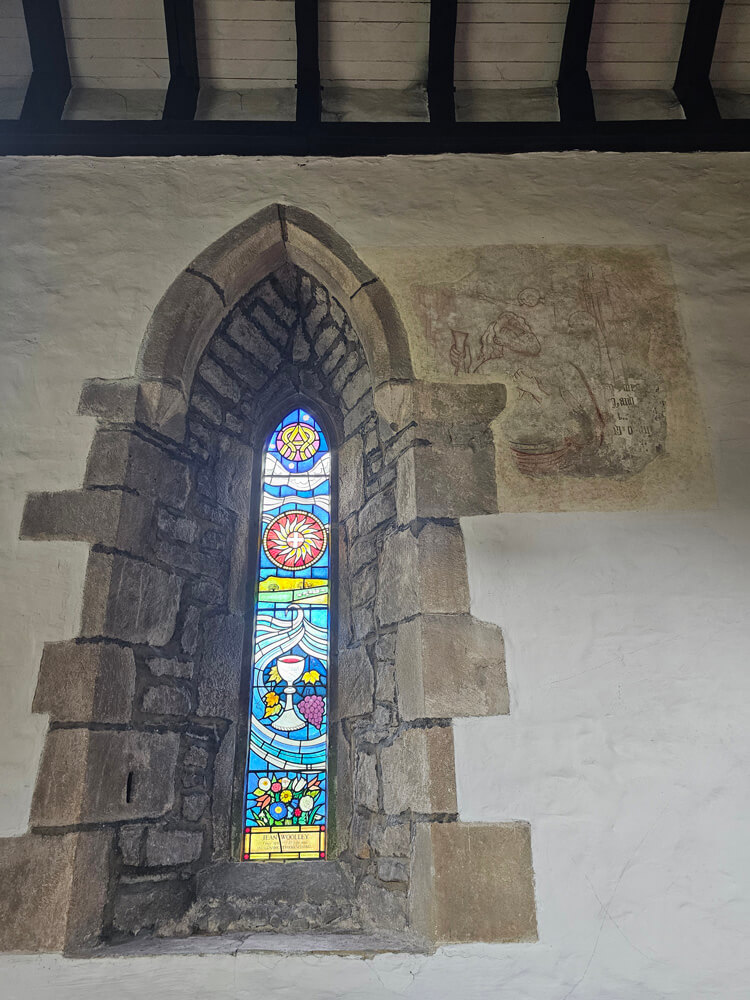
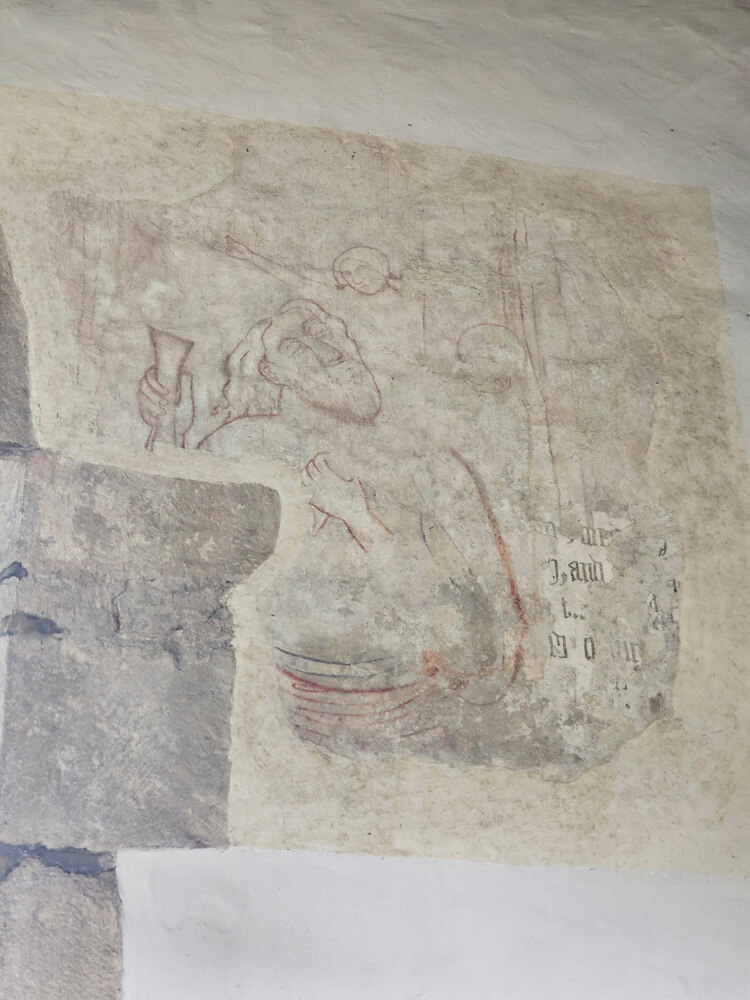
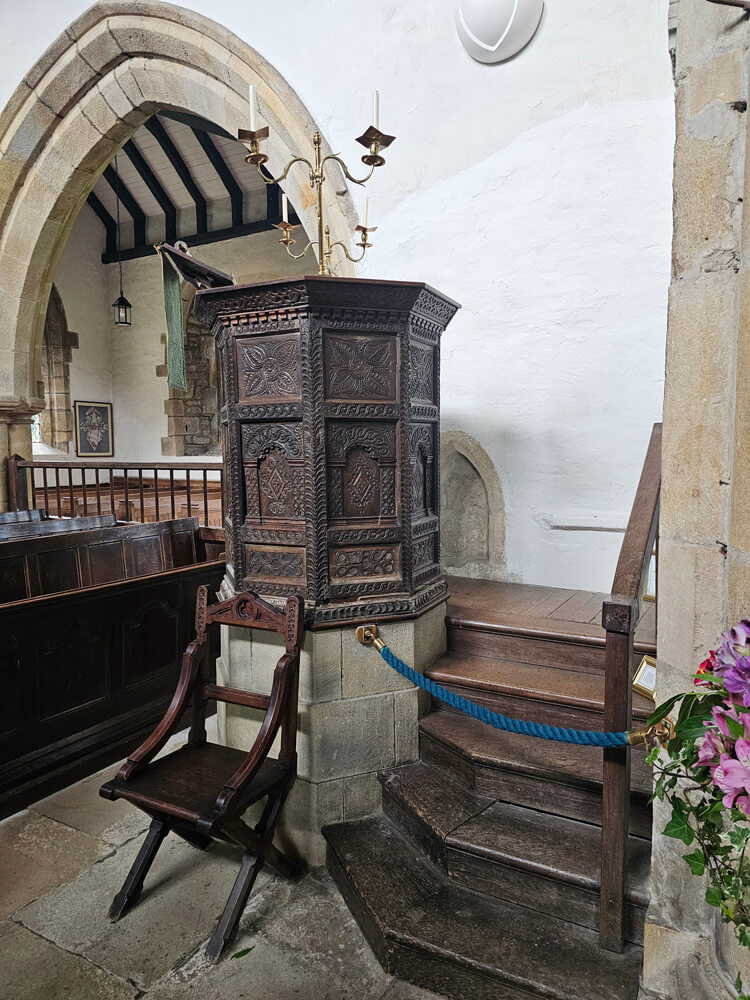
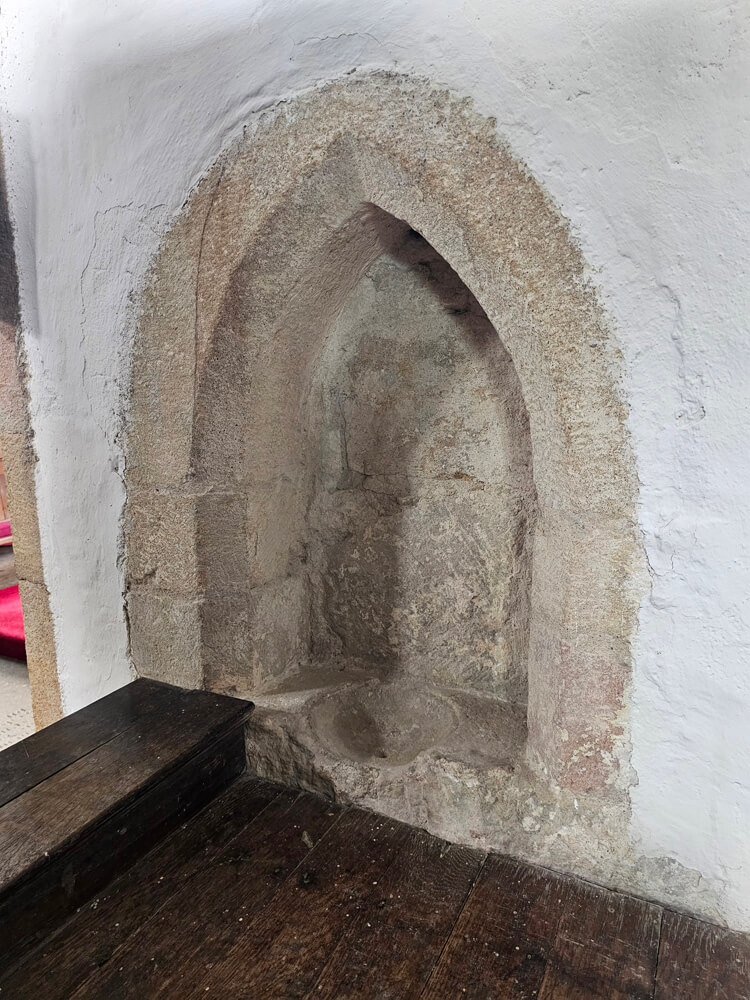
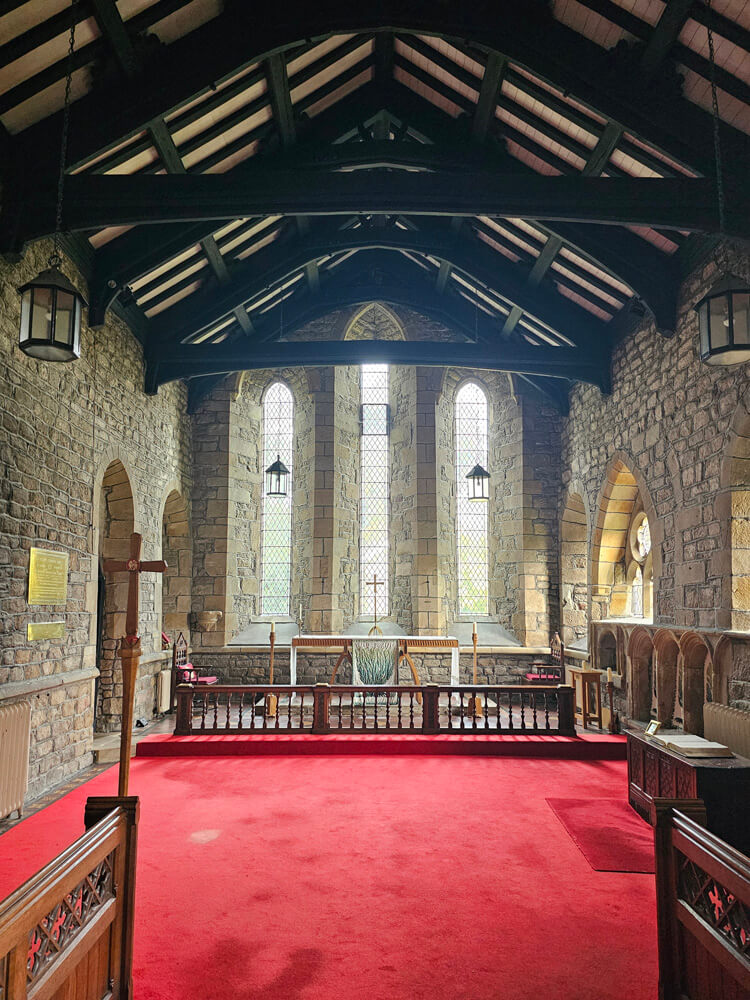
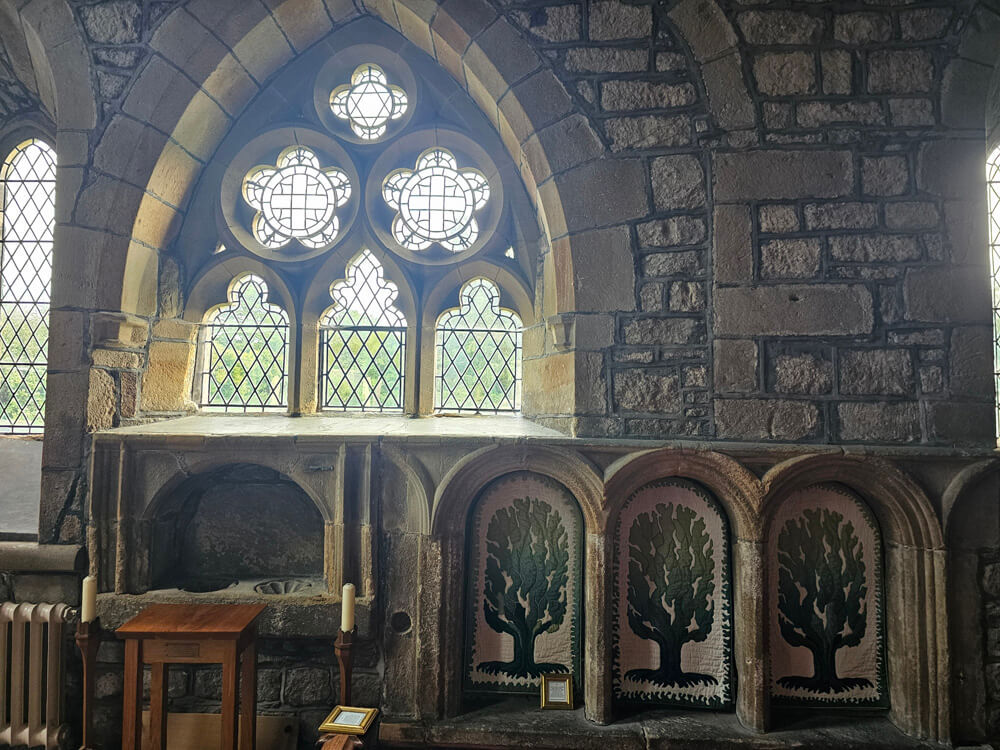
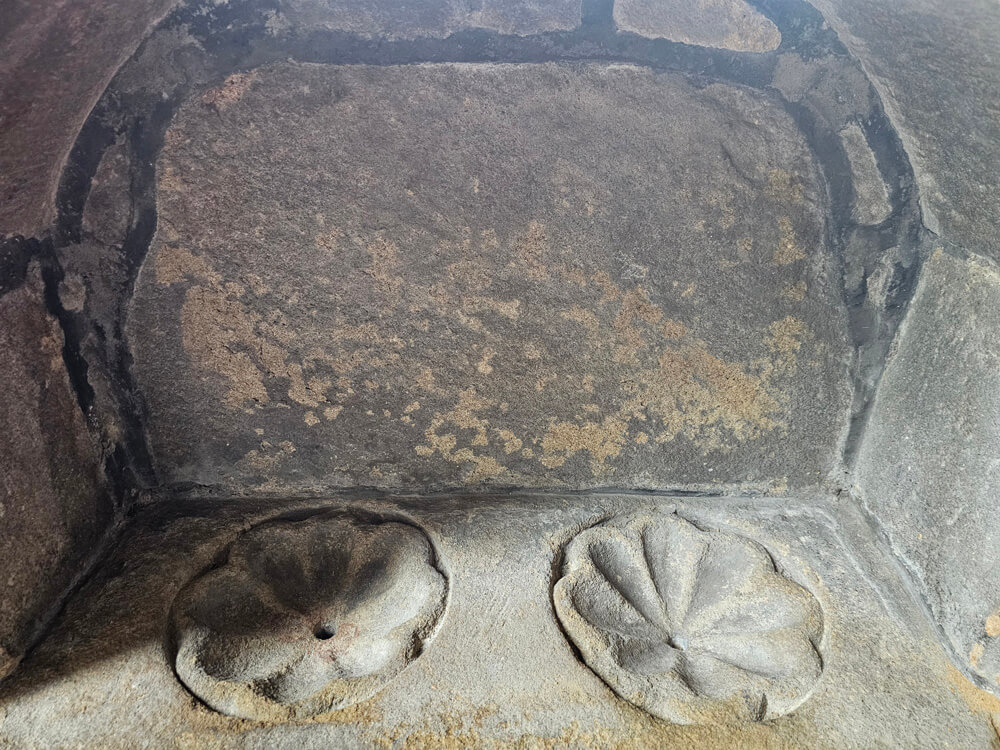
Inside the chancel, there is a three seat sedilia set in the wall and a rare two bowled piscina, shaped like flower petals. These features date from the 1300s. The octagonal font could also be from this time period. Located on the north wall of the Dutton Choir, there is a faint portion of a medieval wall painting of Saint Christopher carrying the Christ child across water, believed to date from the 14th or 15th century. There is also a beautifully decorated wooden Jacobean pulpit dated 1636.
The church’s proximity to Ribchester’s Roman remains makes it particularly significant. Medieval Christians lived among the ruins of the former Roman settlement, and materials from the Roman buildings were reused in later construction. This blending of Roman and medieval fabric is one of the church’s most distinctive characteristics.
During the Reformation of the 16th century, St Wilfrid’s survived the destruction that affected many religious buildings. It continued as the parish church and was subsequently repaired and altered at various times.
Today, St Wilfrid’s remains an important historic building at the heart of Ribchester. Its medieval architecture, ancient stonework and connections with the Roman settlement make it a remarkable reminder of the many layers of history preserved within this small Lancashire village.
Photo Gallery.
Did you enjoy this post?
I hope you found this post useful. I put a great deal of time and effort in to building, maintaining and populating the website. If you like, you could say a small thank you by buying me a coffee. You don't have to, but it would be nice :)
Buy me a coffee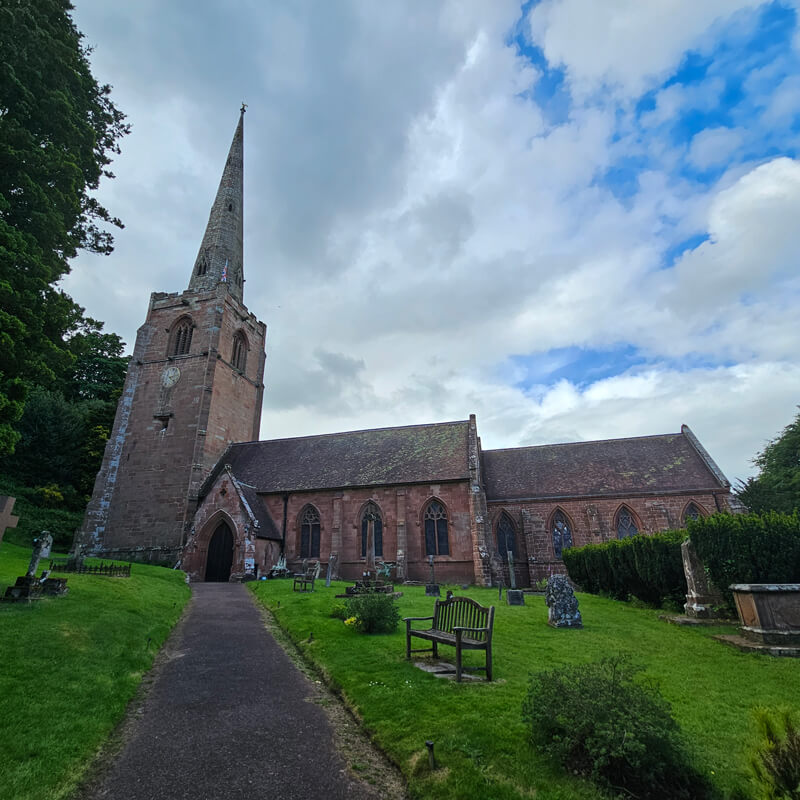
Stay up to Date
Follow me on my journey and get notified whenever a new post is published by following Kings & Castles on Facebook.
Follow MeExplore The Map
Discover the hundreds of castles, churches, monasteries, cathedrals and other historic locations that I've personally visited across England and Wales. Search by location, explore nearby sites and plan your next historical adventure.
Share: