Belas Knap Long Barrow
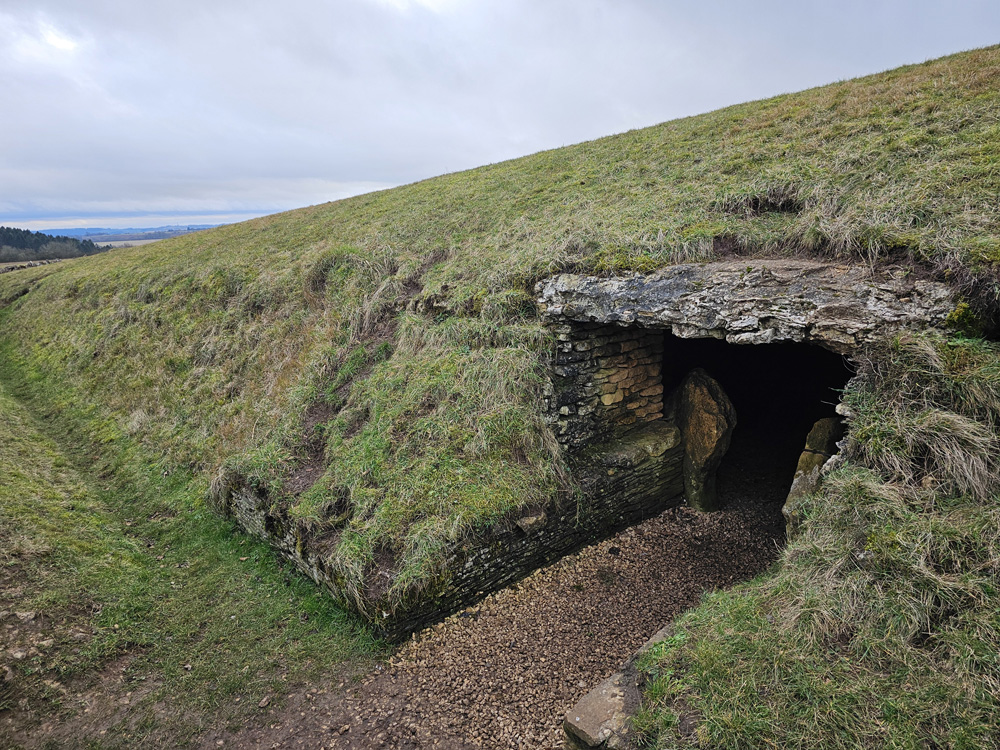
Belas Knap Long Barrow is a Neolithic long barrow near Winchcombe in Gloucestershire, built over 5,500 years ago. The site is on the Cotswold Way National Trail in very rural surroundings and is one of four Gloucestershire long barrows in the care of English Heritage.
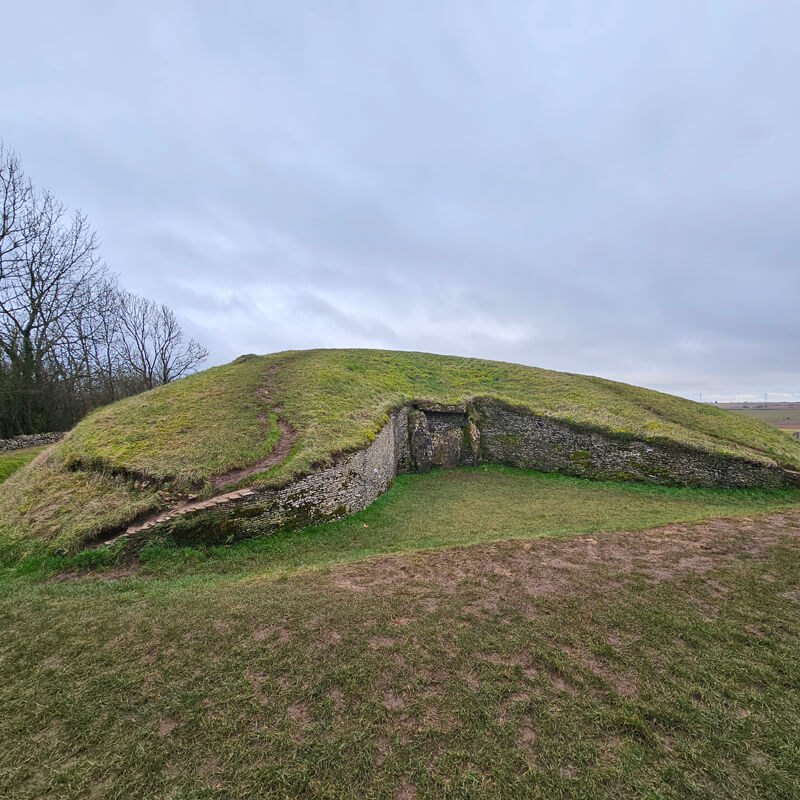
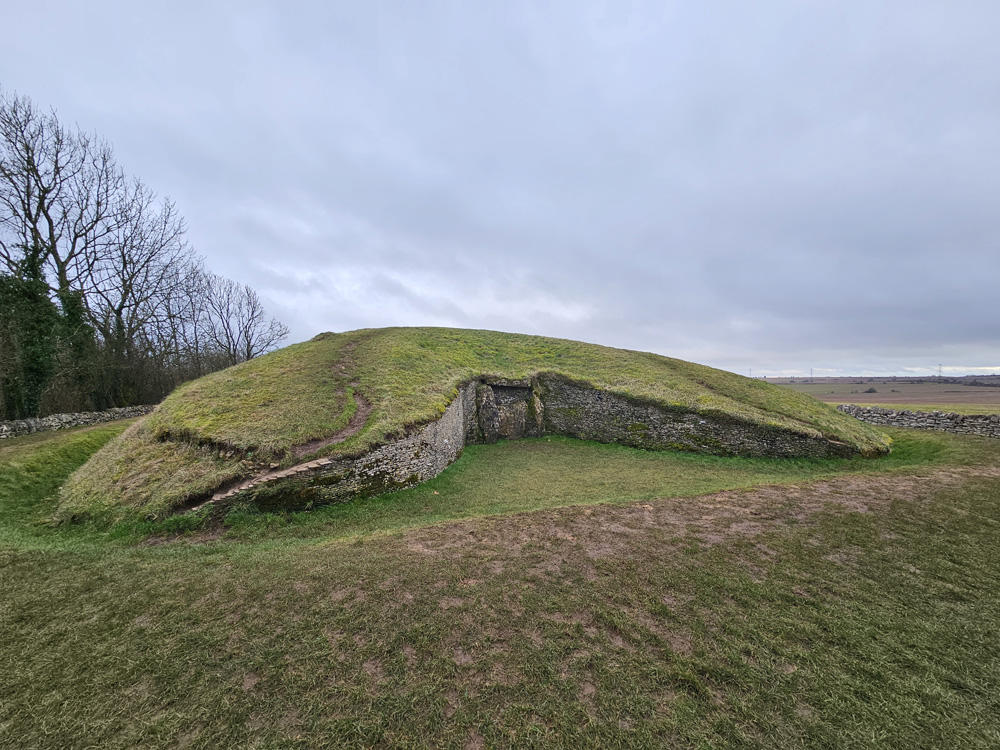
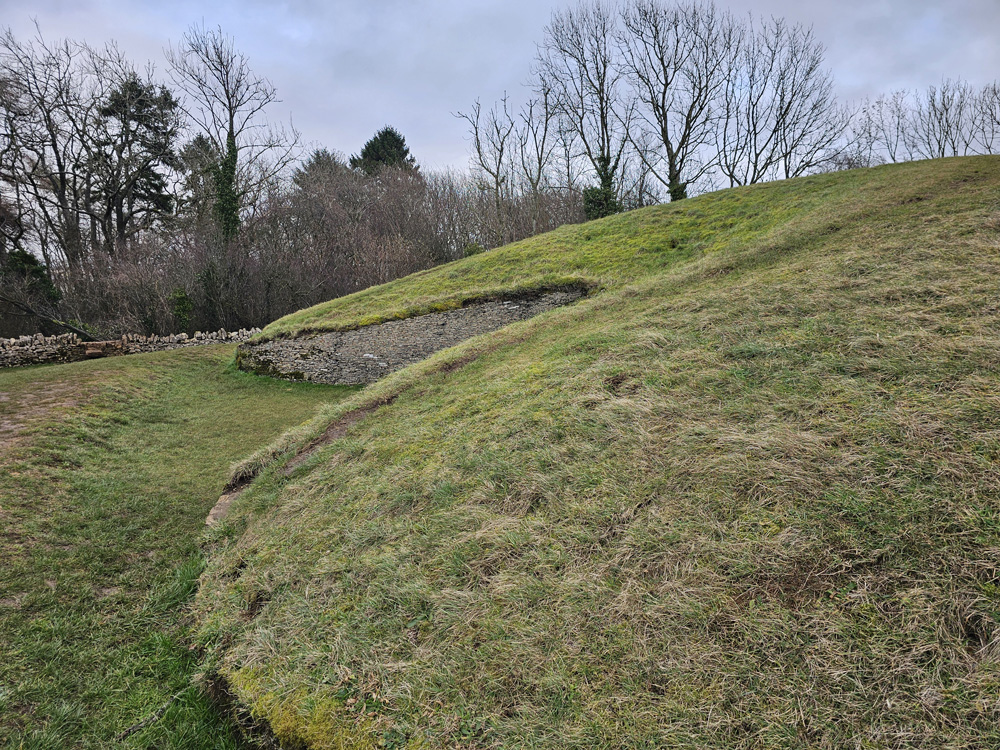
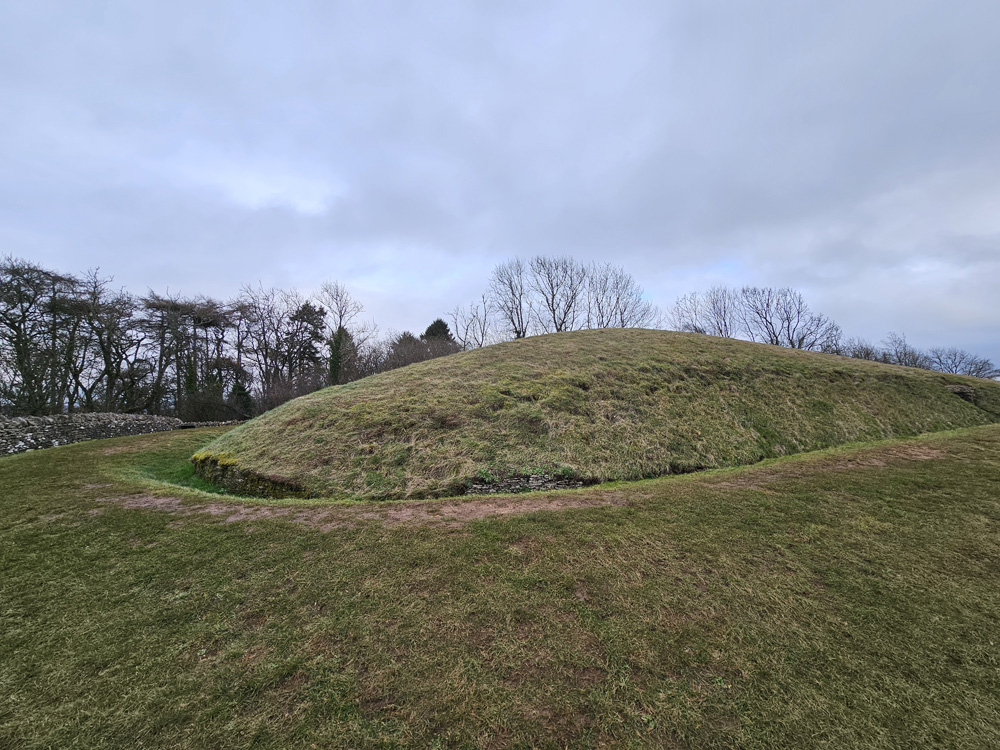
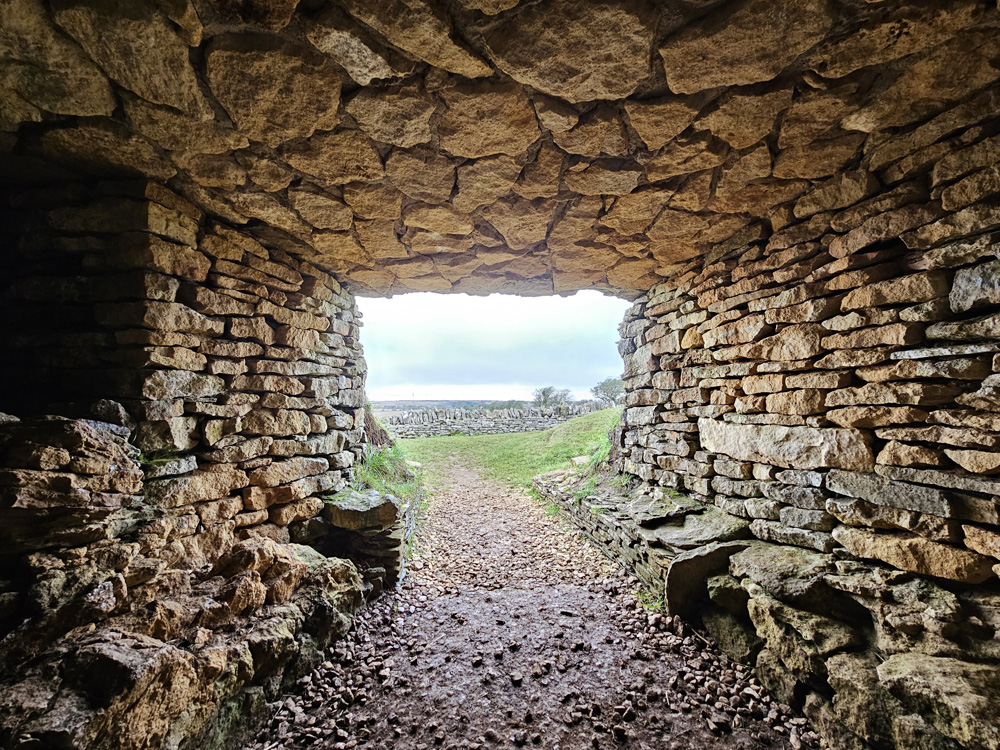
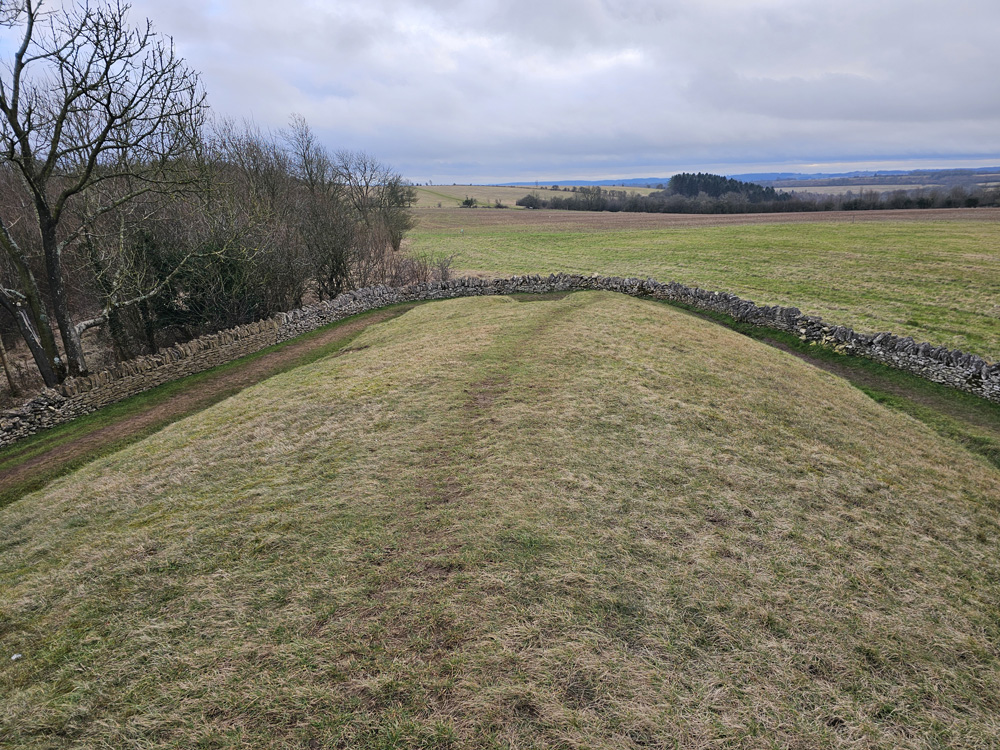
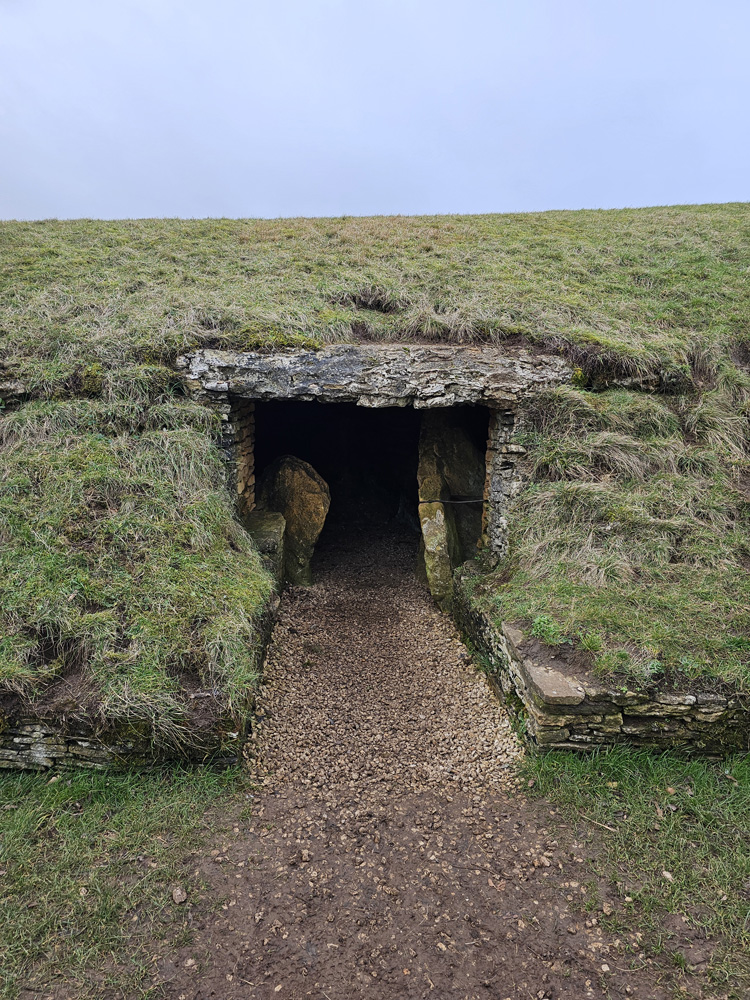
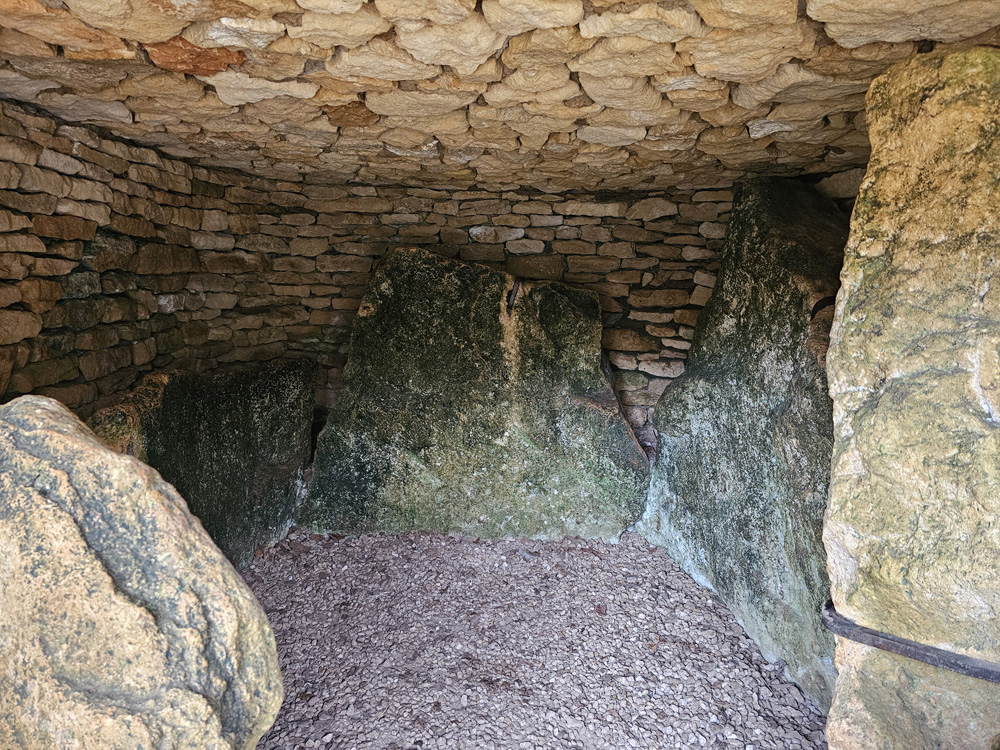
Belas Knap is a fine example of a Neolithic long barrow, with a false entrance and side chambers, built by prehistoric people as a place to bury their dead. The barrow is about 178 feet long, about 60 feet wide and nearly 14 feet in height.
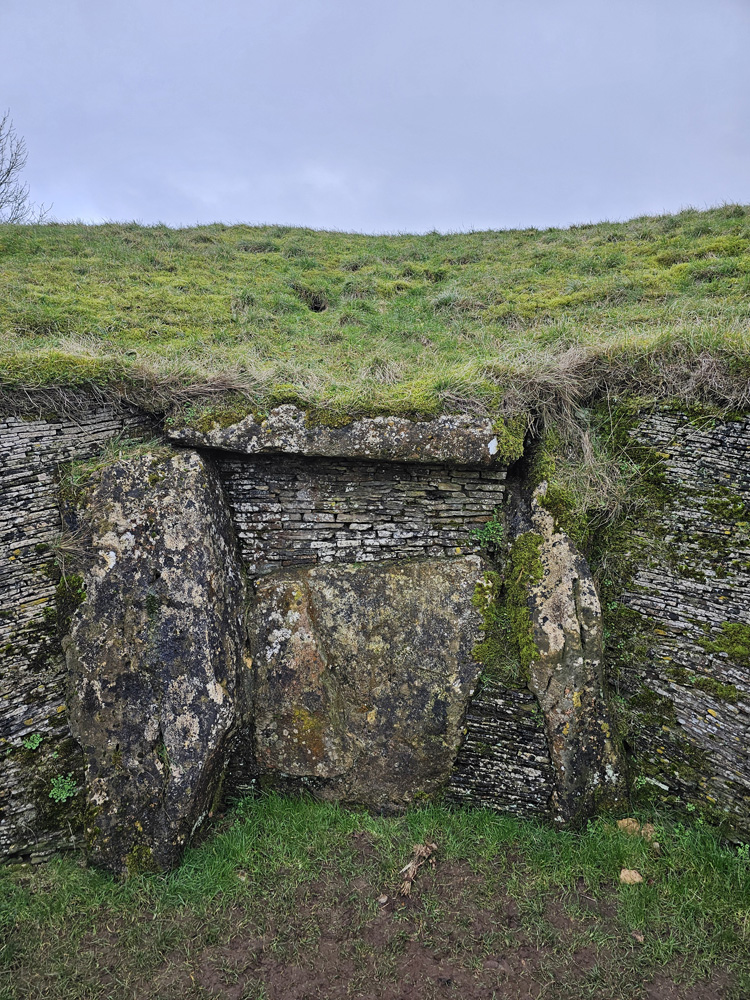
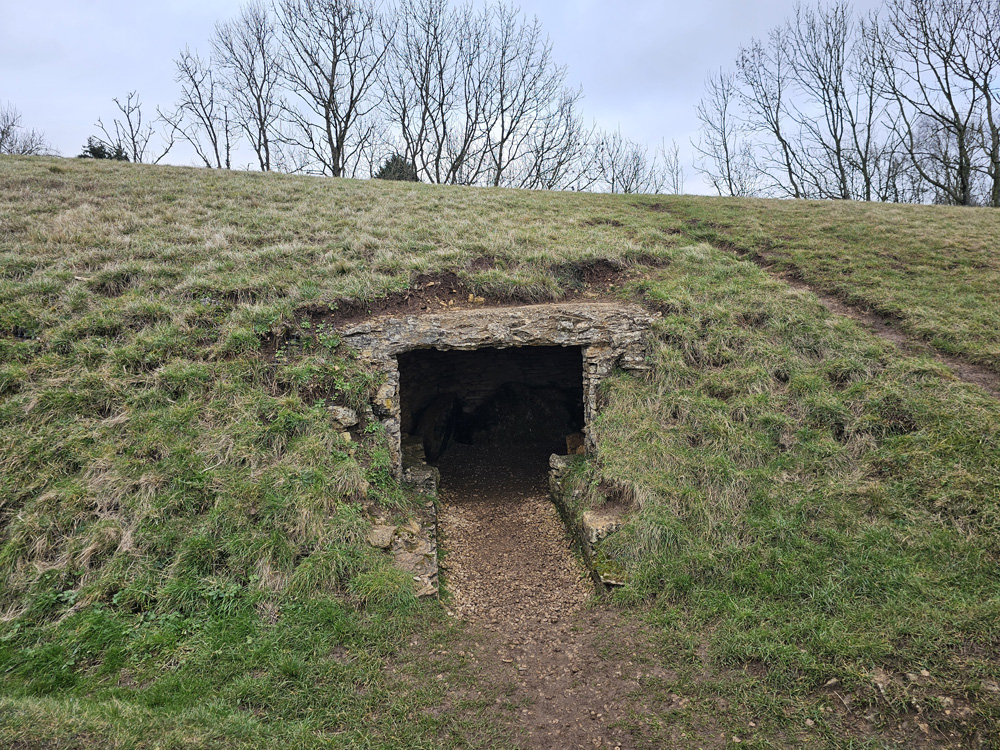
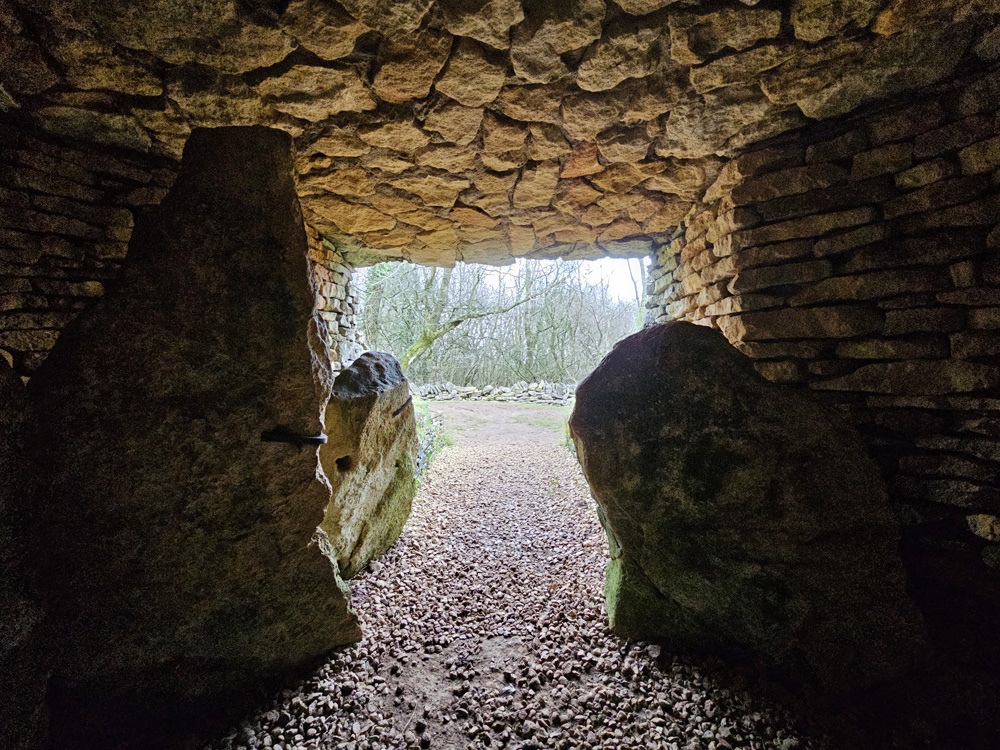
Construction of the barrow is estimated to have taken place around 3000 BC, with following successive burials over a period of years and then the burial chambers were deliberately blocked. The false entrance, also known as a portal setting has a forecourt which was used for ceremonies.
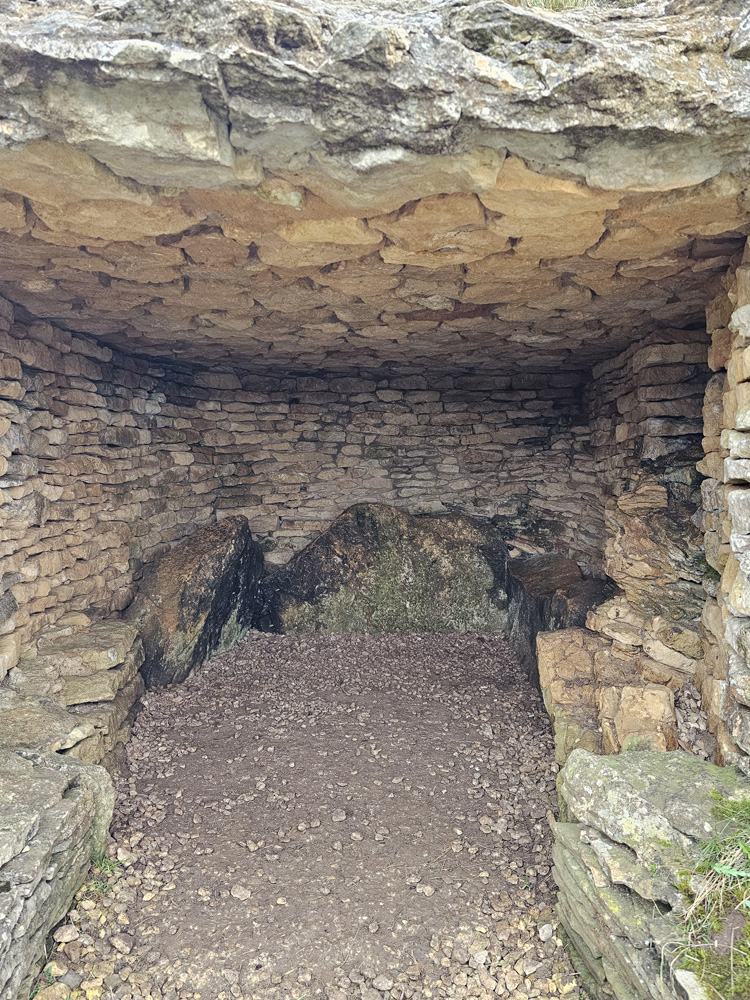
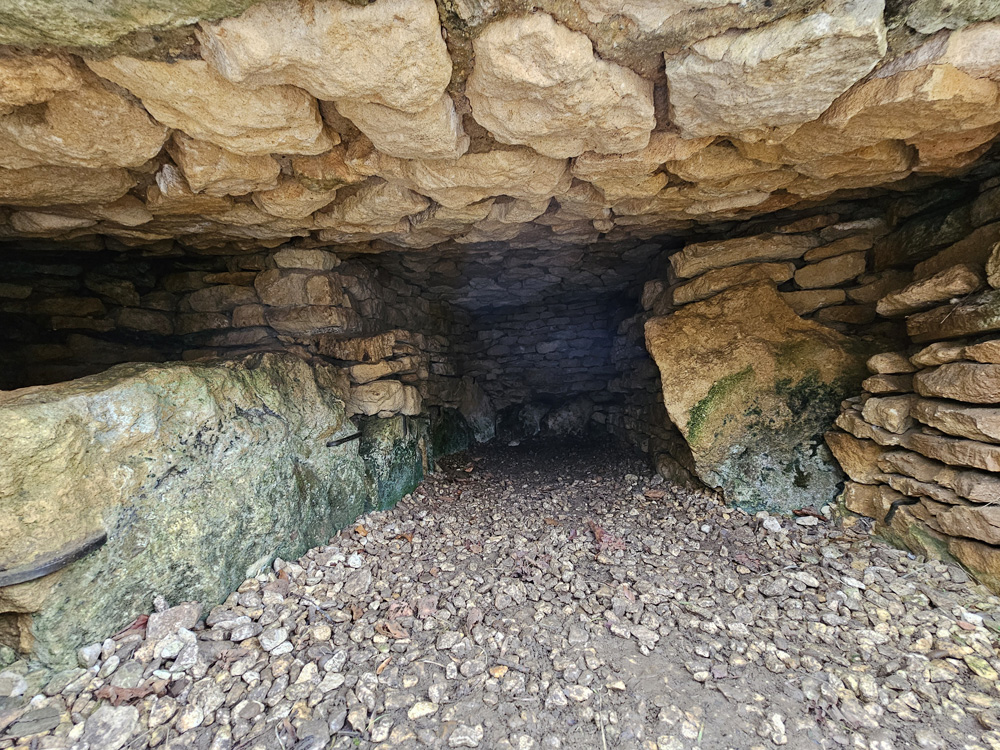
The remains of at least 38 people were buried within the four chambers and behind the portal setting. Radiocarbon dates show that they had died between 3,700 and 3,600 BC, in the early Neolithic period. They probably led a lifestyle based on cattle herding, small-scale farming and hunting.
Excavations were carried out in the 1860s and the skeletal remains that were found included five children aged between 6 months and 8 years, the skull of a young adult male, horse and pig bones, as well as fragments of pottery and serrated flint blade.
The barrow was left in ruins until 1928 when further excavations and restoration took place. Today the chambers have concrete roofs; they would originally have had corbelled stone ceilings.
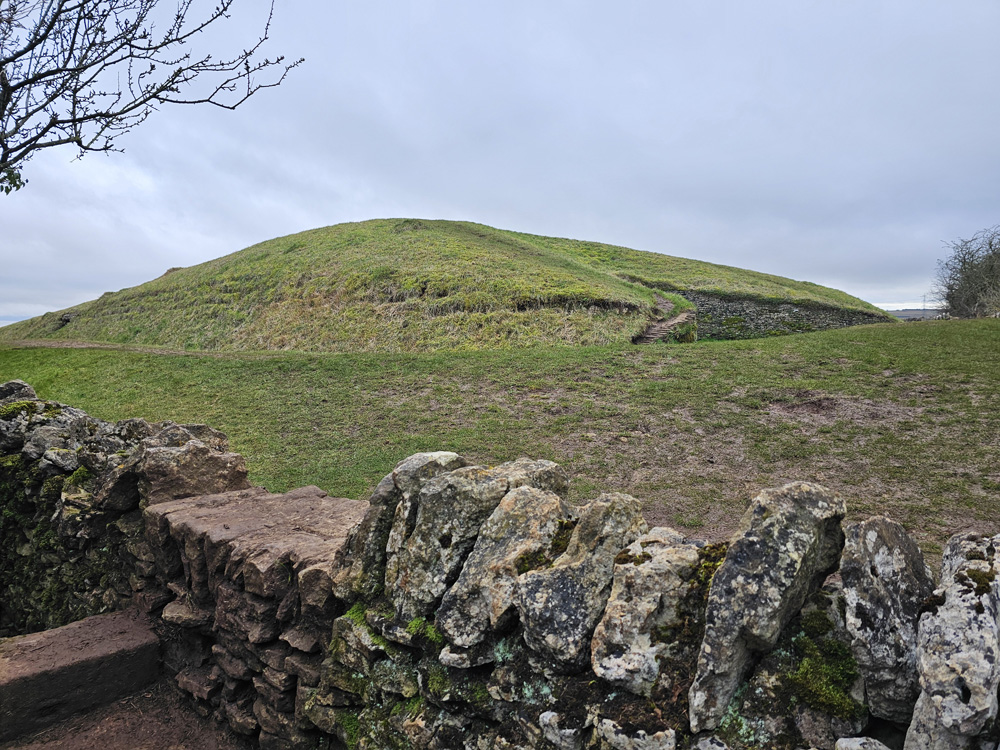
Photo Gallery.
Did you enjoy this post?
I hope you found this post useful. I put a great deal of time and effort in to building, maintaining and populating the website. If you like, you could say a small thank you by buying me a coffee. You don't have to, but it would be nice :)
Buy me a coffee
Stay up to Date
Follow me on my journey and get notified whenever a new post is published by following Kings & Castles on Facebook.
Follow MeExplore The Map
Discover the hundreds of castles, churches, monasteries, cathedrals and other historic locations that I've personally visited across England and Wales. Search by location, explore nearby sites and plan your next historical adventure.
Share: