Glastonbury Tor
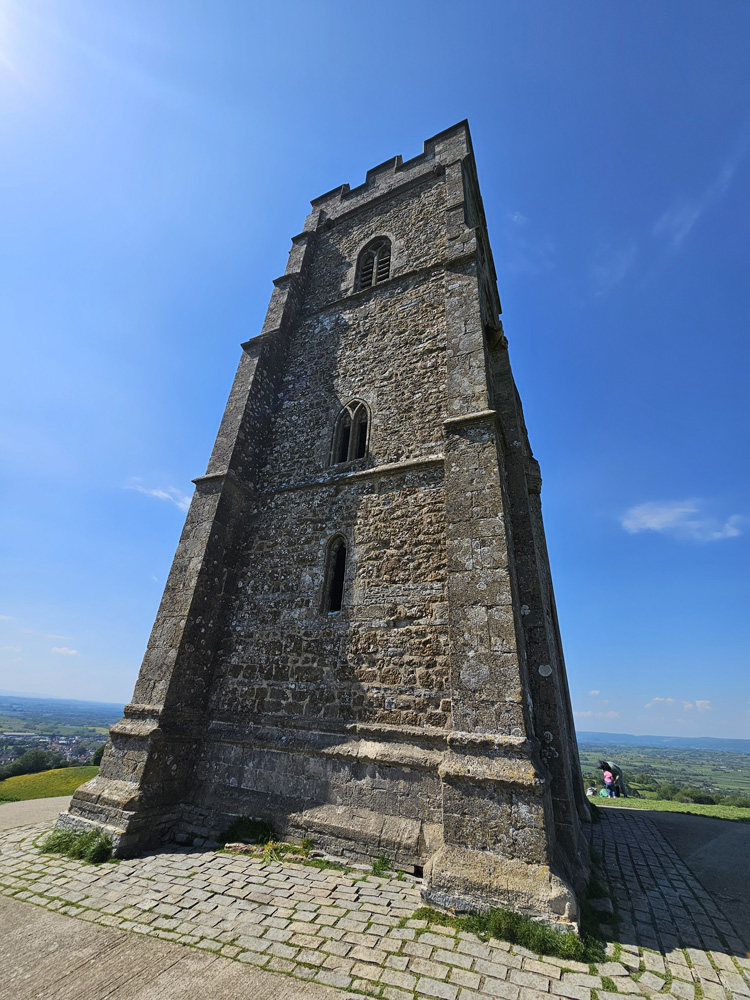
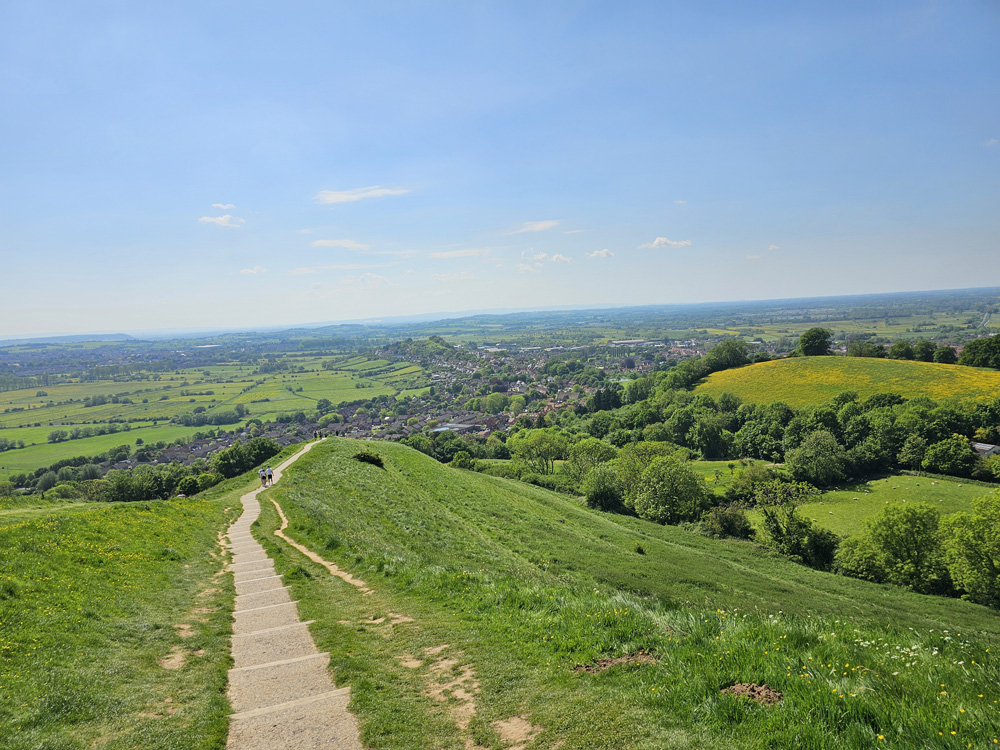
Glastonbury Tor is one of the most famous landmarks in Somerset, if not the whole of the West Country. Overlooking Glastonbury and Somerset, this iconic hill, topped by the roofless St Michael’s Tower, has been a spiritual magnet for both Pagans and Christians for centuries. The hill rises over 500 feet above the surrounding land and rewards those on the top with a stunning 360-degree view.
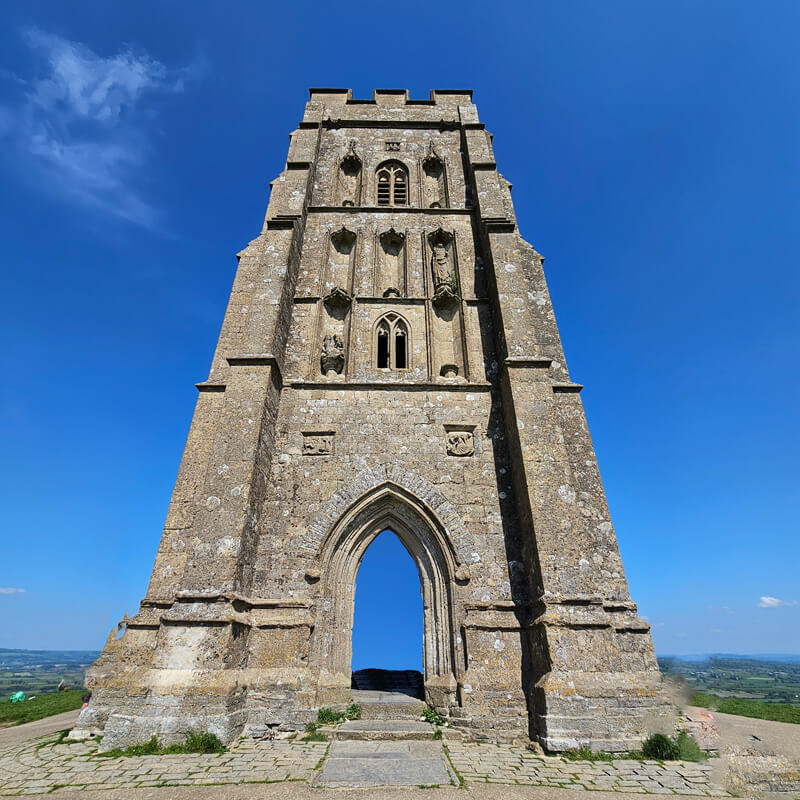
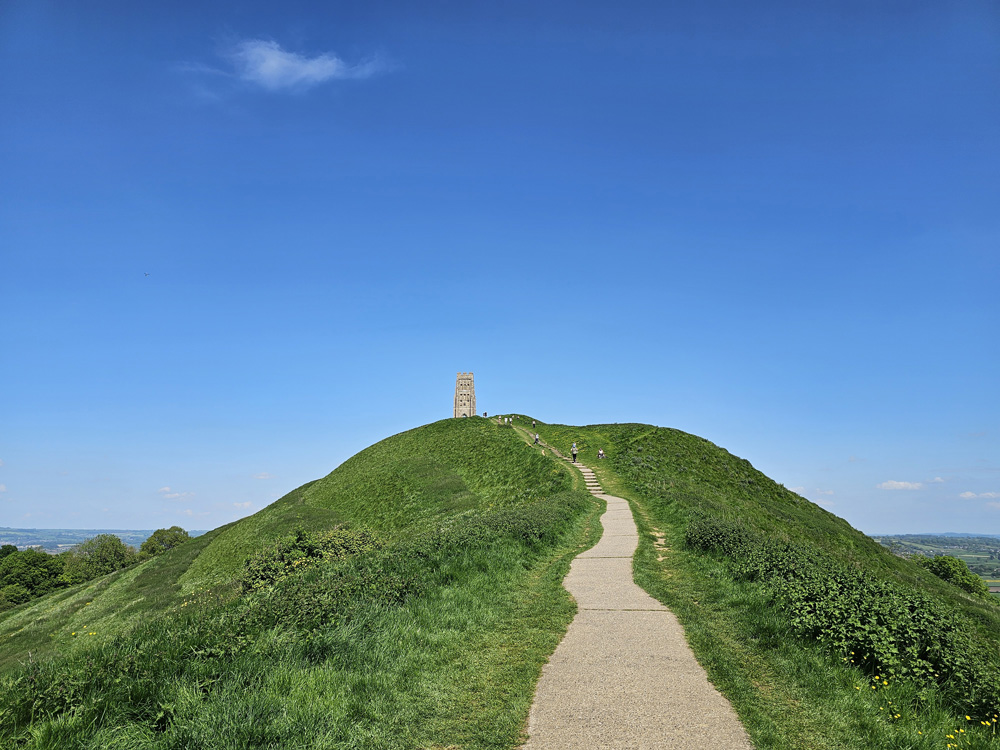
The shape of Glastonbury Tor is natural. Thousands of years ago it was an island which would have towered above the flooded Somerset Levels. It has been suggested that the terracing on the hillside, which looks similar to that of an Iron-Age hill fort, may date to Neolithic times, around the same time as when Stonehenge was constructed. However, it has also been suggested that the terraces could date from the middle ages; a round headed Saxon cross was found as evidence of a hill fort of Arthurian times. It is also believed that the terraces may have been created to form a kind of path that guided pilgrims up the sacred hill.
Glastonbury Tor is believed to be the mythical ‘Isle of Avalon’, a mystical island featured in the Arthurian legend, and the place where King Arthur went after his final battle to recover from his wounds. The monks of Glastonbury Abbey claimed to have found his grave in the grounds of the abbey during excavations in 1191.
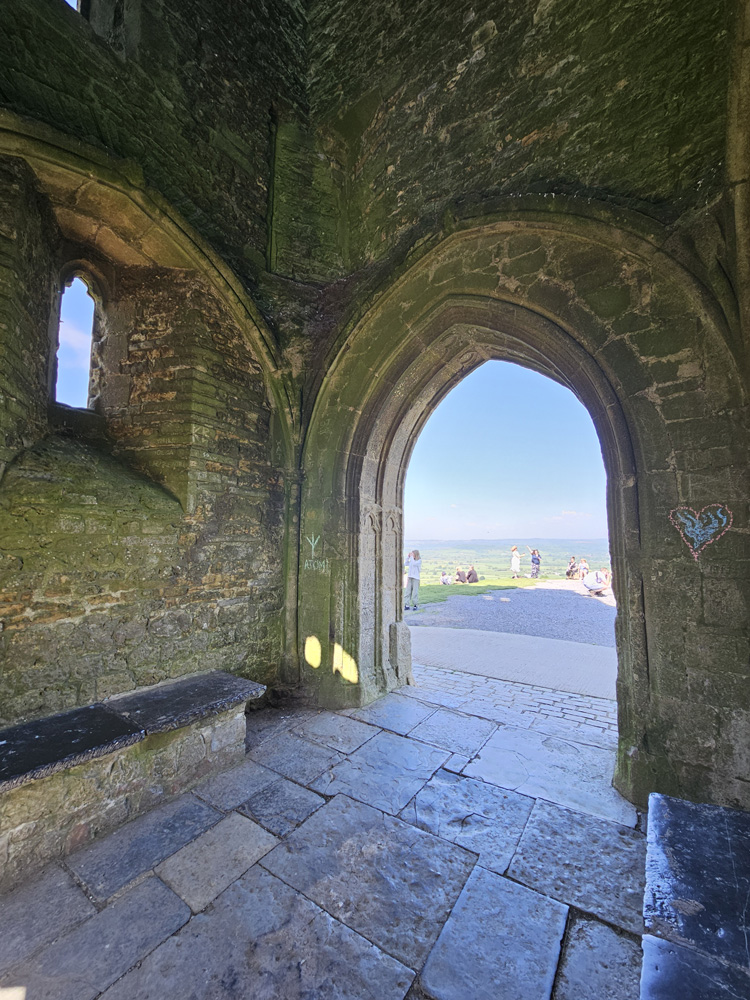
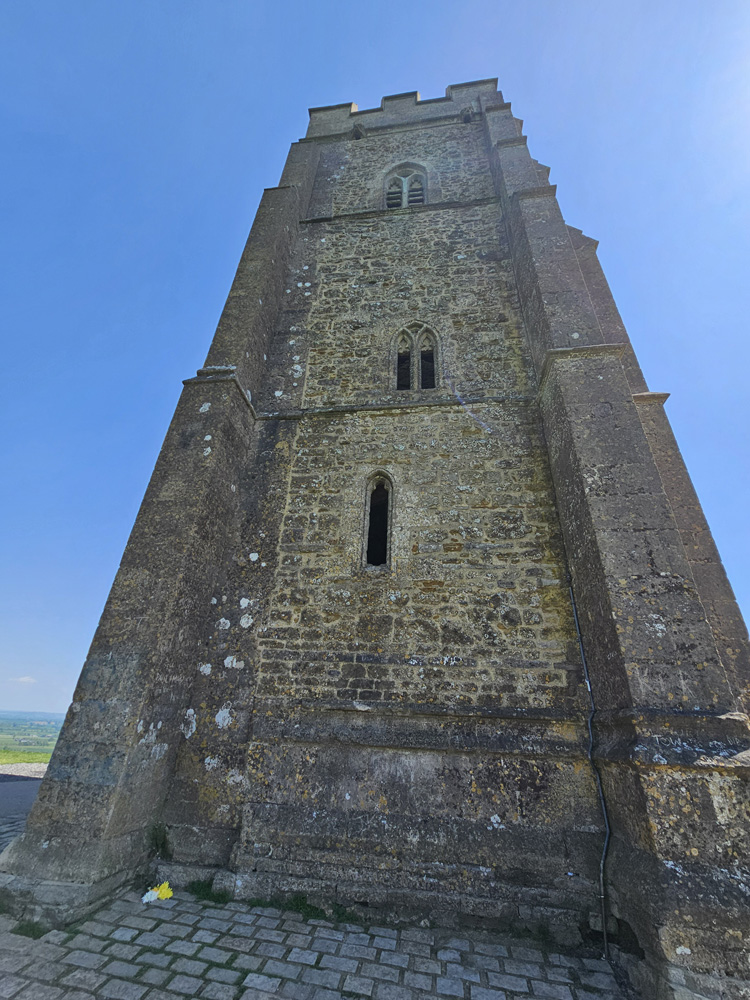
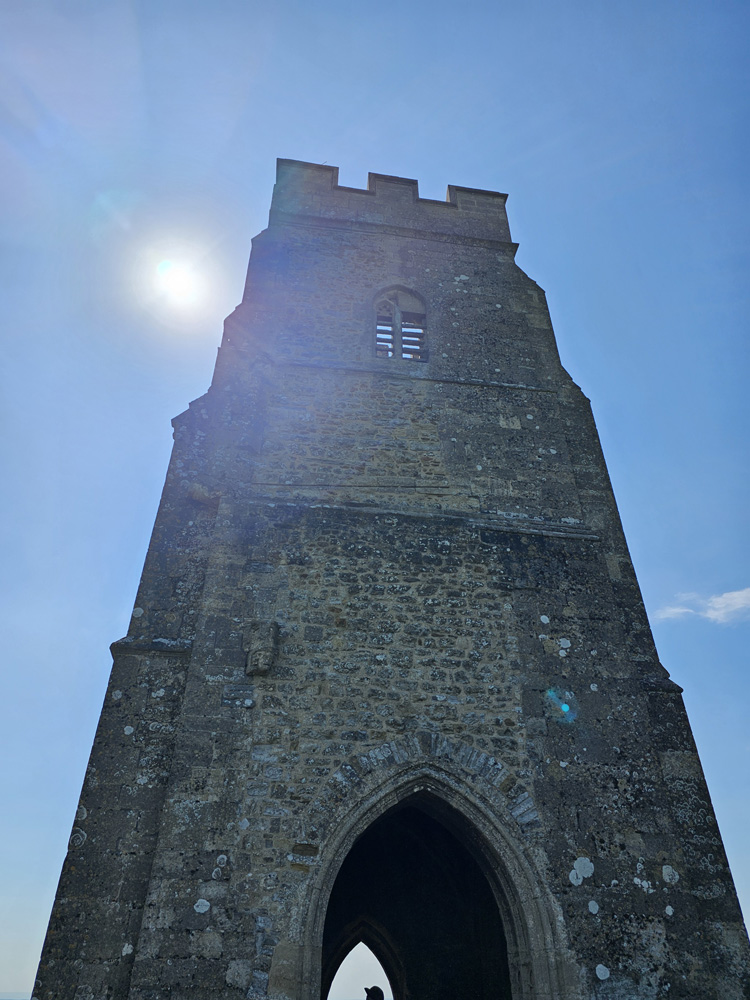
At the base of the Tor is Chalice Well, a medieval well believed to have healing and spiritual powers. The Tor lies on a fault line in the geology where a natural spring brings minerals to the surface. It is from this point where the path begins to ascended the Tor, all the way to the top where the hill is capped by a 15th-century tower; the partial ruins of a medieval church dedicated to St Michael.
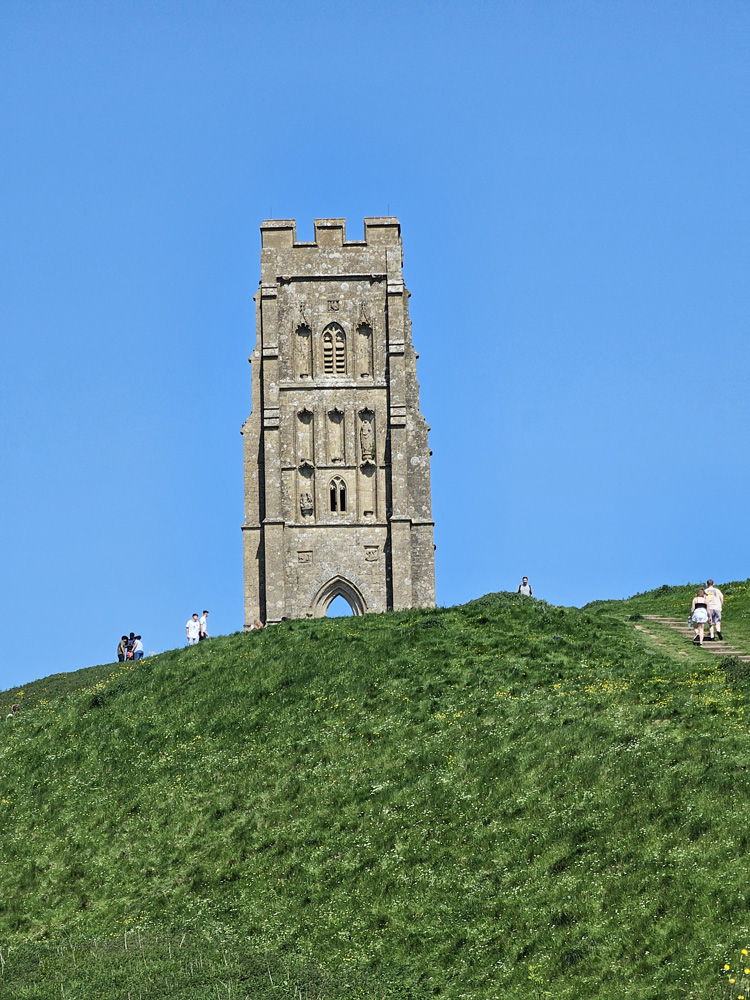
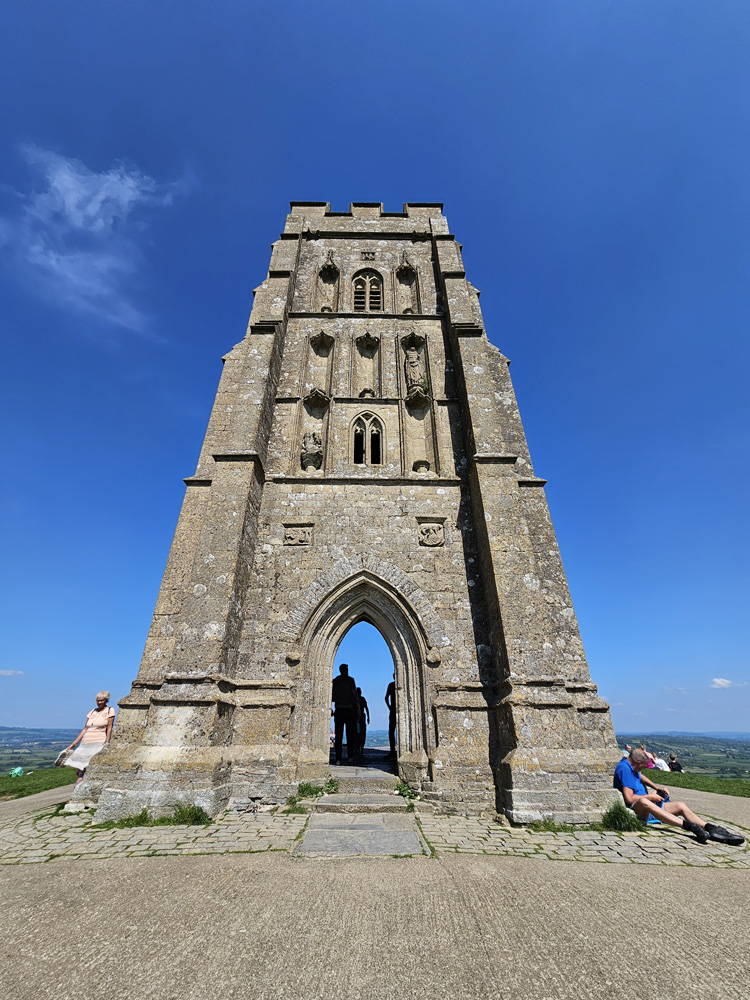
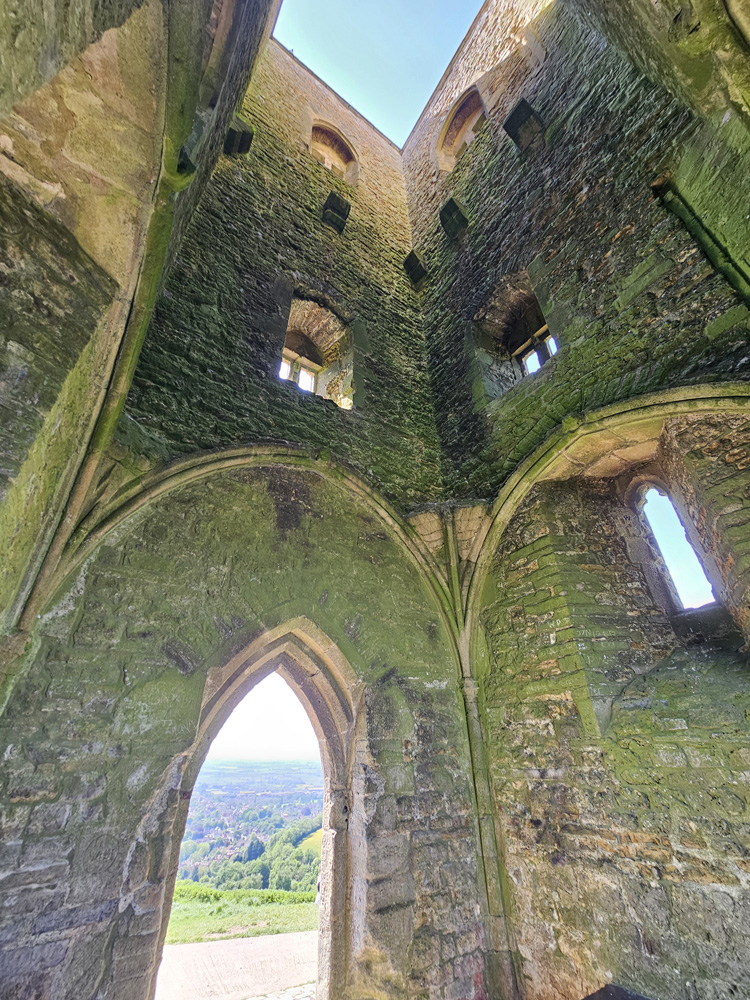
The top of the Tor was levelled at some point in the 10th or 11th century to build a stone church. After an earthquake destroyed the church, a smaller church (Church of St Michael) was rebuilt on the site in the 14th century. This church lasted until the demise of Glastonbury Abbey in 1539, and now only the tower survives.
The three-storey tower formed the west end of the church, and includes carvings of St. Michael and St. Bridget. The tower may be unroofed and empty now, but excavations of the hill have revealed traces of a former Norman Church, a mediaeval priest’s house and a Saxon Church.
During the English Reformation, when Glastonbury Abbey was suppressed, the tower was witness to the execution of the last Abbot of Glastonbury Abbey. Abbot Richard Whiting was hung, drawn and quartered here along with two of his monks in 1539.
Photo Gallery.
Did you enjoy this post?
I hope you found this post useful. I put a great deal of time and effort in to building, maintaining and populating the website. If you like, you could say a small thank you by buying me a coffee. You don't have to, but it would be nice :)
Buy me a coffee
Stay up to Date
Follow me on my journey and get notified whenever a new post is published by following Kings & Castles on Facebook.
Follow MeExplore The Map
Discover the hundreds of castles, churches, monasteries, cathedrals and other historic locations that I've personally visited across England and Wales. Search by location, explore nearby sites and plan your next historical adventure.
Share: