Old Oswestry Hillfort
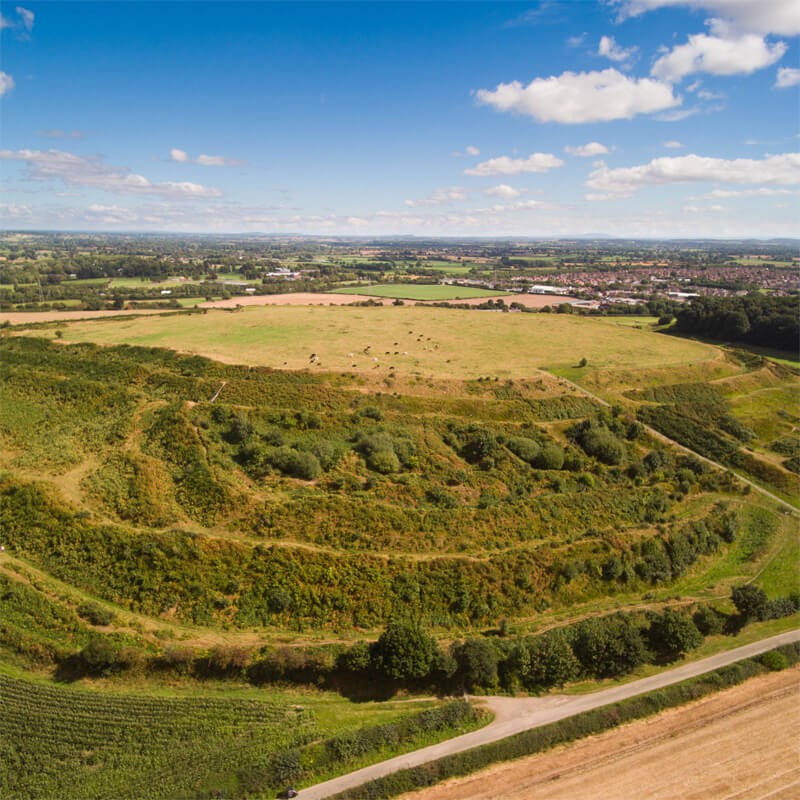
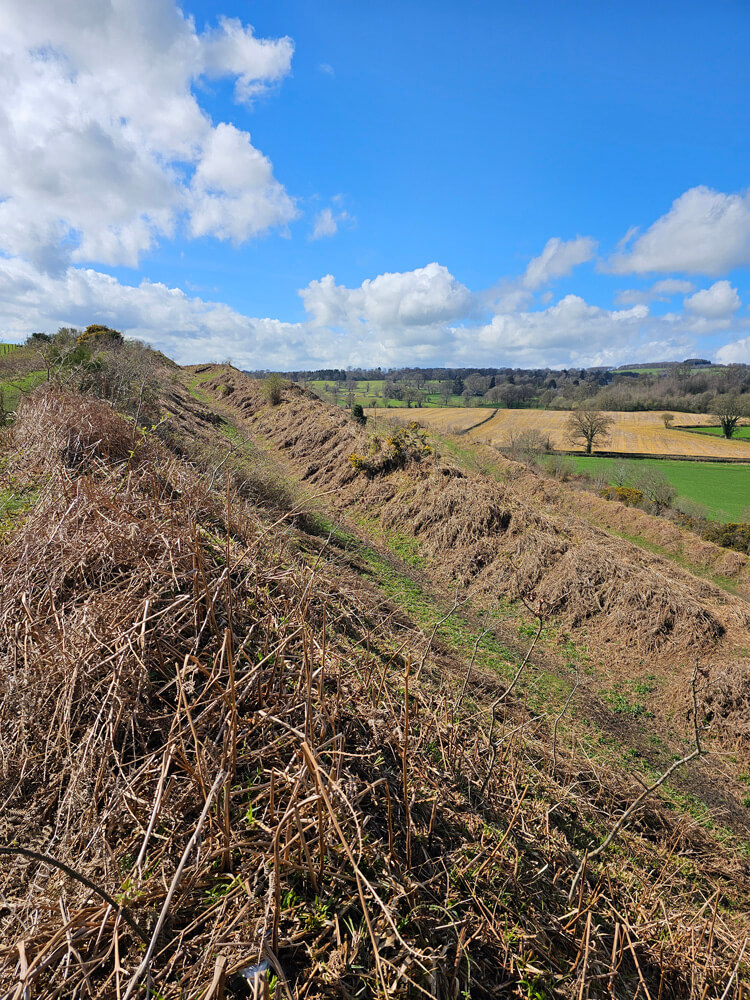
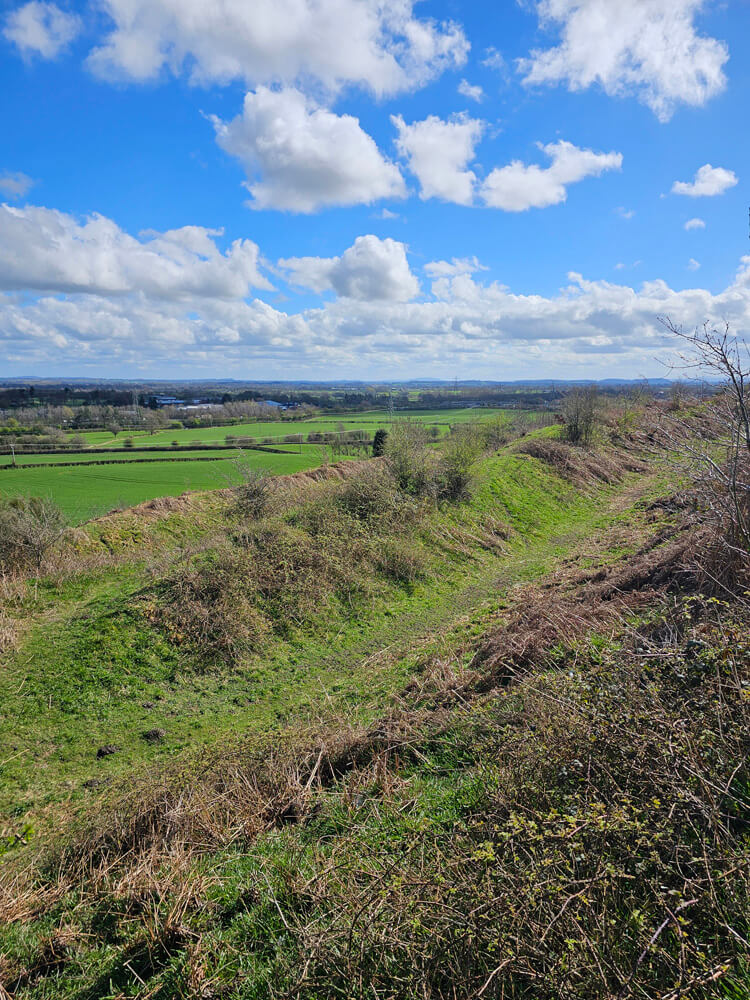
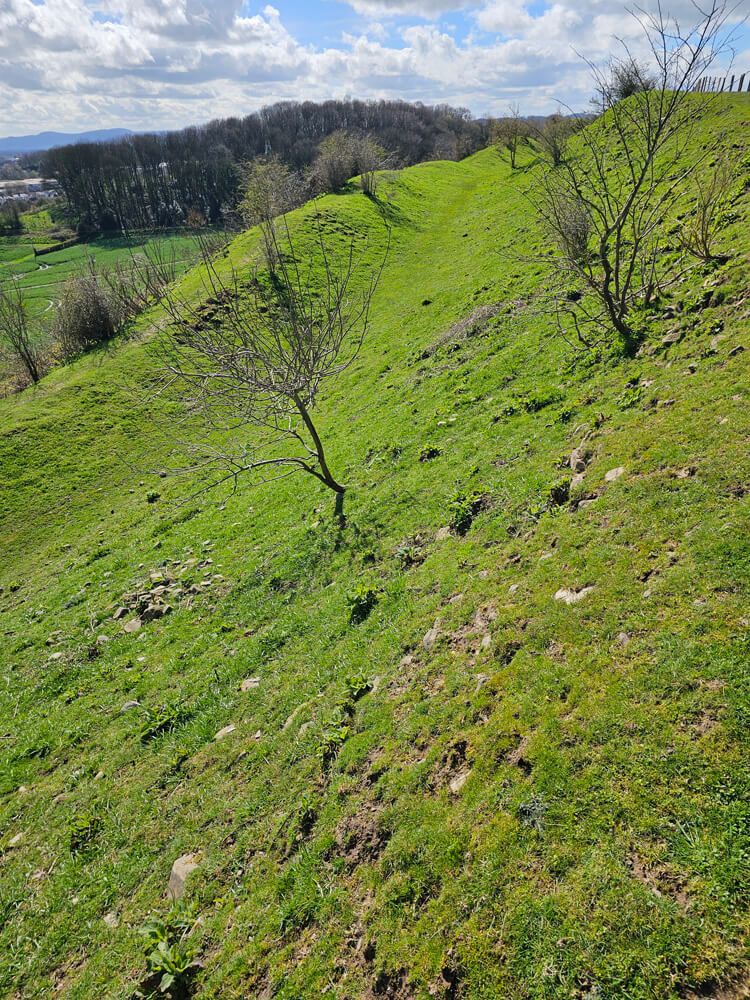
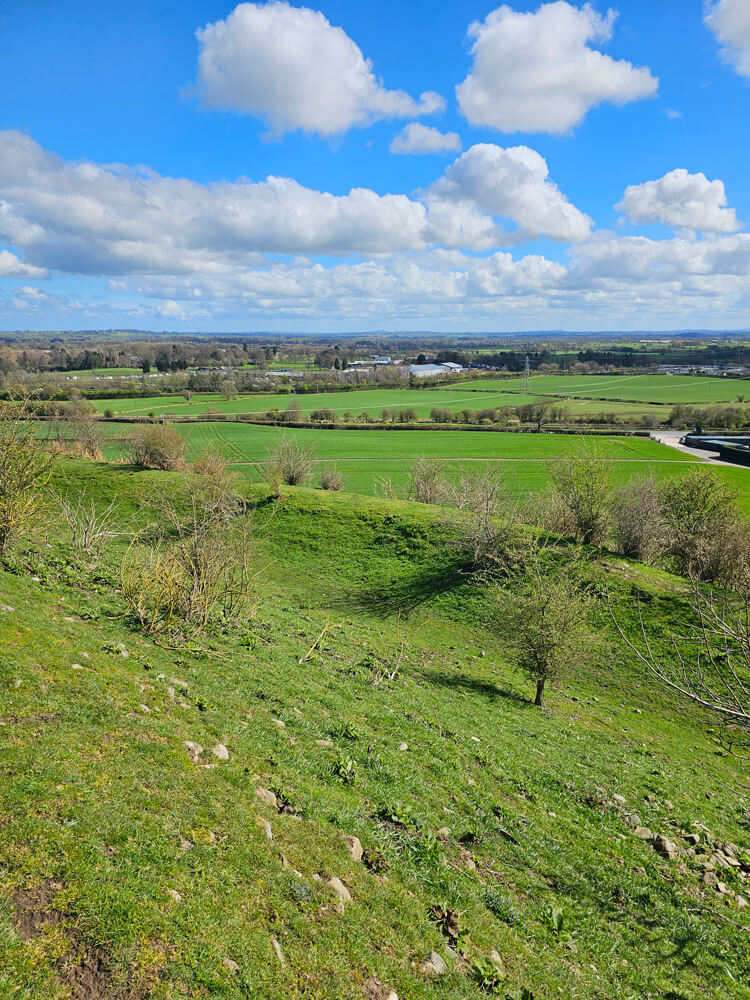
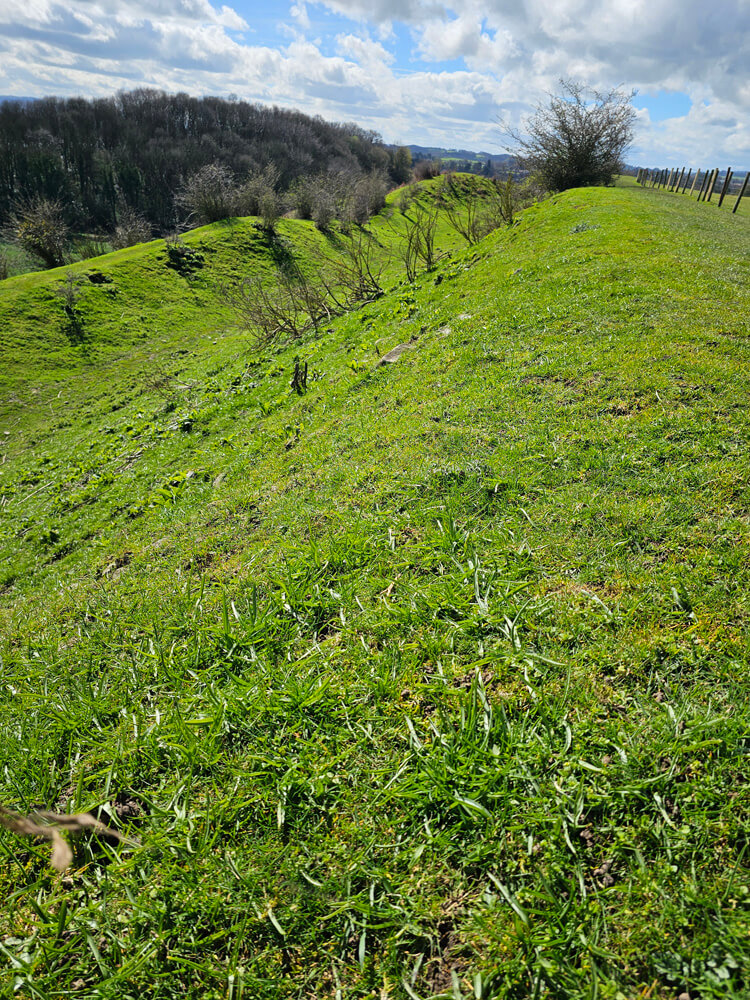
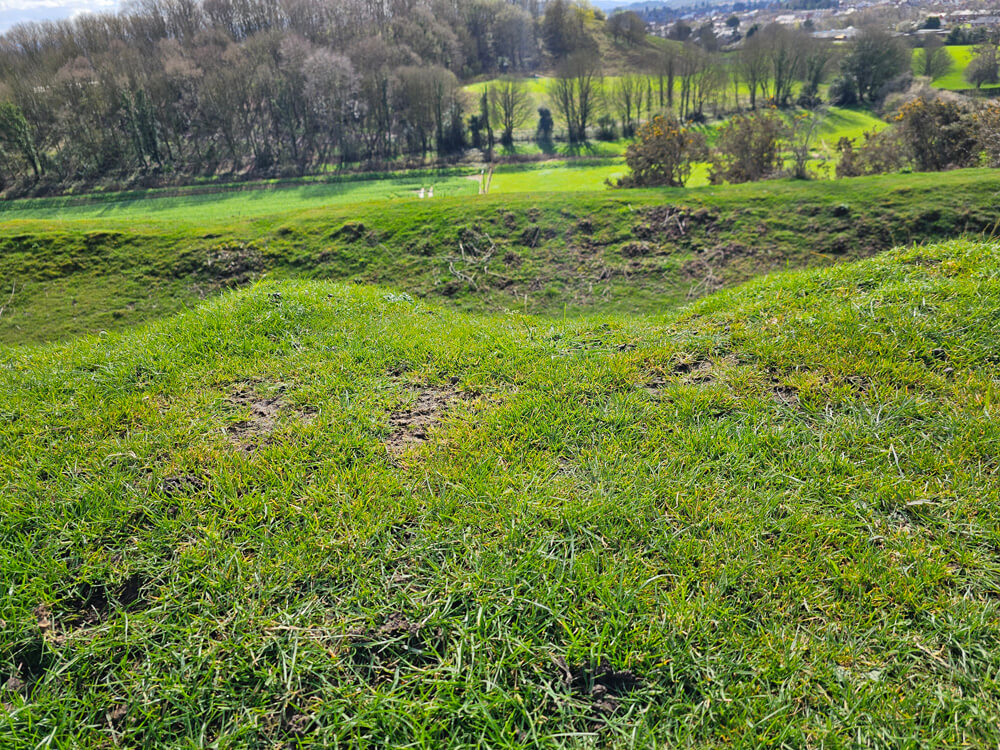
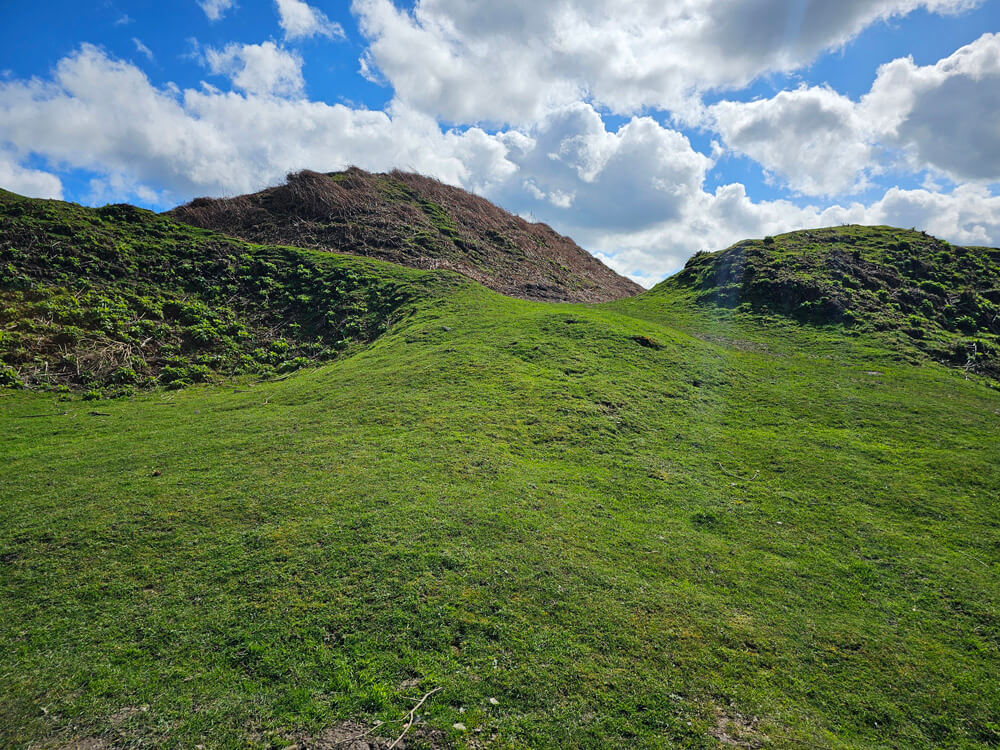
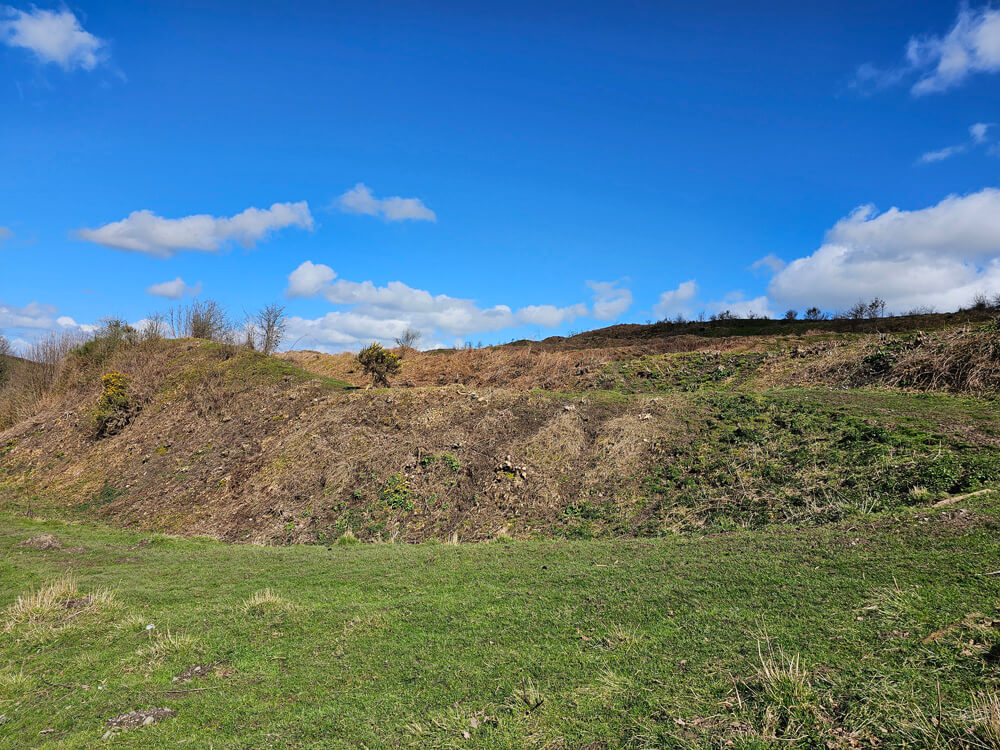
Old Oswestry Hillfort was built by Iron Age people nearly 3,000 years ago and is one of the best preserved hillforts in Britain, with its 40 acres protected by formidable ramparts.
The discovery of a stone axe and flint tools here suggest that the hill was first occupied in the Neolithic period. However, the first direct evidence of a settlement dates to the late Bronze Age, about 1,000 BC, before the first ramparts were constructed.
Old Oswestry Hillfort was constructed and occupied during the Iron Age (800 BC to 43 AD). The vast ramparts enclose a roughly diamond-shaped area that may have housed a small settlement.
During the Iron Age, Britain was divided into numerous tribal territories, and the hillfort was probably a stronghold and principal settlement for one of these territories. Old Oswestry is a fine example of a ‘multi-vallate’ or multiple rampart hillfort. It is one of a dense band of hillforts in eastern Wales and the Marches.
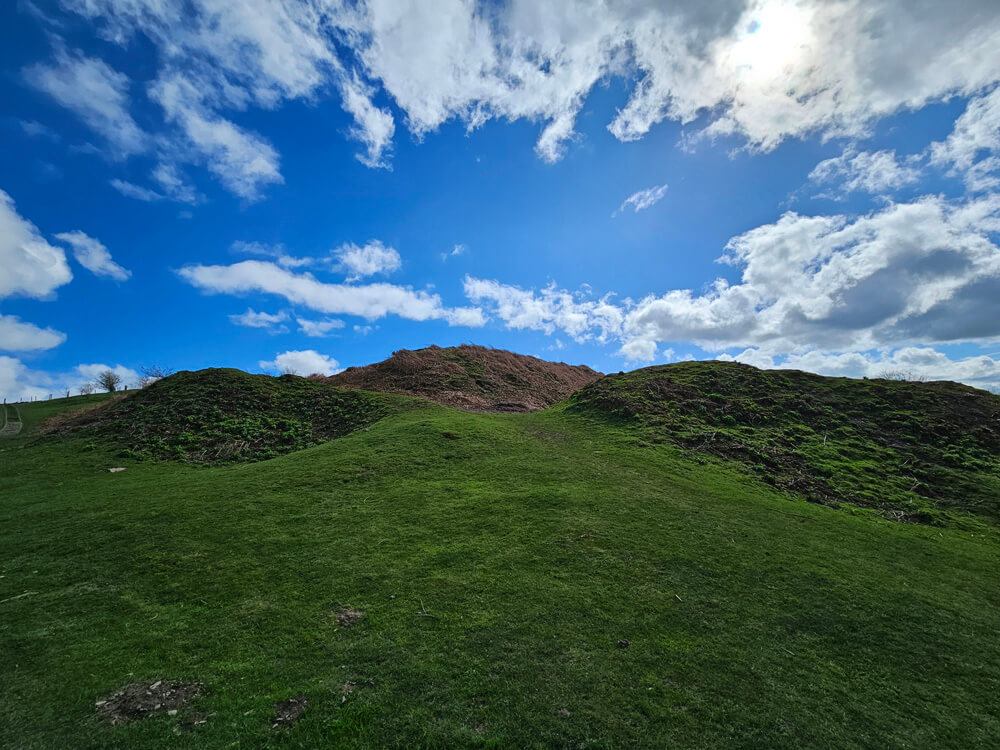
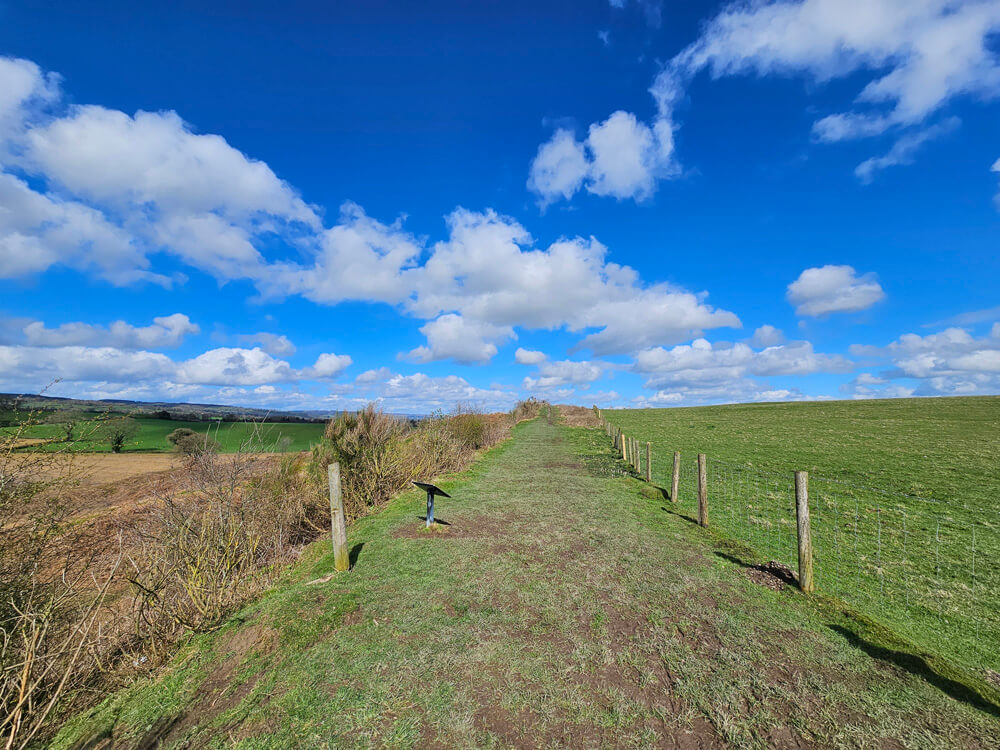
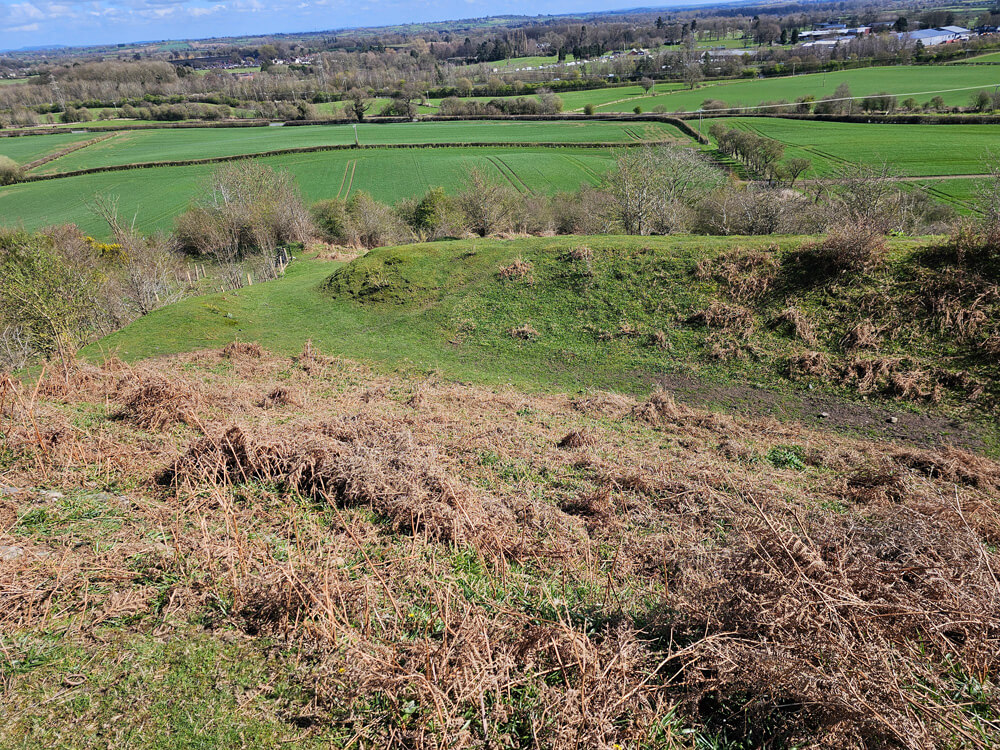
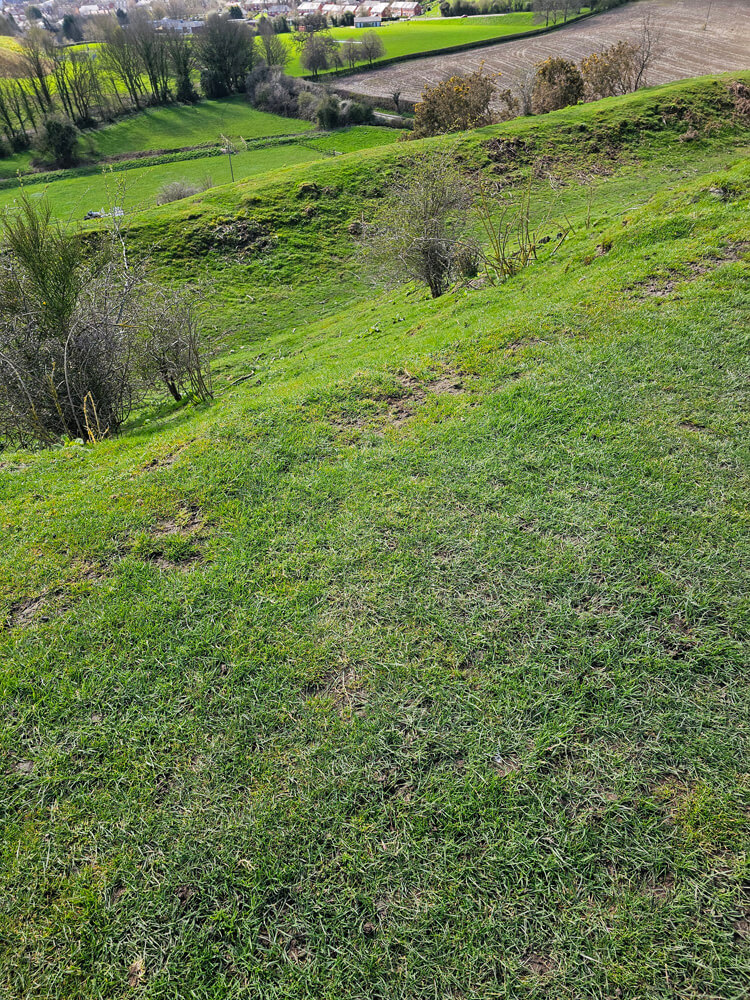
The earthworks seen today are the end result of many centuries of modification. Excavations showed that the complex defensive ramparts that surround the hillfort were not built at the same time and that there were four distinct phases in their development. The banks and ditches would have been formidable obstacles to any attacker, but they may also have been built for the purposes of display, with their dramatic appearance symbolising the dominance and power of the hillfort and its inhabitants.
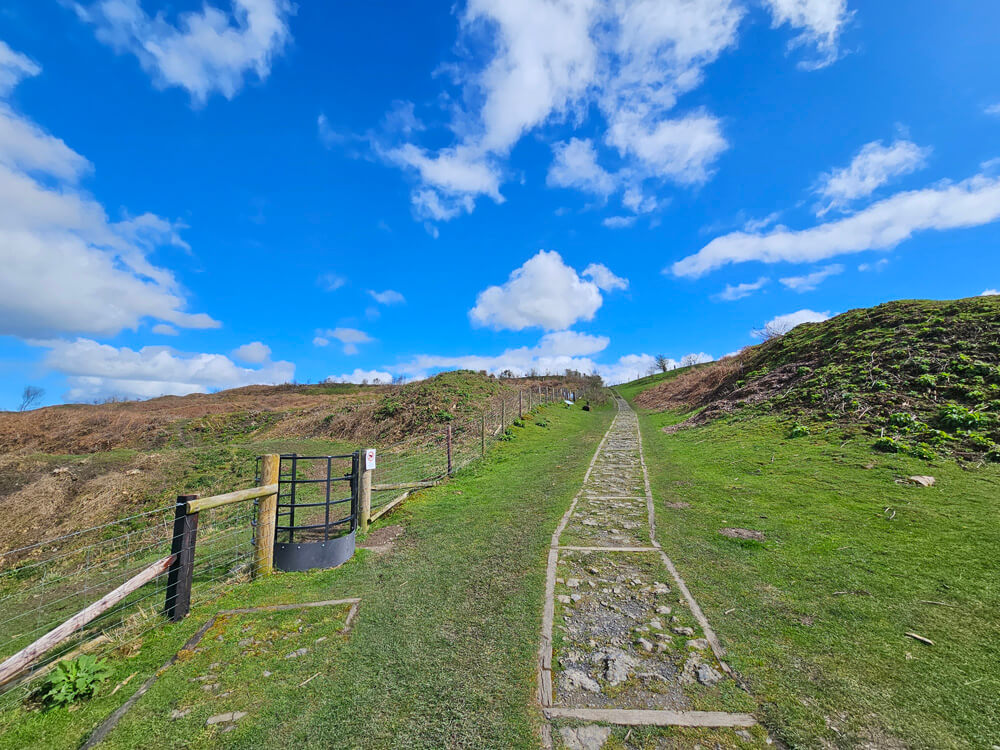
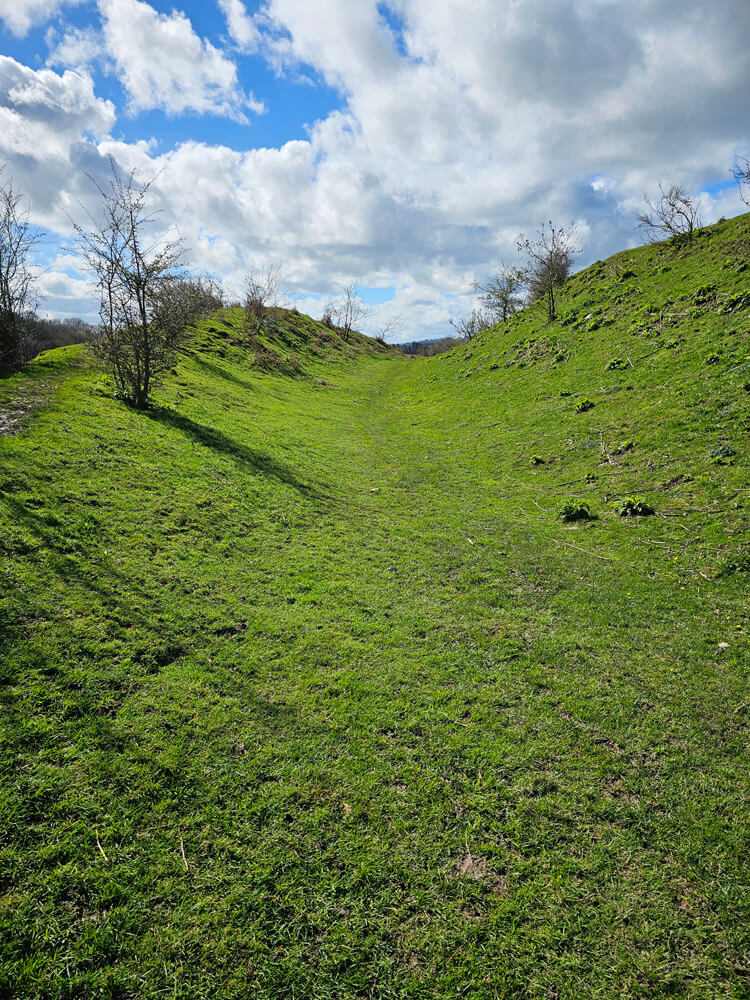
The entrances to the hillfort were originally simple gaps in the ramparts, but they were rebuilt during the Iron Age to form complex entrance corridors. These entrance corridors meant that people entering and leaving the fort could be closely monitored, and any attackers had to run the gauntlet of an entrance passage over 100 metres long. They could be constantly under attack from defenders along the tops of the flanking banks.
Described as the most impressive hillfort in the Welsh Borders; Old Oswestry remained in use for almost 1,000 years.
Photo Gallery.
Did you enjoy this post?
I hope you found this post useful. I put a great deal of time and effort in to building, maintaining and populating the website. If you like, you could say a small thank you by buying me a coffee. You don't have to, but it would be nice :)
Buy me a coffee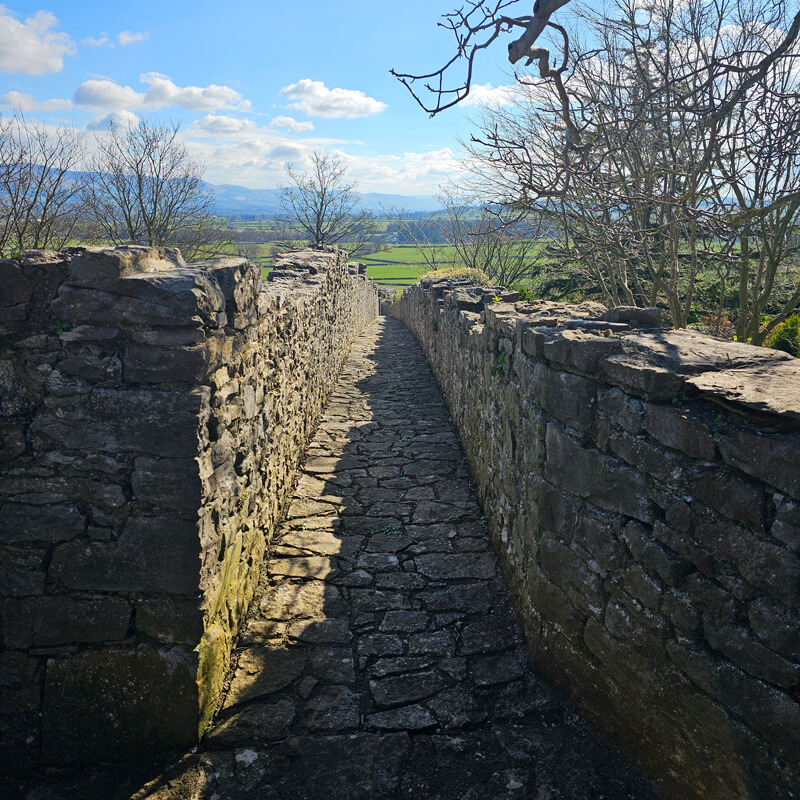
Stay up to Date
Follow me on my journey and get notified whenever a new post is published by following Kings & Castles on Facebook.
Follow MeExplore The Map
Discover the hundreds of castles, churches, monasteries, cathedrals and other historic locations that I've personally visited across England and Wales. Search by location, explore nearby sites and plan your next historical adventure.
Share: