Samlesbury Hall
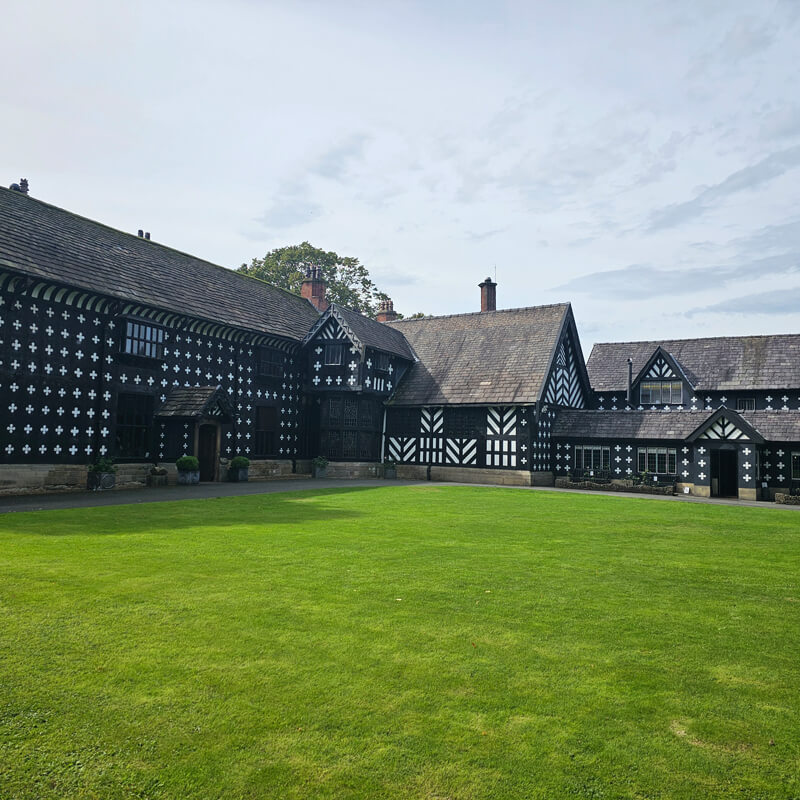
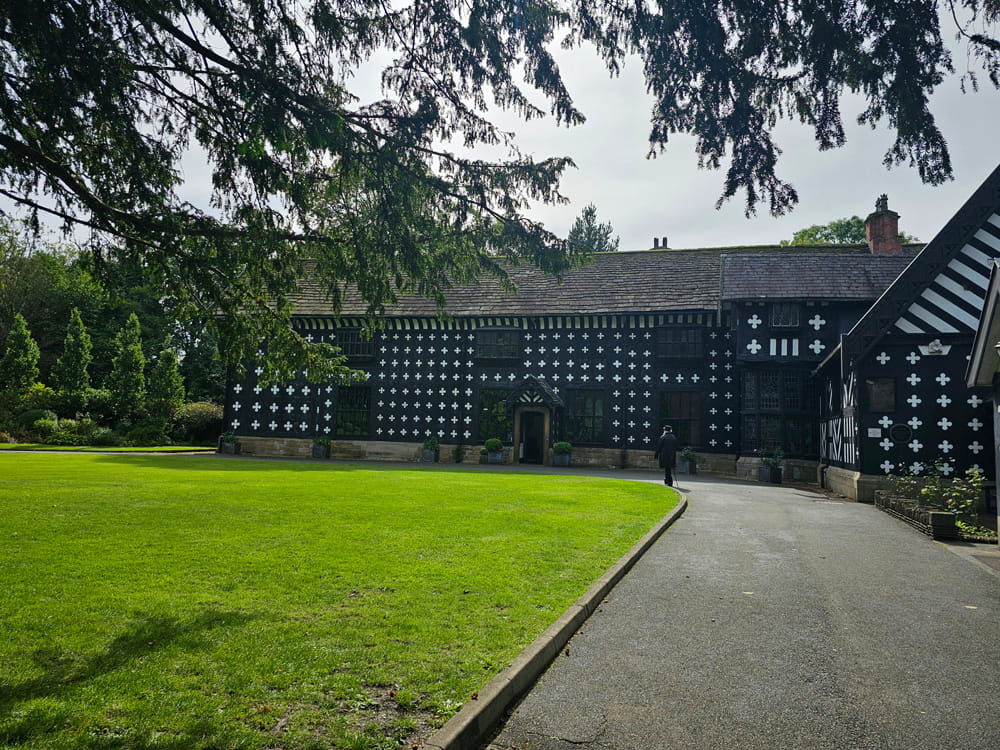
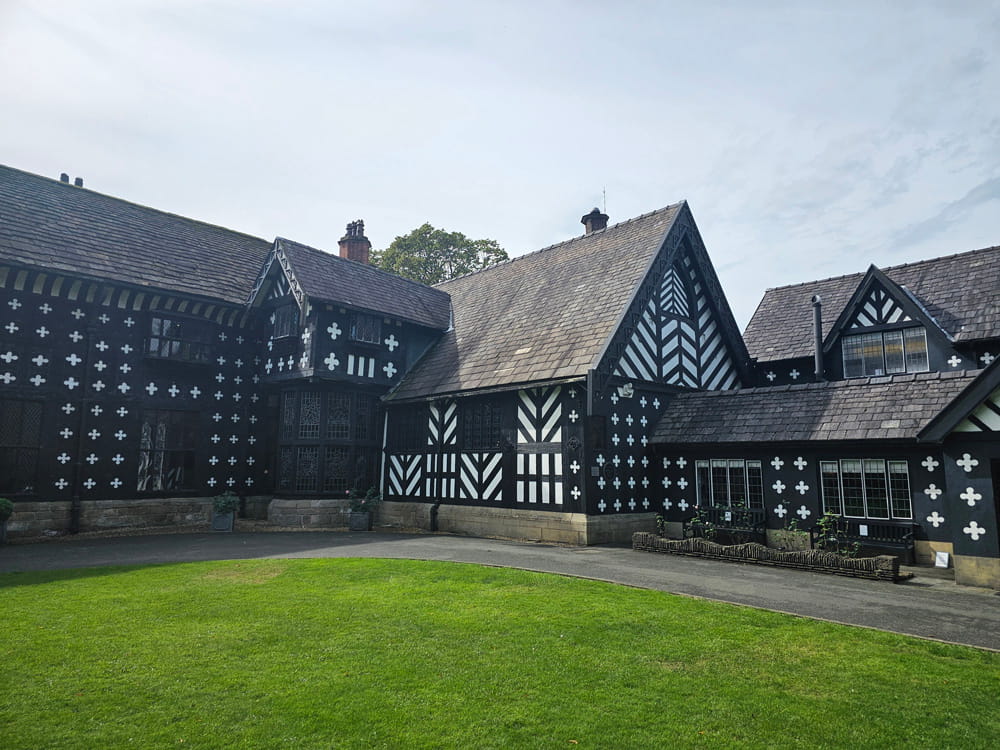
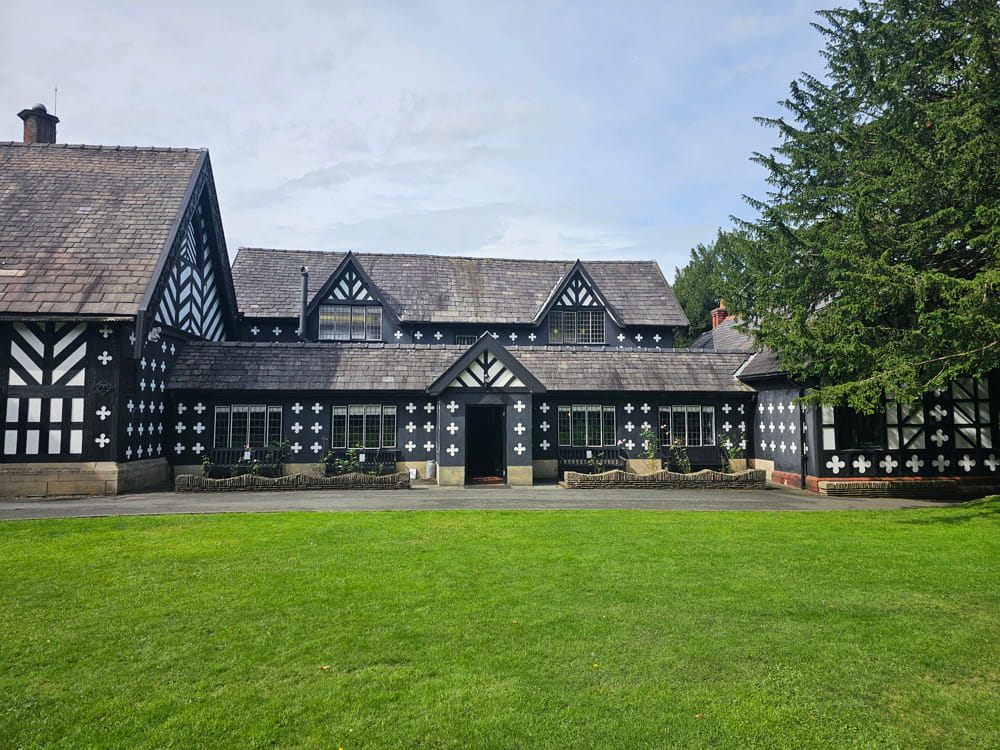
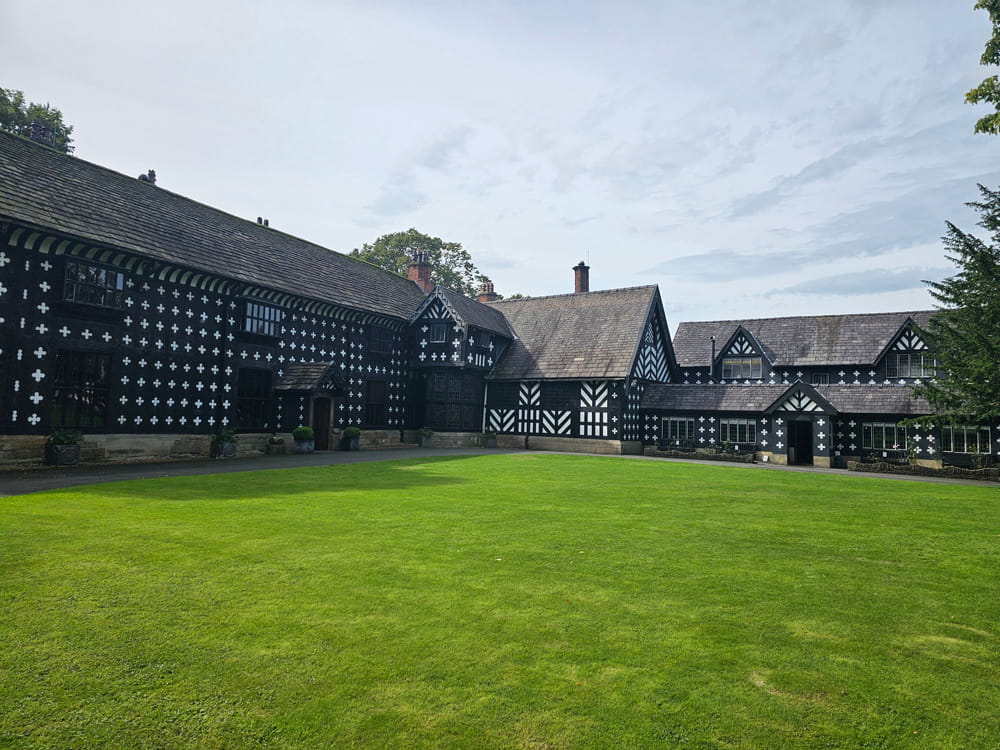
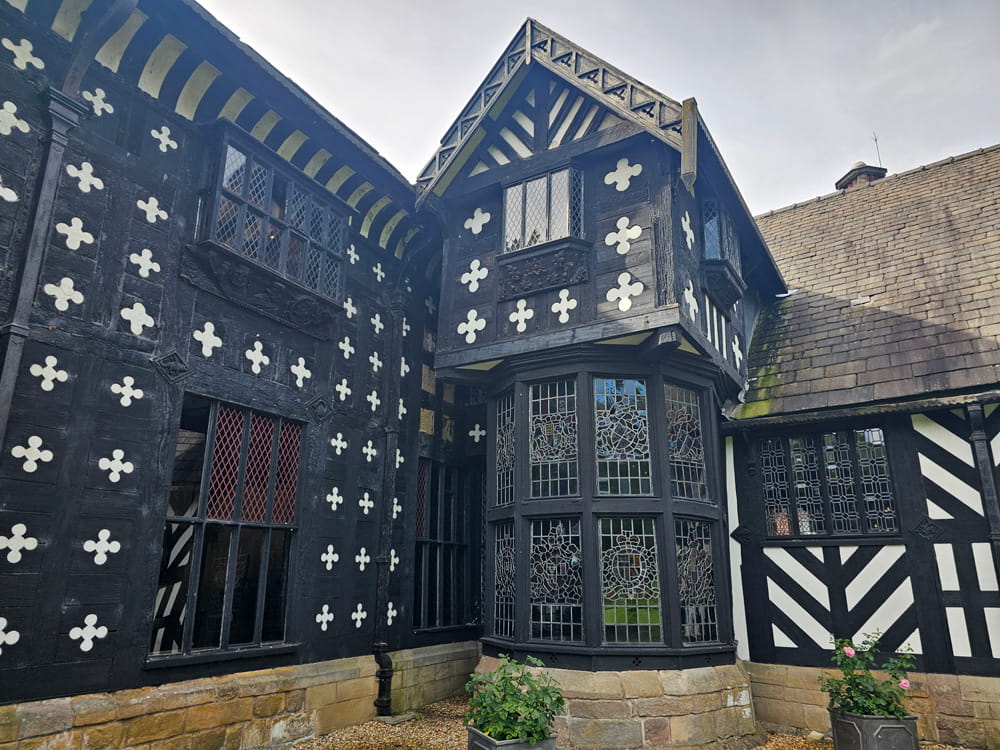
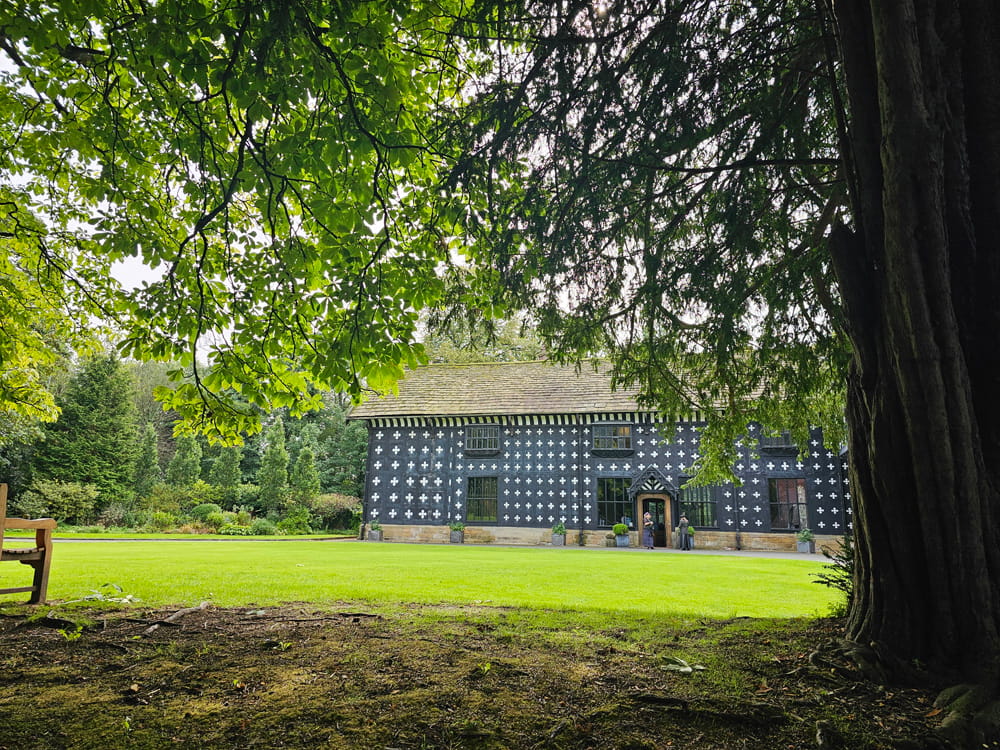
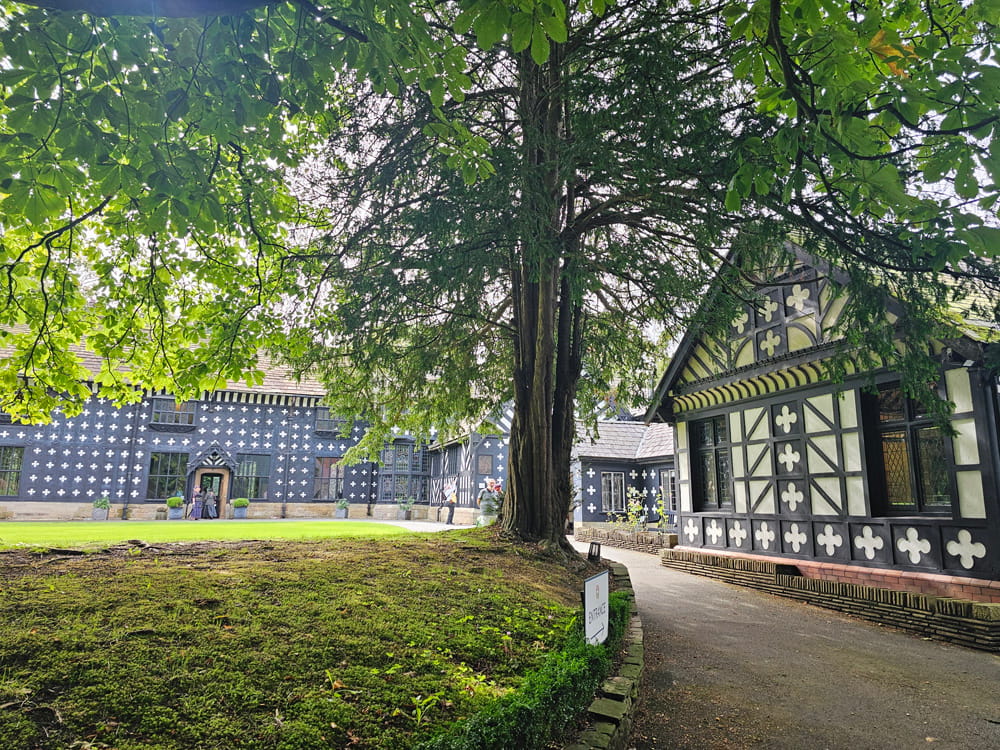
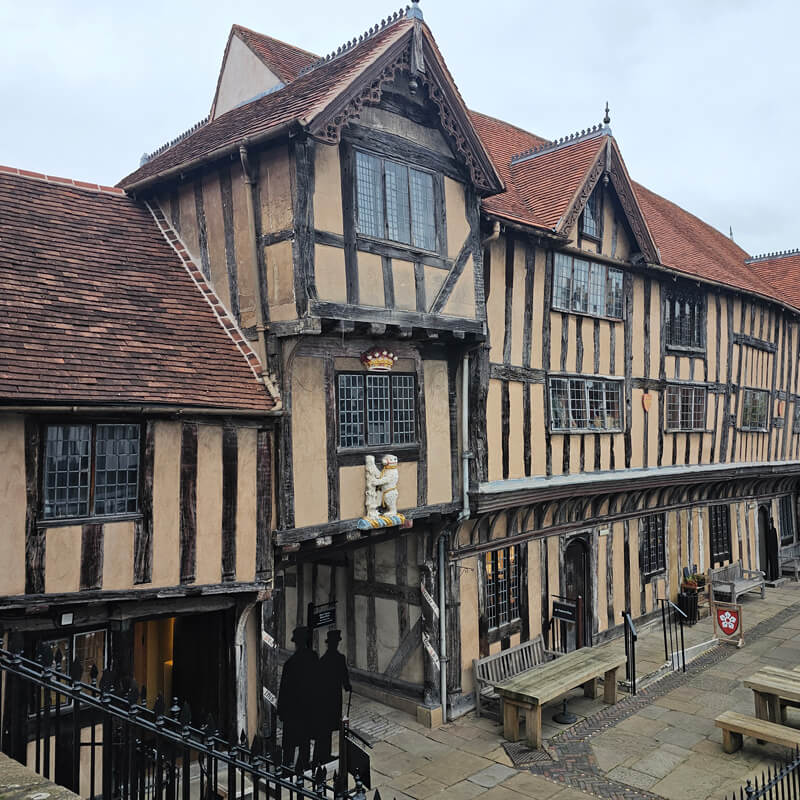
Standing between Preston and Blackburn, Samlesbury Hall is one of Lancashire’s finest medieval manor houses. With more than 700 years of history, its black-and-white timbered façade has become an enduring symbol of the county’s heritage, while its story reflects centuries of war, religion, prosperity and survival.
Medieval Beginnings
The hall was built around 1325 by Gilbert de Southworth, who inherited part of the Manor of Samlesbury through marriage to Alice d’Ewyas. Historians believe it replaced an earlier manor house destroyed during the Scottish raids of 1322, when forces loyal to Robert the Bruce devastated parts of Lancashire.
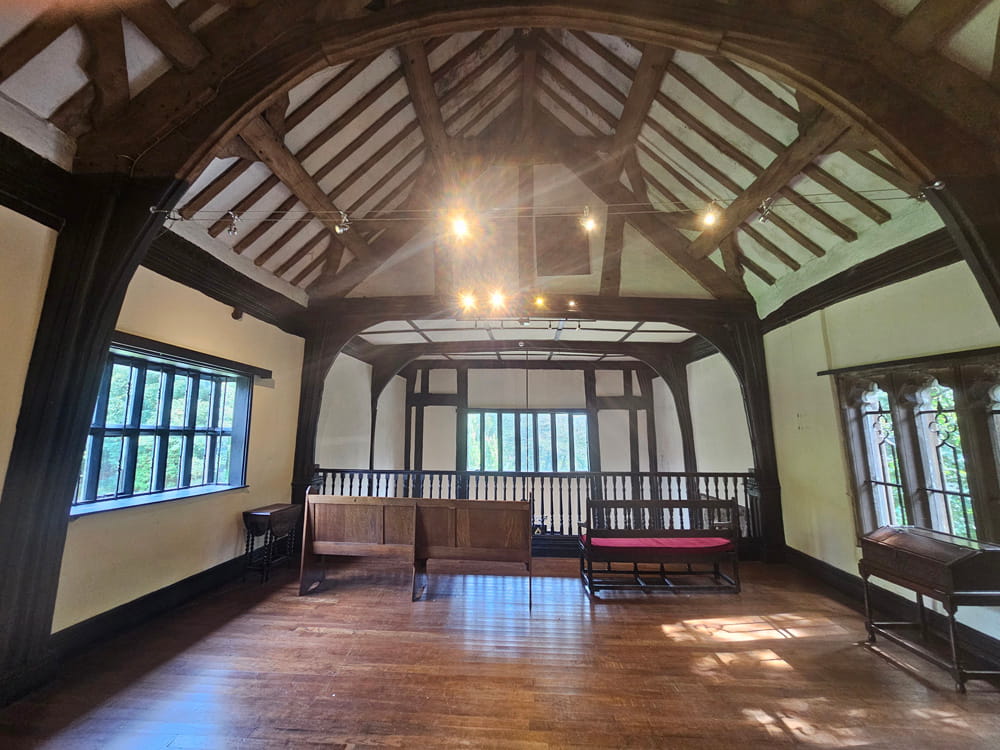
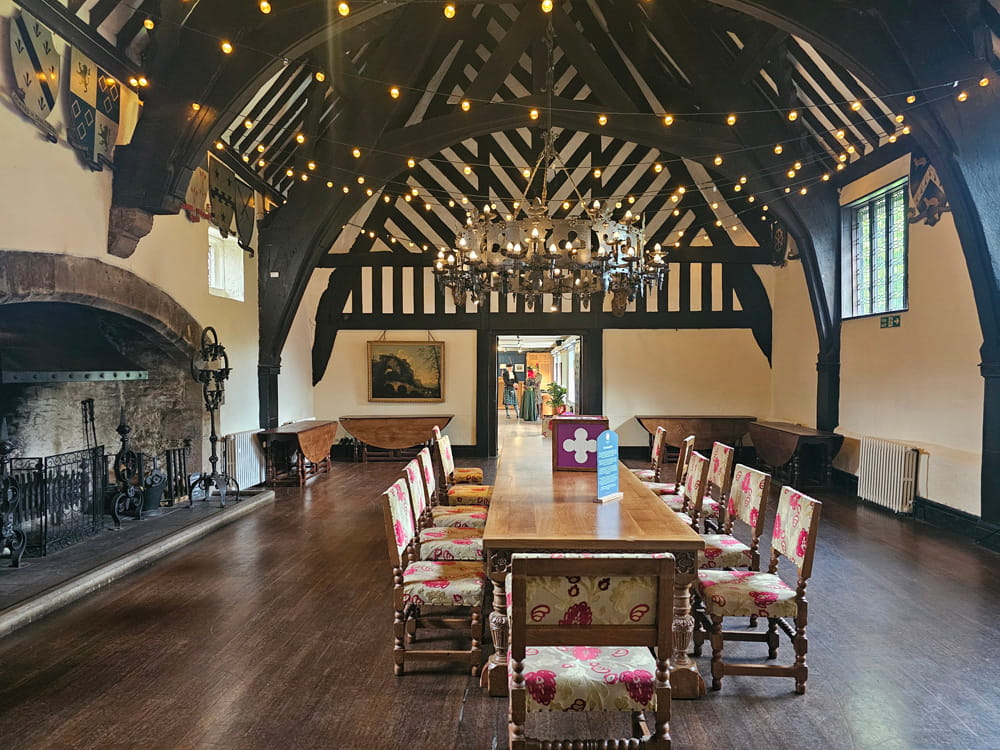
The original building was far simpler than today’s impressive structure. It was a timber-framed Great Hall with a thatched roof, serving as the centre of the Southworth family’s estate and the heart of daily medieval life.
Tudor Transformation
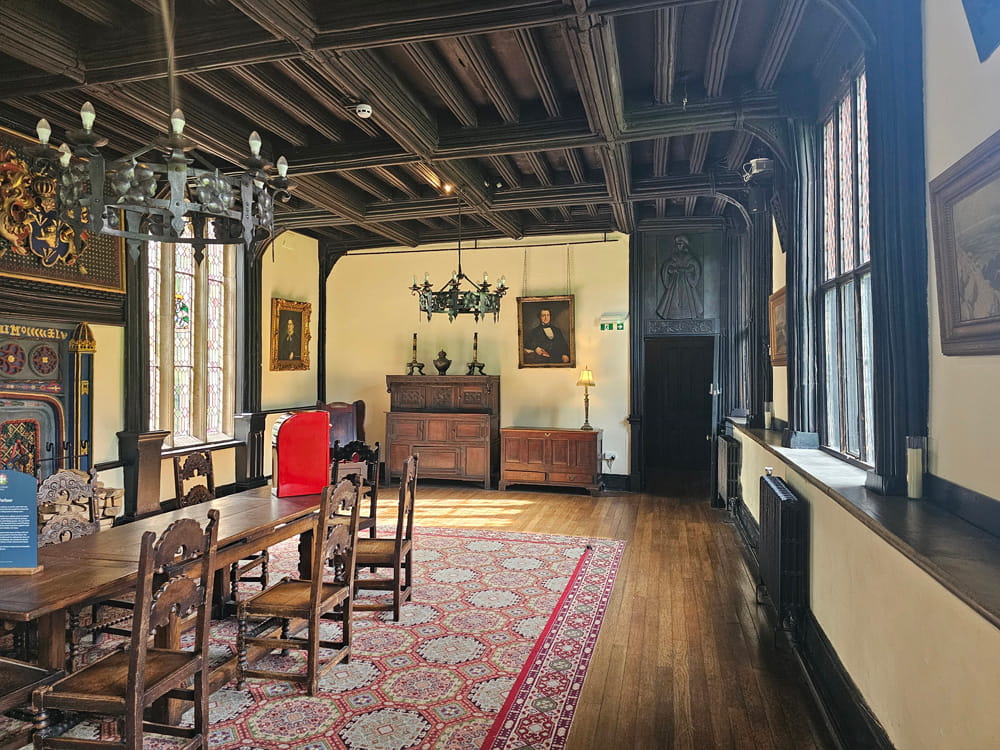
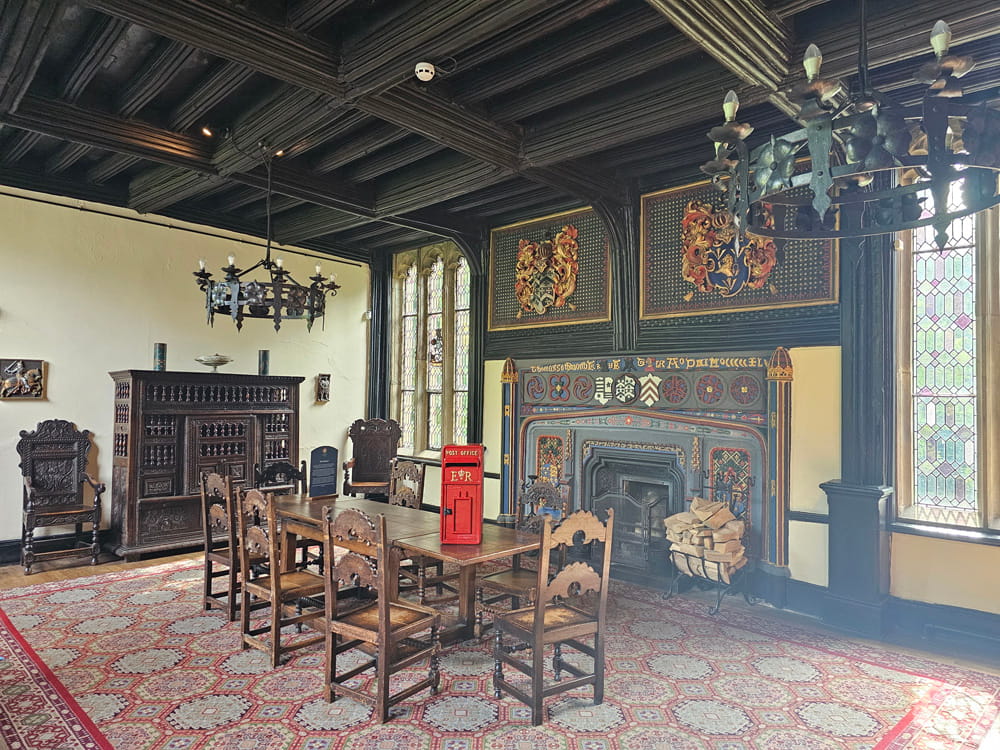
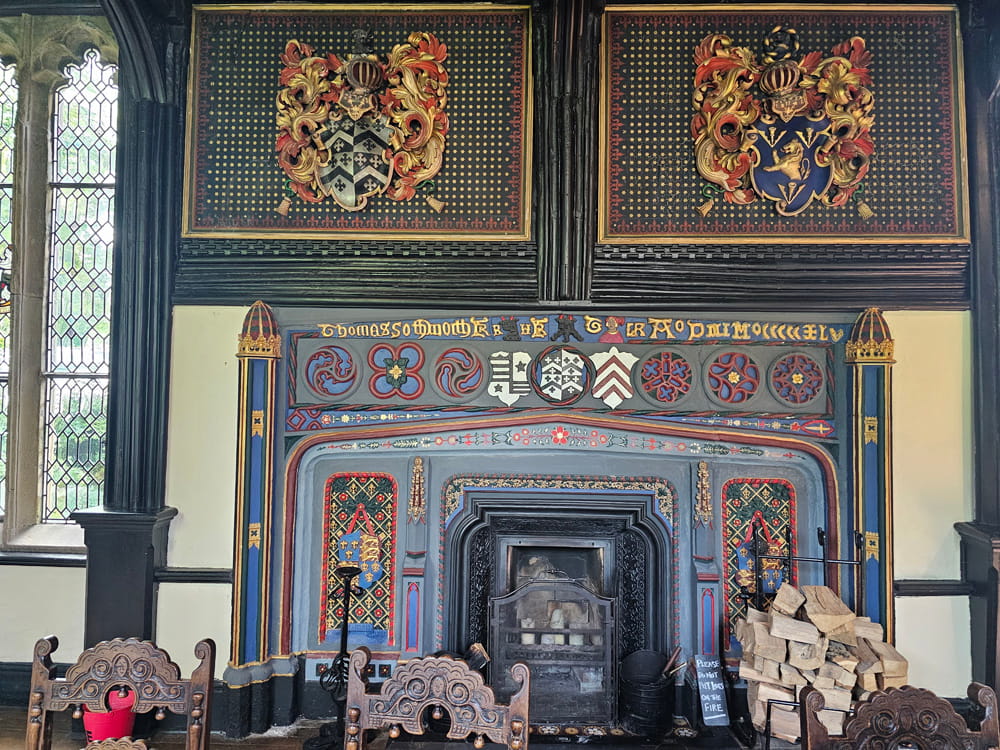
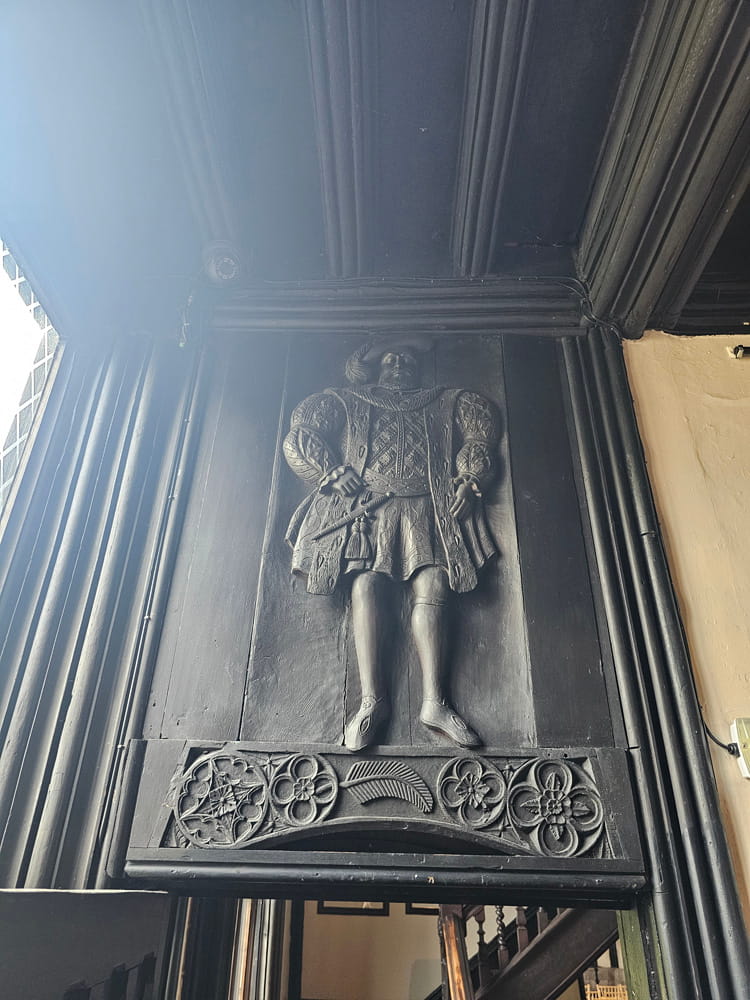
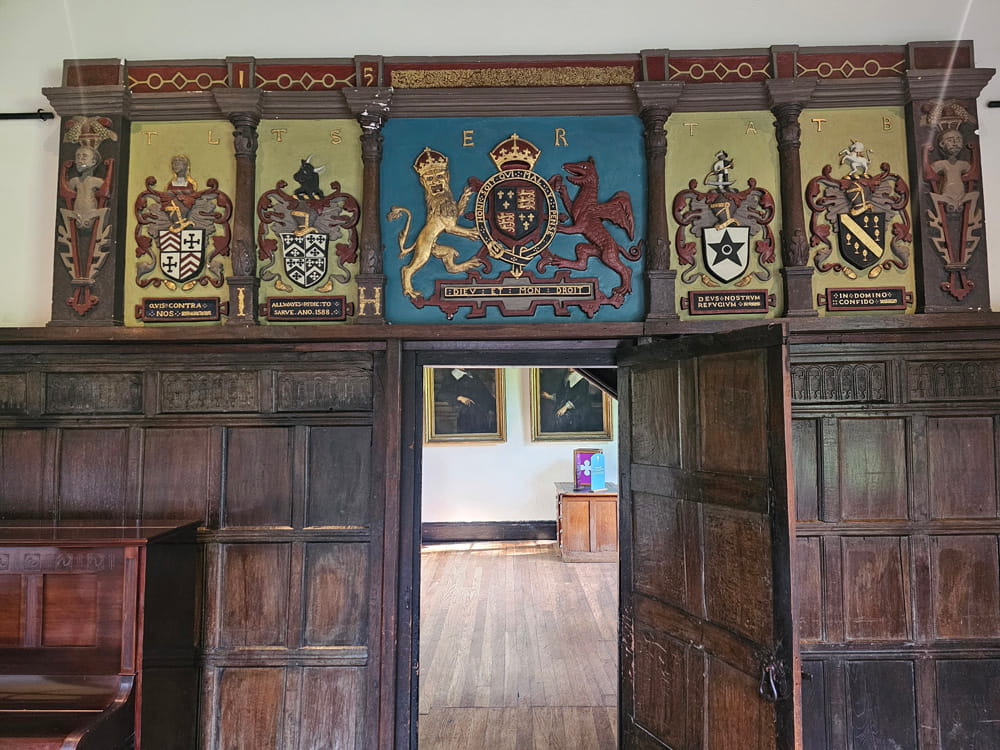
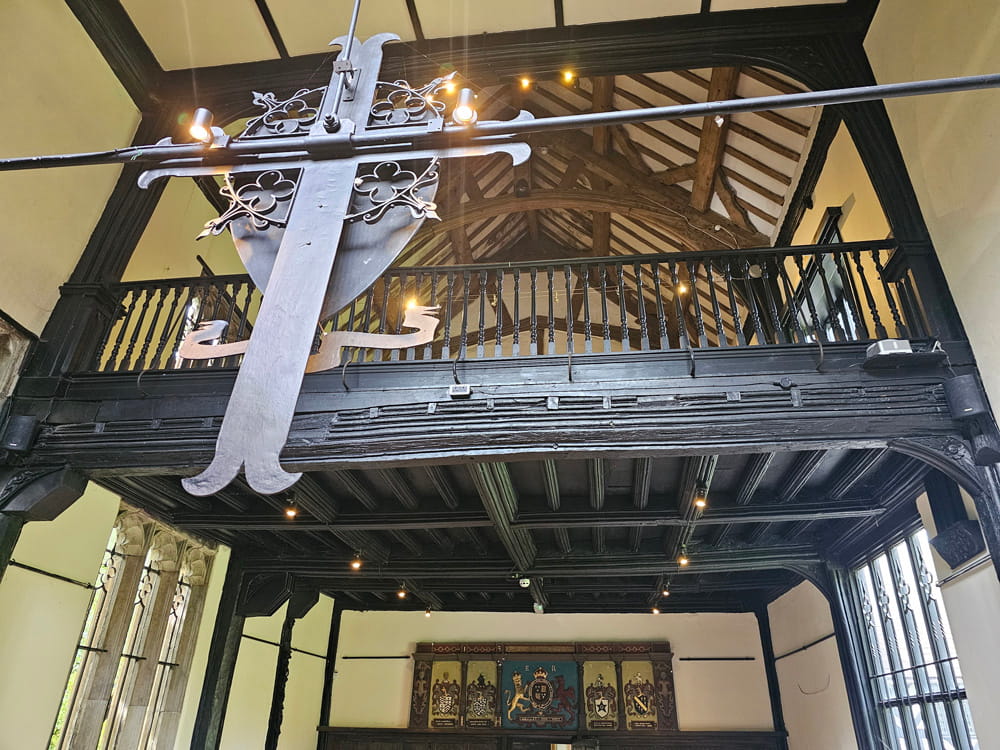
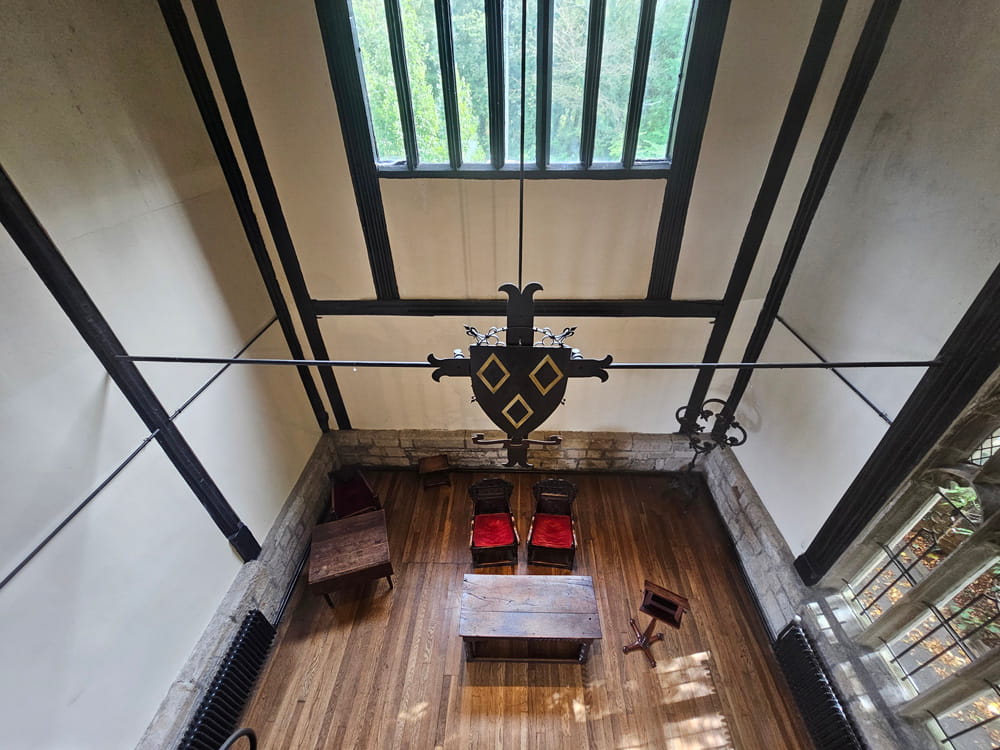
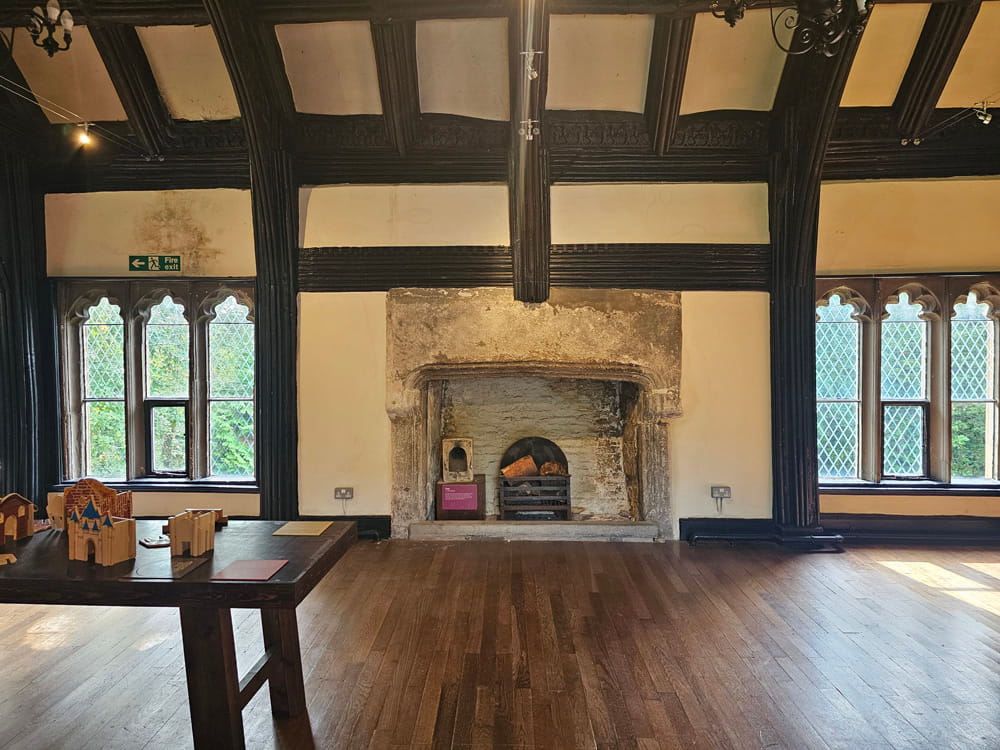
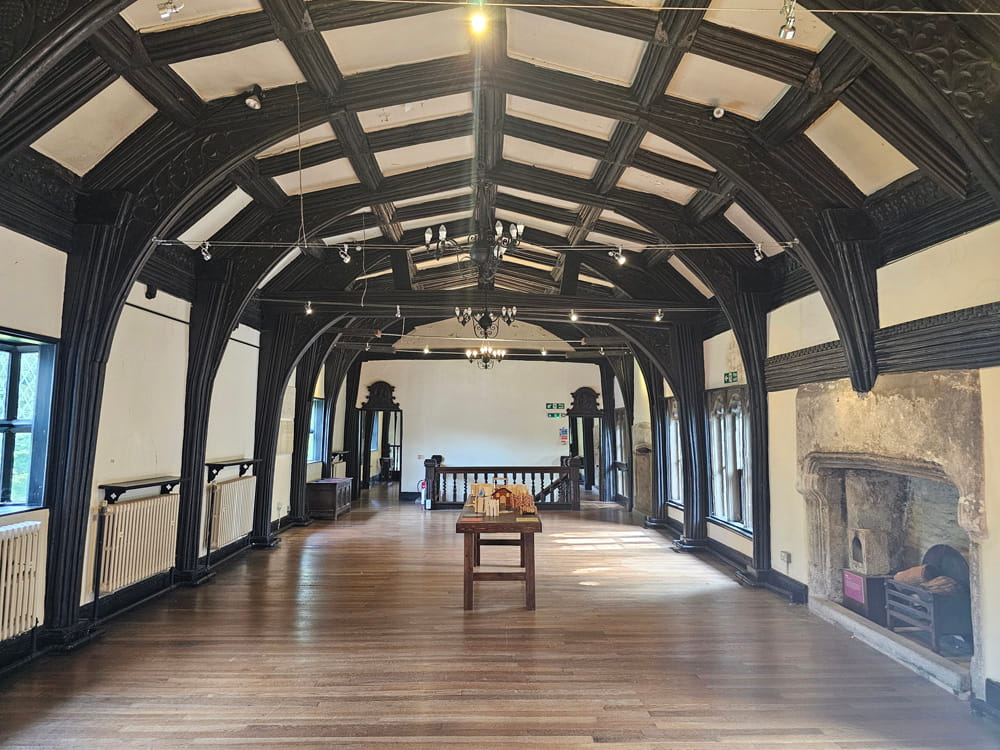
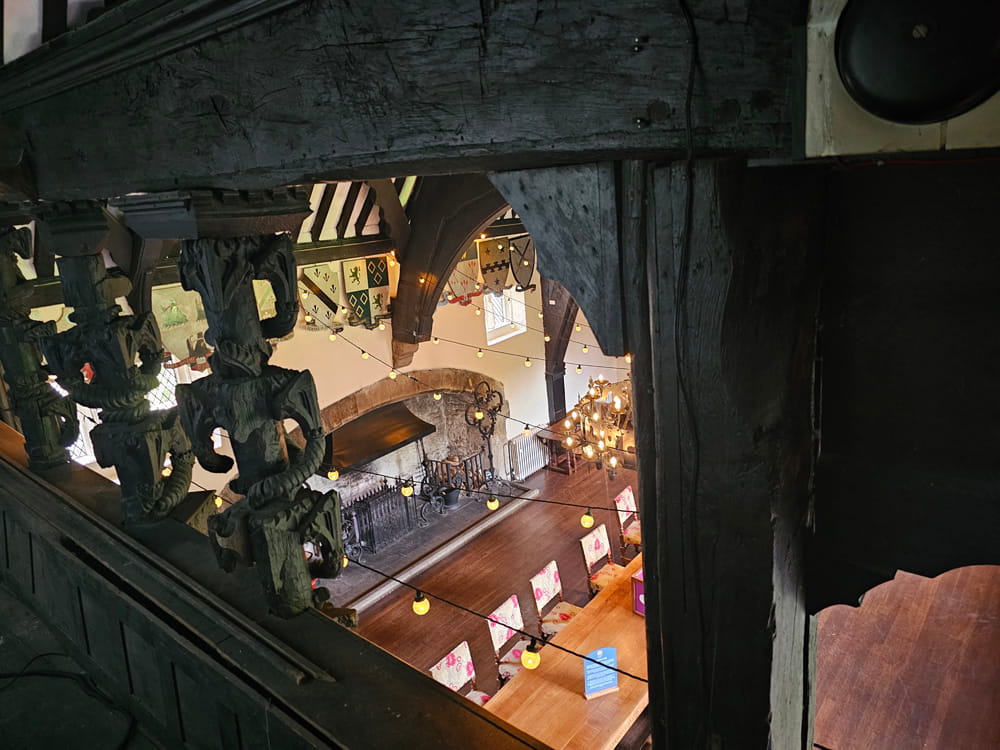
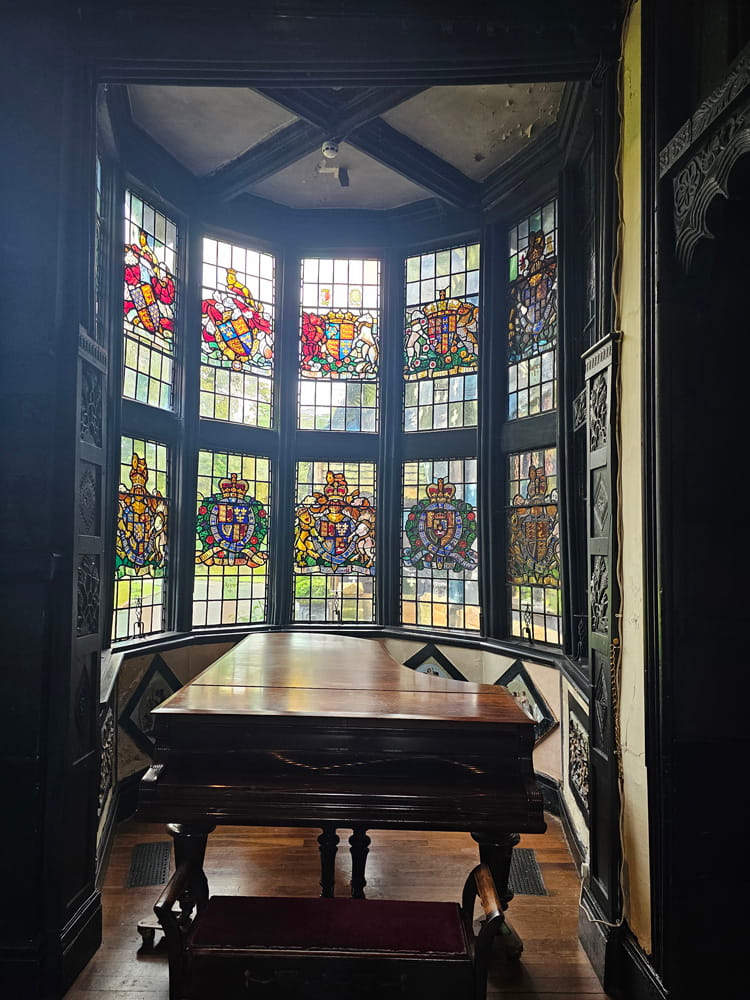
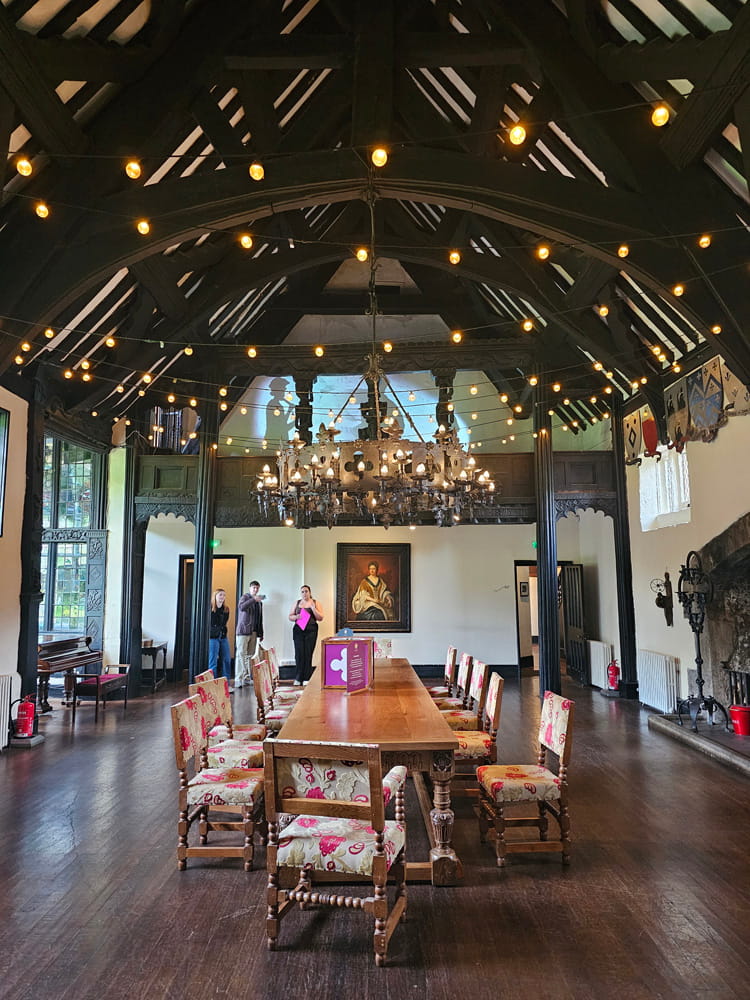
During the 16th century, Sir Thomas Southworth transformed the manor into a grand Tudor residence. He rebuilt large sections of the hall, added the impressive west and south wings, installed decorative timber framing, enlarged the Great Hall with a magnificent bay window, and constructed an elegant family chapel. Some of Lancashire’s earliest decorative brickwork can still be seen from this period.
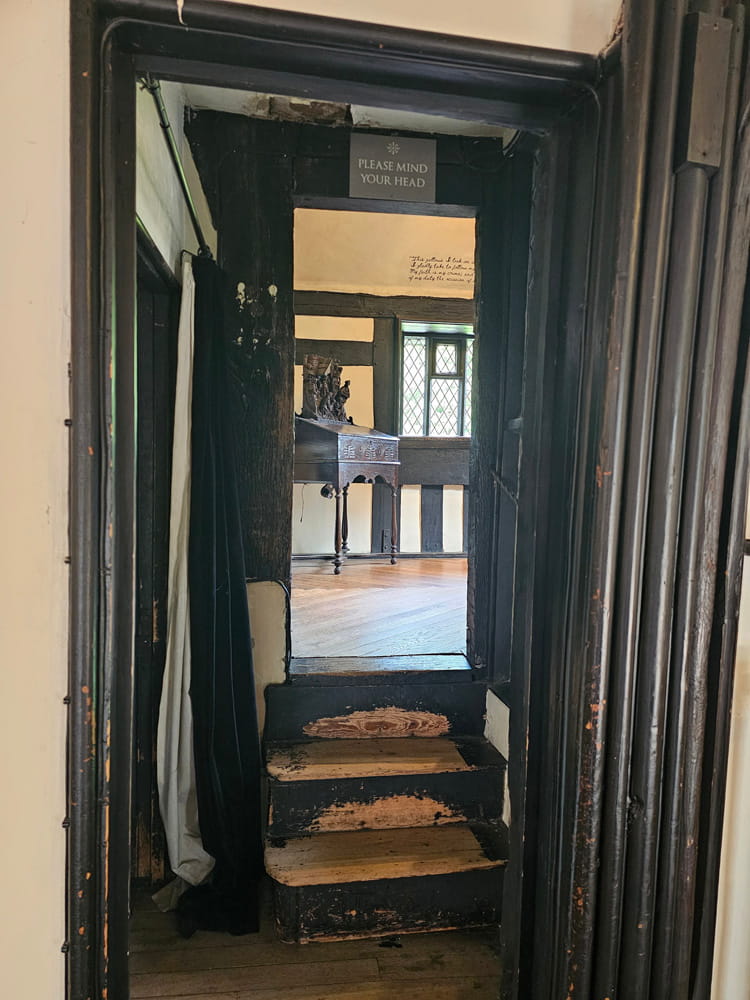
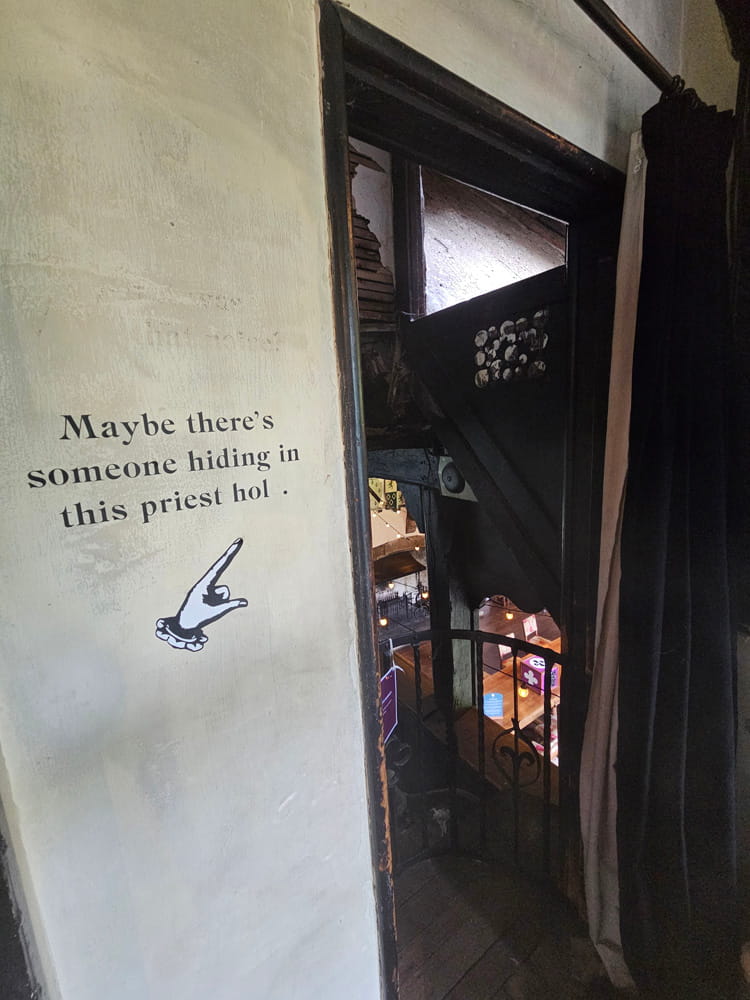
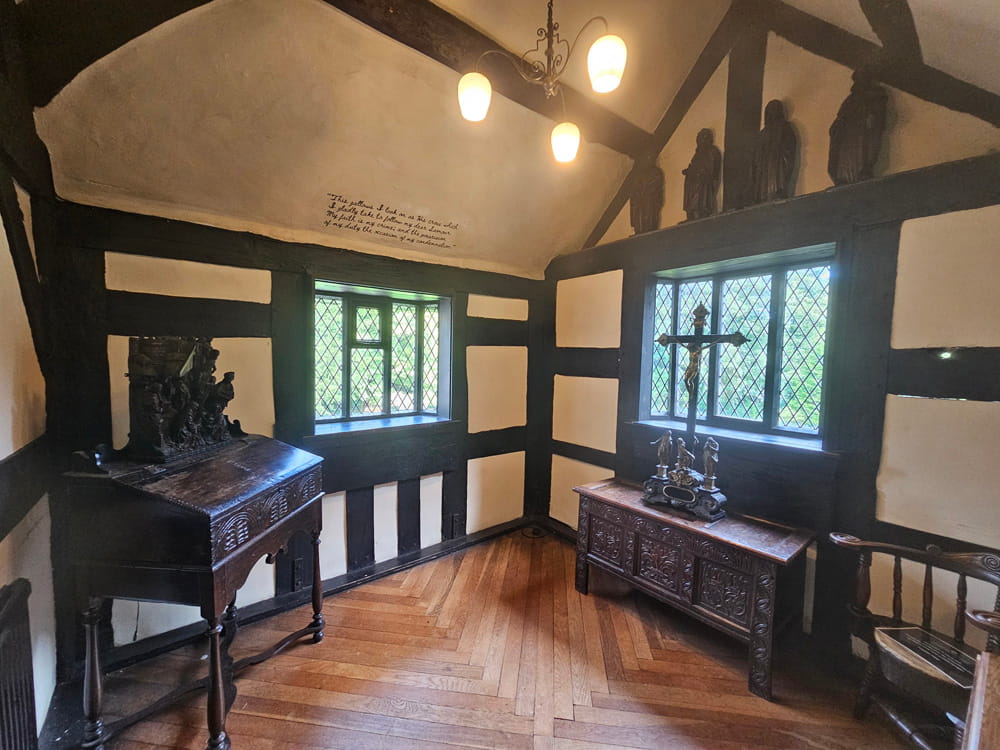
The Southworths remained loyal to the Catholic faith during the English Reformation, making the hall closely associated with religious persecution. Hidden priest holes allowed Catholic priests to evade government searches, while family member St John Southworth was later executed for his faith and is now recognised as one of England’s Catholic martyrs.
Decline and Changing Fortunes
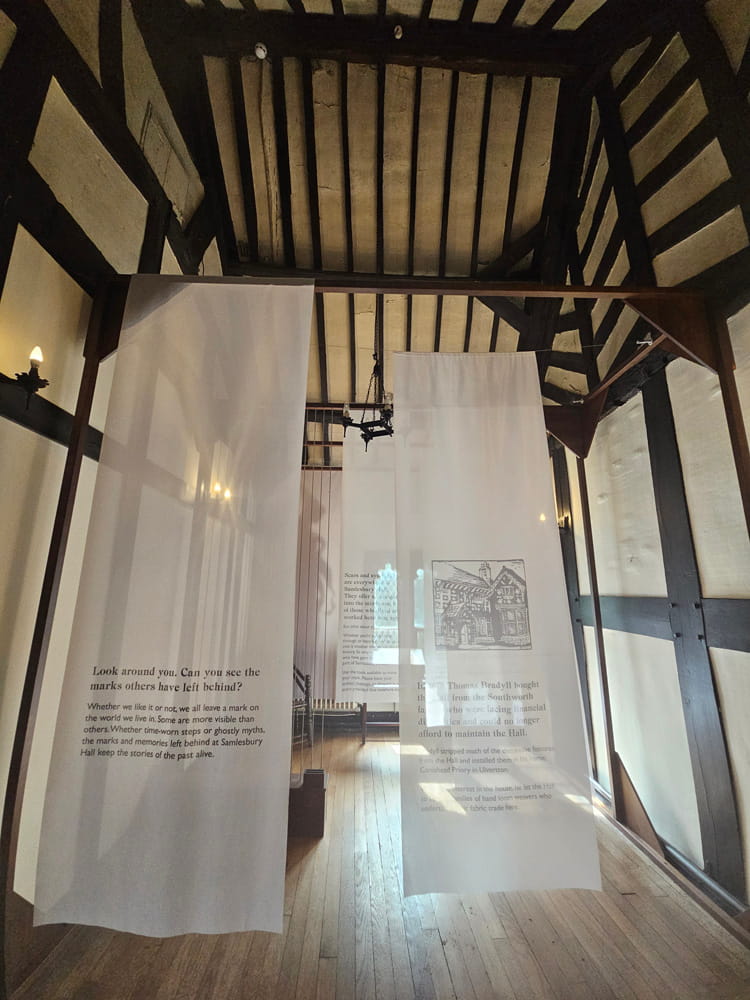
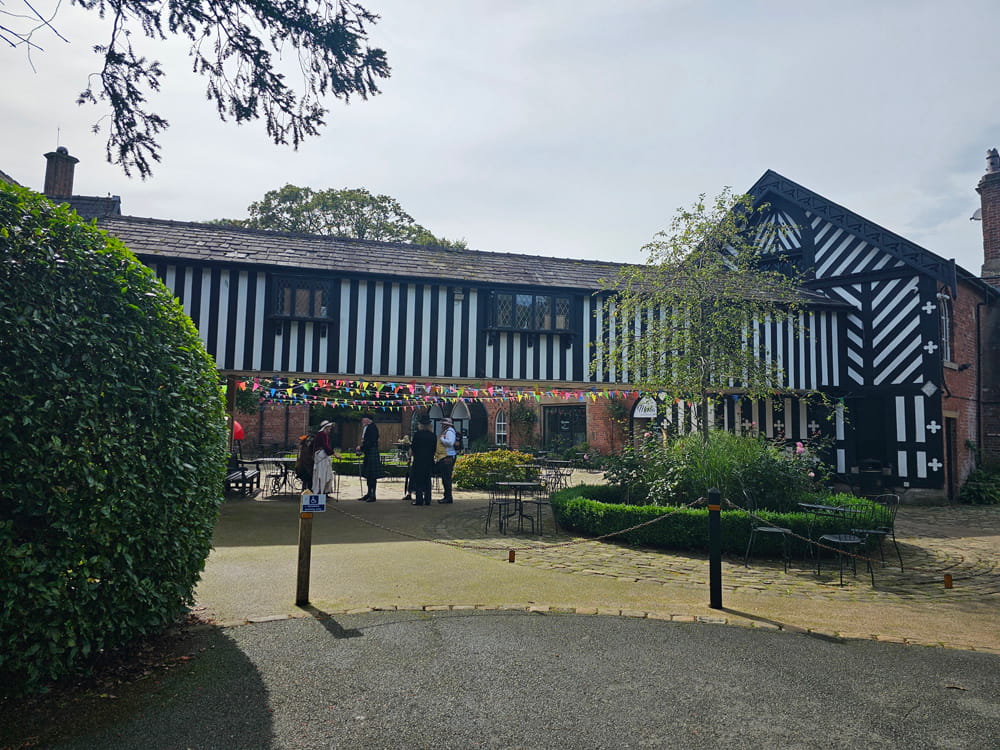
The Southworth family’s fortunes eventually declined, and in 1678 the estate was sold to the Bradyll family. Unlike the Southworths, the Bradylls rarely lived there, renting the building to tenants instead. Over time, parts of the hall became homes for handloom weavers as the building gradually fell into disrepair.
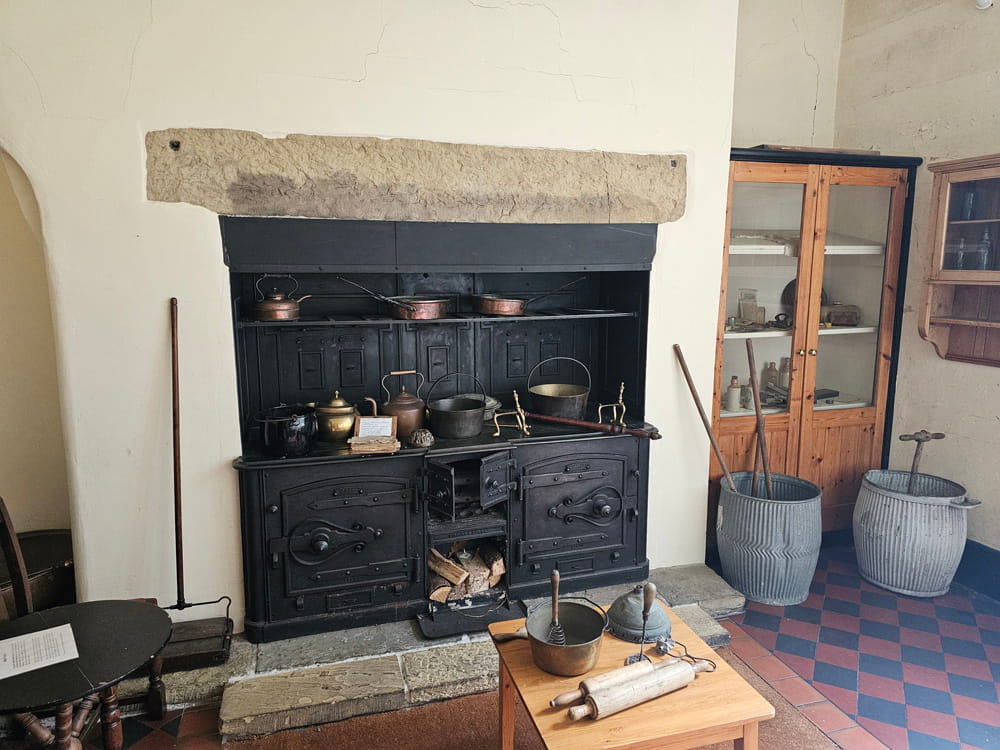
During the 19th century, Samlesbury Hall served several unexpected roles. It became the Bradyll Arms Inn, taking advantage of the busy new Preston road, before later becoming a pioneering Pestalozzian boarding school, where education focused on developing the “head, heart and hands” of its pupils.
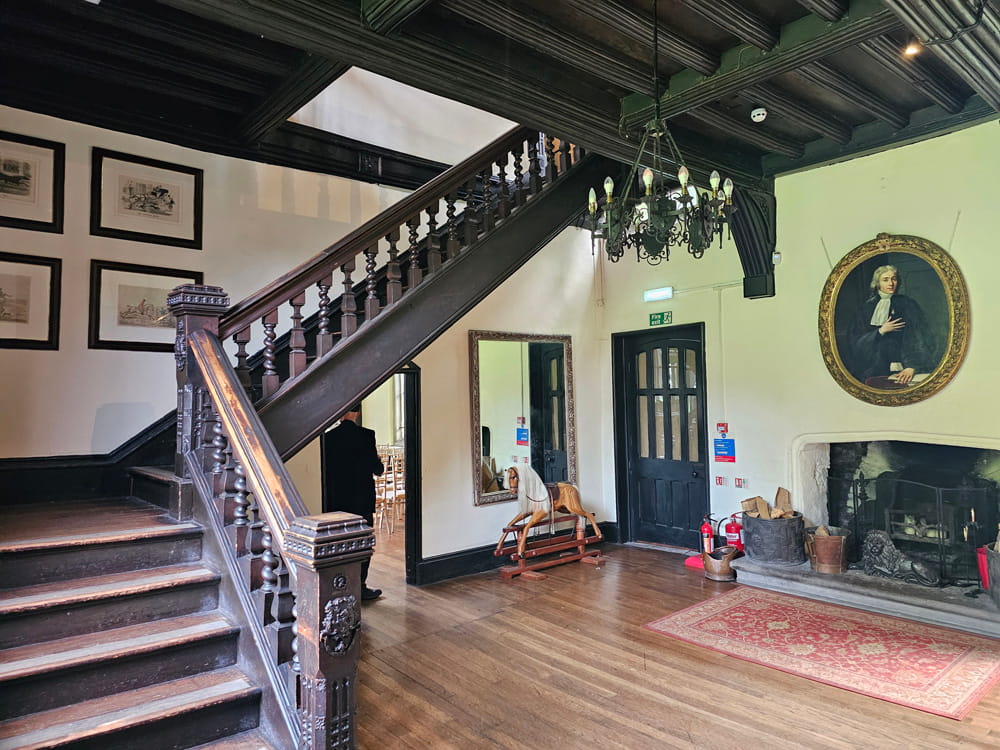
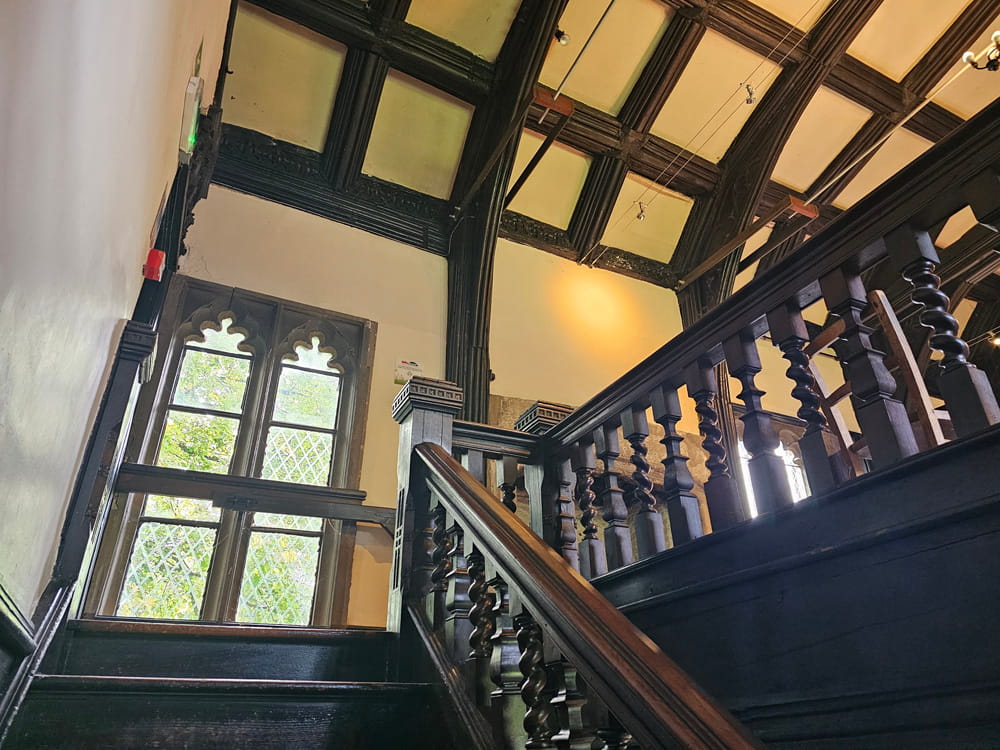
In 1862, industrialist Joseph Harrison purchased the hall and carried out significant Victorian restorations, including adding the striking staircase that visitors still admire today.
Saved From Demolition
By the early 20th century, the hall stood empty and neglected. In 1924 it was purchased by developers who intended to demolish it and build housing on the site. Fortunately, local campaigners and philanthropists raised enough money to rescue the building, establishing the Samlesbury Hall Trust in 1925. The trust has cared for the hall ever since, preserving it for future generations.
A Living Piece of Lancashire
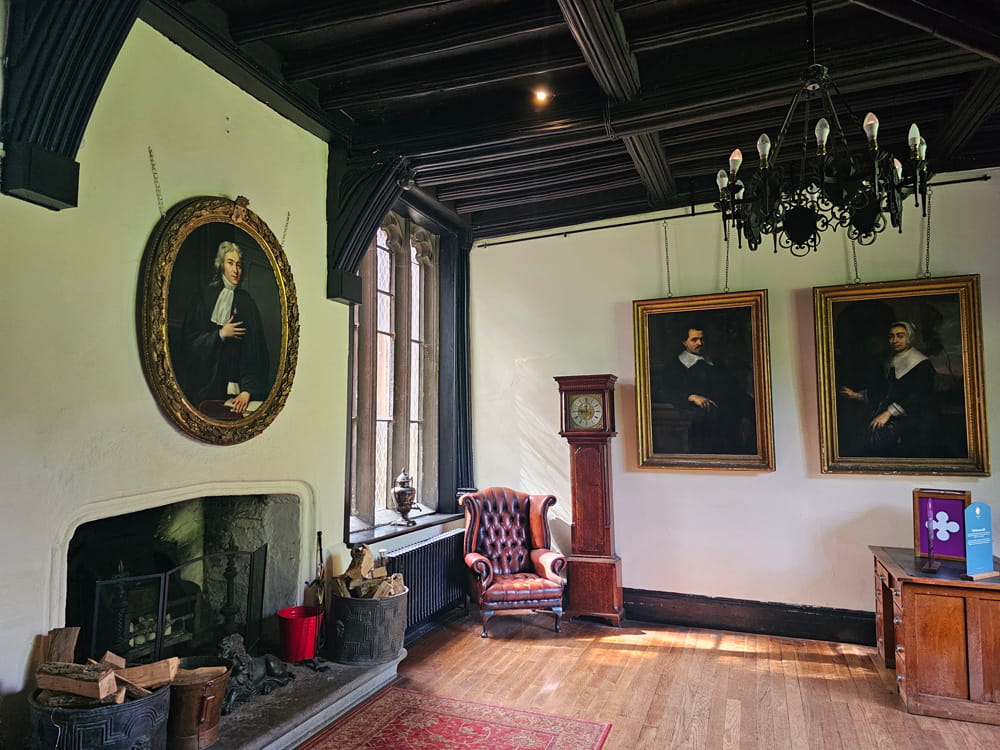
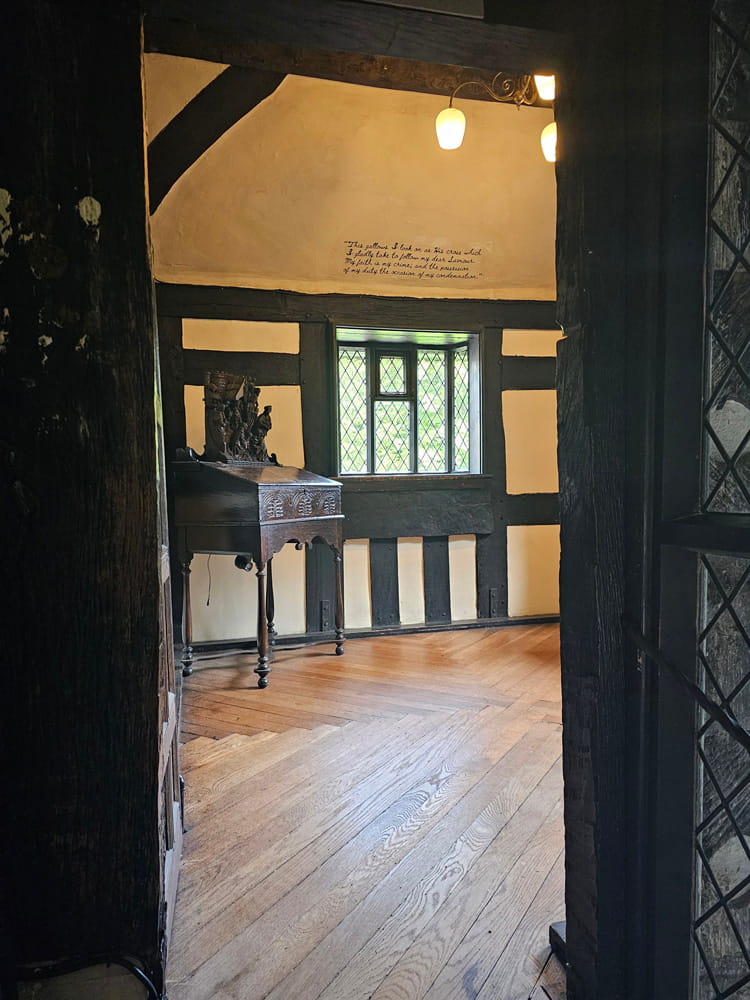
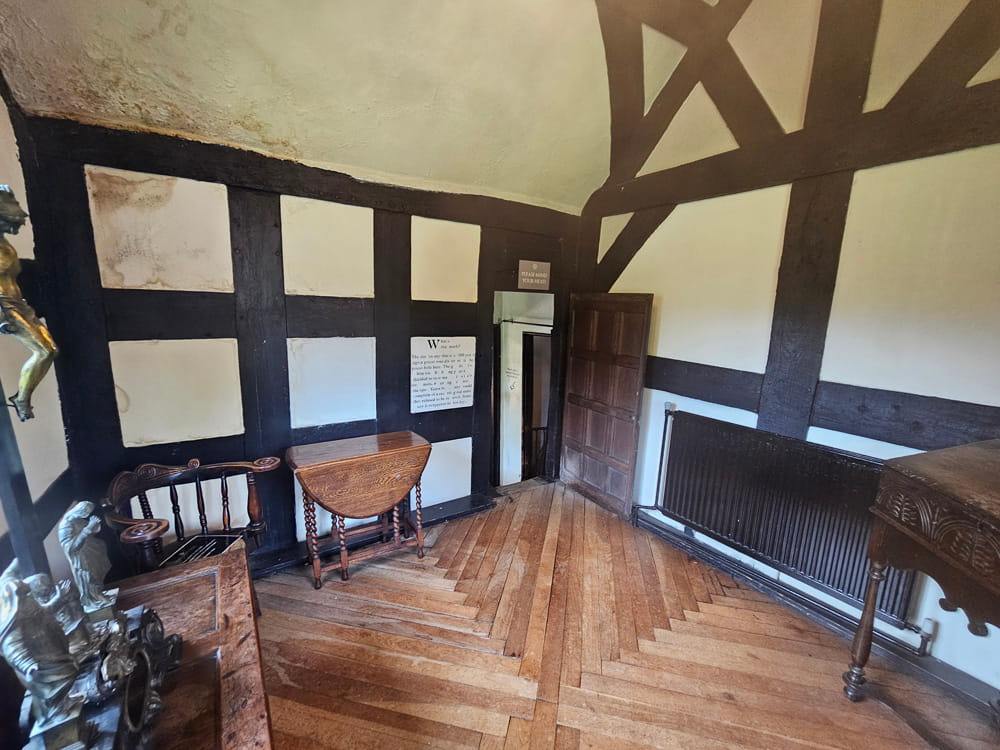
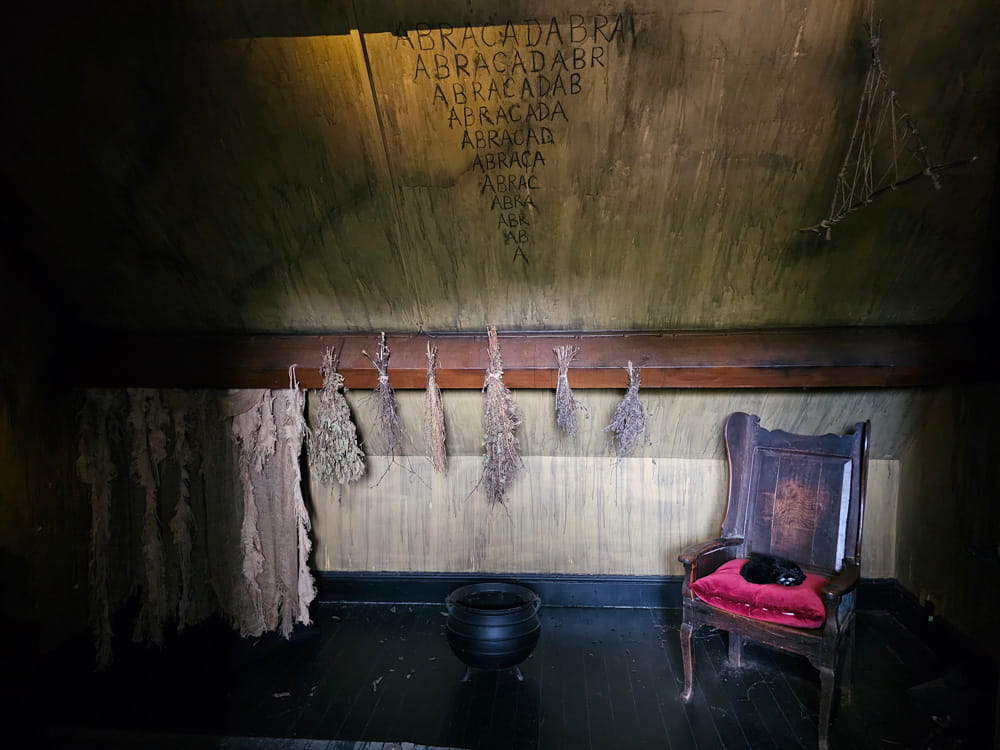
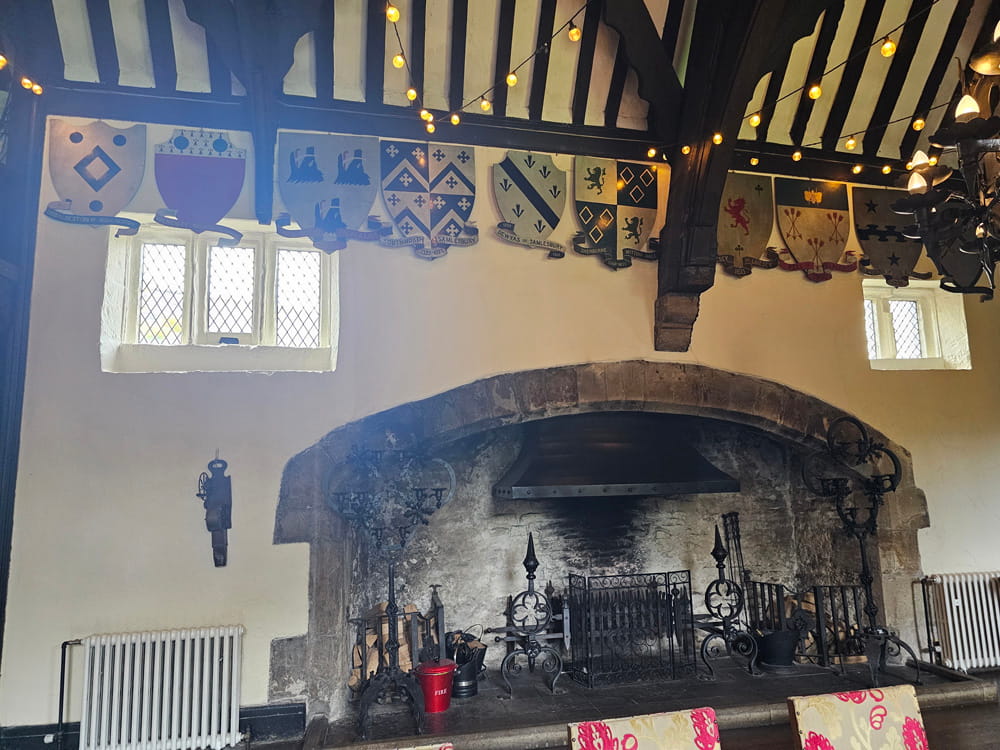
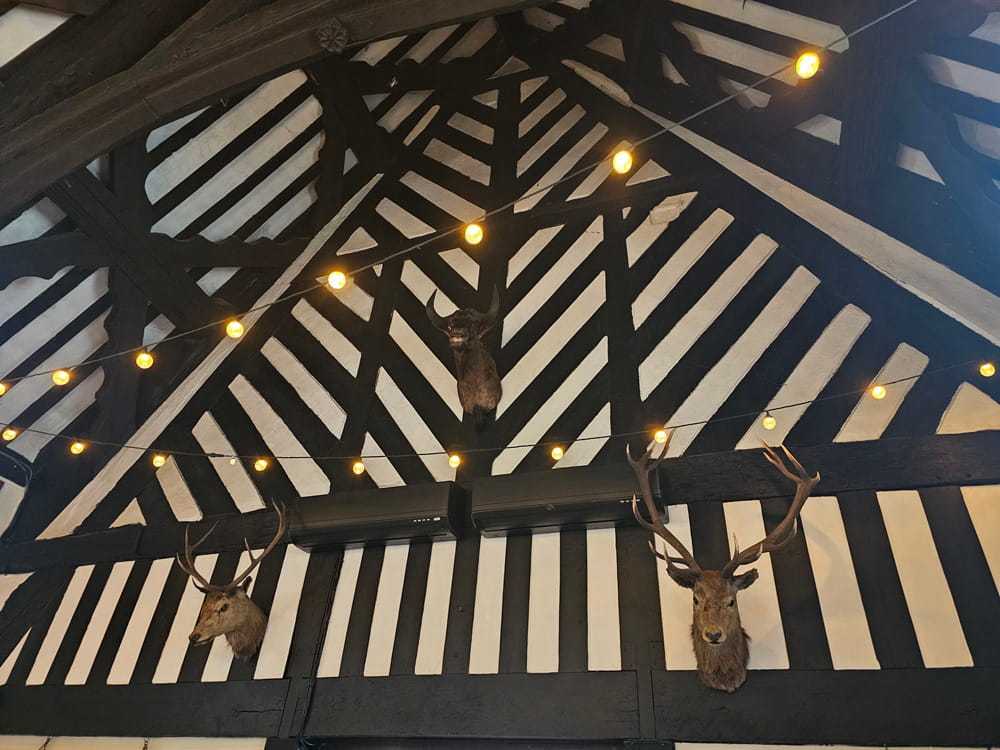
Today, Samlesbury Hall is a Grade I listed building that welcomes thousands of visitors each year. Its Great Hall, chapel, priest holes and beautifully restored rooms offer a glimpse into medieval and Tudor England, while its famous ghost stories — including the legend of the White Lady — add another layer to its enduring appeal.
More than simply an ancient house, Samlesbury Hall stands as a remarkable survivor of Lancashire’s past, having weathered war, religious conflict, economic decline and the threat of demolition to become one of the county’s most treasured historic landmarks.
Photo Gallery.
Did you enjoy this post?
I hope you found this post useful. I put a great deal of time and effort in to building, maintaining and populating the website. If you like, you could say a small thank you by buying me a coffee. You don't have to, but it would be nice :)
Buy me a coffee
Stay up to Date
Follow me on my journey and get notified whenever a new post is published by following Kings & Castles on Facebook.
Follow MeExplore The Map
Discover the hundreds of castles, churches, monasteries, cathedrals and other historic locations that I've personally visited across England and Wales. Search by location, explore nearby sites and plan your next historical adventure.
Share: