Whalley Abbey
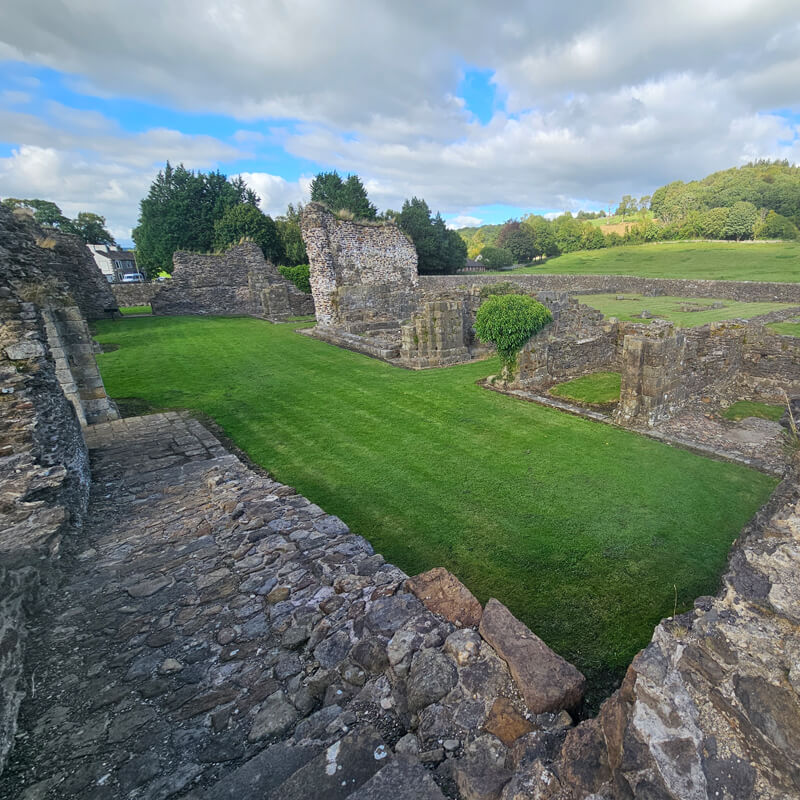
Nestled beside the River Calder in the picturesque village of Whalley, Lancashire, Whalley Abbey is one of the county’s most fascinating historic sites. Its peaceful grounds and impressive ruins offer a glimpse into a time when Cistercian monks played an important role in the religious, economic and social life of medieval Lancashire.
Quick
Facts.
- Location: Whalley, Lancashire, England
- Founded: 1296
- Founder: Cistercian monks from Cheshire
- Religious order: Cistercian
- Dissolved: 1537
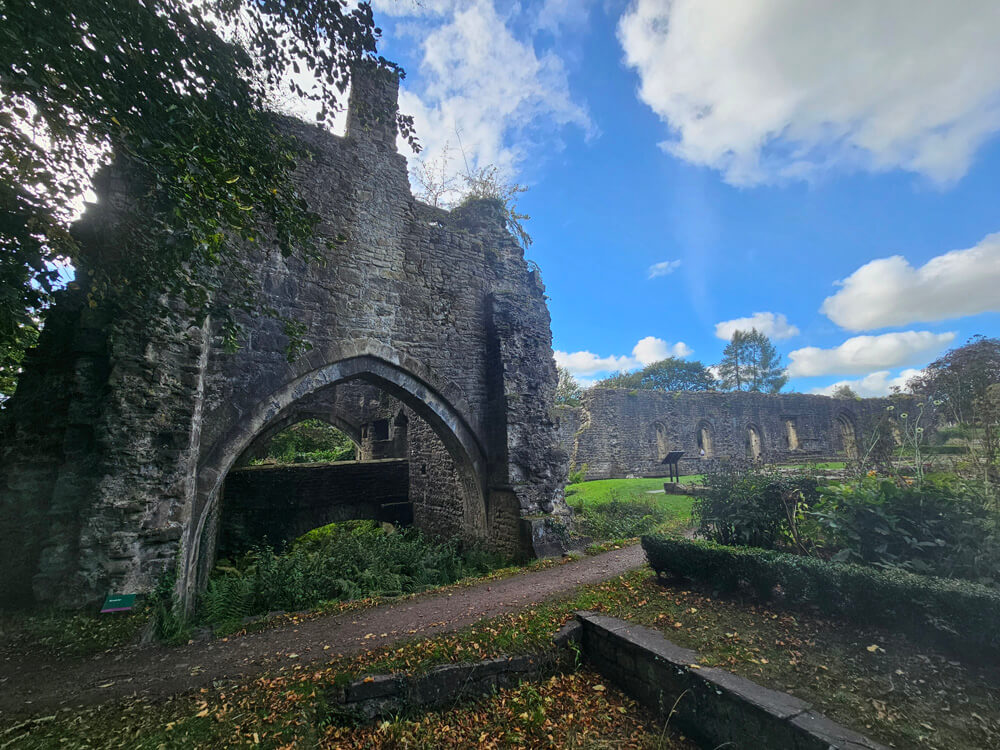
- Condition: Impressive ruins and intact gatehouse
A Bit of History…
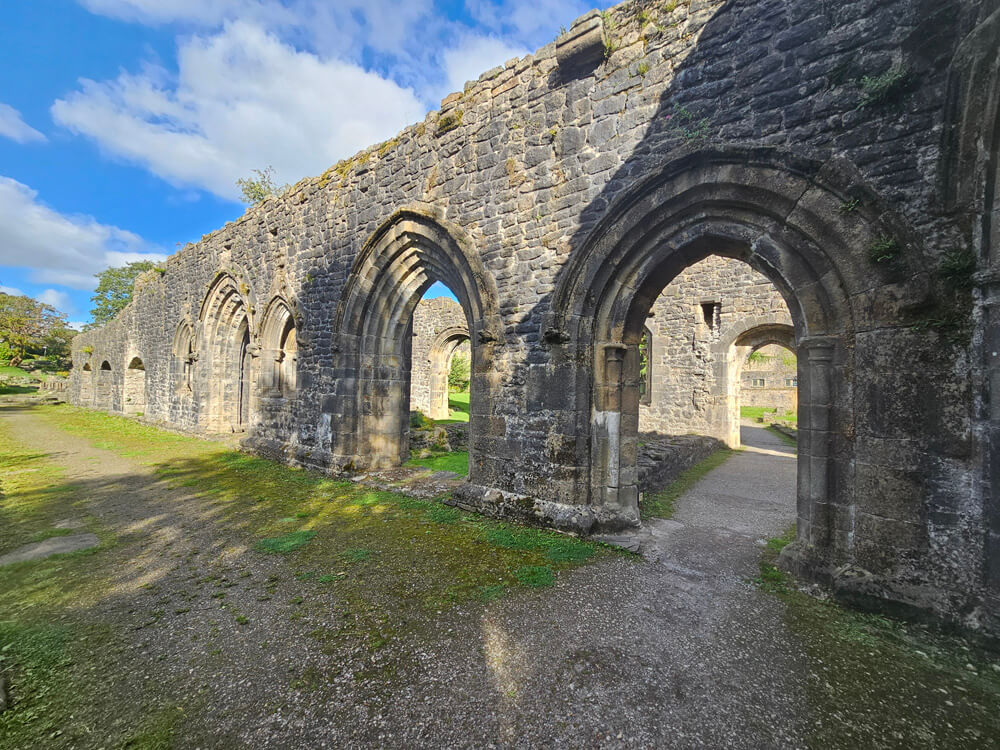
The abbey was founded in 1296 when Cistercian monks moved from Stanlaw Abbey in Cheshire. They chose Whalley partly because of its sheltered location and the resources available in the surrounding Ribble Valley. Construction of the new monastery continued for many decades. The abbey church was begun around 1330 and completed in 1380, while other buildings, including the cloisters, infirmary and the abbot’s lodgings, were developed during the following century.
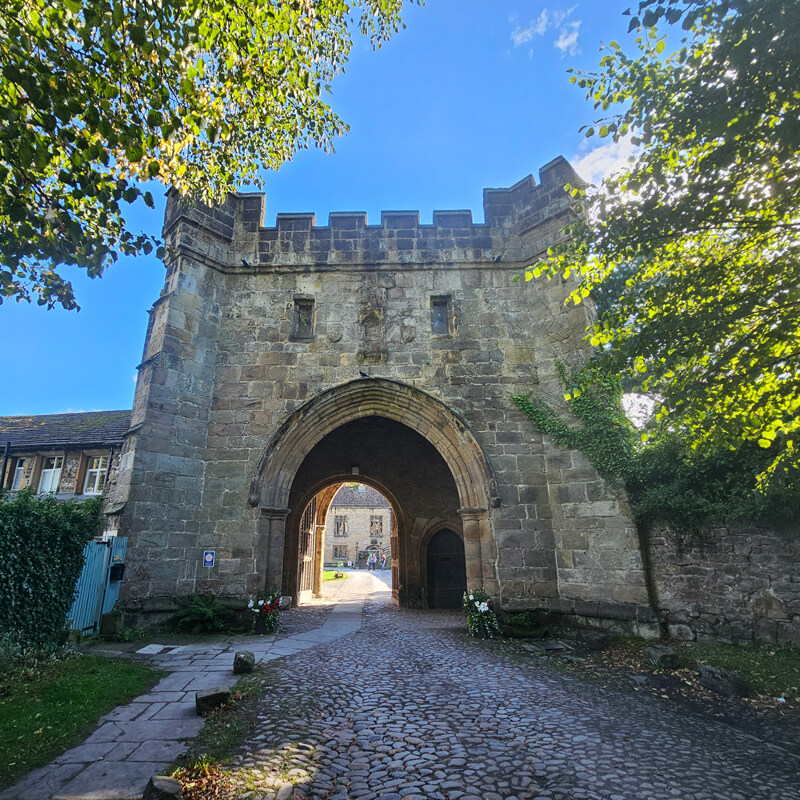
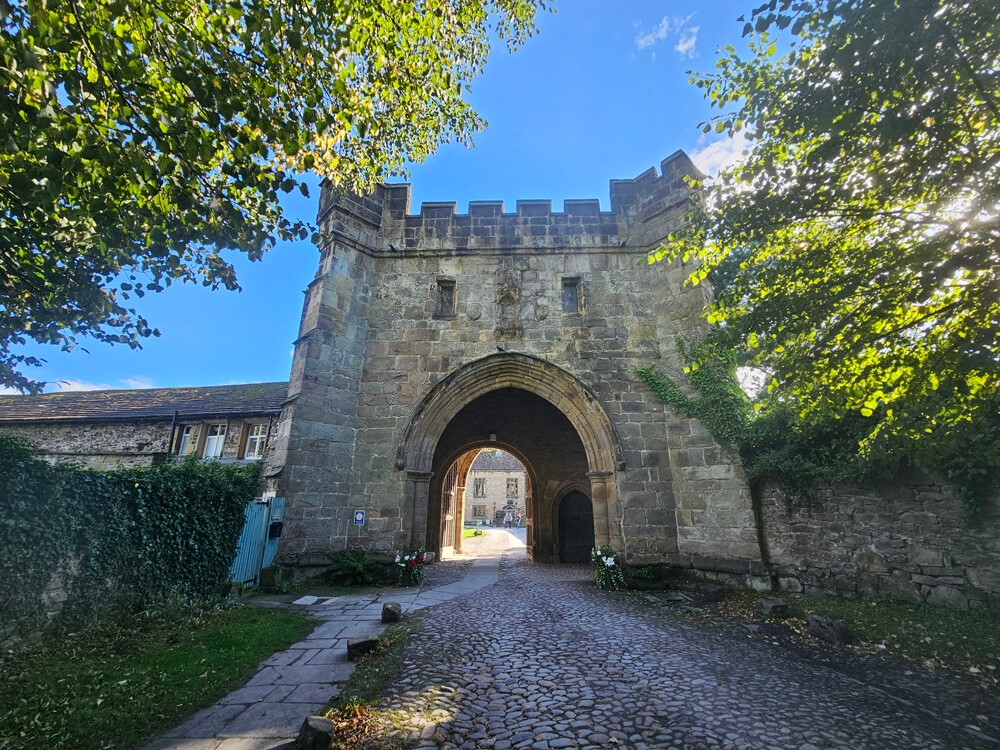
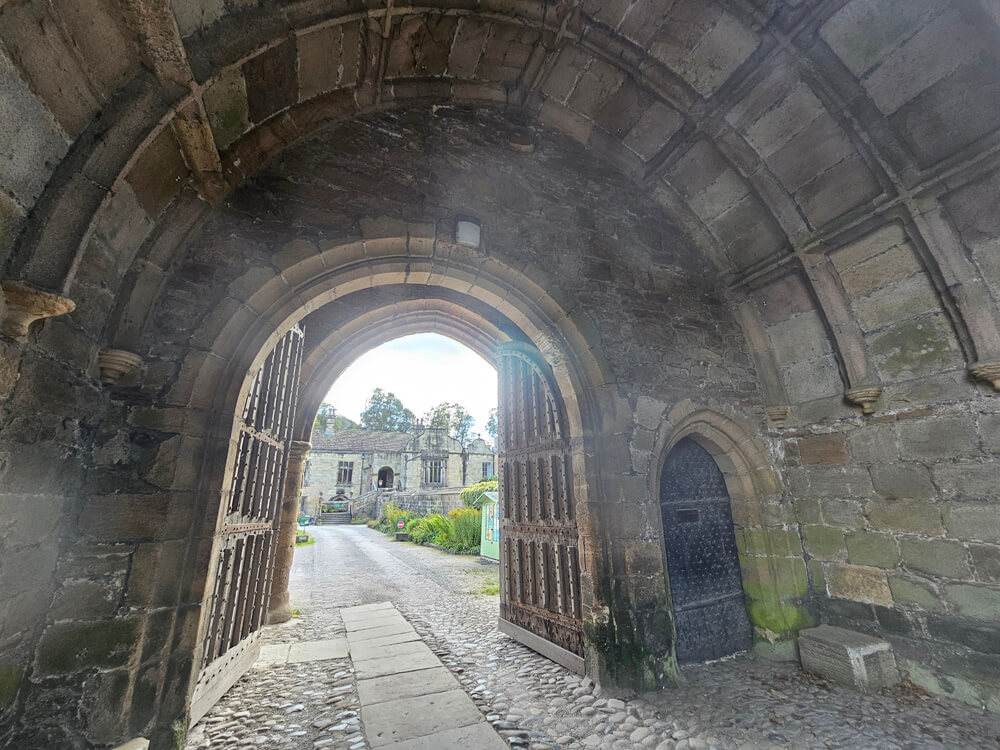
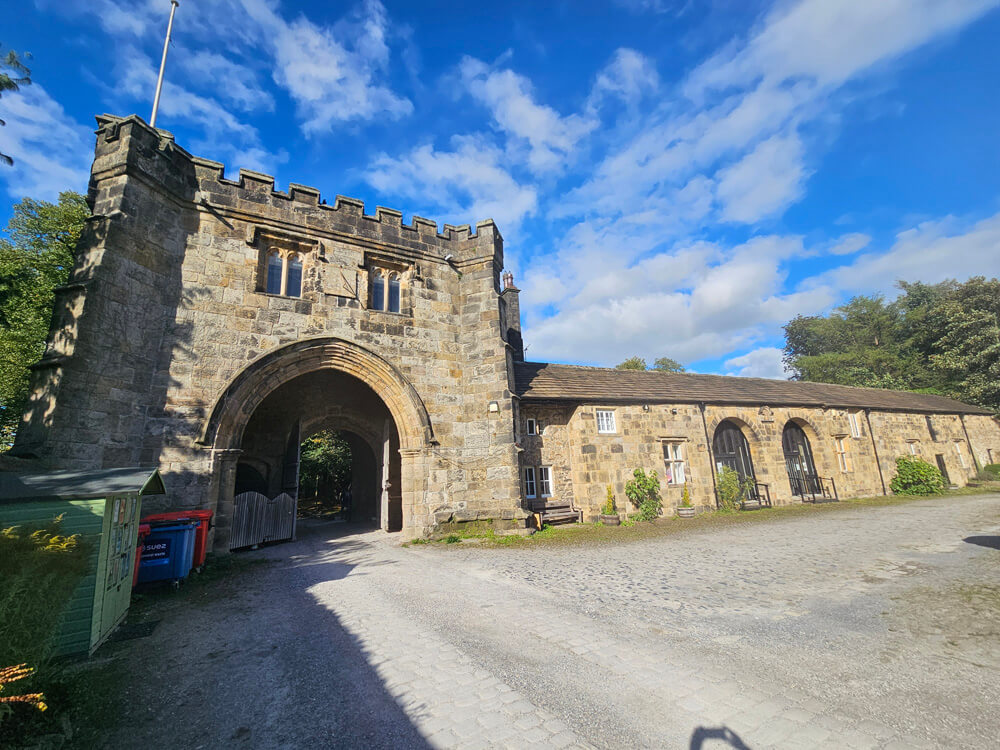
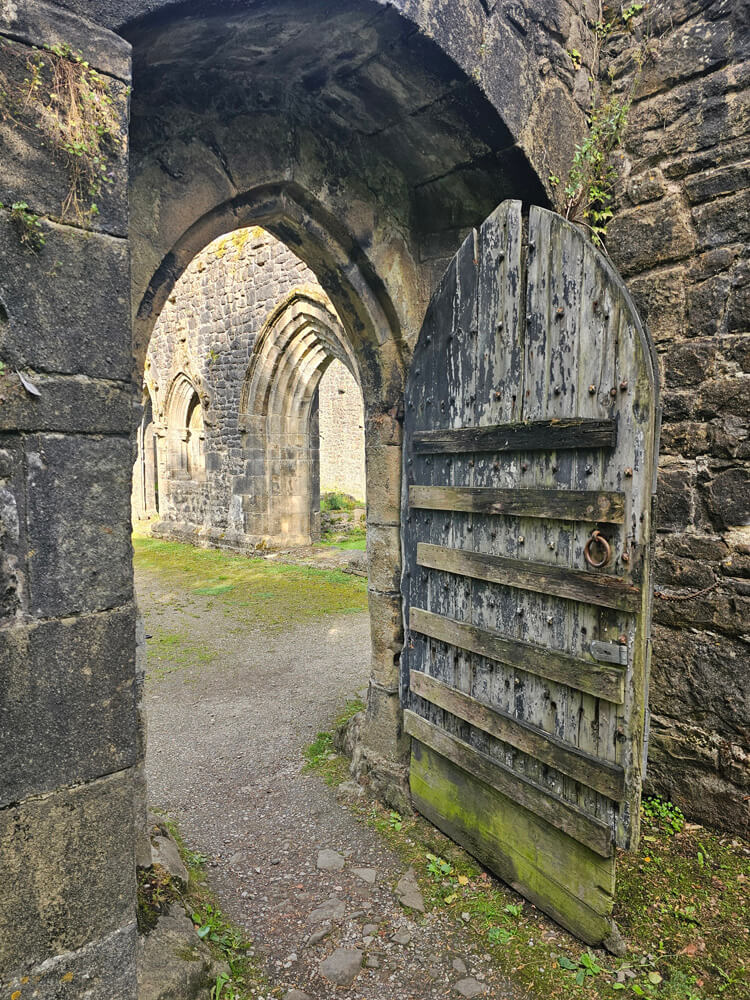
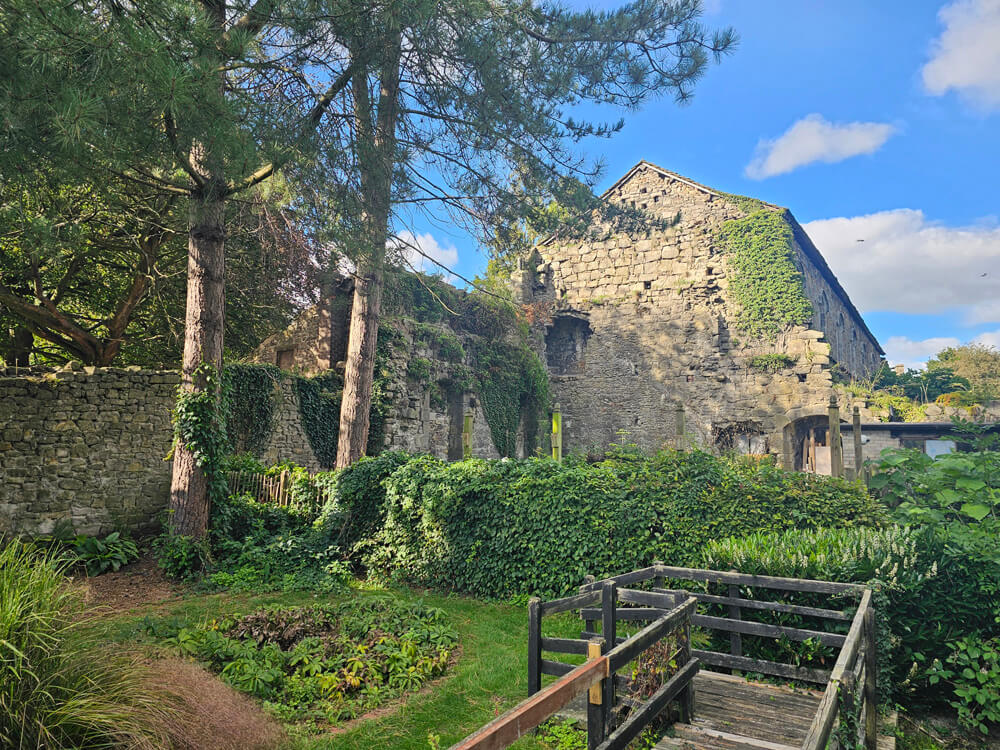
At its height, Whalley Abbey was a wealthy and influential religious community, the second richest in Lancashire. The monks managed extensive lands and benefited from farming, livestock, fishing, mills and other local resources. The monastery also provided hospitality and assistance to travellers and the poor. Its large gateway, which still survives, controlled access to the monastic precinct and would have been an important entrance for visitors.
The abbey’s fortunes changed dramatically during the reign of Henry VIII. As part of the Dissolution of the Monasteries, Whalley Abbey was dissolved in 1537. Its final abbot, John Paslew, had become associated with opposition to Henry VIII’s religious reforms during the Pilgrimage of Grace. He was subsequently executed at Lancaster.
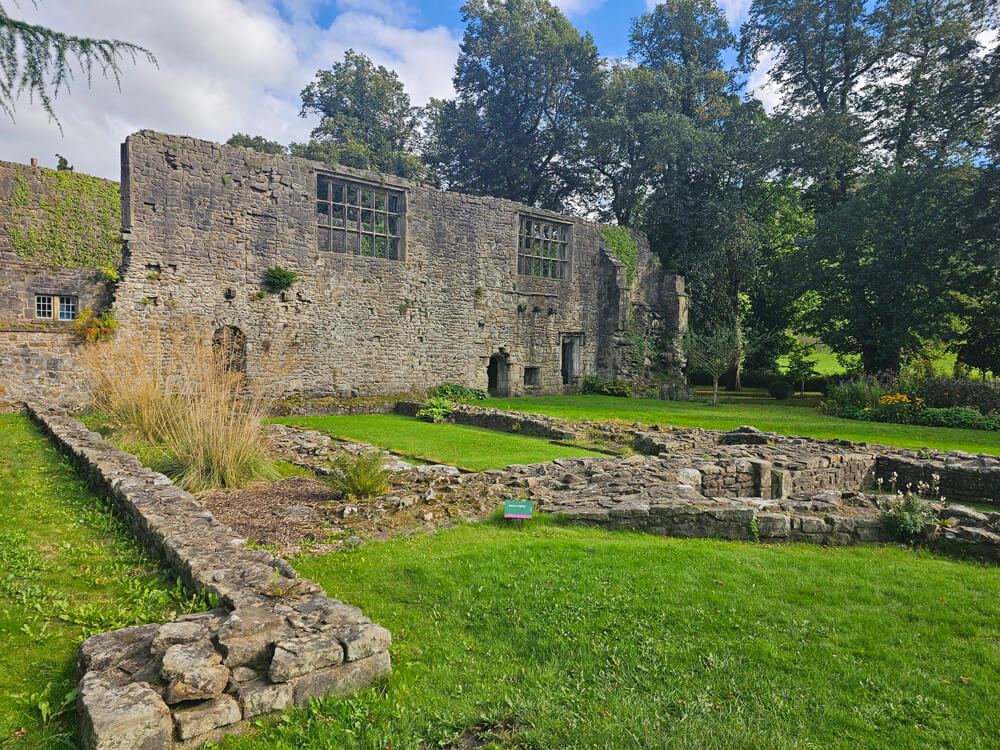
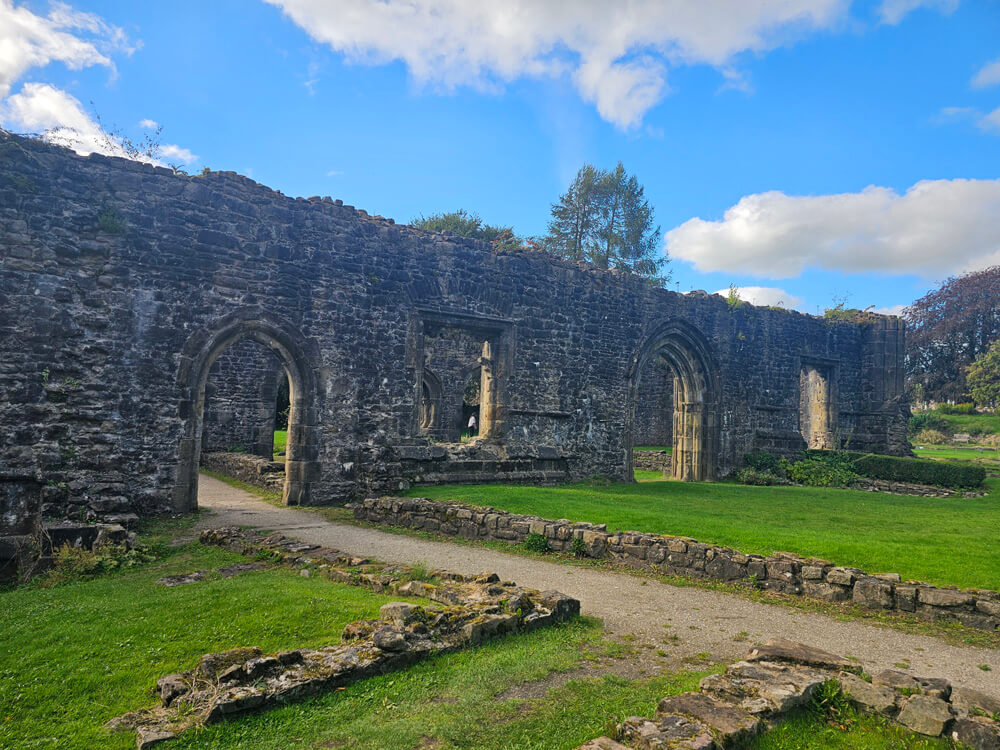
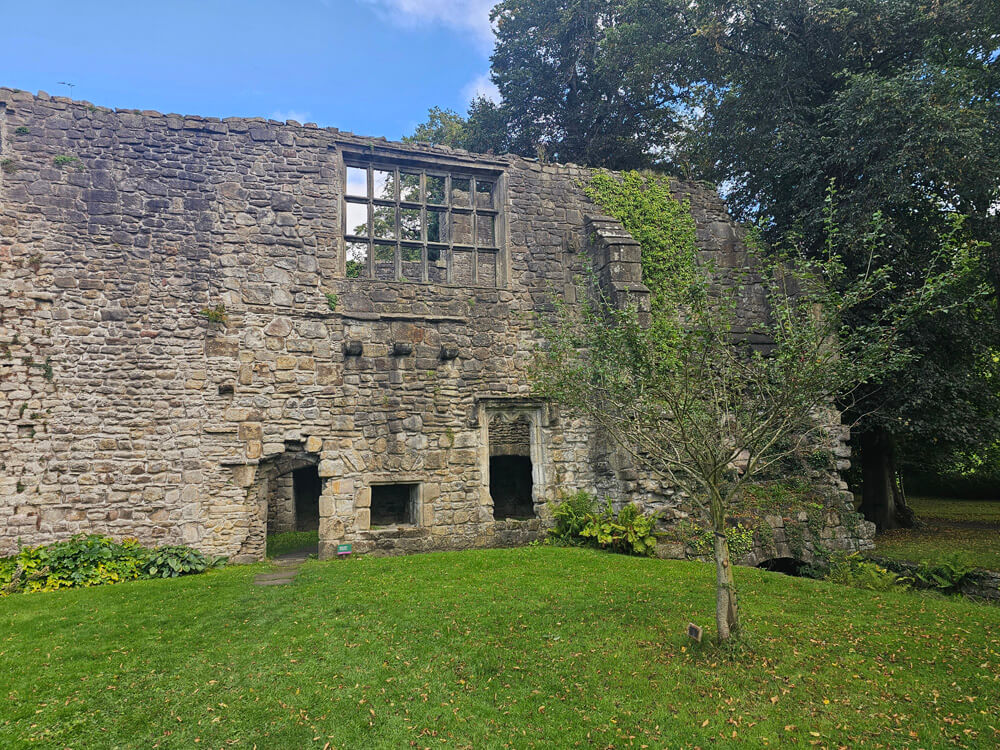
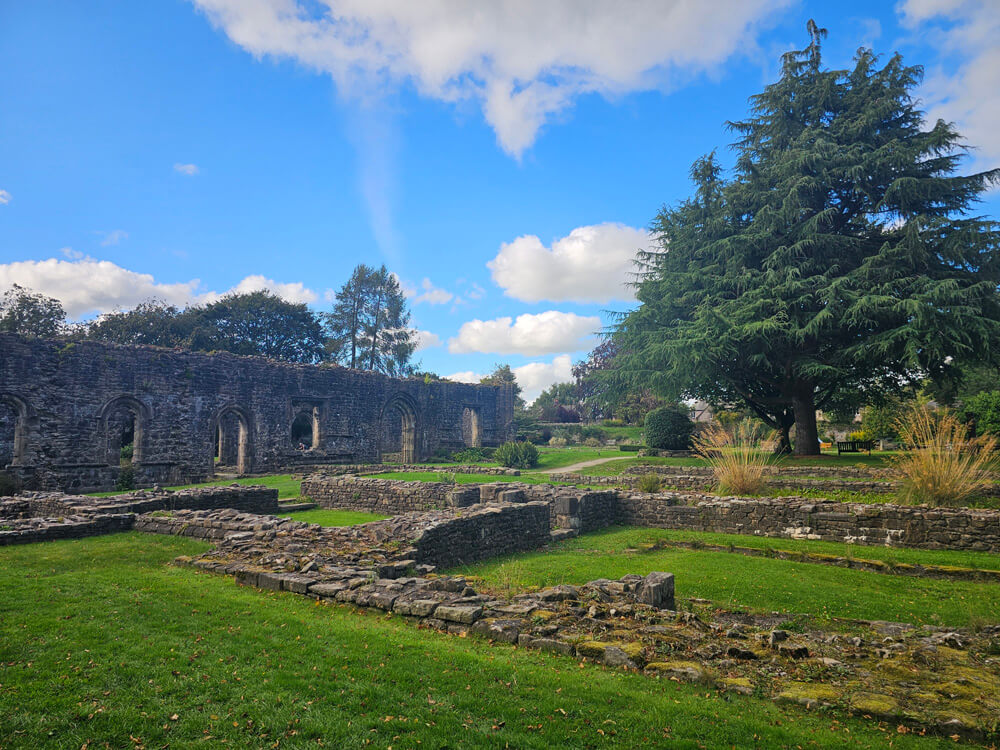
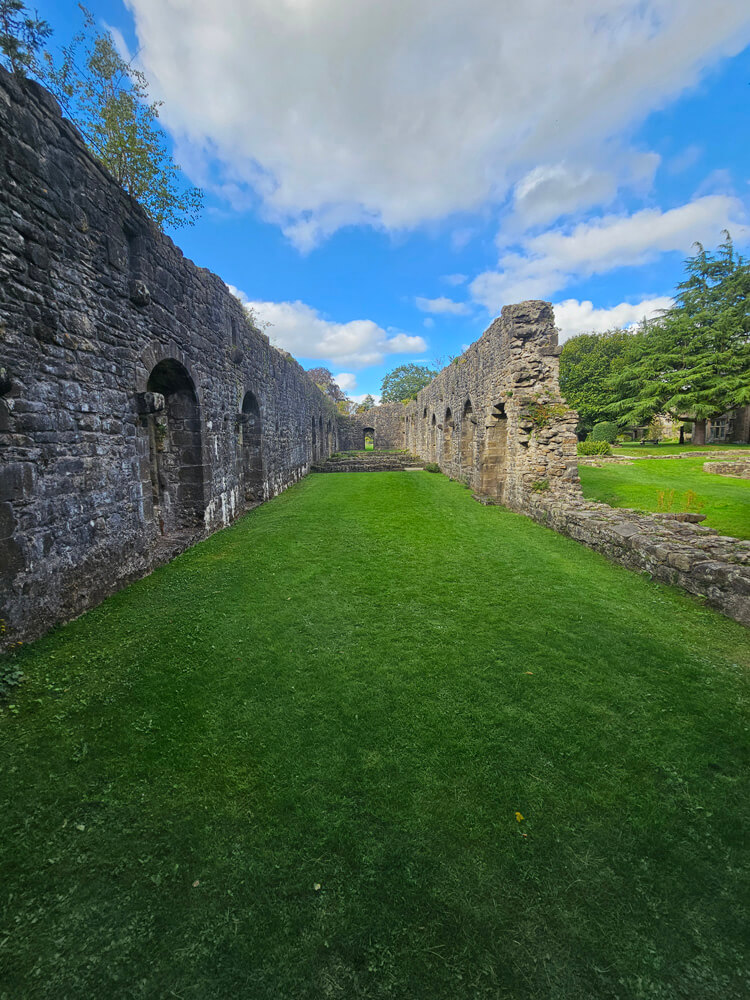
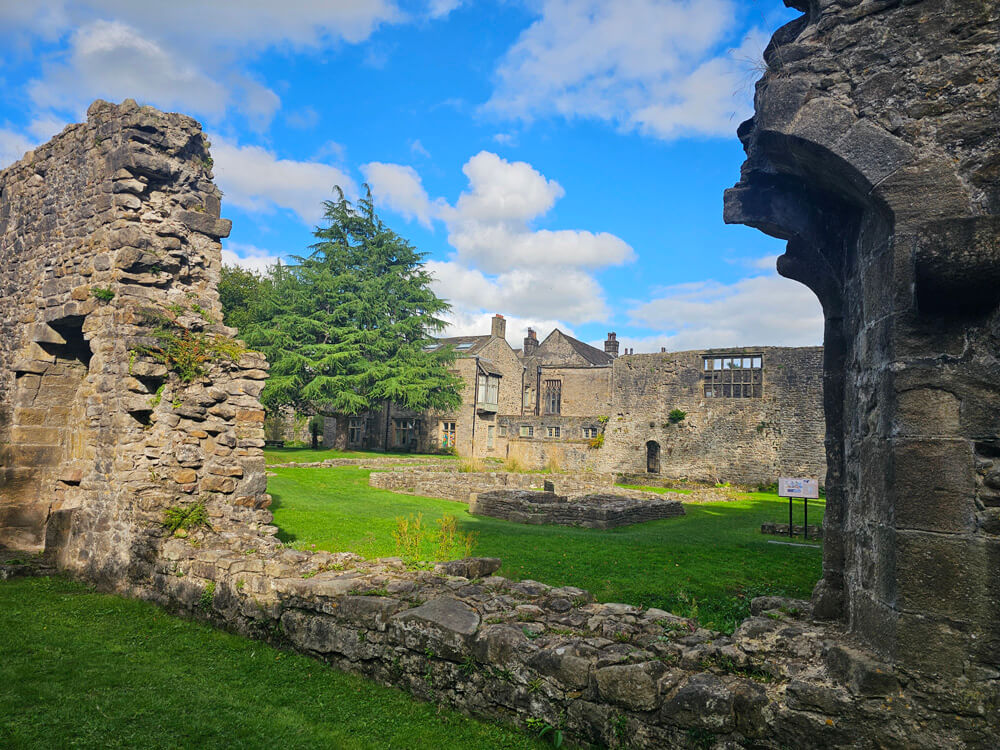
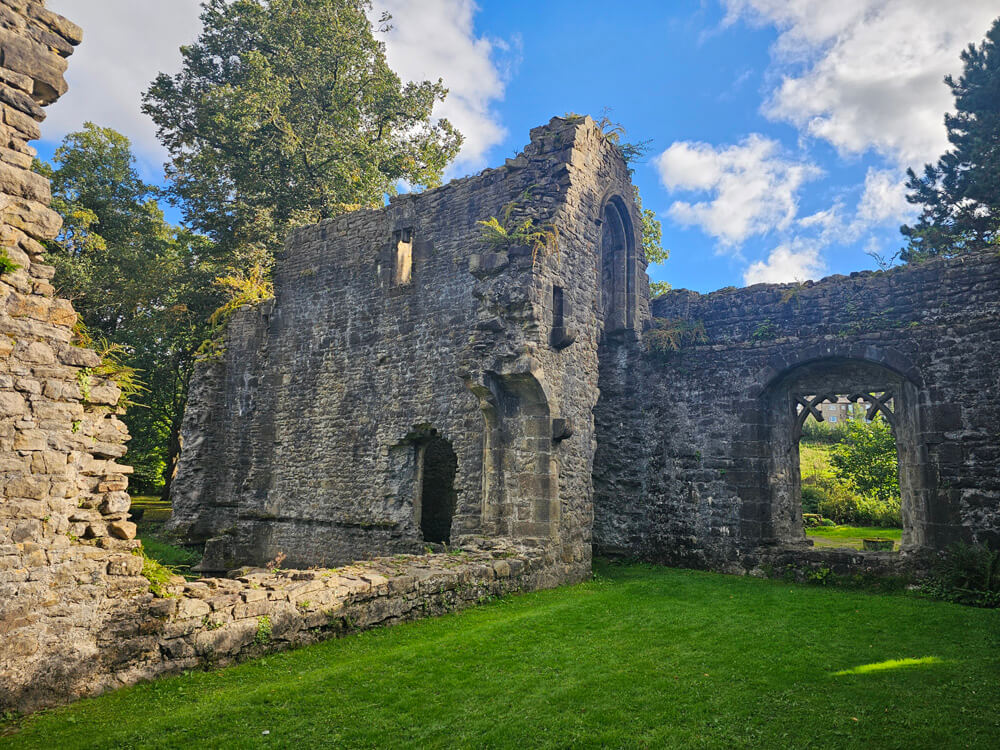
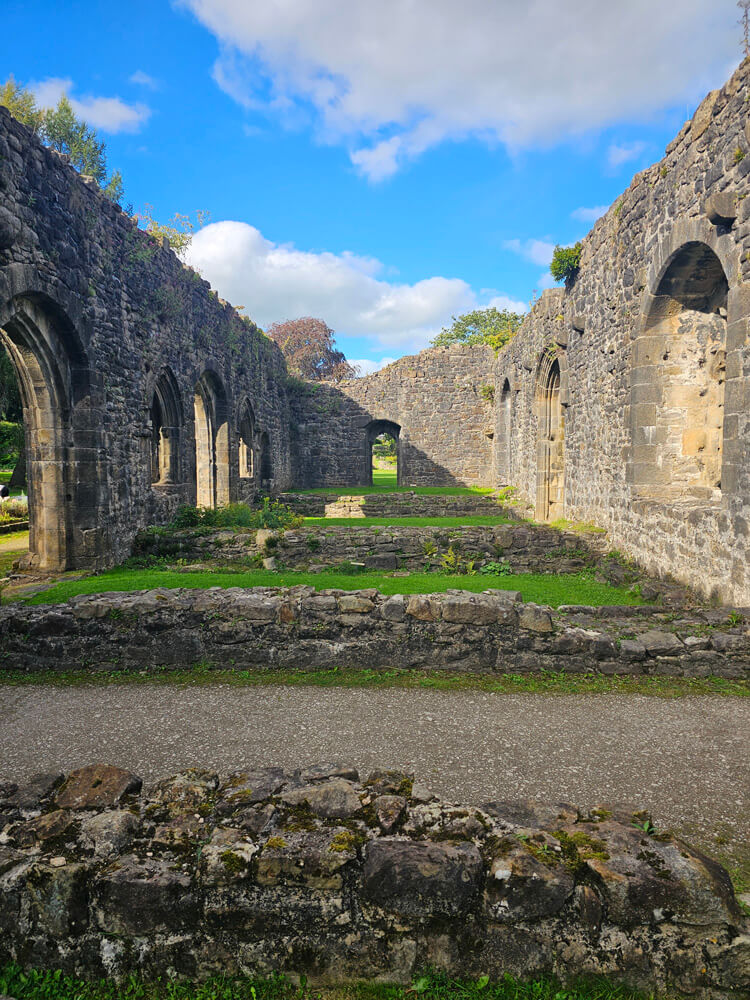
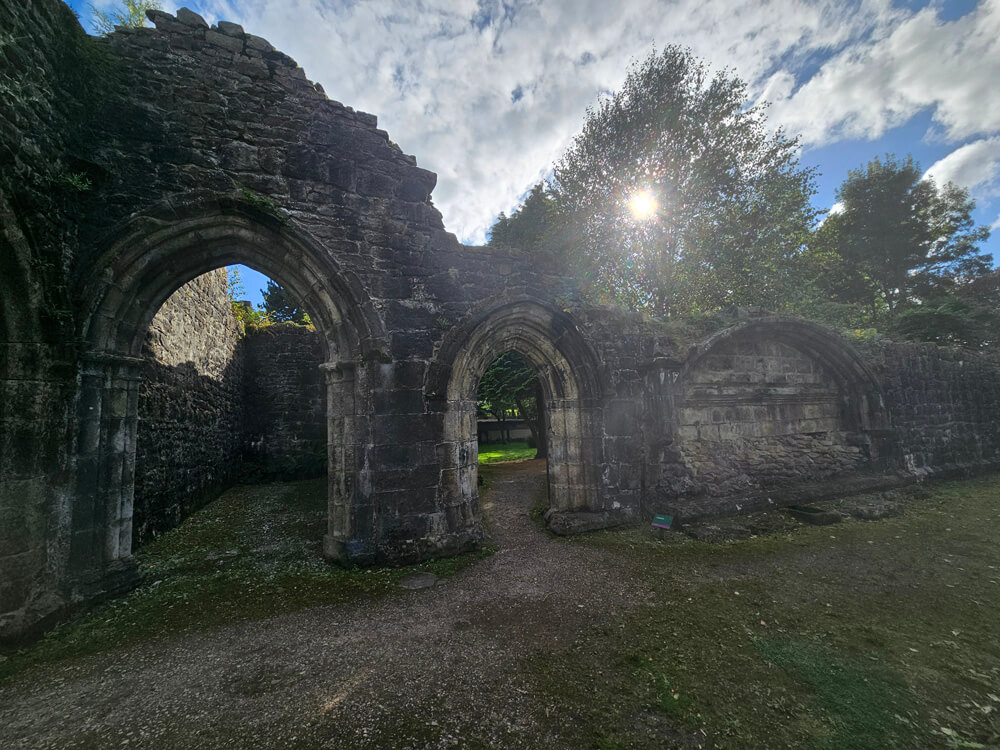
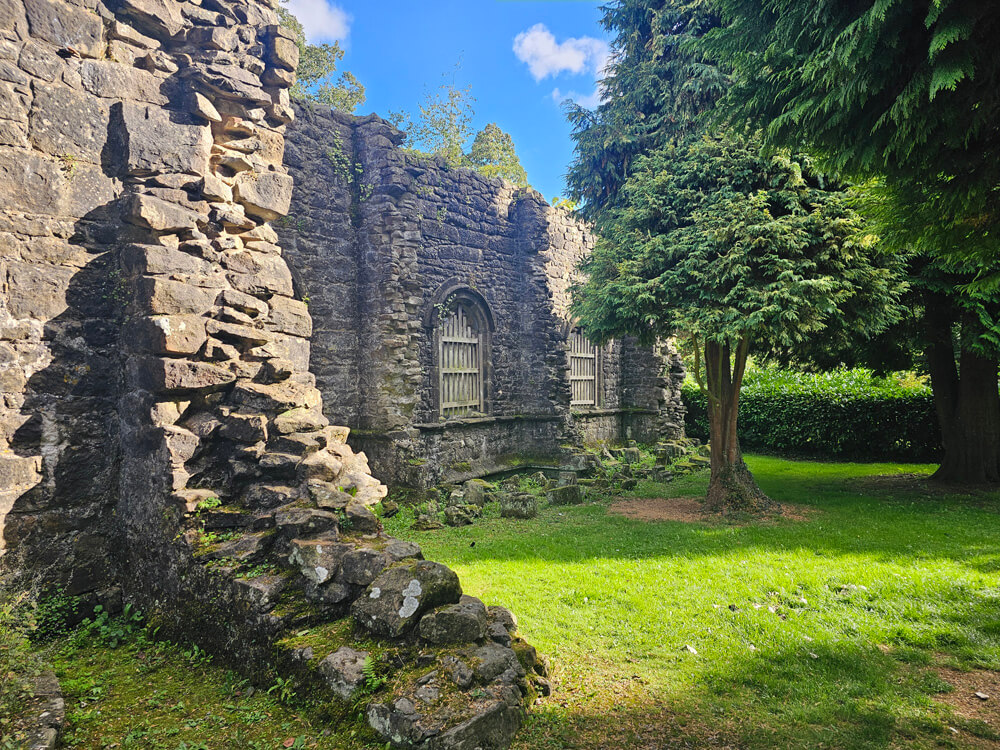
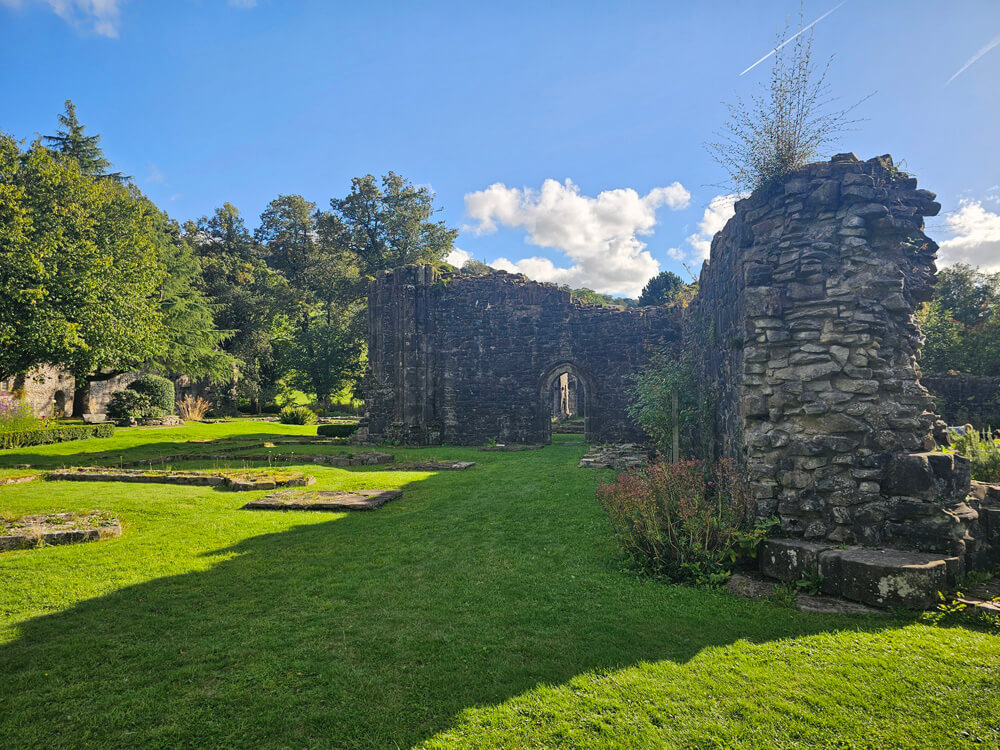
After the Dissolution, the abbey was acquired by the Assheton family, who converted parts of the monastic buildings into a private residence. Over the centuries, sections of the original monastery were demolished, leaving the ruins and foundations that can be seen today. Archaeological excavations in the 20th century helped reveal more of the original layout of the abbey.
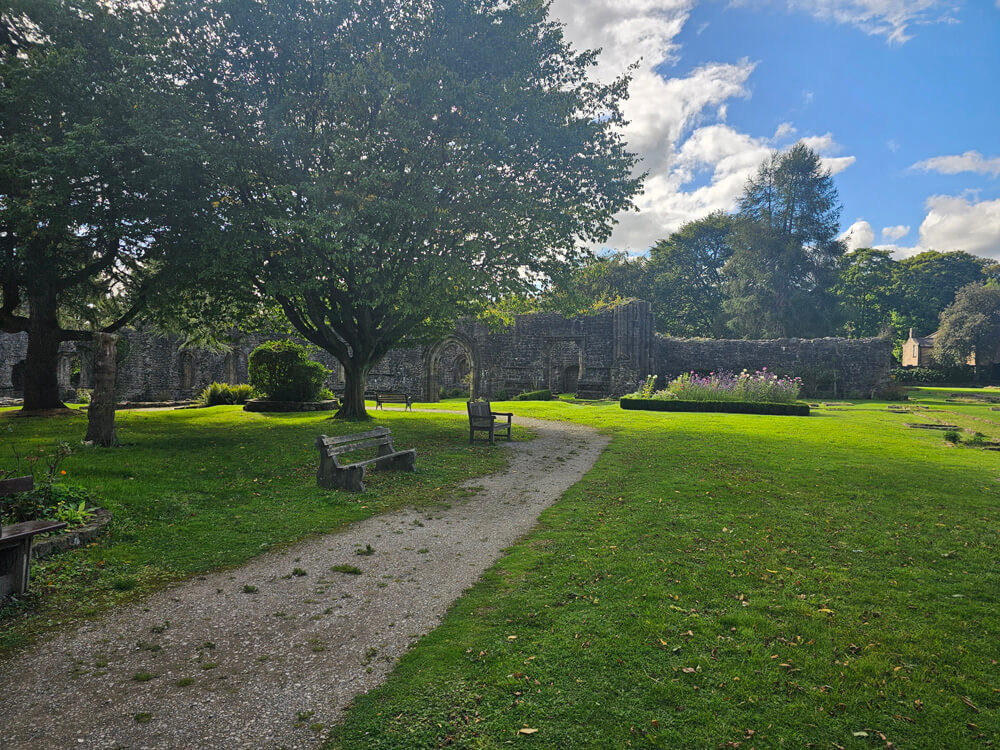
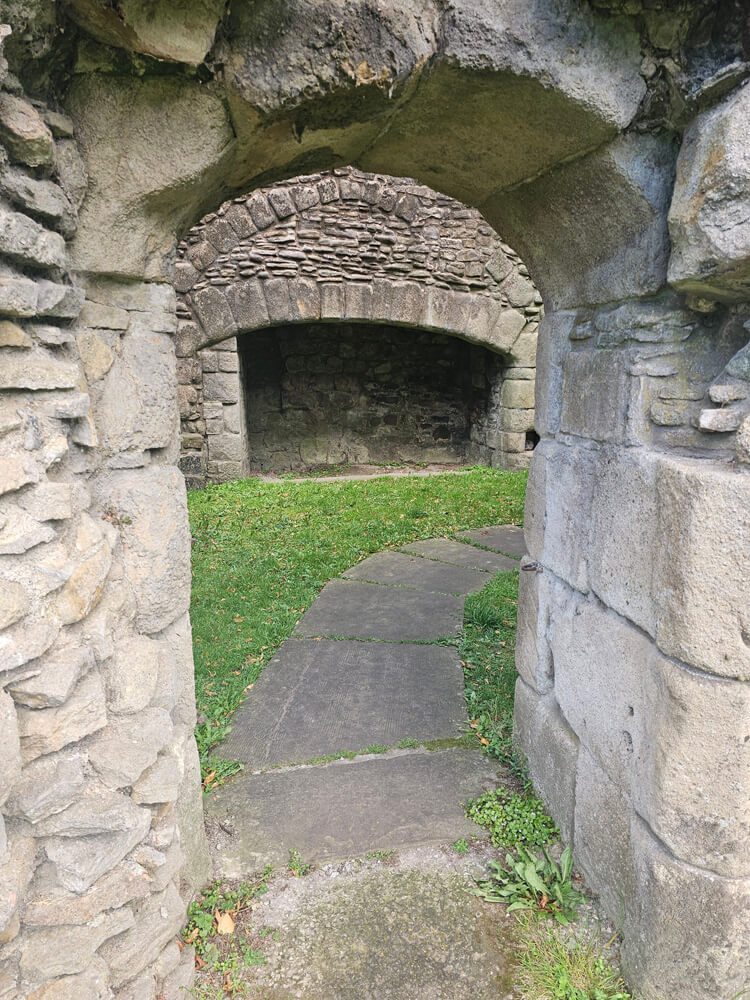
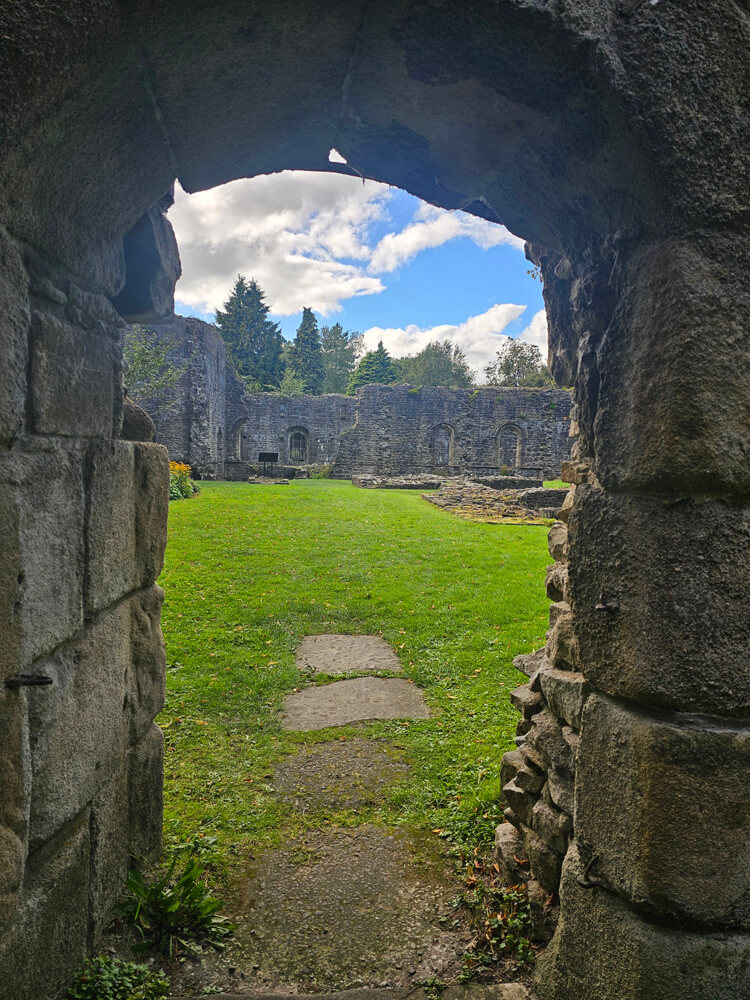
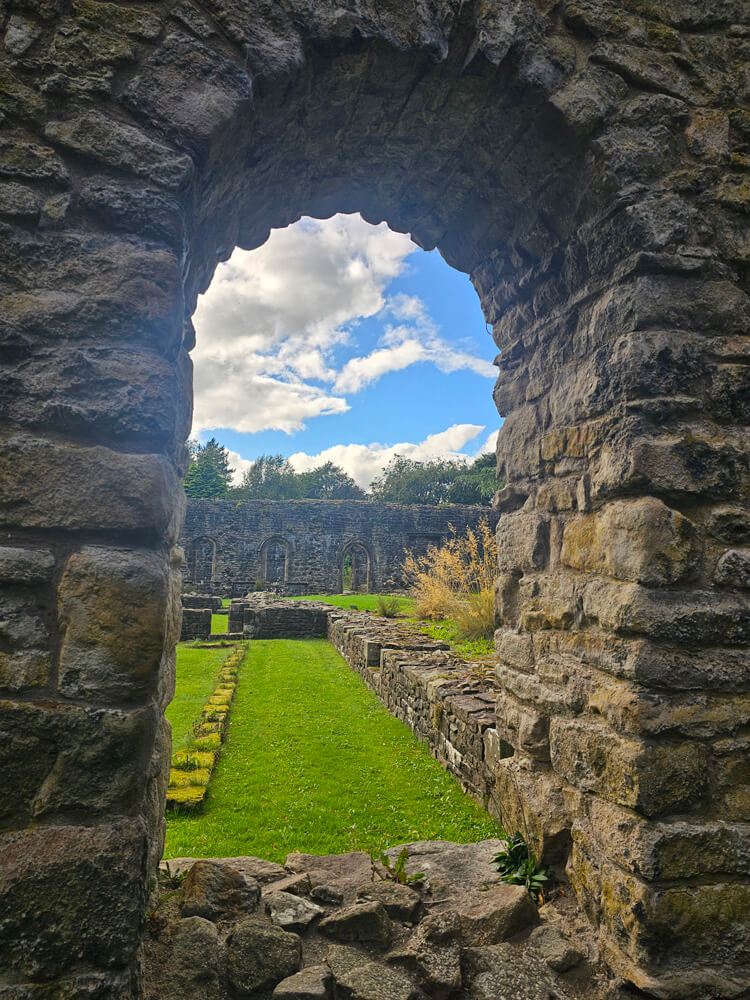
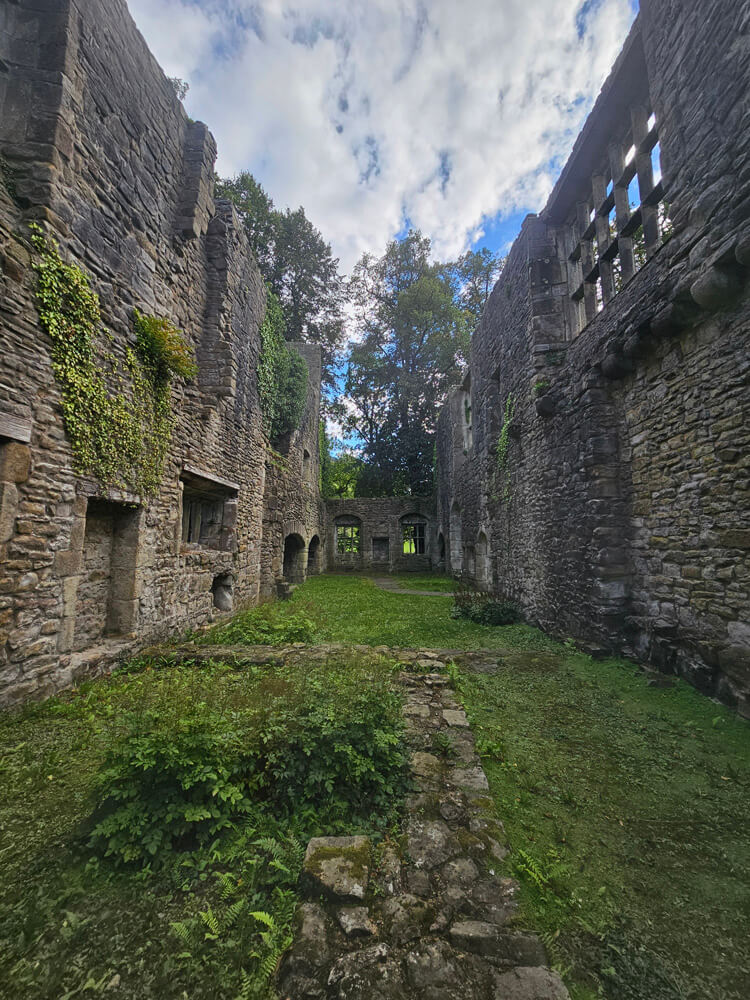
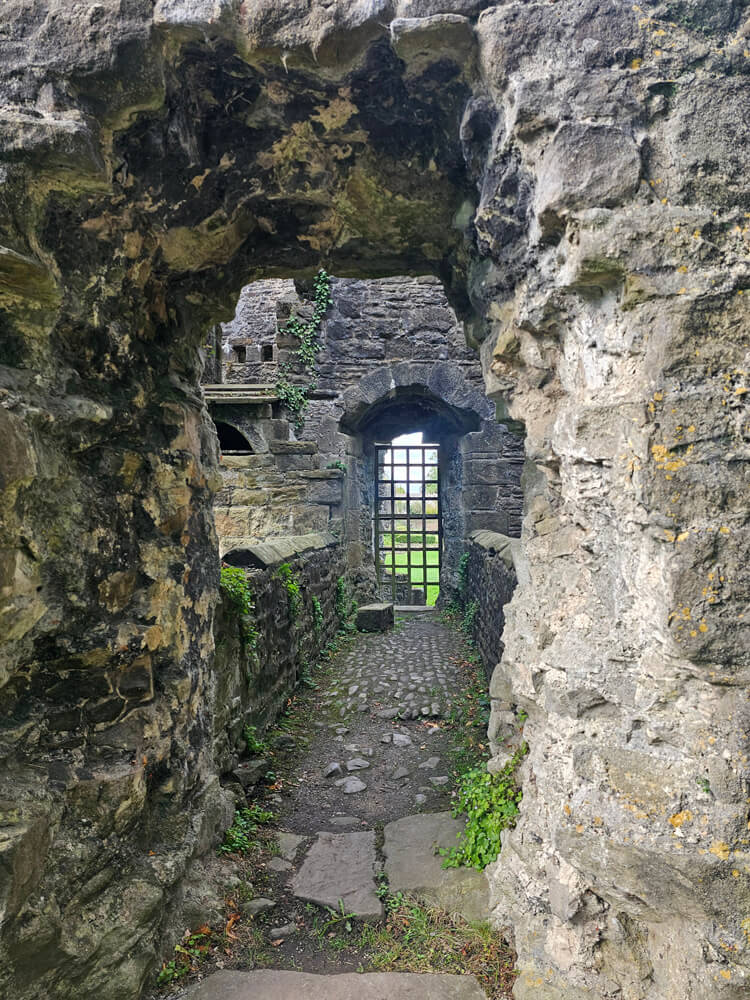
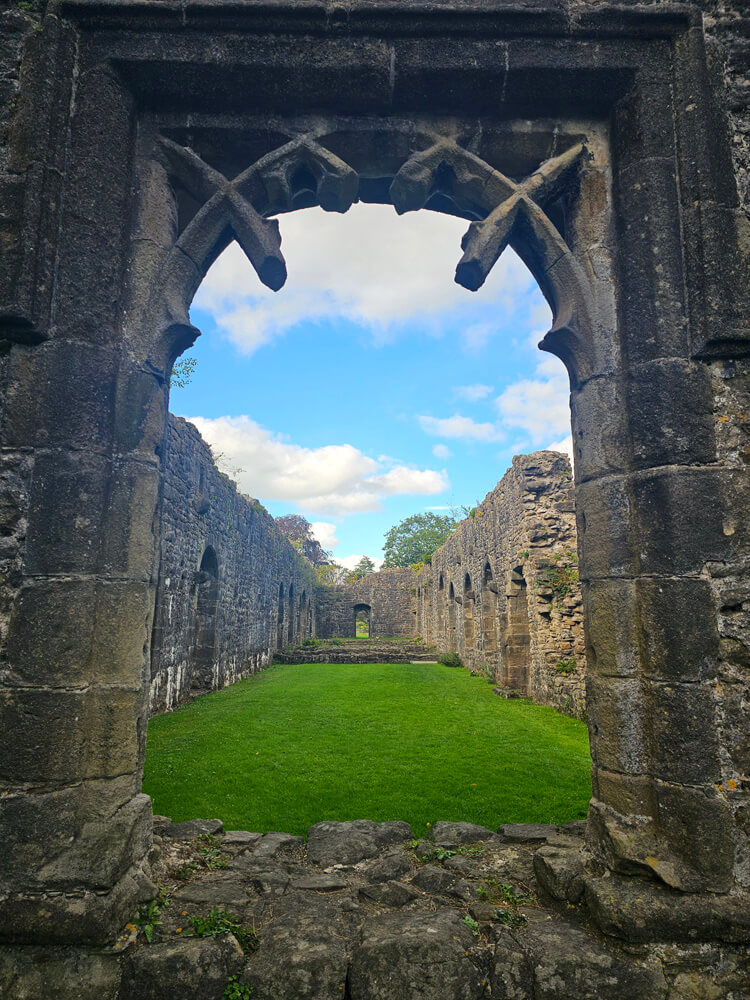
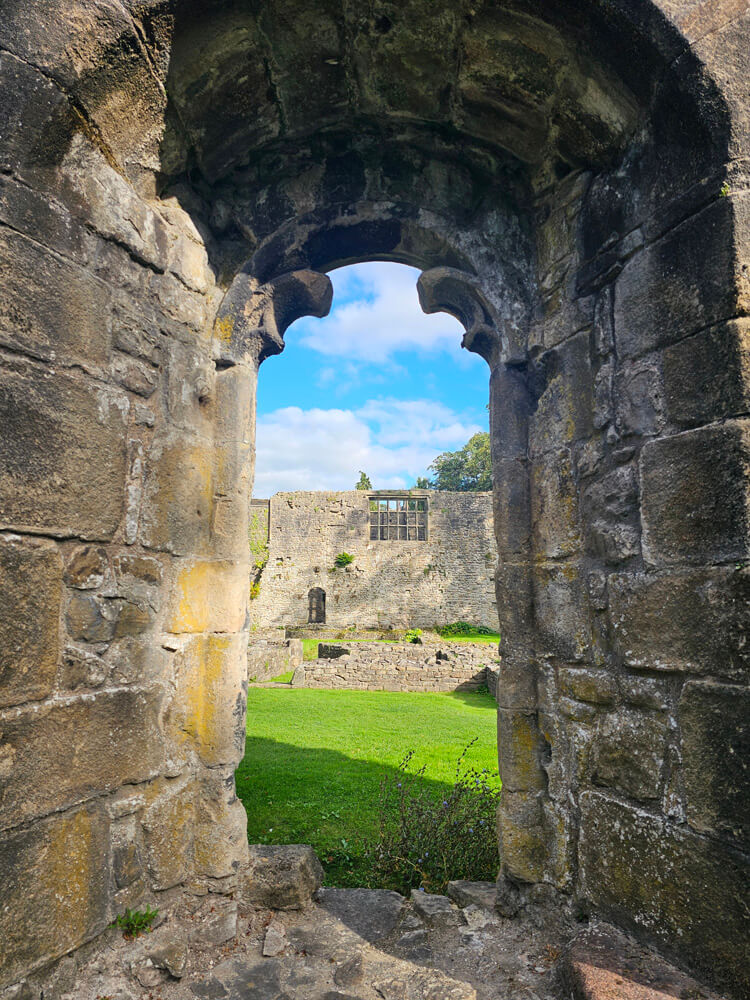
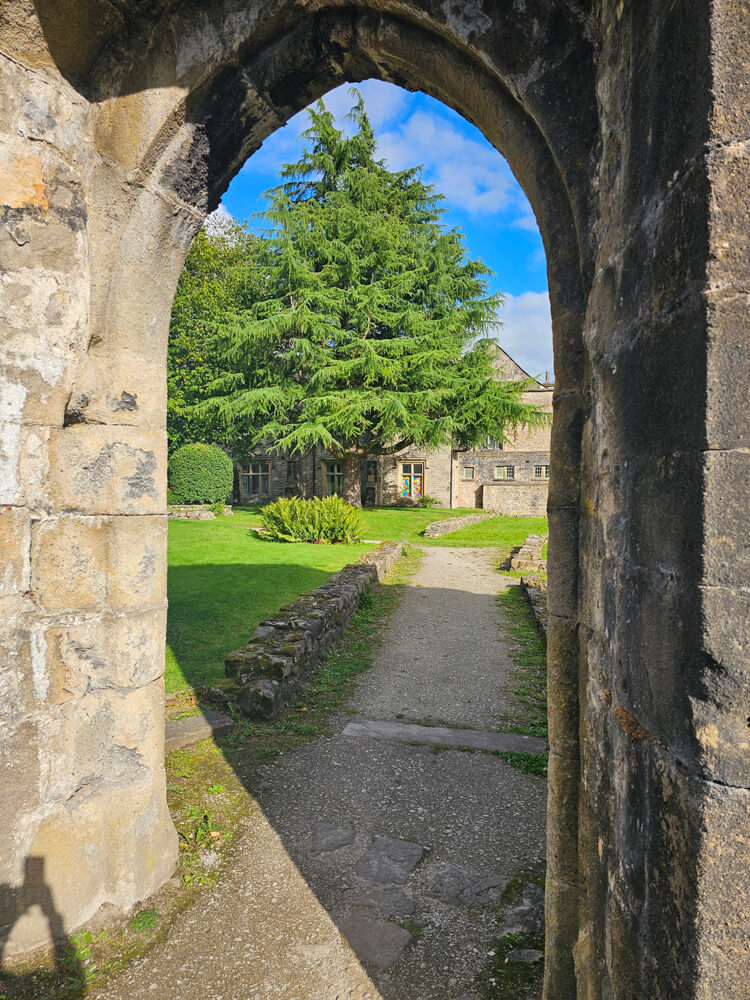
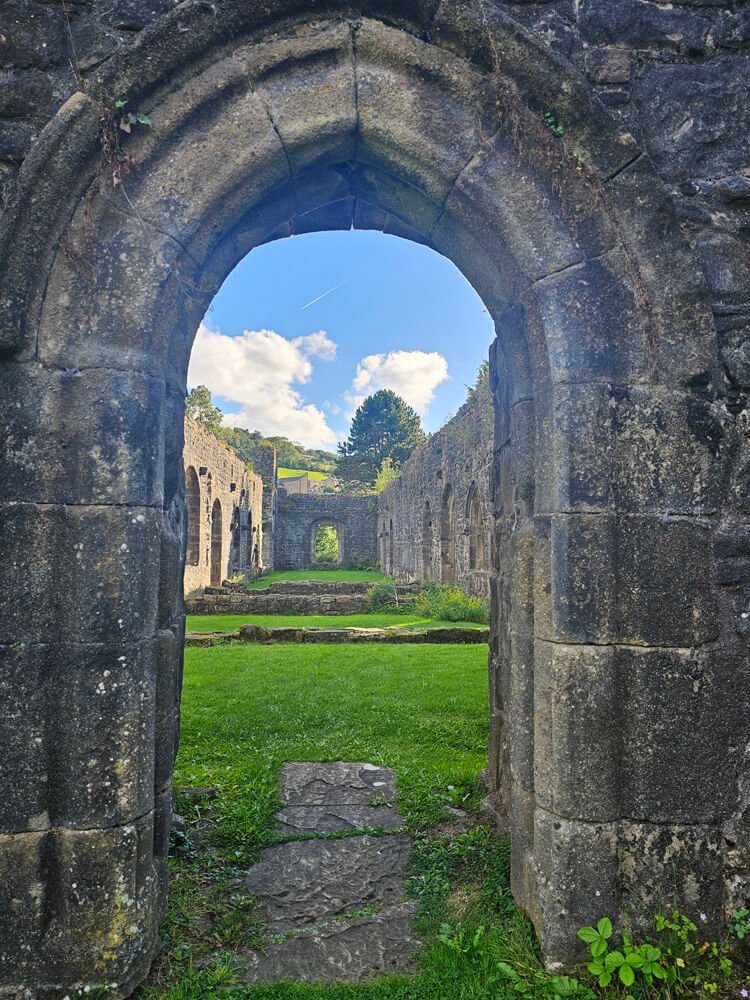
Today, Whalley Abbey remains an important part of Lancashire’s heritage. The surviving ruins, gateways and buildings stand among attractive gardens and grounds, creating a tranquil setting for visitors.
Whalley Abbey is more than a collection of medieval ruins. It tells the story of centuries of religious devotion, wealth, political change and architectural development. Set against the beautiful landscape of the Ribble Valley, it remains a remarkable reminder of Lancashire’s medieval past and an important historic landmark.
Photo Gallery.
Did you enjoy this post?
I hope you found this post useful. I put a great deal of time and effort in to building, maintaining and populating the website. If you like, you could say a small thank you by buying me a coffee. You don't have to, but it would be nice :)
Buy me a coffeeMore Monasteries
View all Monasteries
Stay up to Date
Follow me on my journey and get notified whenever a new post is published by following Kings & Castles on Facebook.
Follow MeExplore The Map
Discover the hundreds of castles, churches, monasteries, cathedrals and other historic locations that I've personally visited across England and Wales. Search by location, explore nearby sites and plan your next historical adventure.
Share: