Valle Crucis Abbey
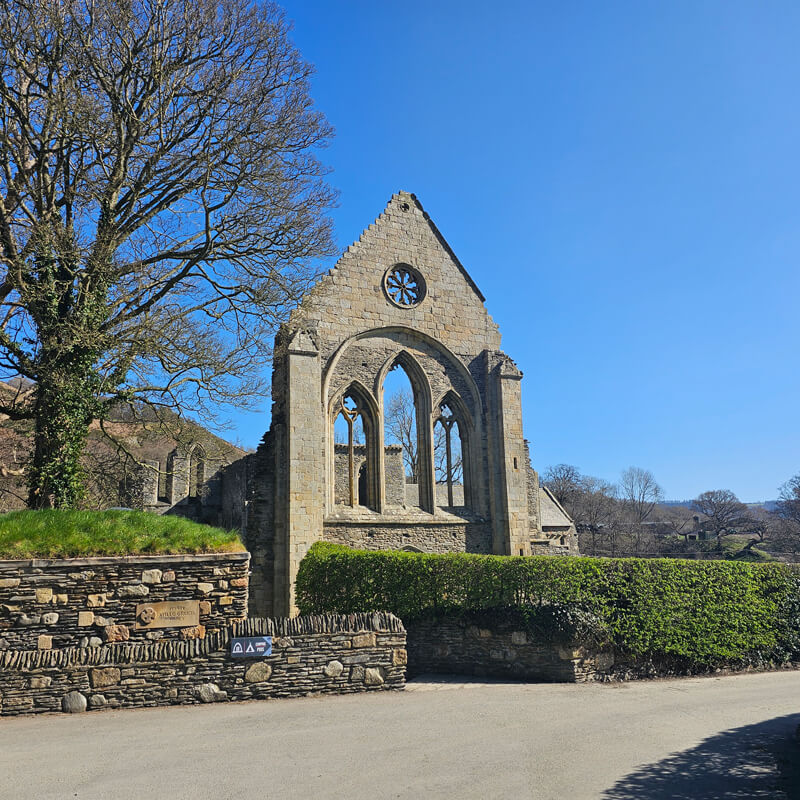
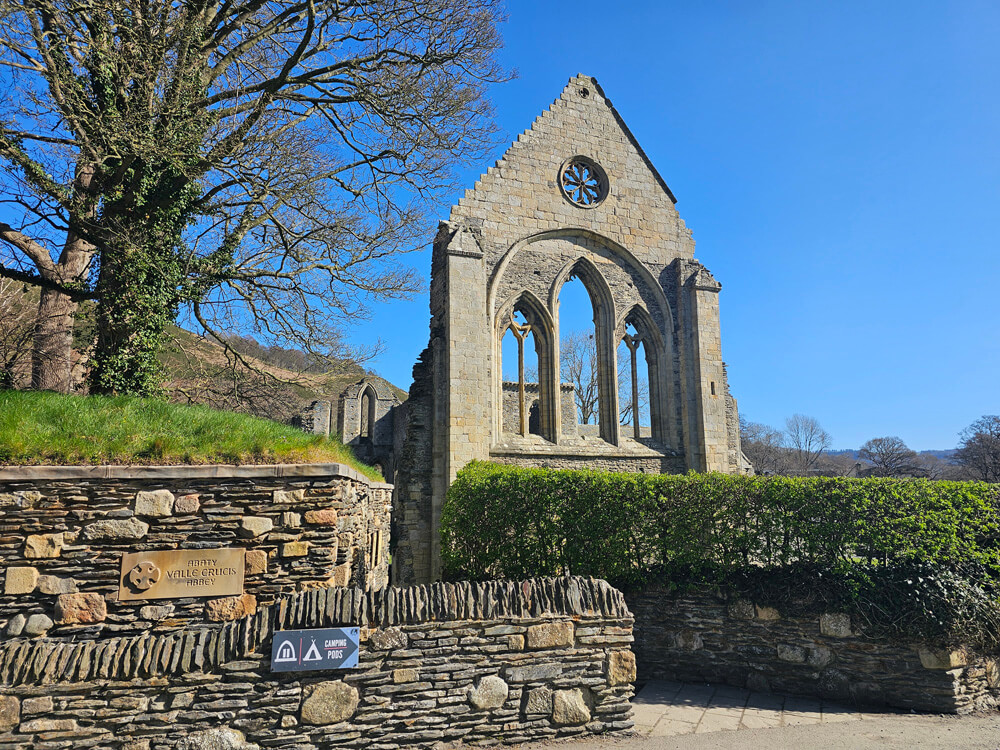
Valle Crucis Abbey is a Cistercian abbey located in Llantysilio near Llangollen in Denbighshire, north Wales. Steeped in history, the majestic medieval abbey was founded in the early 13th century by a Welsh Prince for the ‘white monks’ of the Cistercian order, and was legendary for its lavish feasts.
Quick
Facts.
- Location: Llangollen, Denbighshire, Wales
- Founded: 1201
- Founder: Prince Madog ap Gruffudd Maelor
- Religious order: Cistercian
- Dissolved: 1537
- Condition: Substantial ruins
A Bit of History…
The abbey at Valle Crucis was founded for monks of the Cistercian order in 1201 by Madog ap Gruffudd Maelor, Prince of Powys Fadog, the northern portion of the former princely realm of Powys. The abbey’s name is Latin, meaning ‘Valley of the Cross’, and refers to the nearby 9th-century Pillar of Eliseg, erected for the glory of a Welsh chieftain.
Prince Madog was buried in the abbey upon his death in 1236, by which time the building was complete. It was the last of 14 Cistercian foundations to be built in Wales.
The Cistercians, or ‘White Monks’, were the most popular of the monastic orders in medieval Wales. Their monasteries were built in remote locations where the monks and lay-brothers combined an austerely religious life with farming on the outlying estates.
The abbey is believed to have been involved in the Welsh Wars of Edward I of England during the late 13th century, and was supposedly damaged in the uprising led by Welsh leader Owain Glyndŵr. The abbey’s numbers also fell after the Black Death ravaged Britain, but it’s fortunes improved during the 15th century when the abbey gained a reputation as a place of hospitality and was celebrated for its lavish feasts.
In Wales only Tintern Abbey was richer when Valle Crucis Abbey was dissolved in 1537 during Henry VIII‘s dissolution of the monasteries. It subsequently fell into disrepair, but parts were converted afterwards into a house.
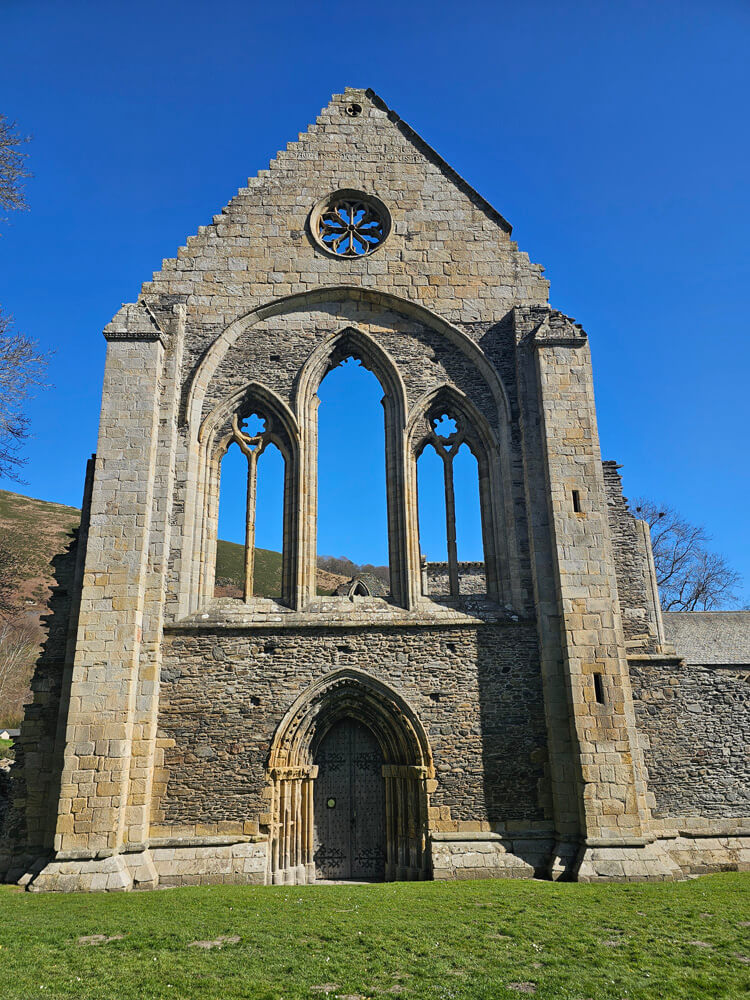
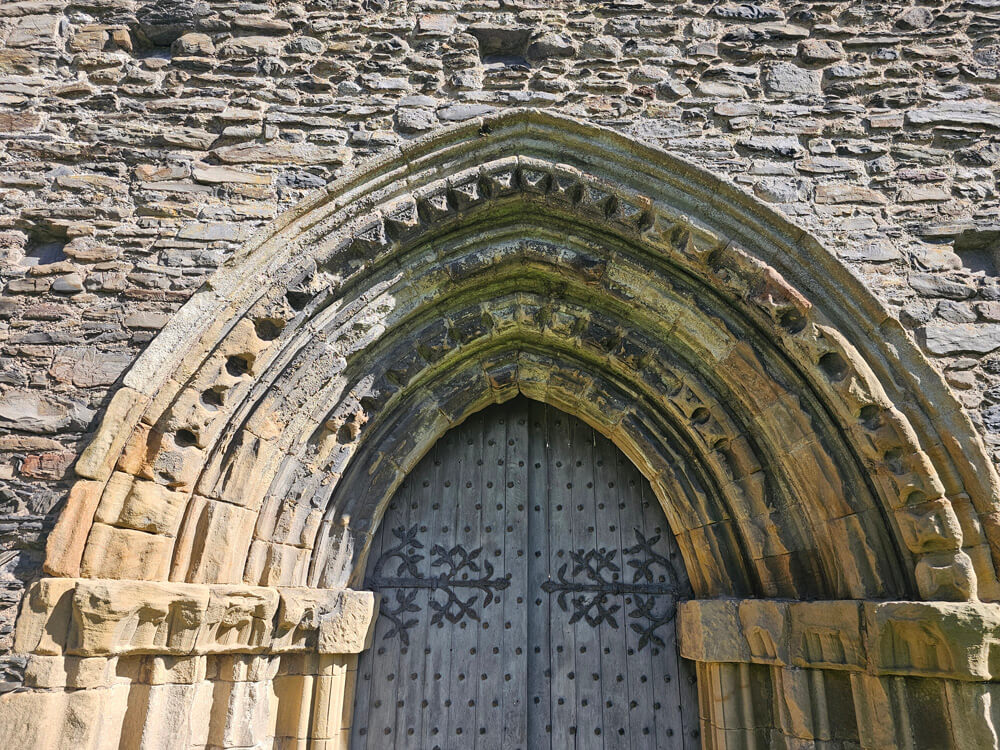
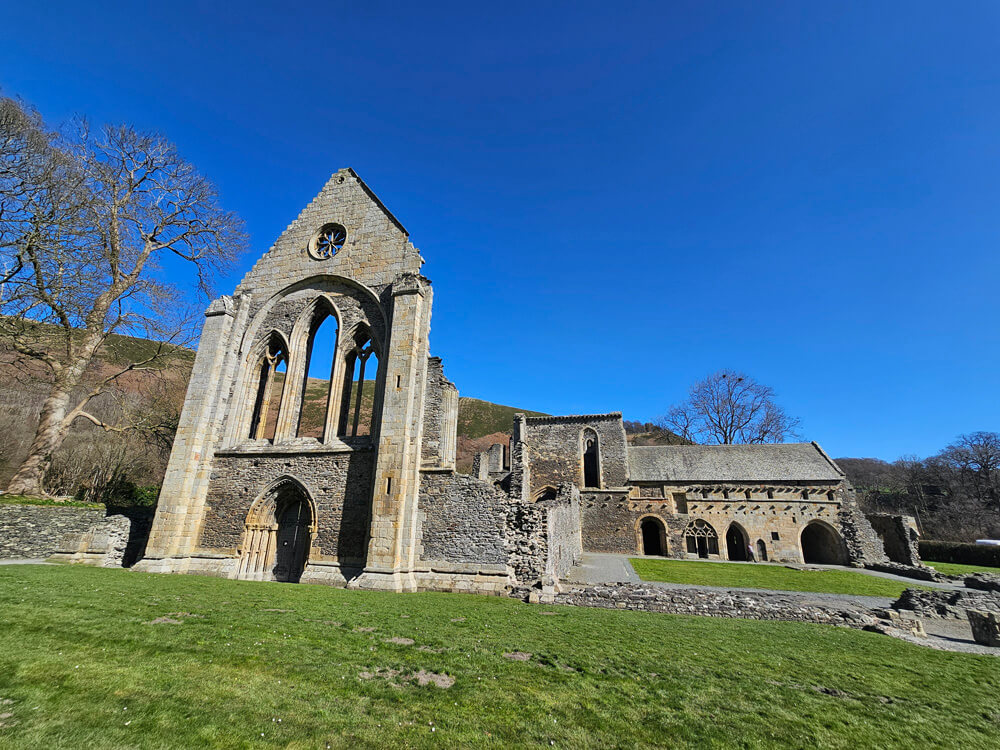
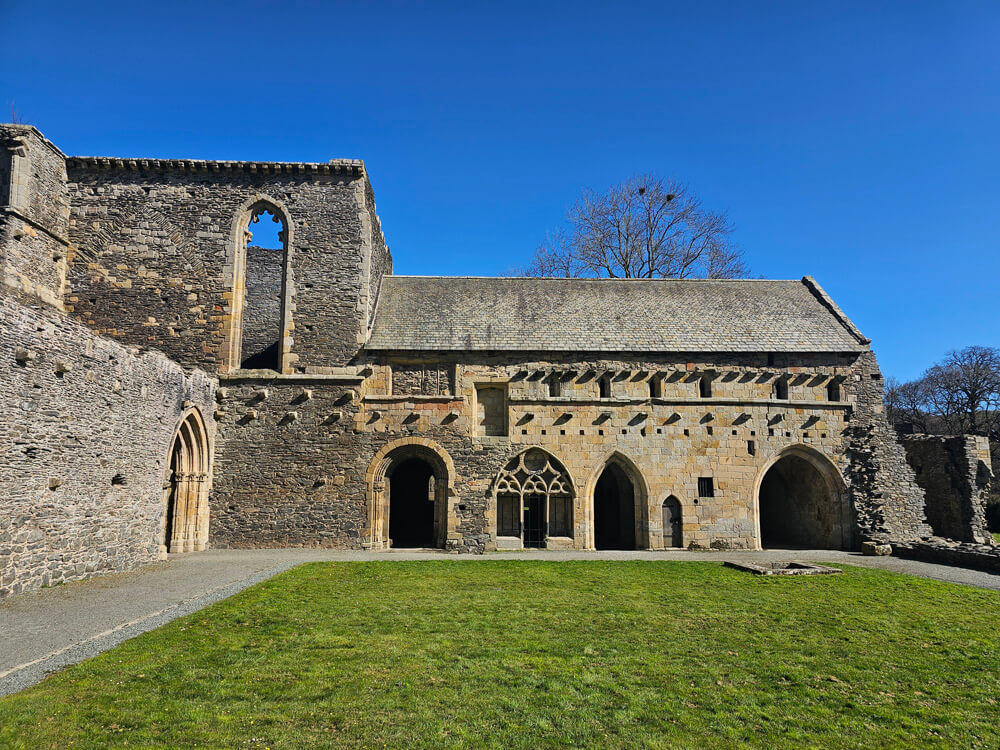
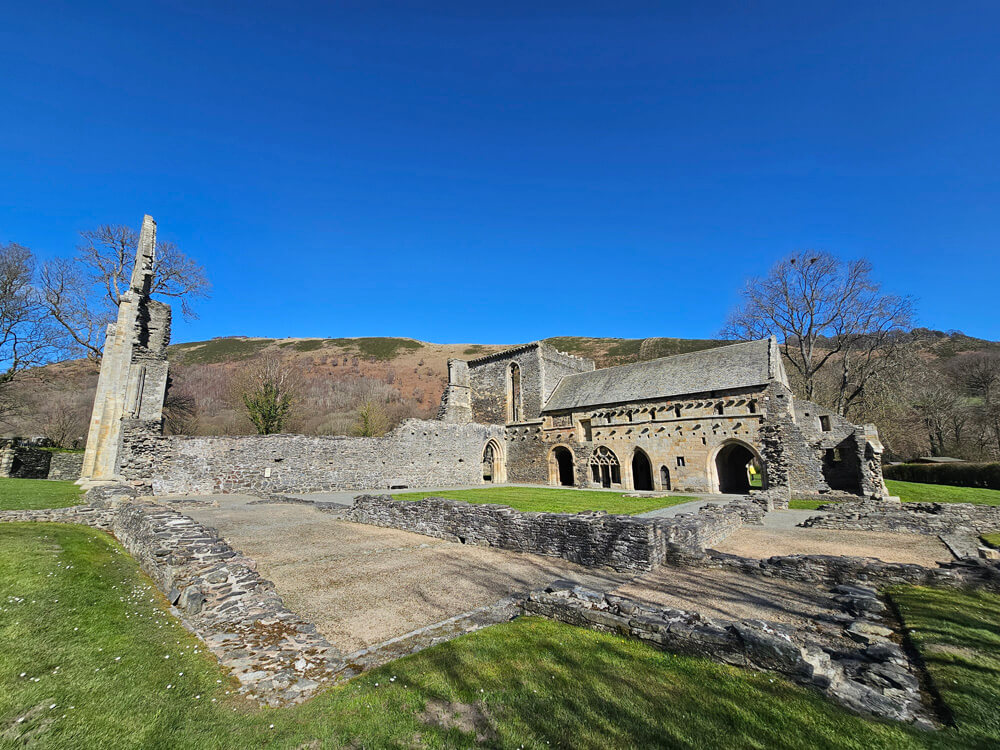
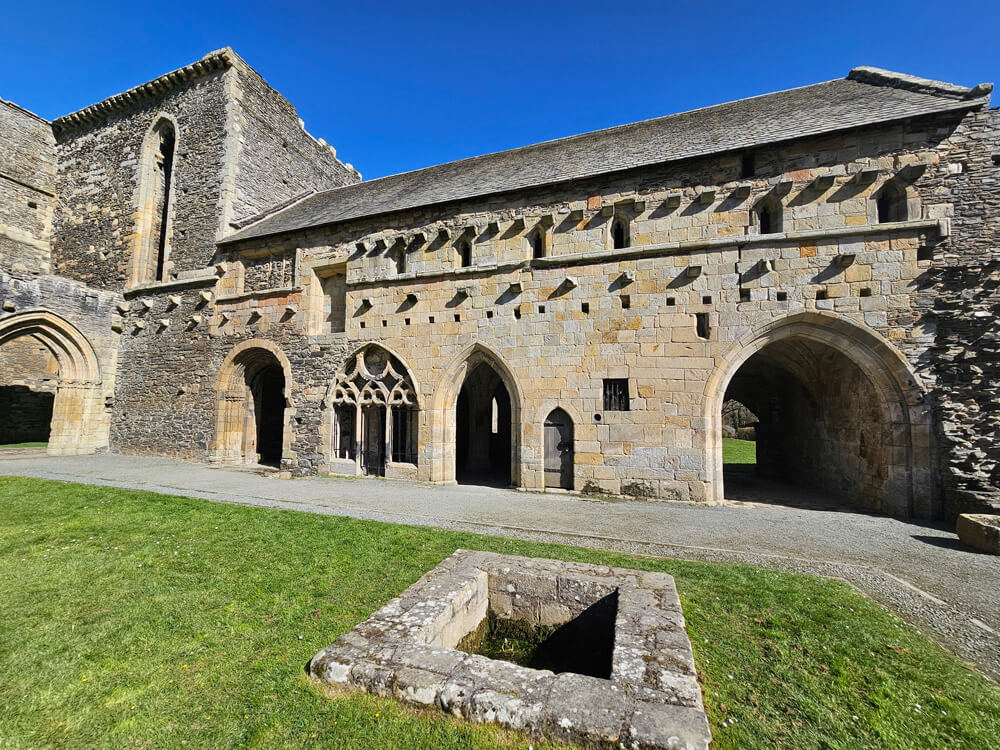
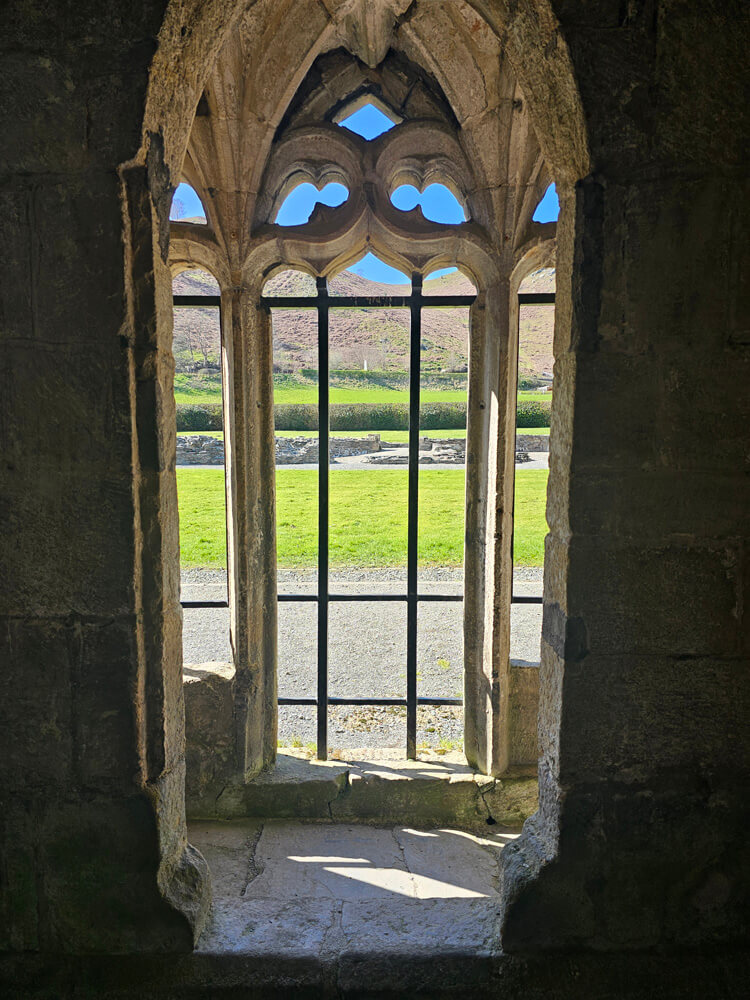
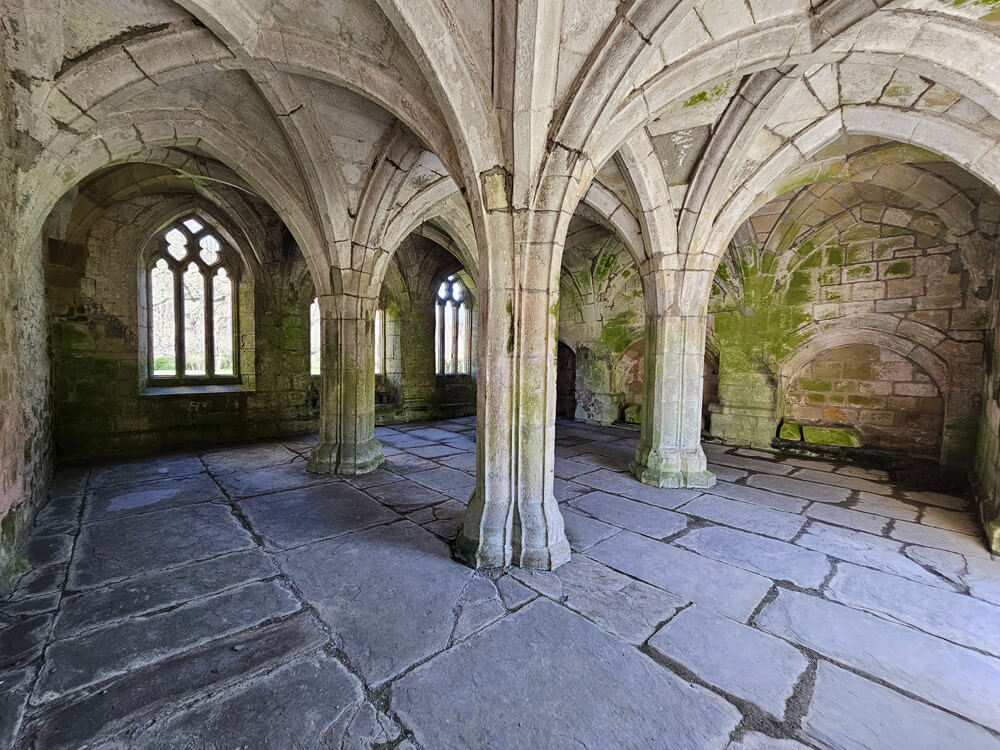
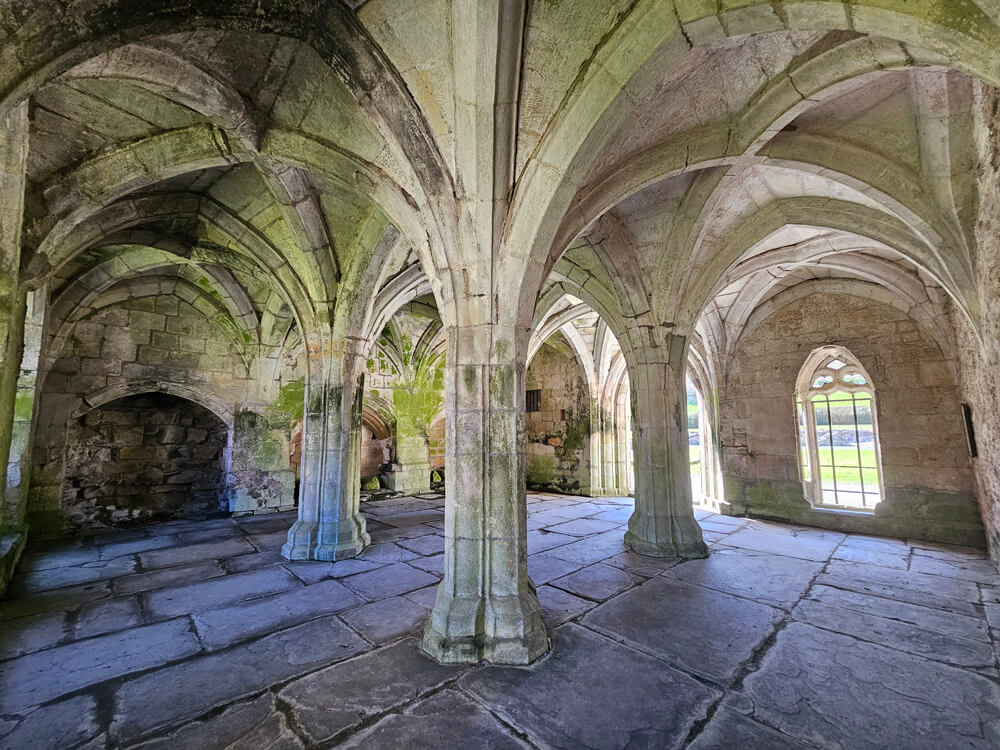
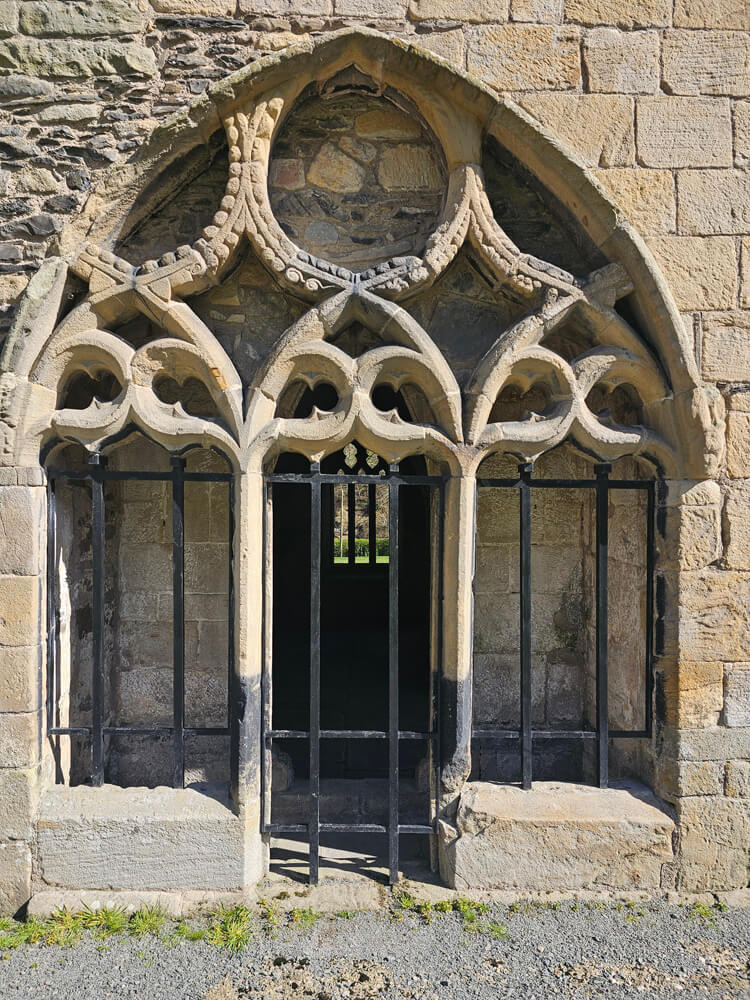
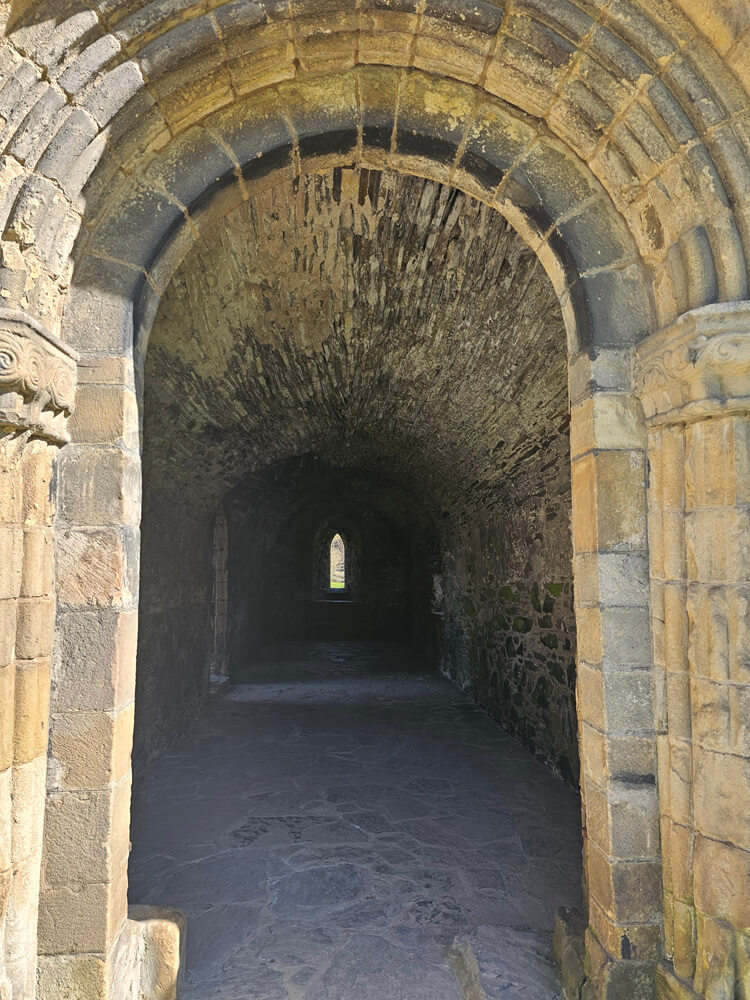
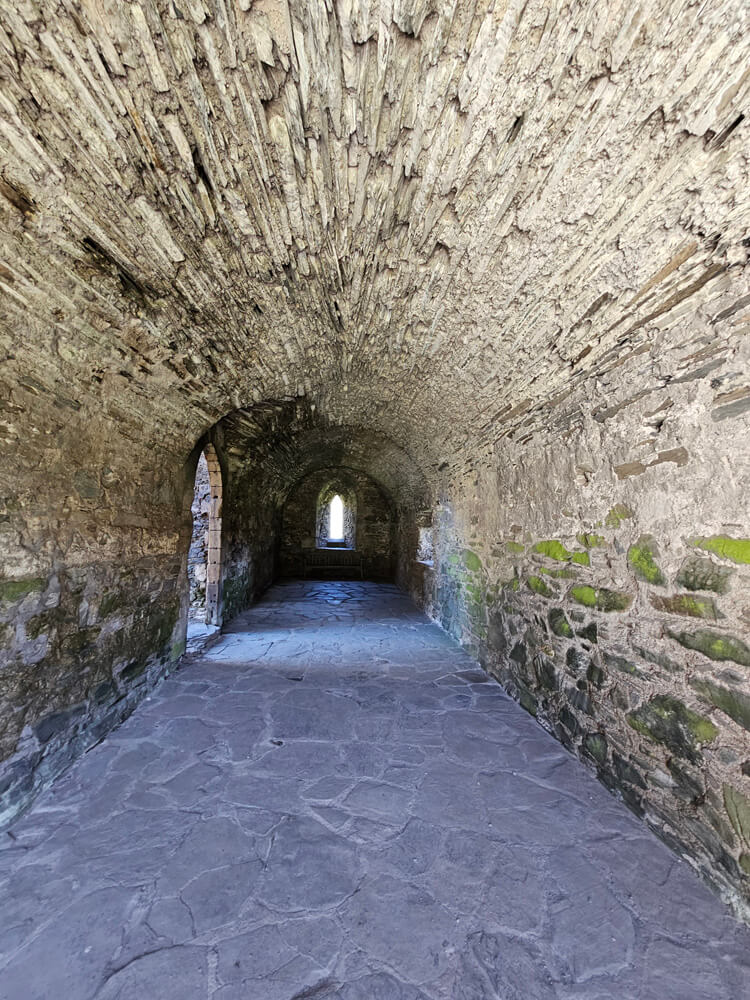
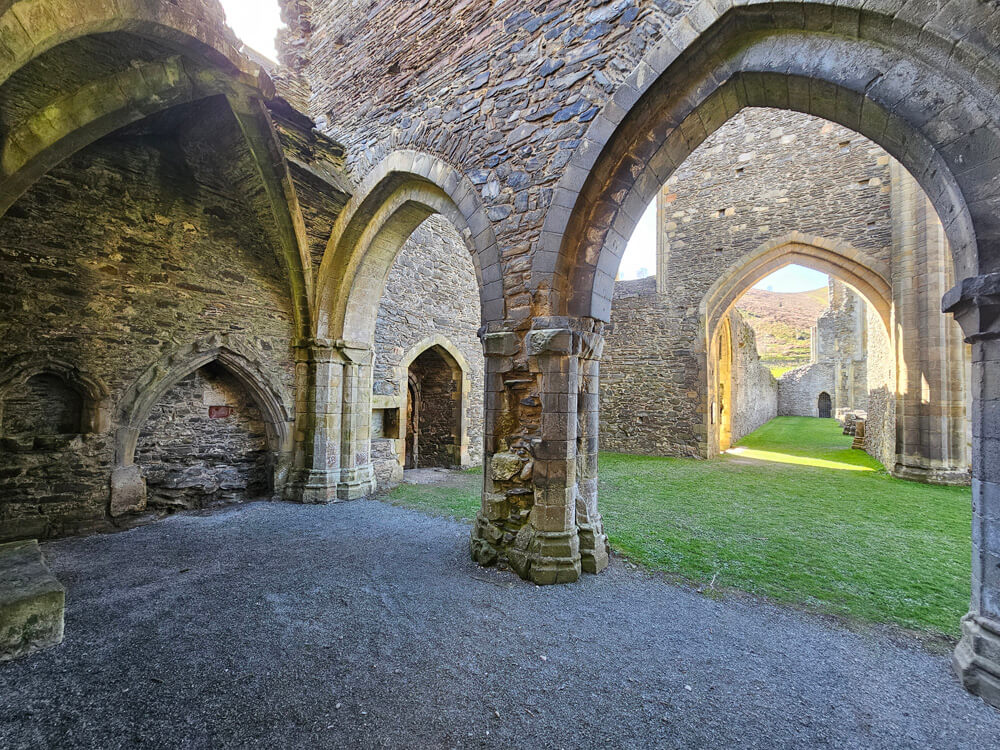
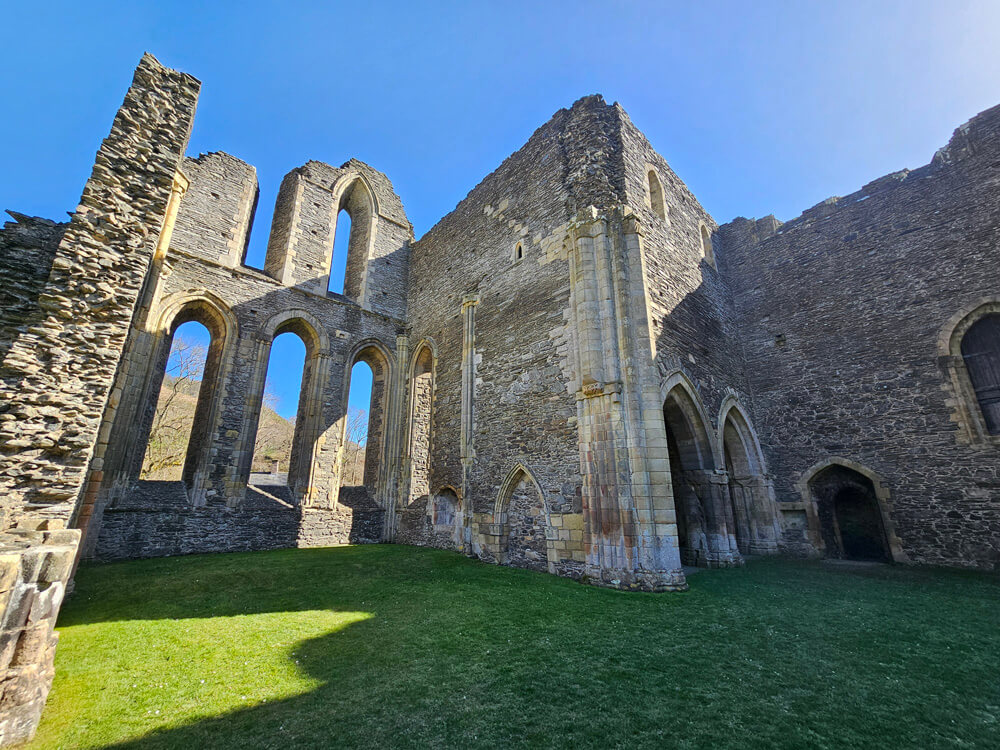
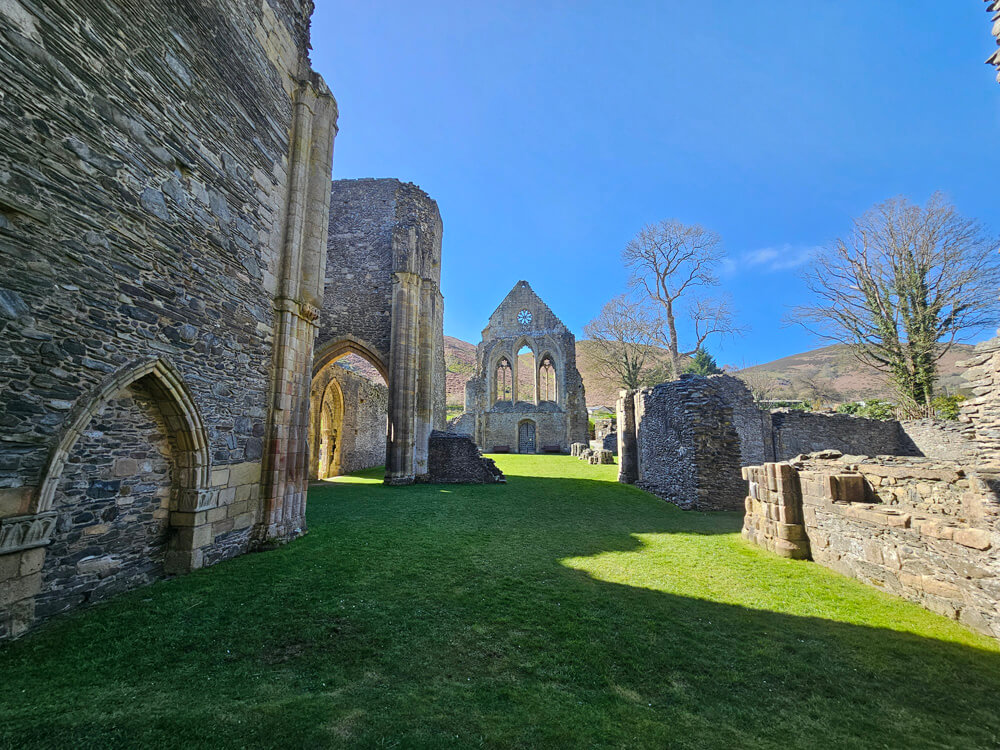
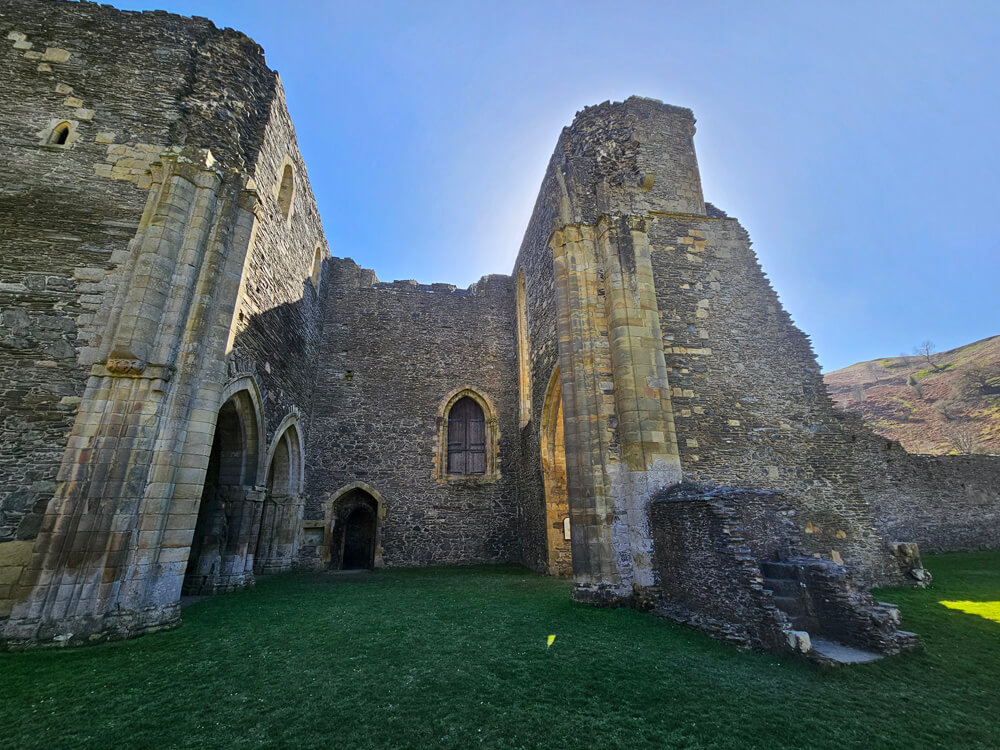
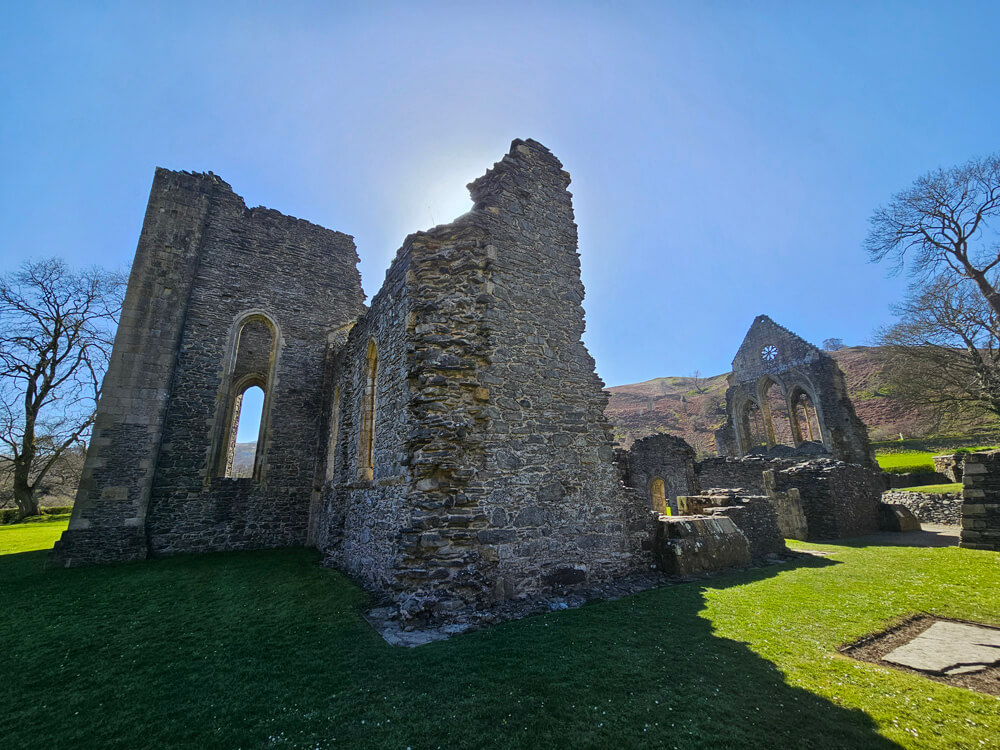
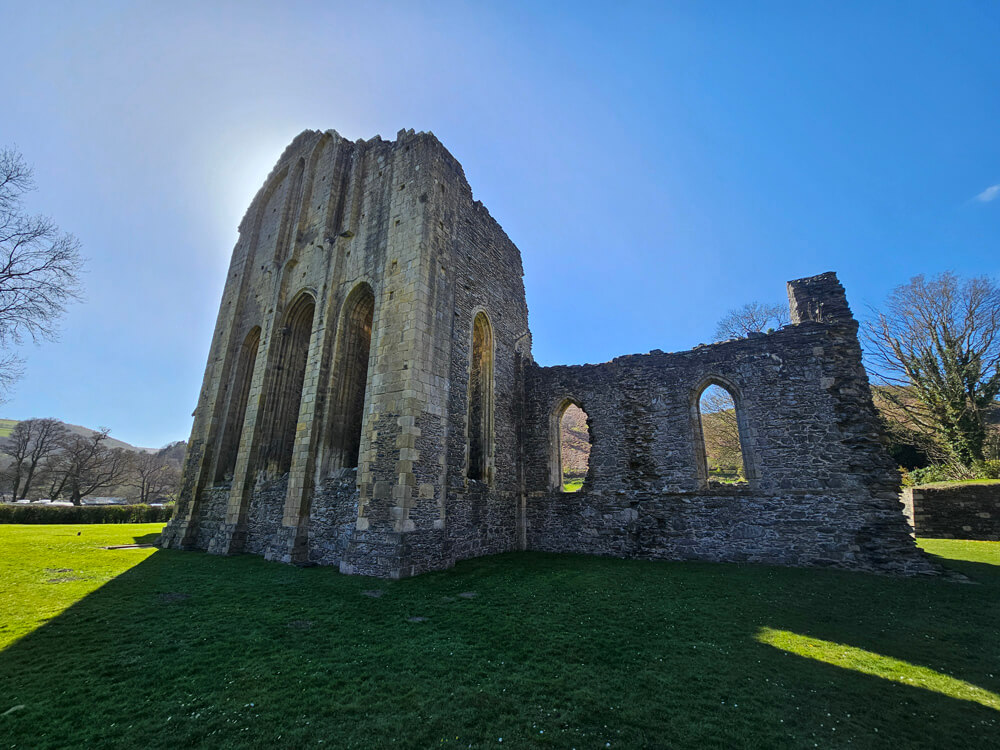
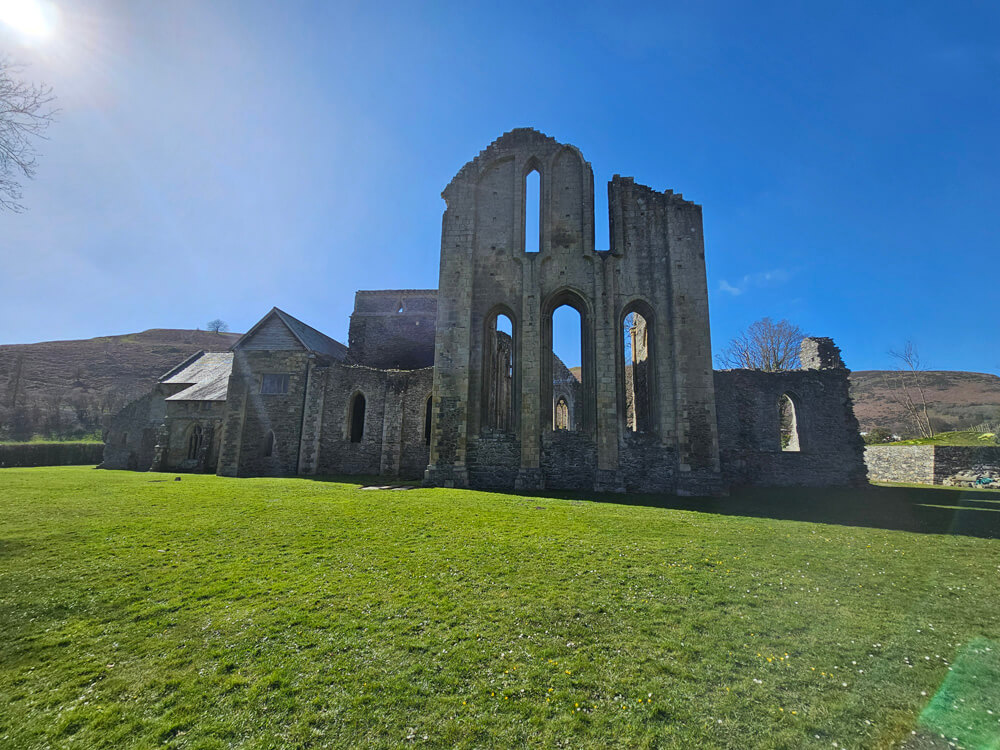
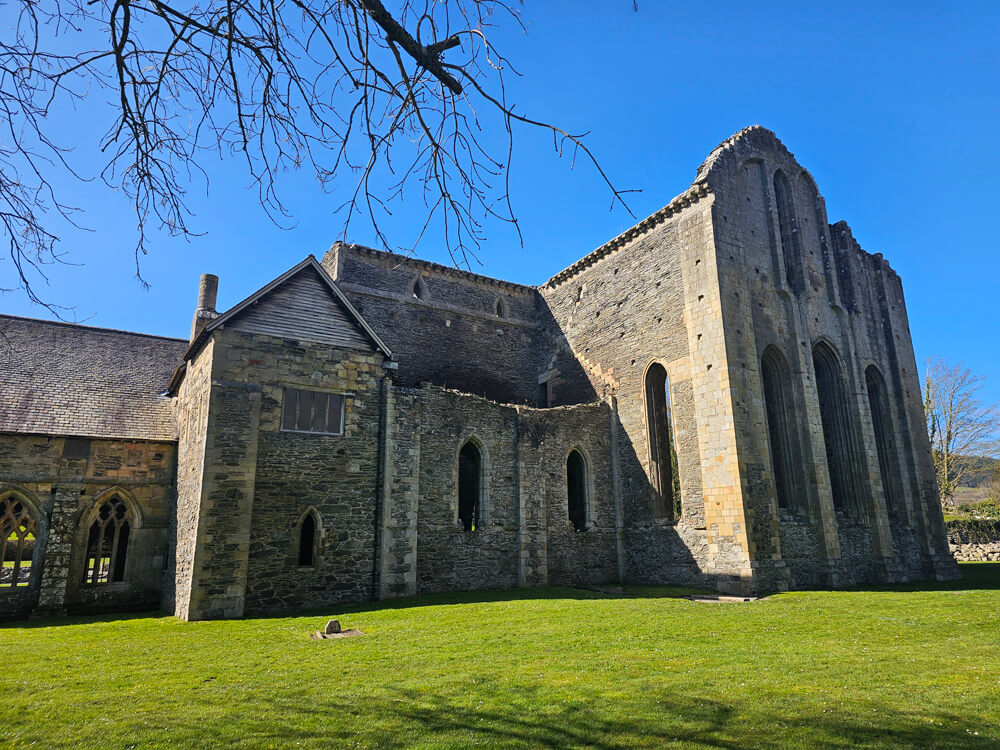
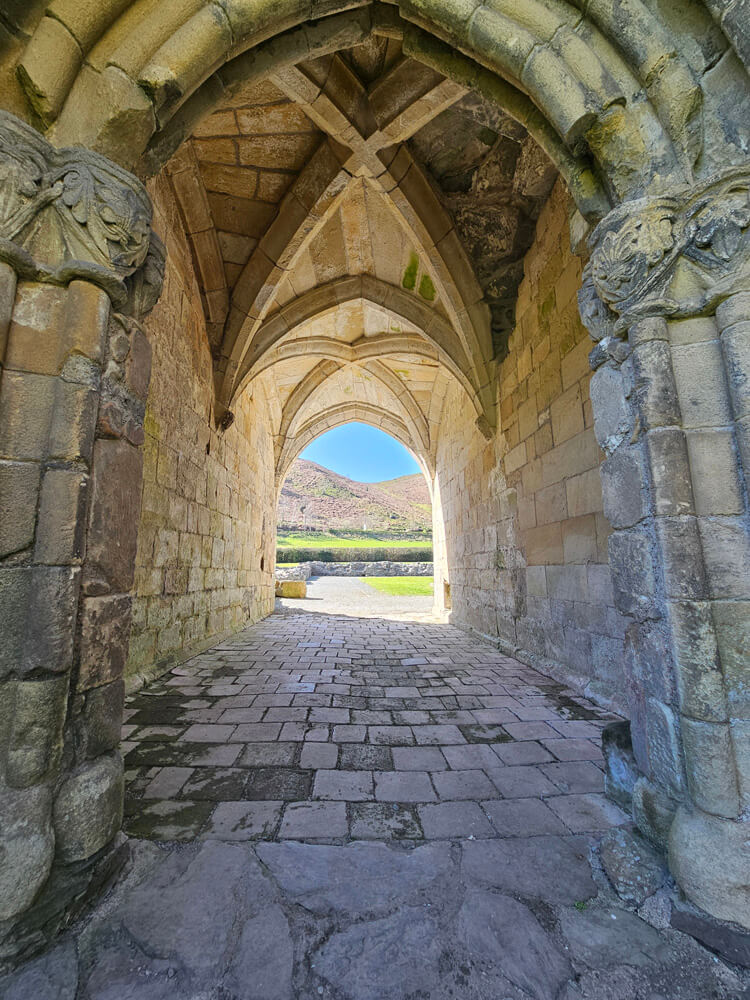
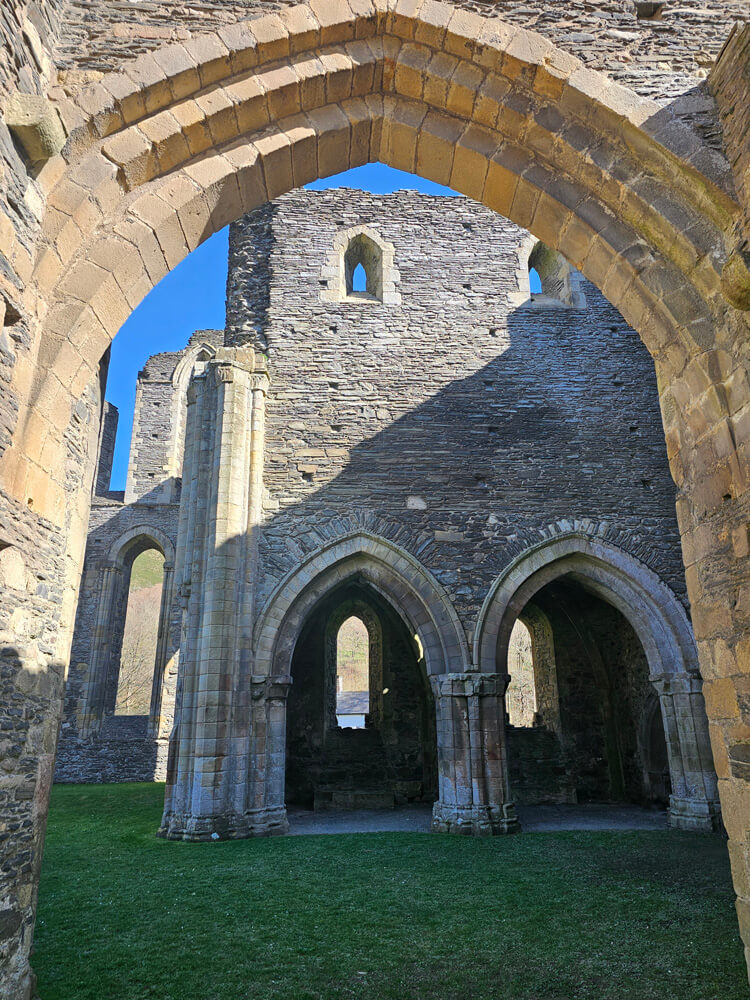
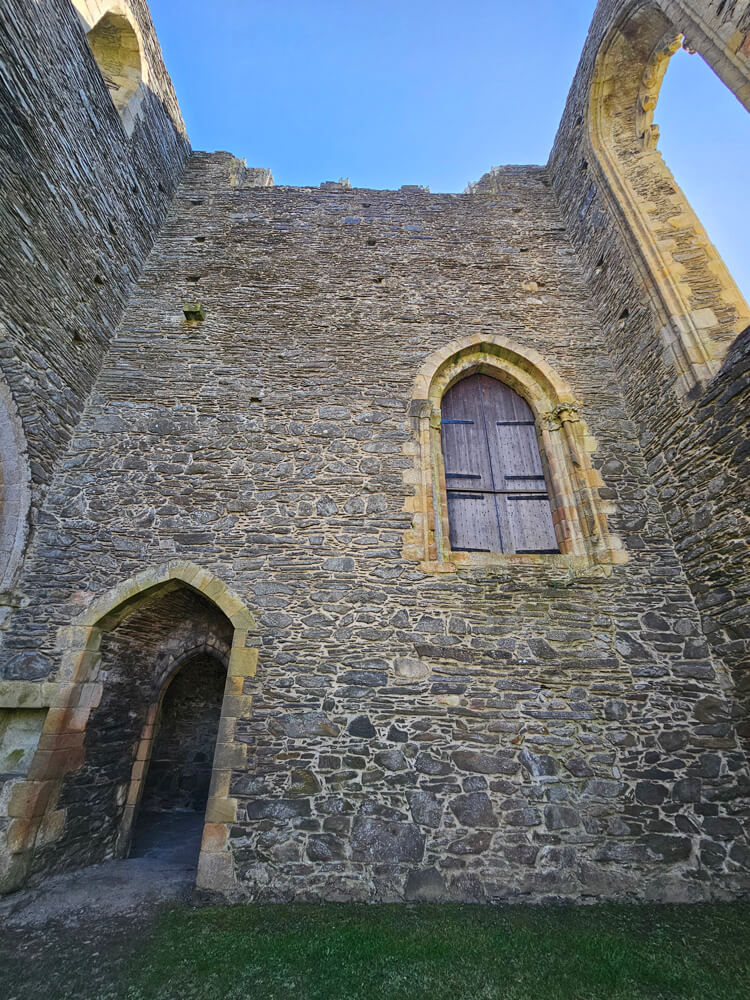
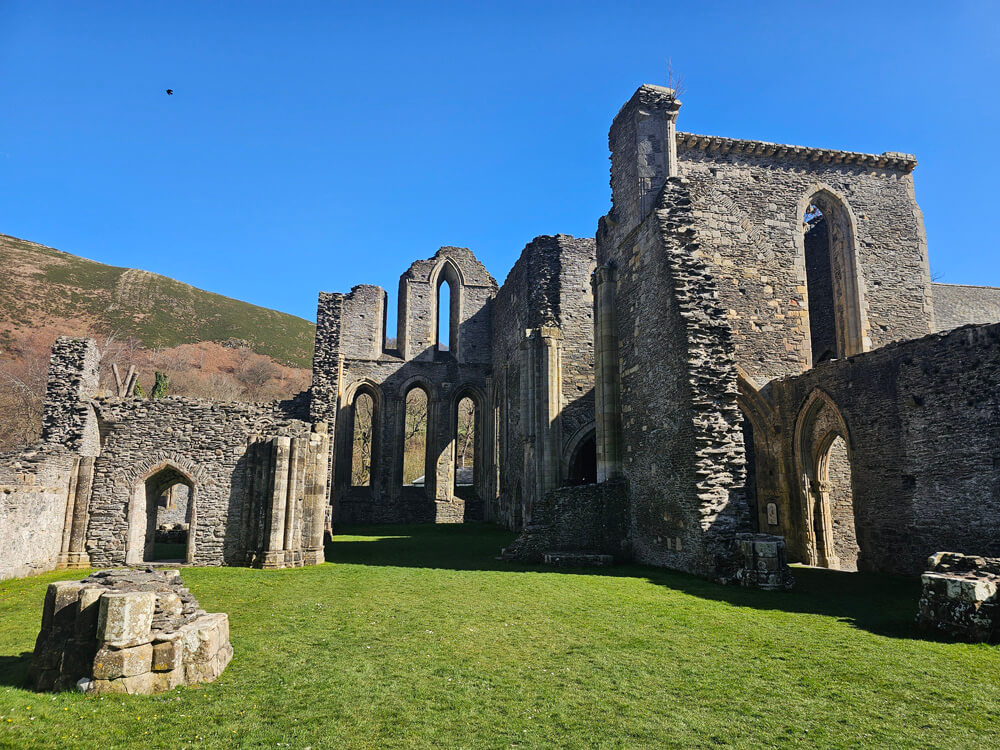
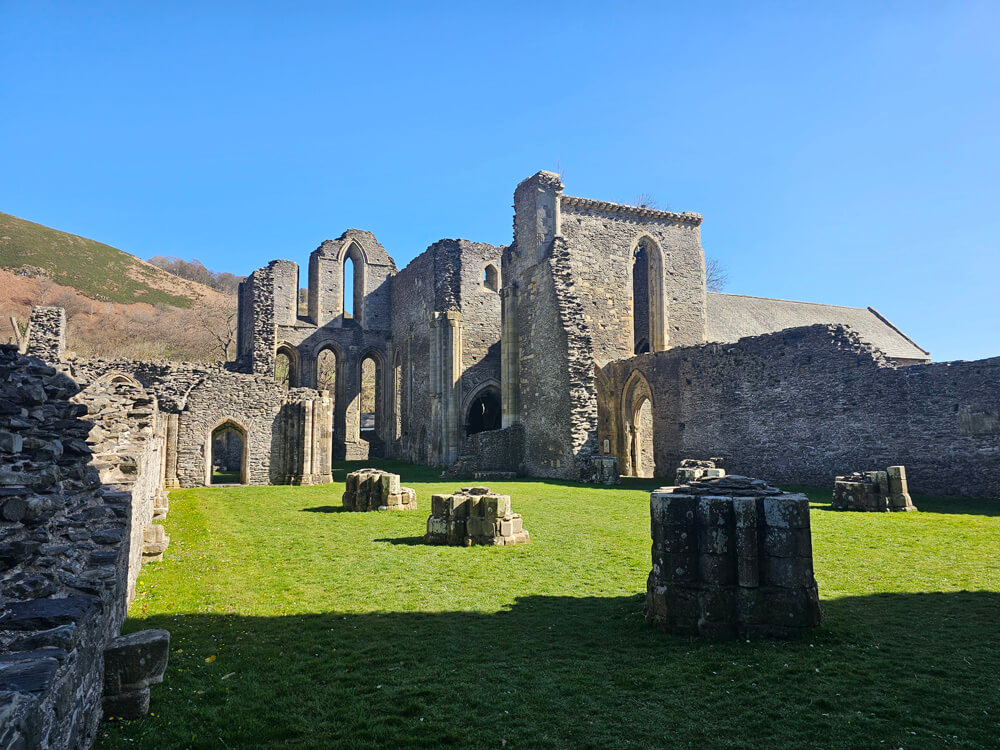
Although the abbey is now a ruin, large substantial parts of the original structure still survive. The abbey buildings conform to the normal Cistercian layout of a large cruciform church, with residential accommodation arranged around a rectangular cloister adjoining it on the south side. The 13th-century church is the most prominent survival, together with the east range of the cloister, built around 1400, containing the chapter house and monks’ dormitory.
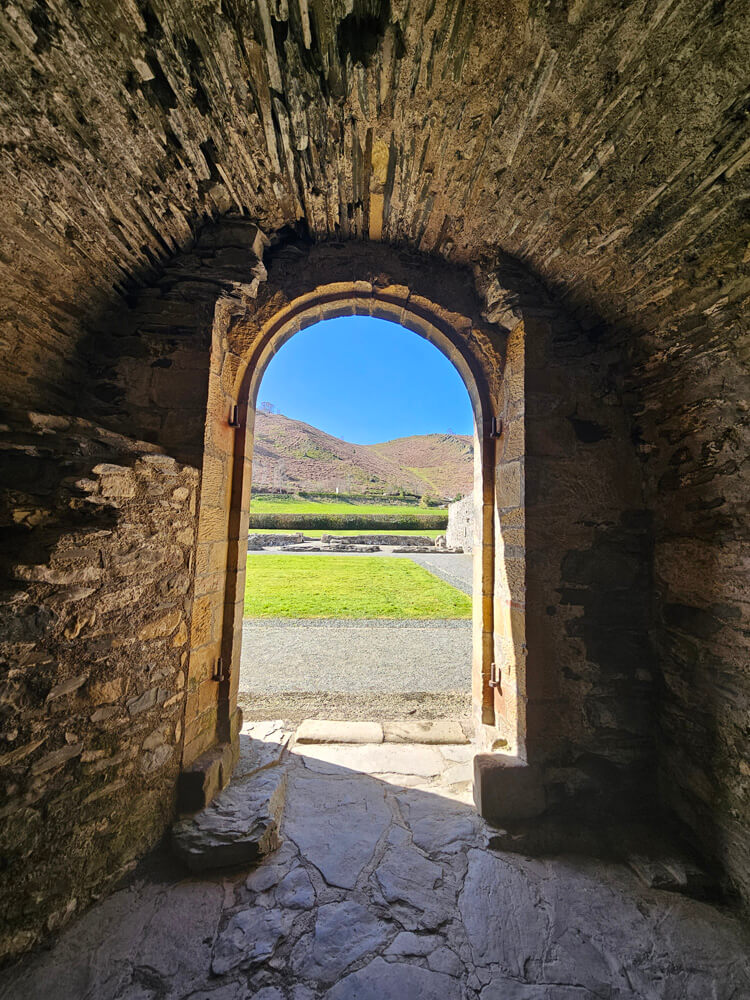
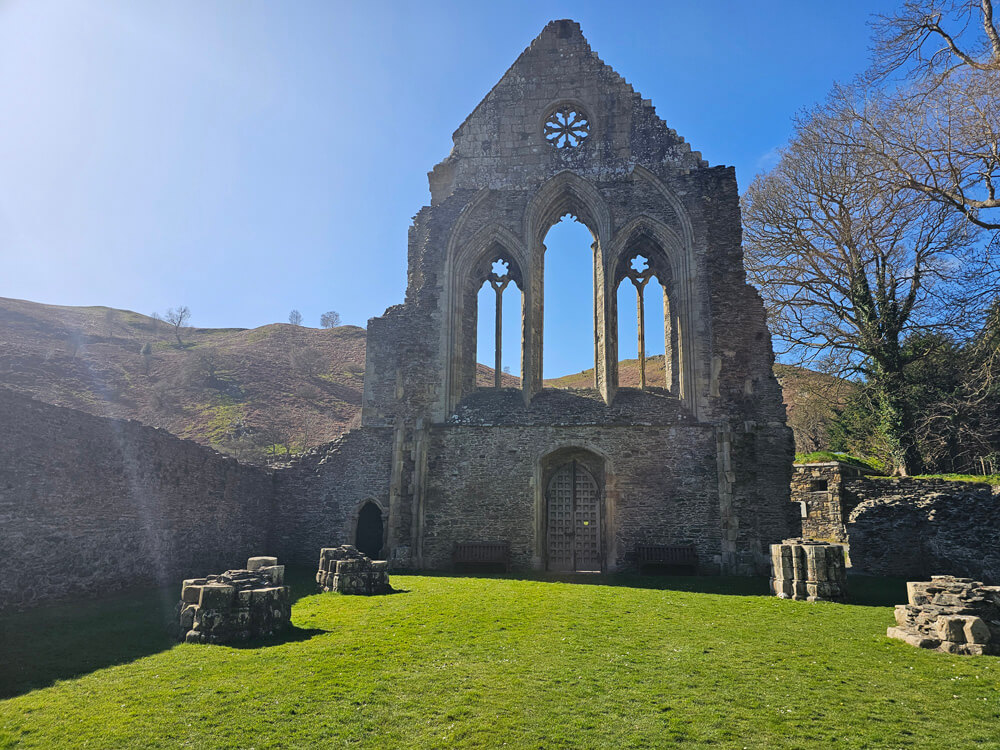
The first thing you see when entering the site is the majestic west front of the abbey church. Elsewhere among the romantic ruins are the rib-vaulted chapter house and the only surviving monastic fishpond in Wales. Now sat amongst a farm and holiday park, the most striking thing about the abbey is the tranquillity and beauty of its riverside location, where it remains one of the best-preserved and most atmospheric medieval abbeys in Wales.
Photo Gallery.
Did you enjoy this post?
I hope you found this post useful. I put a great deal of time and effort in to building, maintaining and populating the website. If you like, you could say a small thank you by buying me a coffee. You don't have to, but it would be nice :)
Buy me a coffeeMore Monasteries
View all Monasteries
Stay up to Date
Follow me on my journey and get notified whenever a new post is published by following Kings & Castles on Facebook.
Follow MeExplore The Map
Discover the hundreds of castles, churches, monasteries, cathedrals and other historic locations that I've personally visited across England and Wales. Search by location, explore nearby sites and plan your next historical adventure.
Share: