St. Margaret’s Chapel, Glastonbury
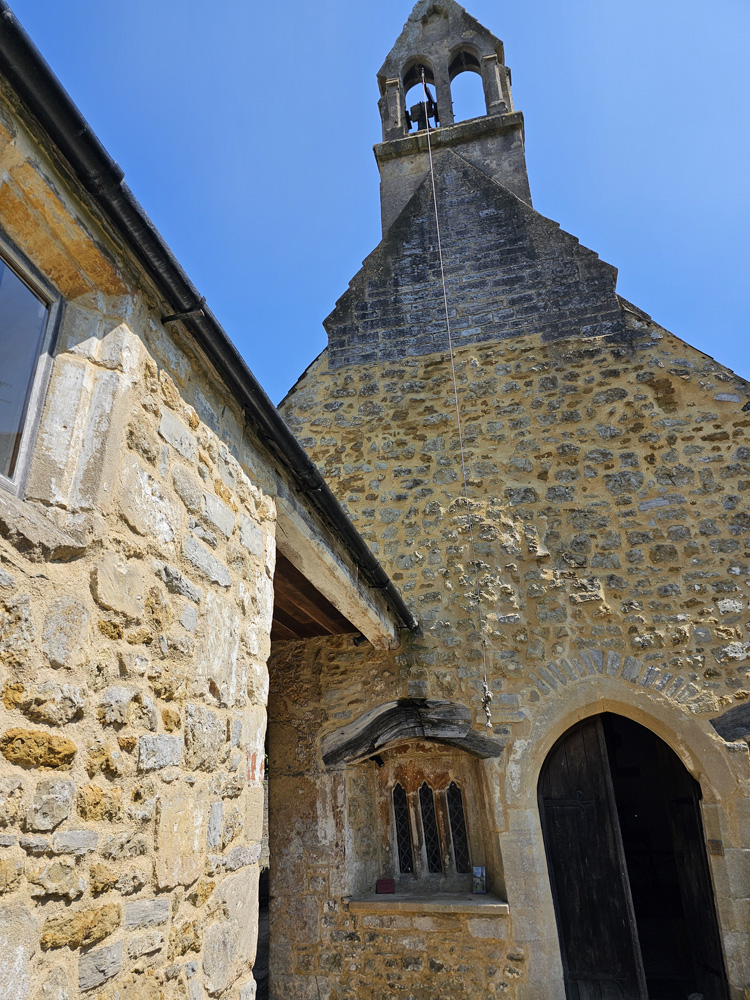
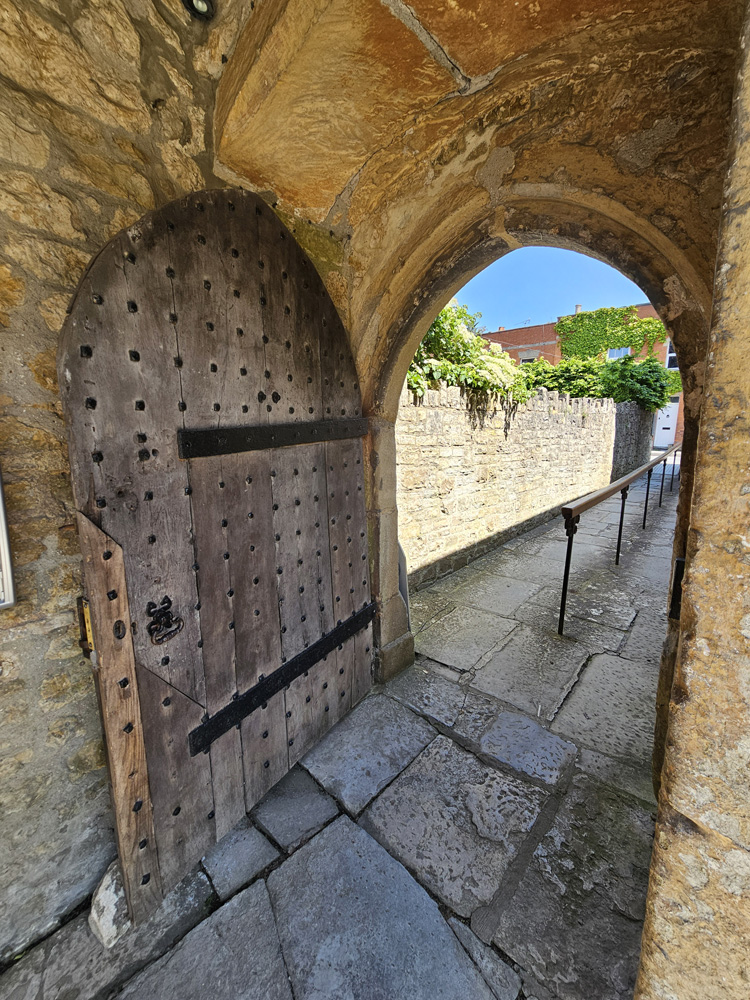
St. Margaret’s Chapel and Royal Magdalene Almshouses in Glastonbury, Somerset, is one of Glastonbury’s hidden gems dating back to the 11th century.
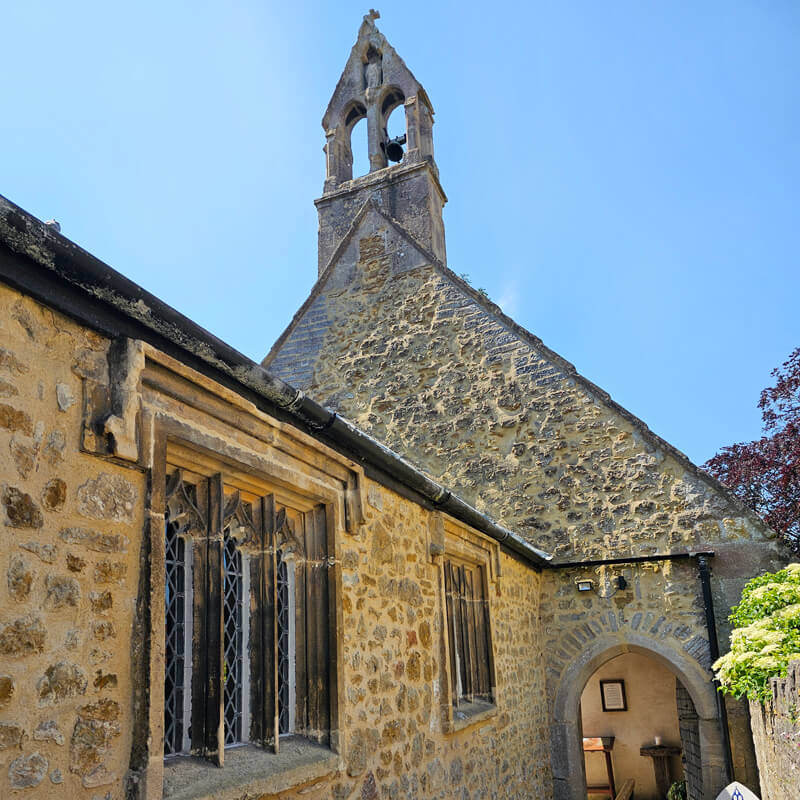
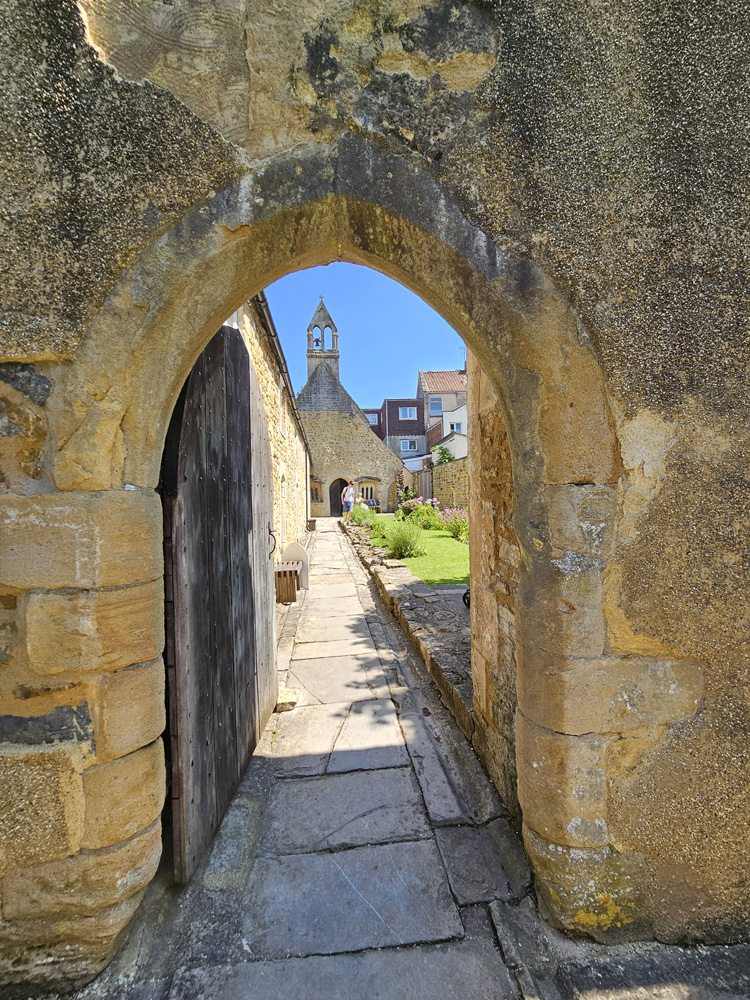
St. Margaret’s Chapel, the Magdalene Almshouses and the garden are situated in a small, secluded site in a conservation area off Magdalene Street in Glastonbury. The almshouses are named after Mary Magdalene, and the chapel is dedicated to St. Margaret of Scotland.
The site was originally built in the 11th century as a pilgrim’s hospital with a chapel for poor and sick men when Glastonbury was a major pilgrimage destination, all paid for by Queen Margaret of Scotland. As well as treating the sick, it also housed the pilgrims whilst visiting Glastonbury Abbey which offered them a place to rest and to be fed and cleaned.
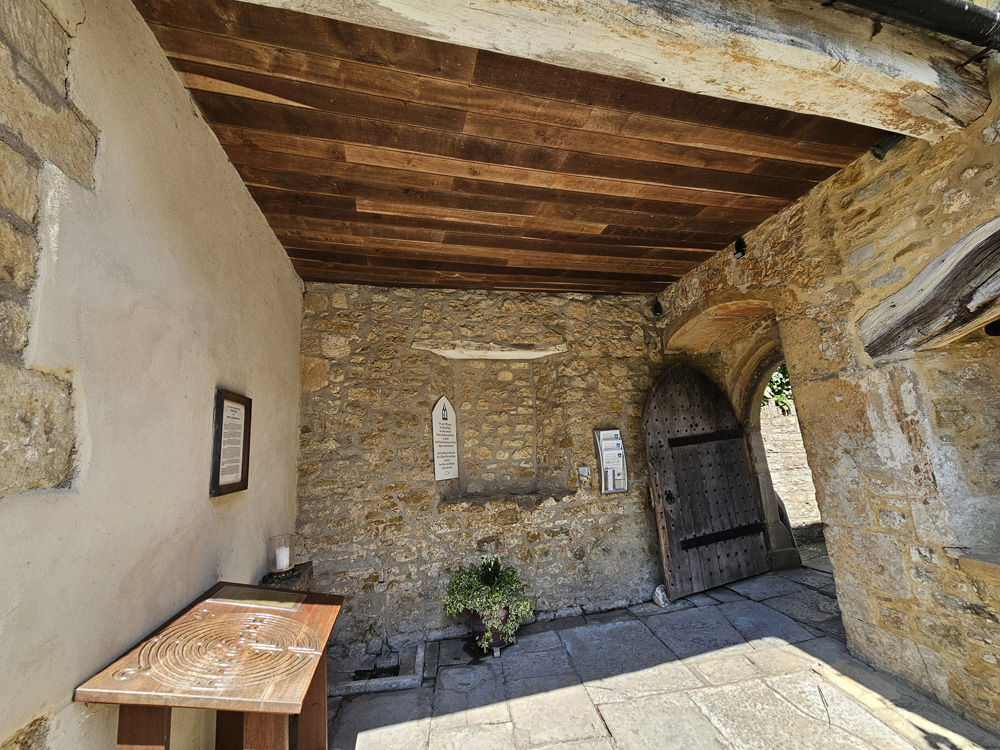
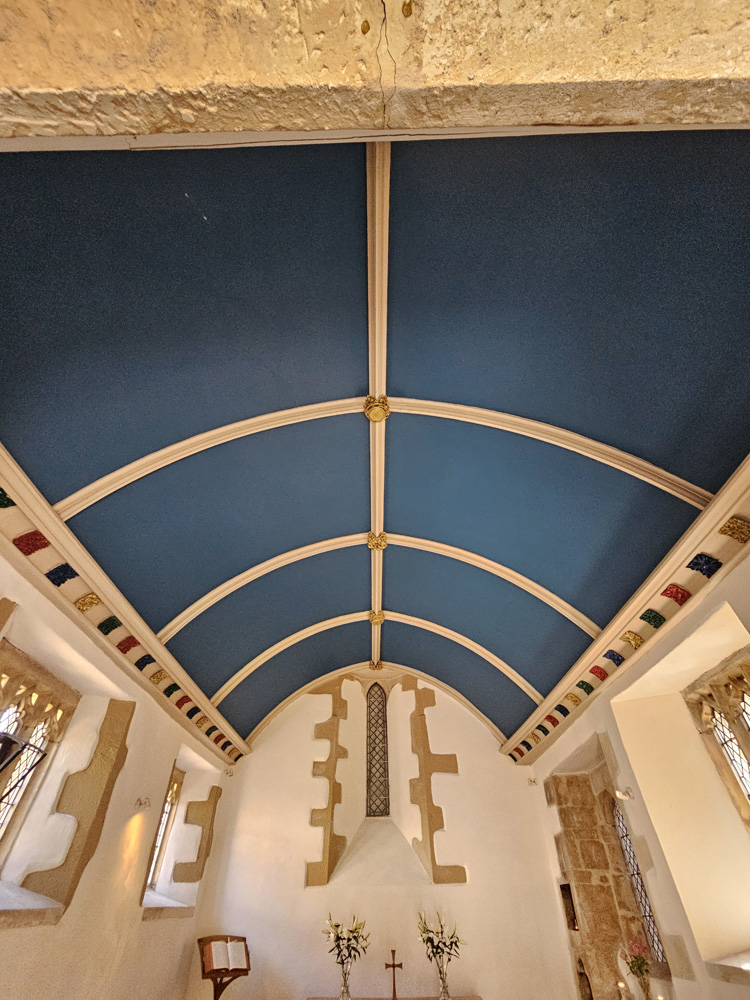
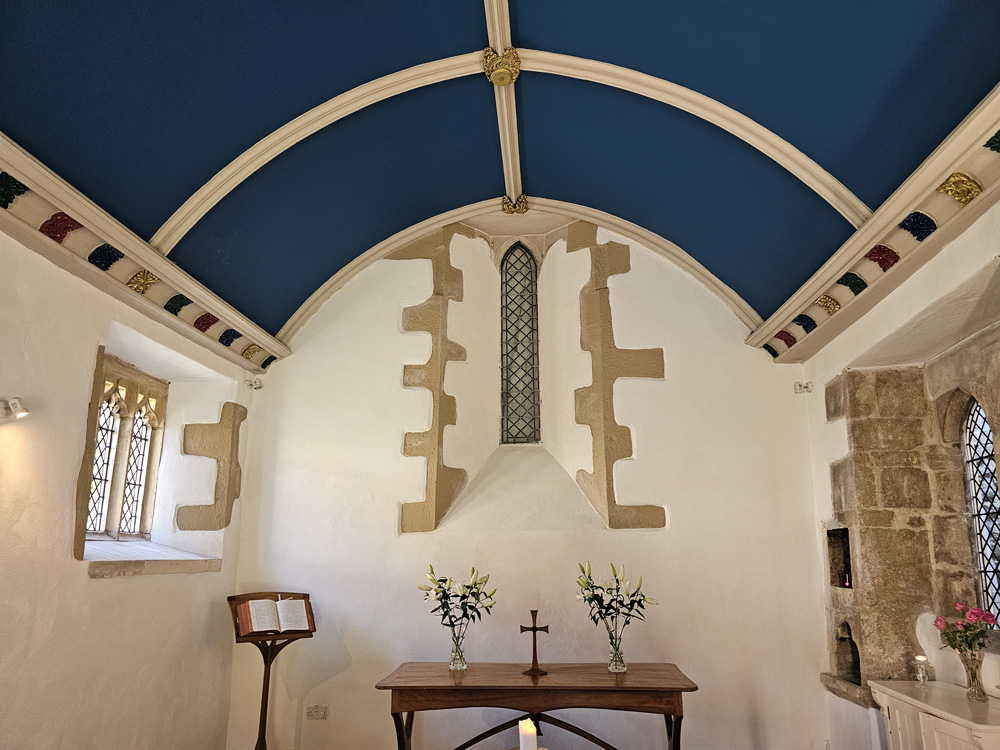
The current chapel was built by the Abbey in 1444 as an addition attached to the hospital, and was dedicated to St. Margaret of Scotland.
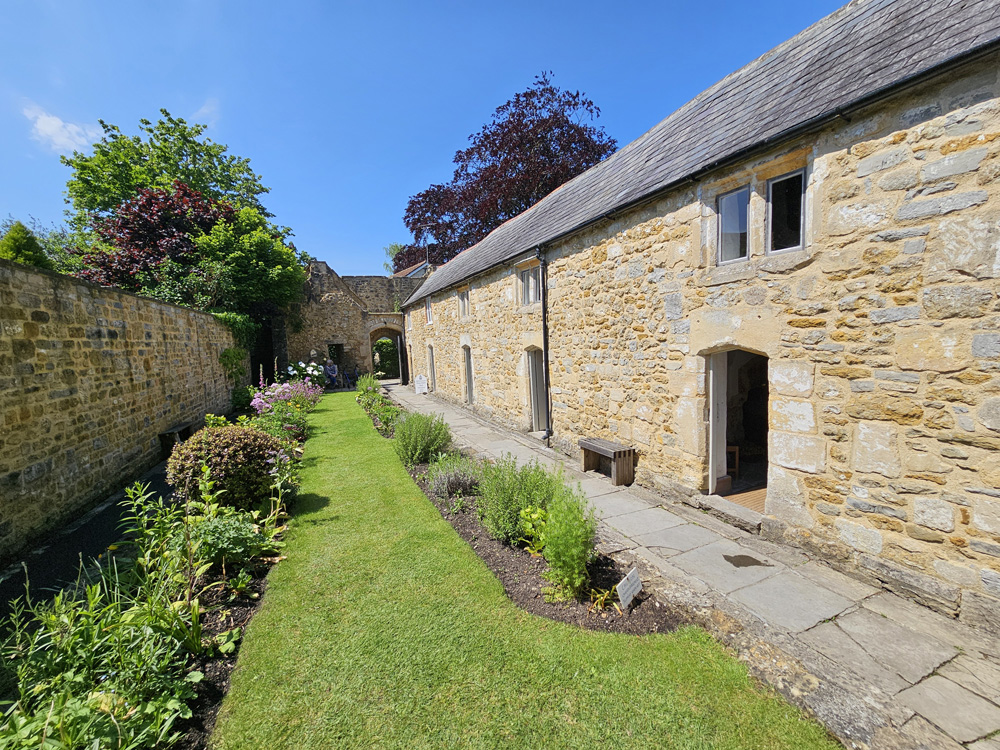
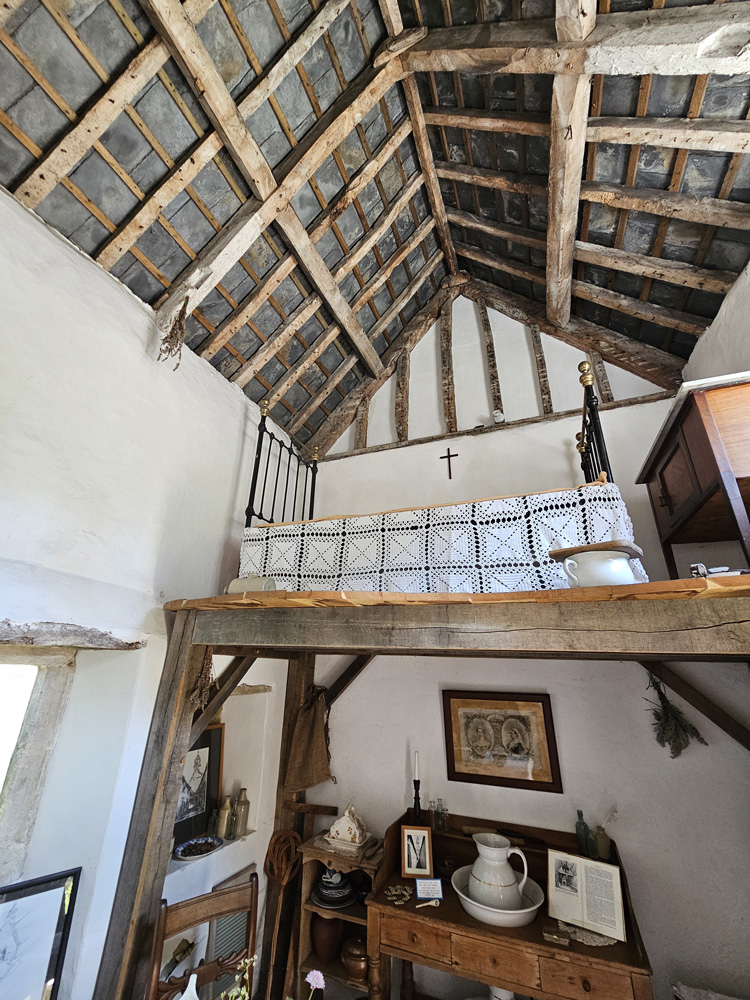
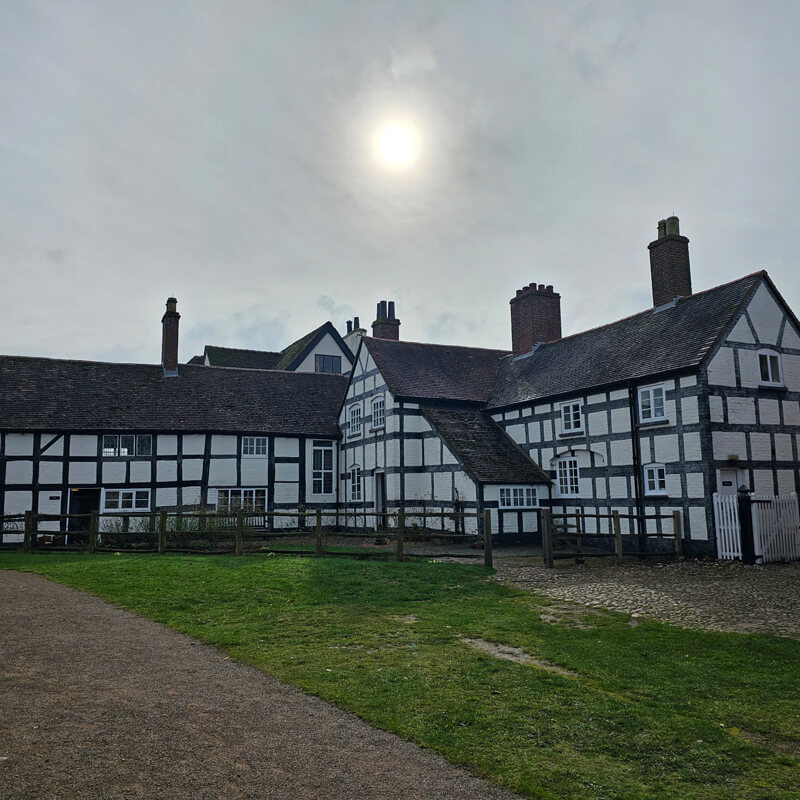
In the 16th century the hospital was replaced with the almshouses that we see today. There was originally two rows of almshouses but one row was demolished in the 1960s – its foundations are under the garden. All together there were eleven almshouses, of which five have survived. The almshouses were named after Mary Magdalene who was one of Jesus’ most celebrated disciples, the most important female disciple in the movement of Jesus, and often associated with healing.
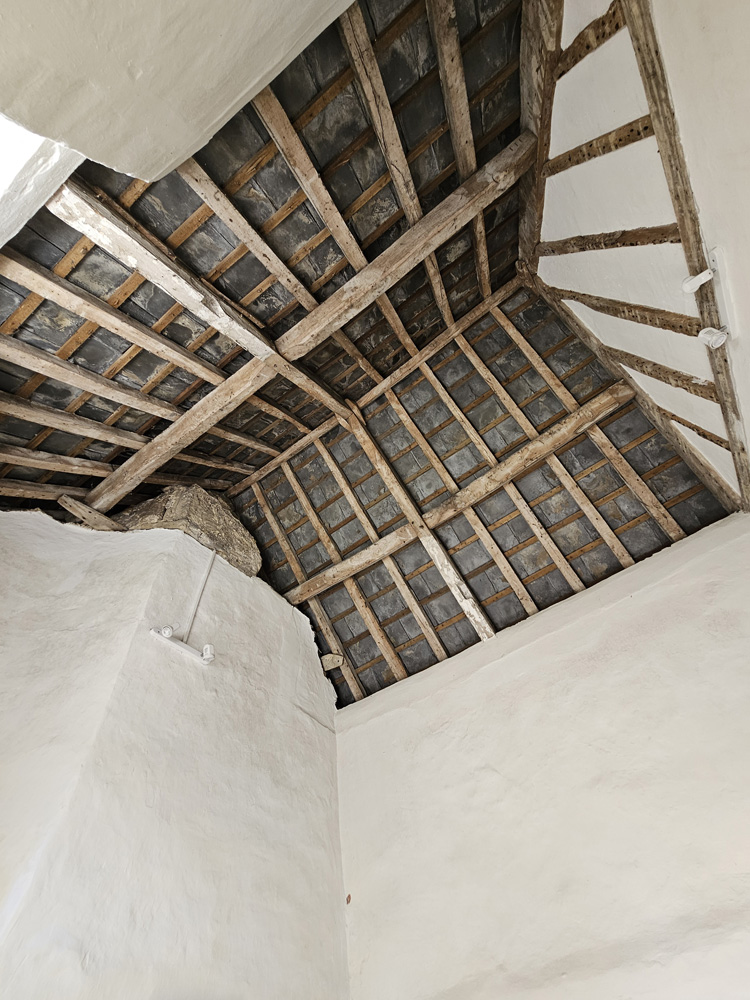
The almshouses have been furnished to get a sense of life here in the 16th century, and the chapel has been sympathetically and beautifully restored.
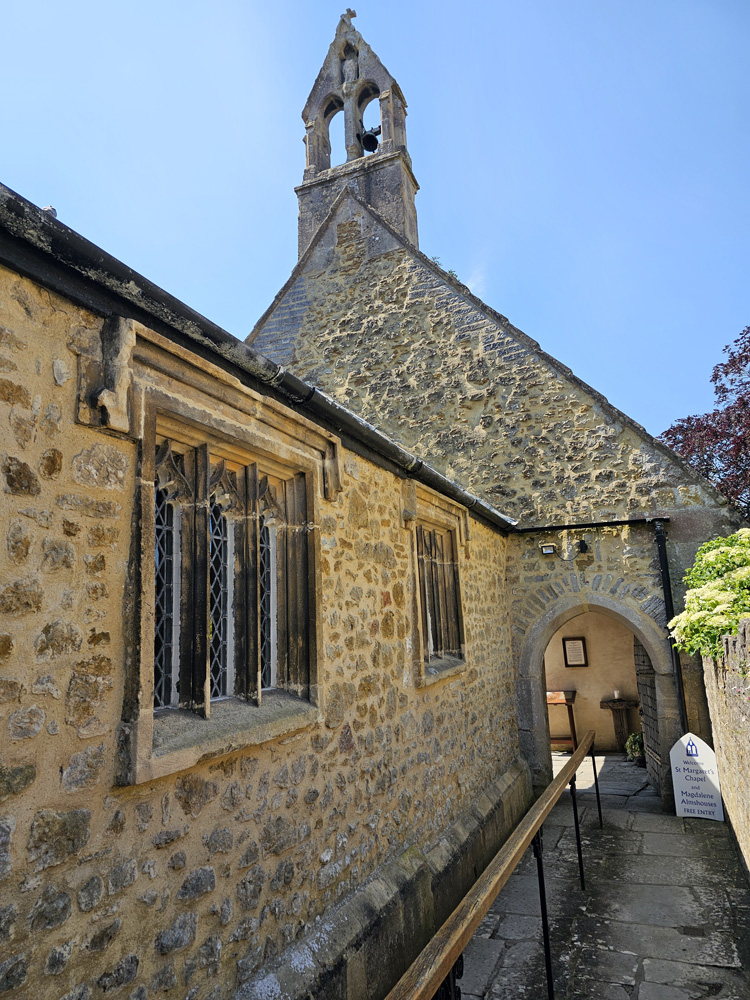
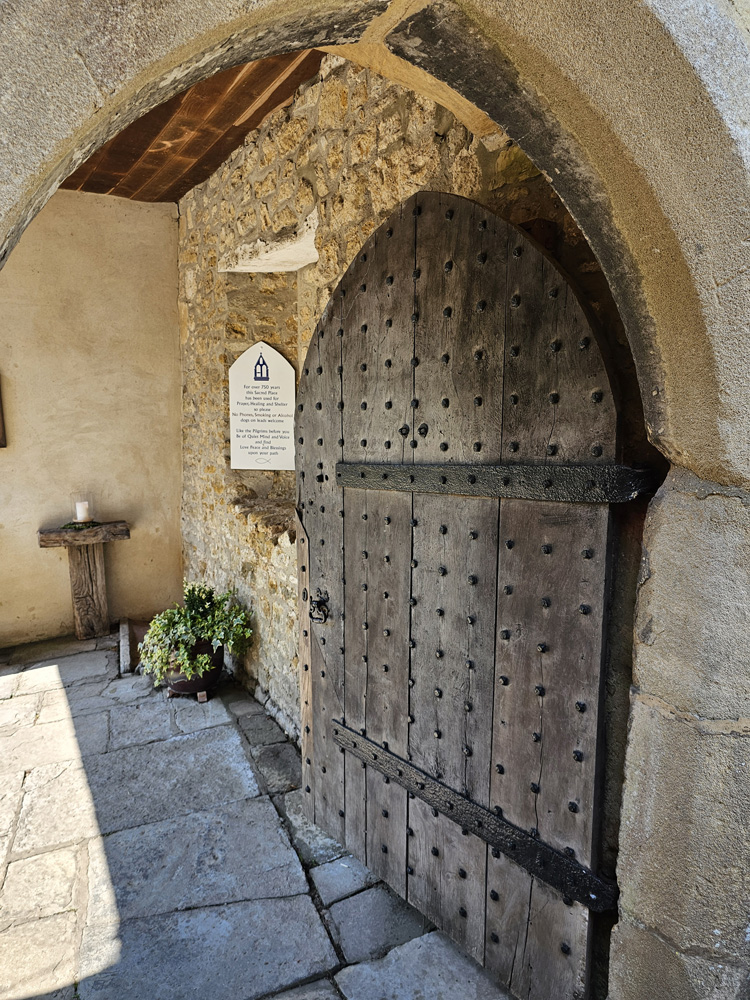
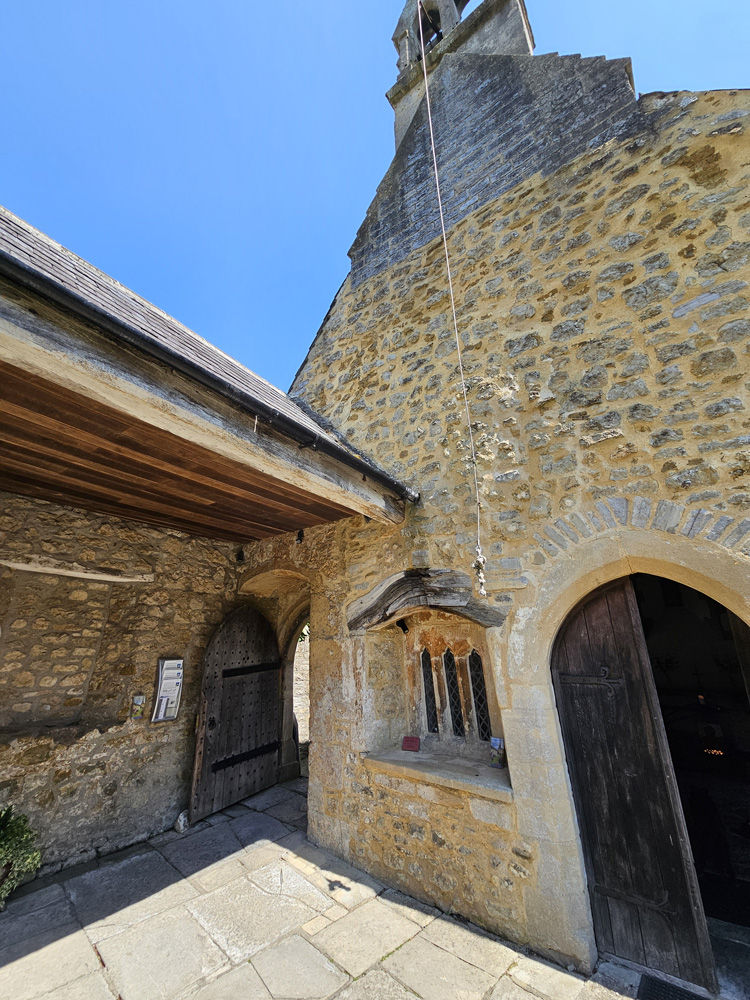
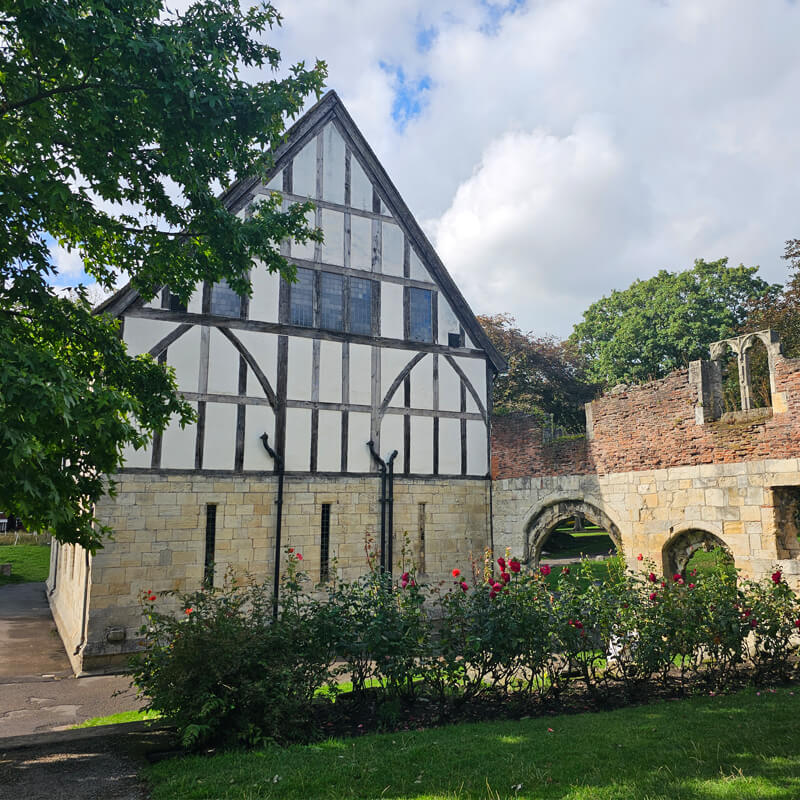
Photo Gallery.
Did you enjoy this post?
I hope you found this post useful. I put a great deal of time and effort in to building, maintaining and populating the website. If you like, you could say a small thank you by buying me a coffee. You don't have to, but it would be nice :)
Buy me a coffee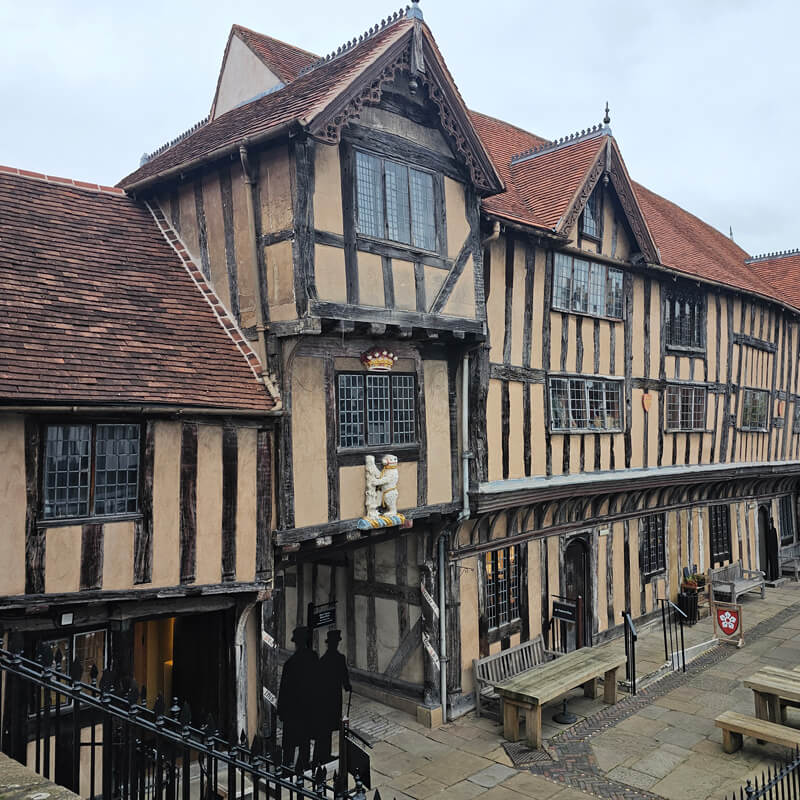
Stay up to Date
Follow me on my journey and get notified whenever a new post is published by following Kings & Castles on Facebook.
Follow MeExplore The Map
Discover the hundreds of castles, churches, monasteries, cathedrals and other historic locations that I've personally visited across England and Wales. Search by location, explore nearby sites and plan your next historical adventure.
Share: