Wroxeter Roman City (Viroconium)
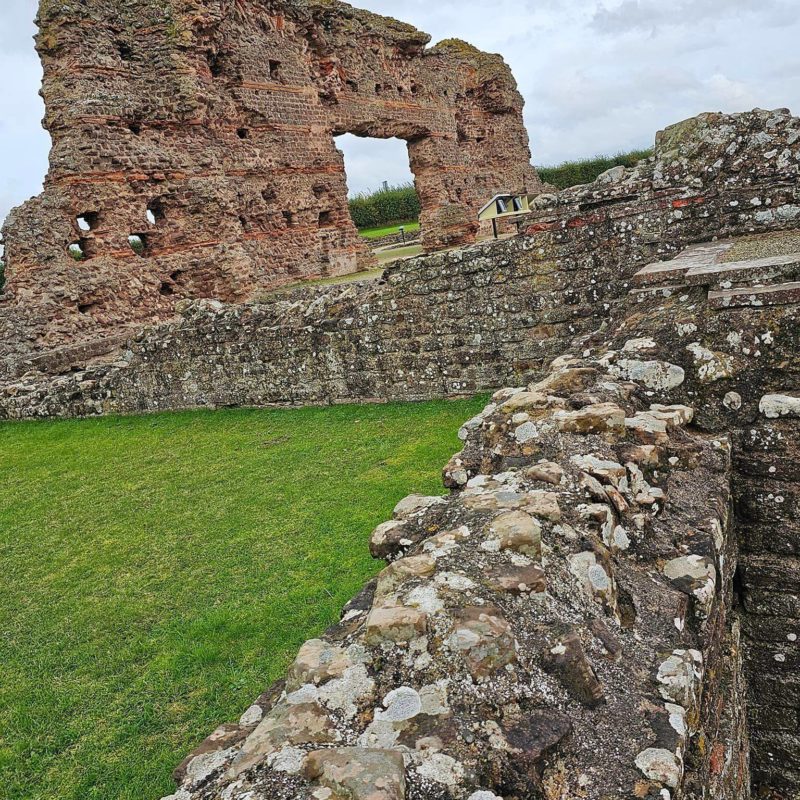
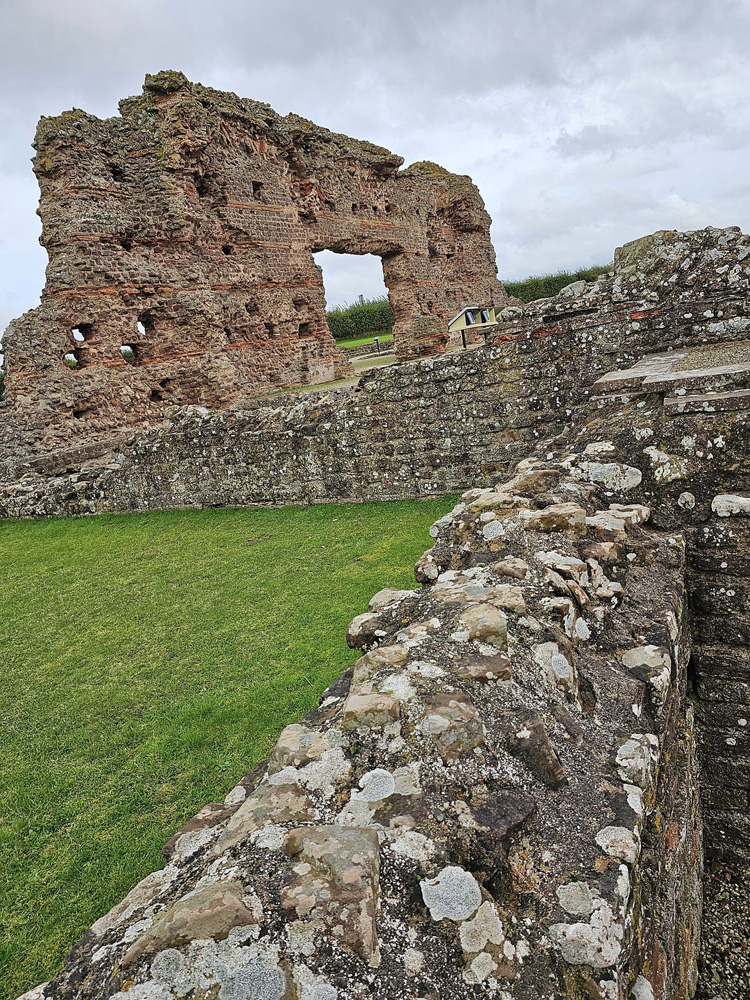
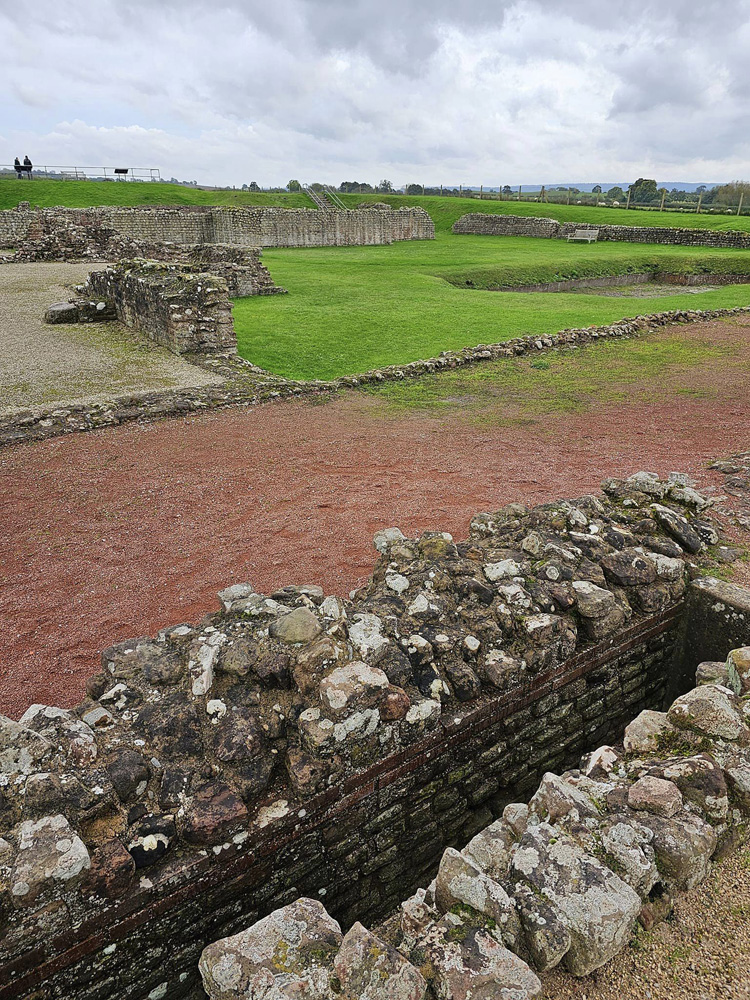
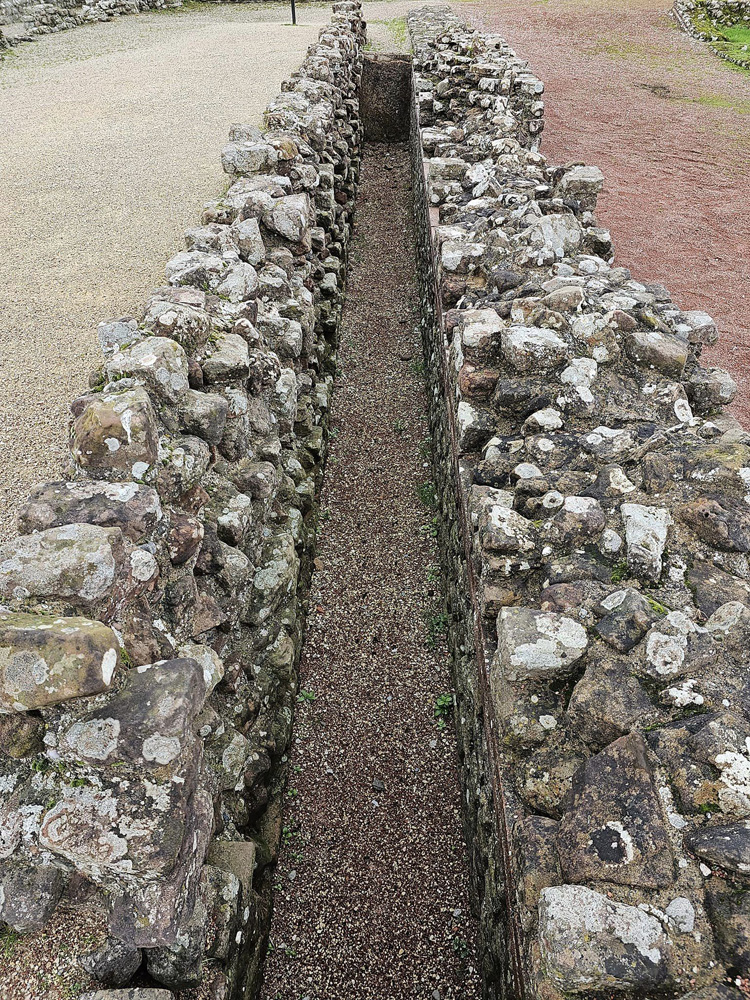
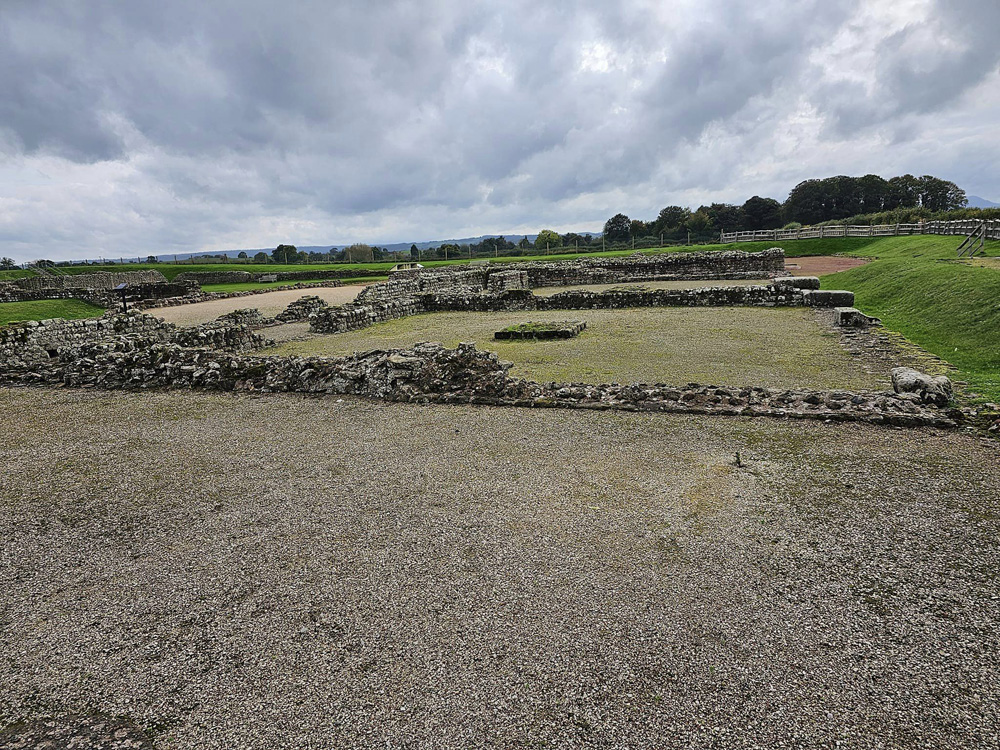
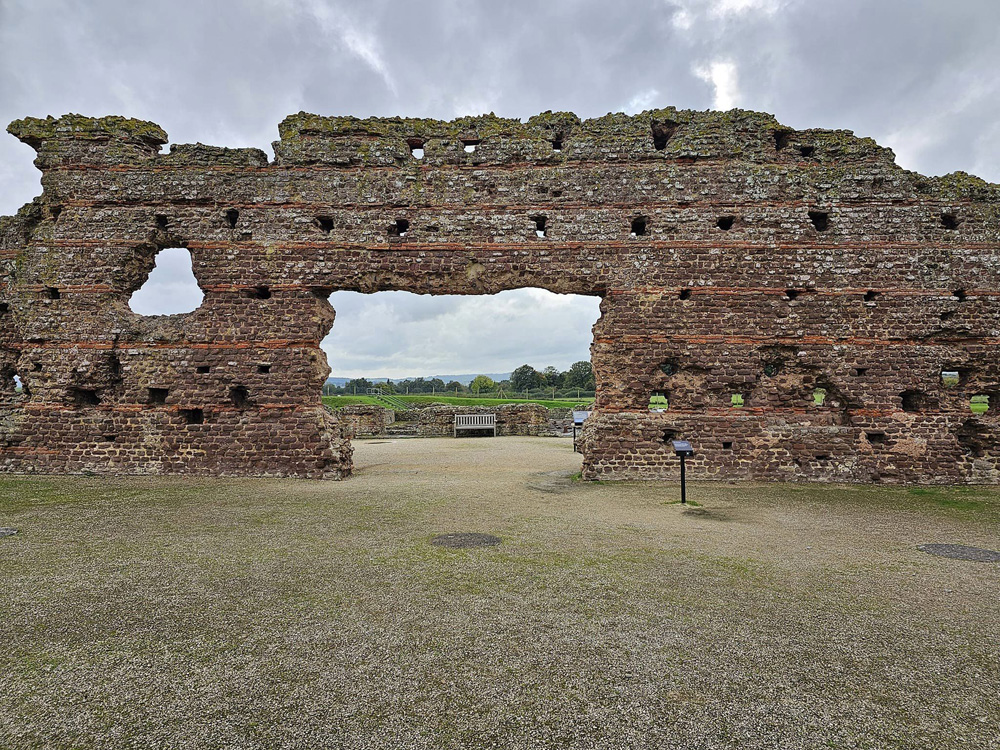
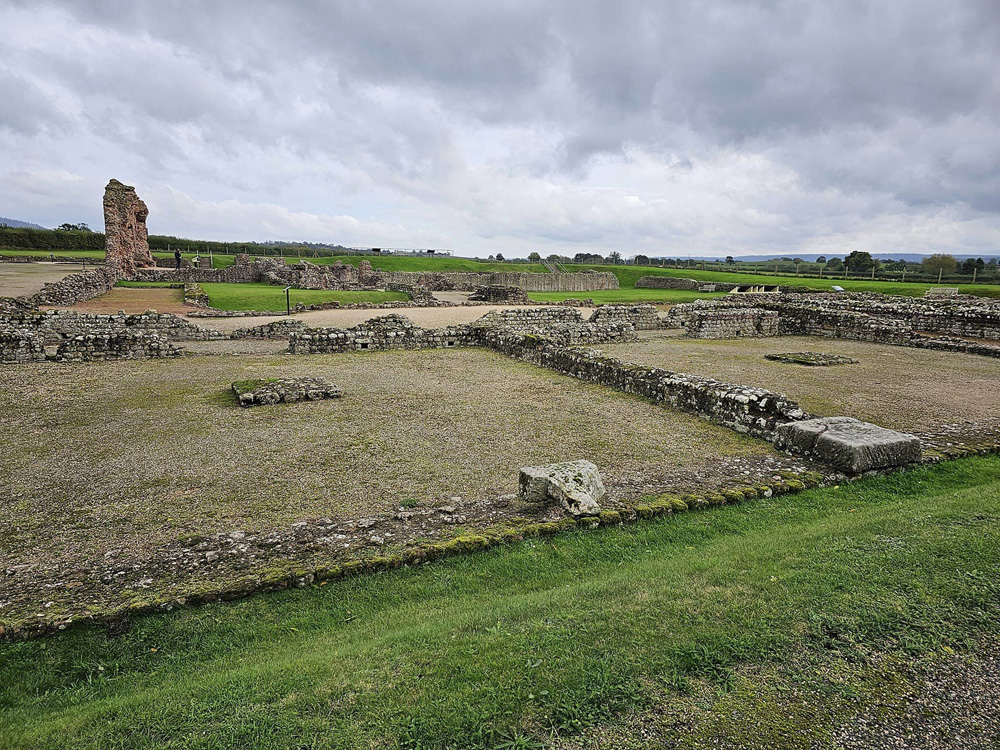
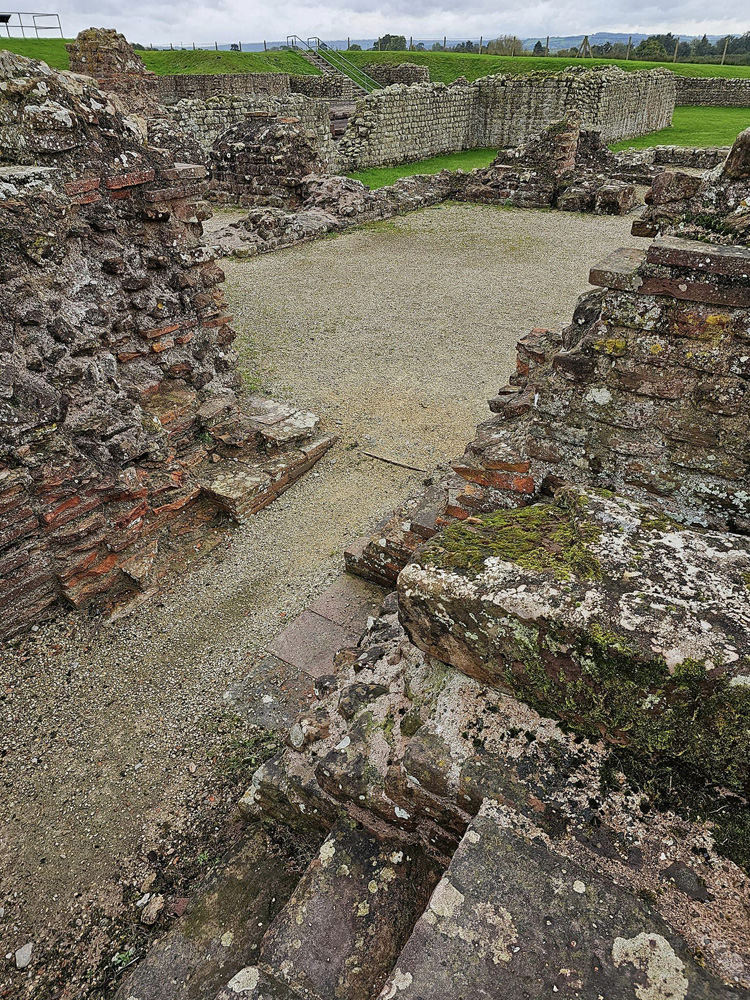
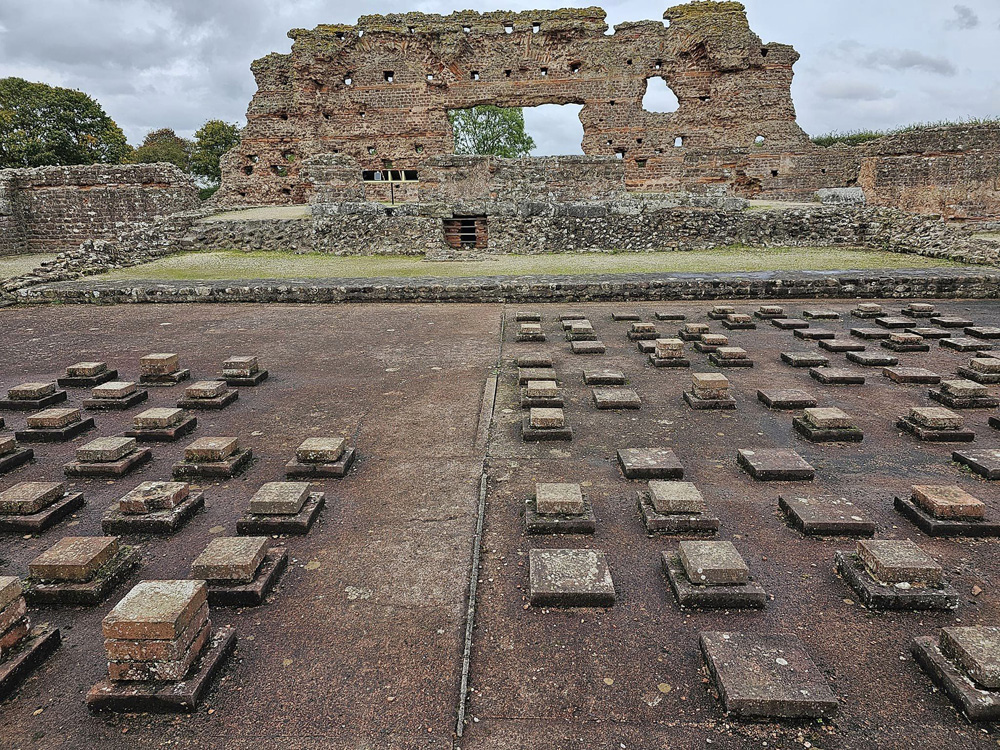
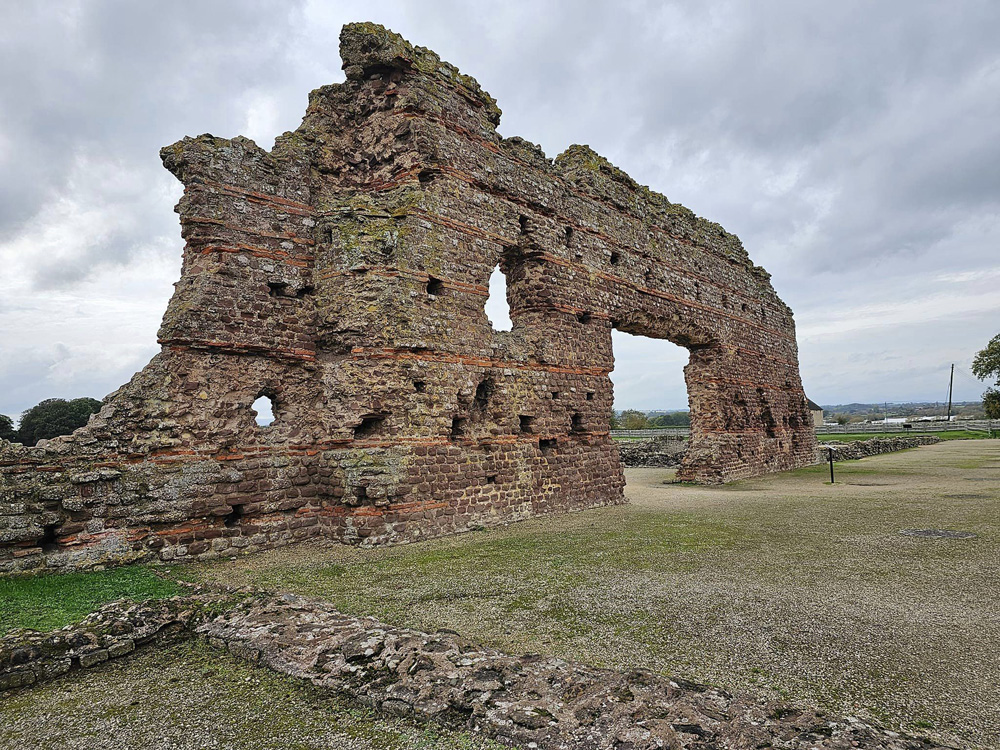
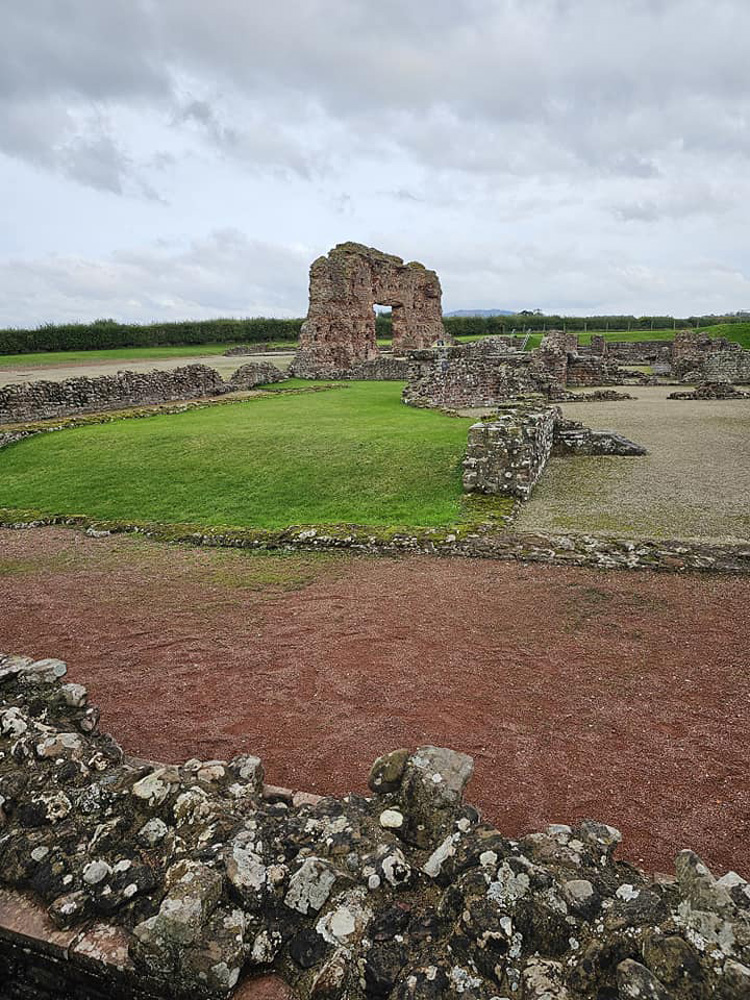
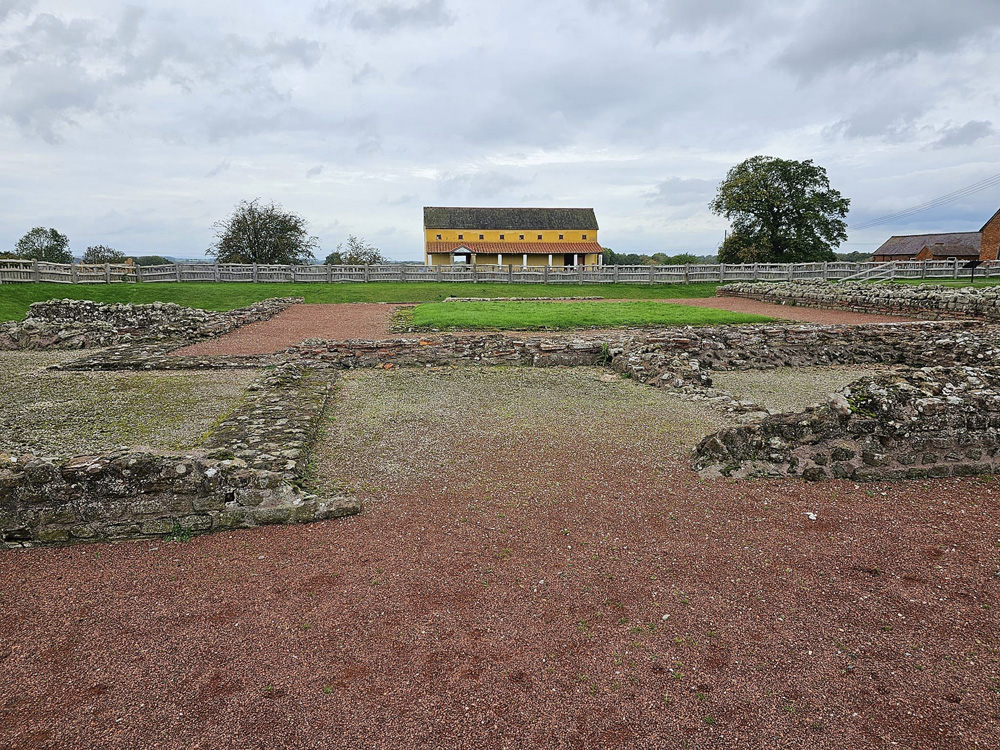
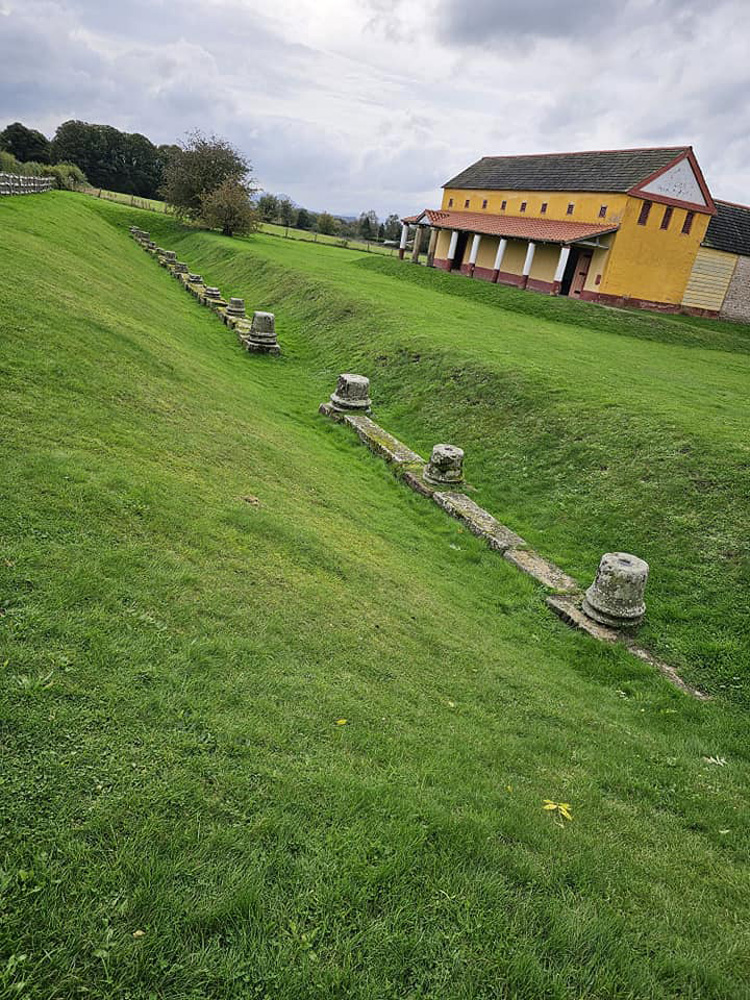
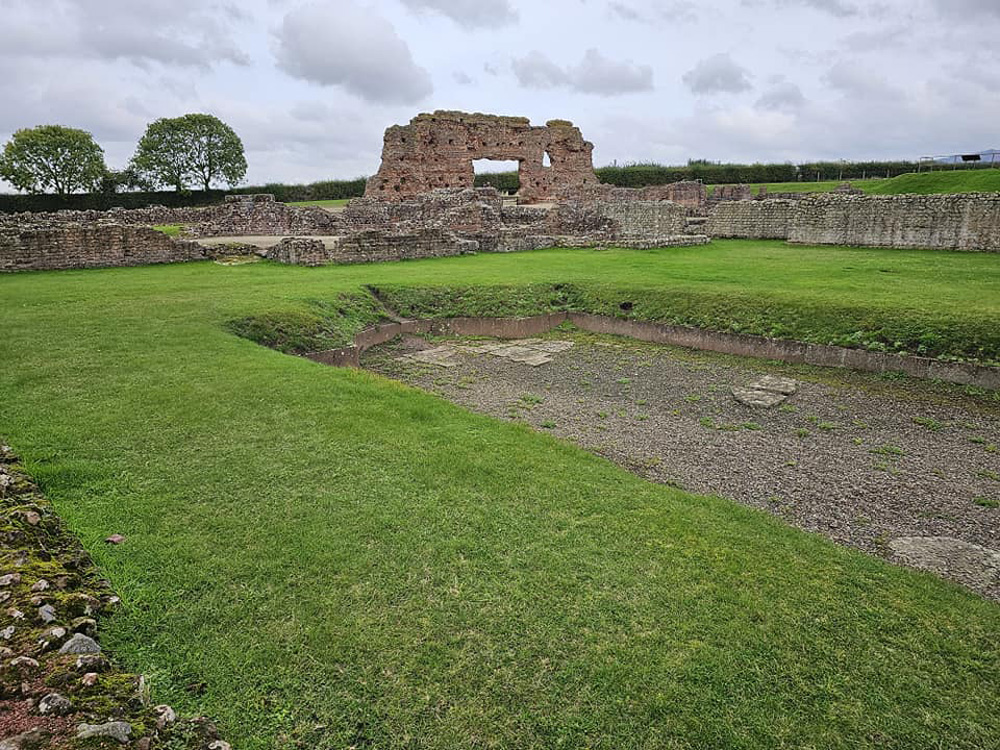
Wroxeter Roman City is a historical landmark in Wroxeter, England, allowing you to discover urban-living 2,000 years ago. The ruins of this excavated ancient Roman city include municipal baths and wall remains, plus a museum and a recreated townhouse.
A Bit of History…
Viroconium, or Viroconium Cornoviorum, now named Wroxeter Roman City is an archaeological site located in the village of Wroxeter in Shropshire, England.
Wroxeter was first established as Viroconium as a frontier post during campaigns in the early years of the Roman conquest of Britain. The Roman Army first appeared in Wroxeter in about AD 47 when it advanced along the famous Roman road, Watling Street. It started as a fortress and then became a civilian settlement from about AD 90. Over the next century, Viroconium prospered and grew larger, with the construction of many public buildings, including thermae, temples, shops, basilica, and a forum. Viroconium thrived for 400 years and became one of the largest cities in Roman Britain with a population of more than 15,000 inhabitants covering an area of 173 acres, almost as large as Pompeii.
Before the Roman invasion, the landscape they found at Wroxeter had already been settled and cultivated for more than 1,500 years. The region was initially ruled over by the Cornovii, an Iron Age tribe of ancient Britons whose territory covered Cheshire, Shropshire, north Staffordshire, north Herefordshire and eastern parts of the Welsh counties. After the Roman invasion of the Cornovii territory in AD 47, the Cornovii were subdued by the Romans and the Cornovii capital was moved from its original stronghold, the impressive hillfort on the Wrekin known as Uiroconion, and moved it to Wroxeter and gave it its Roman name. Hence the term “Cornoviorum”, which distinguishes the site as the Viroconium “of the Cornovii”.
Viroconium was likely abandoned some time in the 6th or 7th century when a Great Plague is known to have swept through Britain, at which point the Anglo-Saxons took control of the region.
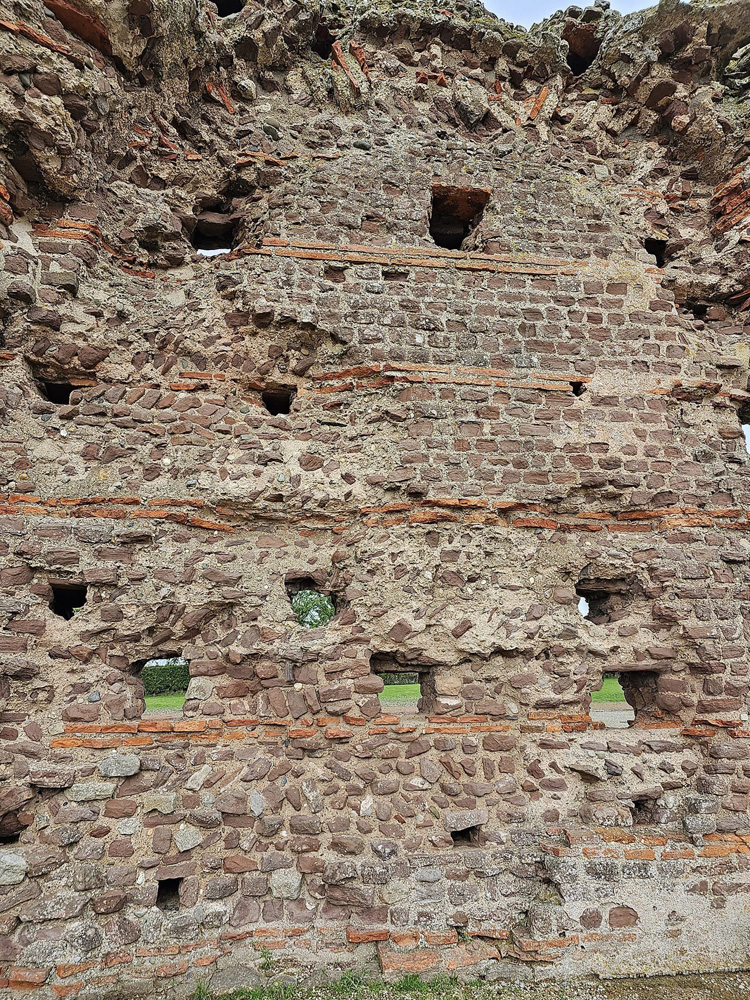
The remains of the ancient Roman city at Wroxeter are exceptionally well preserved. Its relatively remote location has meant that there has been little disturbance of the Roman remains by later occupation and extensive remains can still be seen.
Photo Gallery.
Did you enjoy this post?
I hope you found this post useful. I put a great deal of time and effort in to building, maintaining and populating the website. If you like, you could say a small thank you by buying me a coffee. You don't have to, but it would be nice :)
Buy me a coffee
Stay up to Date
Follow me on my journey and get notified whenever a new post is published by following Kings & Castles on Facebook.
Follow MeExplore The Map
Discover the hundreds of castles, churches, monasteries, cathedrals and other historic locations that I've personally visited across England and Wales. Search by location, explore nearby sites and plan your next historical adventure.
Share: