St Peter’s Church, Diddlebury
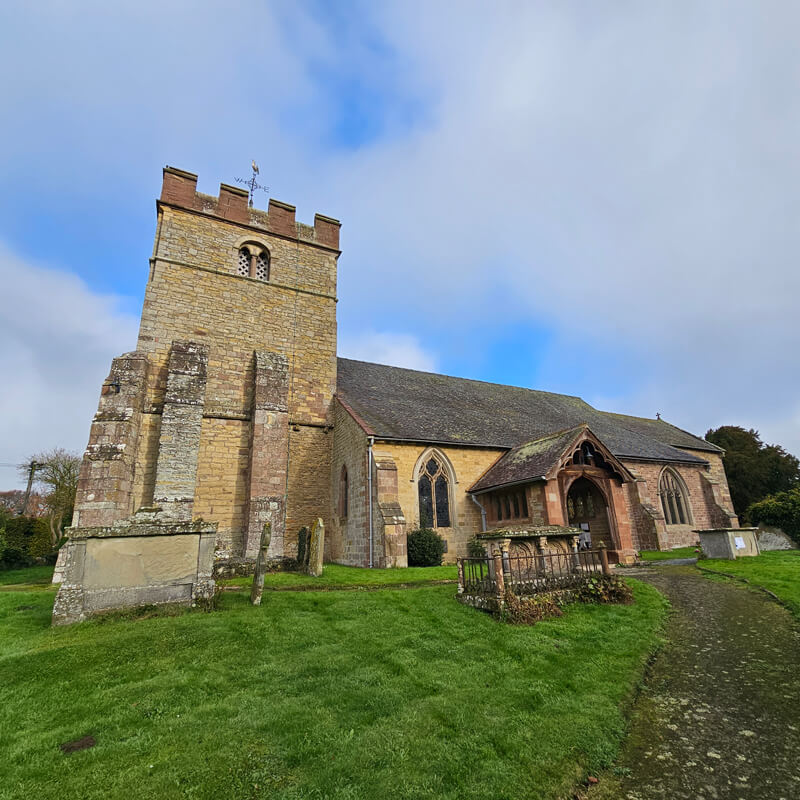
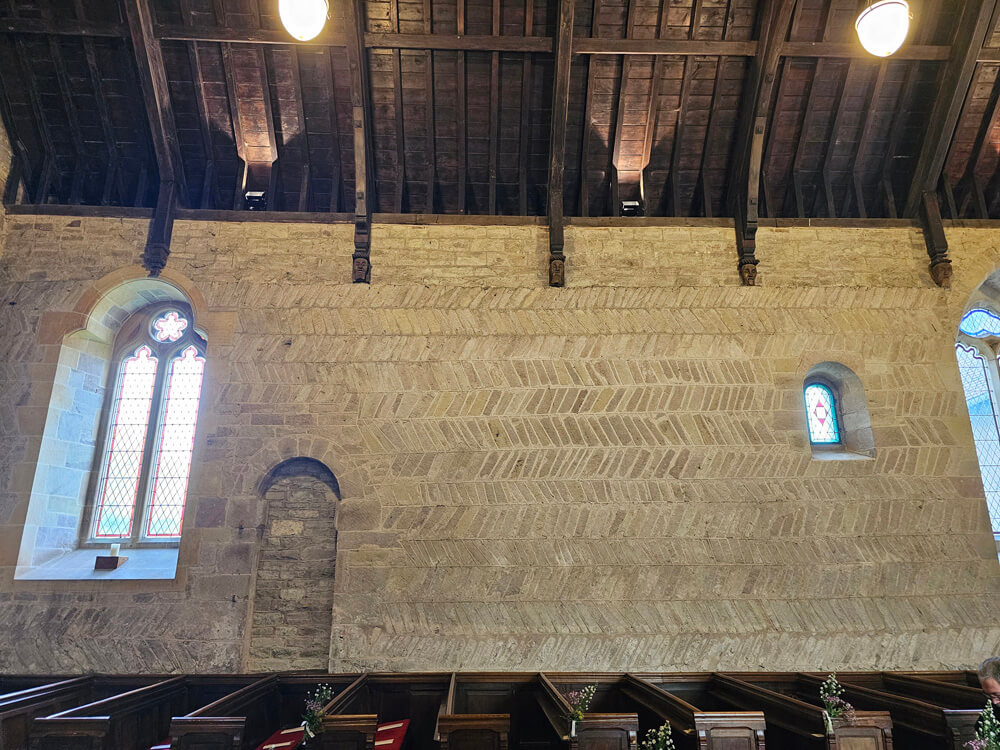
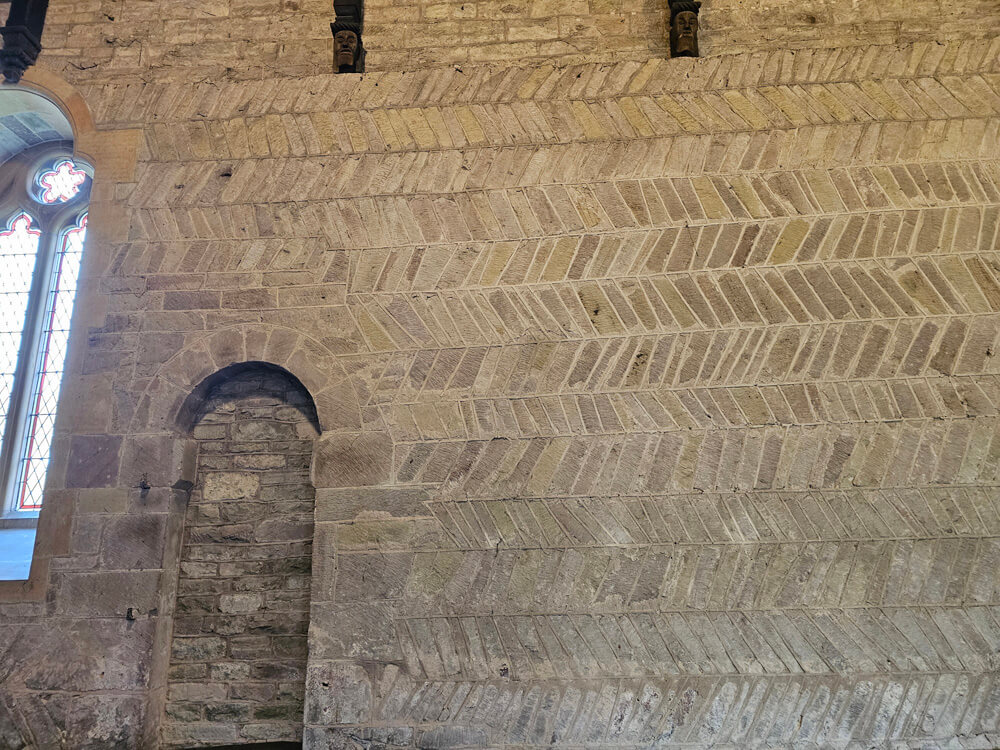
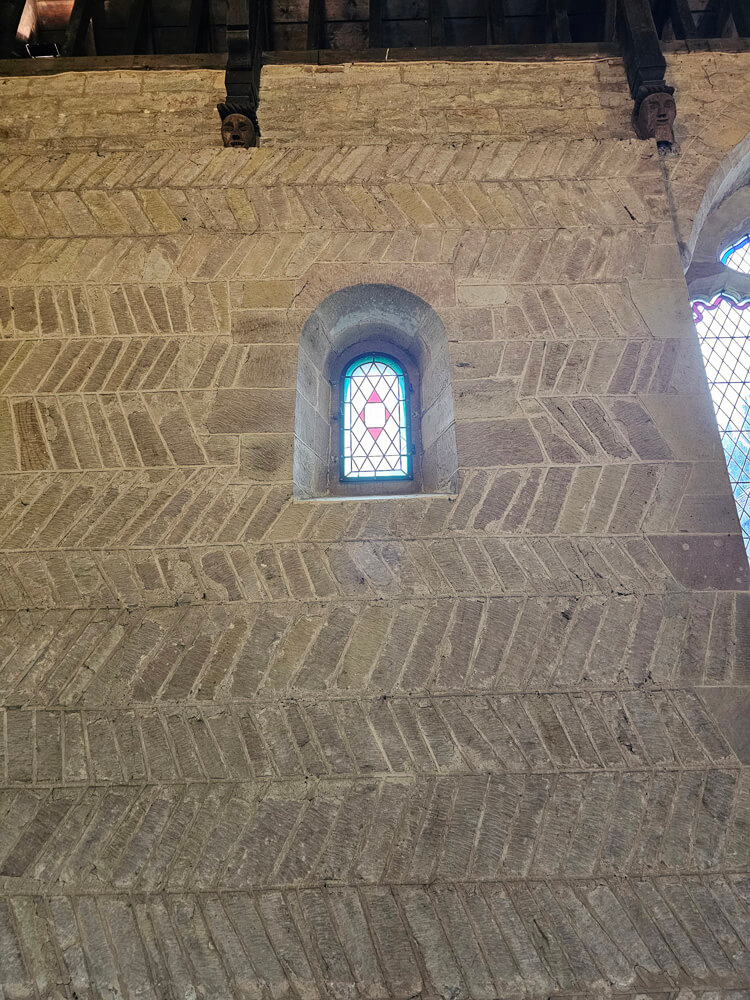
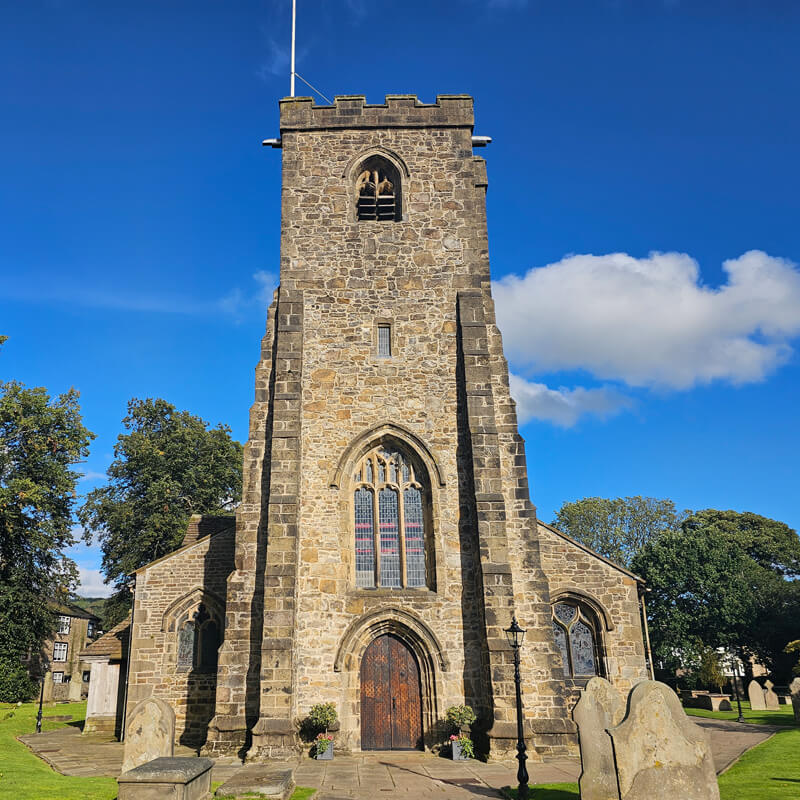
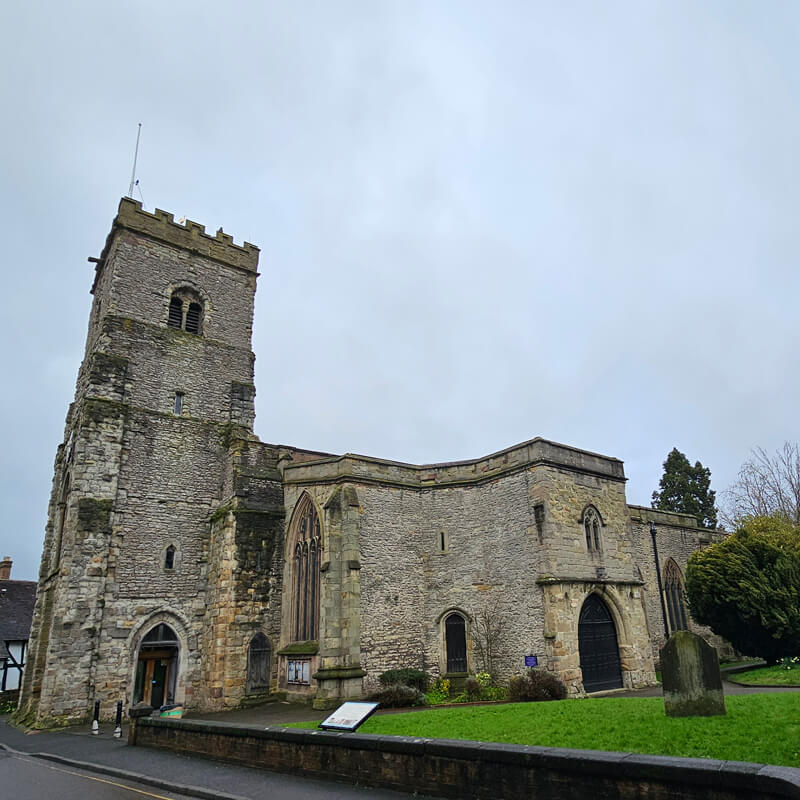
Founded before the Norman Conquest, St Peter’s Church has served the people of Diddlebury for over a thousand years. It is one of the very few churches in Shropshire with substantial Anglo-Saxon remains, and is most notable for its Saxon (or early Norman) herringbone stonework.
Historic
Highlights.
- Pre-Conquest herringbone walling on north nave
- Internal and external Anglo-Saxon stonework
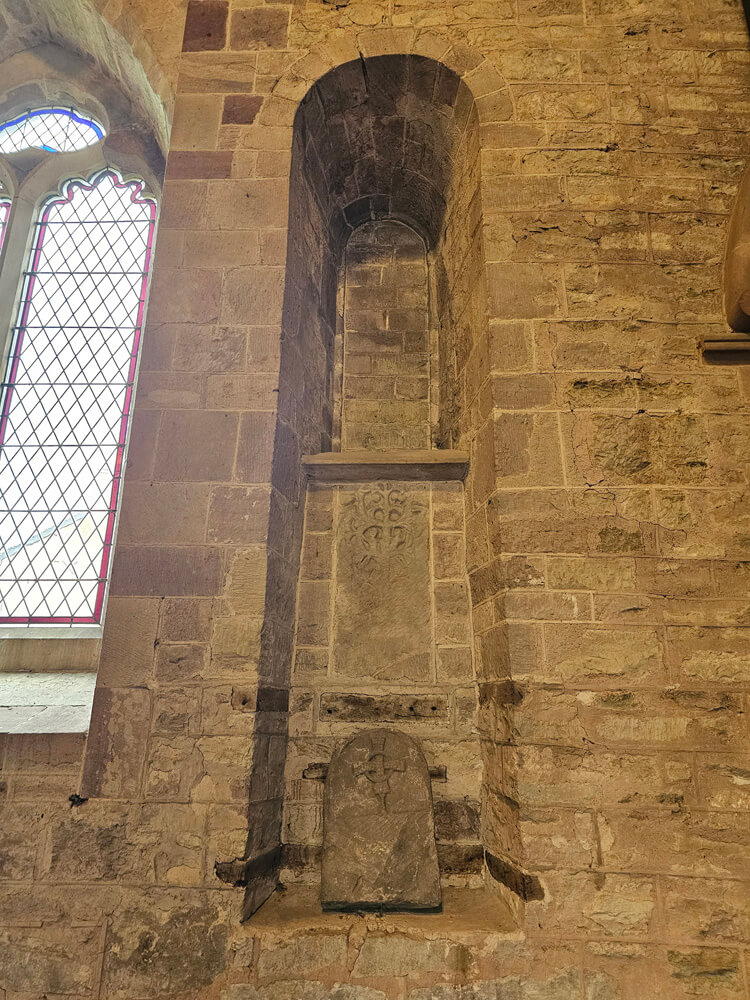
- Anglo-Saxon sculpted fragments
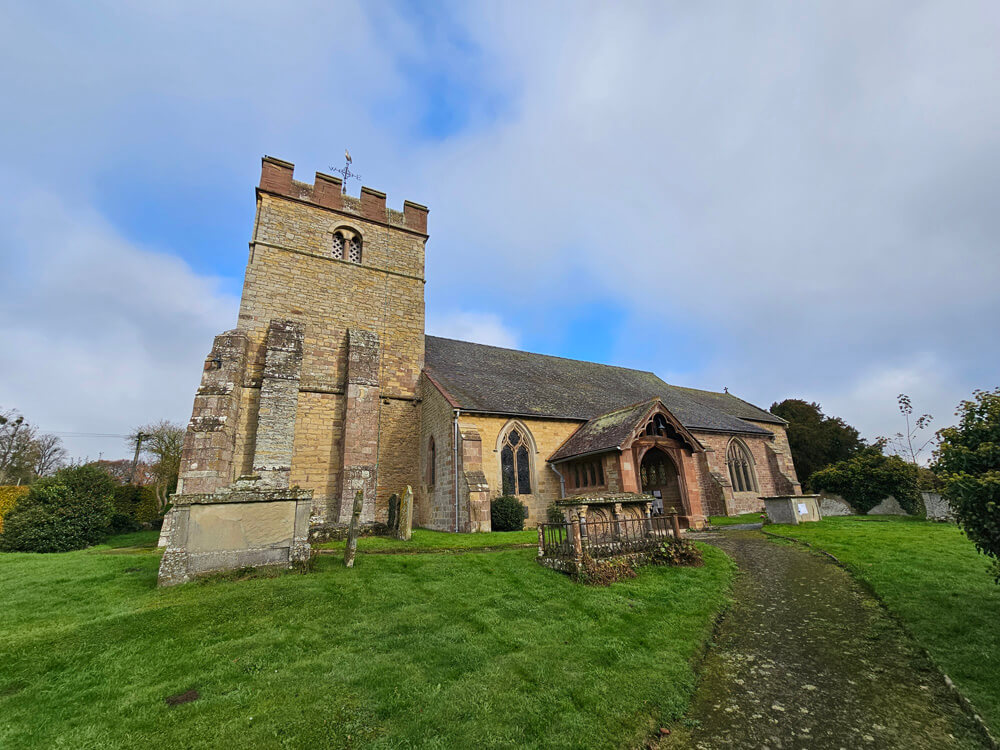
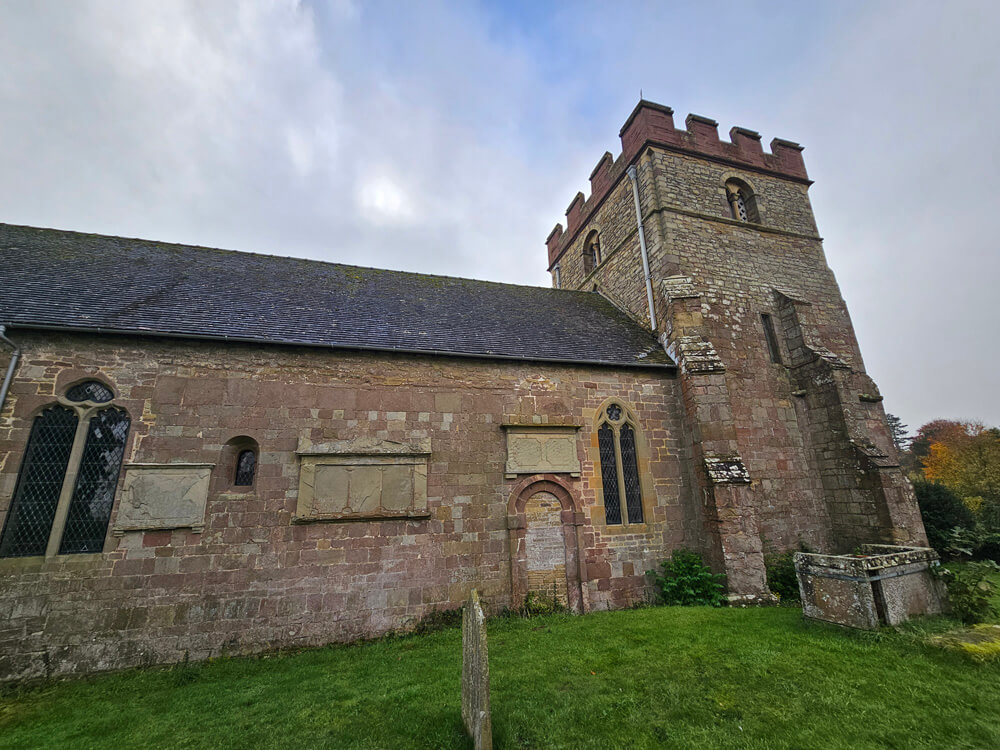
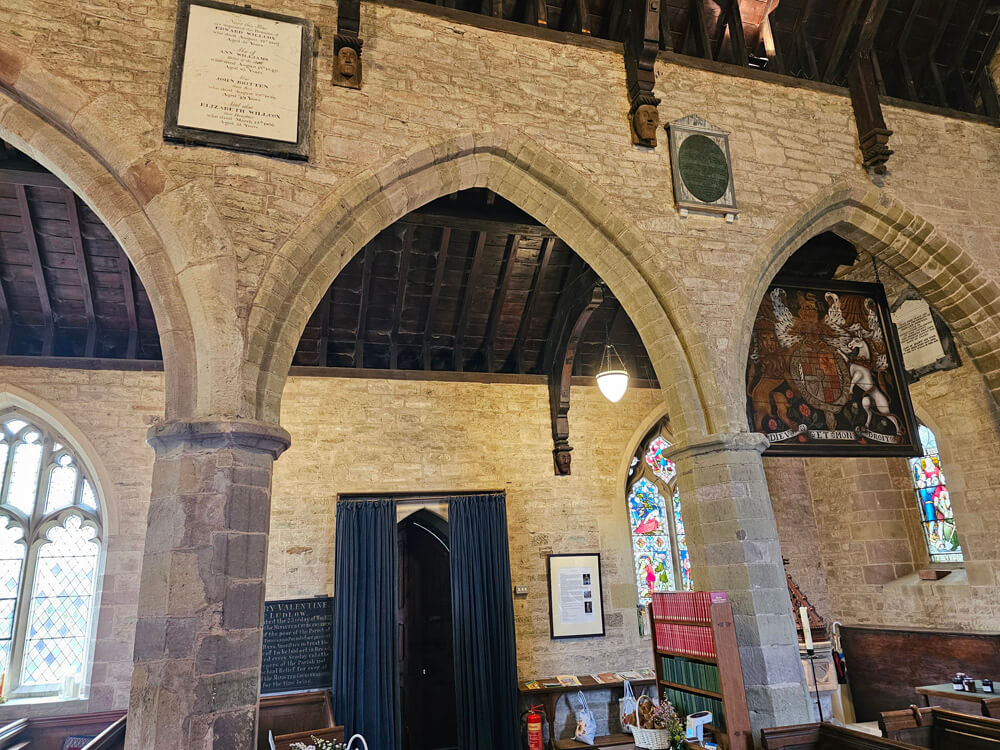
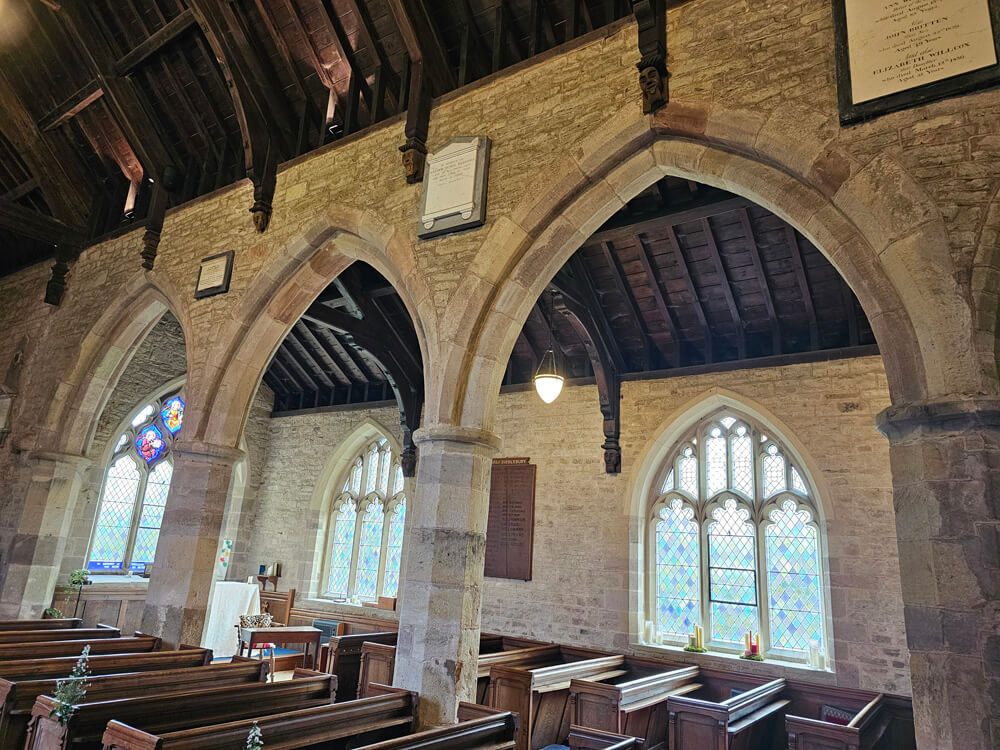
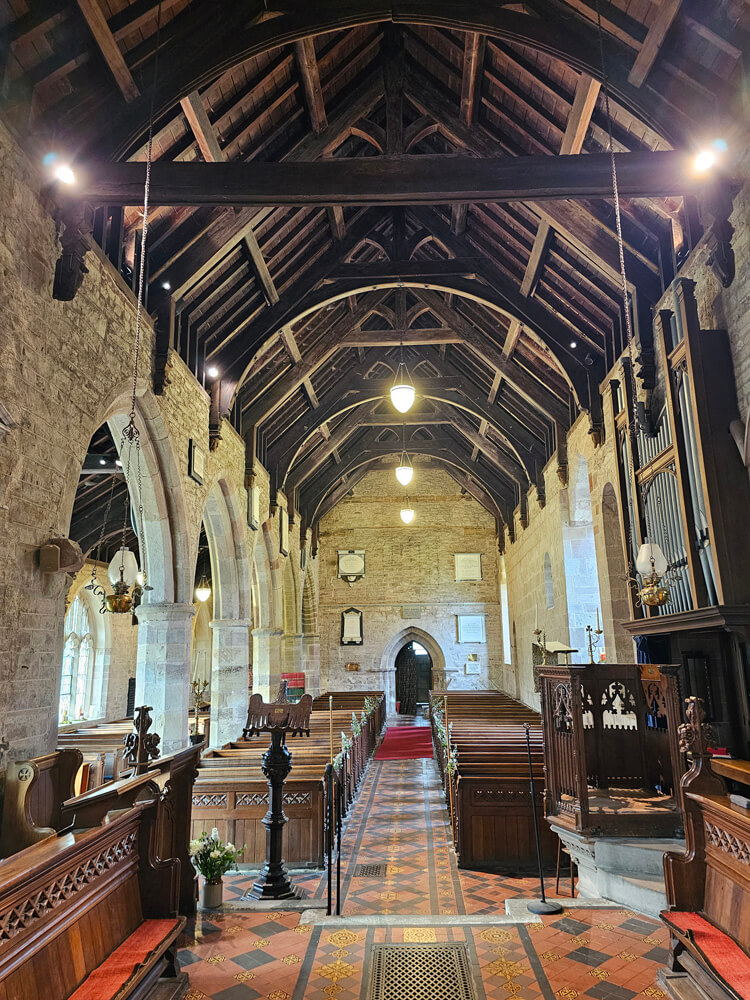
A church has stood here since Anglo-Saxon times, at which time it was a minster served by a college of canons. The original building consisted of just a nave and a west tower which was subsequently rebuilt by the Normans. The church building was substantially extended in the 12th century, and a south aisle added a century later (but was rebuilt in the 19th century). Although the church building was restored a couple of times in the 19th century much of the Saxon and Norman fabric still survives.
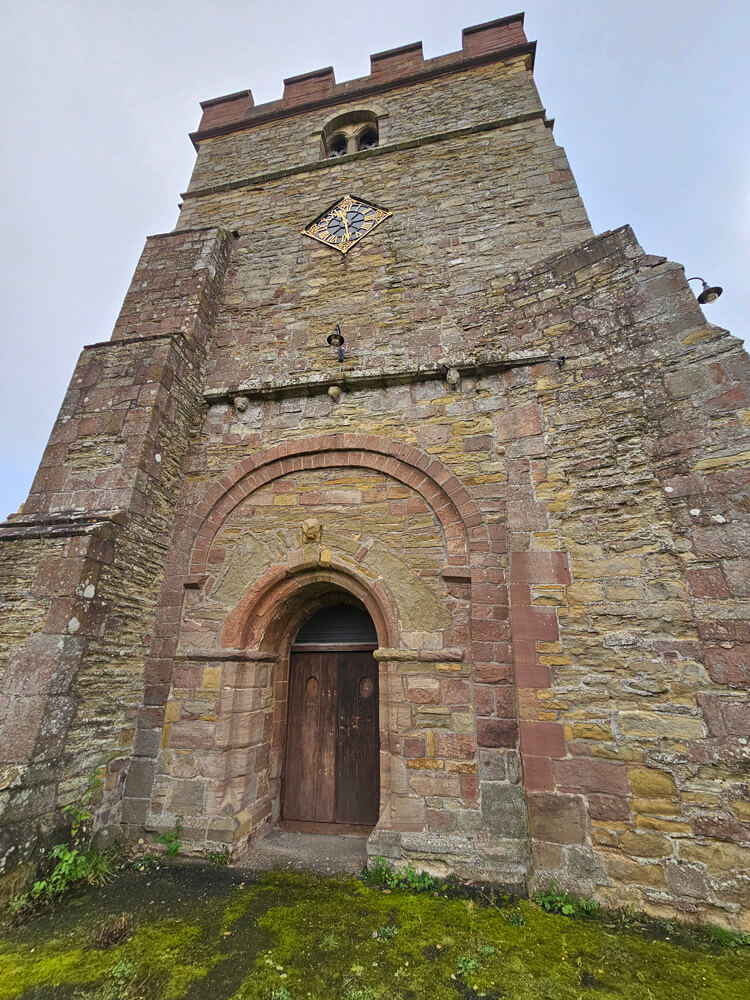
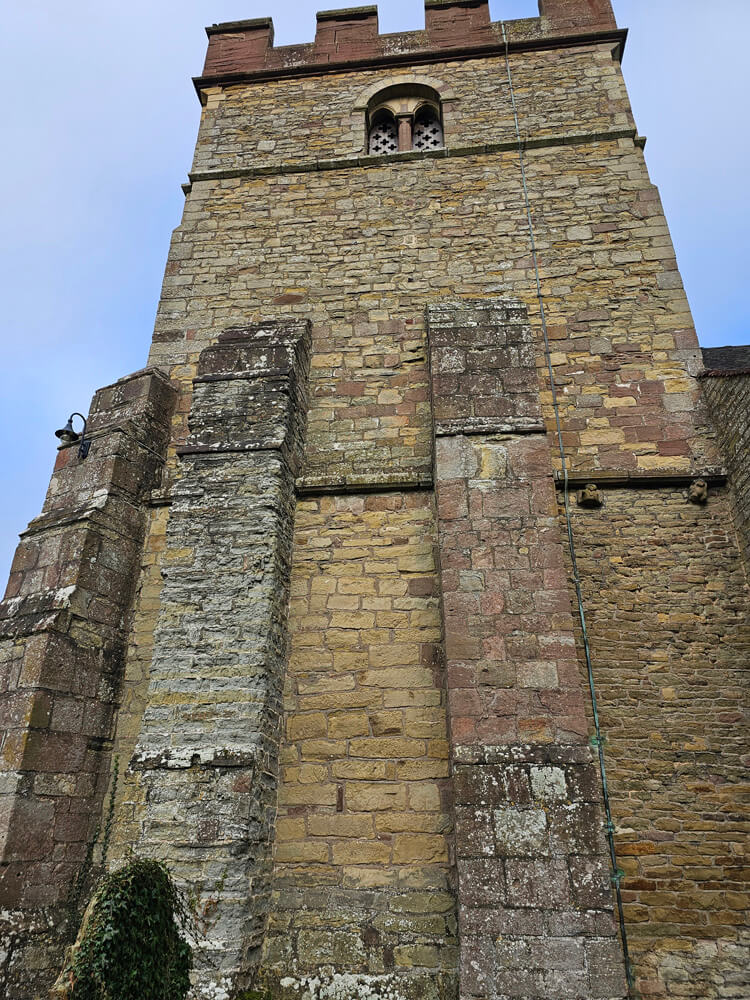
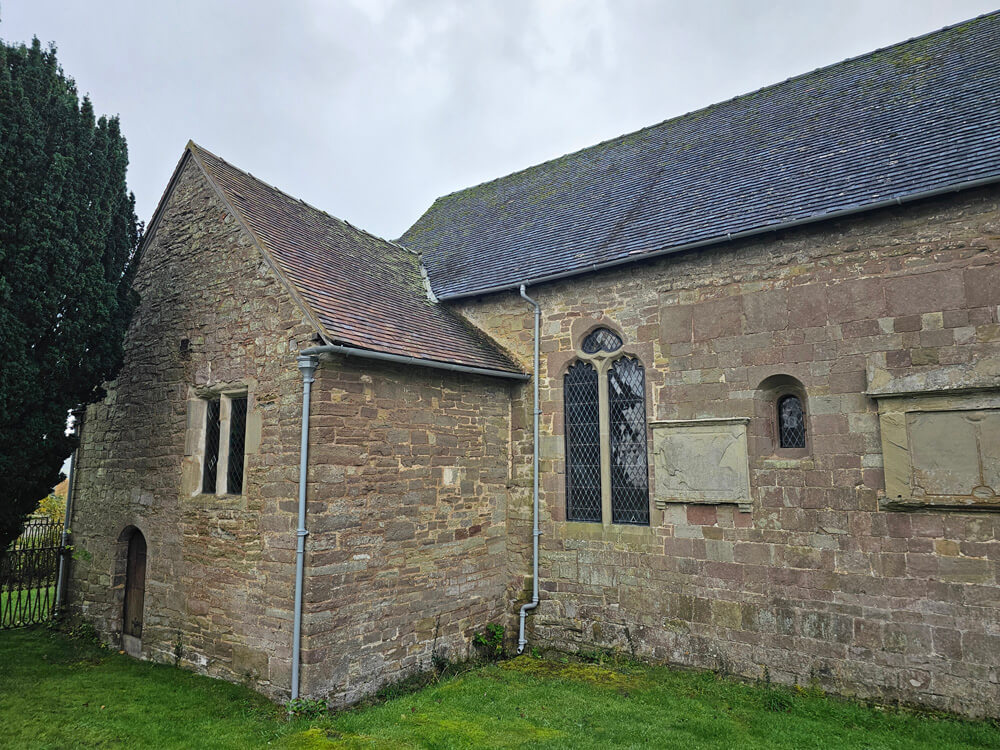
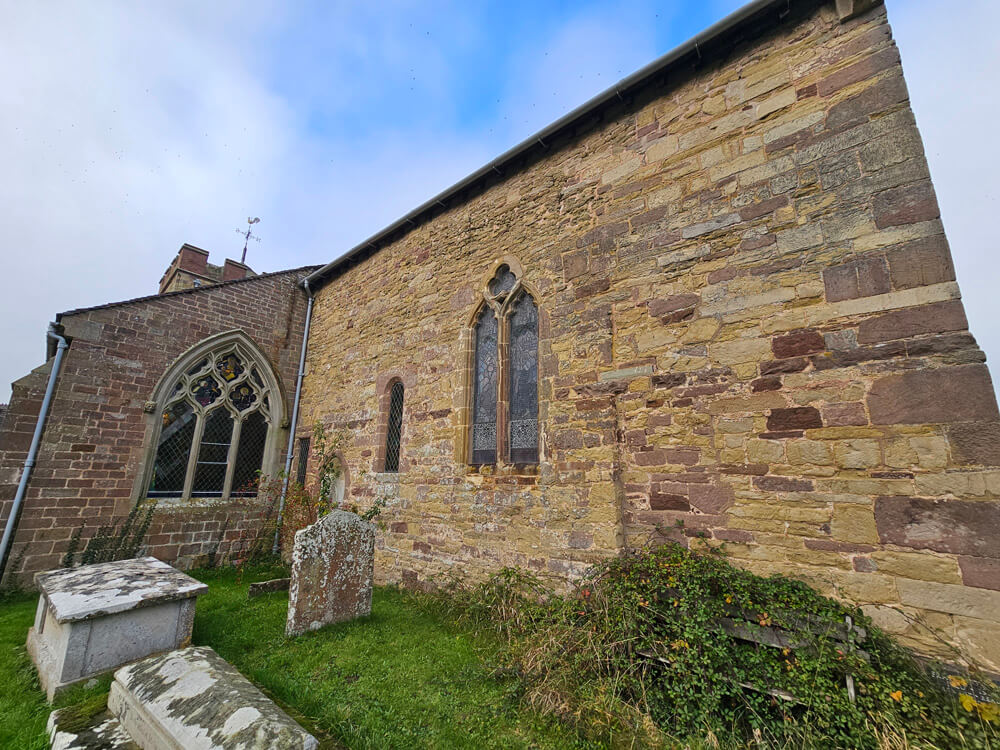
The north external wall of the nave is largely Anglo-Saxon work, built of square ashlar blocks, and features a small double-splayed window and blocked door which survive from the 11th century. The lower part of the tower is mainly 12th century (upper storey was rebuilt at the end of the 19th century) with some pre-Conquest stonework, and the buttresses were added later. The west wall of the tower contains an unusual large blocked outer arch of uncertain origin and purpose. Above the blocked arch are some carved animal heads, and on the south wall of the tower are two sheila-na-gigs. The chancel is largely 12th century, and some of the original windows survive.
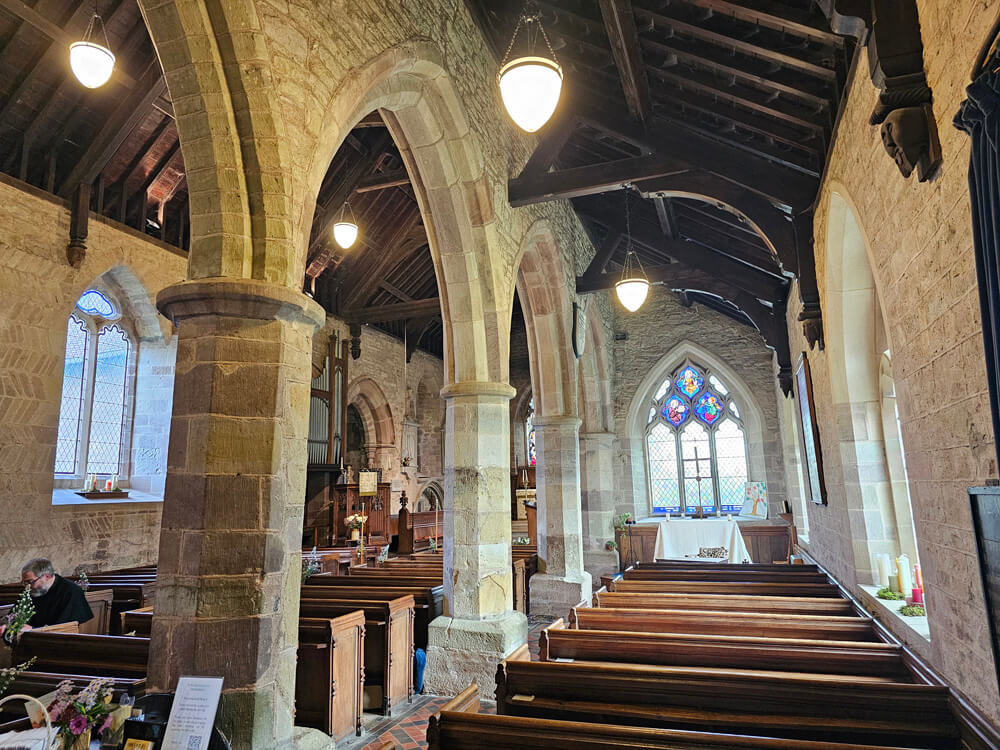
The best feature of the church is inside, where you will find some amazing herringbone walling on the north side of the nave. The dating of this herringbone stonework has led to a lot of debate over the years, whether it is Saxon or Norman, but the consensus is that it is pre-Conquest work. The combination of dressed square ashlar masonry on the outside with herringbone work on the interior is most unusual, and has been the subject of much academic controversy.
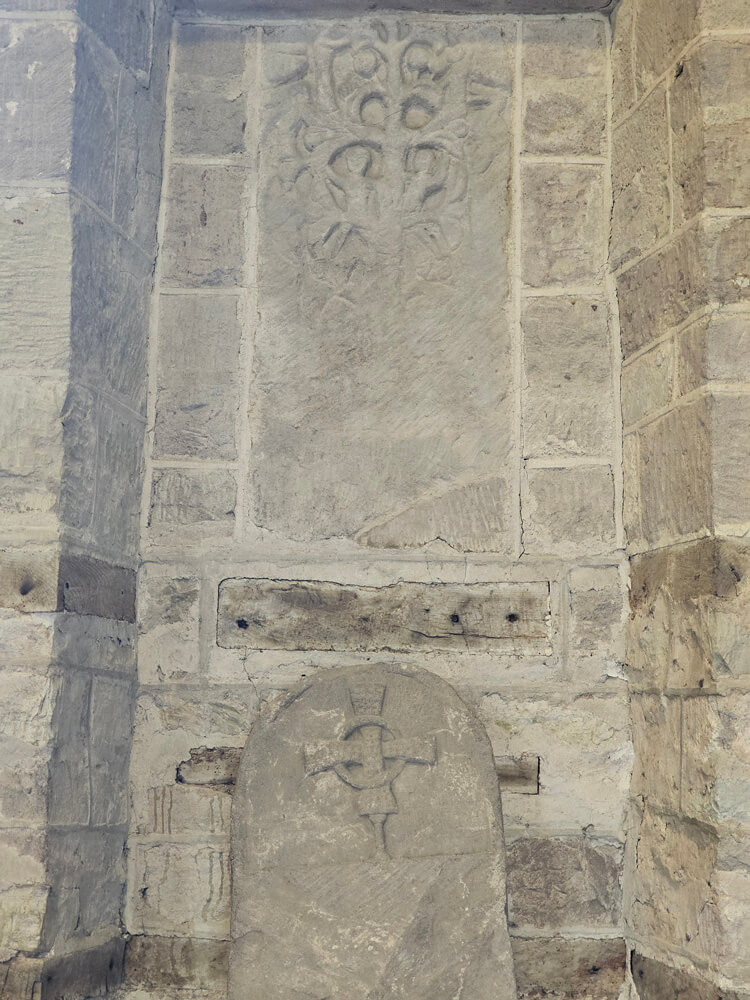
To the east of this section of herringbone wall are three Anglo-Saxon sculpted fragments, one of which is part of a cross-shaft depicting a tree and figures, dating to the 10th century, predating the present church building.
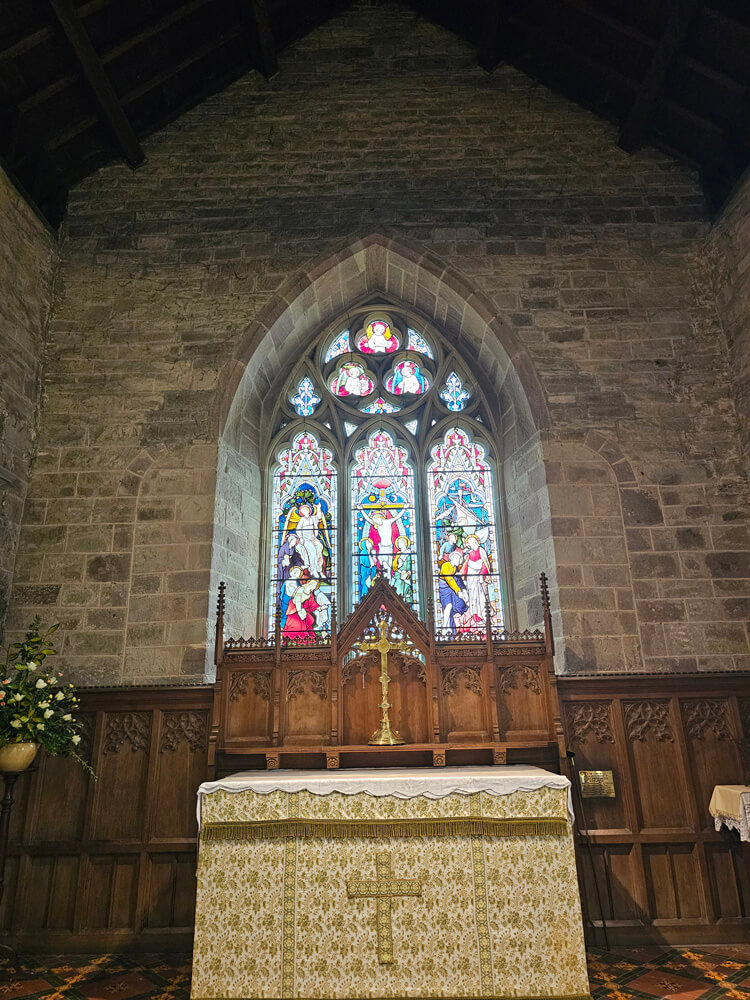
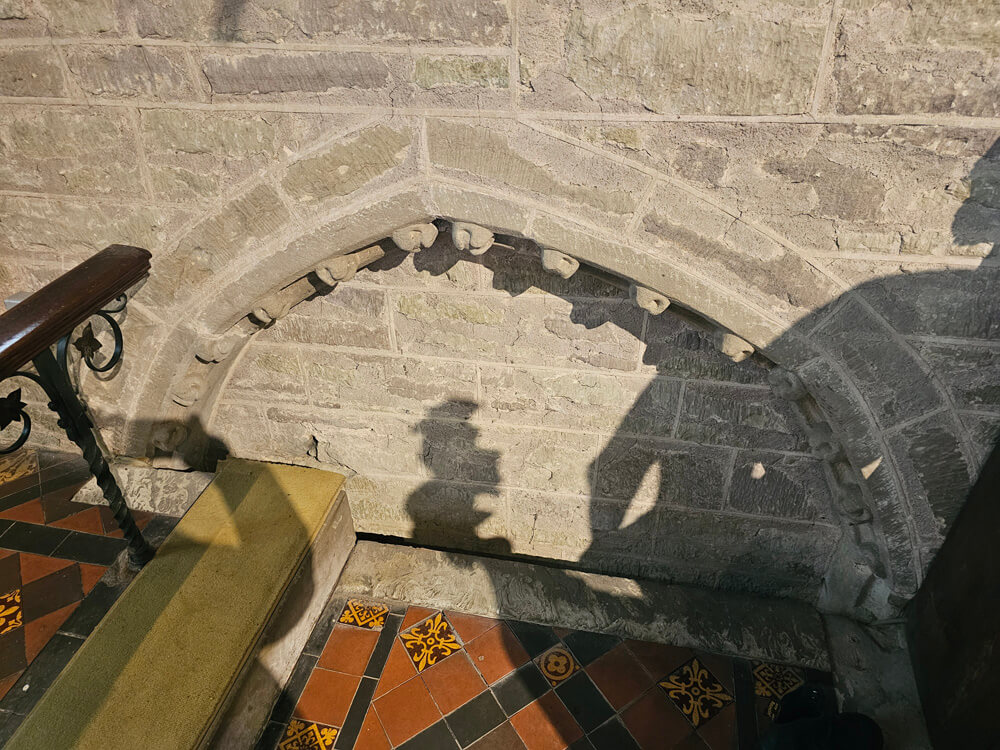
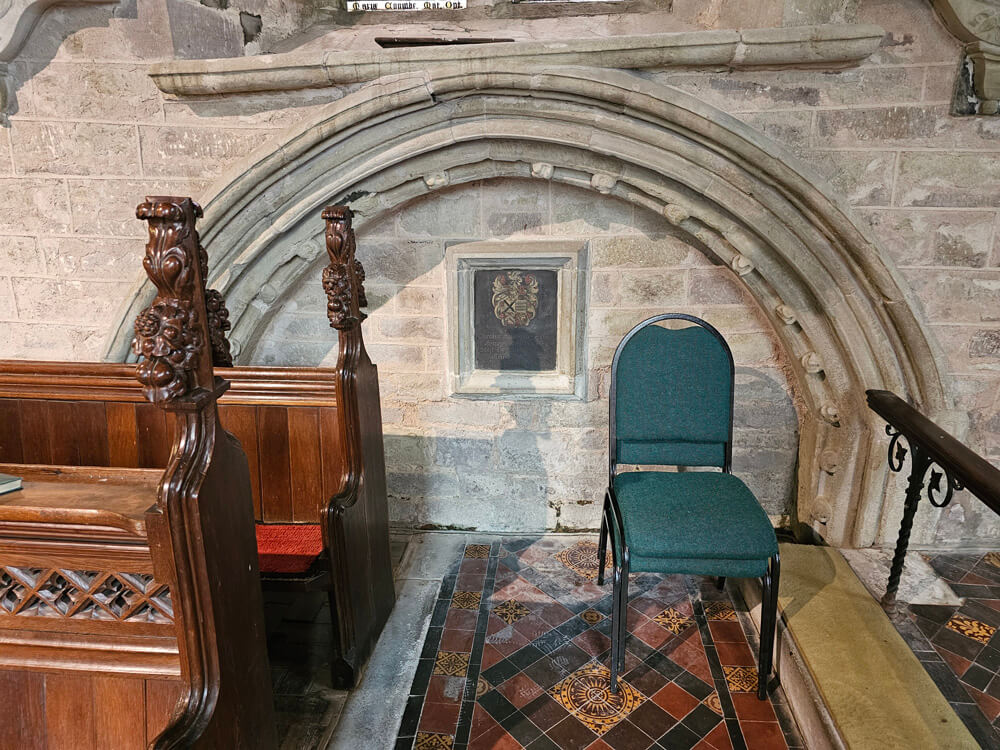
The glass in the head of the north window depicts a 14th-century Crucifixion, which is the oldest glass in the church. The chancel contains two medieval tomb recesses decorated with characteristic 14th-century ball flower ornament.
Photo Gallery.
Did you enjoy this post?
I hope you found this post useful. I put a great deal of time and effort in to building, maintaining and populating the website. If you like, you could say a small thank you by buying me a coffee. You don't have to, but it would be nice :)
Buy me a coffee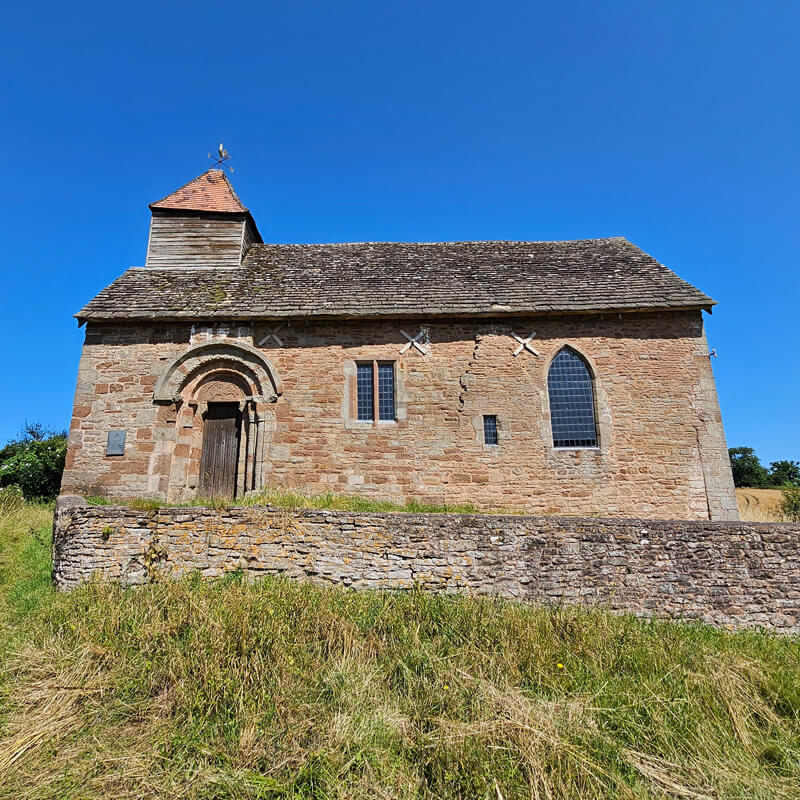
Stay up to Date
Follow me on my journey and get notified whenever a new post is published by following Kings & Castles on Facebook.
Follow MeExplore The Map
Discover the hundreds of castles, churches, monasteries, cathedrals and other historic locations that I've personally visited across England and Wales. Search by location, explore nearby sites and plan your next historical adventure.
Share: