Caerwent Roman Town (Venta Silurum)
Cadw describes Caerwent Roman Town as an archaeologist’s paradise. Its impressive remains include walls still standing up to 17ft high, excavated houses, forum-basilica and a Romano-British temple.
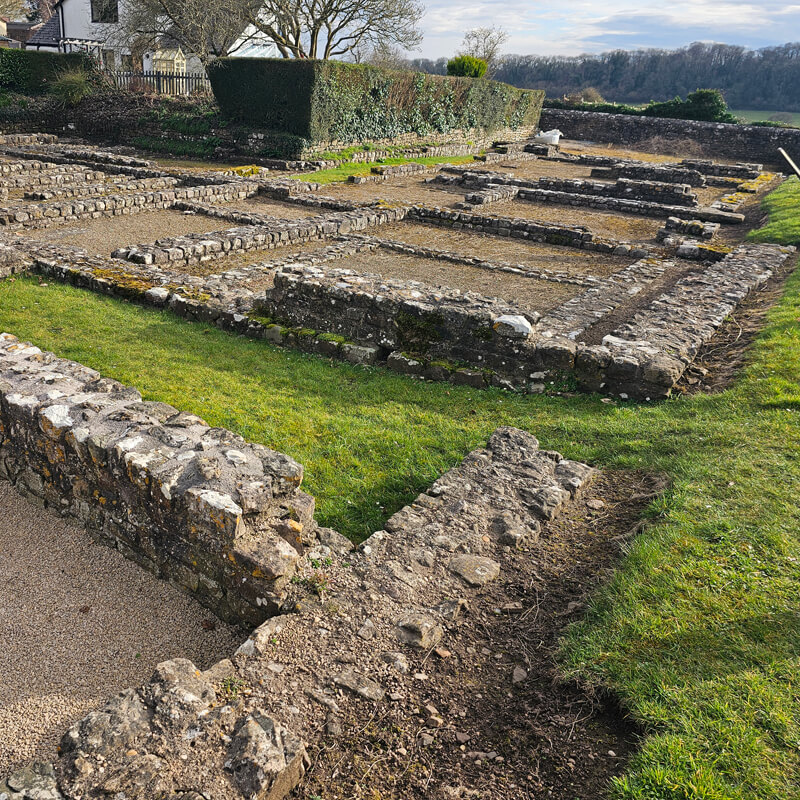
Caerwent Roman Town, also spelled as Caer-went, is located about 5 miles south-west of Chepstow in Monmouthshire, Wales. It was founded by the Romans in about 75–80 AD as the market town of Venta Silurum and served as a settlement of the Silures. The Silures were the native British tribe that inhabited the region prior to the Roman invasion, but they became Romanised.
The original wooden structures were rebuilt in stone in the 4th century. It was possibly the first true town in Wales, and at its peak the town likely had a population of up to 3,000 people and had several hundred buildings, covering an area of a quarter of a square mile and enclosed by thick stone walls.
Venta Silurum was a busy residential town rather than a defensive position, and seems to have been entirely self-governing without a standing military. It had all the facilities you might expect in a civilised Roman town; a forum and basilica complex, public baths, a temple, town houses and shops, spread out in a typical well-ordered Roman grid. It remained prominent throughout the Roman era and Early Middle Ages as the site of a road crossing between several important civic centres.
Following the departure of the Romans, the town was inhabited by the local Welsh population and became an administrative centre for the newly formed kingdom of Gwent, which the town of Caerwent gave its name to.
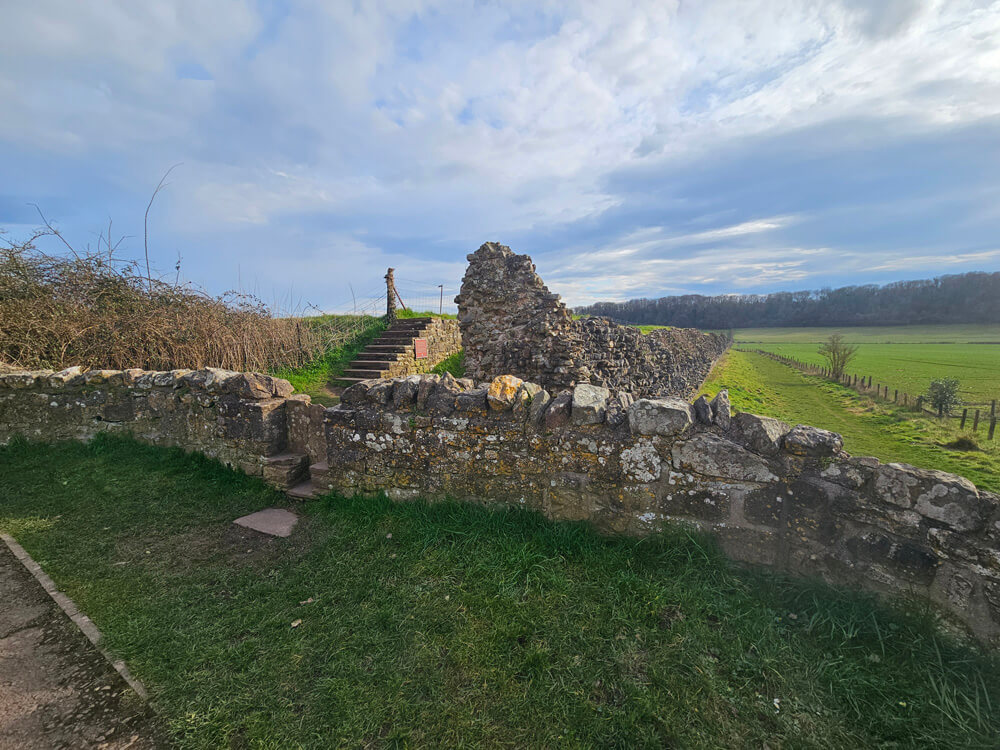
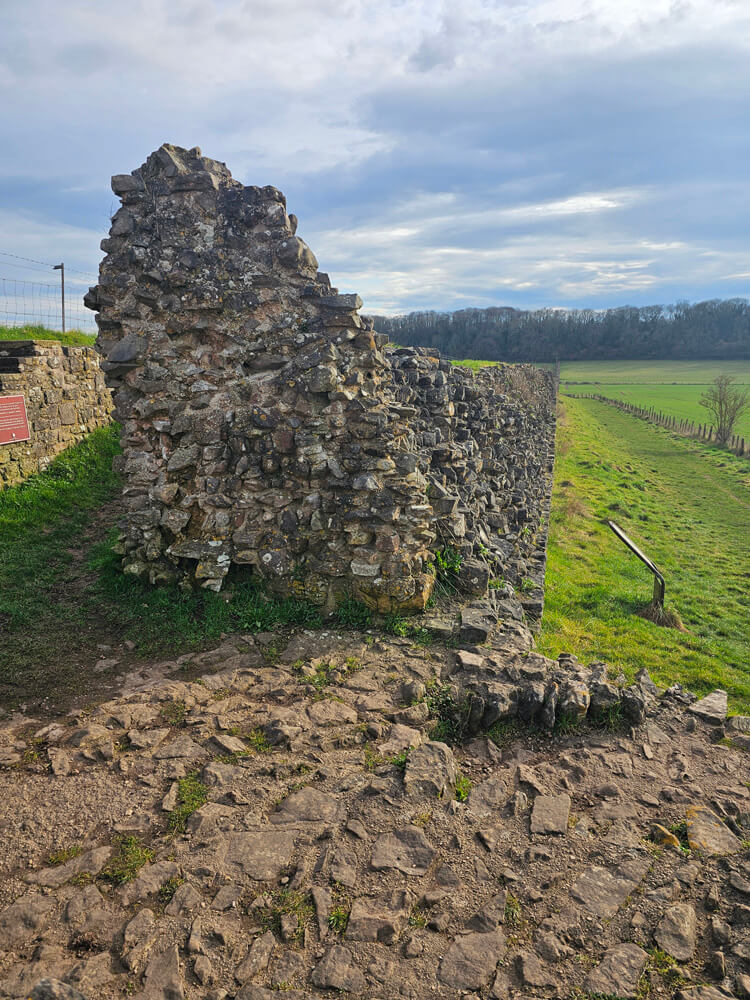
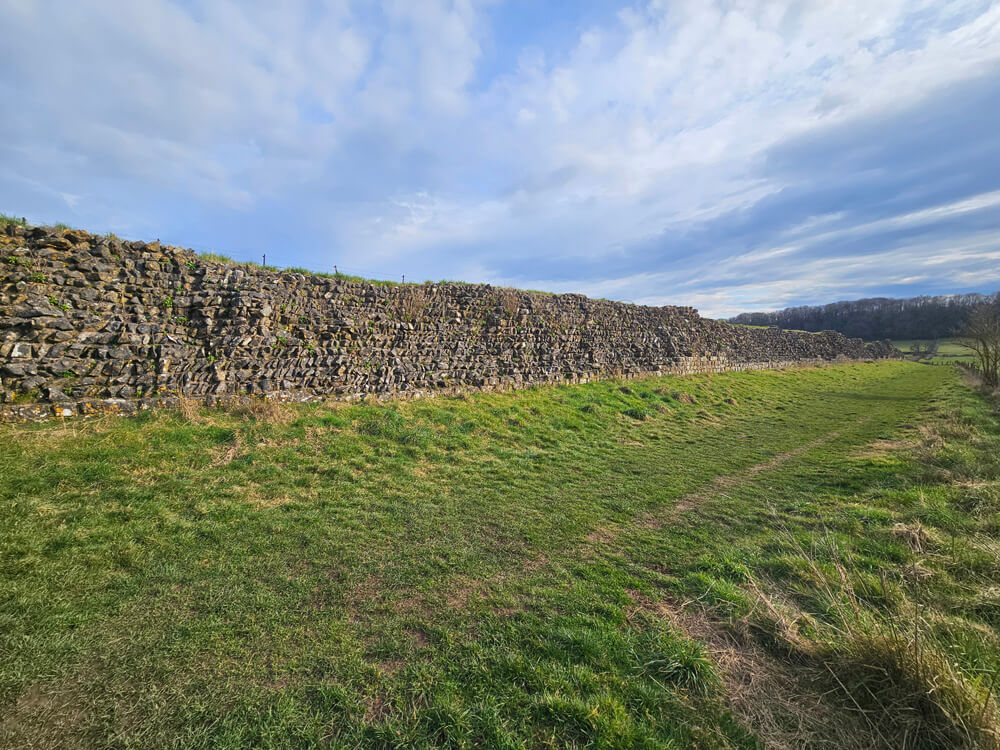
The modern village is built around the Roman ruins, and is still predominantly found within the impressive 4th-century Roman walls which are some of the best-preserved in Britain. There’s over a mile of the original walls still remaining, which is augmented by six polygonal towers. Parts of the walls stand up to 17 feet tall, although they were once higher.
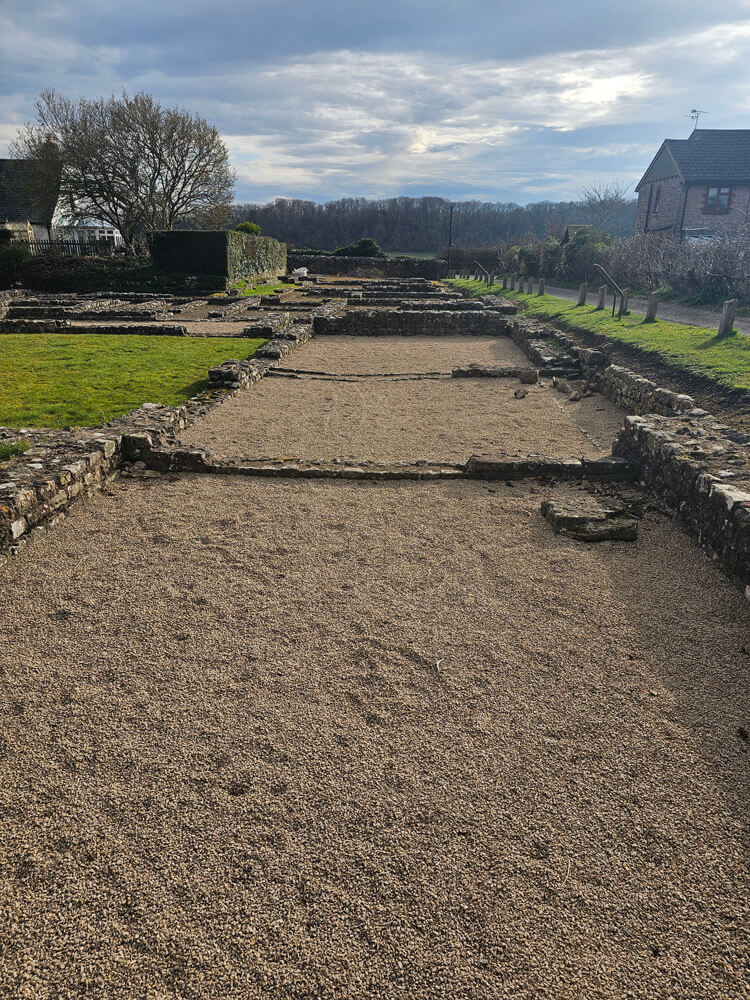
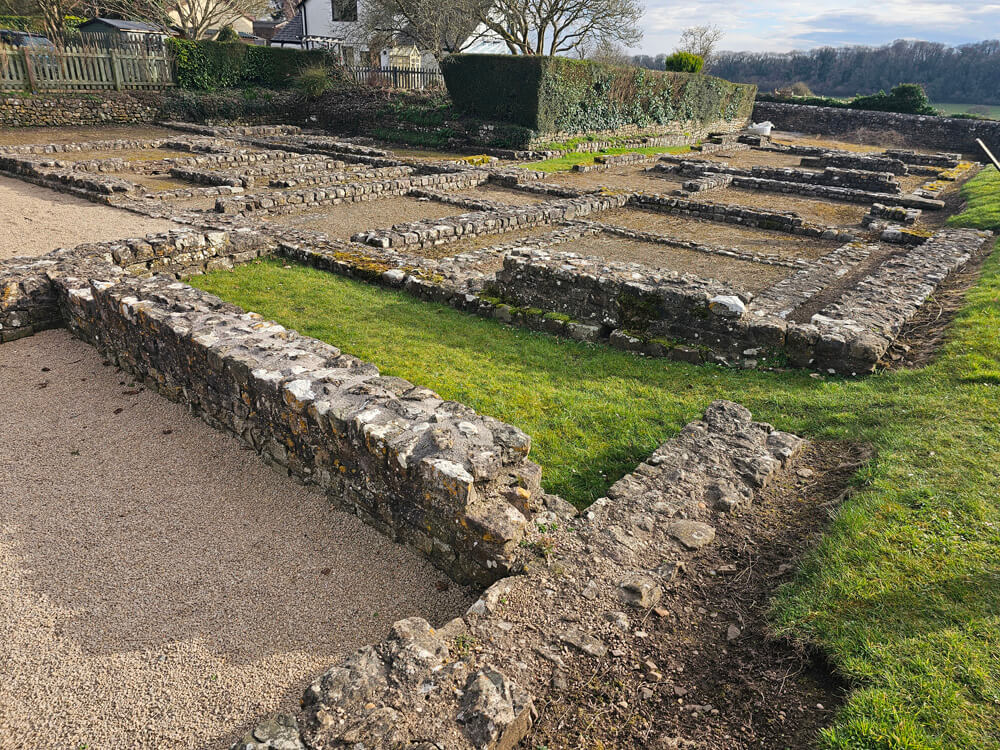
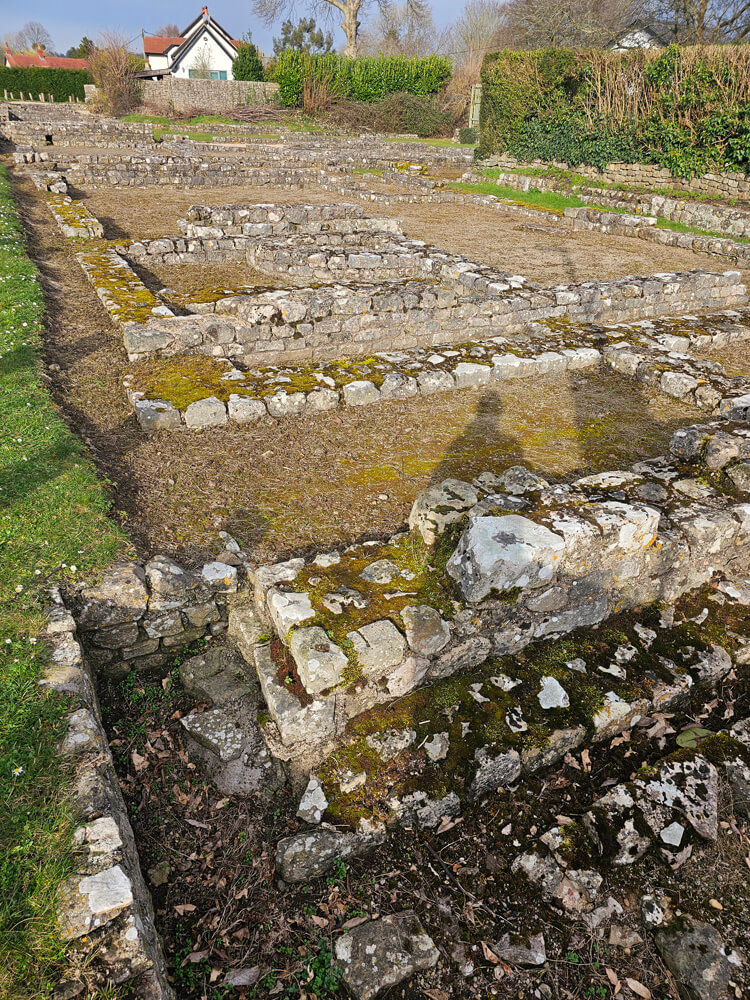
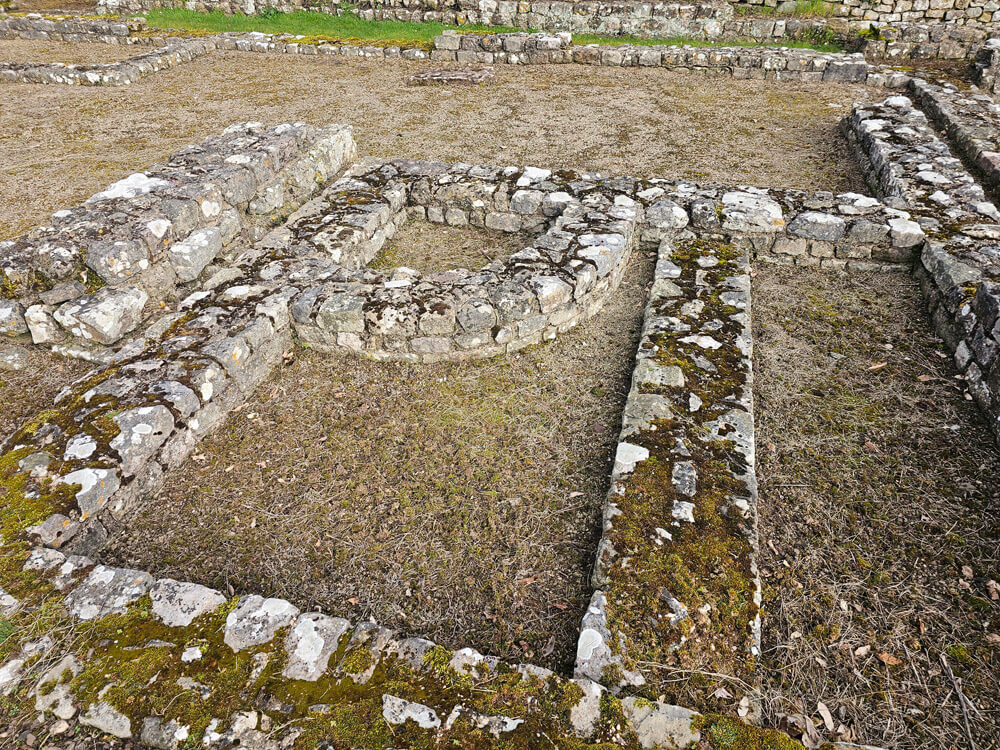
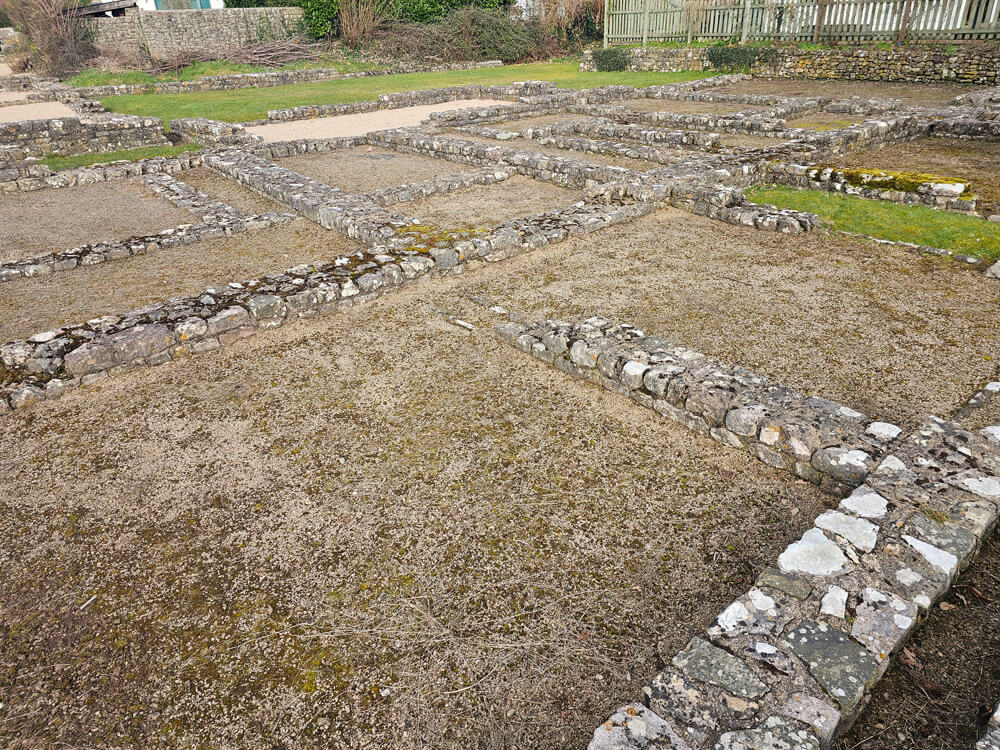
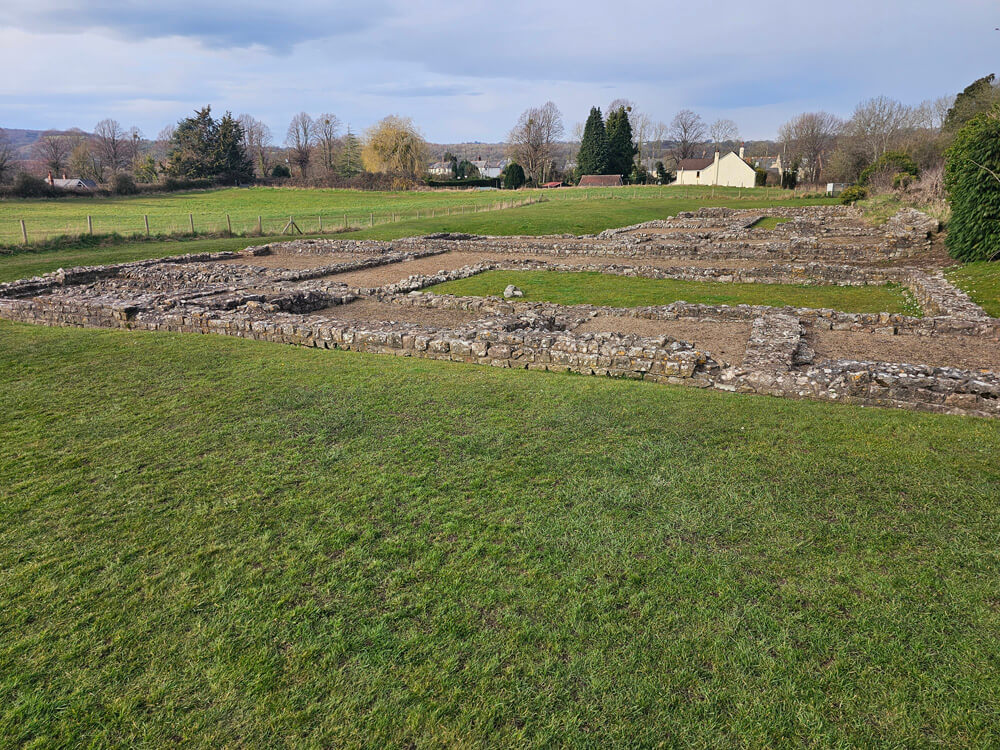
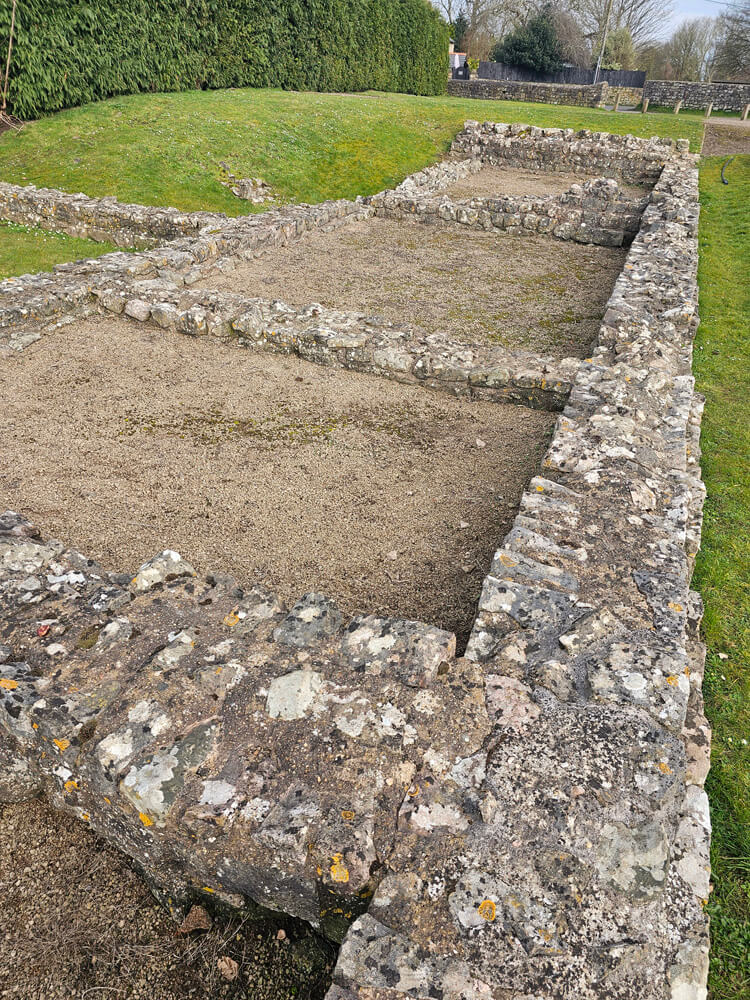
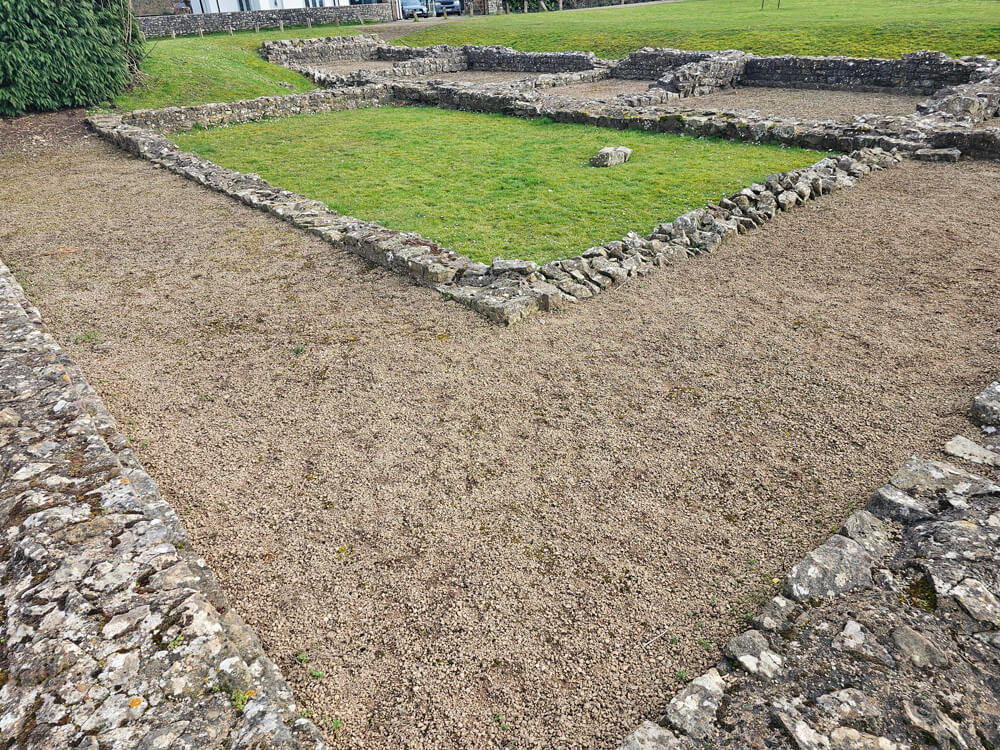
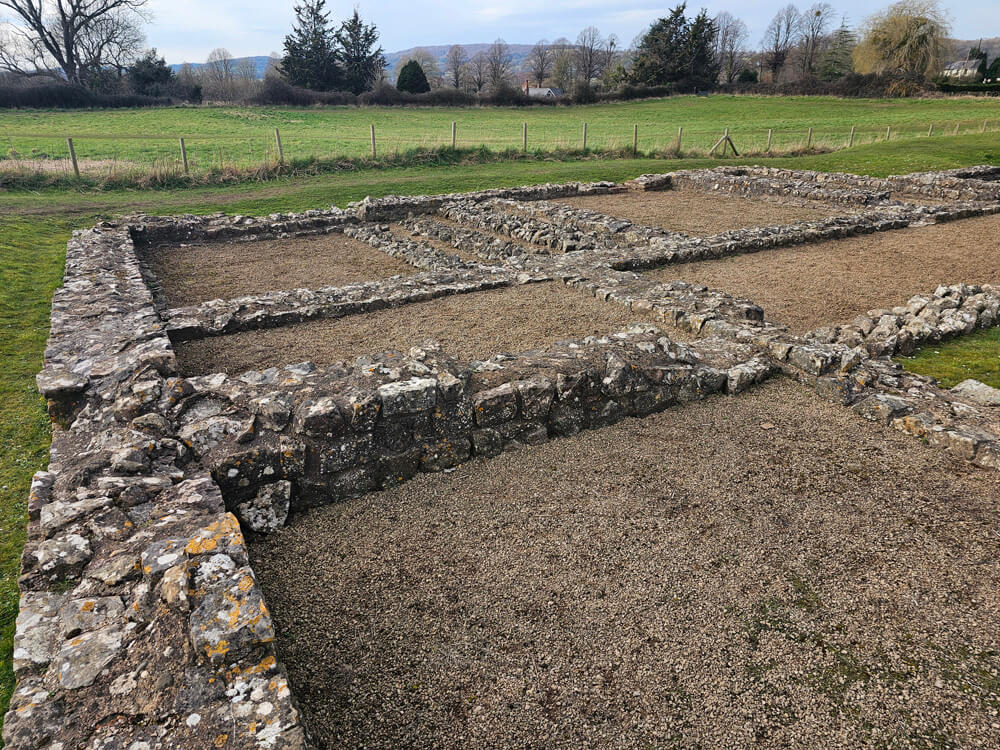
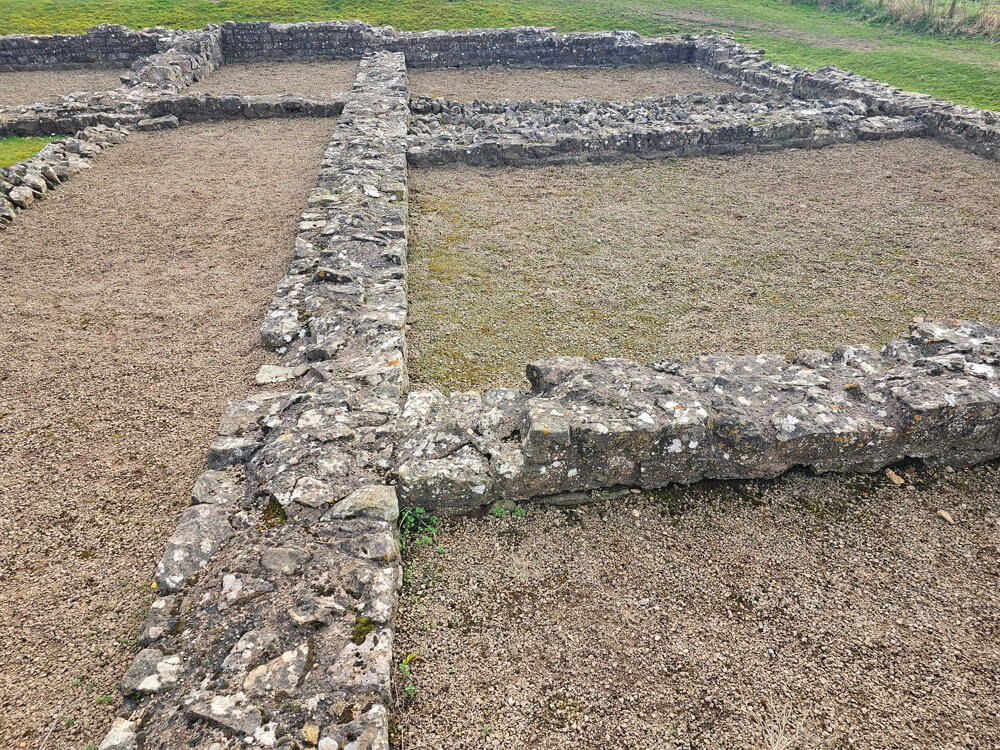
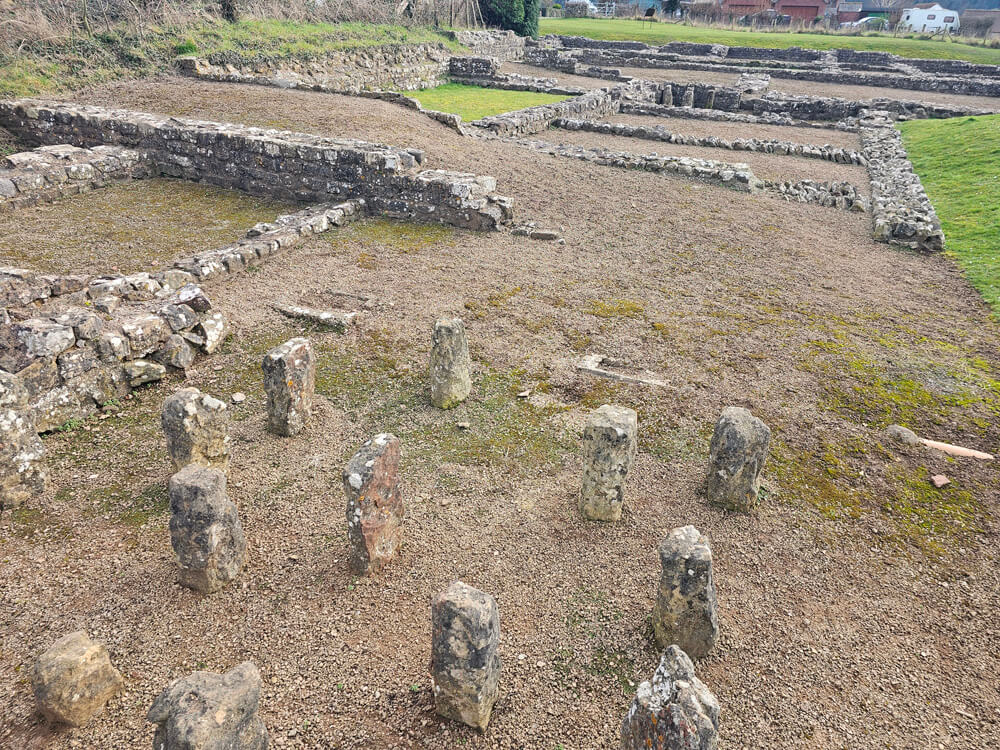
The earliest structures include the remains of the basilica, forum and houses. These building foundations are much less spectacular that the walls, but they are quite extensive and varied. There are also remains of a hypocaust, an underfloor heating system.
A motte-and-bailey castle, protected by a ditch, was built in the south-east corner of the walls in the 11th century and the mound can still be seen.
Photo Gallery.
Did you enjoy this post?
I hope you found this post useful. I put a great deal of time and effort in to building, maintaining and populating the website. If you like, you could say a small thank you by buying me a coffee. You don't have to, but it would be nice :)
Buy me a coffee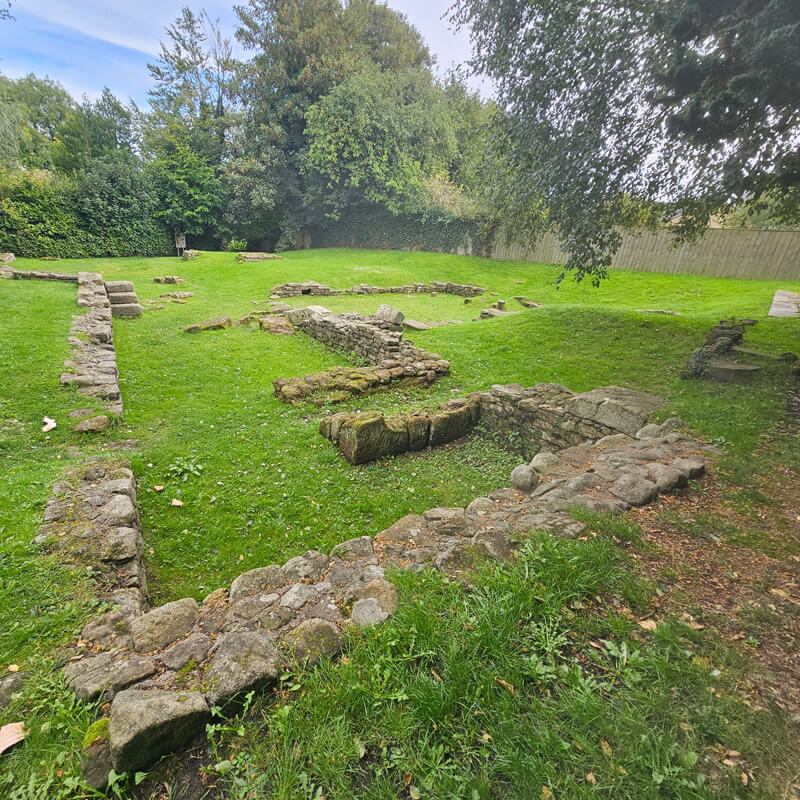
Stay up to Date
Follow me on my journey and get notified whenever a new post is published by following Kings & Castles on Facebook.
Follow MeExplore The Map
Discover the hundreds of castles, churches, monasteries, cathedrals and other historic locations that I've personally visited across England and Wales. Search by location, explore nearby sites and plan your next historical adventure.
Share: