Turton Tower
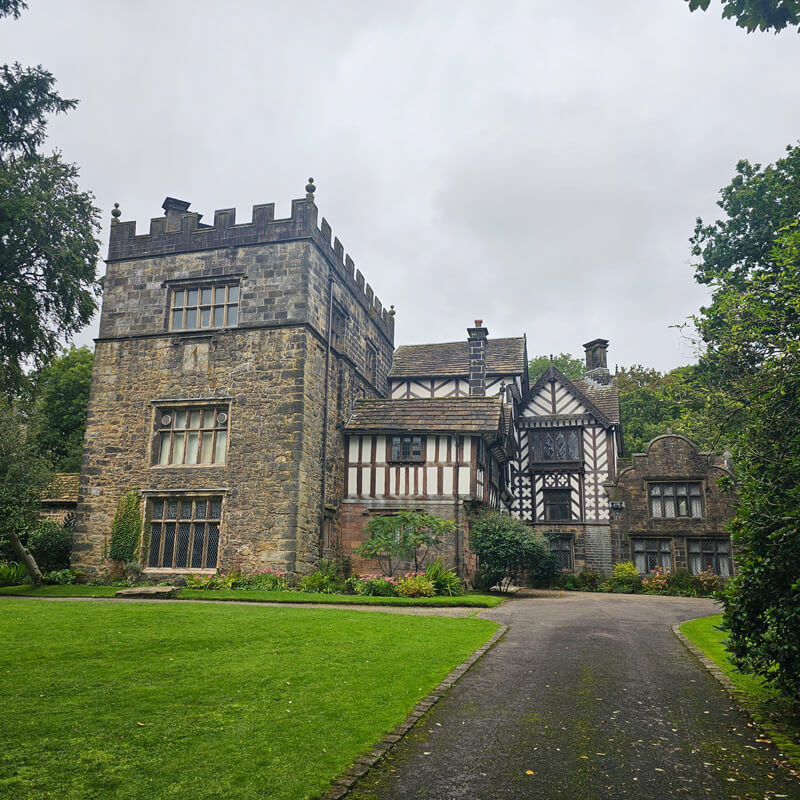
Standing on the edge of the West Pennine Moors near Bolton, Turton Tower is one of north-west England’s finest surviving manor houses. Its striking combination of medieval stonework and Tudor timber framing reflects more than 600 years of history, with generations of wealthy families transforming a fortified manor into an elegant country residence while preserving many remarkable historic interiors.
A Manor with Medieval Origins
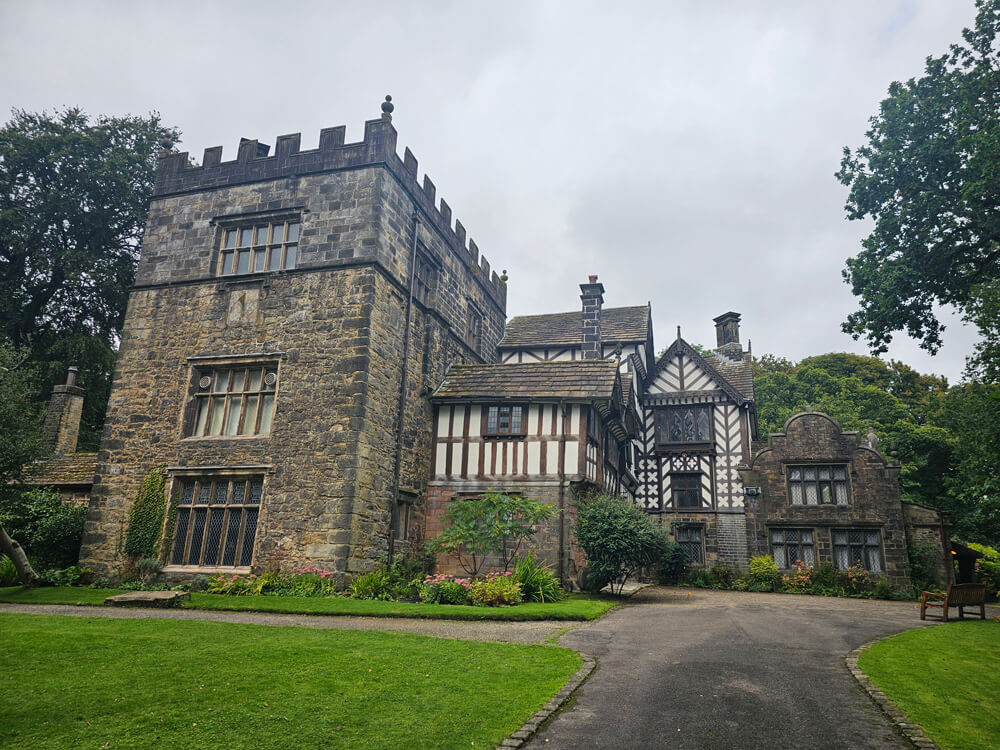
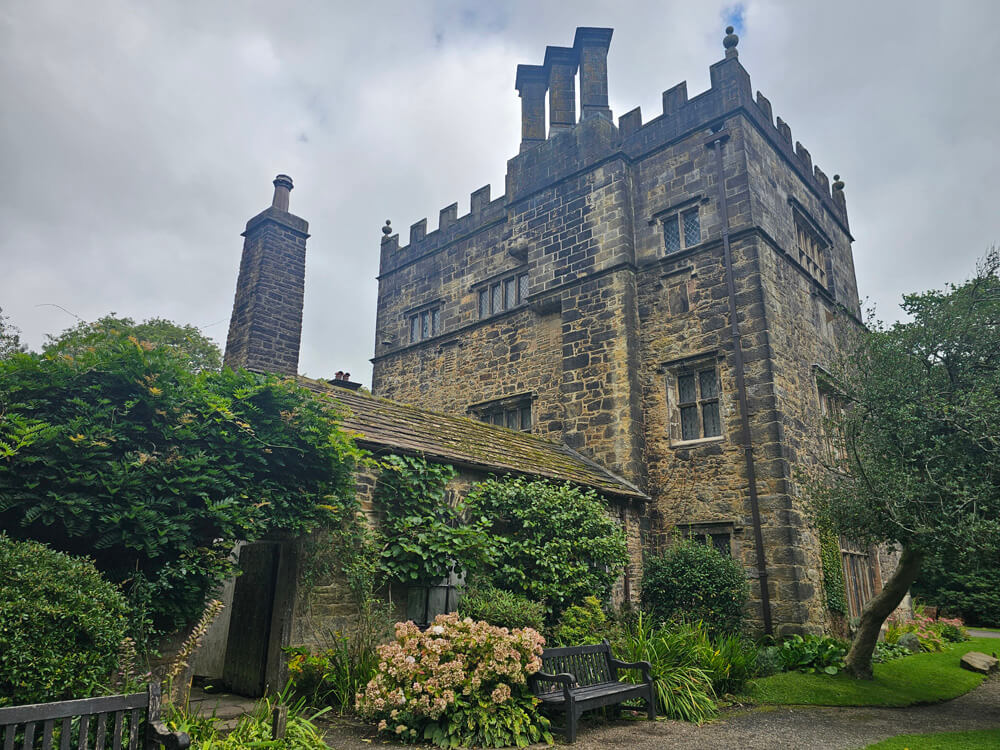
The earliest part of Turton Tower dates to the late Middle Ages, the 1420s, when the Orrell family, Lords of the Manor of Turton, built a two-storey stone pele tower. These compact fortified houses were common in northern England during a period of border unrest with the Scots and local conflict, providing both a comfortable home and a place of refuge.
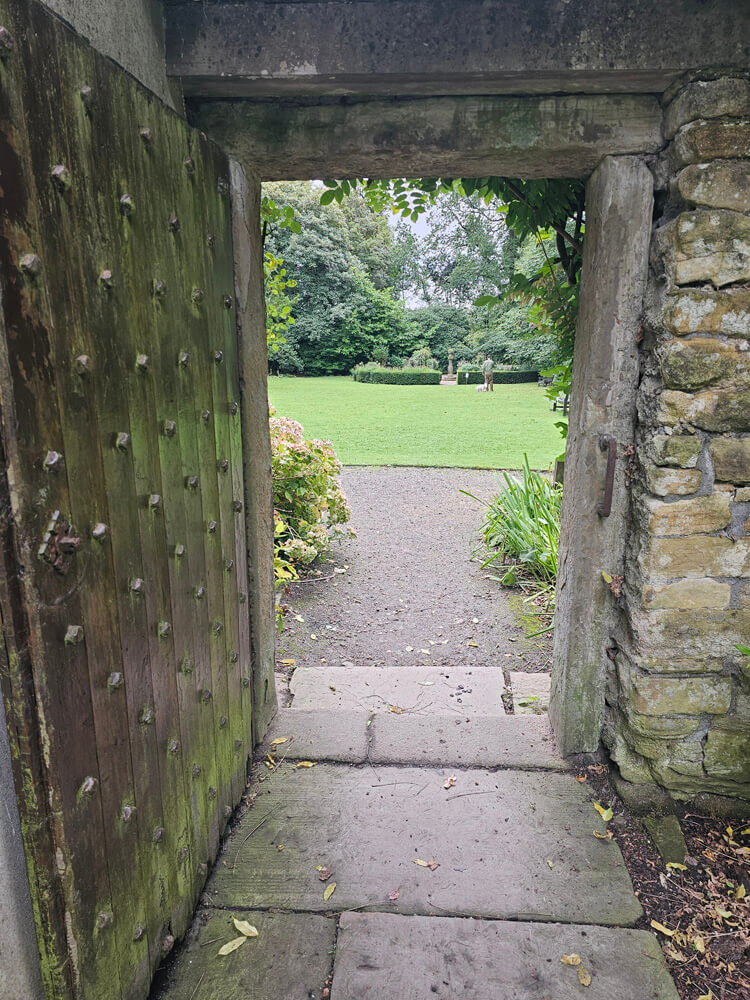
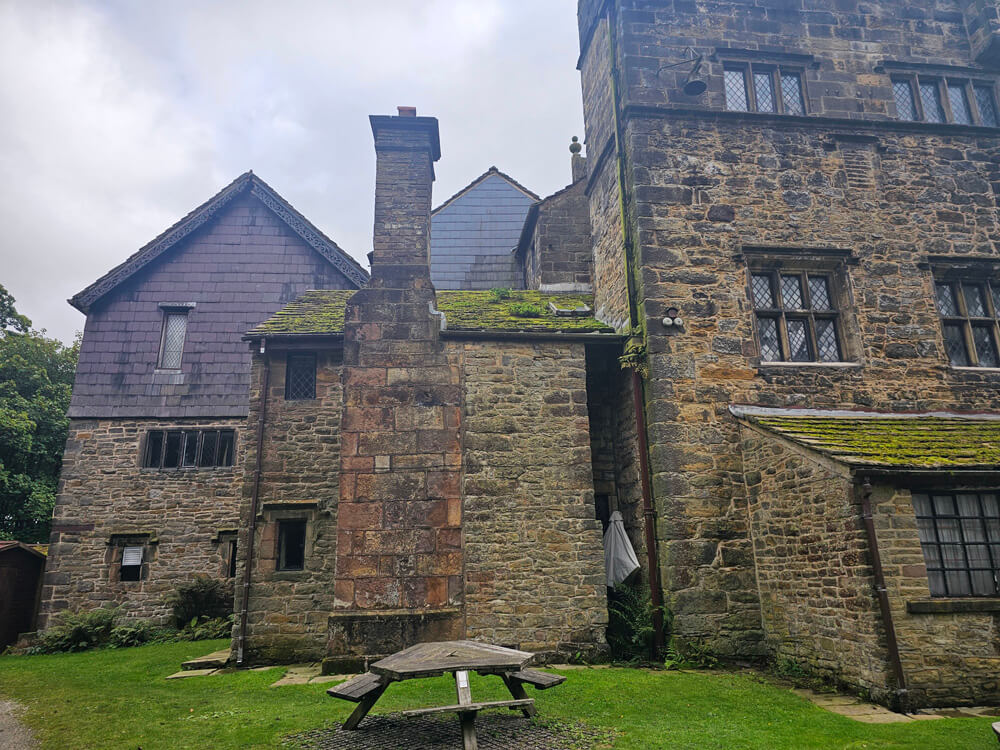
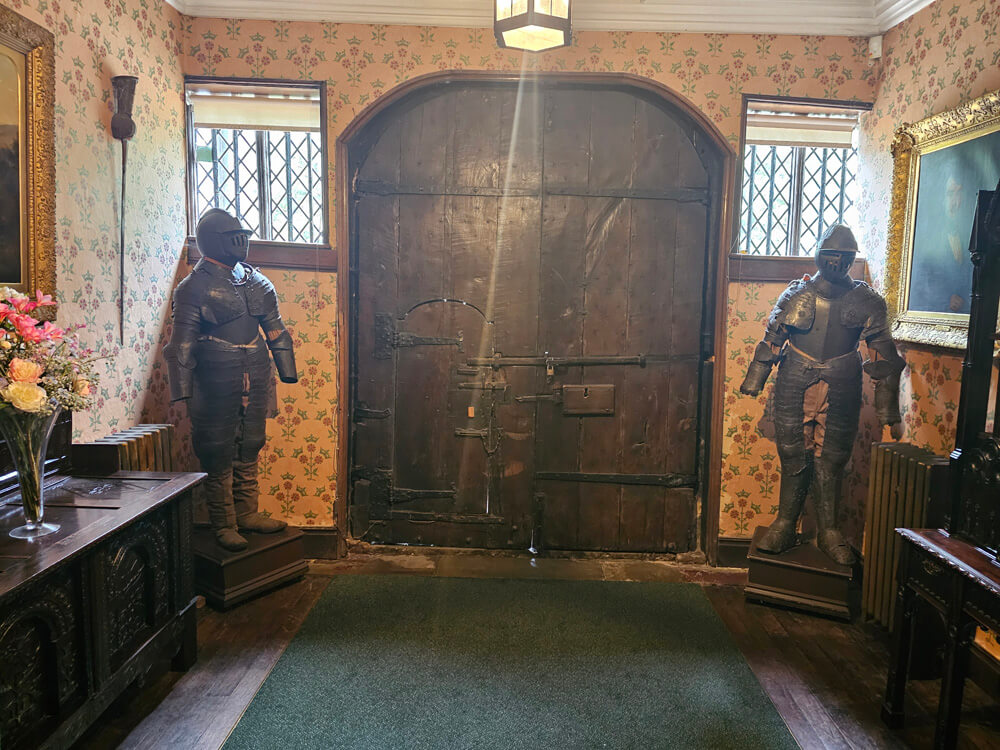
The original tower was built from local sandstone, with thick defensive walls, narrow windows and a sturdy entrance designed for security rather than display. Although modest compared with a castle, it demonstrated the Orrell family’s status and wealth.
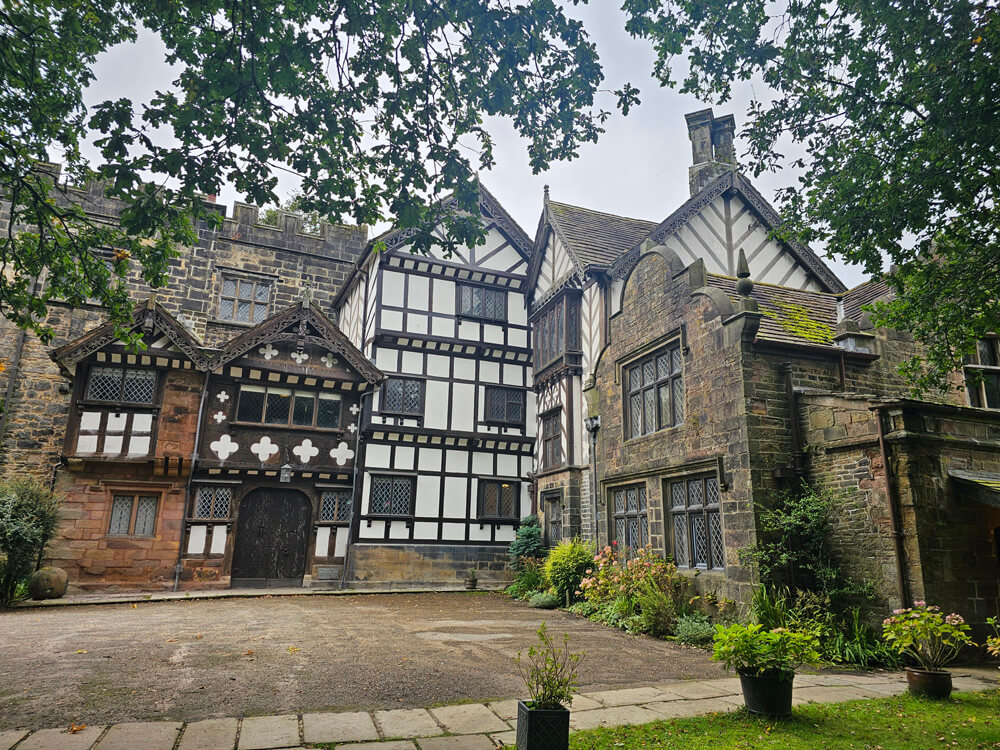
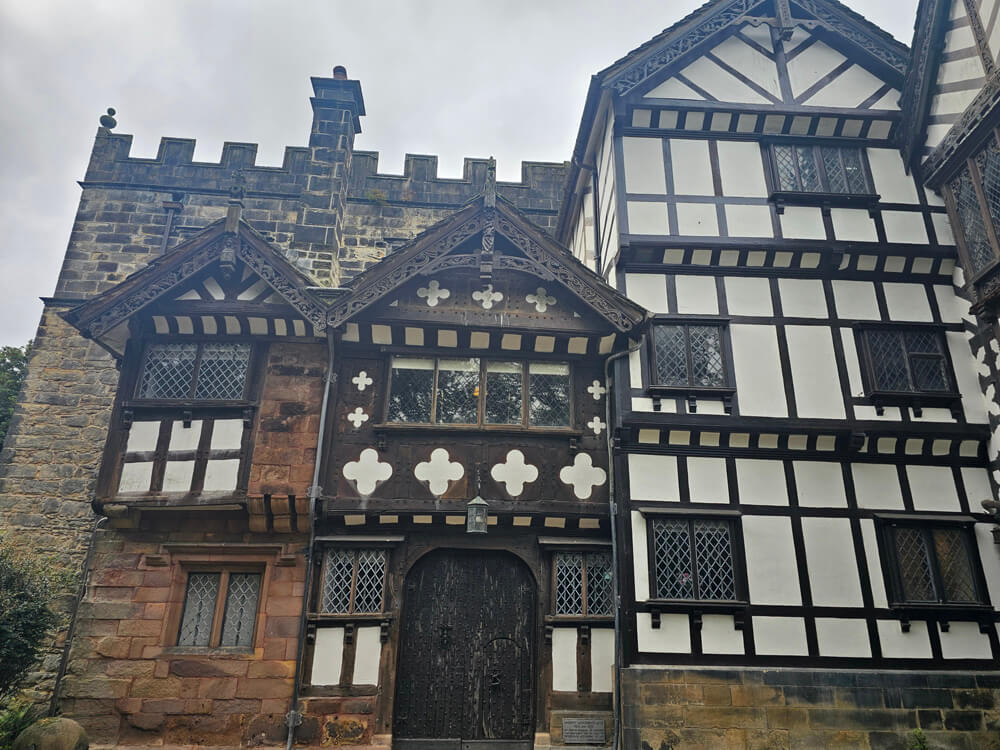
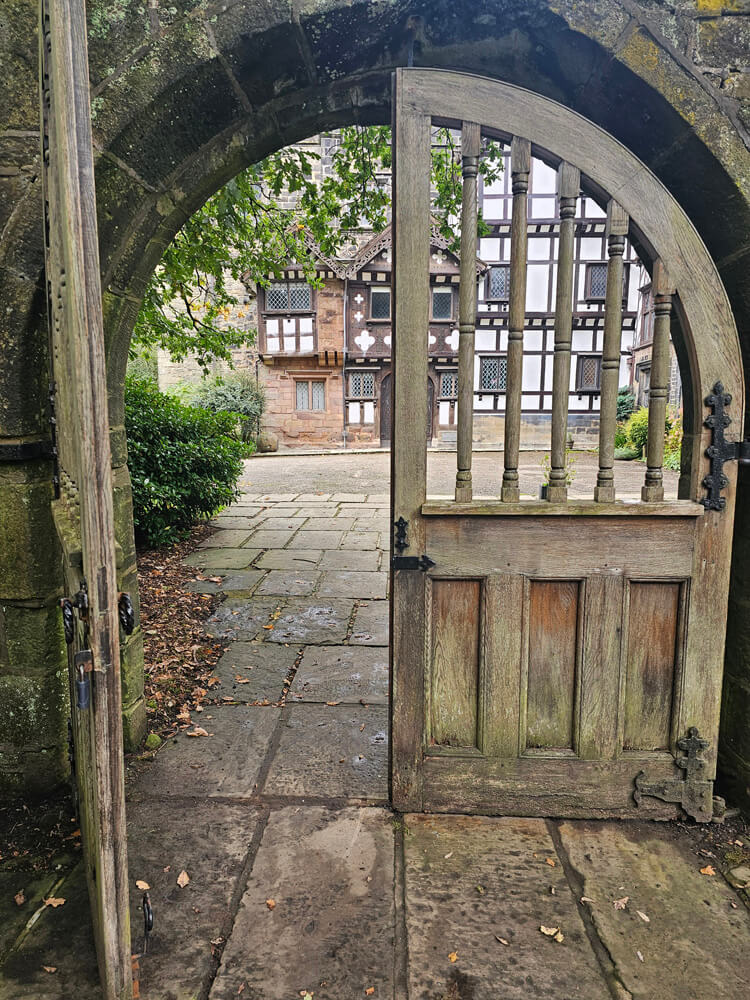
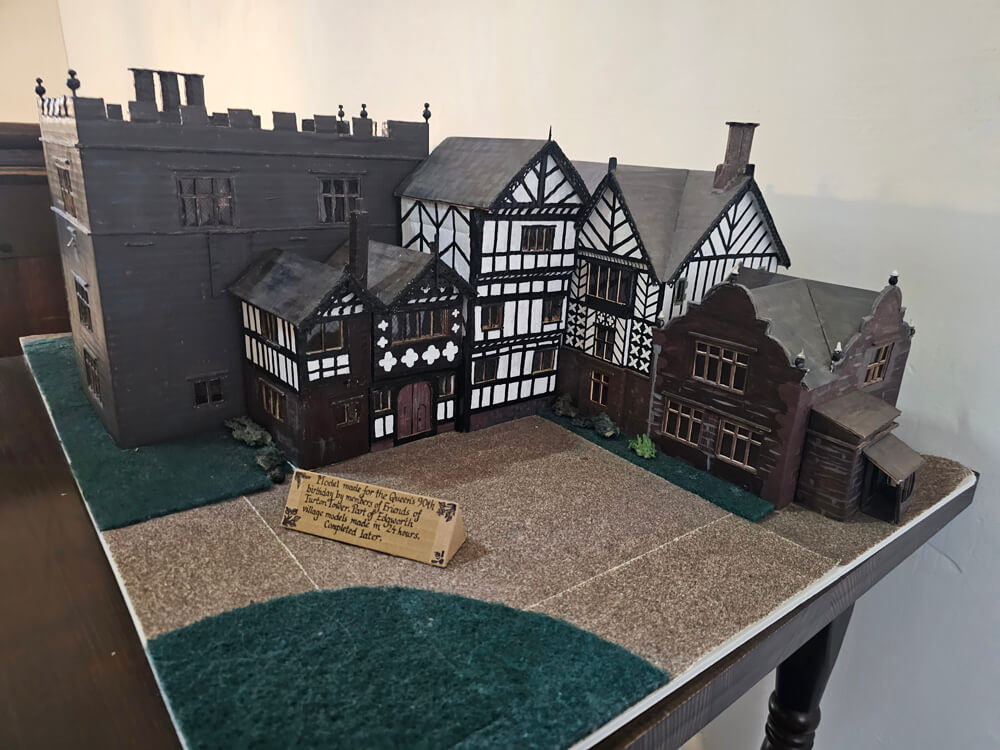
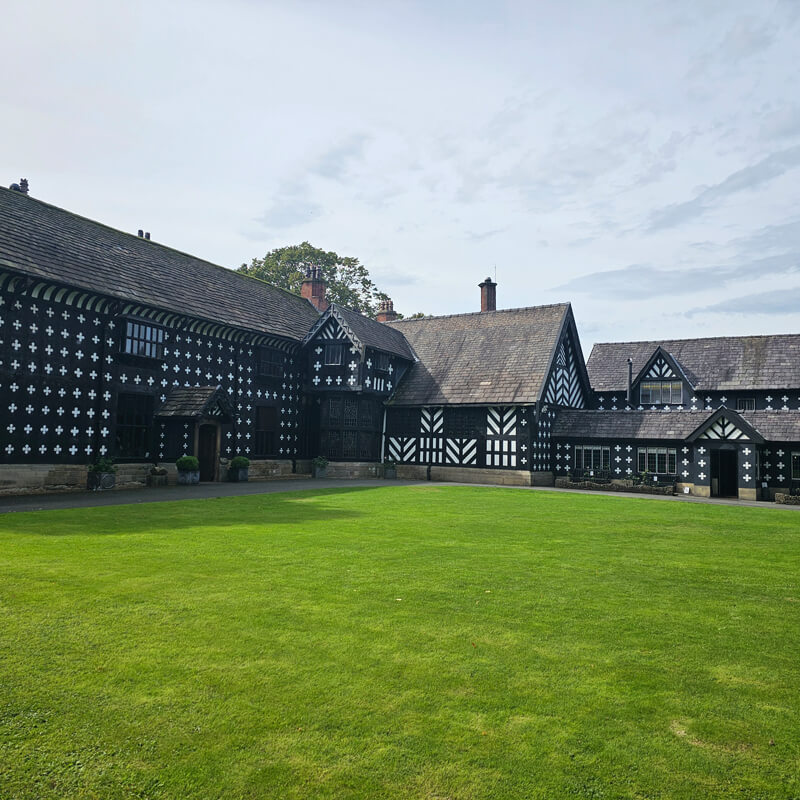
In 1585, the estate passed to Humphrey Chetham, who transformed the medieval tower into a fashionable Tudor manor house. Timber-framed additions wrapped around the original stone tower, creating the distinctive black-and-white appearance that defines Turton Tower today. The estate passed through several families over the centuries, who continued to modernise the house while preserving its historic character.
Architecture Through the Ages
Turton Tower’s greatest architectural strength lies in the way different centuries remain visible in a single building.
The medieval stone tower still forms the heart of the house, with its robust masonry contrasting beautifully against the elaborate Tudor timber framing added during the late 16th century. Decorative black beams, white plaster panels and projecting upper floors create the classic Elizabethan appearance that visitors see today.
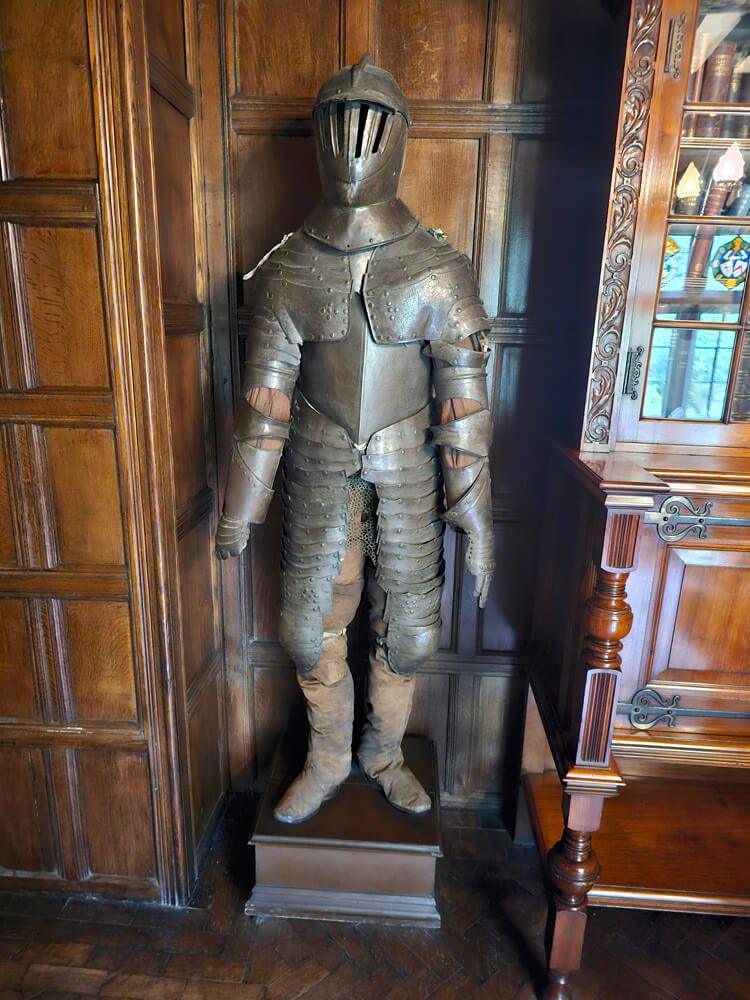
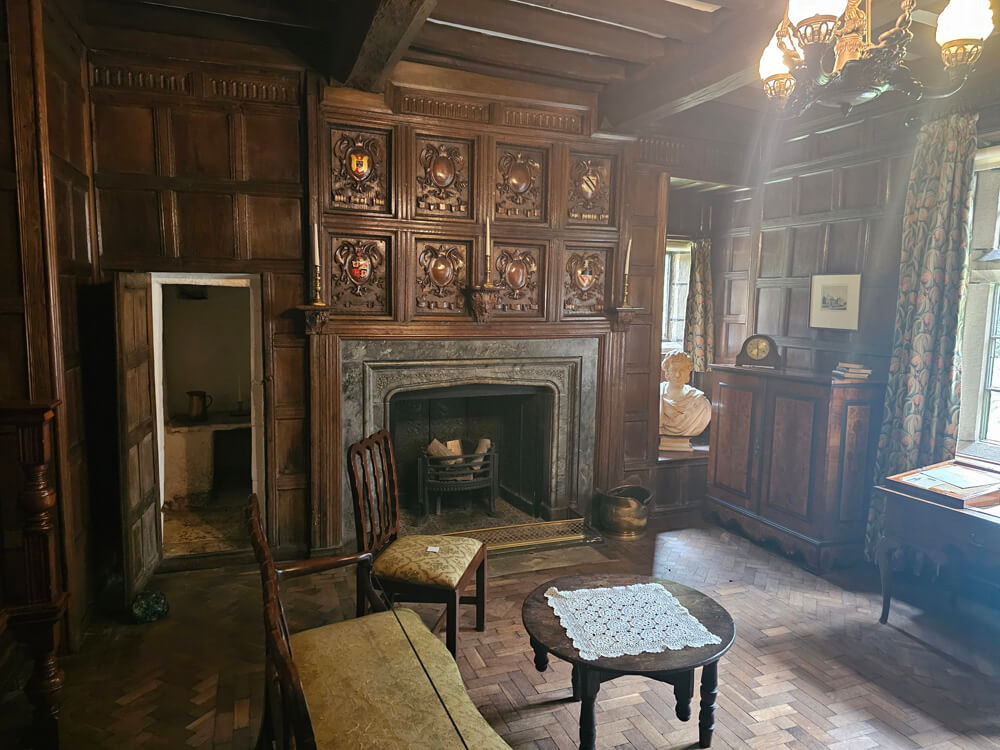
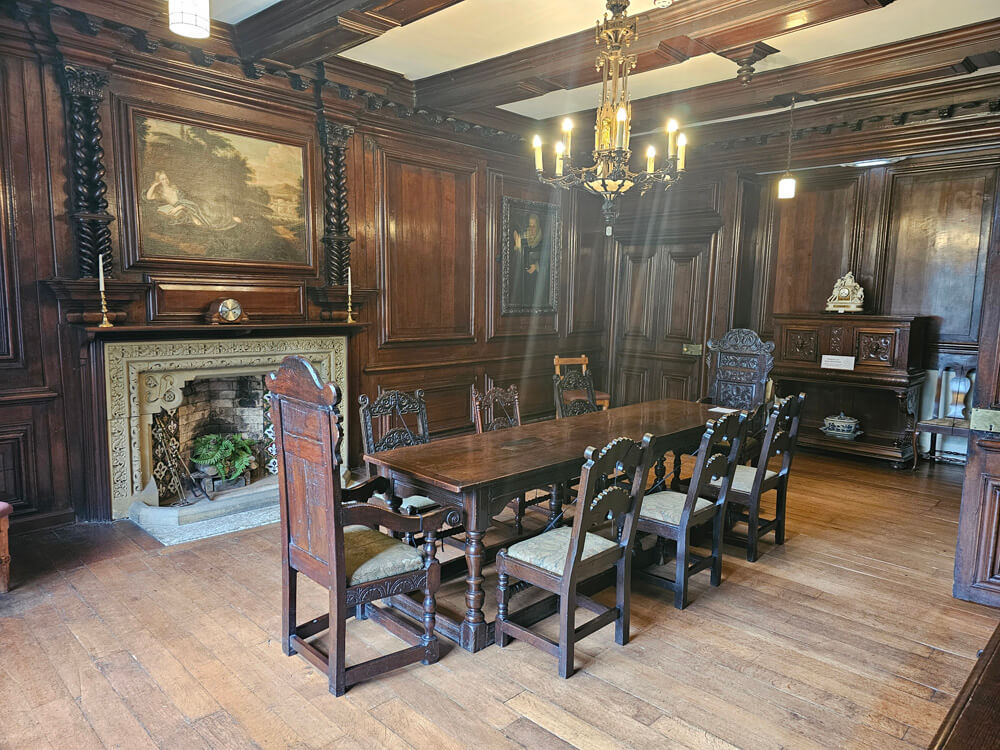
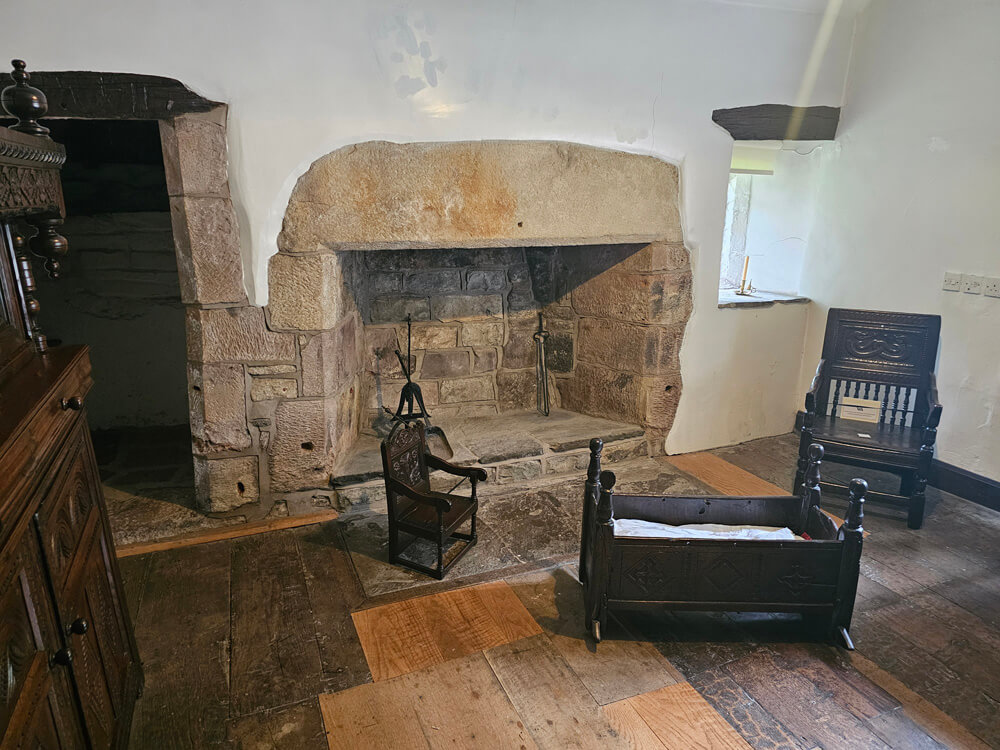
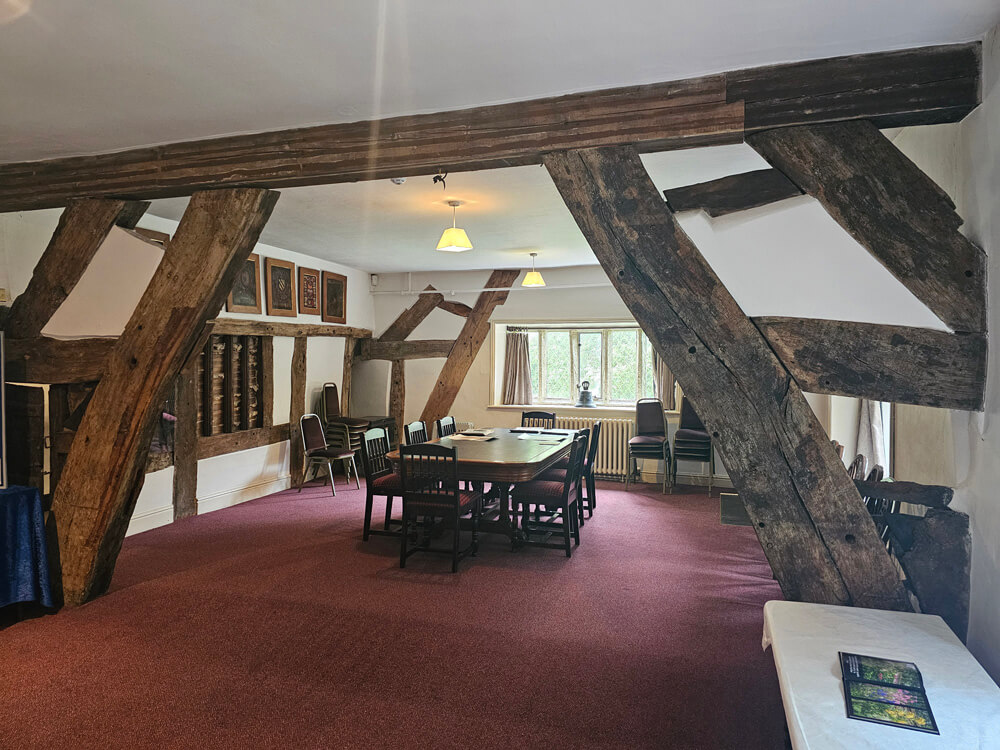
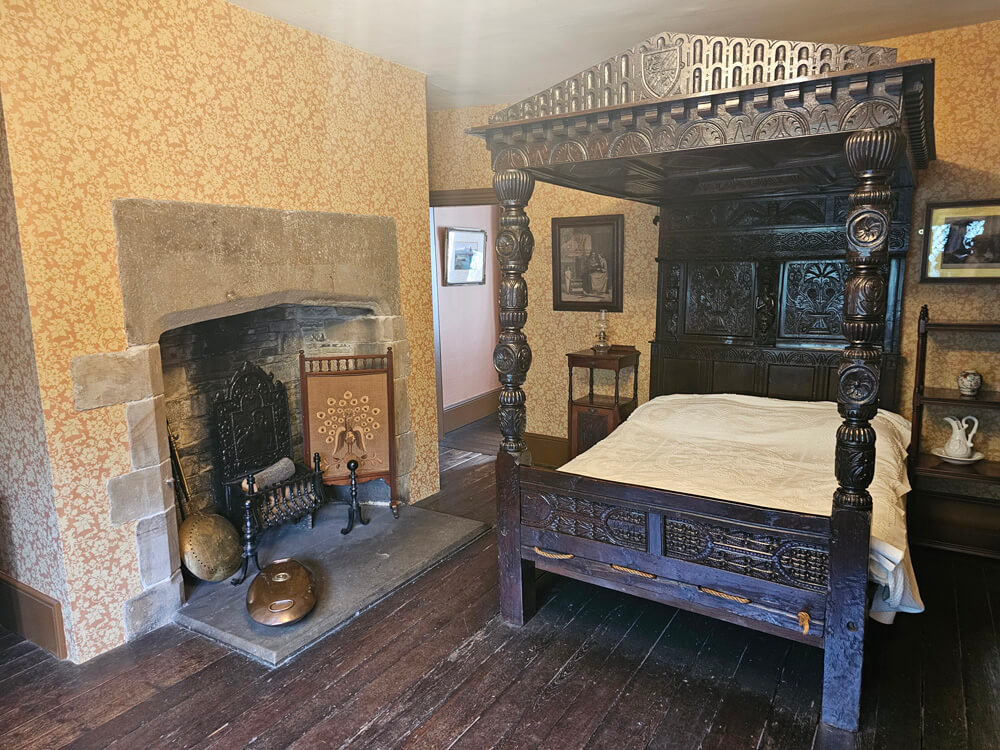
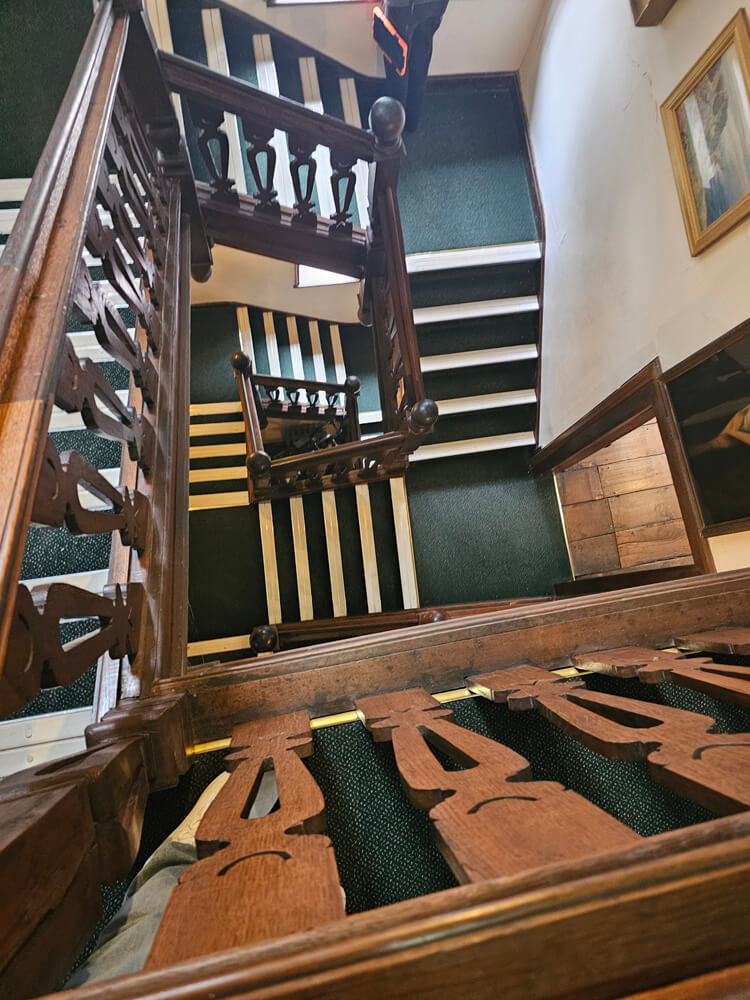
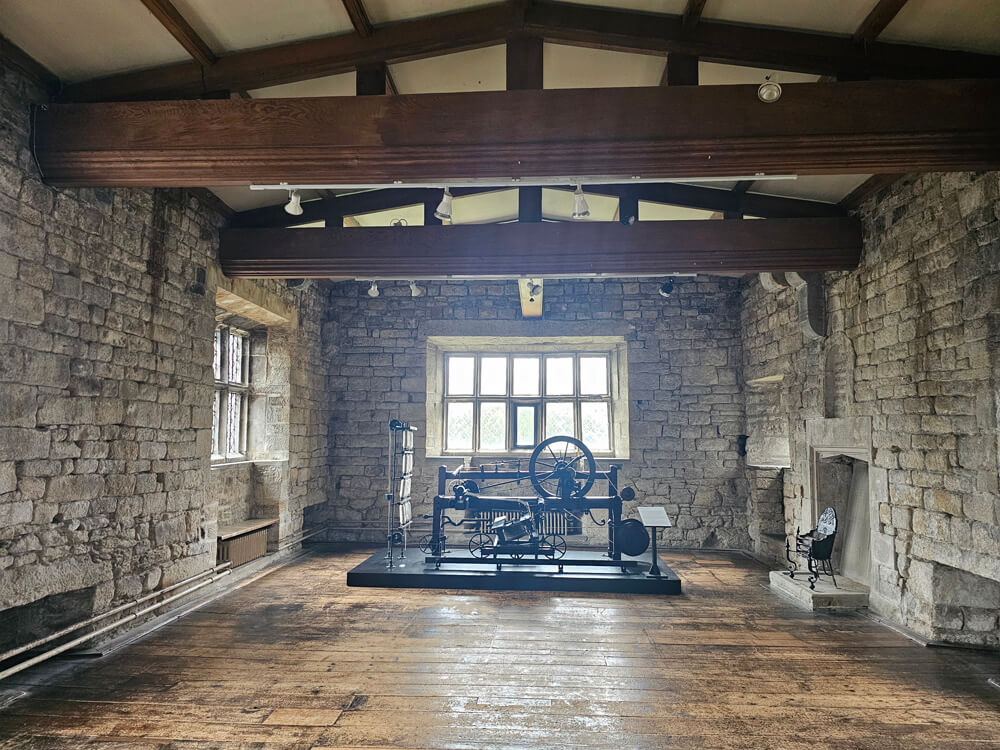
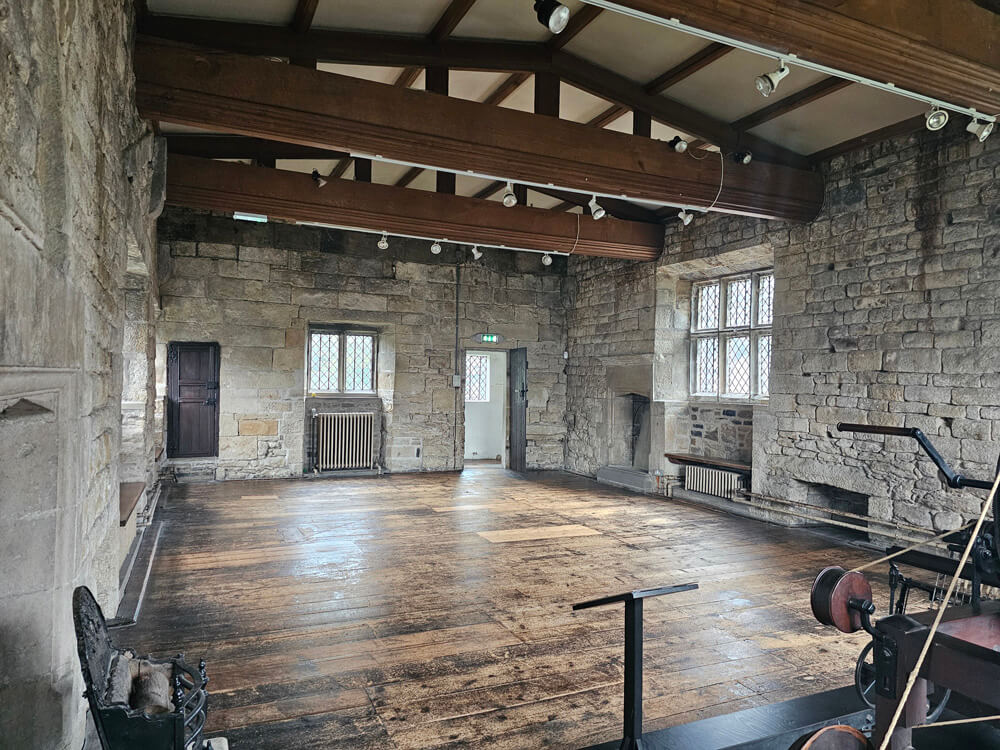
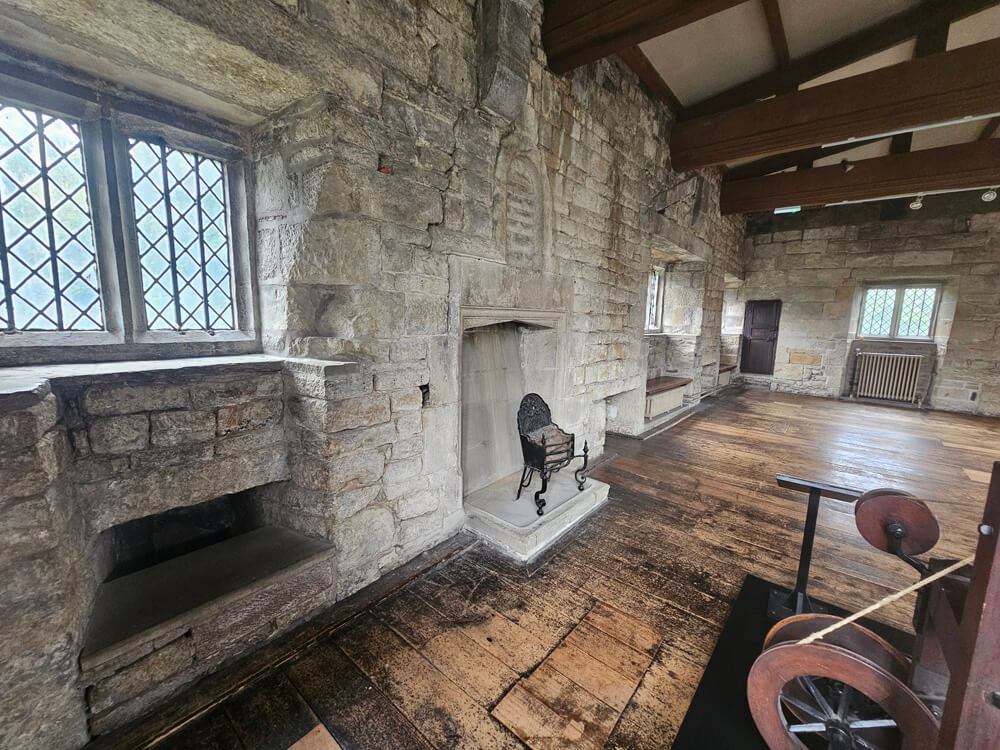
Inside, the building reveals changing fashions across several centuries. Tudor craftsmanship sits alongside Jacobean and Georgian alterations, illustrating how wealthy families adapted older homes instead of replacing them. Original oak beams, magnificent timber roofs, impressive stone fireplace, uneven stone floors and winding staircases preserve the atmosphere of a lived-in historic house rather than a grand palace.
Historic Rooms and Collections
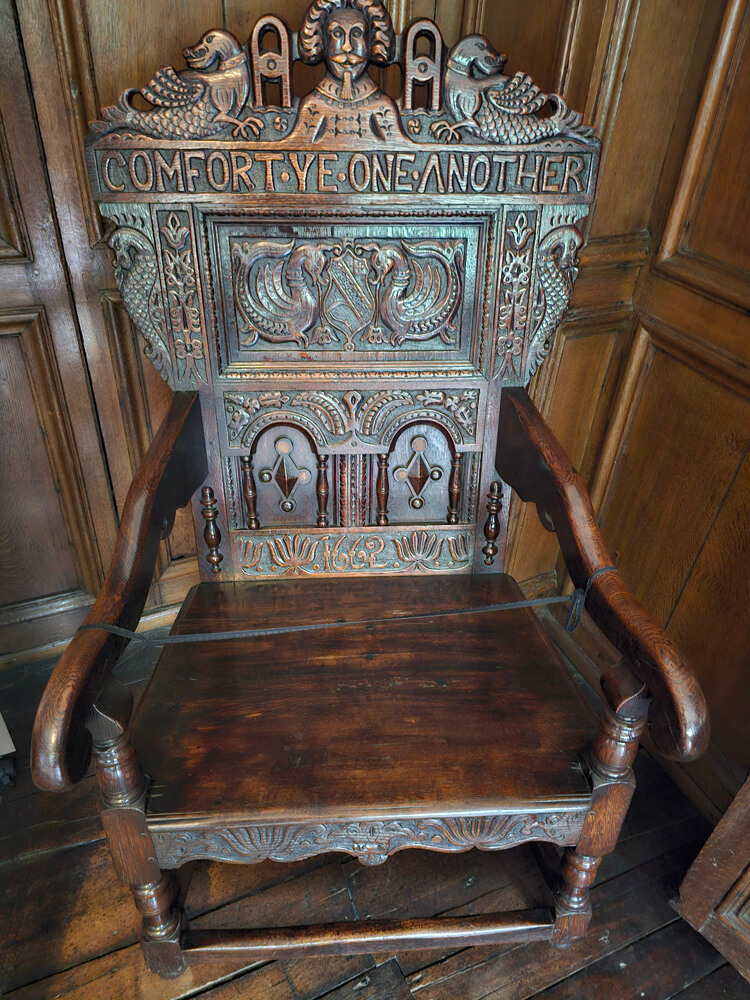
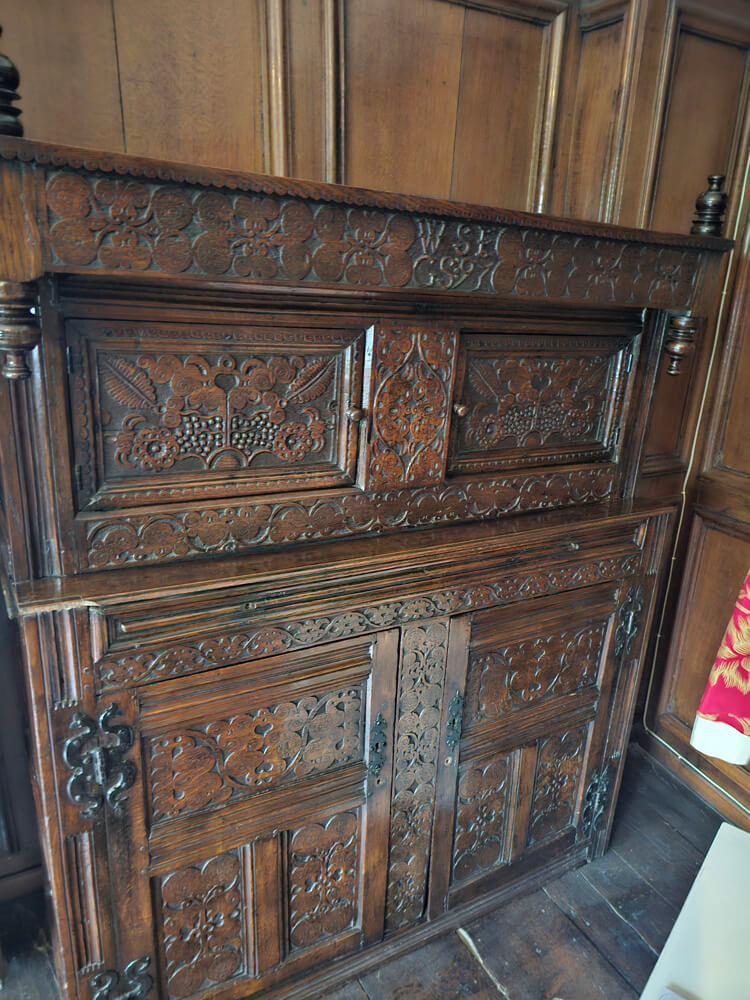
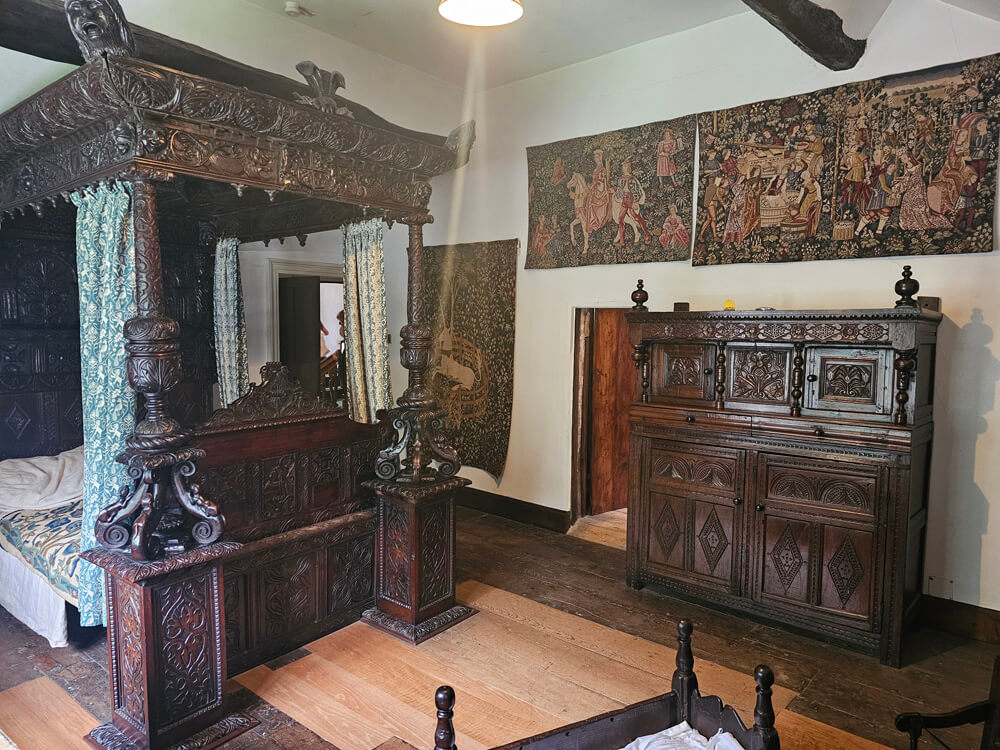
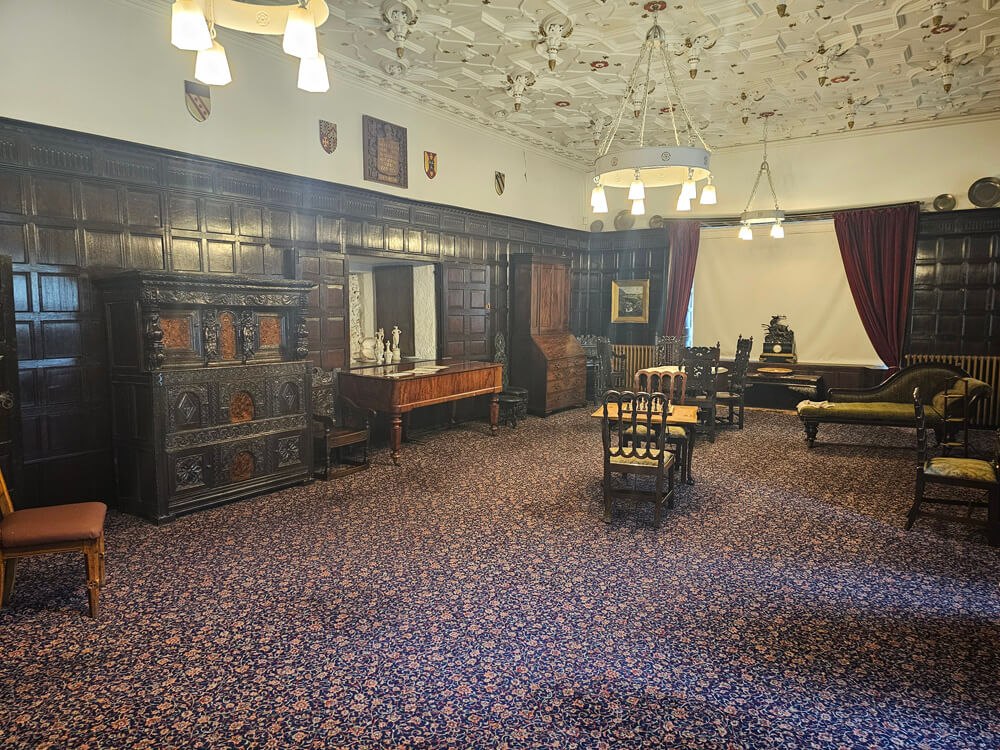
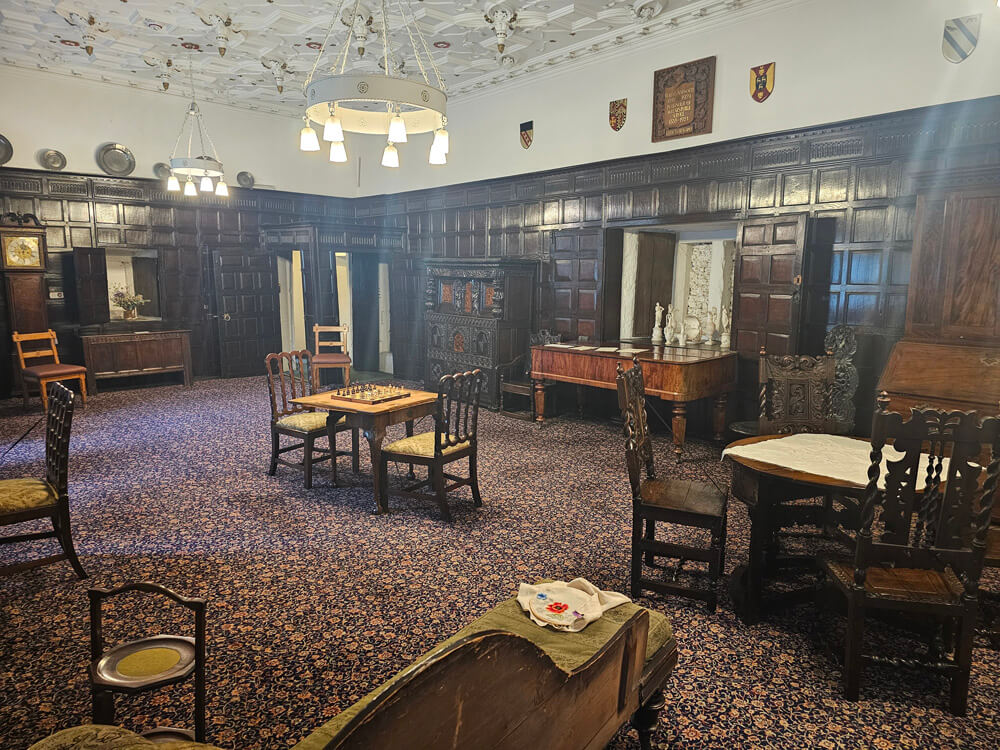
Several beautifully furnished rooms demonstrate how domestic life evolved from the Tudor period into the Georgian era. Four-poster beds, embroidered textiles and carved oak furniture create authentic period settings.
The house also displays an impressive collection of historic objects, including:
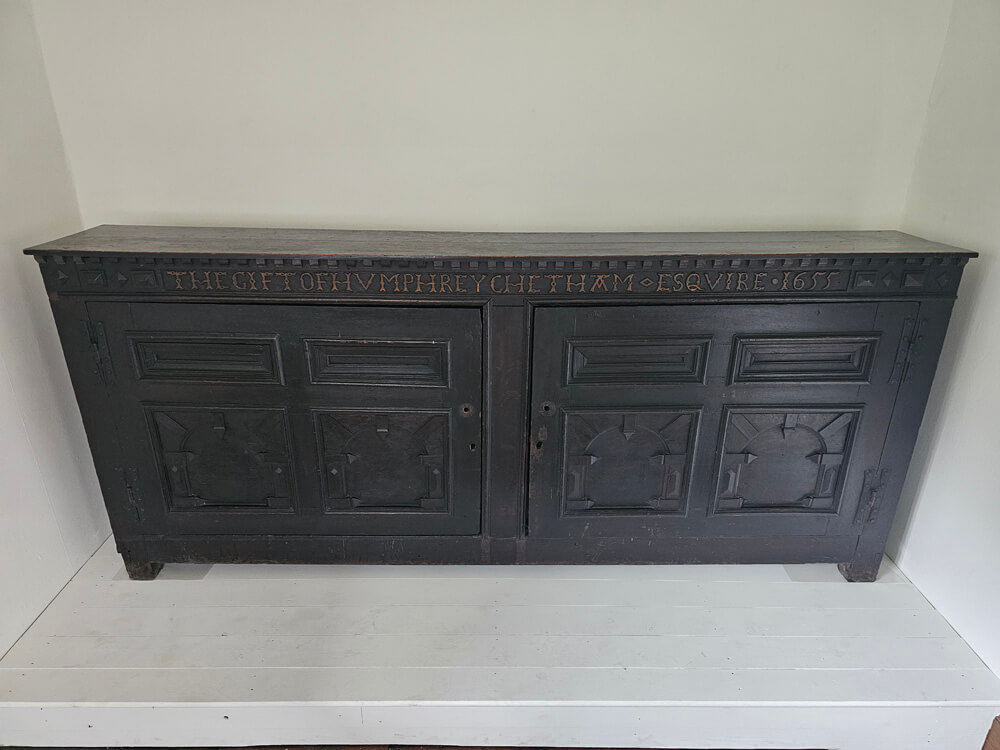
- Finely carved oak furniture from the 16th and 17th centuries
- Antique clocks and domestic objects
- Family portraits that trace generations of ownership
- Decorative ceramics and silverware
- Rare textiles reflecting changing fashions over the centuries
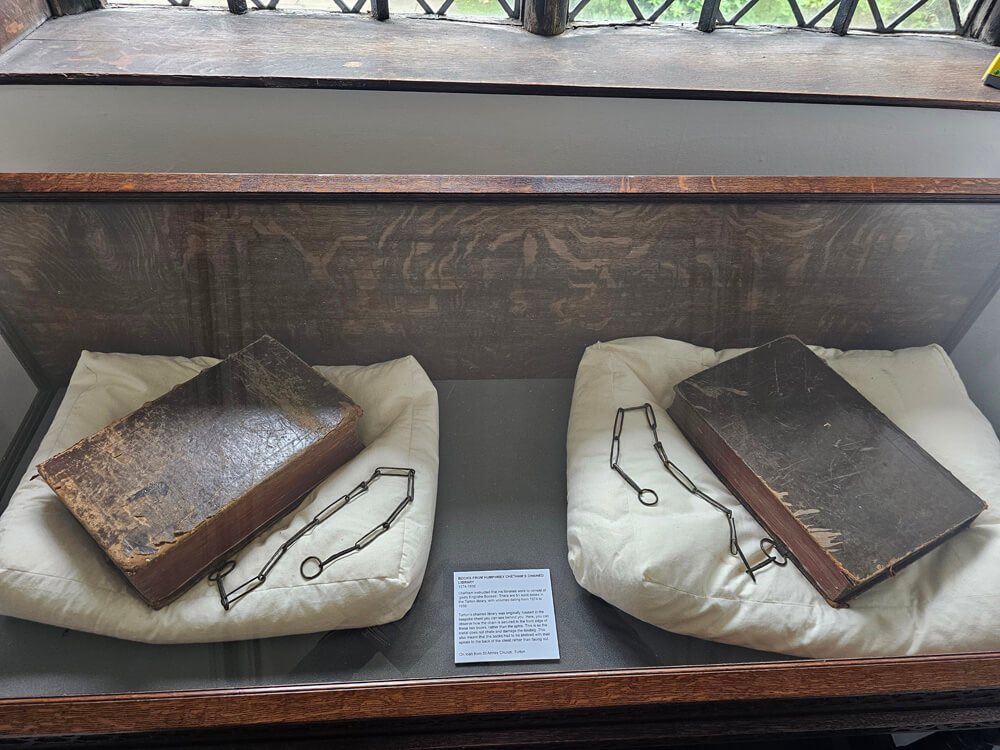
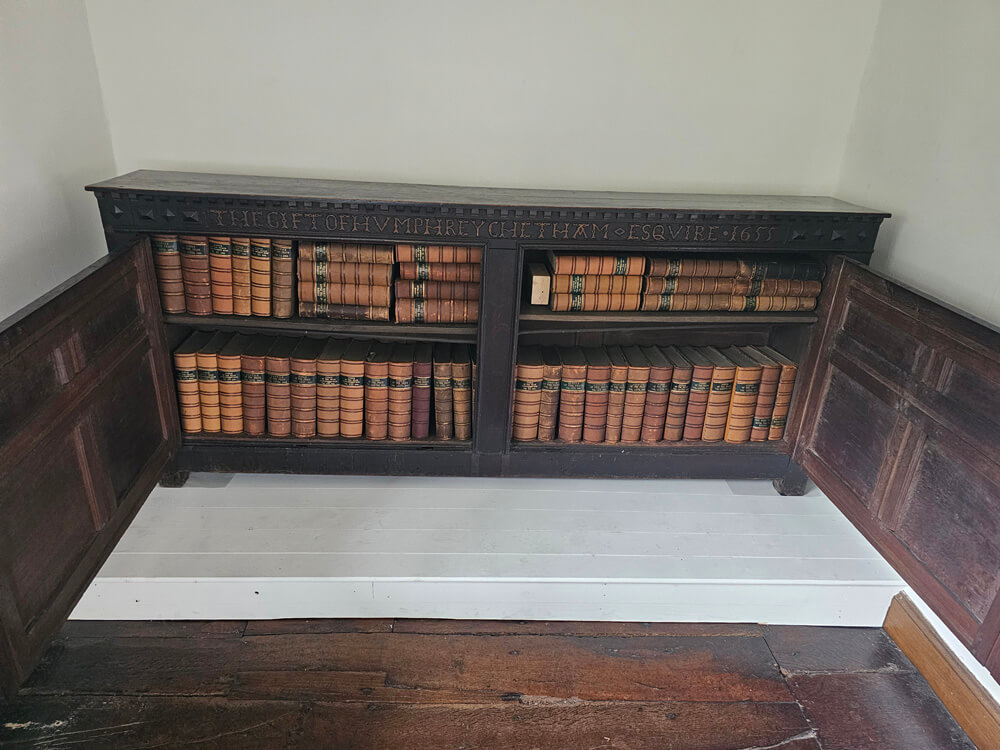
- Beautiful tapestries and precious books
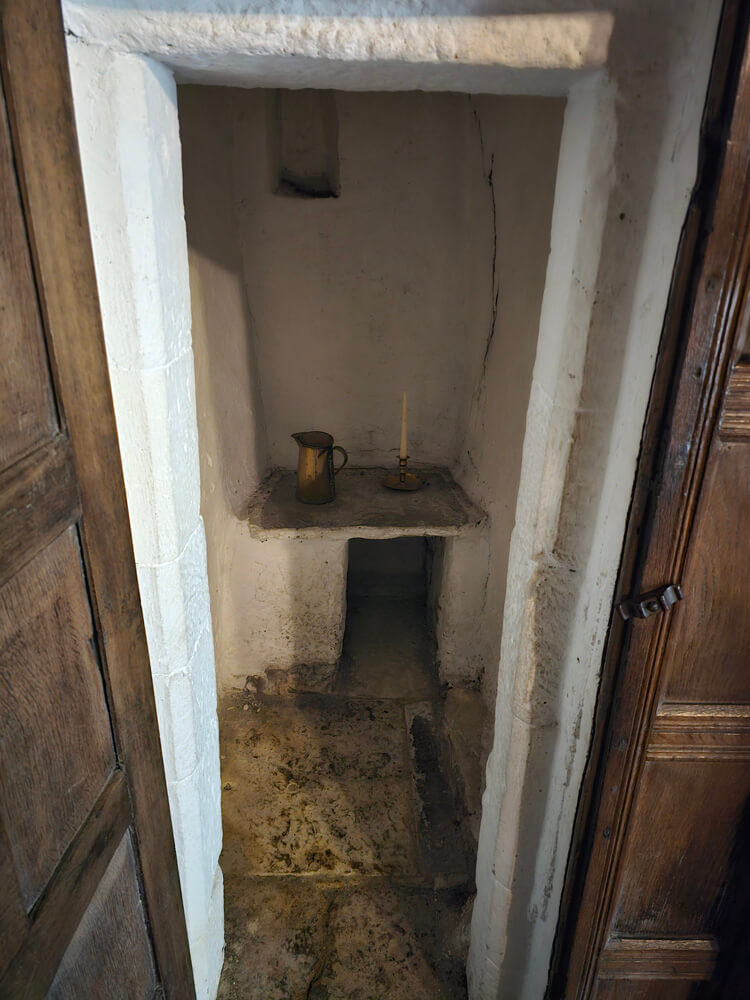
One particularly fascinating feature is the surviving priest hole, believed to have provided a hiding place for Catholic priests during the religious persecution that followed the Reformation.
From Private Home to Heritage Attraction
By the 20th century, Turton Tower had fallen into decline before being rescued through restoration efforts. Today it is managed as a heritage attraction, allowing visitors to explore its historic rooms, landscaped grounds and nearby woodland.
Unlike many stately homes, Turton Tower feels deeply personal. Its uneven floors, creaking staircases and layered architecture tell the story of families who lived there for centuries, making it one of Lancashire’s most atmospheric historic houses. More than simply a beautiful building, it offers a rare journey through medieval, Tudor and Georgian England under one remarkable roof.
Photo Gallery.
Did you enjoy this post?
I hope you found this post useful. I put a great deal of time and effort in to building, maintaining and populating the website. If you like, you could say a small thank you by buying me a coffee. You don't have to, but it would be nice :)
Buy me a coffee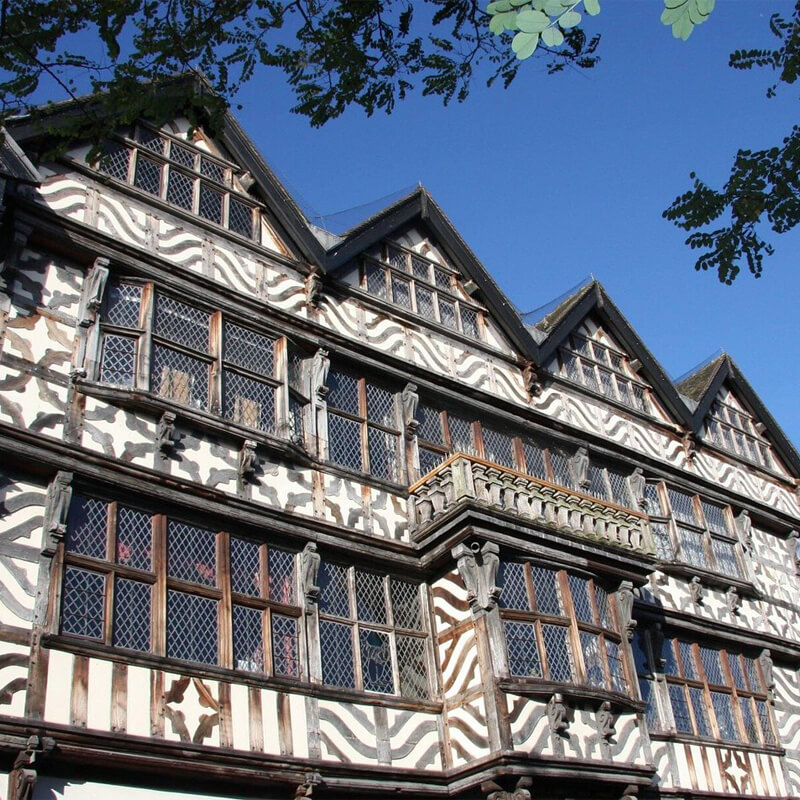
Stay up to Date
Follow me on my journey and get notified whenever a new post is published by following Kings & Castles on Facebook.
Follow MeExplore The Map
Discover the hundreds of castles, churches, monasteries, cathedrals and other historic locations that I've personally visited across England and Wales. Search by location, explore nearby sites and plan your next historical adventure.
Share: