Lincoln Cathedral
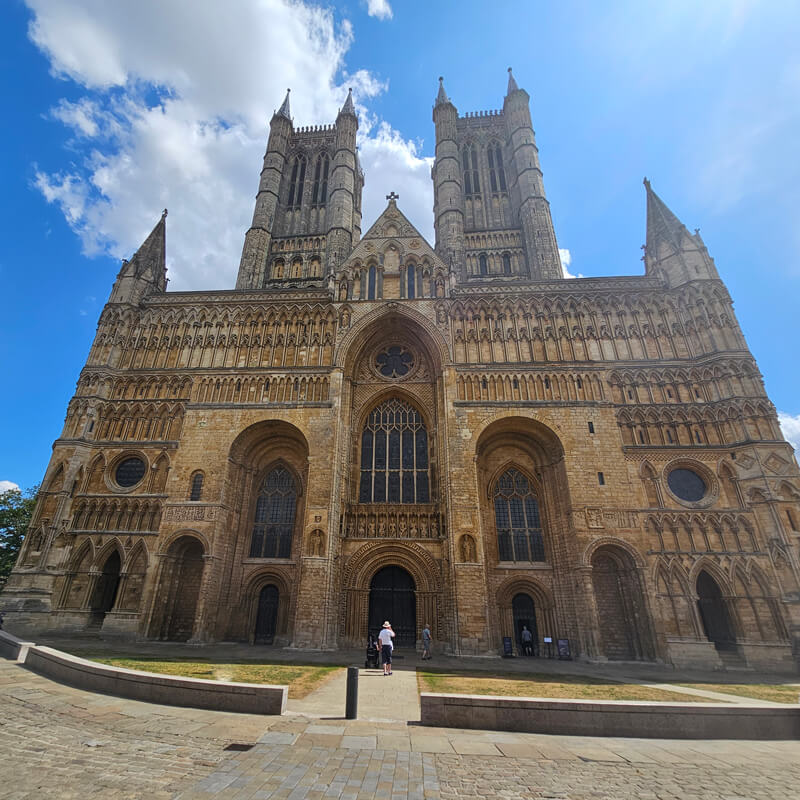
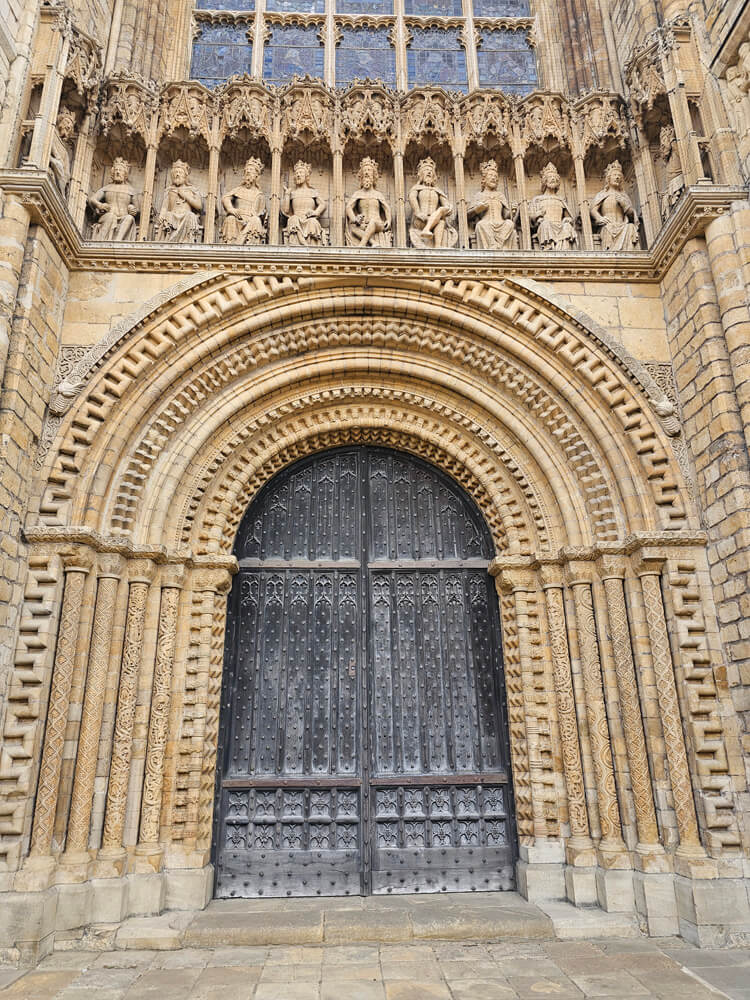
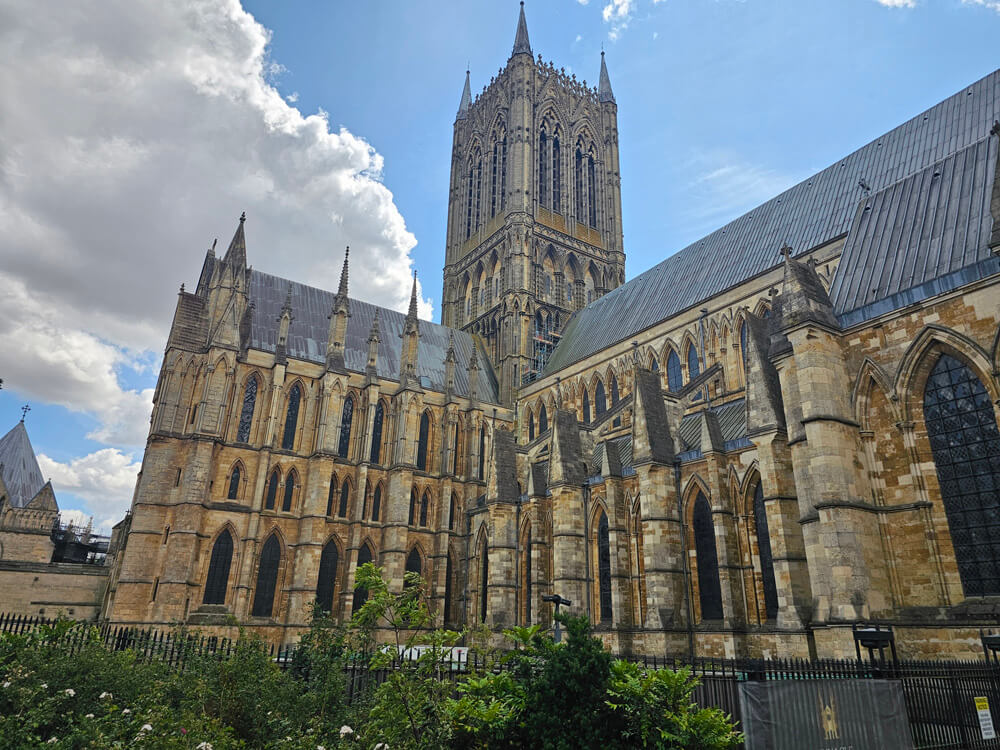
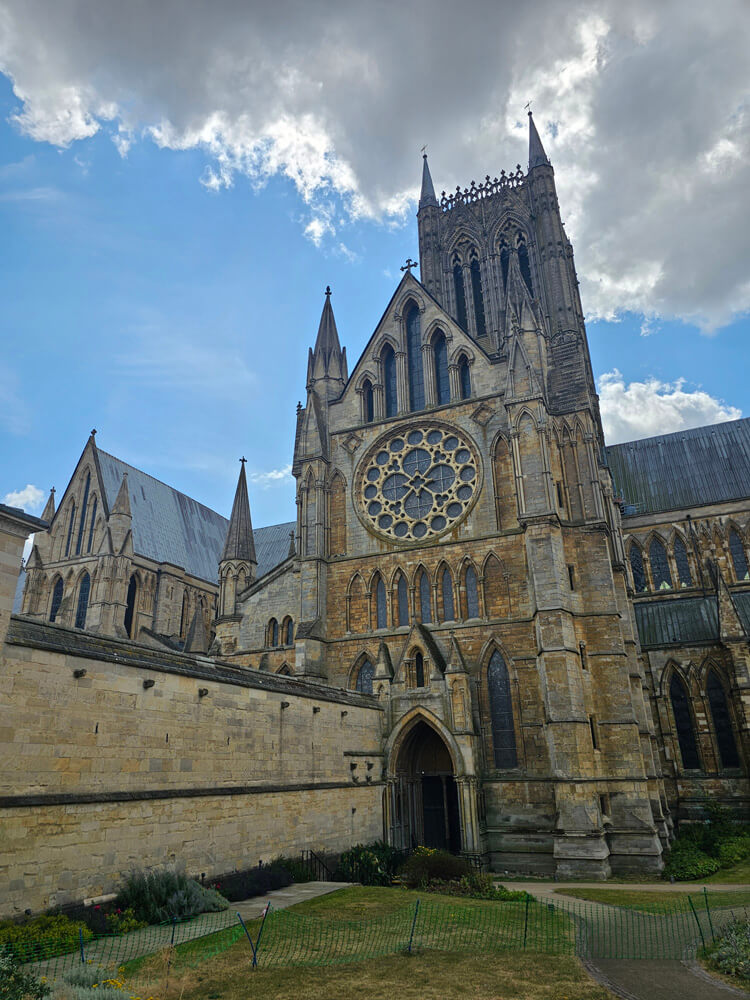
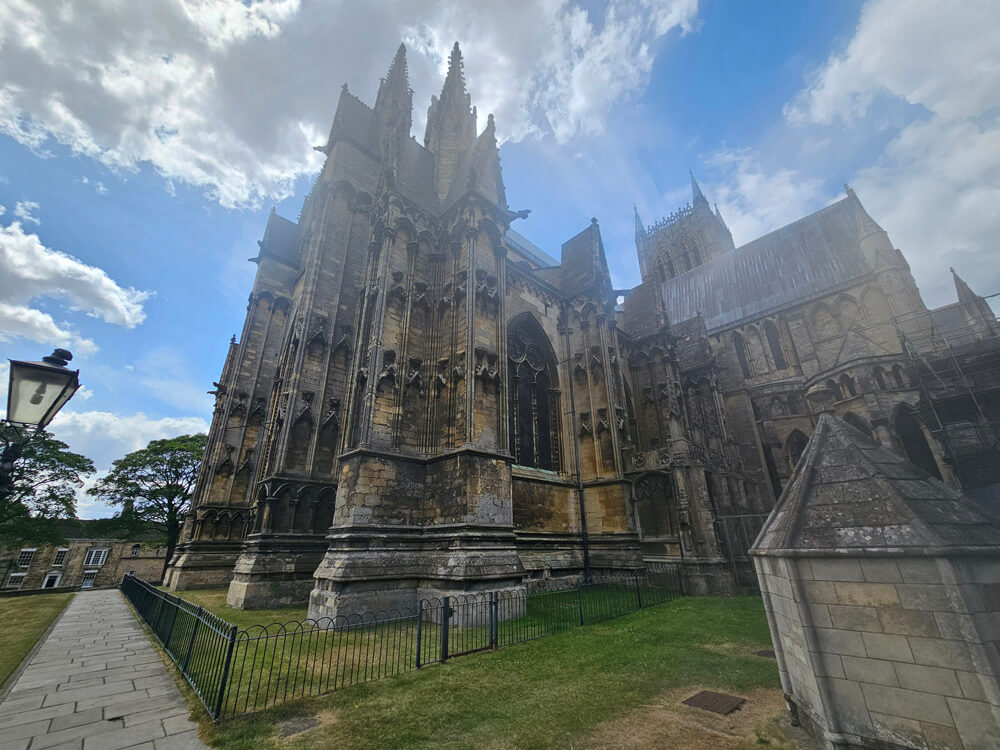
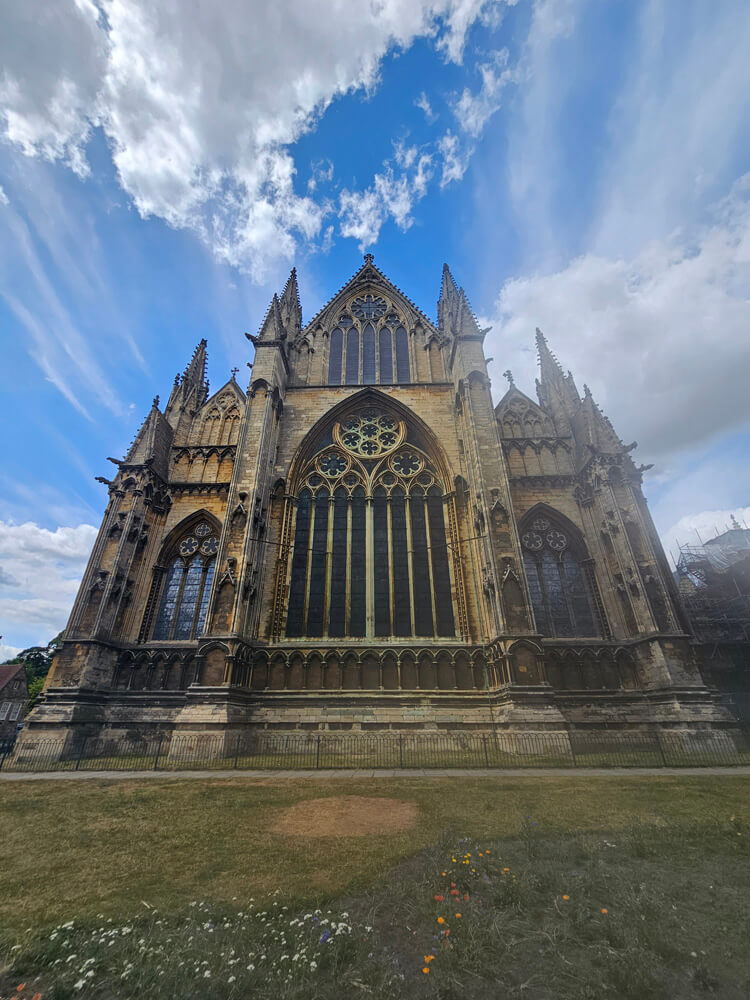
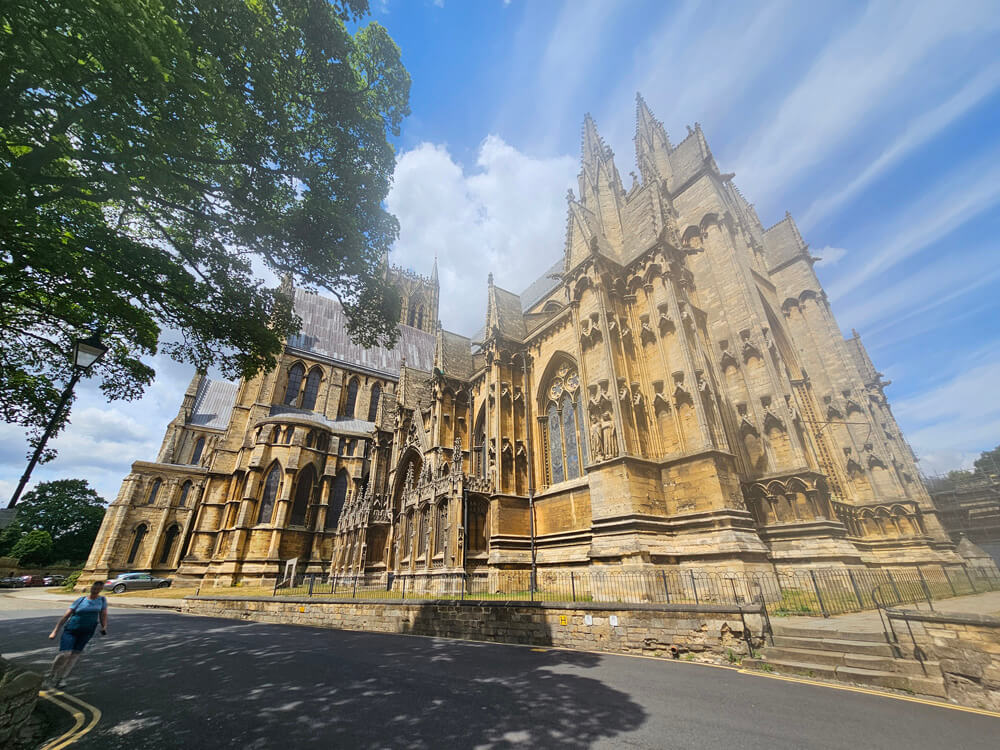
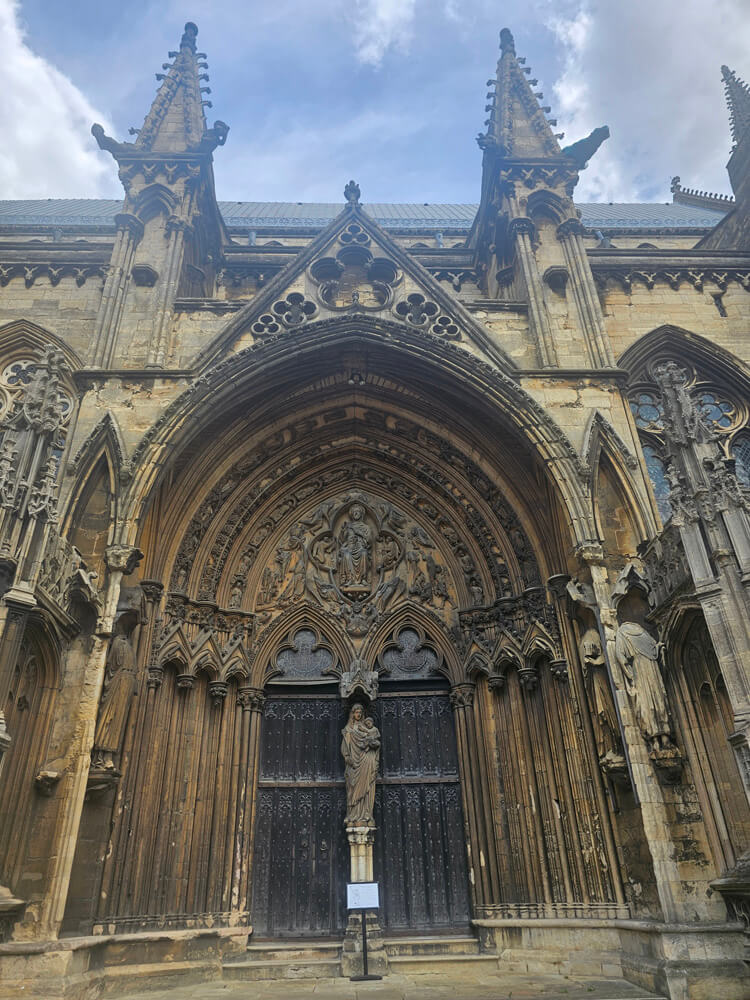
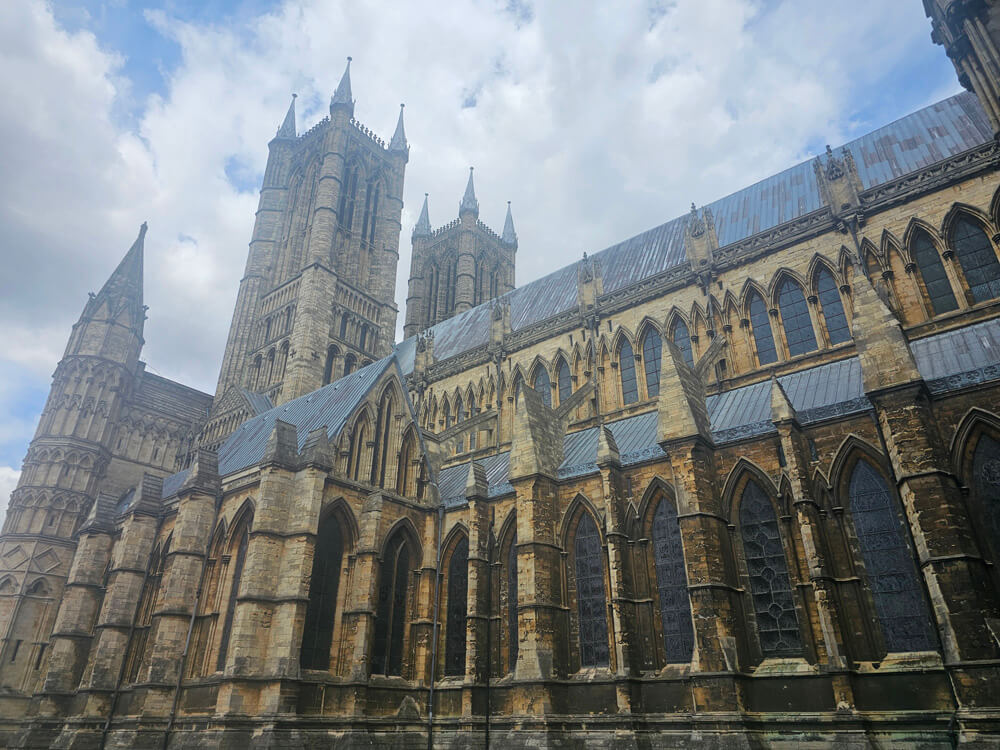
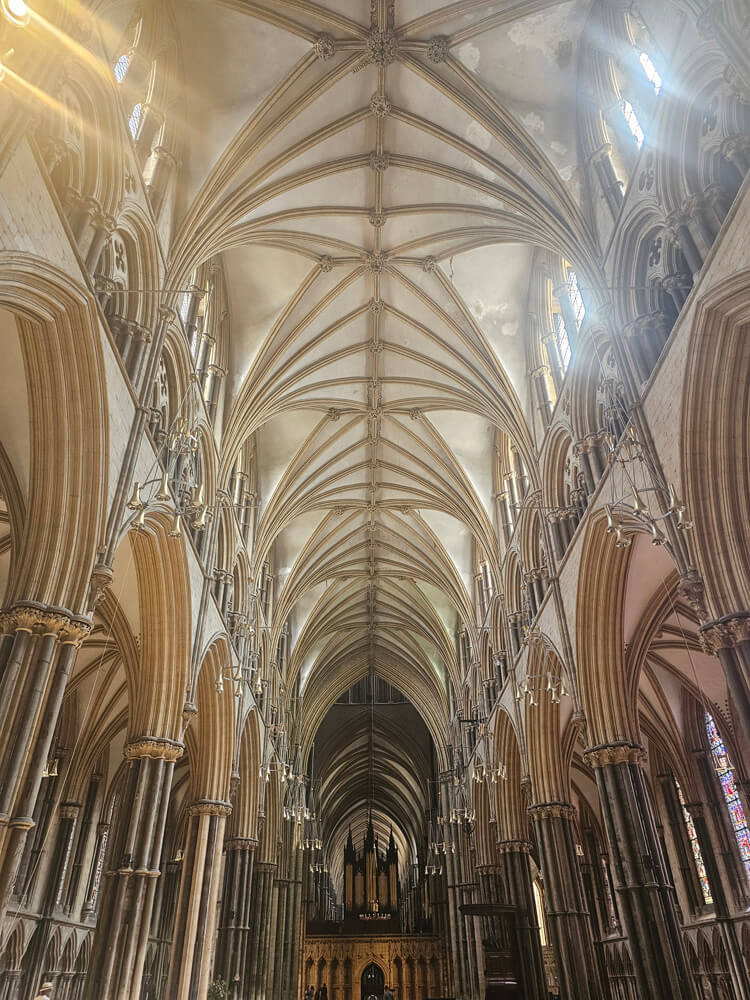
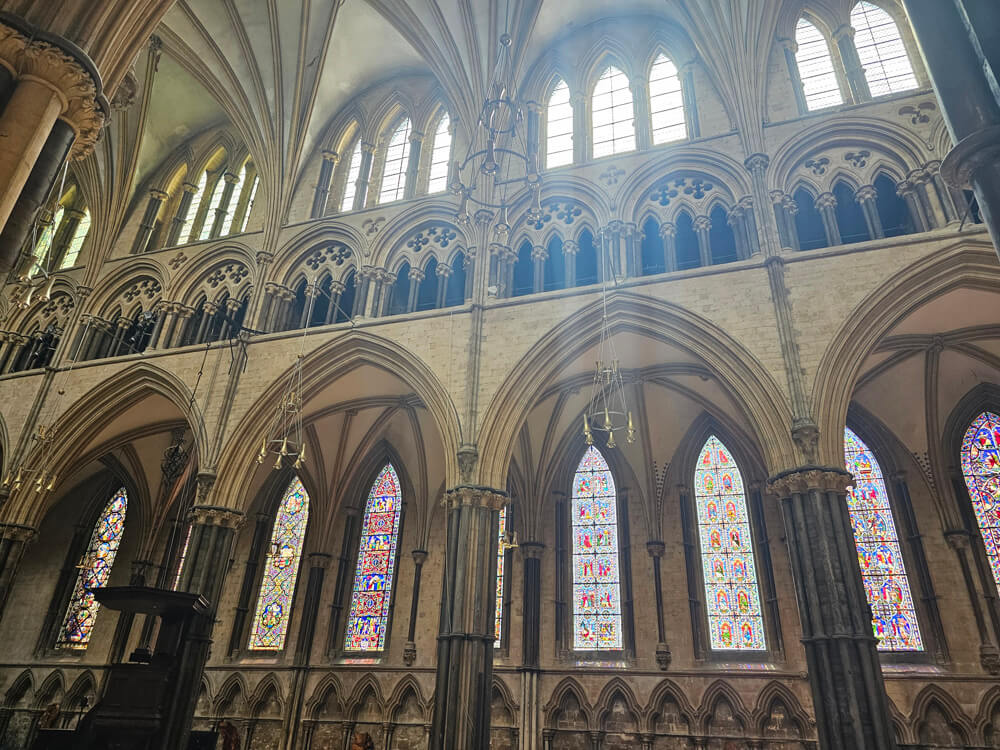
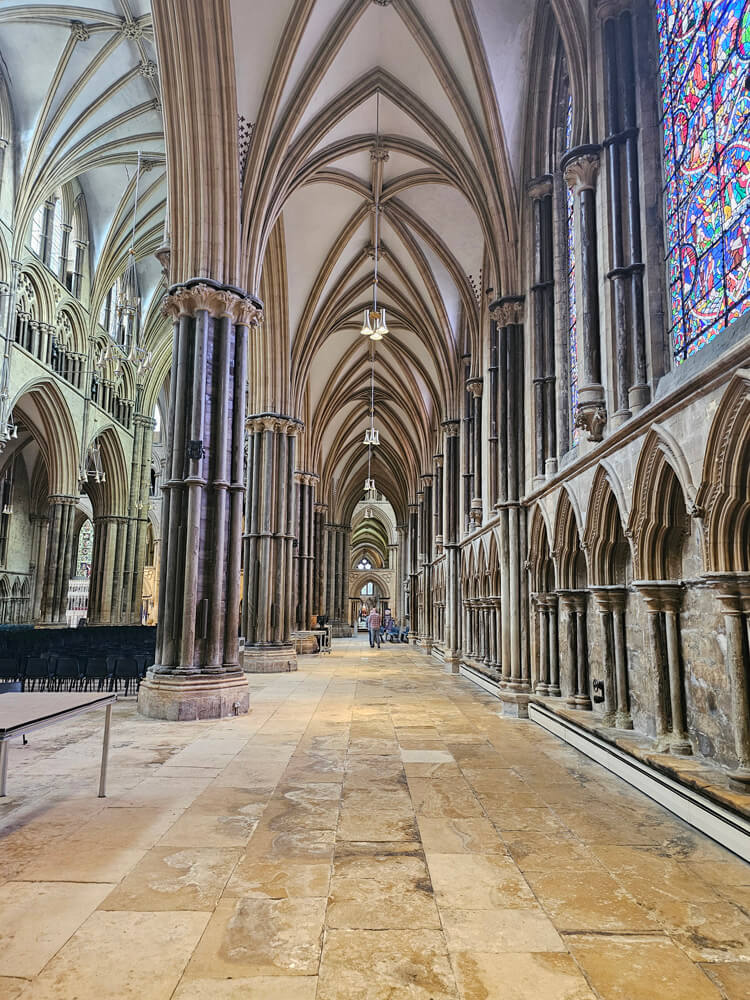
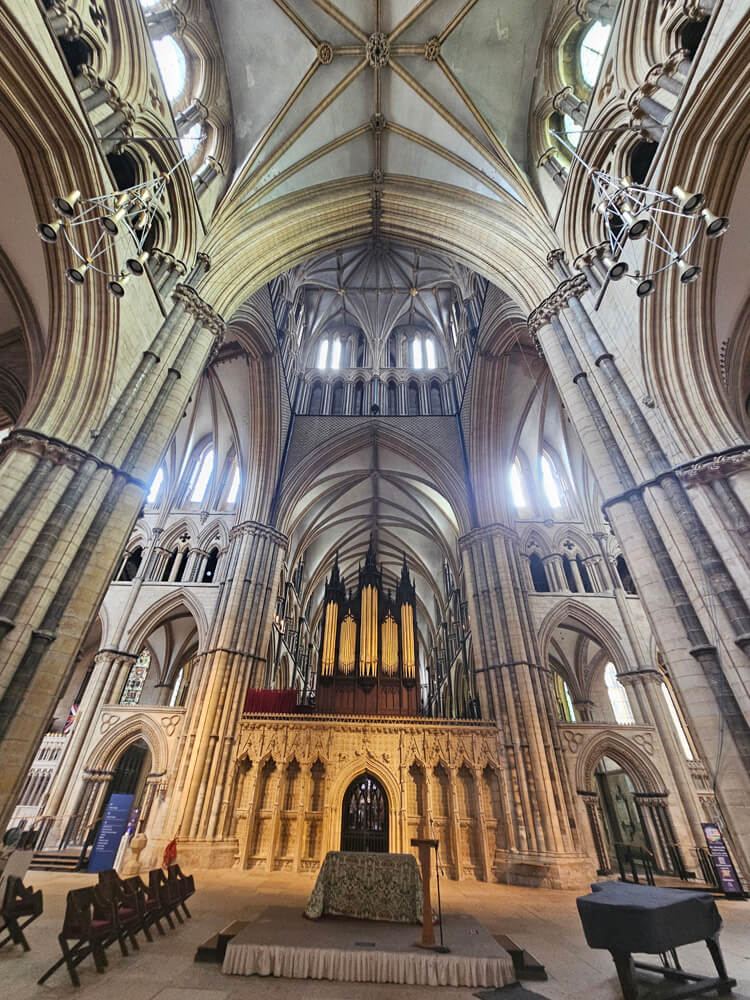
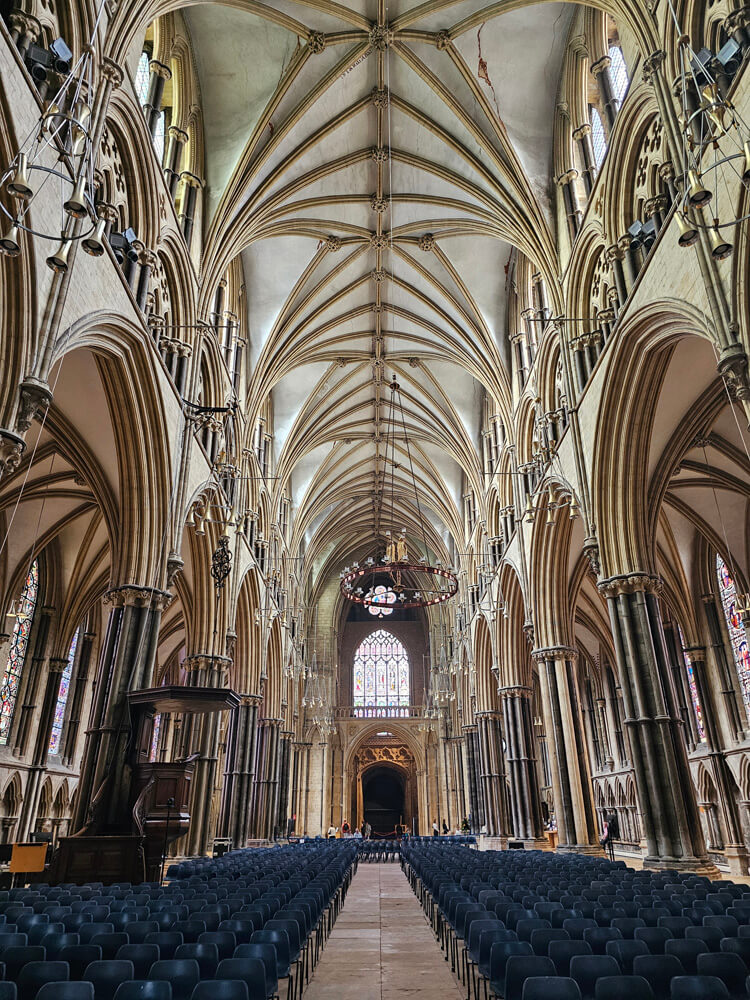
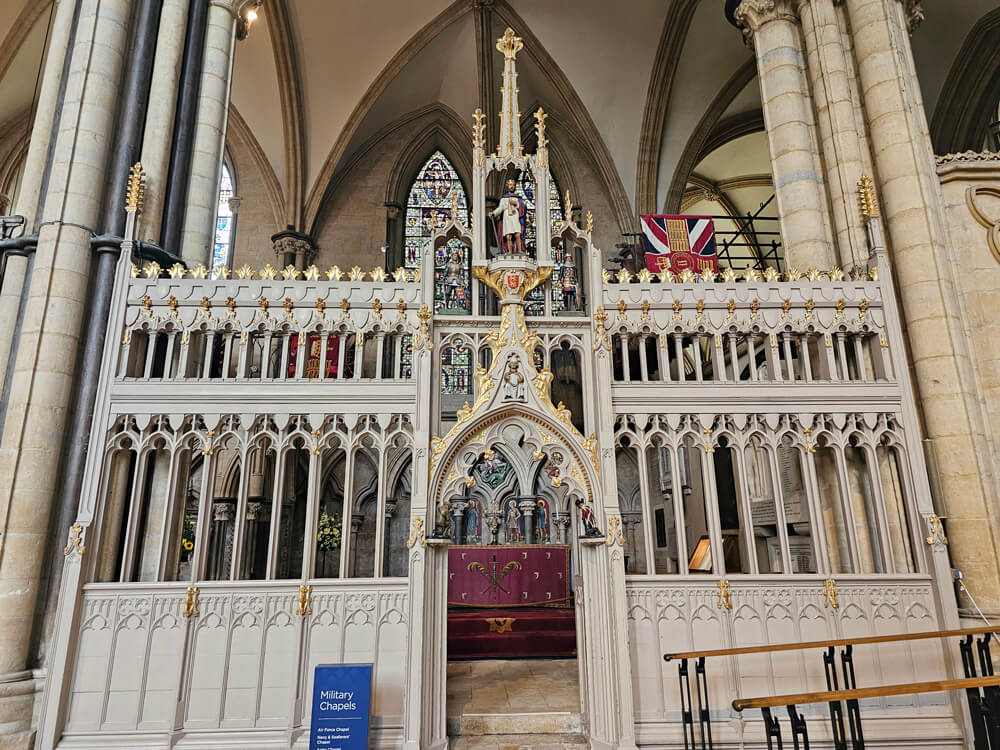
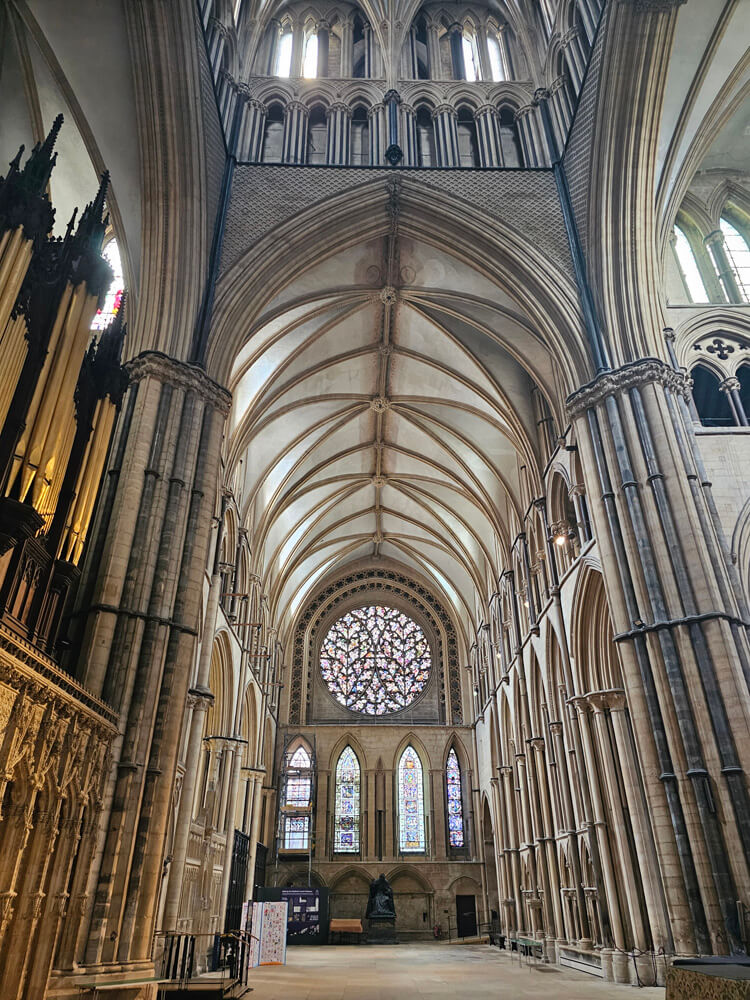
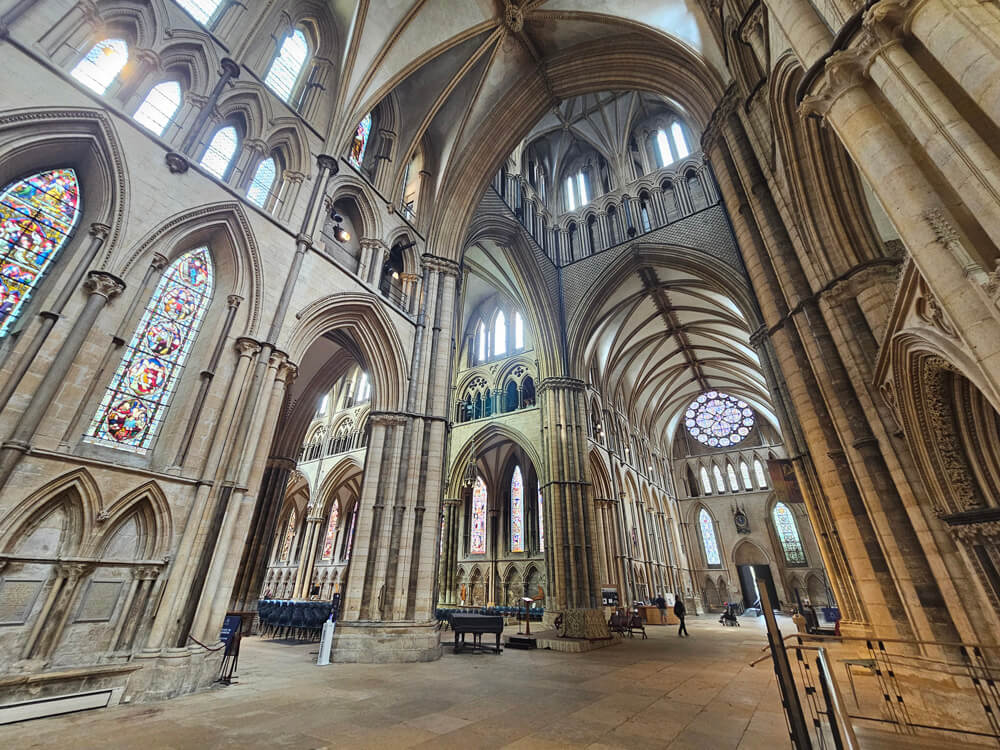
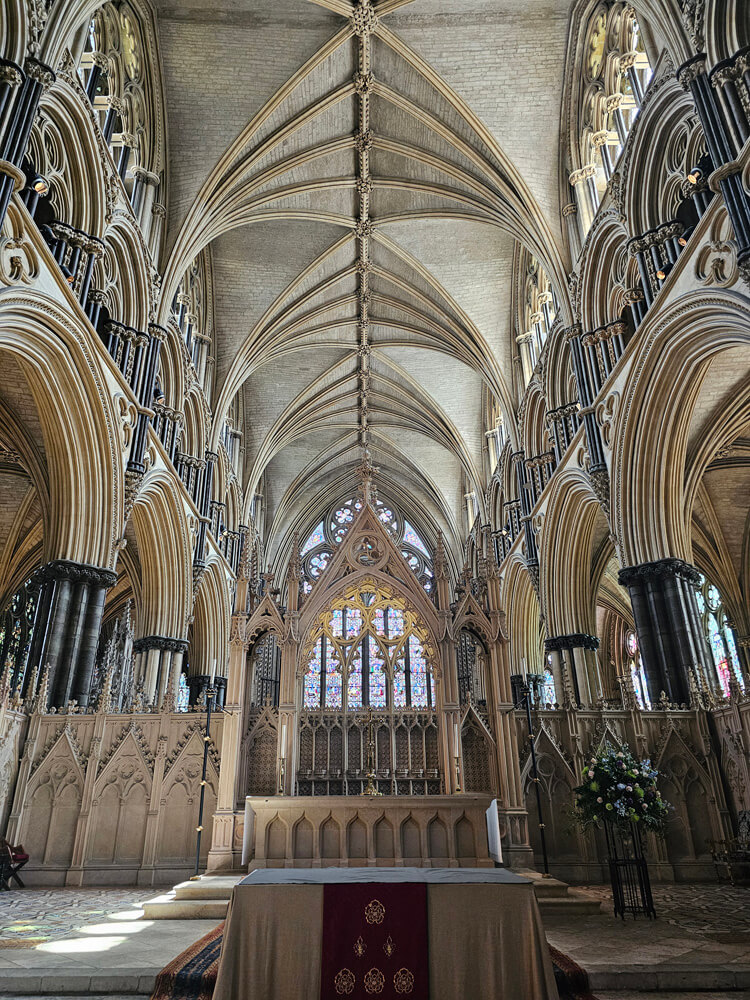
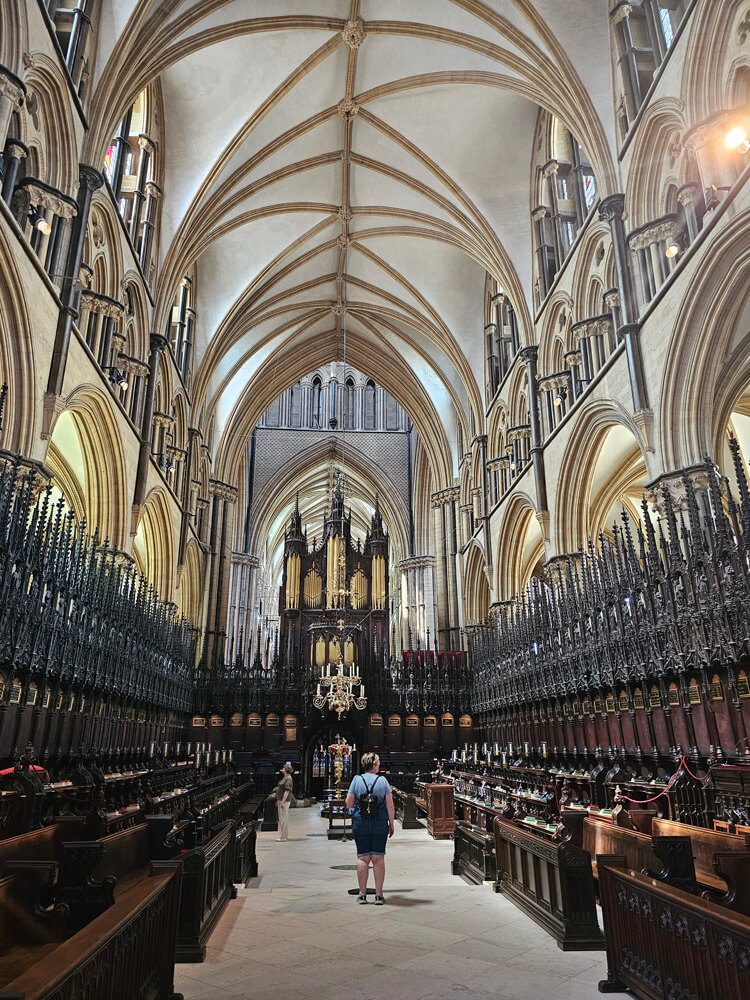
Consecrated in the 11th century, Lincoln Cathedral has welcomed people through its doors for almost a thousand years. It is one of the great Cathedrals of the world and was once the world’s tallest building for over two centuries. This spectacular Gothic building is a joy to explore, with magnificent interiors, colourful stained glass windows, a fascinating exhibition gallery, and the famous Lincoln Imp.
Historic
Highlights.
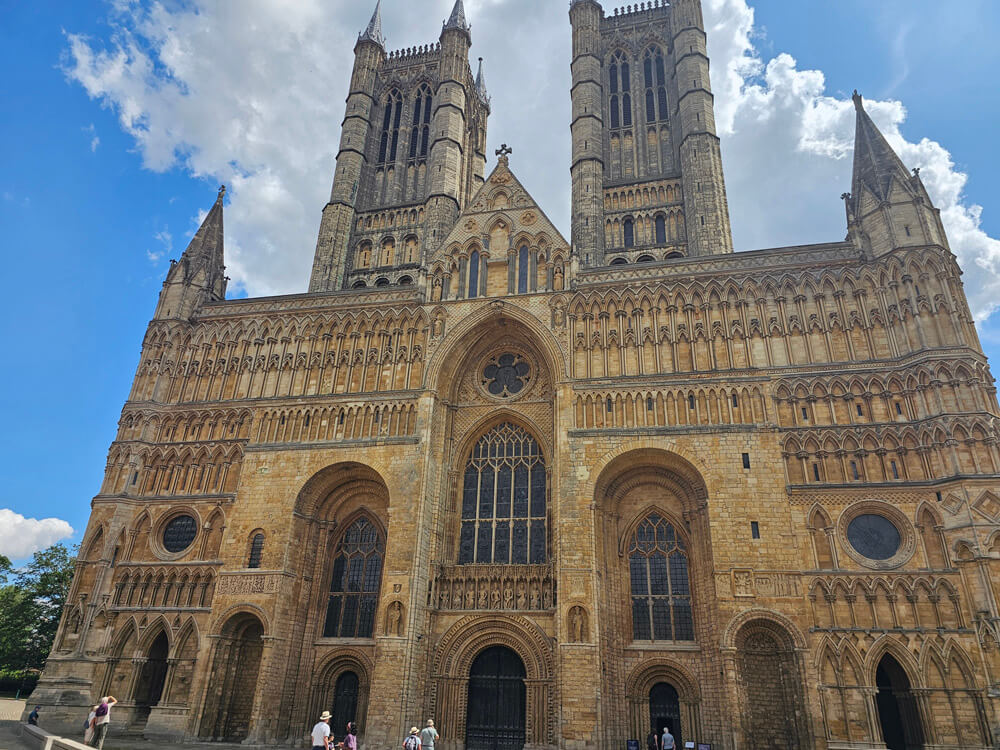
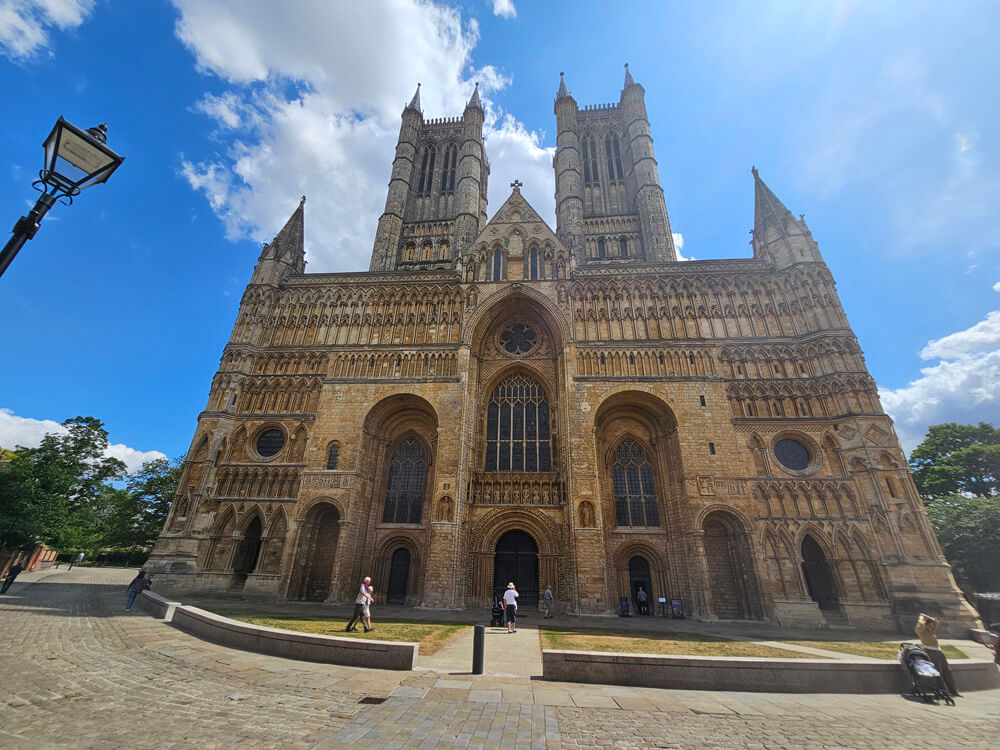
- The famous west front
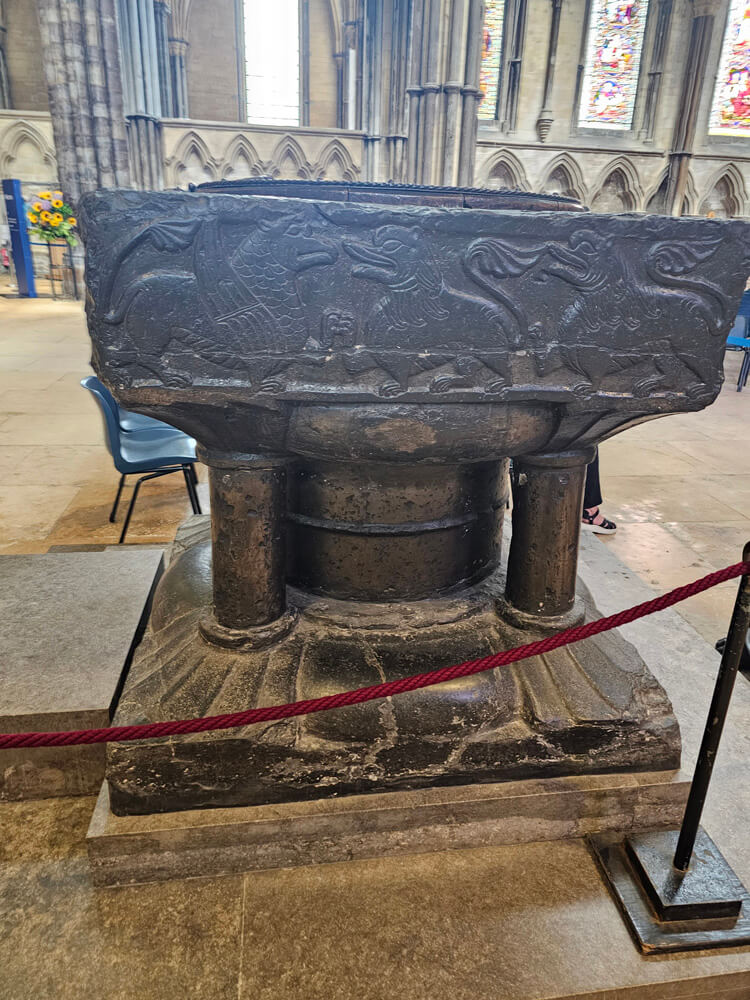
- 12th-century font
- The Lincoln Imp
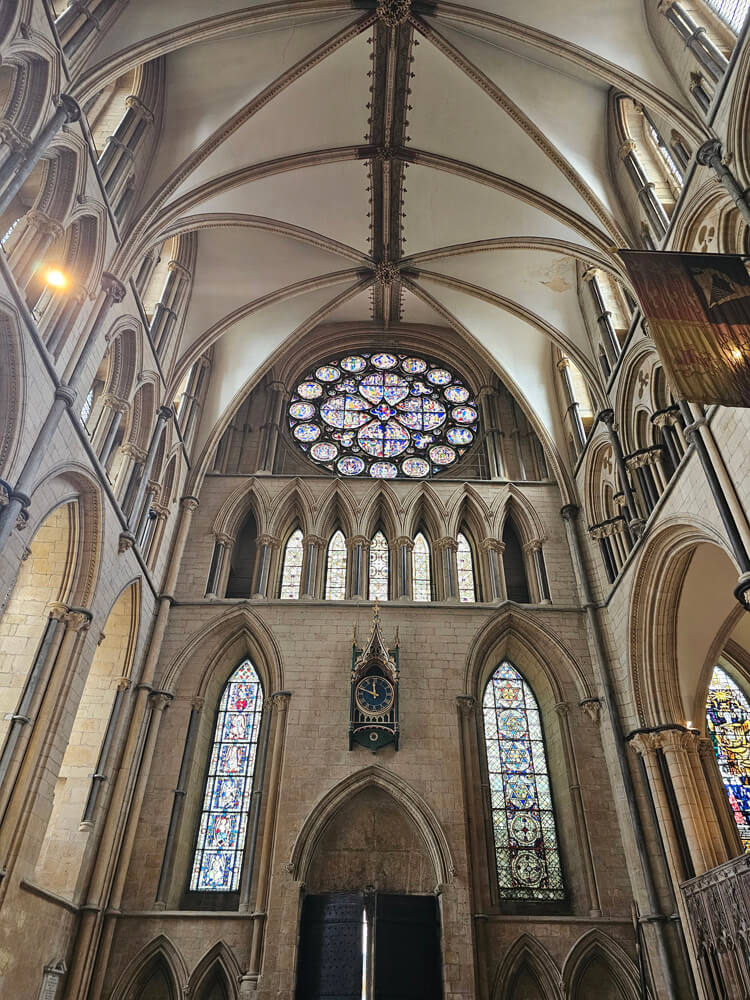
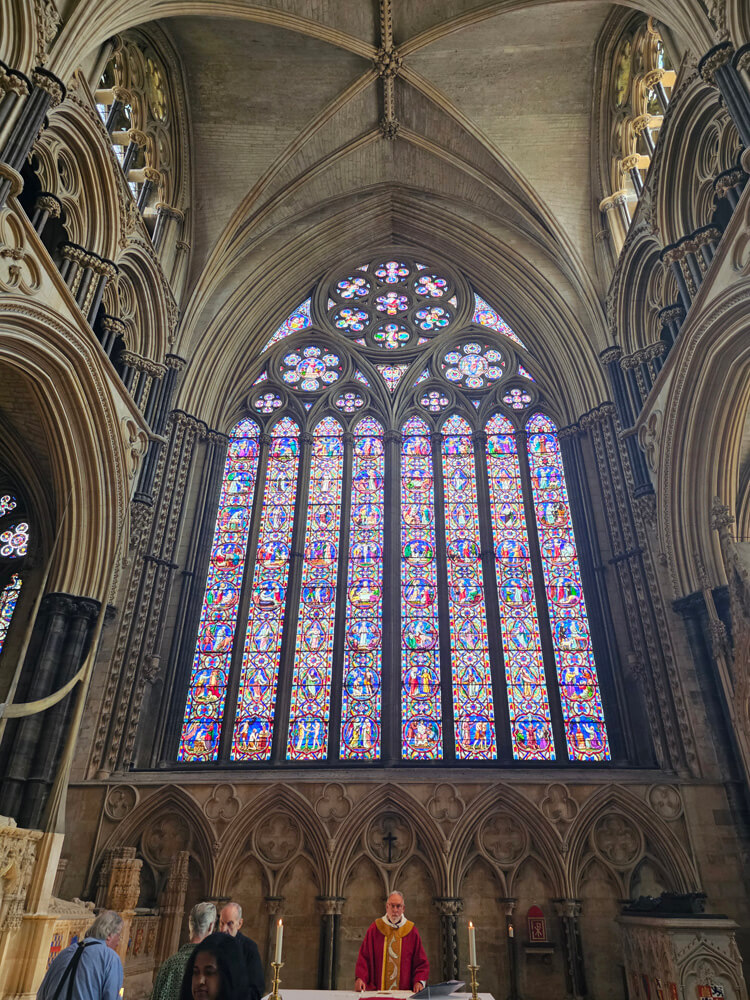
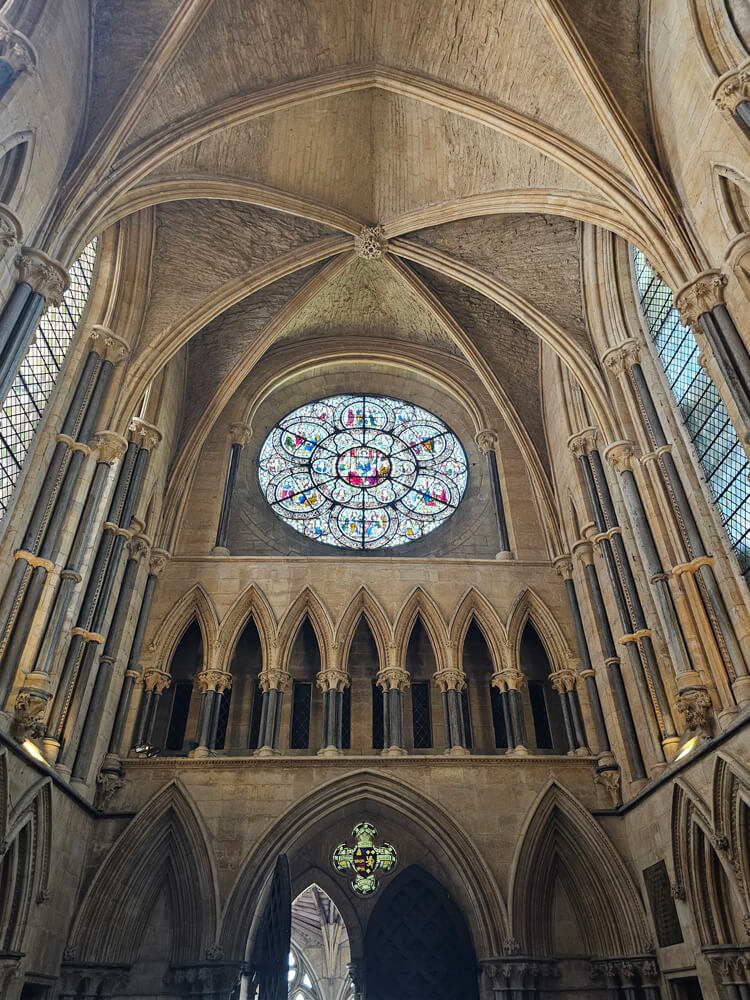
- The Dean’s Eye window
- The Bishops Eye window
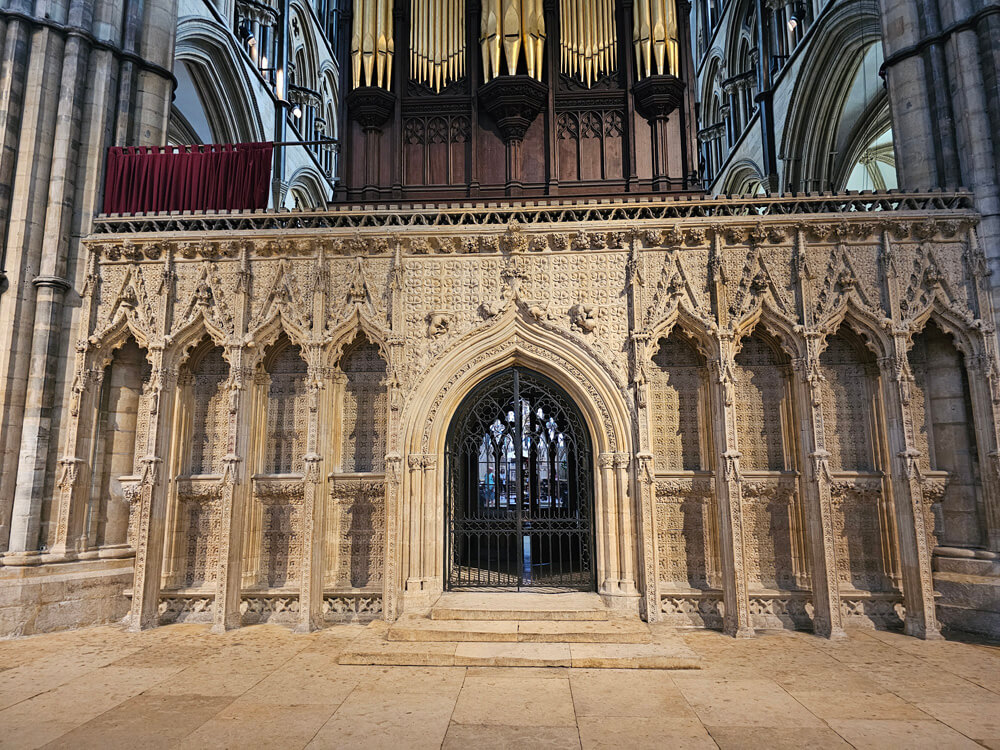
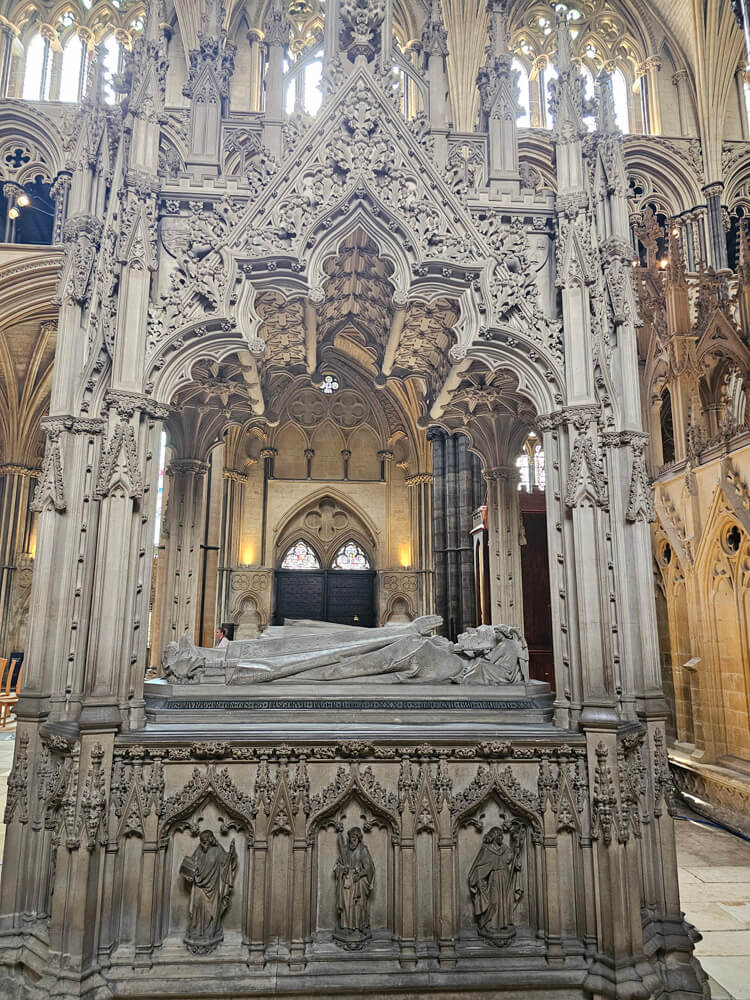
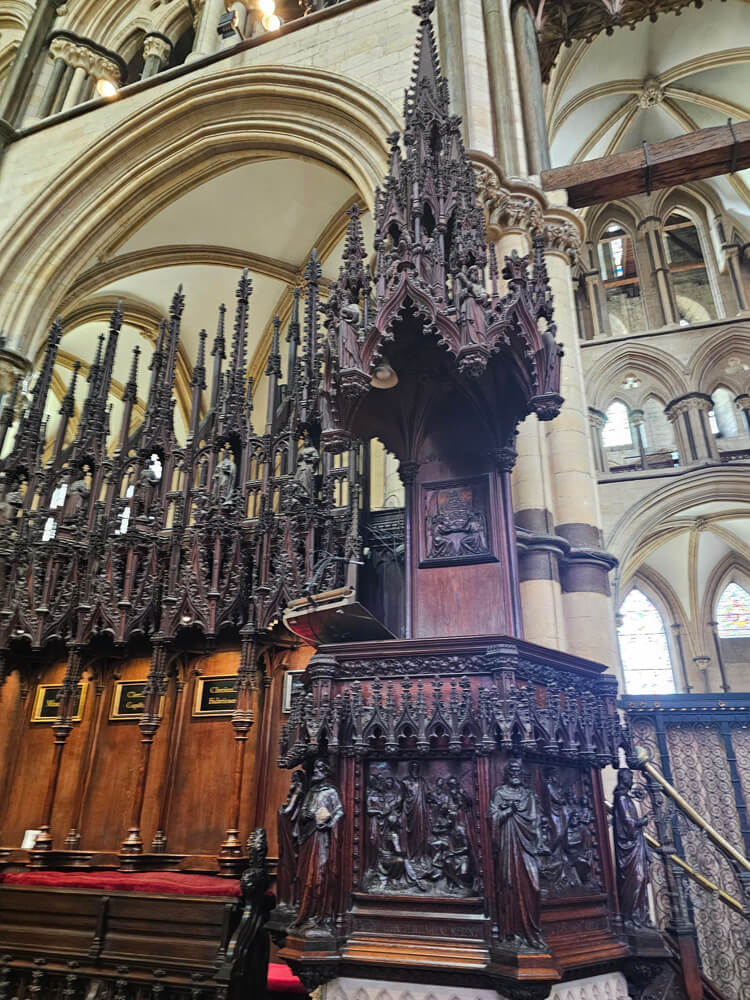
- Exquisite 14th-century choir screen
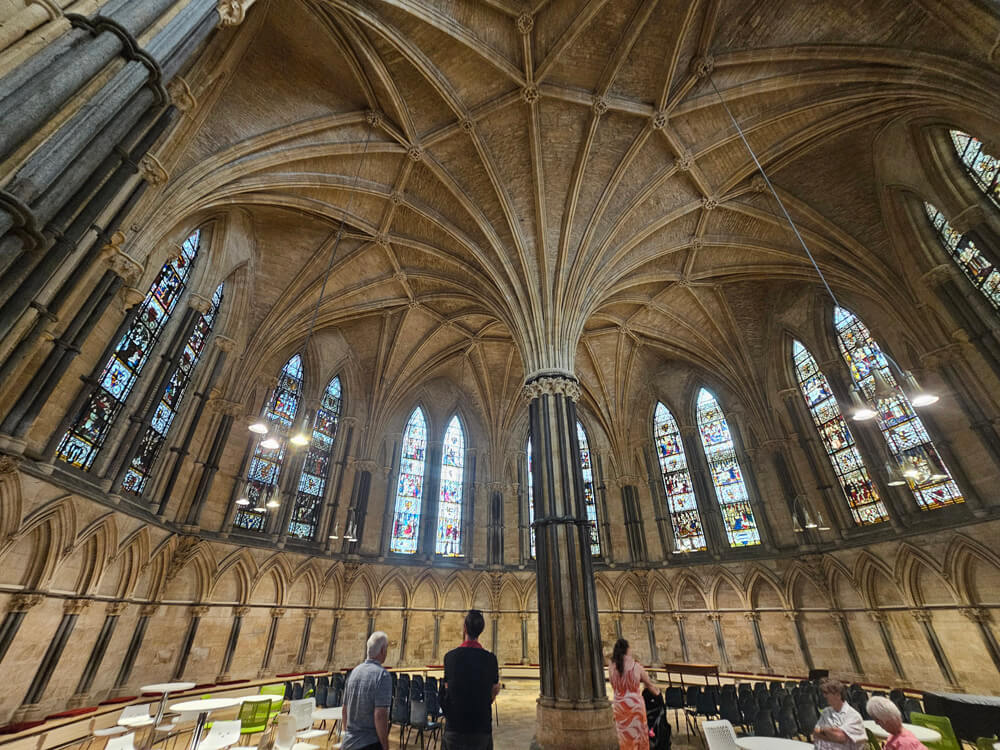
- 13th-century Chapter House
- Medieval Library
- Exhibition Gallery
History of Lincoln Cathedral
After his conquest of England, William the Conqueror embarked upon a programme of cathedral building throughout the country. In 1072, which the earliest parts of the current building date to, William instructed Bishop Remigius to move the seat of the diocese from Dorchester on Thames to Lincoln. The diocese stretched from the Humber in the north to the Thames in the south.
Building a cathedral required a huge workforce of skilled craftsmen and labourers who worked from sunrise to sunset. It is estimated that £2,000 a year was spent on building the Cathedral; nearly £5,000,000 in today’s money.
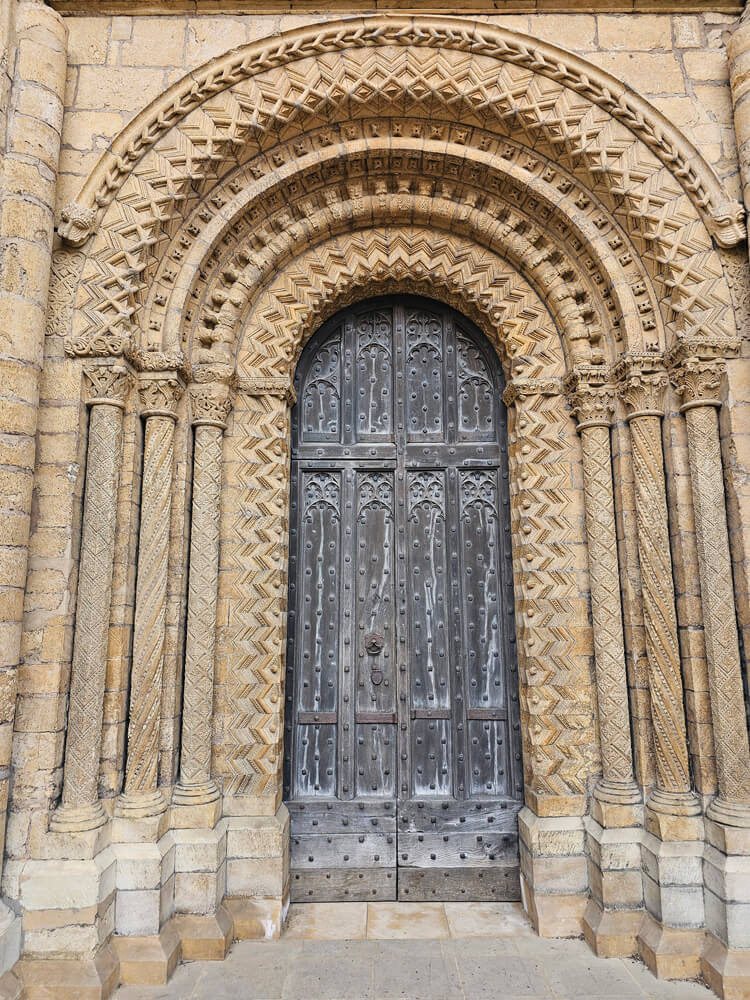
In 1185 the Cathedral was partly destroyed by an earthquake, leaving only the Norman west front which you can still see today.
In 1186, Hugh of Avalon accepted the post of Bishop of Lincoln and began to organise the rebuilding of the Cathedral. Work began in 1192 at the east end and continued until around 1245 when it joined the existing west front. The restoration is said to have been paid for by local people, including, famously, the Swineherd of Stow who gave his meagre life savings towards the great work. His statue sits on the north-west turret opposite that of St Hugh on the south-west.
The Chapter House dates to 1220, and the Dean’s Eye window was installed between 1220 and 1235. Much of the design and construction of the Cathedral was experimental and in 1237 the central tower collapsed. It was replaced by 1311 with a tower topped with a spire making the Cathedral approximately 525 feet high (160m) and reputedly the tallest building in the world for nearly 238 years.
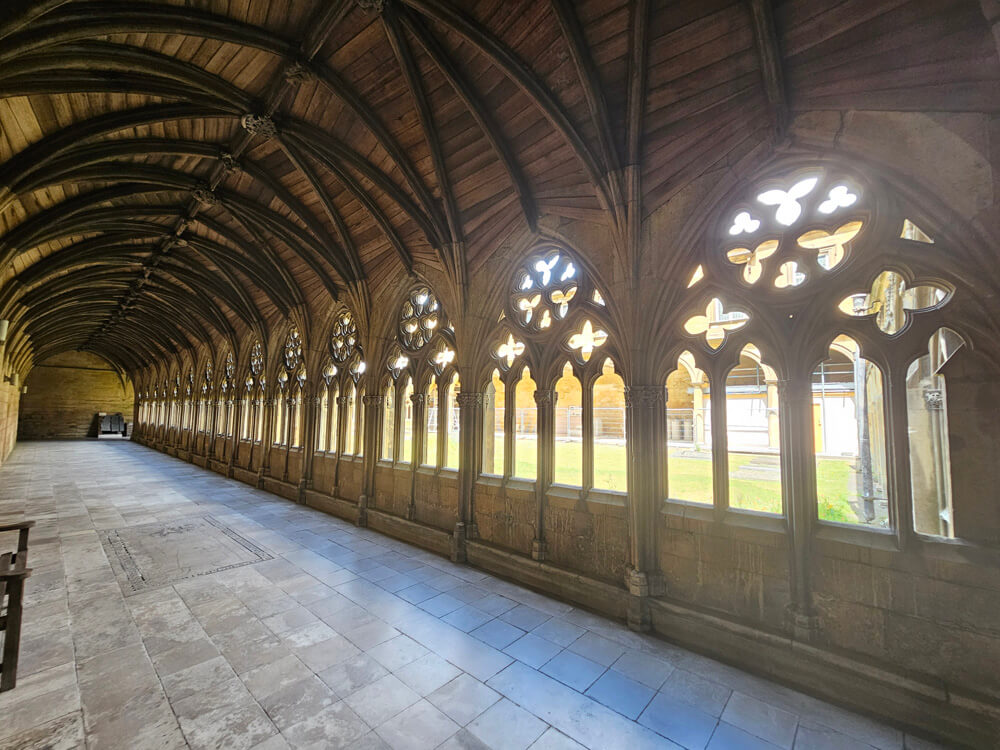
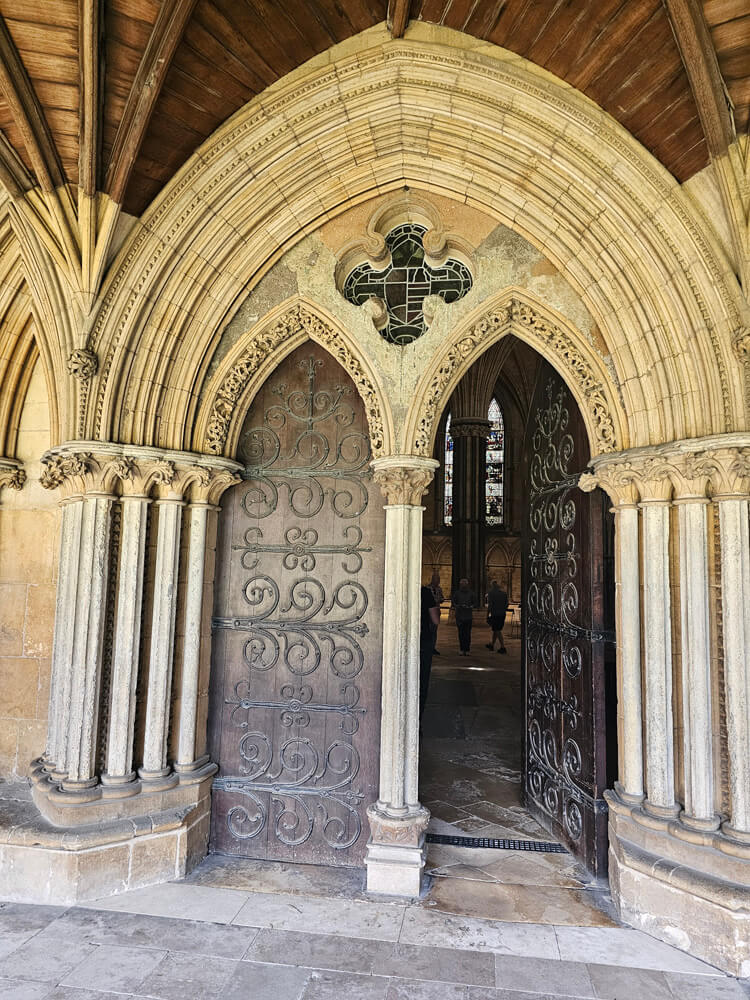
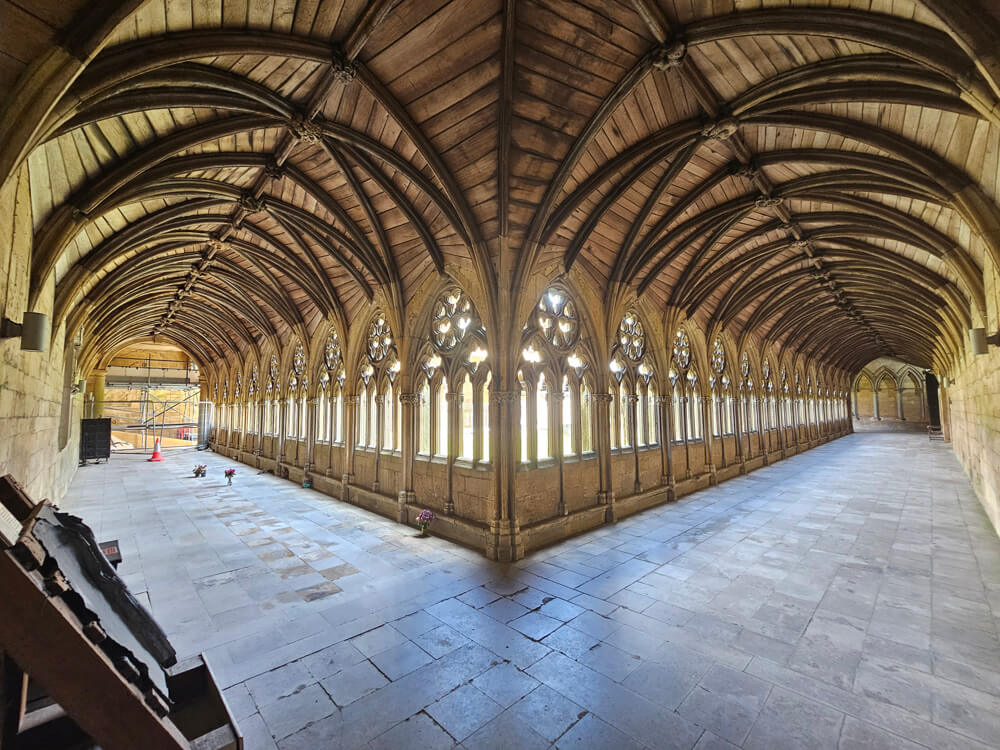
The Galilee Porch was built in 1250, the Angel Choir was built between 1256 and 1280, the Cloisters were built in 1295, the Misericords were installed between 1365 and 1370, and the Medieval Library was built in 1422.
In 1548 the central spire fell down in a storm and had to be removed. In 1644 Cromwell’s forces caused damage to Lincoln Cathedral during their siege on Lincoln during the English Civil War.
In 1674 the Cloisters were described as ‘ruinous’, and so were partially demolished in order to make space for the Wren library instead. Designed by Sir Christopher Wren, building of the Wren Library began in 1674 and finished around 1676.
Lincoln Cathedral Today
Today, Lincoln Cathedral is the fourth largest Cathedral in the UK, and undoubtedly one of the most enjoyable to explore. Lincoln Cathedral is rather unique and is one of the high points of Gothic architecture, especially for its stunning Norman west front.
Lincoln Cathedral holds one of the four remaining copies of the original Magna Carta, which is now displayed in Lincoln Castle.
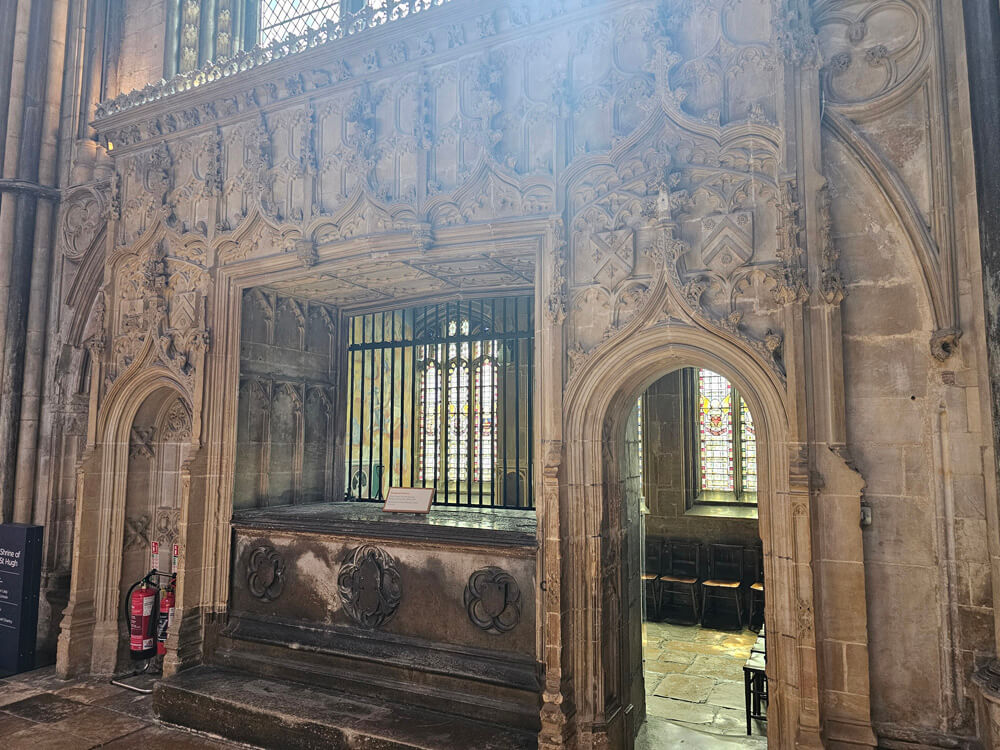
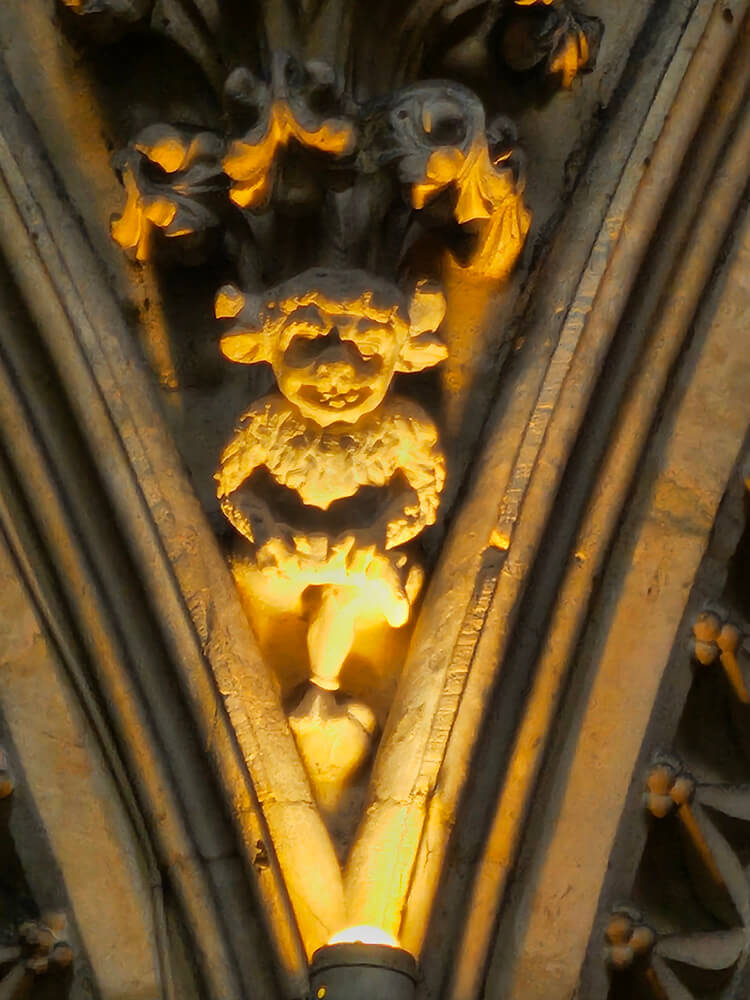
Above the shrine of St Hugh of Avalon in the Angel Choir is the Lincoln Imp. The imp is a fancifully carved figure of a horned devil, and legend has it that he caused so much havoc that one of the angels turned him into stone.
Photo Gallery.
Did you enjoy this post?
I hope you found this post useful. I put a great deal of time and effort in to building, maintaining and populating the website. If you like, you could say a small thank you by buying me a coffee. You don't have to, but it would be nice :)
Buy me a coffee
Stay up to Date
Follow me on my journey and get notified whenever a new post is published by following Kings & Castles on Facebook.
Follow MeExplore The Map
Discover the hundreds of castles, churches, monasteries, cathedrals and other historic locations that I've personally visited across England and Wales. Search by location, explore nearby sites and plan your next historical adventure.
Share: