The Medieval City of Lincoln
Lincoln is one of England’s oldest and most historically significant cities. Its commanding position on the Lincoln Cliff, overlooking the River Witham and the surrounding countryside, has made it an important settlement for more than two thousand years.
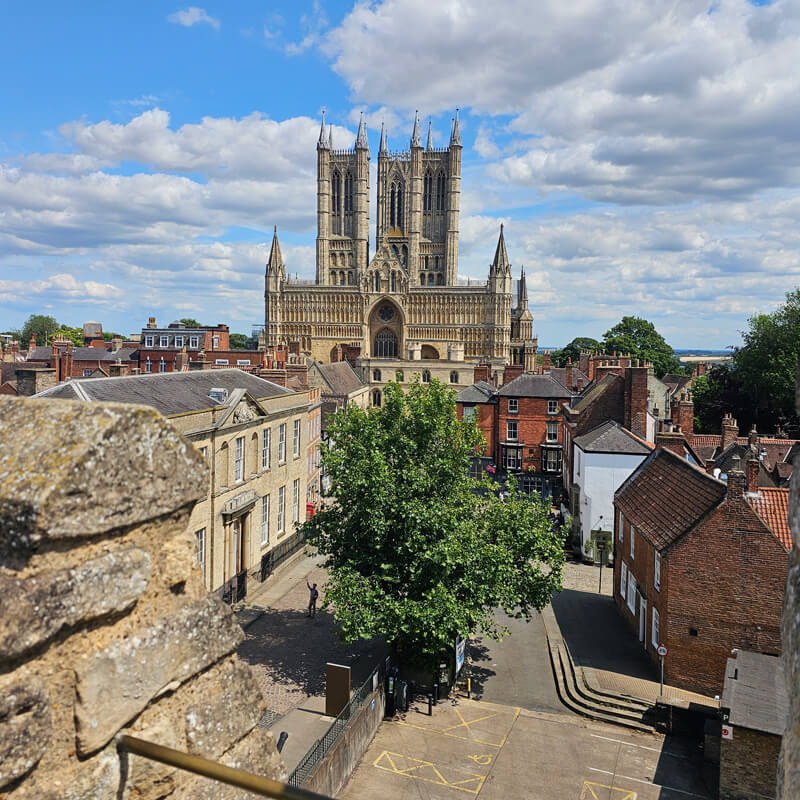
From its origins as an Iron Age community, Lincoln developed into a major Roman city, an important Anglo-Saxon and Viking centre, and one of the most prosperous towns of medieval England. Its cathedral and castle remain powerful reminders of this past. By the 17th century, however, Lincoln had become caught up in the political and religious struggles that culminated in the English Civil War.
Early Lincoln and the Roman City
Lincoln’s origins pre-date the Romans. The area around the River Witham and the Lincoln Cliff was occupied during the Iron Age, when local communities benefited from the natural advantages of the site. The gap in the limestone escarpment provided an important route through the region, while the river offered access to waterways and resources. Archaeological evidence suggests that an Iron Age settlement existed around the Witham and Brayford area, although much of the early settlement was subsequently buried beneath the Roman and medieval city.
The Romans transformed Lincoln after their invasion of Britain in AD 43. Around AD 60, the Romans established a legionary fortress on the hilltop, probably for the Ninth Legion. Lincoln occupied a strategically important position at the meeting of major roads, including Ermine Street, which connected the city with London and the north, and routes leading towards the Midlands and east coast.
Within a few decades, the military fortress had been converted into a colonia, a settlement for Roman veterans. Known as Lindum Colonia, the city developed into an important administrative and commercial centre. Its streets were laid out on a Roman plan, while public buildings included a forum, basilica, temples and baths. Shops and workshops flourished, producing pottery, tiles, bricks and metal goods. The city’s name ultimately developed from Lindum, a Romanised form of an earlier British name associated with a pool or lake, combined with colonia.
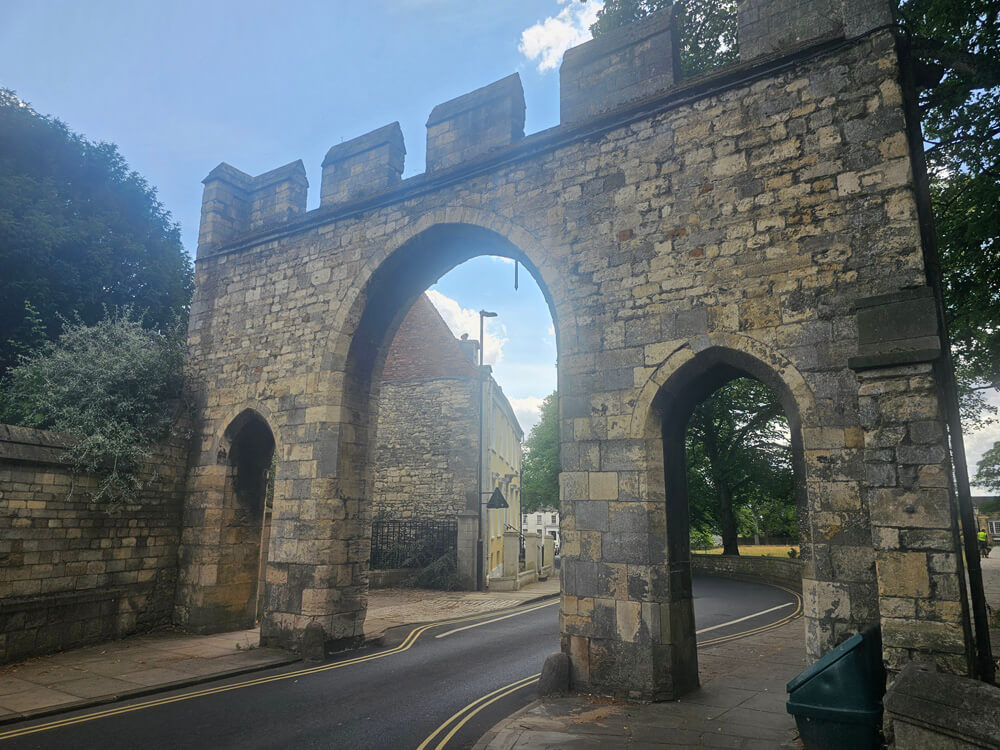
Lincoln’s prosperity continued for several centuries. Its position at the junction of roads and waterways allowed it to participate in regional and long-distance trade. The Roman city was surrounded by substantial walls, parts of which survive today, while monuments such as the Newport Arch demonstrate the scale and importance of Roman Lincoln.
Anglo-Saxon and Viking Lincoln
The end of Roman rule in the early 5th century brought major changes. Like many Roman towns in Britain, Lincoln experienced a period of decline as the administrative and economic structures of the Roman Empire disappeared. Urban life contracted, and parts of the former Roman city fell into disuse. Archaeological evidence nevertheless shows that the site was not completely abandoned.
Lincoln gradually became an important Anglo-Saxon settlement. Christianity was re-established in the region, and churches began to appear within and around the former Roman city. St Mary-le-Wigford and St Peter at Gowts are among the churches associated with Lincoln’s early medieval development.
During the 9th century, the arrival of Scandinavian settlers brought another important transformation. Lincoln became part of the Viking-controlled territory known as the Danelaw. Its position on major routes and close to the River Witham made it attractive to traders and settlers. The city developed into one of the important Five Boroughs of the Danelaw, alongside Leicester, Nottingham, Stamford and Derby.
The Viking period helped establish the foundations of the medieval city. Streets and property boundaries began to develop outside the old Roman centre, while trade expanded. Lincoln’s location also connected it with Scandinavian communities across eastern and northern England.
The Norman Conquest
The Norman Conquest of 1066 dramatically altered Lincoln once again. William the Conqueror recognised the strategic value of the city and established a castle on the hilltop, occupying the highest part of the former Roman settlement. Lincoln Castle was begun in 1068, only two years after the Norman victory at Hastings. It formed part of William’s wider programme of castles designed to control important towns and routes across England.
The Normans also transformed Lincoln’s religious landscape. In 1072 Bishop Remigius moved the seat of the Bishop of Dorchester to Lincoln. Construction of Lincoln Cathedral began, creating a powerful religious centre alongside the royal castle. The combination of castle and cathedral made Lincoln one of the most imposing Norman cities in England.
The medieval city grew rapidly beyond the boundaries of the former Roman settlement. Its population included merchants, craftsmen, religious communities and administrators, while the River Witham and surrounding countryside supported trade and agriculture.
Medieval Lincoln: Trade, Wealth and Power
During the 12th and 13th centuries, Lincoln became one of England’s major commercial centres. Its prosperity was closely connected with the wool trade. Lincolnshire produced large quantities of wool, which could be processed locally or exported to markets overseas. The city’s merchants became wealthy, and Lincoln developed links with continental Europe.
The medieval city was also becoming increasingly self-governing. In 1130 Lincoln’s citizens paid the Crown a substantial sum to obtain the right to account directly for the city’s annual farm. Further royal charters followed, including Henry II‘s charter of 1155 and Richard I‘s charter of 1194, which allowed the citizens to appoint their own prepositus, or chief civic official. By the beginning of the 13th century, Lincoln possessed a comparatively sophisticated system of municipal government.
Lincoln’s religious importance was equally significant. The cathedral was repeatedly enlarged and rebuilt, particularly under St Hugh of Lincoln, who became bishop in 1186. An earthquake in 1185 severely damaged the cathedral, after which Hugh began a major rebuilding programme. He died in 1200 and was canonised in 1220. The cathedral subsequently became one of the greatest Gothic buildings in medieval Europe.
The bishops of Lincoln were among the most powerful churchmen in England. Their enormous diocese stretched from the Humber to the Thames, and the bishop’s palace beside the cathedral became an important centre of ecclesiastical administration.
Lincoln and Magna Carta
Lincoln played a prominent role in the political struggles of King John’s reign. In 1215, after the sealing of Magna Carta, conflict broke out between the king and rebellious barons. Lincoln Castle remained loyal to John and became the focus of a major military confrontation.
In May 1217, during the First Barons’ War, a French and rebel army occupied Lincoln. Royalist forces led by William Marshal and supported by forces from the north attacked the city. The resulting Battle of Lincoln was a decisive royal victory. The battle helped destroy the rebels’ position in northern England and contributed to the eventual end of the war.
The castle’s role in the conflict demonstrated Lincoln’s continuing strategic importance. Its position above the city allowed whoever controlled it to dominate the surrounding area.
A City in Decline
Lincoln reached the height of its medieval prosperity during the 13th century. However, its fortunes began to change during the 14th century. The wool trade declined, competition from other towns increased, and repeated outbreaks of disease affected the population.
The Black Death and subsequent epidemics further disrupted economic and social life. Nevertheless, Lincoln remained an important religious and administrative centre. The cathedral continued to dominate the city’s skyline, while the castle remained an important royal possession.
The later Middle Ages also brought religious and political changes. The Reformation under Henry VIII ended the medieval religious order. Lincoln’s religious houses were dissolved, while the cathedral was transformed within the new Church of England. In 1536, the city was caught up in the Lincolnshire Rising, a major rebellion against Henry VIII’s religious reforms and the Dissolution of the Monasteries. The bishop’s palace was attacked during the uprising.
Lincoln on the Eve of the Civil War
By the 17th century, Lincoln was no longer the exceptionally wealthy trading city it had been during the High Middle Ages, but it remained strategically important. The cathedral, castle and medieval street pattern continued to define the city, while its position between the Midlands, northern England and eastern England made it valuable during times of conflict.
When civil war broke out between Charles I and Parliament in 1642, Lincolnshire became a contested region. Lincoln itself changed hands during the early stages of the conflict. The city’s formidable upper defences, centred on the castle and cathedral close, made it an important military position, while the lower city was more vulnerable.
In 1643, Royalist forces attempted to establish themselves in Lincolnshire, and Lincoln became involved in the wider fighting. The Royalist defeat at the Battle of Winceby in October 1643, in which Oliver Cromwell played a prominent role, helped shift control of Lincolnshire towards Parliament.
The struggle for Lincoln culminated in the Siege of Lincoln in May 1644. Parliamentarian forces under the Earl of Manchester arrived before the city on 3rd May. They quickly captured the lower town, forcing the Royalist garrison to withdraw into the heavily defended upper city. On 6th May, Parliamentary troops stormed Lincoln Castle. The Royalist garrison was defeated and hundreds of soldiers were captured or killed.
The fighting left visible damage. Parliamentary artillery damaged several churches, while the cathedral suffered from occupation and military use. Lincoln Castle was battered during the assault, although it survived. The city’s capture marked the end of serious fighting at the castle.
Lincoln After the Civil War
By the end of the English Civil War in the late 1640s, Lincoln had experienced almost two thousand years of dramatic change. From its beginnings as an Iron Age settlement, it had become a Roman colonia, an Anglo-Saxon and Viking centre, a Norman fortress city and one of medieval England’s wealthiest towns. Its castle and cathedral embodied the military and religious power that had shaped its medieval history.
The Civil War brought a new chapter to this long story. The storming of Lincoln Castle in 1644 marked the end of the city’s role as a major battlefield stronghold, while the damage suffered during the conflict symbolised the decline of the old medieval order. Yet the cathedral, castle, Roman remains and medieval streets ensured that the history of earlier centuries remained deeply embedded in the character of Lincoln.
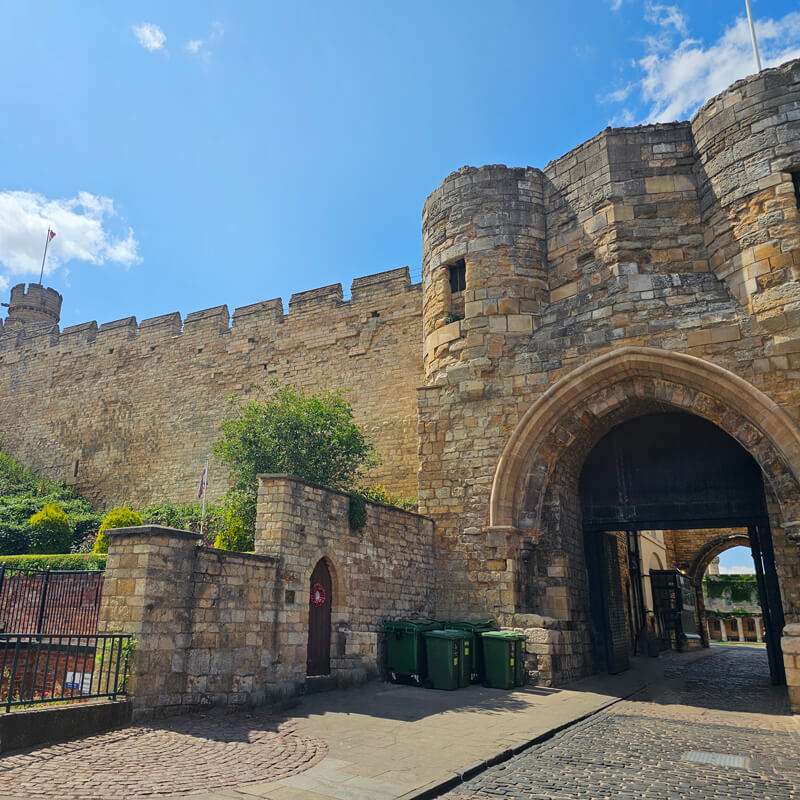
Lincoln Castle
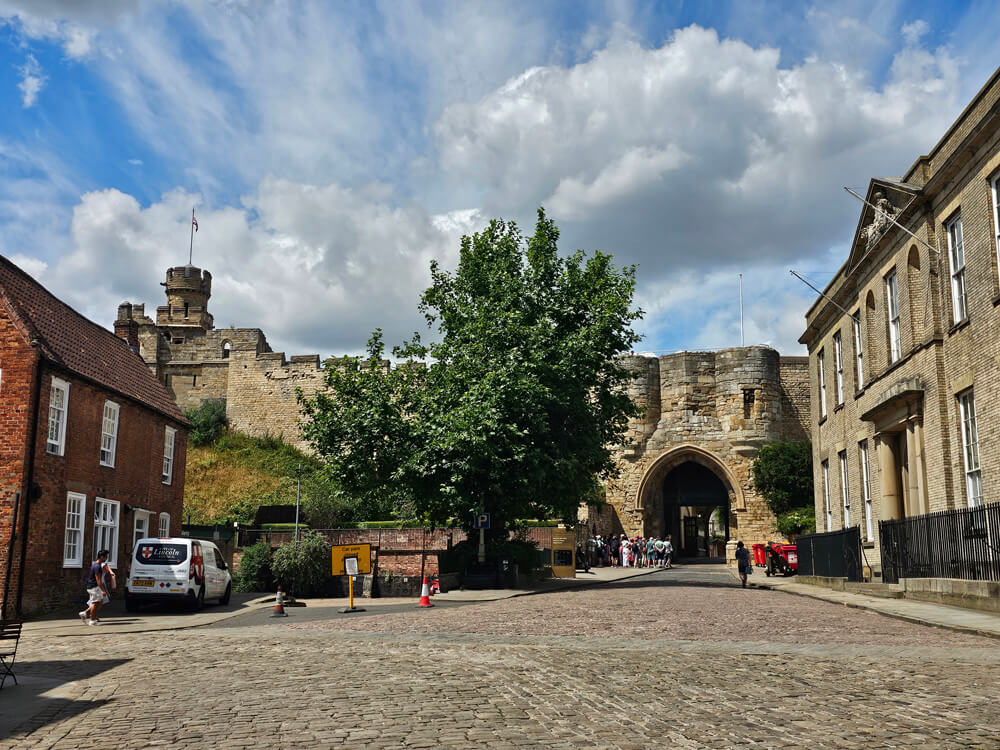
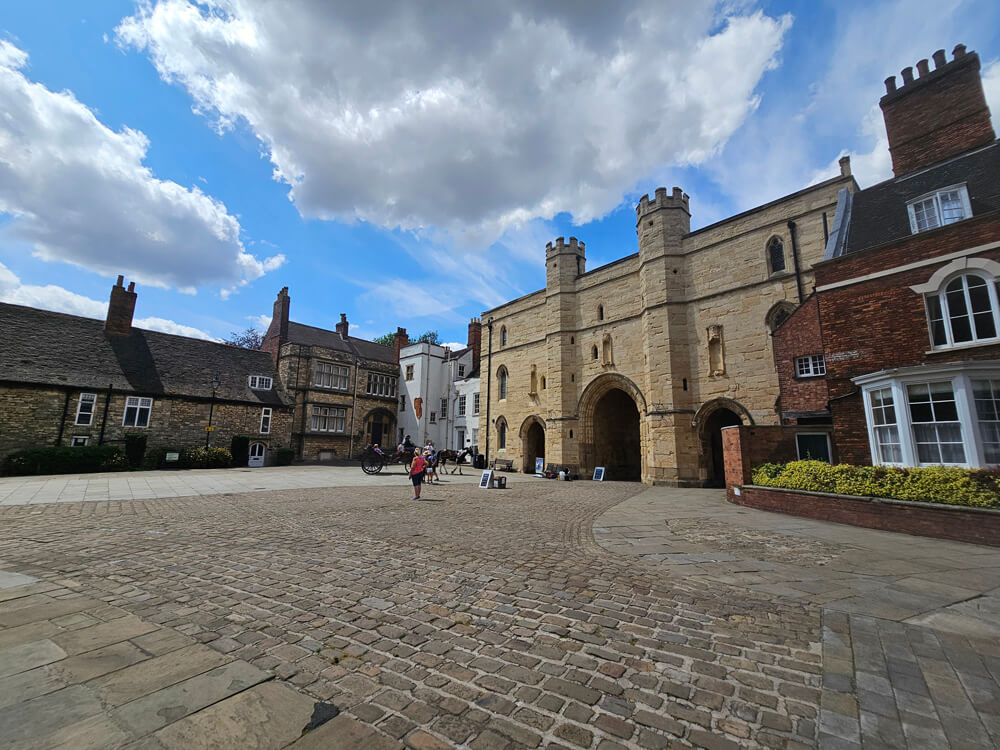
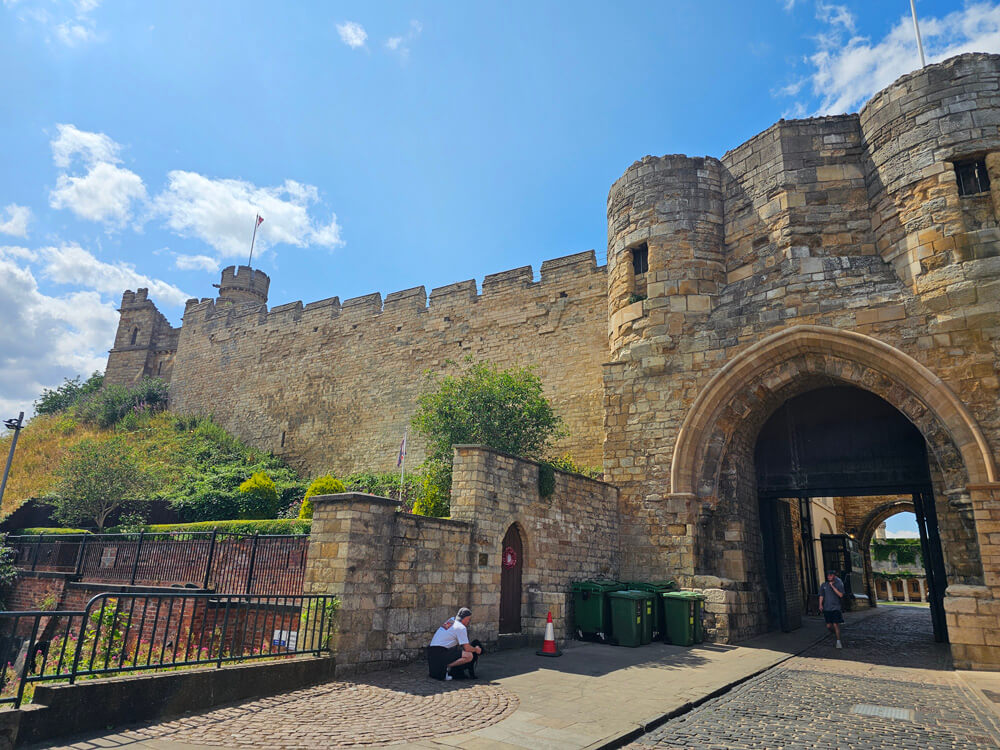
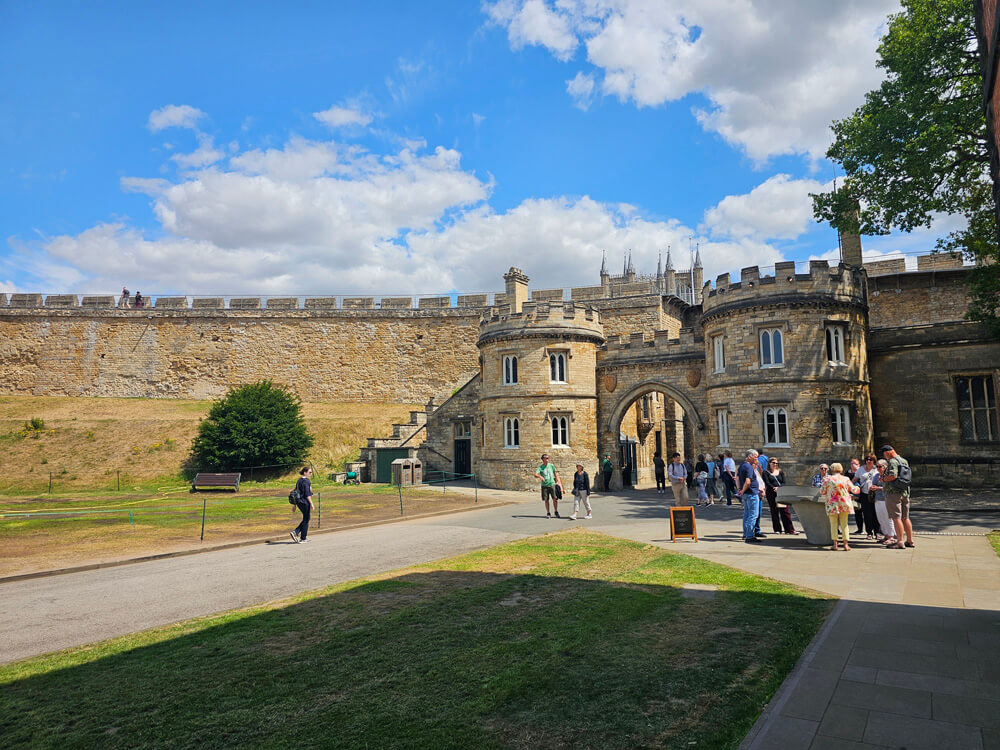
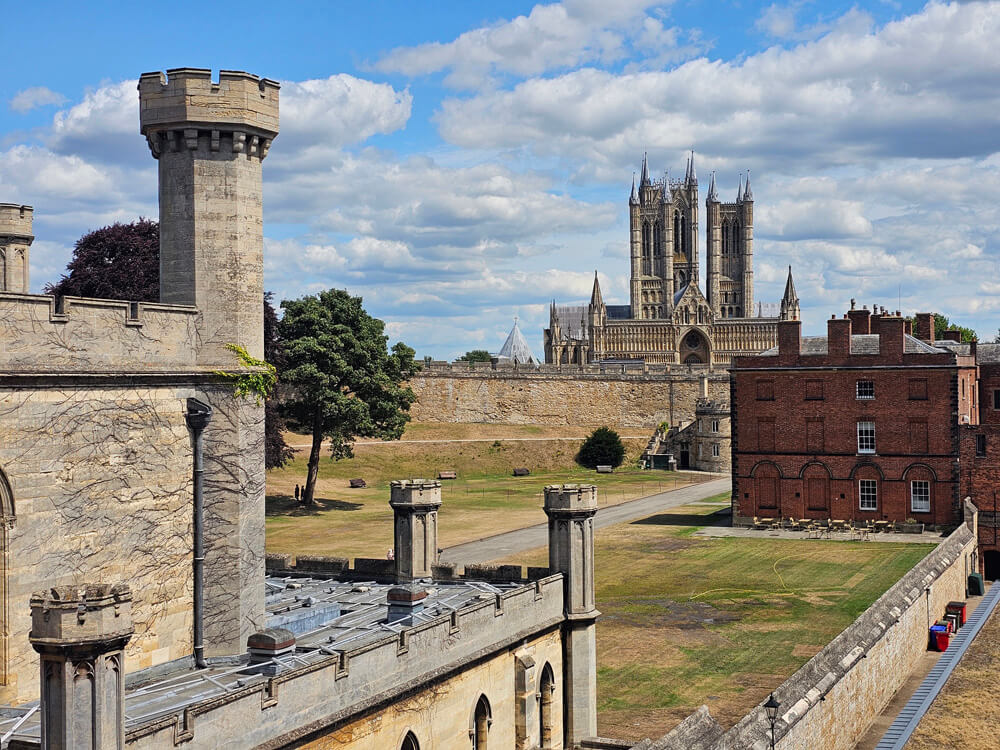
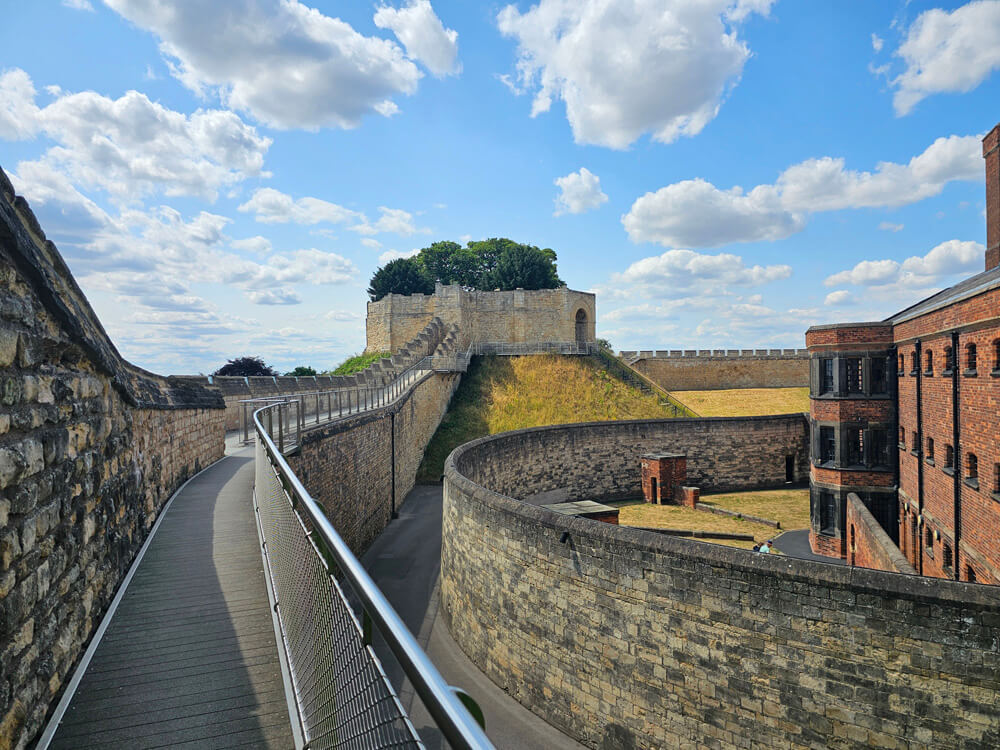
Standing proudly on Lincoln’s historic hilltop, Lincoln Castle has witnessed almost a thousand years of English history. Built by William the Conqueror soon after the Norman Conquest, it has served as a fortress, royal stronghold, prison and courthouse. Today, its imposing walls and towers remain among the finest examples of a medieval castle in England. It is also home to one of only four surviving copies of the original Magna Carta.
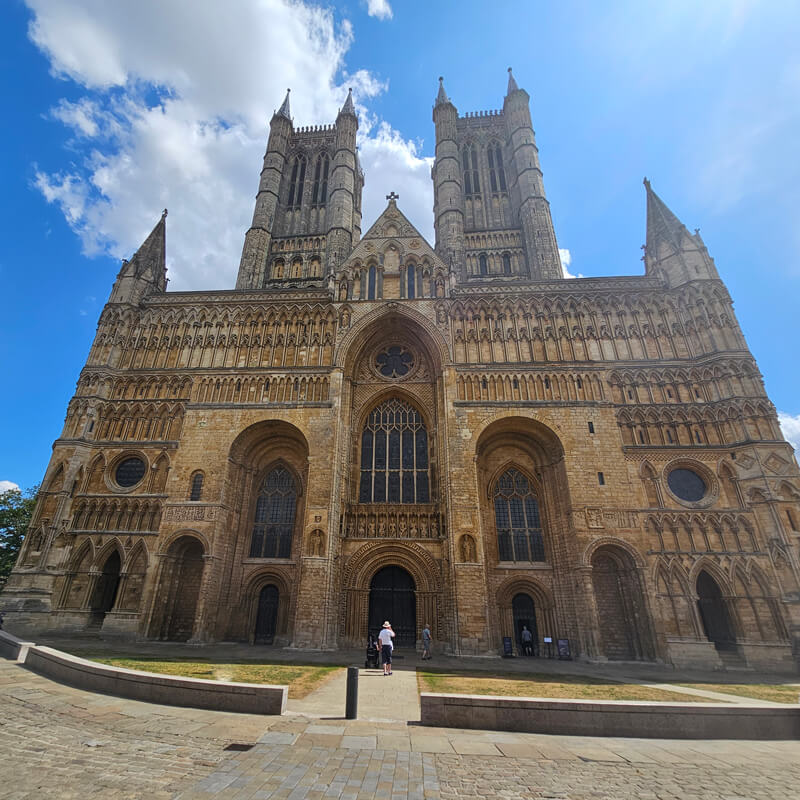
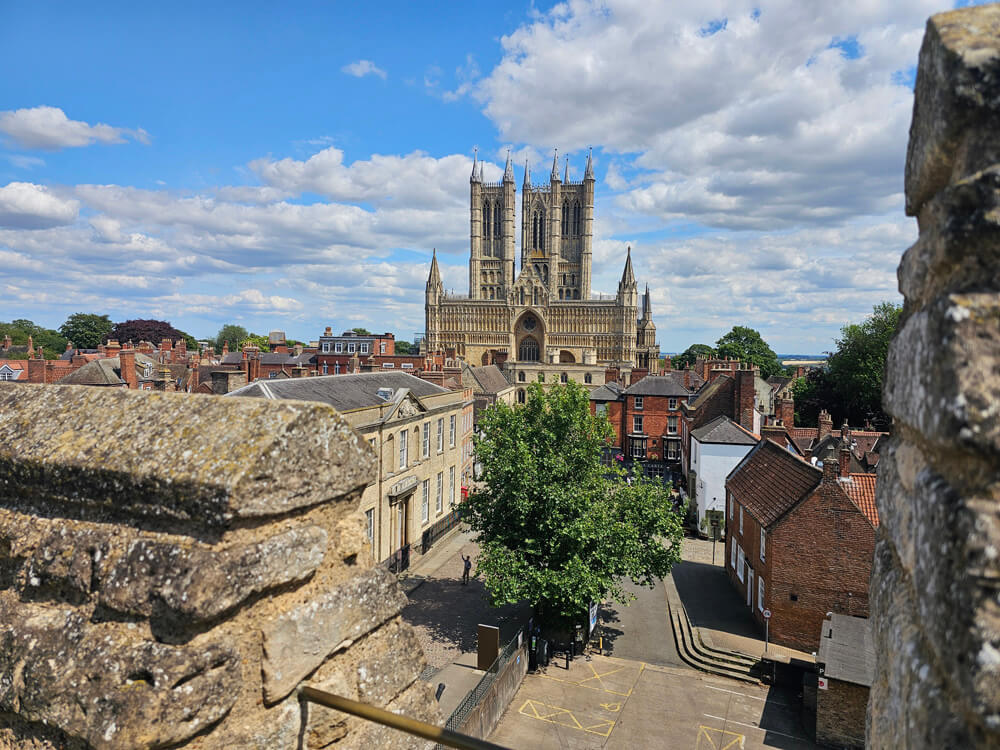
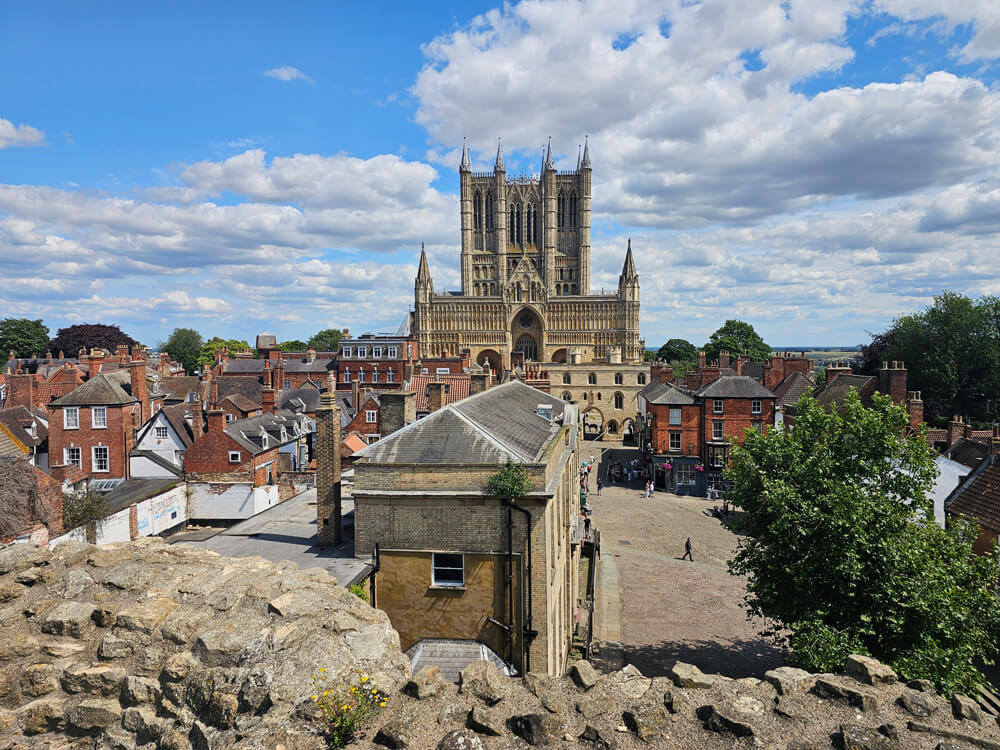
Lincoln Cathedral
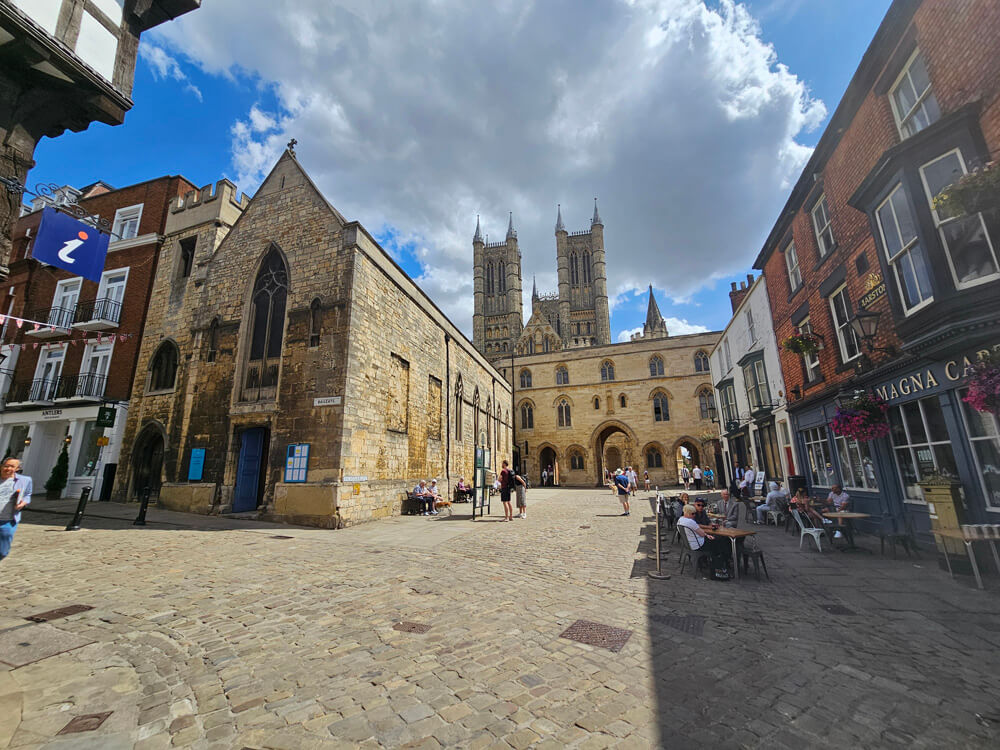
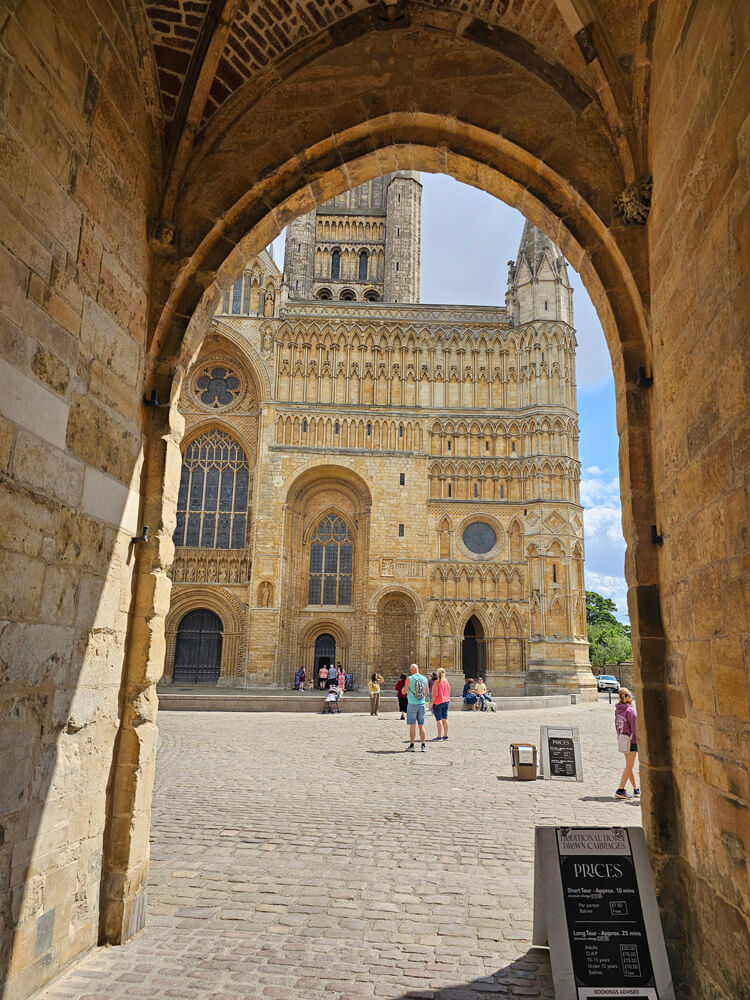
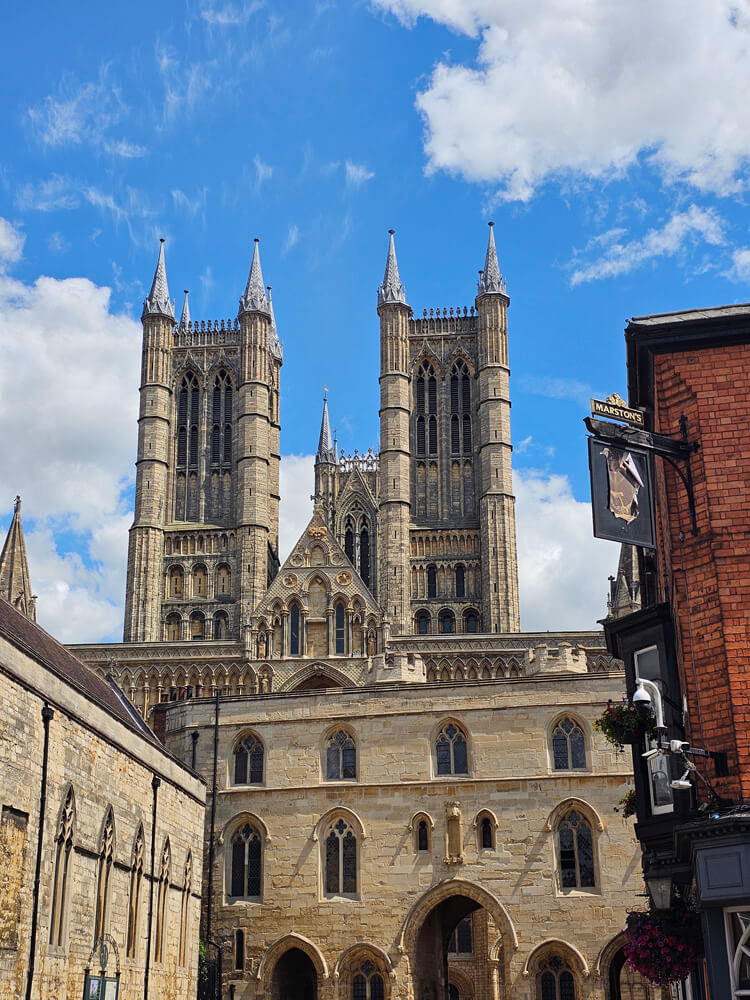
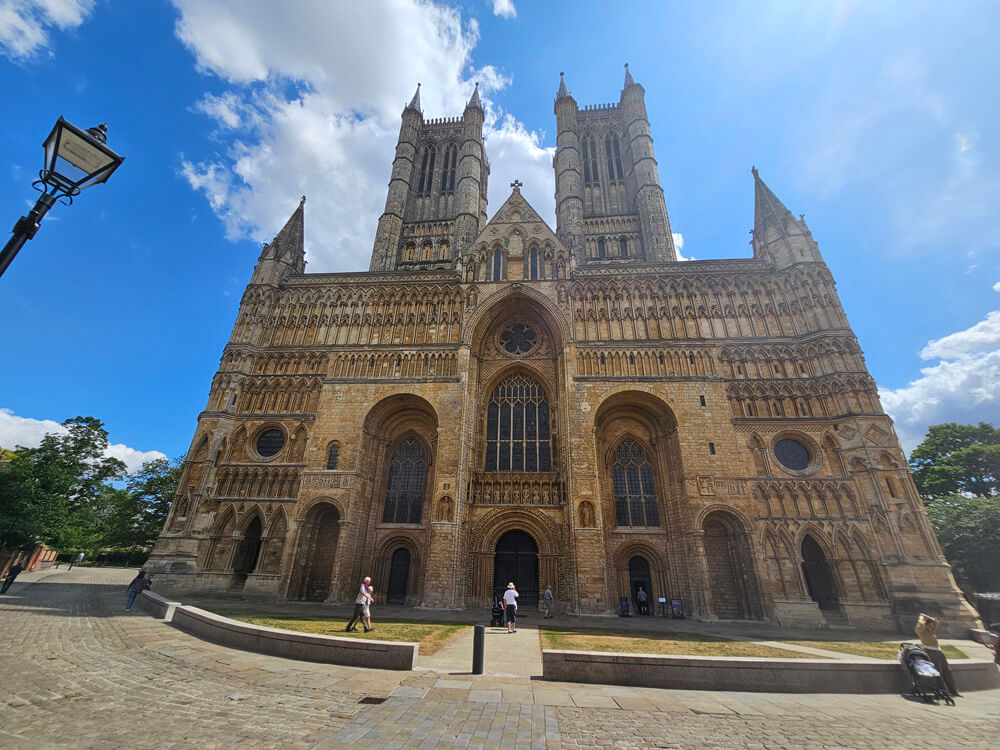
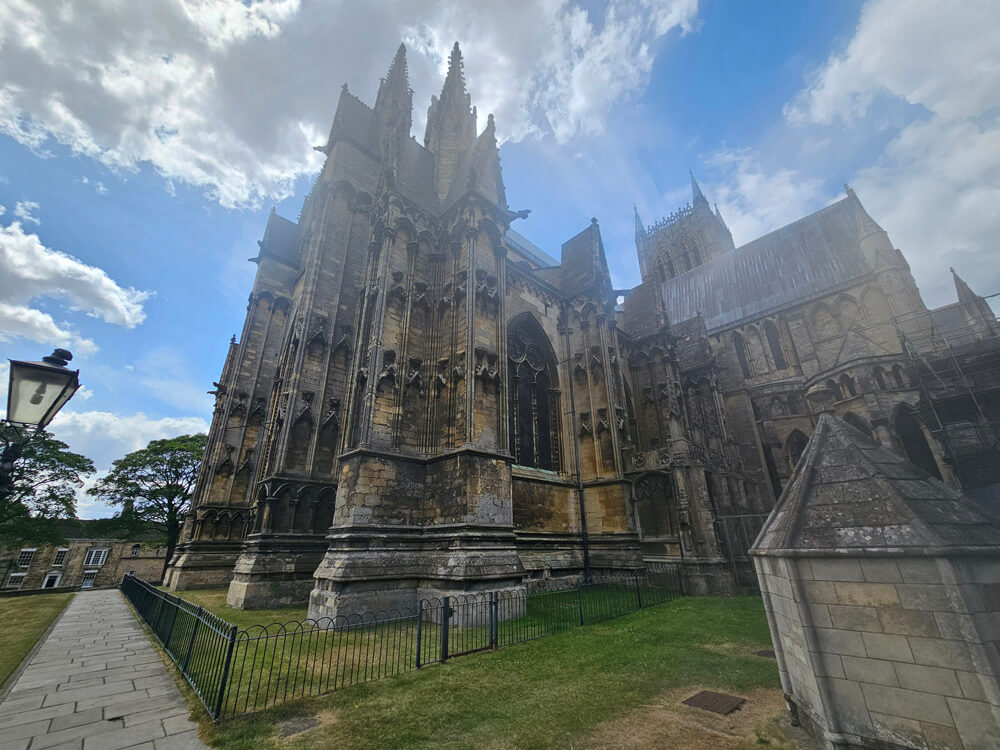
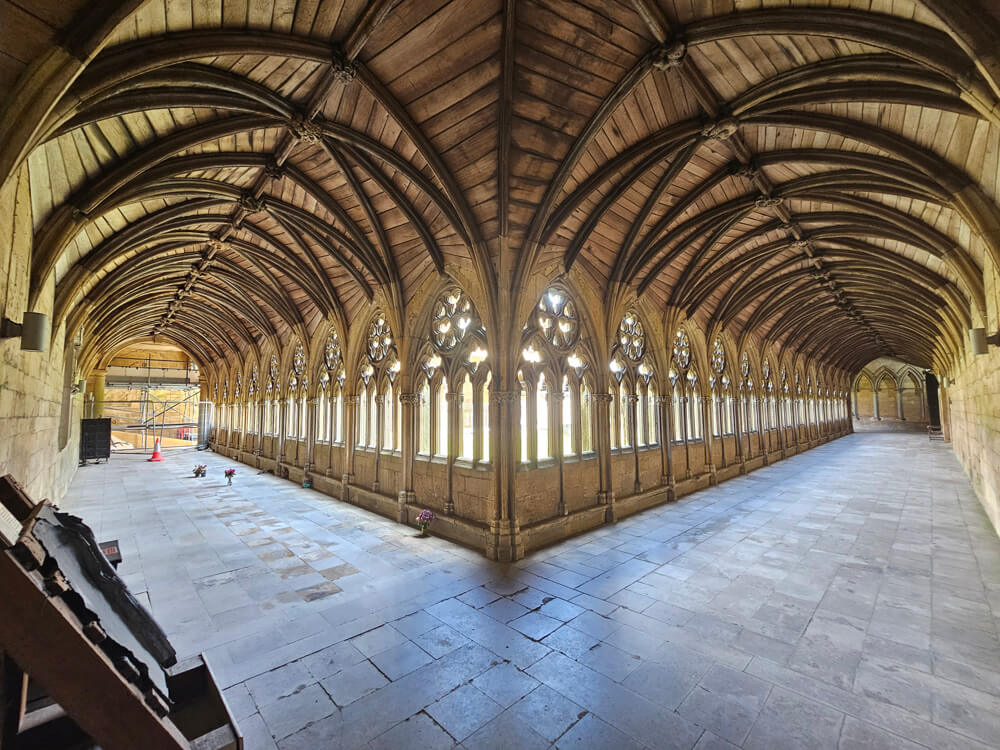
Consecrated in the 11th century, Lincoln Cathedral has welcomed people through its doors for almost a thousand years. It is one of the great Cathedrals of the world and was once the world’s tallest building for over two centuries. This spectacular Gothic building is a joy to explore, with magnificent interiors, colourful stained glass windows, a fascinating exhibition gallery, and the famous Lincoln Imp.
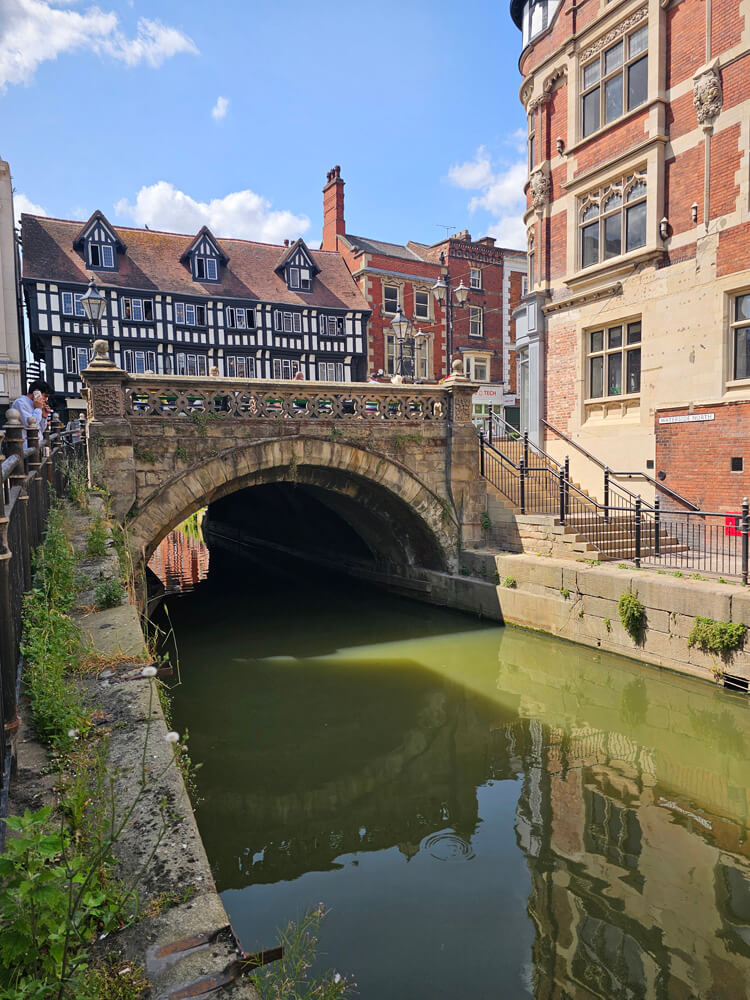
High Bridge
The High Bridge in Lincoln is one of England’s oldest medieval bridges, spanning the River Witham in the heart of the city. Built around 1160, it formed an important link between the uphill and downhill parts of medieval Lincoln. The bridge originally supported buildings and shops, reflecting its role as both a crossing and commercial centre. Its surviving medieval structure provides a fascinating glimpse into Lincoln’s busy medieval streetscape.
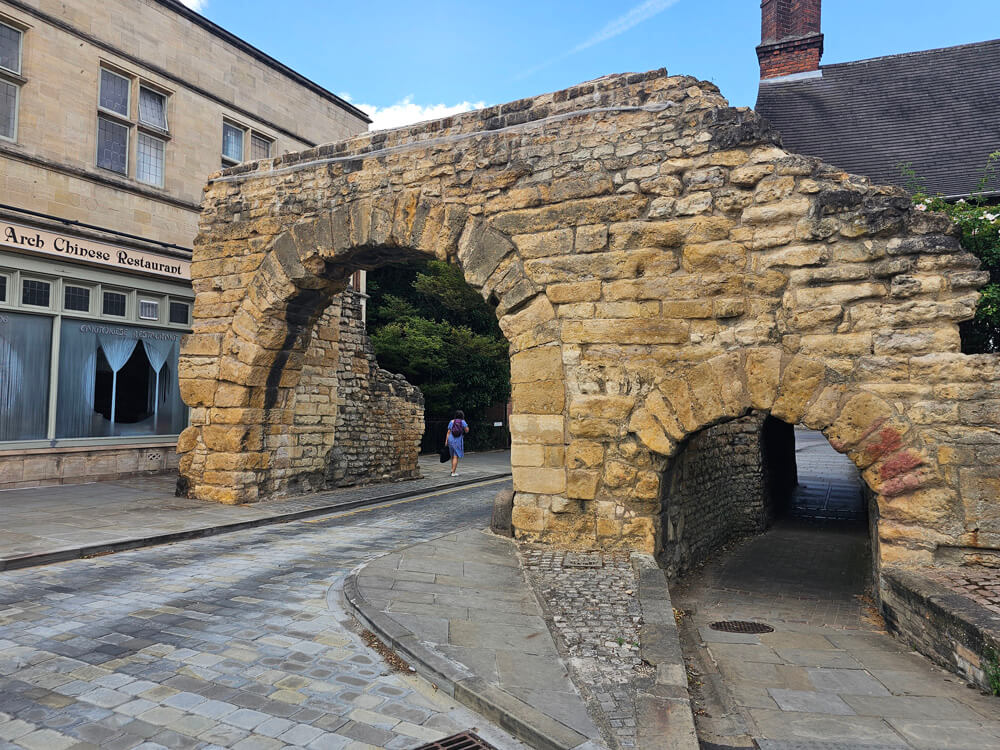
Newport Arch
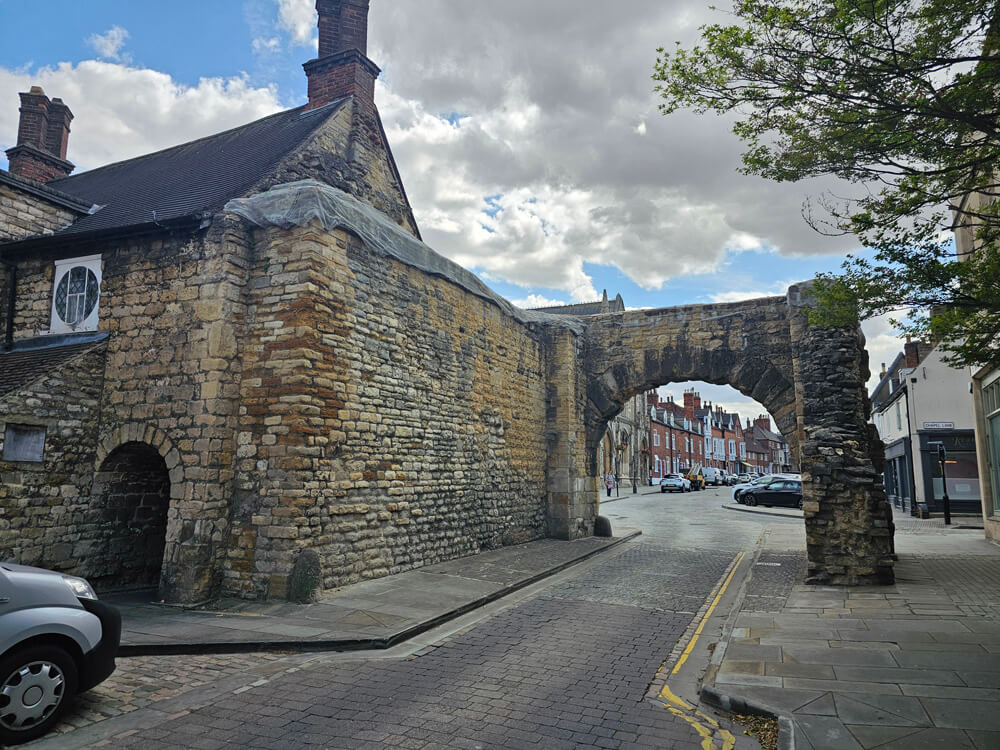
Newport Arch is a remarkable surviving Roman gateway dating from the 3rd century. Built into the city’s northern defences, it carried Ermine Street, the major Roman road linking London with the north. The arch continued to serve as a gateway throughout the medieval period and beyond. Today, it is one of Lincoln’s most important Roman monuments and a striking reminder of the city’s origins as Lindum Colonia.
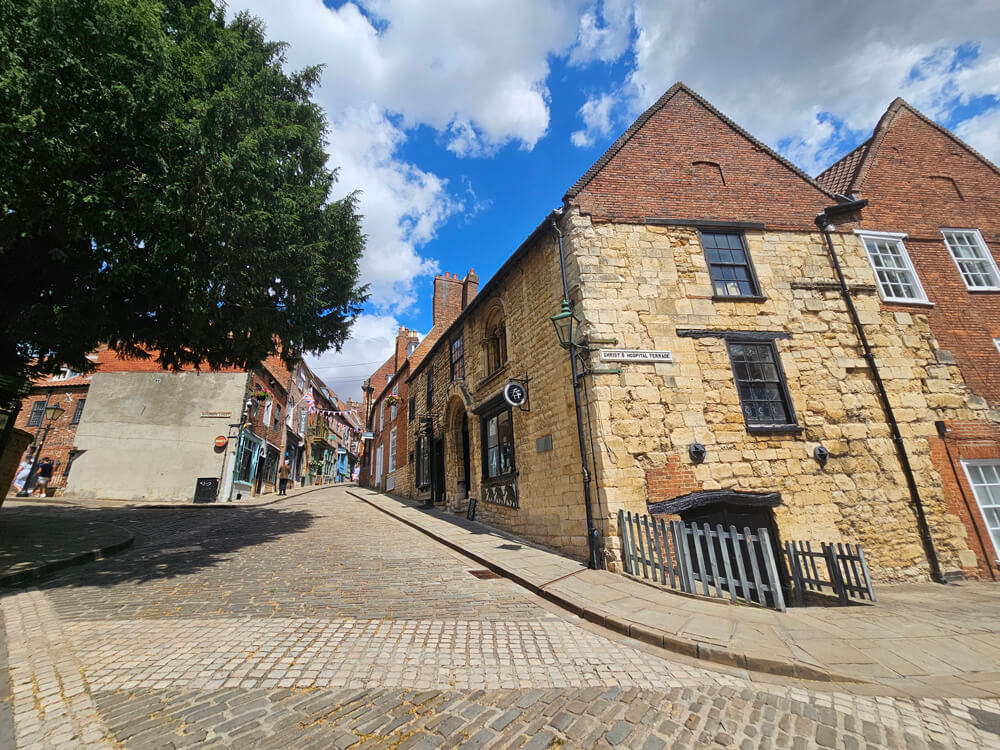
Steep Hill
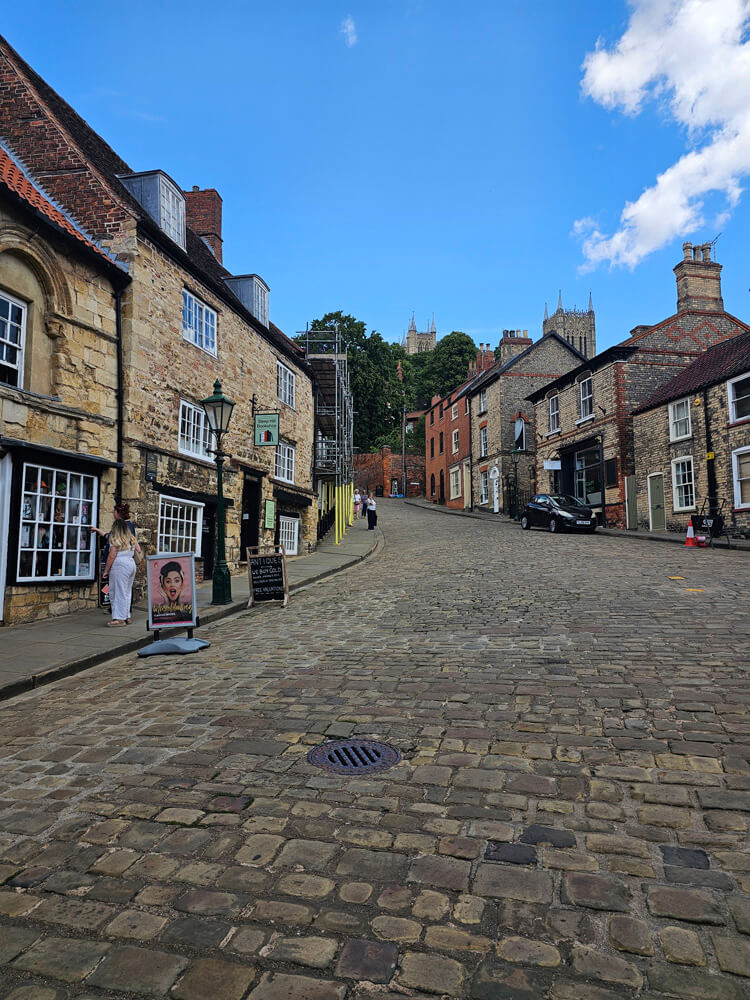
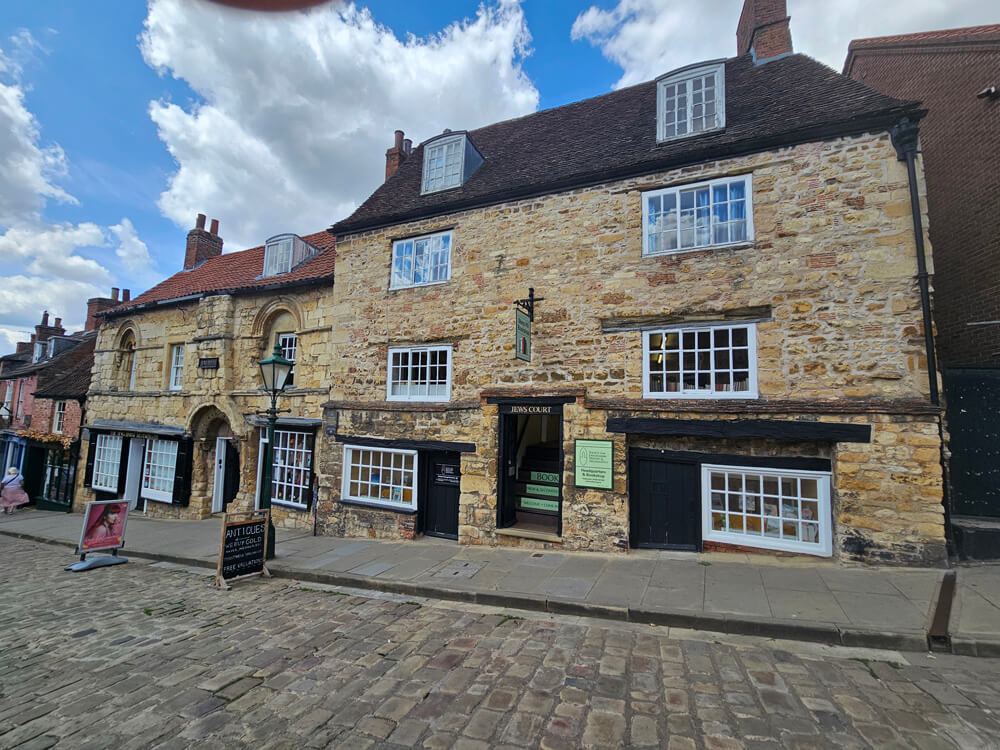
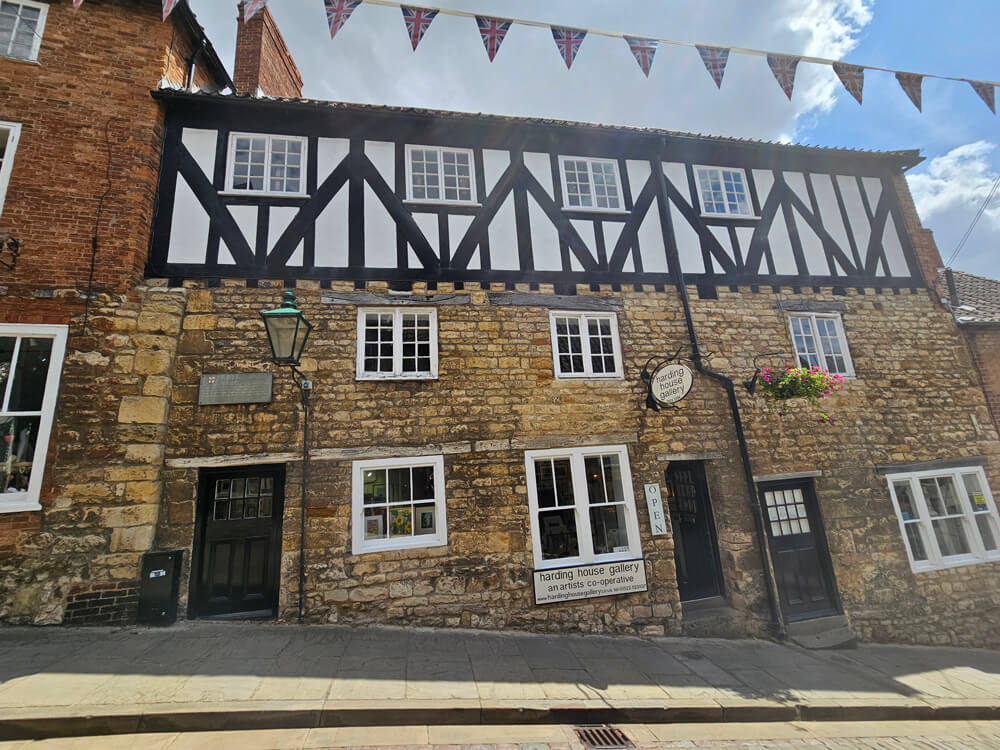
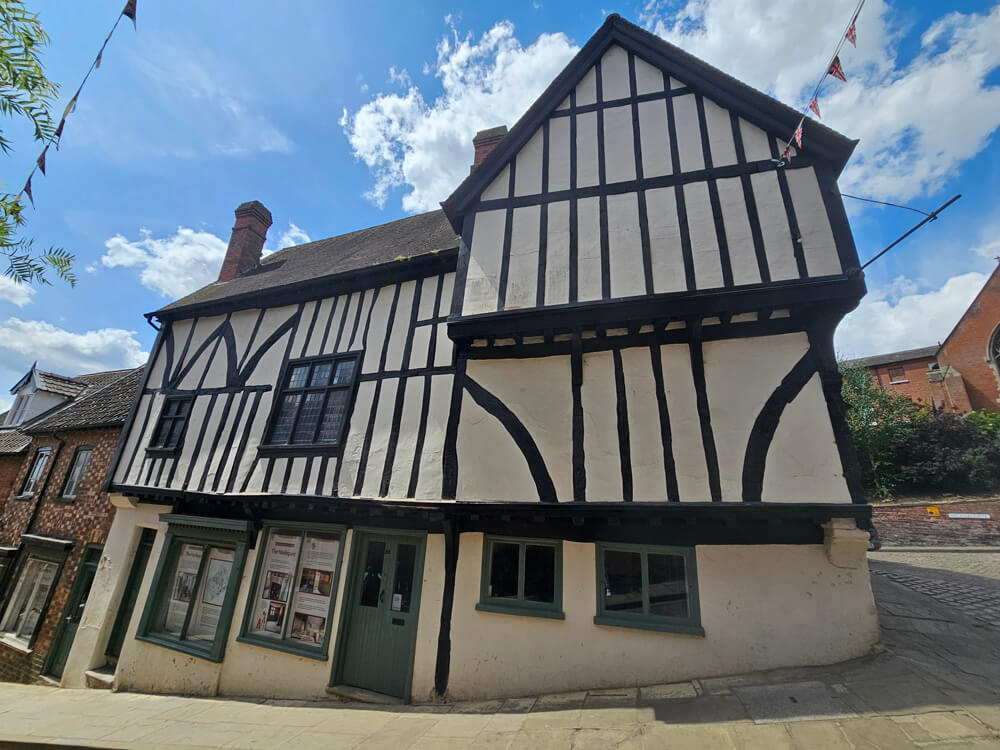
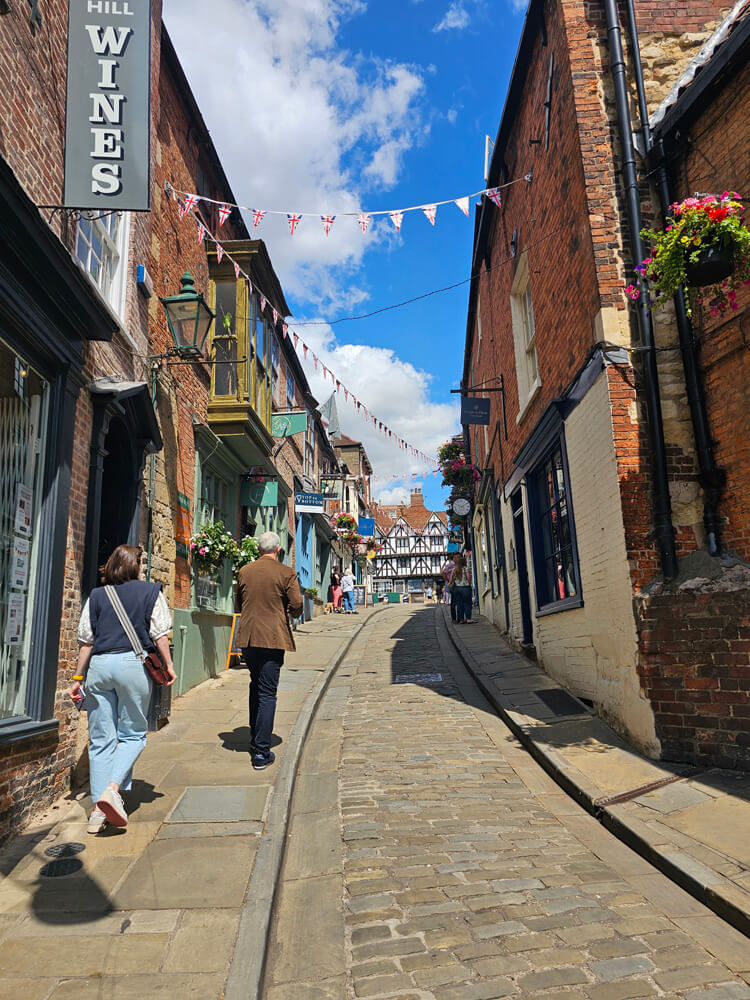
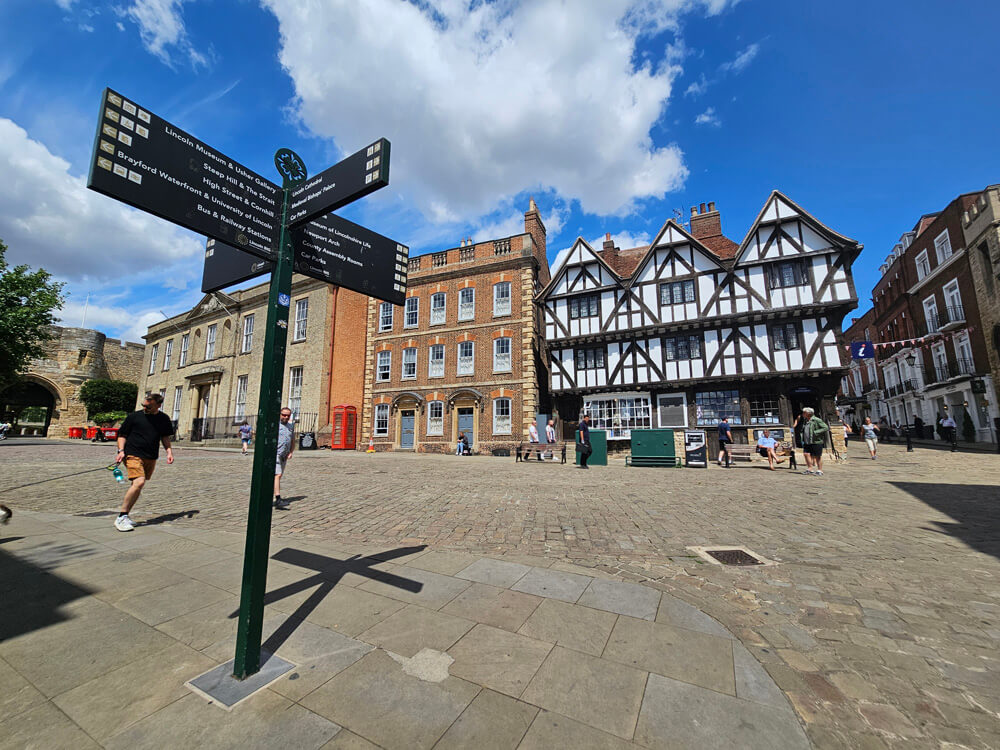
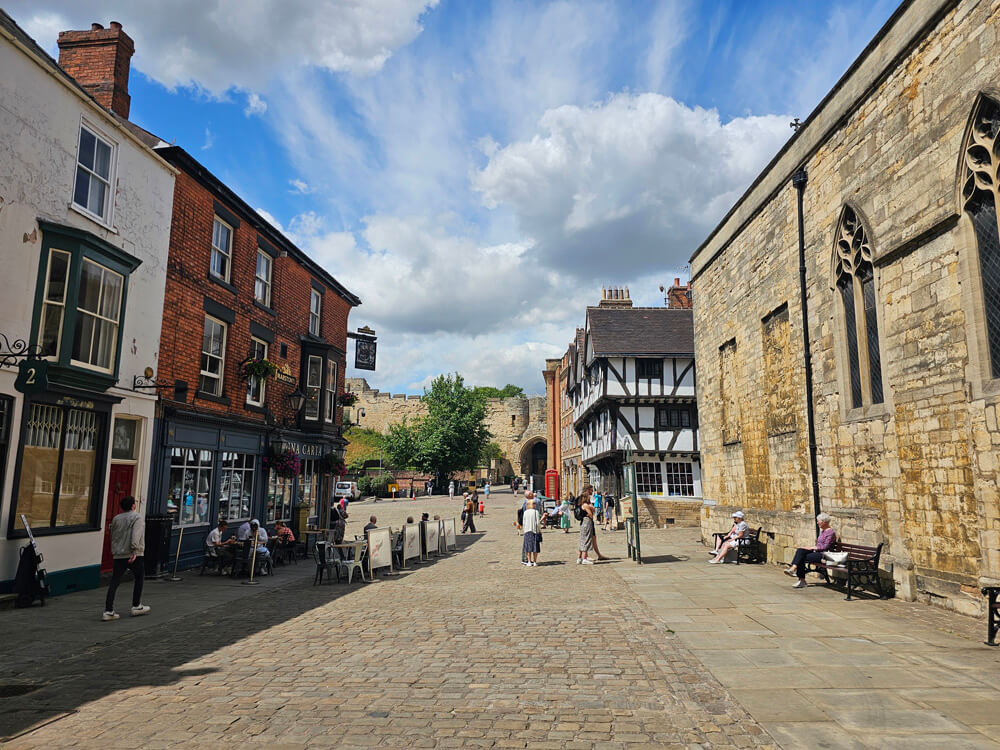
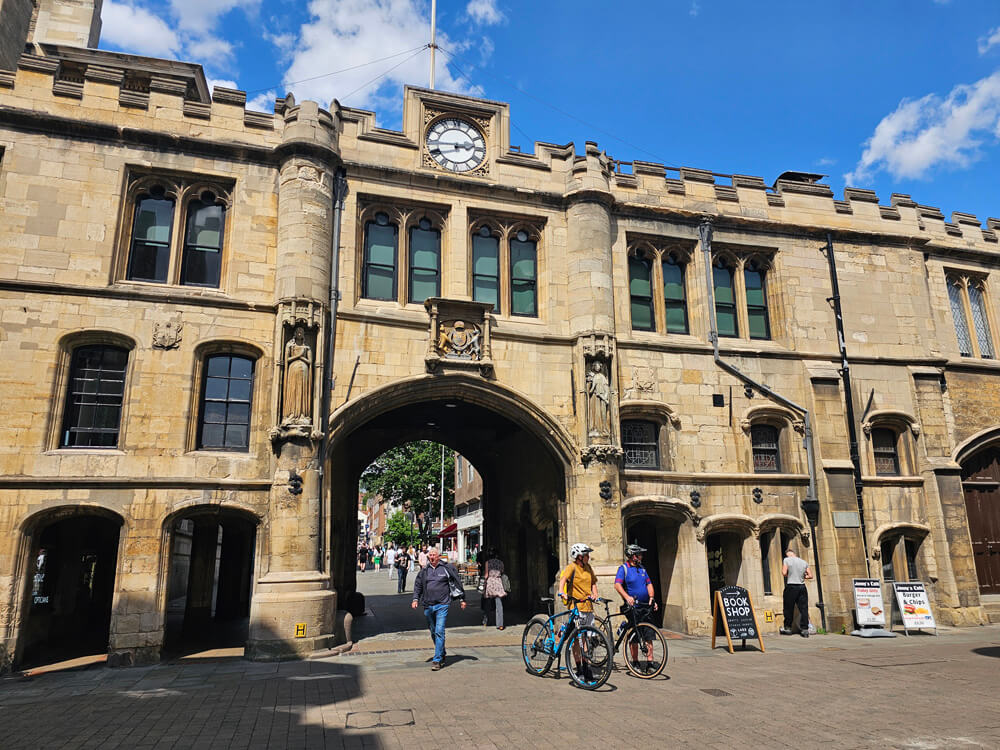
Steep Hill is one of Lincoln’s most historic streets, connecting the medieval Cathedral Quarter on the hilltop with the older commercial area below. Its origins follow the Roman route linking the upper and lower parts of the city, while its present character developed during the medieval period. Lined with historic buildings, shops and inns, Steep Hill remains a distinctive feature of Lincoln’s historic centre and reflects the city’s long development from Roman times.
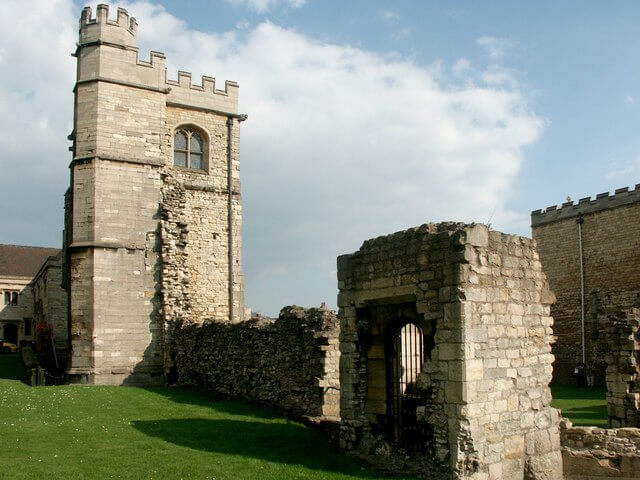
Bishop’s Palace
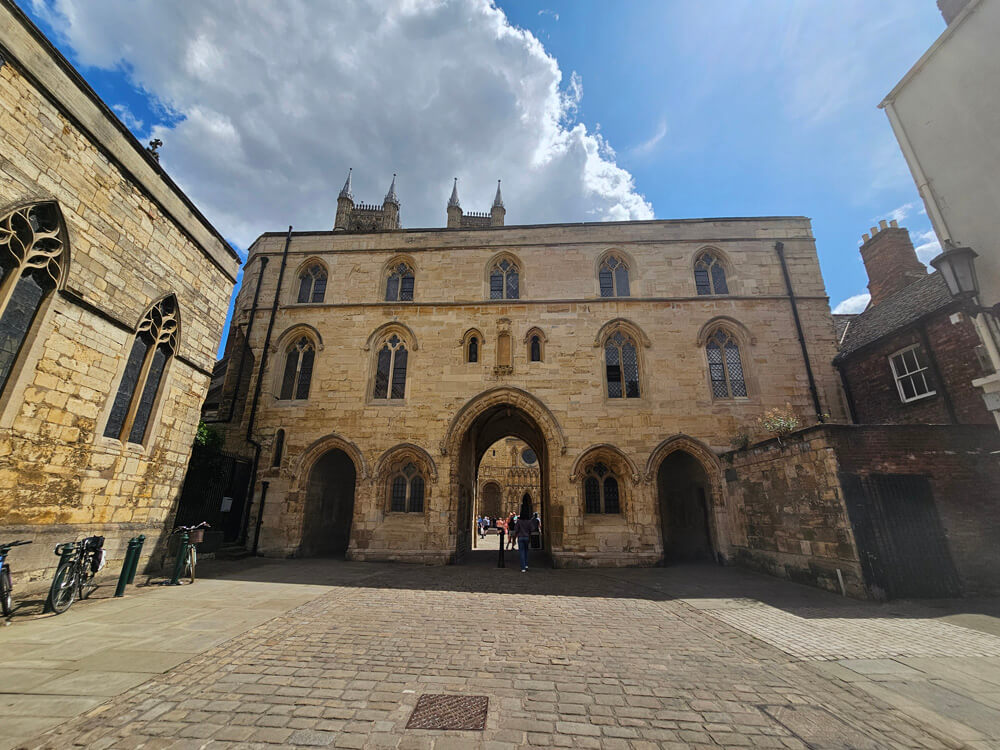
Lincoln’s Medieval Bishop’s Palace was built beside Lincoln Cathedral in the late 12th century for the powerful medieval bishops of Lincoln. The palace served as an important centre of religious and administrative power, reflecting the wealth and influence of the medieval church. Although partly ruined, its surviving buildings, including the dramatic vaulted undercroft, provide a vivid glimpse into medieval life.
Photo Gallery.
Did you enjoy this post?
I hope you found this post useful. I put a great deal of time and effort in to building, maintaining and populating the website. If you like, you could say a small thank you by buying me a coffee. You don't have to, but it would be nice :)
Buy me a coffee
Stay up to Date
Follow me on my journey and get notified whenever a new post is published by following Kings & Castles on Facebook.
Follow MeExplore The Map
Discover the hundreds of castles, churches, monasteries, cathedrals and other historic locations that I've personally visited across England and Wales. Search by location, explore nearby sites and plan your next historical adventure.
Share: