Hereford Cathedral
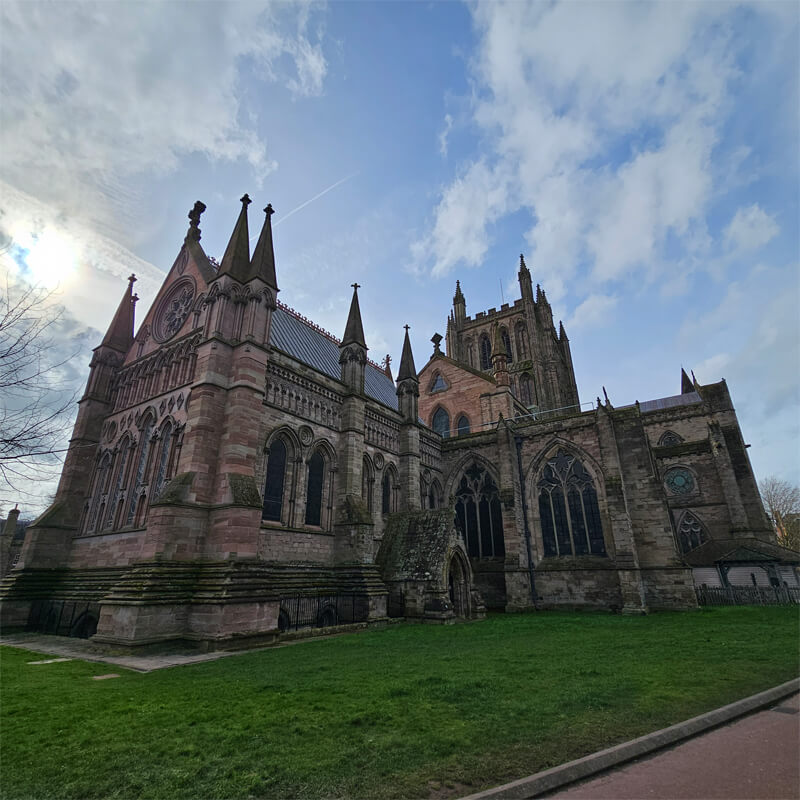
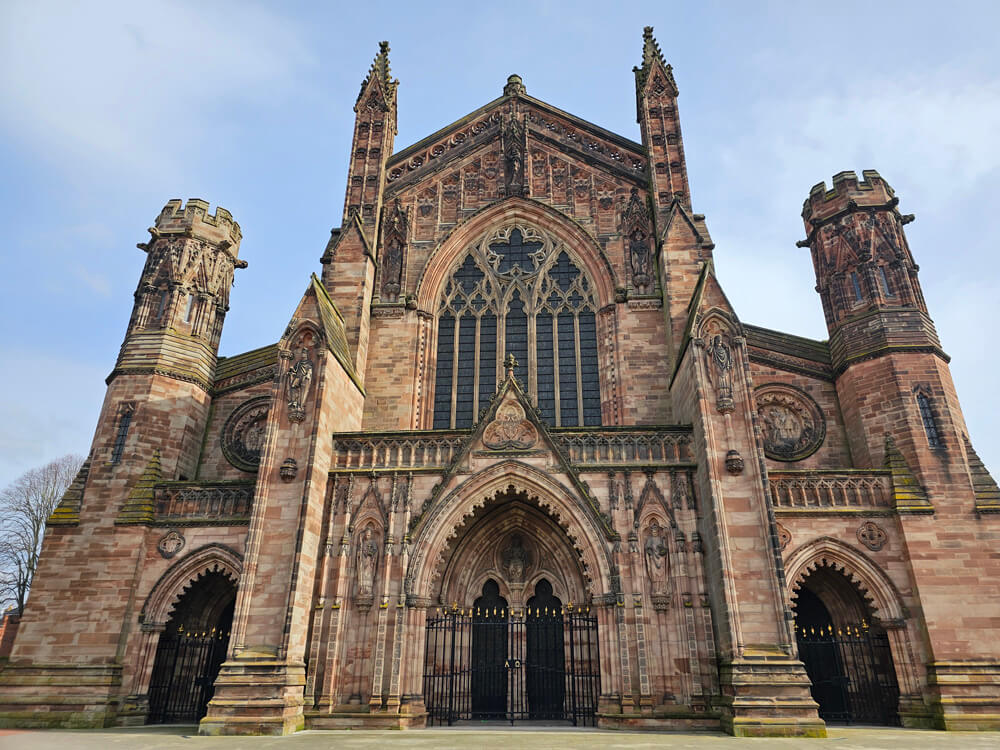
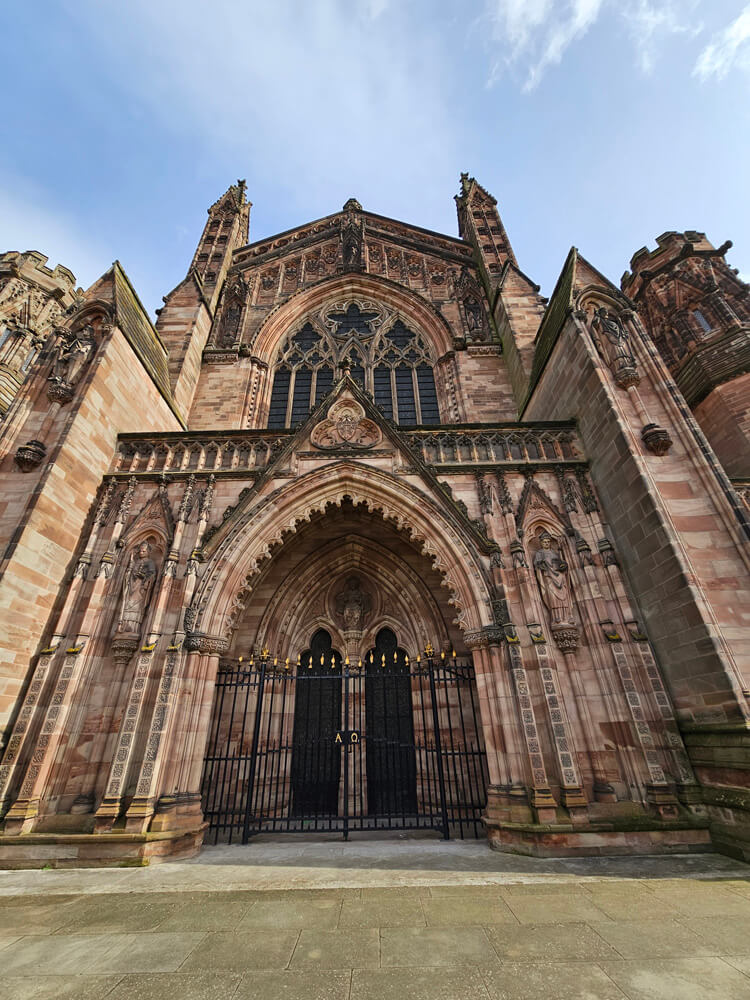
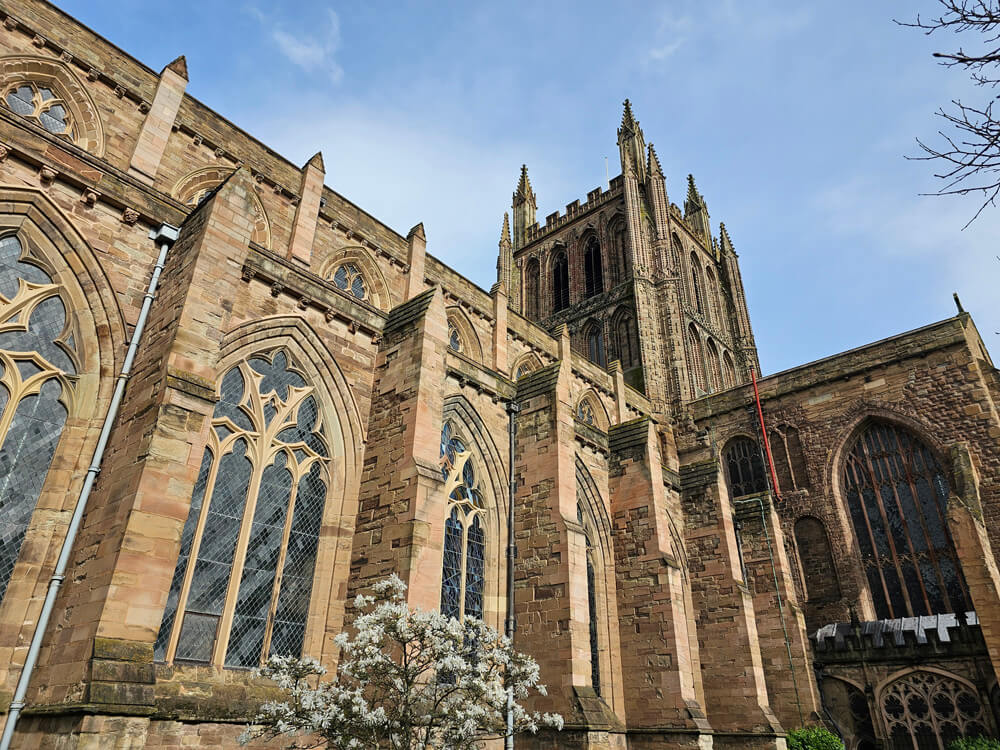
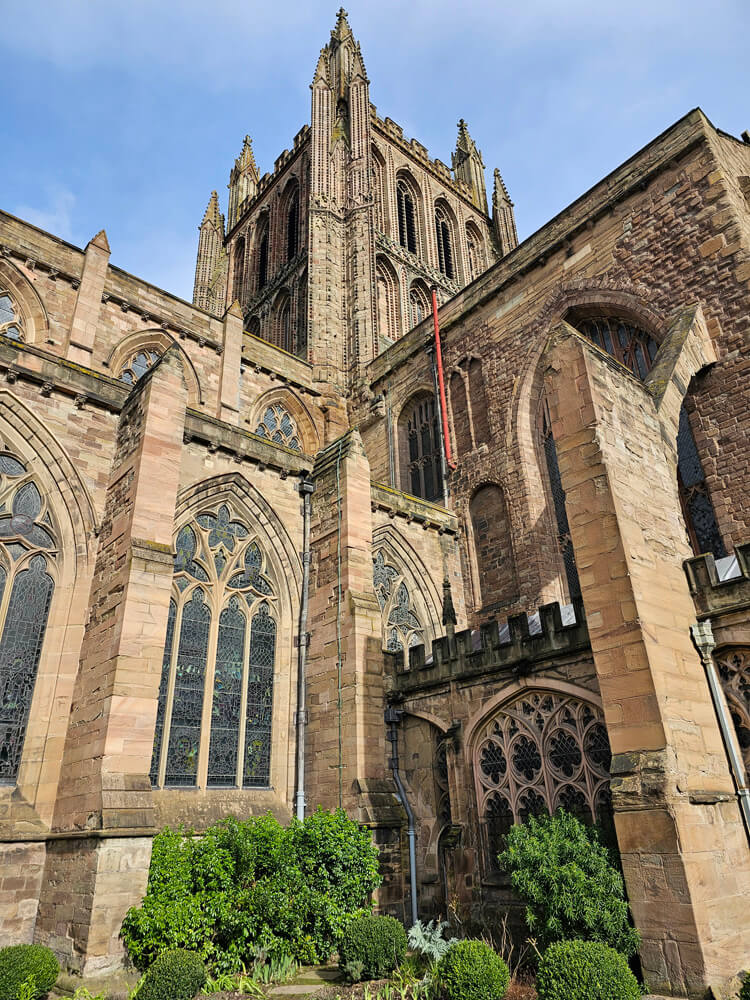
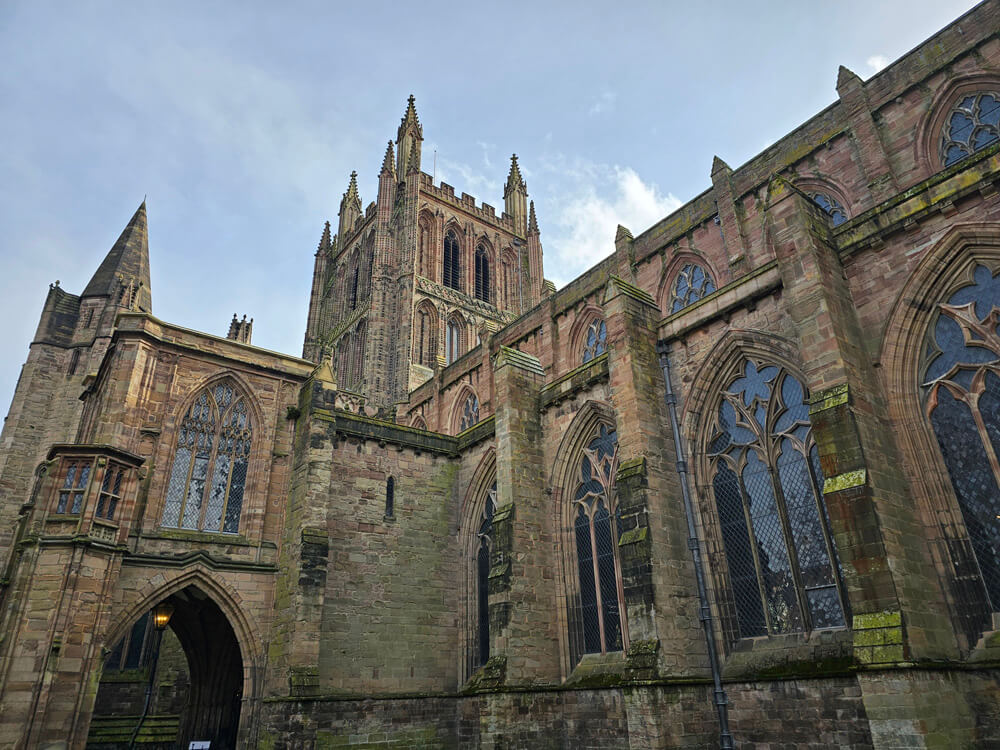
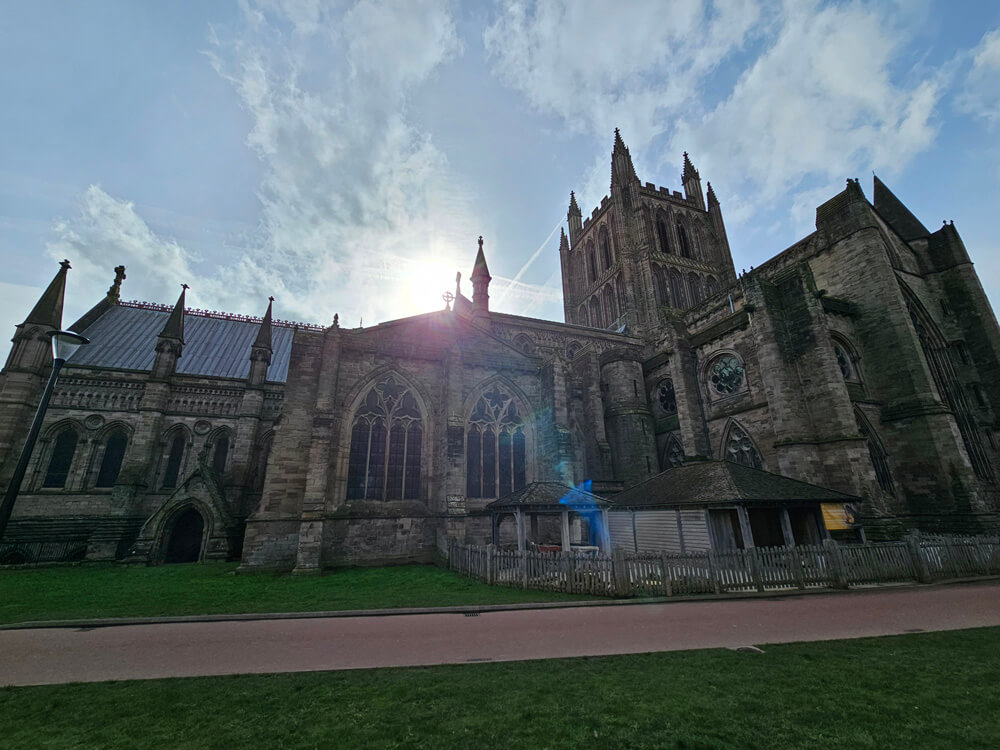
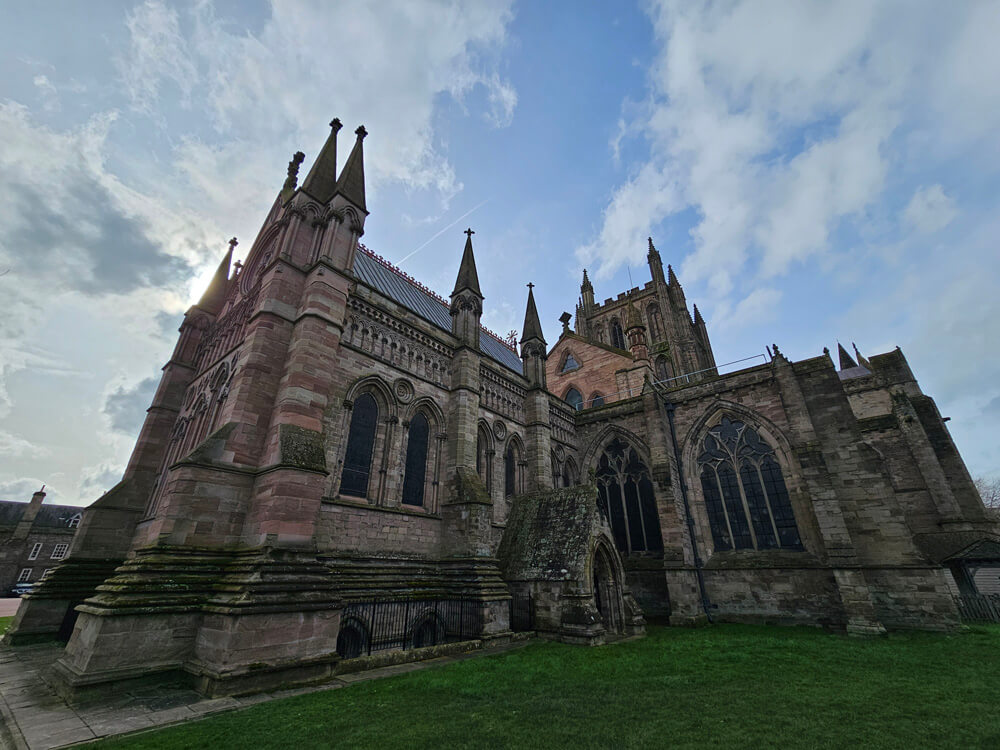
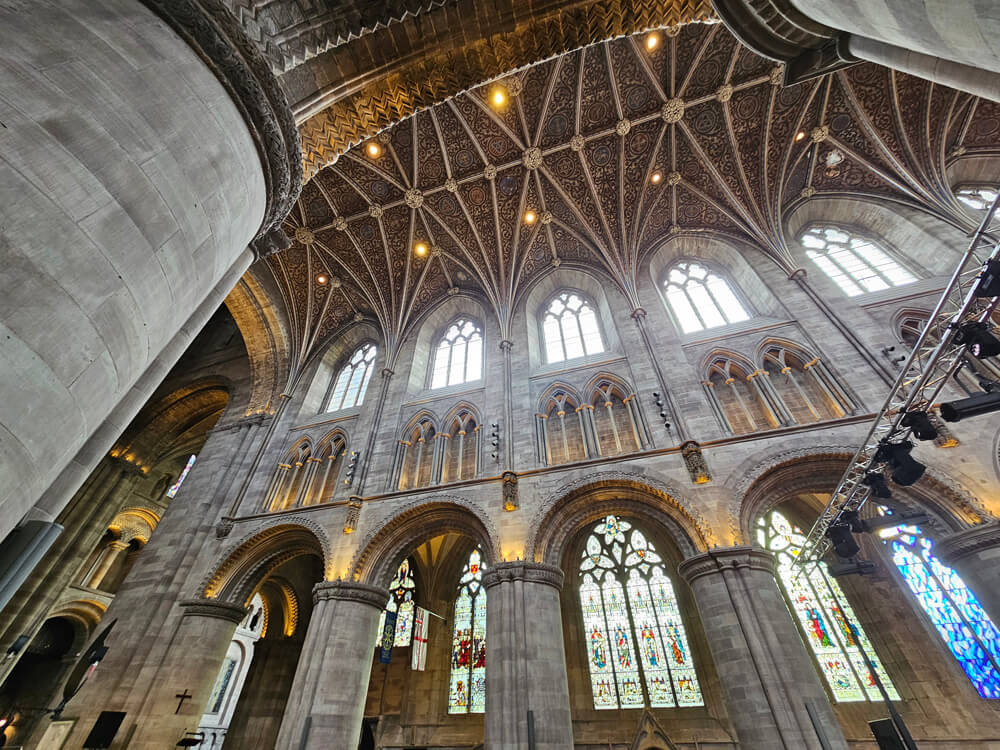
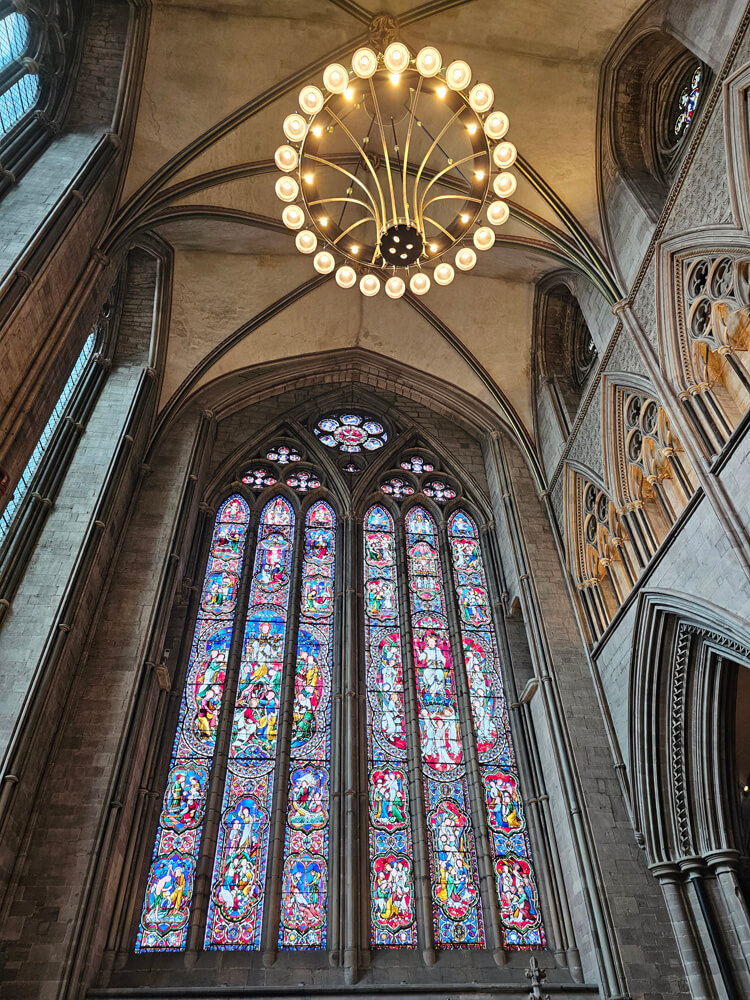
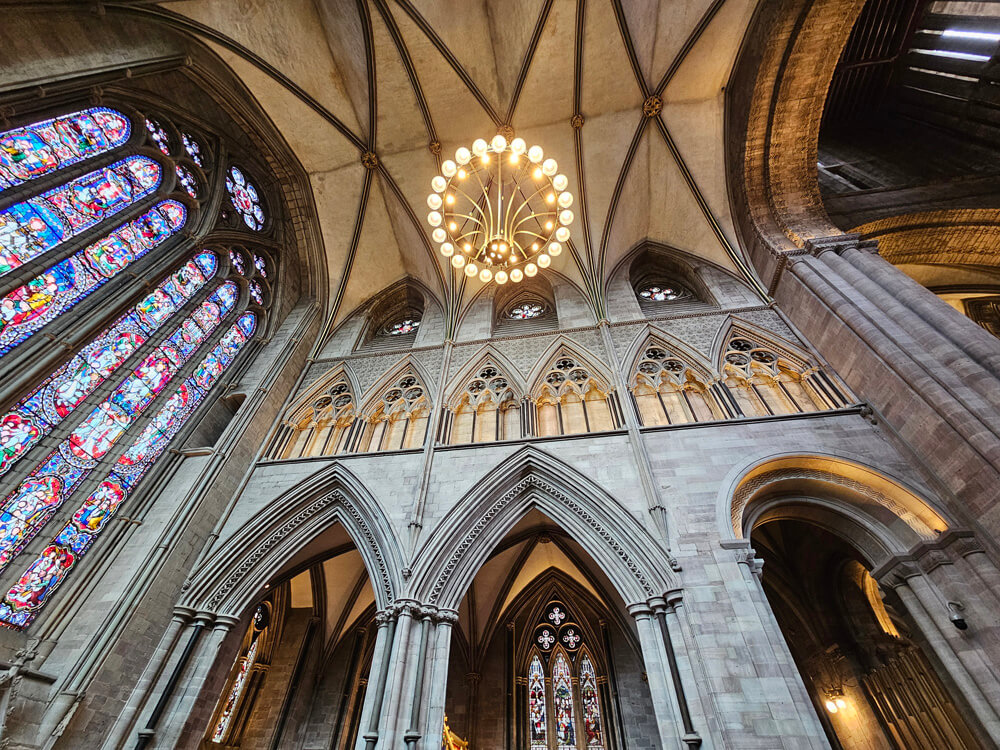
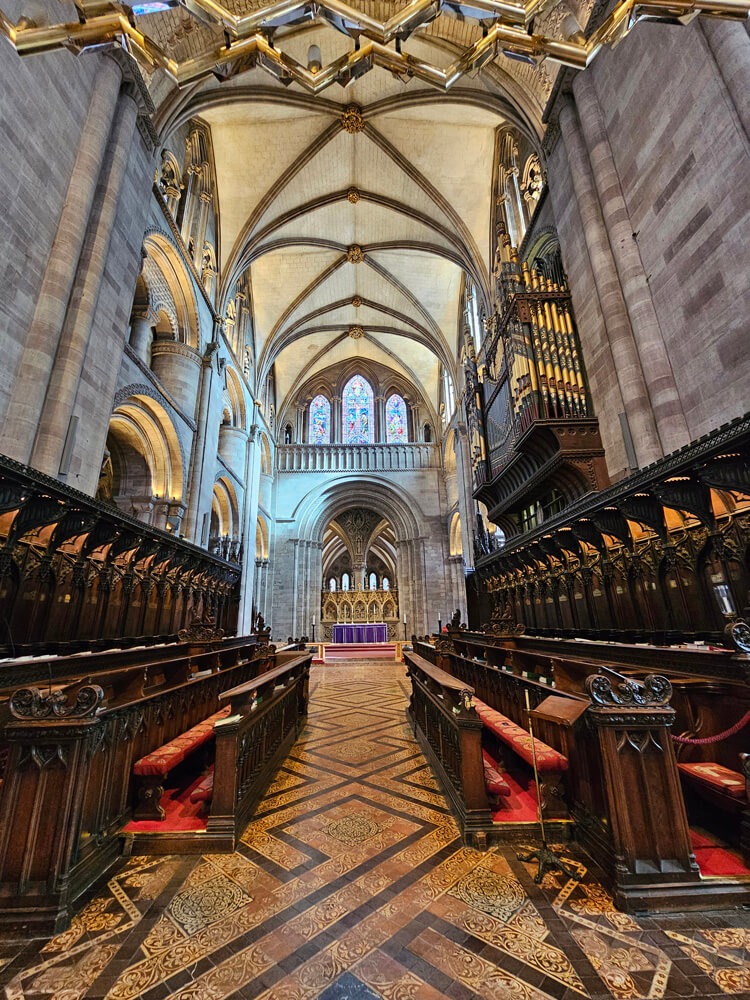
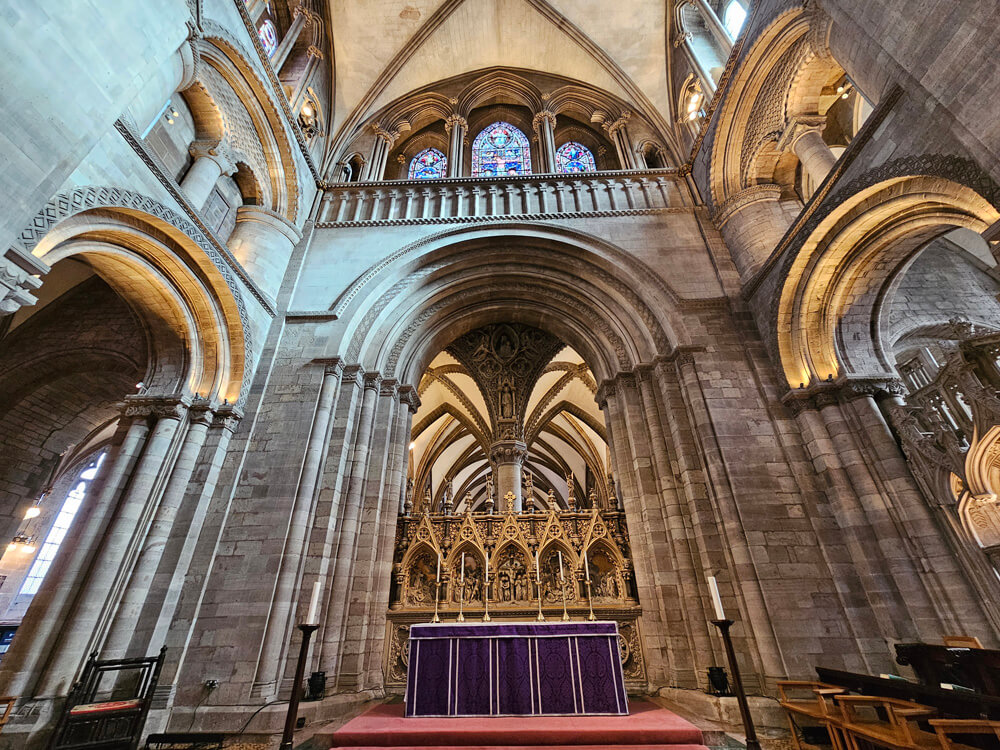
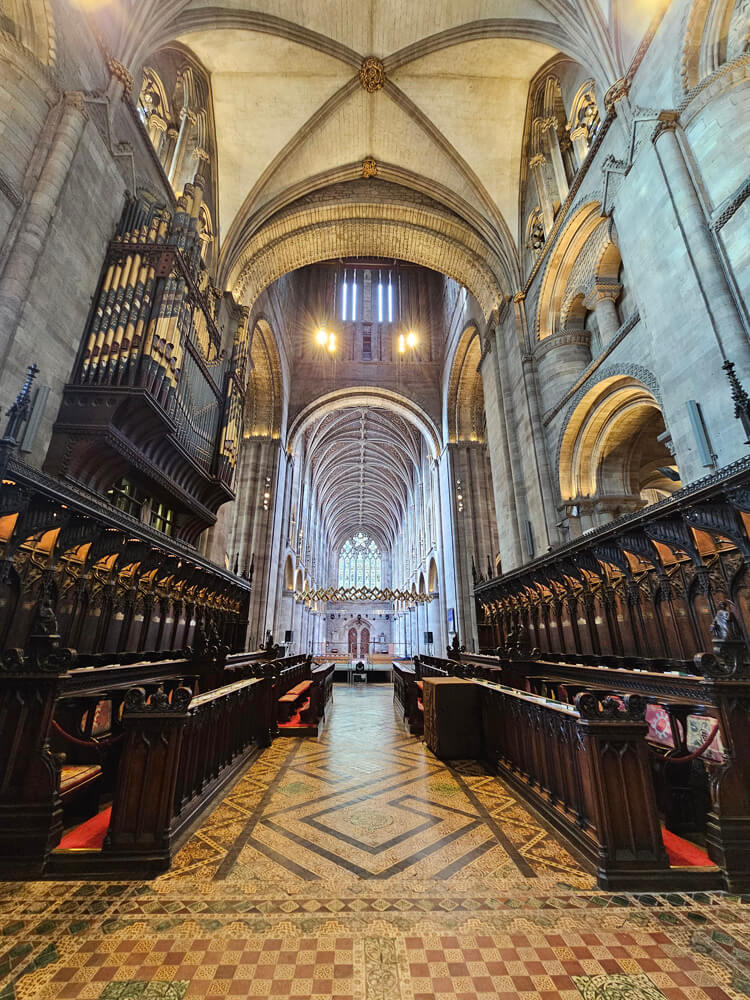
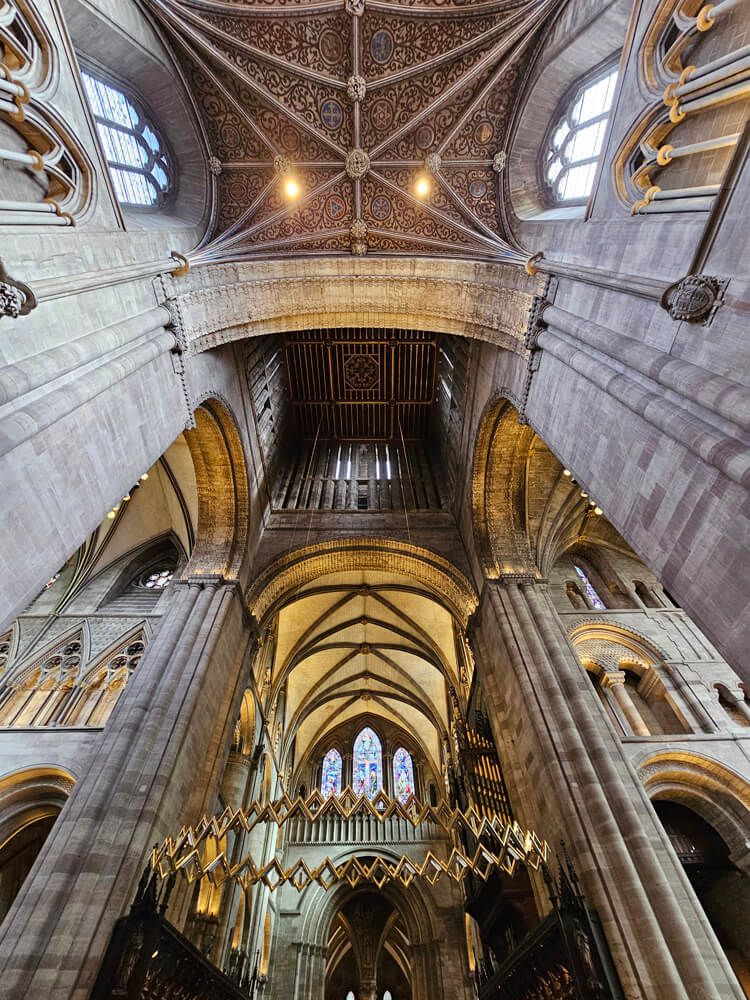
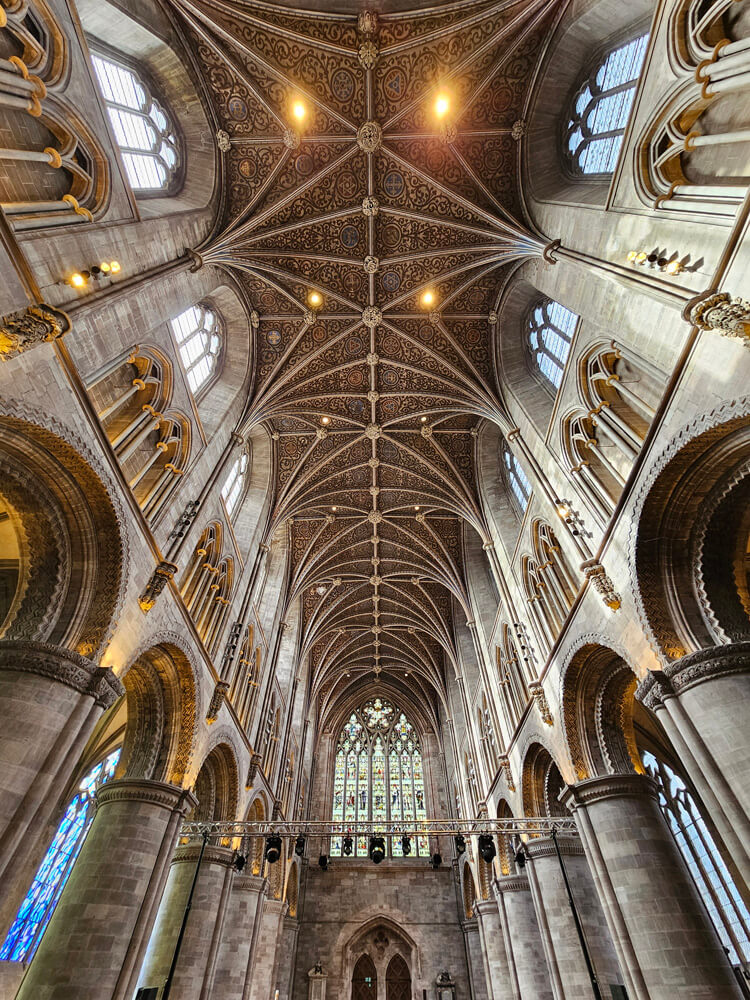
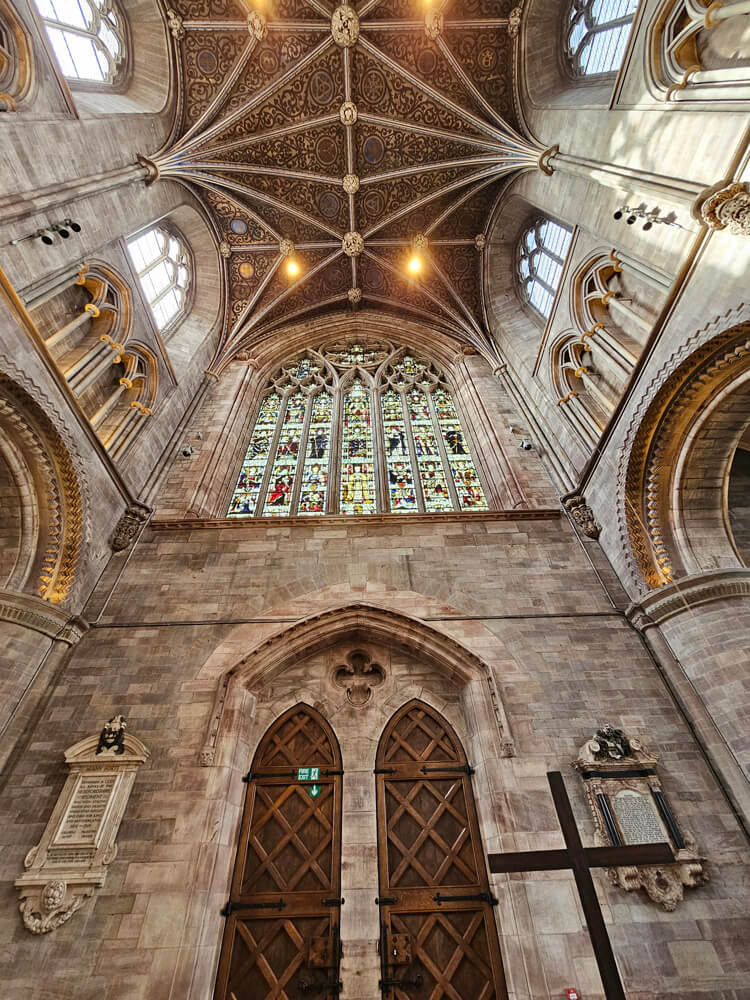
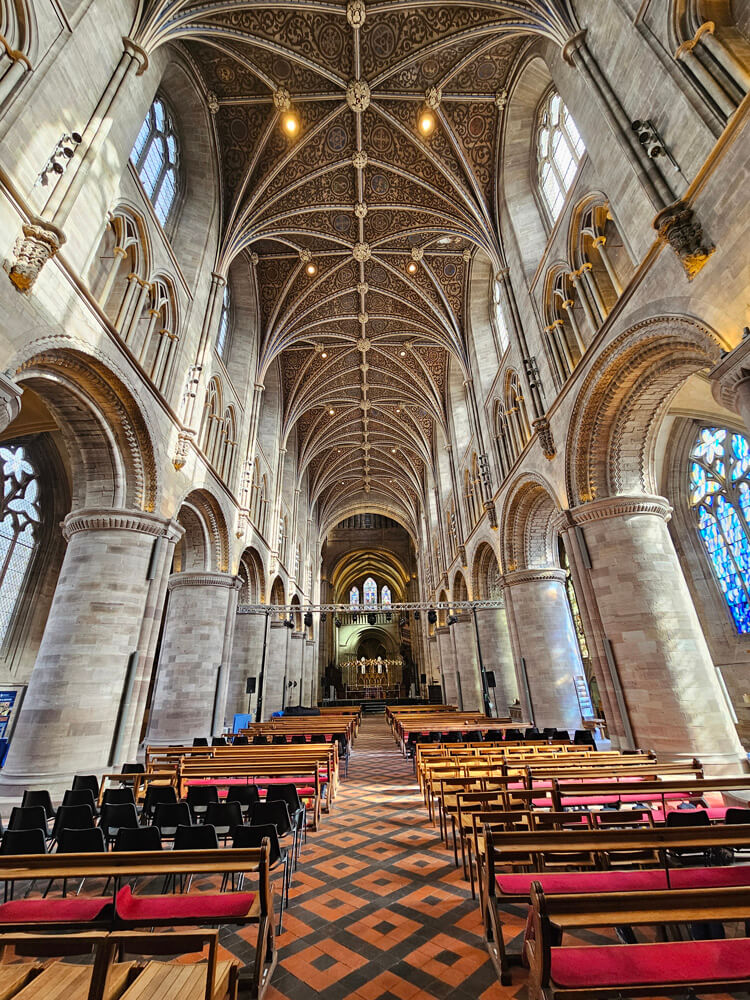
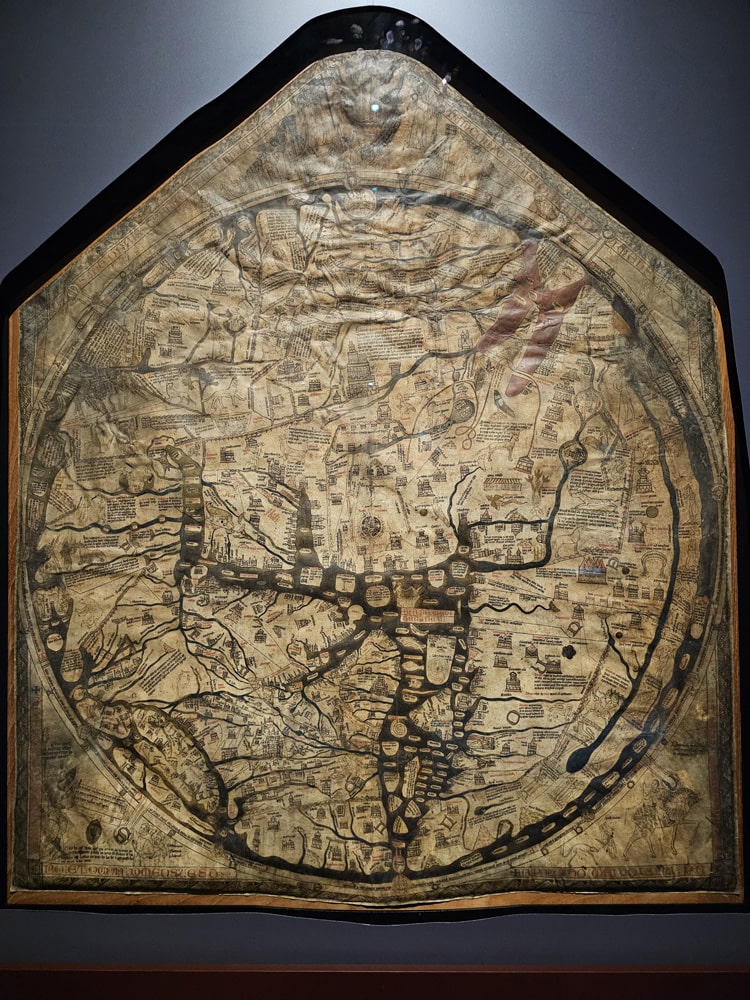
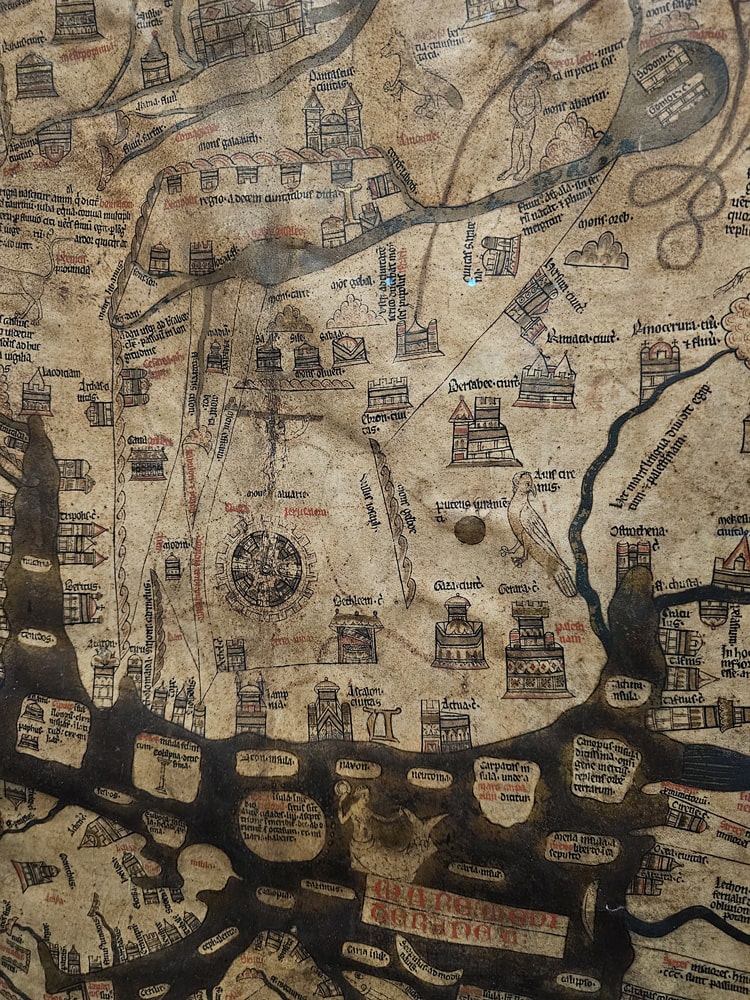
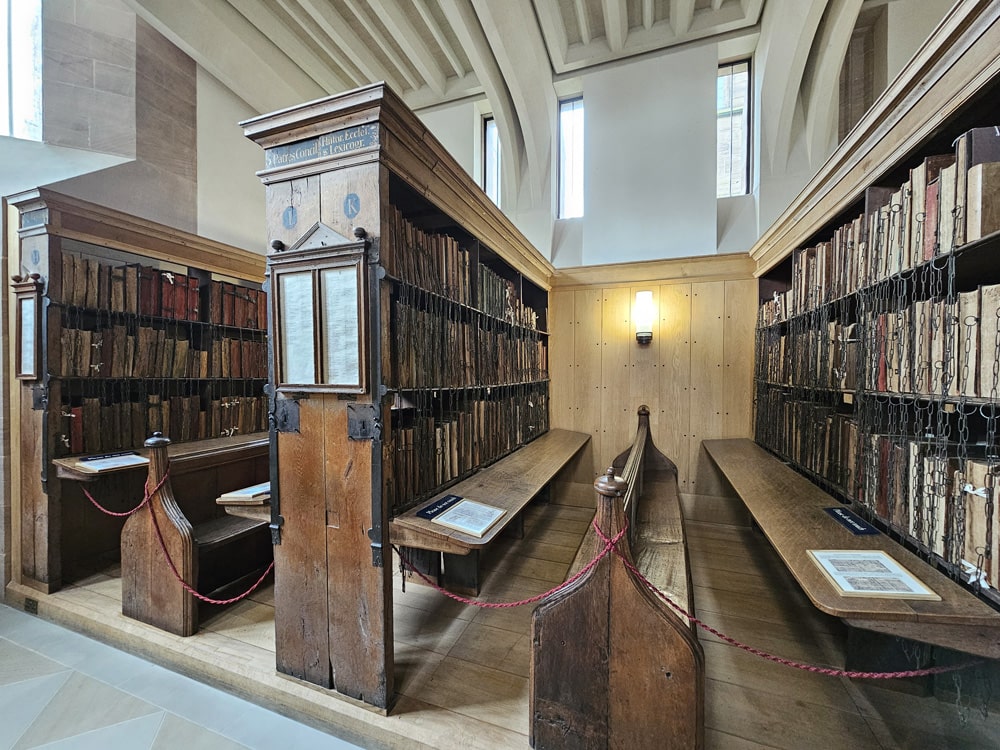
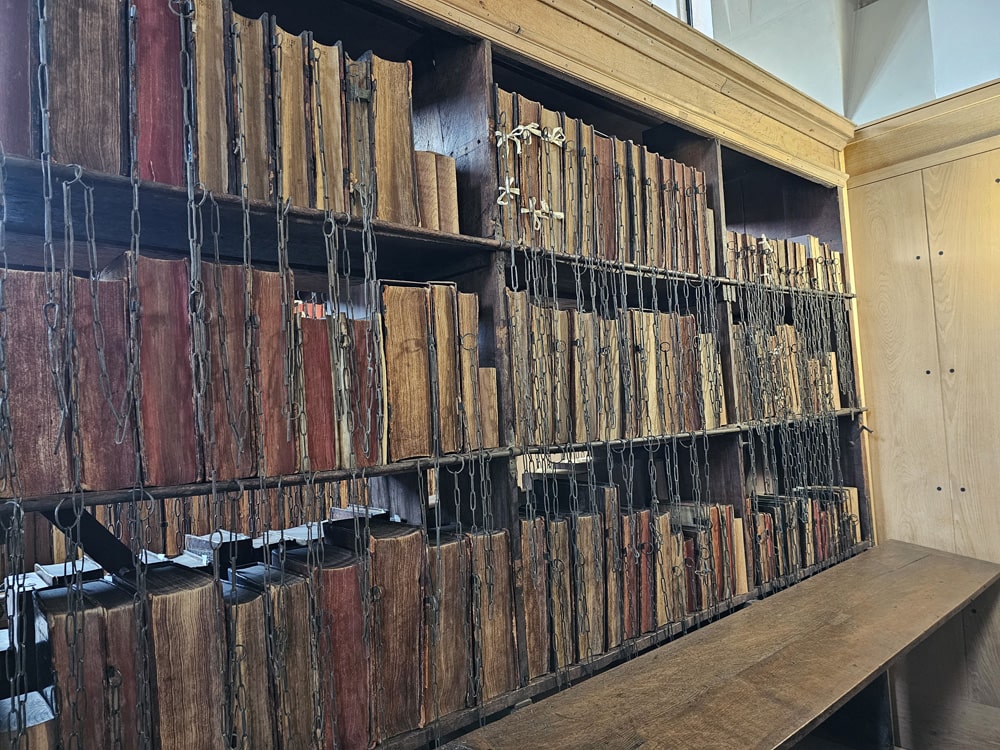
Hereford Cathedral is the cathedral church of Hereford in Herefordshire, England, and is one of my personal favourite cathedrals. The cathedral is a Grade I listed building with Gothic and English Gothic architecture. Hereford Cathedral has the largest library of chained books in the world, its most famous treasure being the Mappa Mundi, a medieval map of the world created around the year 1300.
Historic
Highlights.
- Elaborate shrine of St Thomas Cantilupe
- The Hereford Mappa Mundi
- The Chained Library
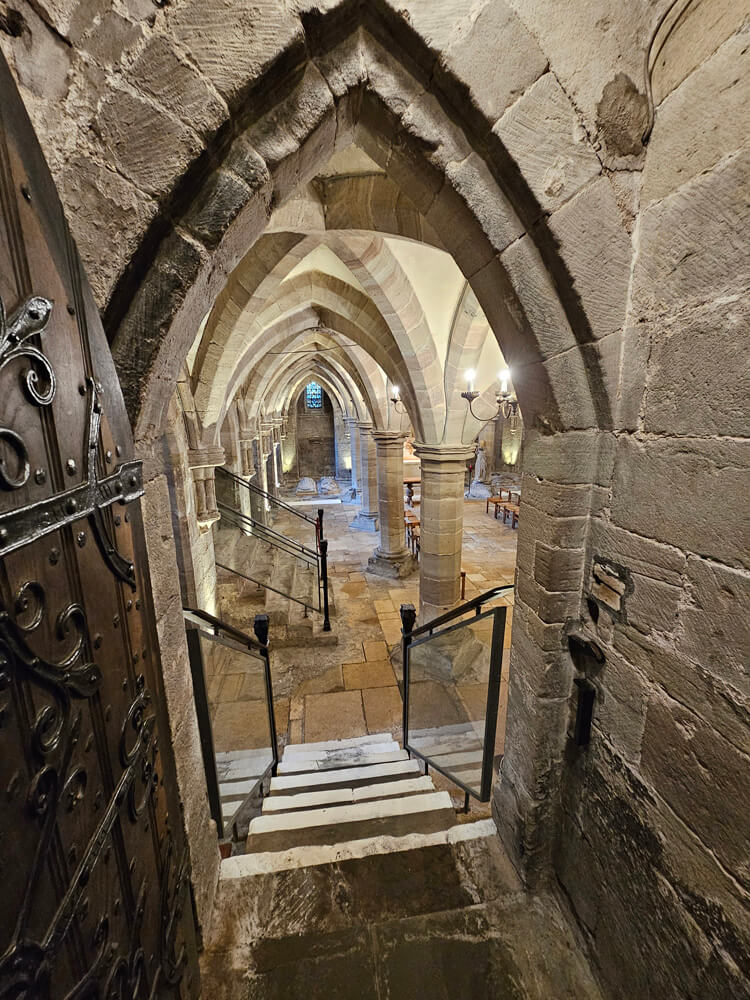
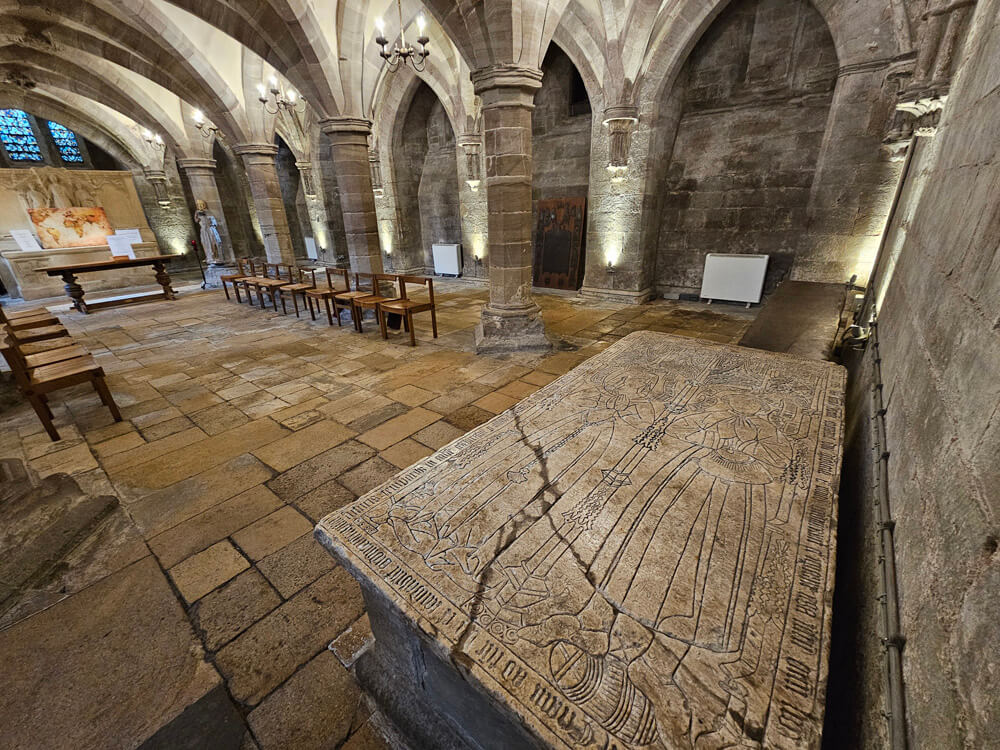
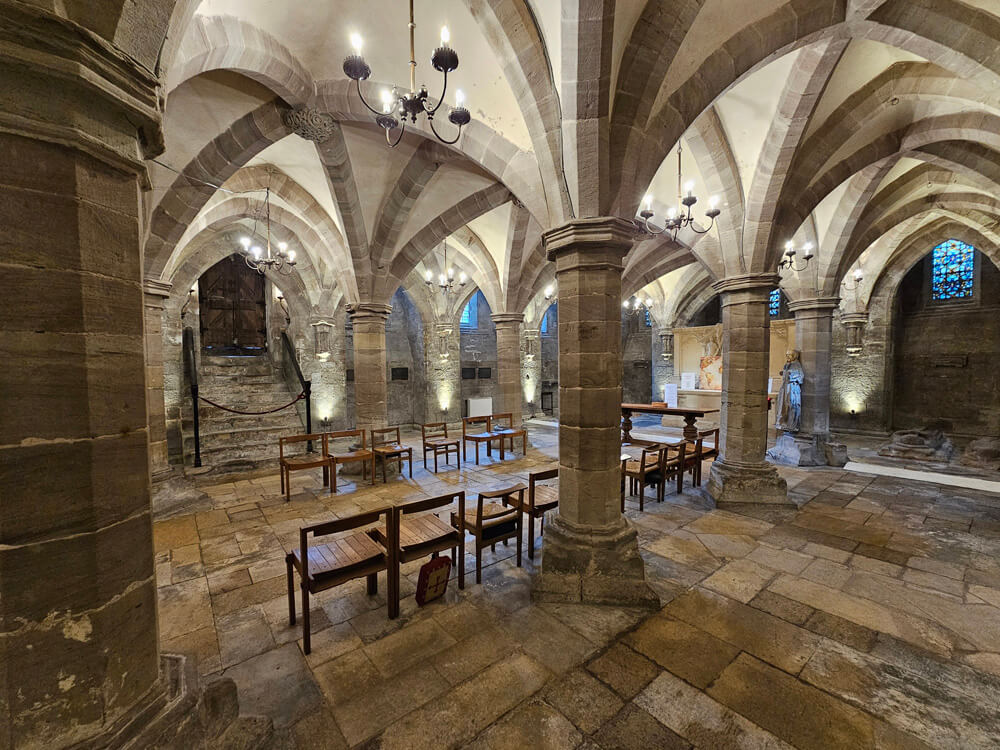
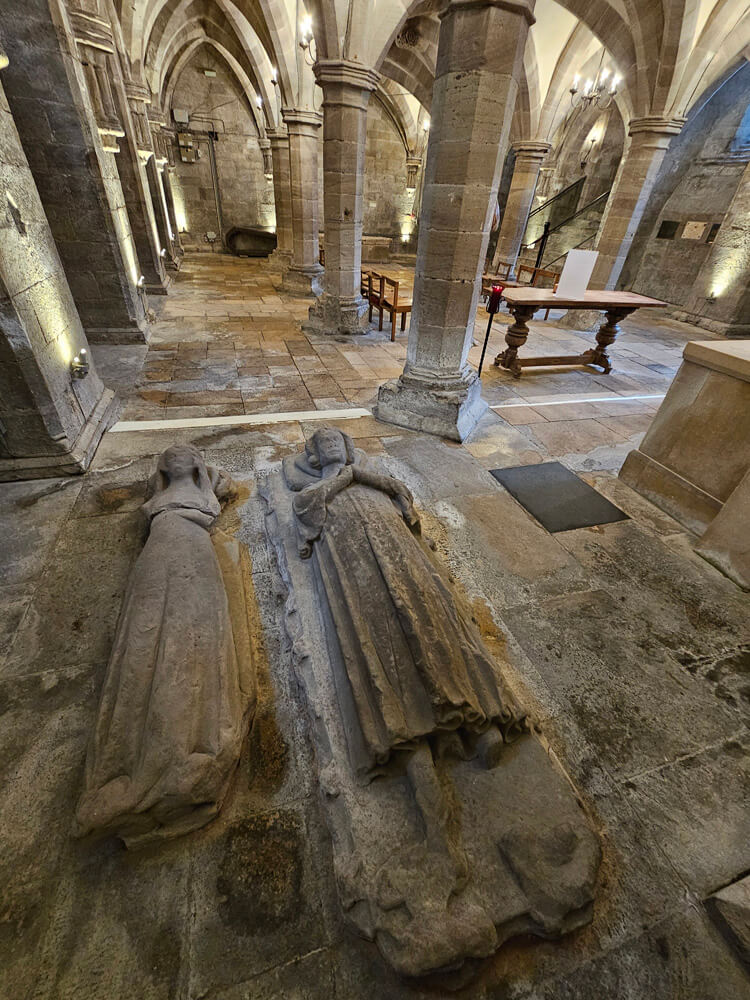
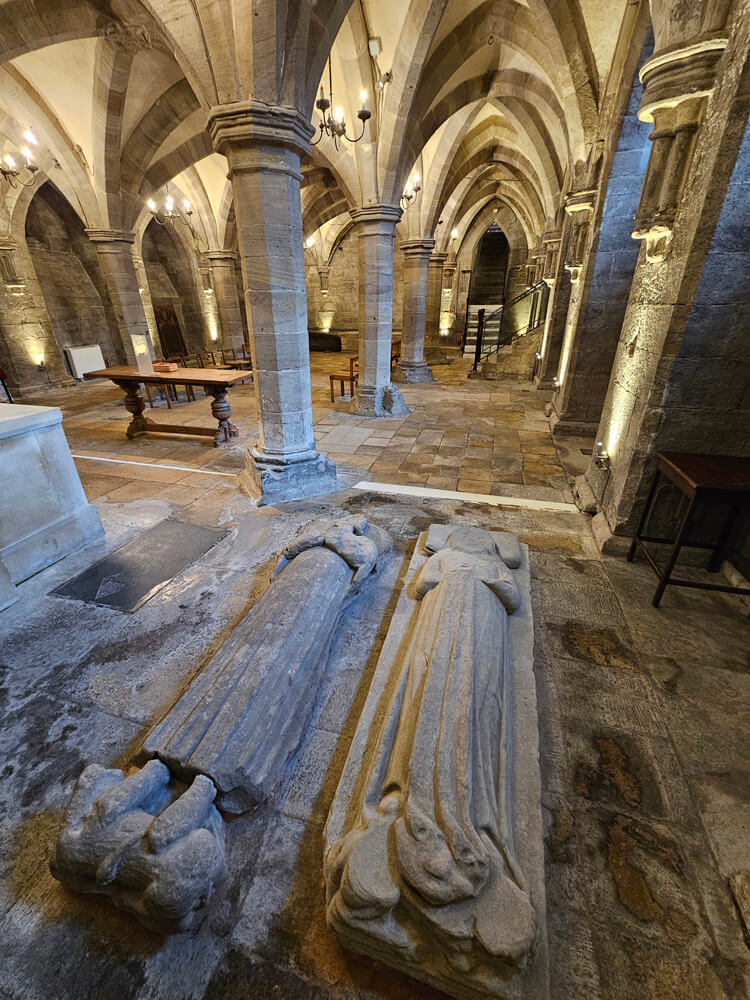
- The crypt
- The Stanbury Chapel
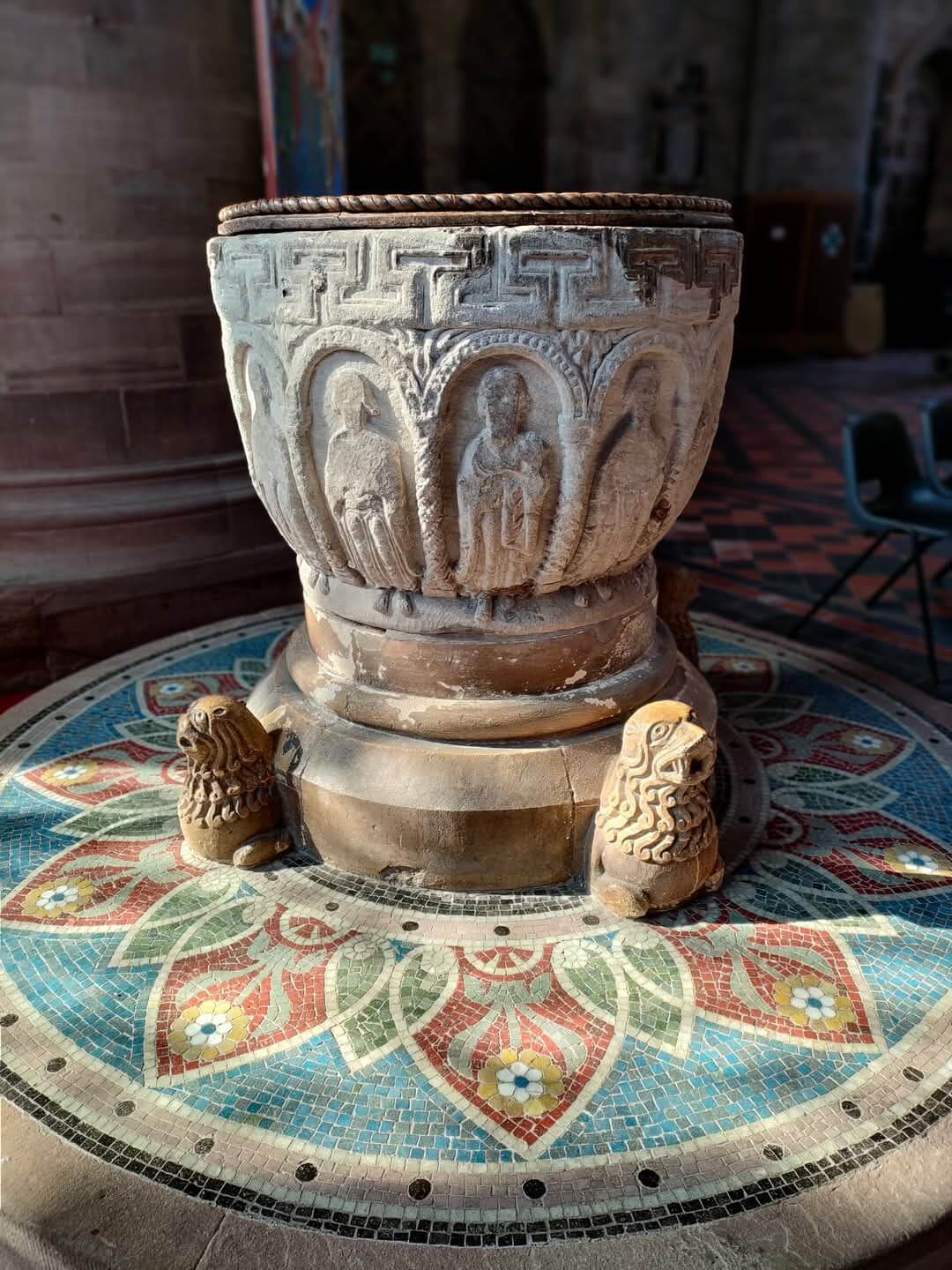
- 12th-century font
There has been a place of worship on the cathedral site since at least the 8th century, although no part of any building earlier than the 11th-century bishop’s chapel survives. Substantial parts of the present building date from both the Norman and the Gothic periods.
The traditional date for the founding of Hereford Cathedral is 696. The cathedral is dedicated to two saints; St Mary the Virgin and St Ethelbert the King. Ethelbert was the King of East Anglia, and was beheaded by Offa, King of Mercia in the year 794. His remains were interred in Hereford Cathedral, and after his acclamation as a saint the cathedral was dedicated to him jointly with the Blessed Virgin Mary.
In the early to mid-11th century the Saxon cathedral at Hereford was rebuilt by Athelstan, Bishop of Hereford. However, not long afterwards in 1055, a rebel Welsh army destroyed the new cathedral built by Athelstan, and Ethelbert’s shrine and many other treasures were lost. However, an 8th-century Gospel Book, the Hereford Gospels, survived. It is the only artefact still at the cathedral to have survived the disaster, and it remains one of the most precious spiritual treasures in the cathedral’s possession.
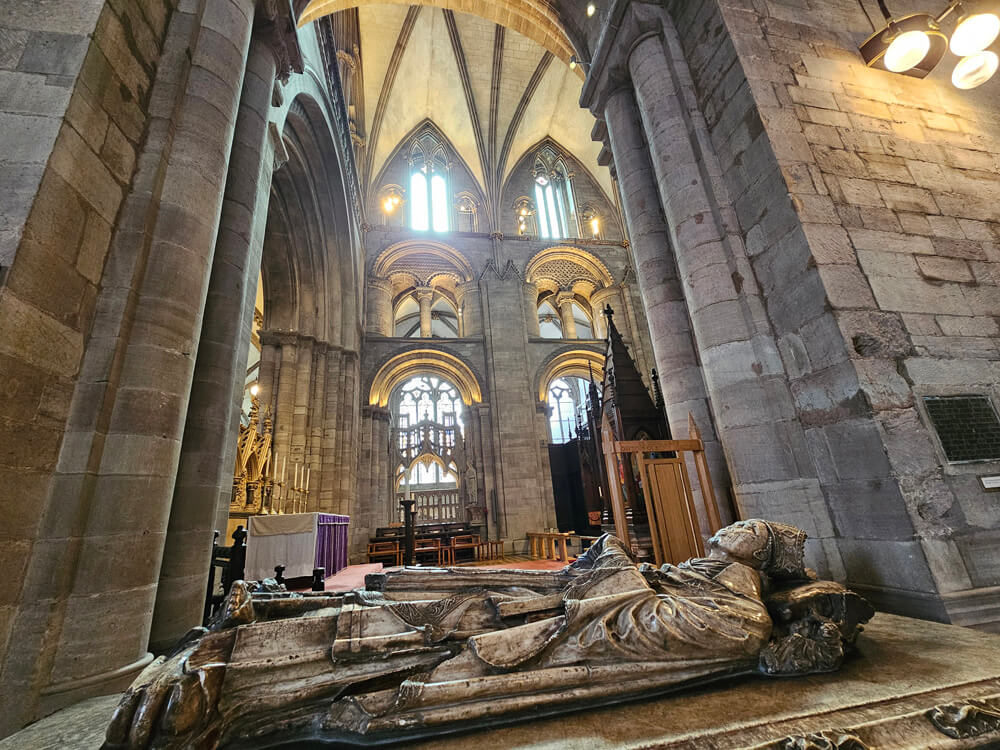
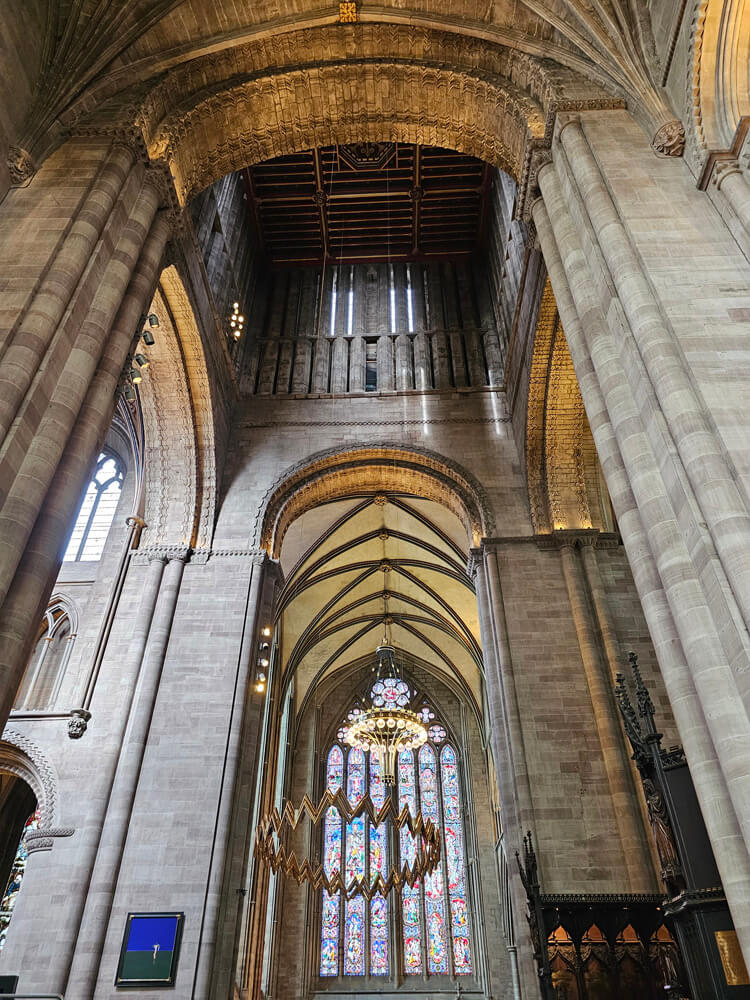
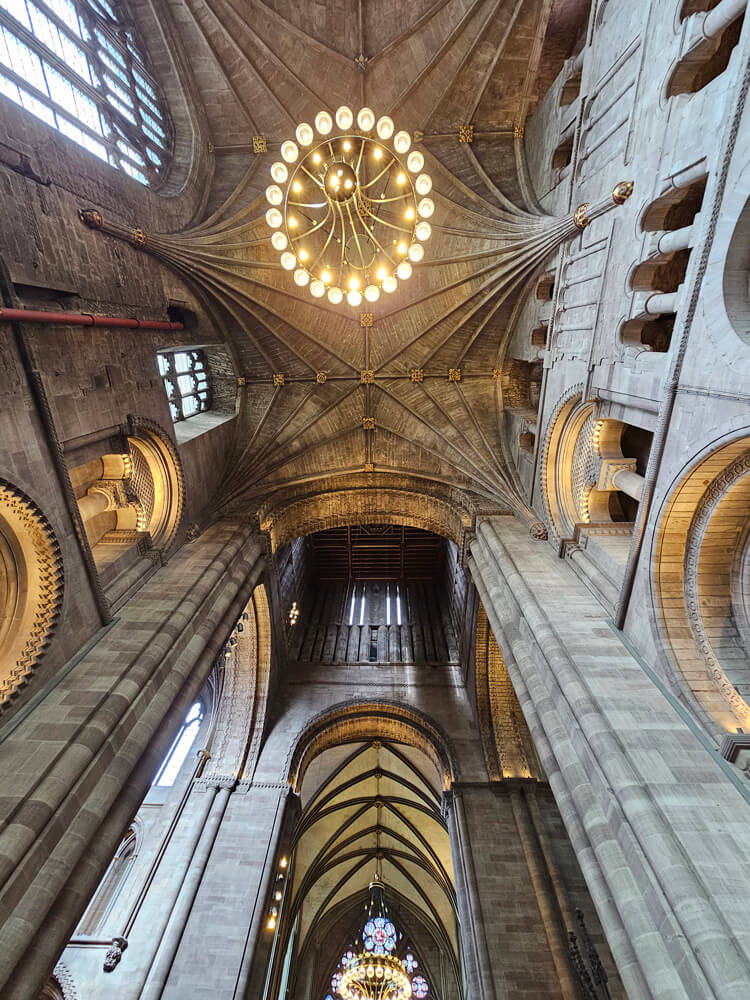
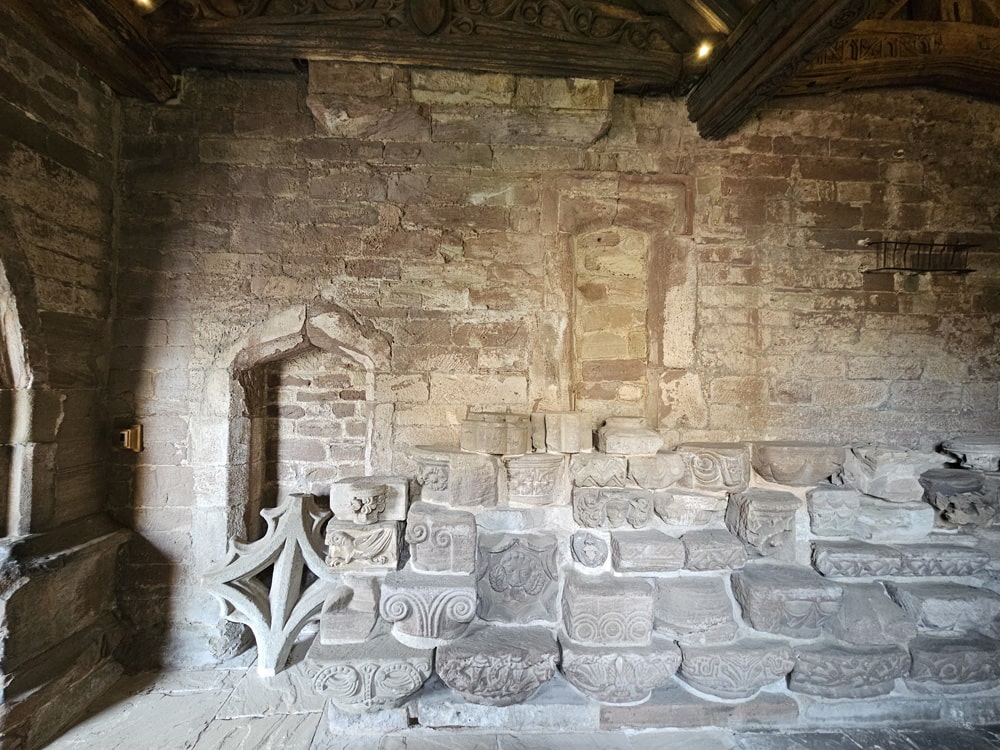
In the early to mid-12th century the cathedral was rebuilt in the Norman or Romanesque style. This is the earliest type of architecture still visible in the cathedral today.
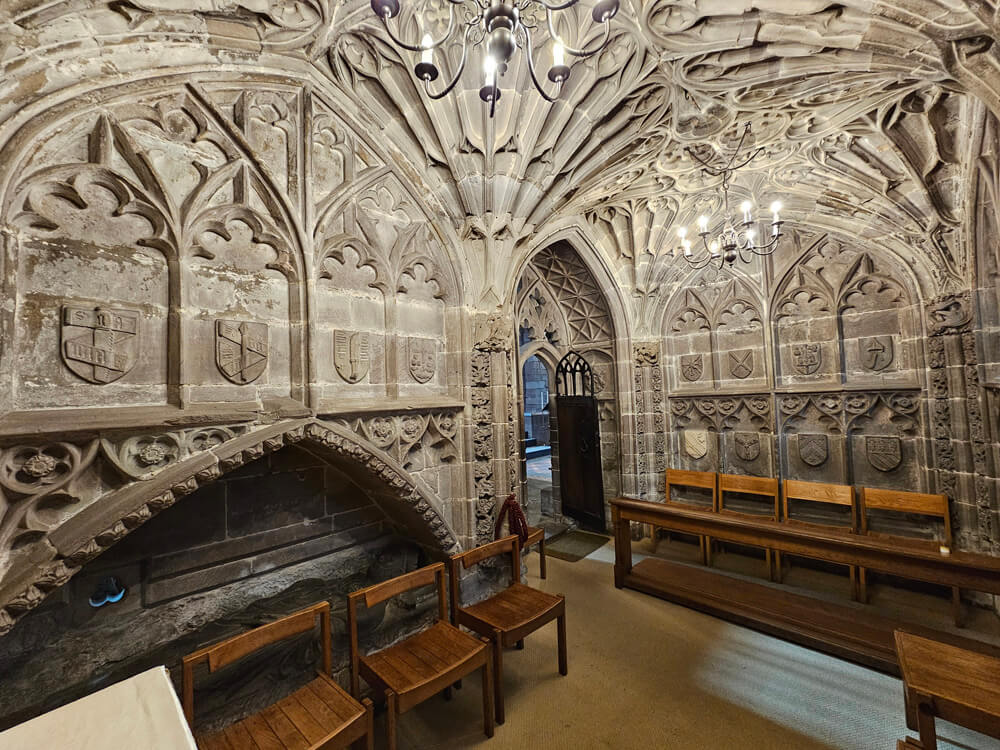
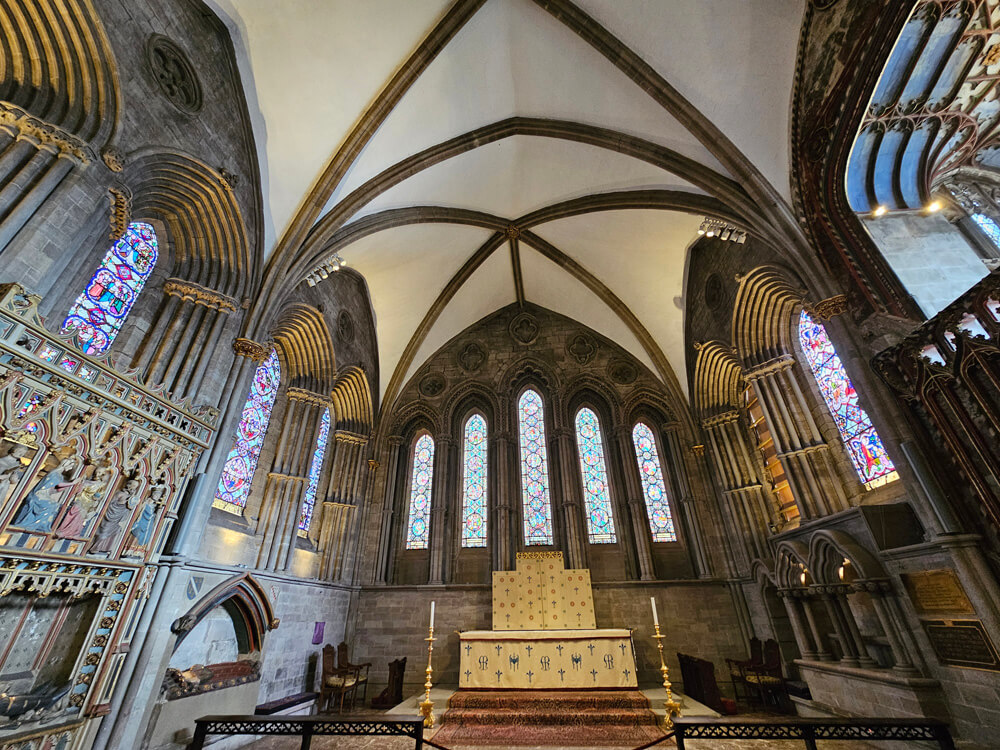
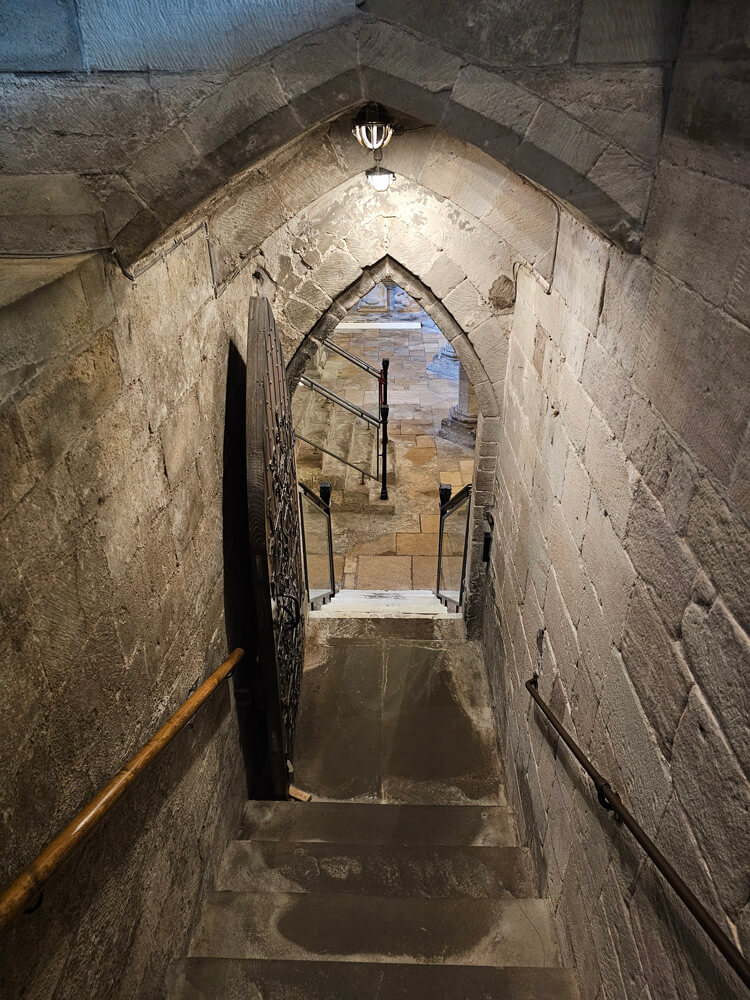
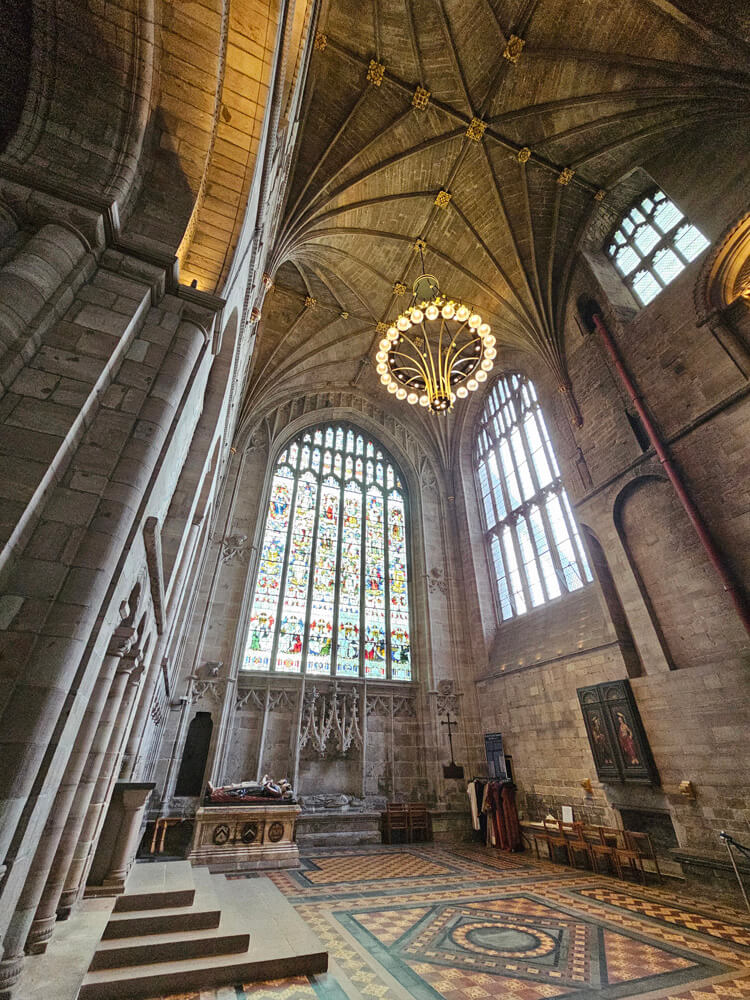
In the mid-13th century the Lady Chapel was rebuilt in the Early English style with a crypt beneath.
Hereford Cathedral is home to the oldest and largest surviving medieval world map – the Hereford Mappa Mundi. Around the late 1290s to the year 1300, Mappa Mundi, depicting the known medieval world at the time, was made by Richard of Holdingham. It may or may not have been made for Hereford Cathedral, nobody knows for sure, but it has certainly been at the cathedral for most of its life, and it remains one of the cathedral’s greatest treasures.
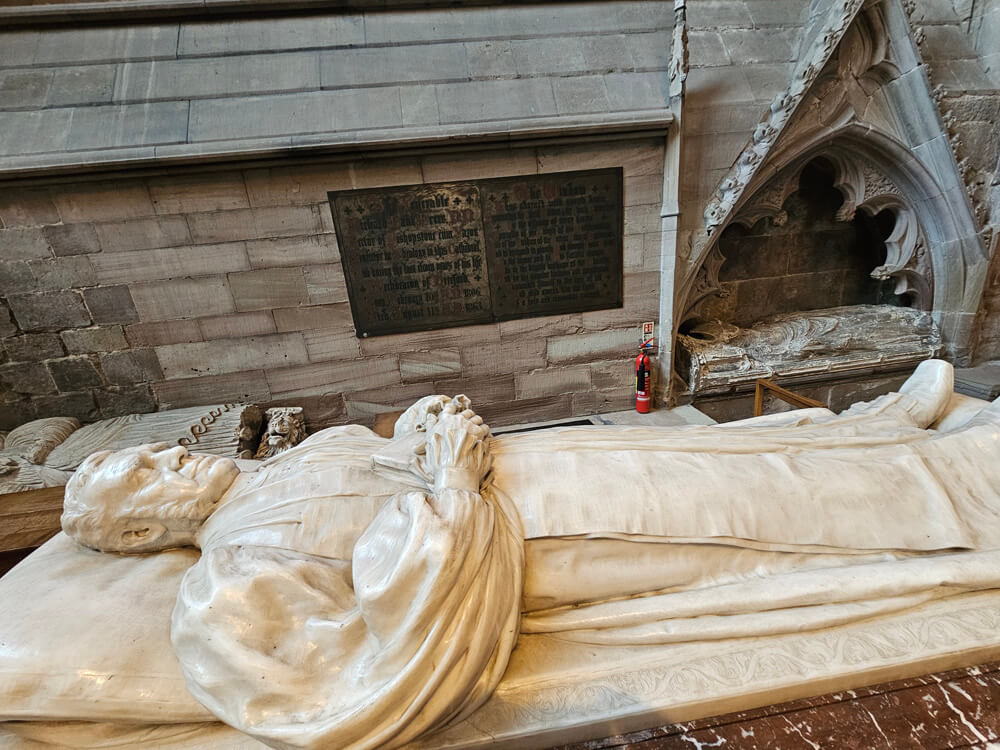
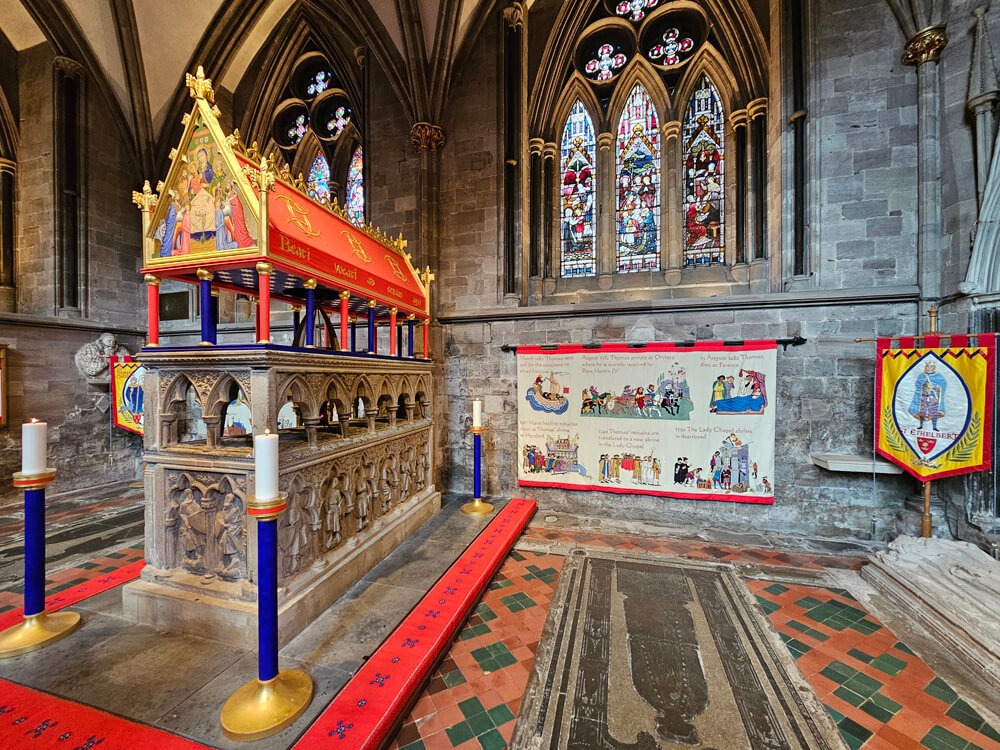
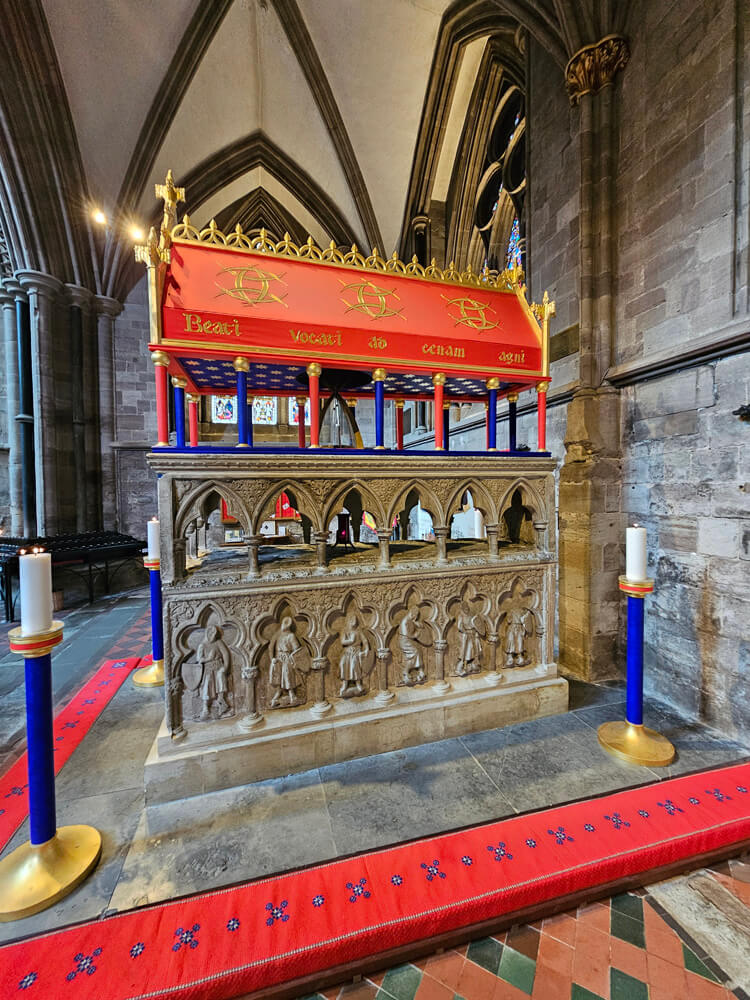
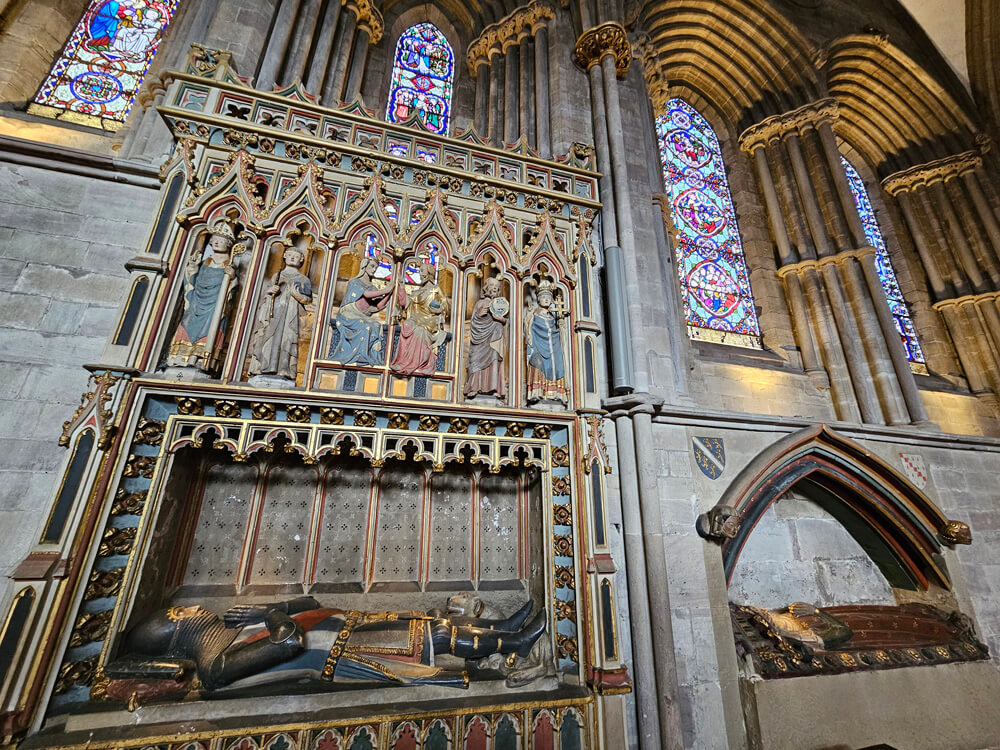
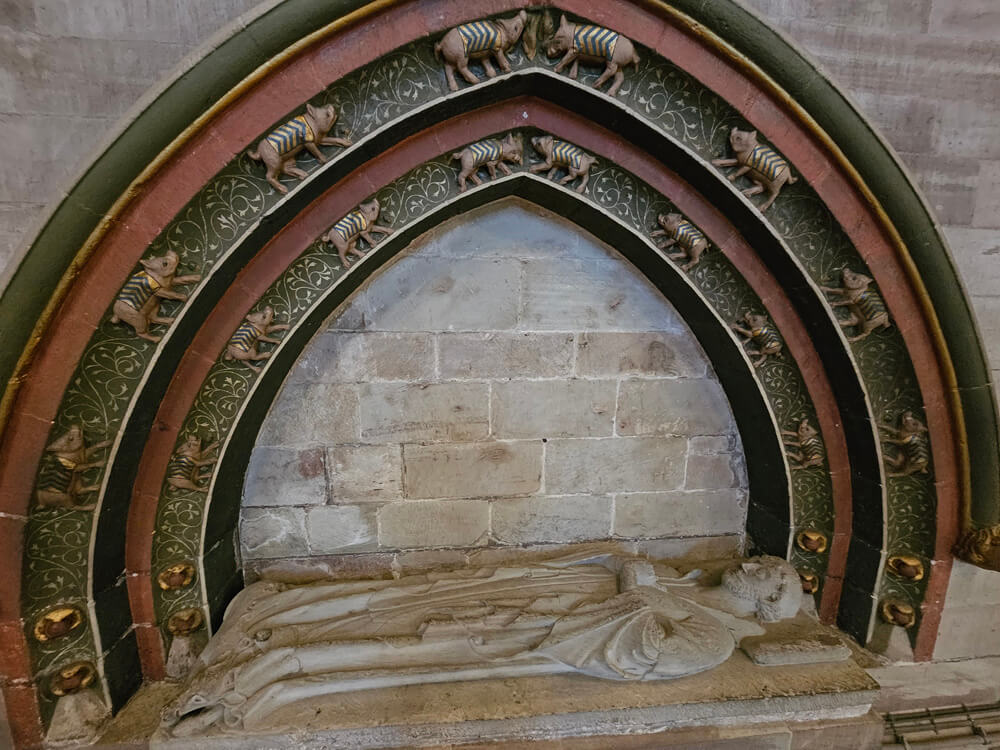
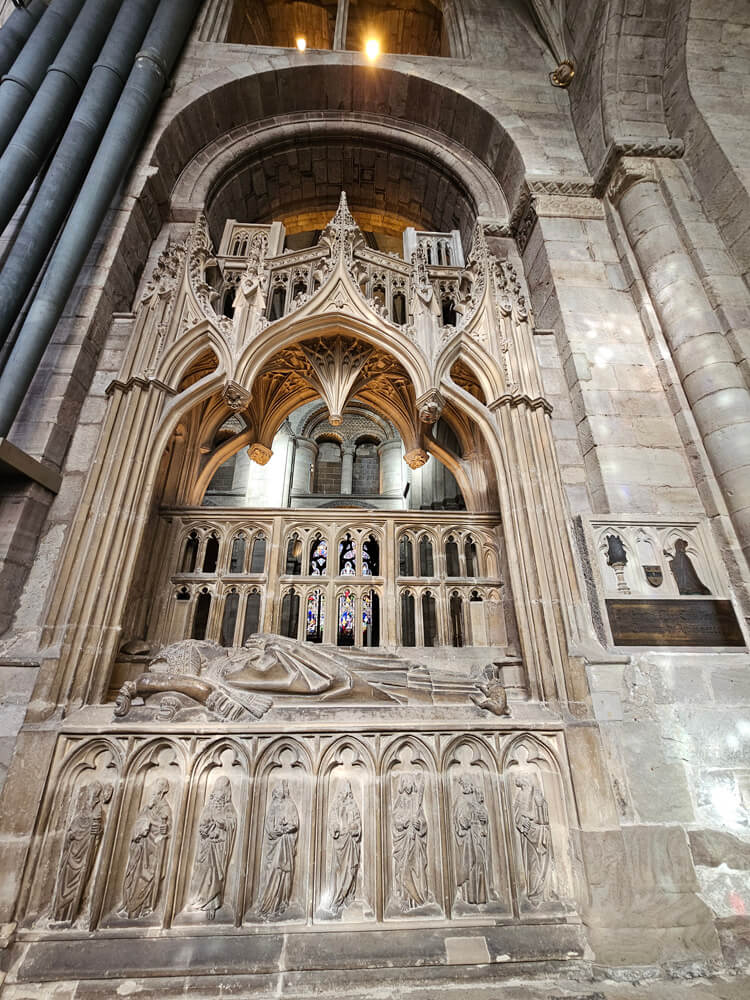
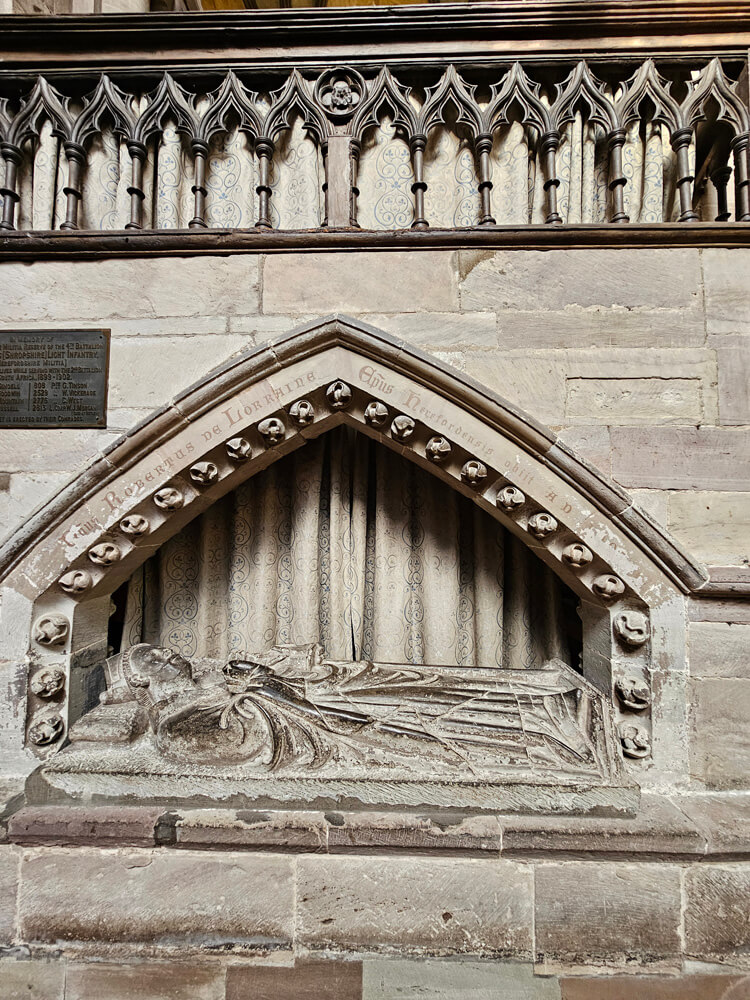
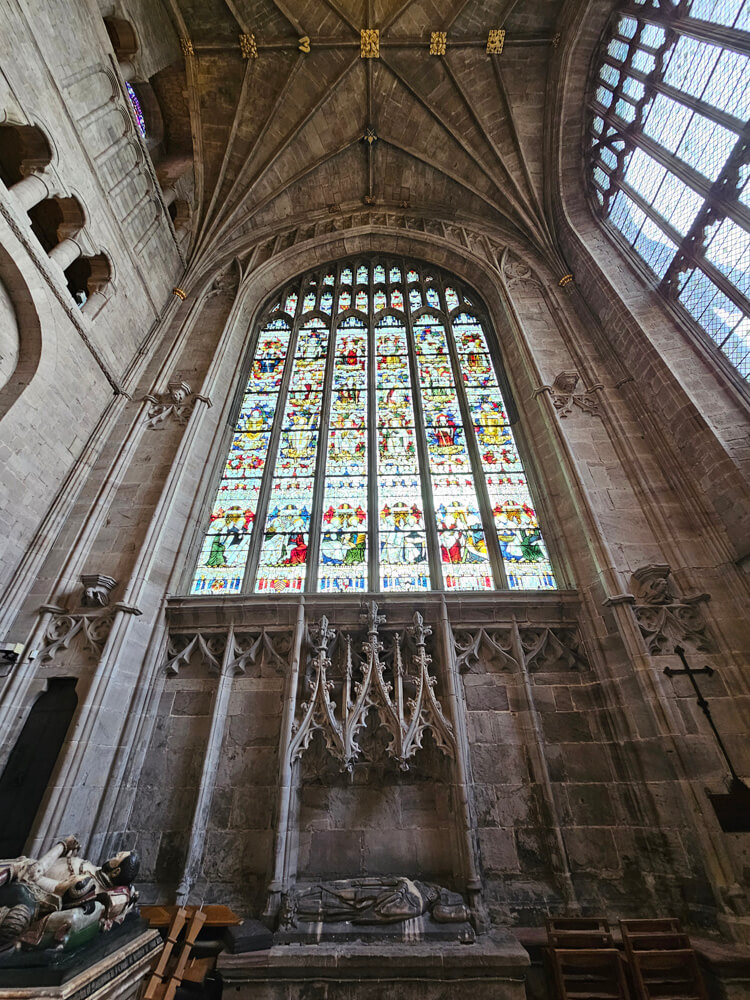
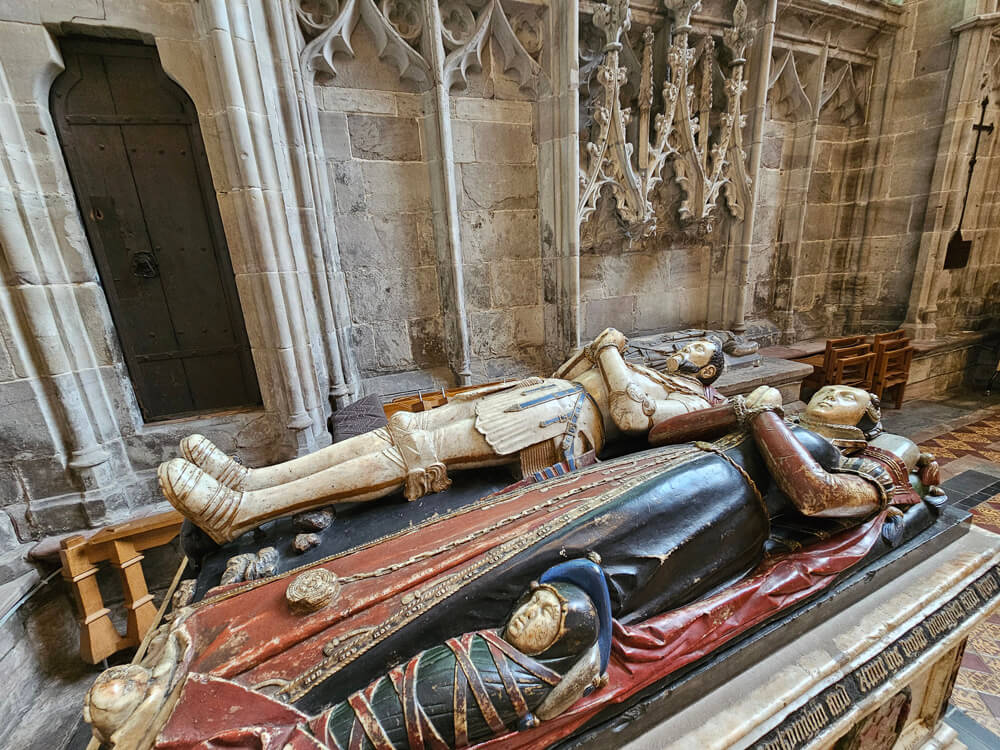
Thomas Cantilupe, 45th Bishop of Hereford, died in 1282. He was buried at Hereford Cathedral, and in 1320 he was declared a saint by the Pope. Pilgrims began to flock to his shrine, which is still an important pilgrimage destination today. The beautiful and very elaborate shrine of St Thomas Cantilupe is made of Purbeck marble and is located in the north transept of the cathedral.
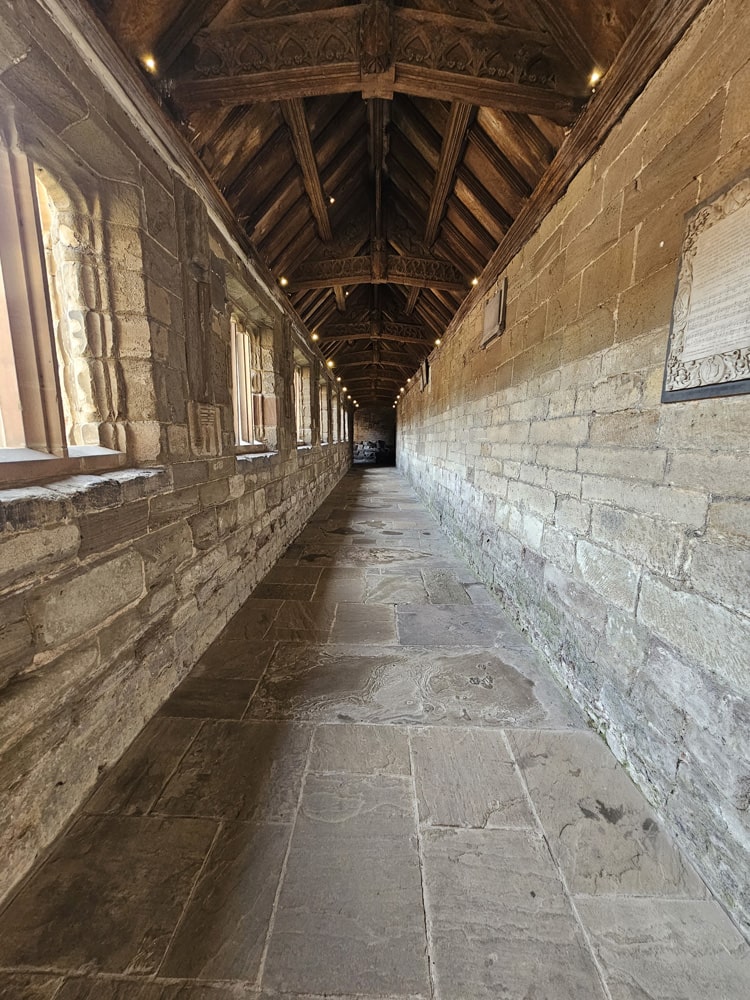
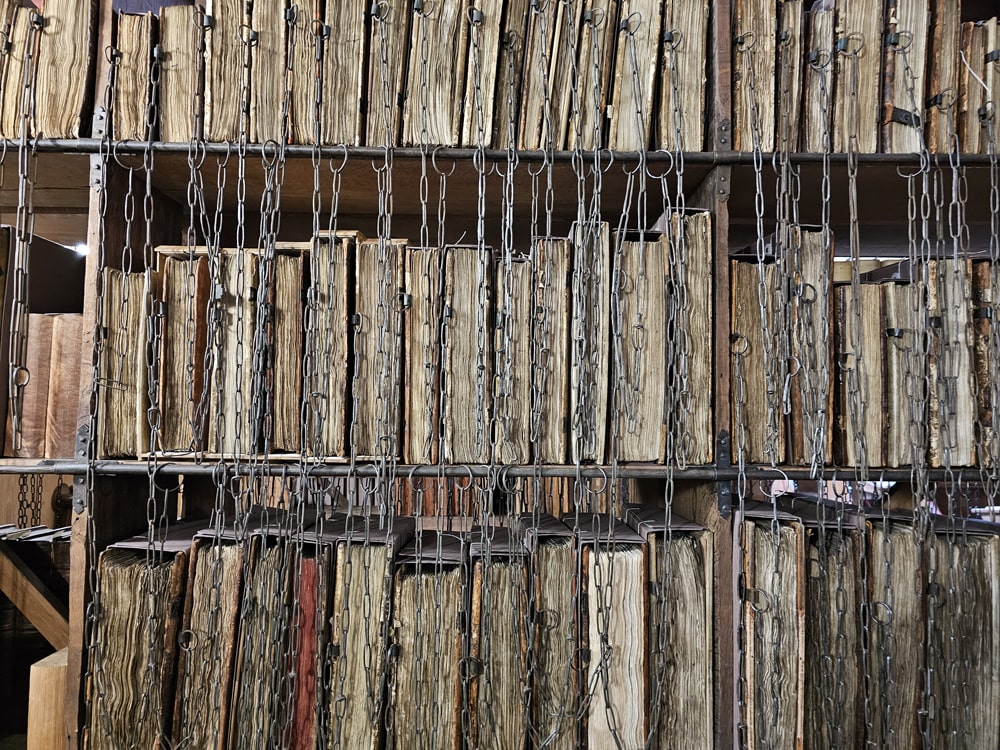
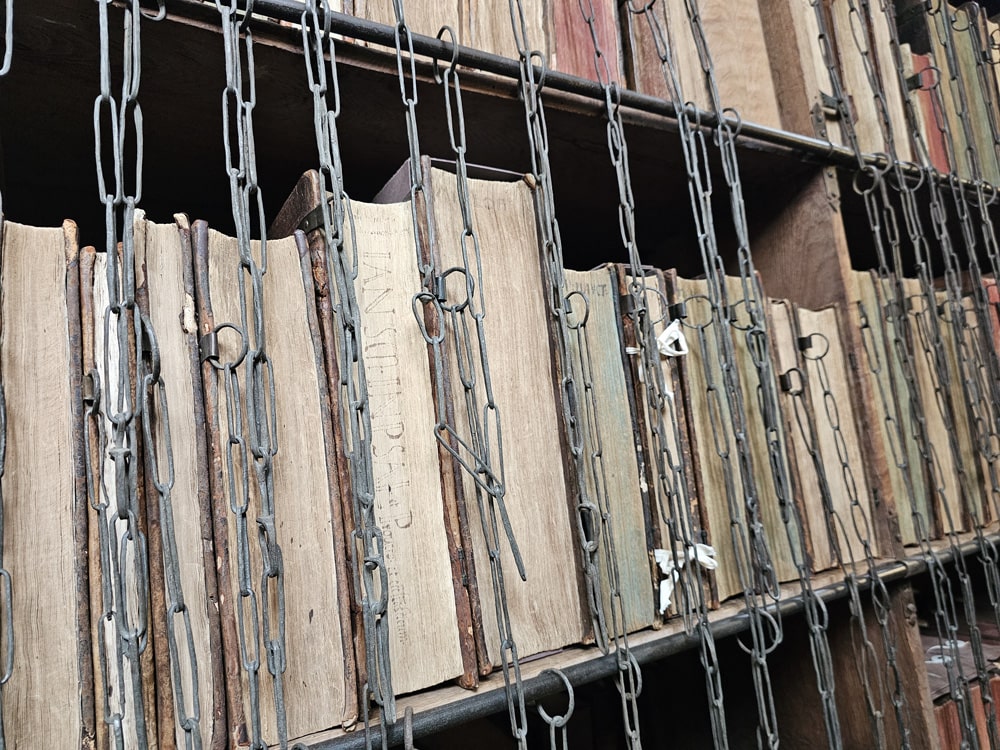
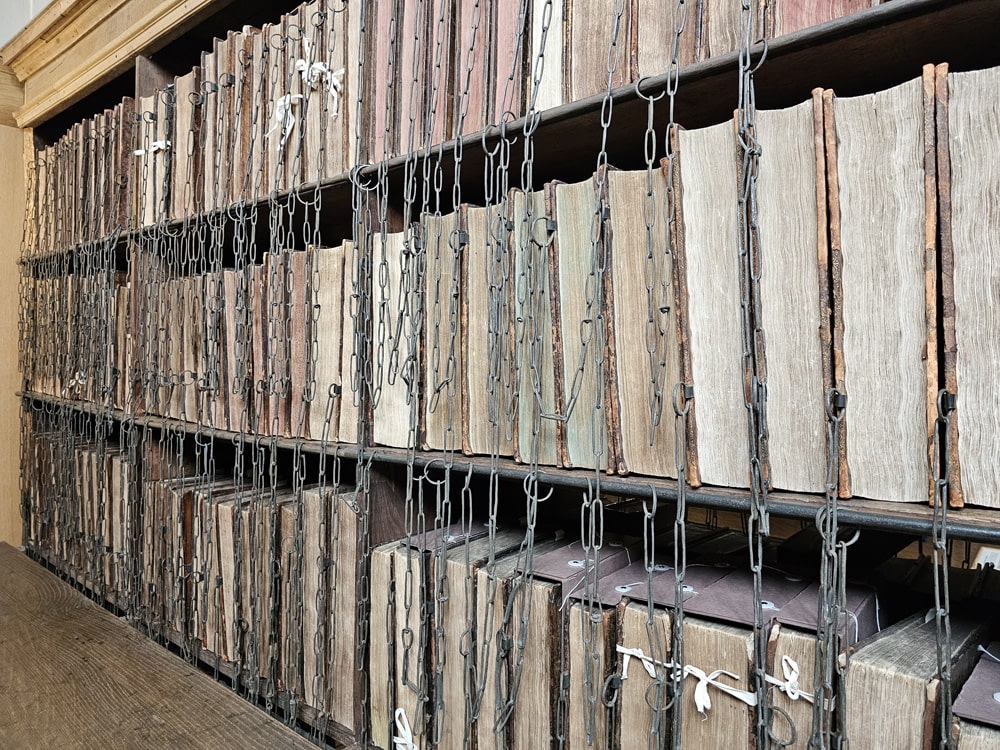
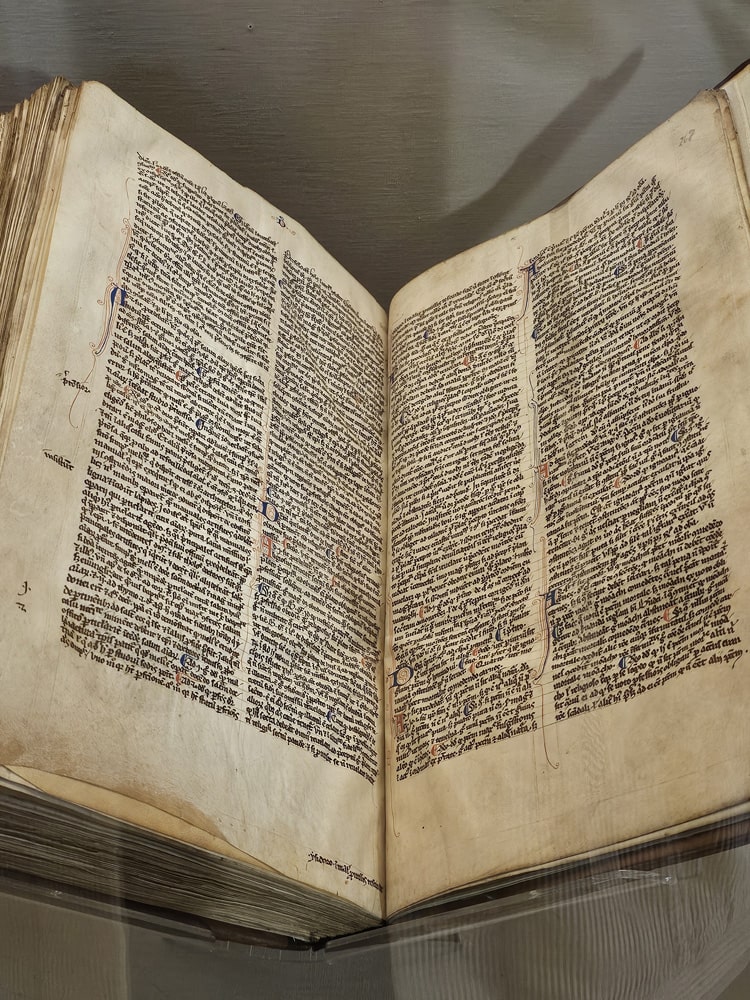
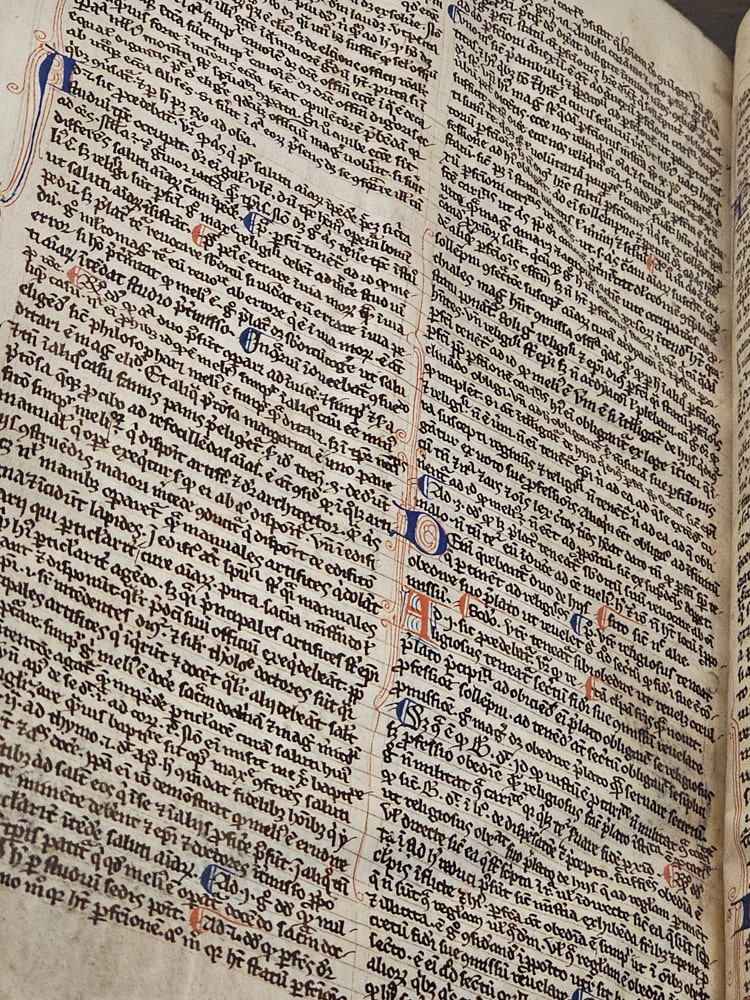
As well as the Mappa Mundi, Hereford Cathedral is also home to the largest surviving chained library in the world. In the early-17th century, around the year 1611, Hereford Cathedral’s chained library was created. All the books are still kept under lock and key in their original chains, secured to the library shelves as they were in the 17th century. The library contains 229 medieval manuscripts including the 8th-century Hereford Gospels, which is the library’s earliest and most important book.
If you’re planning on visiting Hereford Cathedral, the four main things to look out for are the crypt, the stunning shrine of St Thomas Cantilupe, the Mappa Mundi and the Chained Library. There is a fee (I paid £7.50) to enter that part of the cathedral to view both the Mappa Mundi and the Chained Library, but it’s well worth it.
Photo Gallery.
Did you enjoy this post?
I hope you found this post useful. I put a great deal of time and effort in to building, maintaining and populating the website. If you like, you could say a small thank you by buying me a coffee. You don't have to, but it would be nice :)
Buy me a coffee
Stay up to Date
Follow me on my journey and get notified whenever a new post is published by following Kings & Castles on Facebook.
Follow MeExplore The Map
Discover the hundreds of castles, churches, monasteries, cathedrals and other historic locations that I've personally visited across England and Wales. Search by location, explore nearby sites and plan your next historical adventure.
Share: