Goodrich Castle
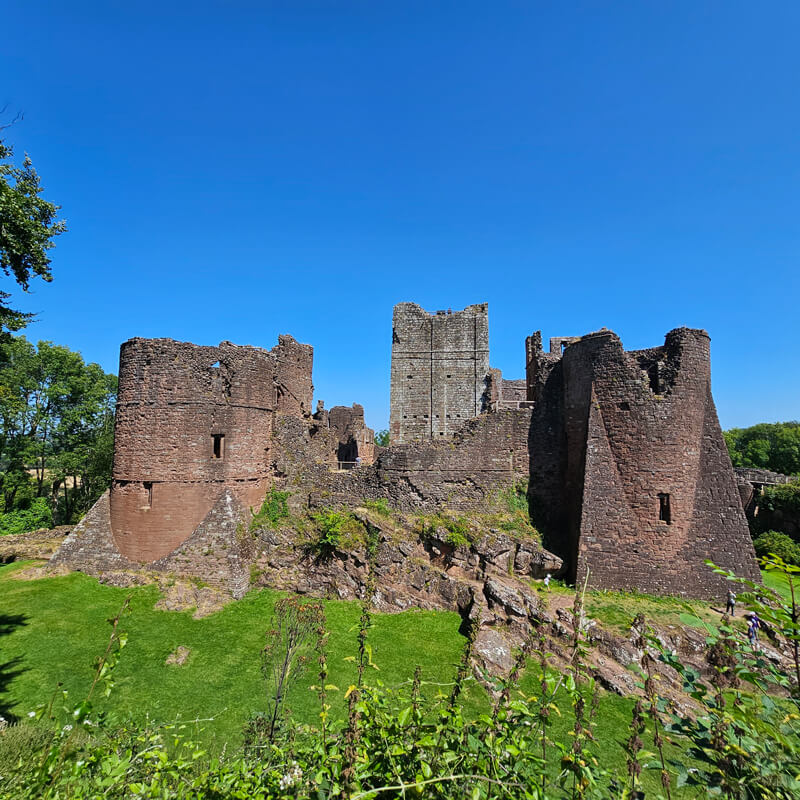
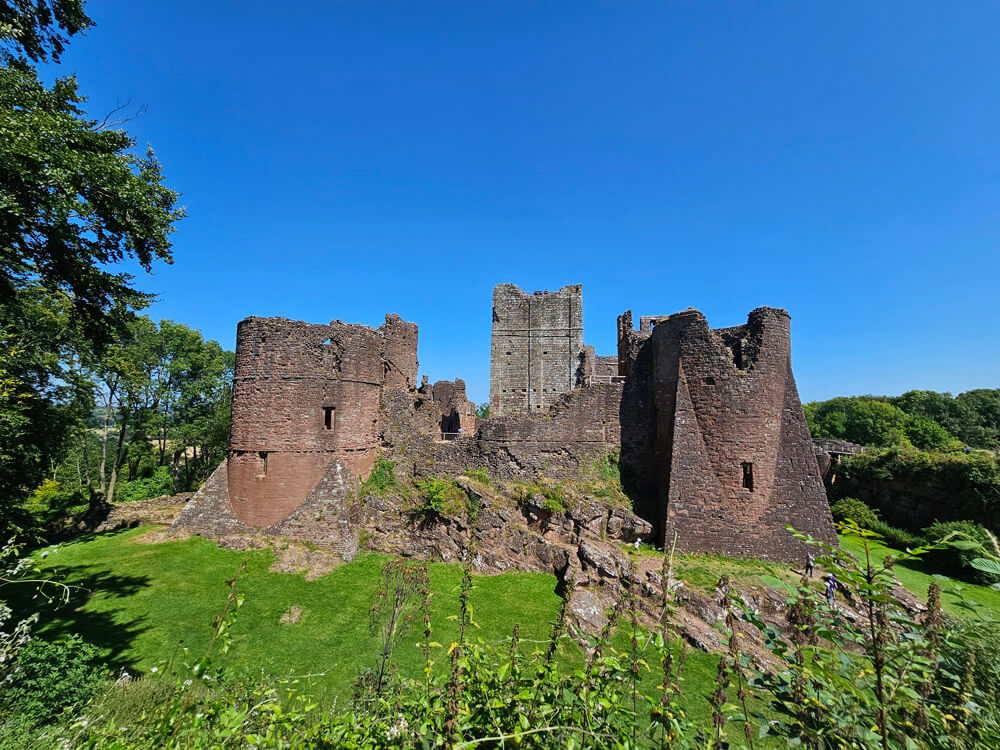
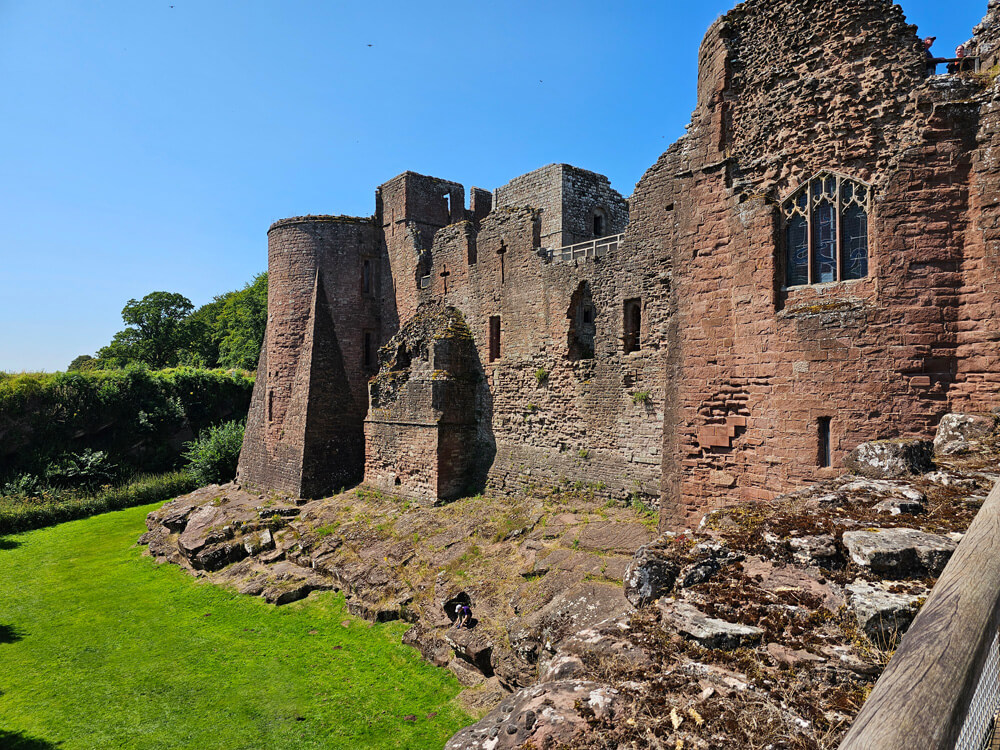
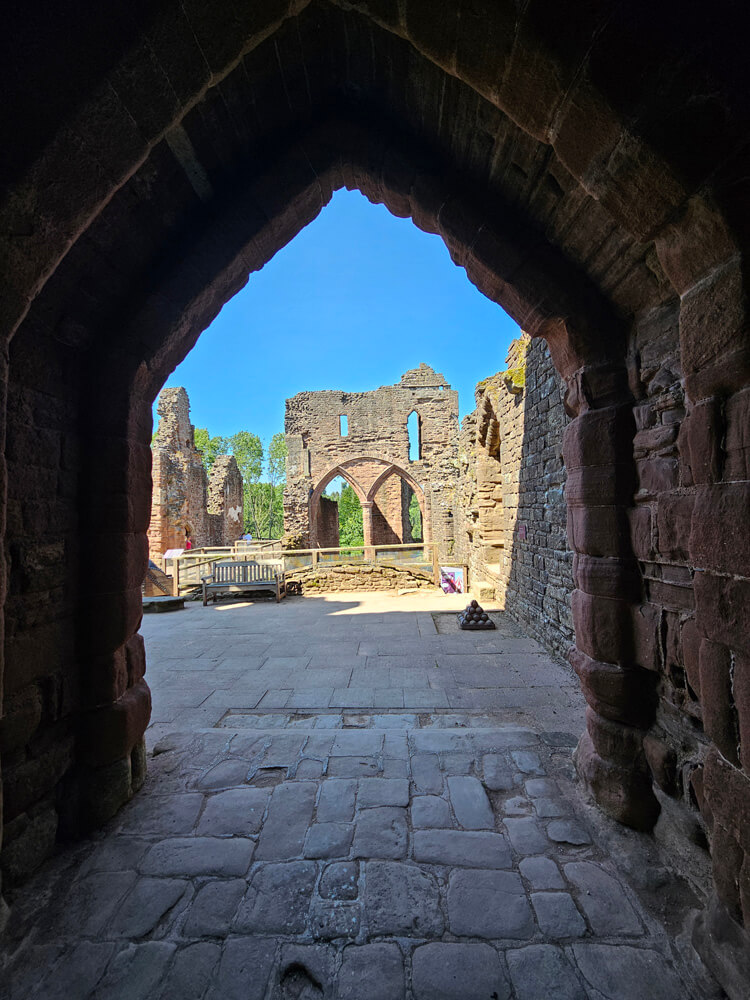
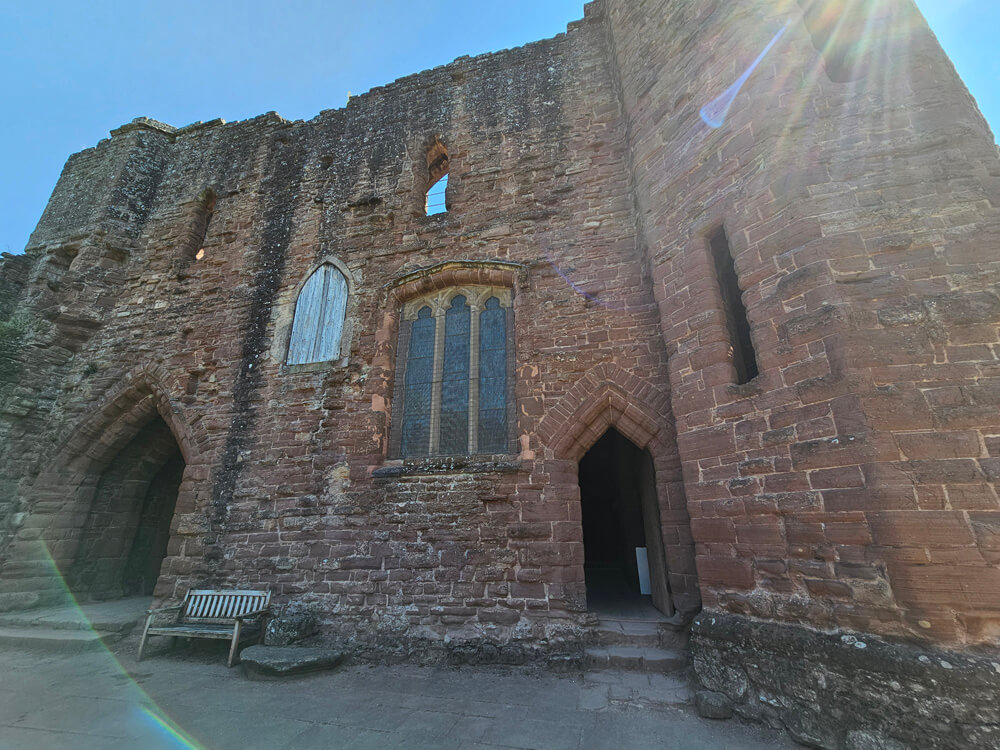
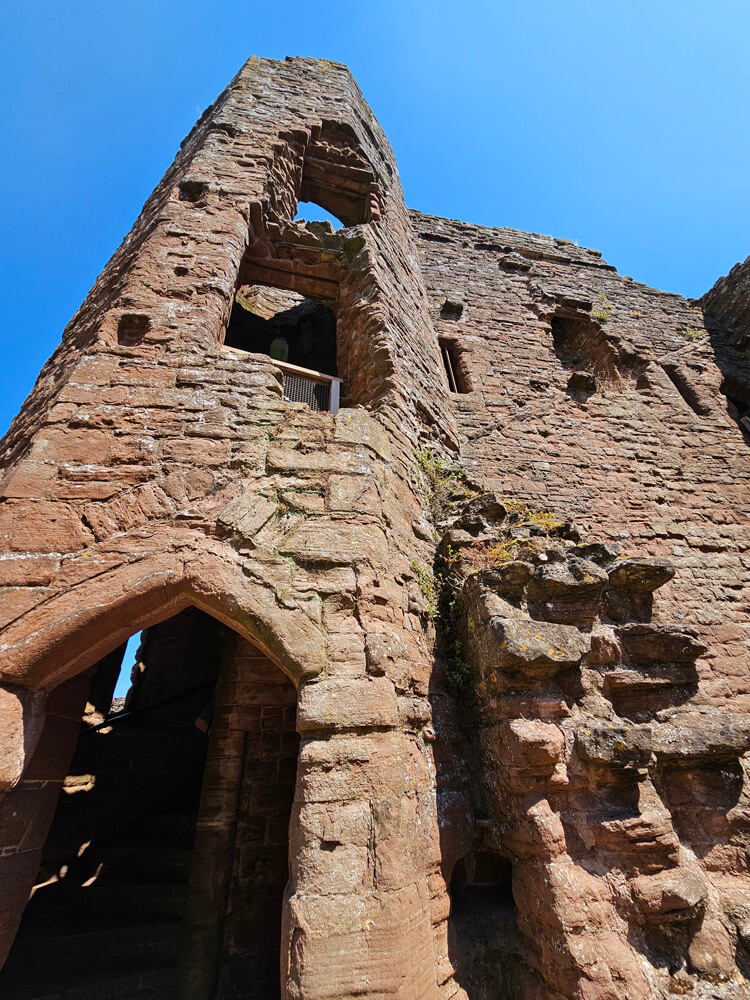
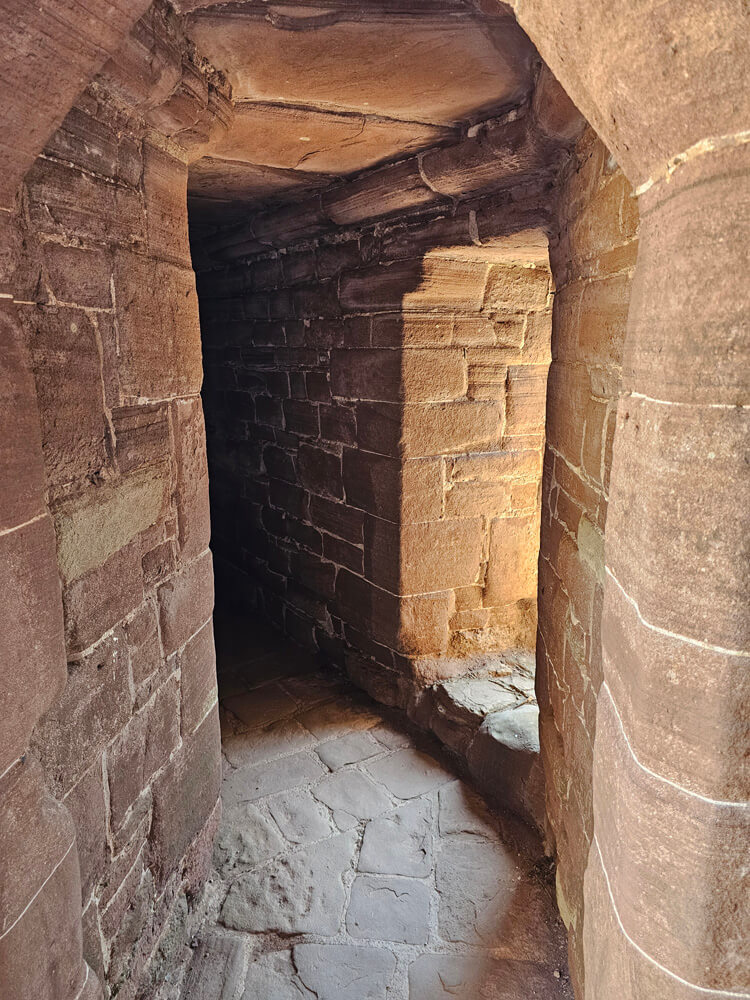
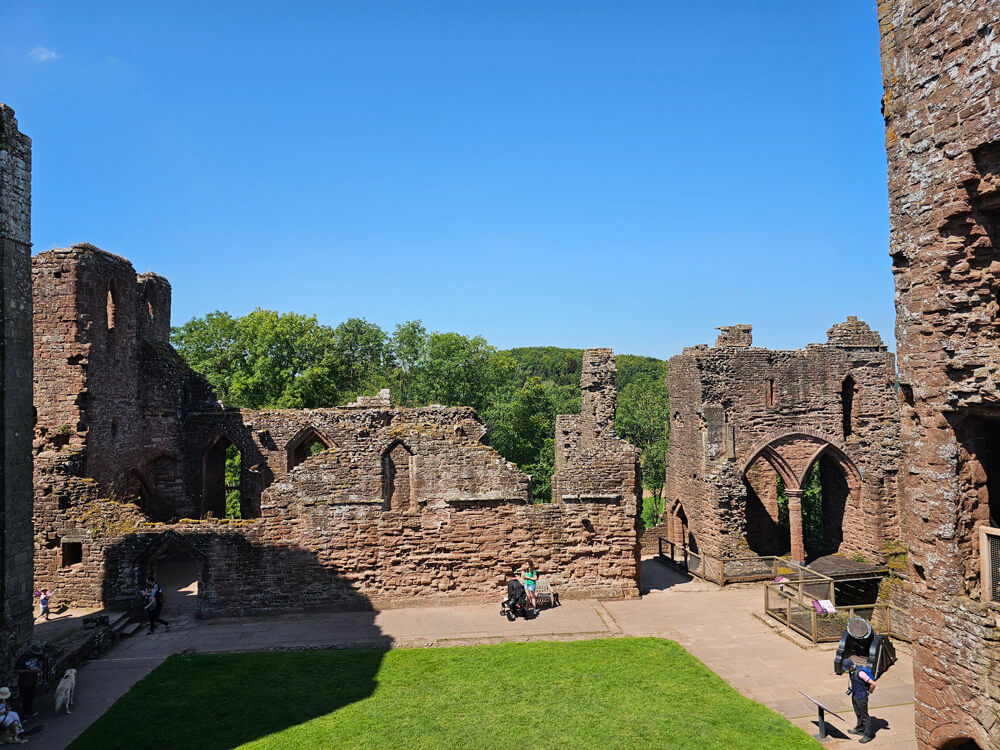
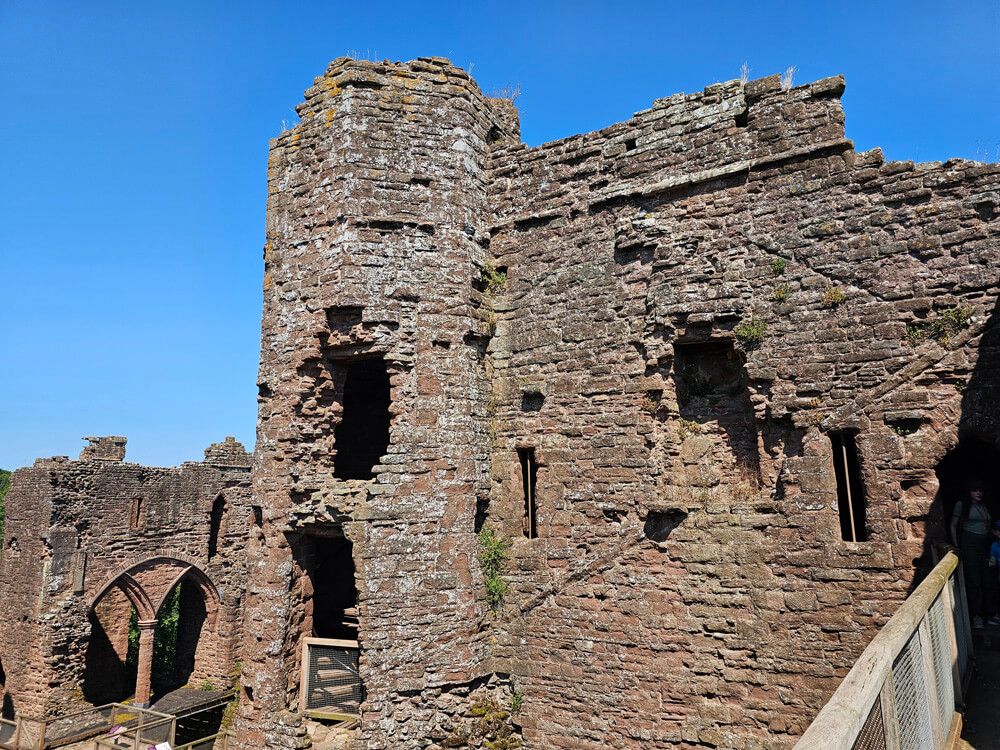
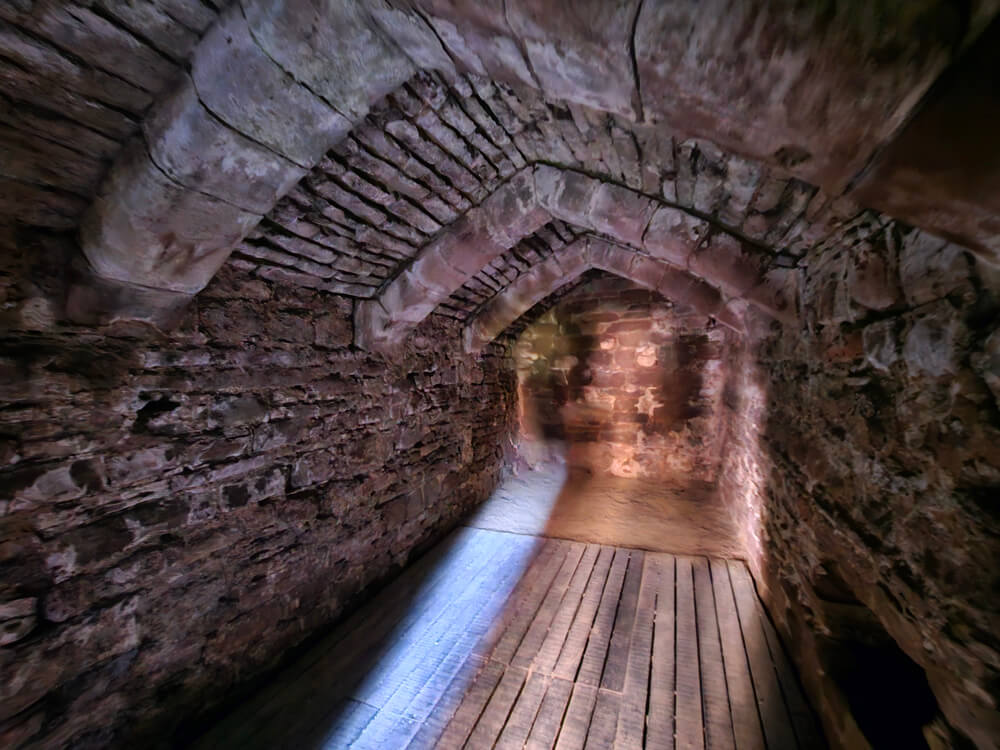
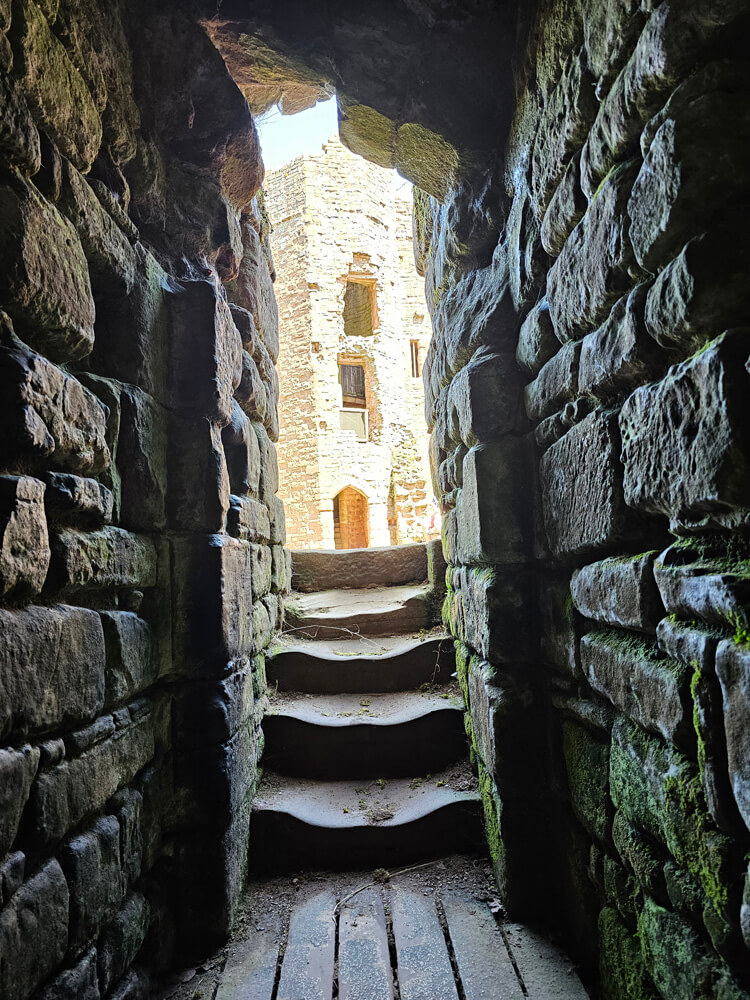
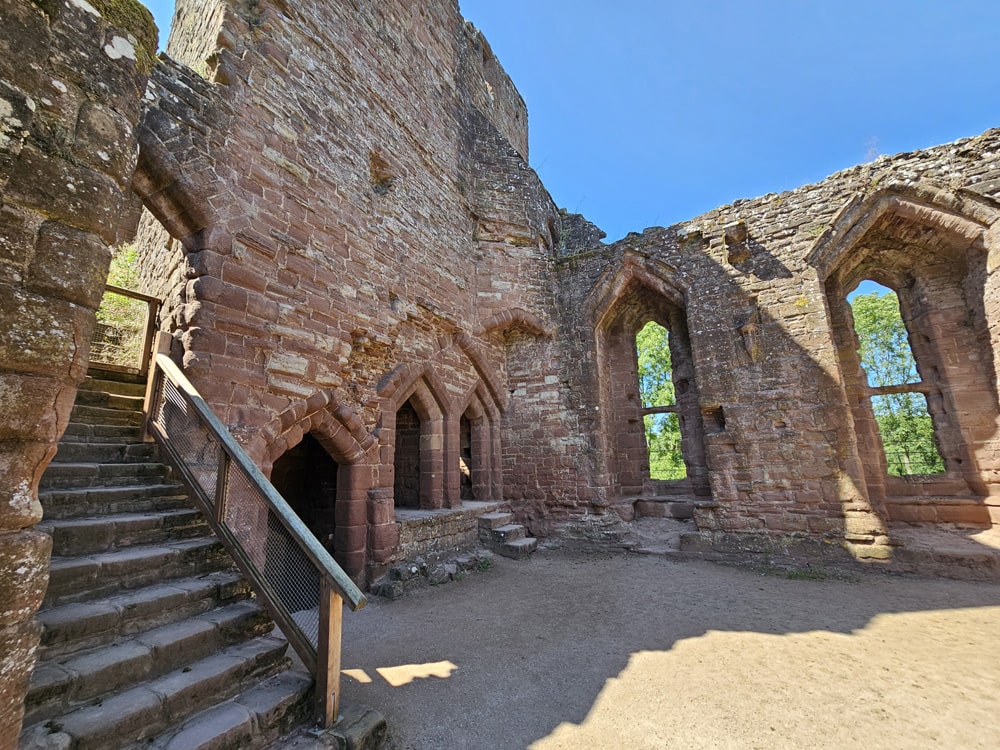
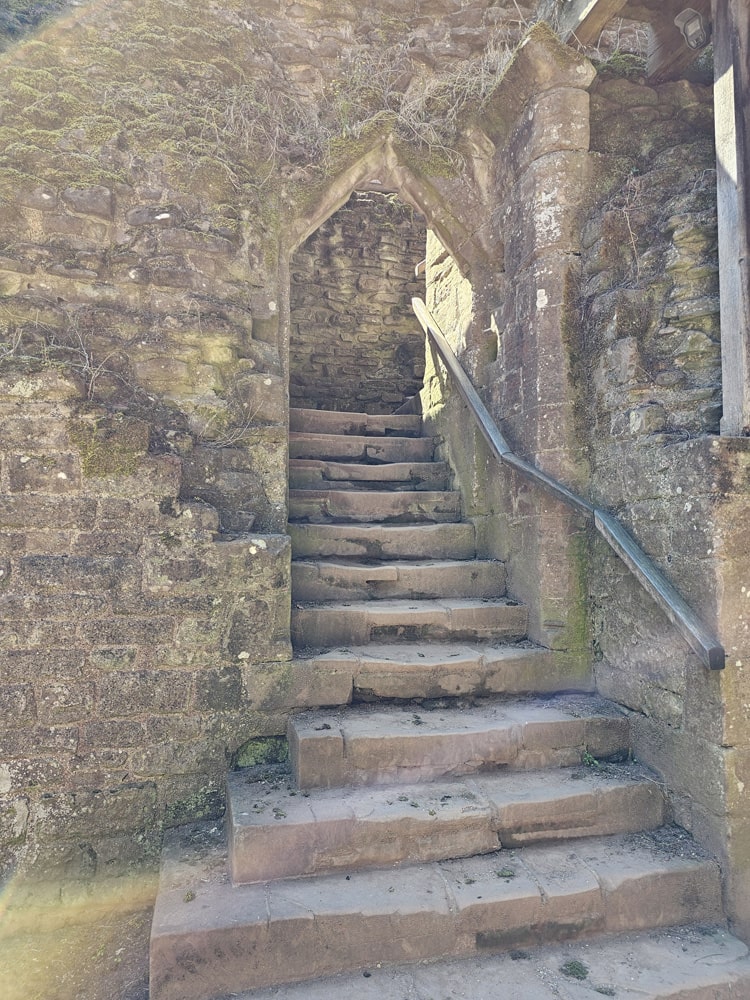
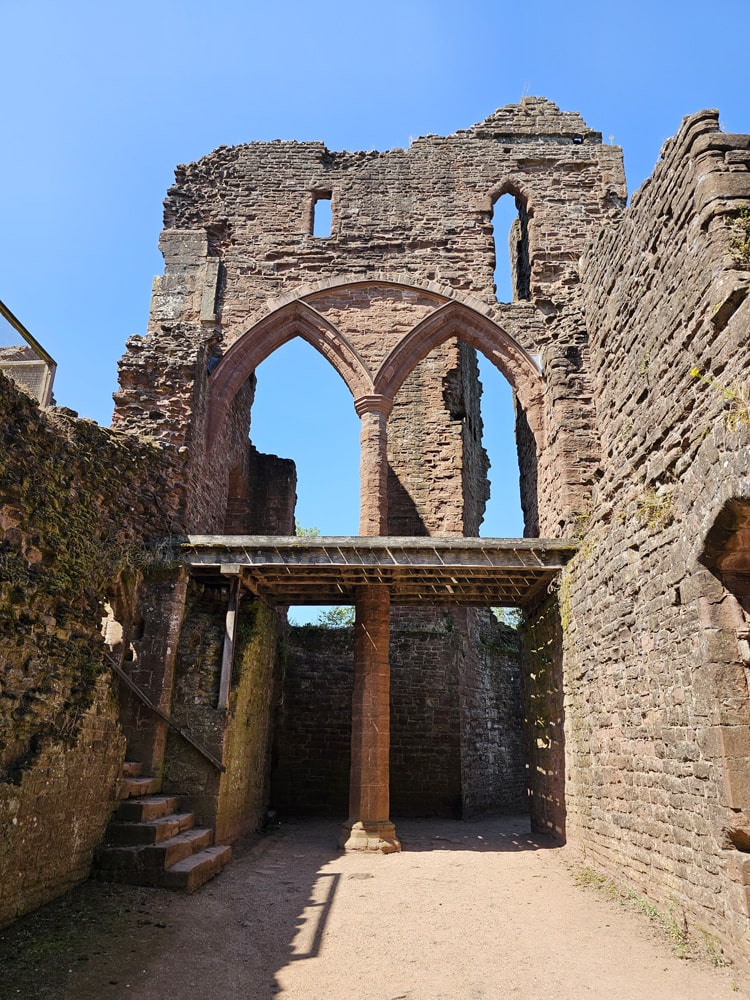
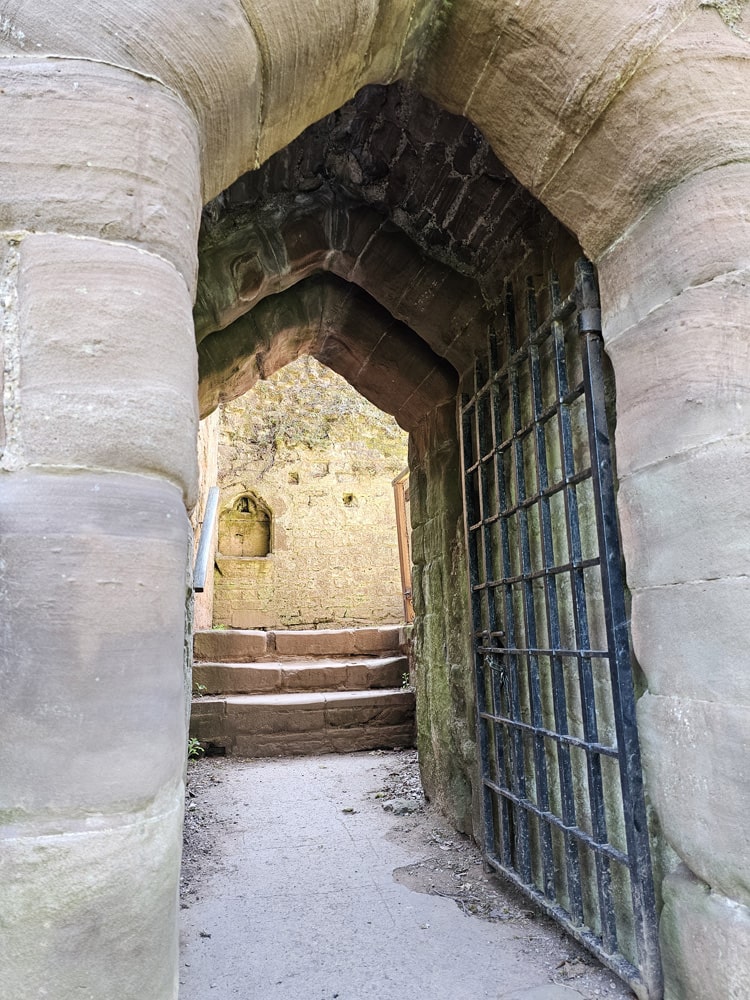
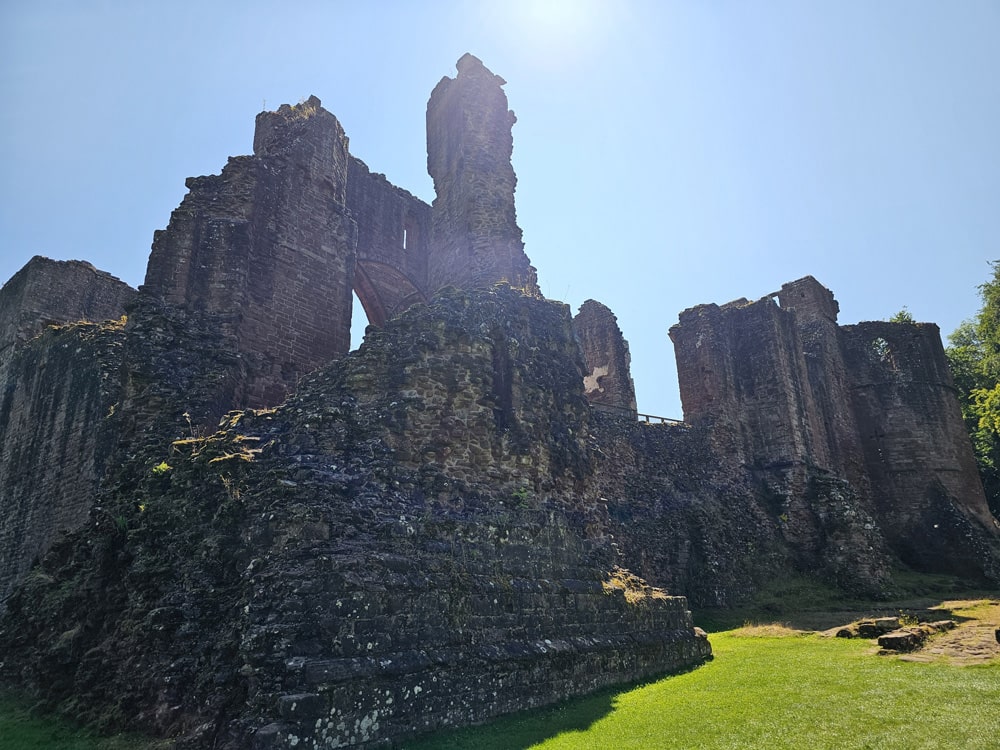
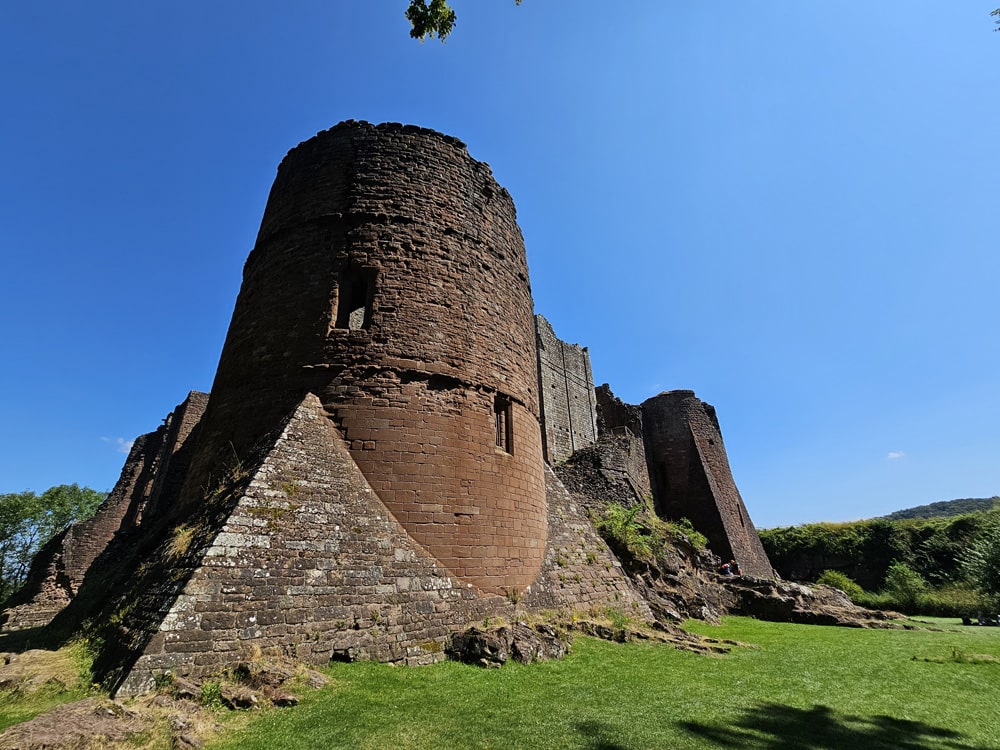
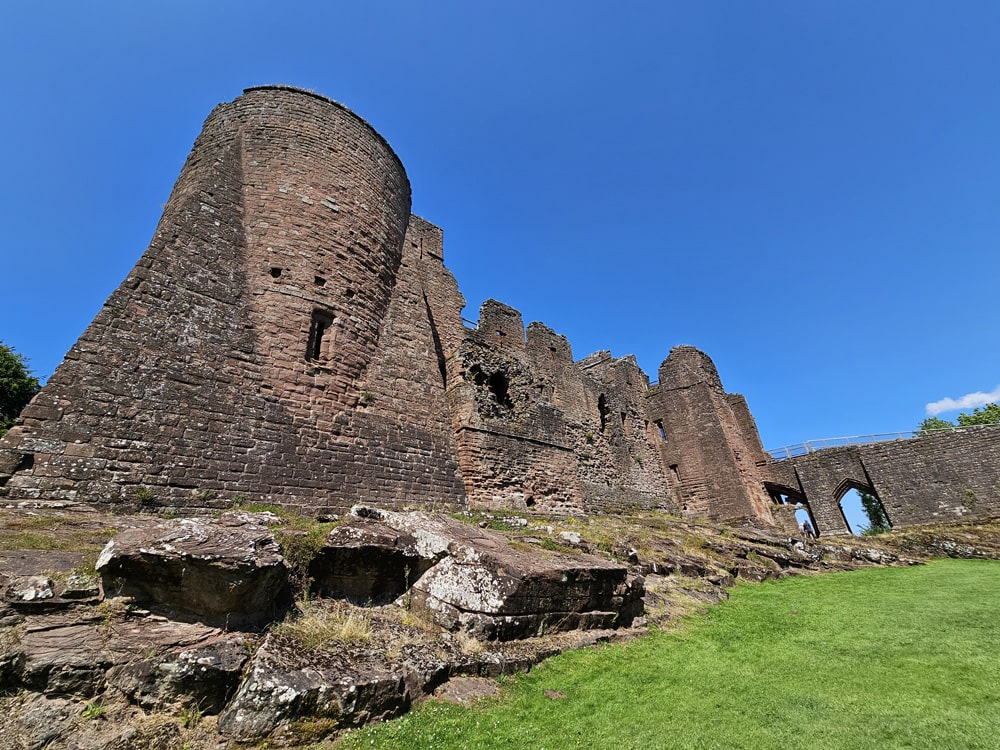
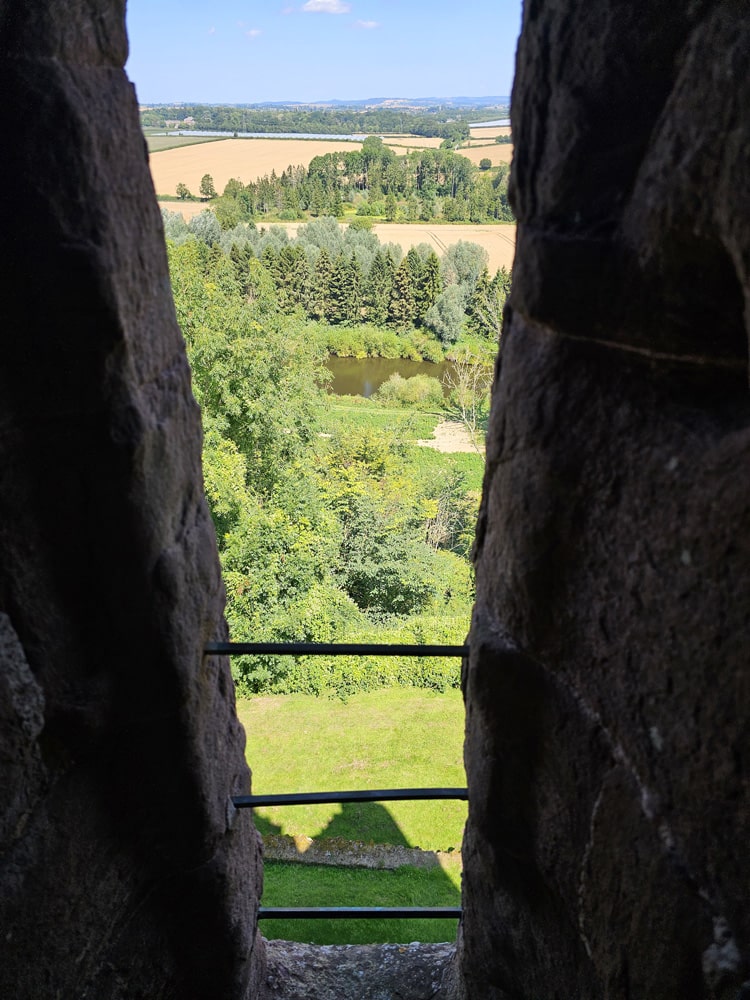
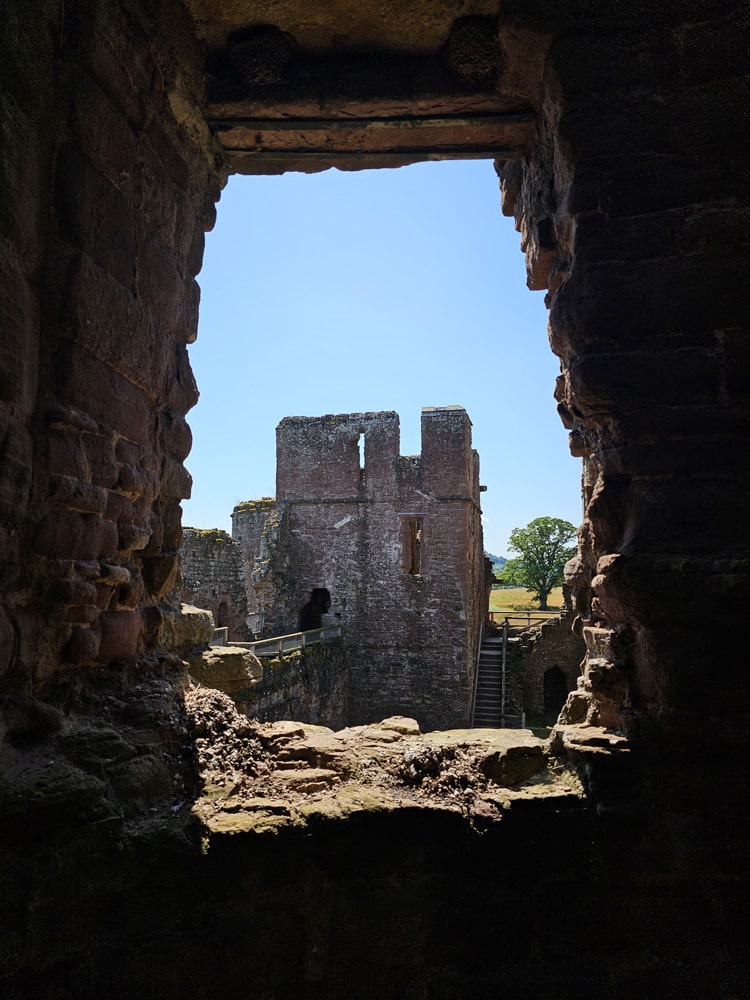
Goodrich Castle is a ruined Norman medieval castle north of the village of Goodrich in Herefordshire, England, controlling a key location between Monmouth and Ross-on-Wye. Sitting high above the River Wye, Goodrich Castle is still largely intact and protected by wide and deep ditches cut into the rock. Goodrich has been hailed as “the noblest ruin in Herefordshire”, and as the “most splendid in the county, and one of the best examples of English military architecture.
Quick
Facts.
- Location: Ross-on-Wye, Herefordshire, England
- Established: 11th century
- Built in stone: 12th to 14th centuries
- Condition: Ruined
- Date visited: July 2024
- More info: Visit website
- Rating:
A Bit of History…
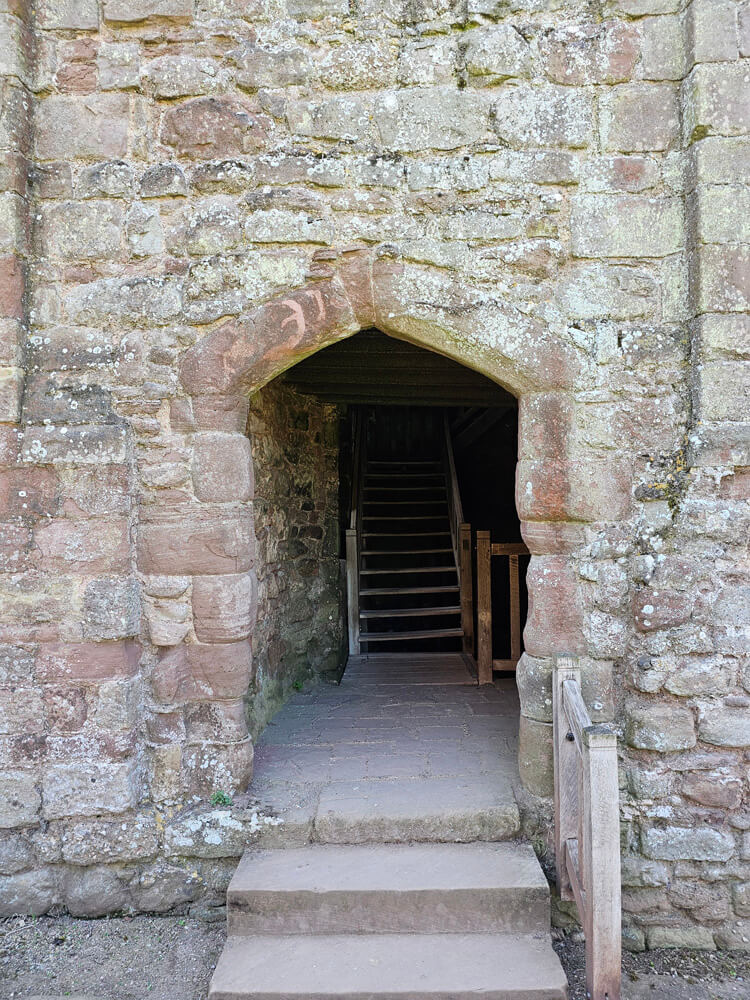
Standing in scenic countryside, Goodrich Castle is one of the best preserved of all English medieval castles. The castle is named after its English landowner, Godric, and has origins dating back to the 11th century. The life of the castle began soon after the Norman Conquest, probably as a simple timber structure, strategically placed guarding a major crossing of the River Wye on the border between Wales and England. But the building of the current stone castle began in the 12th century, with extensive remains from the 13th and 14th centuries.
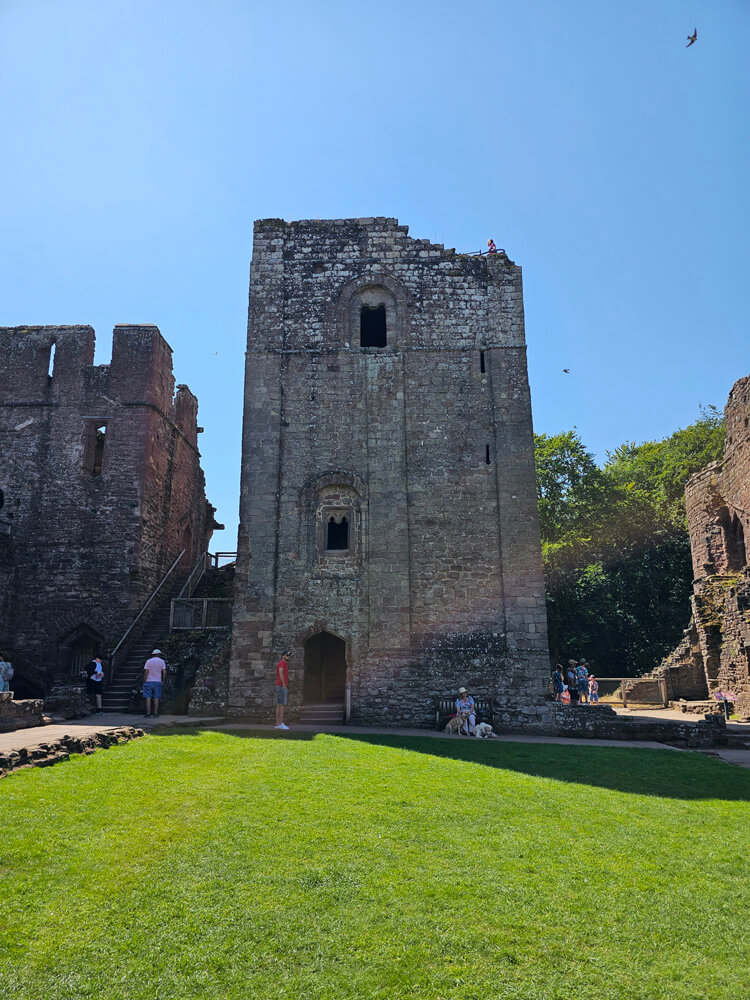
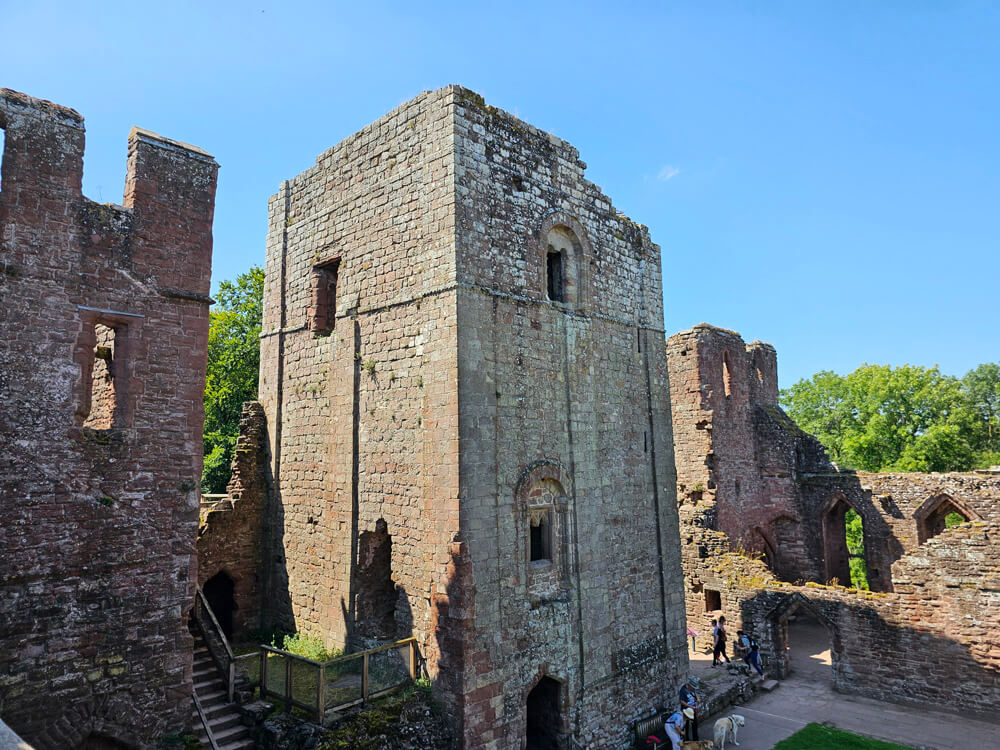
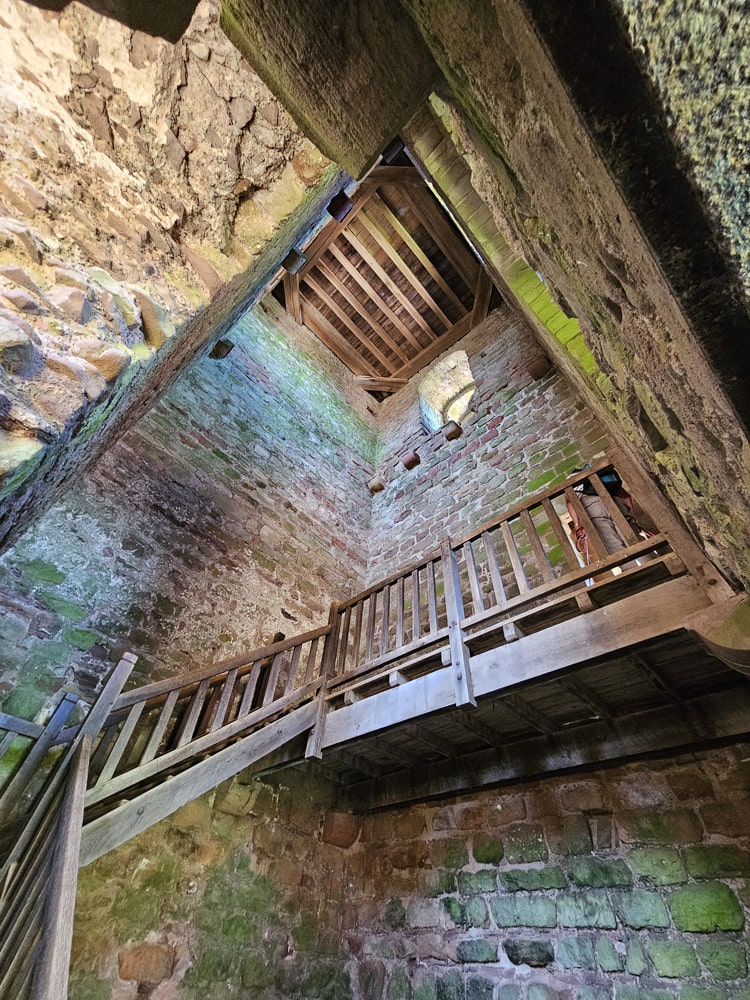
The earliest part of the castle is the early to mid-12th century stone keep standing three stories high, which replaced the original timber structure.
Goodrich remained in royal hands until 1204, when King John awarded it to the famous Sir William Marshal, Earl of Pembroke. Sir William was honoured as ‘the best knight in all the world’ and made his fame and fortune by winning tournaments, making him one of the most powerful knights of medieval England. At this time a stone curtain wall was built to enclose the site, with towers for added defence.
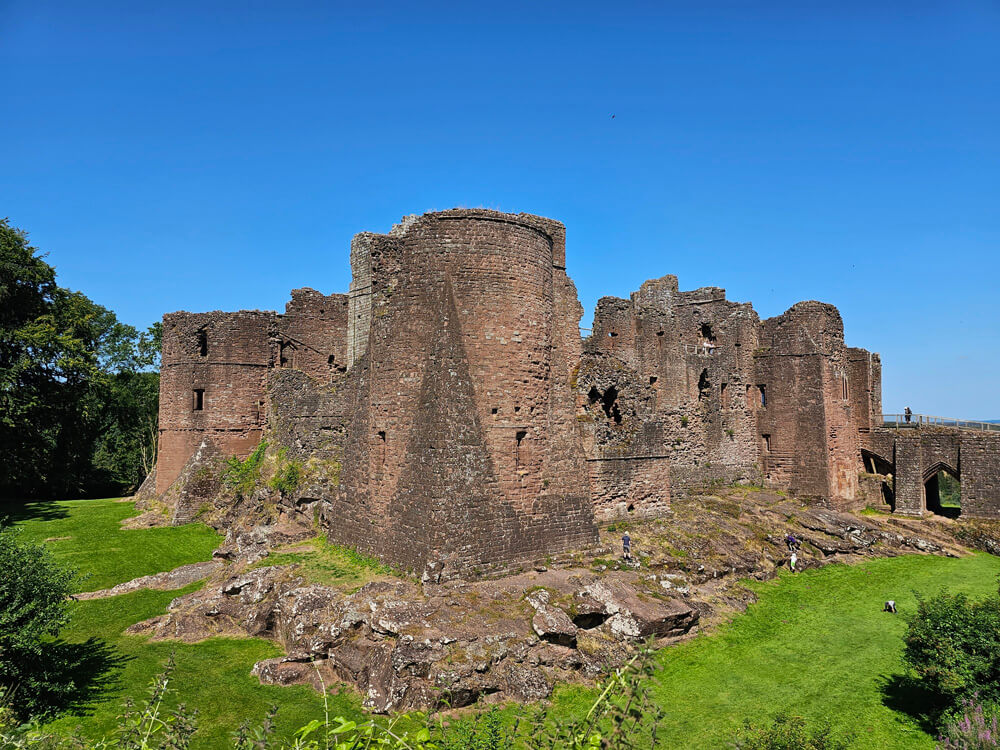
But the major building work of this magnificent red sandstone castle began in the 13th century, when the castle was rebuilt by the French nobleman and half-brother to Henry III, William de Valence, creating one of the finest and most up-to-date castles at the time. He rebuilt the earlier castle in the style of Edward I‘s concentric castles in north Wales, a style that is rare in England. It was expanded significantly into the concentric structure that we see today, combining luxurious living quarters with extensive defences.
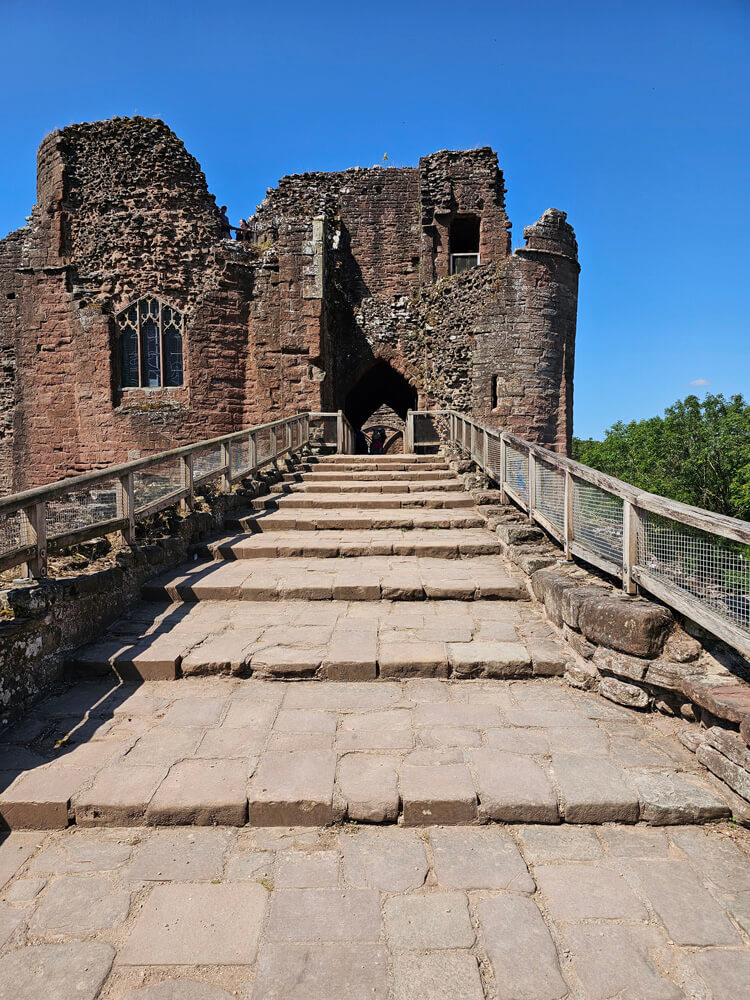
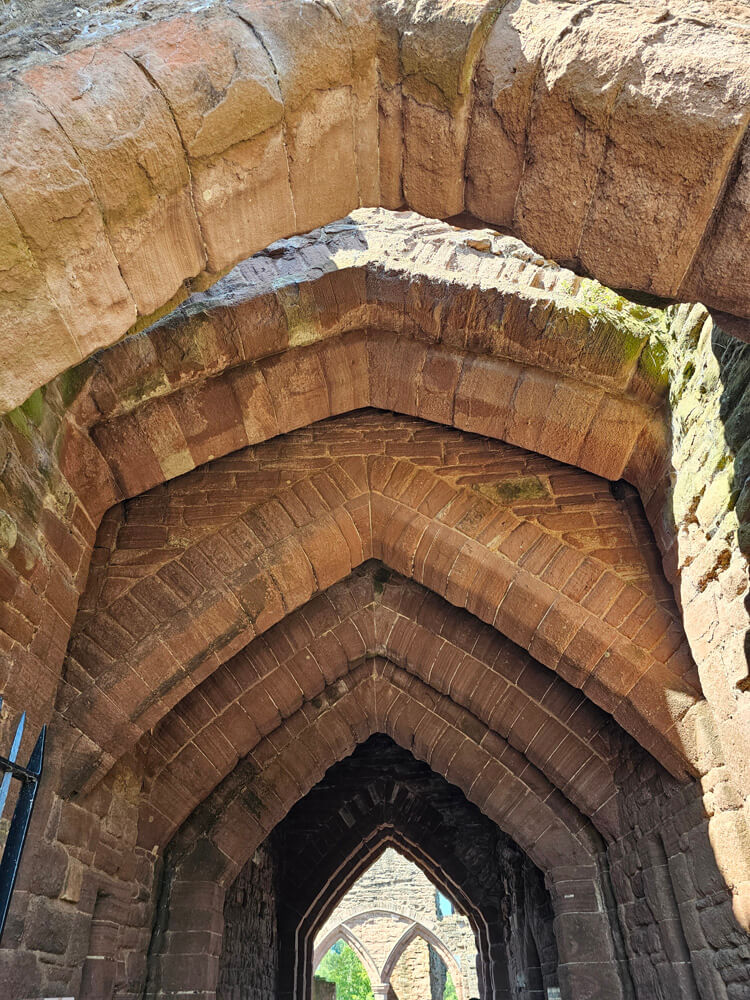
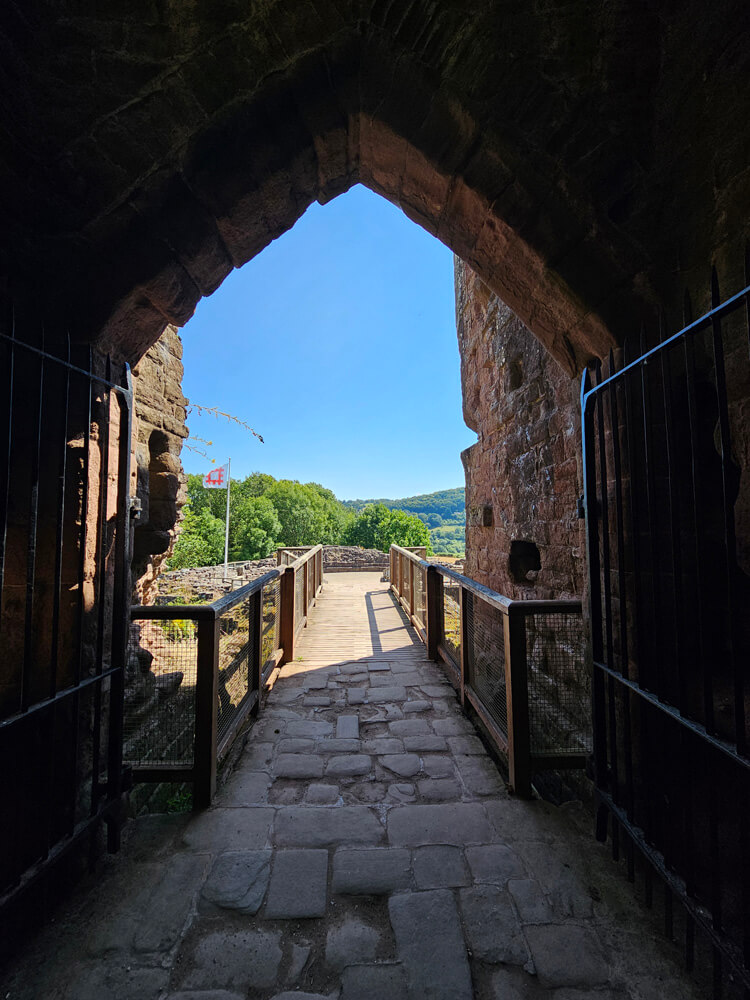
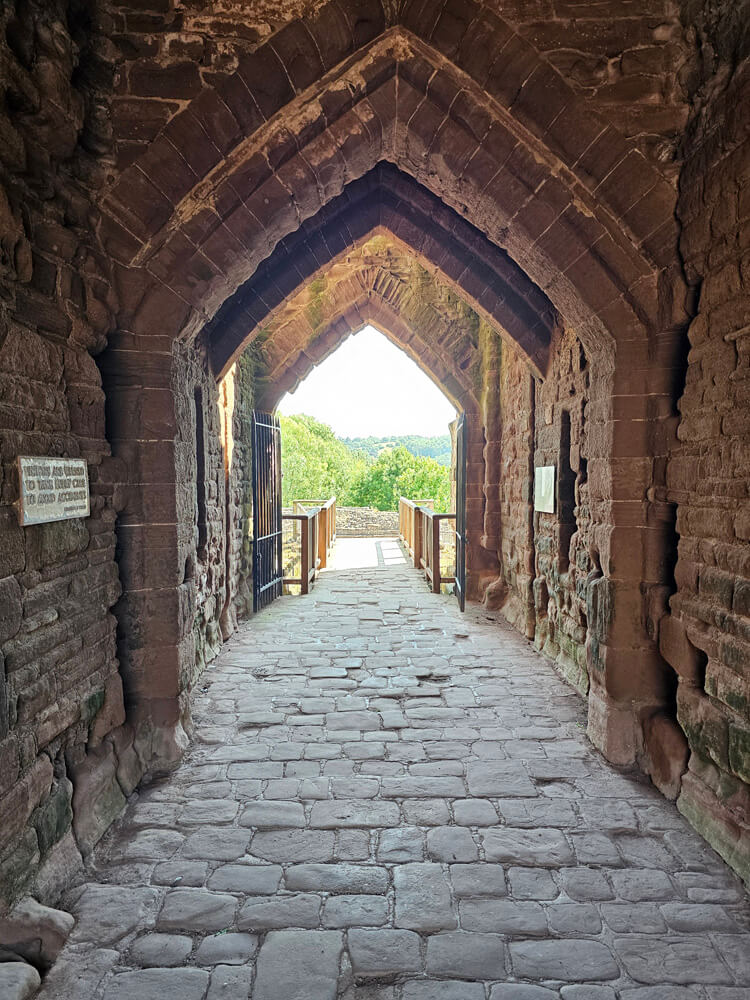
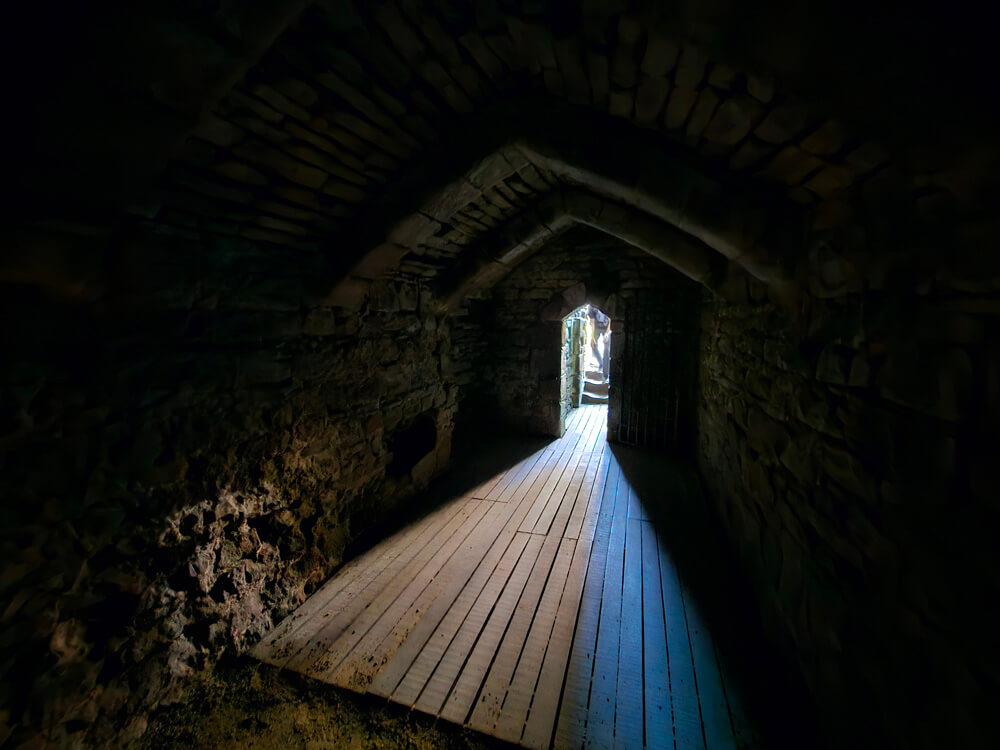
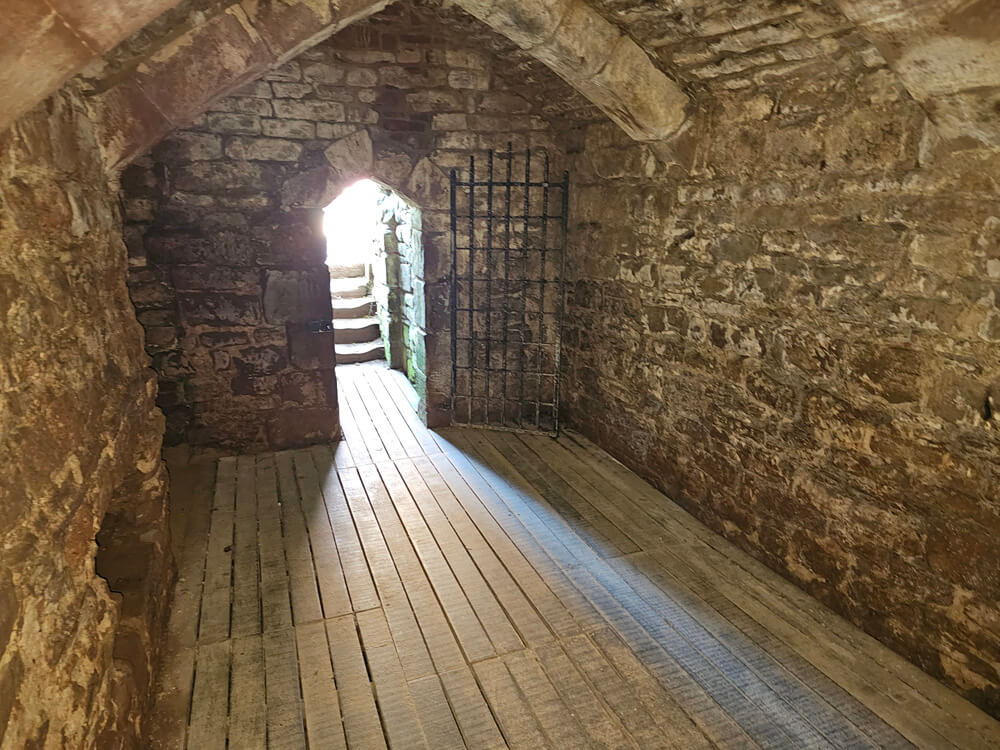
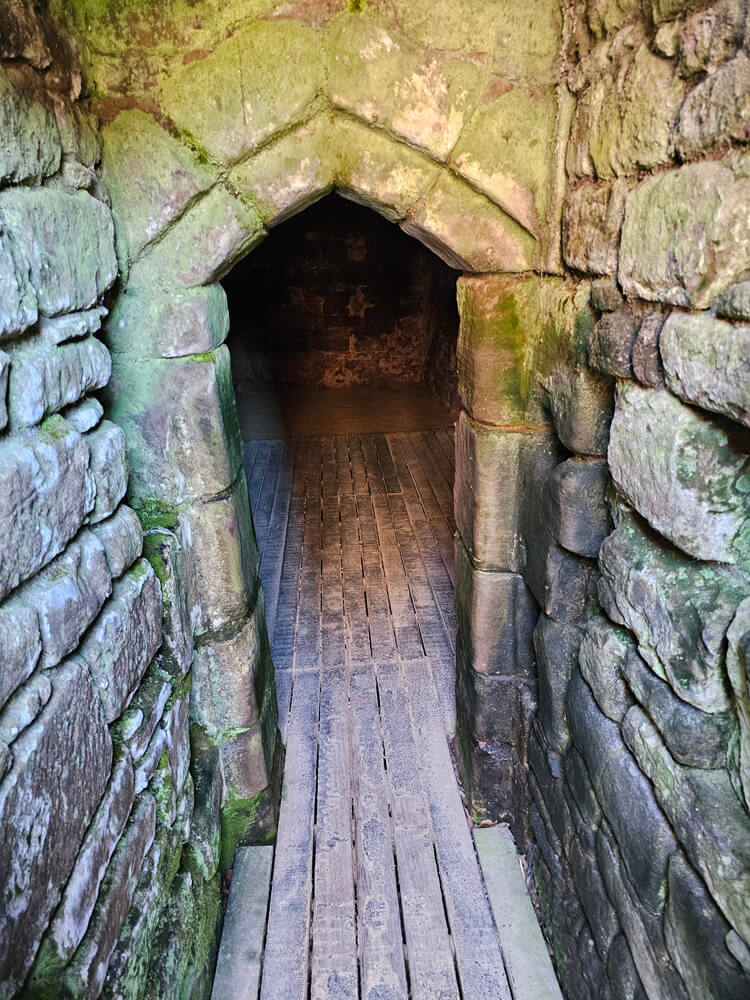
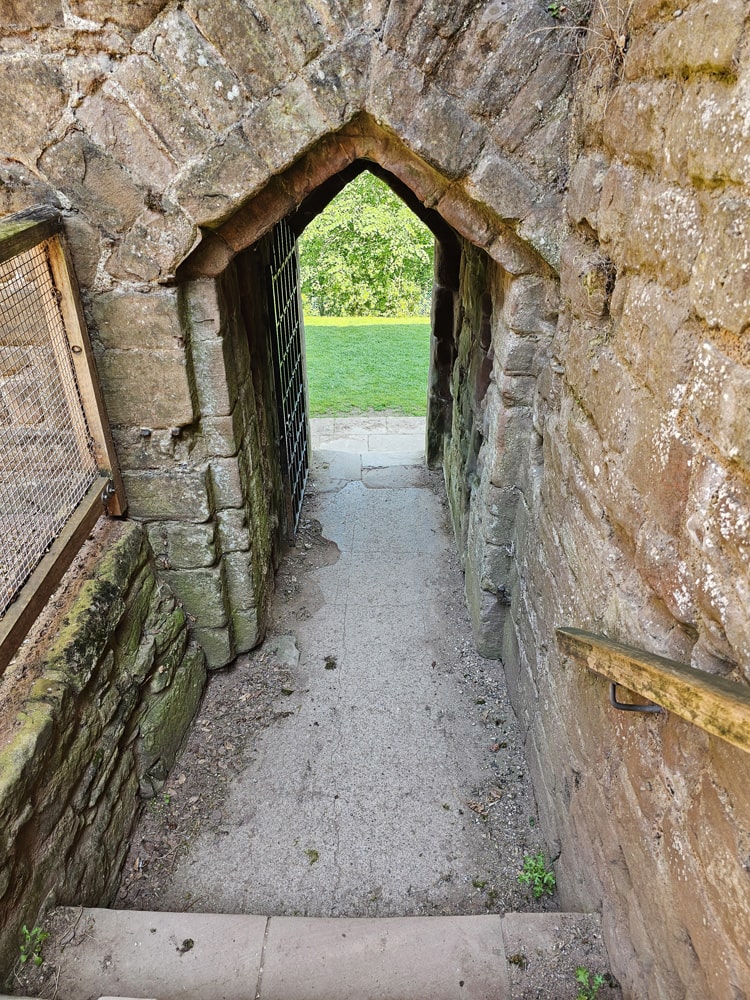
The castle’s gatehouse was built around 1300 and consists of a 50ft long vaulted corridor, barred at each end by a portcullis. Outside of the gateway stands the remains of a 14th-century barbican and drawbridge which were added by the powerful Talbot family. In 1324 Goodrich Castle passed to the Talbots, later Earls of Shrewsbury, but they eventually abandoned Goodrich in late Tudor times in favour of more comfortable residences.
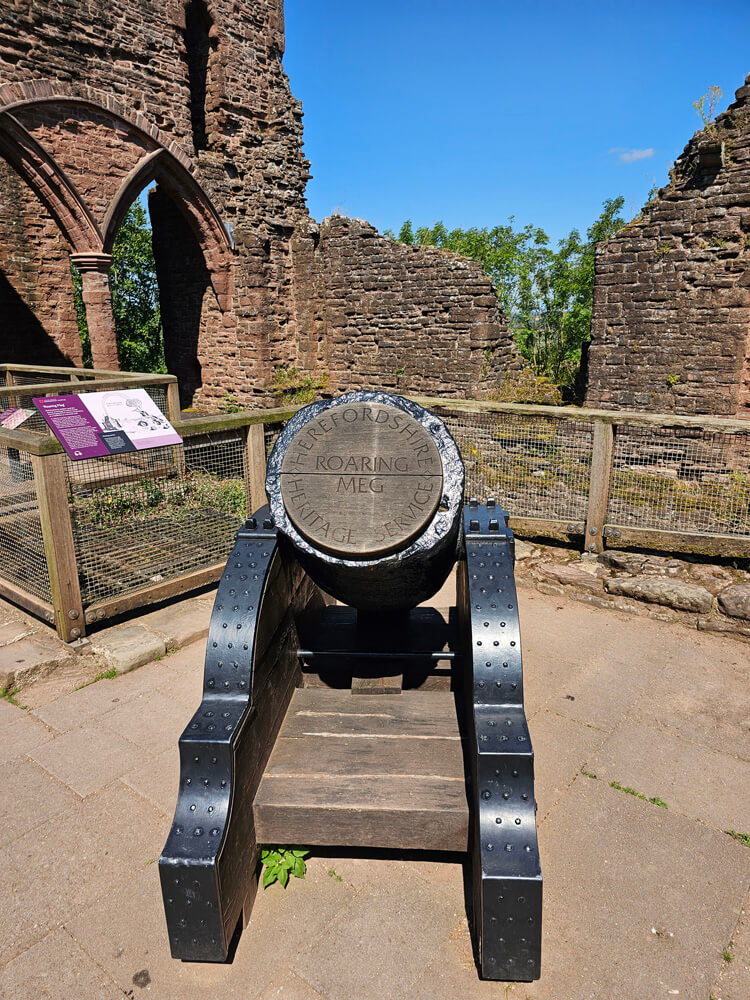
Sadly, in 1646 much of the castle was ruined in a two-month siege during the English Civil War, when it was garrisoned by Royalist forces. The Parliamentarians attacked the castle using a locally made cannon called ‘Roaring Meg’ to bombard the garrison into submission. Roaring Meg is on display in the castle courtyard and is the only surviving mortar from the Civil War.
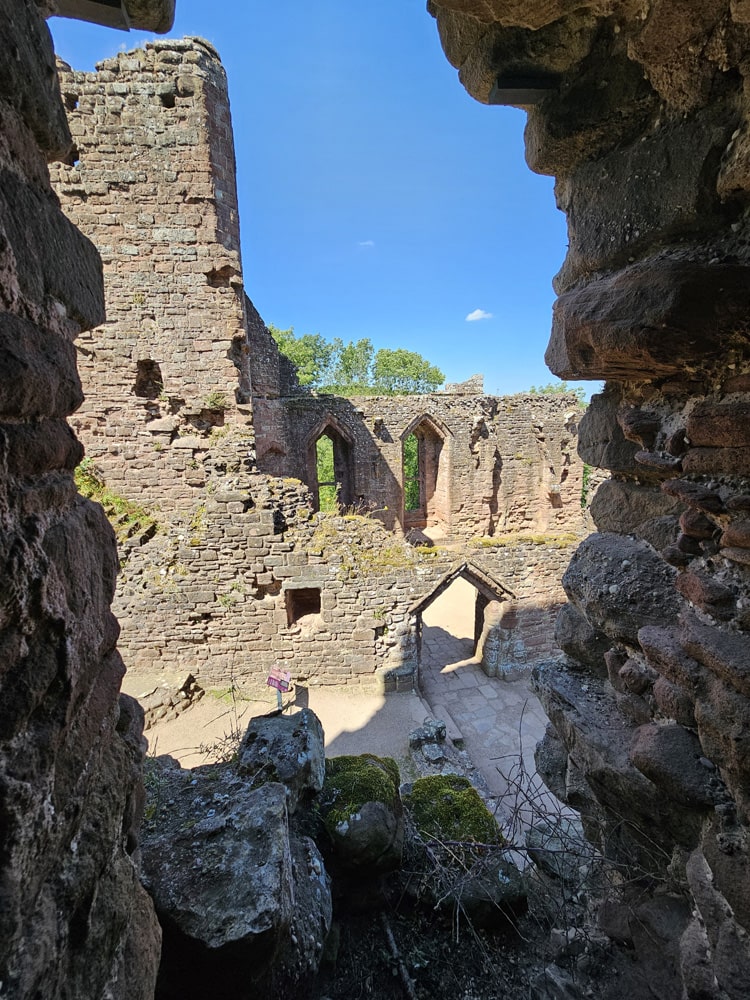
The castle was slighted so that it could not be used again, leaving it in a semi-ruinous state. Although now ruined, the siege left Goodrich as one of the most picturesque castle ruins in the country.
Photo Gallery.
Did you enjoy this post?
I hope you found this post useful. I put a great deal of time and effort in to building, maintaining and populating the website. If you like, you could say a small thank you by buying me a coffee. You don't have to, but it would be nice :)
Buy me a coffee
Stay up to Date
Follow me on my journey and get notified whenever a new post is published by following Kings & Castles on Facebook.
Follow MeExplore The Map
Discover the hundreds of castles, churches, monasteries, cathedrals and other historic locations that I've personally visited across England and Wales. Search by location, explore nearby sites and plan your next historical adventure.
Share: