The Historic City of Hereford
Hugged by the River Wye and close to the England-Wales border, Hereford is a cathedral city and the historic county town of Herefordshire, England. Its name has Saxon origins, deriving from “Here-ford”, Old English for “army crossing” or “army-ford”. Some historical documents refer to Hereford being in Wales.
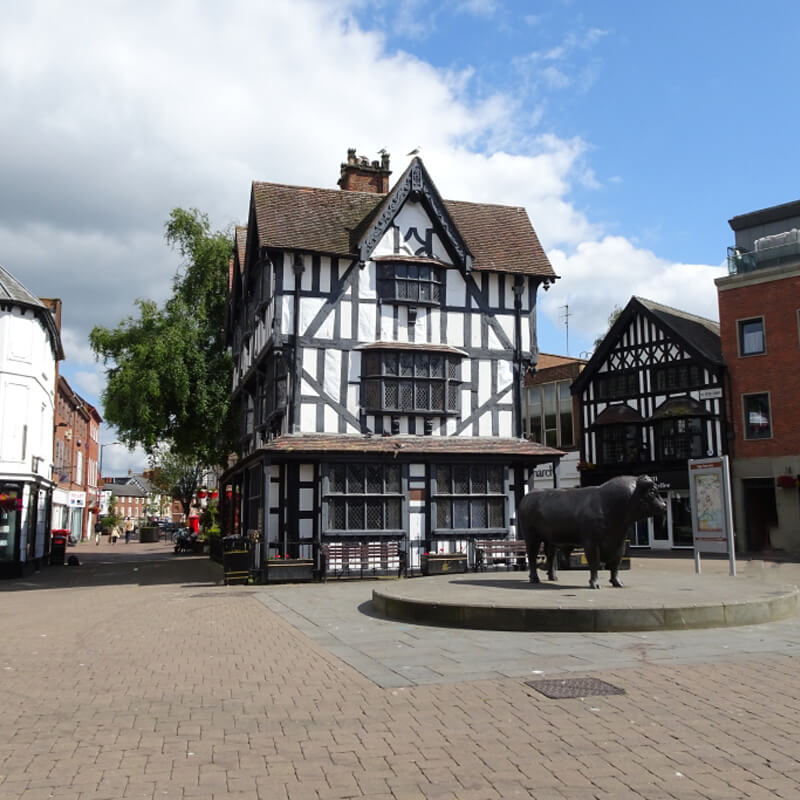
The History of Hereford
Sometime around the middle of the 6th century, the Saxons arrived in this part of England and a monastic community was established at what is today called Castle Green, long before the city of Hereford existed. By the middle of the 7th century, the monastery had become a centre of religious importance and a settlement grew up at the ford. It continued to grow due to its proximity to the border between Mercia and Wales, and became the Saxon capital of West Mercia by the beginning of the 8th century.
Hostilities between the Anglo-Saxons and the Welsh intensified and resulted in the Battle of Hereford in 760, in which the Britons freed themselves from the influence of the English.
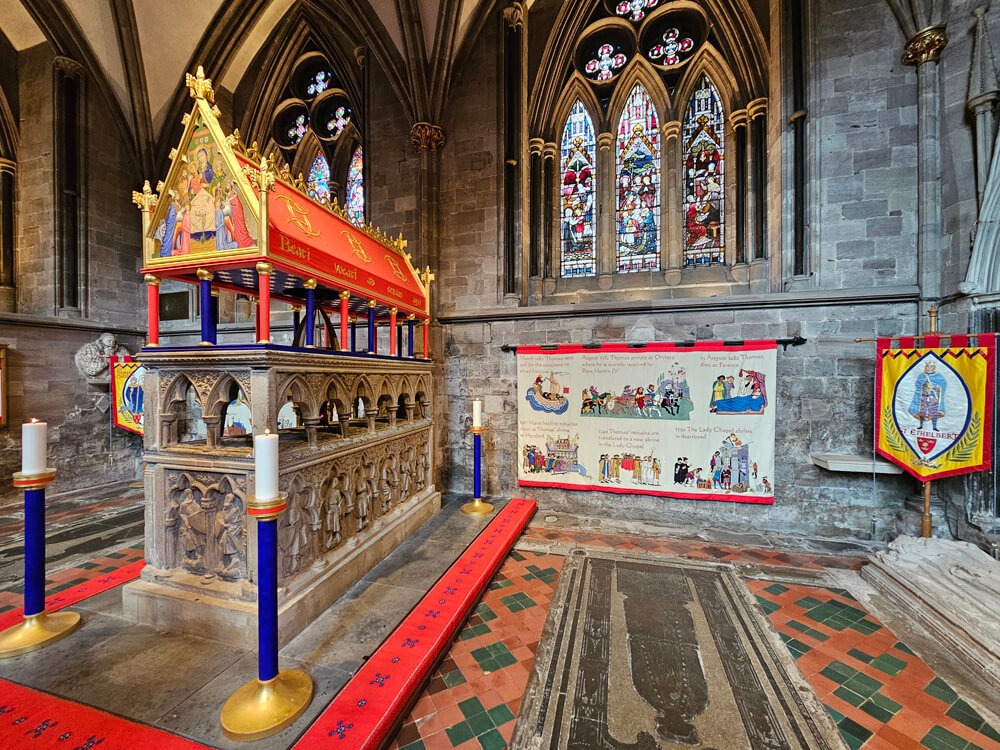
Hereford became an important destination for pilgrims at the end of the 8th century. In 794, Ethelbert, King of East Anglia, was beheaded by Offa, King of Mercia. The remains of Ethelbert were buried at Hereford and he was locally canonised. After he was declared as a saint, pilgrims flocked to Hereford to visit his shrine.
By the 10th century Hereford was a Saxon burh with a mint and a weekly market. Hereford is mentioned several times in the Anglo-Saxon Chronicle, and in 912 it tells us that King Edward the Elder commanded a burh to be built at Hereford.
In the 11th century, sometime around 1050, Hereford Castle was built to repel the Welsh, making it one of the earliest castles in England. In 1055-1056 Hereford was again attacked by the Welsh during their conflict with the Anglo-Saxon king Edward the Confessor, when Gruffudd ap Llywelyn, King of Gwynedd and Powys, who was supported by Viking allies, marched on the town and set it on fire. The castle, along with the church, were both destroyed at this time, but they were rebuilt by the Normans in the following decades. The new castle rivalled that of Windsor Castle in size and scale and remained in use until the 17th century, and the new church was completed in the 12th century – the cathedral that stands today.
During the 12th-century civil war known as ‘The Anarchy‘ between King Stephen and the Empress Matilda, the castle was besieged three times. The castle also withstood several sieges in the 17th-century English Civil War, but by 1660 it was in decay, and by the 18th century it was dismantled and landscaped into Castle Green, which is a public park close to Hereford Cathedral and occupies the former grounds of Hereford Castle and is part of the historic 6th-century monastic site.
Hereford Today
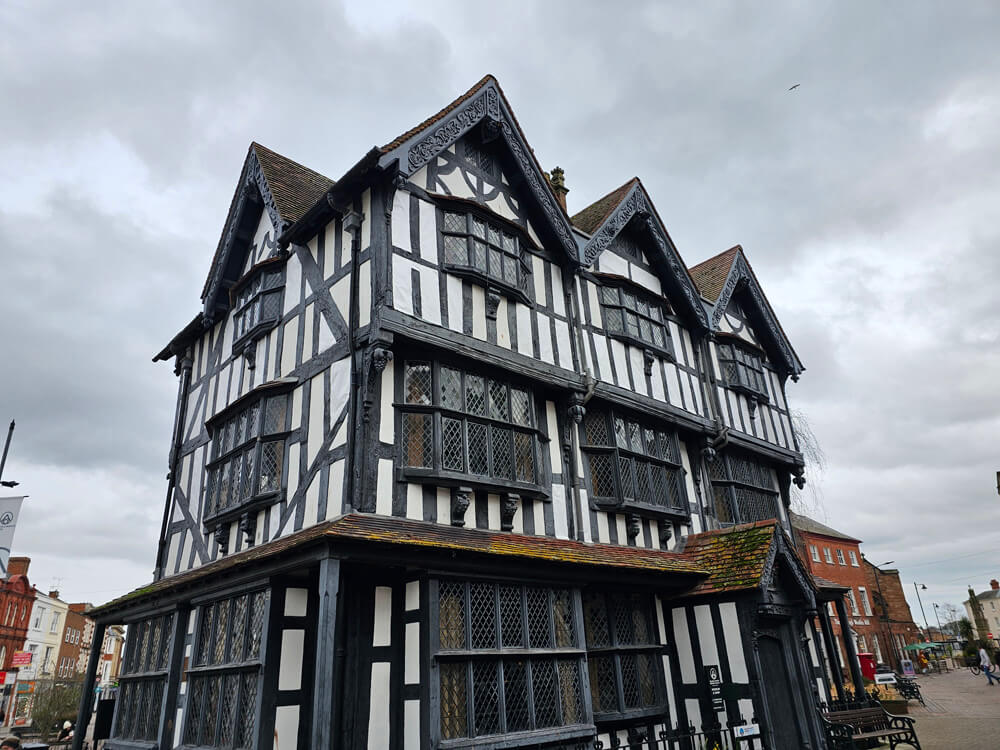
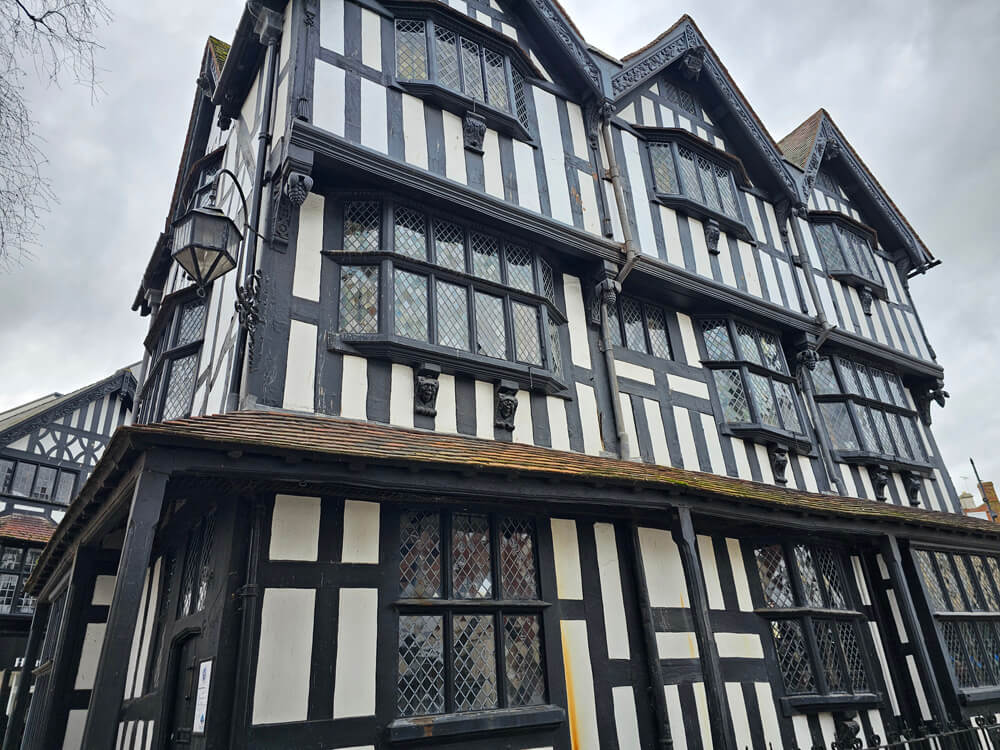
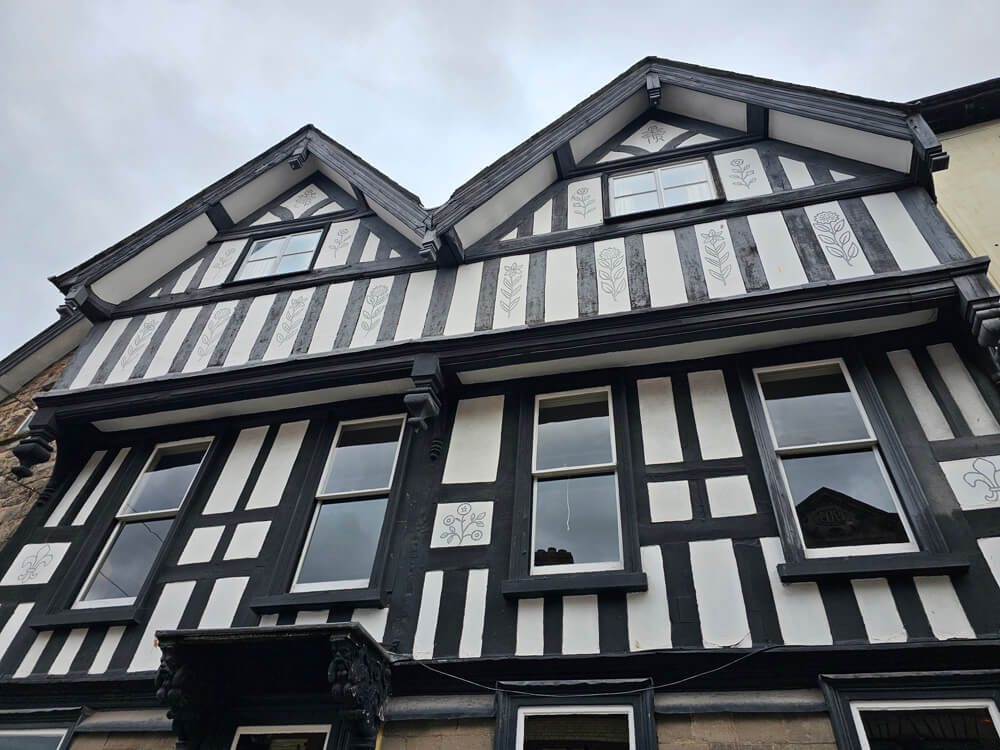
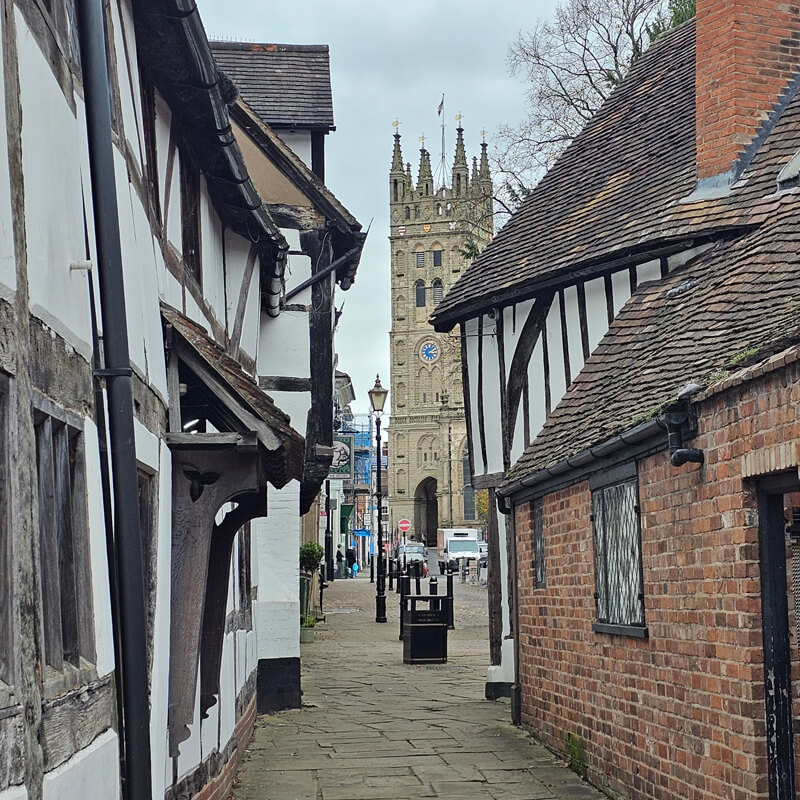
Today, Hereford is home to the wonderful Hereford Cathedral (and its many treasures), a 13th-century ruined friary, many listed buildings, an abundance of beautiful historic timber-framed buildings, and the interesting Black and White House Museum.
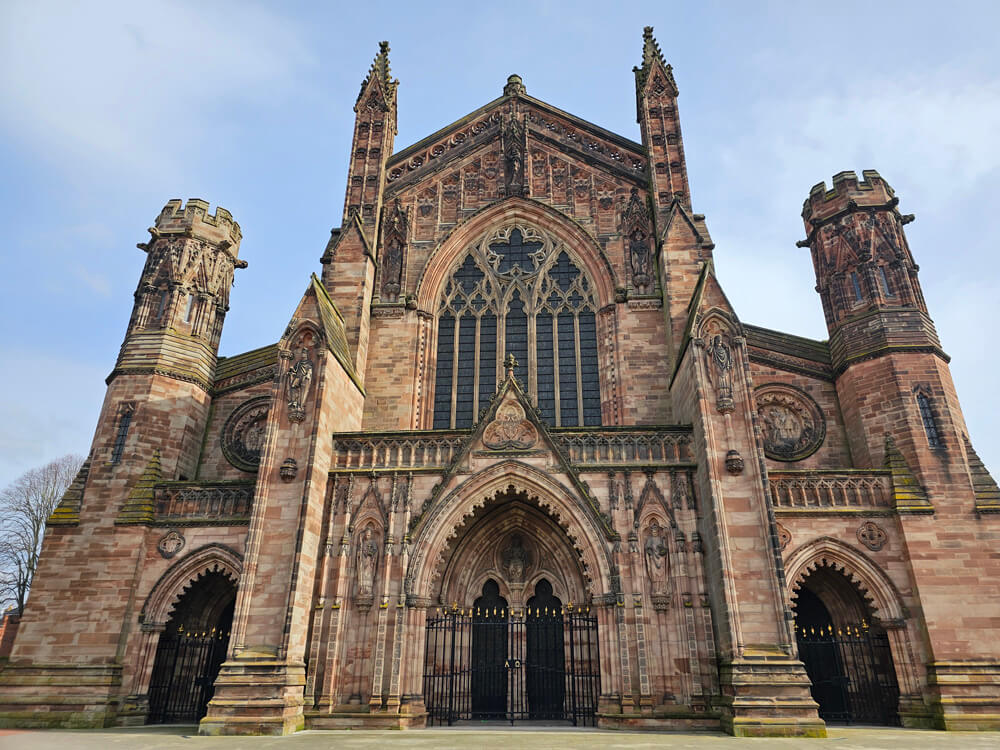
Hereford Cathedral
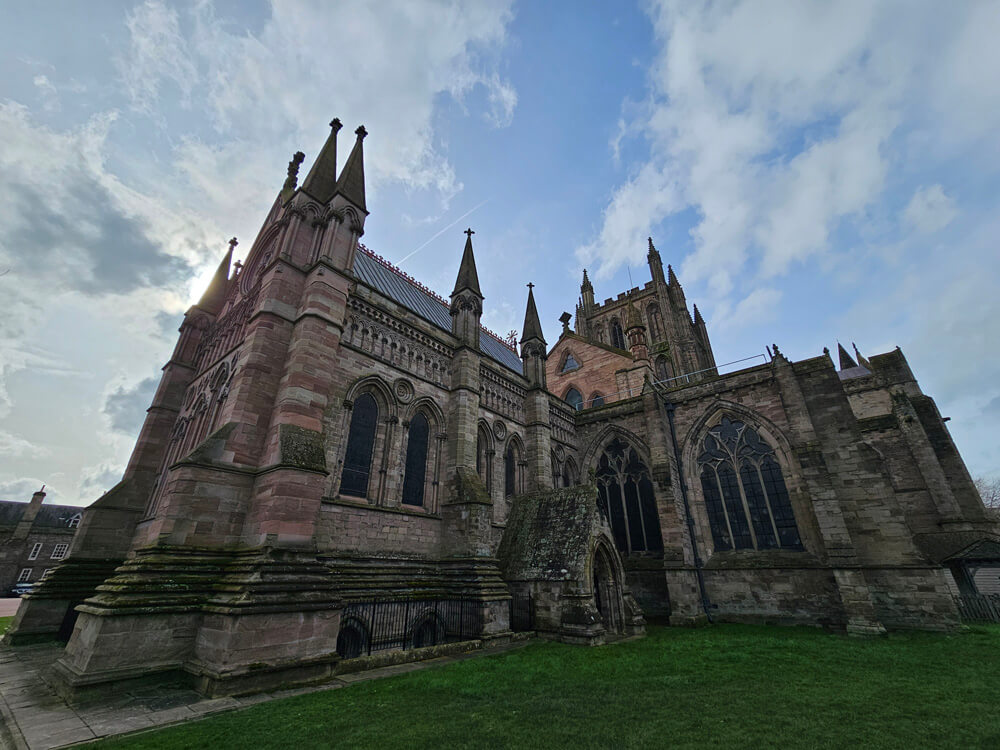
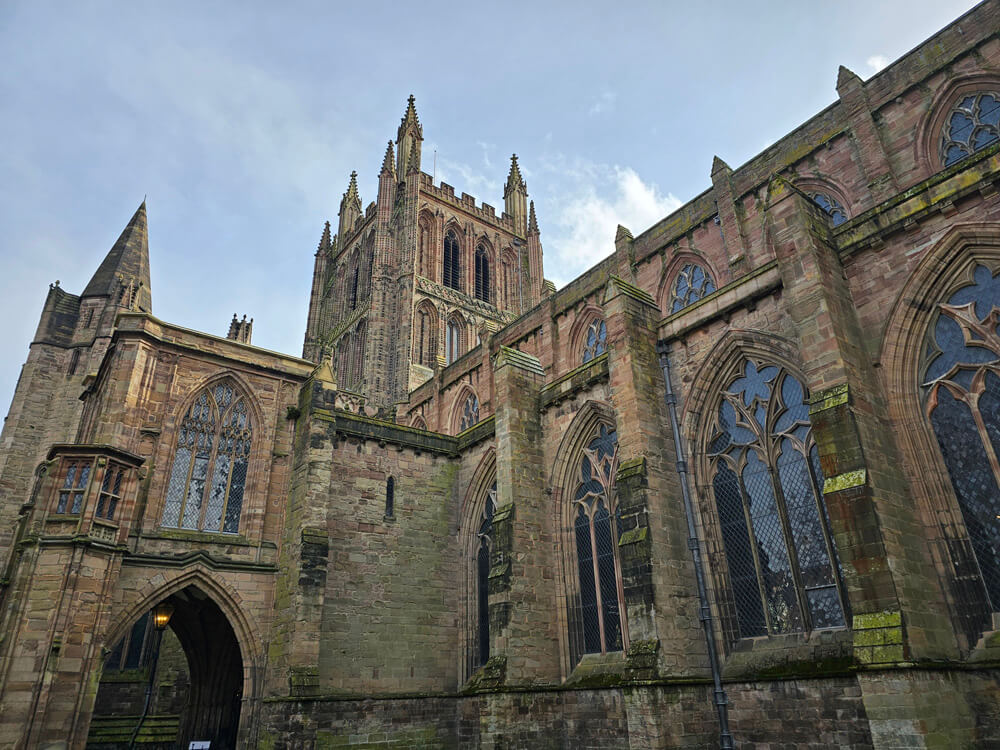
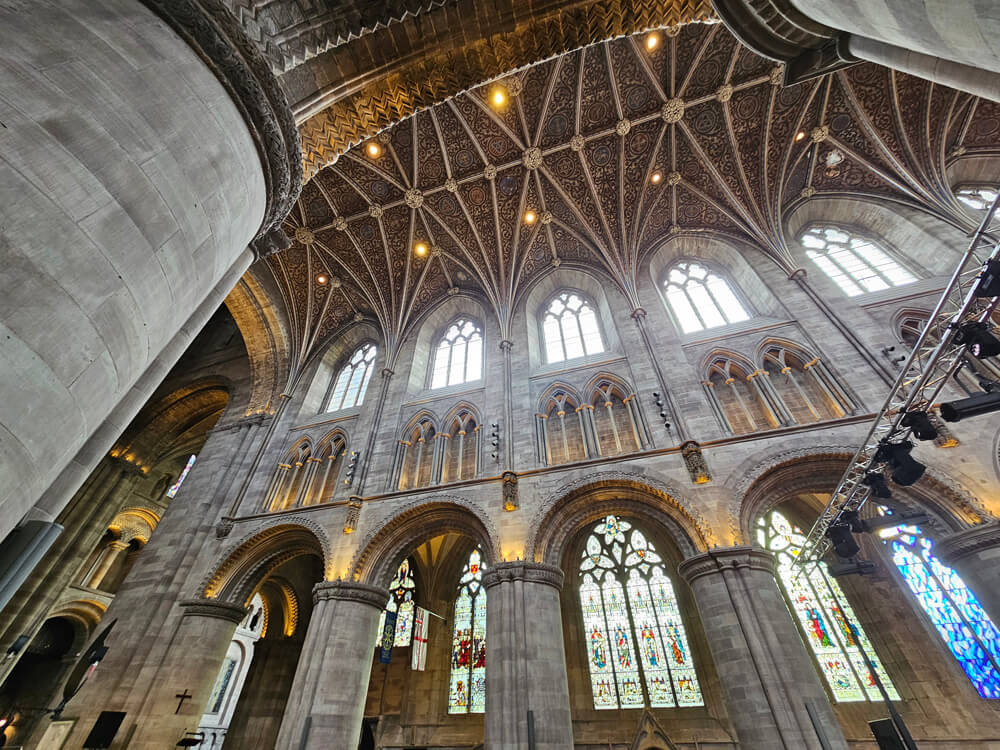
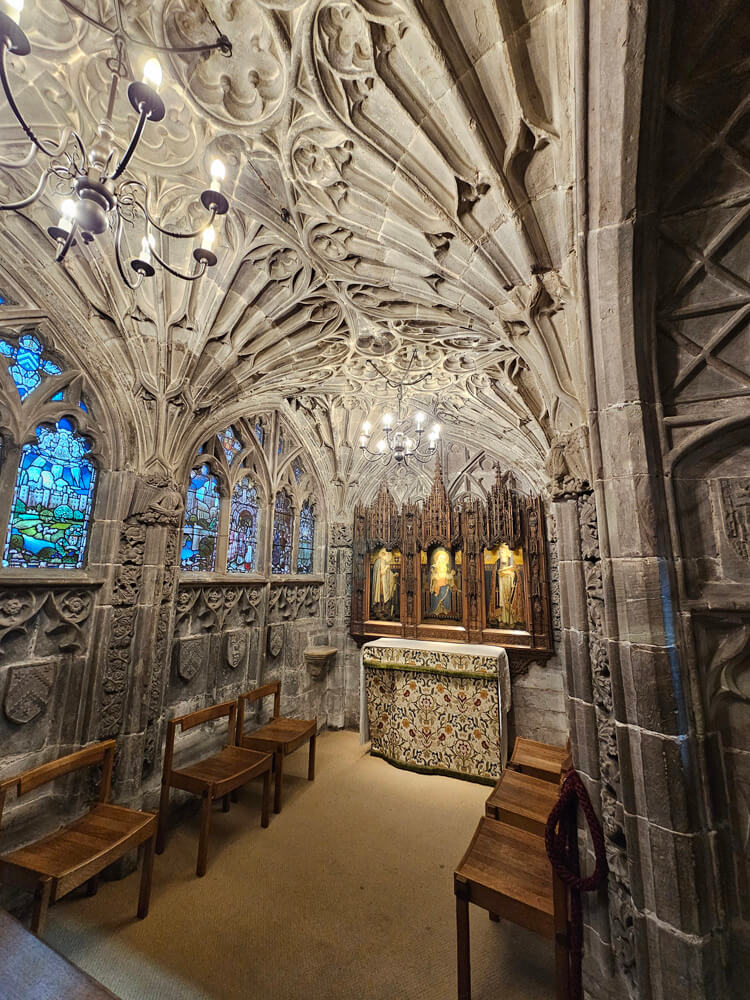
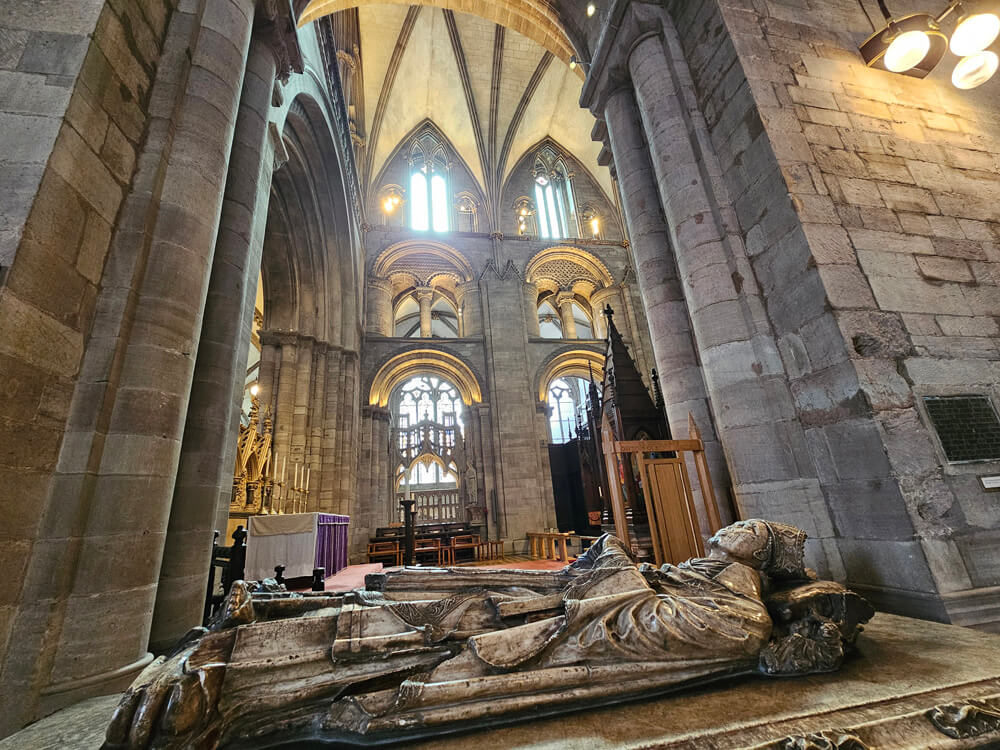
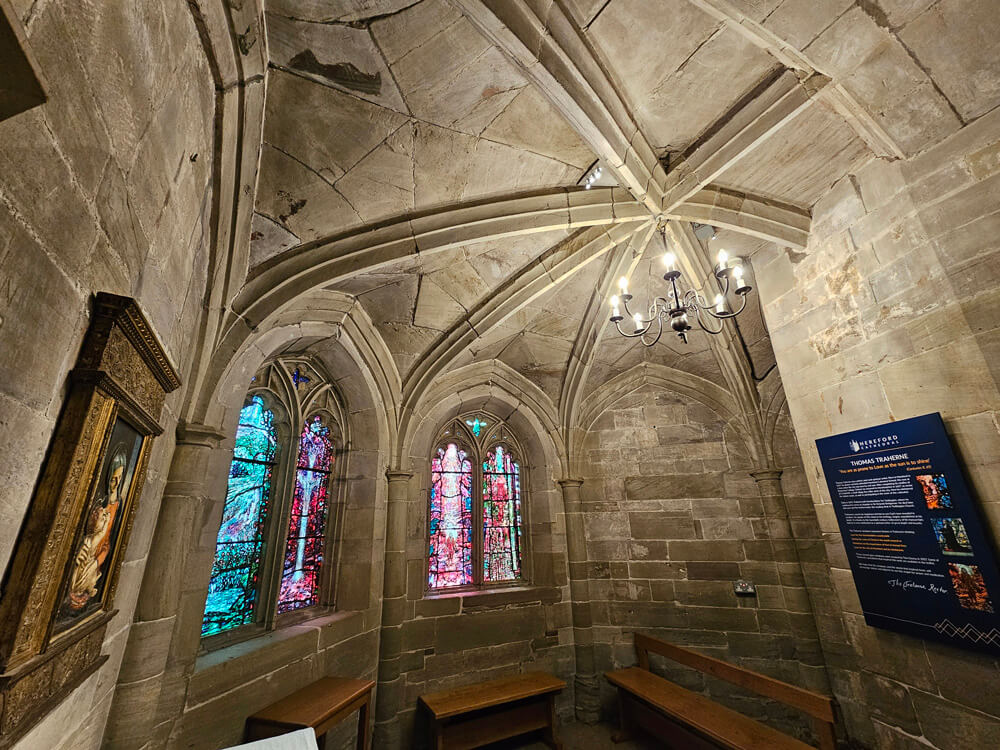
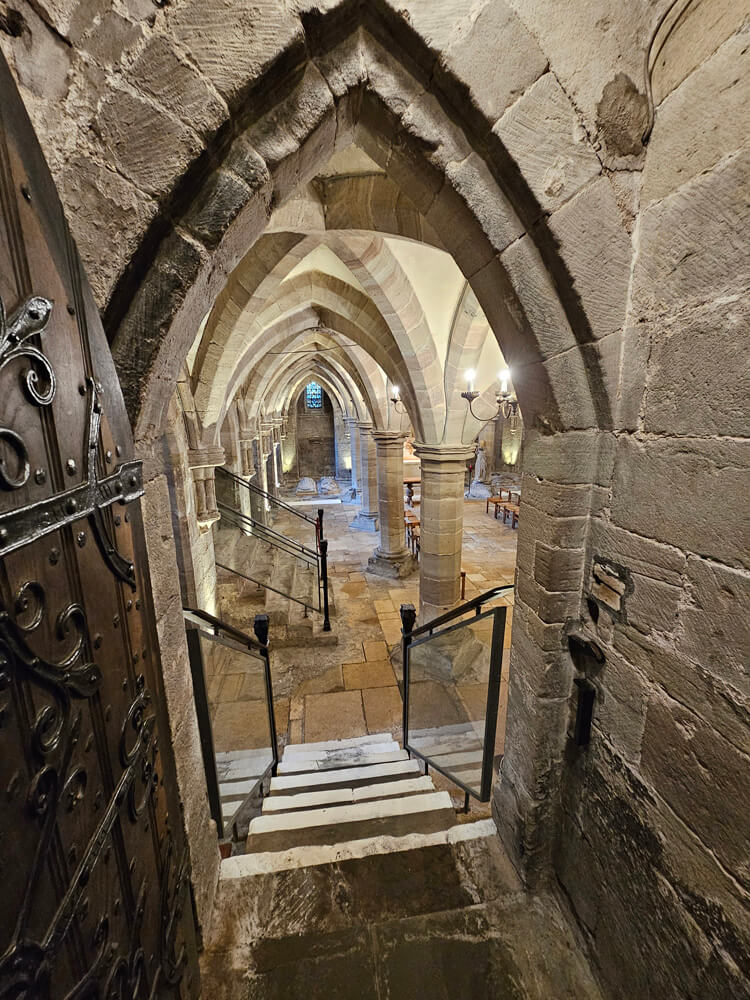
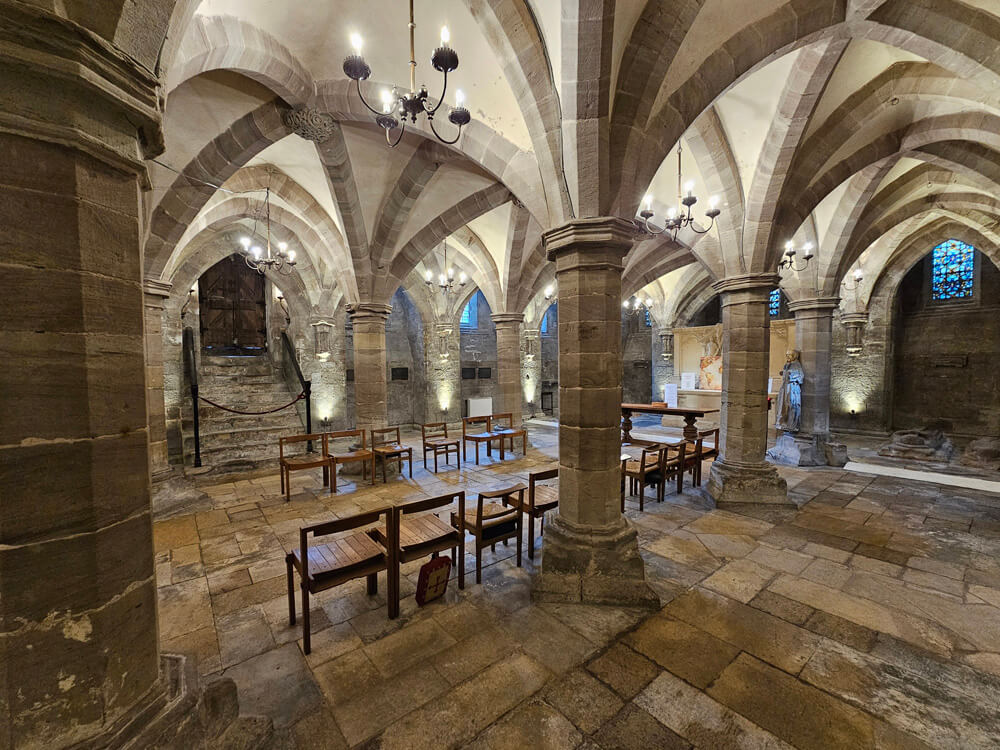
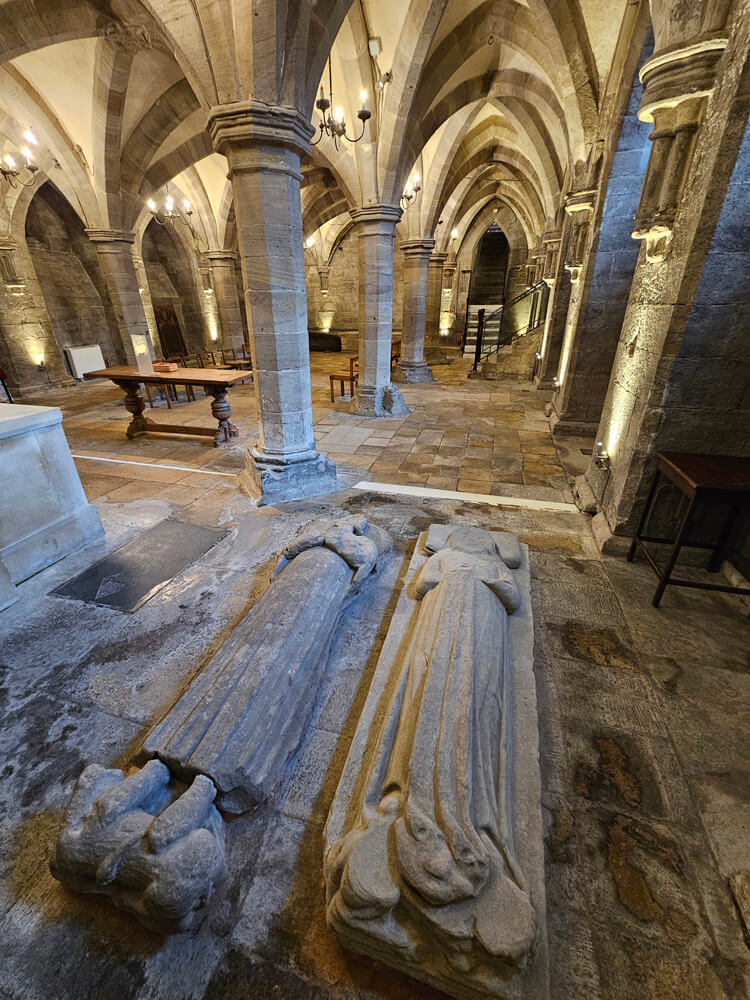
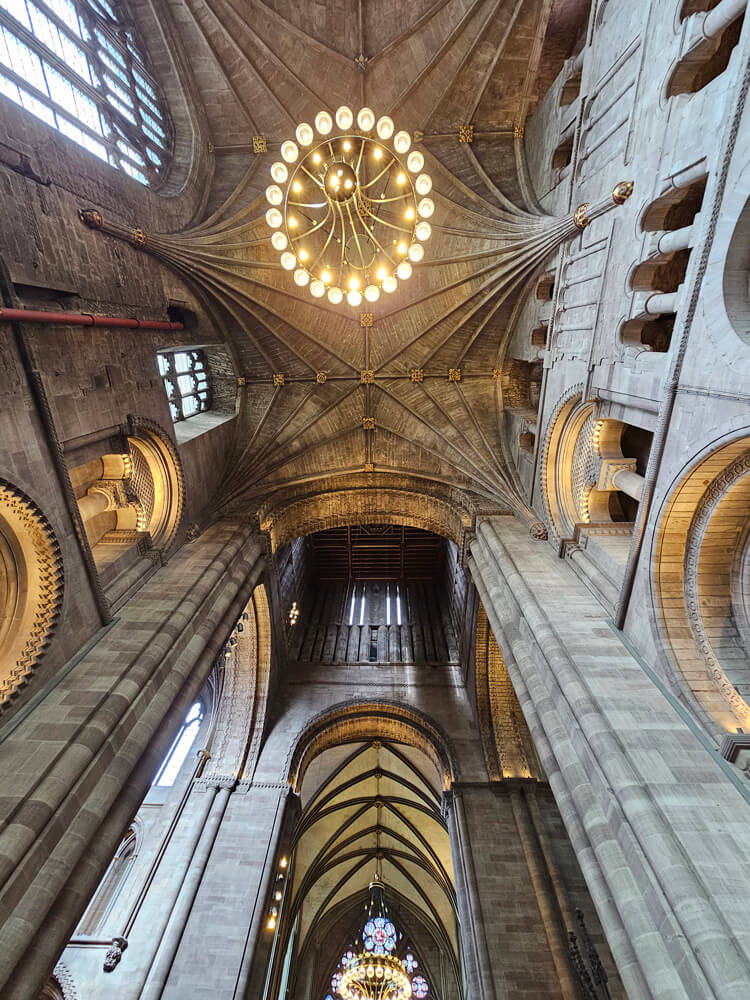
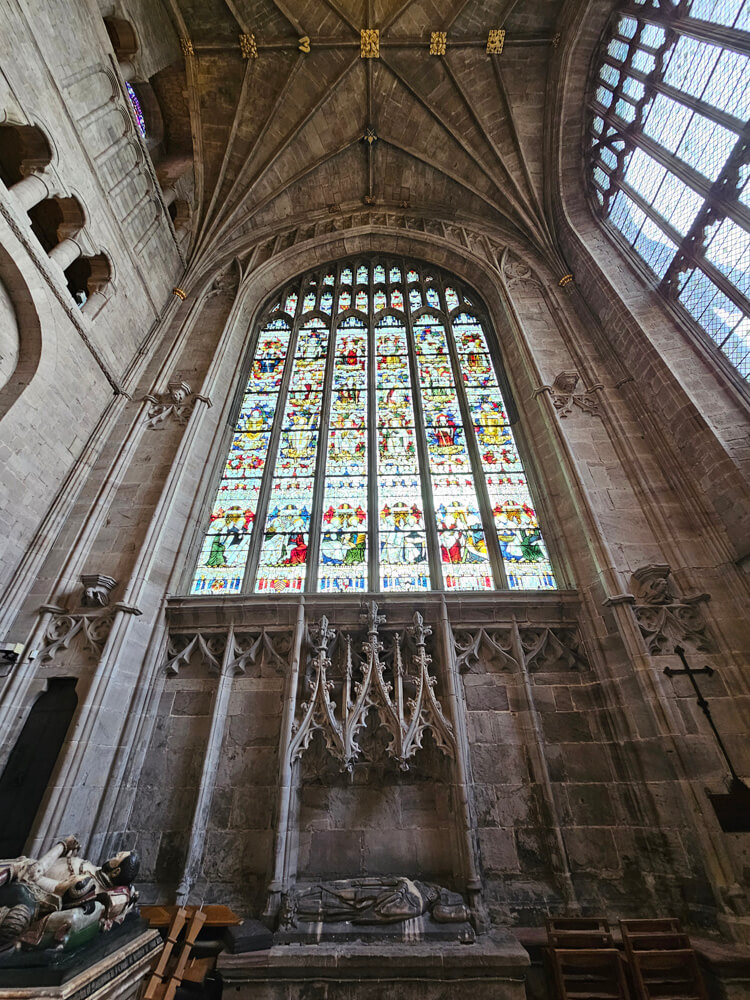
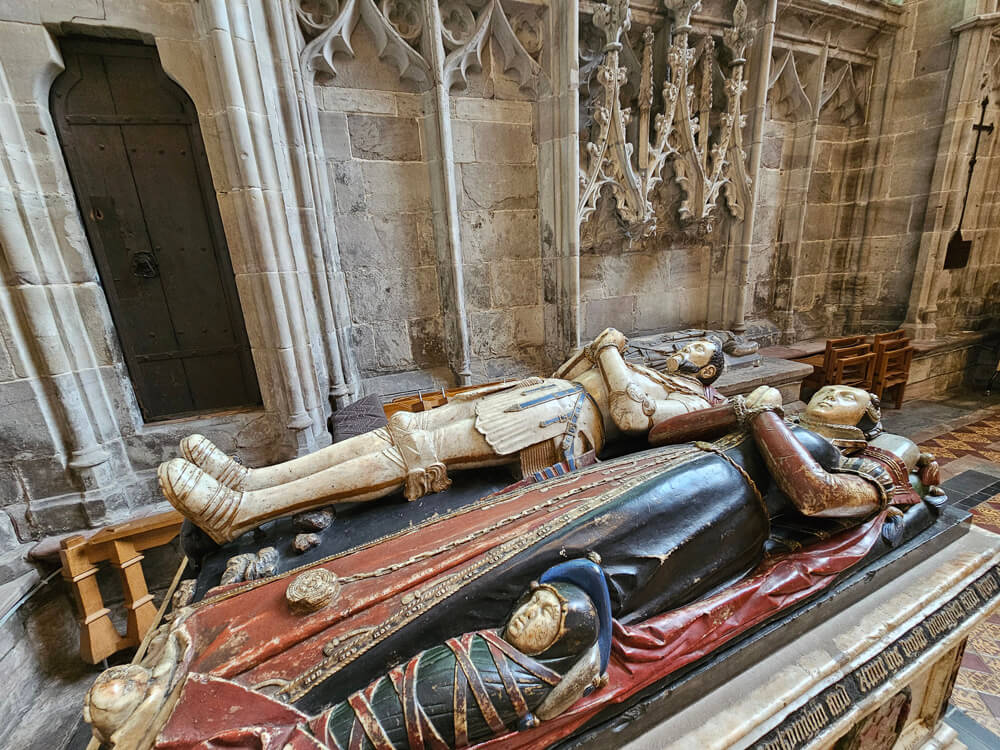
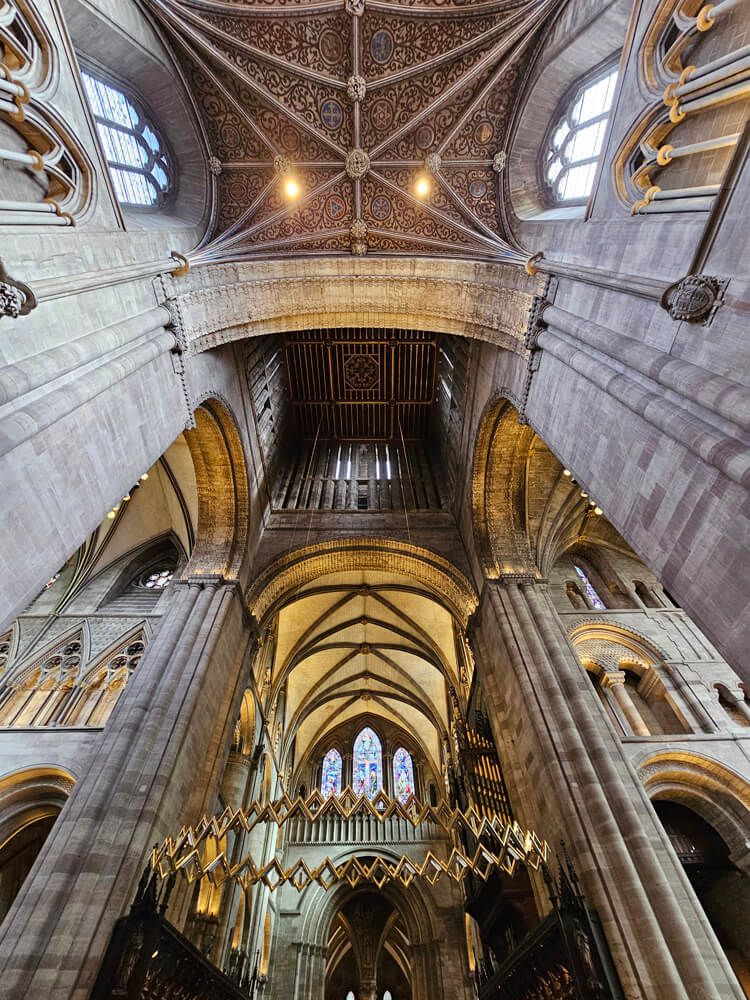
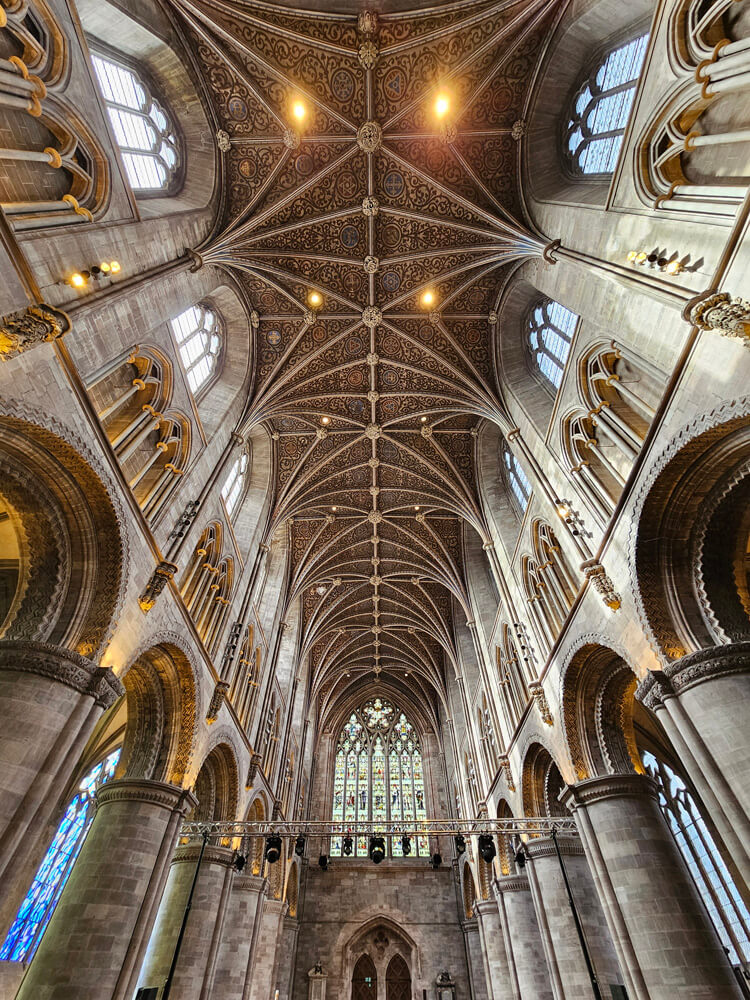
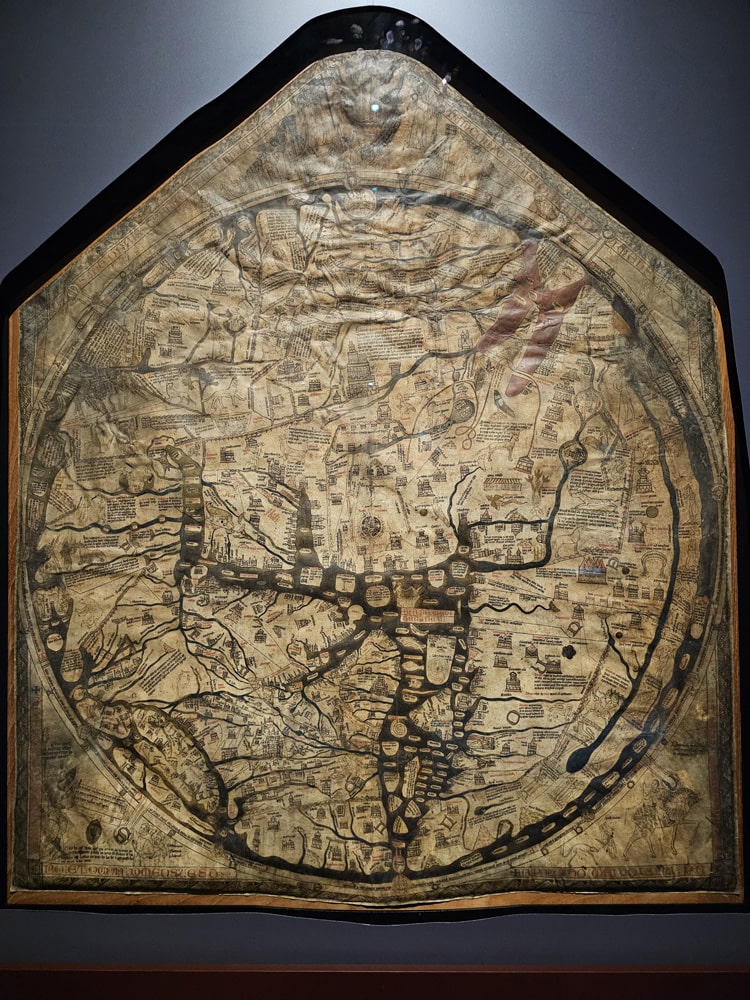
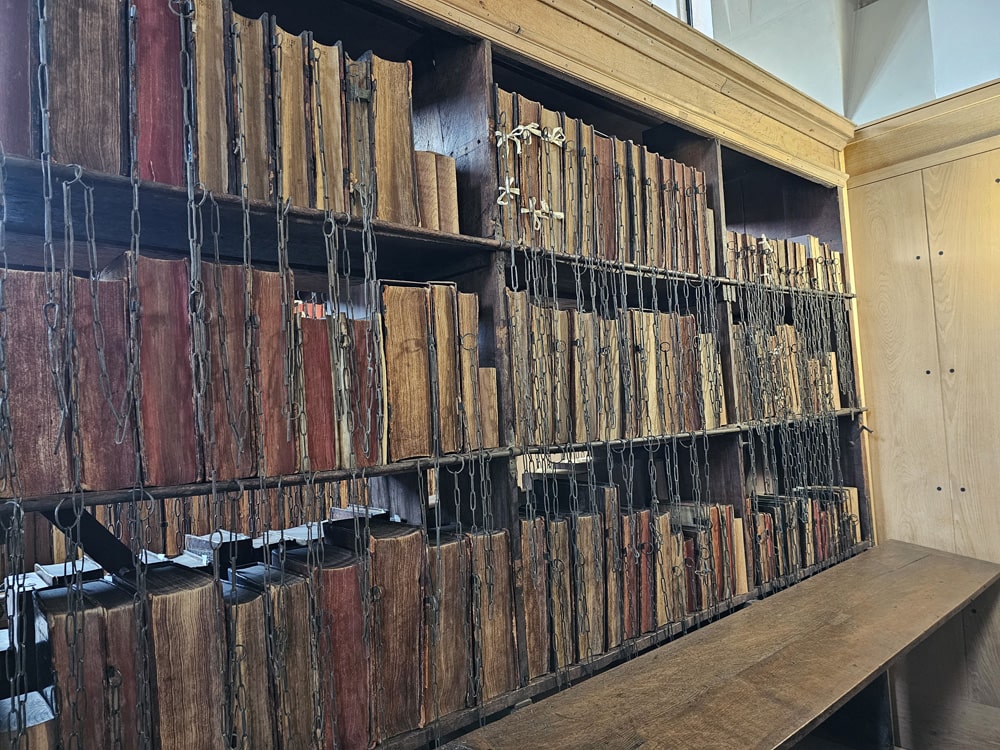
There has been a place of worship on the site of Hereford Cathedral since at least the 8th century, although the present building dates from both the Norman and the Gothic periods. Hereford cathedral has the largest library of chained books in the world, containing 229 medieval manuscripts including the 8th-century Hereford Gospels. Its most famous treasure is the Mappa Mundi, the oldest and largest surviving medieval world map created around the year 1300. It also has an amazing crypt beneath the Lady Chapel and the stunning shrine of Saint Thomas Cantilupe.
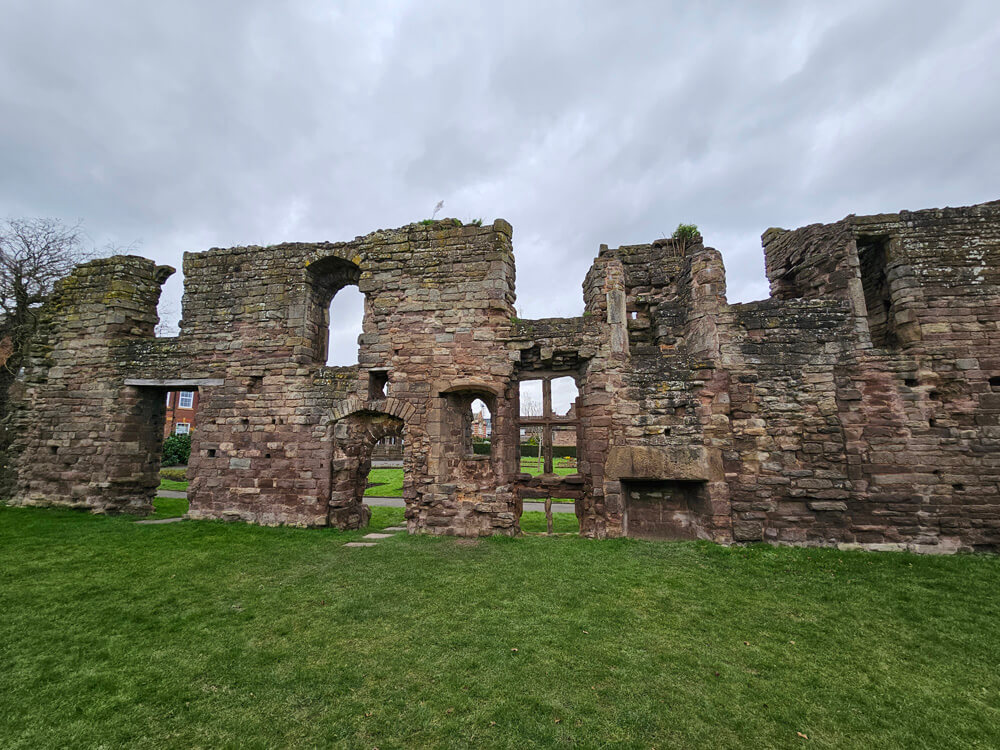
Blackfriars Friary
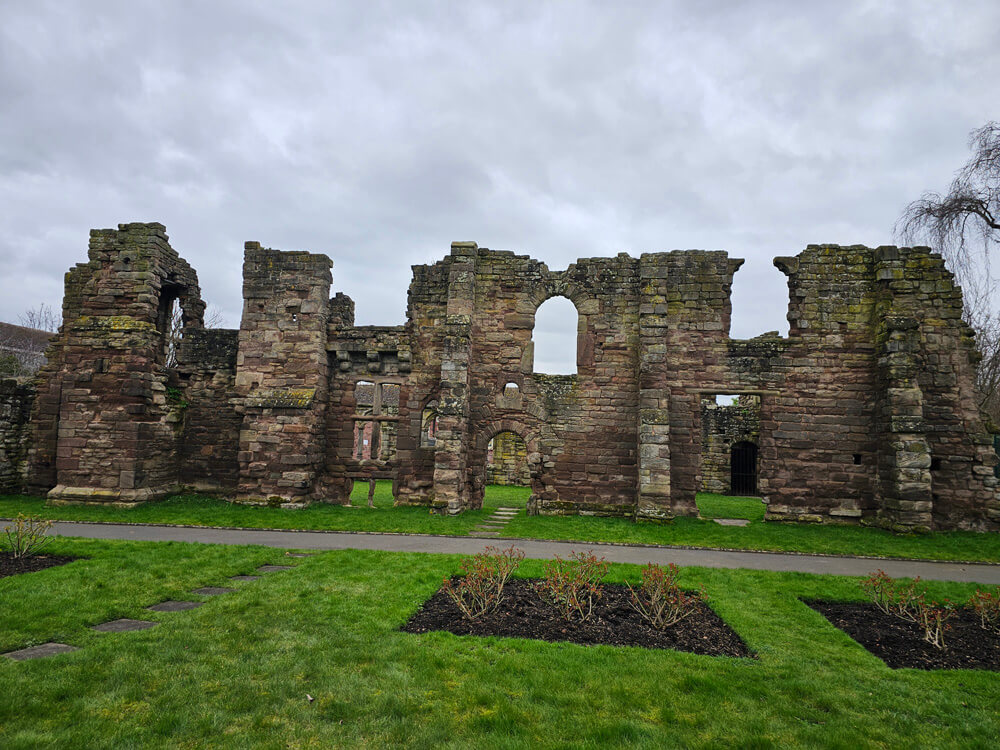
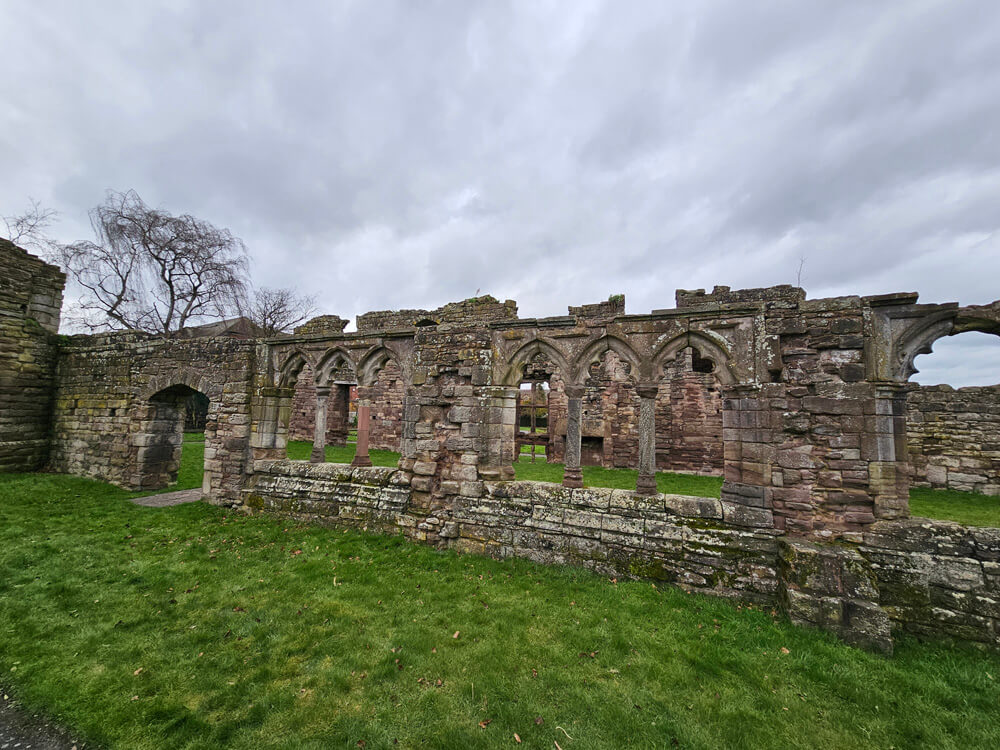
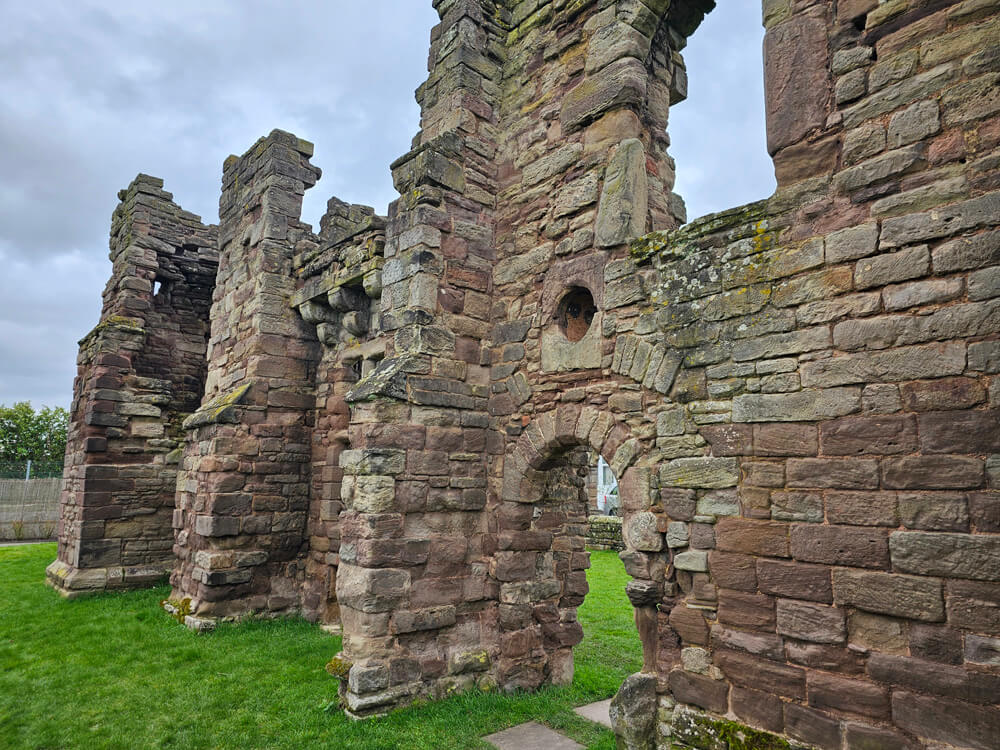
In a small tranquil space just a ten minute walk from Hereford’s bustling town centre, and surrounded by a rose garden, are the ruins of the 13th-century Blackfriars Friary, also known as Blackfriars Priory. Blackfriars was a medieval Dominican friary founded sometime before 1246. Blackfriars Friary was suppressed by Henry VIII in 1538 during the Dissolution of the Monasteries. The remains of the friary consist of monastery ruins, a cemetery, and a 14th-century stone preaching cross.
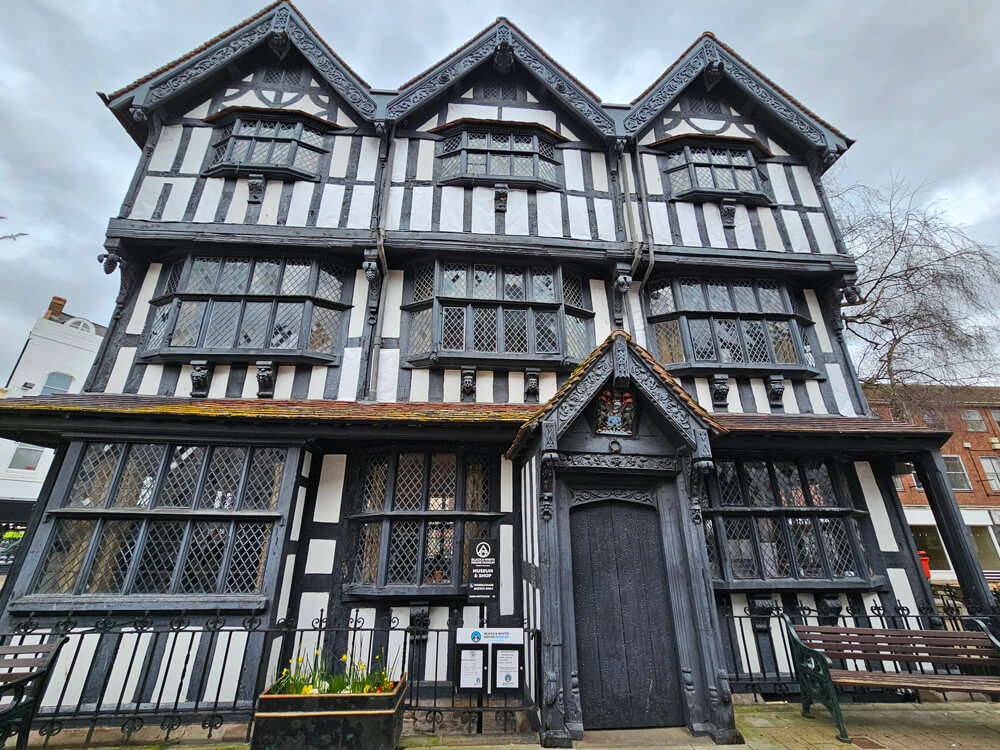
Historic Buildings
Hereford is home to many listed buildings and an abundance of beautiful historic timber-framed buildings. Arguably the most famous of these is the distinctive black and white half-timbered Black and White House Museum. Originally called The Old House, it was built in 1621 and began its life as a butcher’s home and shop. In 1929 it became a museum of Jacobean life, and in 2017 the building was renamed the Black and White House Museum.
Photo Gallery.
Did you enjoy this post?
I hope you found this post useful. I put a great deal of time and effort in to building, maintaining and populating the website. If you like, you could say a small thank you by buying me a coffee. You don't have to, but it would be nice :)
Buy me a coffee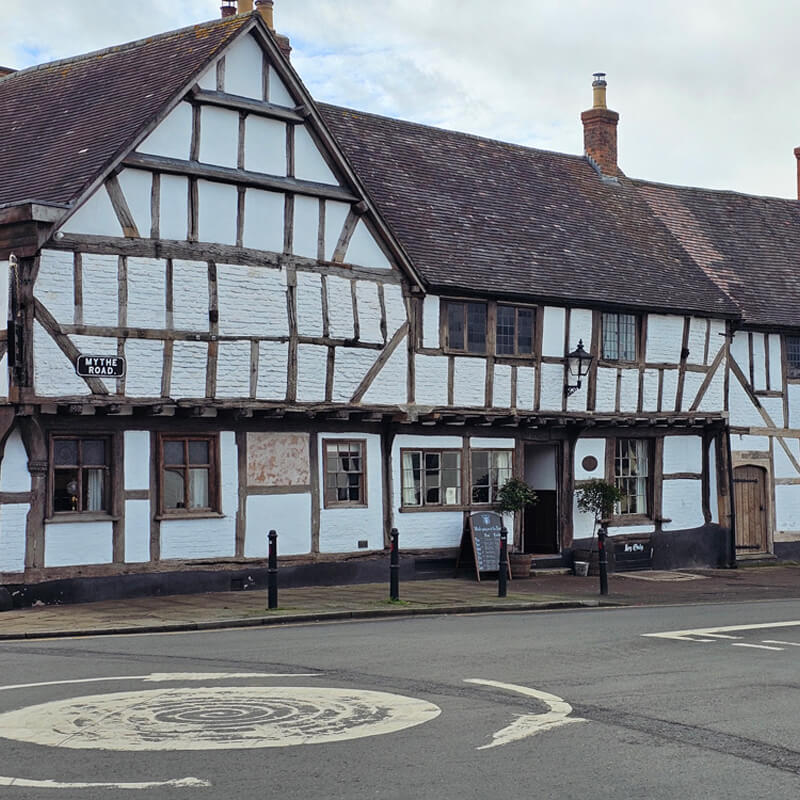
Stay up to Date
Follow me on my journey and get notified whenever a new post is published by following Kings & Castles on Facebook.
Follow MeExplore The Map
Discover the hundreds of castles, churches, monasteries, cathedrals and other historic locations that I've personally visited across England and Wales. Search by location, explore nearby sites and plan your next historical adventure.
Share: