Heath Chapel
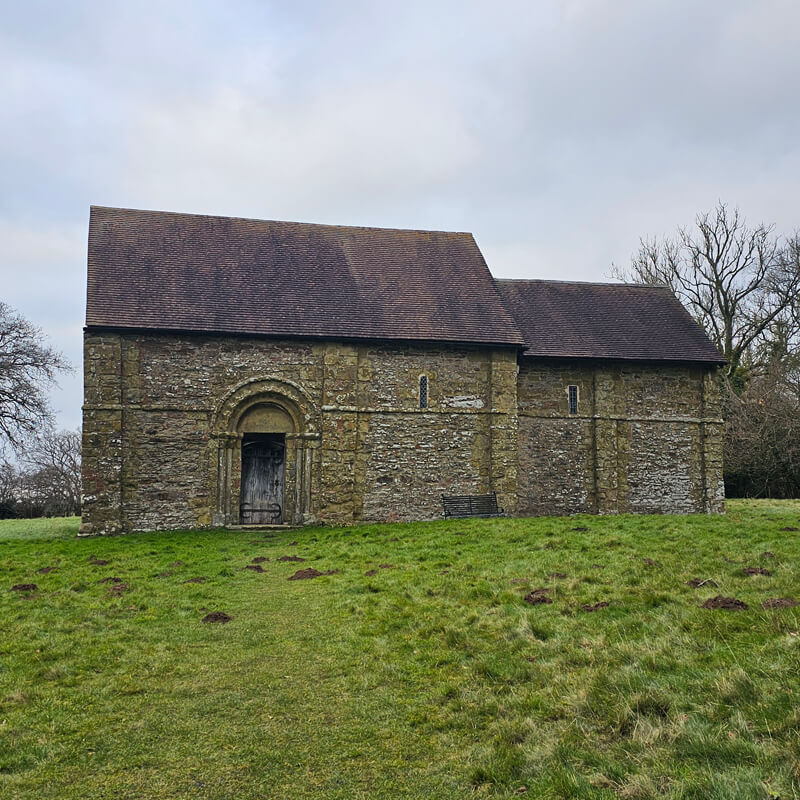
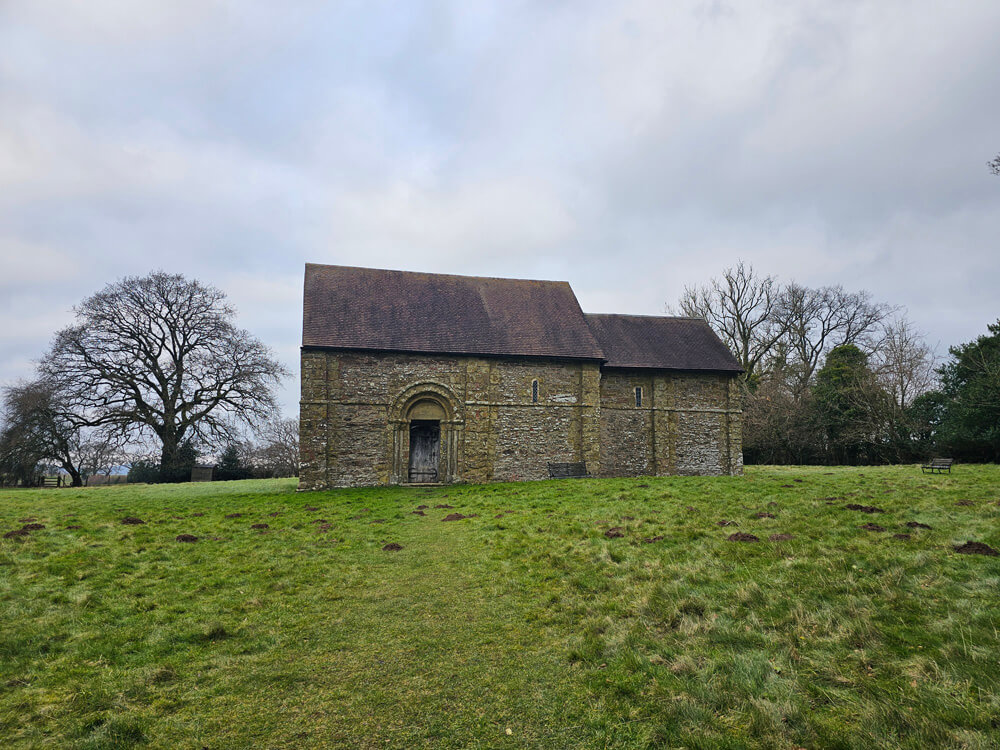
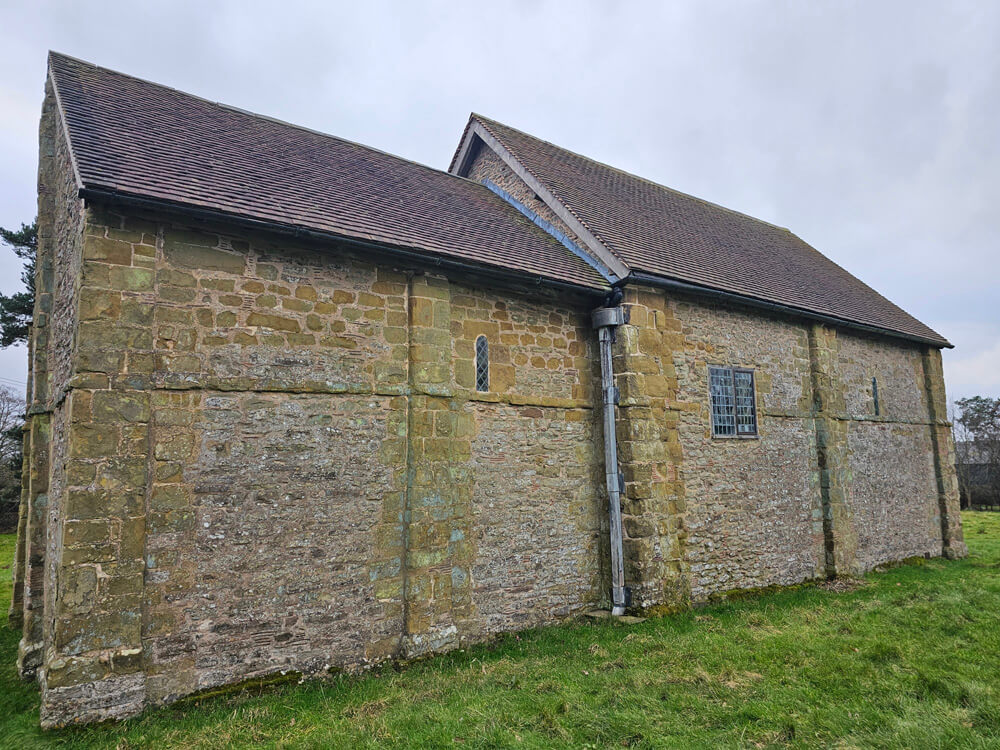
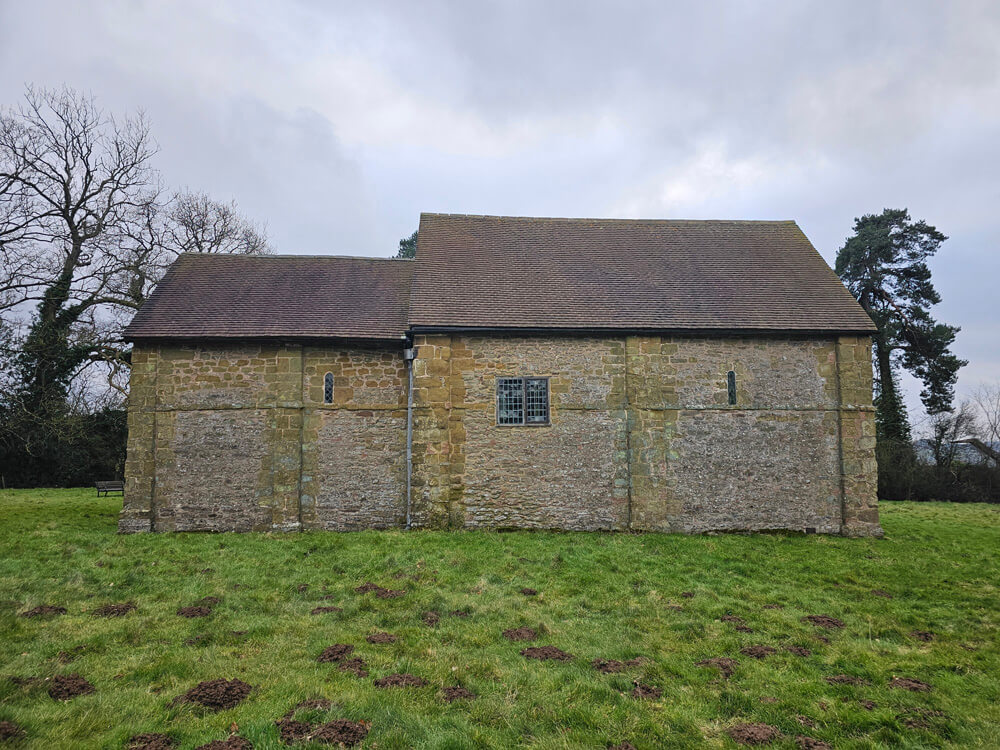
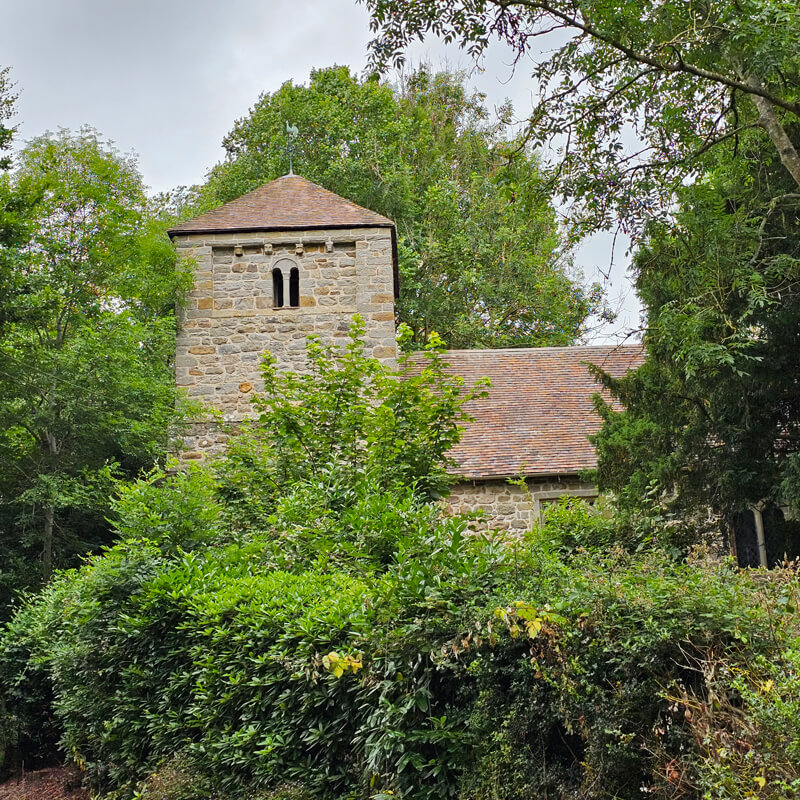
Heath Chapel is a charming little Norman church located in an isolated position in a field in the Clee Hills area of south Shropshire. Heath is a hamlet, and was once larger, but the chapel is all that remains of a deserted medieval village and has barely changed since it was built by the Normans in the 12th century.
Historic
Highlights.
- Almost entirely 12th-century building
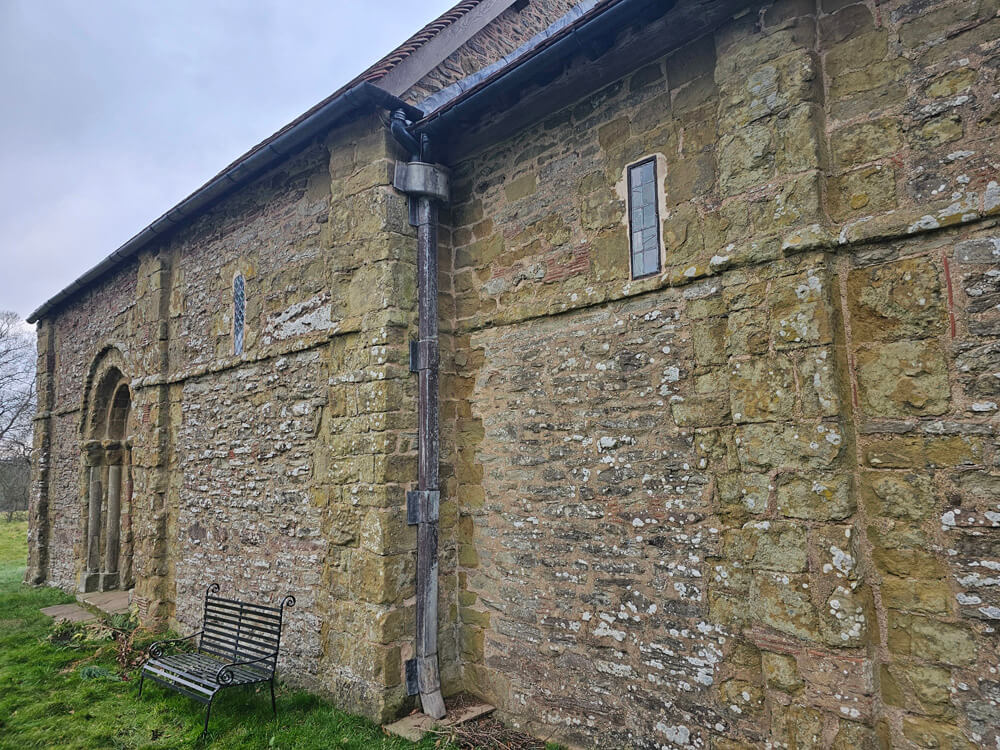
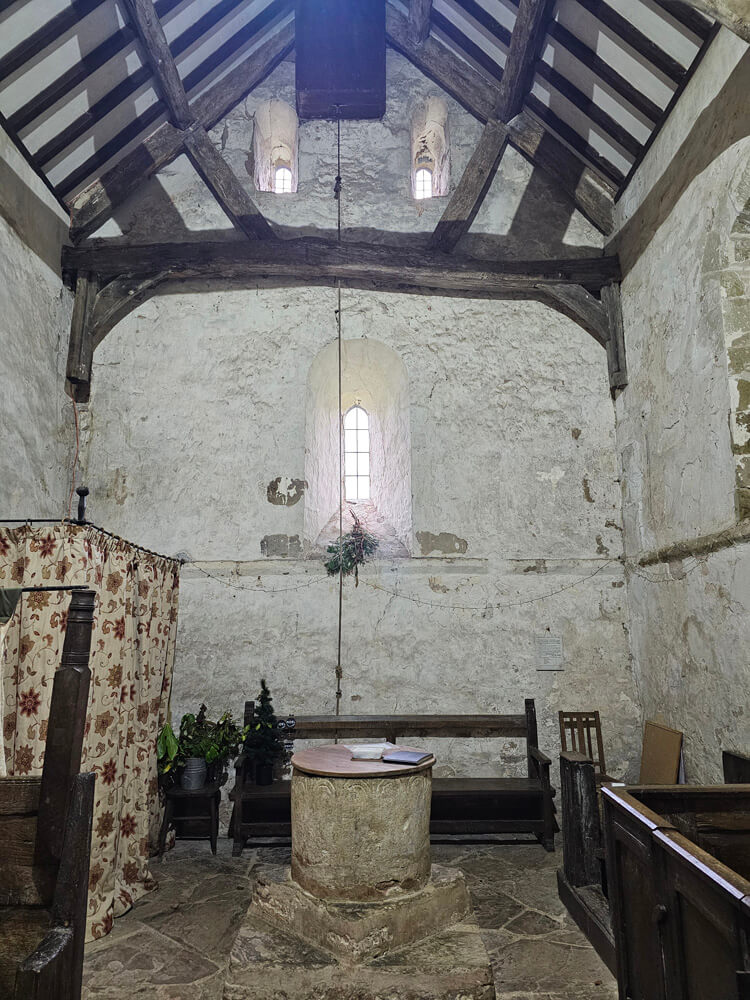
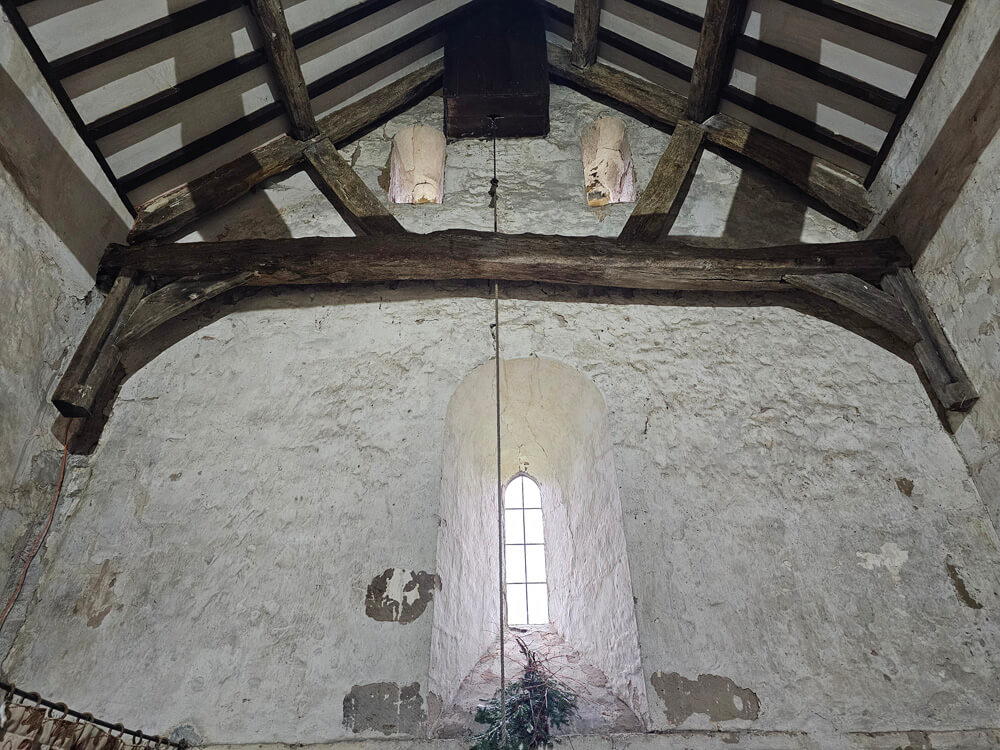
- Original Norman windows
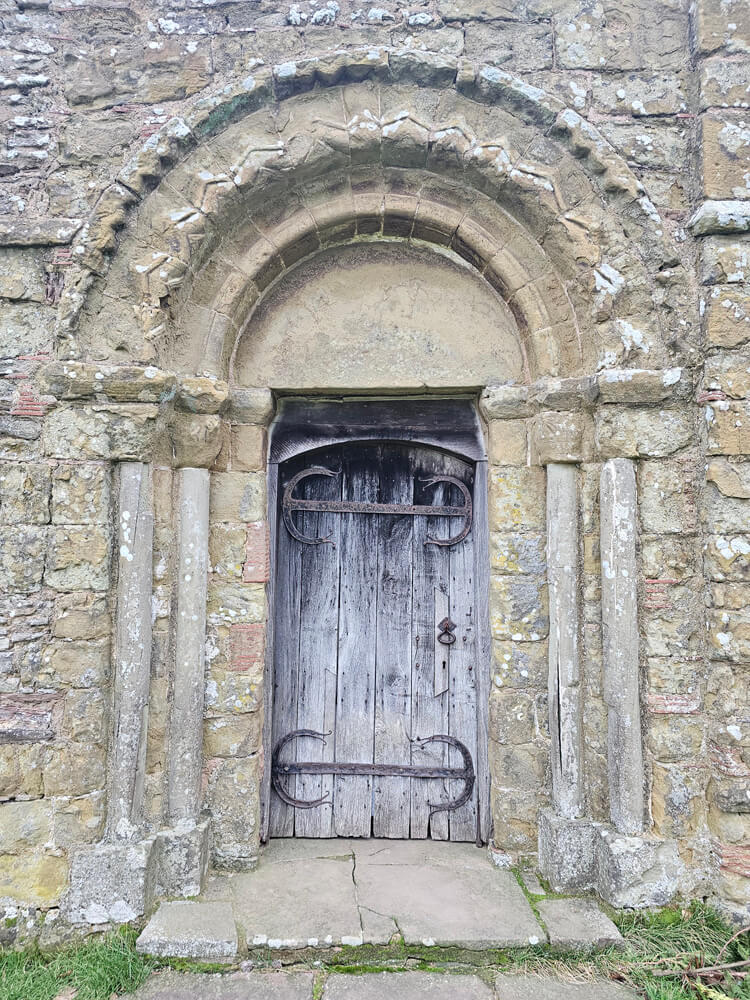
- Ornate Norman south doorway
- Large Norman font
- Medieval wall paintings
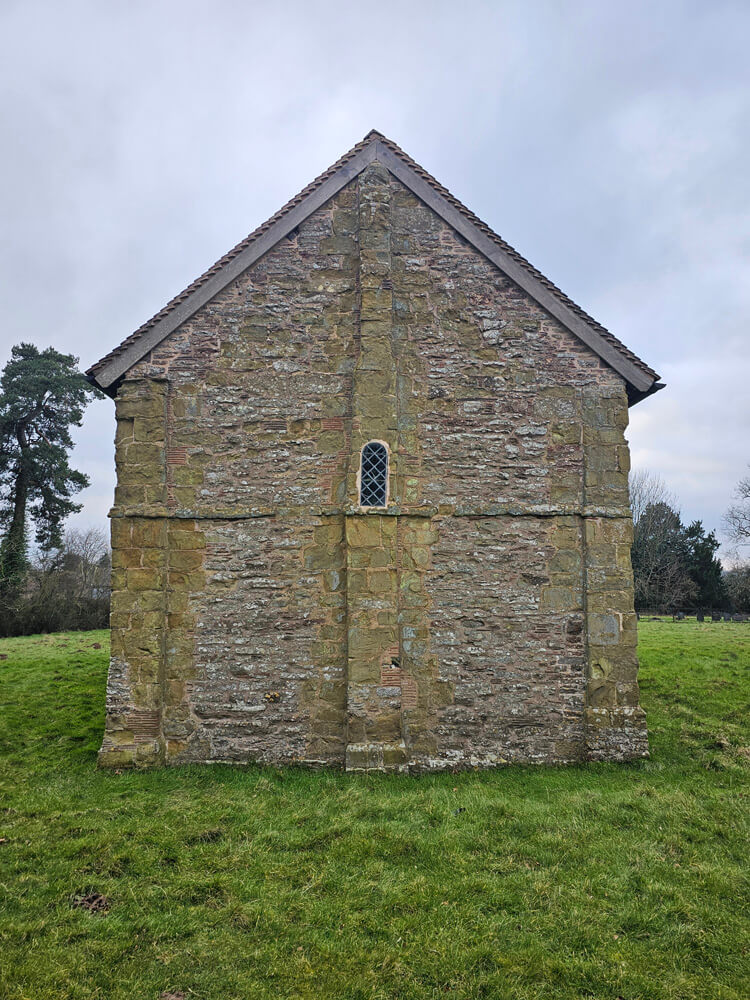
Heath Chapel has survived virtually unaltered for nearly 900 years. It is one of the plainest, simplest churches you will ever see. Other than its ornate south doorway it looks to be a fairly plain and unassuming building, like a barn in an empty field, but that’s the attraction with Heath. Famous historian Sir Nikolaus Pevsner describes it as “the perfect example of a rich little Norman chapel”.
The chapel once served the now abandoned medieval village of Heath. There are subtle traces of earthworks north of the church which indicate that this was once a more substantial settlement than it is today. The plague exacted a heavy toll in the area, and by the middle of the 14th century only a small handful of families were living here, which is probably why the church has remained almost untouched and unchanged throughout its lifetime.
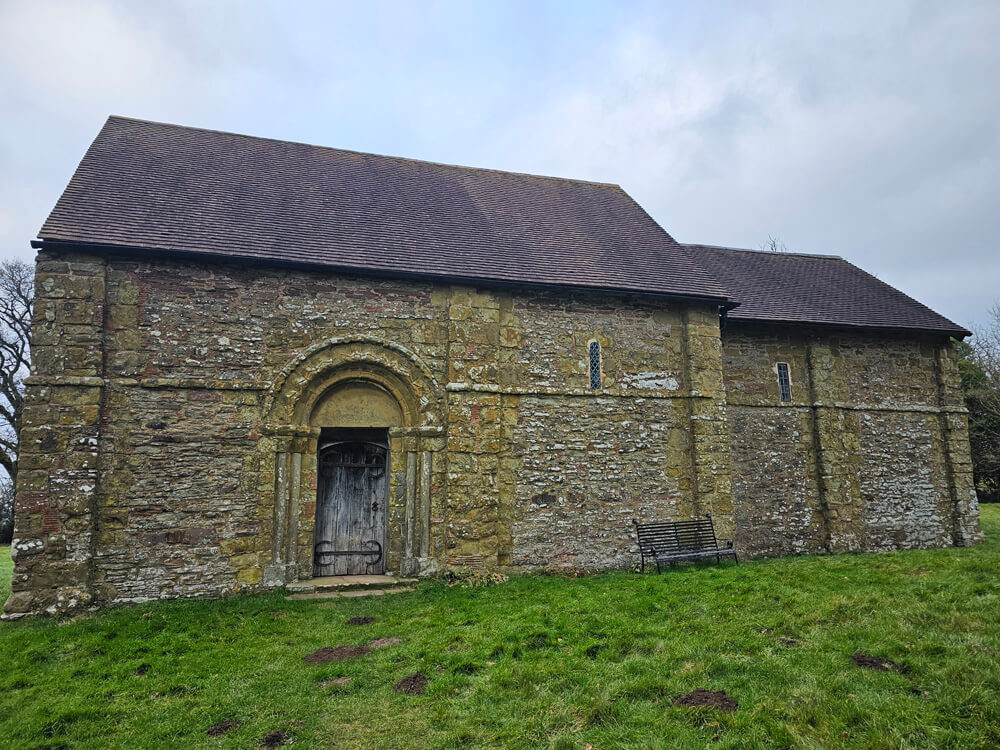
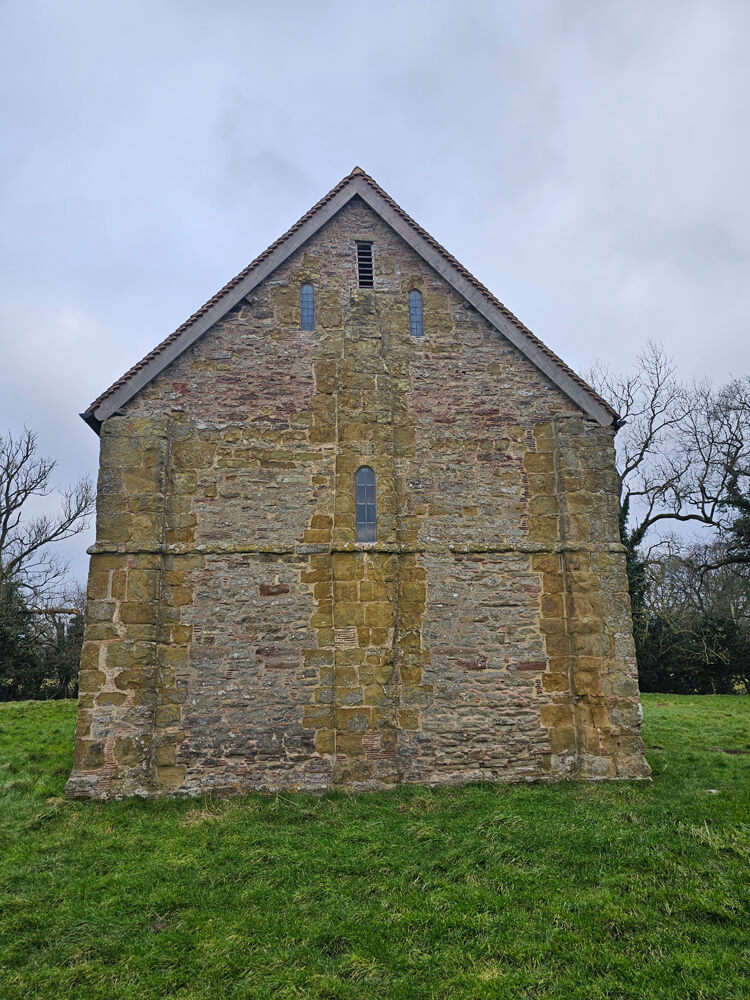
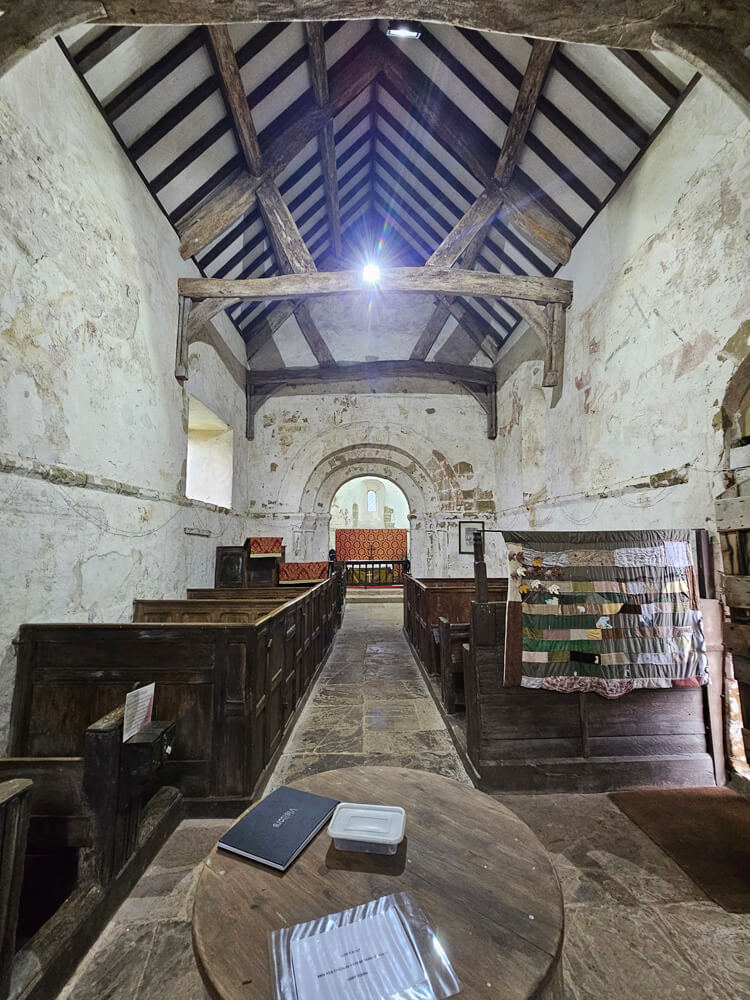
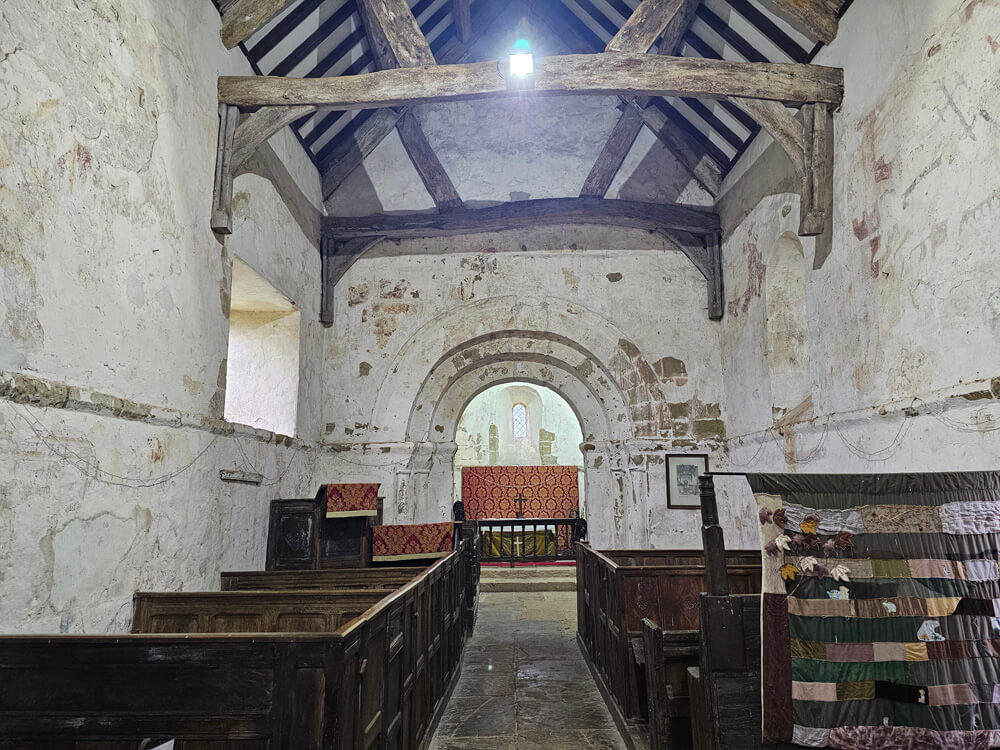
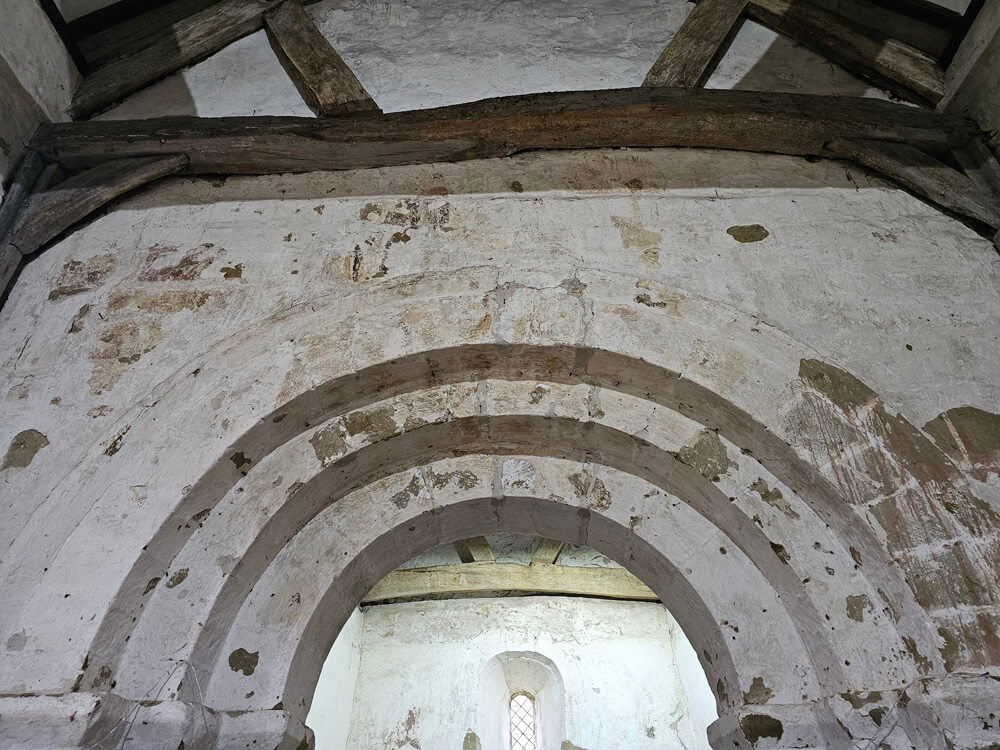
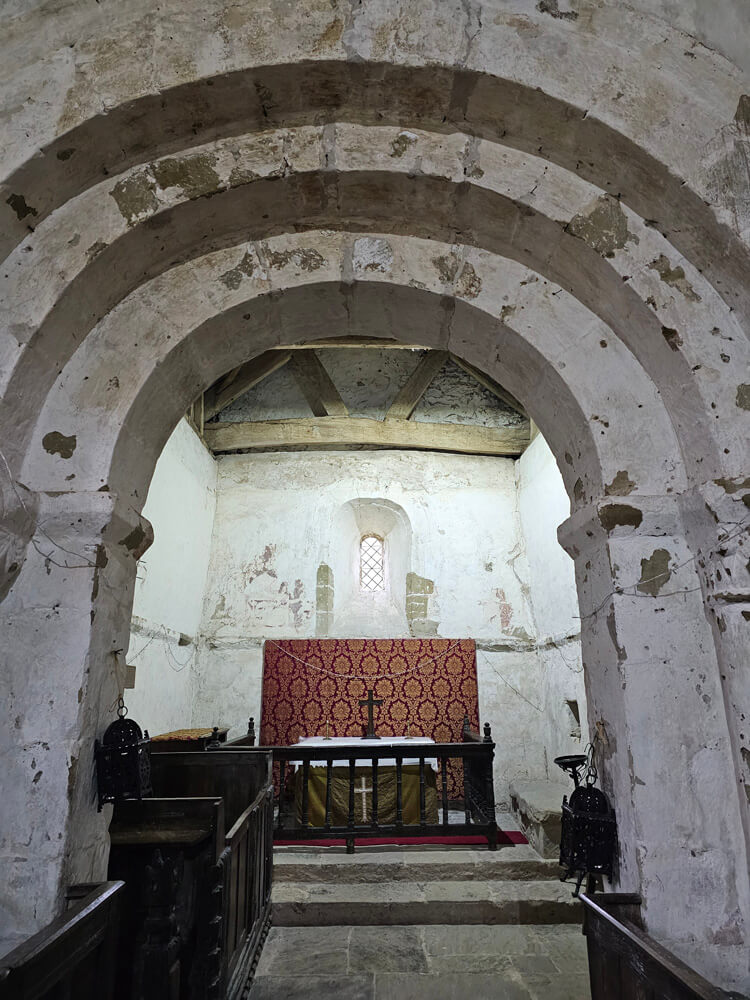
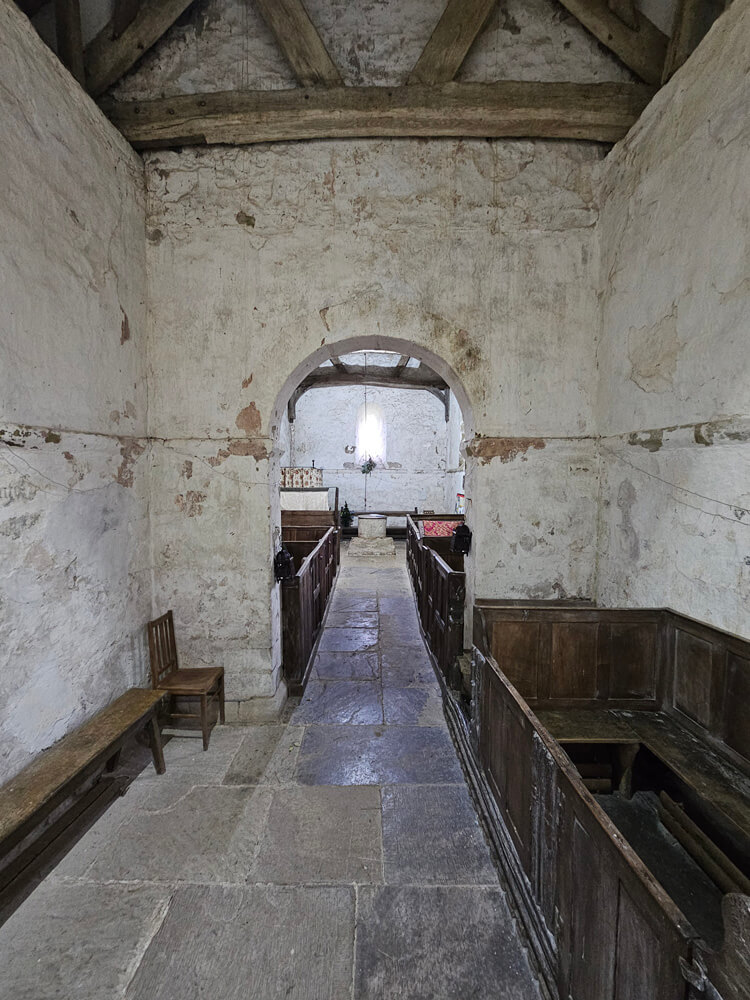
Heath Chapel was built in the middle of the 12th century, constructed in grey stone rubble and yellow sandstone dressings. It has a simple two-cell rectangular plan, consisting of just a nave with a south doorway and a chancel.
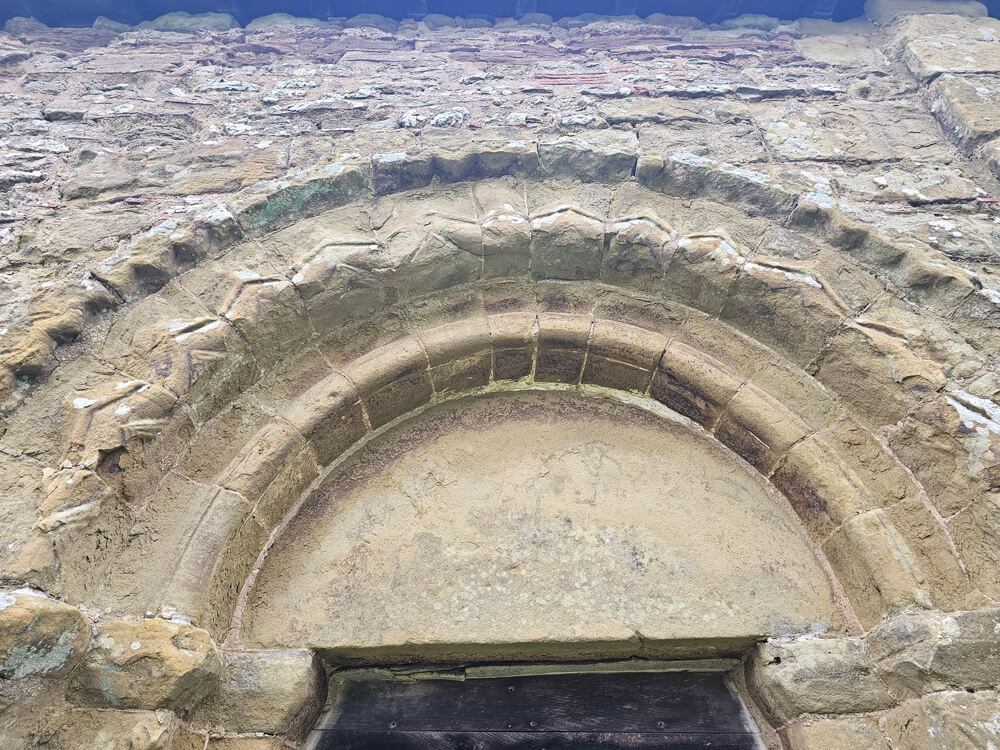
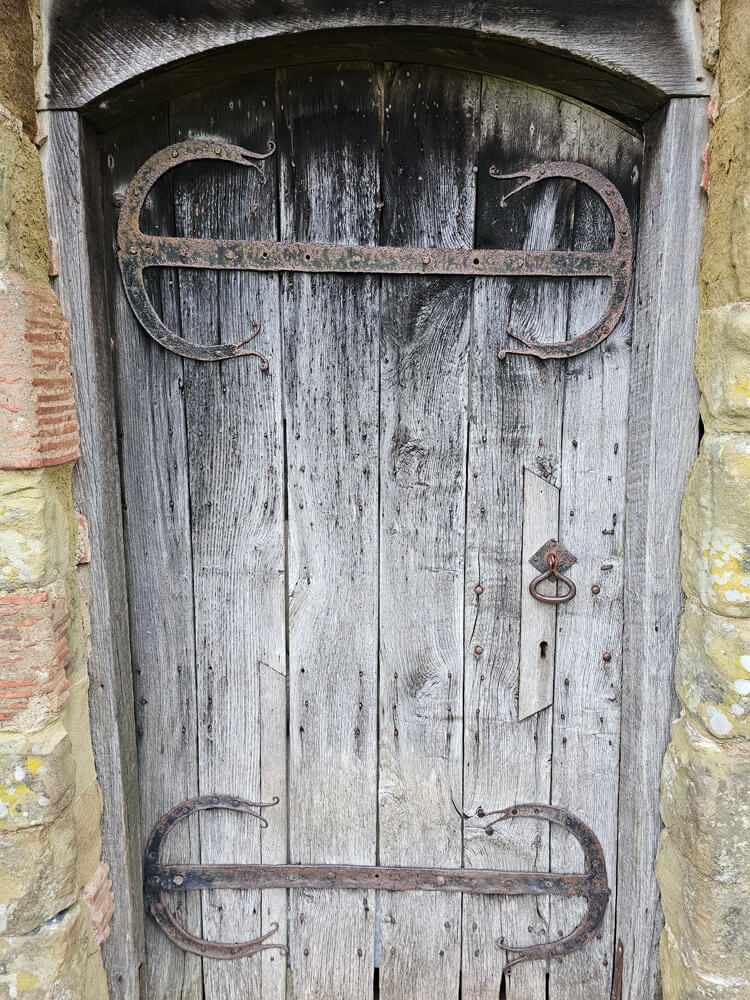
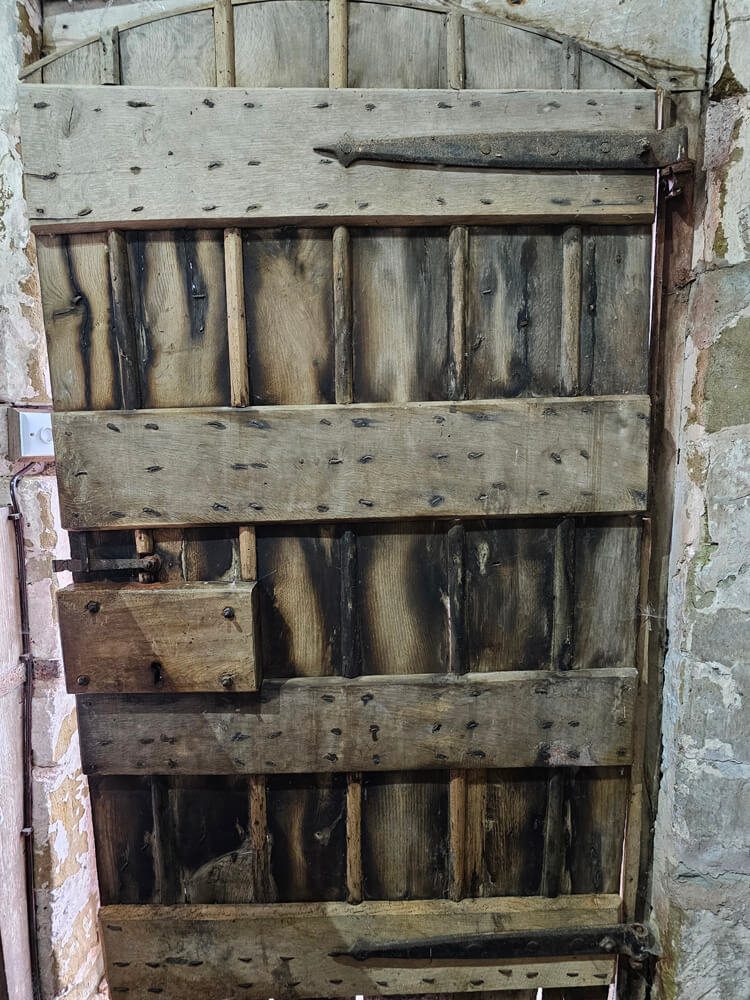
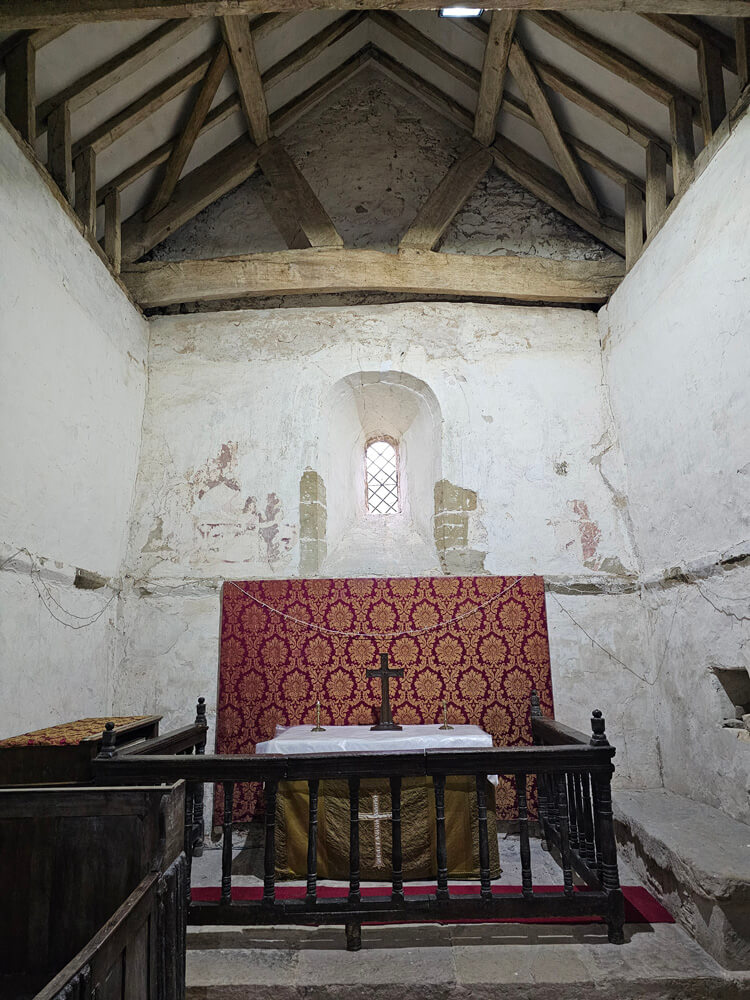
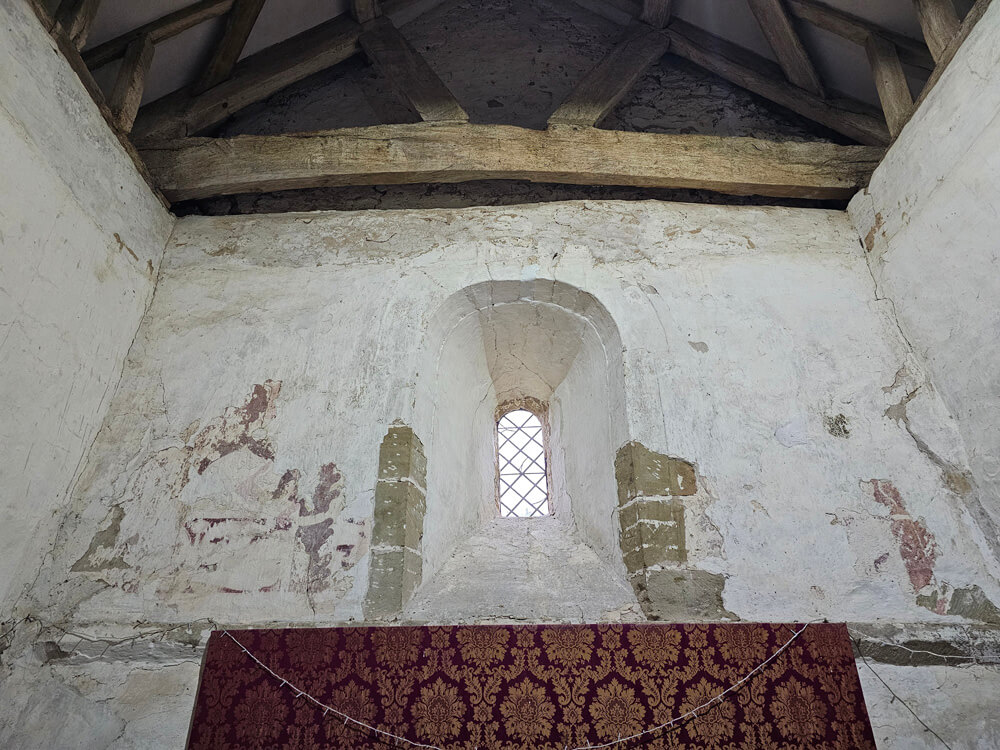
The chapel features several original, small, narrow Norman slit windows. The Norman south doorway has decayed capitals, is decorated with some basic chevron ornamentation, has a plain tympanum, and retains some 12th-century wrought ironwork.
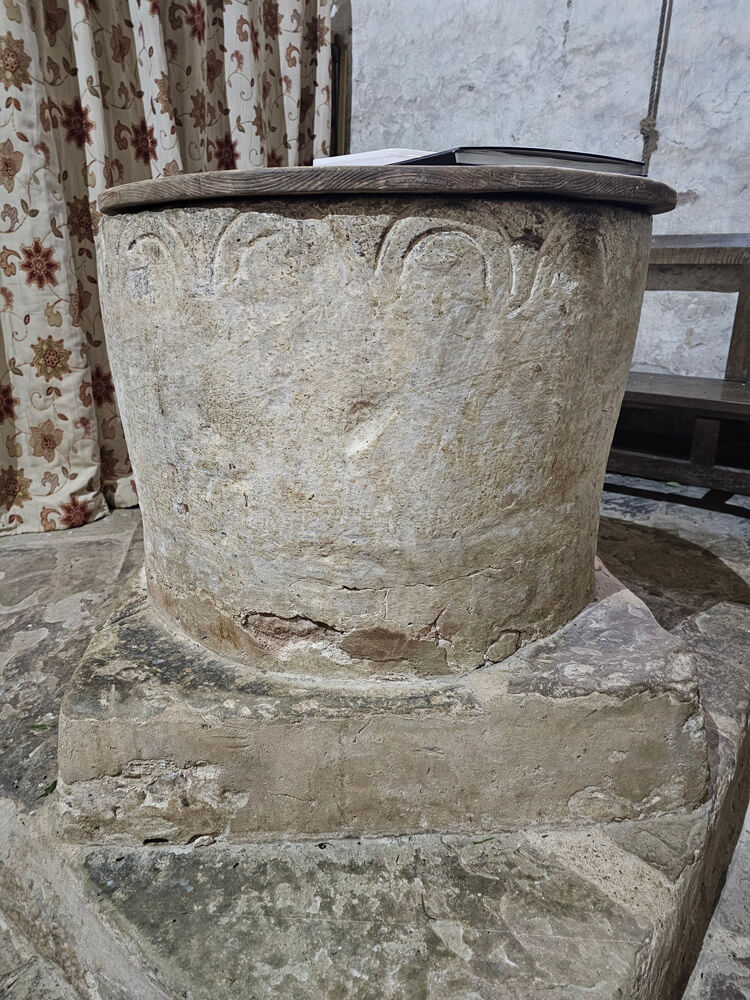
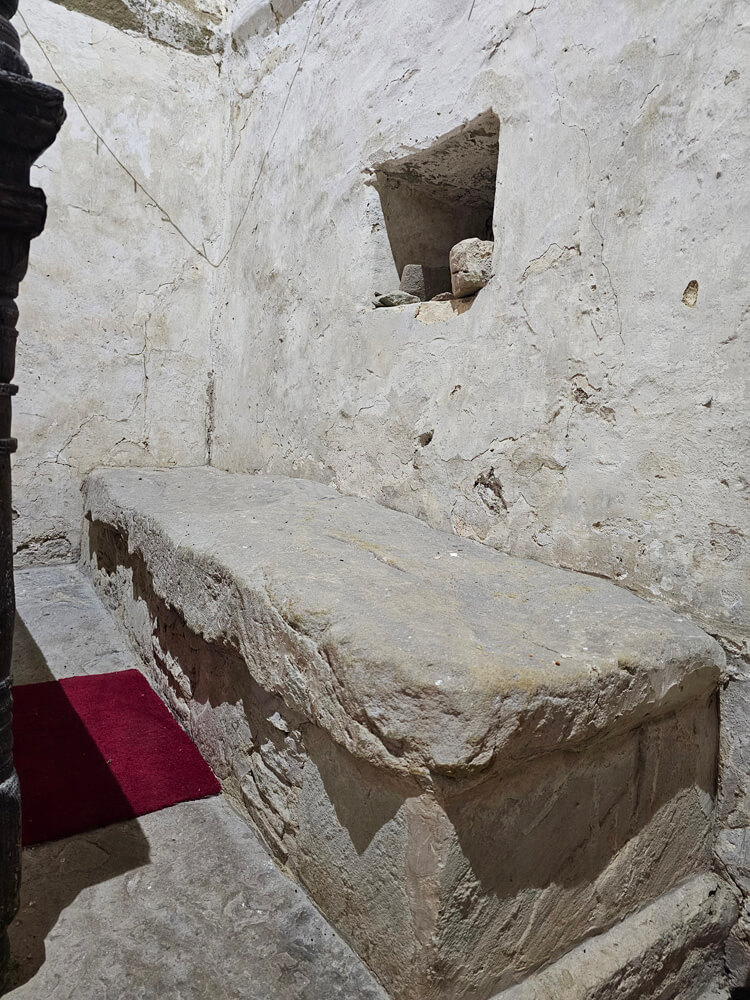
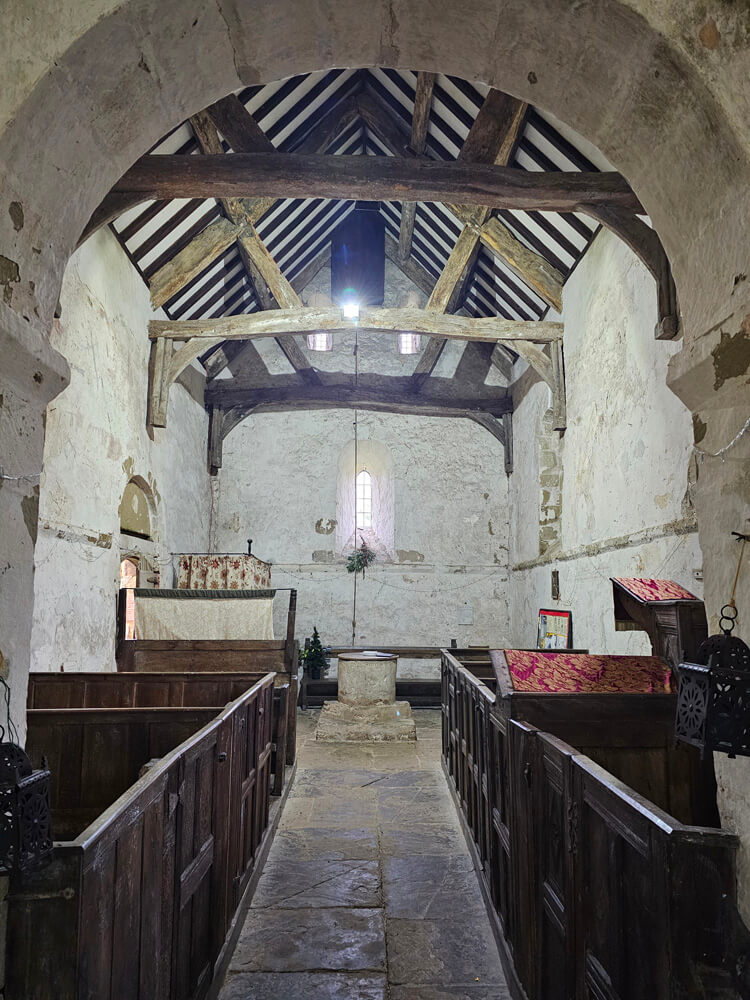
Inside the chapel, the first thing you notice is the large 12th-century Norman tub font. It is badly weathered which makes it look like a plain and simple font, but looking closer you can see some patterns which means it could once have been a rather elaborately decorated font.
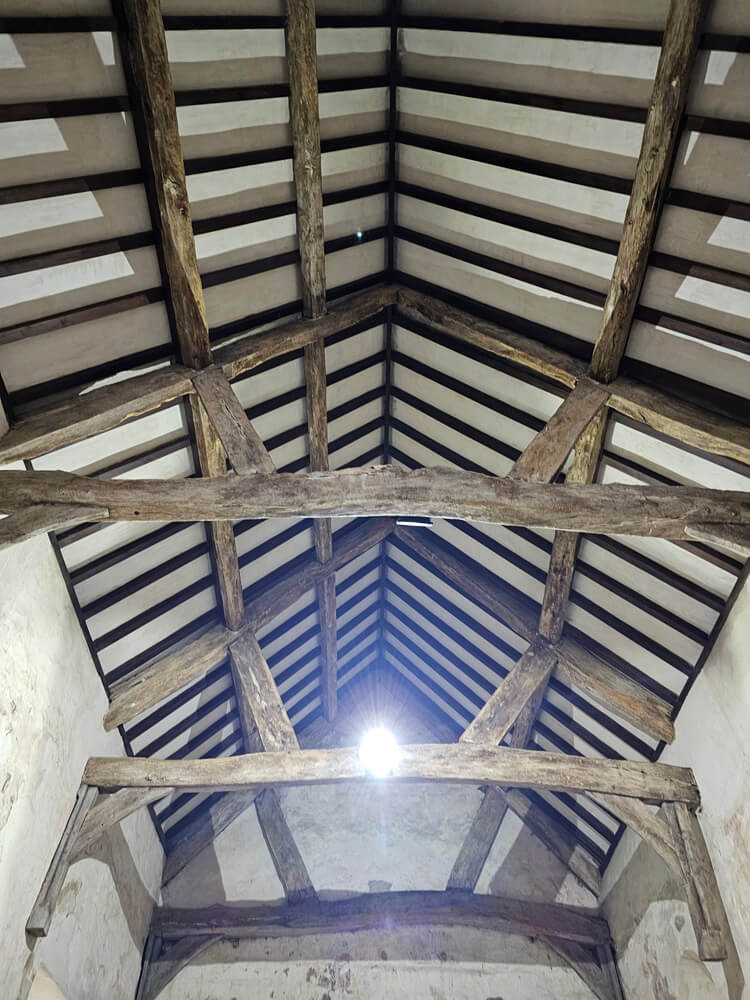
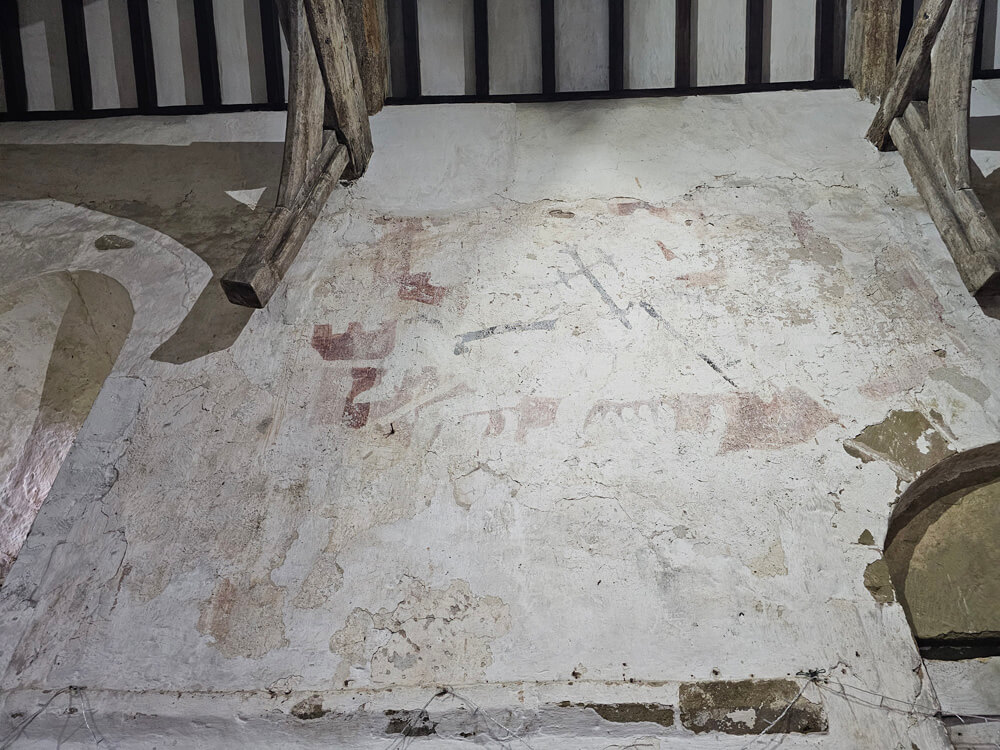
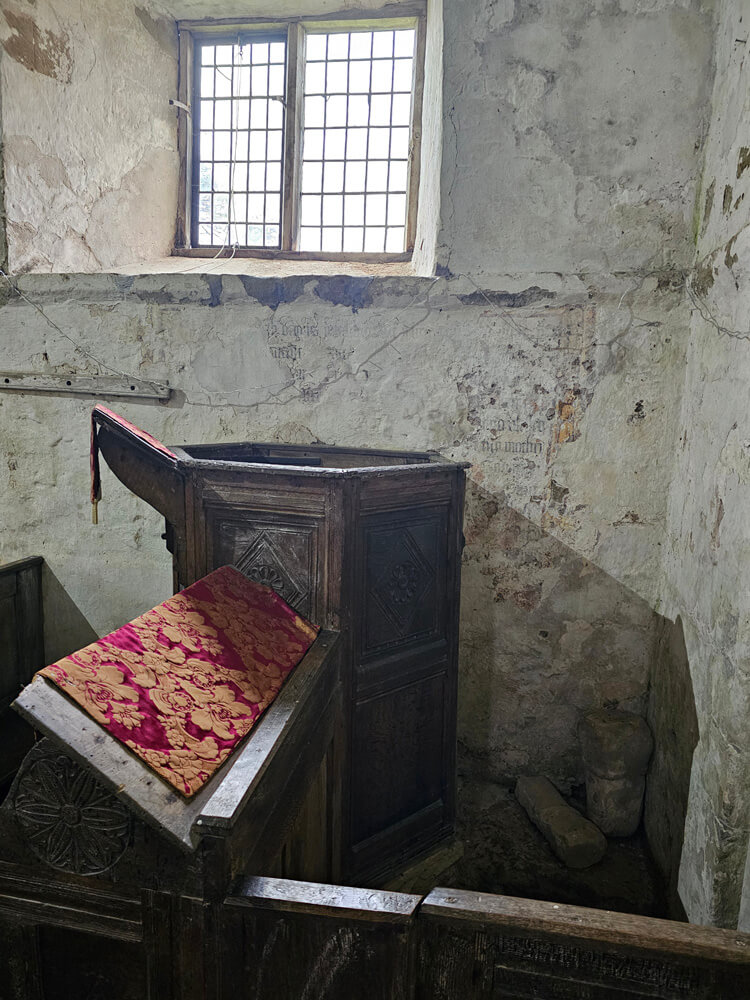
The whitewashed interior walls look messy and untidy, but there is a reason for this. The only alterations/additions to the chapel came in the 17th century when the walls were whitewashed, a square window was added to the north wall of the nave behind the pulpit, and the box pews and two-decker pulpit were added. A sensitive restoration was then carried out in the early 1900s when foundations were improved, gaps in the masonry were filled in, new tiled roofs were added and the medieval wall paintings were revealed that had been covered in whitewash for centuries.
The traces of medieval wall paintings and biblical texts are faint and are currently awaiting conservation. Until then, how much remains to be uncovered is uncertain.
Heath Chapel gives an almost unique chance to see a Norman chapel as it used to be, in its raw form, allowing you to imagine yourself in the 12th century when it was built. It is one of the most atmospheric places I’ve visited, eerie and silent. Aerial archaeology revealed the presence of a medieval village which once existed around the chapel. Now all completely gone, vanished, except for this this one building, an exceptional Norman survivor.
Photo Gallery.
Did you enjoy this post?
I hope you found this post useful. I put a great deal of time and effort in to building, maintaining and populating the website. If you like, you could say a small thank you by buying me a coffee. You don't have to, but it would be nice :)
Buy me a coffee
Stay up to Date
Follow me on my journey and get notified whenever a new post is published by following Kings & Castles on Facebook.
Follow MeExplore The Map
Discover the hundreds of castles, churches, monasteries, cathedrals and other historic locations that I've personally visited across England and Wales. Search by location, explore nearby sites and plan your next historical adventure.
Share: