St Lawrence Church, Gnosall
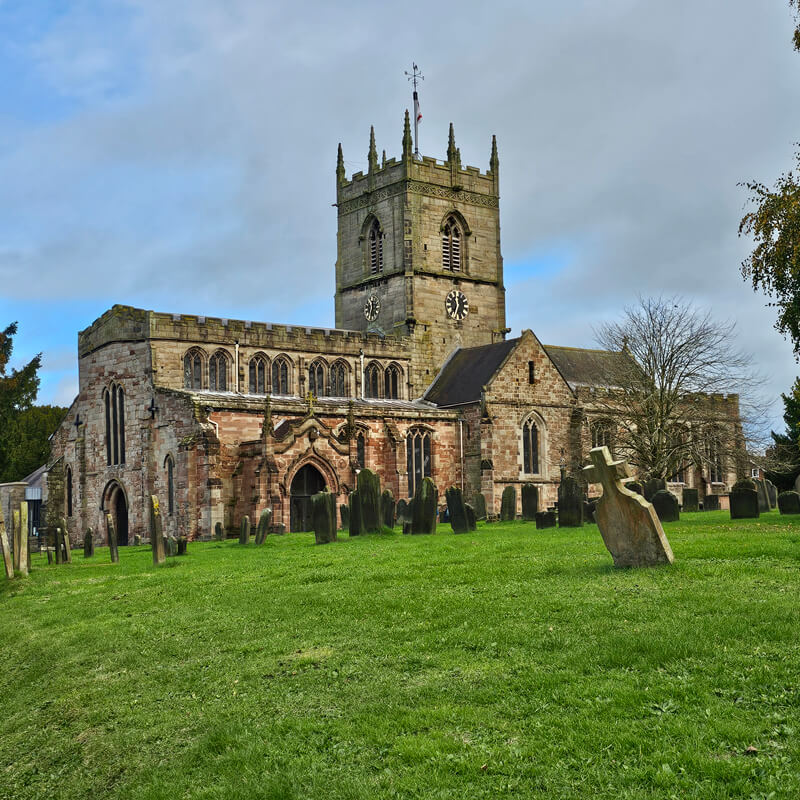
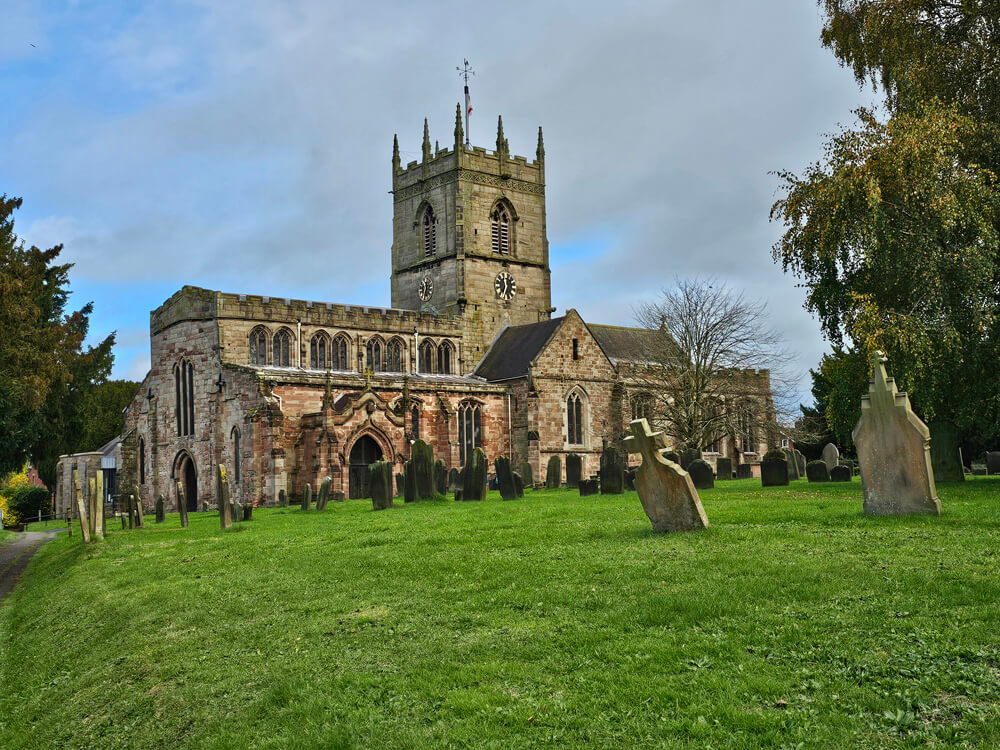
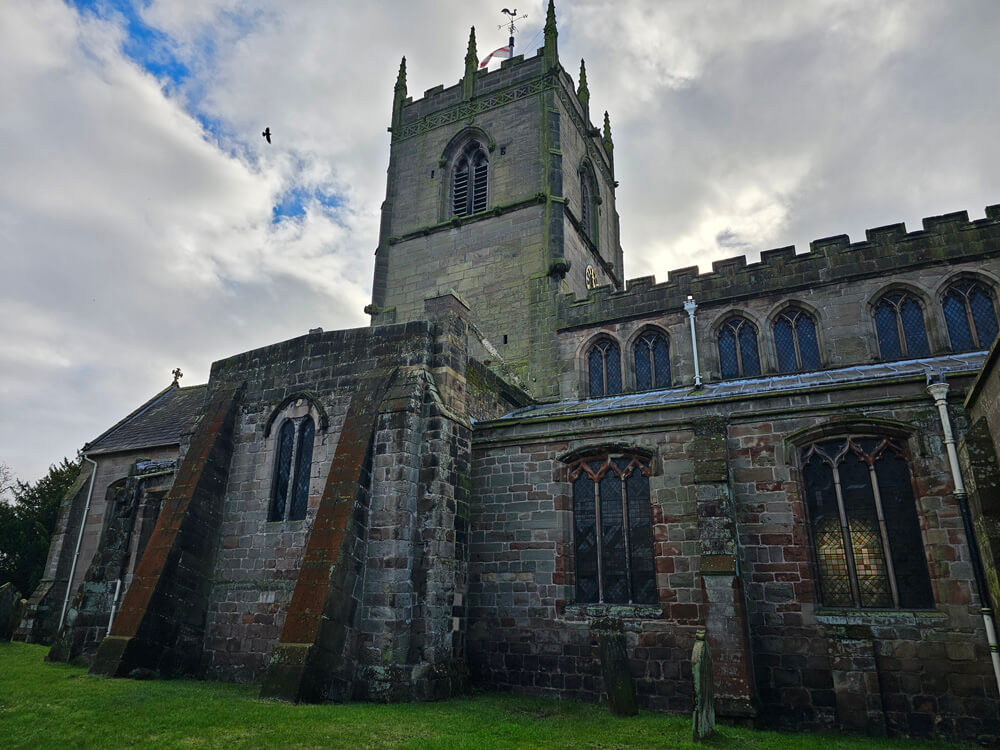
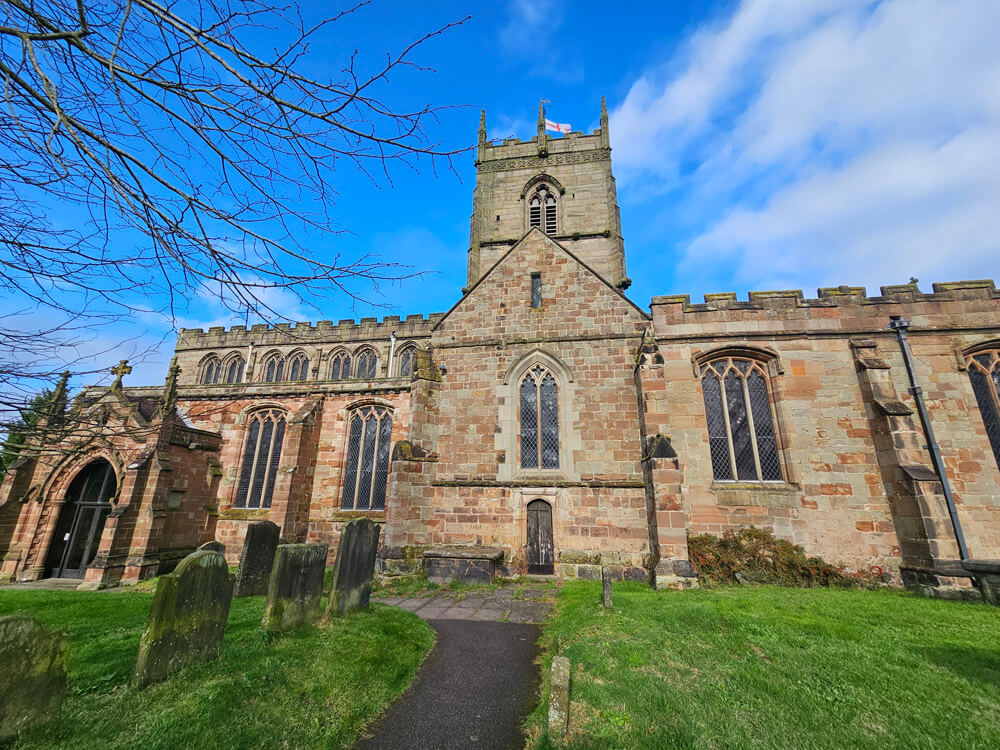
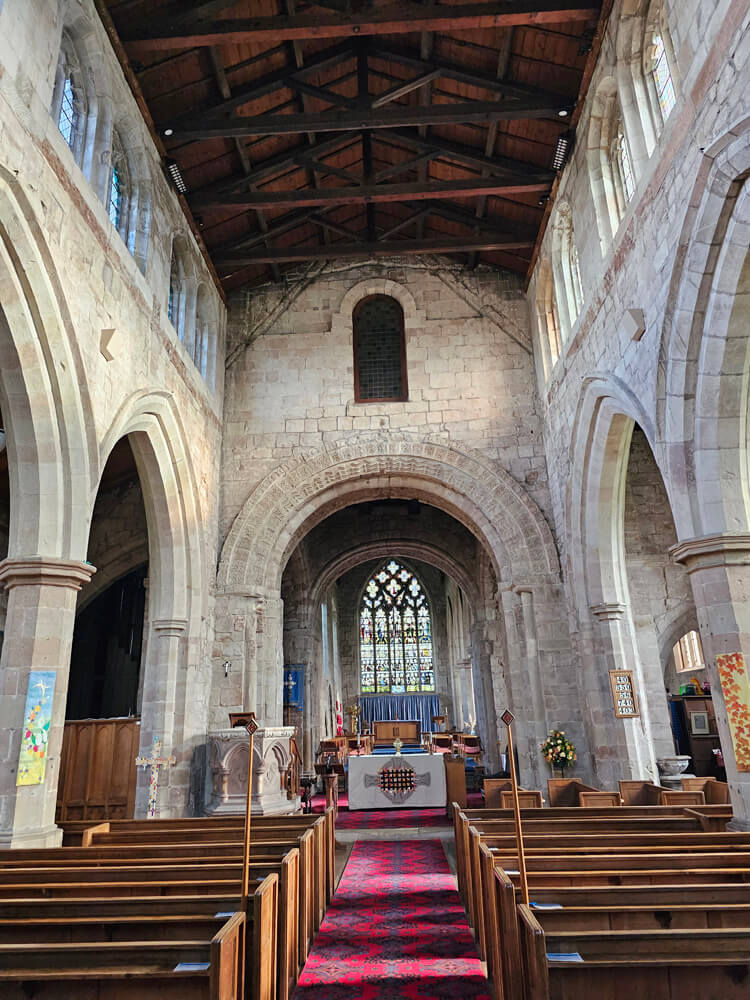
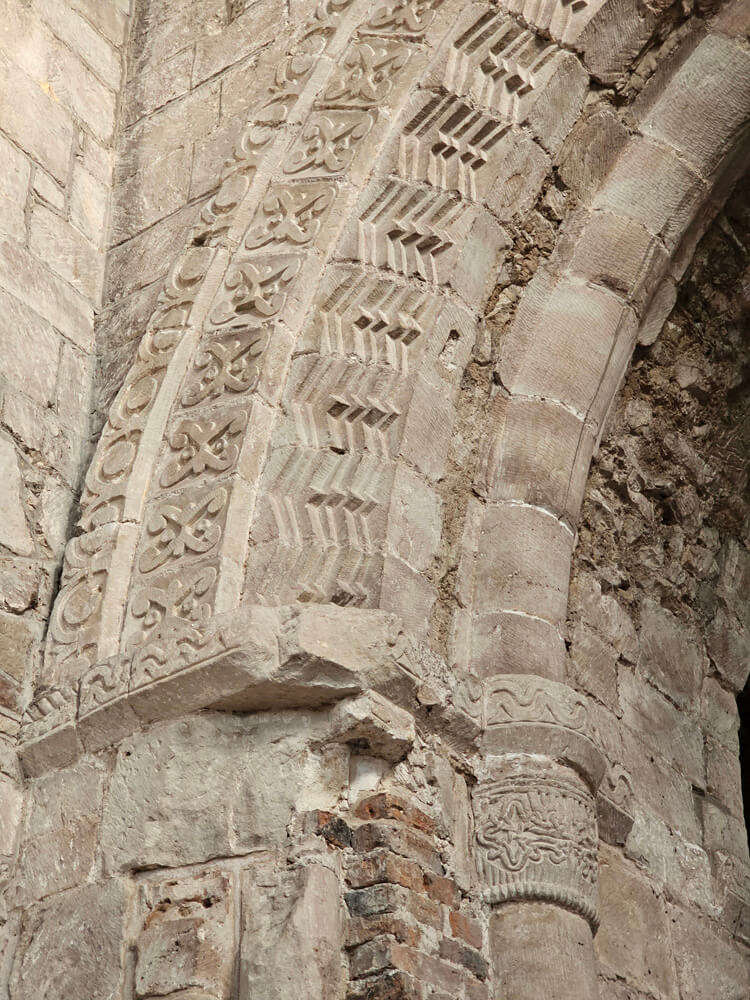
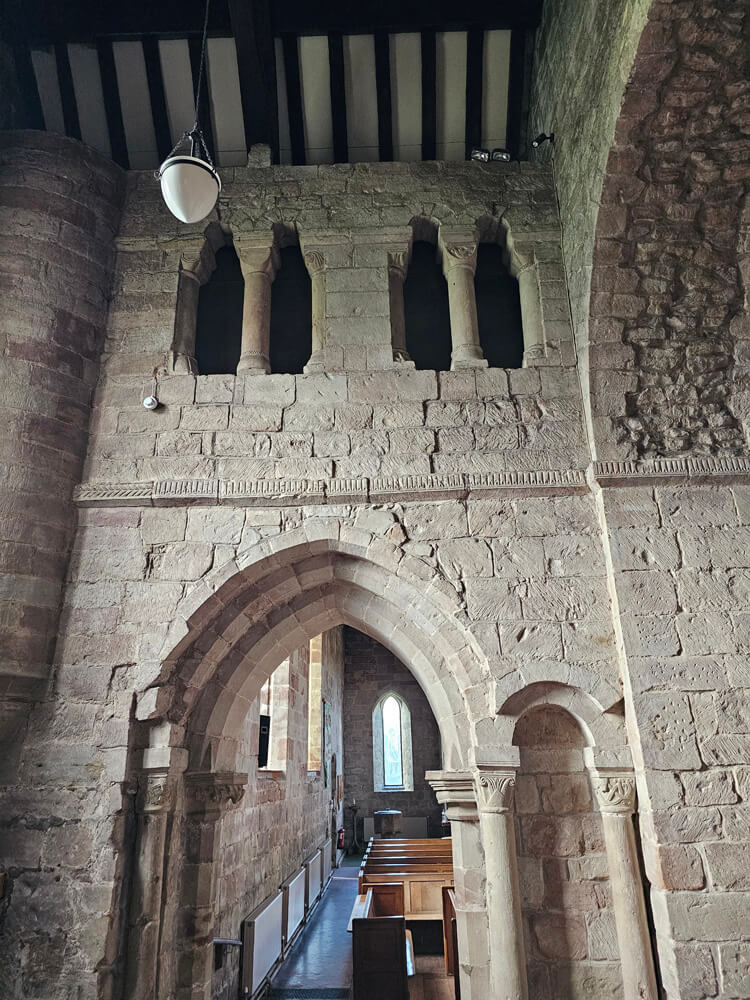
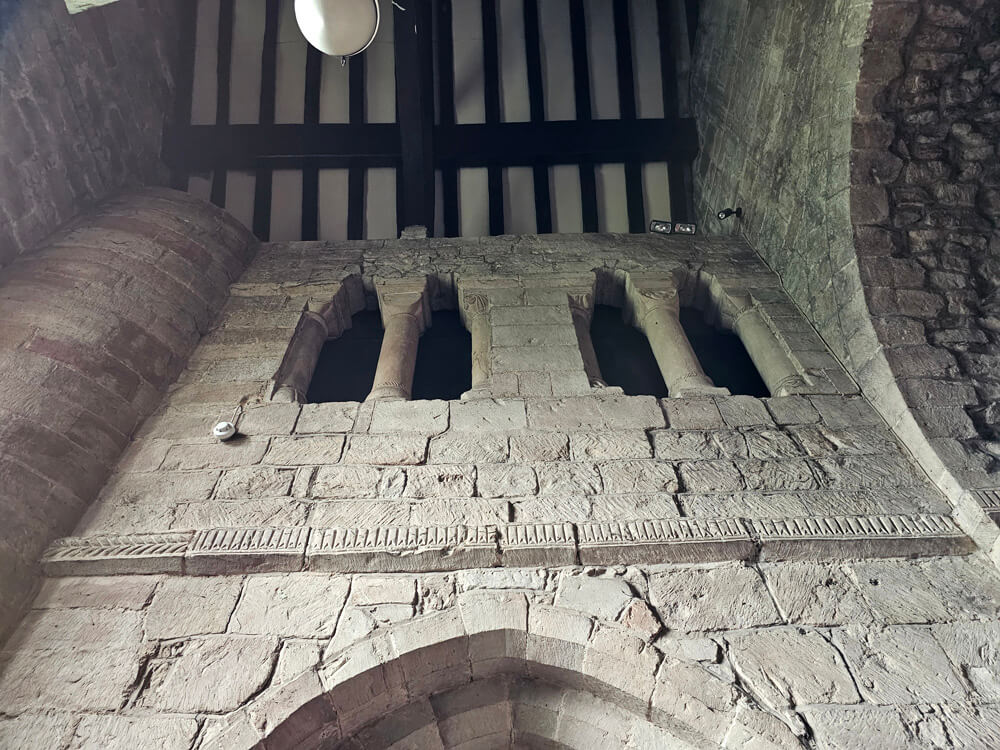
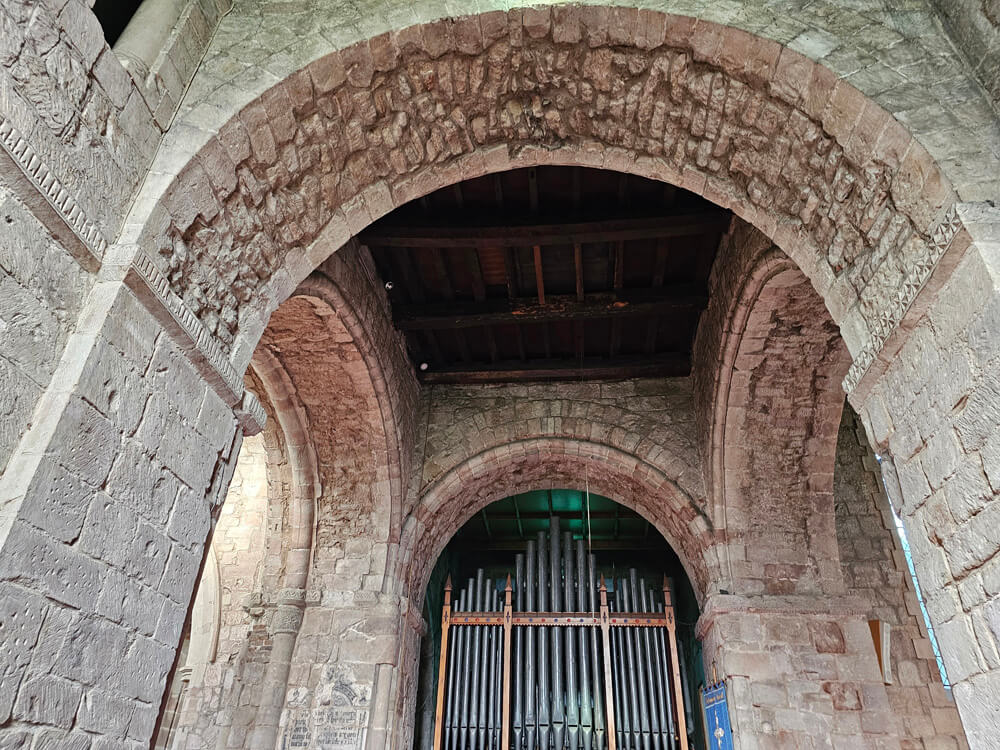
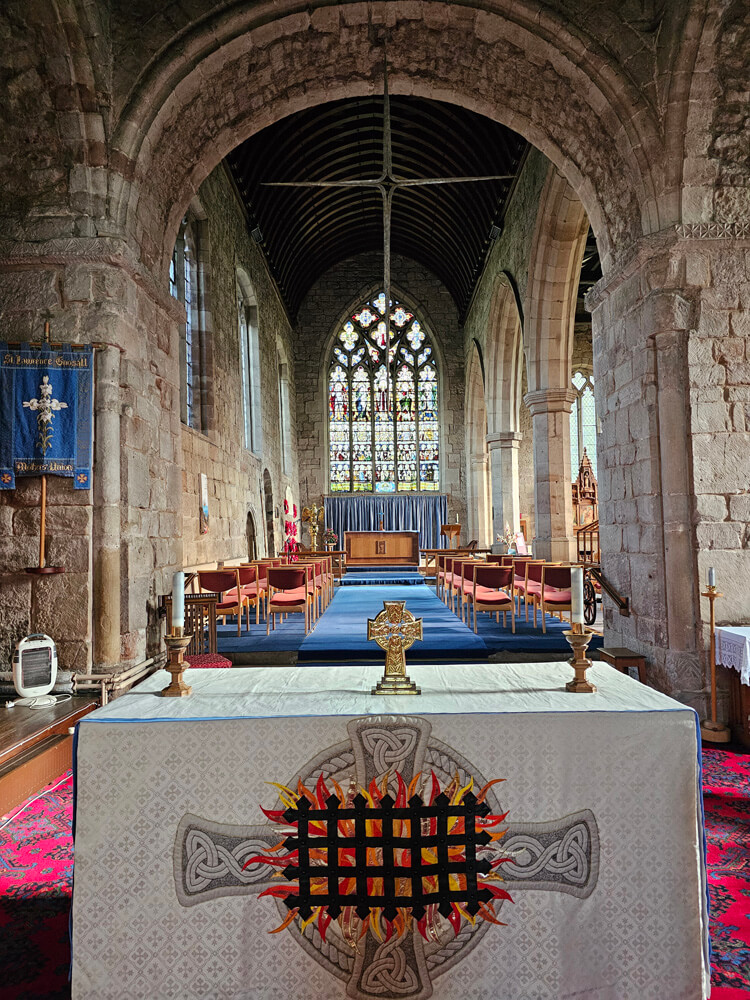
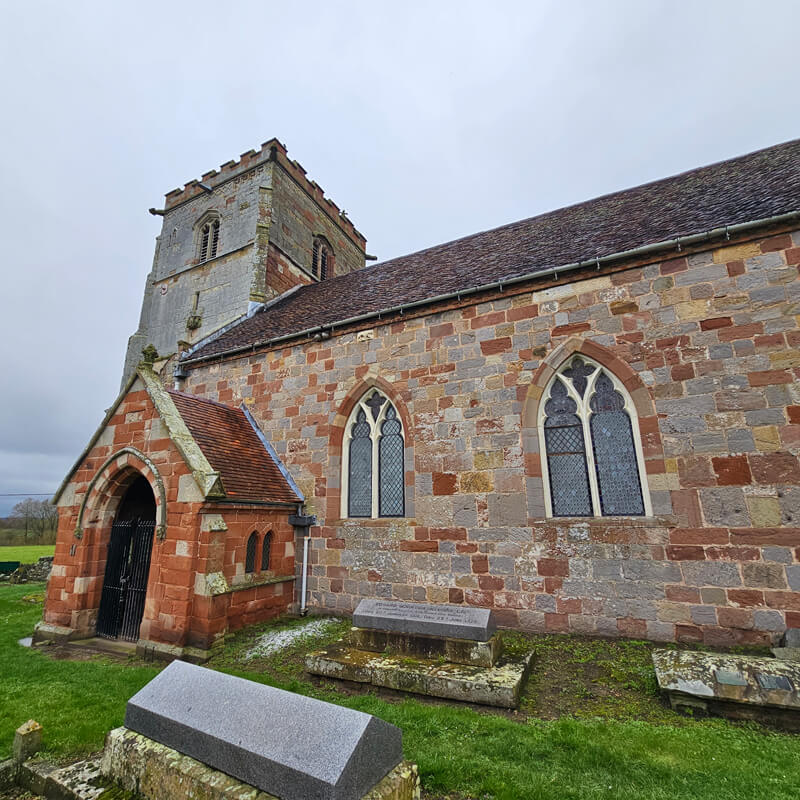
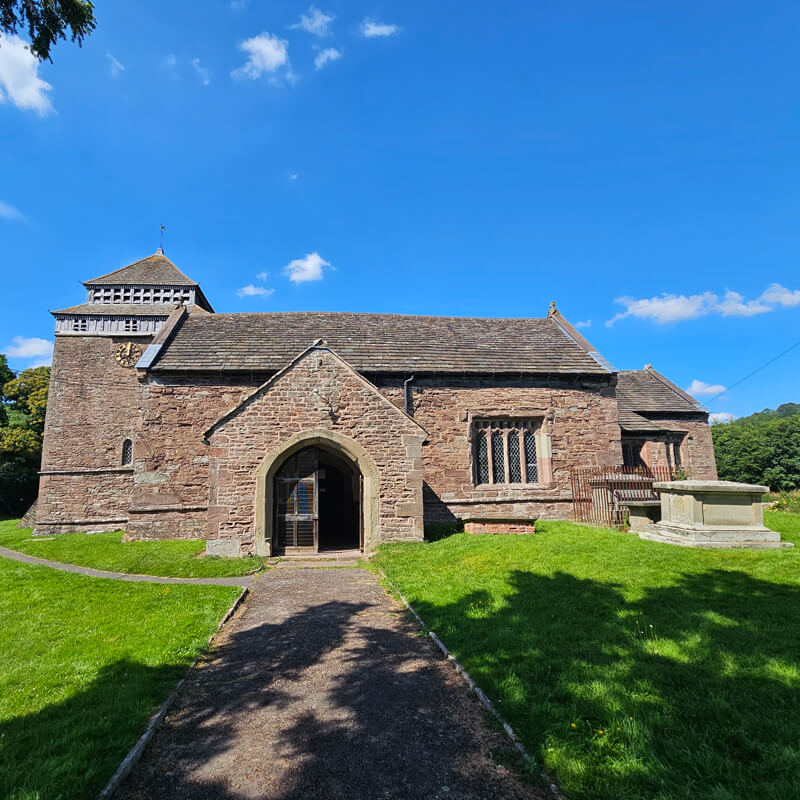
St Lawrence Church in Gnosall is one of the six collegiate churches of Staffordshire. This cruciform church with its central tower is a Grade I listed building with a 12th-century Norman core and an abundance of surviving Romanesque architecture.
Historic
Highlights.
- Lots of surviving Romanesque architecture
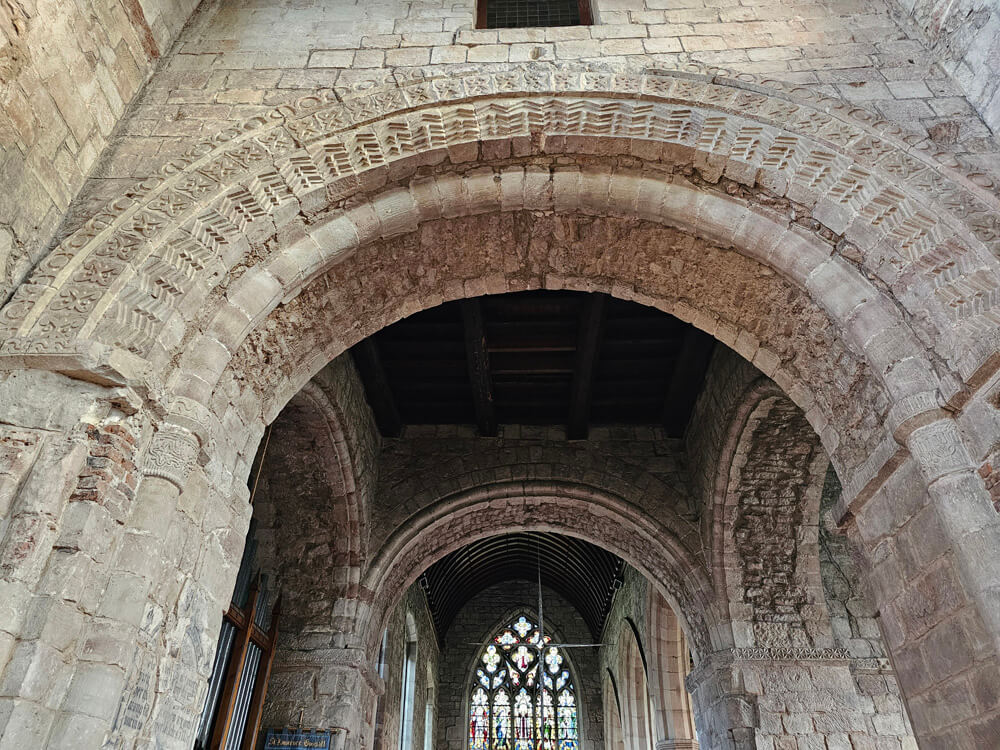
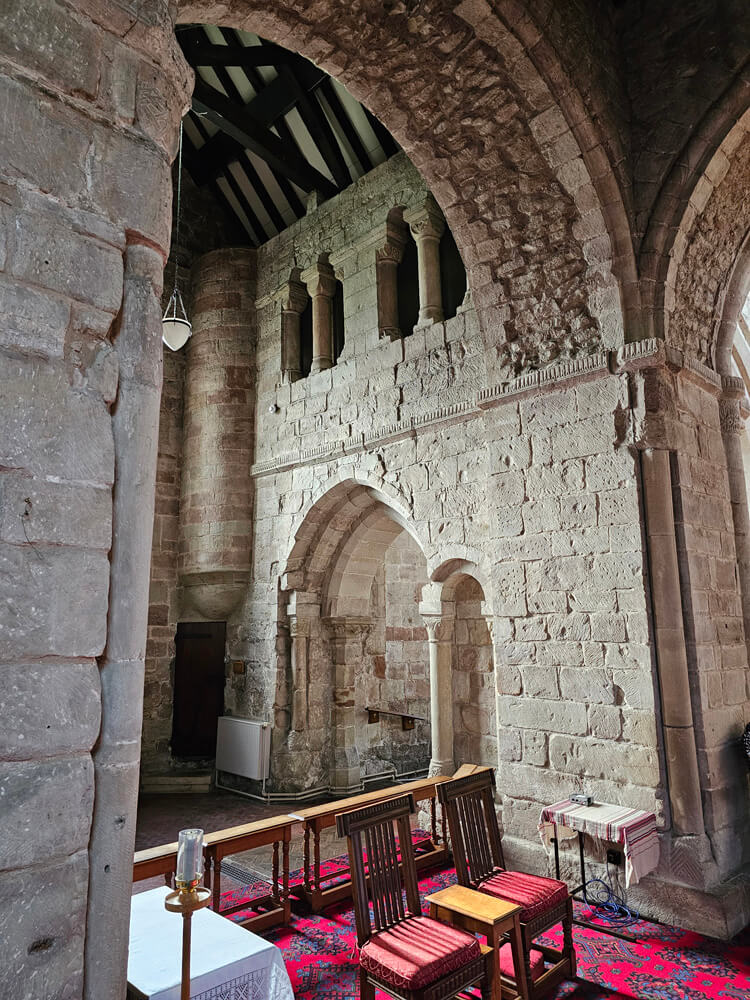
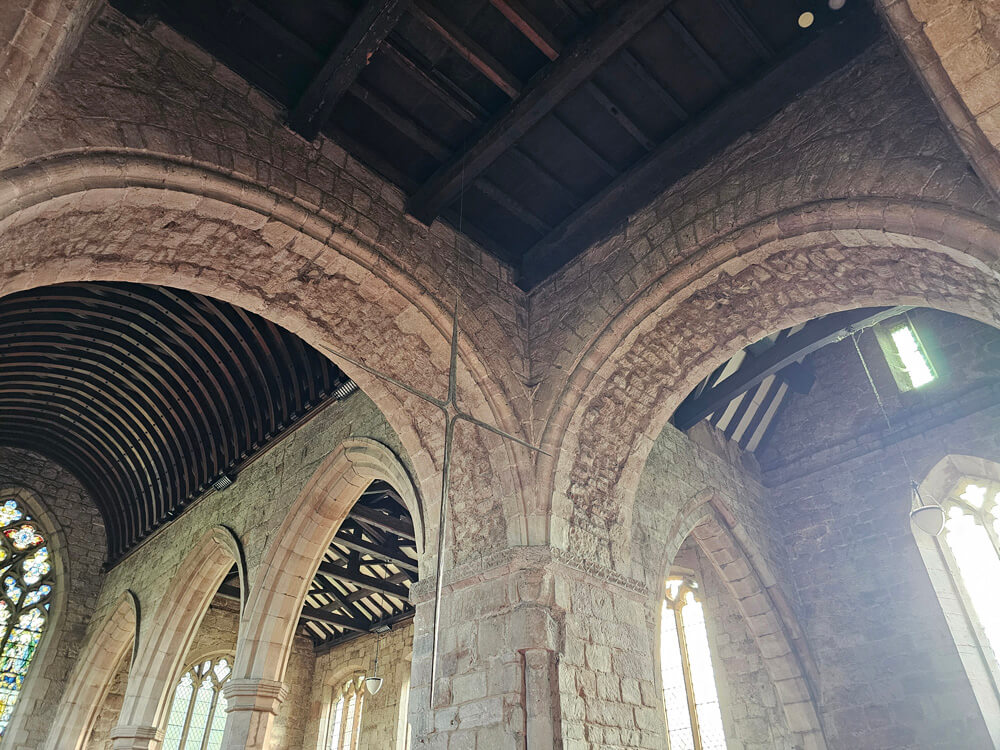
- The Norman crossing and south transept
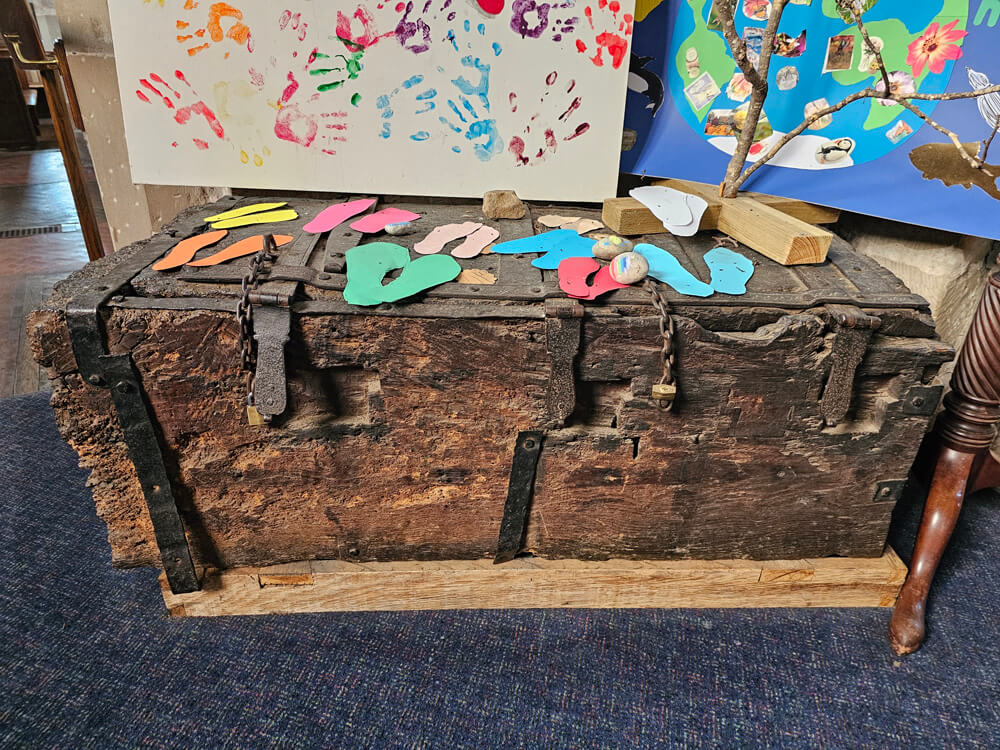
- ‘The Great Coffer’
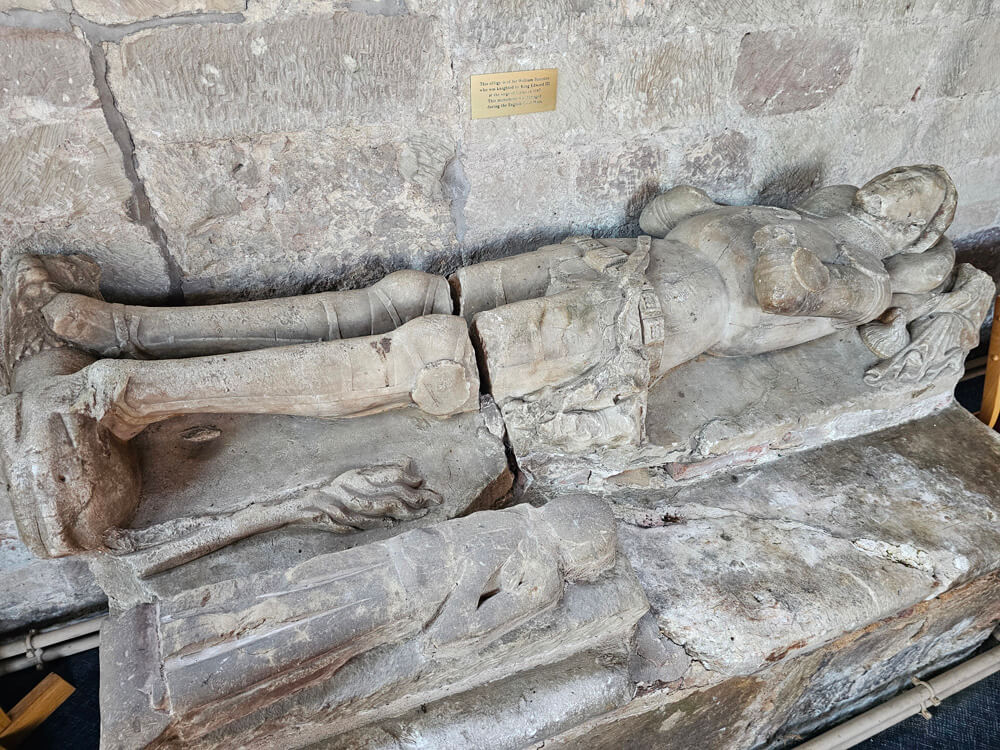
- 14th-century knight effigy
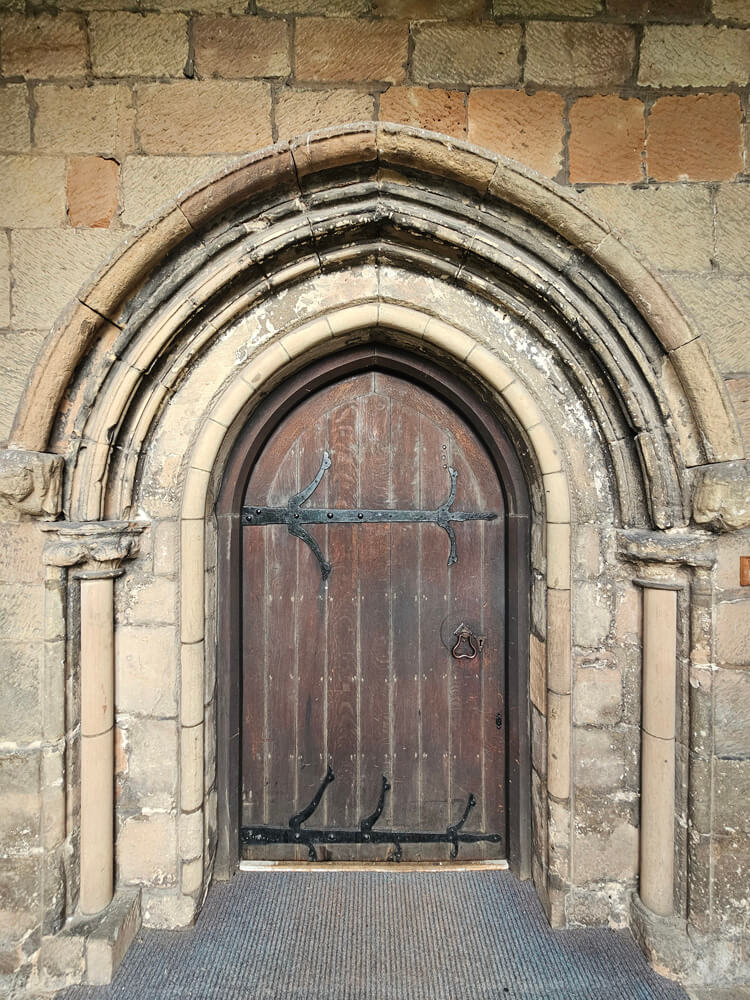
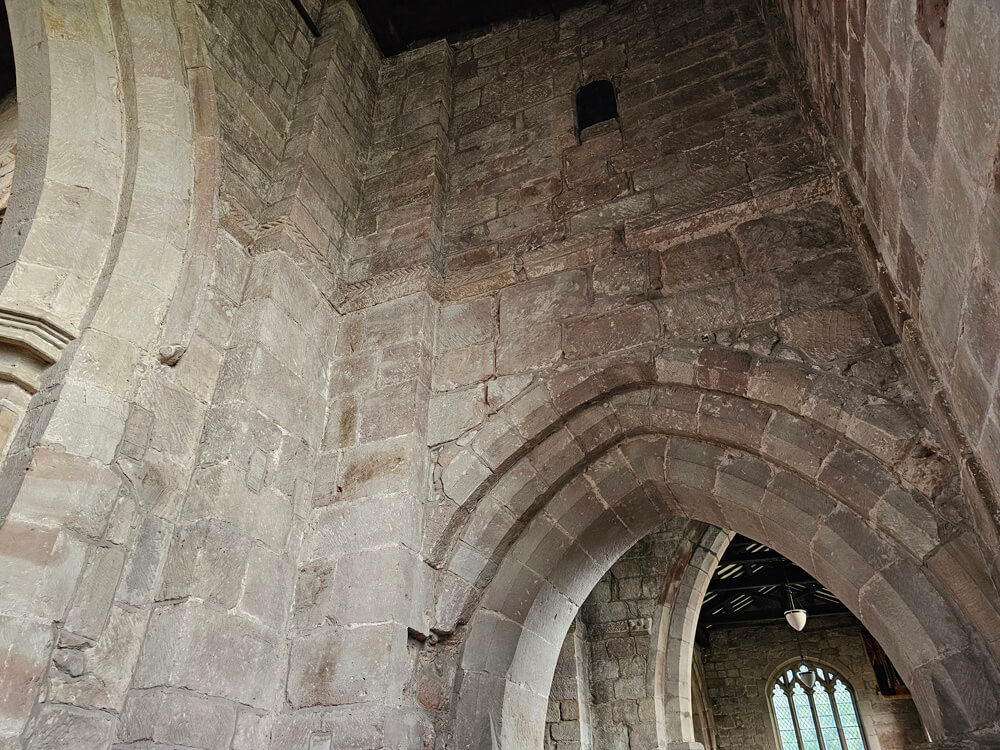
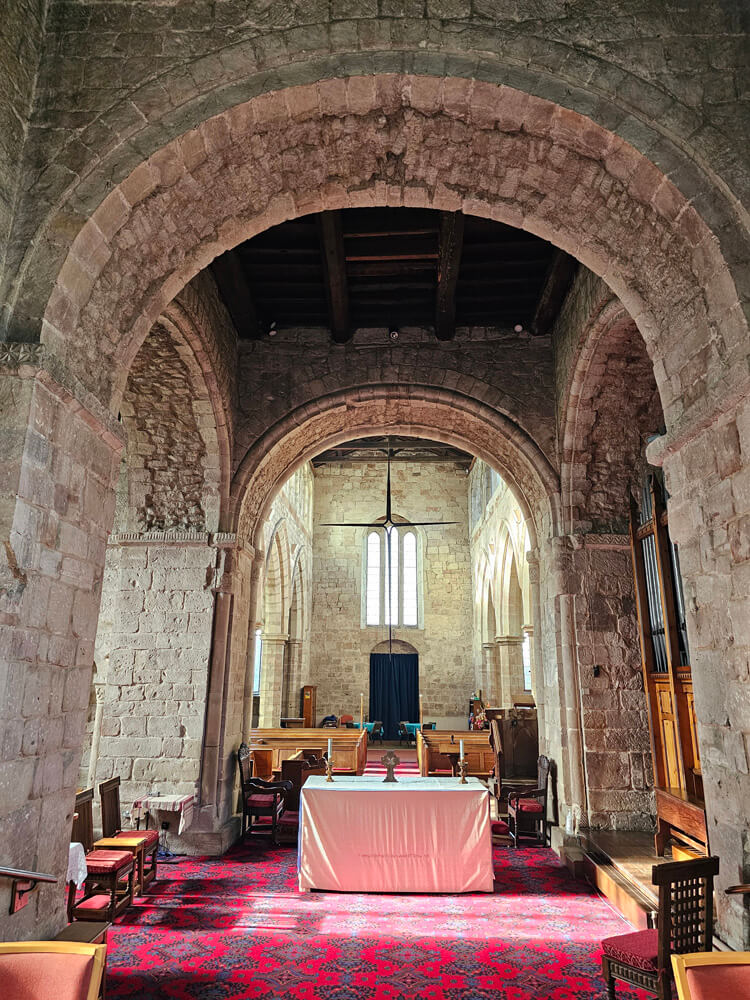
There was a Saxon minster church here in the Anglo-Saxon period which was replaced by the current Norman church in the early 12th century. The core of the church dates from around 1100, which was quite early in the Norman church building era. The earliest parts of the church date from this time, which are the arches of the central crossing, much of the walling and some Norman windows.
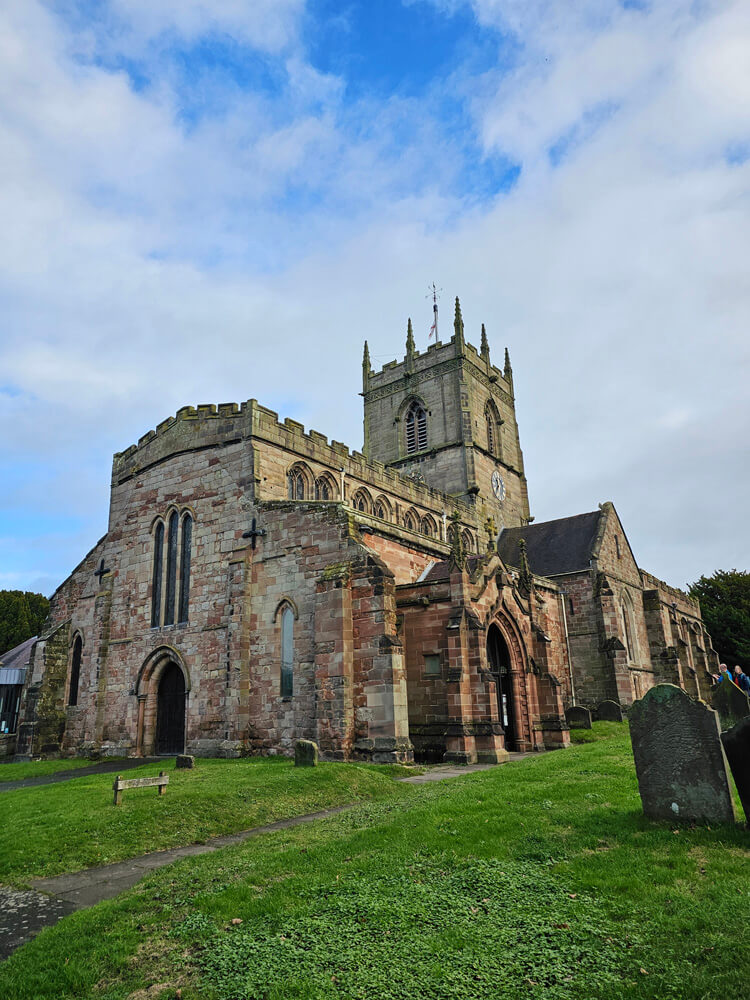
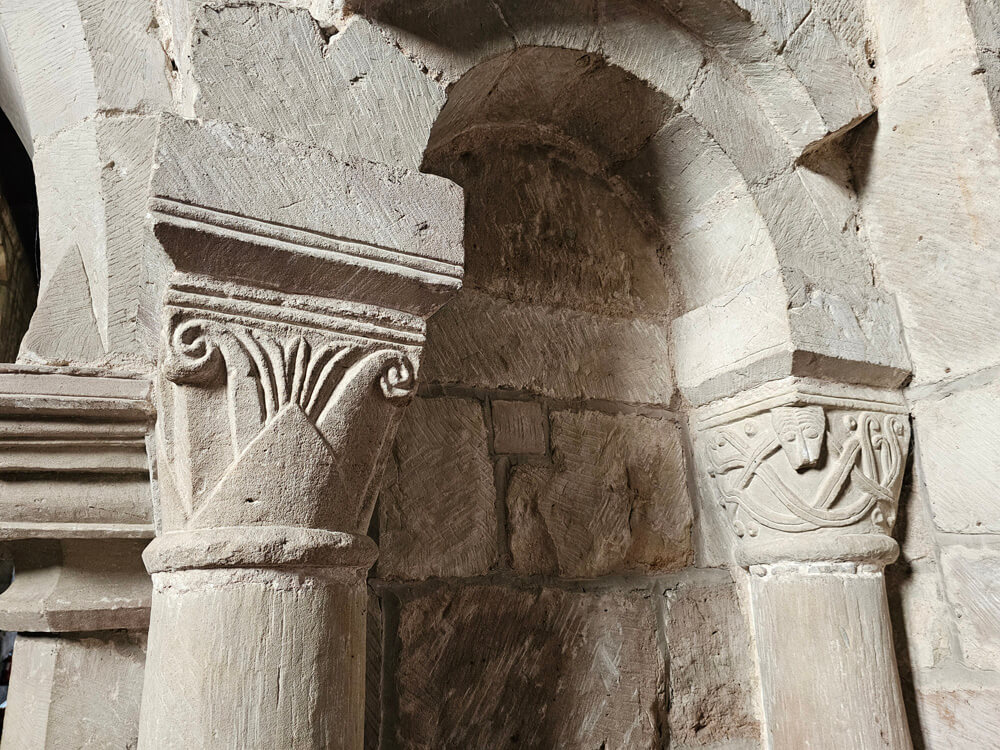
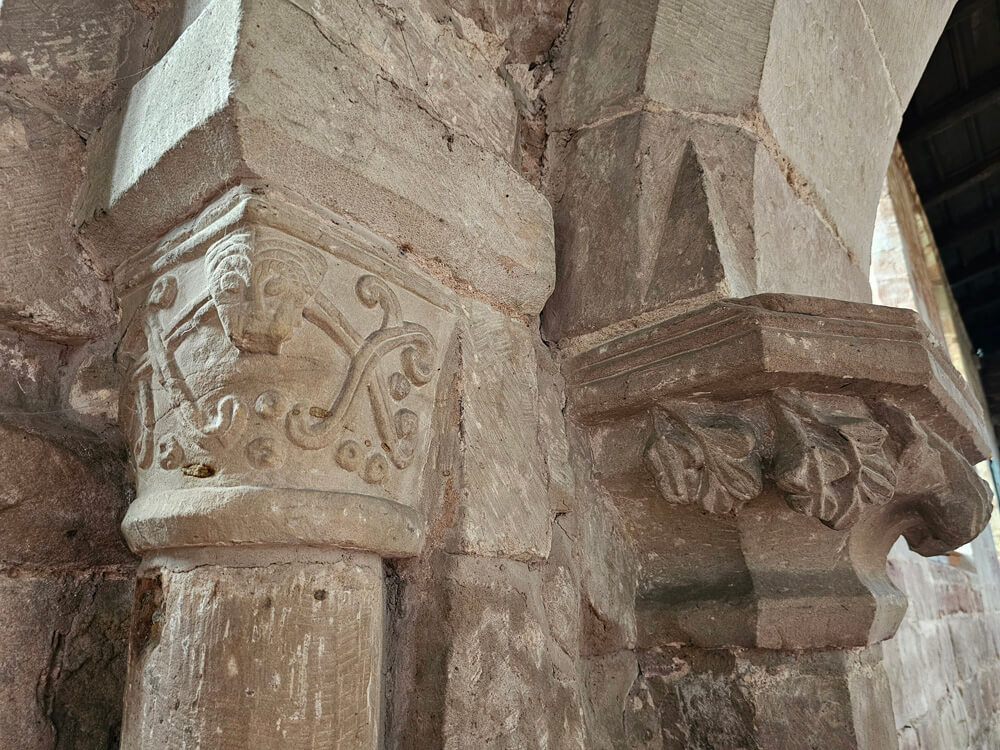
The south transept is perhaps the most interesting feature of the church as very little of it has changed from its original form. There is lots of decorative string courses and sculptures on the capitals and columns.
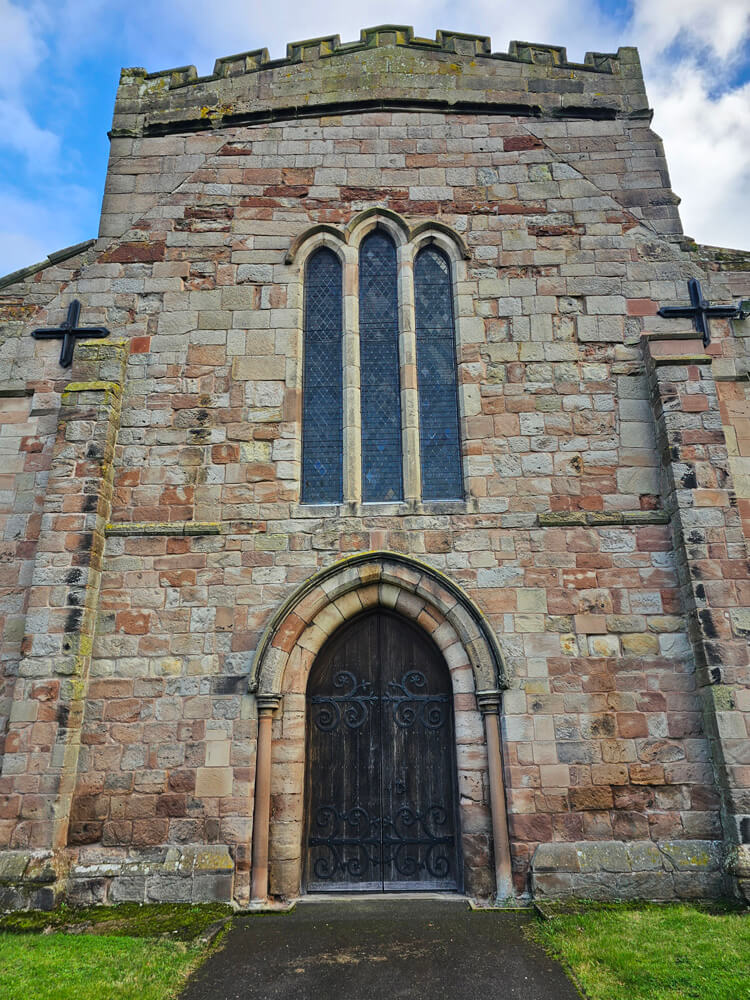
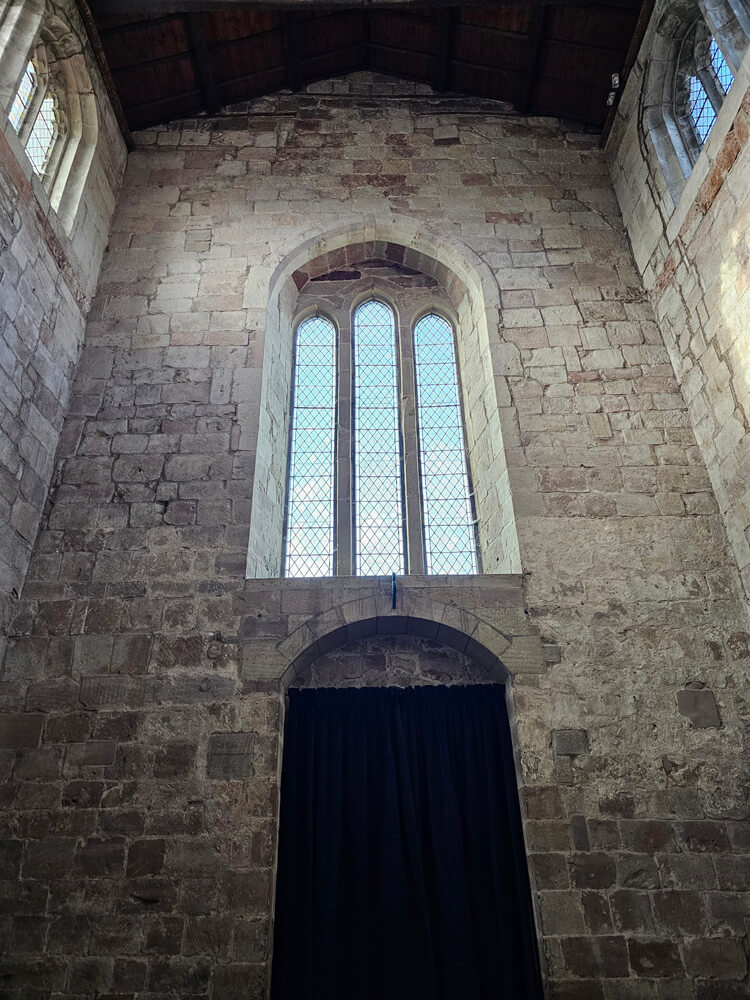
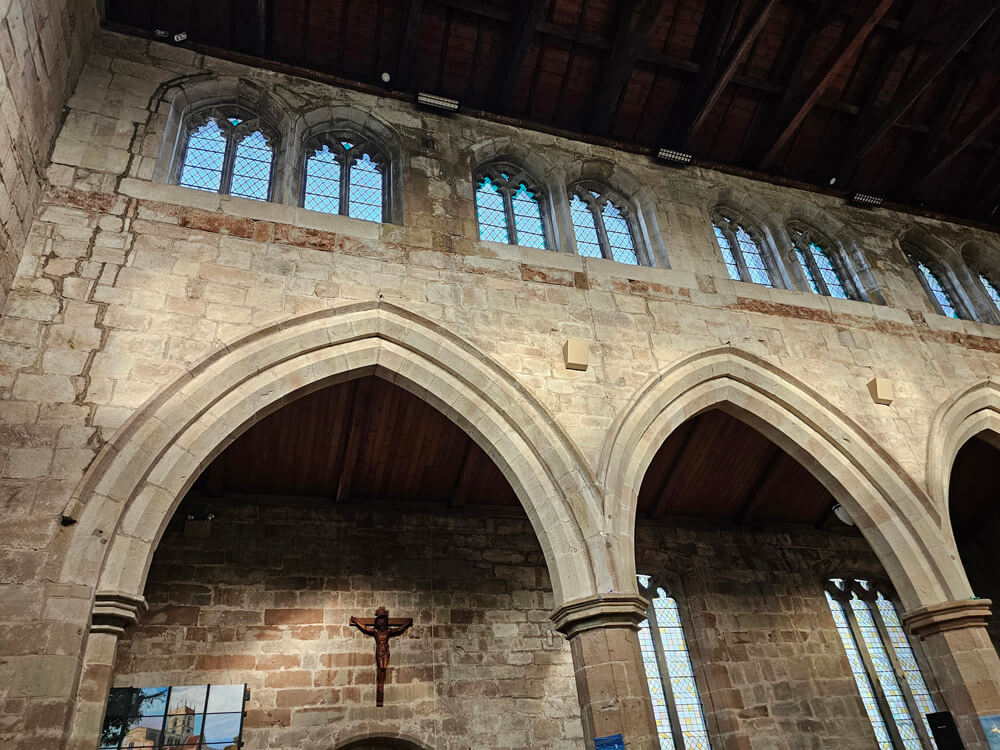
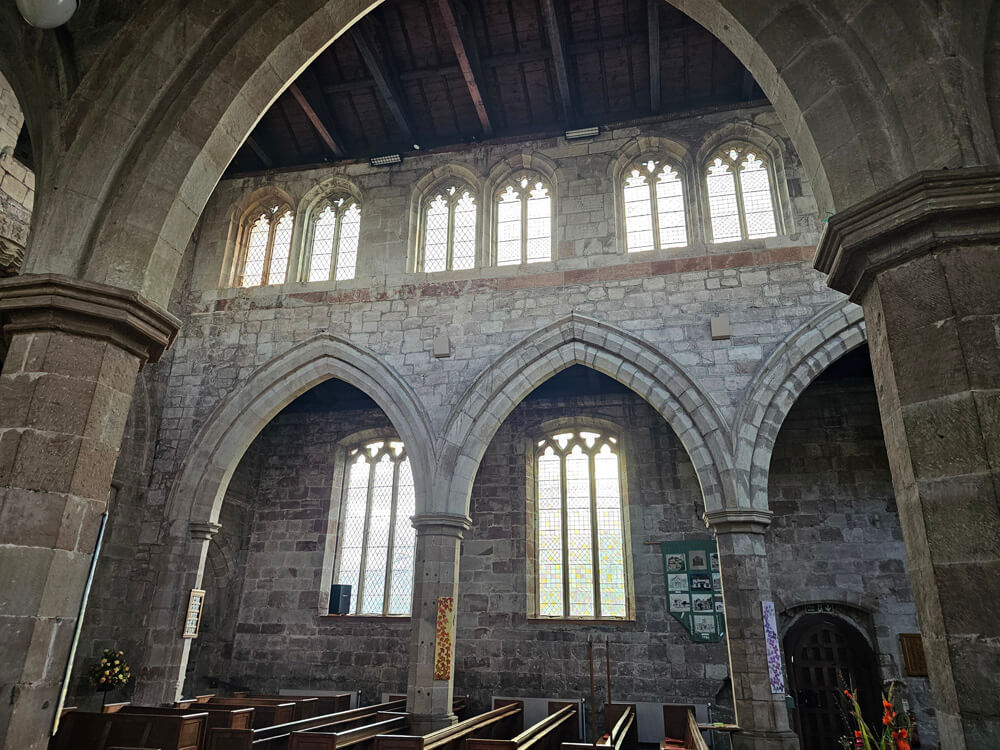
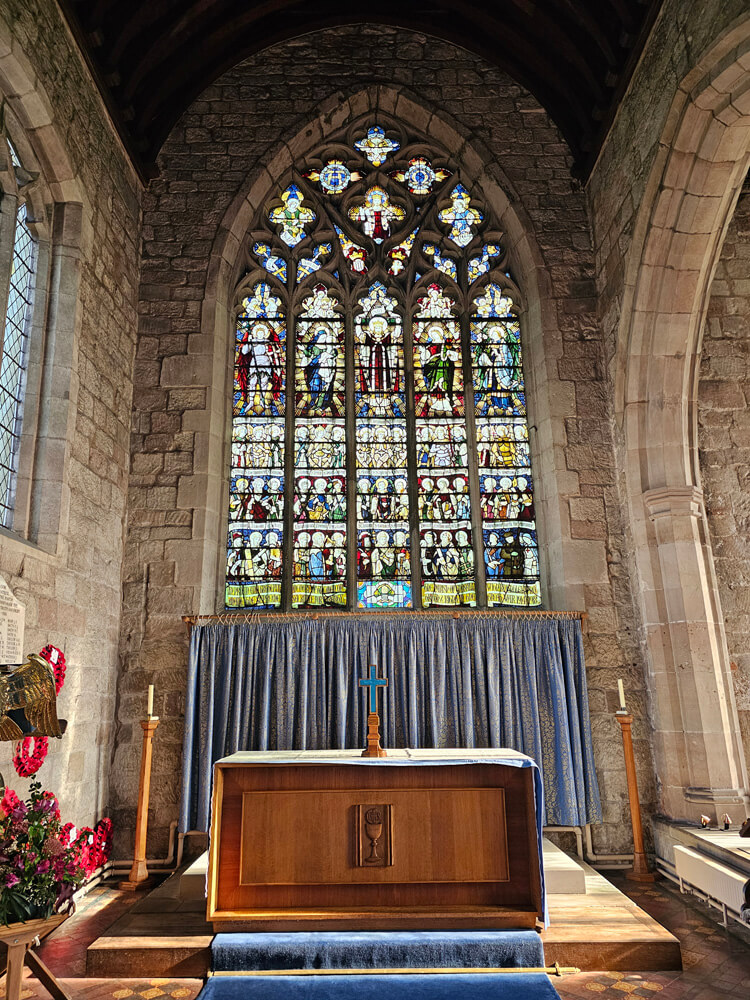
There was some refashioning of the church in the 13th and 14th centuries when the aisles, the east window, and the triple lancet west window and doorway were installed. Also during this time the north transept was rebuilt with a lower roof (the earlier roofline is visible).
Late medieval features include the clerestory, the upper part of the tower, and decorative battlements, which are all 15th century. The lady chapel was built on the south side of the chancel some time around 1500.
There is a mutilated effigy of a 14th-century knight with a plaque that reads “This effigy is of Sir William Banestre who was knighted by King Edward III at the siege of Calais in 1347. This monument was damaged during the English Civil Wars.” To his right lies the effigy of a child, which I’m guessing is unidentified and unconnected to the knight.
There is also an old dug-out oak chest known as ‘The Great Coffer’, which remarkably dates from the 13th century. In 1692 it is mentioned in the Churchwardens’ accounts and is referred to as ‘the greate coffer’.
Photo Gallery.
Did you enjoy this post?
I hope you found this post useful. I put a great deal of time and effort in to building, maintaining and populating the website. If you like, you could say a small thank you by buying me a coffee. You don't have to, but it would be nice :)
Buy me a coffee
Stay up to Date
Follow me on my journey and get notified whenever a new post is published by following Kings & Castles on Facebook.
Follow MeExplore The Map
Discover the hundreds of castles, churches, monasteries, cathedrals and other historic locations that I've personally visited across England and Wales. Search by location, explore nearby sites and plan your next historical adventure.
Share: