St Eata’s Church, Atcham
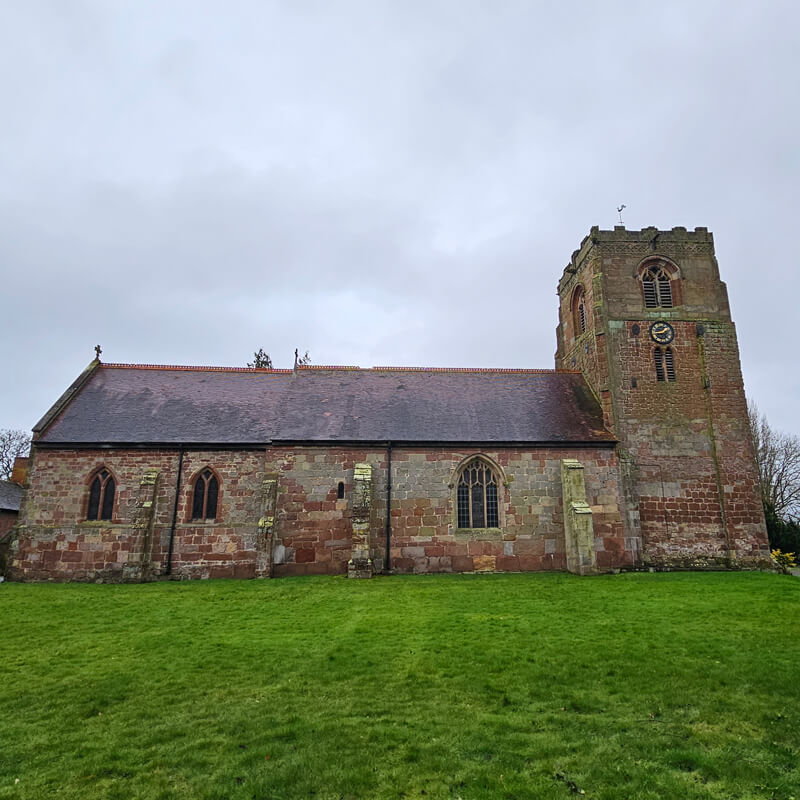
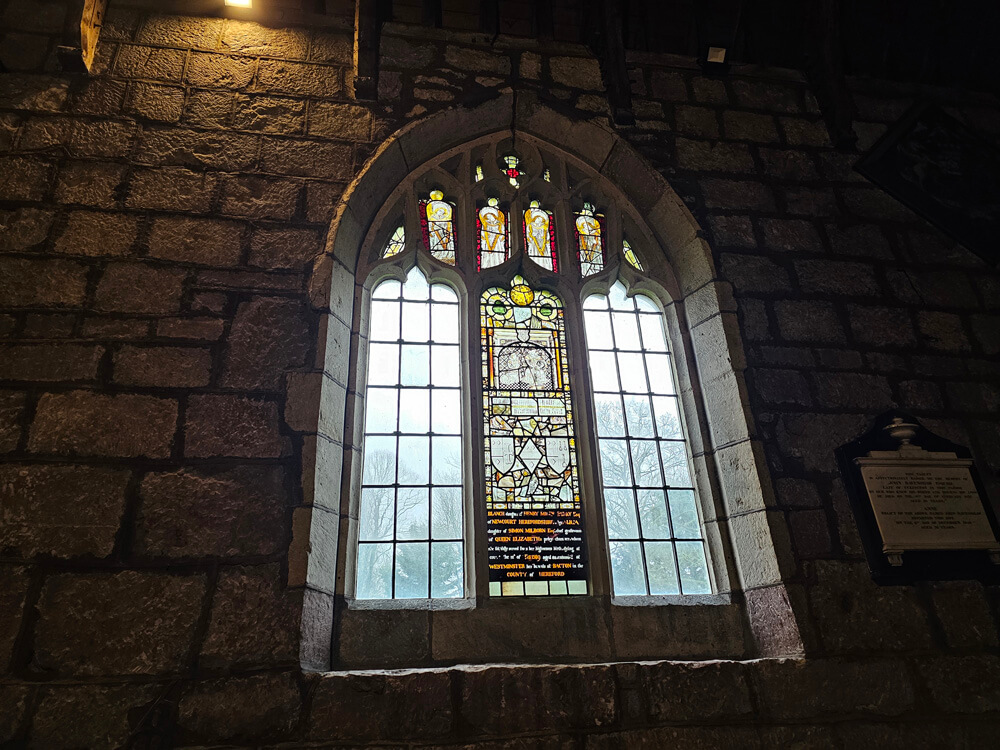
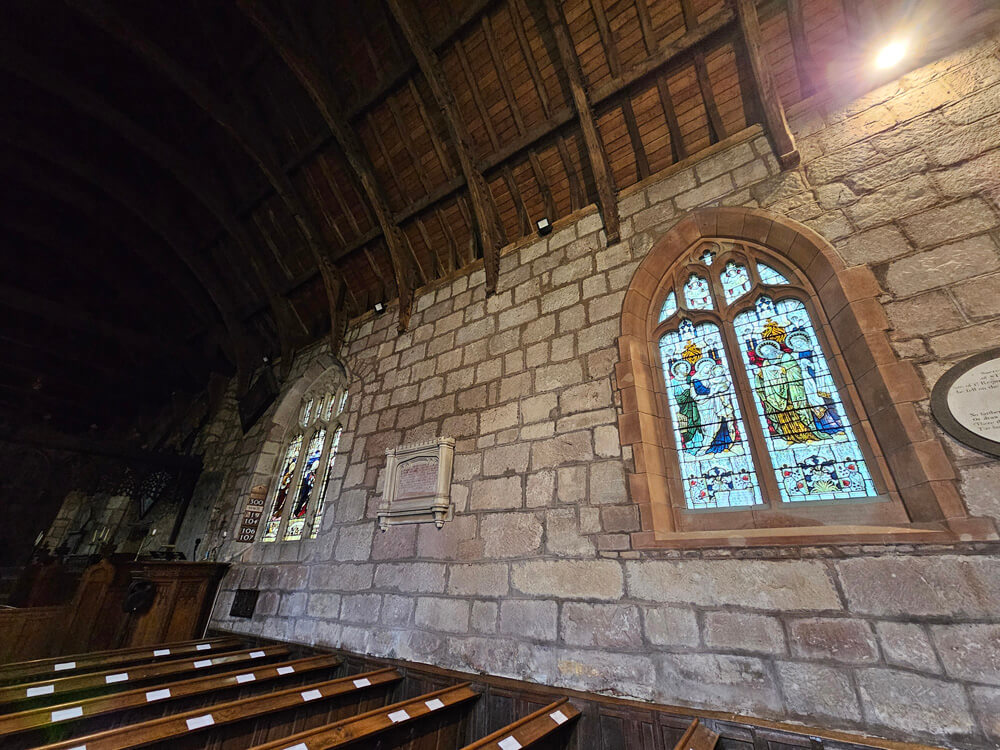
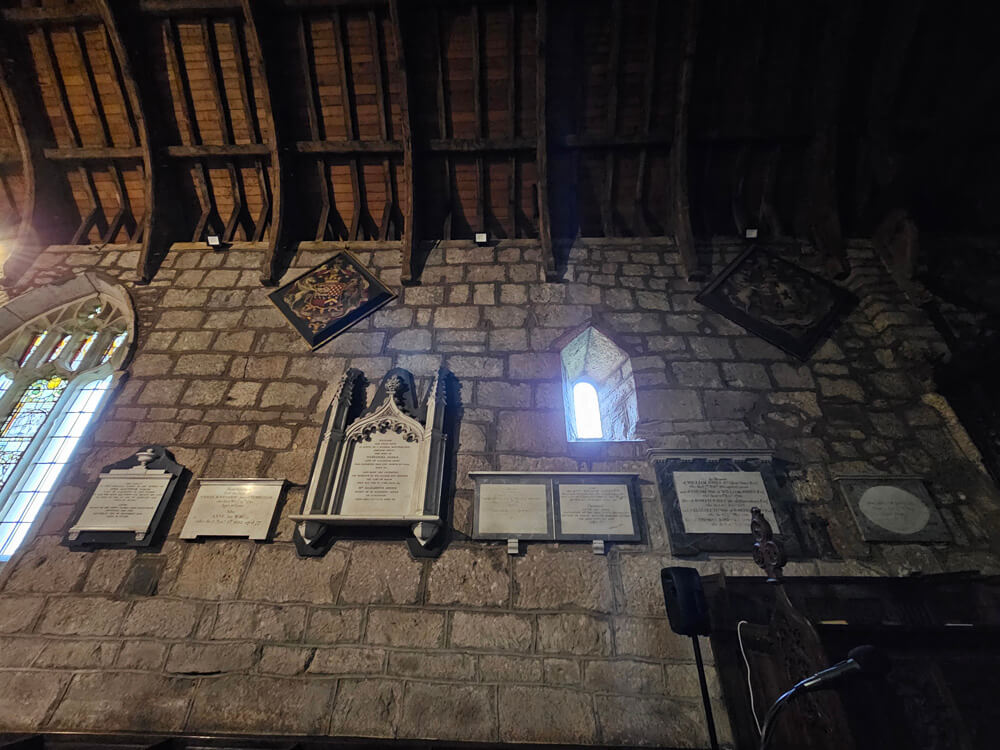
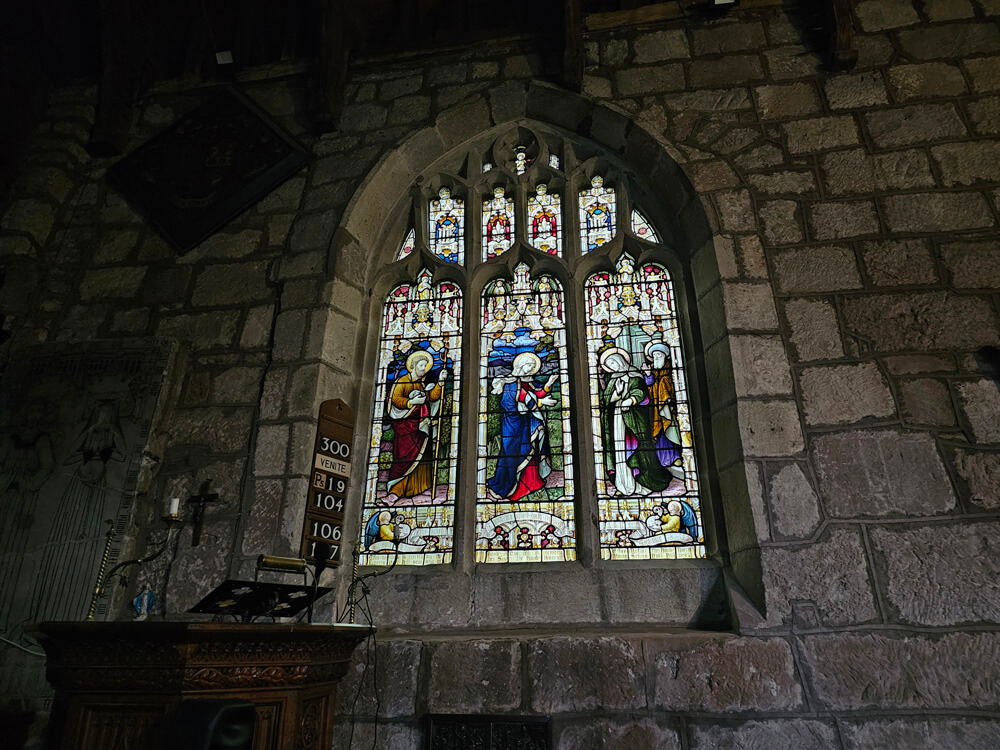
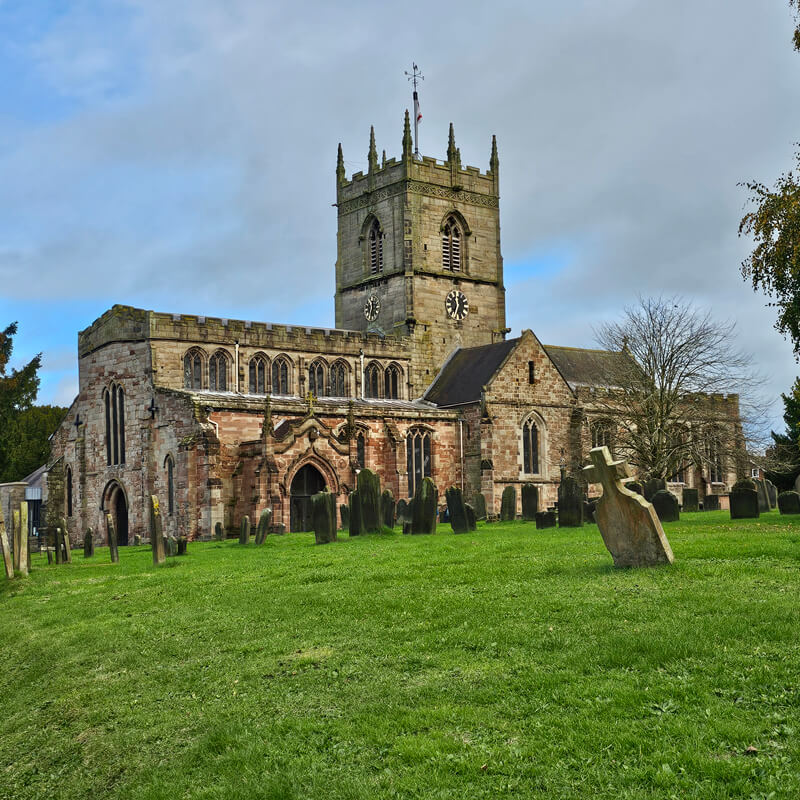
St Eata’s Church is in the picturesque village of Atcham, on the outskirts of Shrewsbury in Shropshire, England. The church is unique in being the only church in England dedicated to Saint Eata.
Saint Eata, also known as Eata of Lindisfarne and Eata of Hexham, was a 7th century Northumbrian priest and bishop. He was a gentle, peacful and saintly man, and greatly revered. He was amongst Saint Aidan’s first disciples at the holy island of Lindisfarne where he became a monk and a priest. He was bishop of Hexham for a time, and also bishop of Lindisfarne, being the first native of Northumbria to occupy the bishopric of Lindisfarne. He died c. 686.
A Church dedicated to St Eata has been in Atcham since the 8th Century, although there is no longer any trace of this.
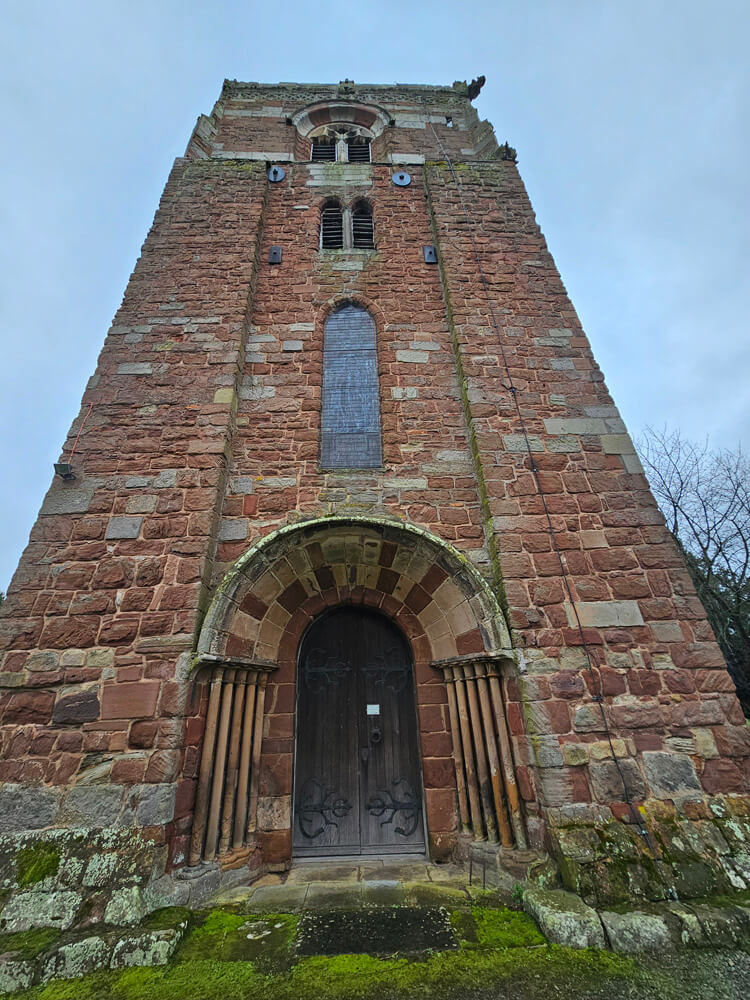
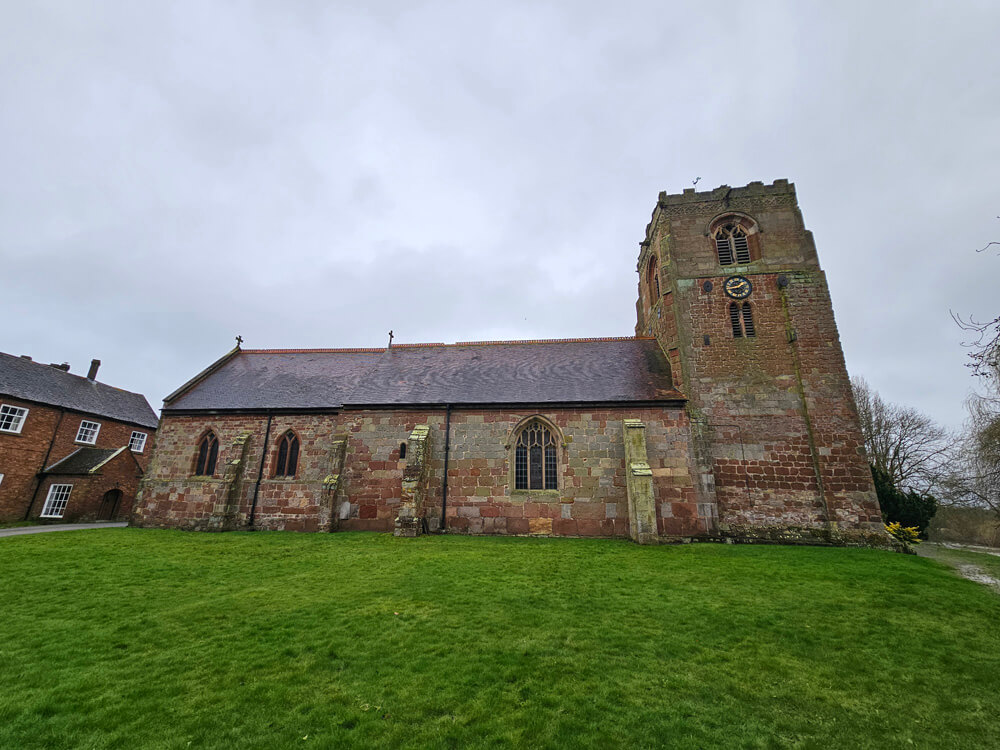
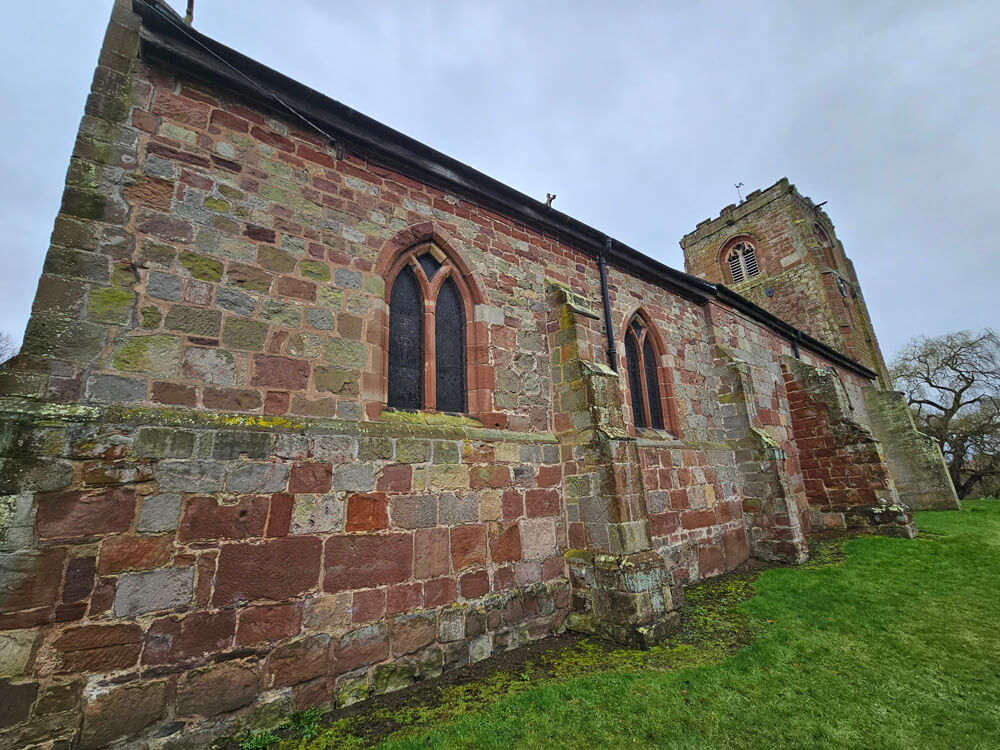
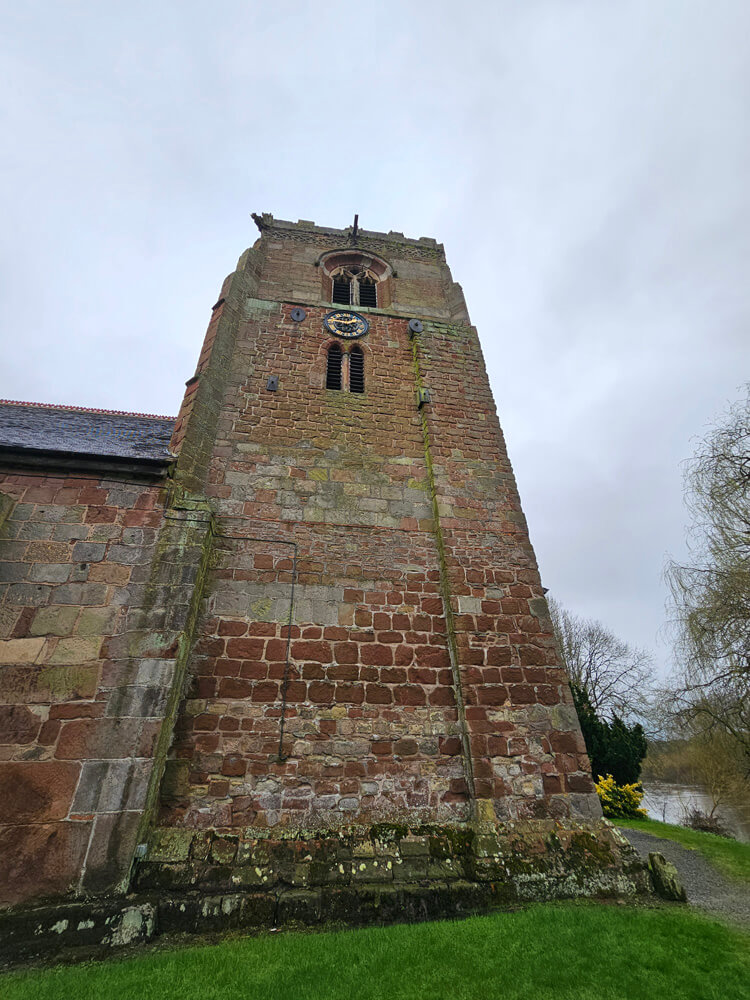
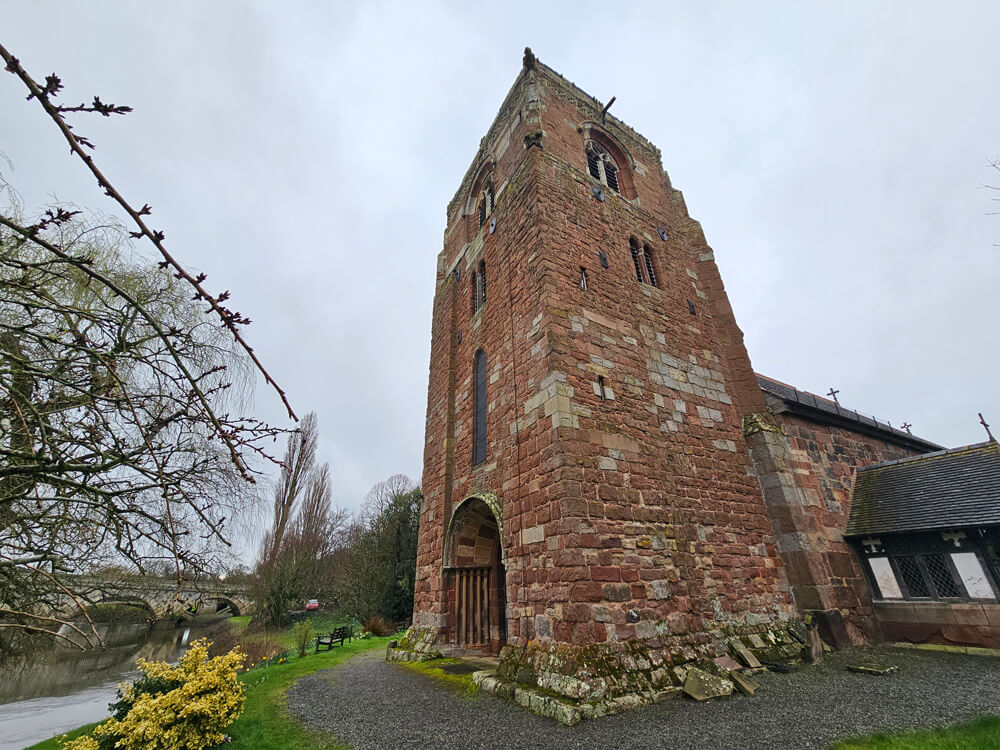
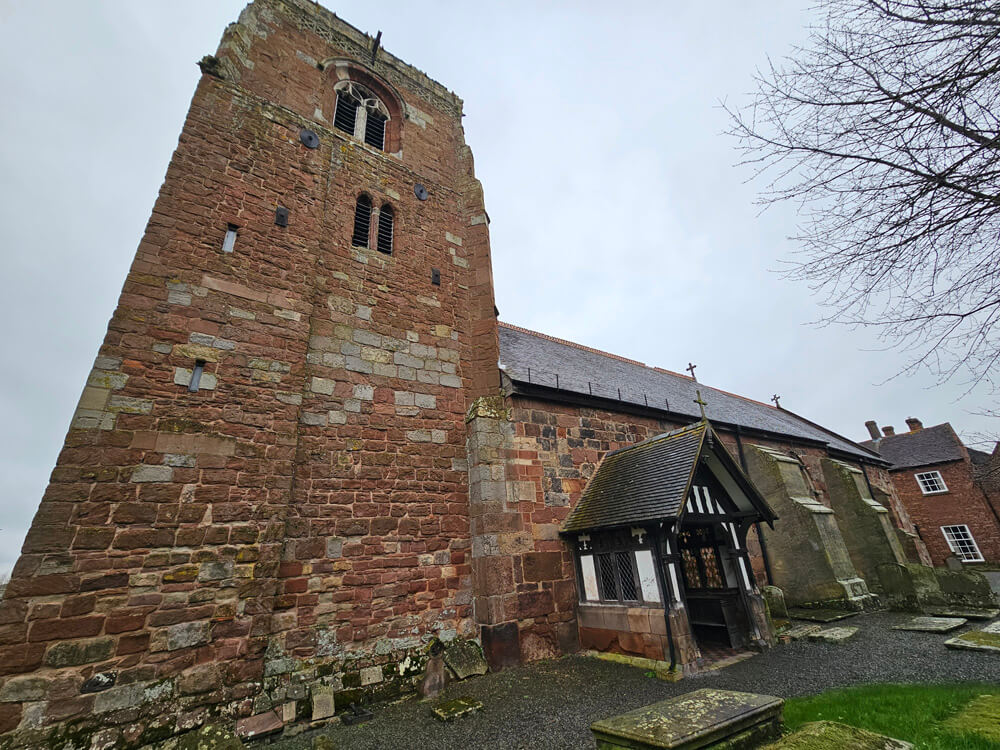
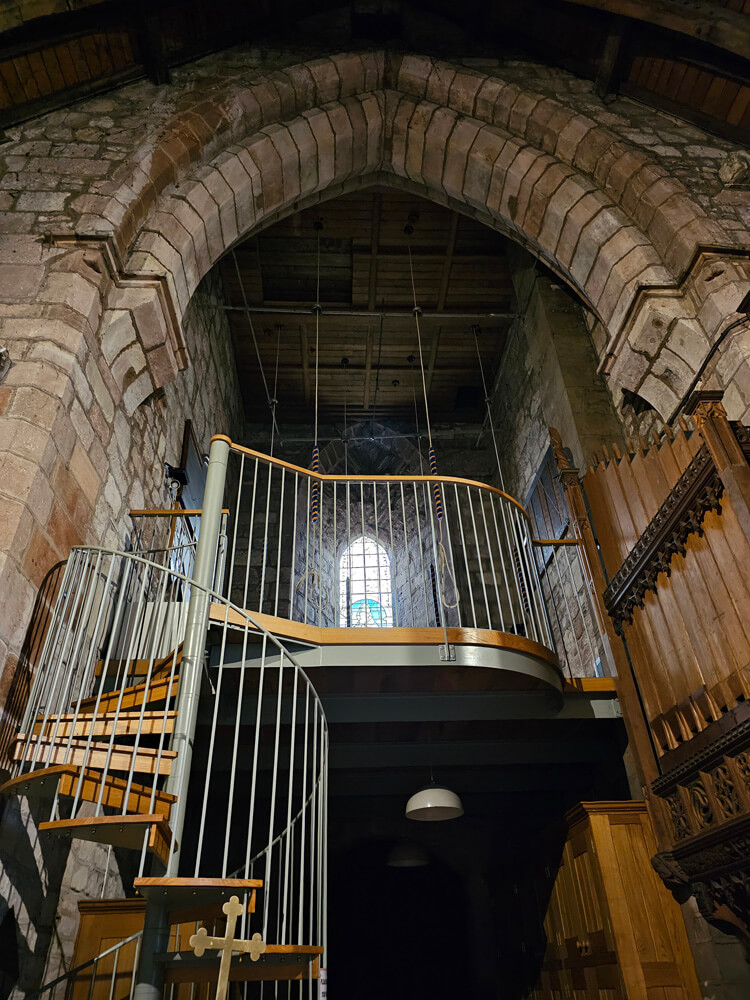
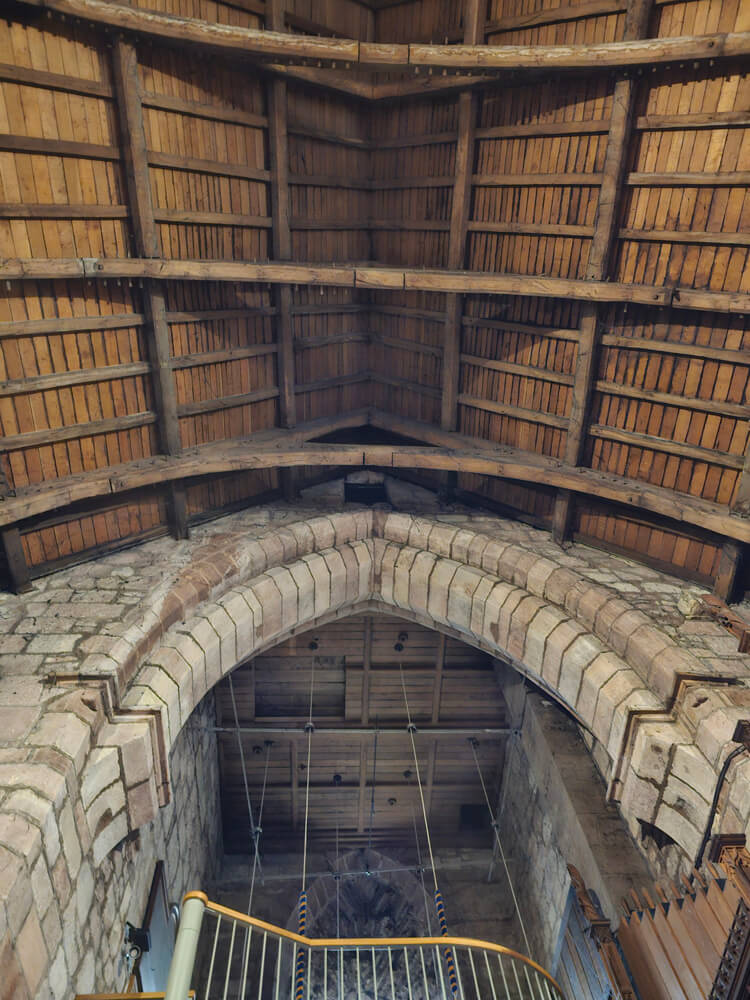
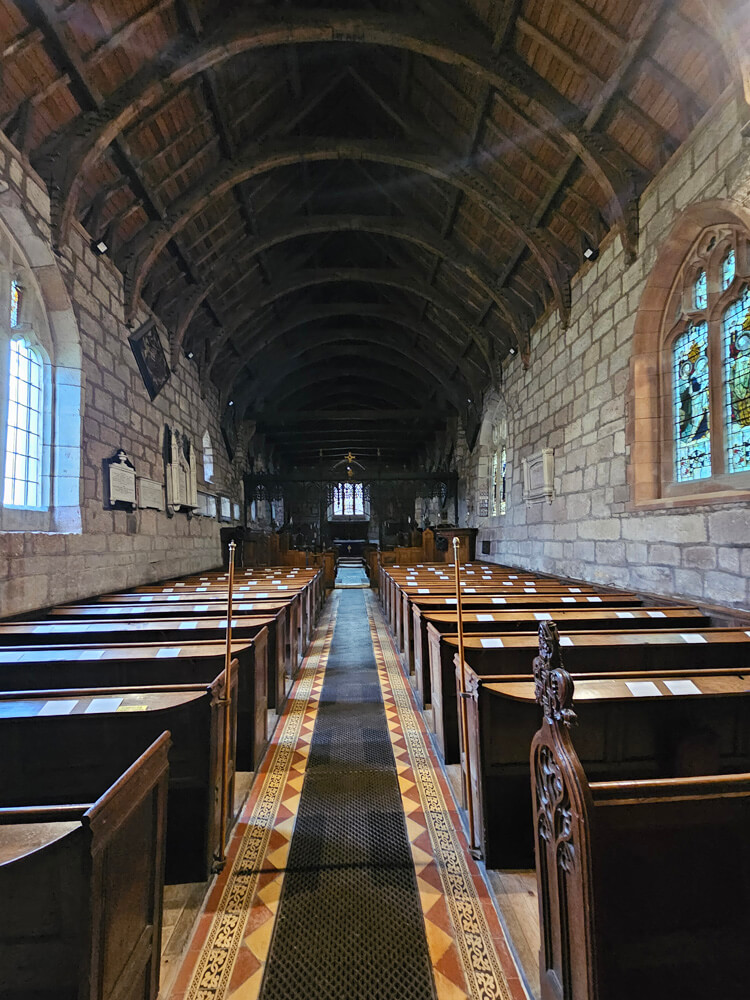
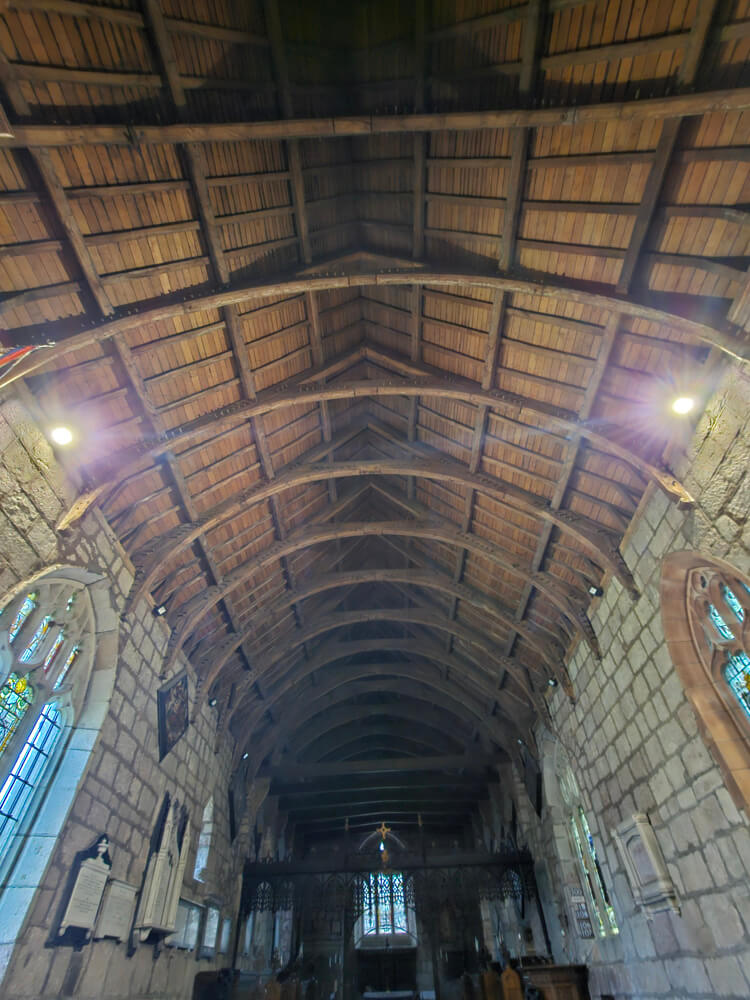
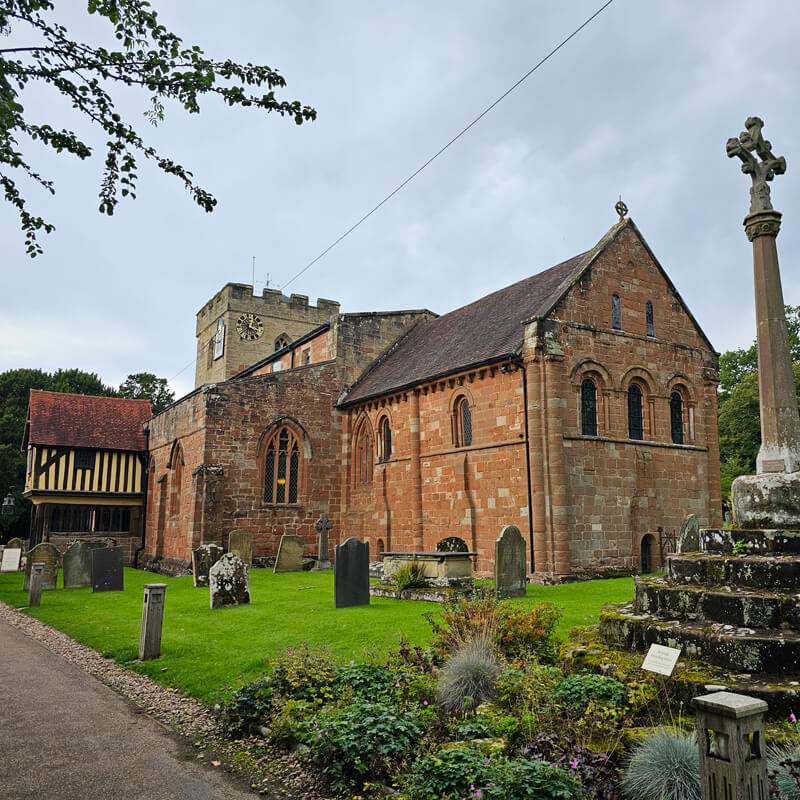
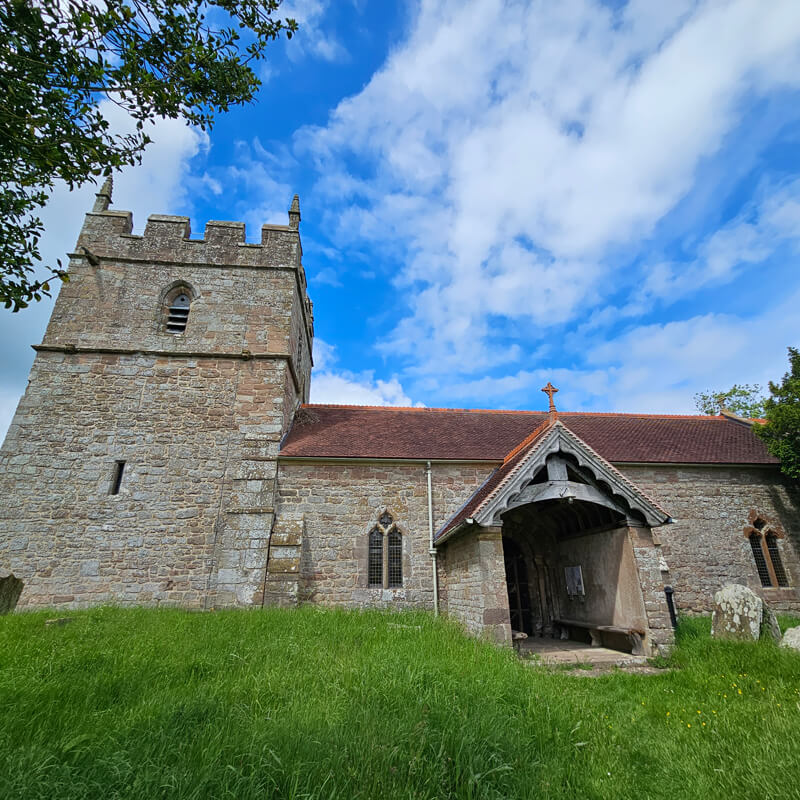
The present church building dates back to about the year 1075, and is built in the Norman / Gothic style. The building is constructed in red and grey sandstone, and includes a number of large re-used Roman stones which were originally from the Roman city of Wroxeter.
The oldest part of the present church is the central nave which dates from the late Saxon or the early Norman period. The clock tower is likely from the 12th century, the chancel from the 13th century, and a number of futher additions were made throughout the Middle Ages.
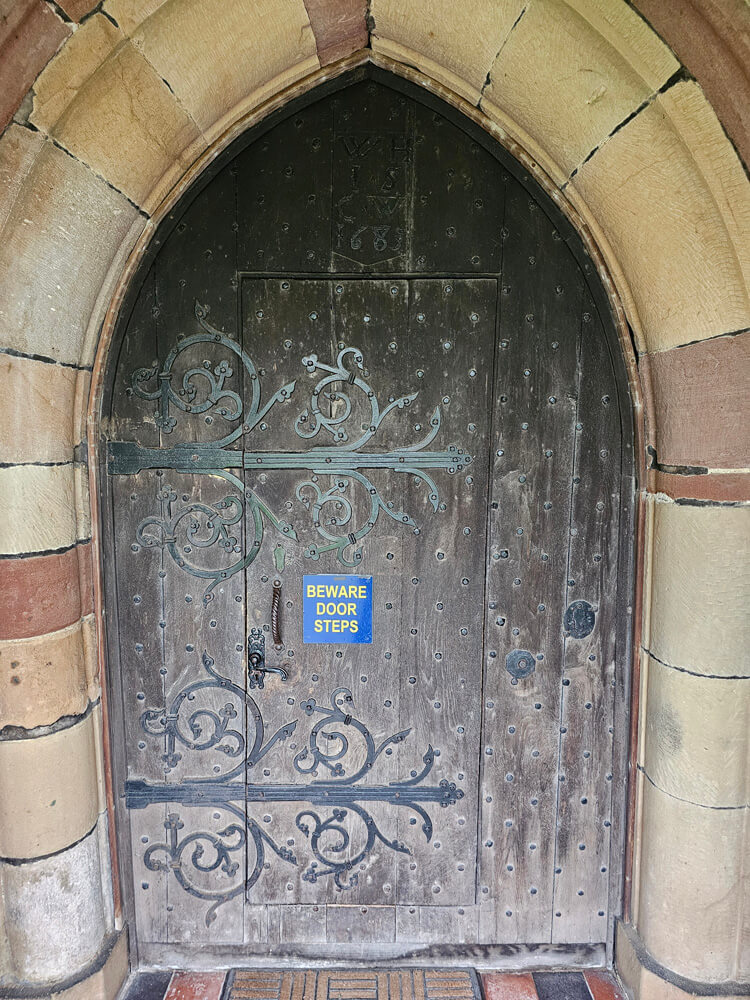
The south porch is dated 1665, and some restoration work was carried out in the Victorian era.
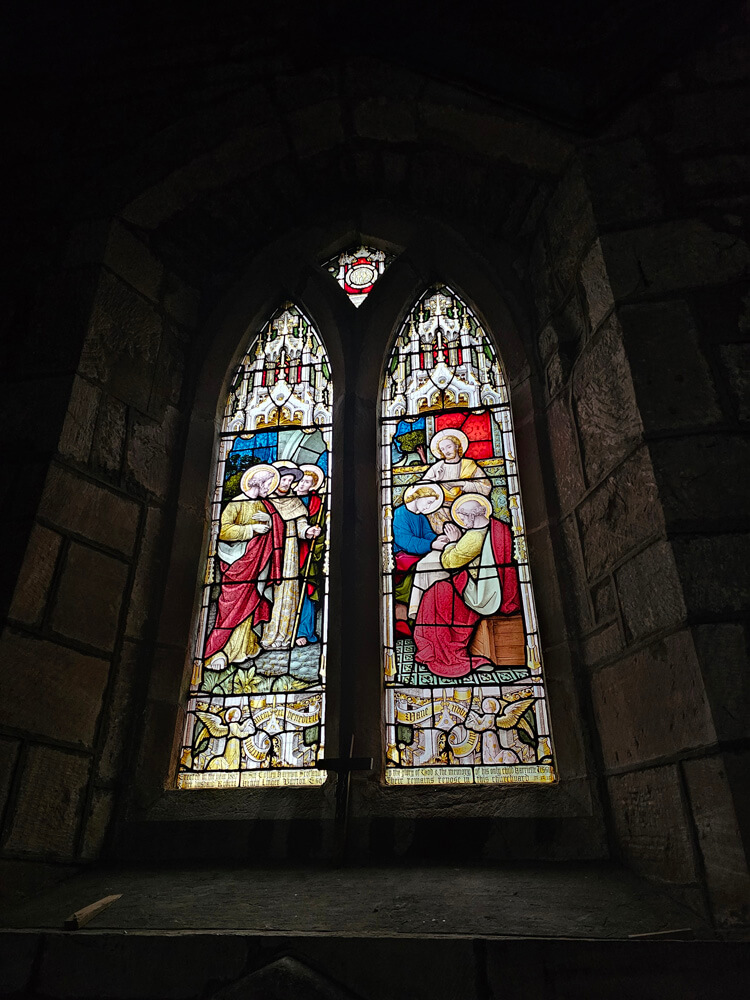
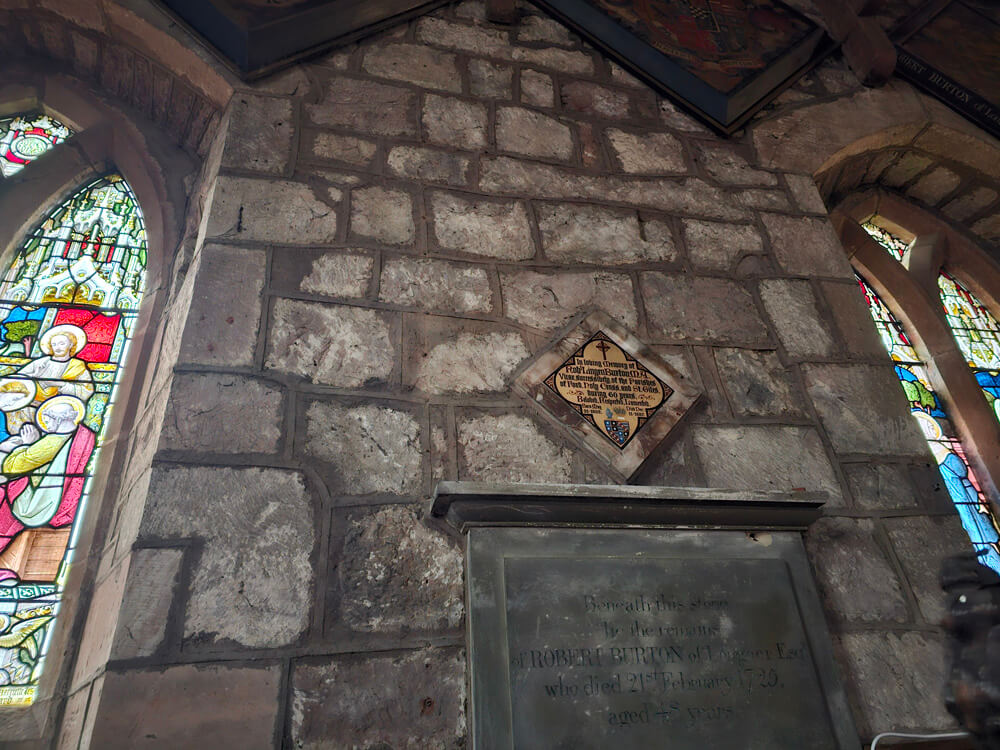
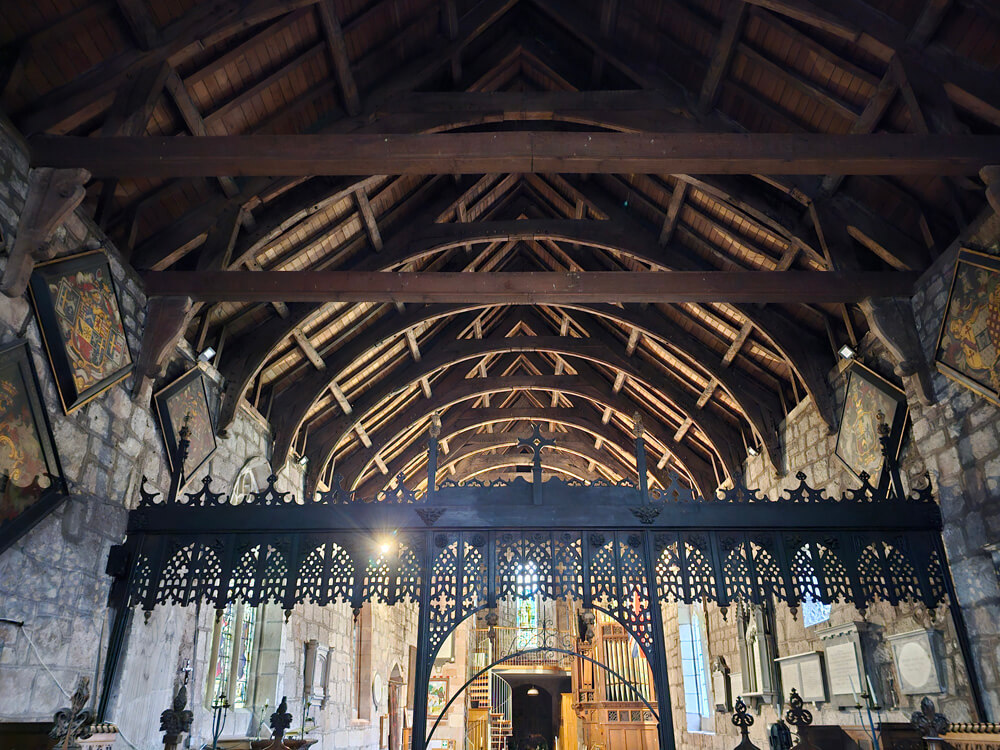
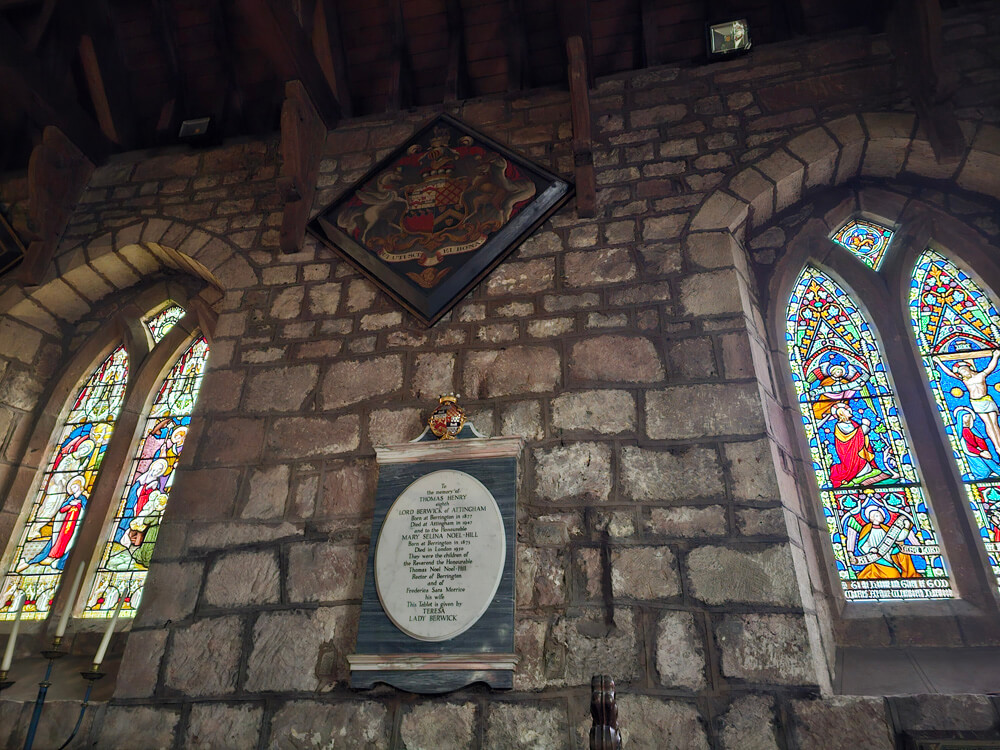
Photo Gallery.

Did you enjoy this post?
I hope you found this post useful. I put a great deal of time and effort in to building, maintaining and populating the website. If you like, you could say a small thank you by buying me a coffee. You don't have to, but it would be nice :)
Buy me a coffee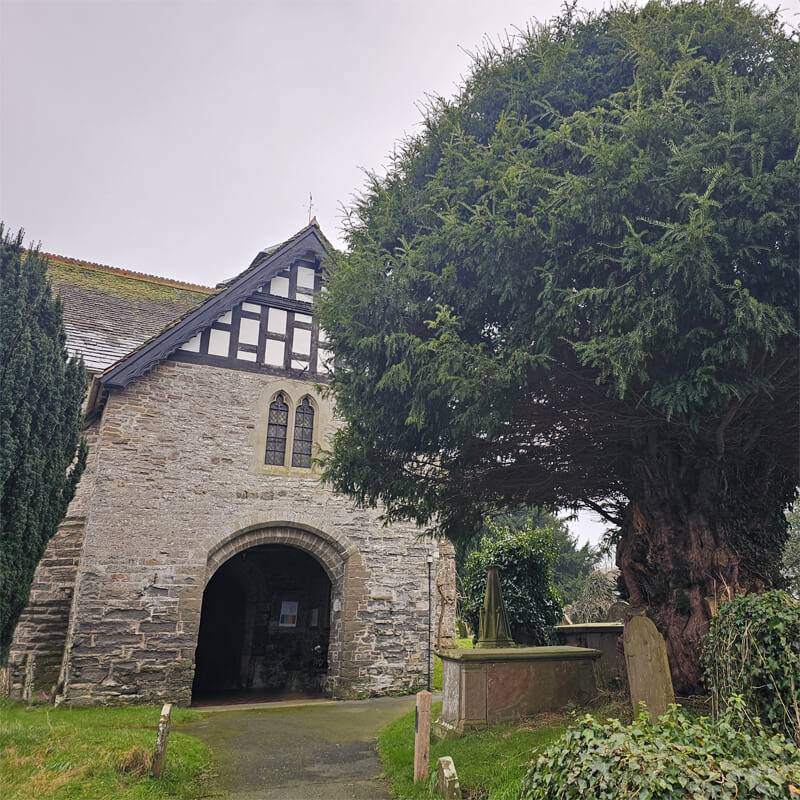
Stay up to Date
Follow me on my journey and get notified whenever a new post is published by following Kings & Castles on Facebook.
Follow MeExplore The Map
Discover the hundreds of castles, churches, monasteries, cathedrals and other historic locations that I've personally visited across England and Wales. Search by location, explore nearby sites and plan your next historical adventure.
Share: