Basingwerk Abbey
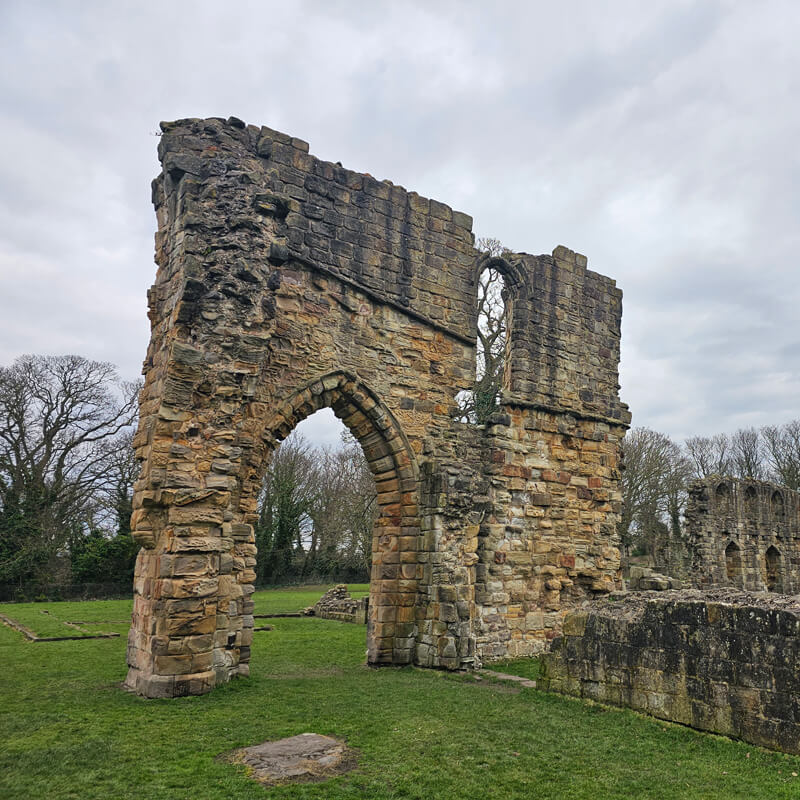
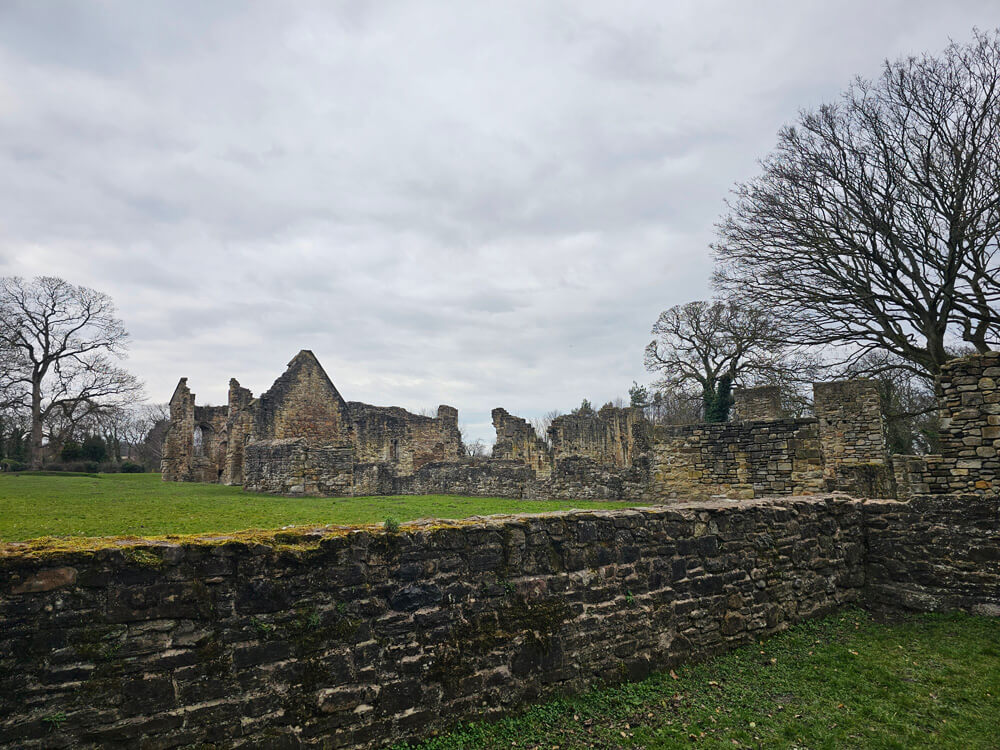
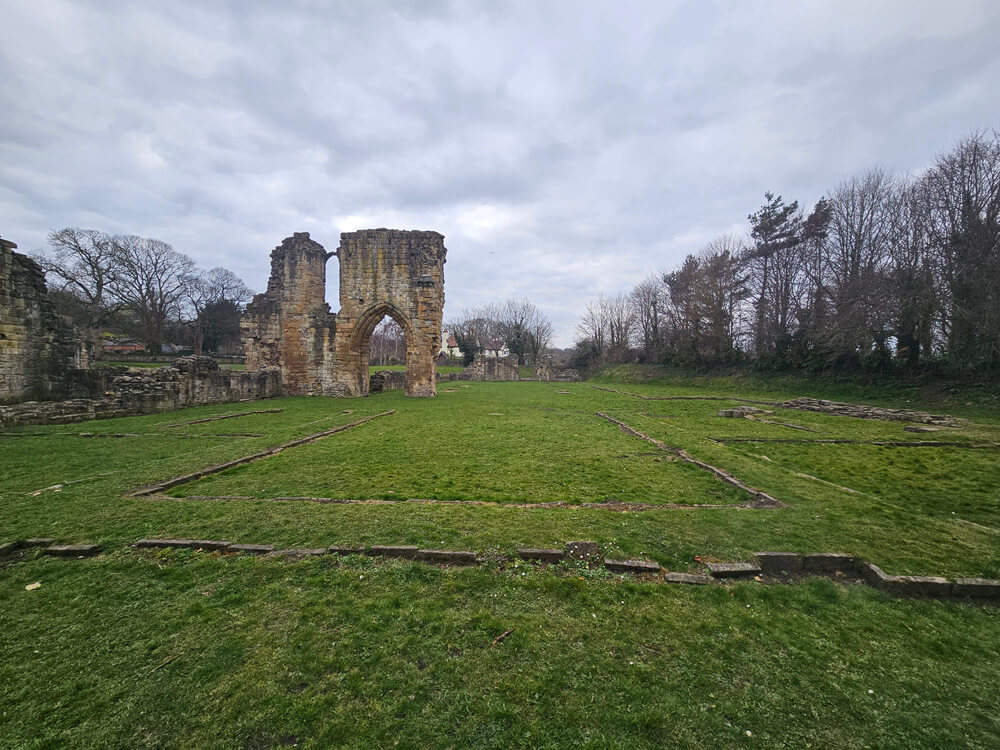
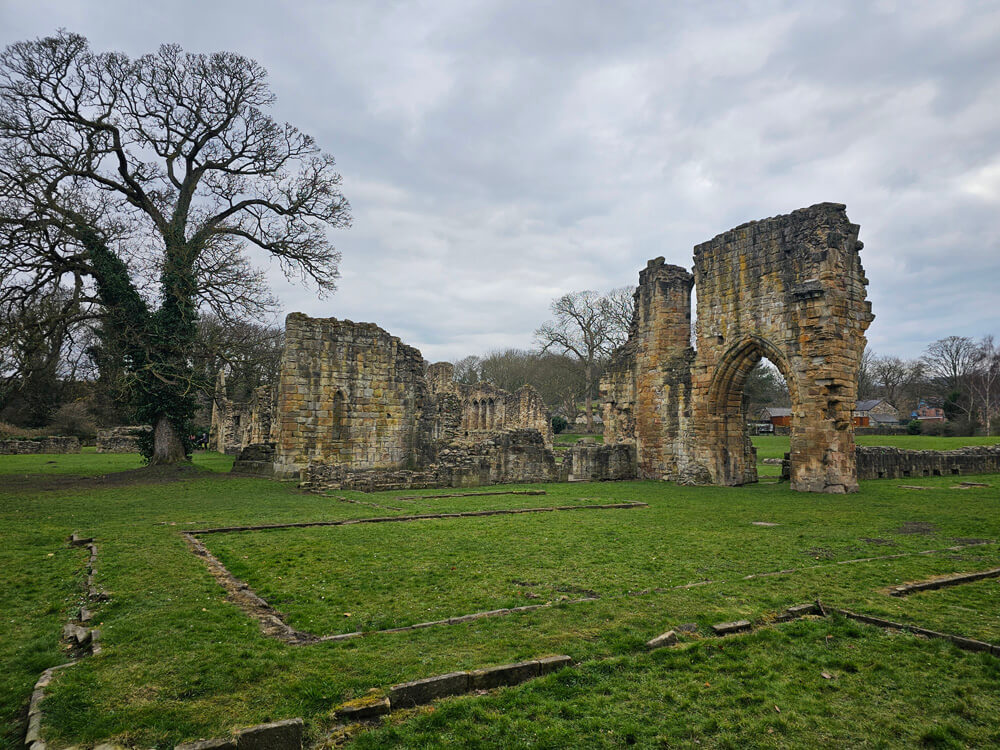
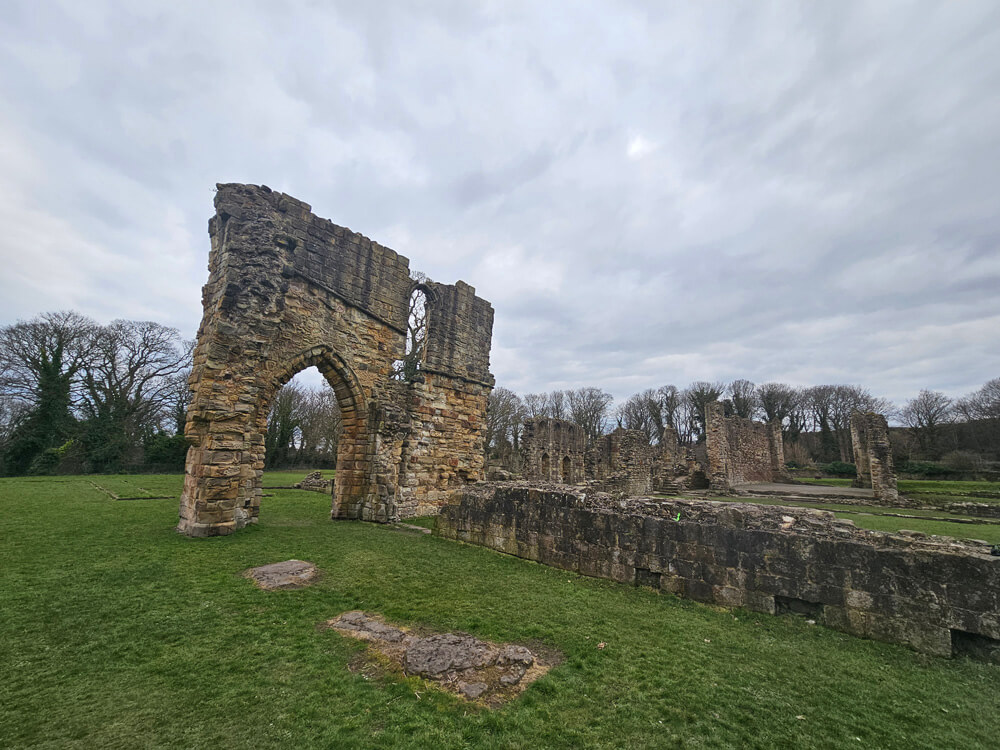
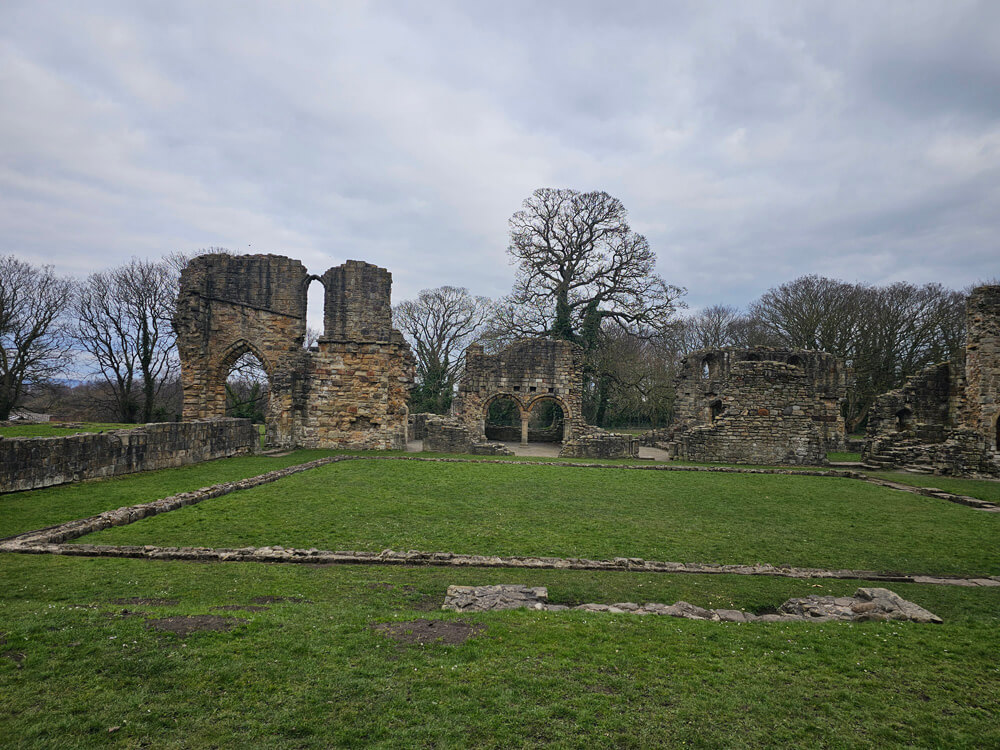
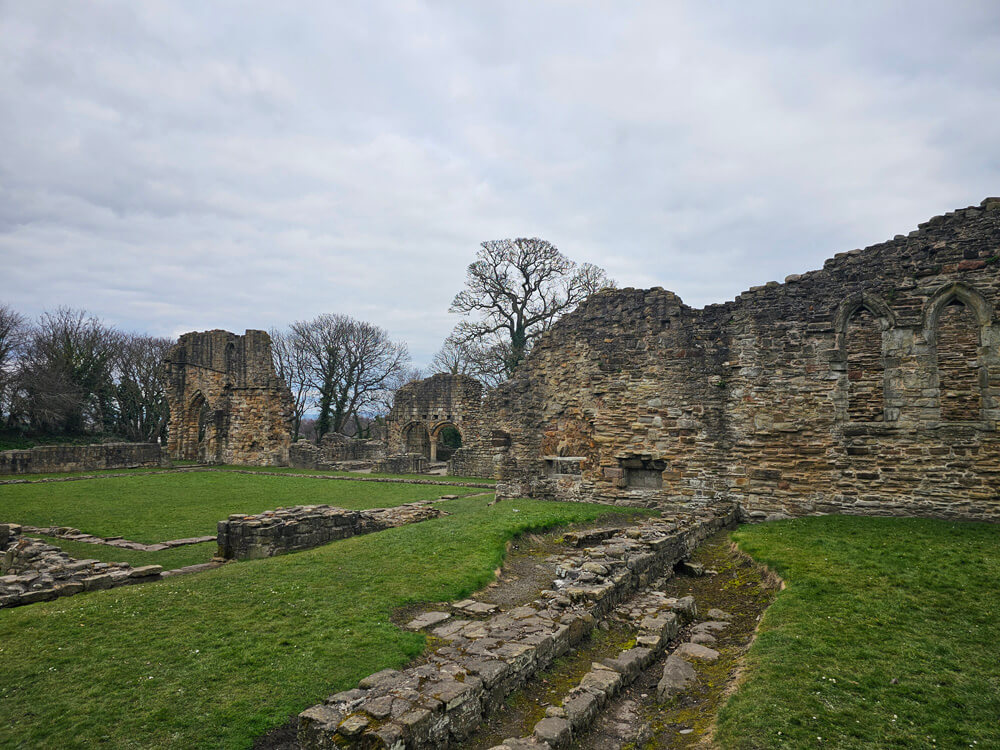
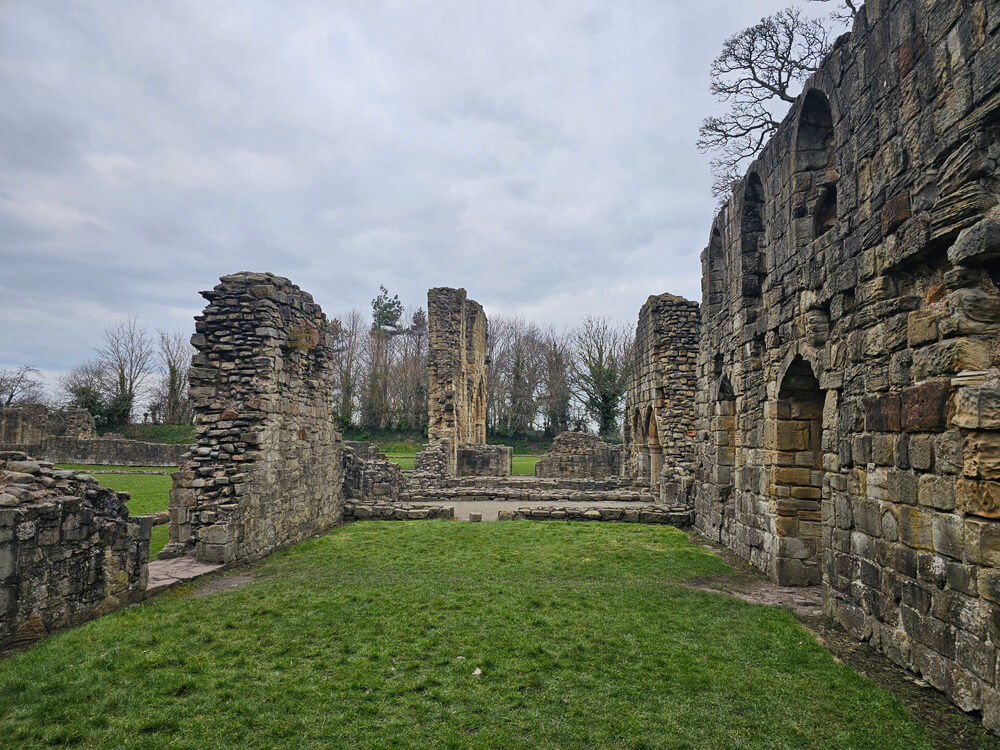
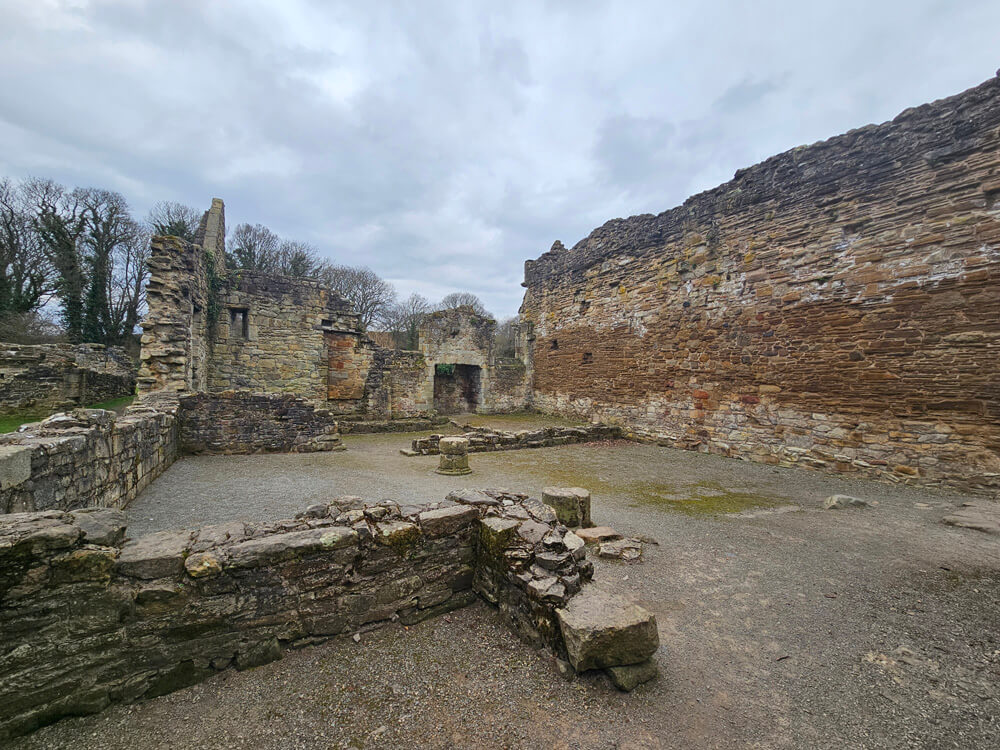
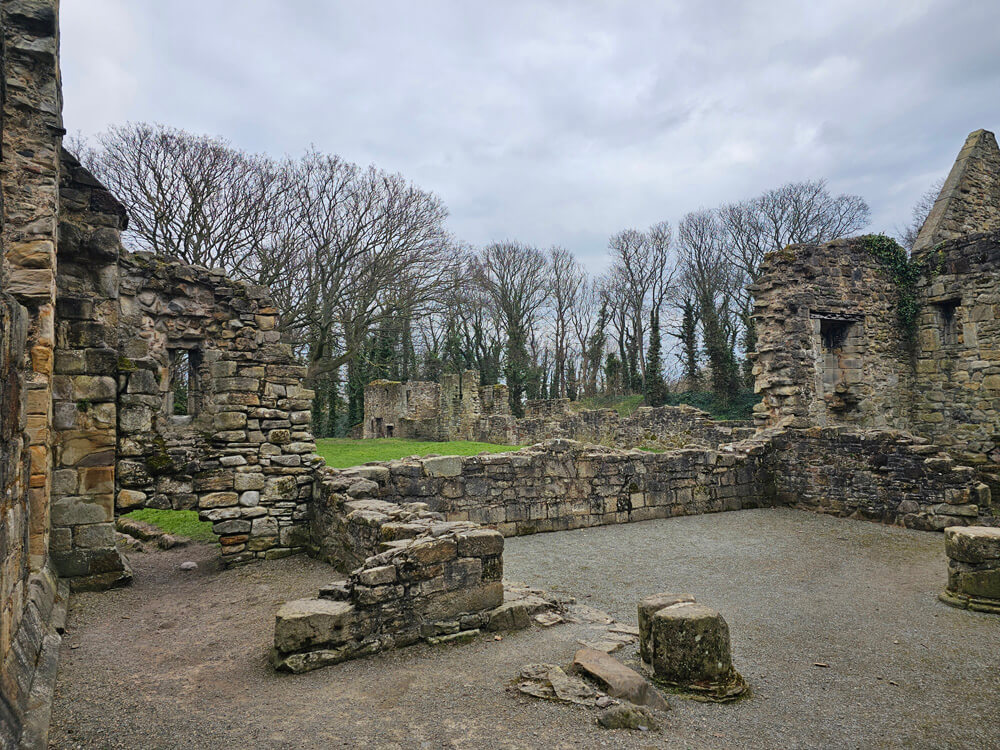
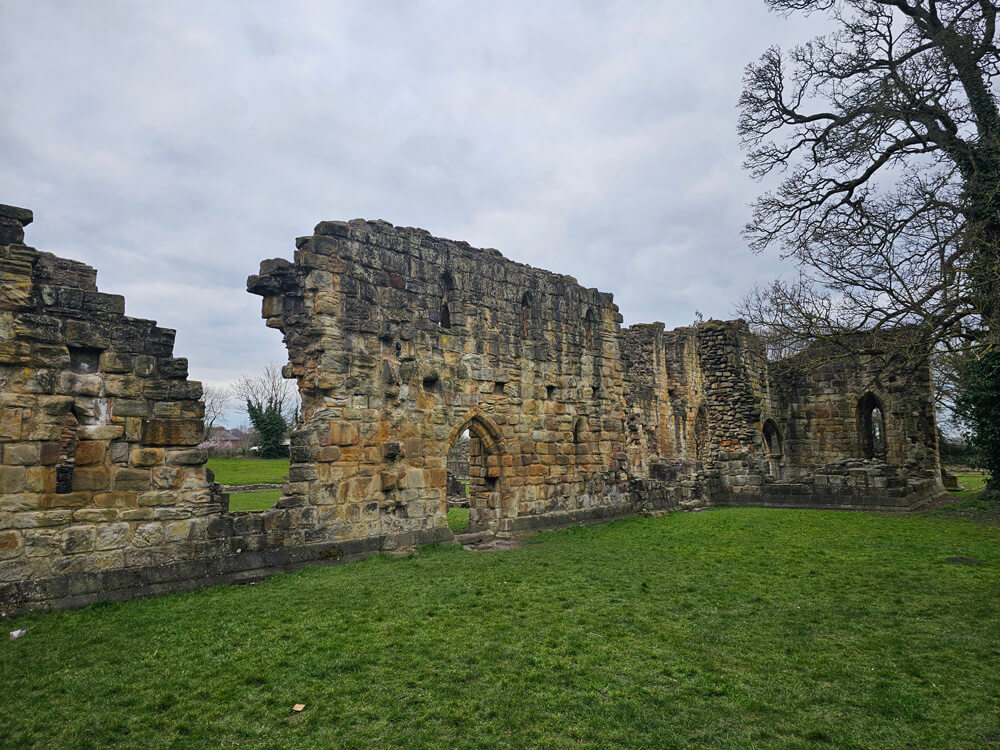
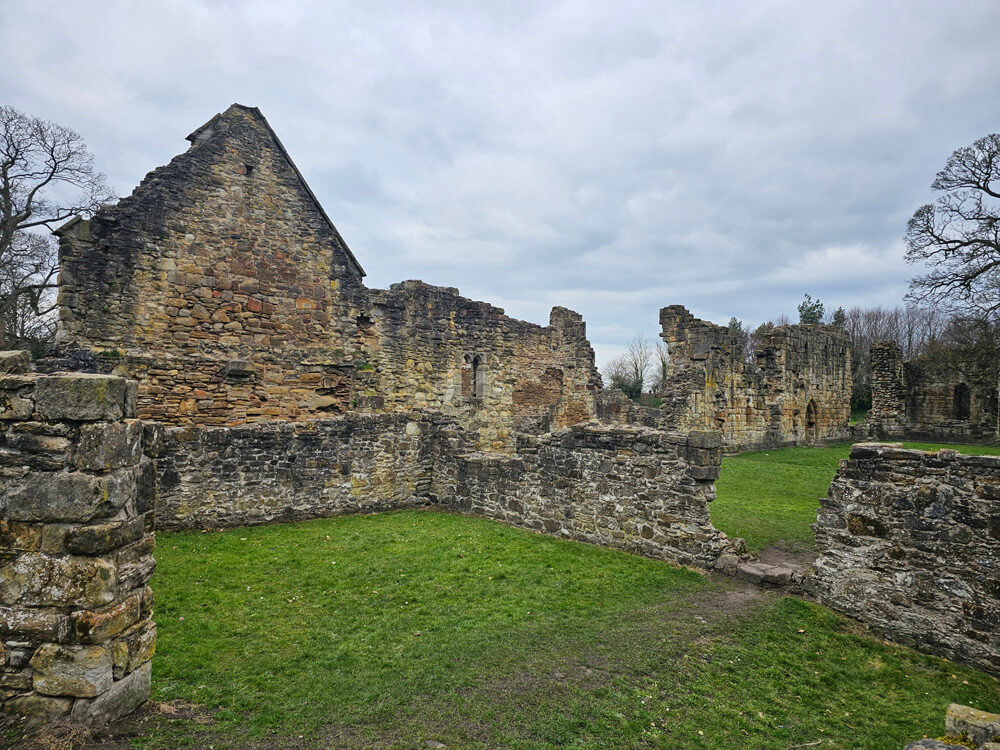
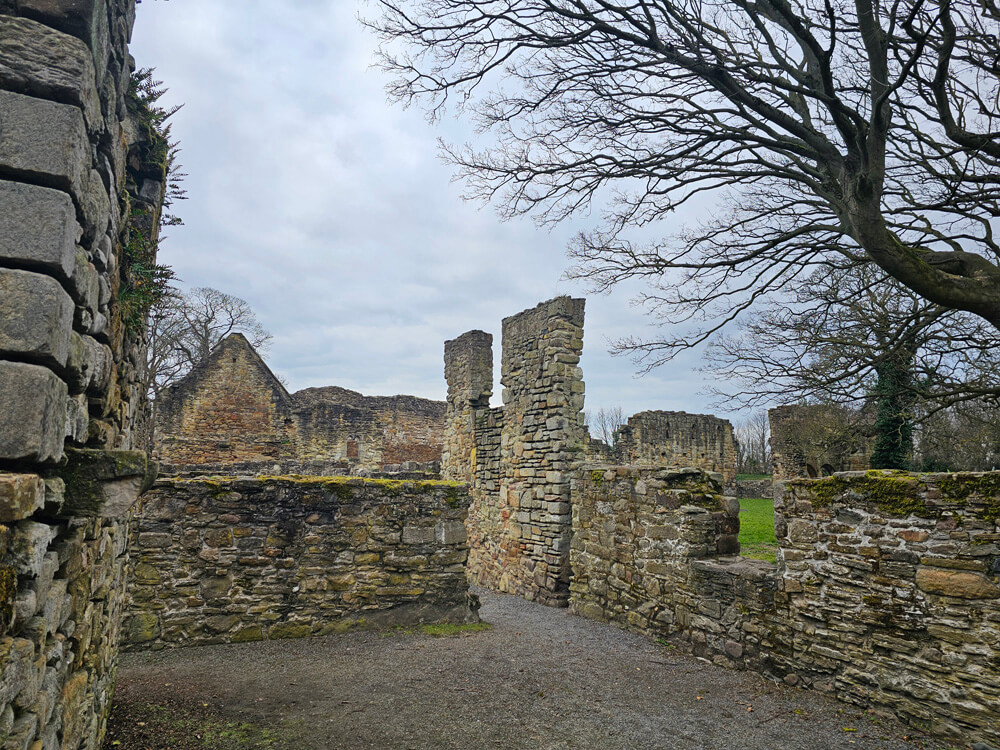
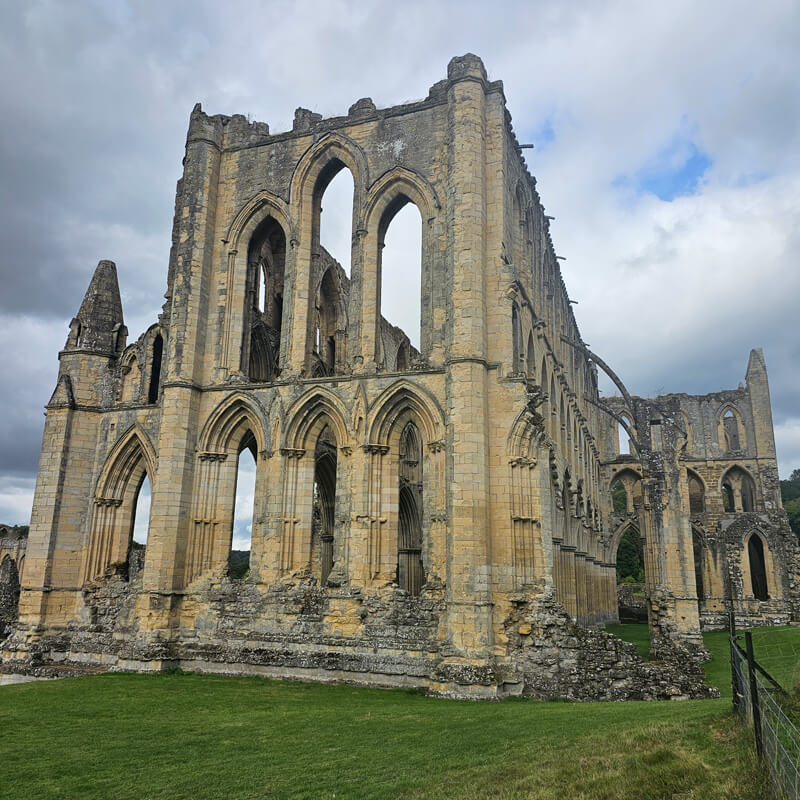
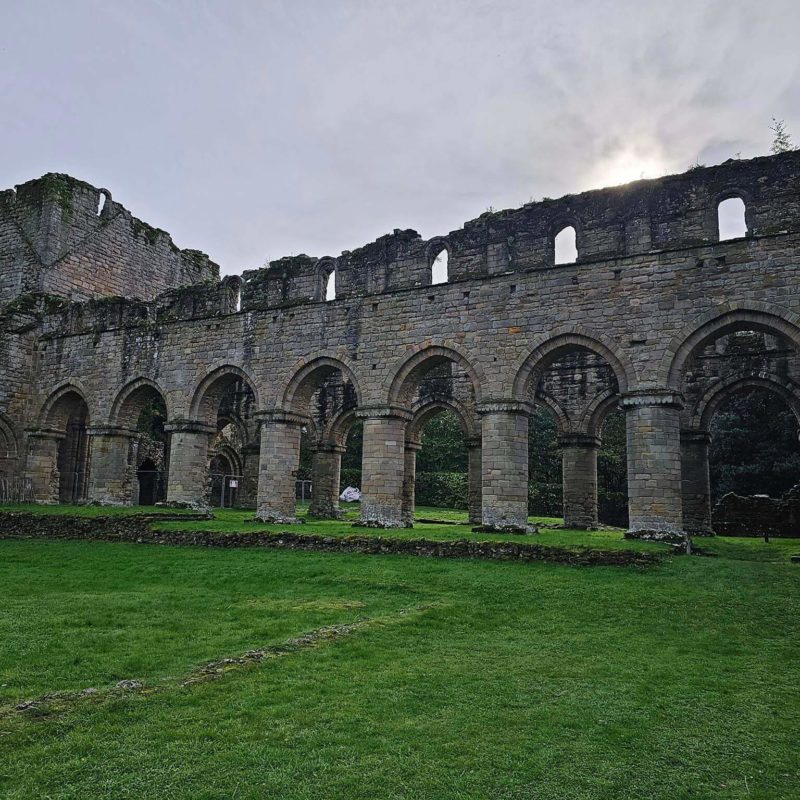
Basingwerk Abbey is a ruined 12th-century abbey near Holywell, Flintshire, Wales. For almost 400 years it was the home and workplace of monks of the Cistercian Order until it was suppressed by Henry VIII in 1536. Today, The imposing ruins are the start point for the North Wales Pilgrim’s Way, a long-distance walking route that stretches all the way to Bardsey, the ‘Island of 20,000 Saints’.
Quick
Facts.
- Location: Holywell, Flintshire, Wales
- Founded: c. 1131/1132
- Founder: Ranulf II, Earl of Chester
- Religious order: Cistercian
- Dissolved: 1536
- Condition: Ruined
A Bit of History…
Basingwerk Abbey was founded in either 1131 or 1132 under the Savignac Order by Ranulf de Gernon, 4th Earl of Chester, as a daughter house of Savigny Abbey in Normandy. The abbey became part of the Cistercian Order in 1147 when the Savignac Order merged with the Cistercians, at which time Basingwerk became a daughter house of Buildwas Abbey in Shropshire.
The monastery was originally sited at a place known as Basingwerk, a few miles away from its current site. It was moved to its current location by about 1157, bringing its name with it to the present site. In medieval times, the area around the abbey was mostly woodland, and Holywell as a town didn’t really exist yet. There were a few cottages made from wood with thatched roofs, inns, a church, chapel and a holy well.
By the 13th century the abbey was extensively remodelled and was under the patronage of Llywelyn the Great, Prince of Gwynedd. His son Dafydd ap Llywelyn gave nearby St Winefride’s Well to the abbey, and it is said that the monks of Basingwerk were the first to harness the power of the holy well and its stream, which gave its name to the town, Holywell.
The monks of Basingwerk sided with the English in Edward I‘s late 13th-century conquest of Wales. The abbey provided a chaplain for Flint Castle, one of the first castles built in Wales by Edward I, for which they were rewarded with permission to hold a market and fair at Holywell.
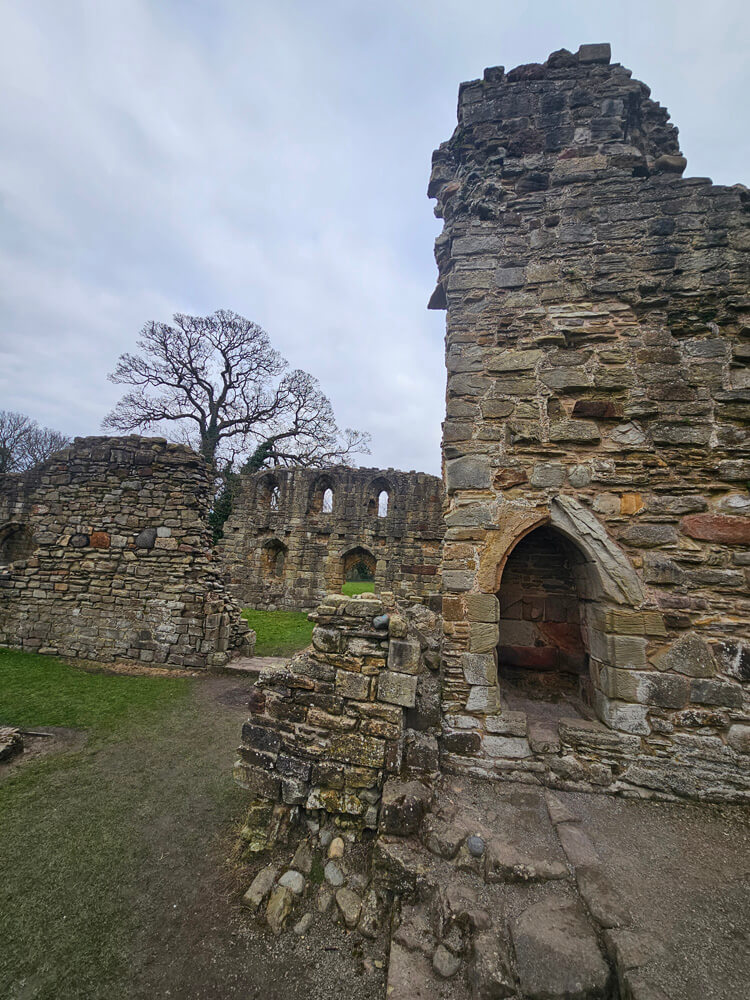
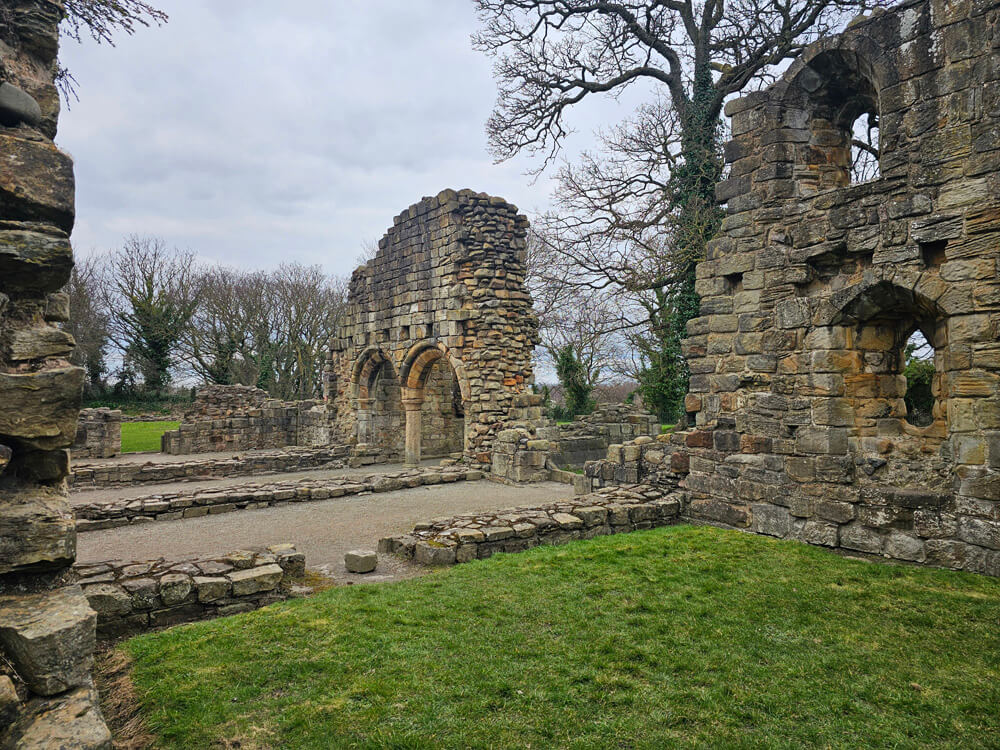
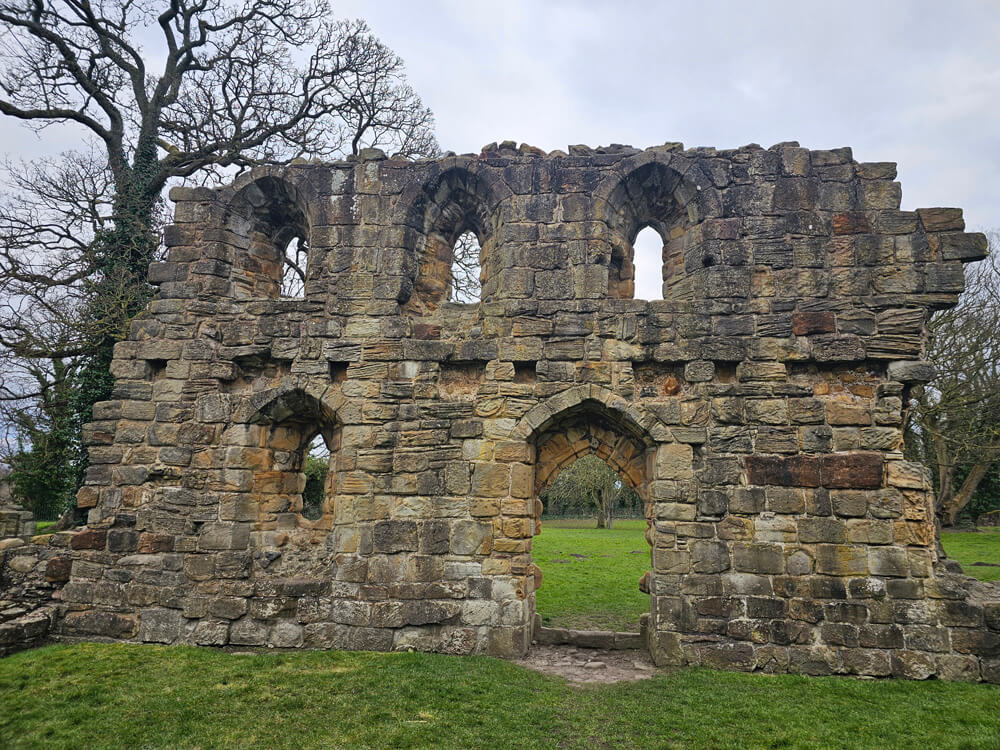
By the 15th century the abbey had become quite prosperous, owning extensive lands and estates. But then in 1536, Basingwerk Abbey was suppressed as a result of Henry VIII‘s Dissolution of the Monasteries. The monks were forced to leave, the buildings and assets were sold and partly demolished to prevent the monks returning, and over the years the remaining ruins were robbed for its stone.
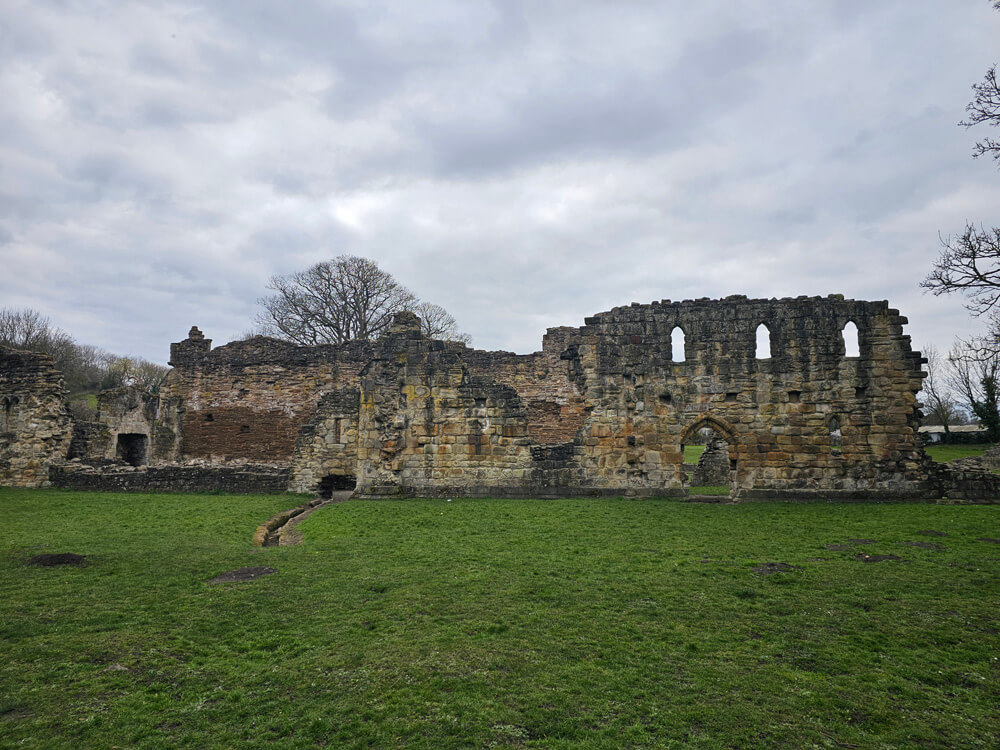
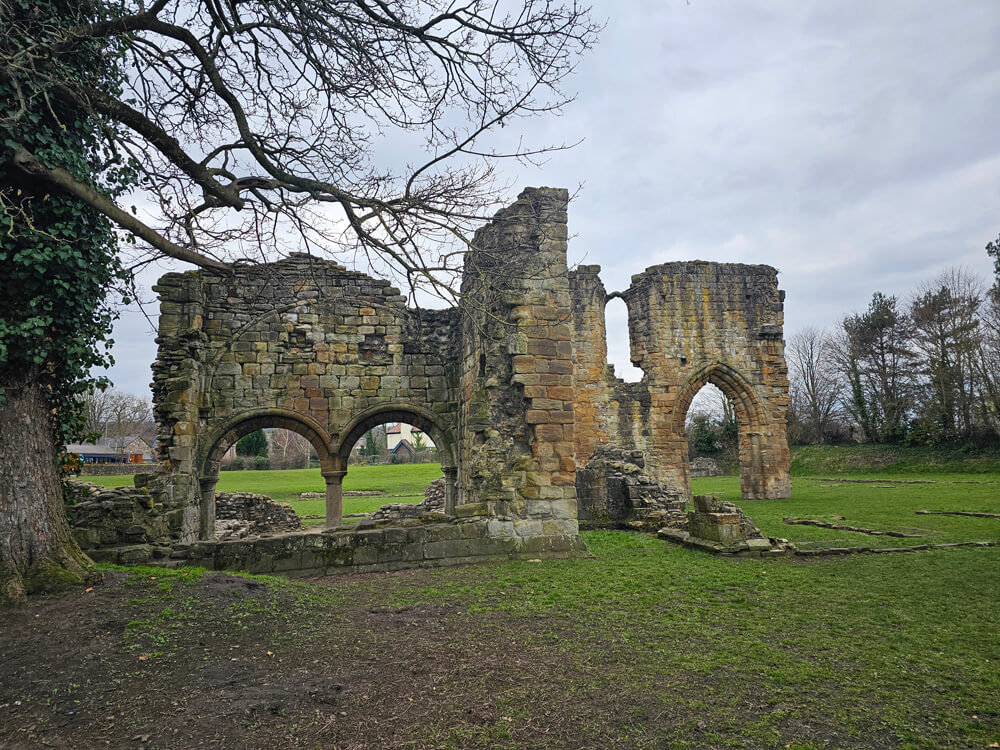
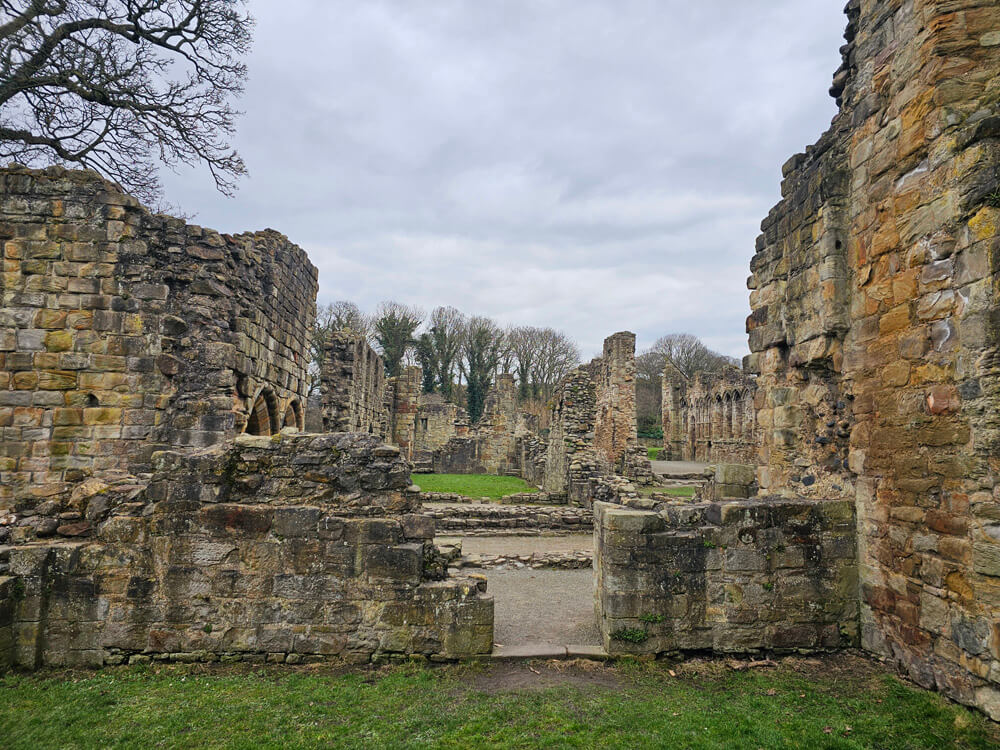
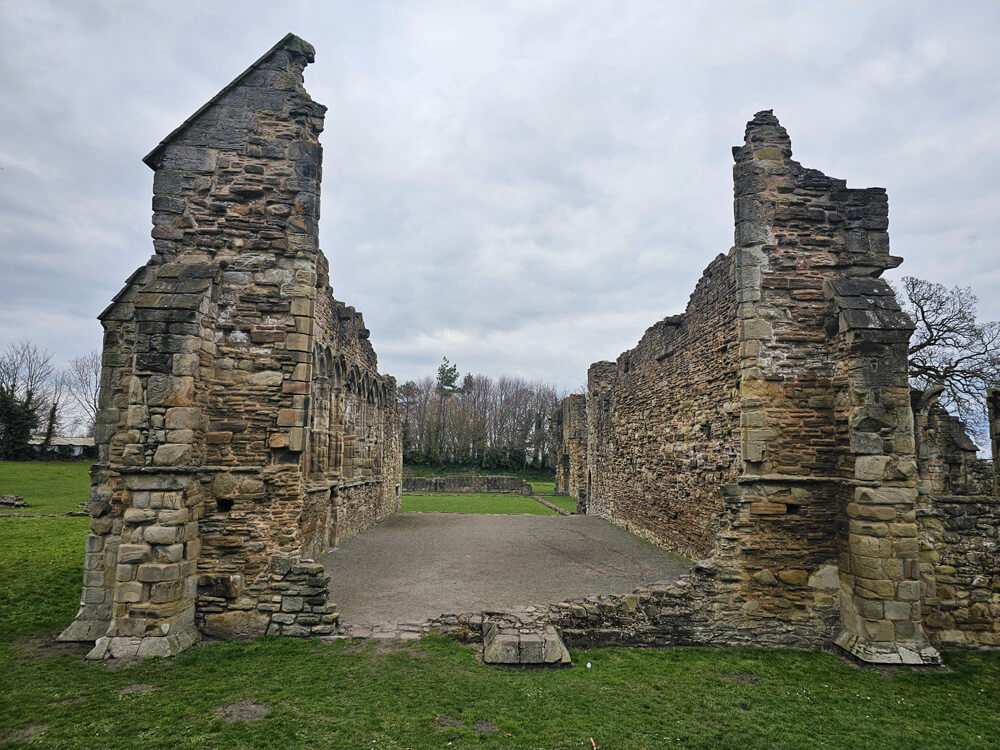
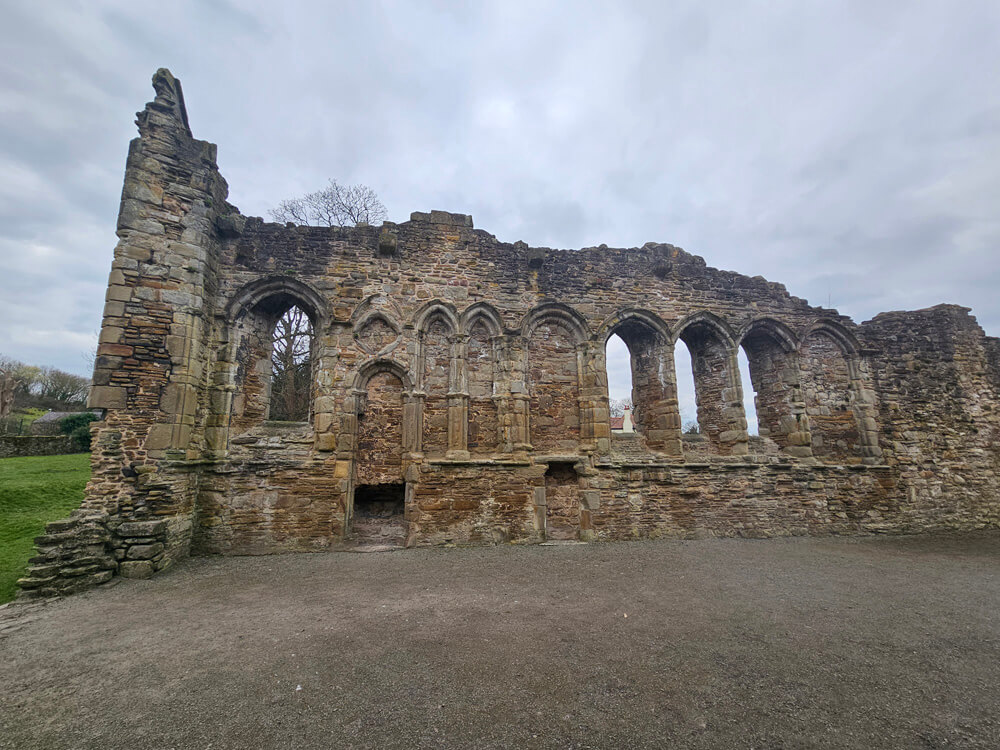
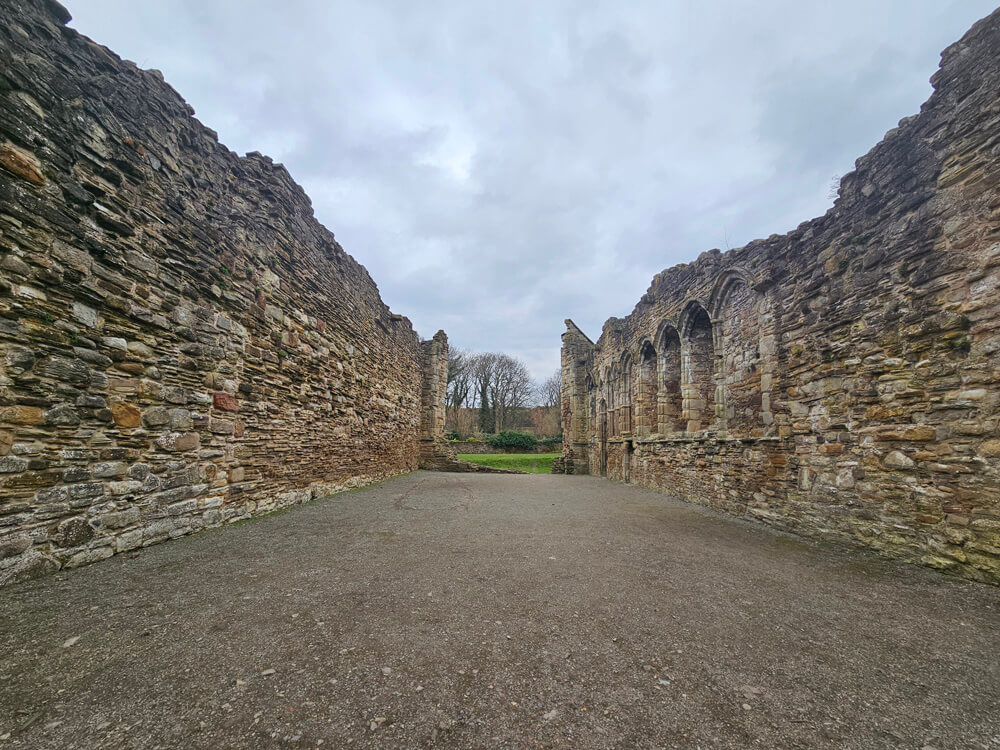
The oldest part of the abbey ruins is the 12th-century chapter house, with remains of the benches where monks sat for daily readings. Much of the surviving fabric, including the church, dates from the early 13th century, when the buildings were refurbished and extended. The most impressive surviving room is the monks’ dining hall on the south side of the cloister, also dating from the 13th century.
Photo Gallery.
Did you enjoy this post?
I hope you found this post useful. I put a great deal of time and effort in to building, maintaining and populating the website. If you like, you could say a small thank you by buying me a coffee. You don't have to, but it would be nice :)
Buy me a coffee
Stay up to Date
Follow me on my journey and get notified whenever a new post is published by following Kings & Castles on Facebook.
Follow MeExplore The Map
Discover the hundreds of castles, churches, monasteries, cathedrals and other historic locations that I've personally visited across England and Wales. Search by location, explore nearby sites and plan your next historical adventure.
Share: