Kirkstall Abbey
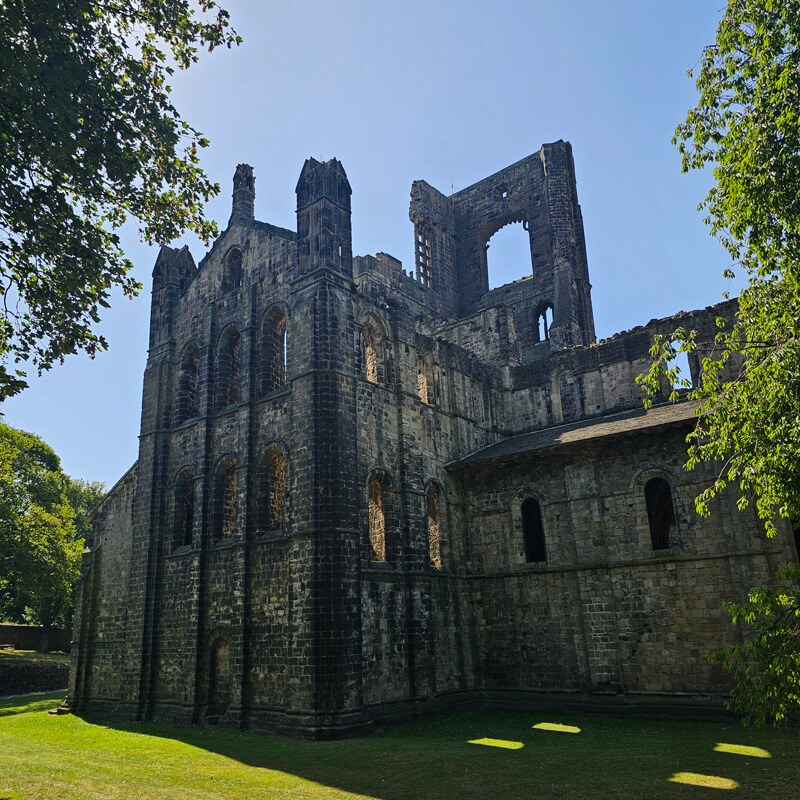
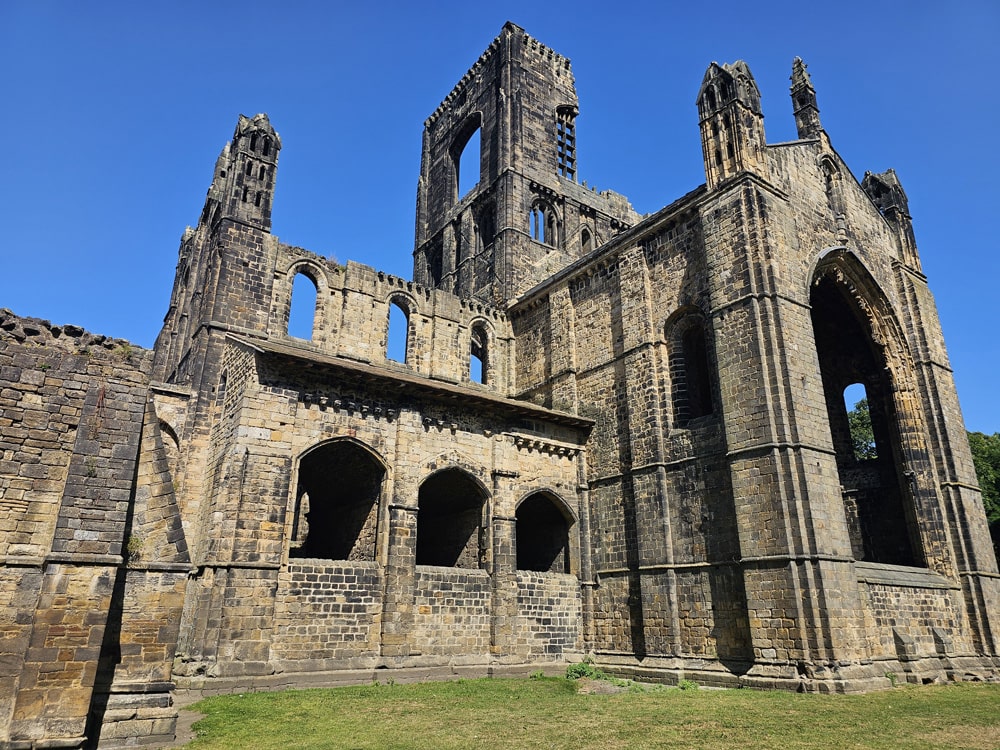
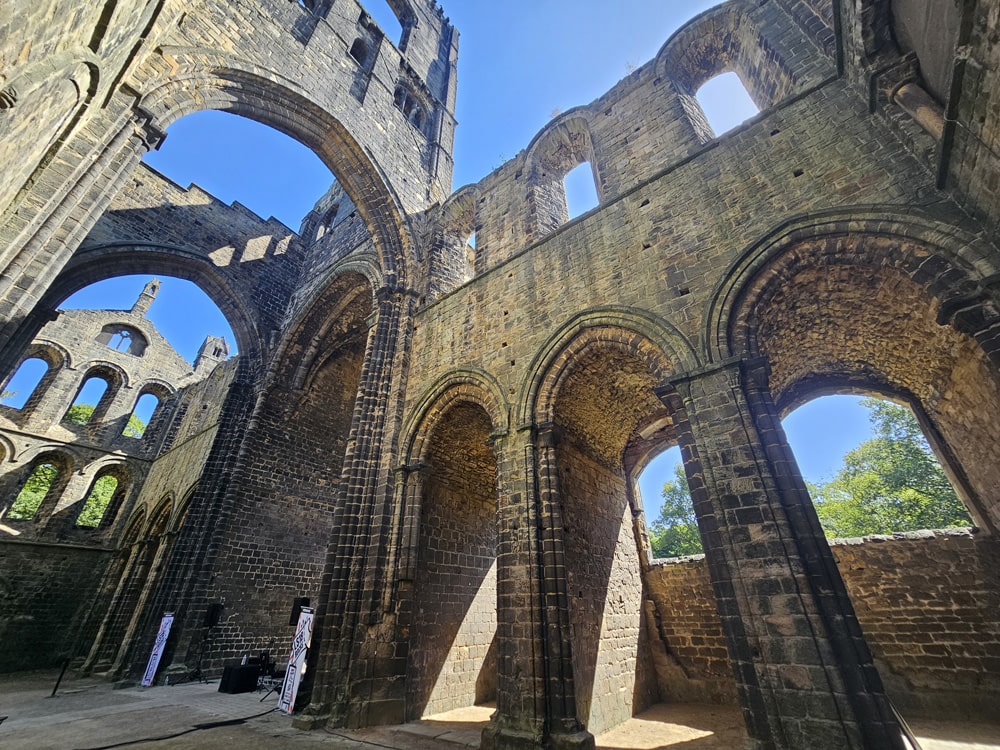
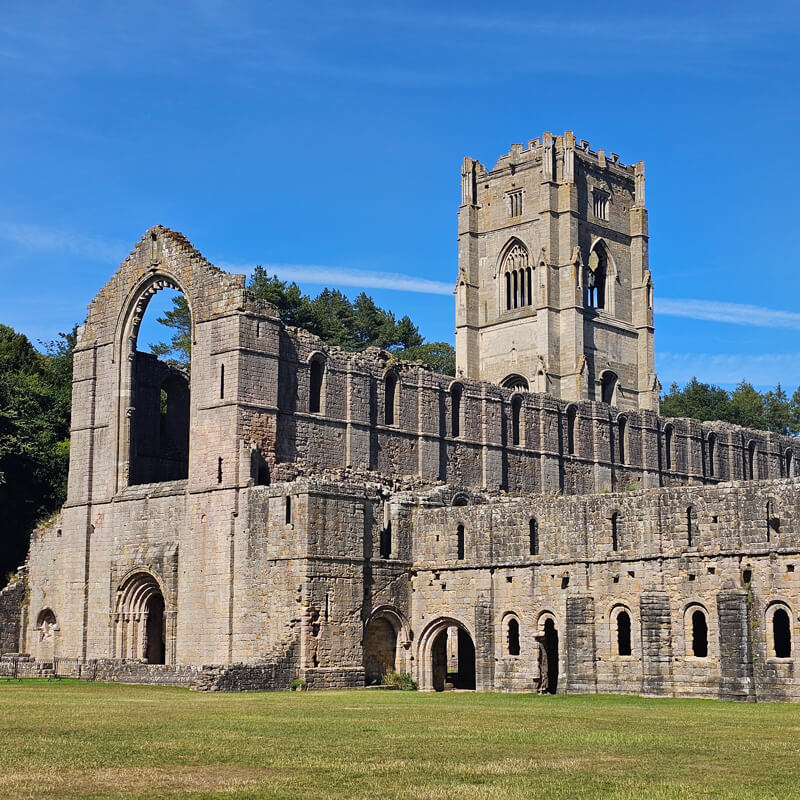
Kirkstall Abbey, standing beside the River Aire in Leeds, is one of the finest surviving examples of a medieval Cistercian monastery in Britain. Although now a dramatic ruin, the abbey was once home to a thriving religious community whose influence extended across much of the surrounding countryside. Its surviving buildings provide a remarkable insight into monastic life between the 12th and 16th centuries.
Quick
Facts.
- Location: Kirkstall, Leeds, West Yorkshire, England
- Founded: c. 1152
- Founder: Henry de Lacy, baron of Pontefract
- Religious order: Cistercian
- Dissolved: 1539
- Condition: Substantial ruins
A Bit of History…
The story of Kirkstall Abbey began around the year 1152, when a group of Cistercian monks from Fountains Abbey established a new monastery. The foundation was connected with Henry de Lacy, Baron of Pontefract, who had vowed to establish an abbey after recovering from a serious illness. The monks initially attempted to establish their community at Barnoldswick, but difficult conditions and opposition from local people led them to relocate to Kirkstall, a more suitable site in the Aire Valley.
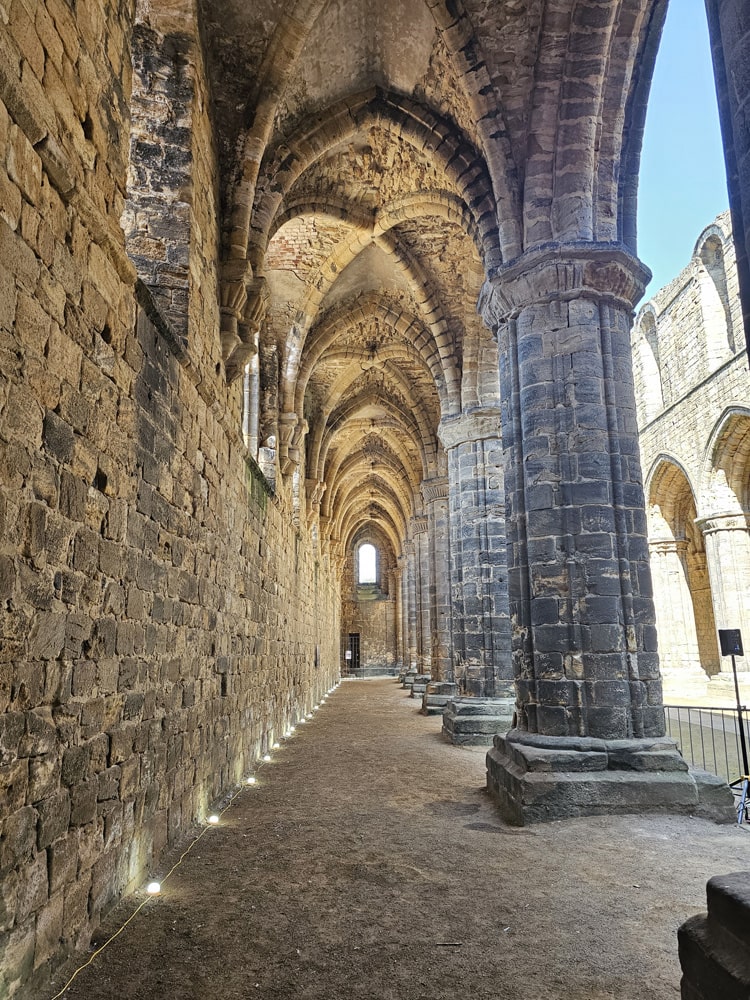
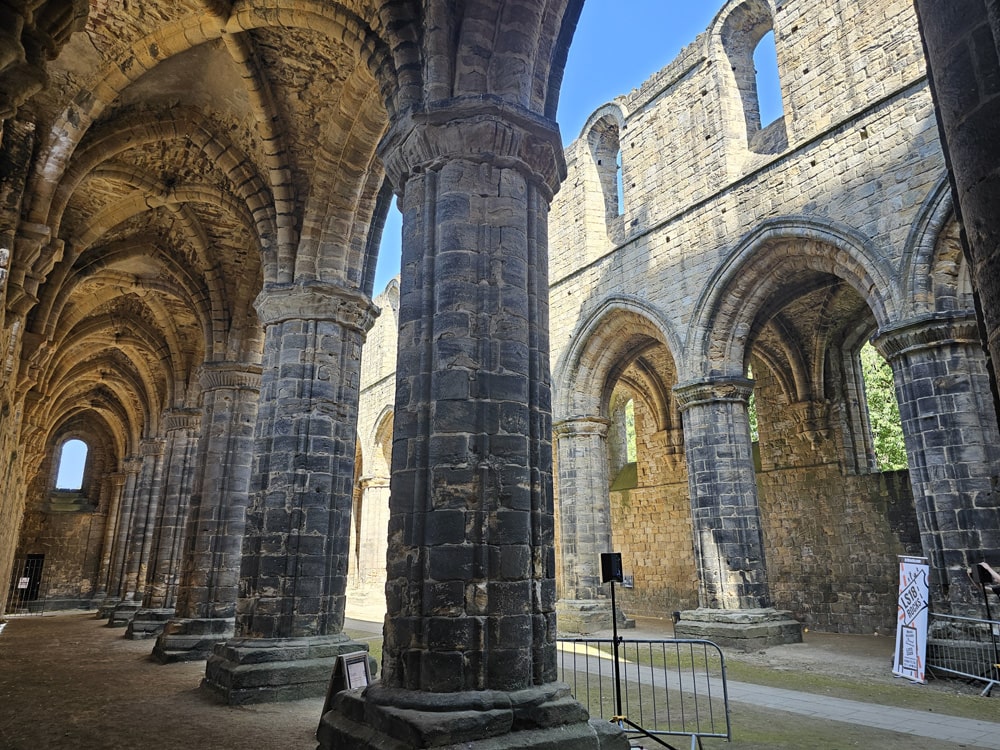
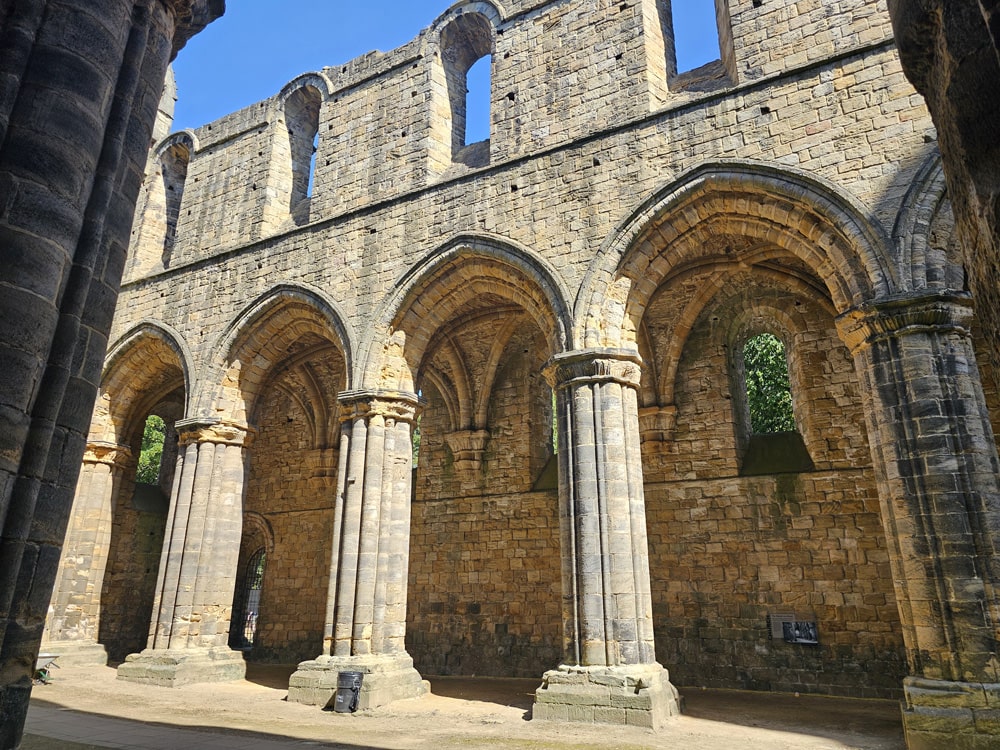
Under Abbot Alexander, the monks began constructing their new home from local millstone grit. The principal buildings, including the church, cloisters and surrounding monastic buildings, were largely completed by 1182. The abbey was designed according to the traditions of the Cistercian order, whose monasteries emphasised simplicity, prayer and self-sufficiency. Much of the original 12th-century construction survives, making Kirkstall particularly valuable for understanding early Cistercian architecture.
During the Middle Ages, Kirkstall became a prosperous religious and economic centre. Generous gifts of land during the 13th century helped make the abbey a major landowner in the region. The monks developed extensive agricultural estates and became particularly involved in sheep farming and the wool trade. Their economy was not limited to wool: archaeological and historical evidence indicates that the abbey also operated mills and a forge. The surrounding precinct contained fields, orchards, water meadows, industrial buildings and accommodation for craftsmen.
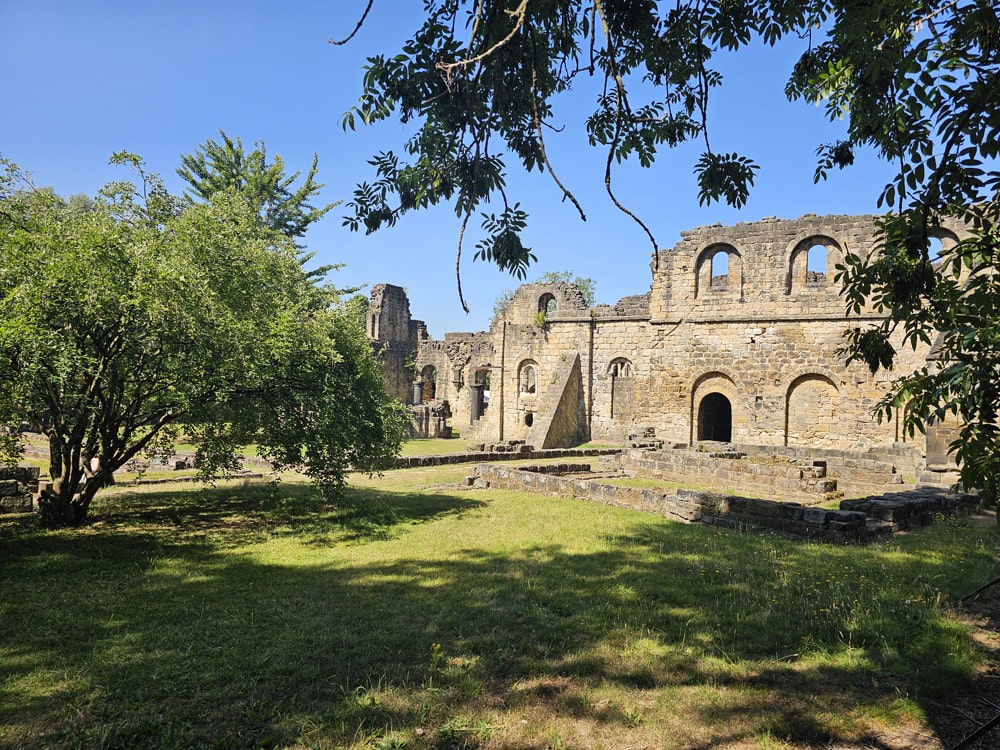
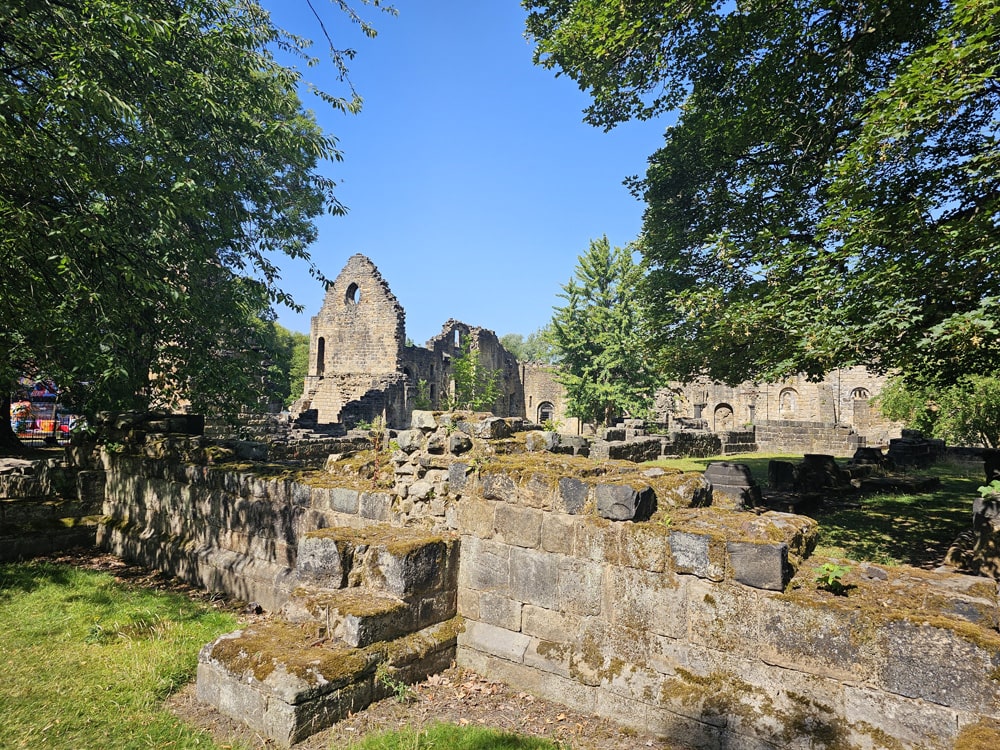
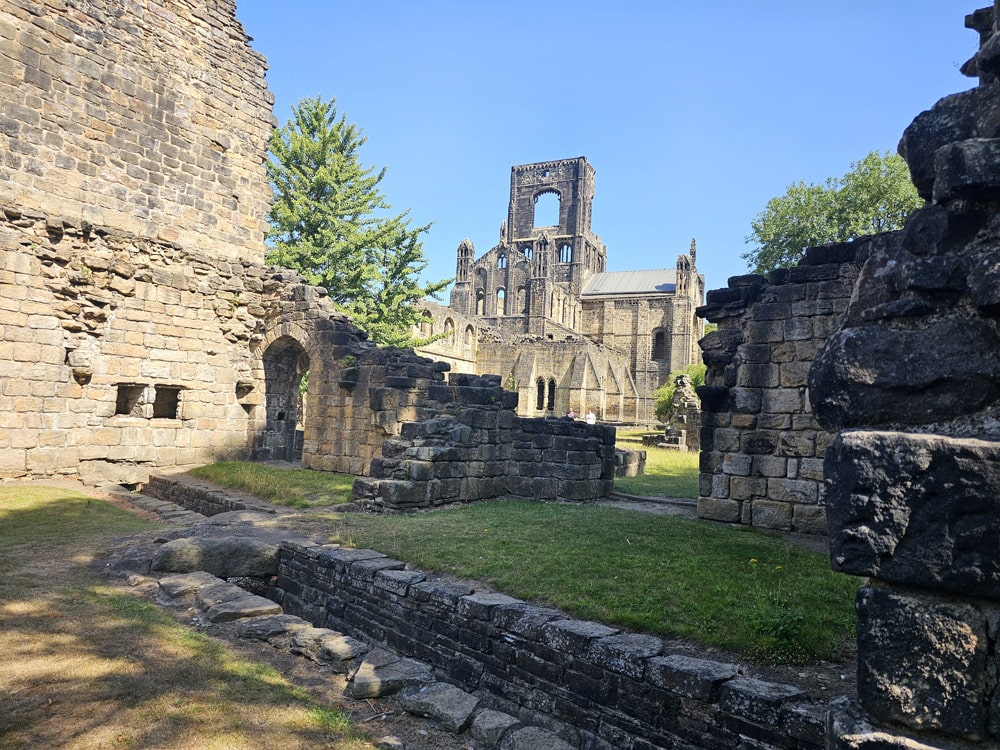
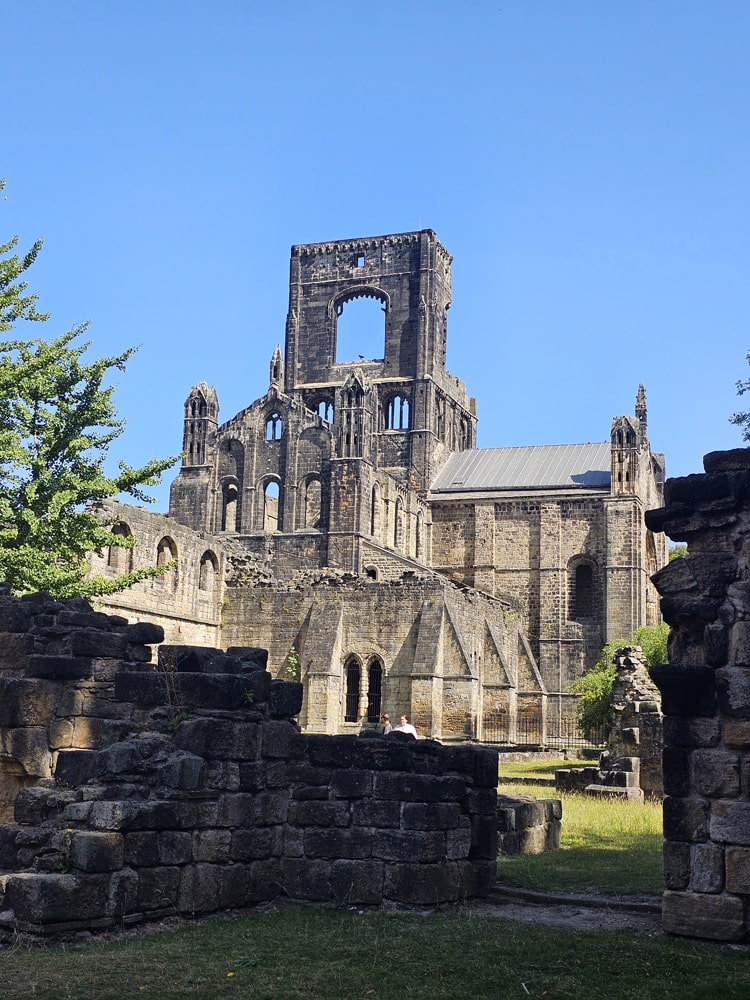
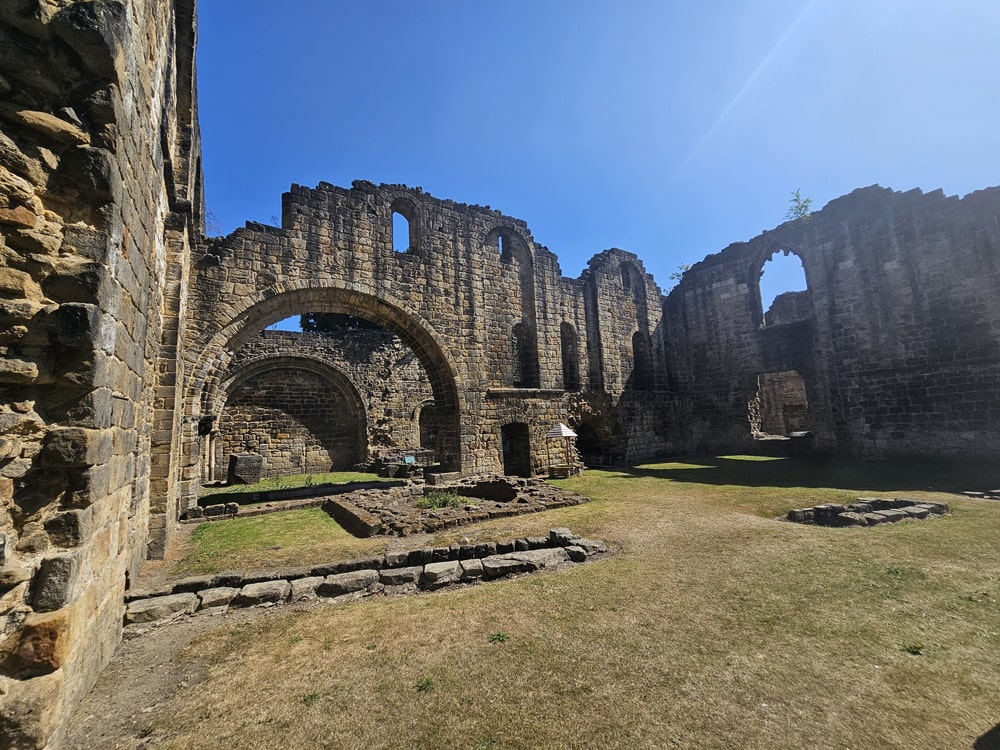
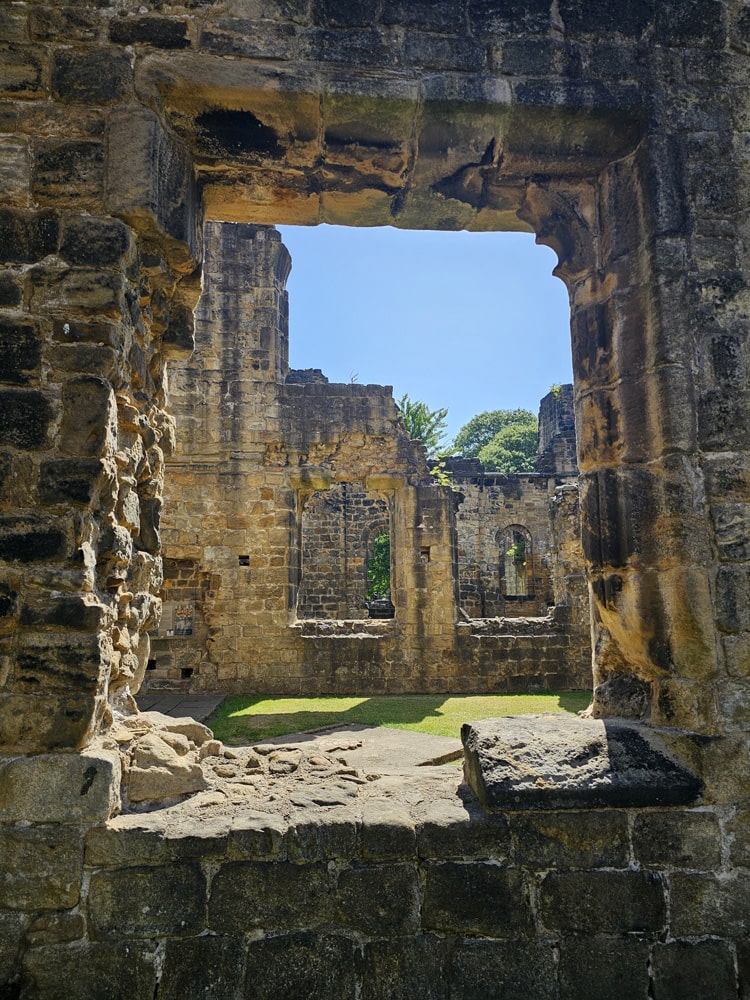
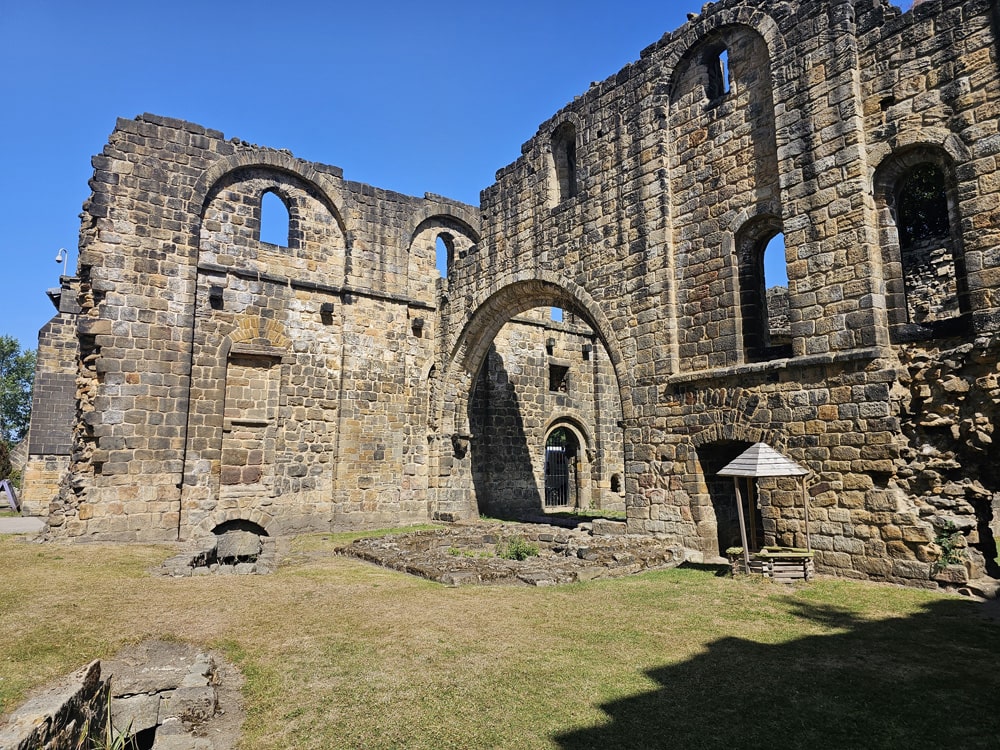
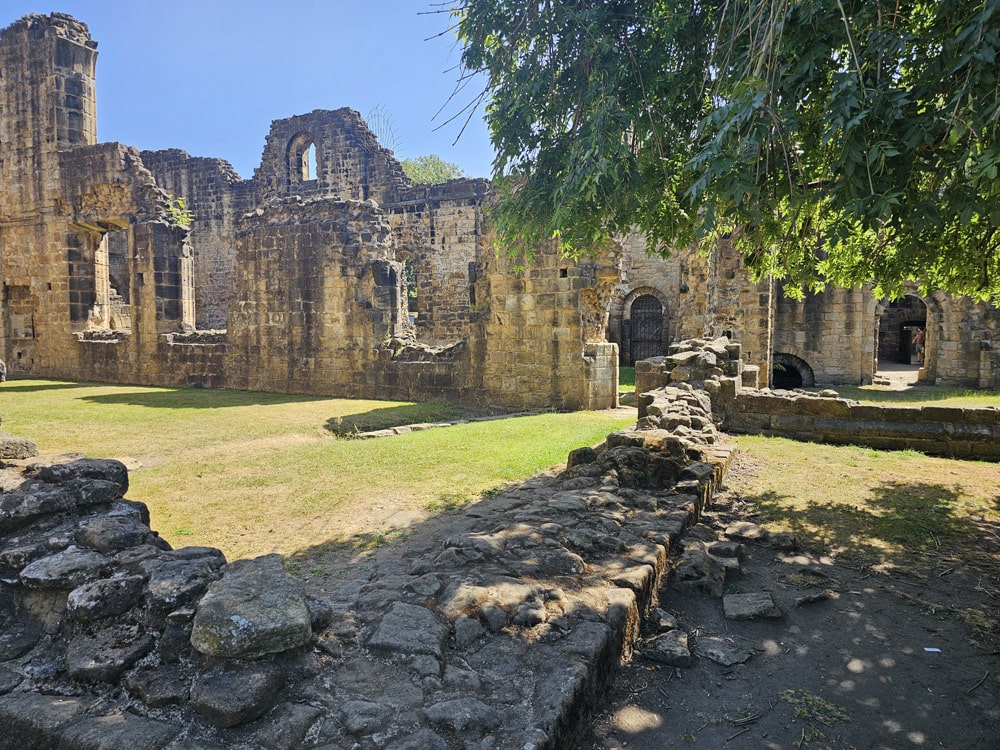
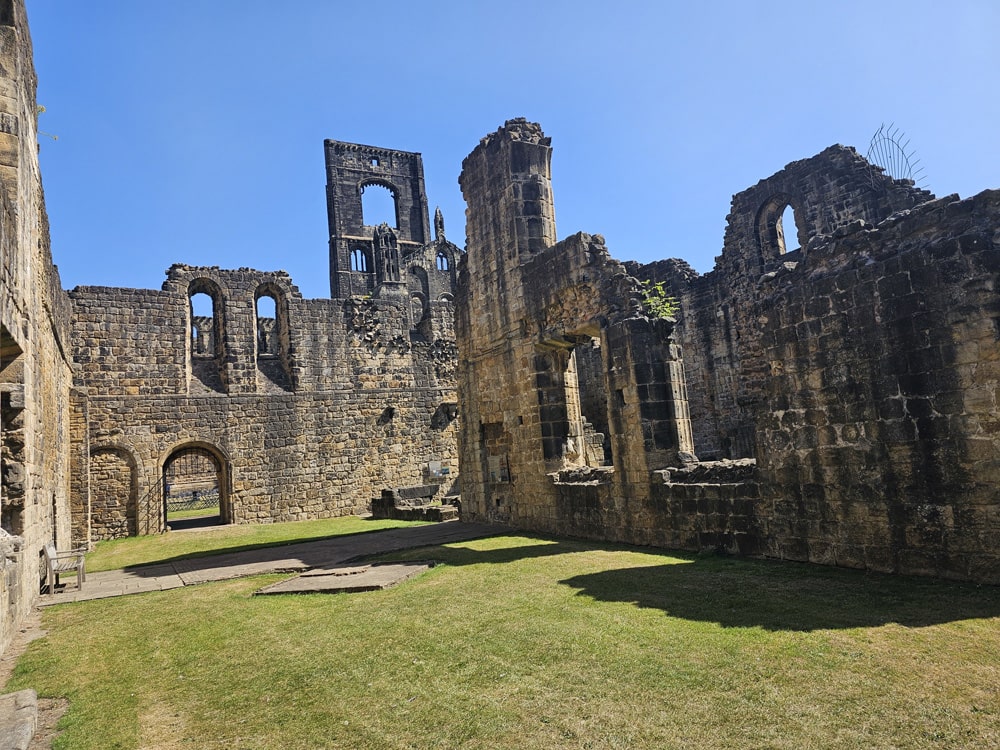
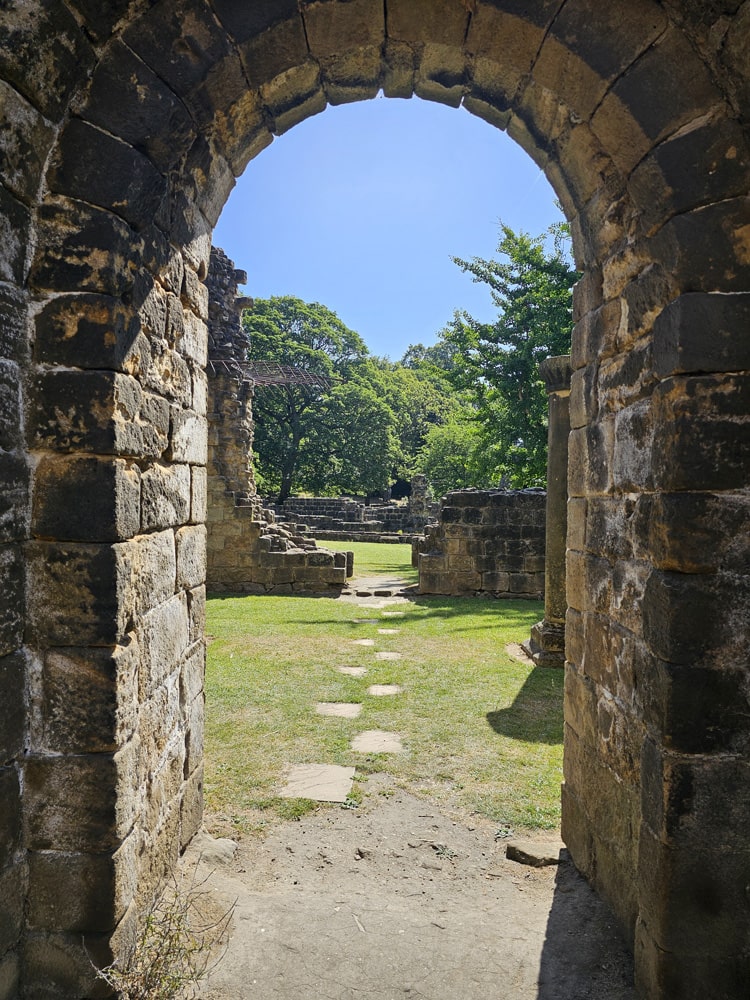
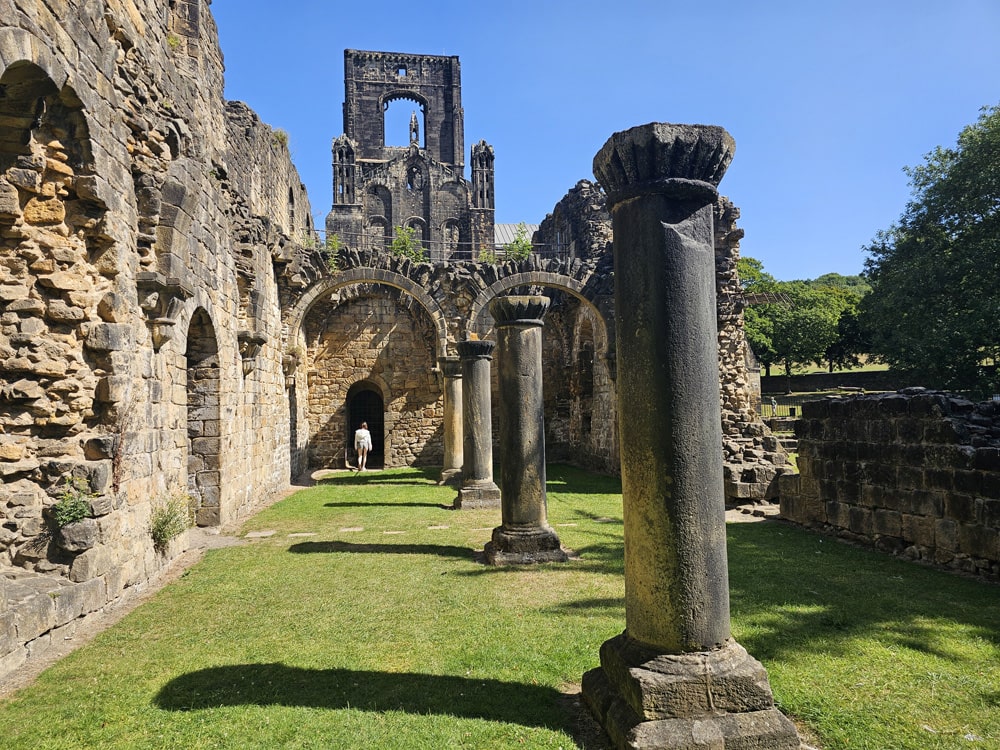
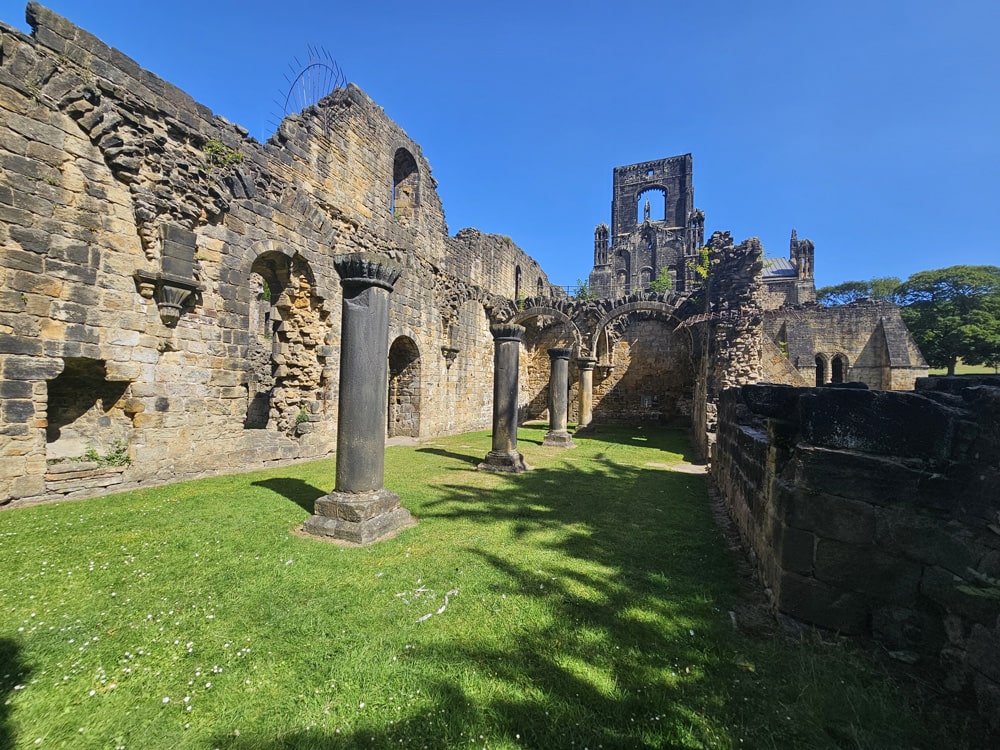
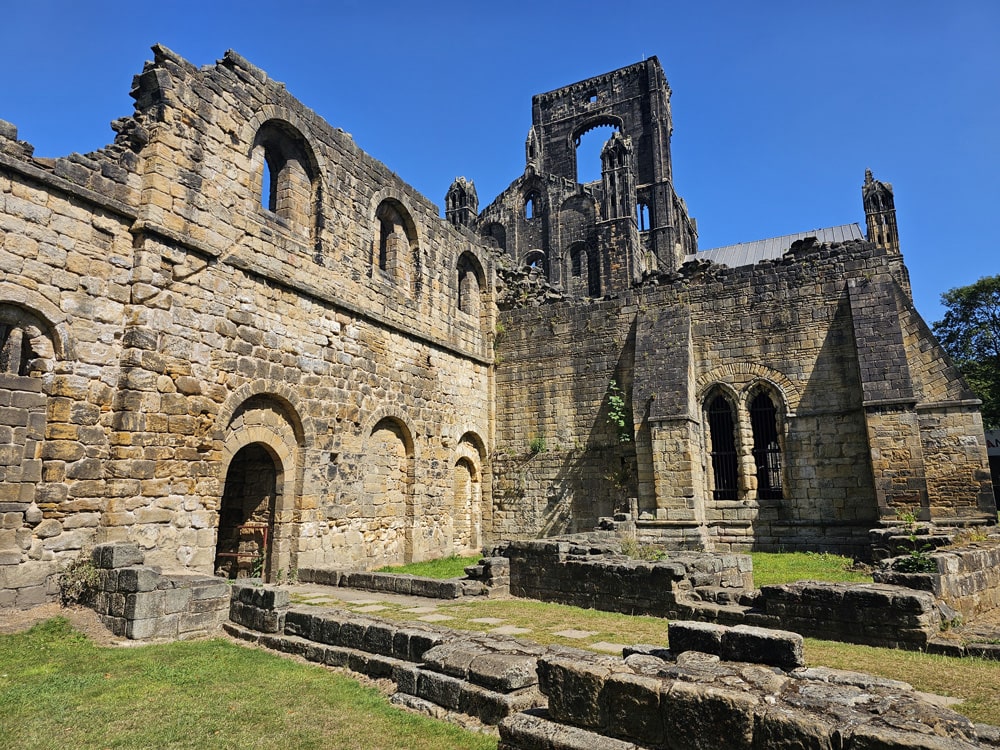
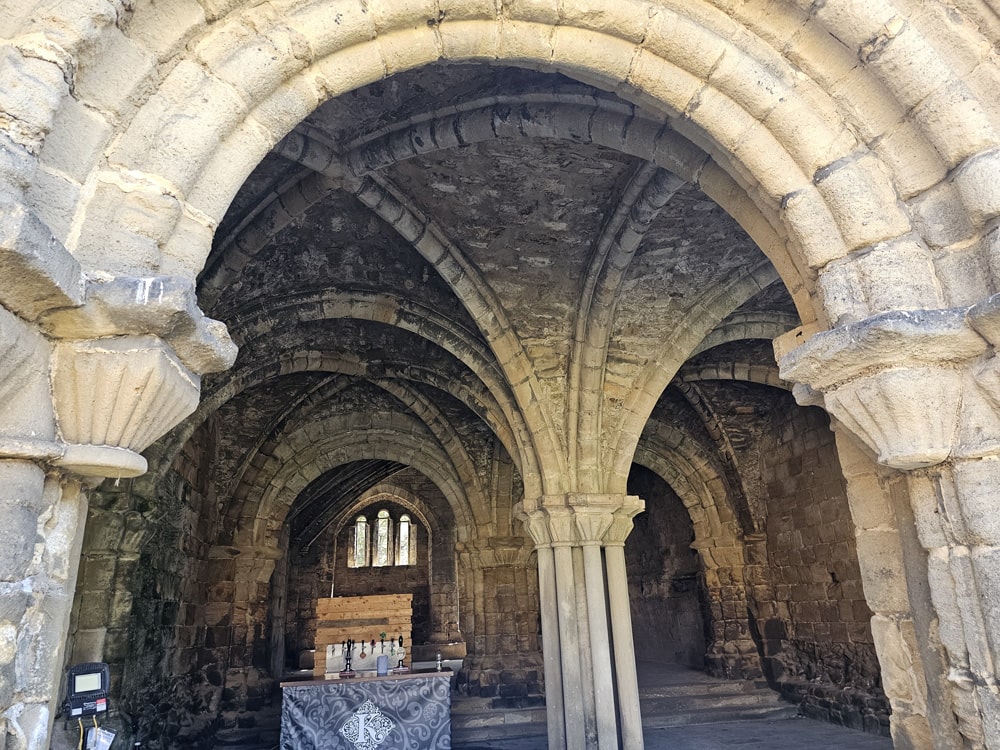
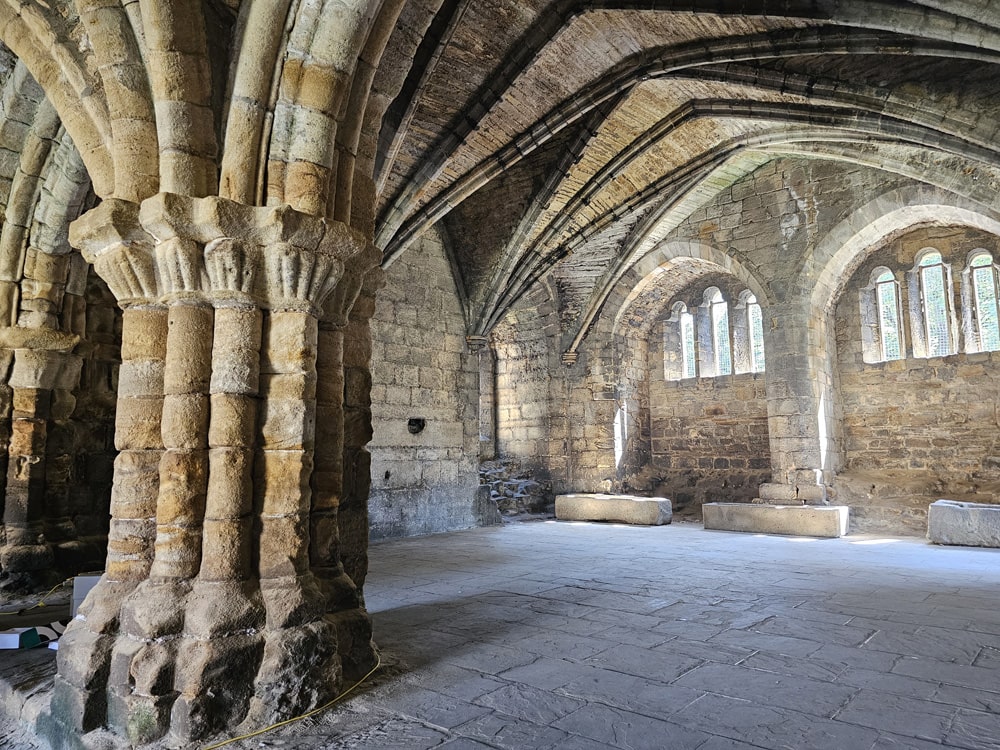
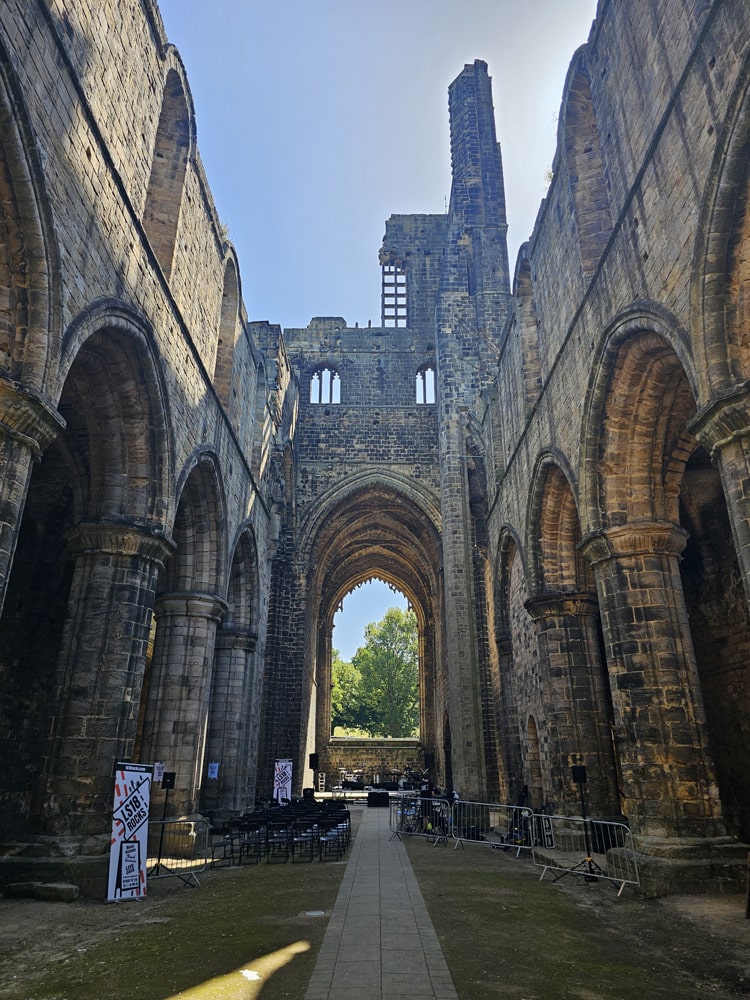
The monastery was home to both choir monks and lay brothers, supported by a wider community of servants, workers and visitors. The surviving ruins reveal how the abbey was organised. The church occupied the northern part of the complex, while the cloister formed its central focus. Around it were the chapter house, refectory, kitchens, warming house, infirmary, guest accommodation and the abbot’s lodgings. Together, these buildings formed a largely self-contained community.
Kirkstall’s religious life came to an end during the Dissolution of the Monasteries under Henry VIII. The abbey was surrendered to the king’s commissioners in 1539, bringing almost four centuries of Cistercian life to a close. After the Dissolution, the property passed through several private owners. Parts of the complex were dismantled and its materials reused, while other buildings were adapted for agricultural purposes. Fortunately, a substantial proportion of the abbey survived.
By the 18th century, Kirkstall had become celebrated as a picturesque ruin. Its romantic appearance attracted artists, writers and visitors, and it was painted by artists including J. M. W. Turner. The ruins became an important part of the emerging appreciation of medieval architecture and landscape.
A major turning point came in 1889, when the abbey was purchased by Colonel John North, a wealthy Leeds businessman. North presented the site to the City of Leeds for the enjoyment of its people. Following conservation work, Kirkstall Abbey was opened to the public and eventually became part of the city’s heritage and museum provision. Archaeological excavations during the 20th century have further revealed details about the buildings and the lives of the monks who lived there.
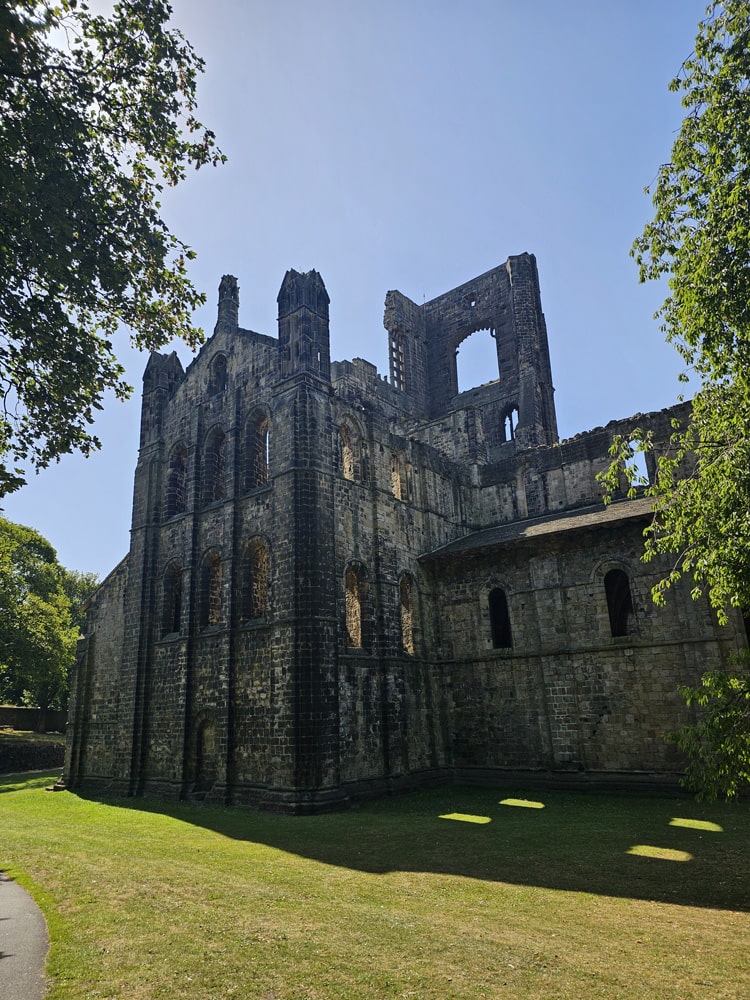
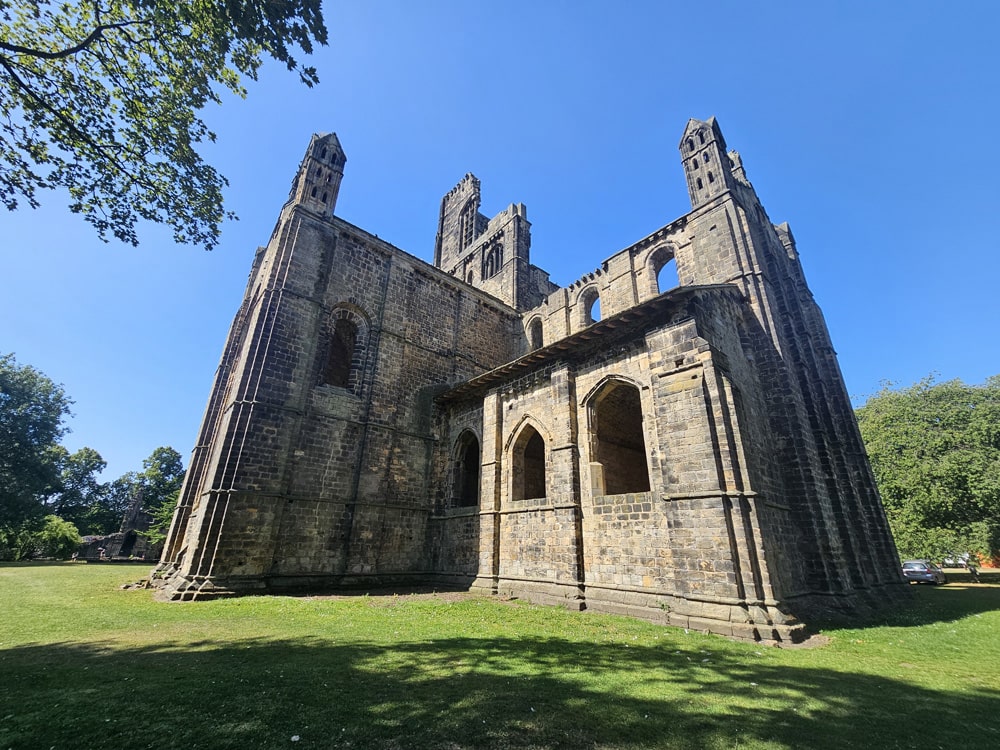
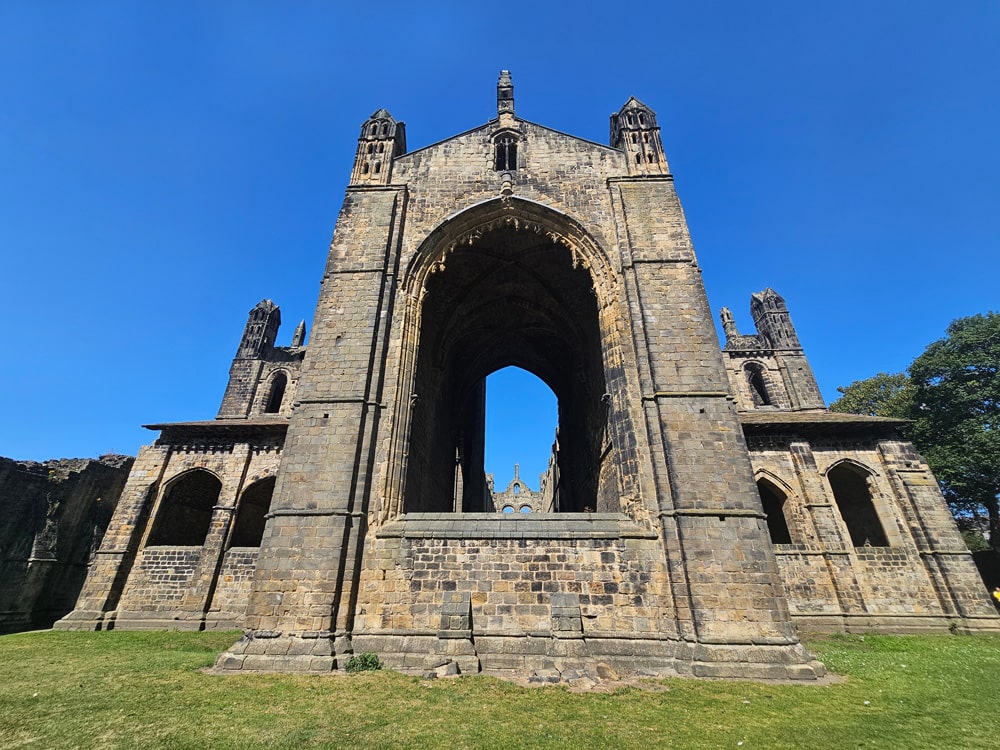
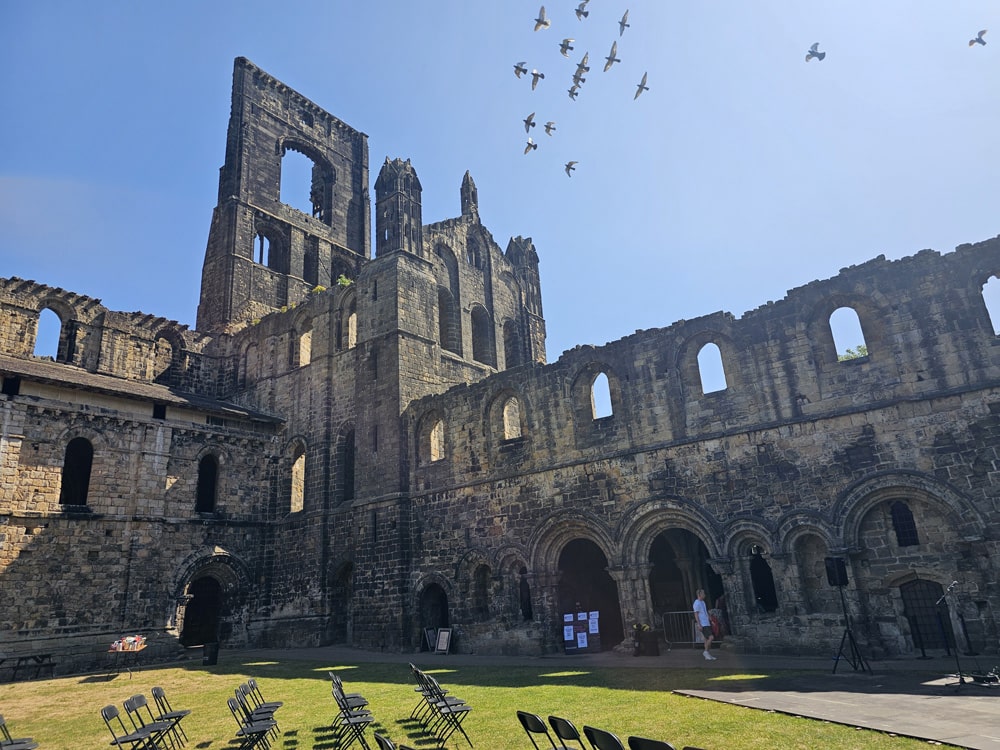
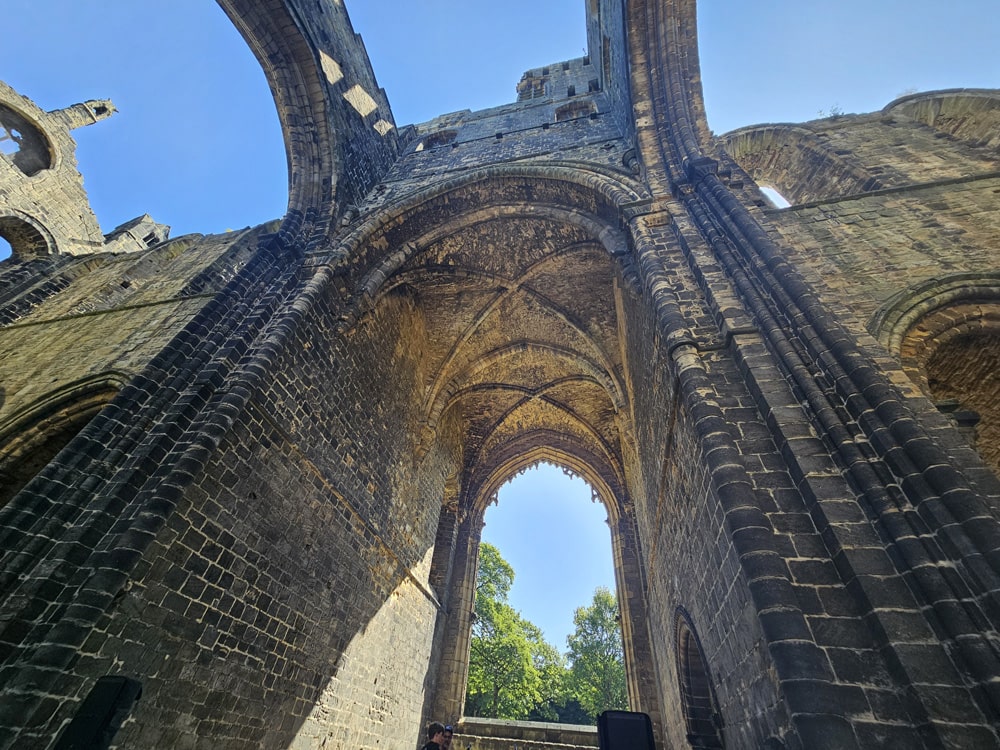
Today, Kirkstall Abbey is cared for by Leeds Museums & Galleries and remains one of Leeds’ most important historic landmarks. The church still rises impressively above the surrounding ruins, while the surviving cloisters and monastic buildings allow visitors to imagine the community that once occupied the site. As both a medieval monument and a public heritage site, Kirkstall Abbey preserves more than 850 years of history—from its foundation by Cistercian monks to its transformation into one of Yorkshire’s most evocative ruins.
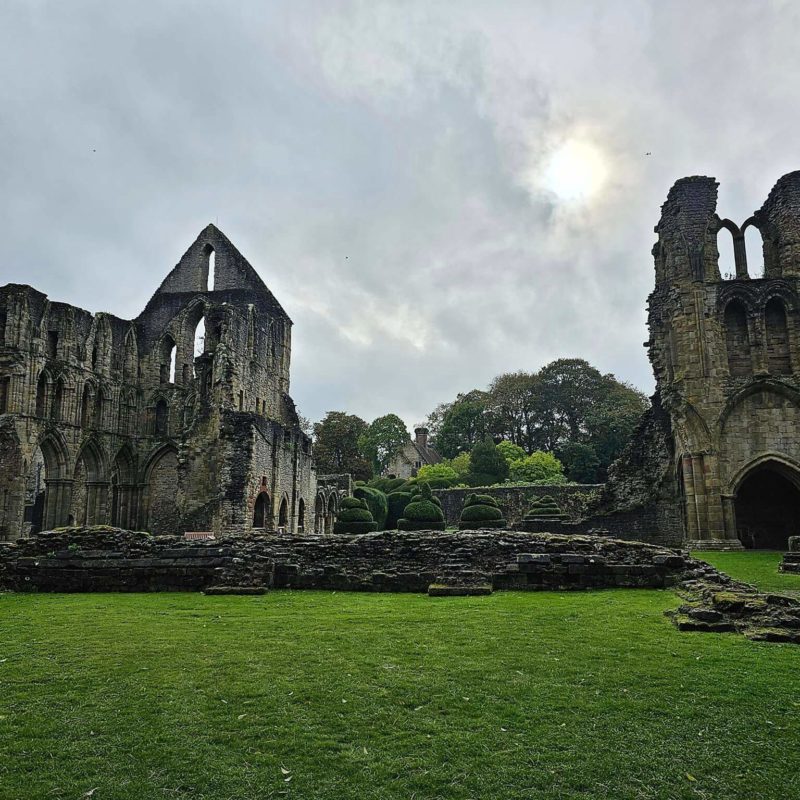
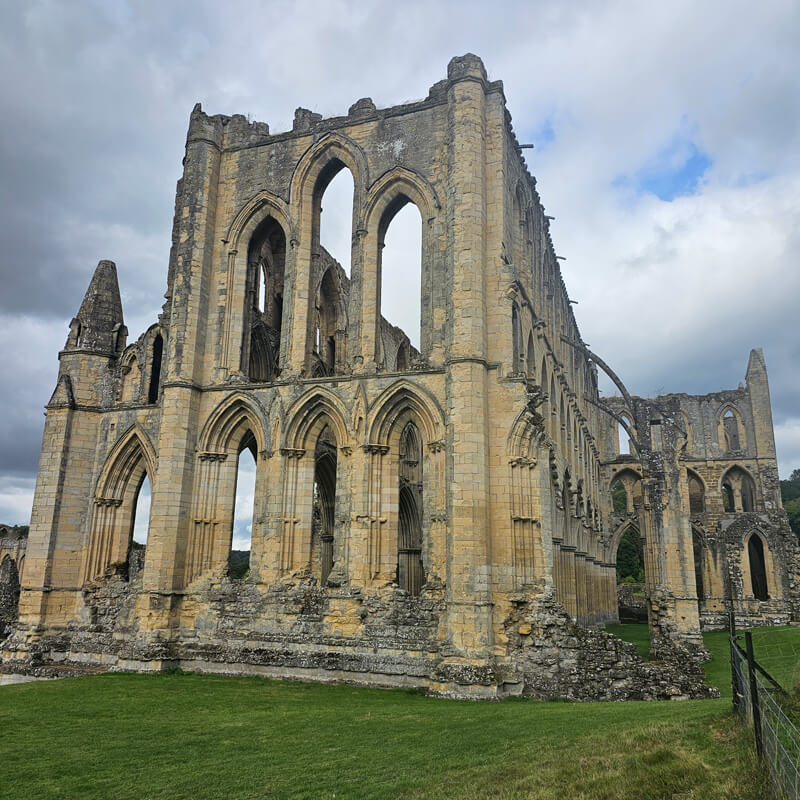
Photo Gallery.
Did you enjoy this post?
I hope you found this post useful. I put a great deal of time and effort in to building, maintaining and populating the website. If you like, you could say a small thank you by buying me a coffee. You don't have to, but it would be nice :)
Buy me a coffee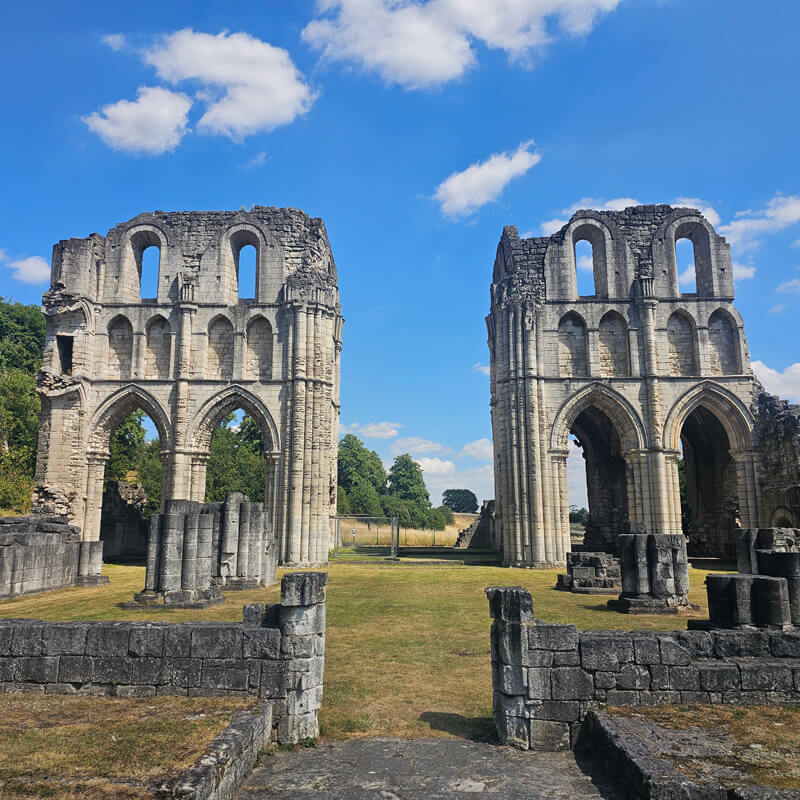
Stay up to Date
Follow me on my journey and get notified whenever a new post is published by following Kings & Castles on Facebook.
Follow MeExplore The Map
Discover the hundreds of castles, churches, monasteries, cathedrals and other historic locations that I've personally visited across England and Wales. Search by location, explore nearby sites and plan your next historical adventure.
Share: