Haughmond Abbey
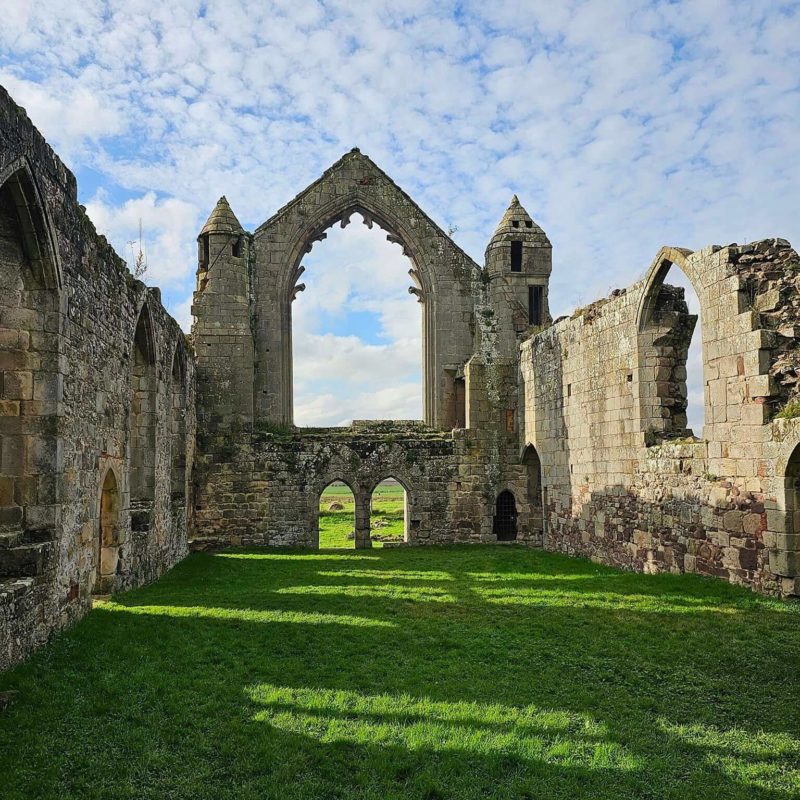
Haughmond Abbey is a ruined Augustinian monastery a few miles from Shrewsbury, England. It was founded in the early 12th century and was closely associated with the FitzAlan family who became Earls of Arundel, making Haughmond Abbey one of the finest medieval abbeys in Shropshire.
Quick
Facts.
- Location: Uffington, Shropshire, England
- Founded: 12th century
- Founder: William FitzAlan
- Religious order: Augustinian
- Dissolved: 1539
- Condition: Substantial ruins
A Bit of History…
The abbey’s roots go back to around the year 1100 when a small religious community was established here, most likely a small chapel or hermitage, and probably founded and paid for by the first sheriff of Shropshire, Warin FitzWarin (aka Warin the Bald).
Under the patronage of the new sheriff of Shropshire, William FitzAlan, from the 1130s onwards, the establishment was enlarged and transformed into a priory and the community was re-founded as a house of Augustinian canons. In about 1155 the priory was promoted and became a full-fledged abbey, and then a major campaign of reconstruction began, replacing many of the earlier buildings, including the building of a new church.
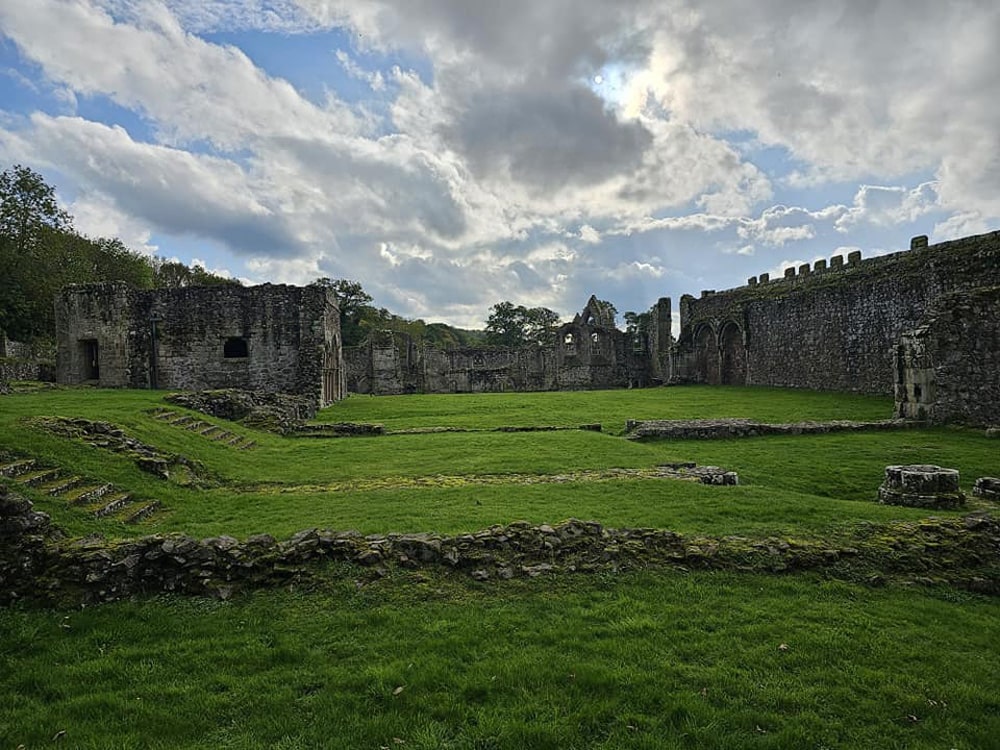
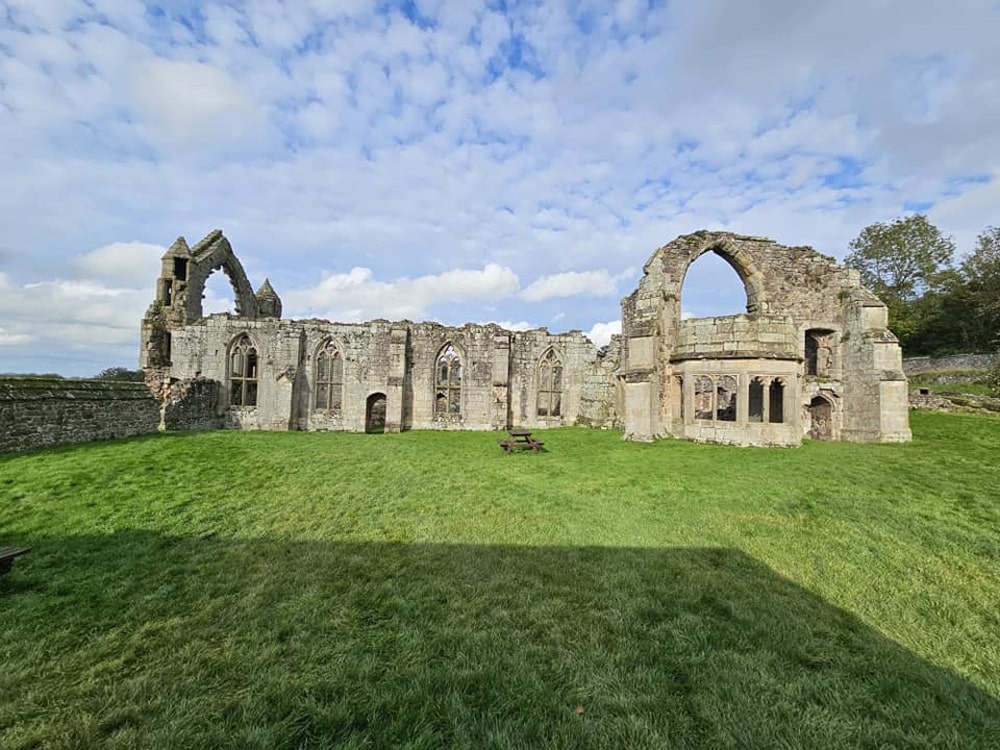
The building of the new abbey was complete by about 1350, with its great church and main cloister to the north, and a kitchen cloister and abbot’s hall to the south, giving us the abbey we see today.
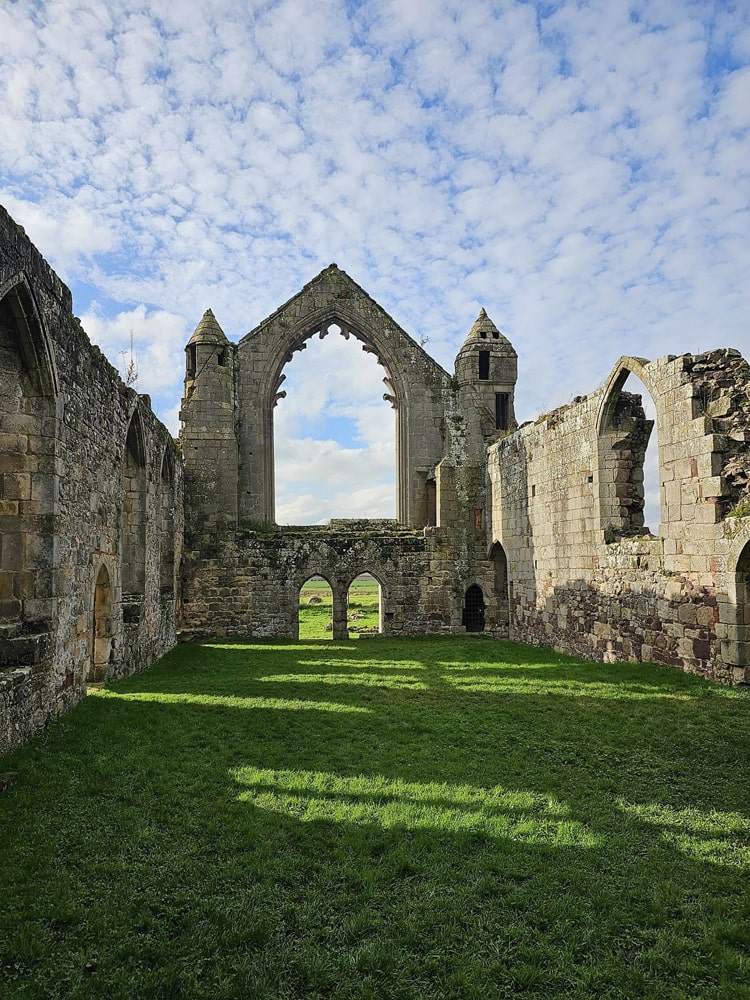
Haughmond Abbey was a substantial, successful and wealthy monastery for almost four centuries, until the abbey closed during Henry VIII‘s Dissolution of the Monasteries in the 16th century. The buildings eventually fell into disrepair and the church was largely destroyed, possibly during the Civil War.
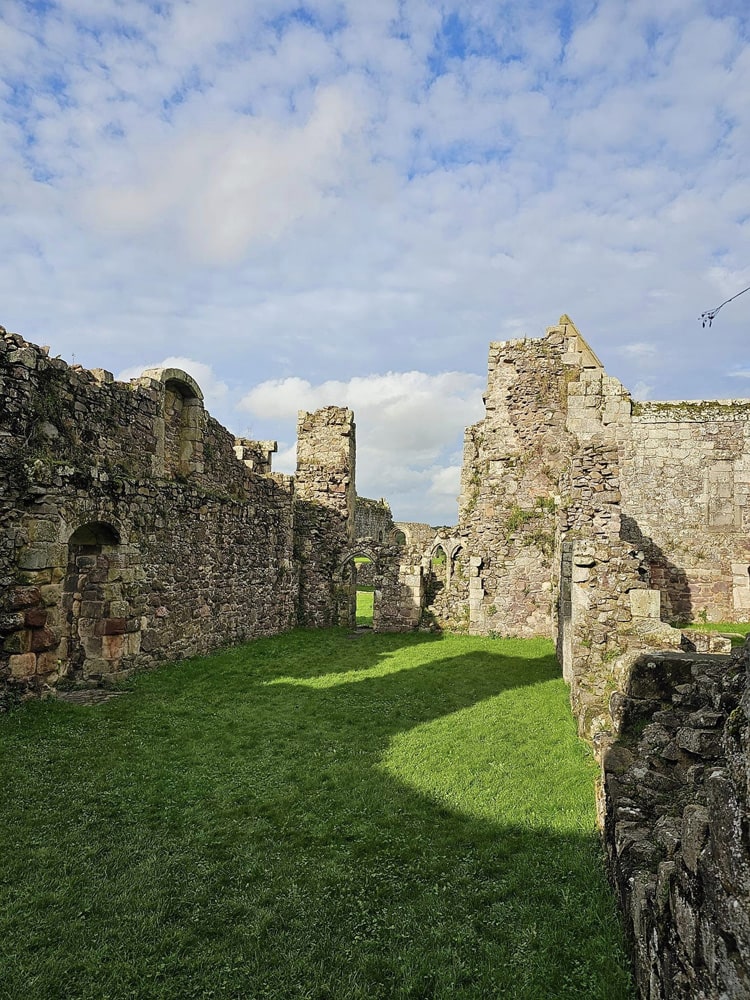
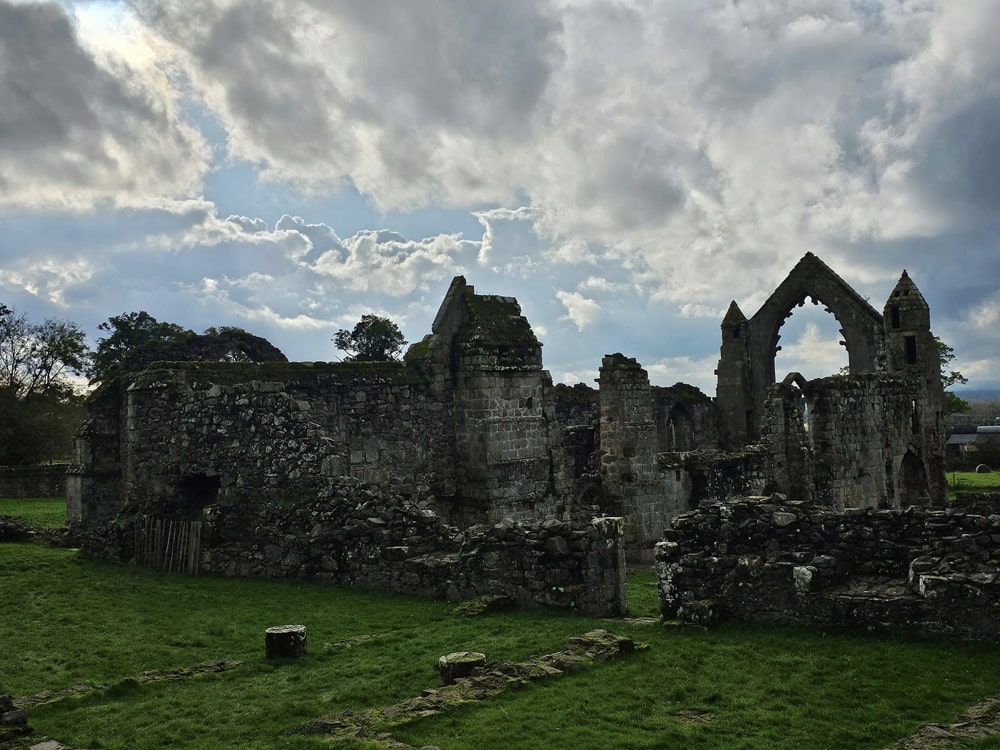
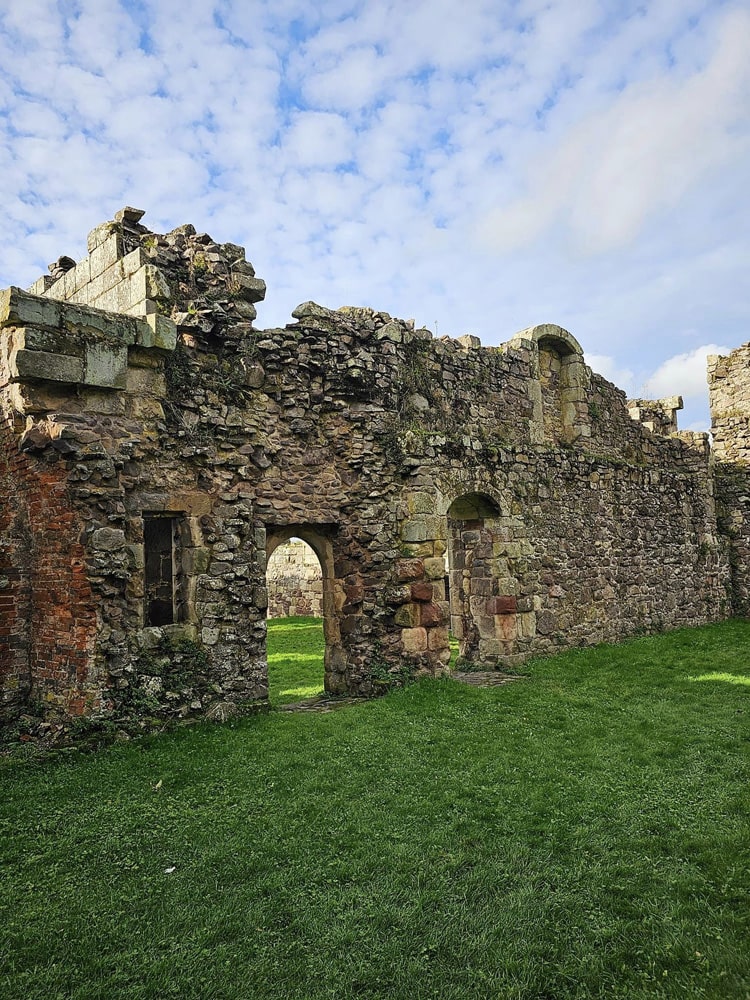
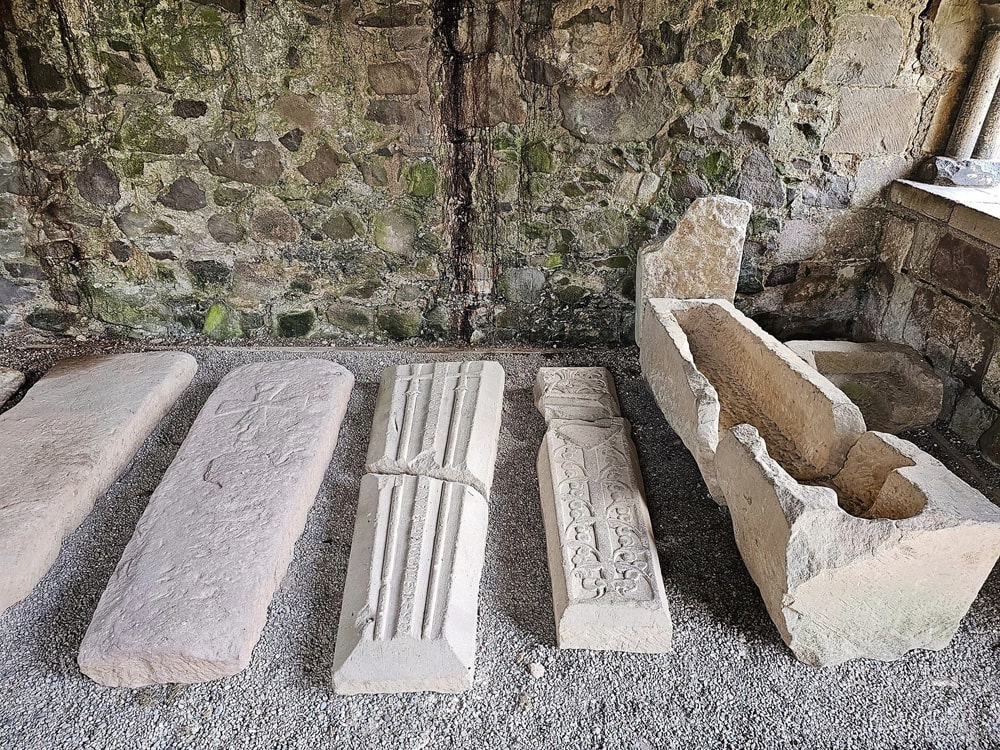
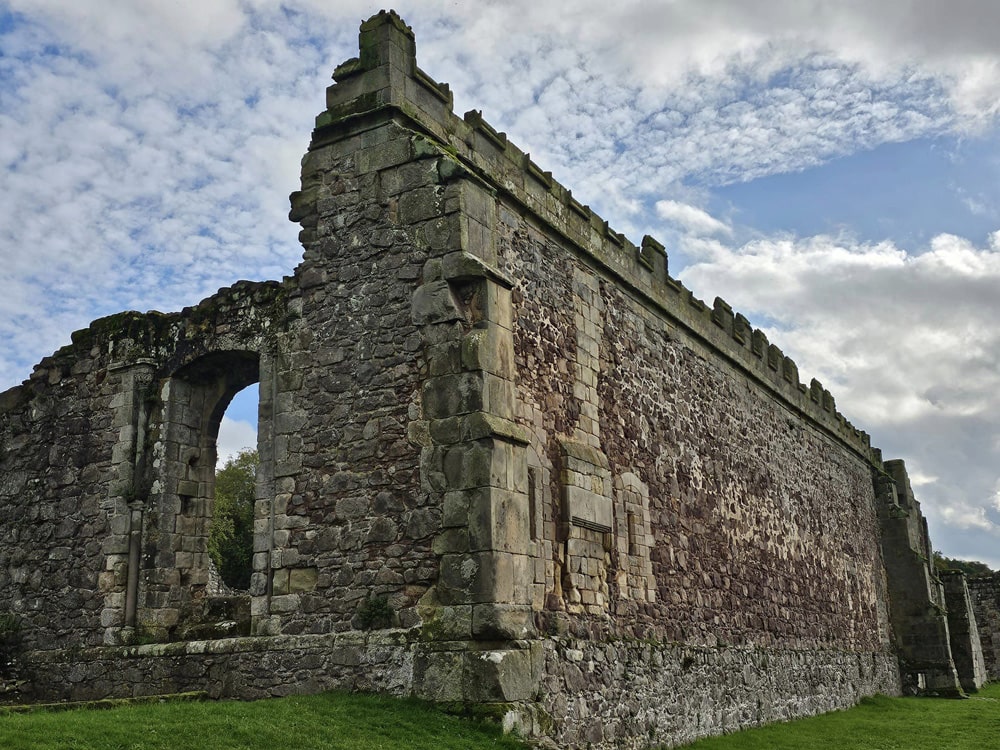
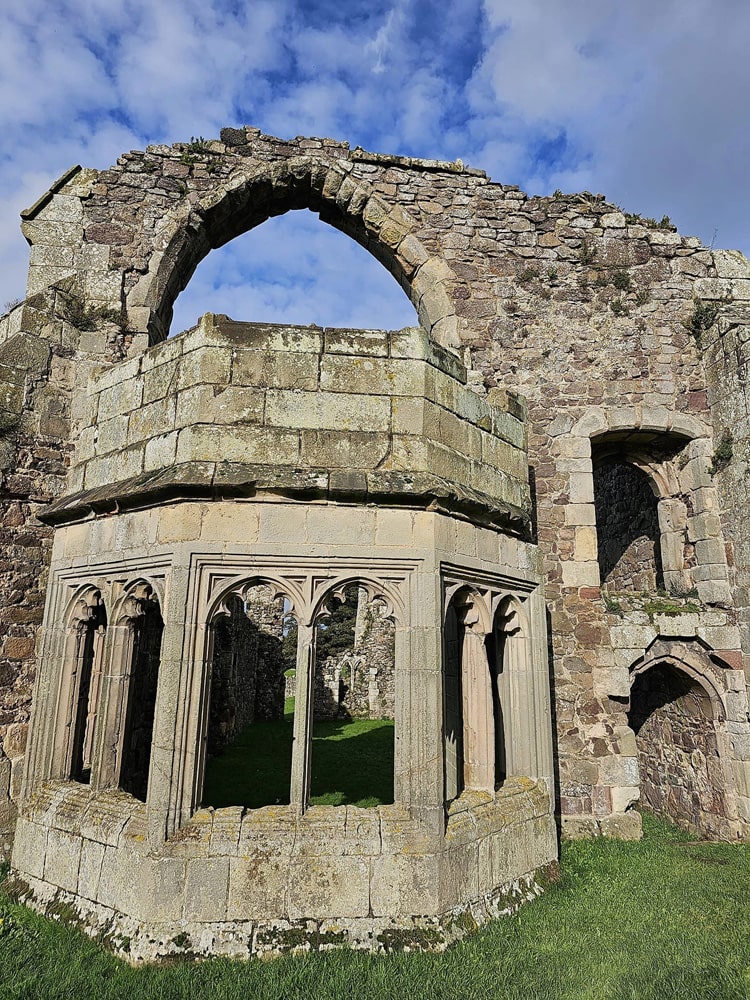
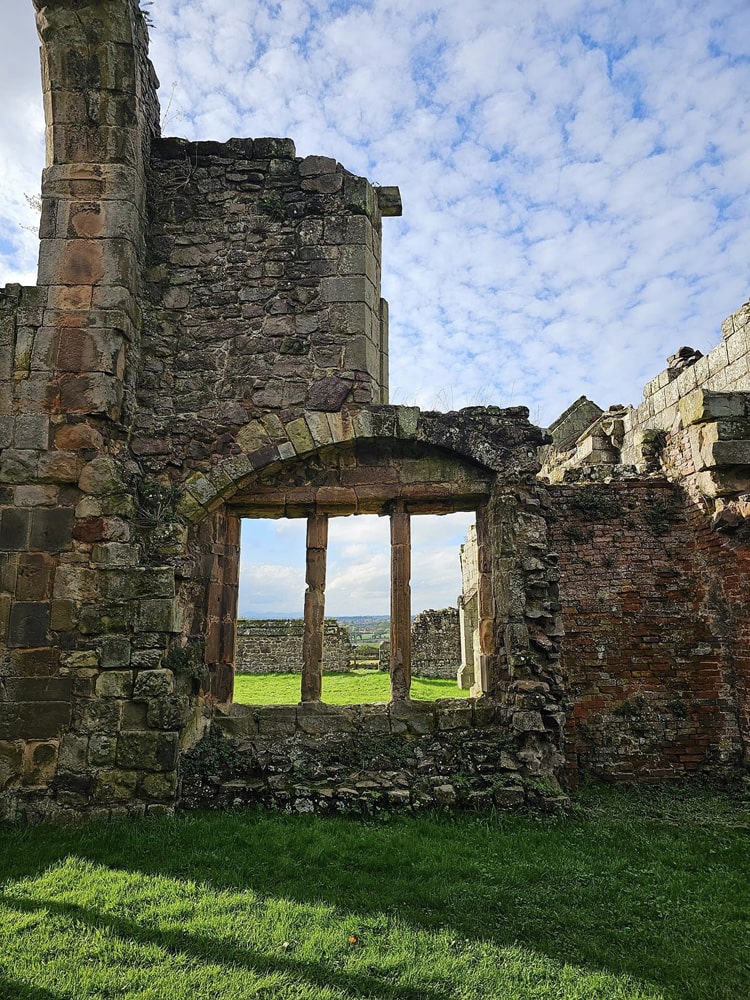
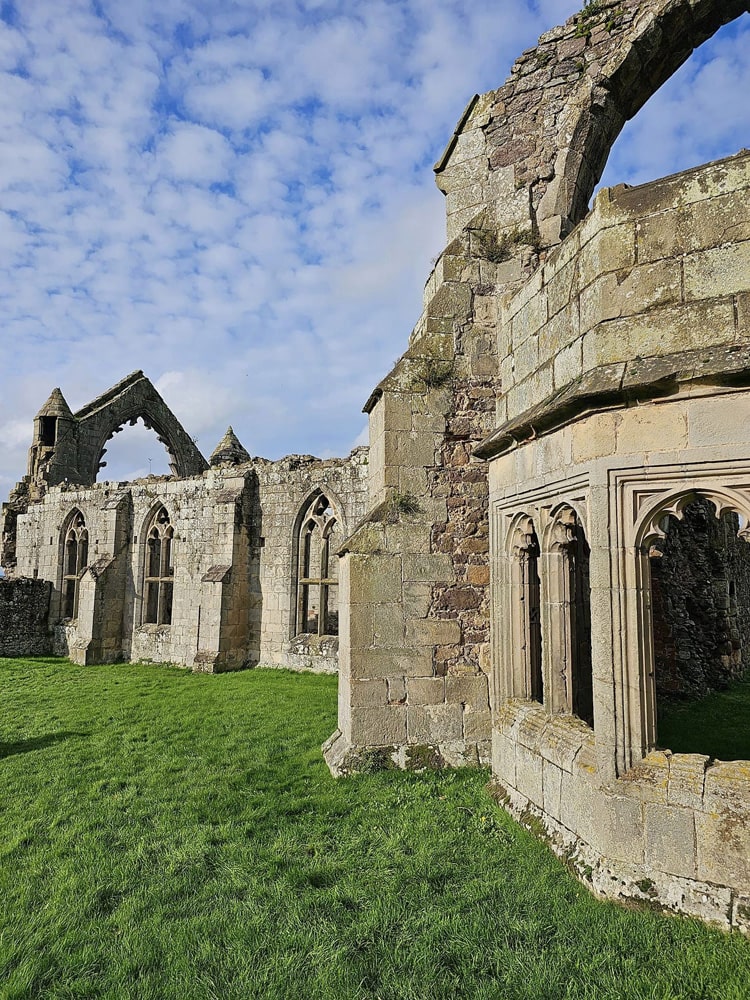
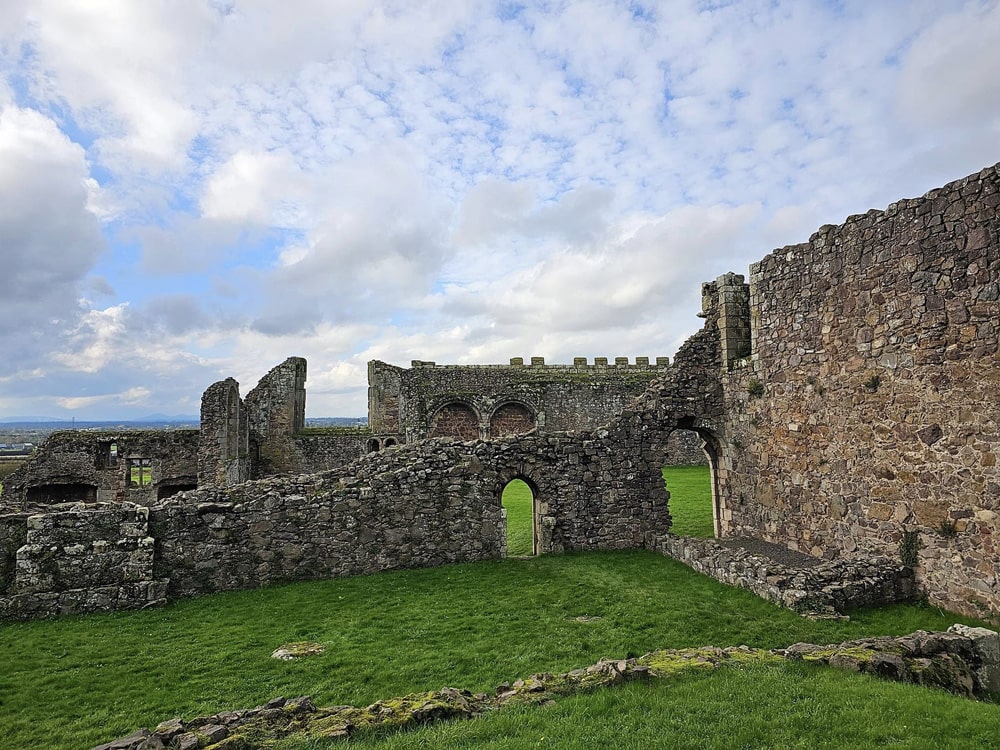
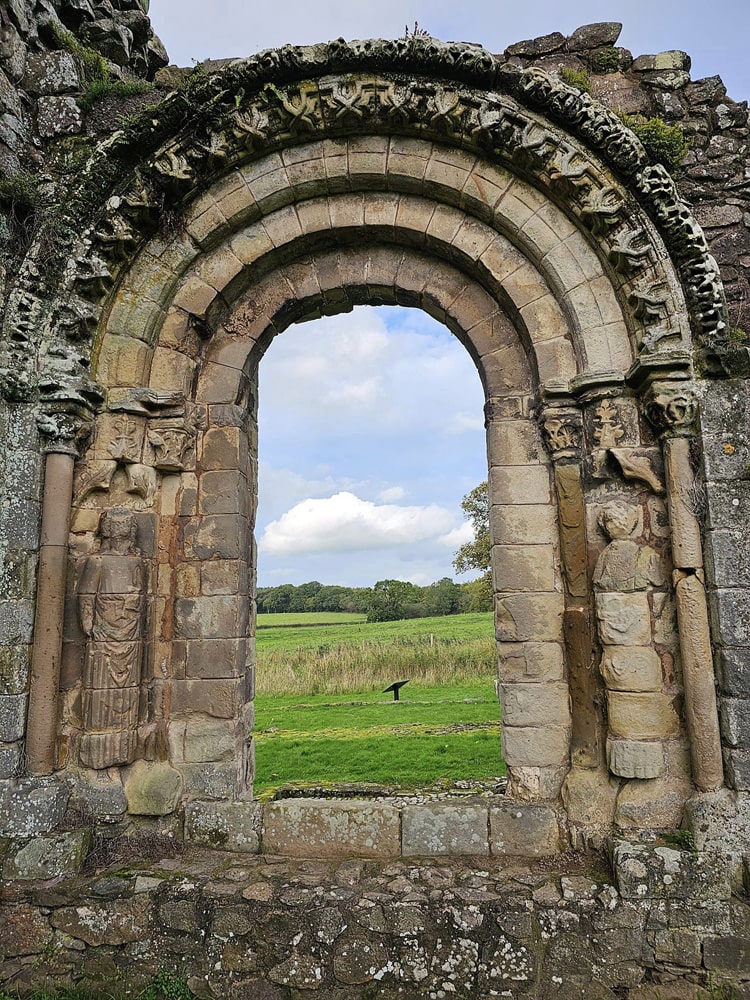
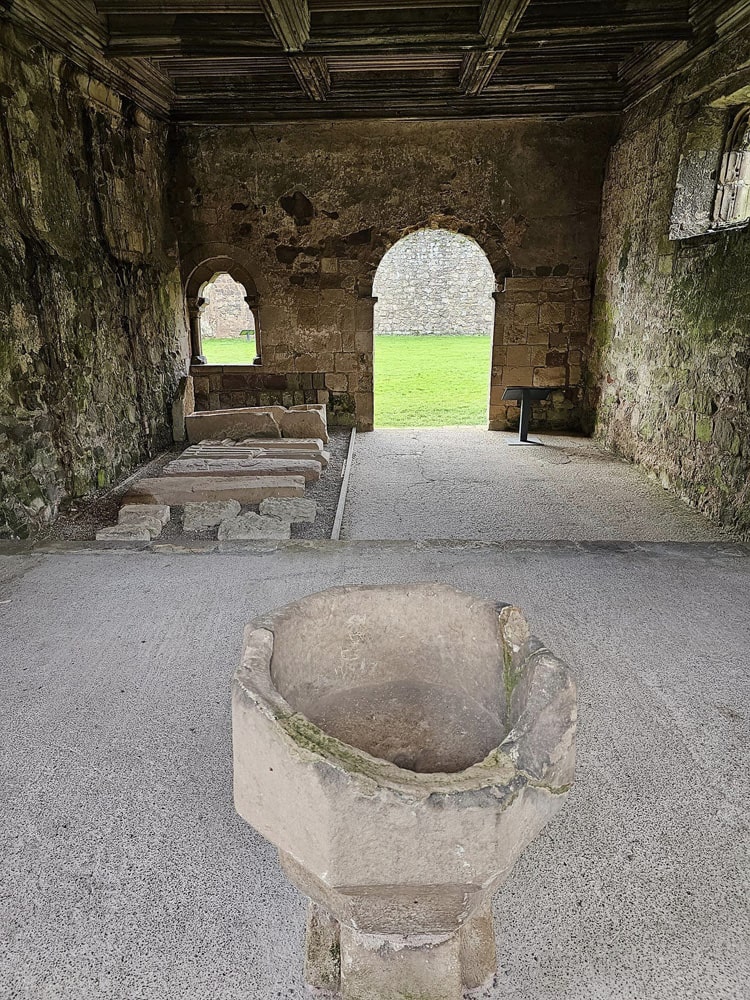
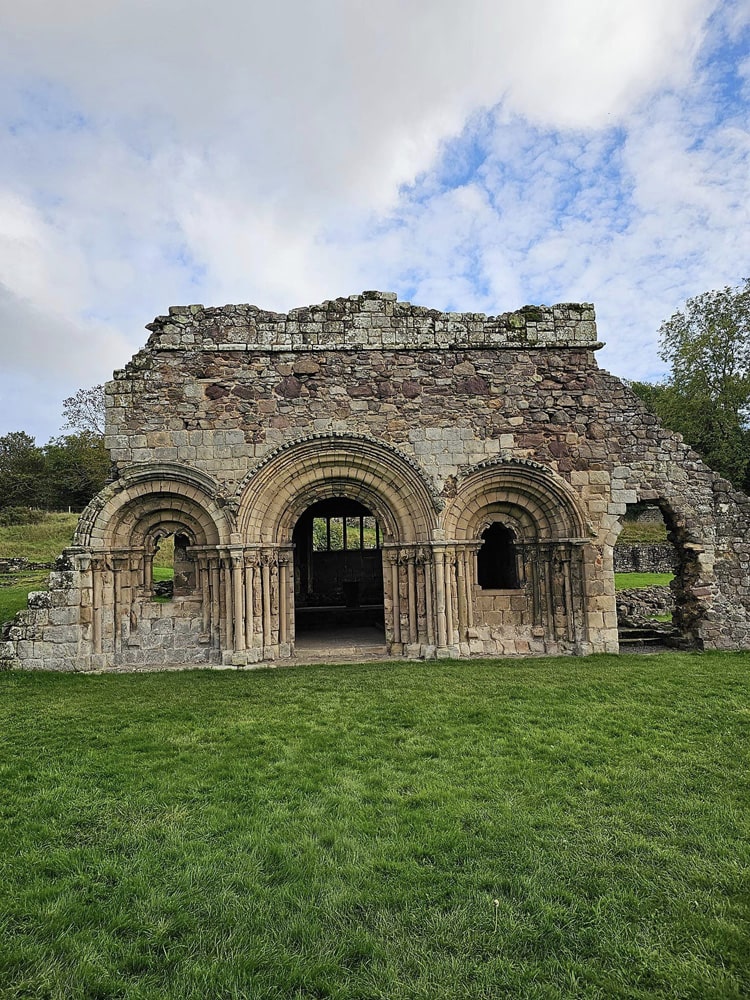
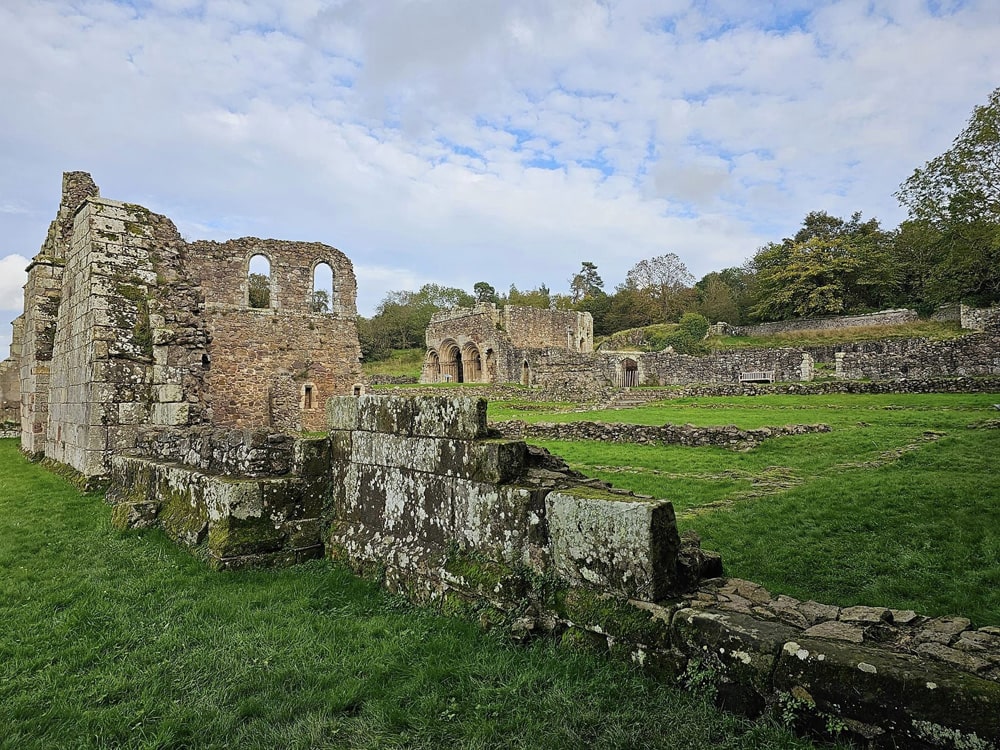
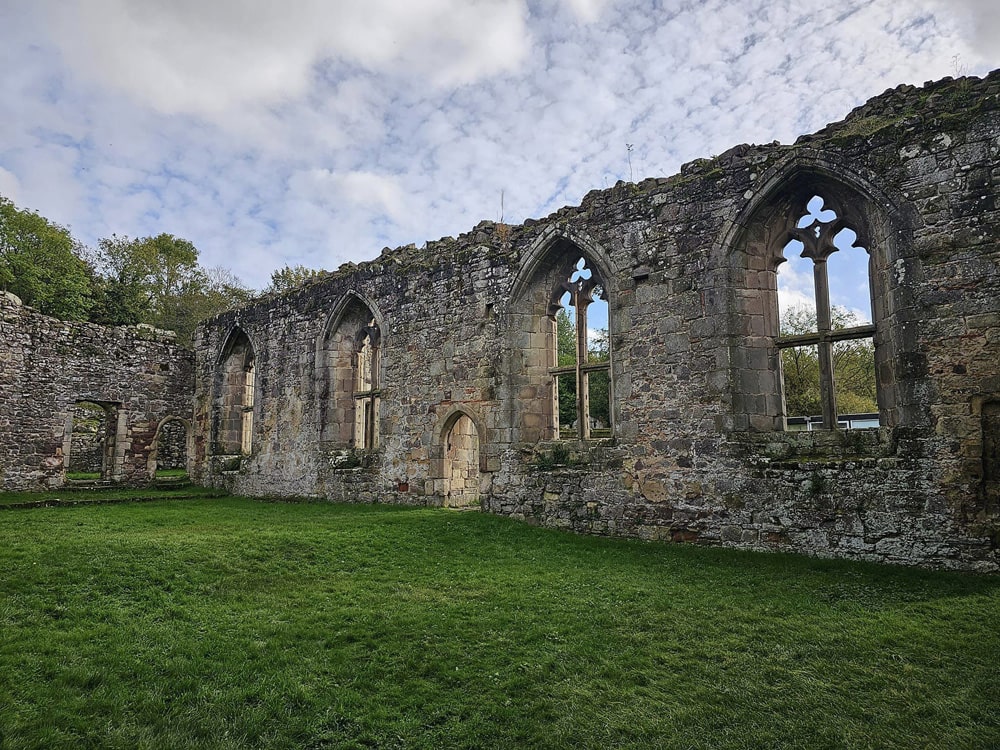
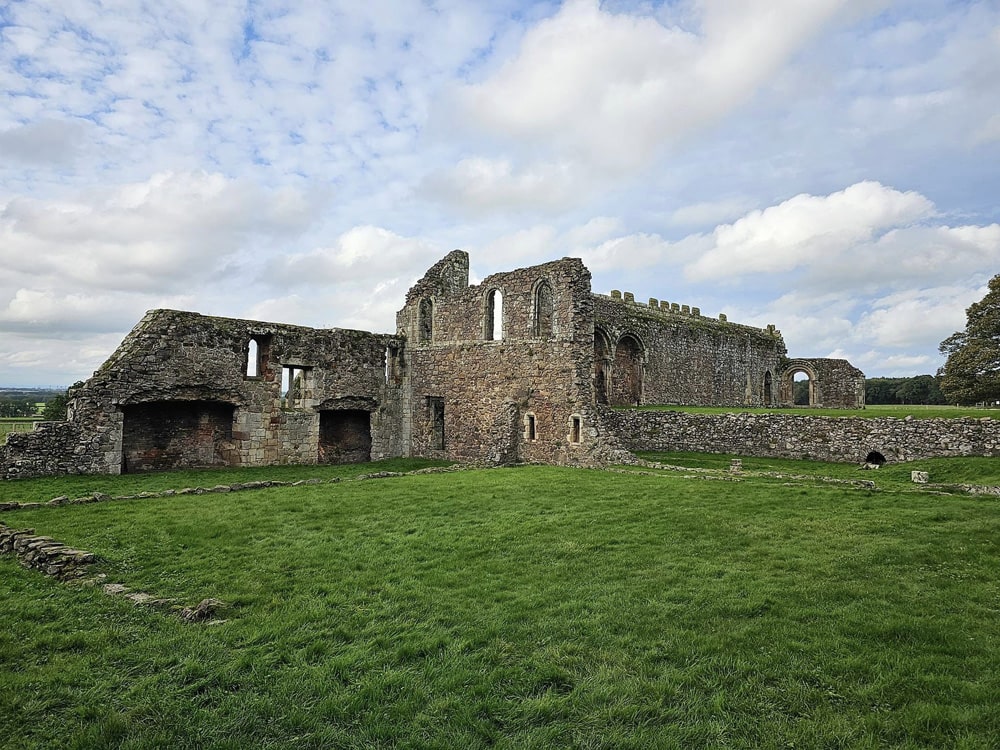
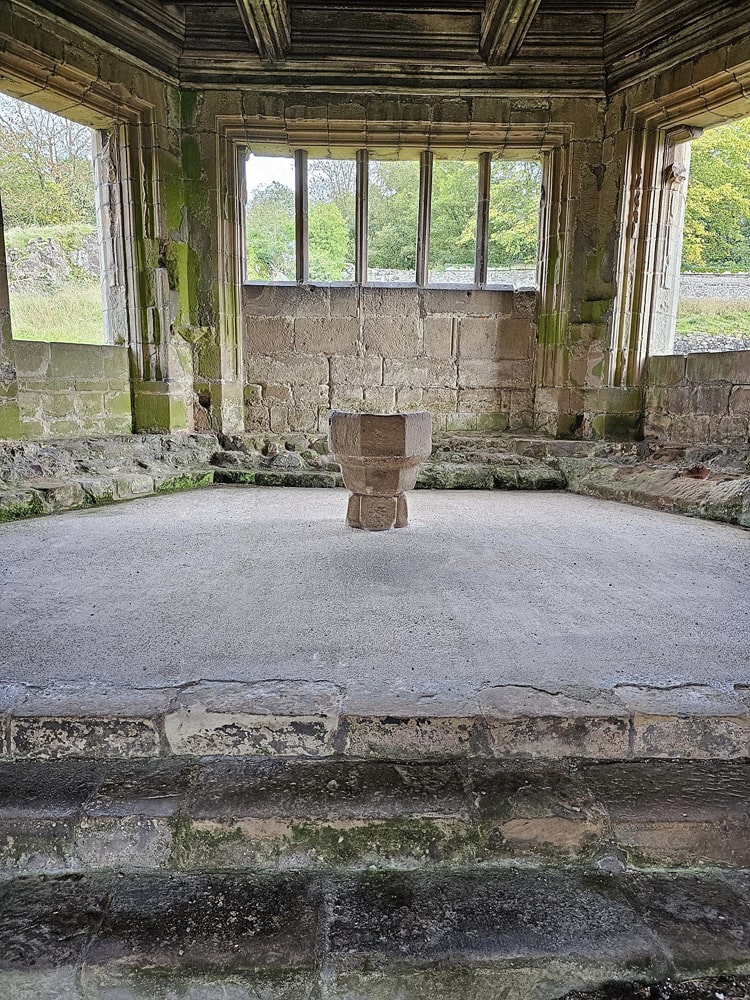
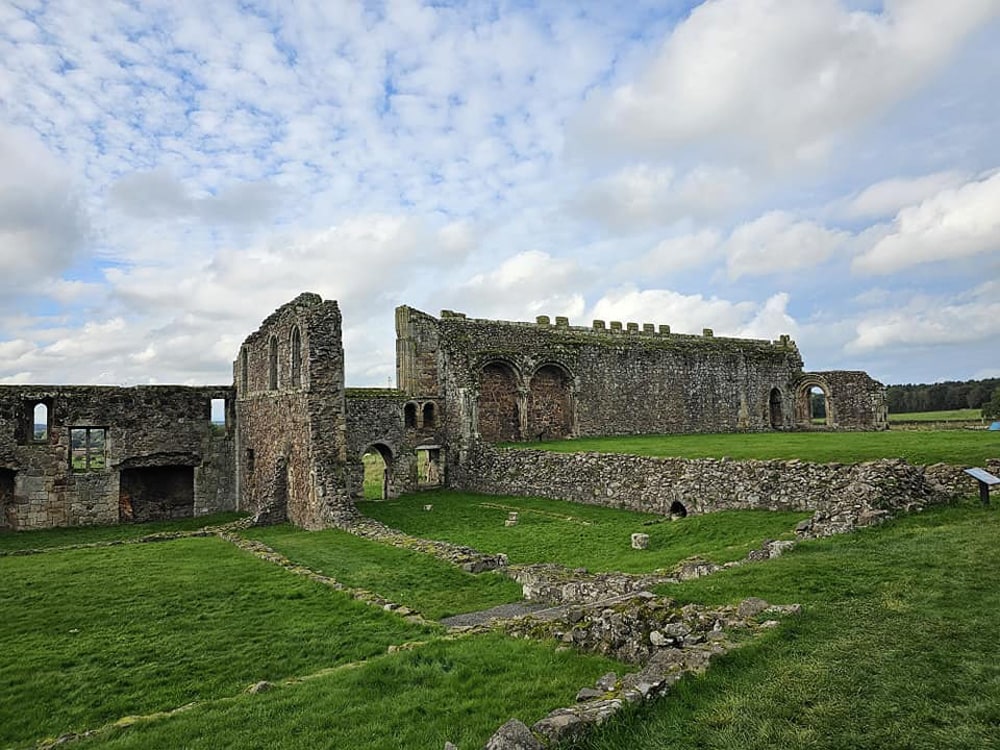
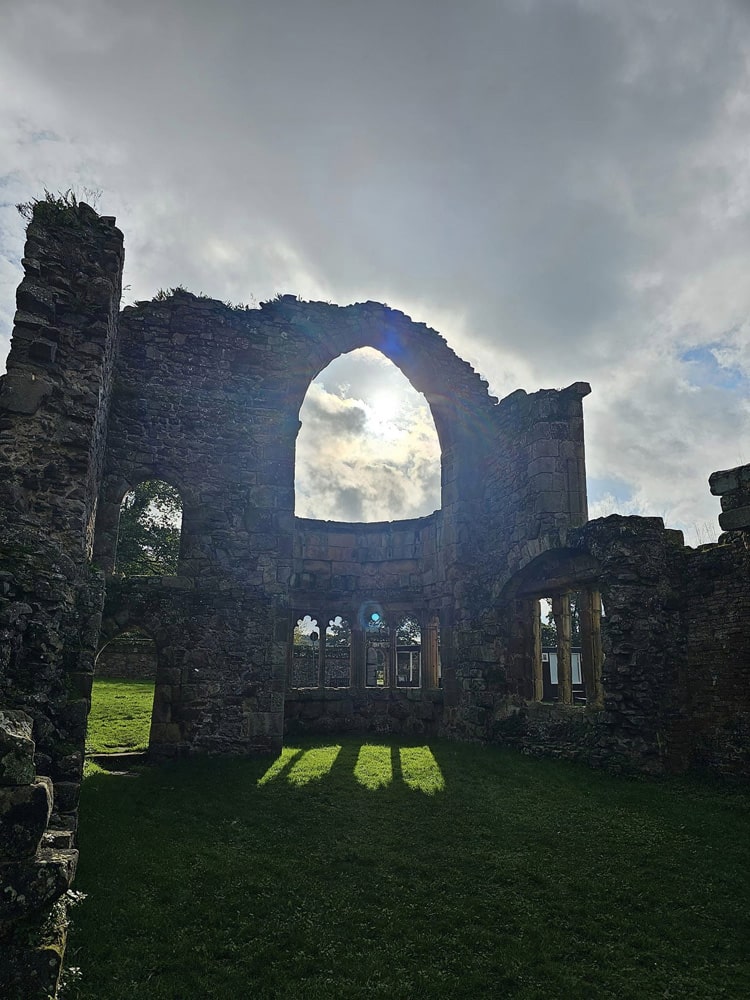
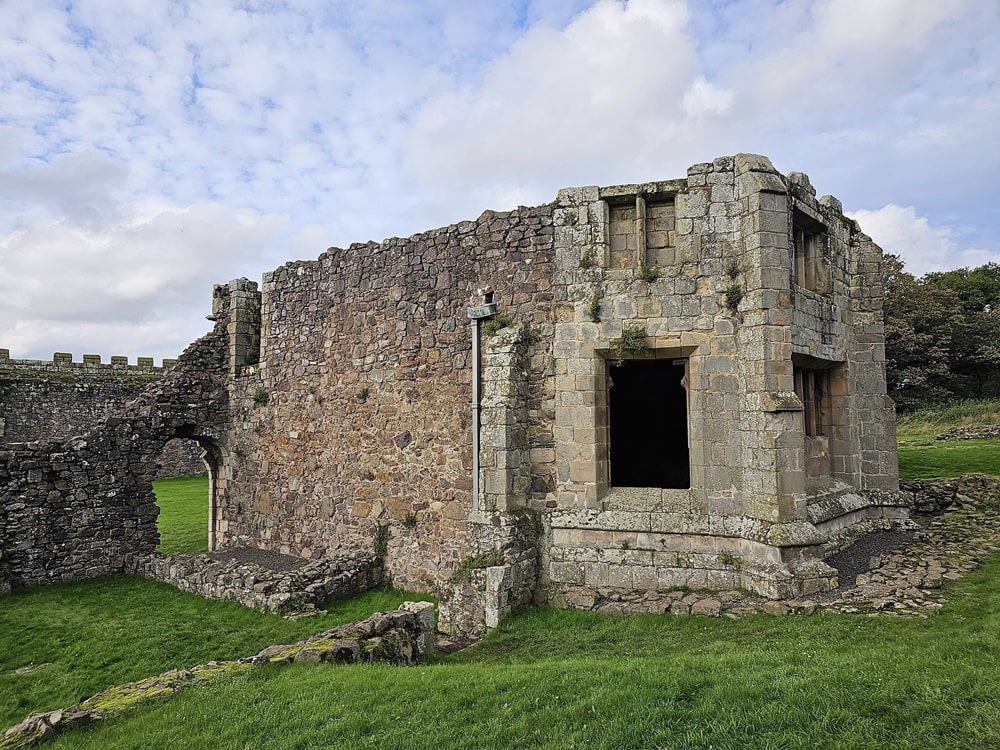
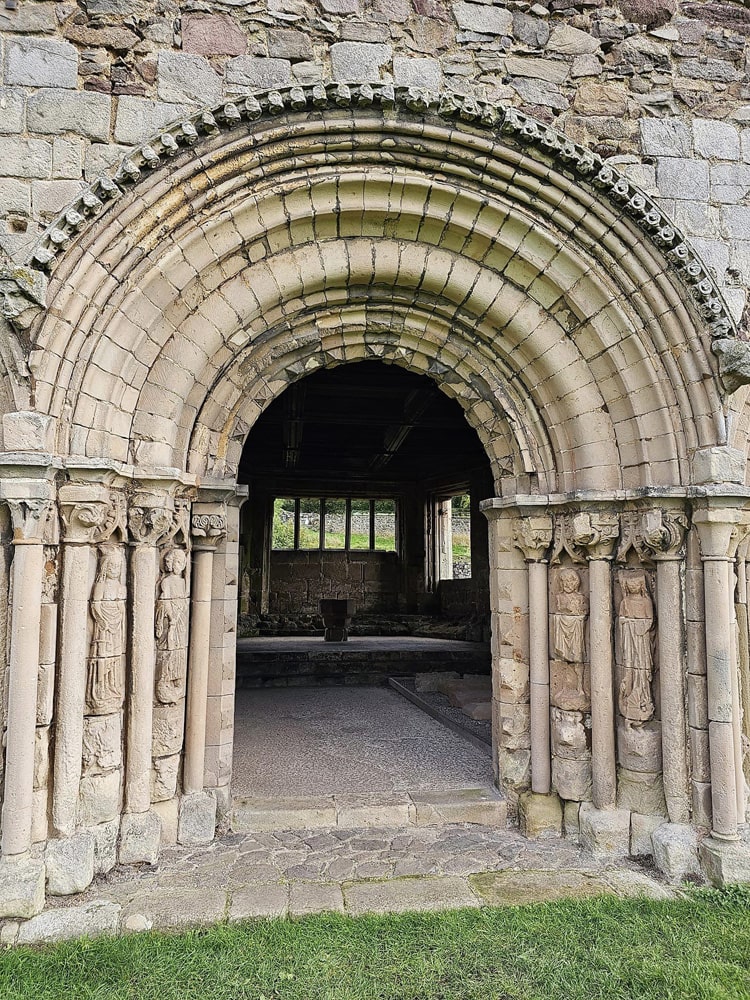
The remains of Haughmond Abbey are quite extensive, including its abbots’ quarters, infirmary, refectory and cloister. The 12th-century chapter house still stands, as does the 13th-century infirmary and the 14th-century well house. The substantially surviving chapter house is richly decorated with 12th and 14th-century carvings. There are also several 13th-century tombstones displayed in the chapter house.
Photo Gallery.
Did you enjoy this post?
I hope you found this post useful. I put a great deal of time and effort in to building, maintaining and populating the website. If you like, you could say a small thank you by buying me a coffee. You don't have to, but it would be nice :)
Buy me a coffeeMore Monasteries
View all Monasteries
Stay up to Date
Follow me on my journey and get notified whenever a new post is published by following Kings & Castles on Facebook.
Follow MeExplore The Map
Discover the hundreds of castles, churches, monasteries, cathedrals and other historic locations that I've personally visited across England and Wales. Search by location, explore nearby sites and plan your next historical adventure.
Share: