The History of English Market Towns
Markets as we think of them today began in the Roman Empire. However, market towns in England really began to flourish in the medieval period around the 12th century.
During the time of the Roman Empire in Britain (between 43 AD and 410 AD), Britain’s first towns were built, and it was these Roman settlements that became the first true market places. The Romans called their market places the ‘forum’, which was the centre of day-to-day life for the Romans. A forum was a rectangular piece of land in the middle of a town, used for things like elections and public speeches, but it was also lined with an open-air market, meeting places and various types of shops.
Archaeological evidence suggests that Colchester is England’s oldest recorded market town, dating to at least the time of the Roman occupation of Britain. Another ancient market town is Cirencester, which held a market towards the end of the Roman occupation.
However, the term ‘market’ derives from medieval times, and means that a town or settlement has the historic rights, known as a market right, to hold a market, usually obtained by custom or royal charter. Most market town charters were granted during the 12th, 13th and 14th centuries.
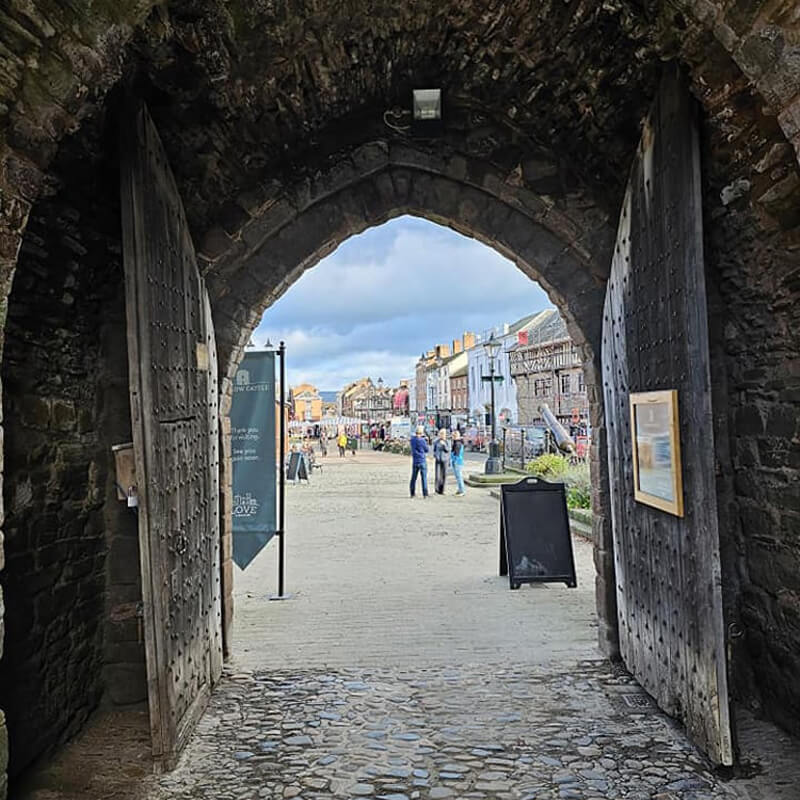
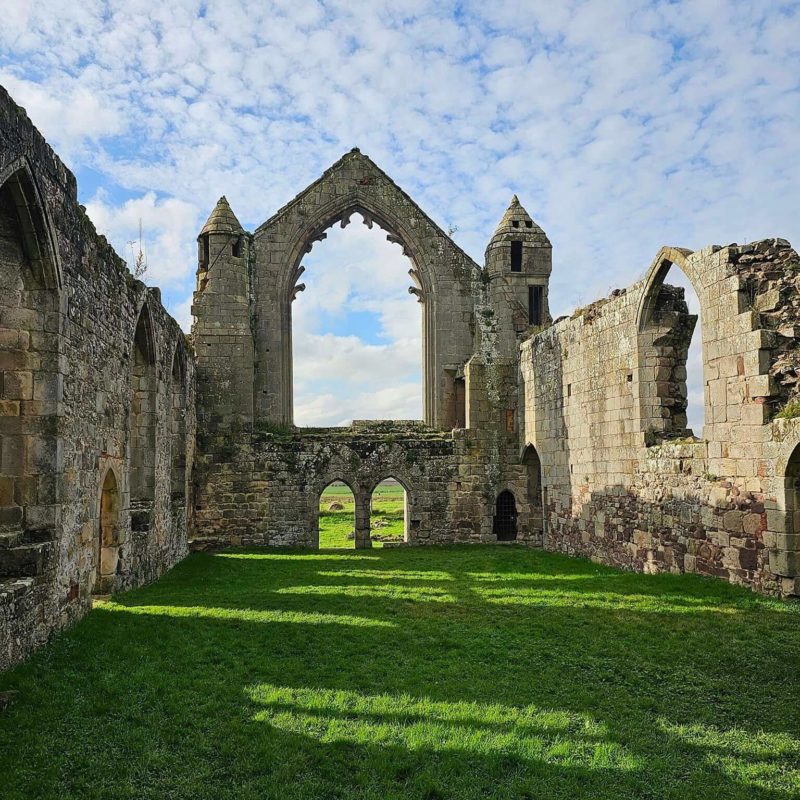
Initially, market towns were most often established around fortified places, such as large fortified manors, castles or monasteries. This was mainly for two reasons; firstly for their protection, and secondly because large manor households, castles and monasteries generated demand for goods and services.
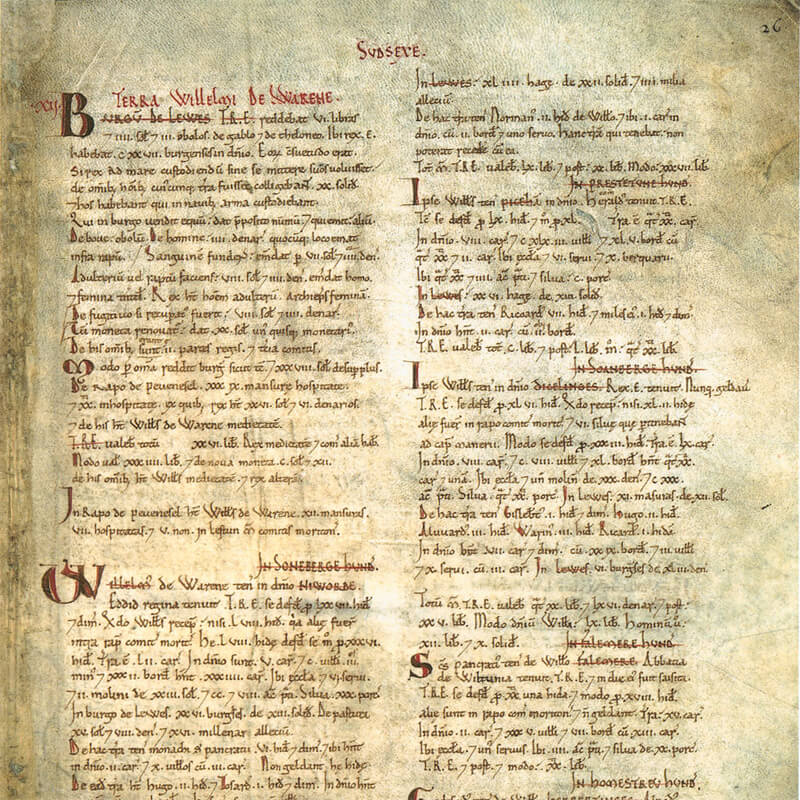
As the population grew, people began to move from the countryside to towns. During the Middle Ages in England, around the years 1066 to 1485, the number of towns increased significantly. The Domesday Book of 1086 listed just 50 markets in England, and a further 2,000 new markets were established between 1200 and the end of the 14th century. The largest medieval English market town was London.
Modern markets today are usually open several days a week, and can be either indoor or outdoor, and are often nowadays in special halls. But historically, markets were open-air, held in what was usually called the market square or market place, and they were typically only open one or two days a week, although ‘market day’ was usually just on a Sunday.
Today, markets are a very different scene to that of medieval times, but the idea is still the same – traders gather to sell their goods and local people come to buy things that they may not be able to get hold of in shops or supermarkets.
Did you enjoy this post?
I hope you found this post useful. I put a great deal of time and effort in to building, maintaining and populating the website. If you like, you could say a small thank you by buying me a coffee. You don't have to, but it would be nice :)
Buy me a coffee
Stay up to Date
Follow me on my journey and get notified whenever a new post is published by following Kings & Castles on Facebook.
Follow MeExplore The Map
Discover the hundreds of castles, churches, monasteries, cathedrals and other historic locations that I've personally visited across England and Wales. Search by location, explore nearby sites and plan your next historical adventure.
Share: