Byland Abbey
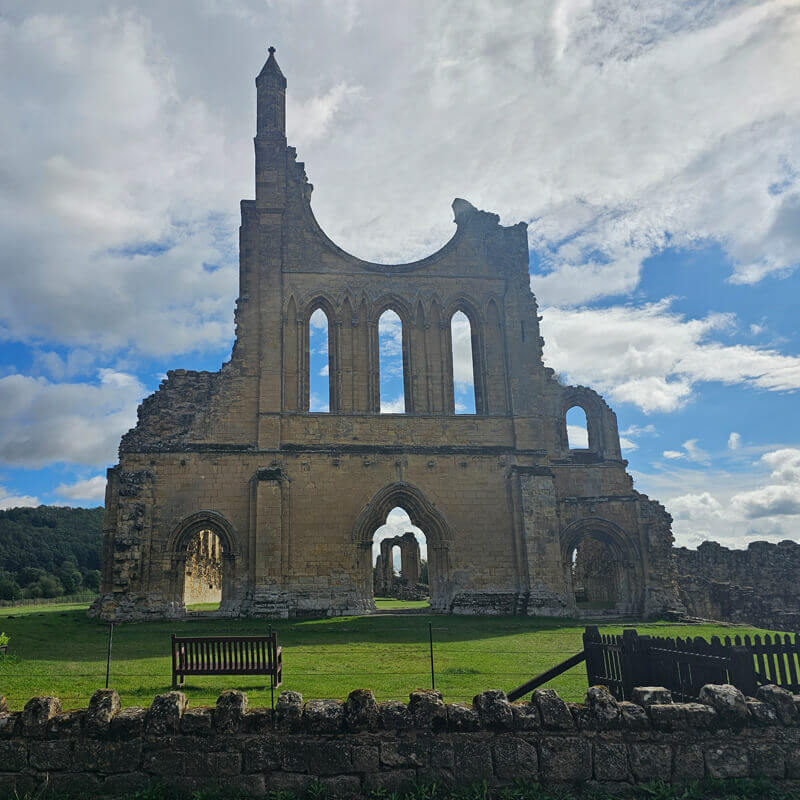
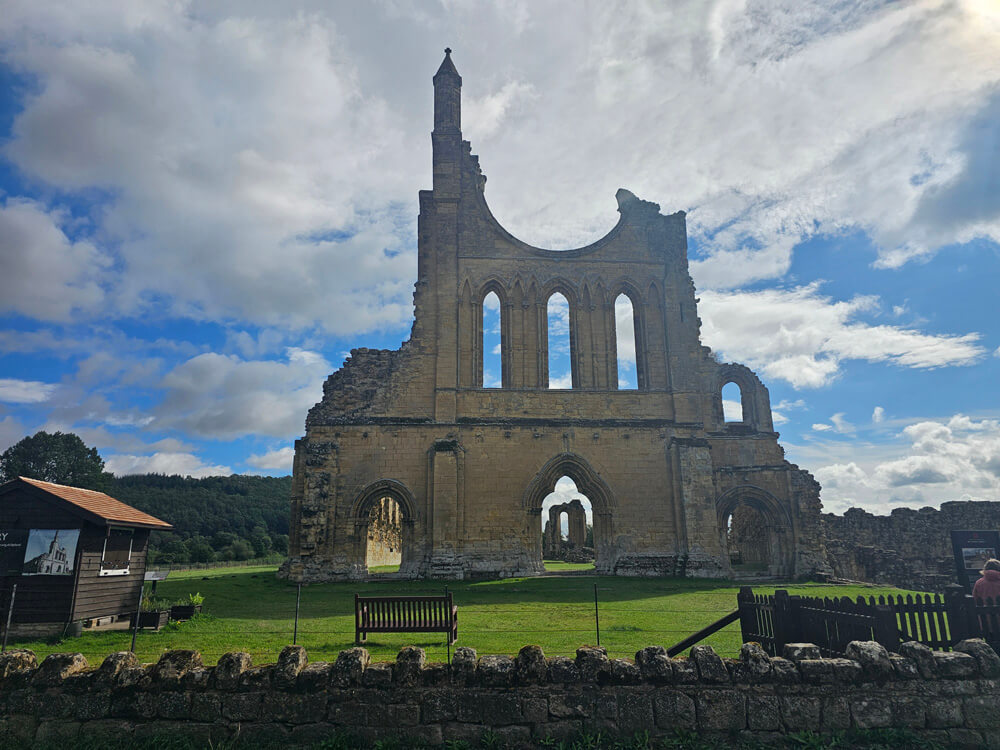
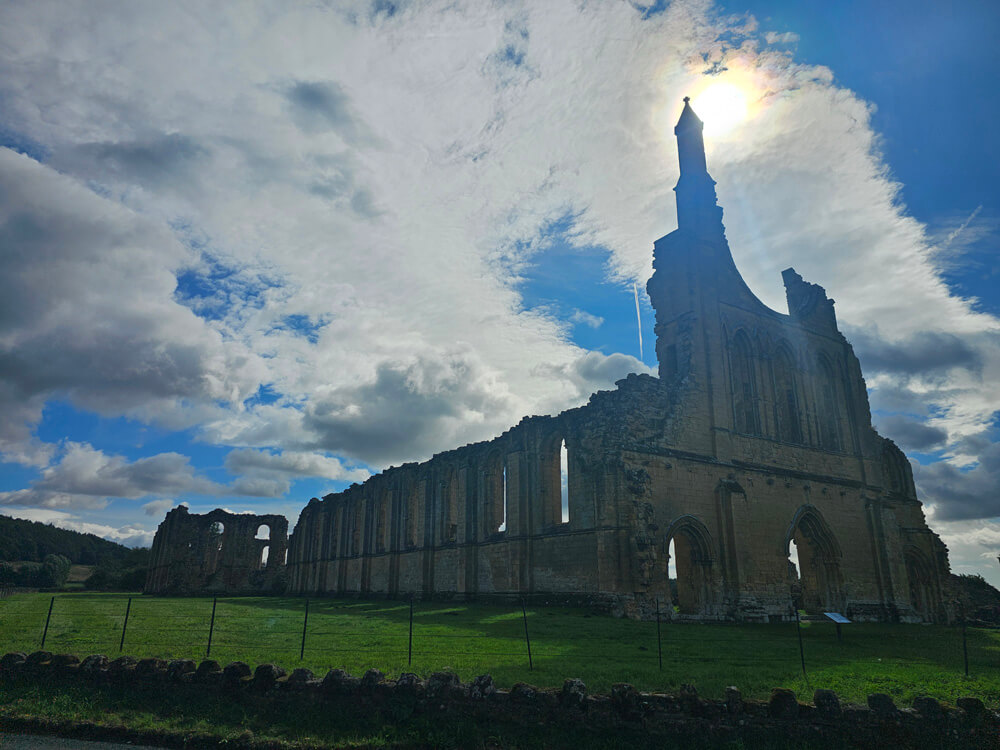
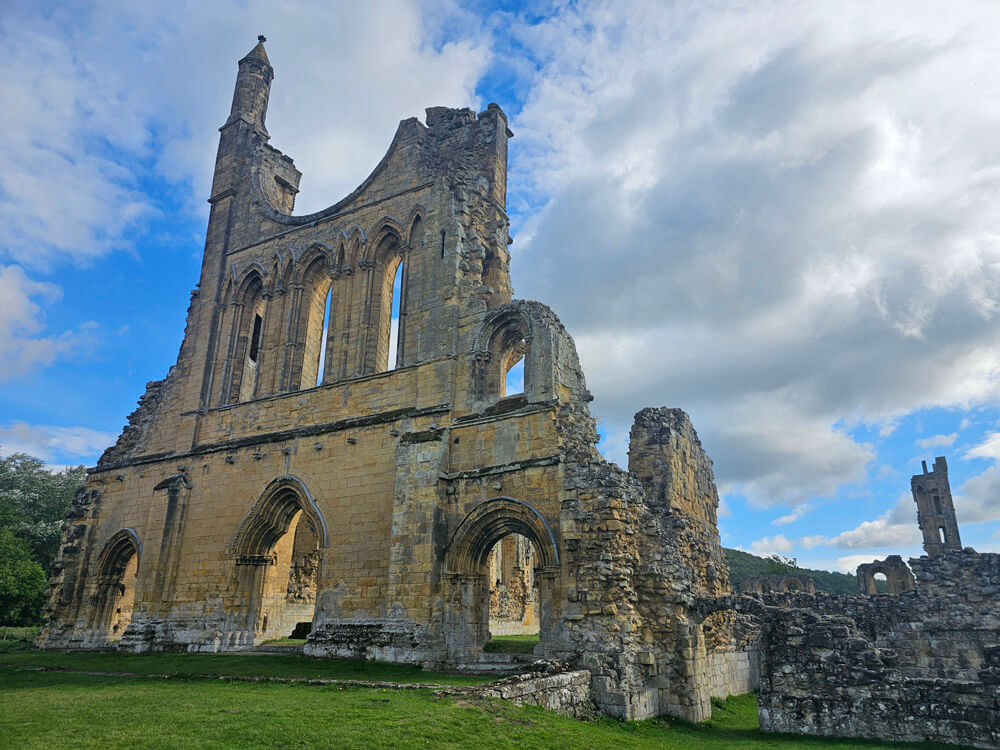
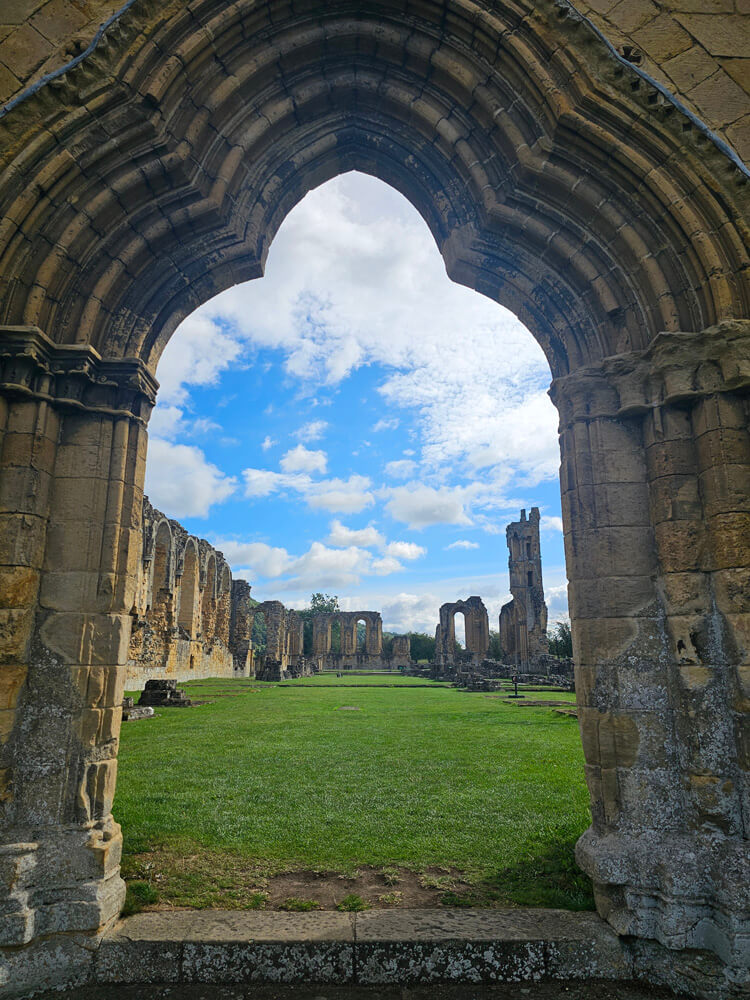
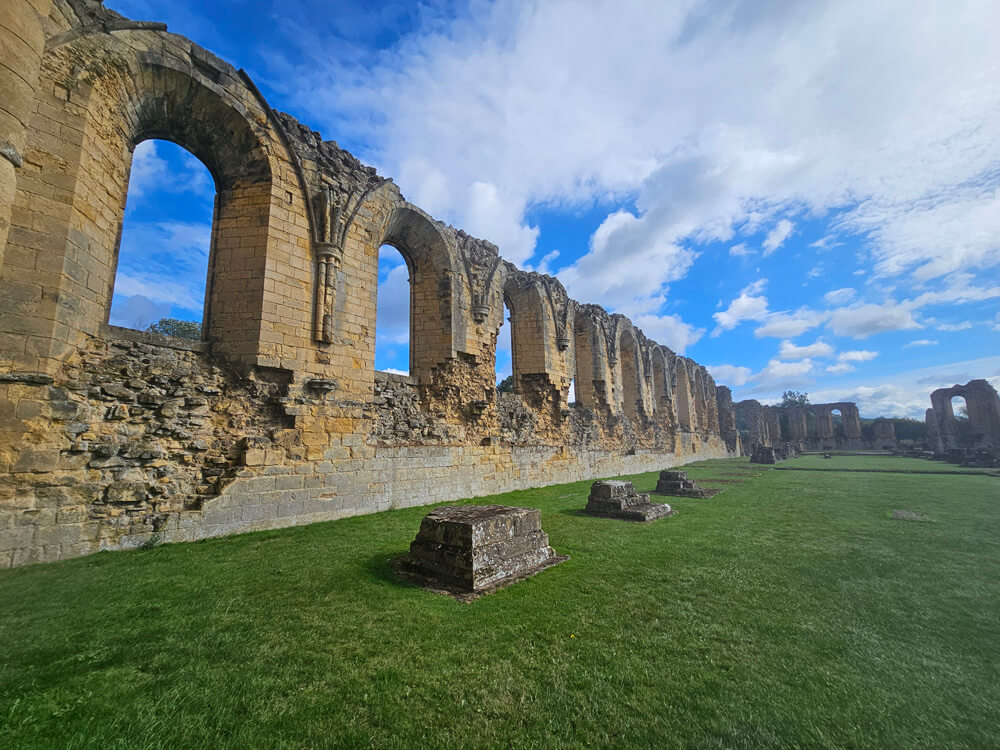
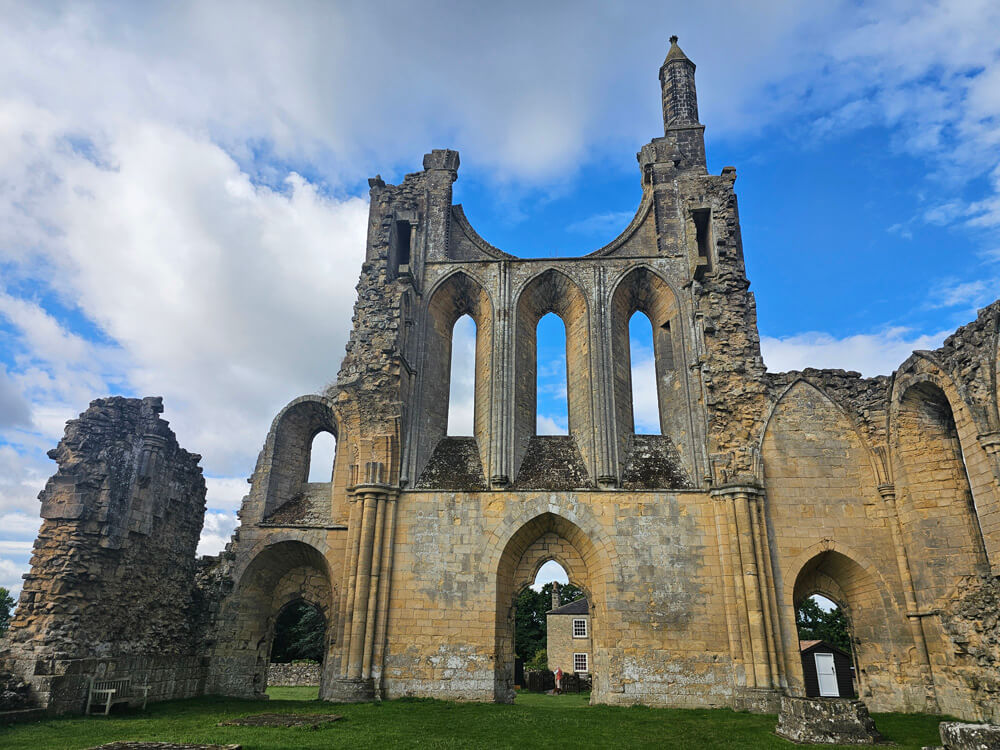
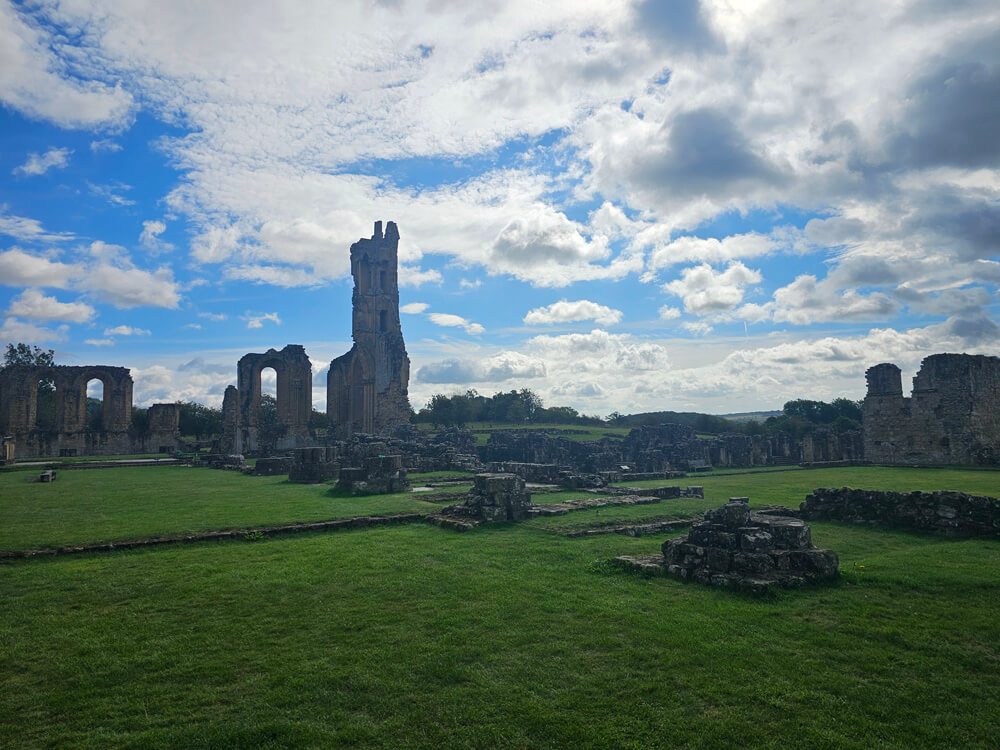
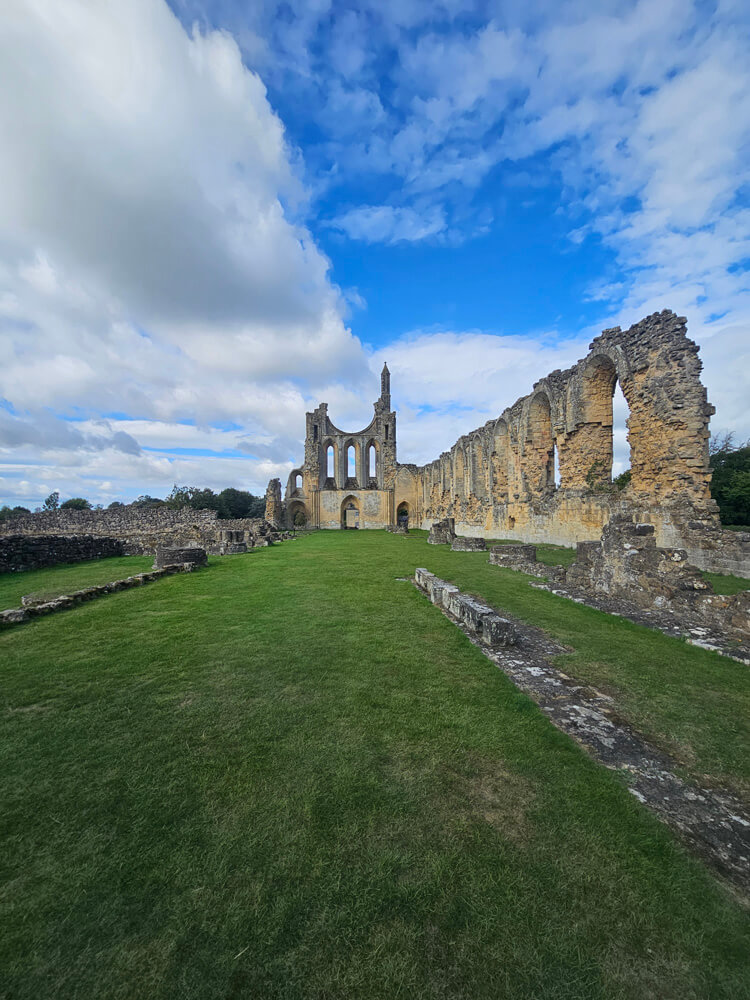
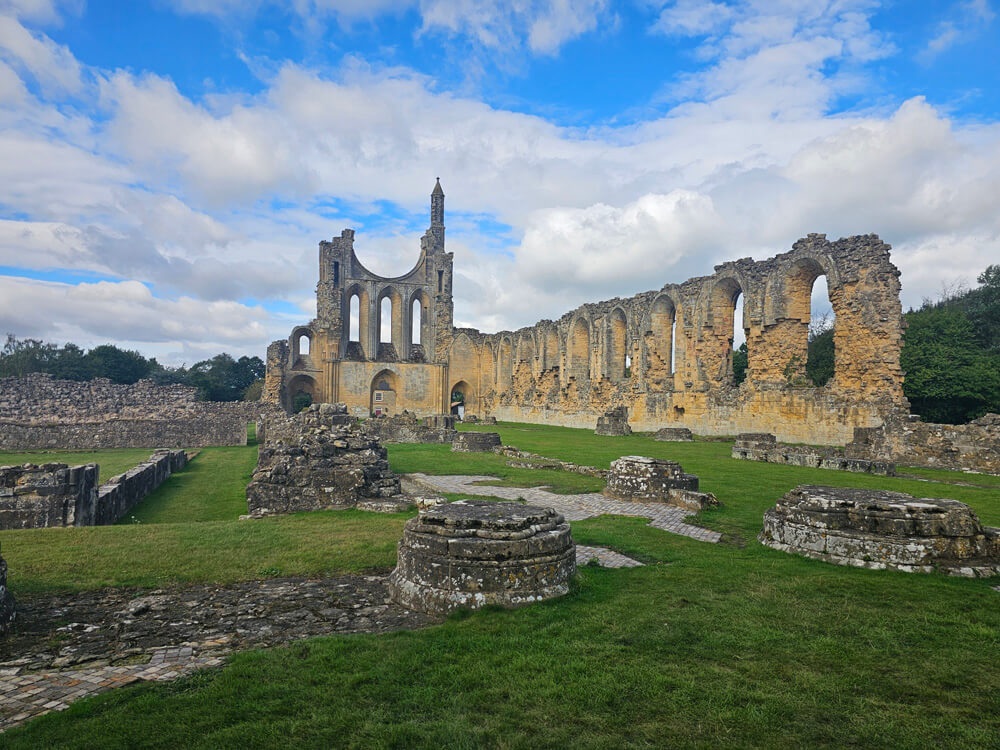
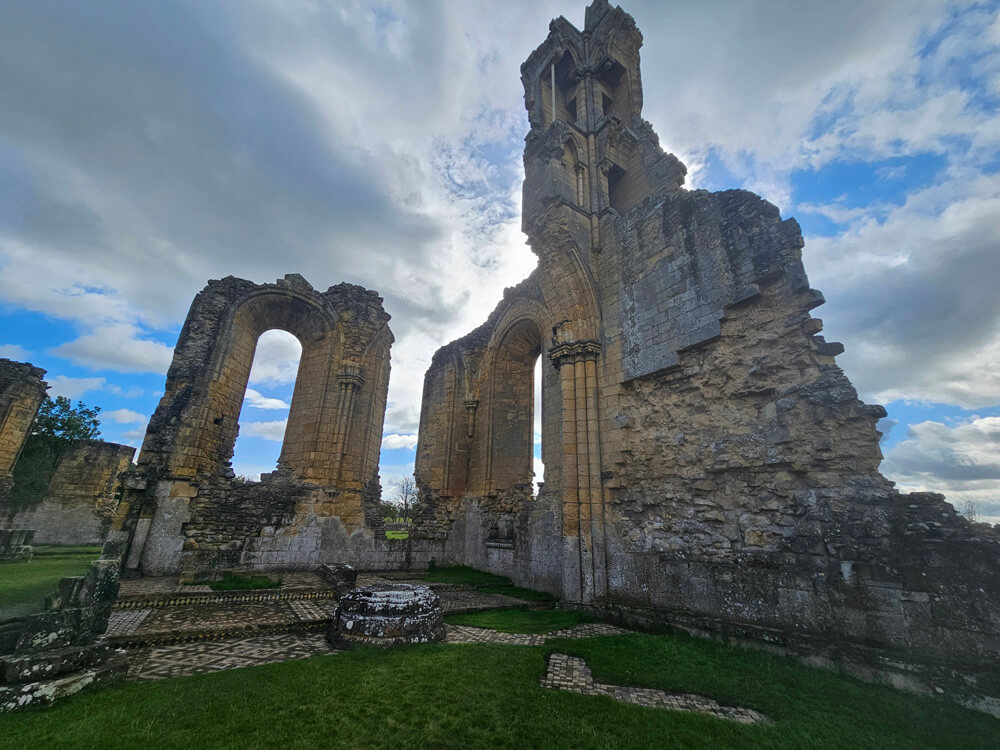
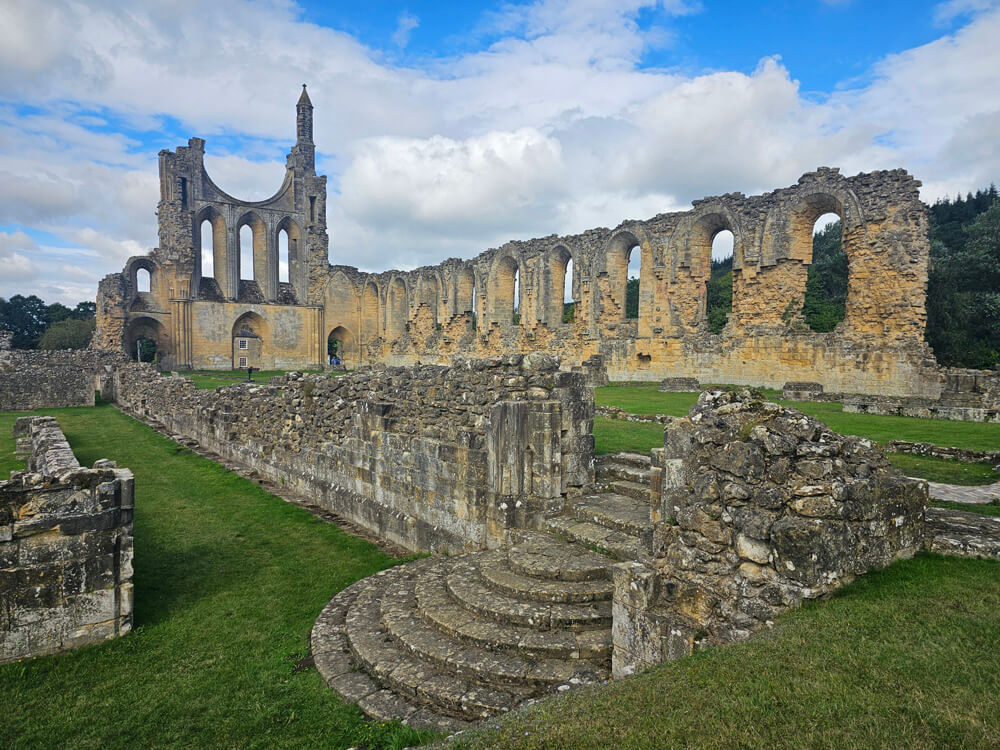
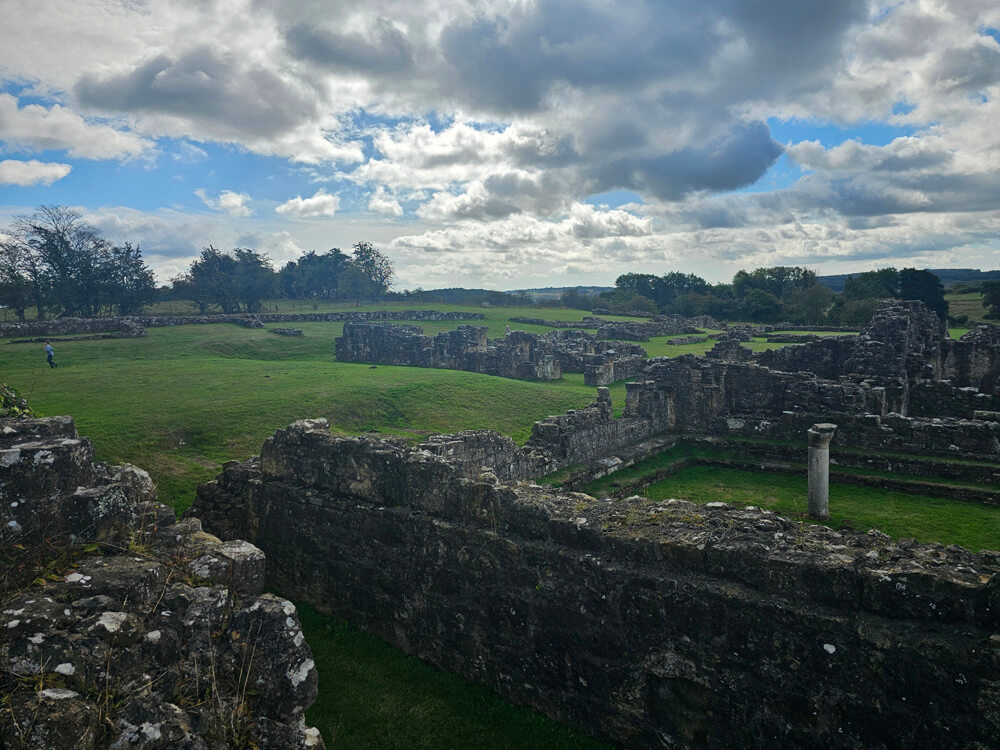
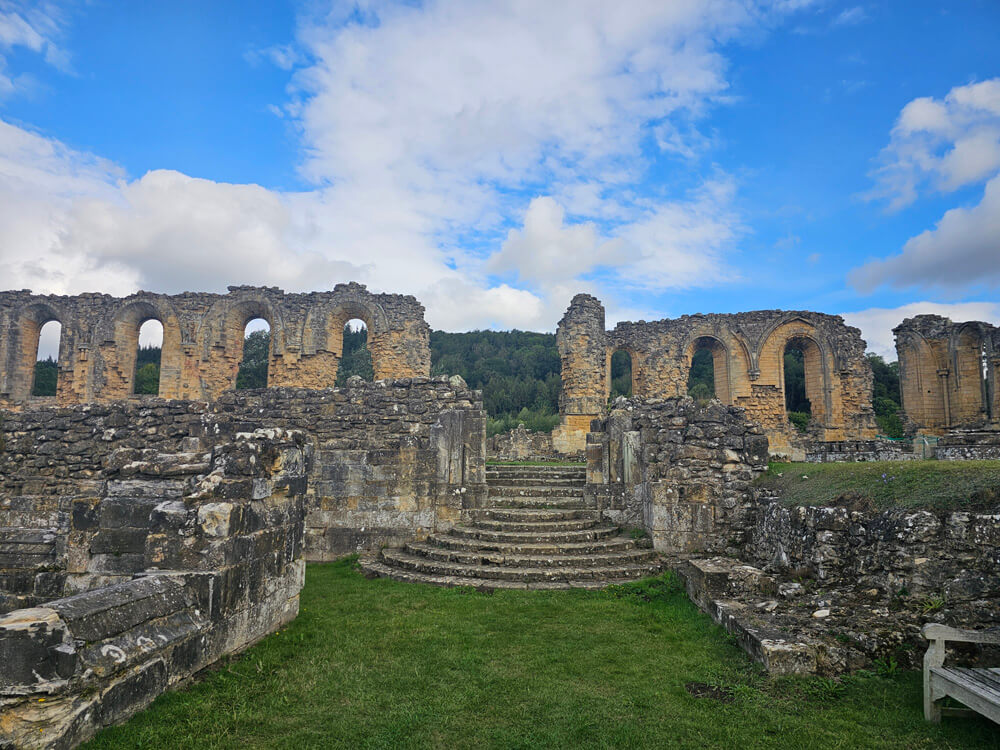
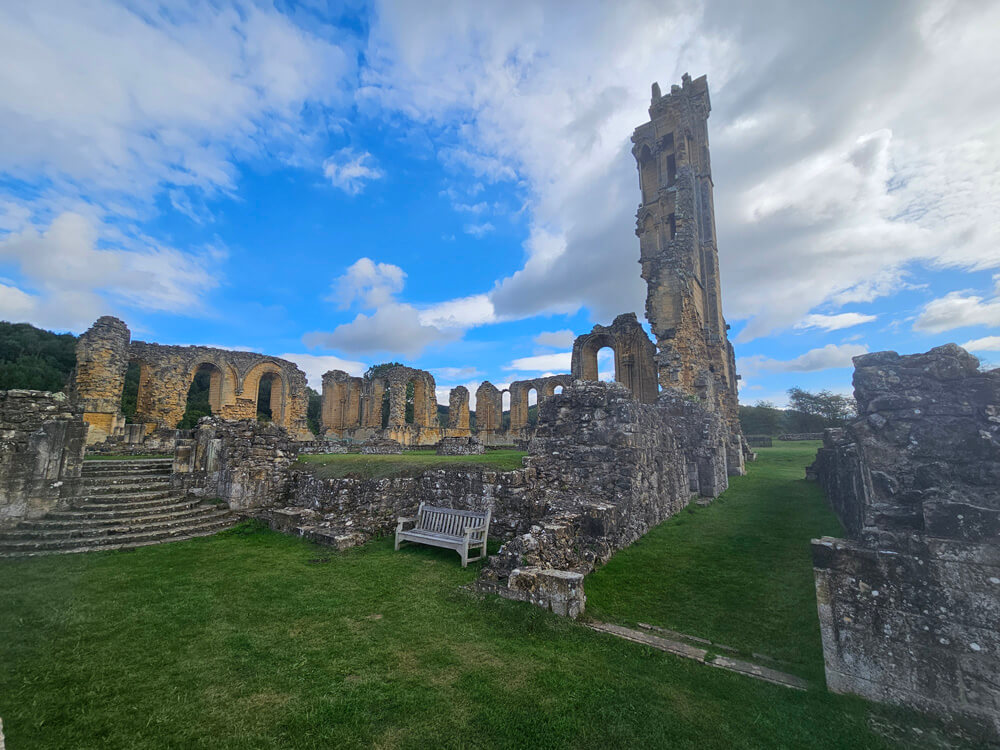
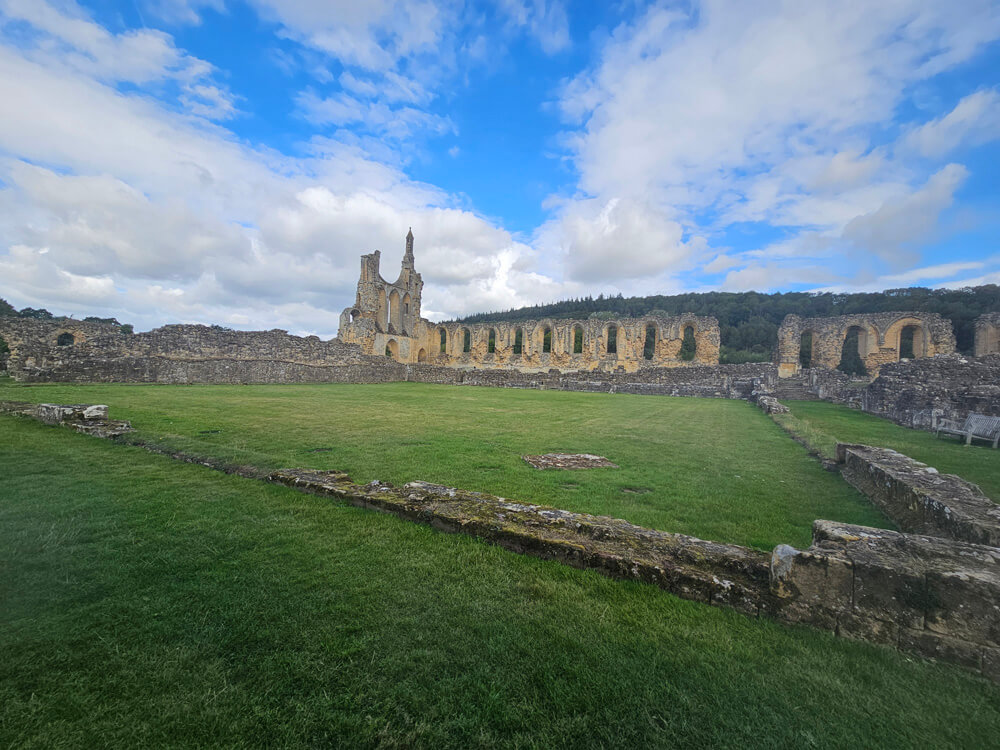
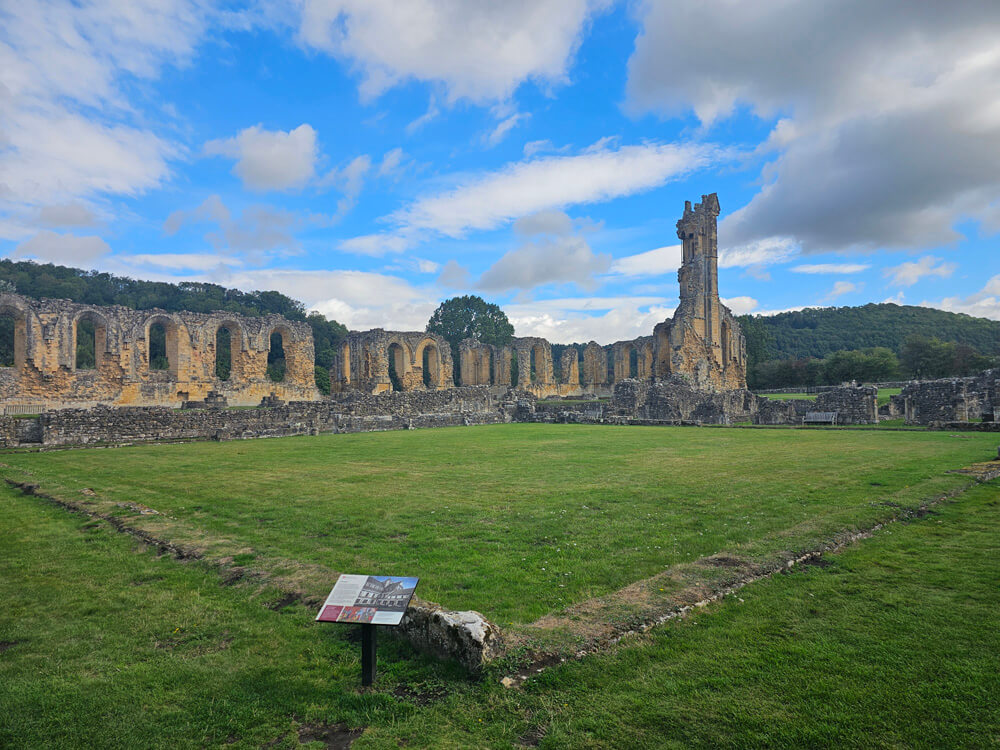
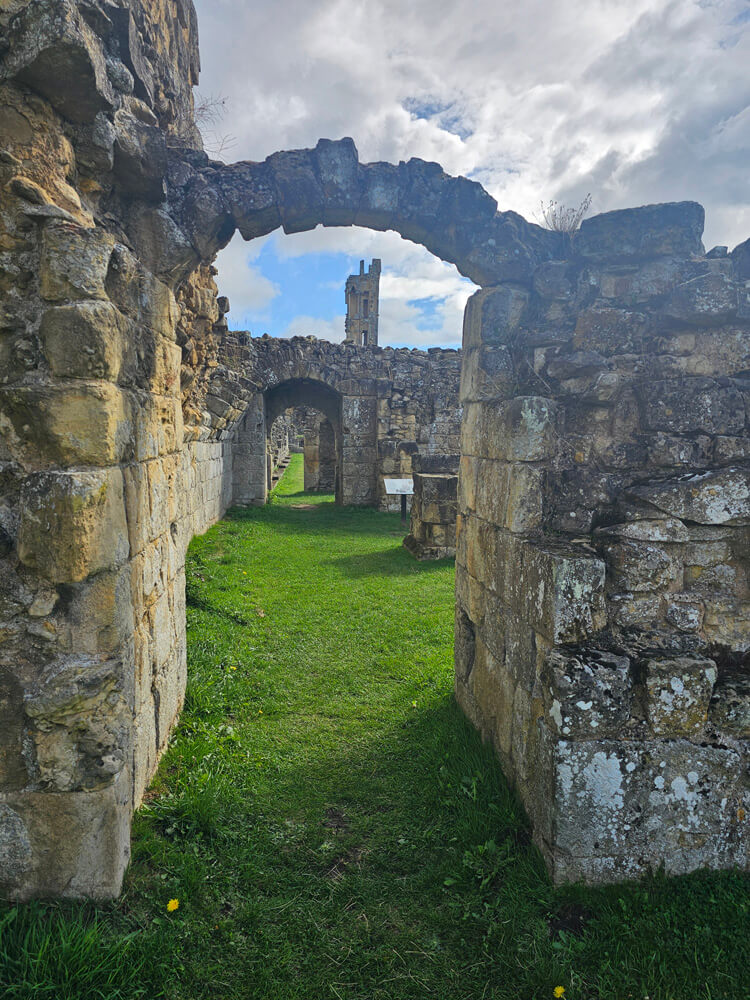
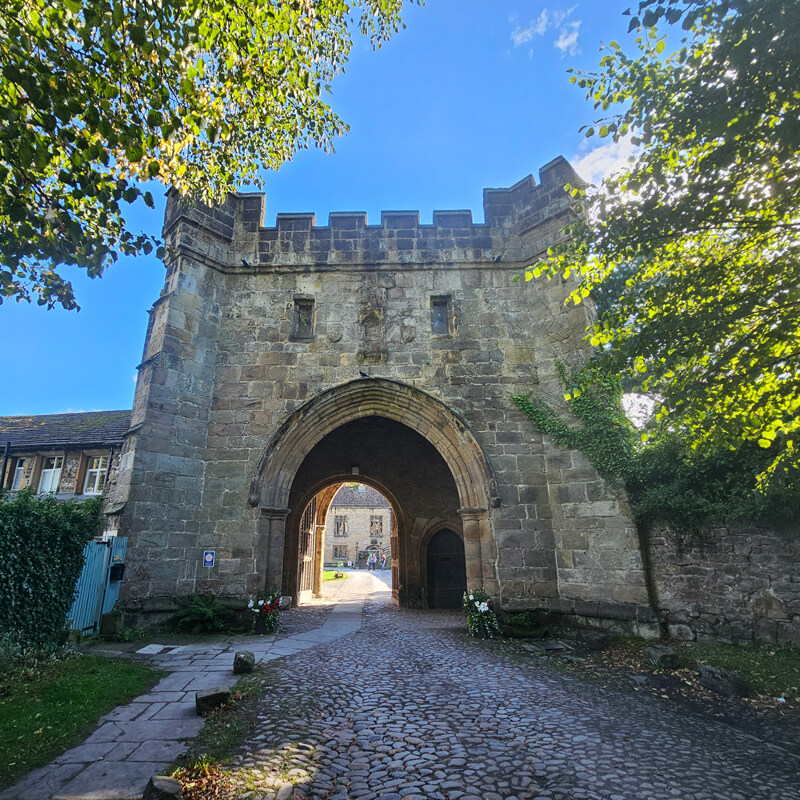
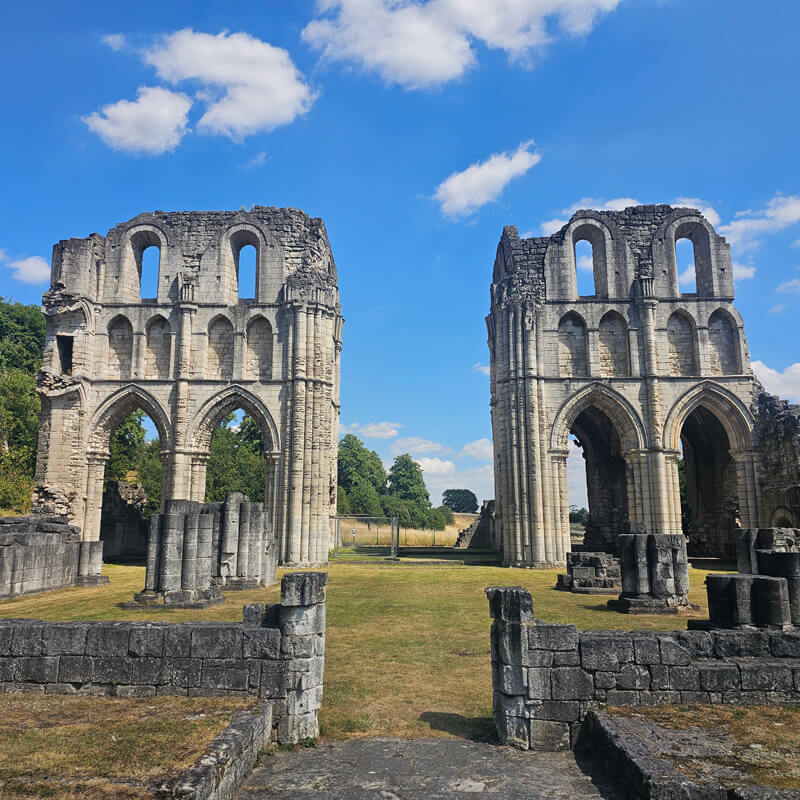
Set among the rolling countryside of North Yorkshire, Byland Abbey is one of England’s most impressive medieval monastic ruins. Although now largely roofless, its surviving walls and magnificent west front provide an extraordinary insight into the ambitions, achievements and eventual decline of the Cistercian monks who lived there.
Quick
Facts.
- Location: Byland, North Yorkshire, England
- Founded: 12th century
- Founder: Roger de Mowbray
- Religious order: Cistercian
- Dissolved: 1538
- Condition: Ruined
A Bit of History…
The story of Byland Abbey began in 1128, when a community of Savigniac monks established a monastery at Furness in Cumbria. The monks experienced a difficult early history, moving between several locations over more than 40 years. In 1147, the Savigniac order became part of the Cistercian order, and the community eventually settled permanently at Byland. Construction of the monastery began in the late 1150s, and the monks occupied the new buildings by 1177.
Byland grew into one of the largest Cistercian monasteries in Britain. Its fortunes were closely connected with the powerful Mowbray family, particularly Roger de Mowbray, who provided important support and land, and was regarded as Byland’s founder. The monks developed a substantial estate, with sheep farming and wool production providing much of their income. They also possessed fisheries, urban properties and iron-working interests.
The abbey church was particularly remarkable. Built during the late 12th century, it was enormous for its time and represented a bold move towards the early Gothic style. The church was designed to accommodate a large religious community and was considerably more elaborate than the austere buildings traditionally associated with the Cistercians. Its architecture became influential, with features of Byland’s design appearing in other churches in northern England.
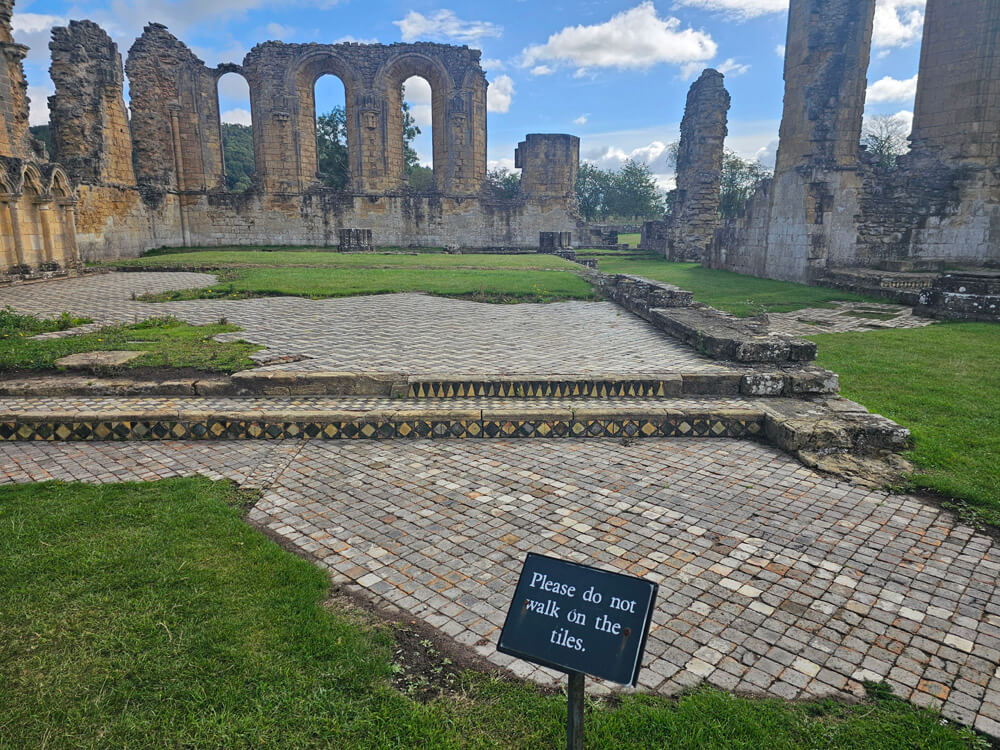
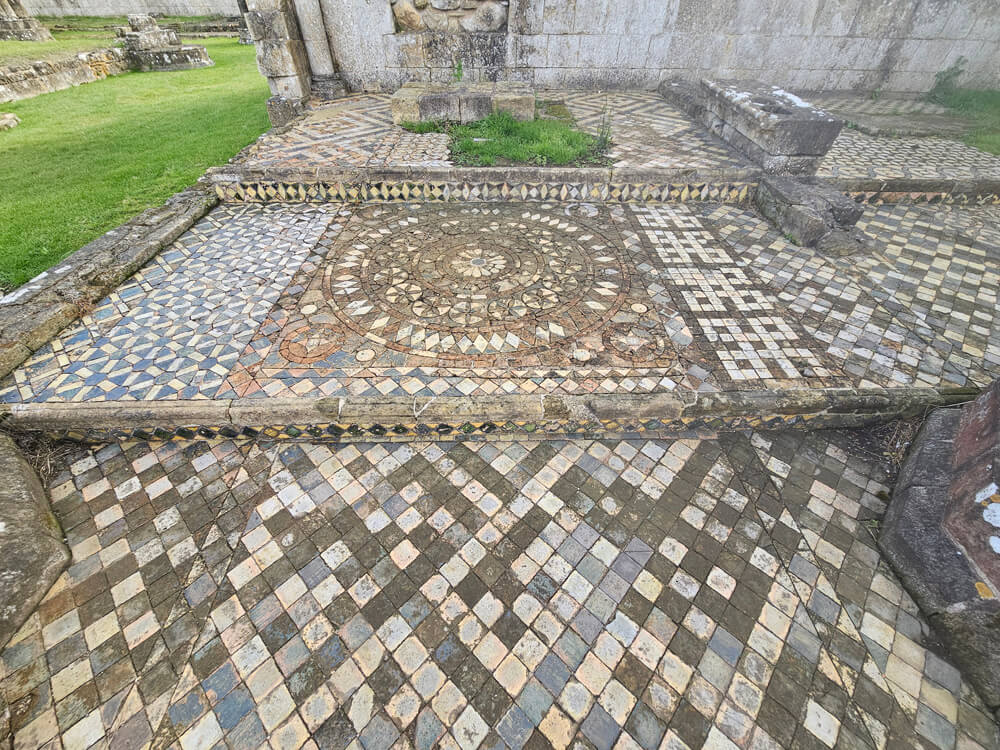
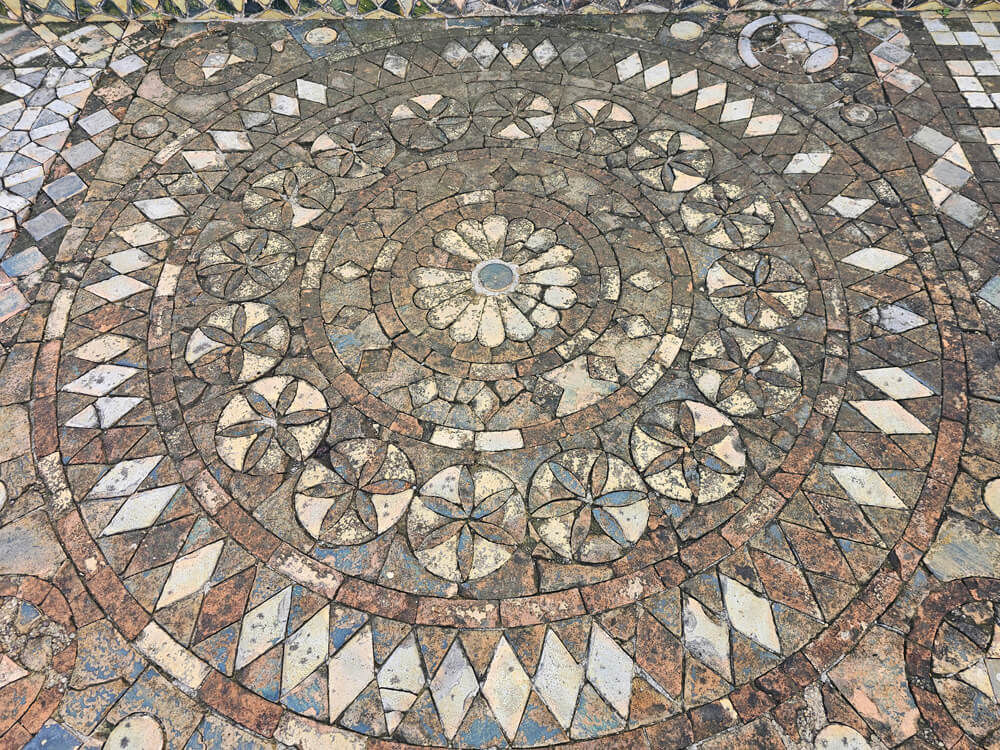
One of the abbey’s most fascinating survivals is its collection of medieval floor tiles. Parts of the original 13th-century tiled pavement remain in the south transept, displaying intricate geometric patterns. These tiles are among the most extensive surviving examples of their type in England.
Byland suffered during the turbulent 14th century. In 1322, Scottish forces led by Robert the Bruce invaded the area after defeating the English at Byland. The abbey was pillaged, along with nearby Rievaulx Abbey. The community was subsequently affected by declining numbers of lay brothers and the Black Death. By 1391, only 11 monks and three lay brothers remained.
The final chapter of Byland’s monastic history came during the Dissolution of the Monasteries under Henry VIII. In November 1538, Abbot John Ledes and 25 monks surrendered the abbey. The buildings were stripped of valuable materials, including lead, glass and timber, and the estate was granted to Sir William Pickering in 1540.
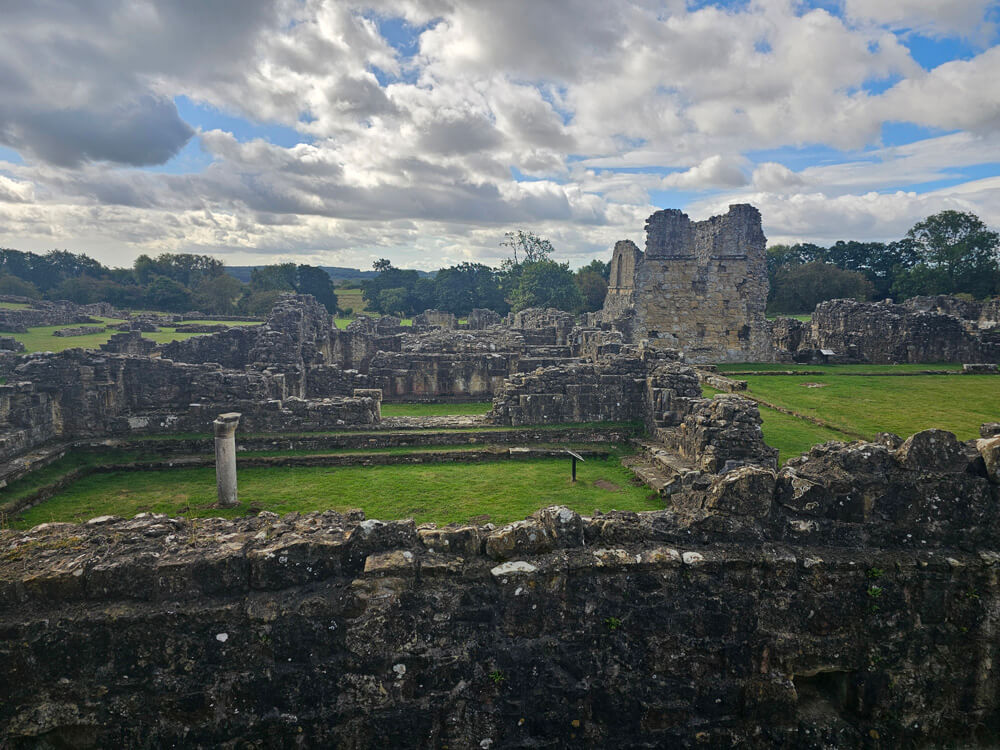
Over the centuries, Byland gradually became a ruin, with stone removed for local buildings. Archaeological interest increased during the 19th century, and major excavation and clearance began in 1921. The surviving remains were consolidated, revealing the impressive plan of the medieval monastery.
Today, Byland Abbey is cared for by English Heritage. Its spectacular ruins, early Gothic architecture and peaceful North Yorkshire setting make it an important reminder of the region’s medieval past. More than eight centuries after its construction, Byland remains a remarkable testament to the skill, wealth and ambition of the Cistercian monks who created it.
Photo Gallery.
Did you enjoy this post?
I hope you found this post useful. I put a great deal of time and effort in to building, maintaining and populating the website. If you like, you could say a small thank you by buying me a coffee. You don't have to, but it would be nice :)
Buy me a coffee
Stay up to Date
Follow me on my journey and get notified whenever a new post is published by following Kings & Castles on Facebook.
Follow MeExplore The Map
Discover the hundreds of castles, churches, monasteries, cathedrals and other historic locations that I've personally visited across England and Wales. Search by location, explore nearby sites and plan your next historical adventure.
Share: