Tintern Abbey
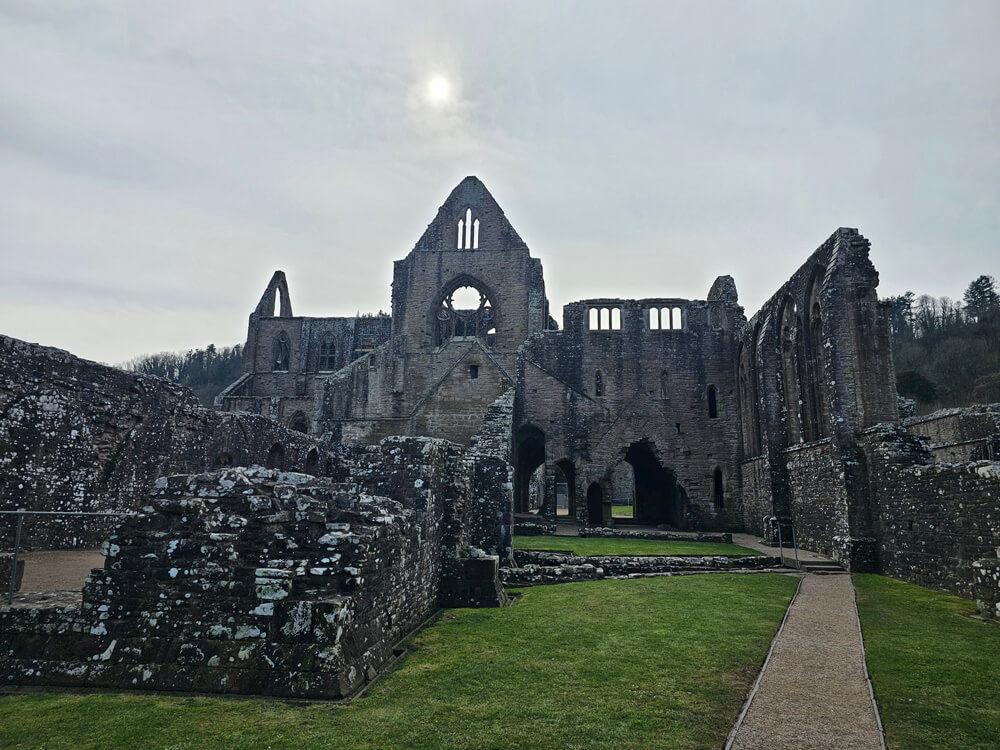
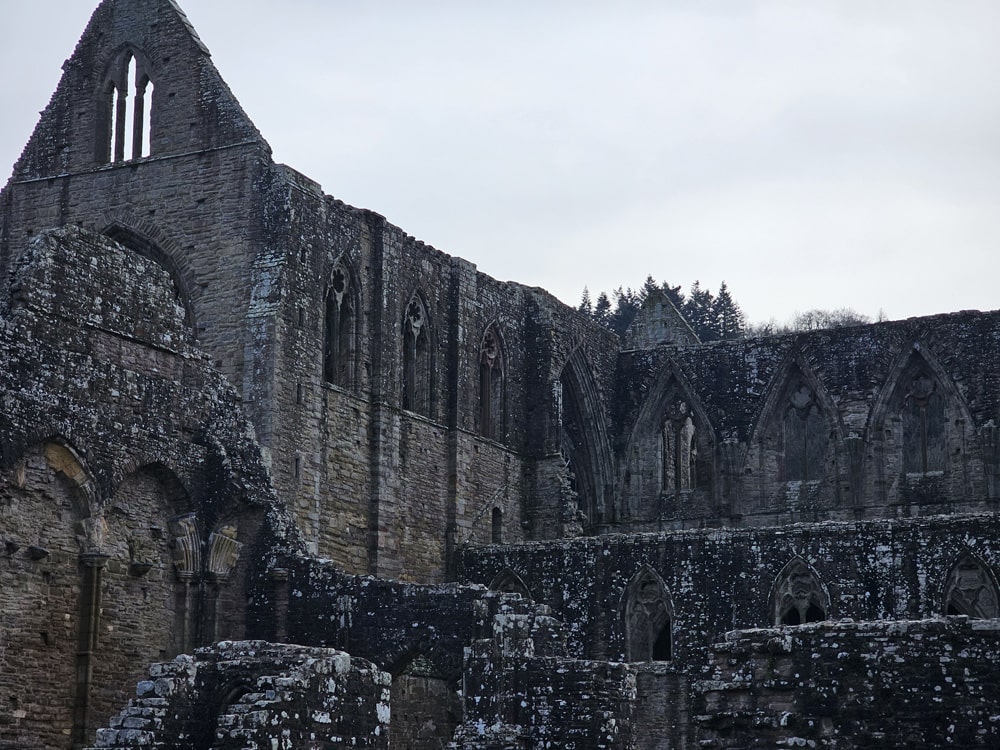
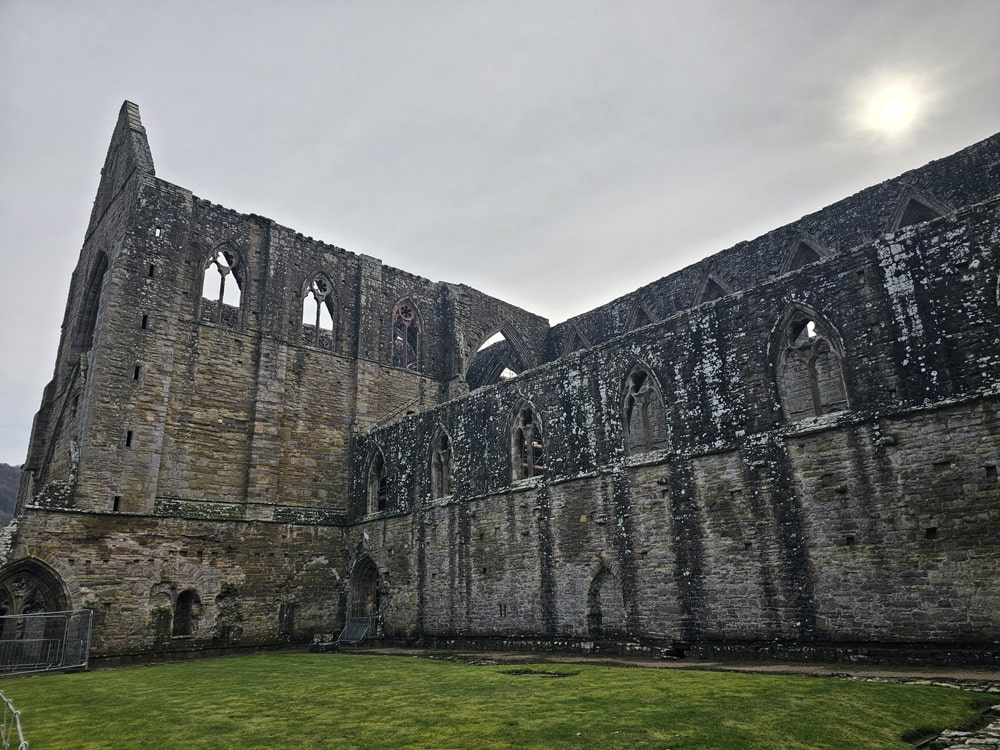
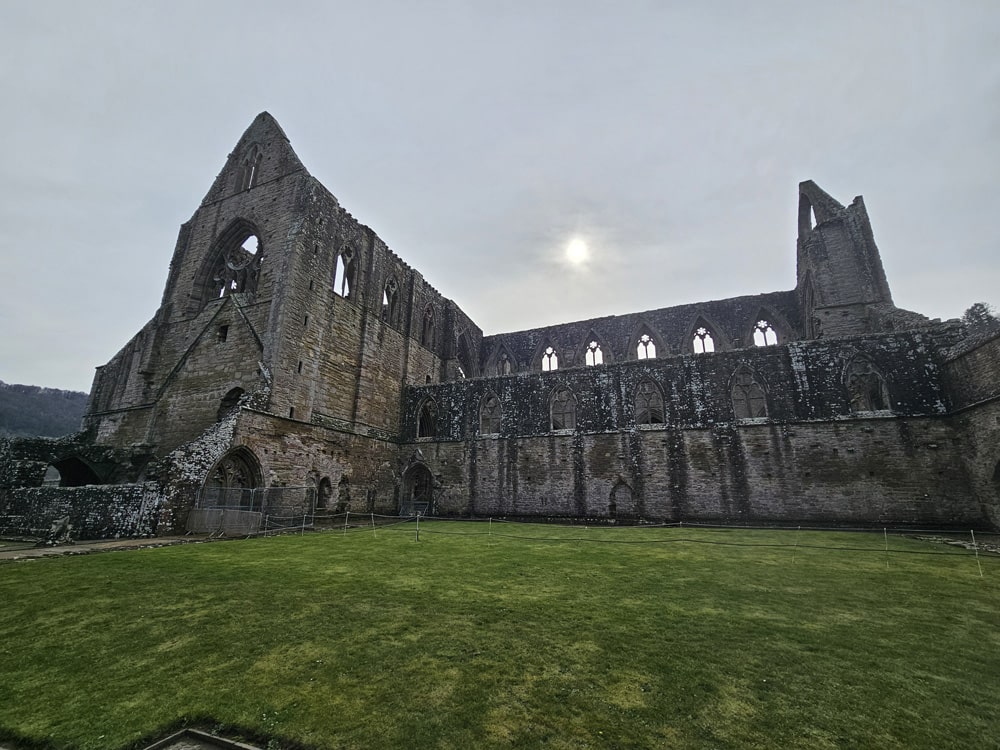
The impressive romantic ruins of Tintern Abbey sit in glorious splendour in the village of Tintern in Monmouthshire, on the Welsh bank of the River Wye on the border between Monmouthshire in Wales and Gloucestershire in England. The jewel in the beautiful Wye Valley, Tintern remains the best-preserved medieval abbey in Wales.
Quick
Facts.
- Location: Tintern, Monmouthshire, Wales
- Founded: 1131
- Founder: Walter de Clare, Lord of Chepstow
- Religious order: Cistercian
- Dissolved: 1536
- Condition: Substantial ruins
A Bit of History…
Tintern Abbey was the second Cistercian foundation in Britain, and the first in Wales. Tintern was always closely associated with the lords of nearby Chepstow, who were often generous benefactors. The abbey was founded in 1131 by Walter de Clare, Lord of Chepstow, and Cistercian monks from the abbey of l’Aumone in France, but it was substantially rebuilt in grand fashion under the patronage of Roger Bigod, a later lord of Chepstow, in the 13th century.
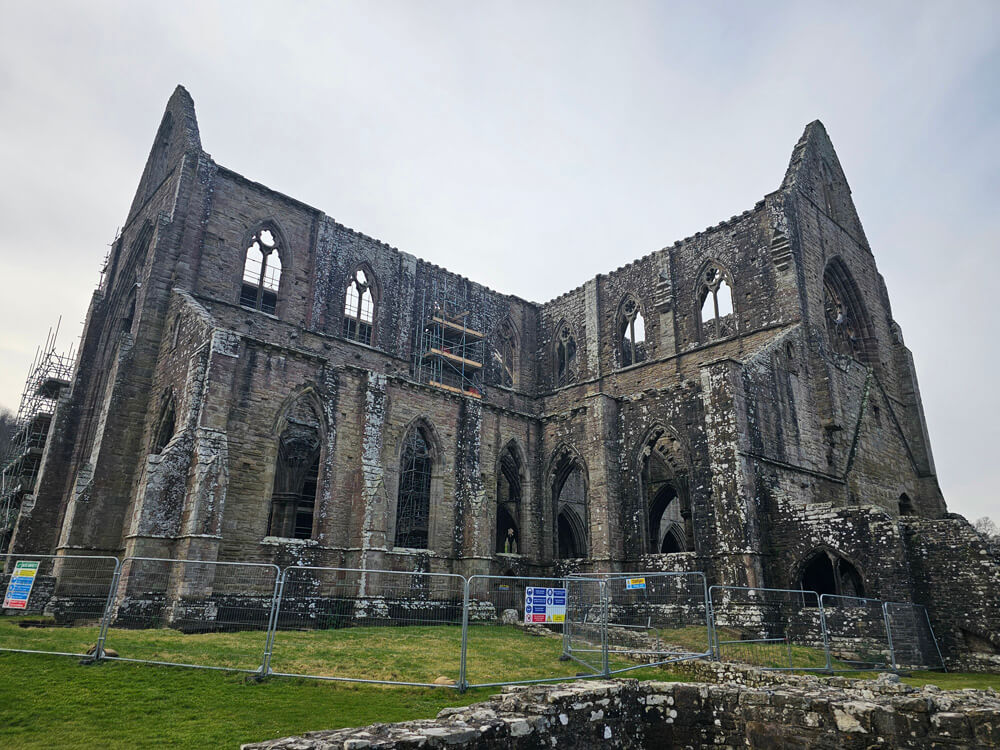
The present-day remains of Tintern are a mixture of building works covering a 400-year period between its foundation in 1131 and its dissolution in 1536. The monastery retains its original 12th-century design, but it is the ruins of Roger Bigod’s 13th-century church that dominates the site today. What started out as just simple timber buildings, it became one of the masterpieces of British Gothic architecture.
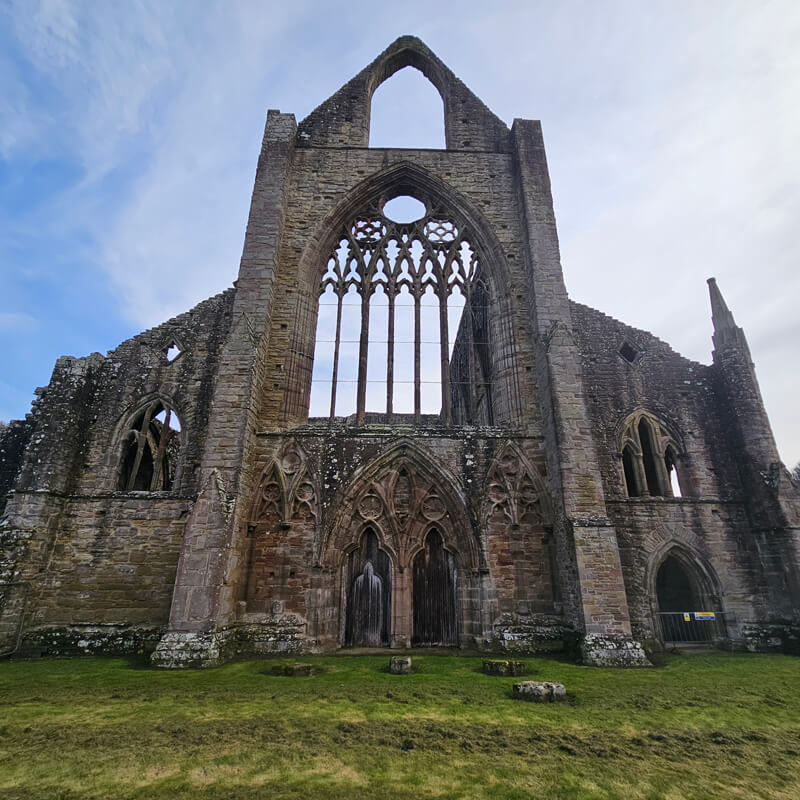
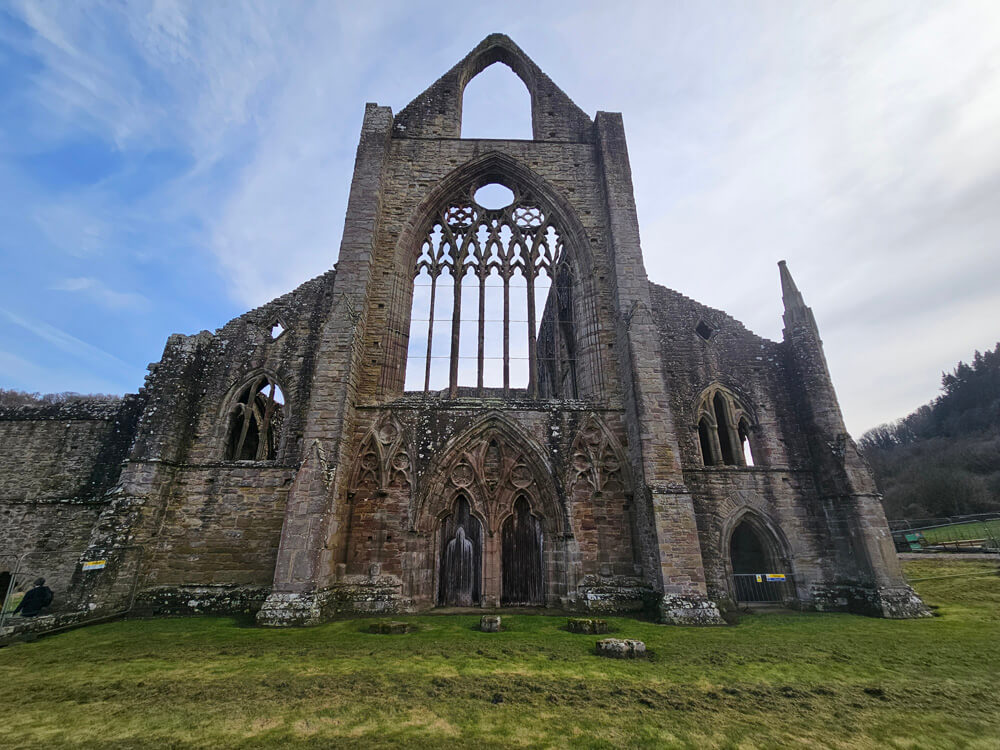
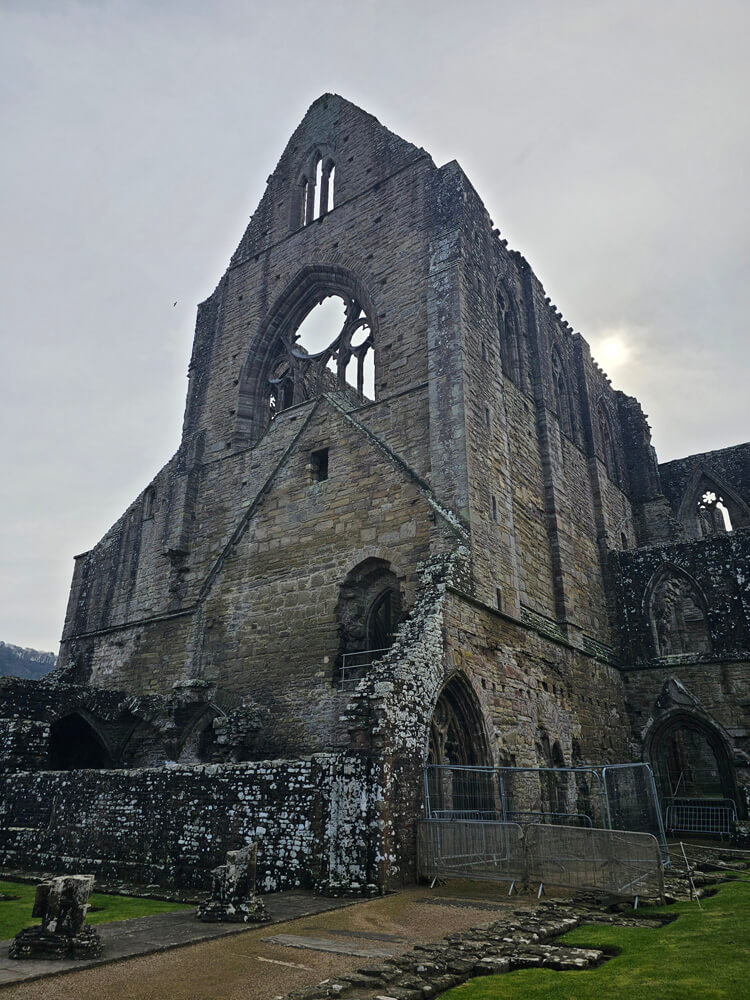
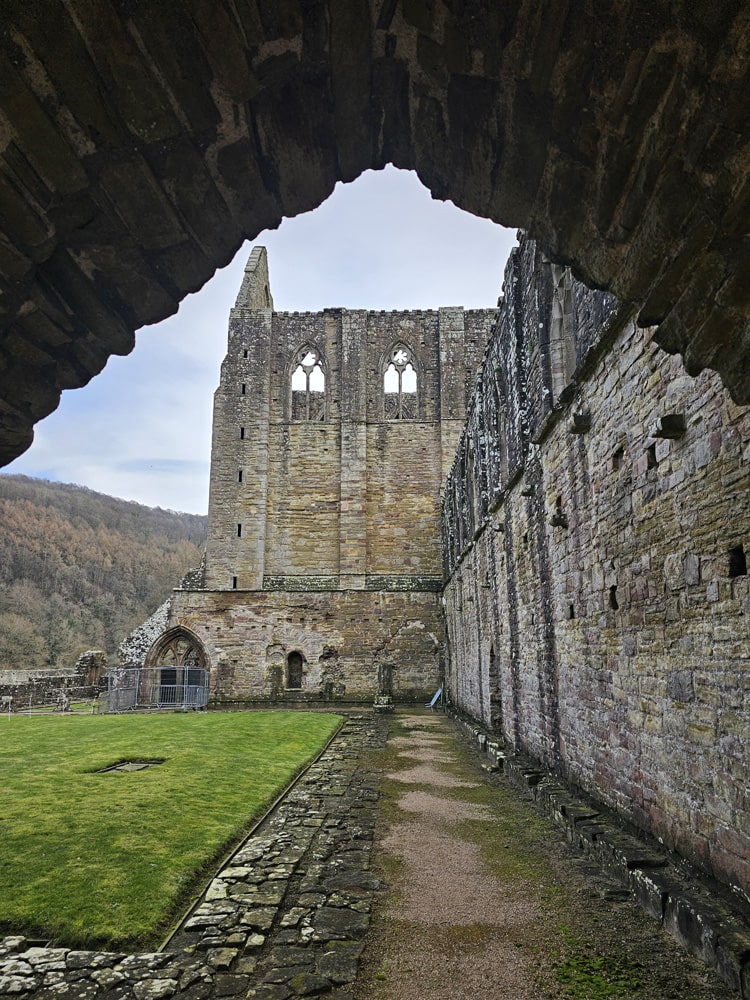
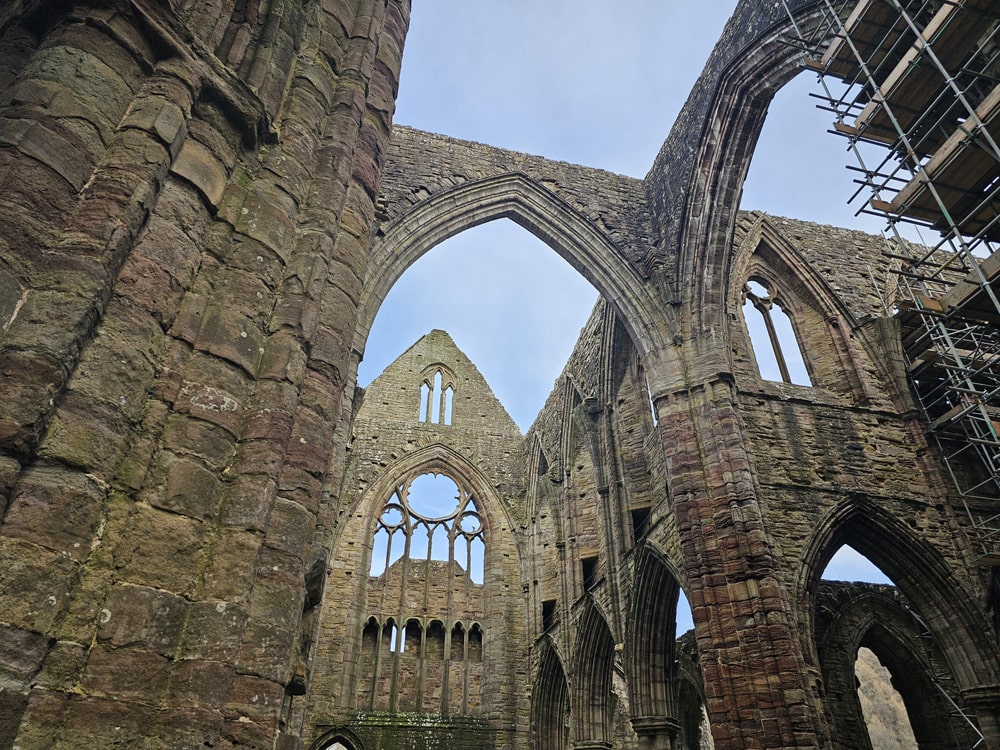
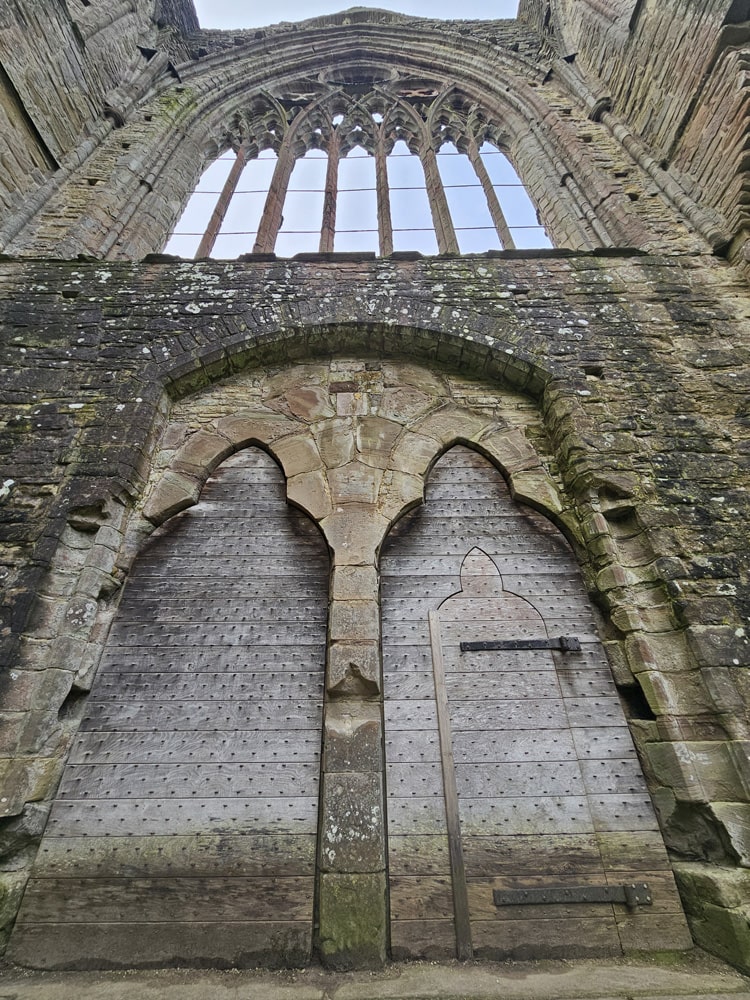
The cloisters and domestic ranges were built first, and finally the great church was completed by the end of the 13th century and consecrated in 1301. The great west front with its seven-lancet window and the soaring arches of the nave still take the breath away.
Tintern became the wealthiest monastery in Wales, but in 1536, like most other monasteries, Tintern Abbey fell victim to Henry VIII‘s Dissolution of the Monasteries, which ended monastic life in England, Wales and Ireland. The abbey’s last abbot, Richard Wyche, surrendered Tintern Abbey to Henry VIII’s officials and ended a way of life which had lasted 400 years.
The Crown granted the property and lands of Tintern to the then lord of Chepstow, Henry Somerset, 2nd Earl of Worcester, and the great abbey slowly began to turn into a majestic ruin.
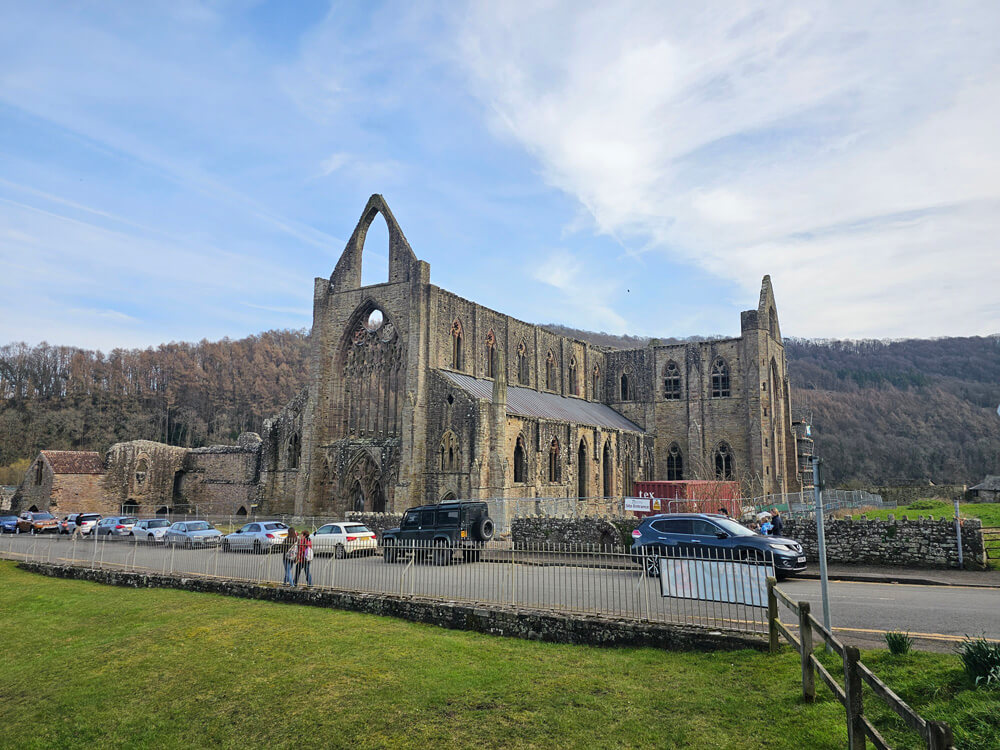
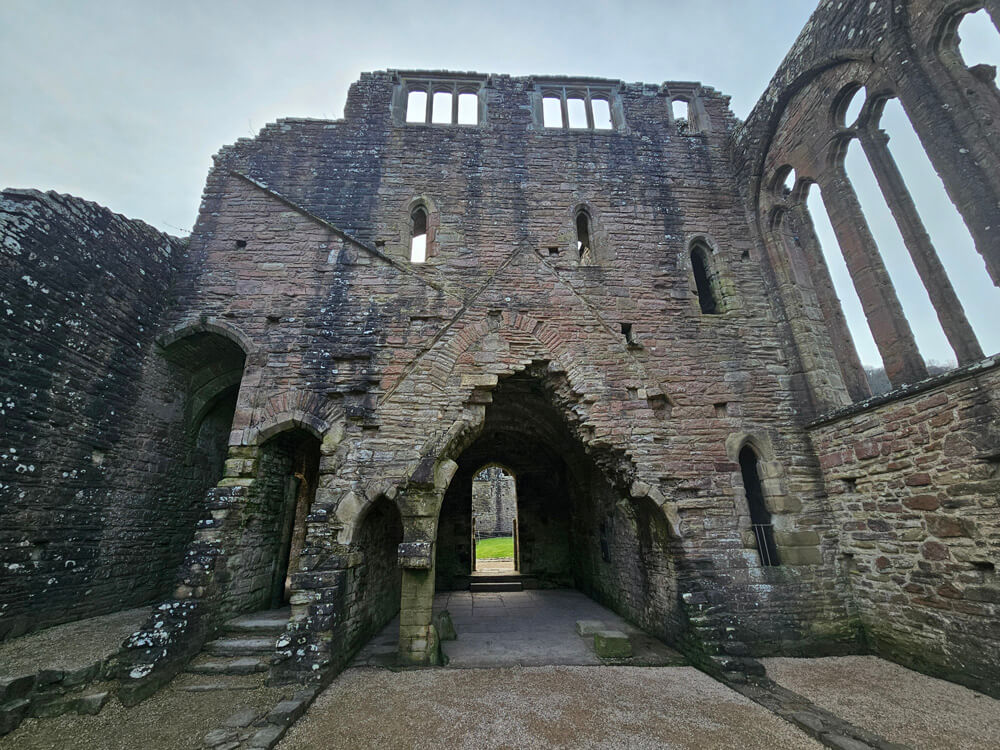
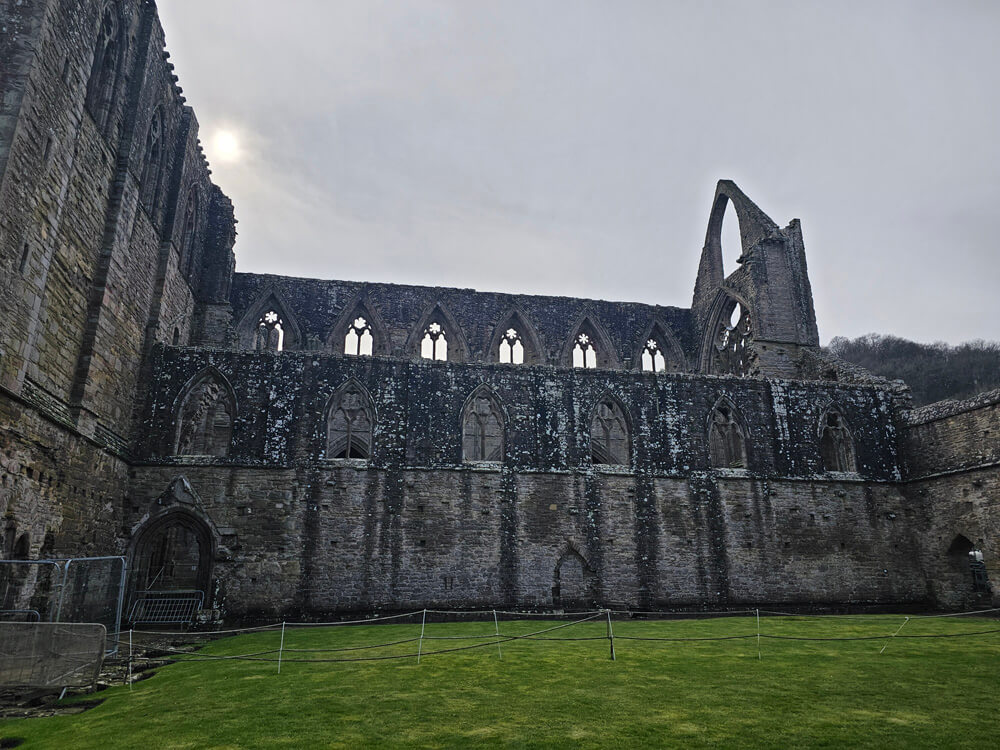
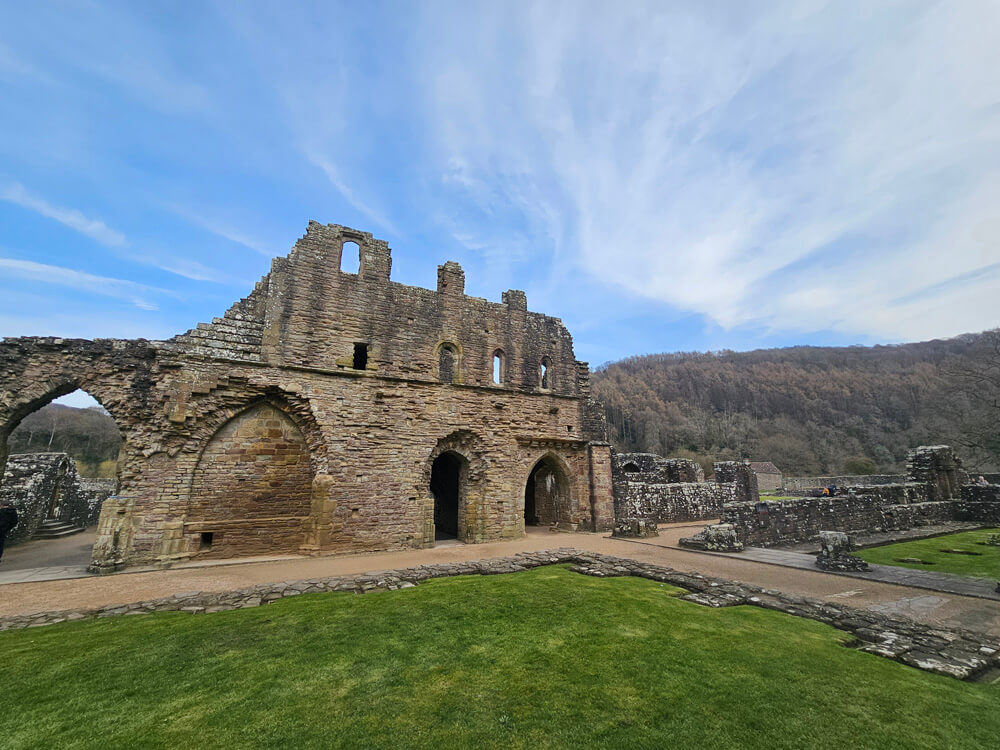
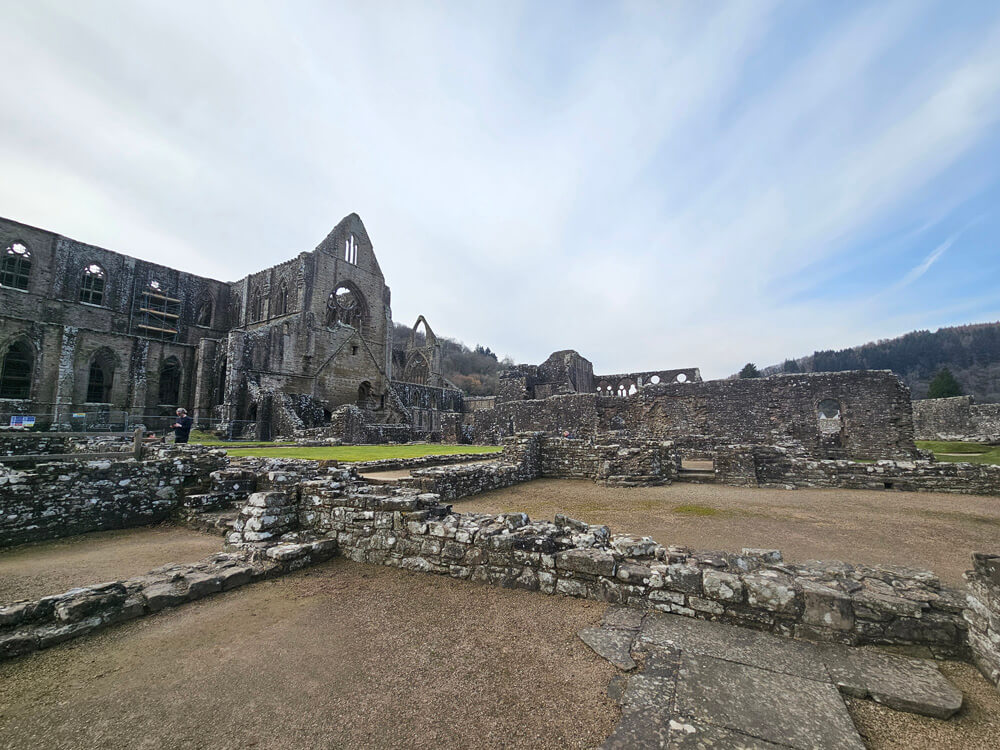
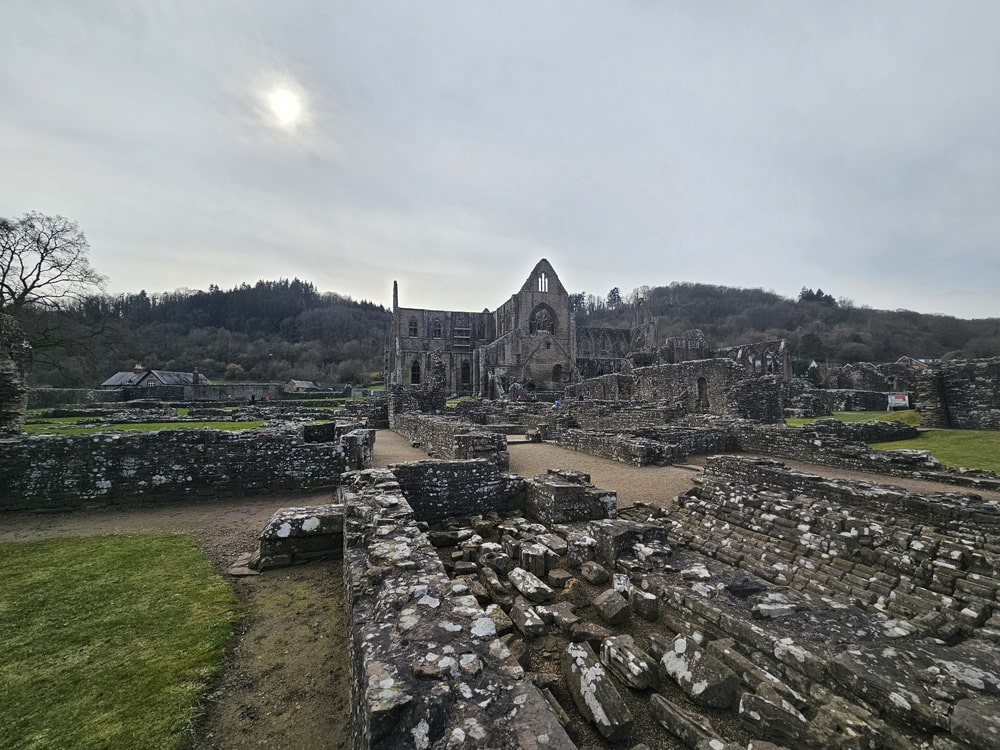
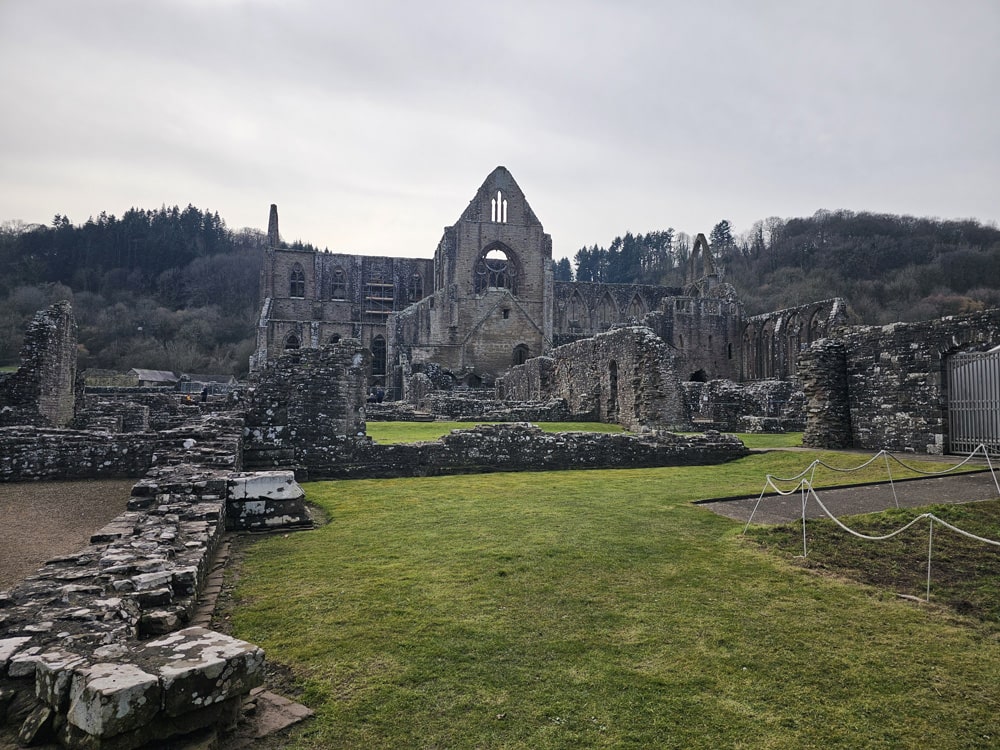
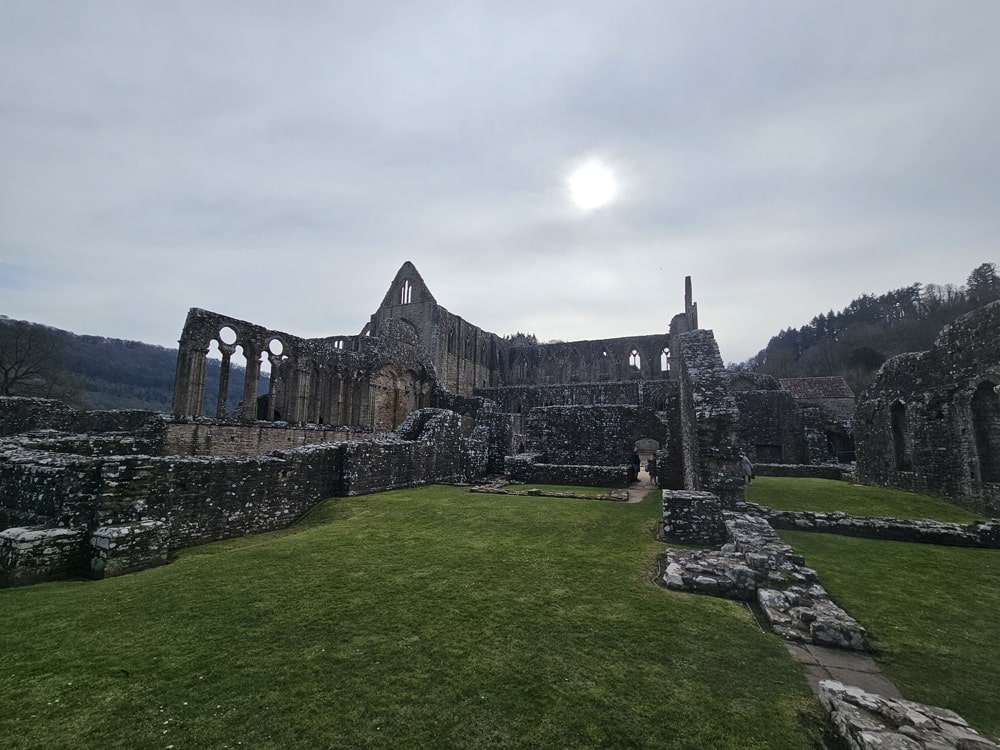
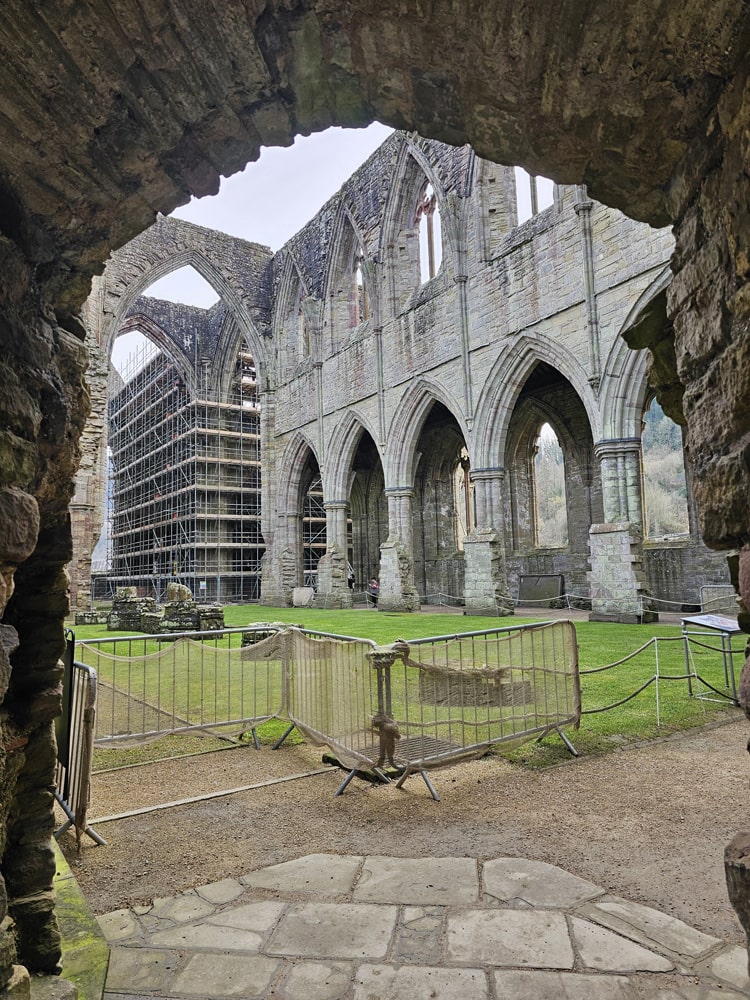
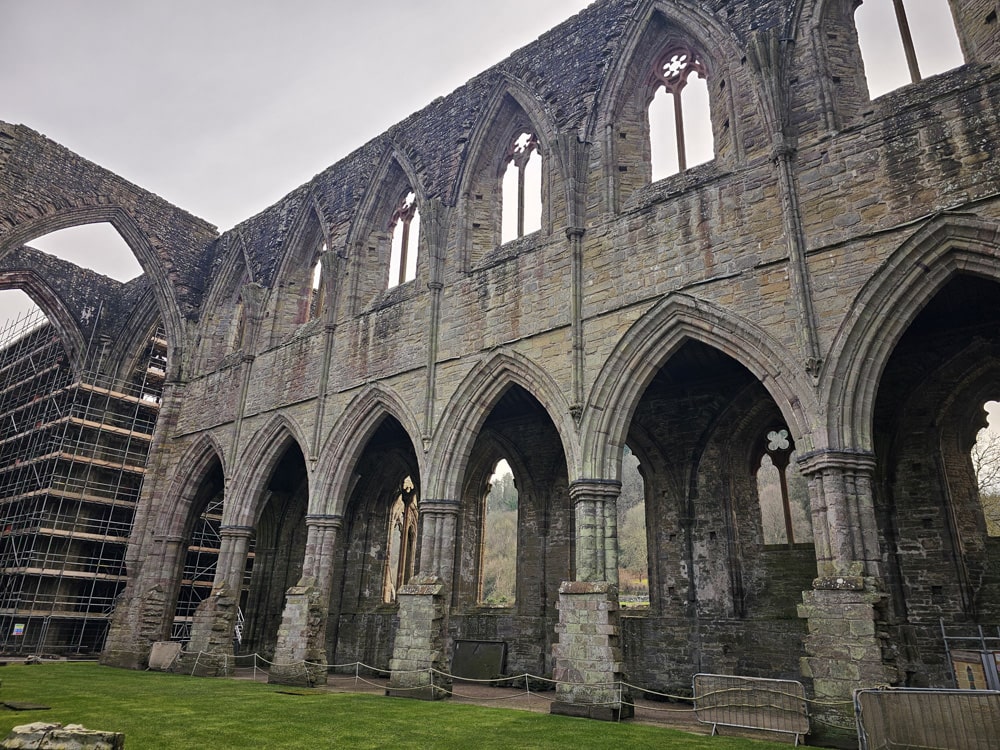
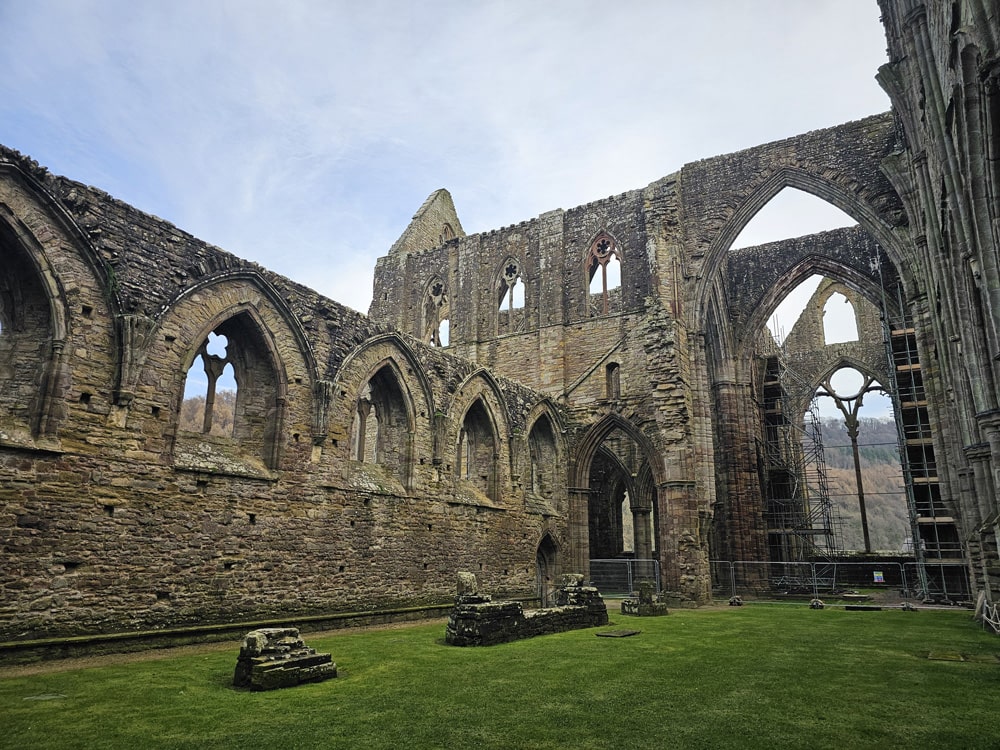
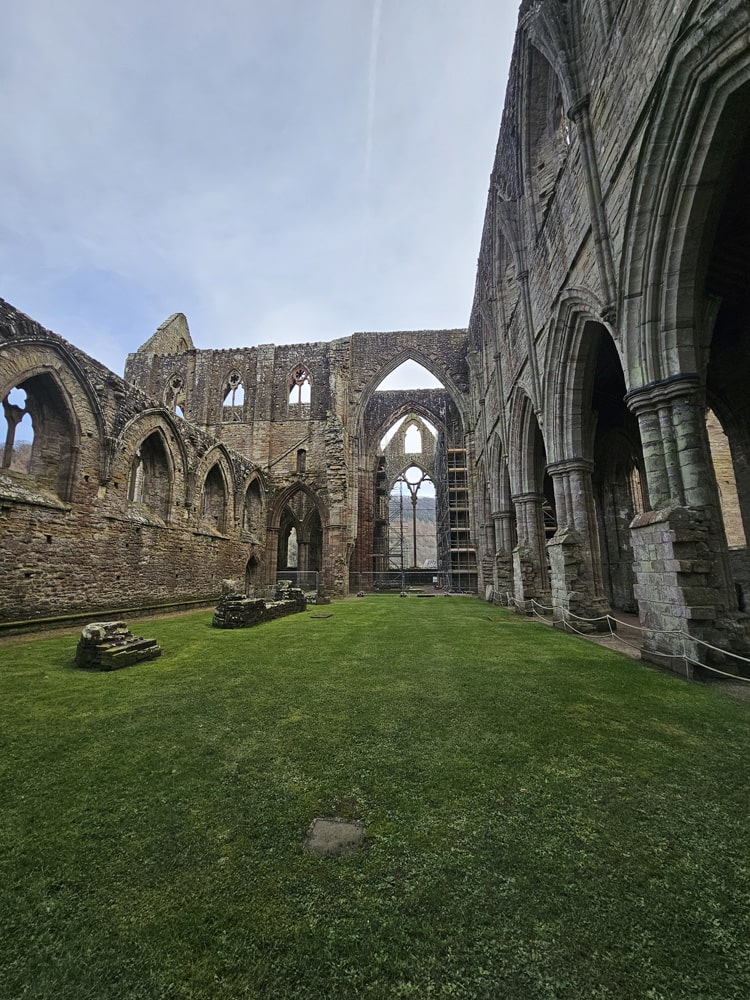
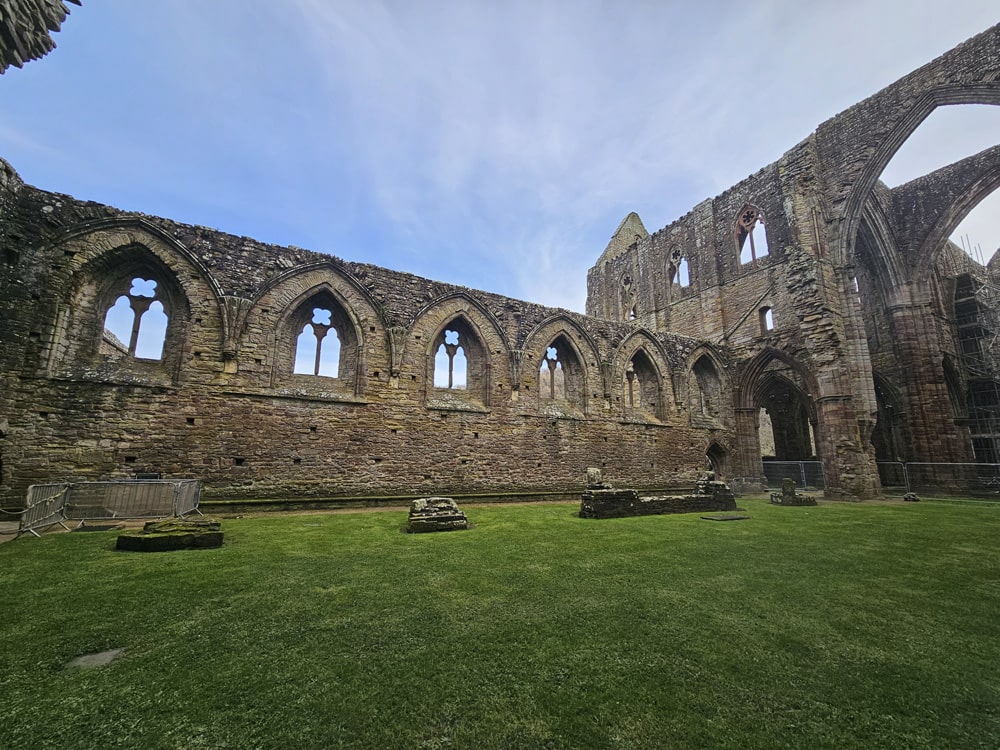
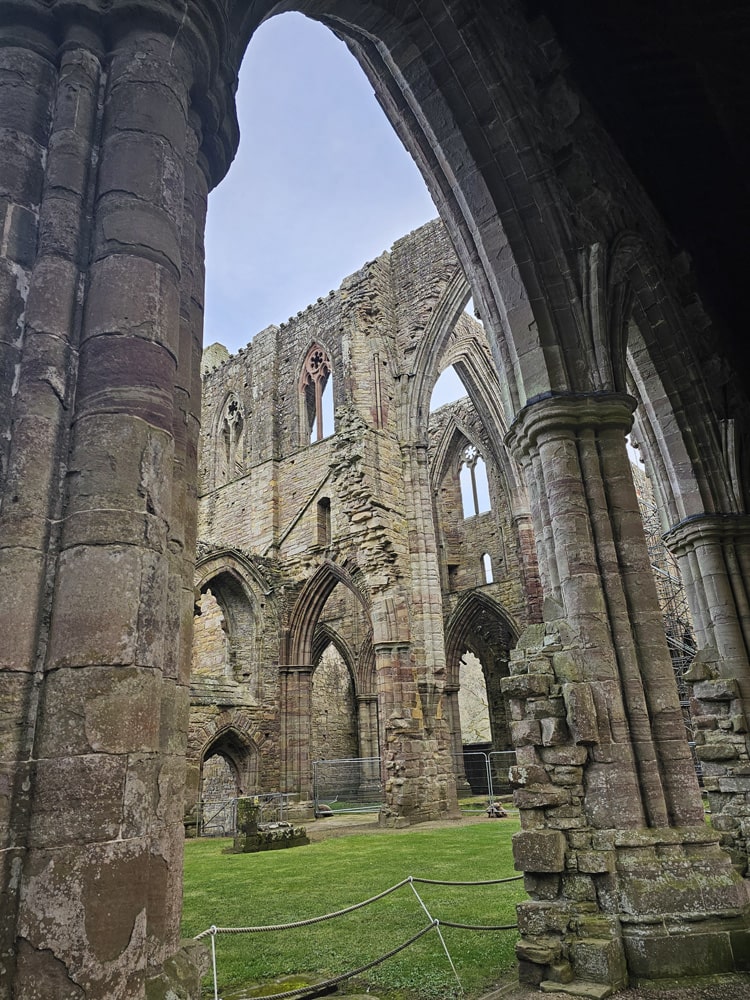
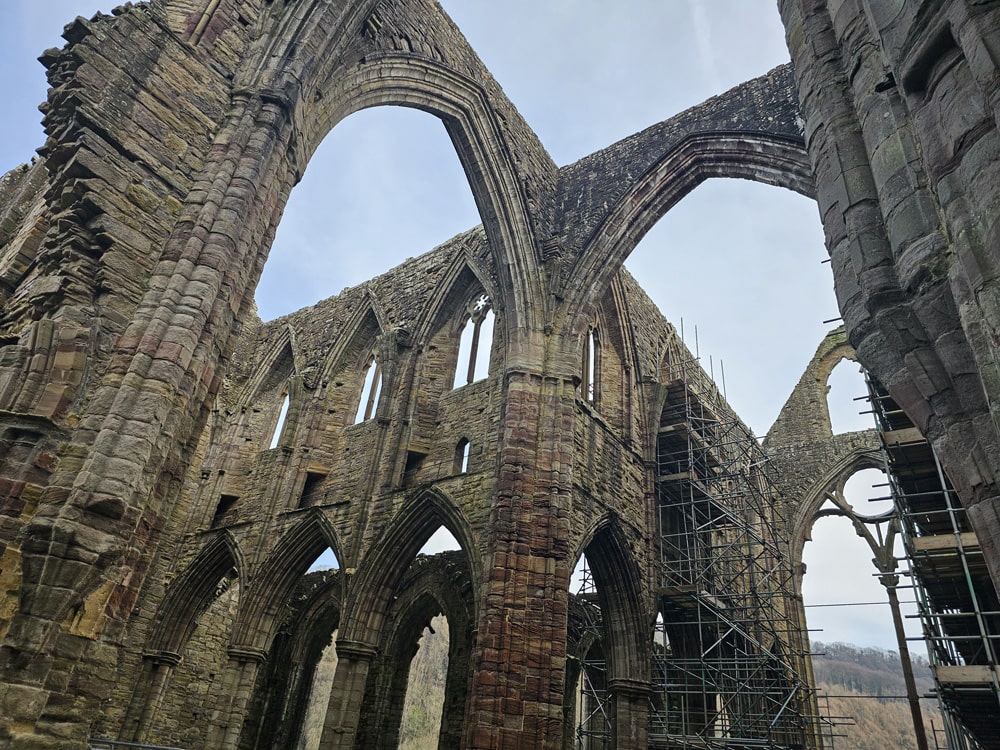
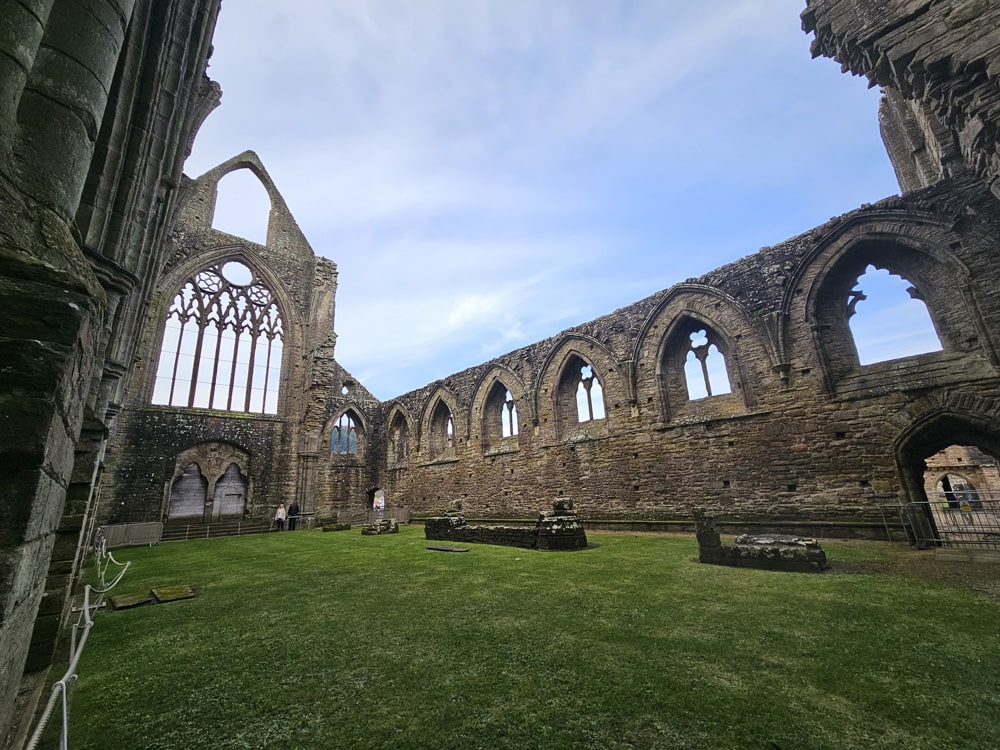
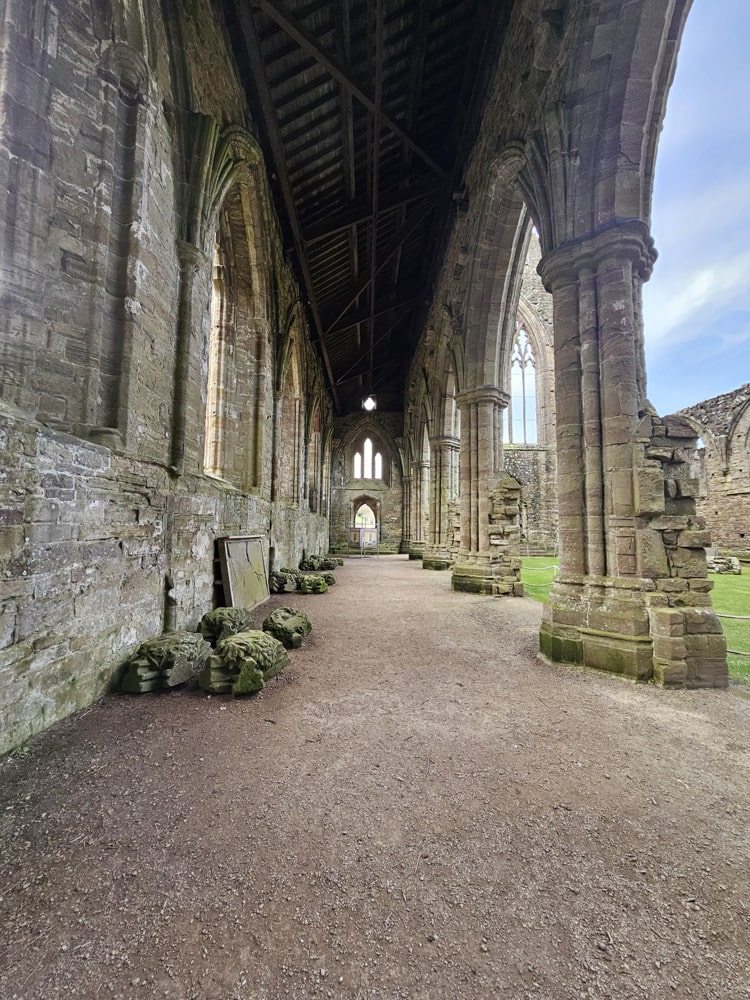
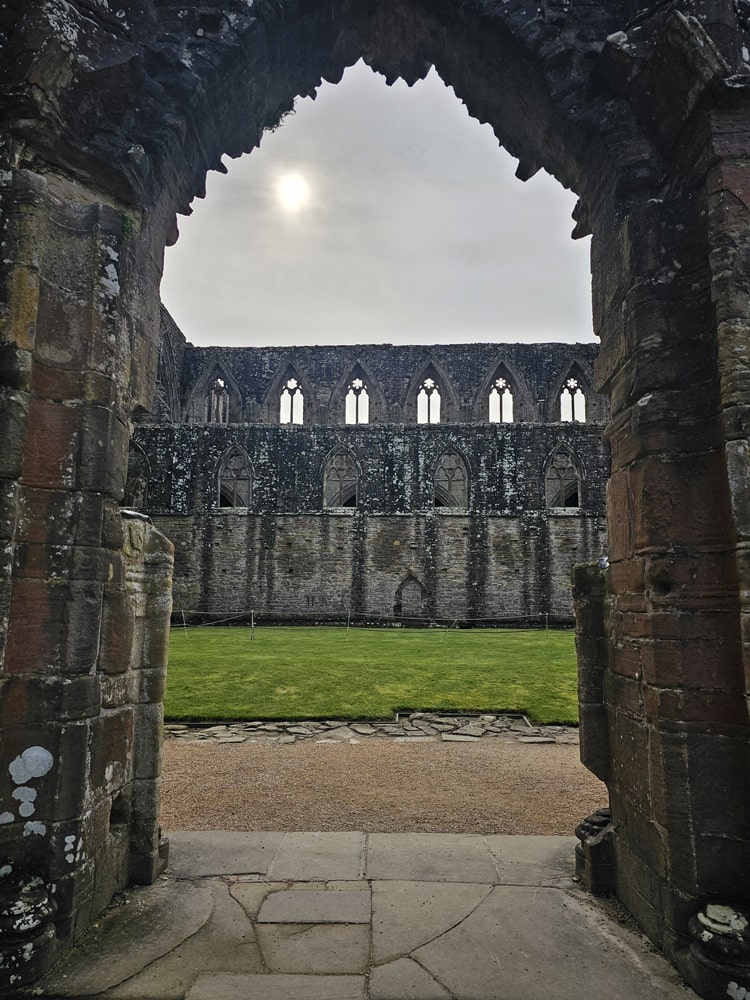
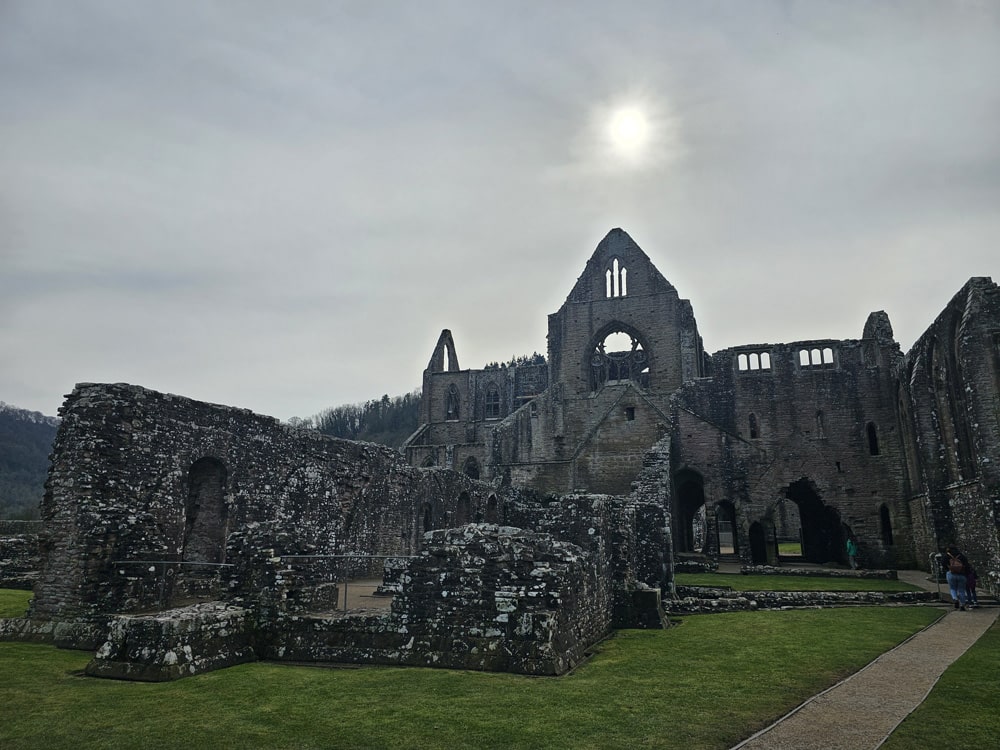
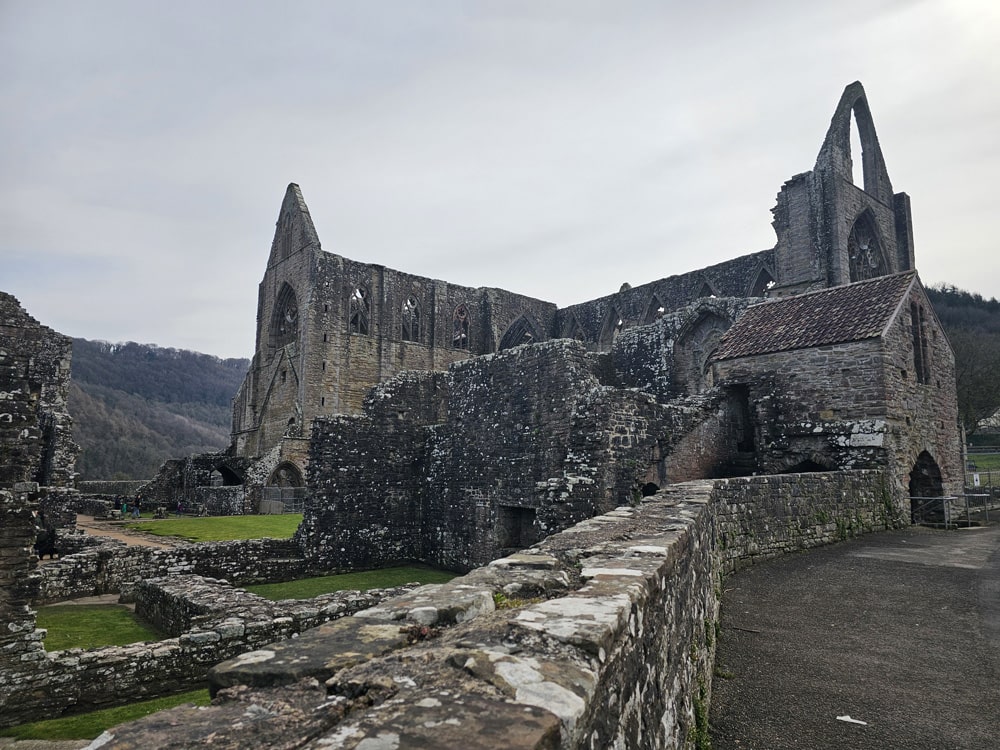
Although a roofless ruin, there is still much to see at Tintern. The Great West Front of the church is the glory of Tintern, with its seven-light decorated window. The Great West Front Window, North Transept, and Great East Window all retain some degree of finely carved work, reminding visitors of the abbey’s former days of glory, when huge panes of stained glass filled these giant windows. Another fine example of window tracery is found in the Monk’s Dining Hall, a large room next to the main chapel.
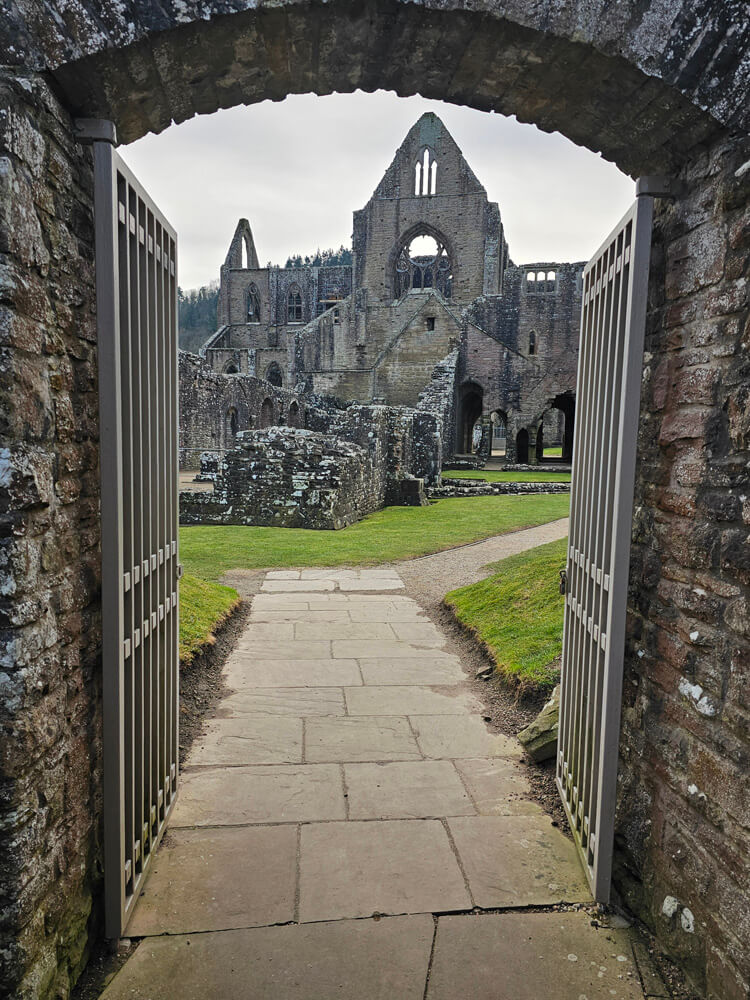
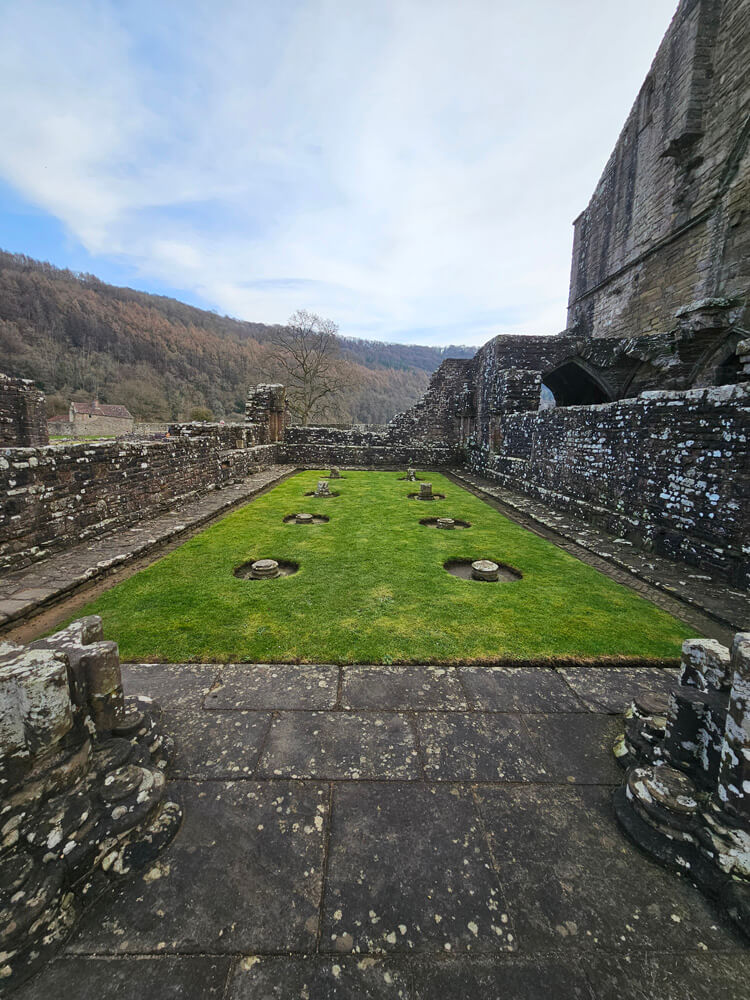
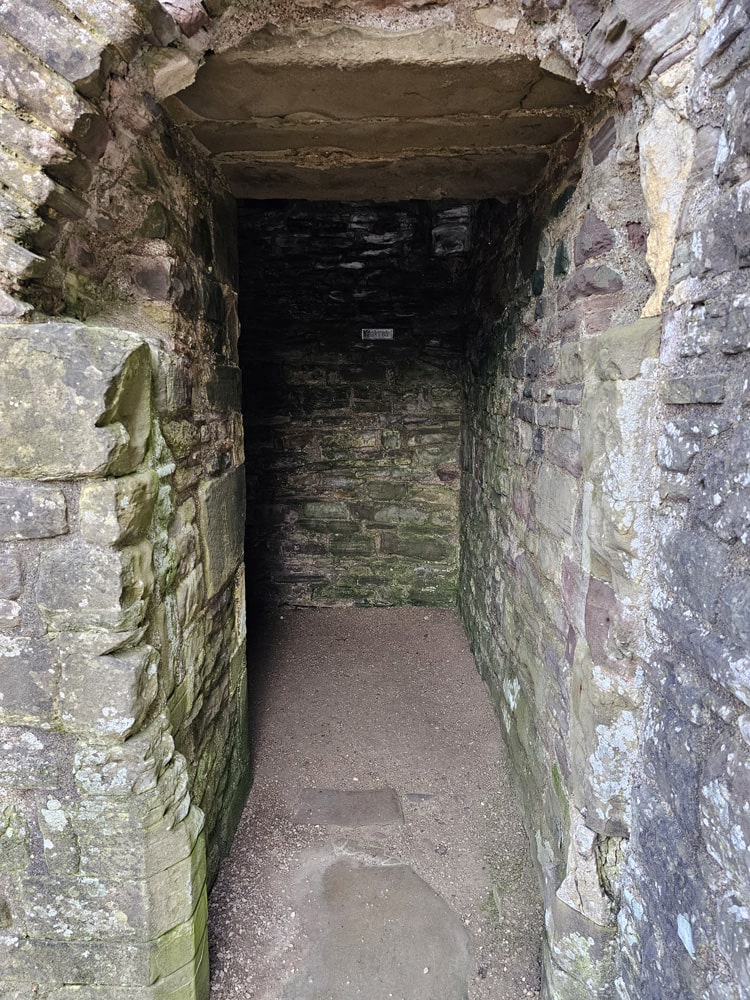
The wide-open interior spaces of the chapel and huge nave at Tintern are captivating. Other areas of the abbey ruins to explore include the Chapter House, Cloister, Book Room, Refectory, Monks’ Dormitory, Infirmary, Warming House, the Night Stairs and much more.
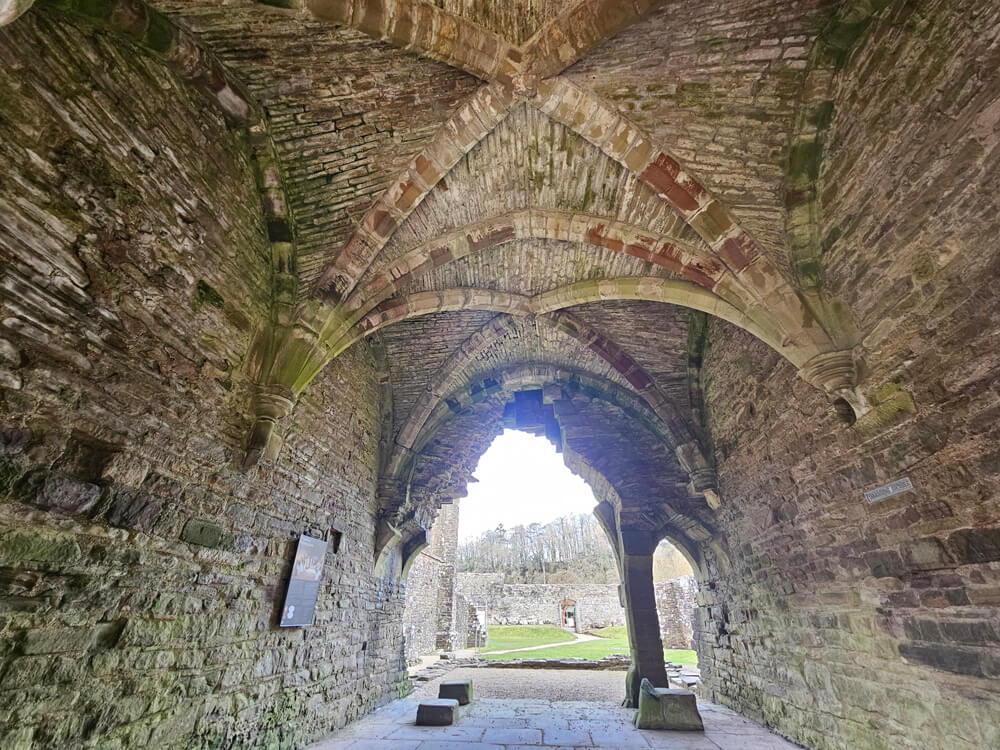
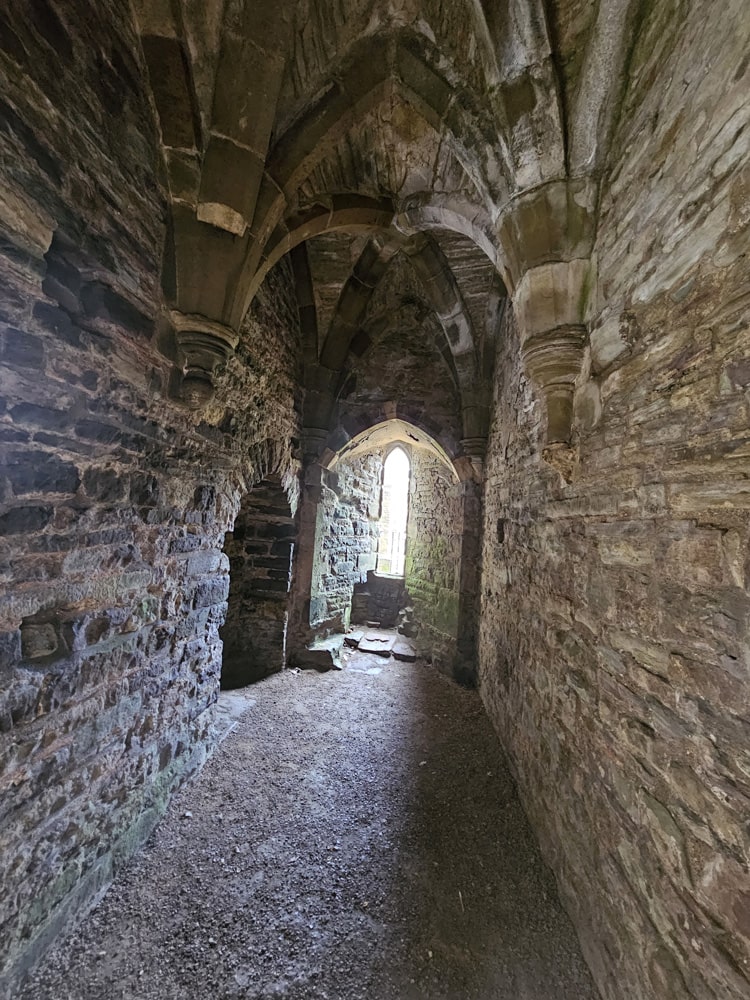
The Night Stairs lead from the north transept to the monk’s dormitory, which allowed them to proceed directly from their beds into the church for services in the middle of the night. The Warming House is a vaulted chamber, and was one of the few places where a fire was kept burning, where Monks gathered to dry their clothes. Across the road from the west front are the foundations of secondary buildings that formed part of the abbey complex, which were likely guest houses for visitors to the abbey.
Photo Gallery.
Did you enjoy this post?
I hope you found this post useful. I put a great deal of time and effort in to building, maintaining and populating the website. If you like, you could say a small thank you by buying me a coffee. You don't have to, but it would be nice :)
Buy me a coffee
Stay up to Date
Follow me on my journey and get notified whenever a new post is published by following Kings & Castles on Facebook.
Follow MeExplore The Map
Discover the hundreds of castles, churches, monasteries, cathedrals and other historic locations that I've personally visited across England and Wales. Search by location, explore nearby sites and plan your next historical adventure.
Share: