Roche Abbey
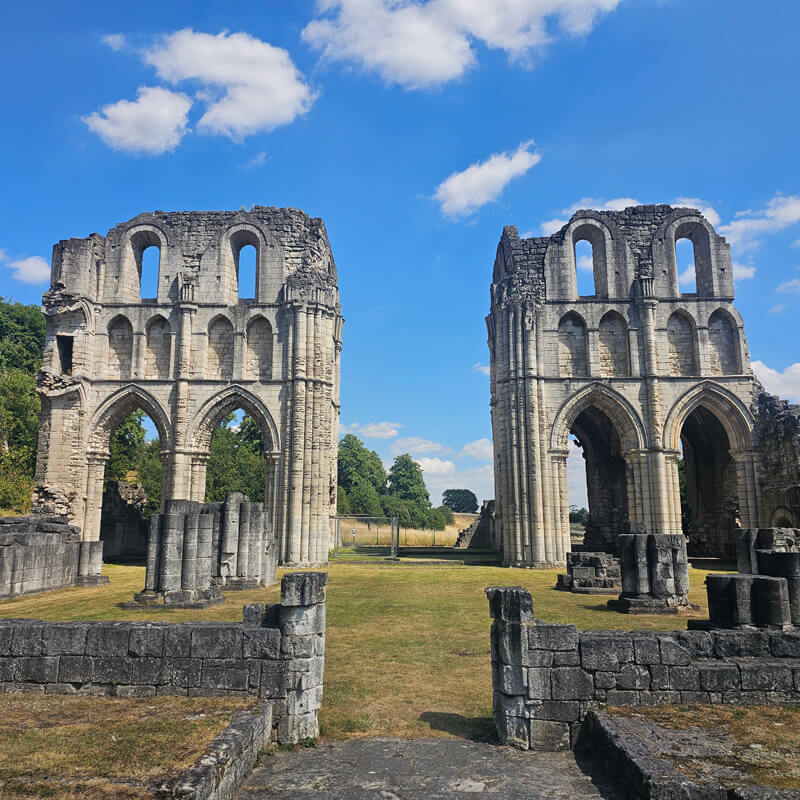
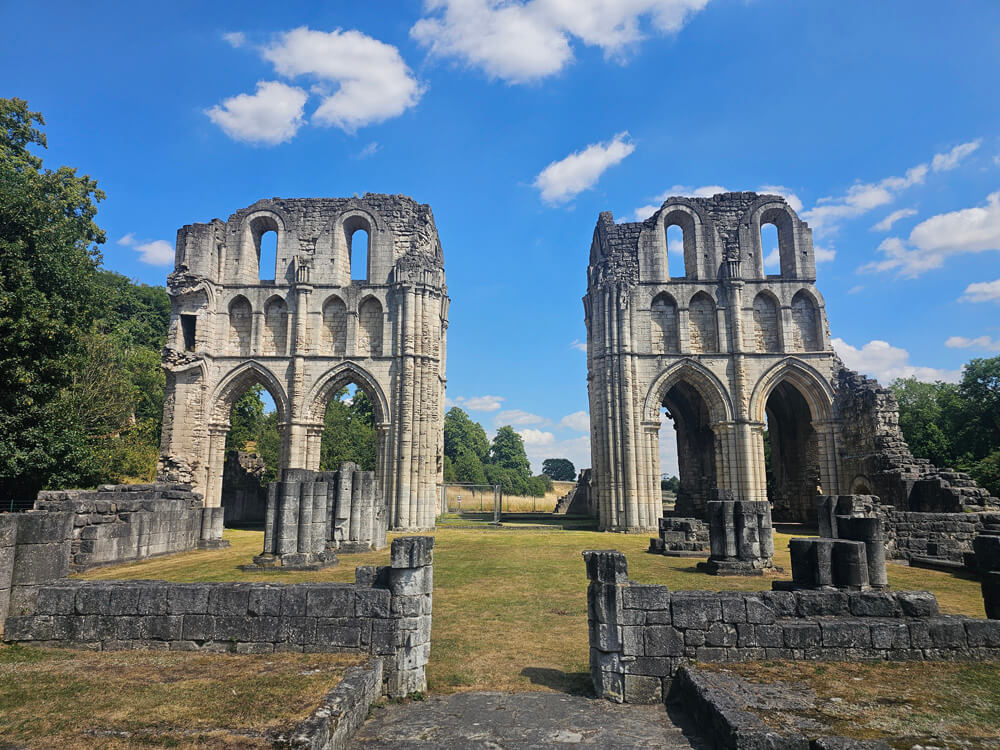
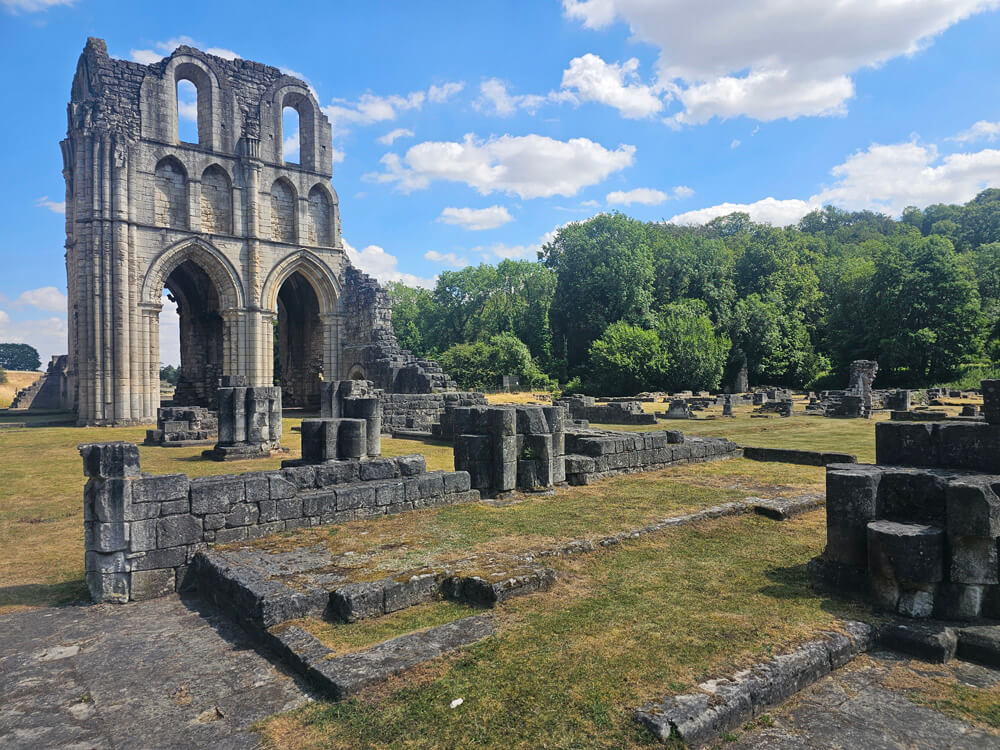
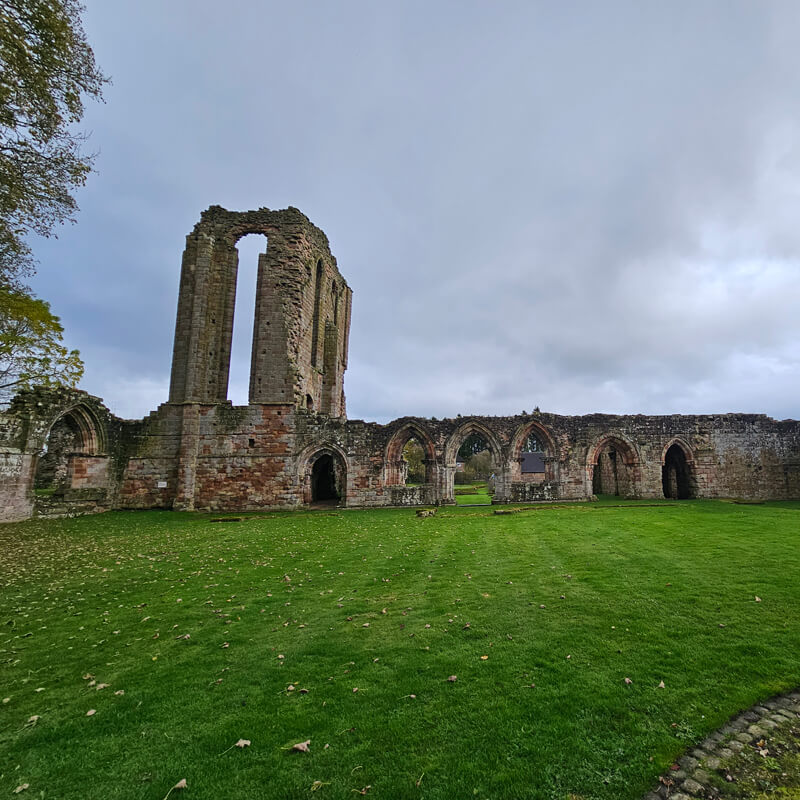
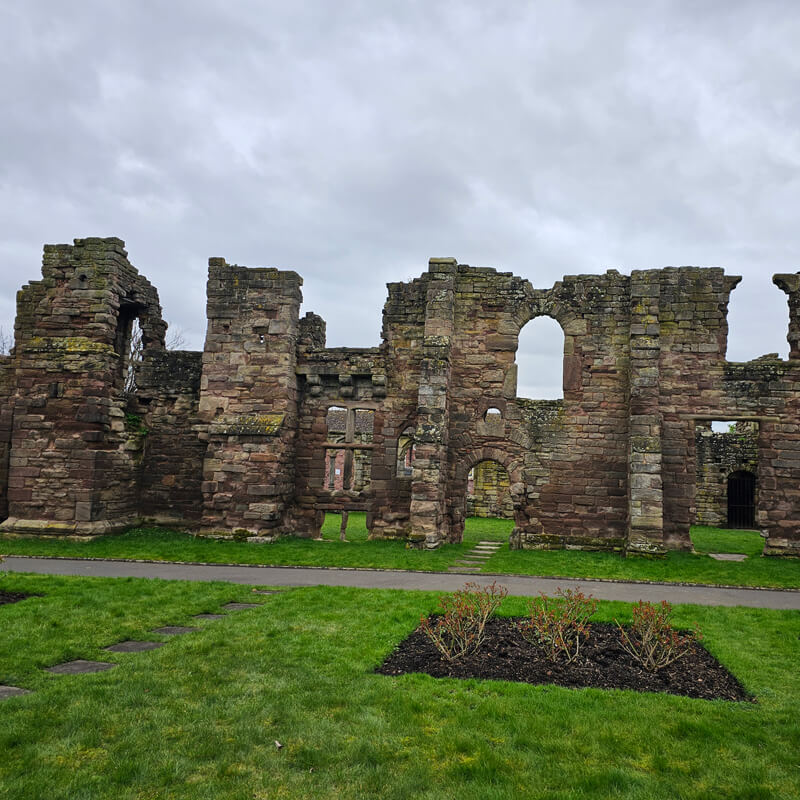
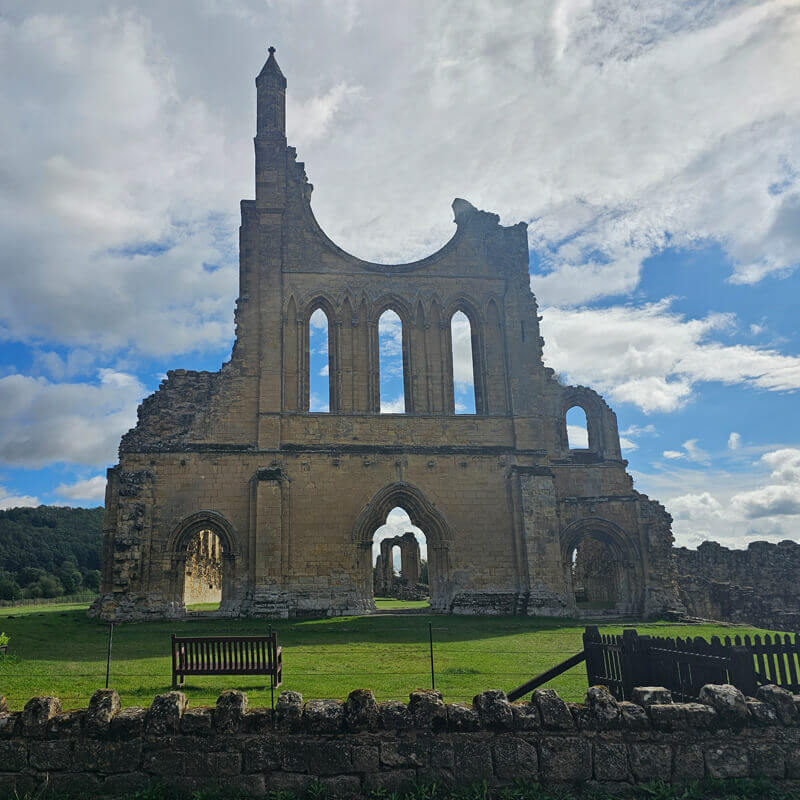
Roche Abbey, near Maltby in South Yorkshire, is one of Yorkshire’s most atmospheric medieval ruins. Set within a secluded valley surrounded by limestone cliffs, the remains tell the story of a Cistercian monastery founded in the 12th century and later transformed into a picturesque landscape by the famous designer Lancelot ‘Capability’ Brown.
Quick
Facts.
- Location: Maltby, Rotherham, South Yorkshire
- Founded: 1147
- Religious order: Cistercian
- Dissolved: 1538
- Condition: Ruined
A Bit of History…
Roche Abbey was founded in 1147 by monks from Newminster Abbey in Northumberland. An abbot, 12 monks and around 20 lay brothers travelled south to establish the new community. The site was donated by two local landowners, Richard de Busli, Lord of Tickhill, and Richard FitzTurgis. The valley was well suited to the Cistercian way of life, providing isolation, water and land for farming and livestock.
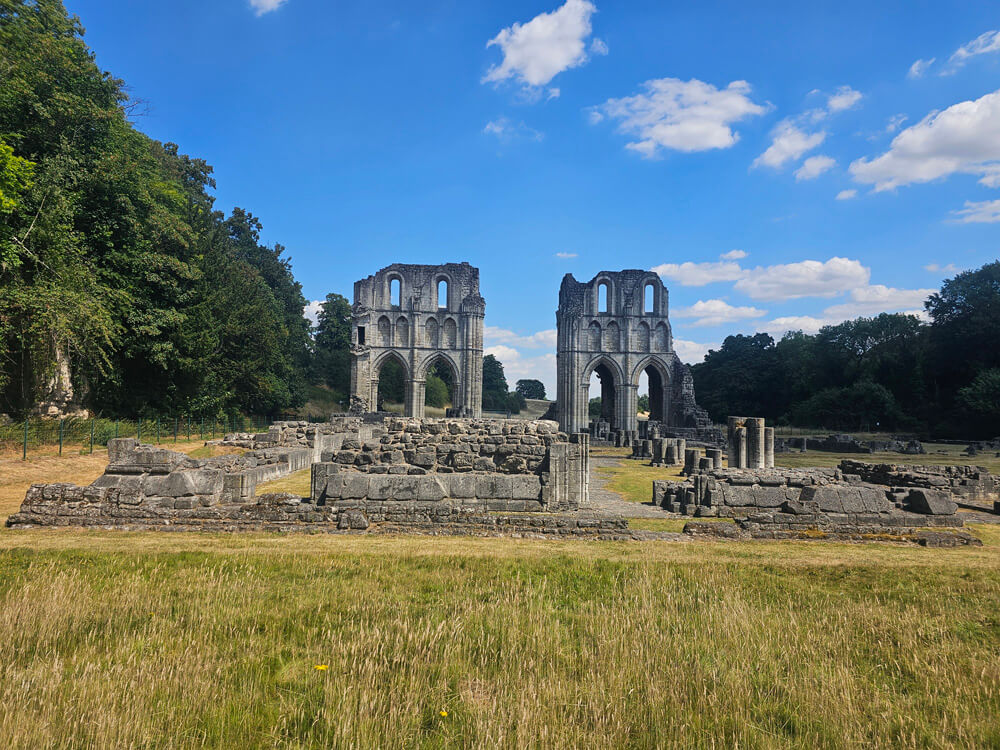
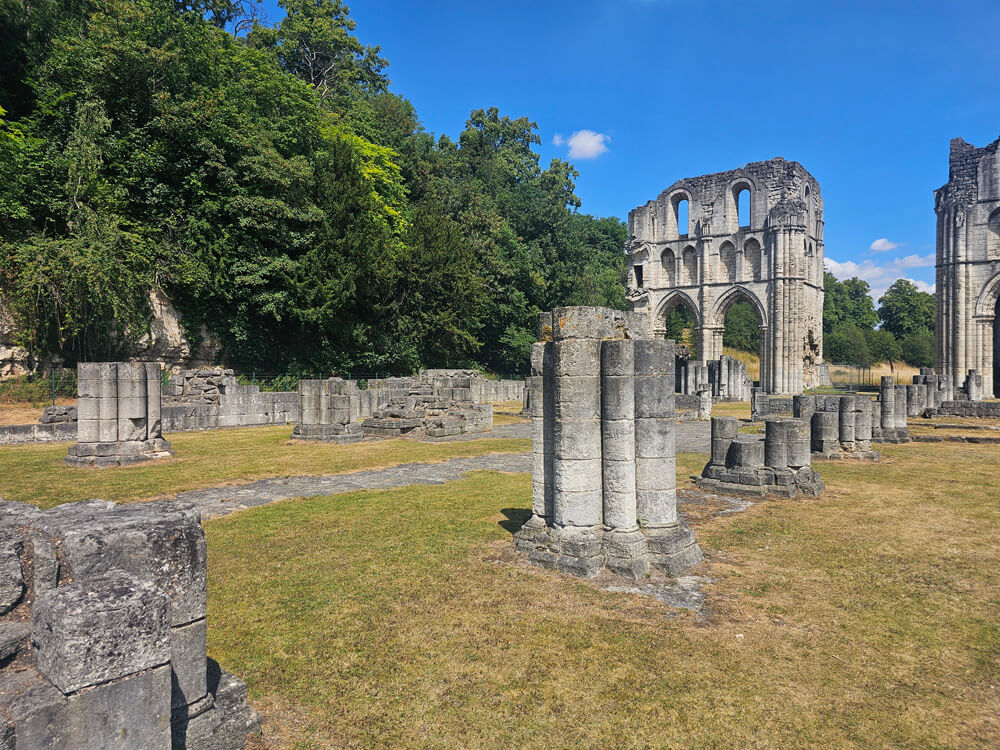
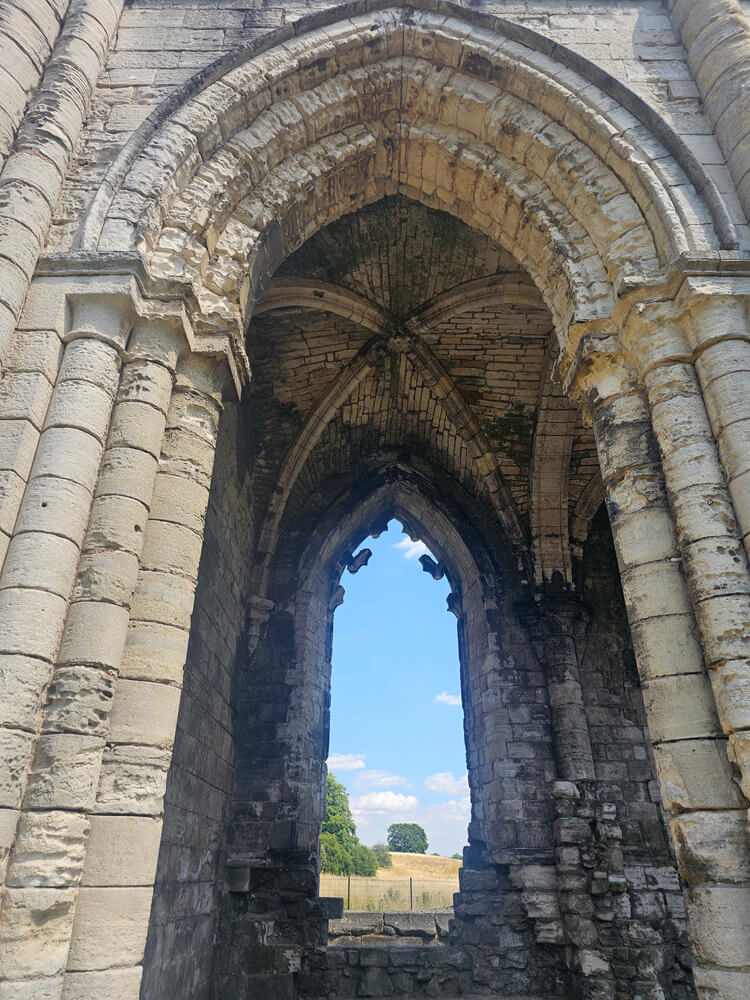
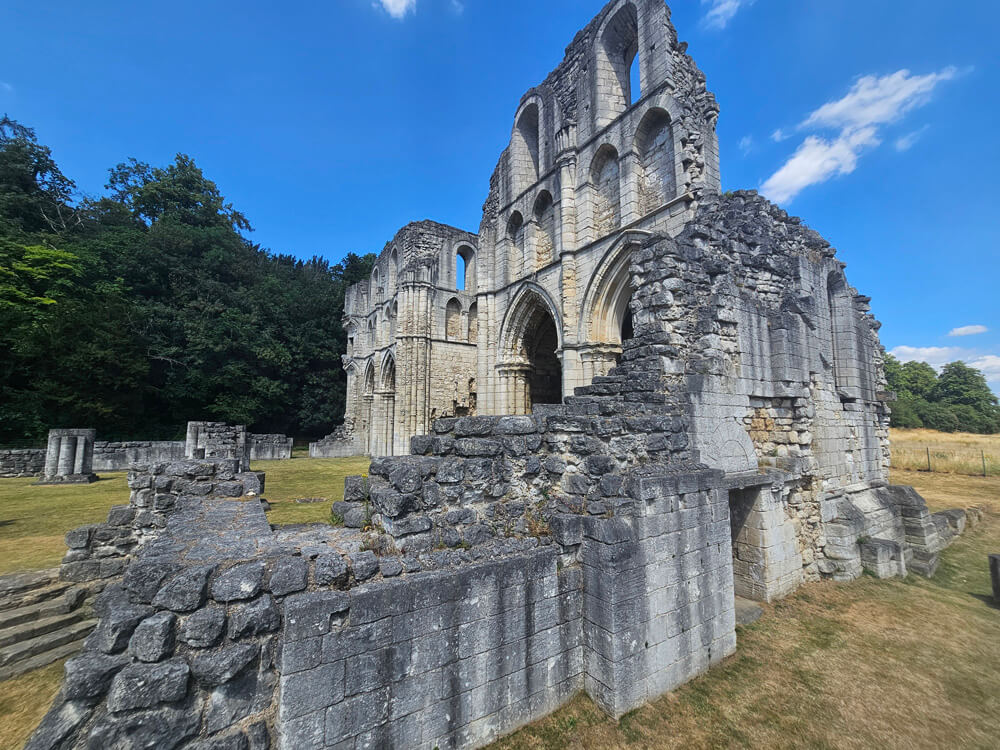
The first buildings were made from timber, but as the monastery became established and wealthy, permanent stone buildings were constructed. Work on the magnificent church began during the 1170s, producing some of the earliest and finest examples of Gothic architecture in England. At its height, the community consisted of around 50 monks and 100 lay brothers and servants. The monks concentrated on religious duties, while the lay brothers carried out much of the farming and manual work that supported the abbey.
Roche experienced difficulties during the later Middle Ages. Sheep disease damaged its flocks in the 1270s, while Scottish raids and the Black Death in the 14th century further weakened the community. By 1380, only 15 monks and one lay brother were recorded at the abbey. Although the community recovered somewhat during the 15th century, Roche never regained its earlier importance.
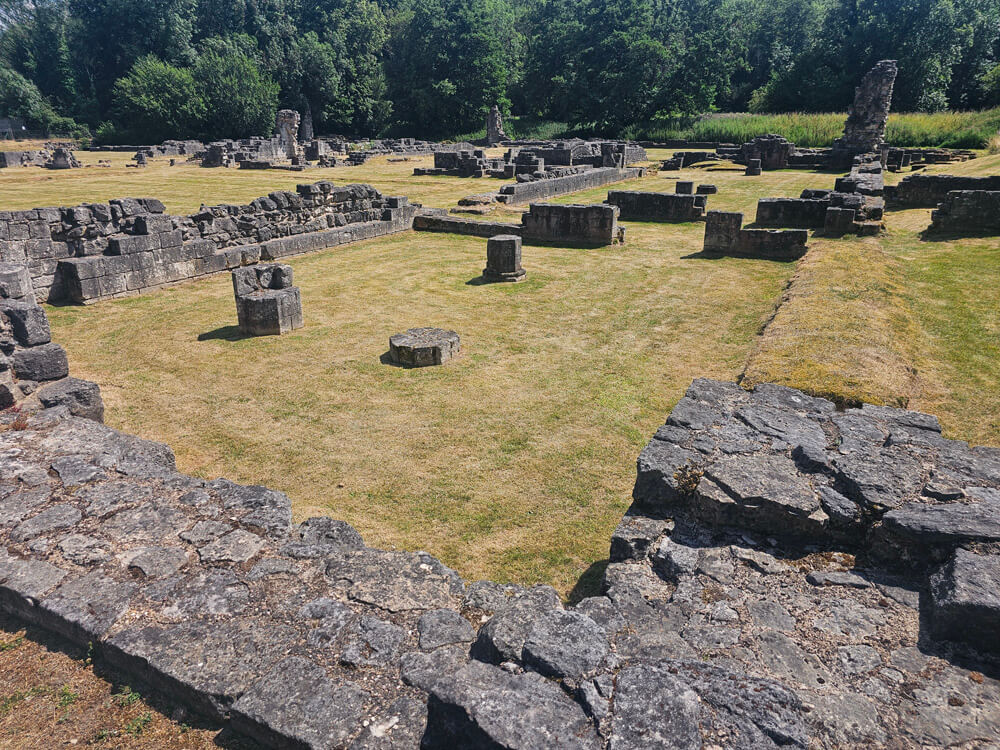
The abbey’s religious life came to an abrupt end during the Dissolution of the Monasteries under Henry VIII. In 1538, Abbot Henry Cundall and the monks surrendered Roche Abbey to the king’s commissioners. The buildings were subsequently dismantled and valuable materials were removed. A particularly vivid account by local clergyman Michael Sherbrook describes how people from the surrounding area descended on the abandoned monastery and stripped it of lead, timber and other materials.
Two centuries later, Roche Abbey entered a very different phase of its history. In the 1770s, the 4th Earl of Scarbrough employed Lancelot ‘Capability’ Brown to redesign the surrounding landscape. Brown created a lake, waterfall, woodland and lawns, turning the medieval ruins into the dramatic centrepiece of a fashionable Picturesque landscape.
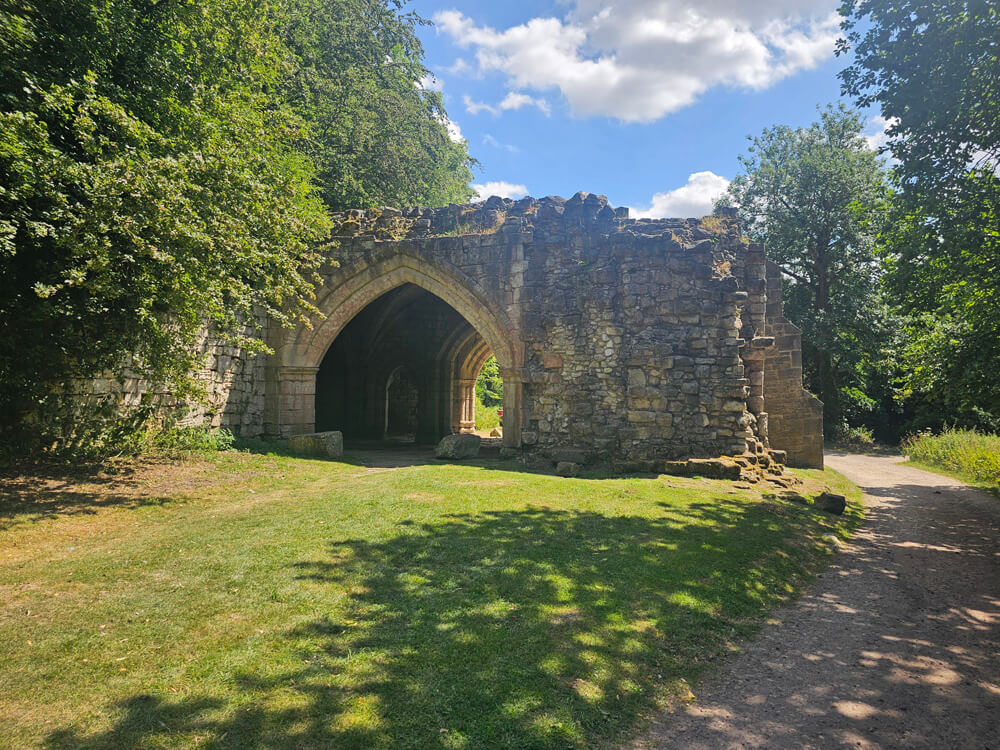
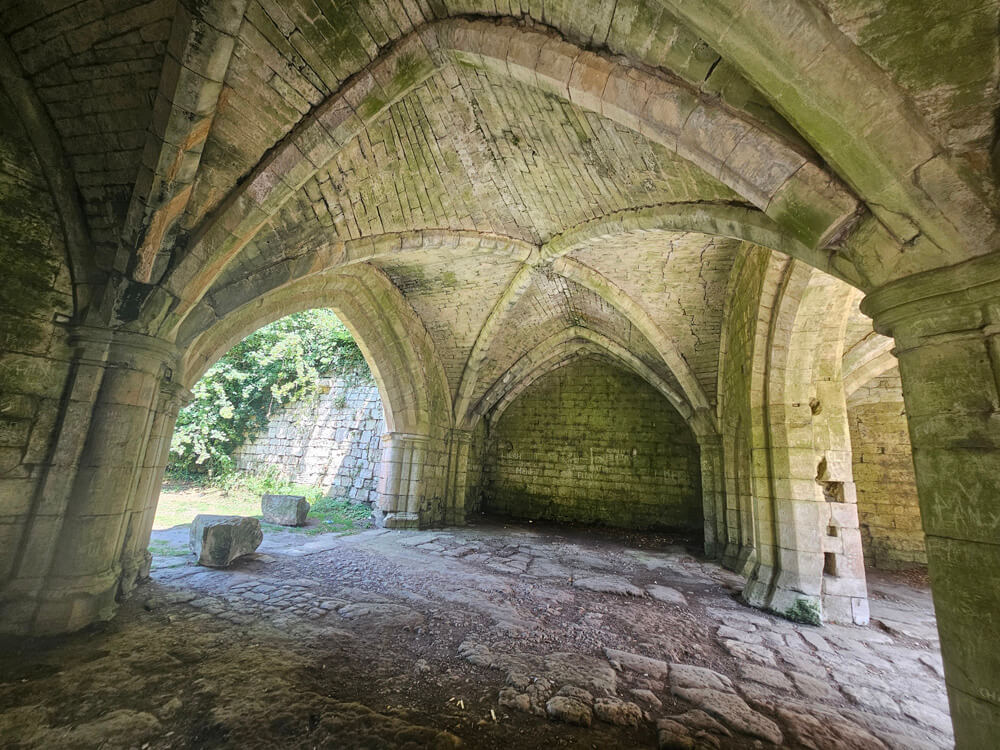
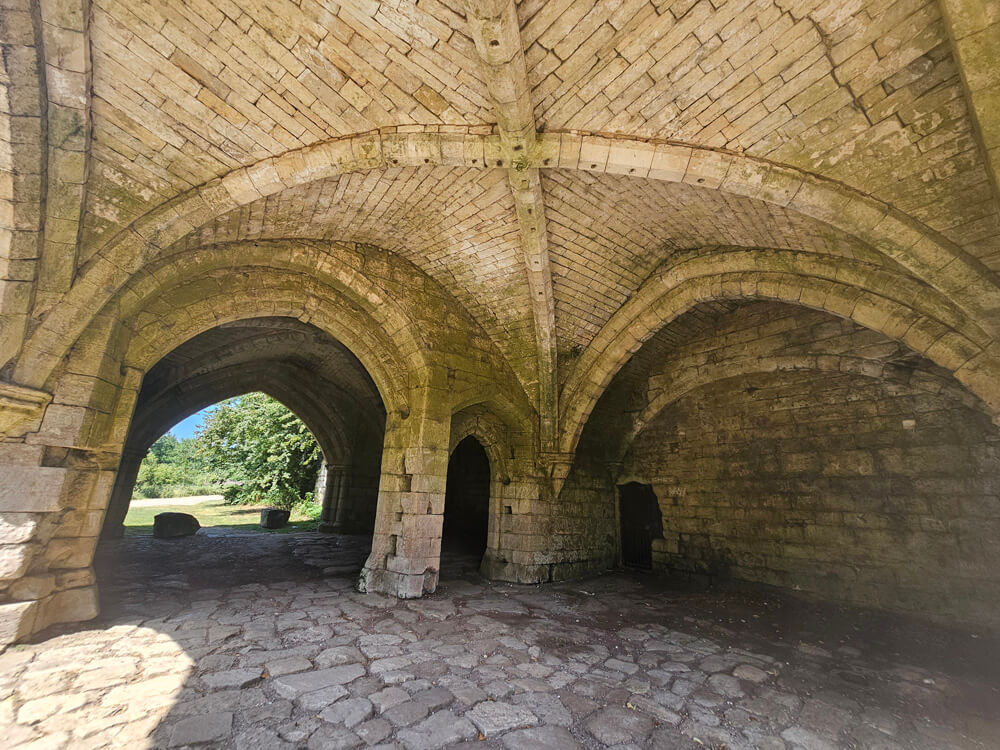
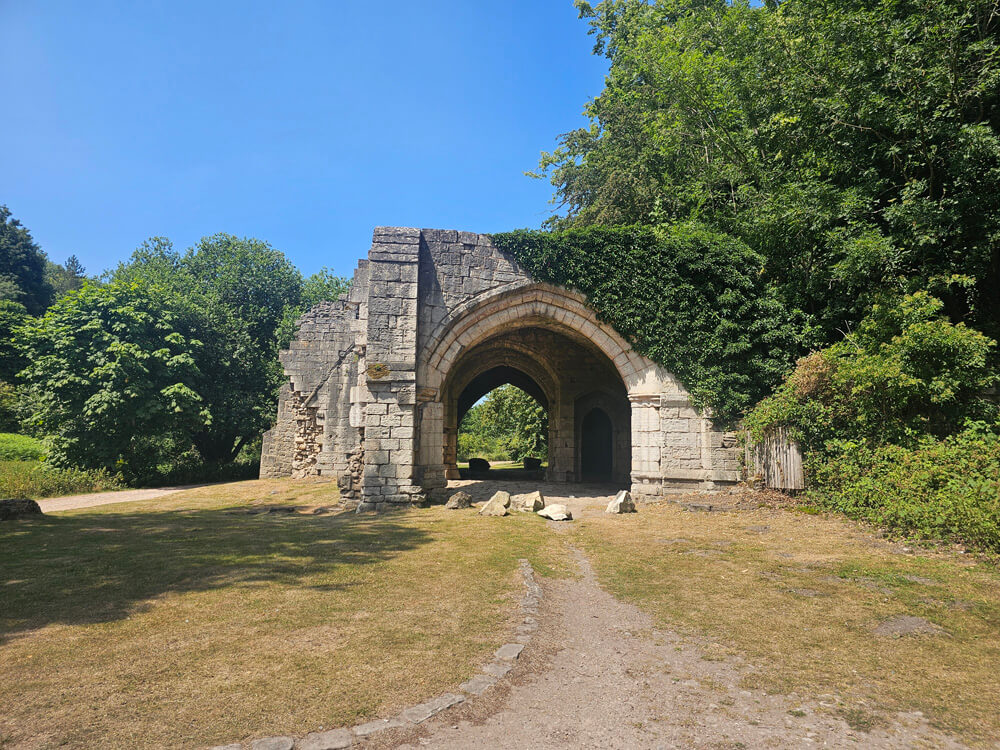
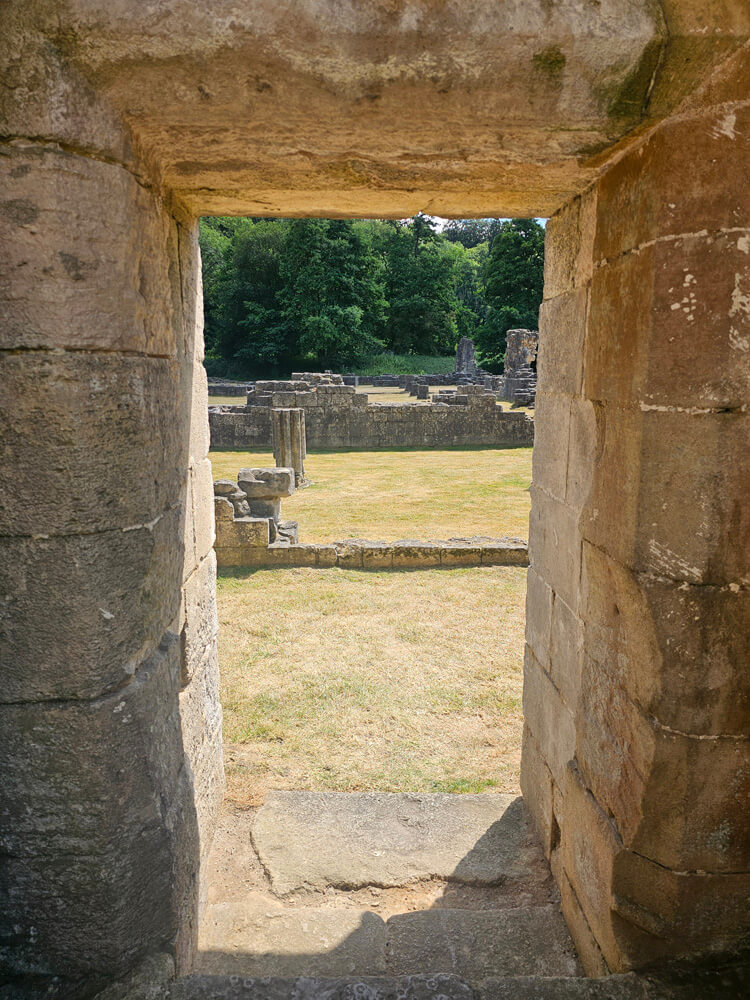
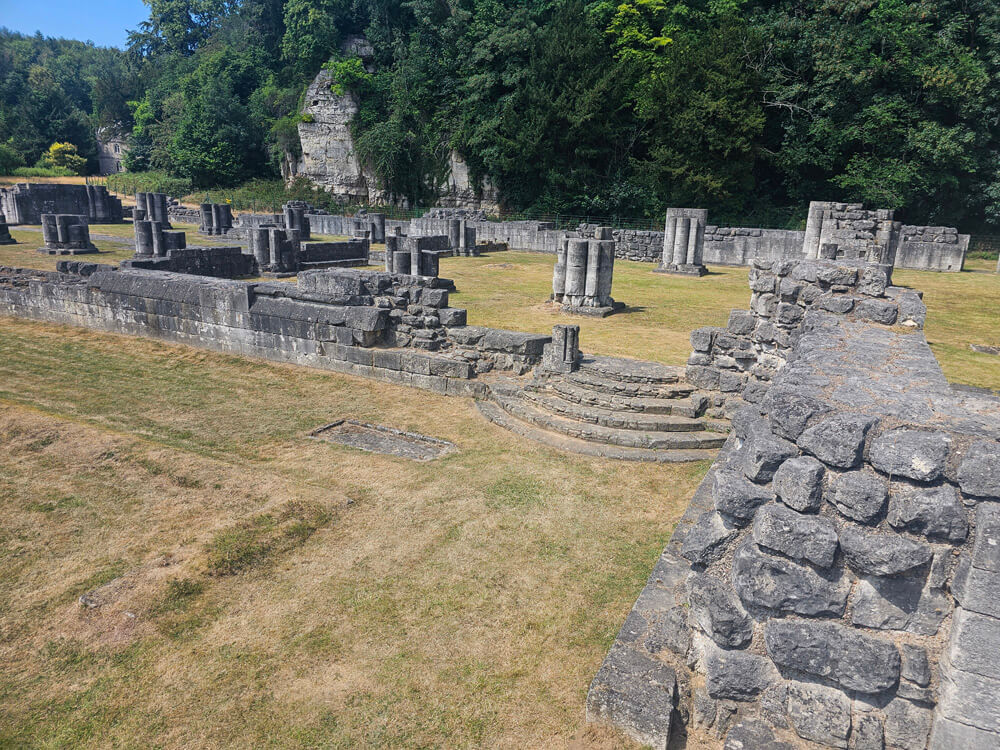
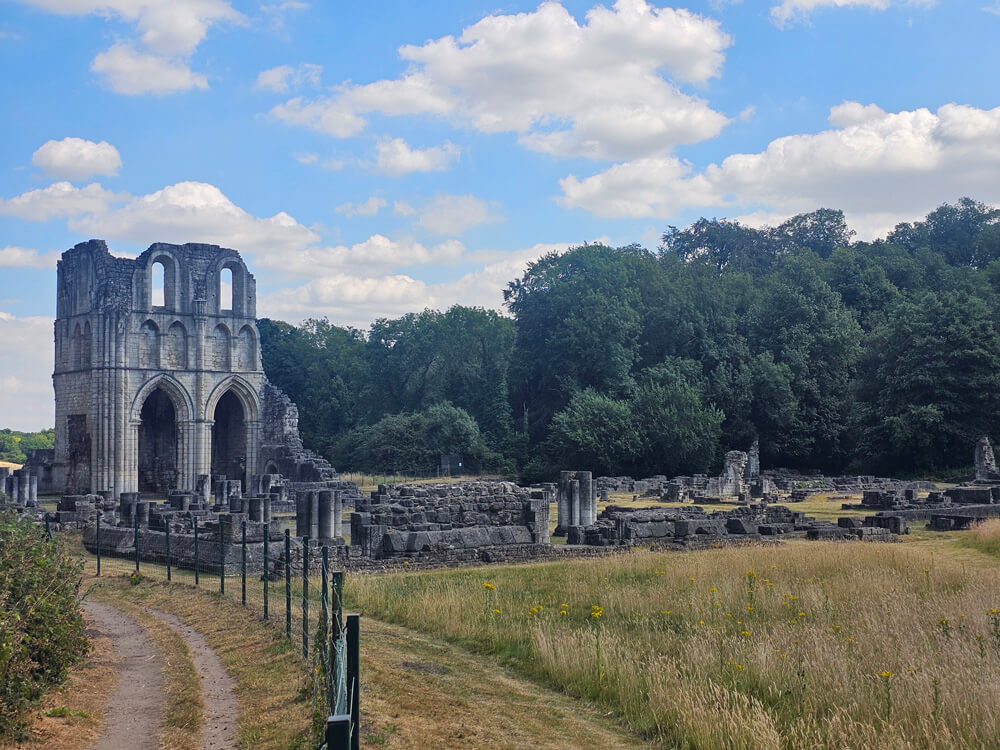
Today, Roche Abbey is cared for by English Heritage. Its surviving church walls and gatehouse, combined with the surrounding valley, provide a remarkable glimpse into medieval monastic life and the changing attitudes towards historic ruins over the centuries.
Photo Gallery.
Did you enjoy this post?
I hope you found this post useful. I put a great deal of time and effort in to building, maintaining and populating the website. If you like, you could say a small thank you by buying me a coffee. You don't have to, but it would be nice :)
Buy me a coffee
Stay up to Date
Follow me on my journey and get notified whenever a new post is published by following Kings & Castles on Facebook.
Follow MeExplore The Map
Discover the hundreds of castles, churches, monasteries, cathedrals and other historic locations that I've personally visited across England and Wales. Search by location, explore nearby sites and plan your next historical adventure.
Share: