Rievaulx Abbey
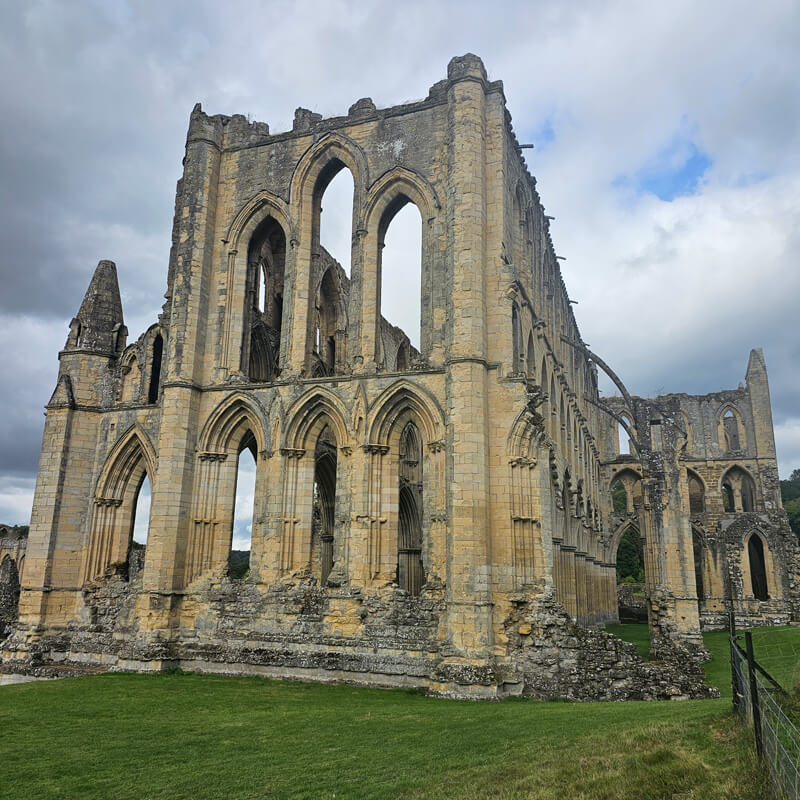
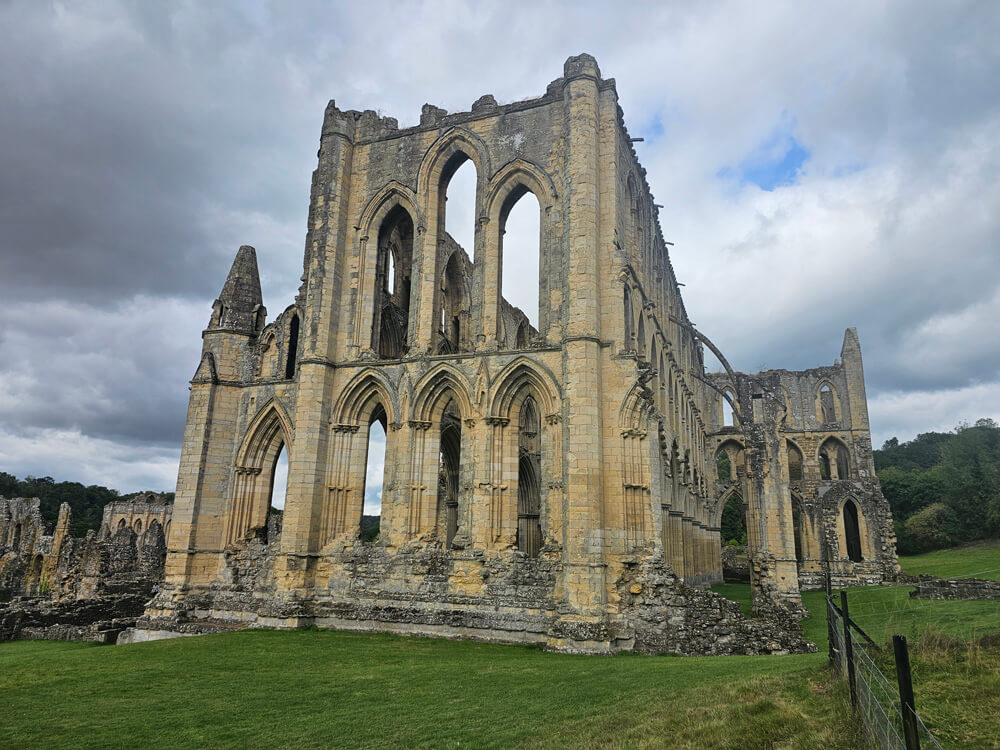
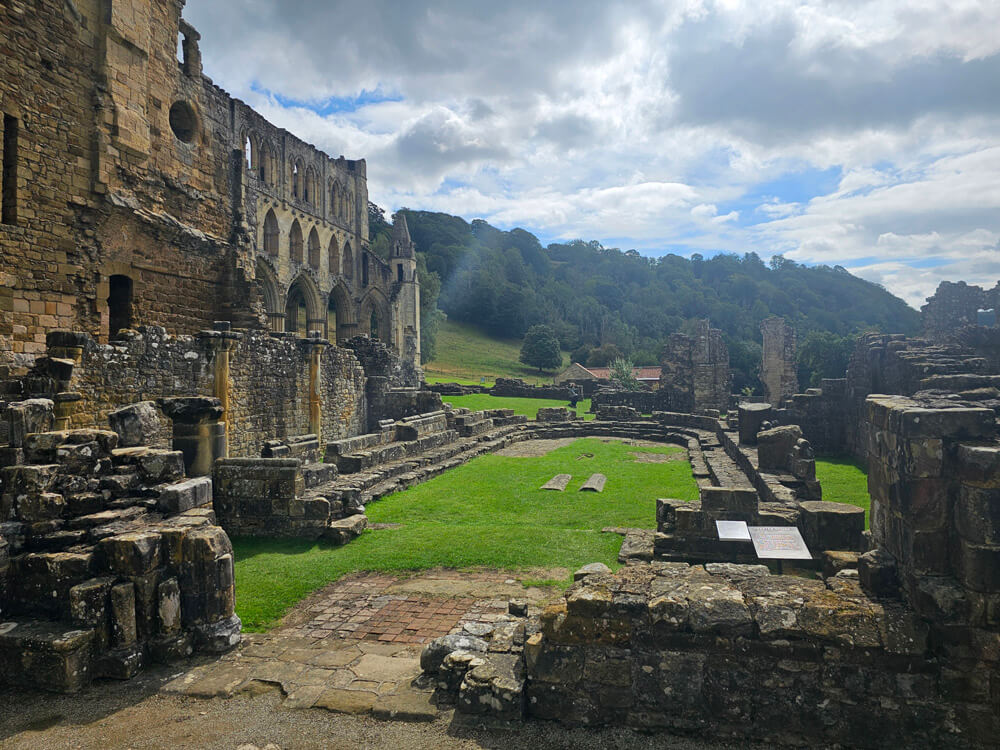
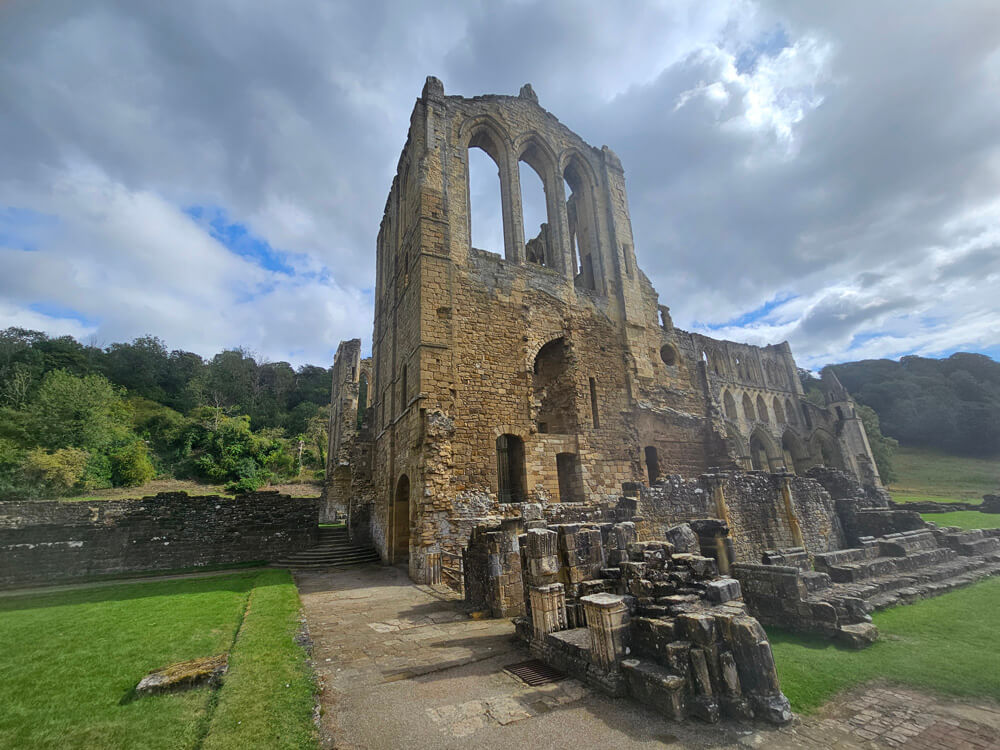
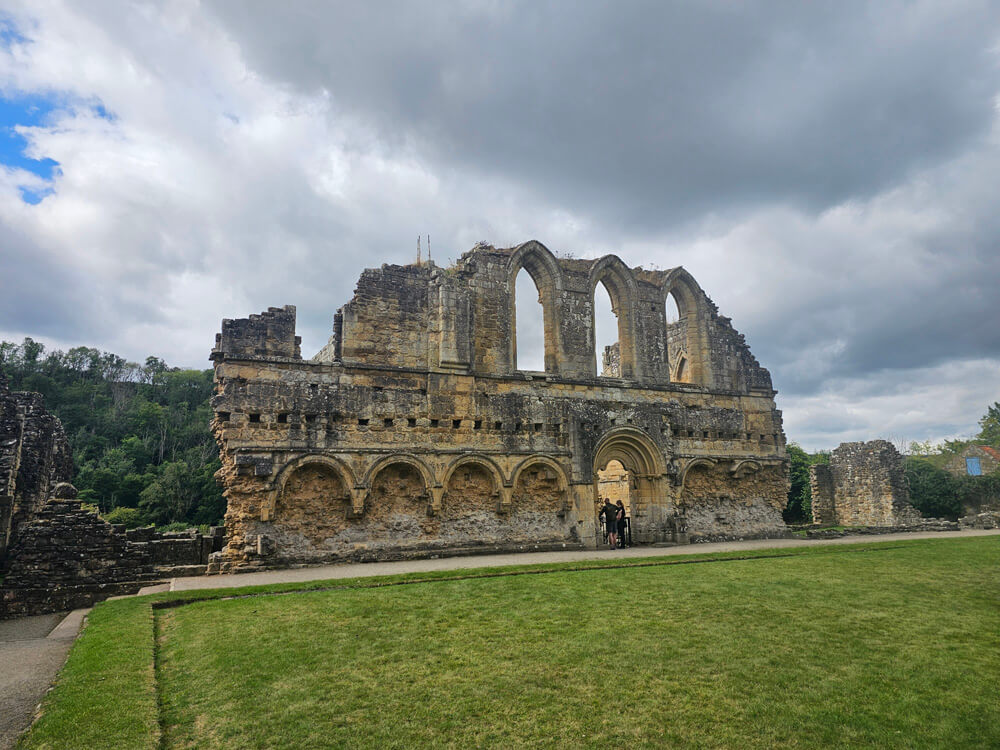
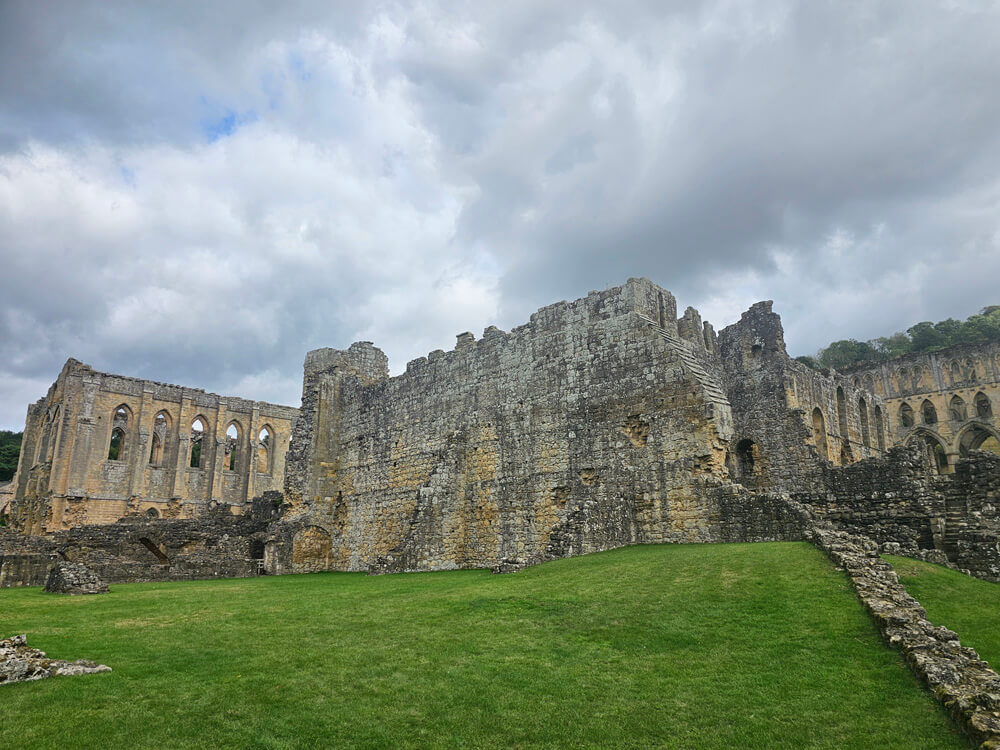
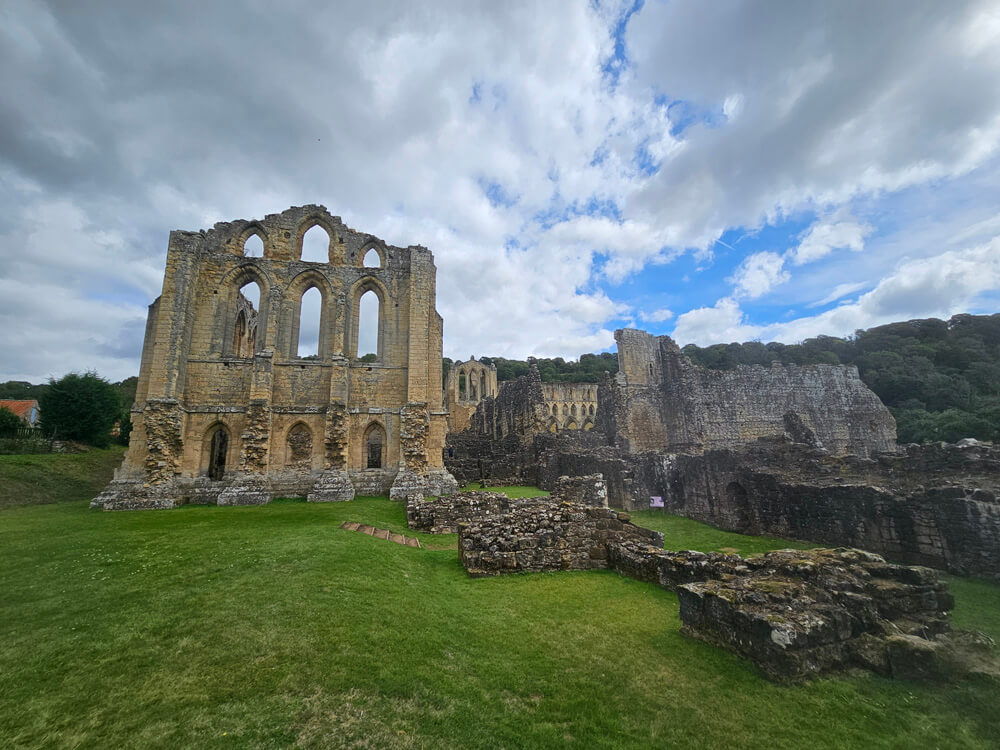
Hidden in a beautiful valley beside the River Rye in North Yorkshire, Rievaulx Abbey is one of England’s most spectacular medieval ruins. Founded in 1132, it was the first Cistercian abbey established in the north of England and went on to become one of the most important, wealthiest and influential monasteries in Britain.
Quick
Facts.
- Location: Rievaulx, North Yorkshire, England
- Founded: 1132
- Founder: Sir Walter Espec
- Religious order: Cistercian
- Dissolved: 1538
- Condition: Substantial ruins
A Bit of History…
Rievaulx Abbey was founded on land given by Walter Espec, the powerful lord of nearby Helmsley and builder of Helmsley Castle. The Cistercians were a relatively new religious order that sought to return to a simpler and more disciplined form of monastic life. Rievaulx was intended to become a centre from which the Cistercians could establish new communities throughout northern England and Scotland. Its first abbot, William, helped establish daughter houses including Melrose and Warden.
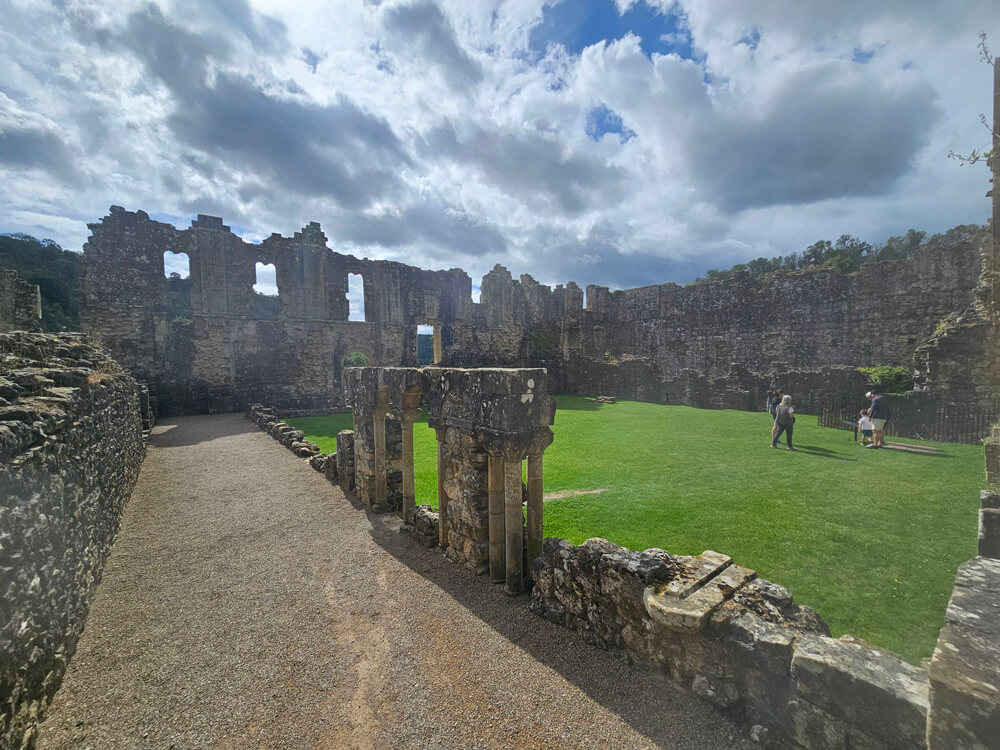
Initially, the monks lived in simple wooden buildings, but stone construction began during the 1130s. The monastery expanded rapidly as it acquired land and developed agricultural and industrial activities. Its monks managed farms, mills, fisheries and other enterprises, creating a substantial economic base for the community. The abbey precinct eventually covered about 37 hectares and contained gardens, orchards, livestock areas and industrial buildings.
Rievaulx reached the height of its influence under its most famous abbot, Aelred. He joined the monastery in 1134 and became abbot in 1147. Aelred was a renowned writer and spiritual leader, and under his leadership the community expanded dramatically. By the time of his death in 1167, Rievaulx had around 140 monks and 500 lay brothers. Large-scale rebuilding transformed the monastery, including the construction of a magnificent church, chapter house, infirmary and new accommodation.
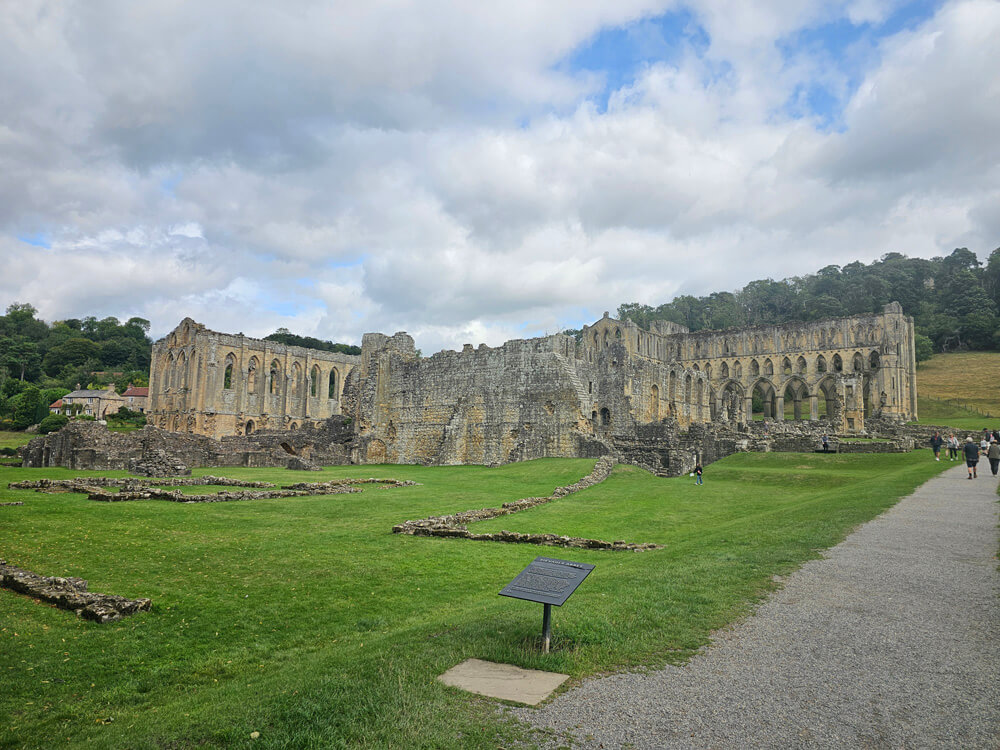
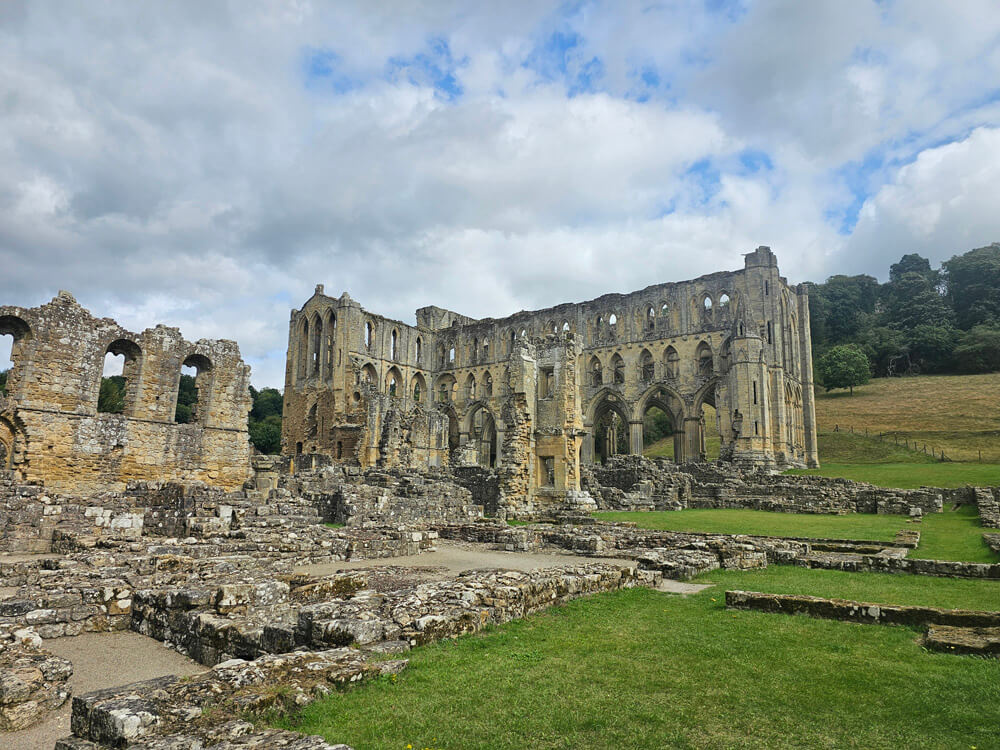
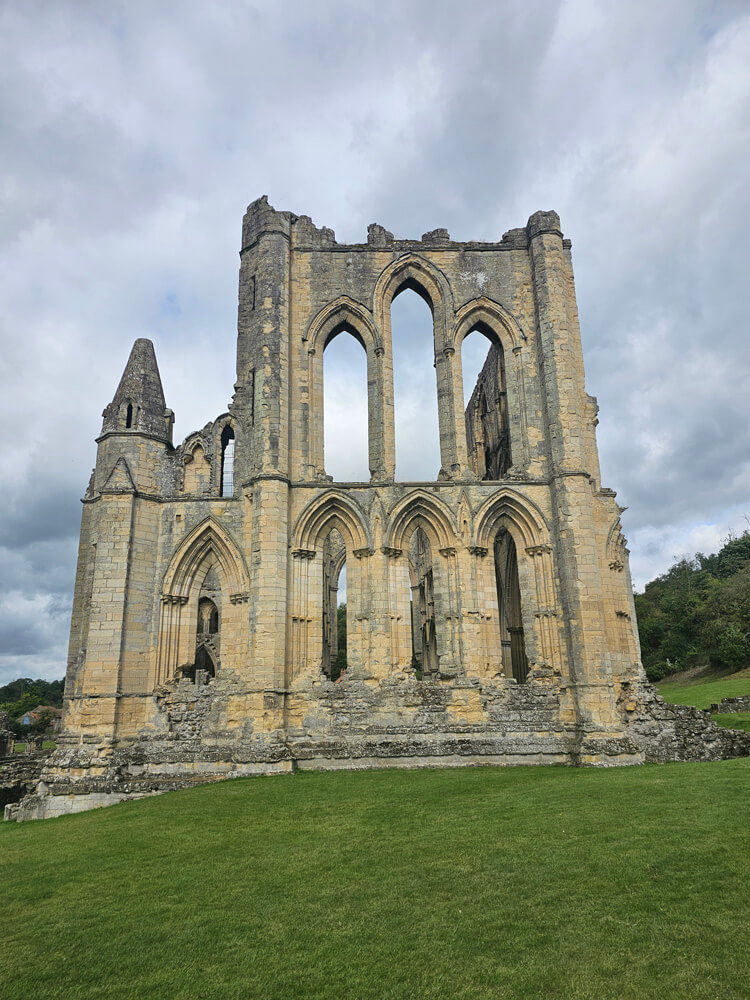
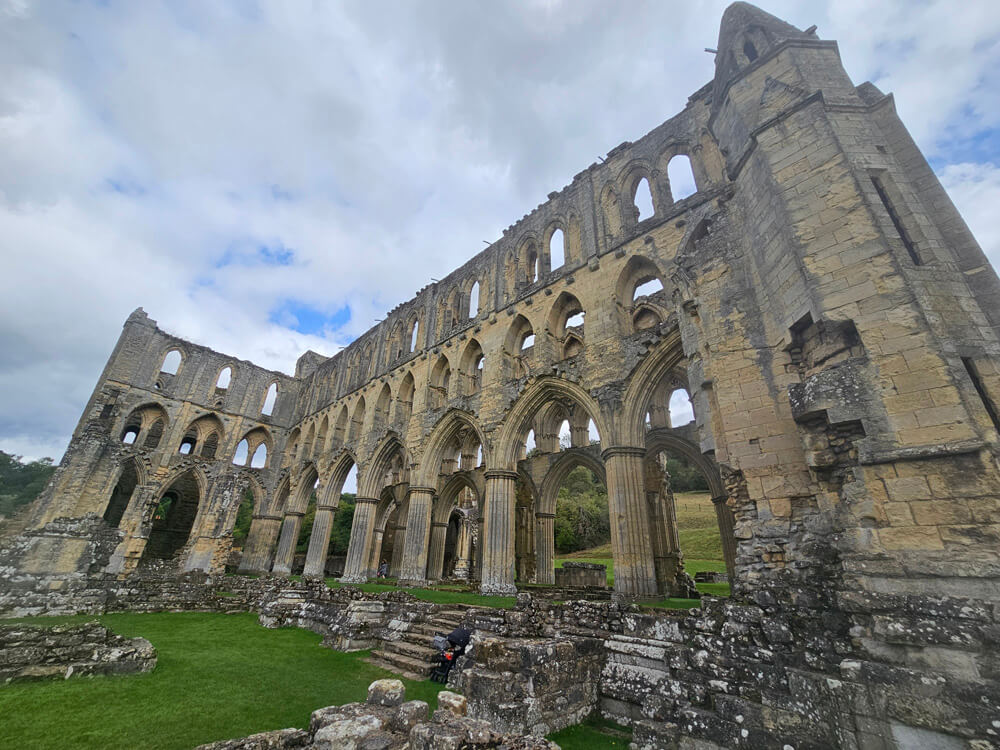
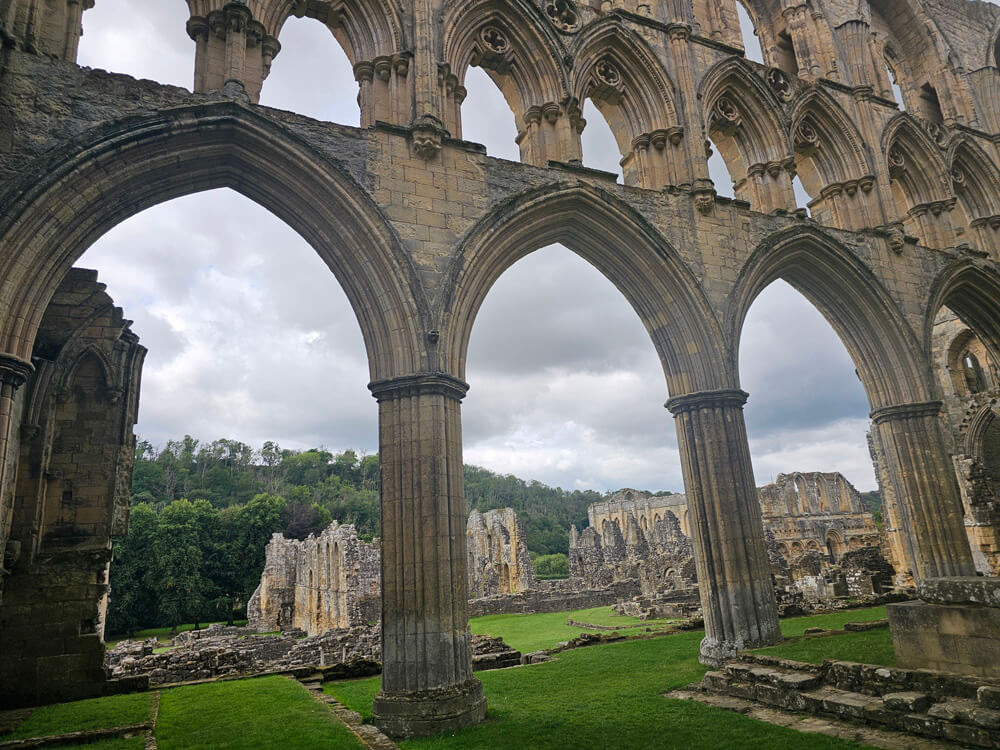
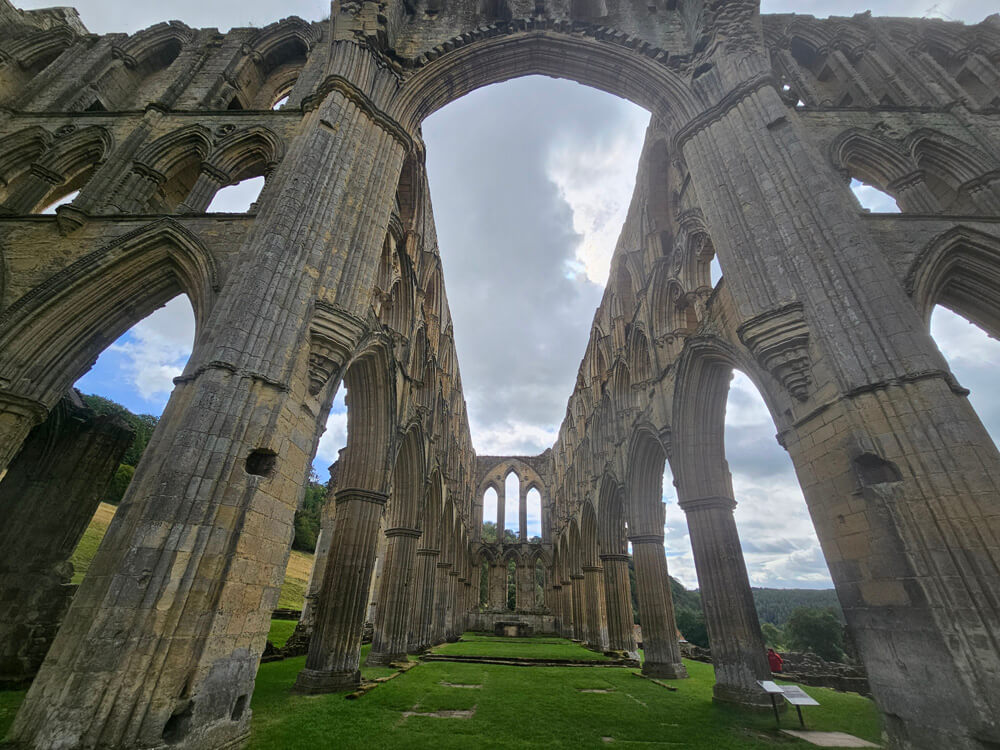
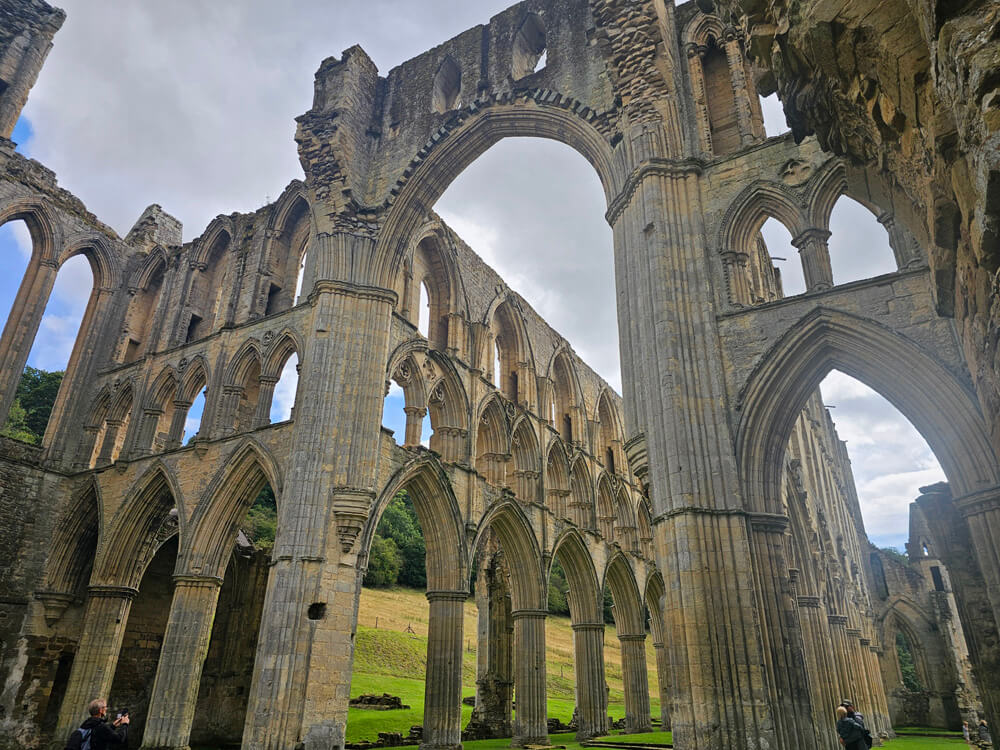
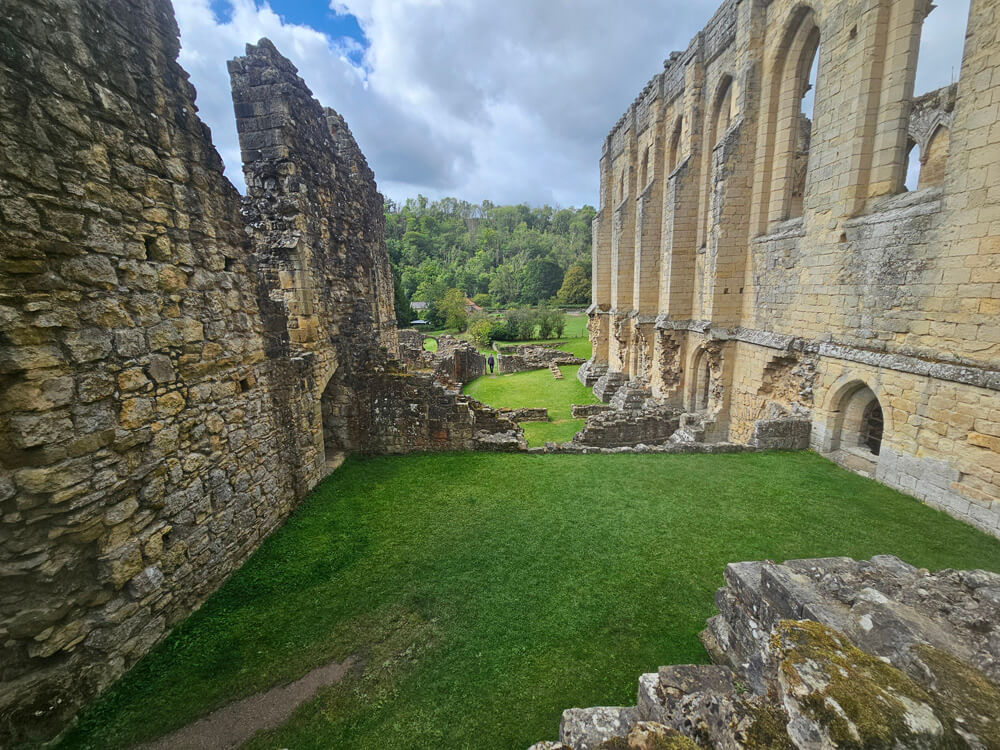
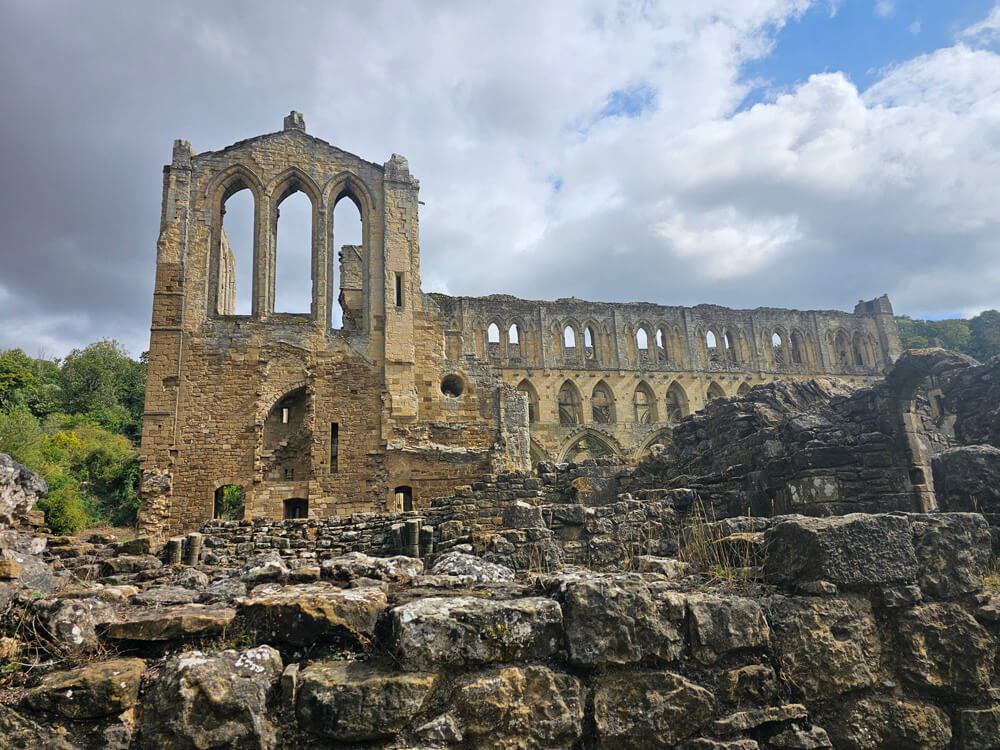
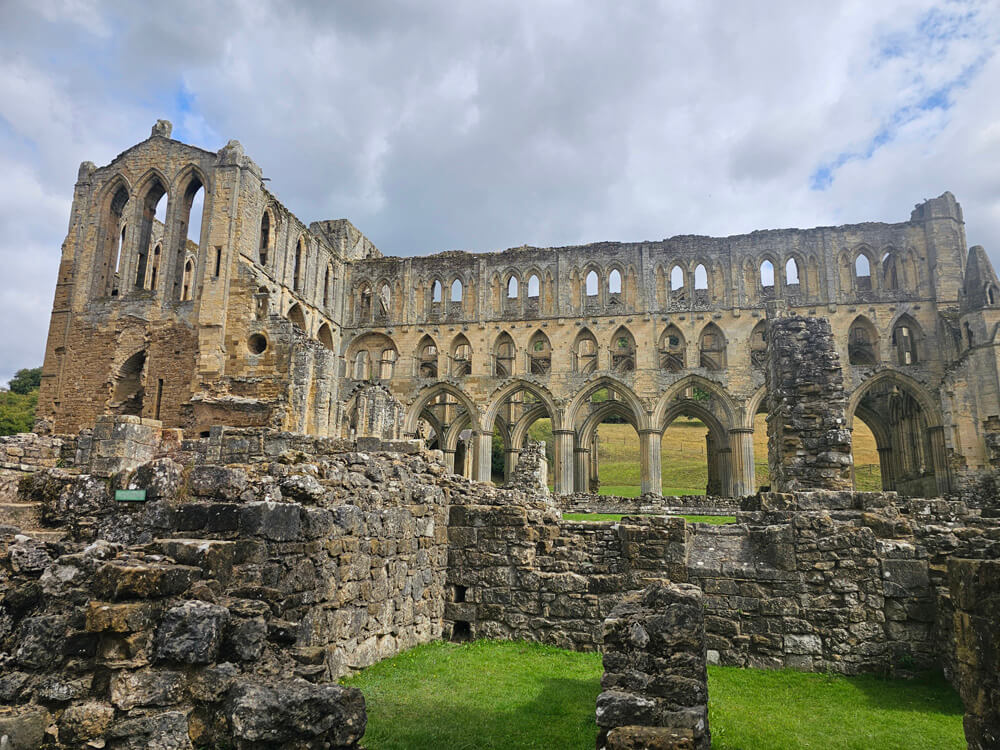
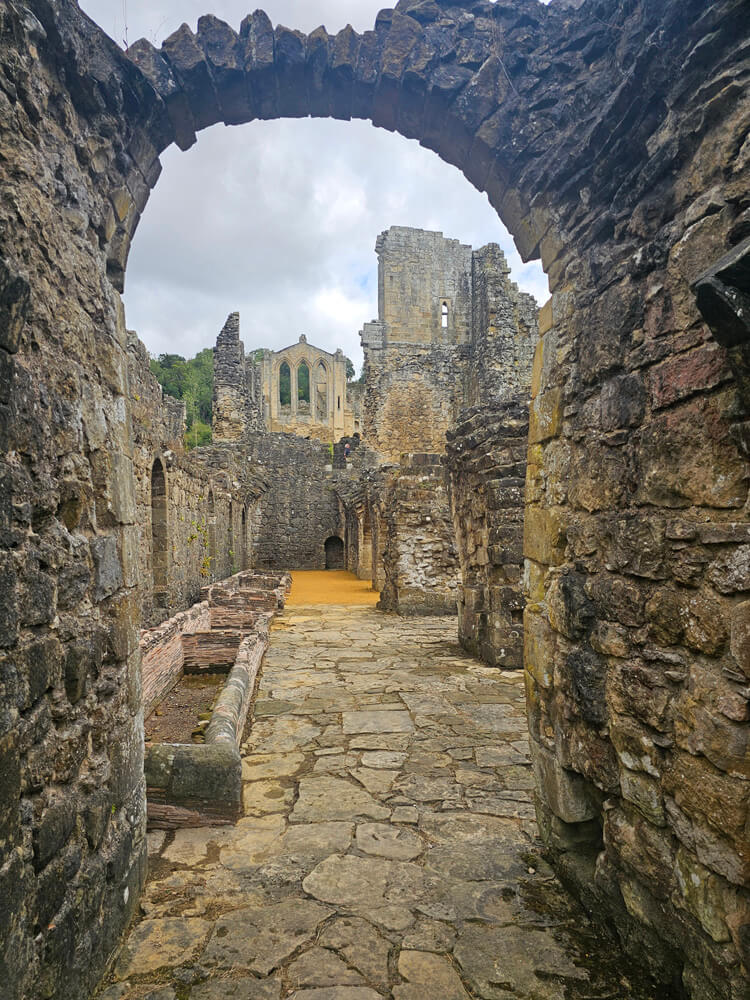
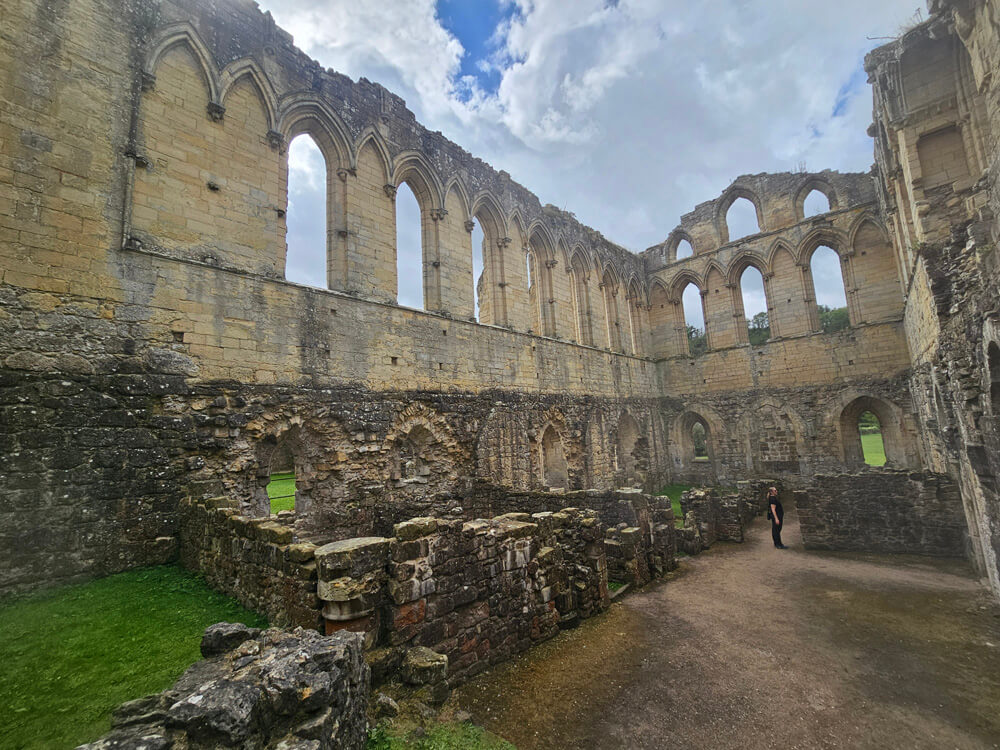
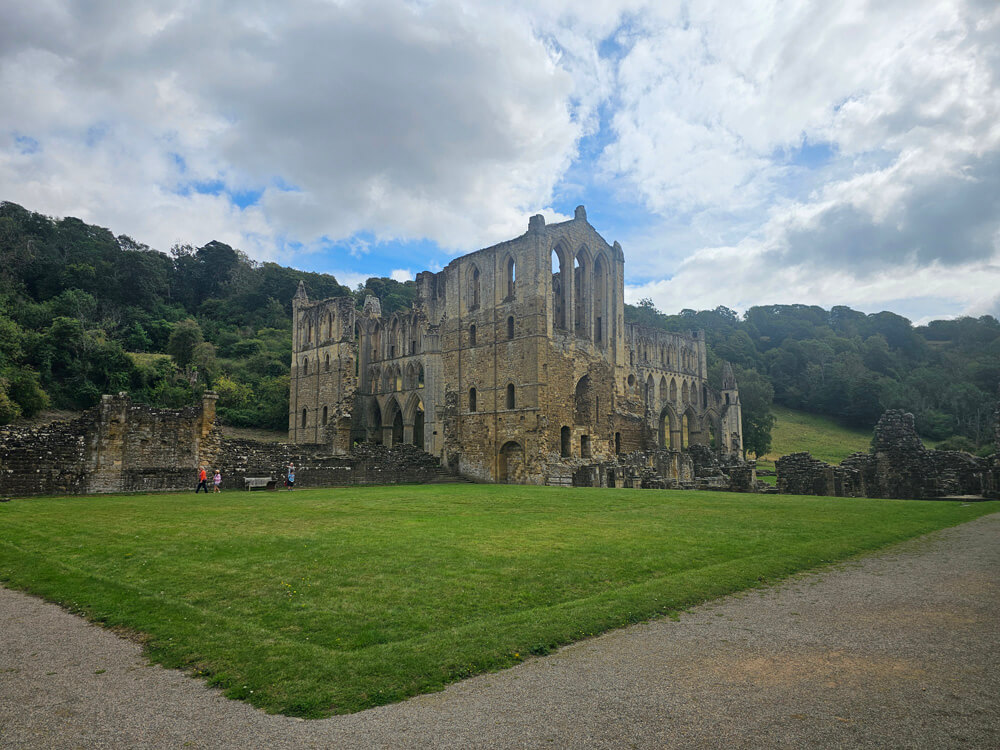
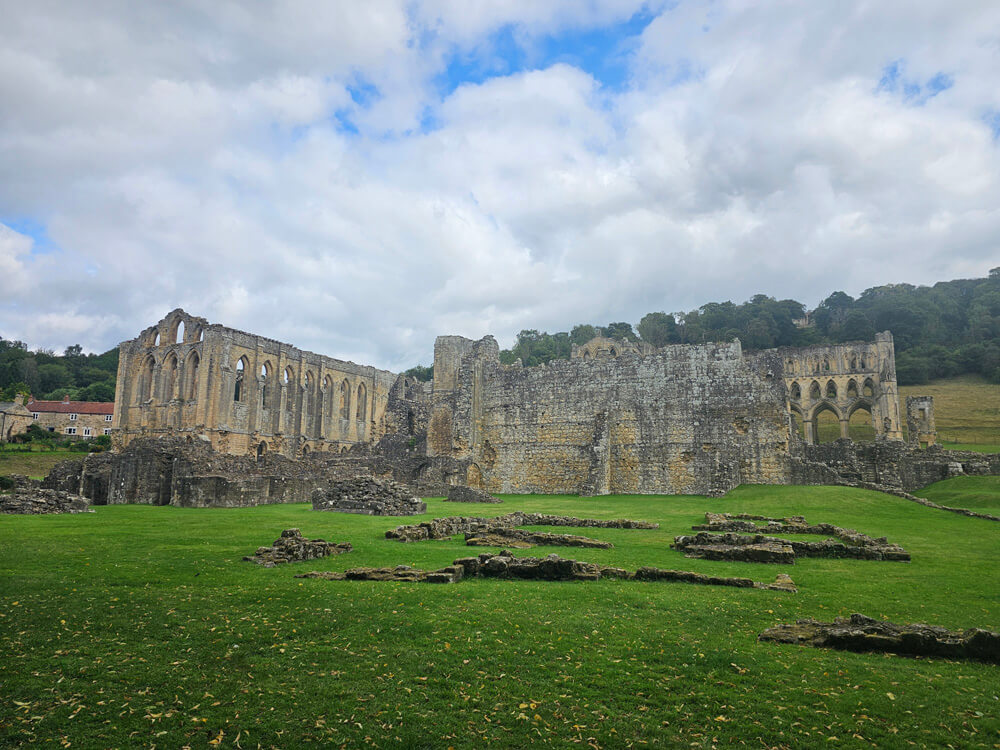
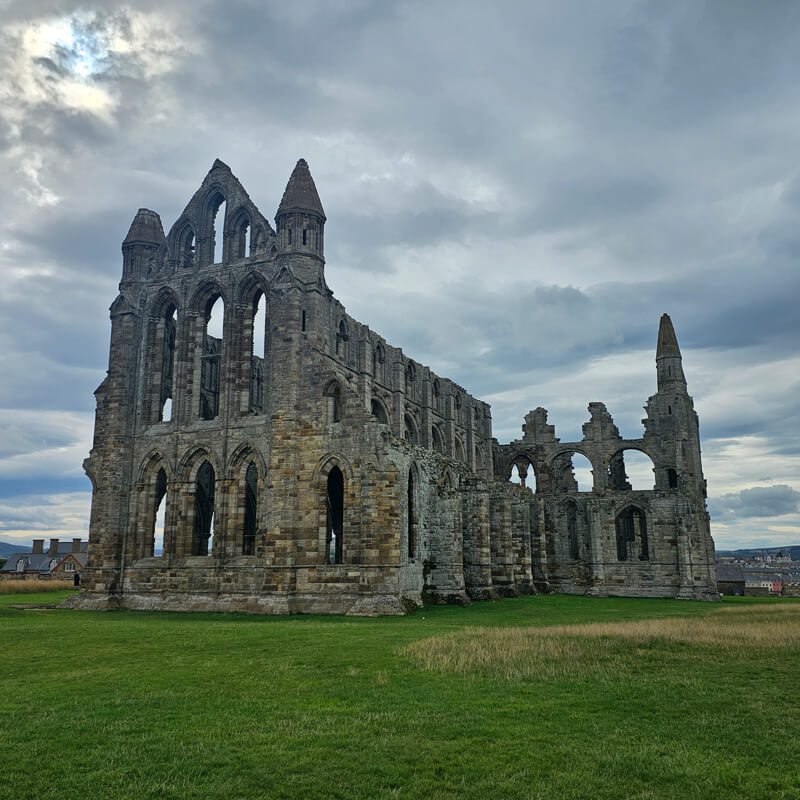
The abbey church was rebuilt again during the 1220s, creating one of the finest examples of Early English Gothic architecture in Britain. Its enormous scale reflected the wealth and importance Rievaulx had achieved. The surviving ruins today reveal several phases of construction and demonstrate how Cistercian architecture developed during the medieval period.
However, Rievaulx’s prosperity did not last. By the end of the 13th century, the abbey was heavily in debt, and its fortunes declined. Like many religious communities, it also faced difficulties caused by falling numbers, economic problems and wider political and social changes.
The final chapter of Rievaulx’s monastic history came during the reign of Henry VIII. The abbey was dissolved in 1538 as part of the Dissolution of the Monasteries. Its buildings were stripped of valuable materials and gradually fell into ruin. The site subsequently became associated with iron production and other commercial activity.
During the 18th and 19th centuries, the romantic beauty of the ruins attracted artists, writers and visitors. The Duncombe family created Rievaulx Terrace in the 1750s, providing spectacular views across the valley towards the abbey.
In the early 20th century, concerns about the deteriorating ruins led to their conservation. The Office of Works, the predecessor of English Heritage, took responsibility for the site, helping to preserve it for future generations.
Today, Rievaulx Abbey stands as a remarkable reminder of medieval religious life. Its dramatic ruins, beautiful setting and extraordinary architectural remains tell a story of faith, ambition, wealth, decline and rediscovery spanning almost nine centuries.
Photo Gallery.
Did you enjoy this post?
I hope you found this post useful. I put a great deal of time and effort in to building, maintaining and populating the website. If you like, you could say a small thank you by buying me a coffee. You don't have to, but it would be nice :)
Buy me a coffee
Stay up to Date
Follow me on my journey and get notified whenever a new post is published by following Kings & Castles on Facebook.
Follow MeExplore The Map
Discover the hundreds of castles, churches, monasteries, cathedrals and other historic locations that I've personally visited across England and Wales. Search by location, explore nearby sites and plan your next historical adventure.
Share: