Monastic Life in a Medieval Monastery
What was everyday life like inside a medieval monastery? Discover how monks and nuns balanced prayer, work, meals and rest, from the ringing of the church bell before dawn to the final prayers of the evening.
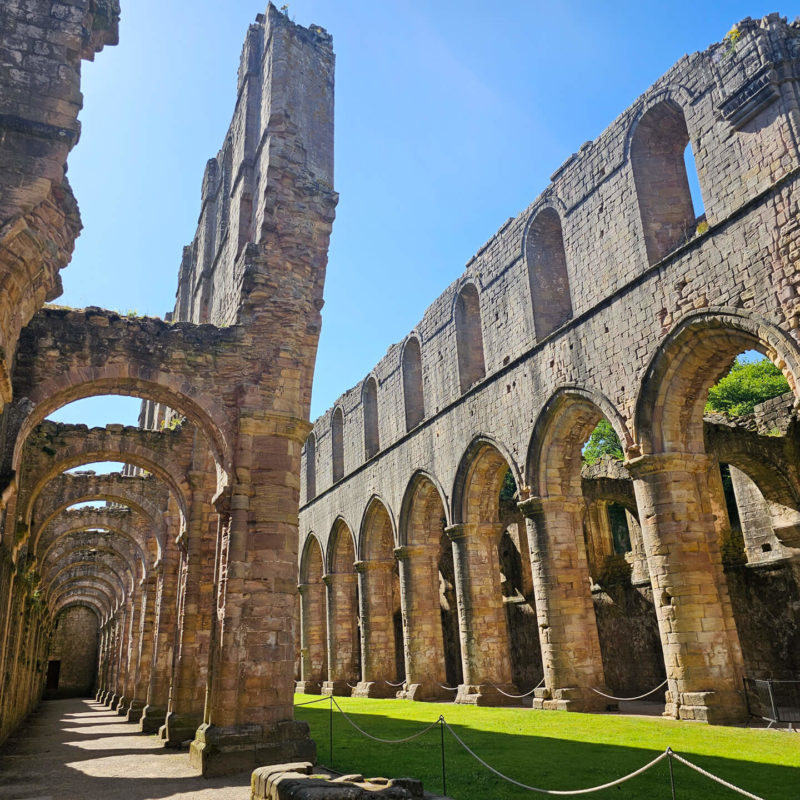
Life Behind Monastery Walls
For much of the Middle Ages, monasteries and convents were home to men and women who devoted their lives to religious service. They entered these communities for different reasons, seeking spiritual fulfilment, a life of prayer or, in some cases, a place within a religious institution that their families had helped establish.
Life inside a monastery was governed by religious rules, established routines and the authority of its superiors. Members of the community were expected to put their religious duties before personal ambitions, sharing their daily lives with others who had made similar commitments.
However, monastic life was not identical everywhere. The routines of a Benedictine monk, a Cistercian nun and a Carthusian monk could differ considerably. The religious order, the wealth of the institution and the period in which someone lived all influenced their experience. For more on these differences, see Religious Orders in Medieval England.
Despite these variations, prayer, work and communal discipline formed the foundation of life in many medieval religious houses.
A Day of Prayer and Worship
For many monks and nuns, the day began during the hours of darkness, when a bell summoned the community to the church for prayer. In houses following the Rule of Saint Benedict, the daily schedule was structured around a series of services known as the Divine Office.
These services took place at different times throughout the day and night, allowing the community to pause regularly for worship. They included prayers, psalms, hymns and readings from religious texts. Mass was also central to the spiritual life of many monasteries.
The routine could be demanding. Depending on the season, religious calendar and customs of the particular house, members might rise in the middle of the night before returning to their beds for a short period of rest. Other services followed at intervals through the morning, afternoon and evening.
Prayer was not simply one activity among many; it shaped the entire rhythm of monastic life. Work, meals and rest were organised around the requirements of worship, reinforcing the belief that every aspect of daily existence could serve a religious purpose.
Inside the Monastery
The buildings of a medieval monastery were designed to support both communal living and religious observance. Although their layouts varied, many larger houses included a church, cloister, chapter house, refectory and dormitory.
The church was the spiritual heart of the community, while the cloister provided a sheltered space for walking, reading and quiet reflection. The chapter house was where members gathered to hear readings from their religious rule, receive instructions and discuss the business of the monastery.
Meals were generally taken in the refectory, the communal dining hall, while sleeping arrangements depended on the institution. Many communities shared a dormitory, whereas others, such as the Carthusians, lived in separate cells that offered greater privacy and solitude.
These buildings were more than architectural features. They shaped how monks and nuns moved through their day, where they worked, how they ate and slept, and how they interacted with one another.
To learn more about the purpose and layout of these spaces, see Religious Buildings of Medieval Britain.
Food, Clothing and Living Conditions
Monastic diets varied according to the religious order, local resources, the season and the wealth of the house. Bread, vegetables, pulses and ale were common elements of medieval diets, while fish was particularly important in communities that observed restrictions on eating meat. The exact rules differed, and some houses enjoyed considerably more varied food than others.
Meals were often communal and could be eaten in silence while a member of the community read aloud from a religious text. Fasting was observed on particular days and during religious seasons, although the frequency and strictness of these practices varied.
Clothing was usually simple and practical. Monks and nuns wore habits associated with their communities, often made from wool or other readily available materials. The familiar image of a monk in a dark habit or a Cistercian in undyed wool reflects some traditions, but there was no single uniform worn by every religious order.
Living conditions could also differ considerably. Some monasteries were substantial, wealthy establishments with well-built accommodation, extensive estates and reliable food supplies. Others were smaller and more modest. Even within an affluent house, daily life was governed by discipline, and personal possessions were restricted according to the community’s rules.
Work and Daily Responsibilities
Prayer occupied a central place in monastic life, but it was accompanied by a wide range of practical responsibilities. A monastery needed food, clean clothing, maintained buildings and sufficient income to support its members.
Some monks worked in gardens, cultivated crops, cared for livestock or helped manage the monastery’s estates. Others prepared meals, brewed ale, maintained tools or carried out repairs. In larger houses, particular duties were assigned to officials responsible for areas such as food supplies, finances, hospitality and the upkeep of buildings.
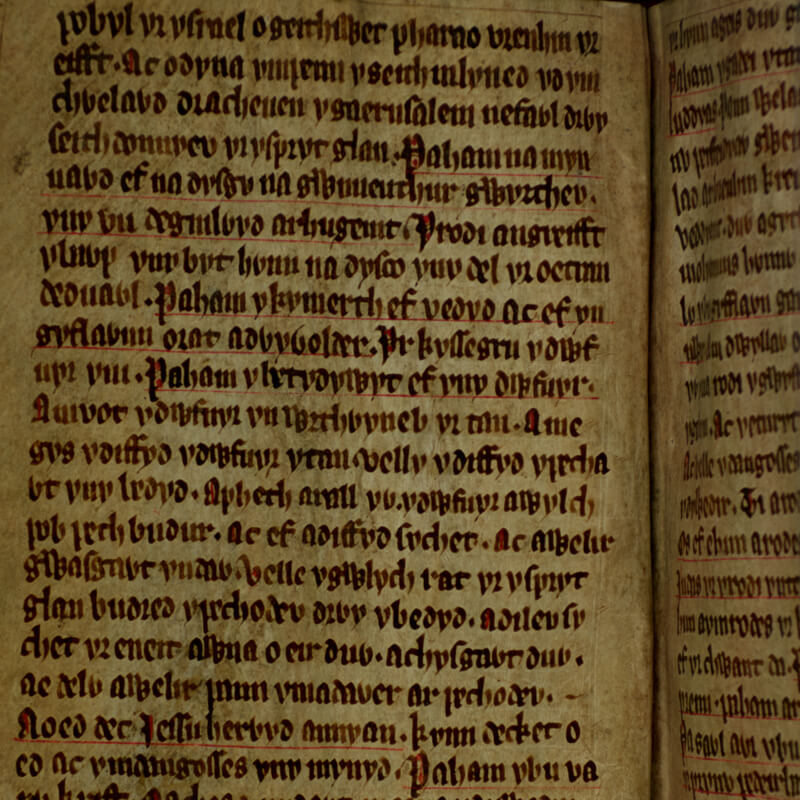
Literary work was also important. Some monks copied manuscripts by hand, preserving religious texts and other works for future generations. Skilled scribes and illuminators produced beautifully decorated books, although manuscript production was not a daily occupation for every monk, nor was every monastery a major centre of learning.
Nuns also undertook practical work alongside their religious observances. Depending on the community, their responsibilities included sewing, gardening, preparing food, caring for the sick and producing textiles.
The balance between manual labour, study and prayer depended on the order and the individual house. What united these activities was the belief that work formed part of a disciplined religious life.
Life Beyond the Monastery Walls
Although monasteries were intended to provide a life apart from the outside world, they were rarely completely isolated. Many maintained close relationships with nearby towns, villages and estates, relying on local people for trade, labour and supplies.
Religious houses could offer hospitality to travellers and pilgrims, while some provided food or assistance to people experiencing poverty. Infirmaries cared for sick members of the community, and certain monasteries developed facilities for treating others. The extent of these activities varied between institutions.
Monasteries also employed servants and labourers, managed tenant farms and dealt with merchants who supplied goods or purchased their produce. Wealthier establishments could have large numbers of people working on their estates, meaning that the influence of monastic life extended well beyond the monks and nuns themselves.
For local communities, a nearby monastery could be a source of employment, religious guidance and charitable support. However, monasteries were also substantial landowners, collecting rents and other dues from the people who worked their estates. Their relationships with surrounding communities could therefore involve both cooperation and tension.
Religious Festivals and the Changing Seasons
Monastic life followed not only a daily timetable but also the wider Christian calendar. Important religious festivals, saints’ days and periods of fasting shaped the community’s activities throughout the year.
Christmas and Easter were among the most significant celebrations, marked by special services and changes to the usual routine. Lent, by contrast, was a period of preparation and penitence during which fasting and other forms of religious discipline could become more demanding.
The changing seasons also influenced practical work. Spring brought planting and the preparation of fields, summer involved tending crops and livestock, and autumn was a crucial time for harvesting and storing food for the winter. Monasteries with extensive agricultural estates had to coordinate this work alongside their religious responsibilities.
The combination of the liturgical calendar and the agricultural year meant that monastic life was never entirely uniform. Although the pattern of prayer remained central, the demands of the season could change how much time was devoted to particular tasks.
Discipline and the Challenges of Communal Life
The ideal of monastic life emphasised obedience, humility, self-discipline and the renunciation of personal ambition. Members were expected to follow their community’s rules, respect their superiors and avoid behaviour that might disrupt the religious life of others.
Silence was particularly important in some orders and in certain parts of the monastery, encouraging prayer and contemplation. Conversation was not universally forbidden, however, and opportunities to speak varied according to the rules and customs of individual communities.
Living so closely with others could be challenging. Monks and nuns had to balance personal needs with communal obligations, follow strict routines and accept limitations on their freedom. Disagreements, breaches of discipline and criticism of religious houses appear in surviving historical records, reminding us that real monastic communities did not always live up to their ideals.
Experiences also differed according to wealth, status and responsibility. An abbot overseeing a large religious house had a very different role from a novice learning the rules of the community or a lay brother undertaking practical work.
Nevertheless, discipline was intended to help members maintain their religious commitment and live together according to shared spiritual principles.
The End of Medieval Monastic Life
For centuries, monasteries remained important features of Britain’s religious, economic and cultural landscape. Their buildings, estates and communities shaped the surrounding countryside and towns, while their traditions influenced education, worship and charitable activity.
This world changed dramatically during the 16th century. In England and Wales, Henry VIII‘s break with Rome was followed by the suppression of religious houses during the Dissolution of the Monasteries, a process that gathered pace from 1536 and was largely completed by 1540. Scotland experienced its own religious changes during the Reformation, with a different chronology and pattern of suppression.
Monks and nuns were displaced from their communities, monastic lands passed into new hands and many buildings were dismantled or fell into ruin. The consequences were far-reaching, affecting religious practice, local economies and the lives of people who had depended on monastic institutions.
The Legacy of Monastic Life
Today, the surviving ruins of Britain’s monasteries offer a glimpse into the lives of the people who once inhabited them. Churches, cloisters, refectories and other remains reveal how these communities organised their daily routines around worship, work and communal living.
Places such as Fountains Abbey, Rievaulx Abbey and Wenlock Priory help bring this history to life. Walking among their remains, it is possible to imagine the ringing of bells, the movement of people between buildings and the steady rhythm of prayer and work that once filled these spaces.
Monastic life was demanding, structured and shaped by religious devotion, but it was also practical and closely connected to the wider world. Understanding how monks and nuns lived helps us look beyond the impressive ruins and appreciate the people, routines and communities that made these places central to medieval Britain.
Did you enjoy this post?
I hope you found this post useful. I put a great deal of time and effort in to building, maintaining and populating the website. If you like, you could say a small thank you by buying me a coffee. You don't have to, but it would be nice :)
Buy me a coffee
Stay up to Date
Follow me on my journey and get notified whenever a new post is published by following Kings & Castles on Facebook.
Follow MeExplore The Map
Discover the hundreds of castles, churches, monasteries, cathedrals and other historic locations that I've personally visited across England and Wales. Search by location, explore nearby sites and plan your next historical adventure.
Share: