Ribchester Roman Remains
Today, the Lancashire village of Ribchester appears peaceful, but nearly 2,000 years ago it was home to Bremetennacum Veteranorum, one of Roman Britain’s most important cavalry forts. Founded in the late 1st century AD, the fort guarded a crossing of the River Ribble and remained occupied for around 300 years. Although much of the fort now lies beneath the village, several remarkable remains reveal its Roman past.
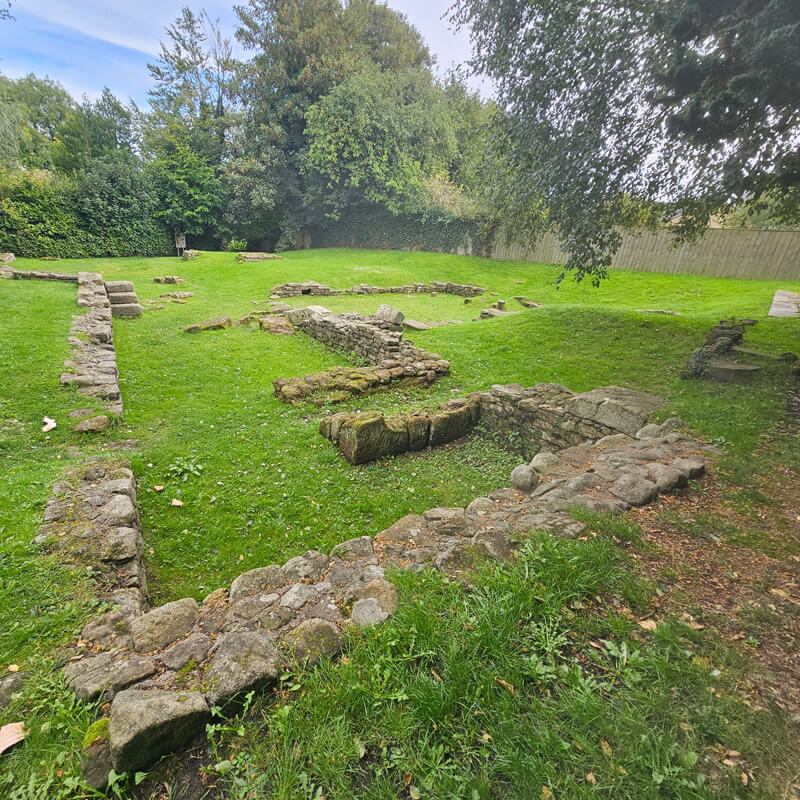
The Roman Baths
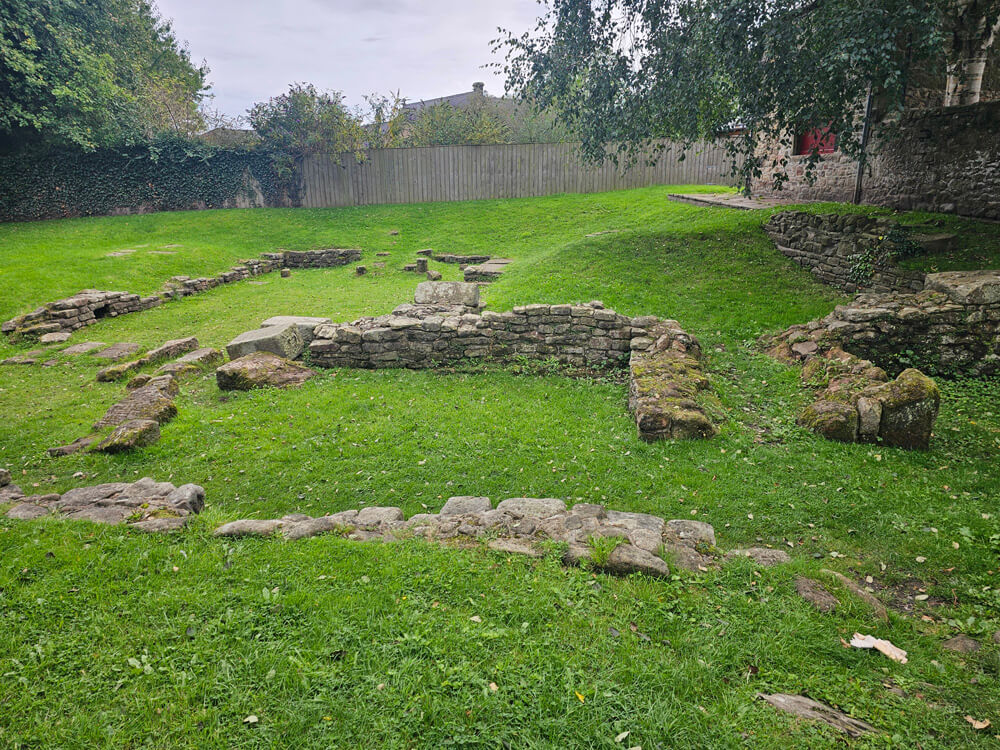
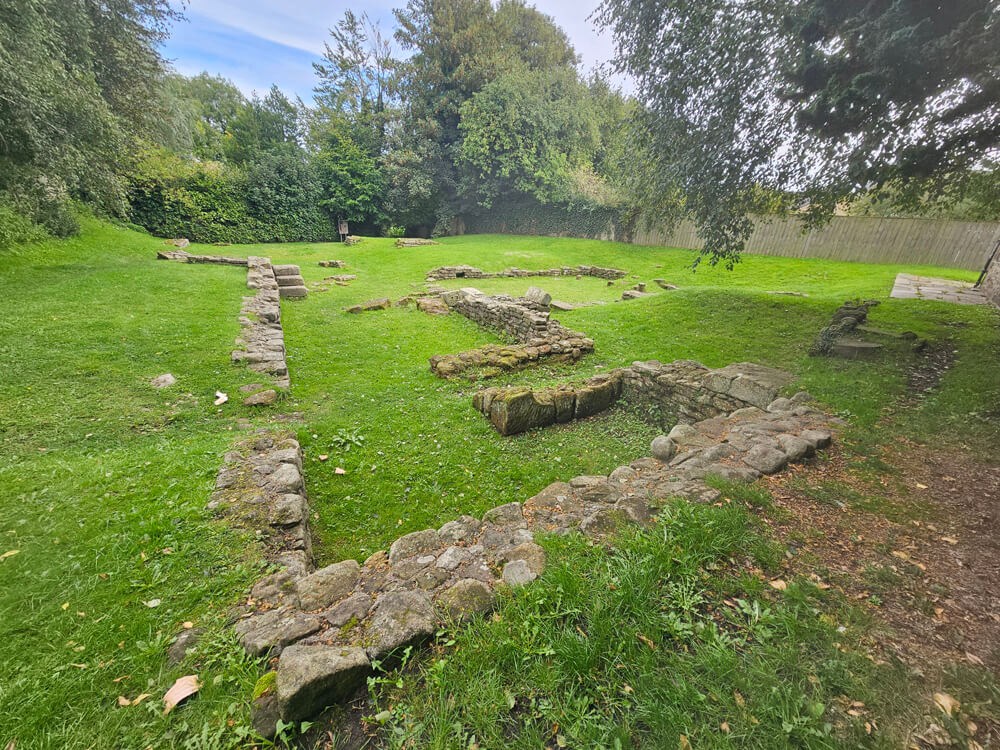
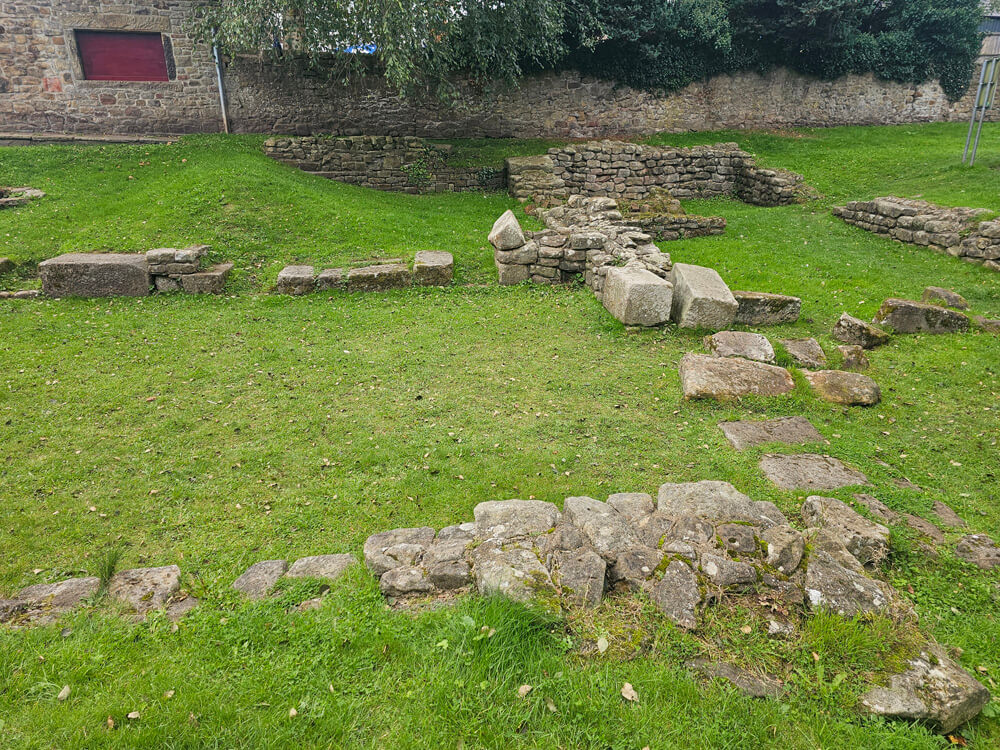
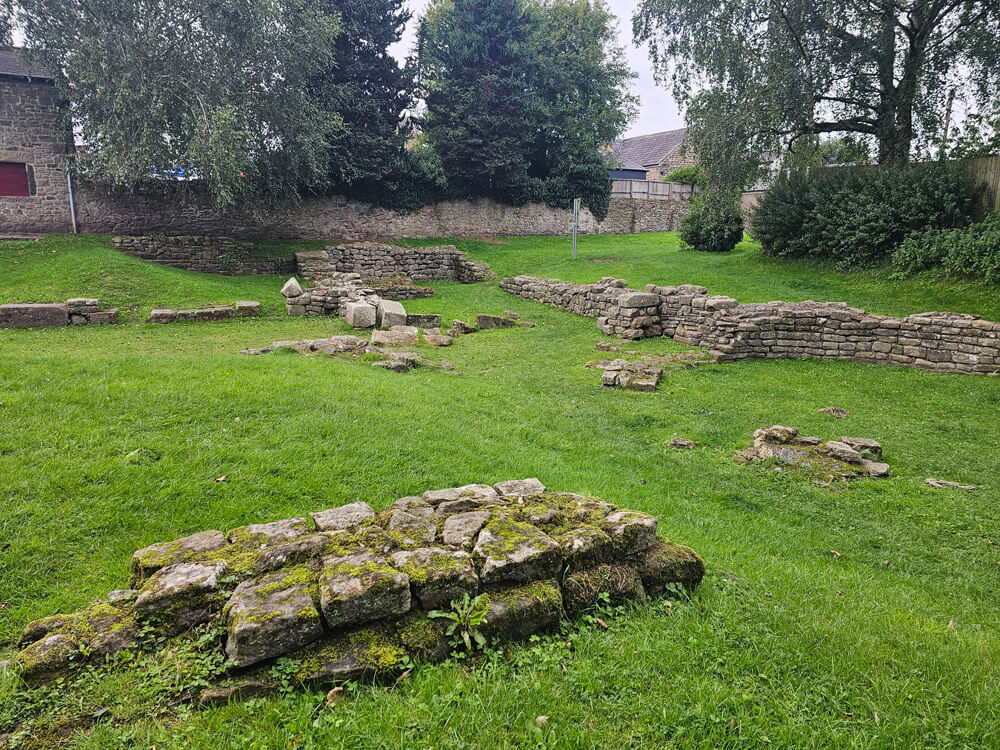
The Roman Baths are Ribchester’s most impressive surviving Roman remains. Built in the 2nd century AD, the bathhouse stood just outside the fort’s walls, following the Roman practice of placing public baths beyond the main military enclosure.
Visitors can still see the stone foundations of several rooms, including the frigidarium (cold room), tepidarium (warm room) and caldarium (hot room). Beneath the floors are parts of the hypocaust, an ingenious underfloor heating system where hot air from a furnace circulated through stone pillars to warm the rooms above.
The baths were far more than a place to wash. Roman soldiers used them to relax, socialise and recover after training or patrols. Archaeological excavations uncovered evidence of multiple rebuilding phases, showing the complex remained in use for centuries as the fort evolved.
The Roman Granary
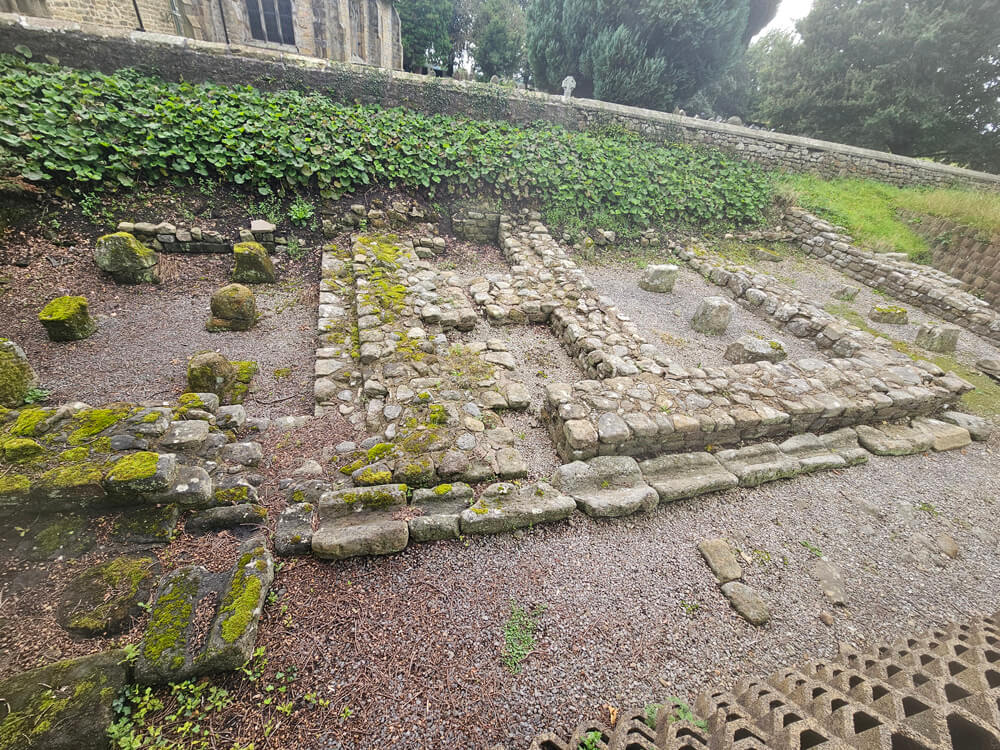
A short distance from the baths lie the foundations of Ribchester’s Roman Granary, another key part of the fort. Granaries were essential military buildings that stored grain and other supplies needed to feed hundreds of soldiers and their horses.
The surviving stone walls reveal the building’s substantial construction. Originally, its floor was raised above ground level on stone supports, allowing air to circulate beneath the grain and protect it from damp and pests. Thick walls helped keep temperatures stable, preserving valuable food supplies throughout the year.
The granary highlights the sophisticated logistics that allowed the Roman army to maintain permanent garrisons across Britain. Without carefully managed food stores like these, forts such as Bremetennacum (Ribchester) could not have supported cavalry units stationed far from major Roman cities.
Ribchester Roman Museum
The Ribchester Roman Museum, founded in 1915, houses one of Lancashire’s finest collections of Roman artefacts. Located beside St Wilfrid’s Church, the museum brings the story of Bremetennacum to life through finds uncovered during centuries of excavation.
Its most famous object is the celebrated Ribchester Helmet, an ornate Roman cavalry parade helmet discovered in 1796. Although the original is now displayed in the British Museum, a high-quality replica is exhibited in Ribchester, illustrating the prestige of the fort’s mounted soldiers.
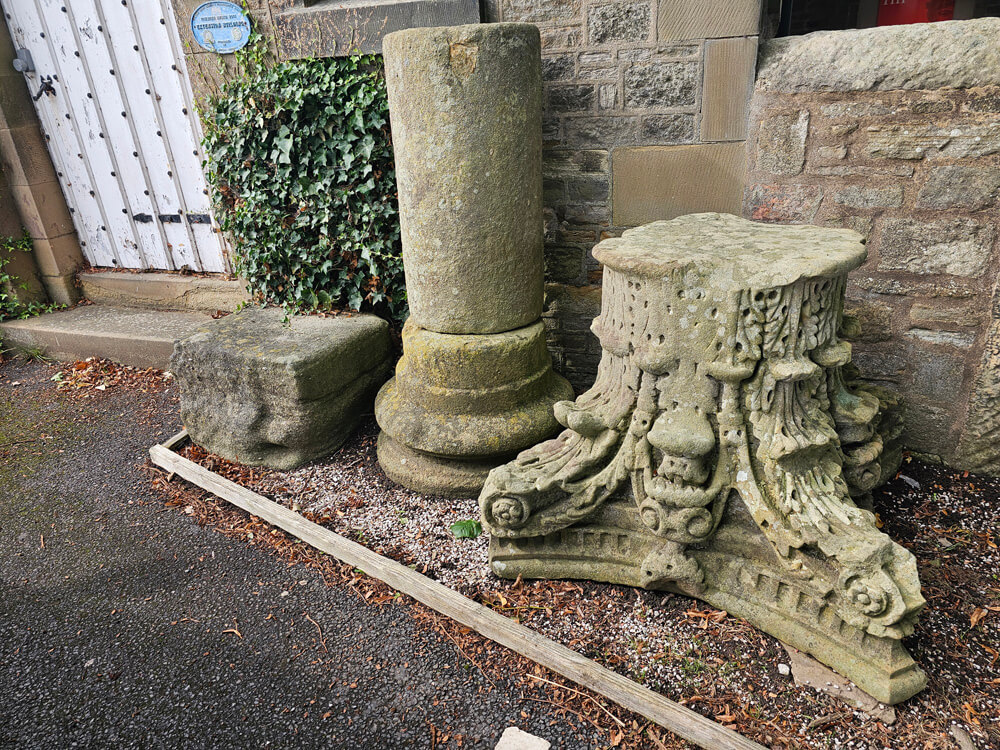
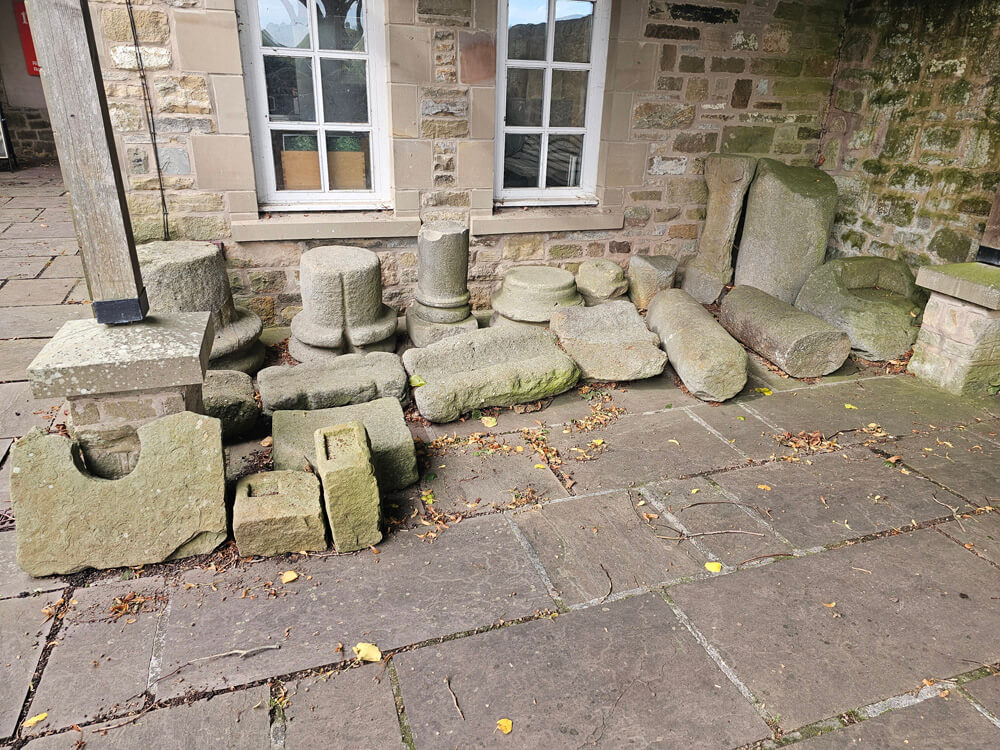
The museum also displays coins, pottery, tools, jewellery, inscriptions and everyday objects that reveal life inside the fort and the civilian settlement that grew around it. Together with the nearby baths and granary, these artefacts make Ribchester one of the best places in north-west England to experience the legacy of Roman Britain.
Photo Gallery.
Did you enjoy this post?
I hope you found this post useful. I put a great deal of time and effort in to building, maintaining and populating the website. If you like, you could say a small thank you by buying me a coffee. You don't have to, but it would be nice :)
Buy me a coffee
Stay up to Date
Follow me on my journey and get notified whenever a new post is published by following Kings & Castles on Facebook.
Follow MeExplore The Map
Discover the hundreds of castles, churches, monasteries, cathedrals and other historic locations that I've personally visited across England and Wales. Search by location, explore nearby sites and plan your next historical adventure.
Share: