Merchant Adventurers’ Hall, York
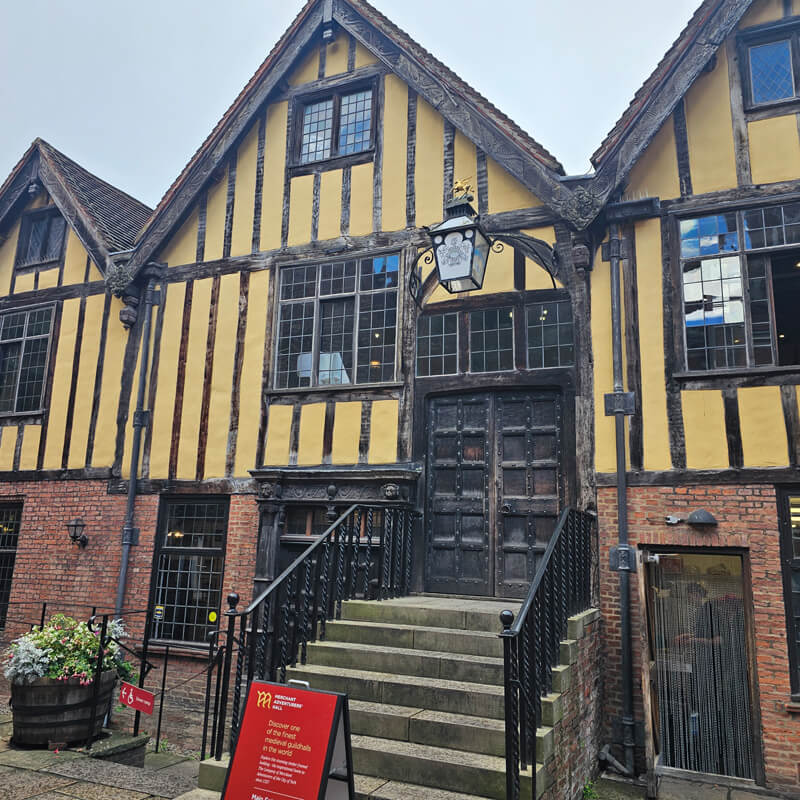
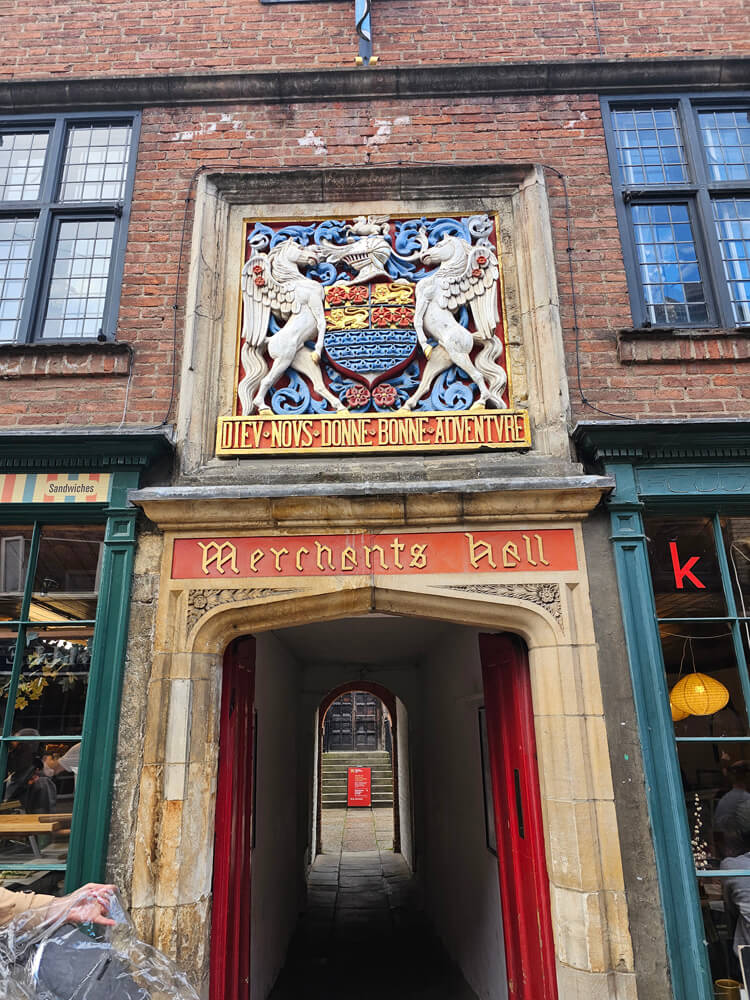
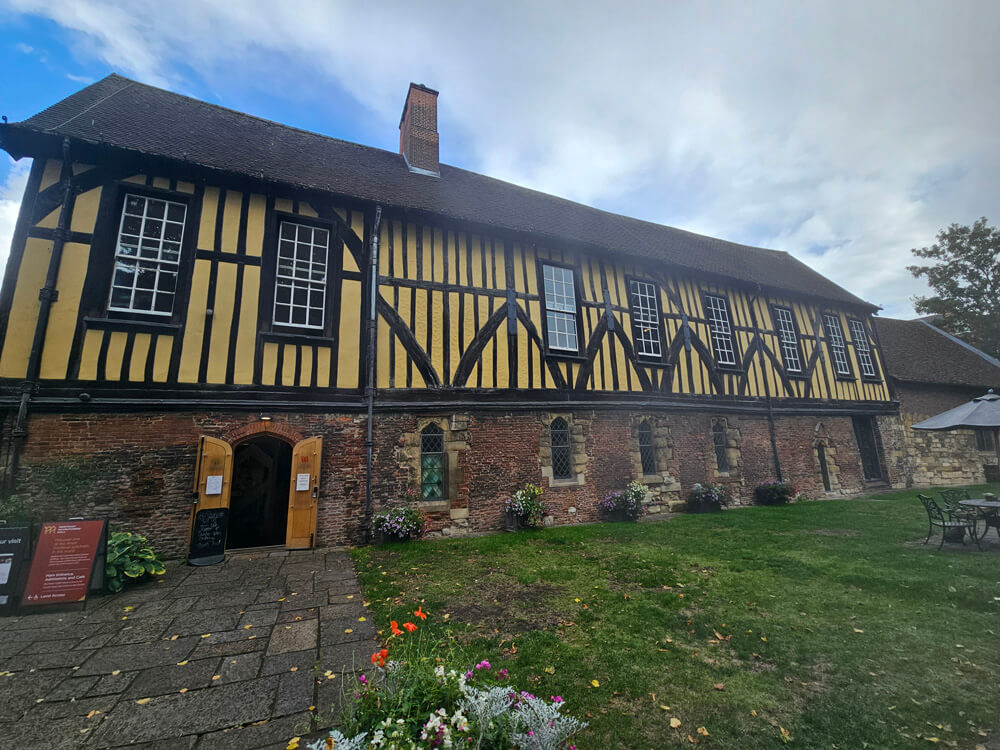
The Merchant Adventurers’ Hall is one of York’s finest medieval buildings and one of the best-preserved guild halls in Europe. Built in the 14th century, it became the headquarters of the city’s wealthy merchants, whose trade helped make York one of England’s most prosperous medieval cities.
A Hall for York’s Wealthy Merchants
Construction of the hall began in 1357 and was completed around 1361. It was built for the Guild of St Christopher and St George, a fraternity of influential merchants who traded cloth, wool, spices, wine and other valuable goods across England and Europe. Membership was restricted to successful merchants who dealt in wholesale trade rather than local shopkeeping.
The hall reflected both the wealth and civic importance of its members. Situated near the River Foss, it stood close to York’s commercial centre, allowing merchants to conduct business while remaining connected to the city’s trading networks.
Medieval Design
The building was designed with three distinct levels, each serving a different purpose.
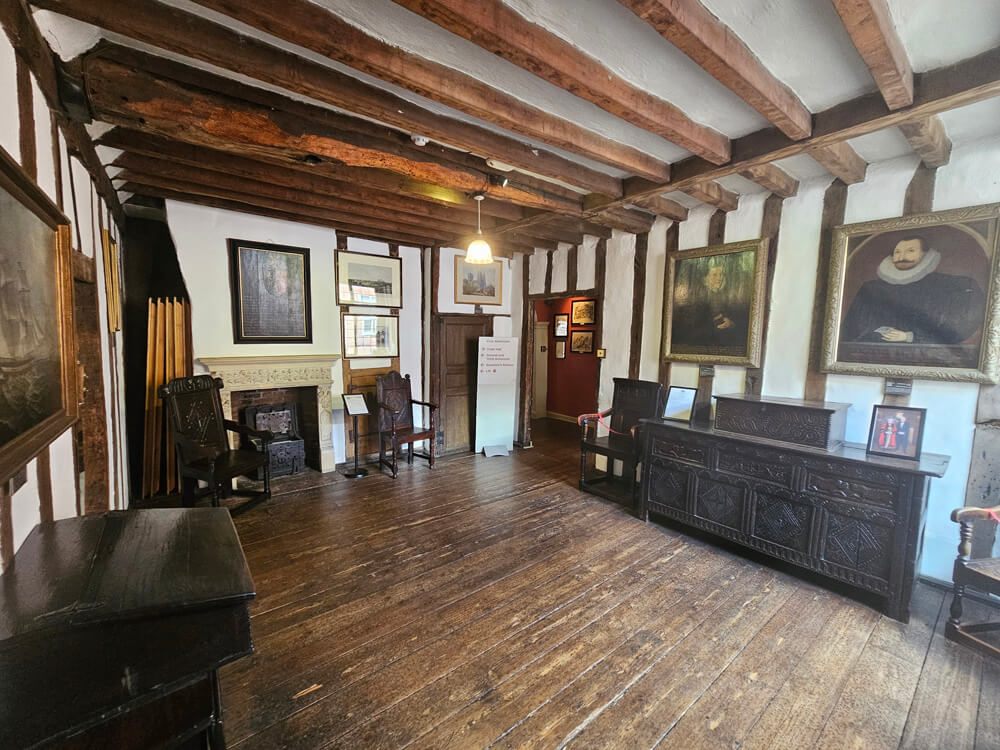
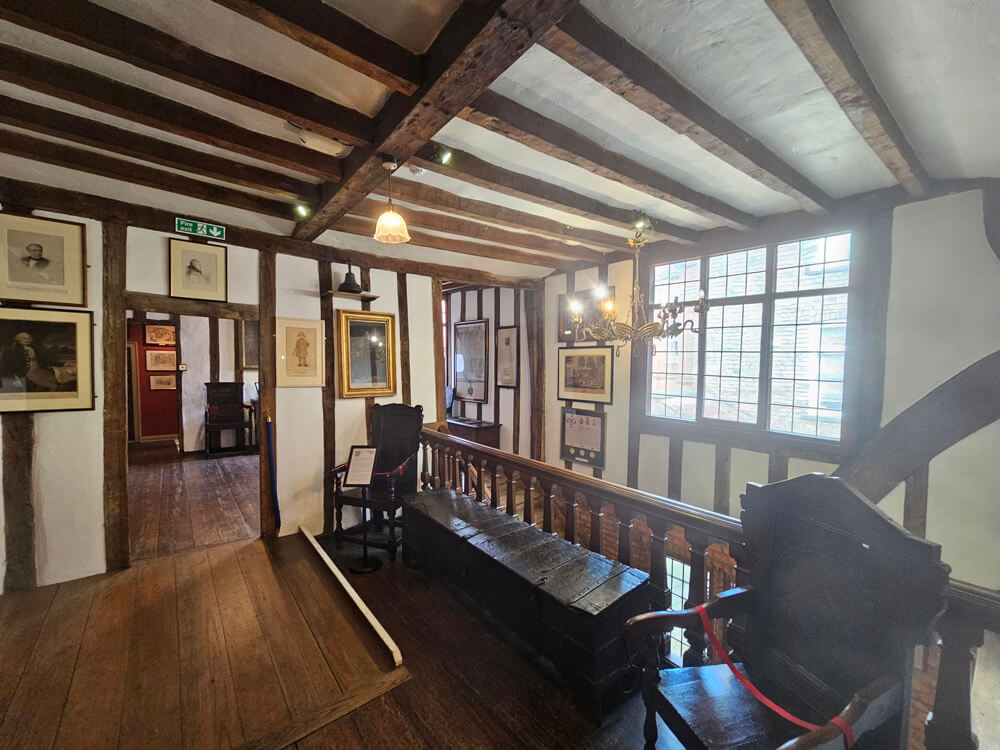
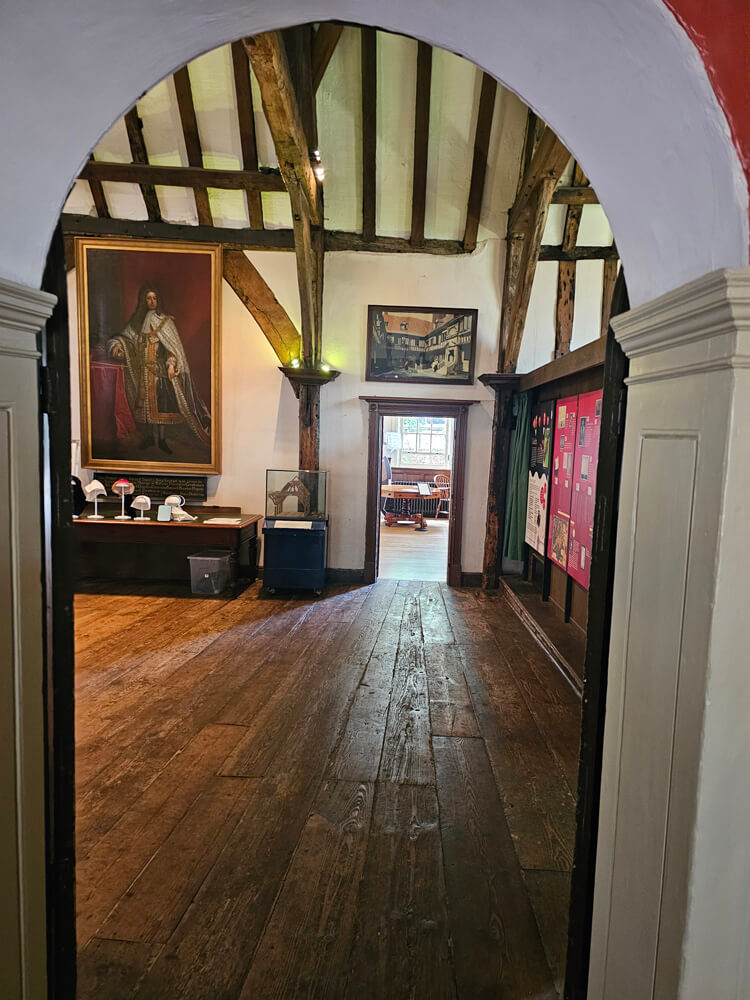
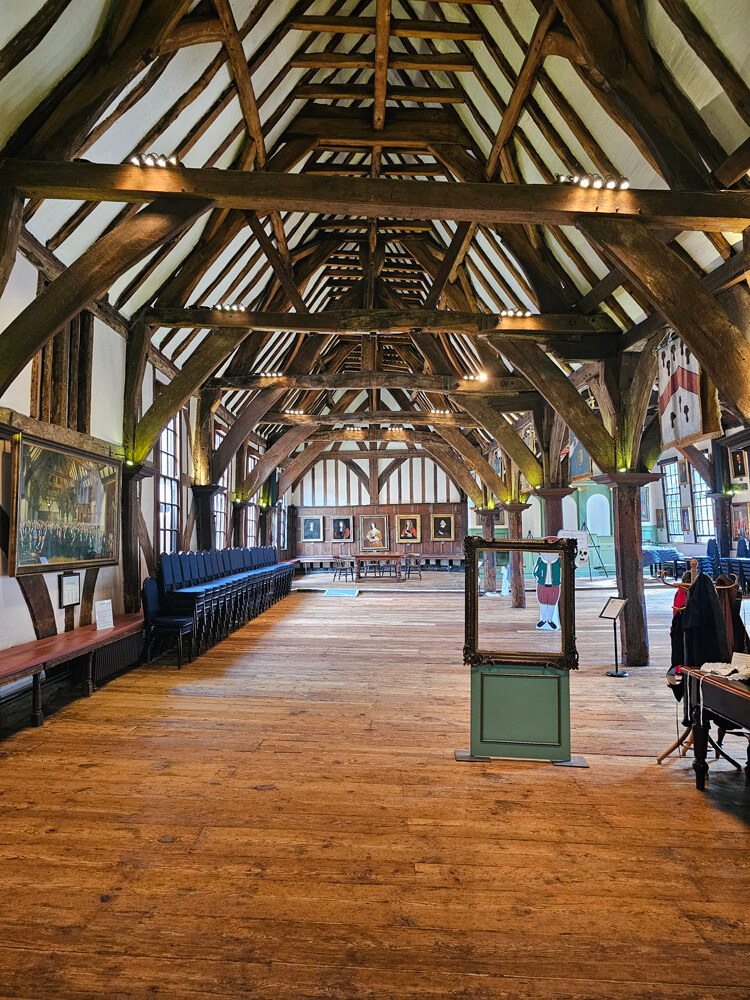
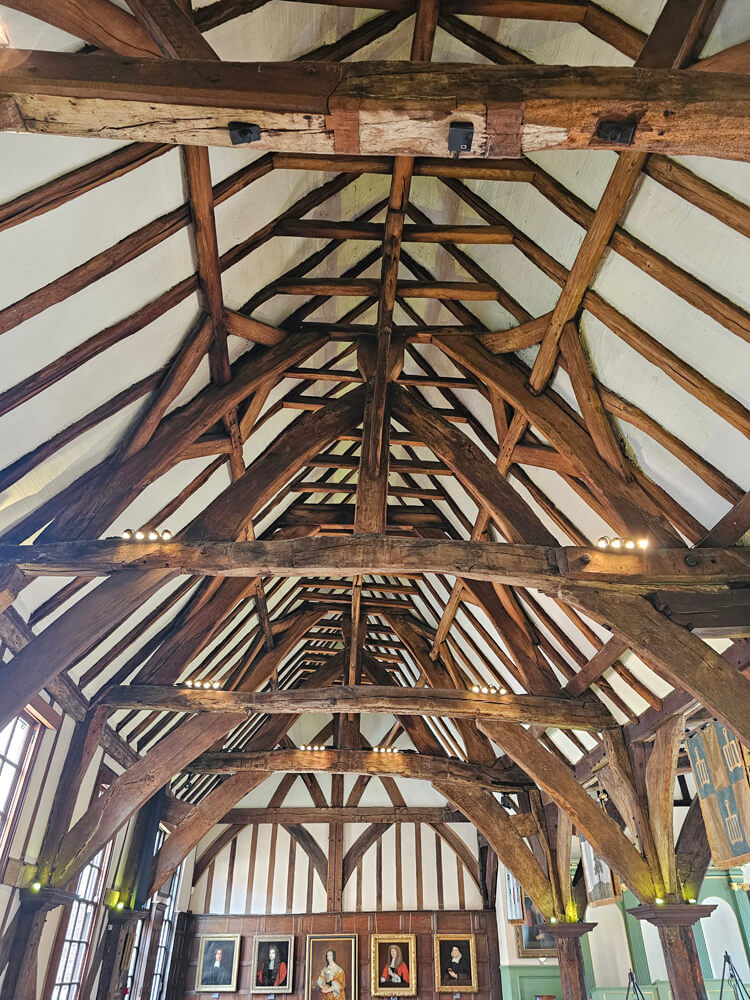
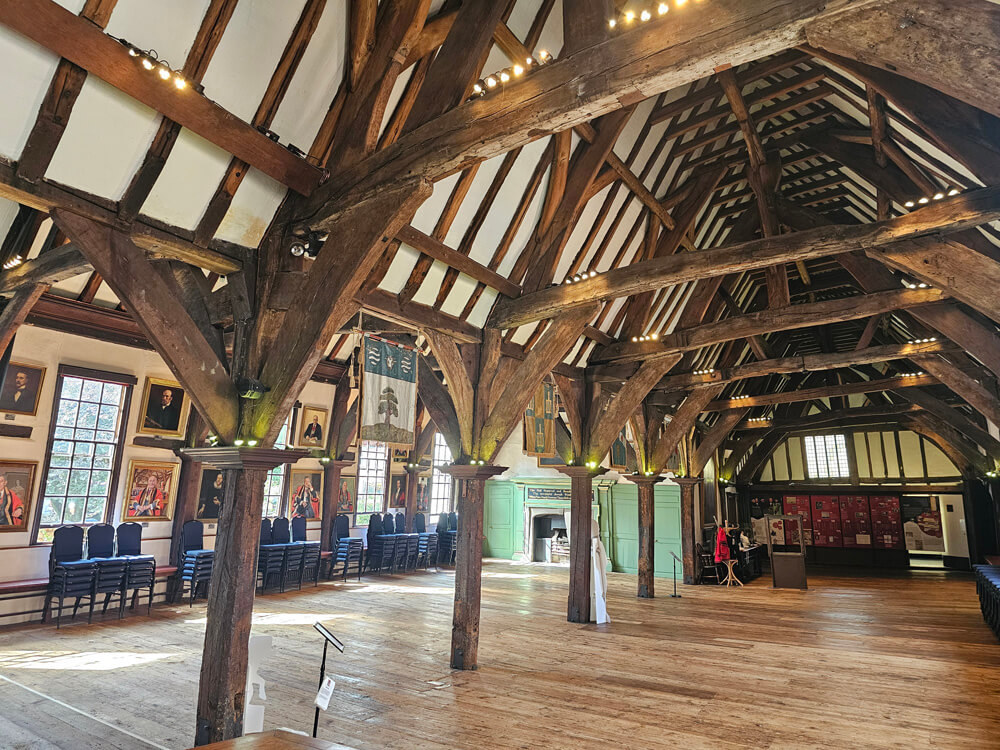
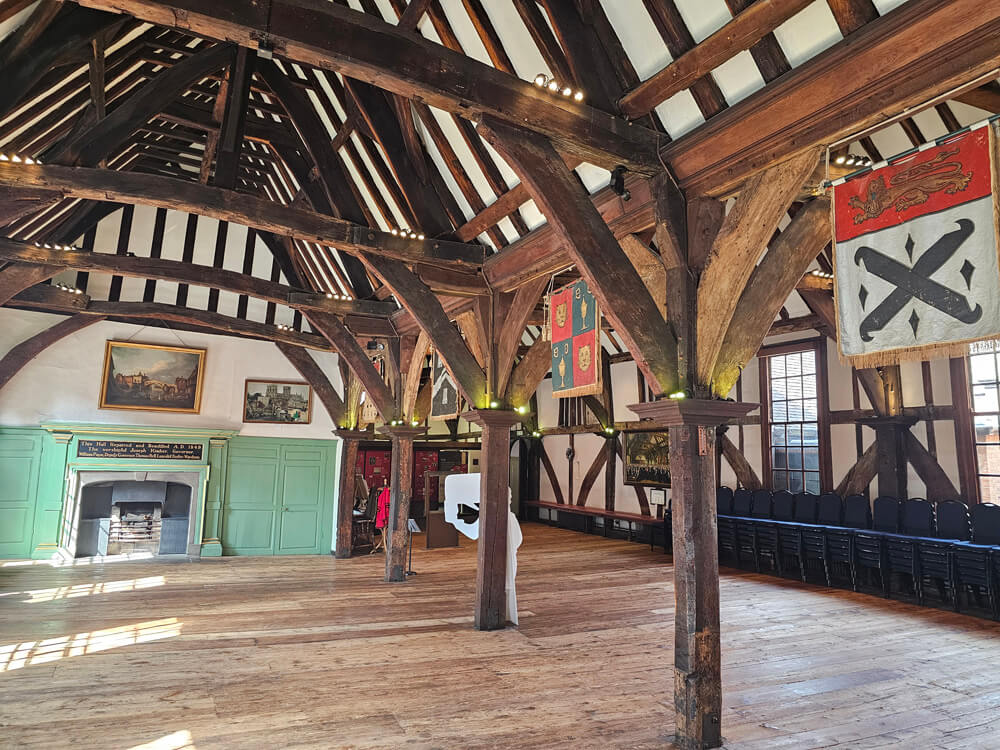
The Great Hall, on the upper floor, was the heart of the building. Here merchants held meetings, negotiated business deals and hosted lavish banquets beneath an impressive oak roof supported by huge timber trusses.
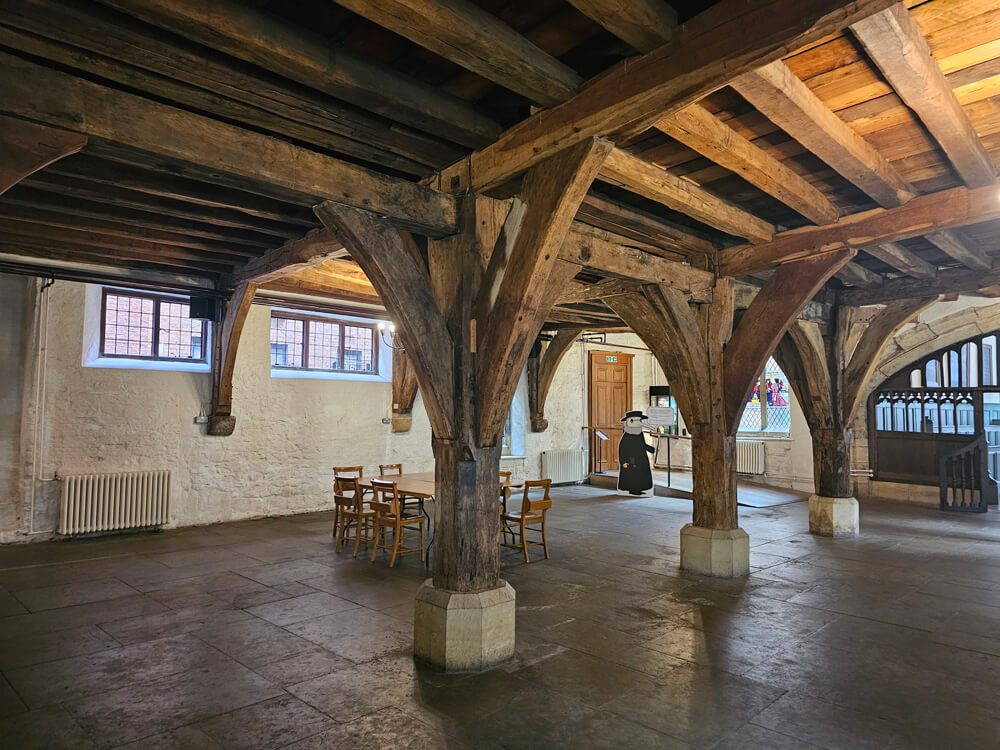
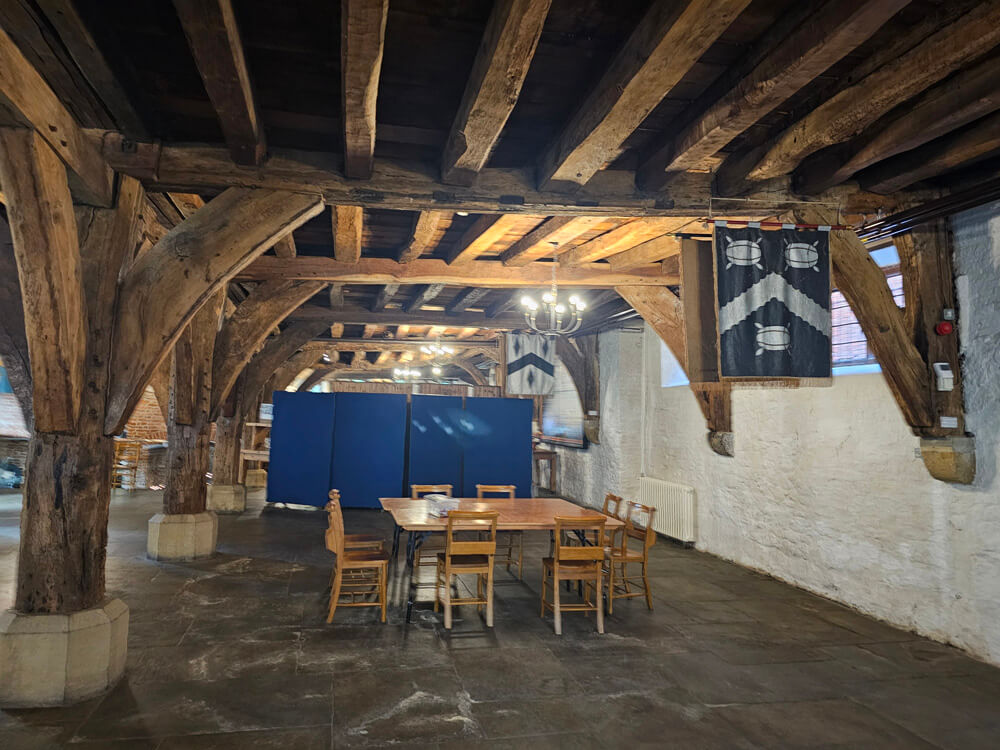
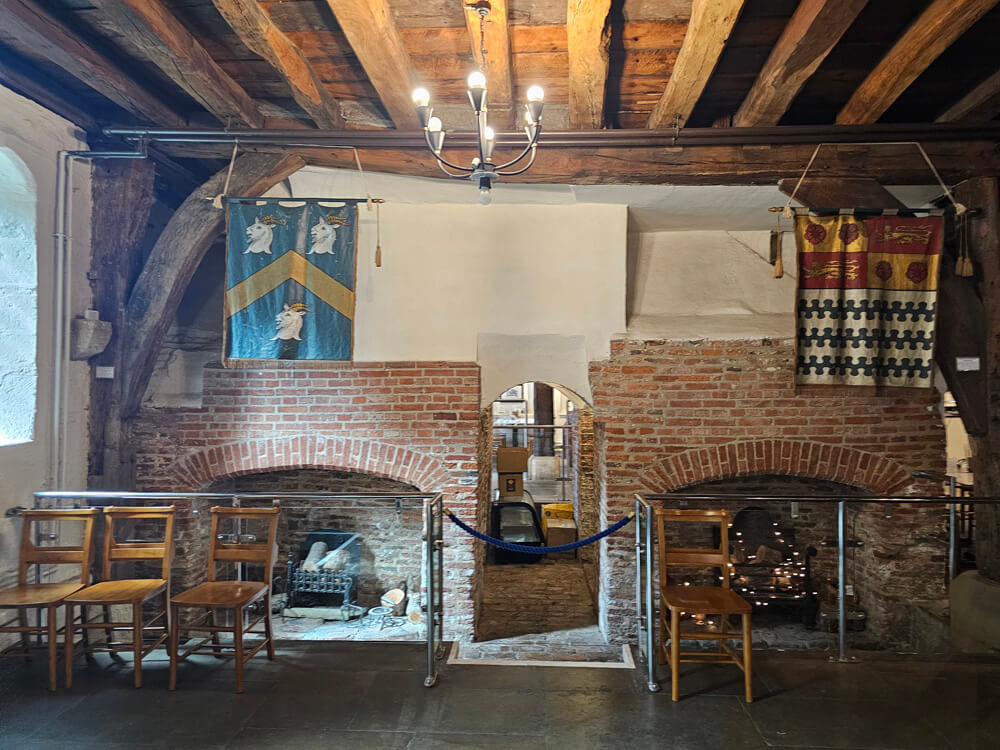
Below, the Undercroft served practical purposes, providing storage space for goods and a place where charitable activities took place. It also accommodated poorer members of the community who received assistance from the guild.
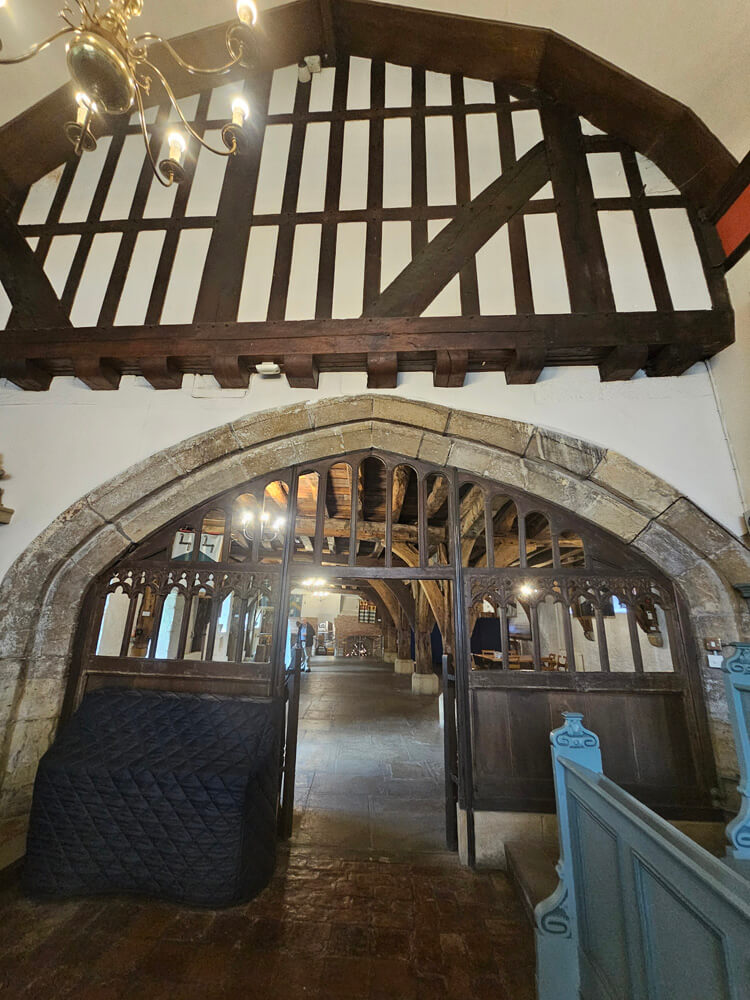
A separate chapel allowed members to attend religious services, reflecting the close connection between commerce, faith and charity in medieval life.
The Merchant Adventurers
In 1430, the organisation became known as the Merchant Adventurers’ Company of York. The company regulated trade within the city, protected the interests of its members and helped maintain standards in commerce. Its influence extended beyond business, with members often serving as mayors, aldermen and civic leaders.
Unlike many medieval guilds, the Merchant Adventurers adapted as England’s economy changed. While York’s importance as an international trading centre declined after the Middle Ages, the company survived by evolving into a charitable and educational institution.
Survival Through the Centuries
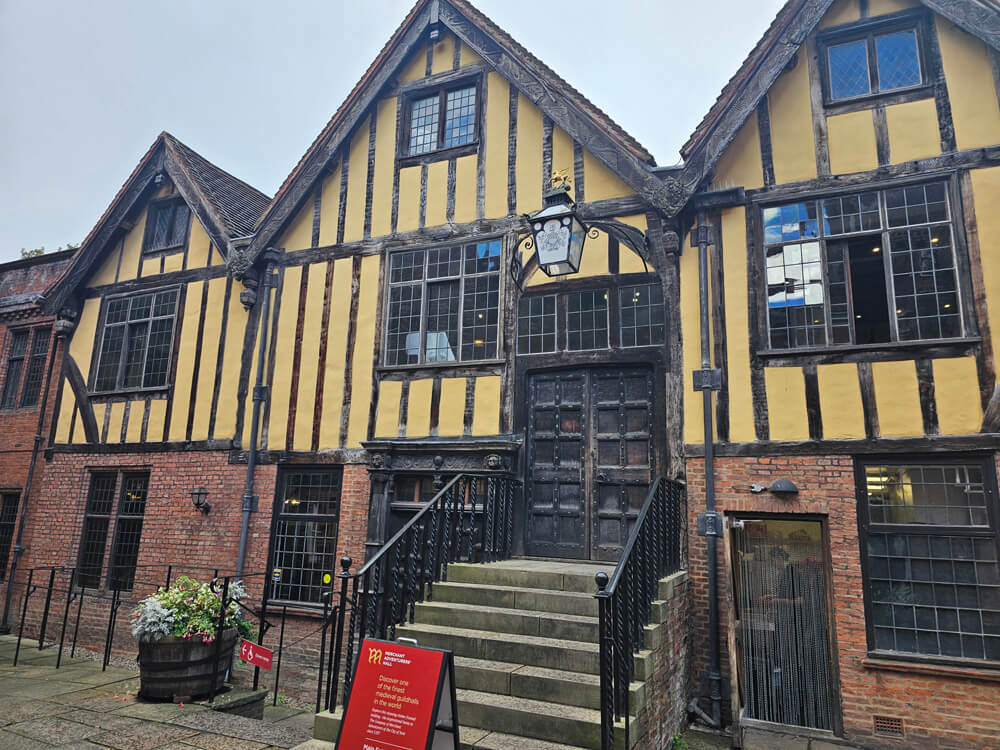
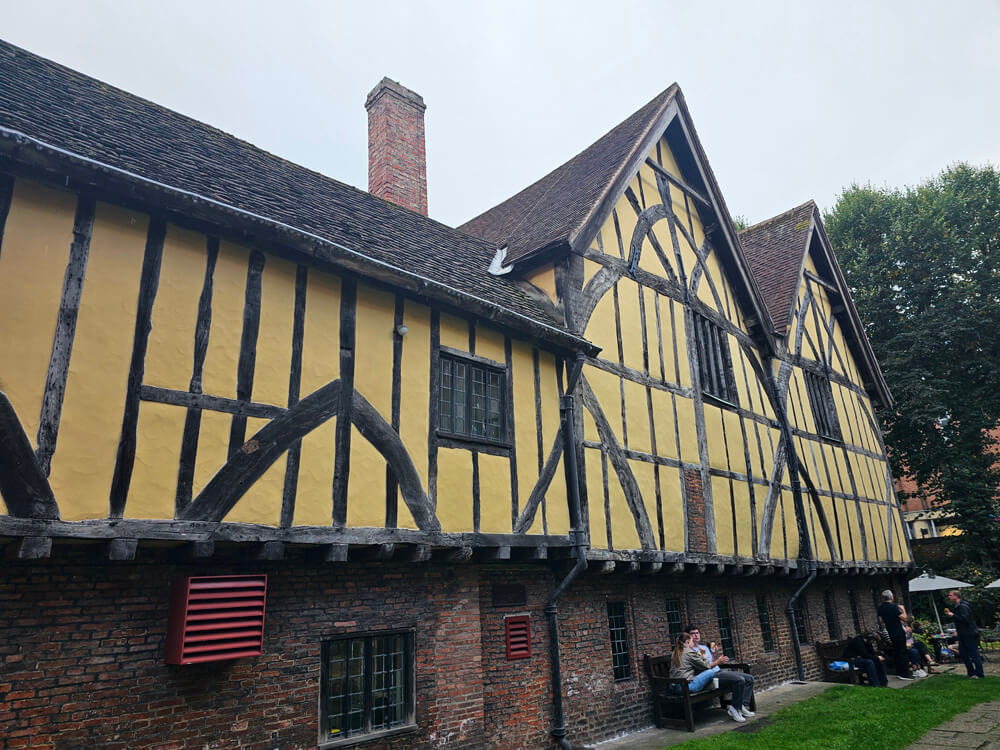
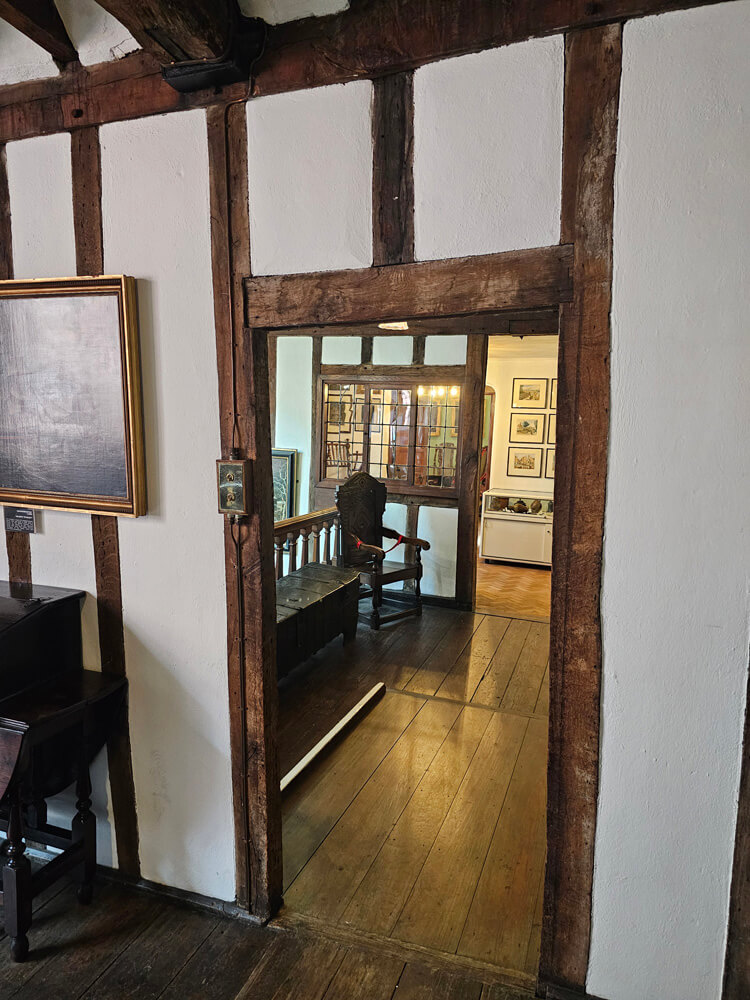
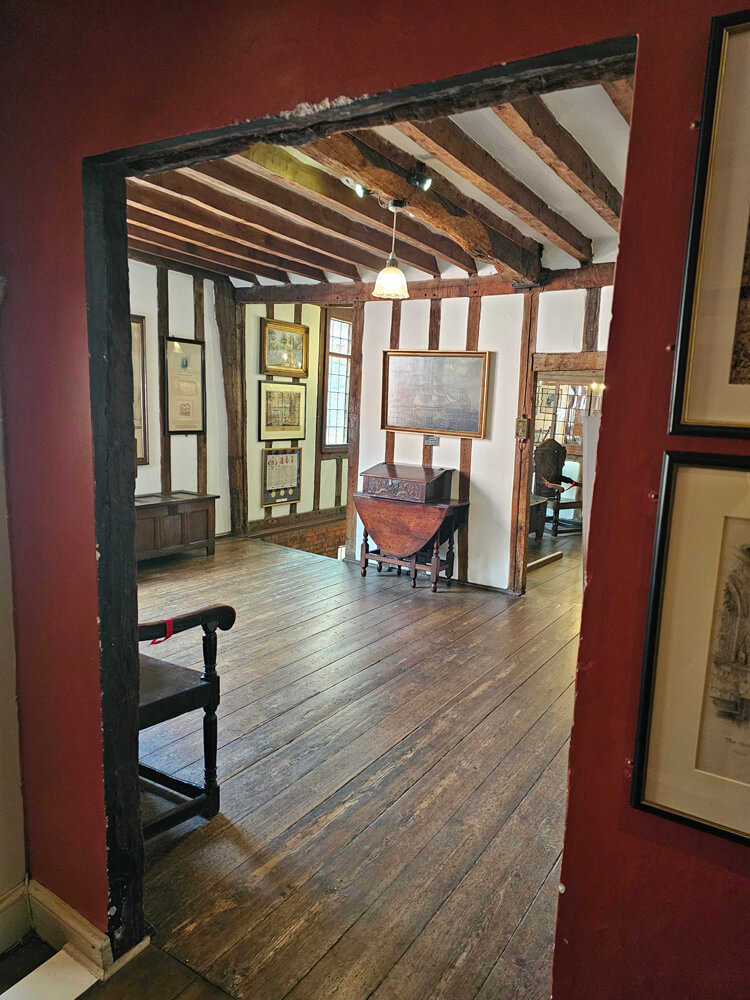
Many medieval guild halls disappeared during the Reformation or later redevelopment, but the Merchant Adventurers’ Hall escaped destruction. Careful maintenance preserved its original timber frame, oak roof and medieval layout, making it an exceptionally rare survival.
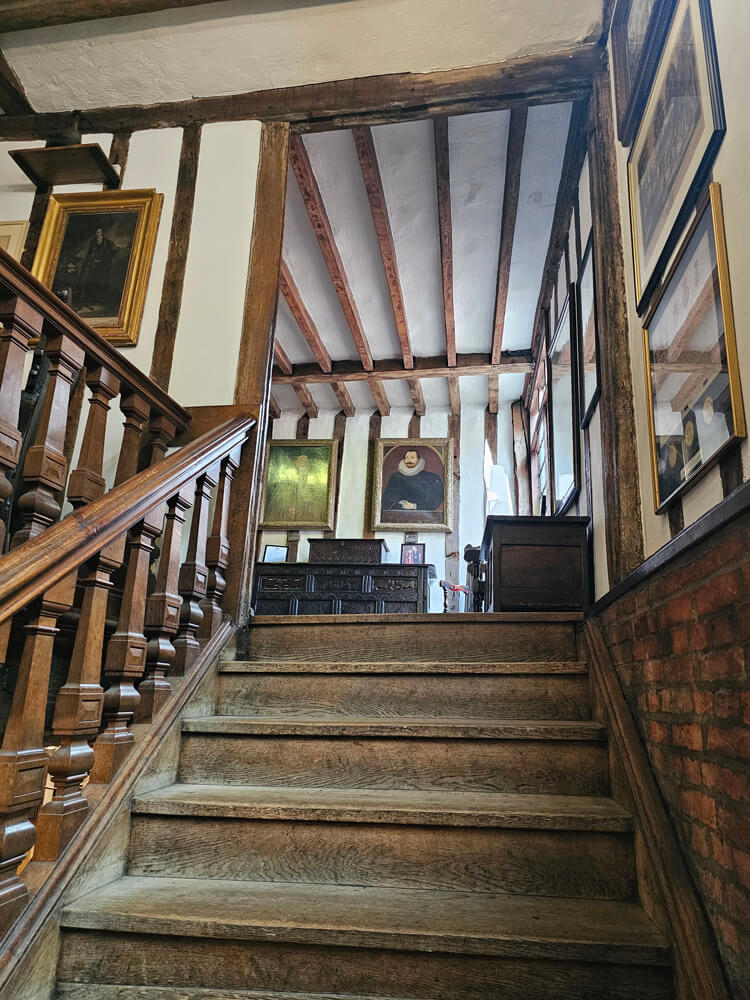
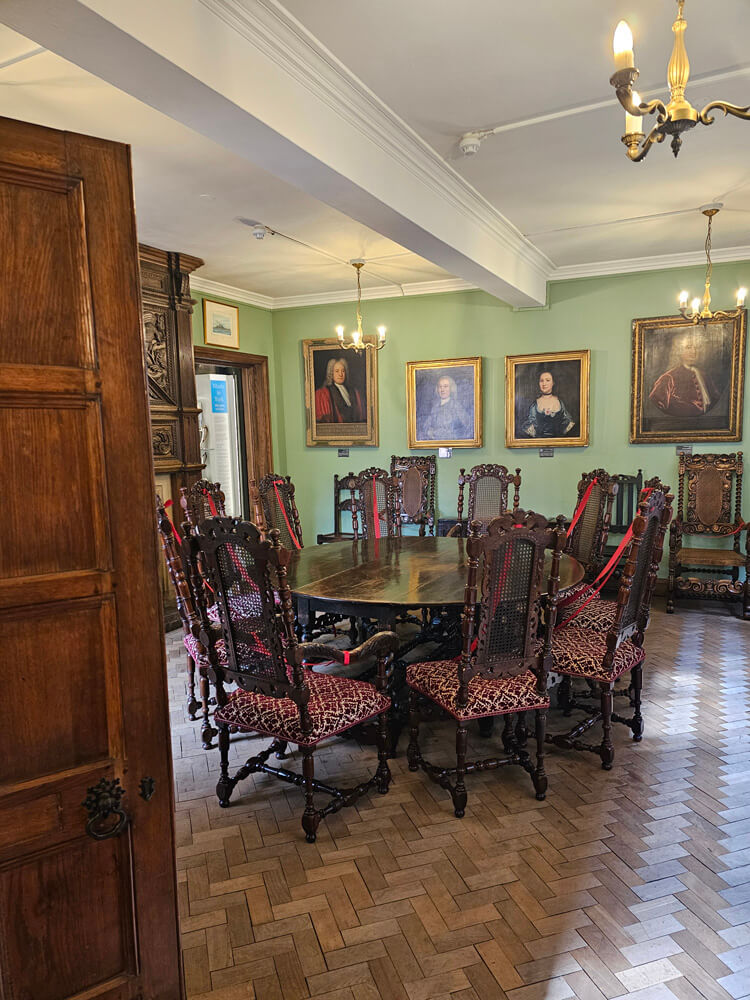
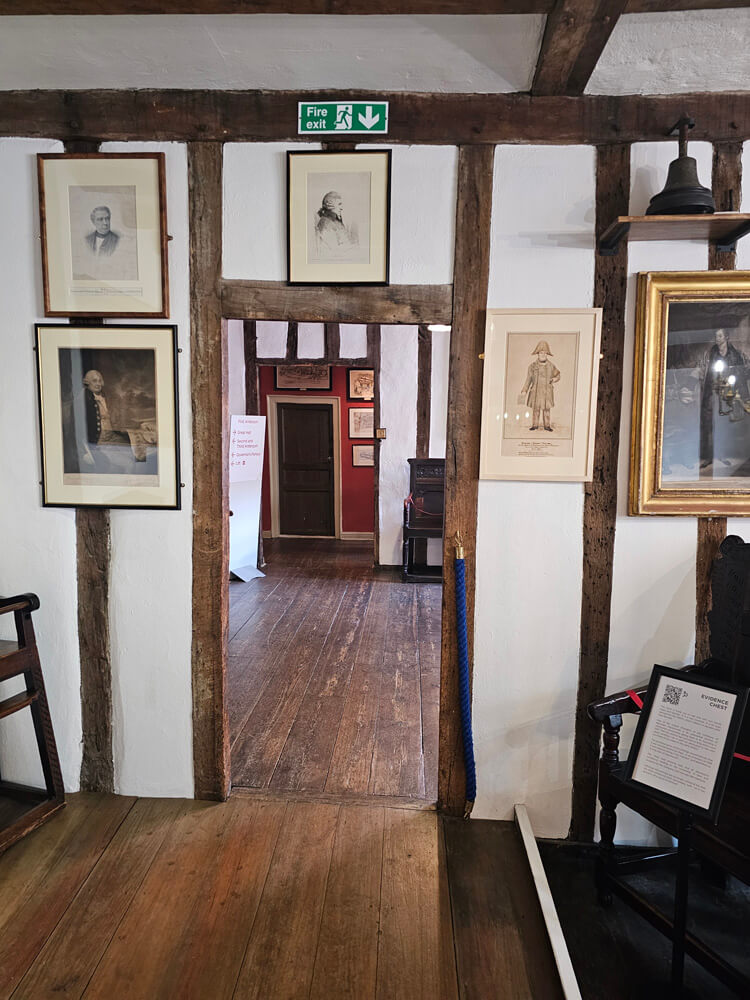
Visitors today can still see features dating back to the 14th century, including carved wooden details, historic furnishings and the atmospheric Great Hall, which looks much as it would have done when medieval merchants gathered there.
The Hall Today
More than 650 years later, the hall remains remarkably intact and continues to serve the Merchant Adventurers’ Company. It continues to host meetings, ceremonies and charitable work. It is also one of York’s most popular historic attractions, offering exhibitions that explore medieval trade, guild life and the city’s commercial past.
As a rare building that has remained in continuous use for more than six centuries, it provides a remarkable window into the world of medieval merchants and the prosperity that helped shape the history of York.
Photo Gallery.
Did you enjoy this post?
I hope you found this post useful. I put a great deal of time and effort in to building, maintaining and populating the website. If you like, you could say a small thank you by buying me a coffee. You don't have to, but it would be nice :)
Buy me a coffee
Stay up to Date
Follow me on my journey and get notified whenever a new post is published by following Kings & Castles on Facebook.
Follow MeExplore The Map
Discover the hundreds of castles, churches, monasteries, cathedrals and other historic locations that I've personally visited across England and Wales. Search by location, explore nearby sites and plan your next historical adventure.
Share: