White Ladies Priory
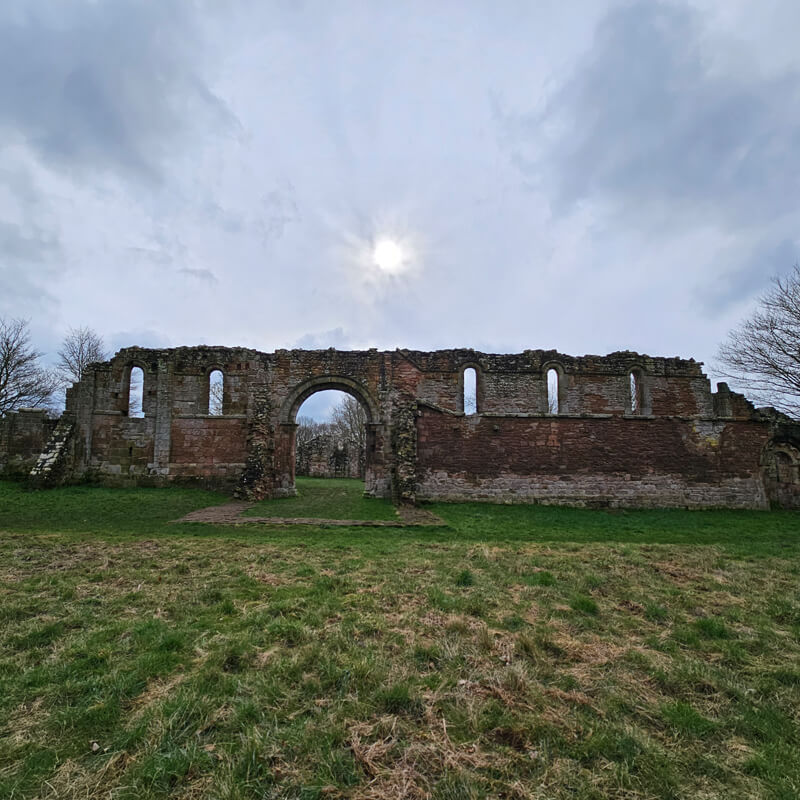
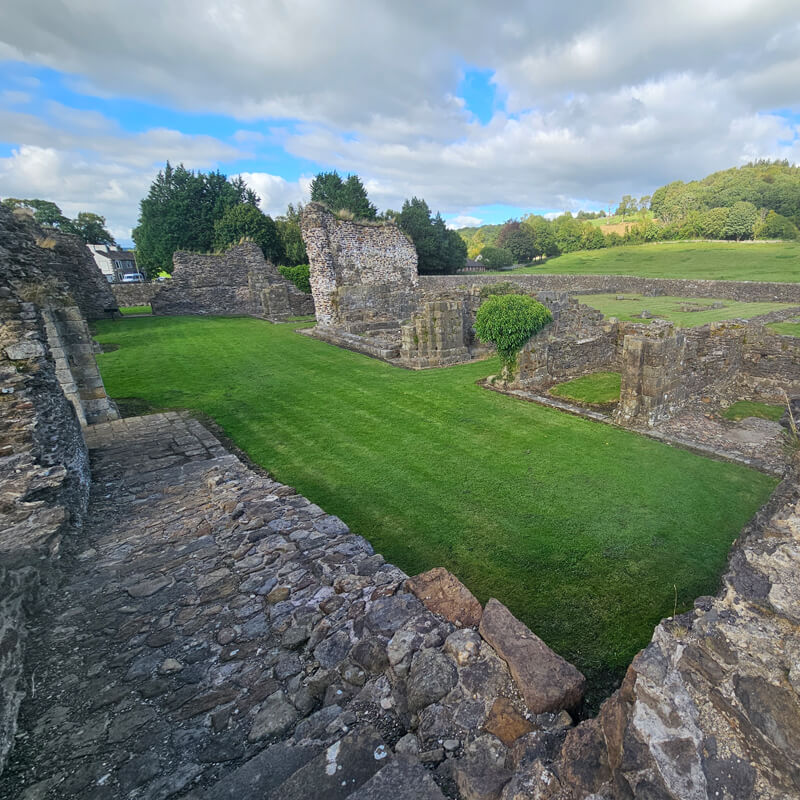
The Priory of St Leonard at Brewood is popularly known as White Ladies Priory. The priory, now in ruins, was a late-12th century priory of Augustinian canonesses in Shifnal, Shropshire, roughly eight miles northwest of Wolverhampton. It was also a hiding place of Charles II after his defeat at the Battle of Worcester in 1651.
Quick
Facts.
- Location: Shifnal, Shropshire, England
- Founded: 12th century
- Religious order: Augustinian
- Dissolved: 1536
- Condition: Ruined
A Bit of History…
Built in a remote wooded area, White Ladies Priory was a small nunnery of ‘white ladies’ or Augustinian canonesses. The name ‘white ladies’ referred to medieval nuns who wore habits of undyed cloth which made them look white in colour.
The origins and exact date of the foundation of the priory are unknown, however, the end of the 12th century is generally accepted as the period of establishment. The surviving ruins show work typical of the late 12th century, and the first documentary evidence dates from the year 1186, possibly earlier.
The dedication of the priory was to Leonard of Noblac, a saint associated with the liberation of prisoners, who was extremely popular after a number of alleged miracles earlier in the 12th century.
White Ladies Priory existed as a convent of Augustinian nuns until it was dissolved in 1536. And in 1538, during Henry VIII‘s Dissolution of the Monasteries, most of the buildings were taken down, though parts of the church remained. It was never a particularly prosperous priory. In 1535 it was assessed with an annual income of just 17 pounds. It supported only six nuns, and by the time it was suppressed in 1538 only four nuns remained.
After the priory was dissolved, the site passed through various owners, most notably the Skevington family. They built a large timber-framed house here, though this was demolished in the 18th century.
The priory enjoyed a moment of high drama in 1651, when, after the Battle of Worcester, Charles II was given refuge here by the Giffords, who owned the priory and nearby Boscobel House at that time. Charles was disguised as a woodsman, with his face blackened with soot. From White Ladies, he went on to hide at Boscobel House and in the historic Royal Oak tree.
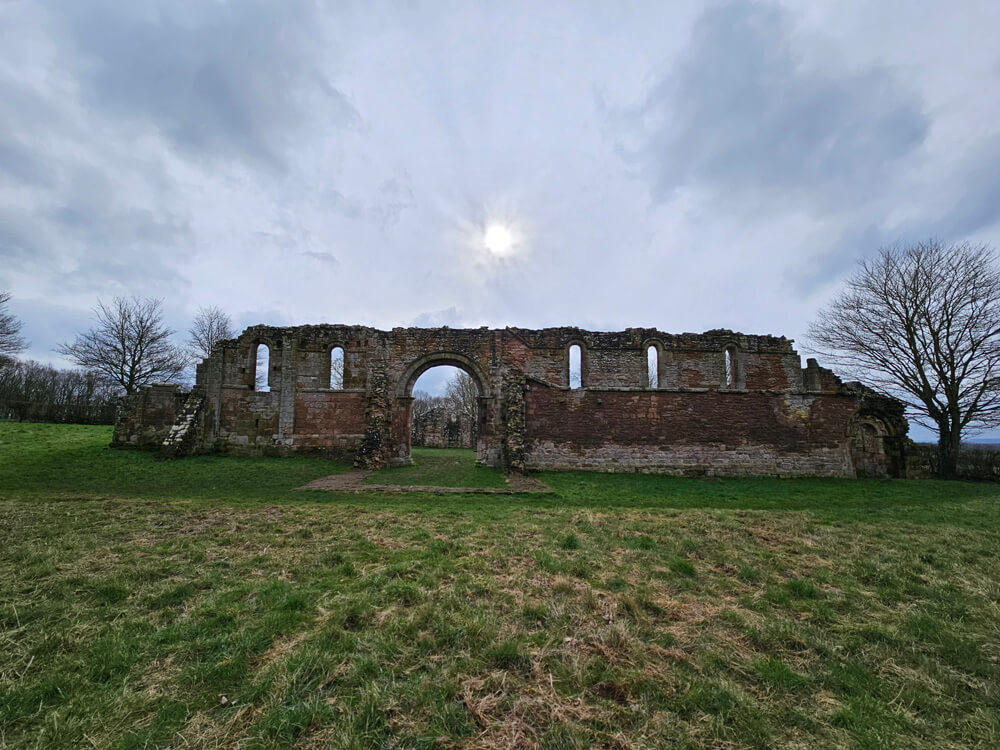
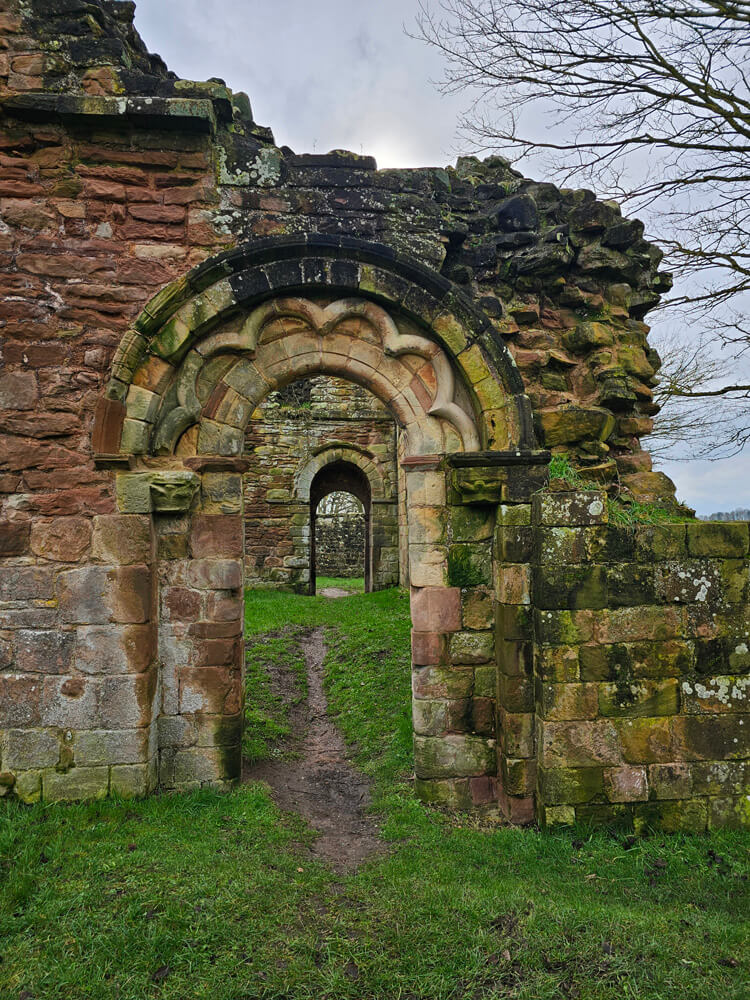
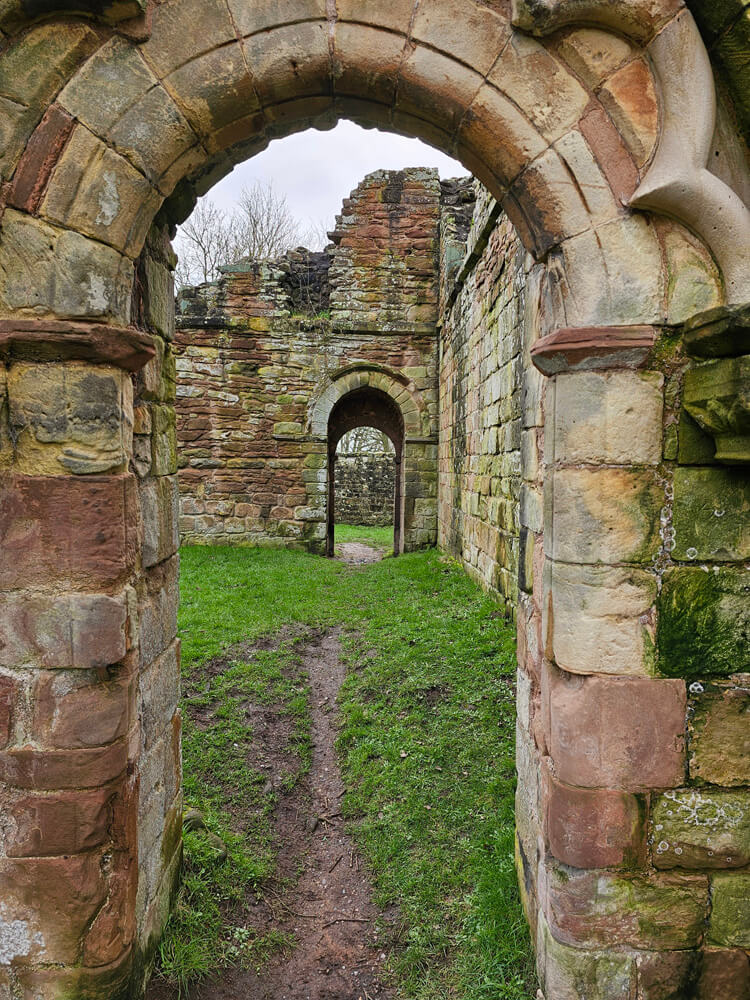
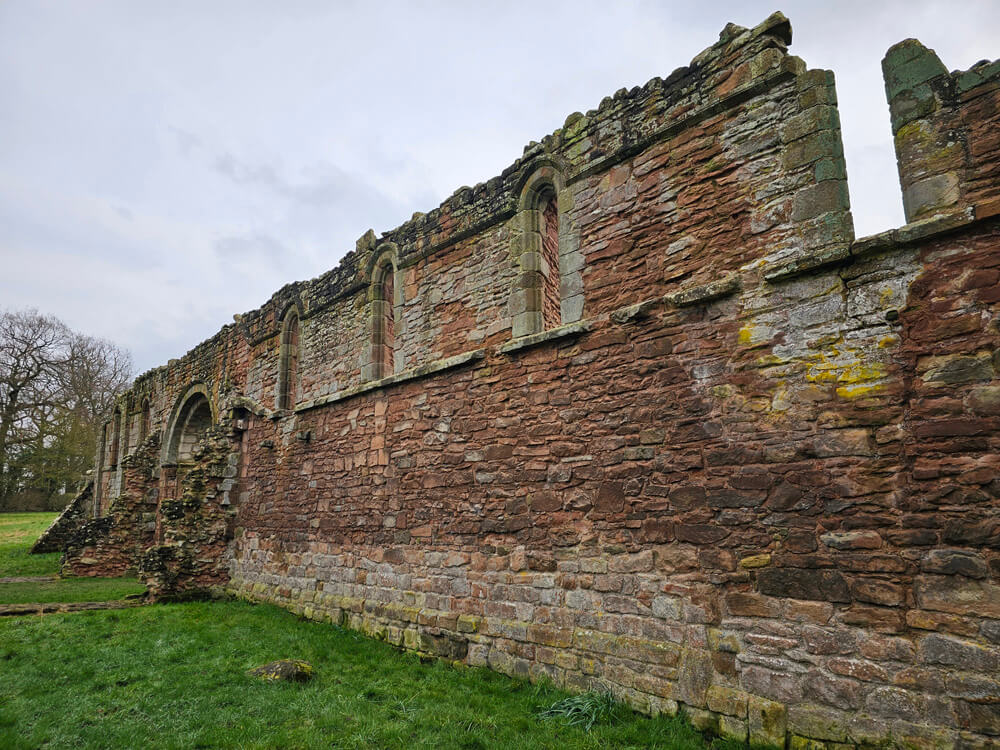
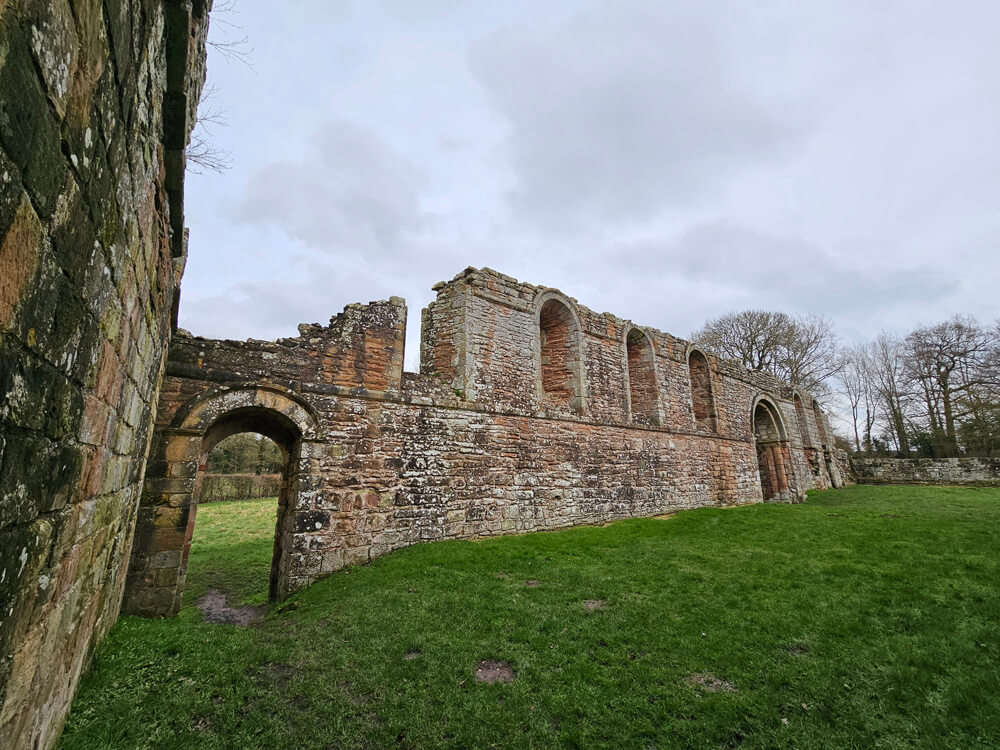
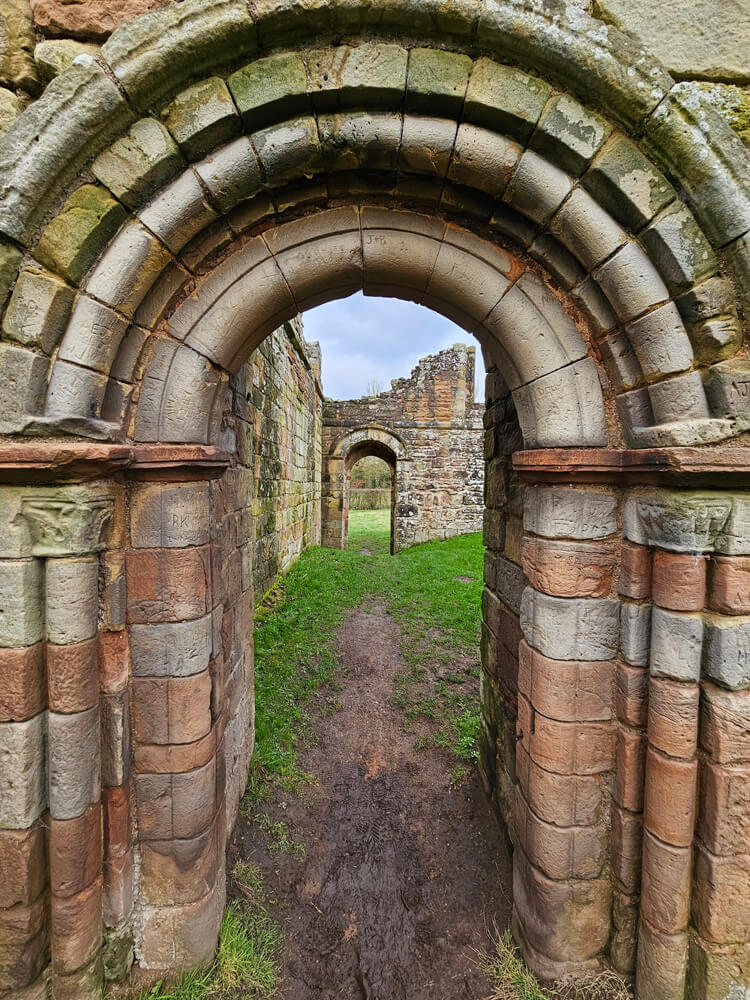
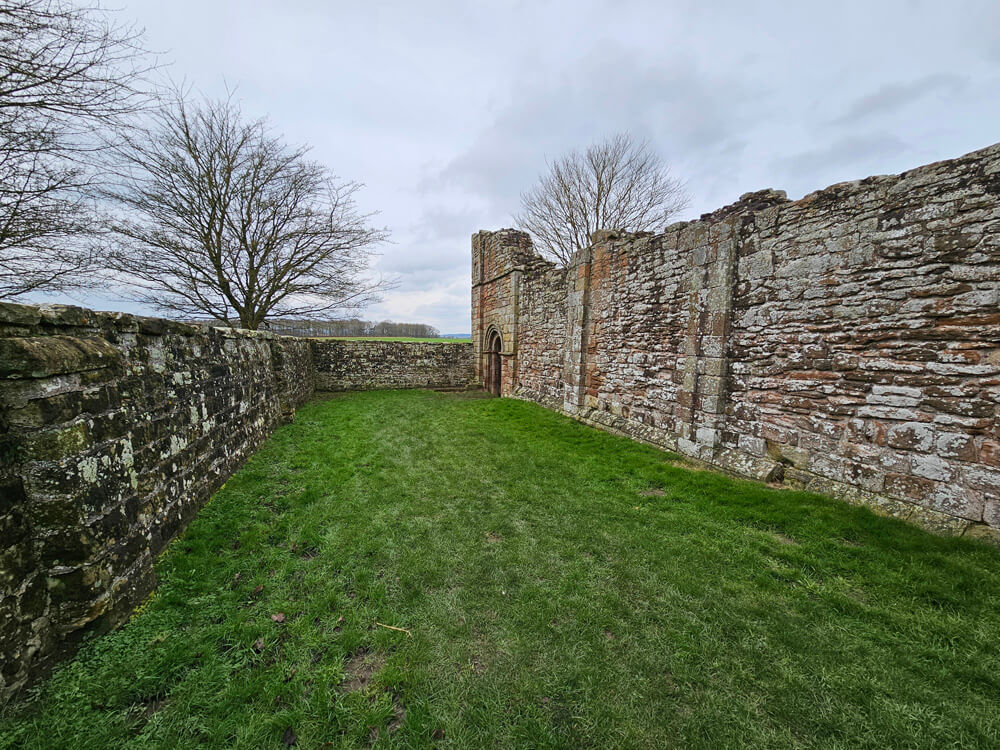
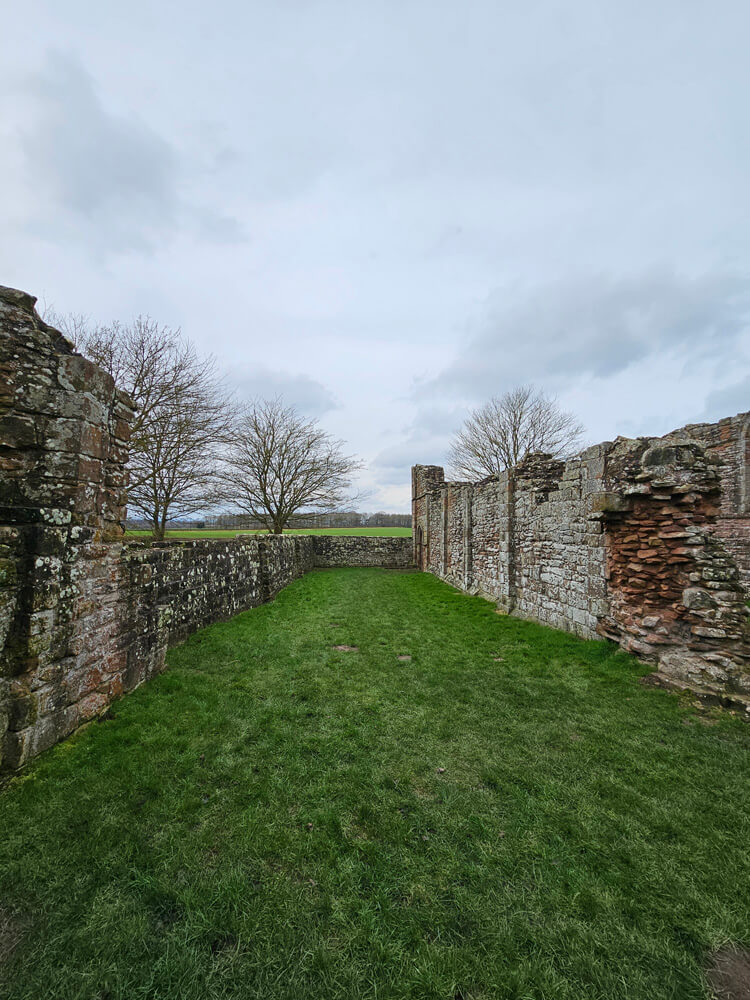
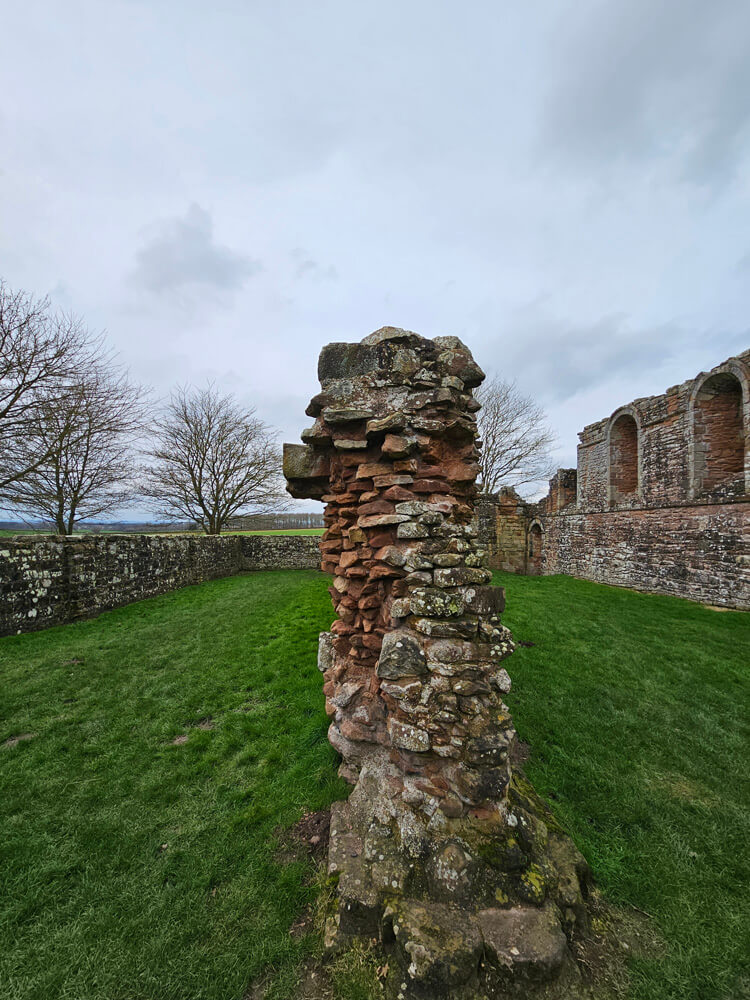
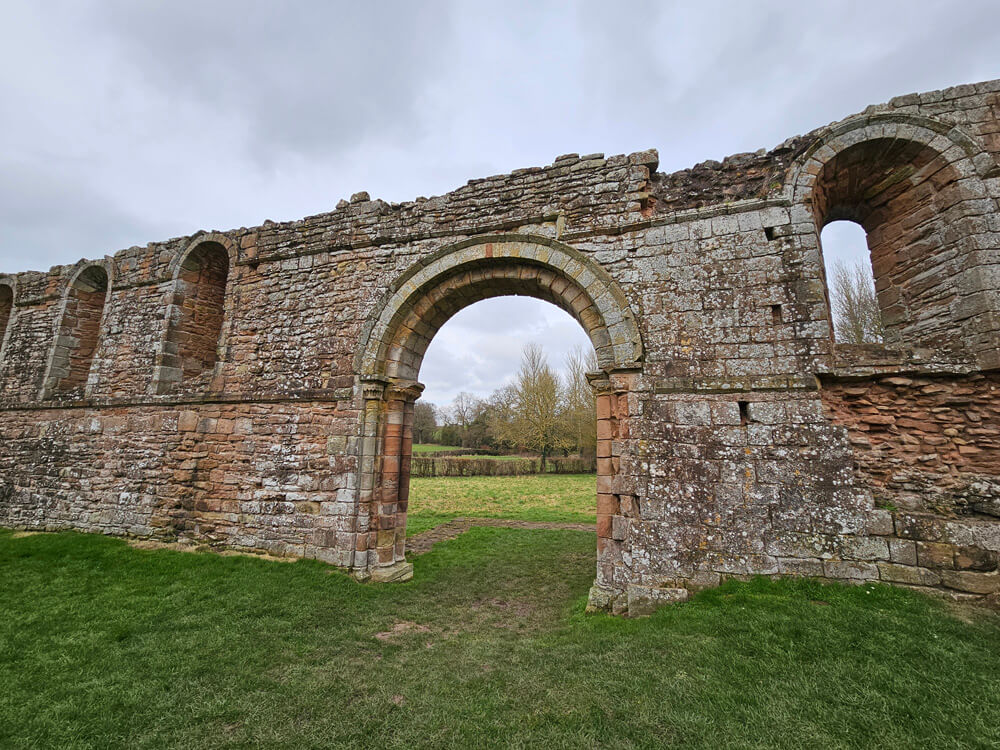
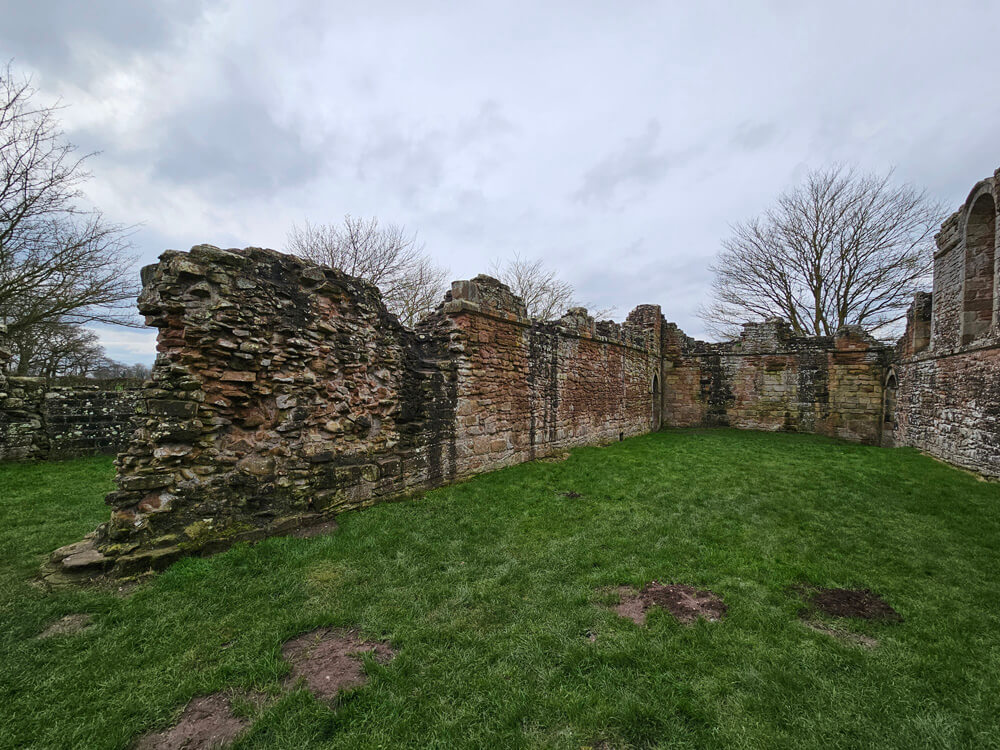
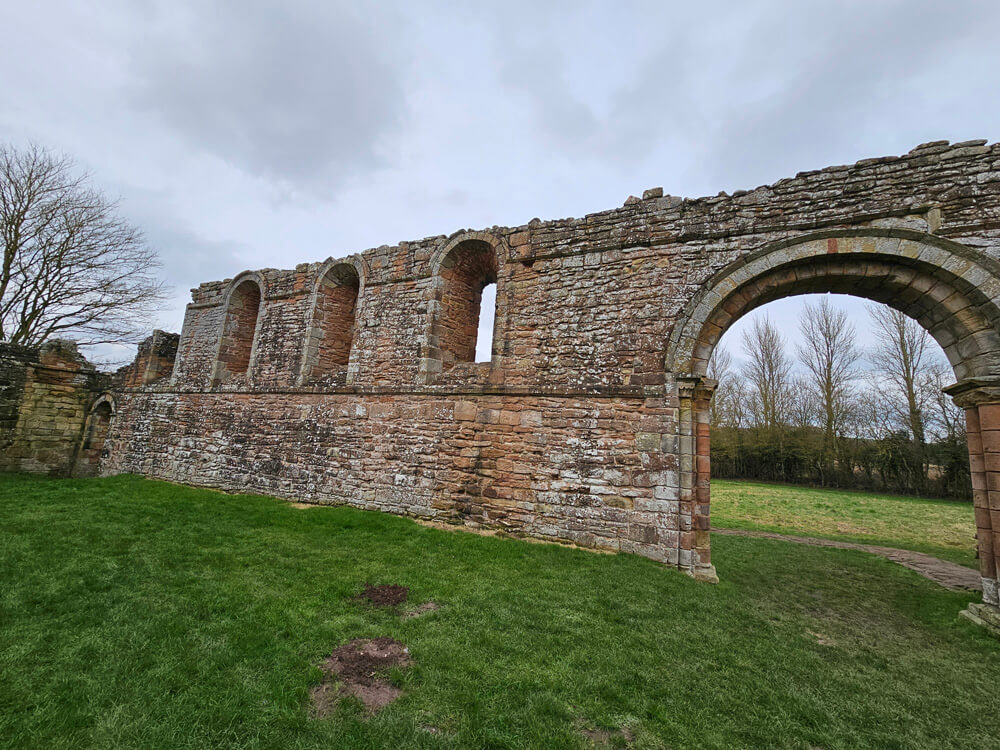
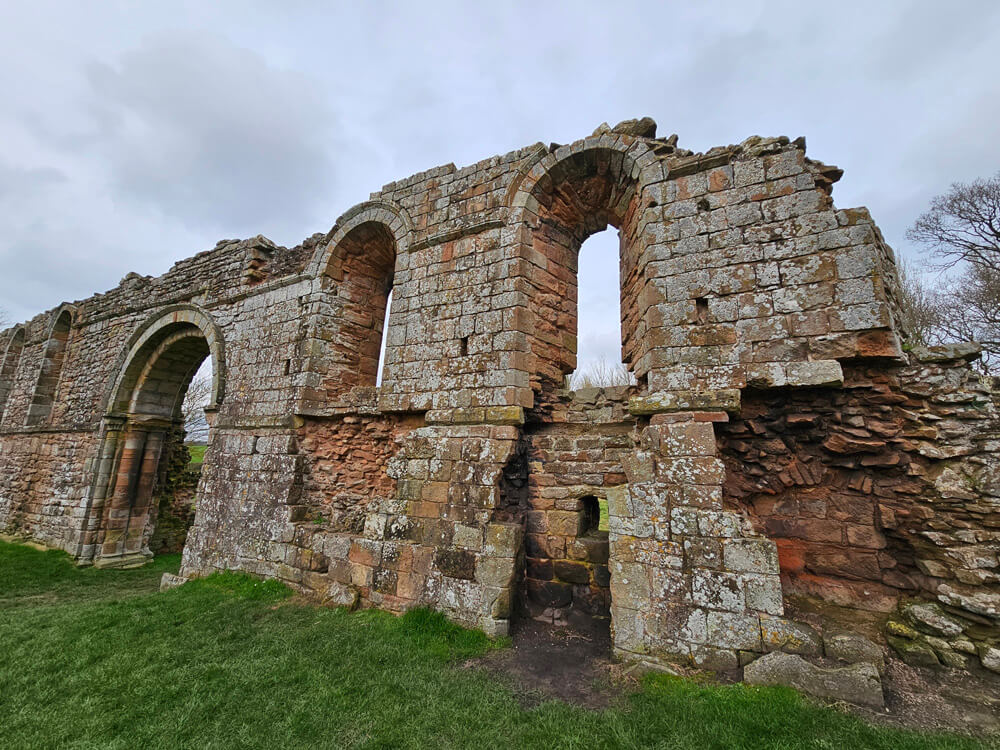
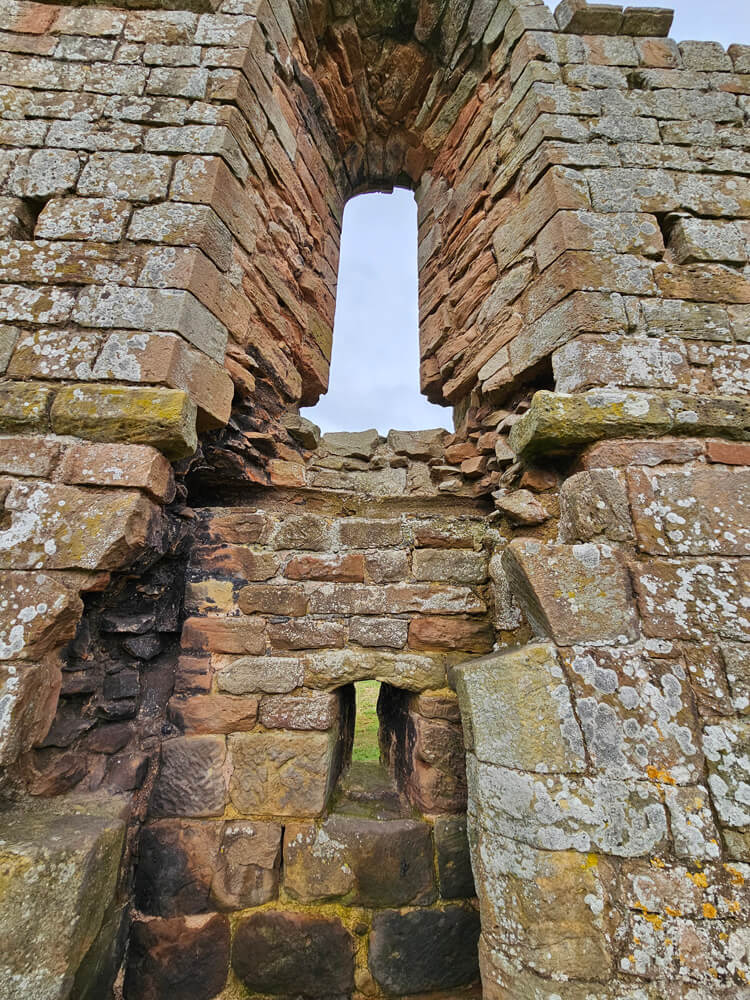
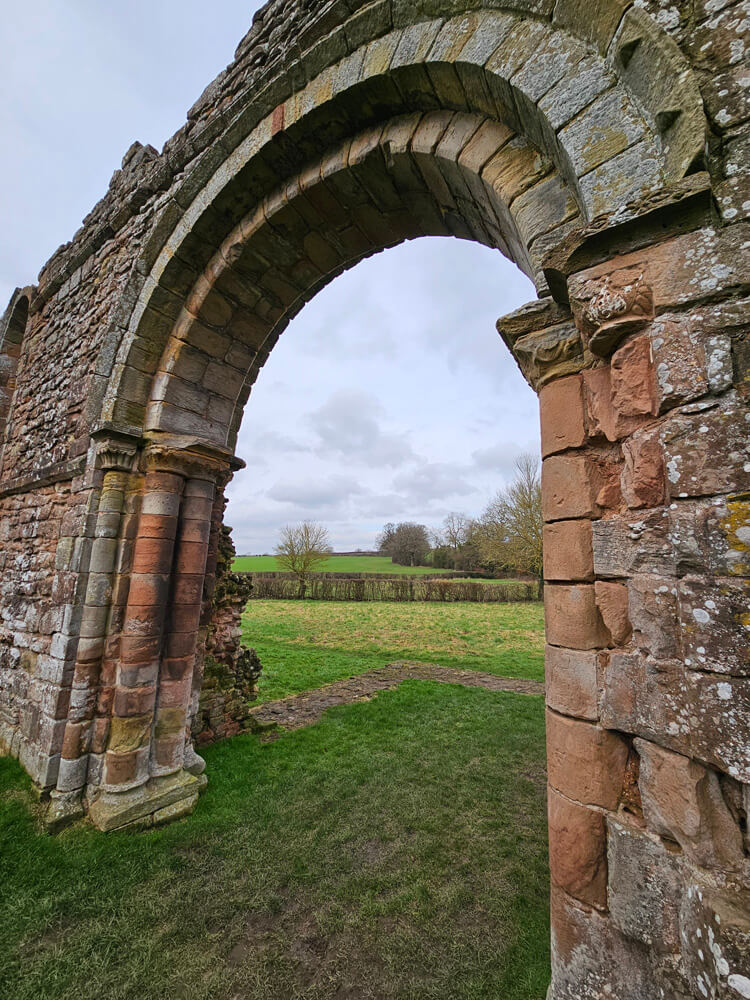
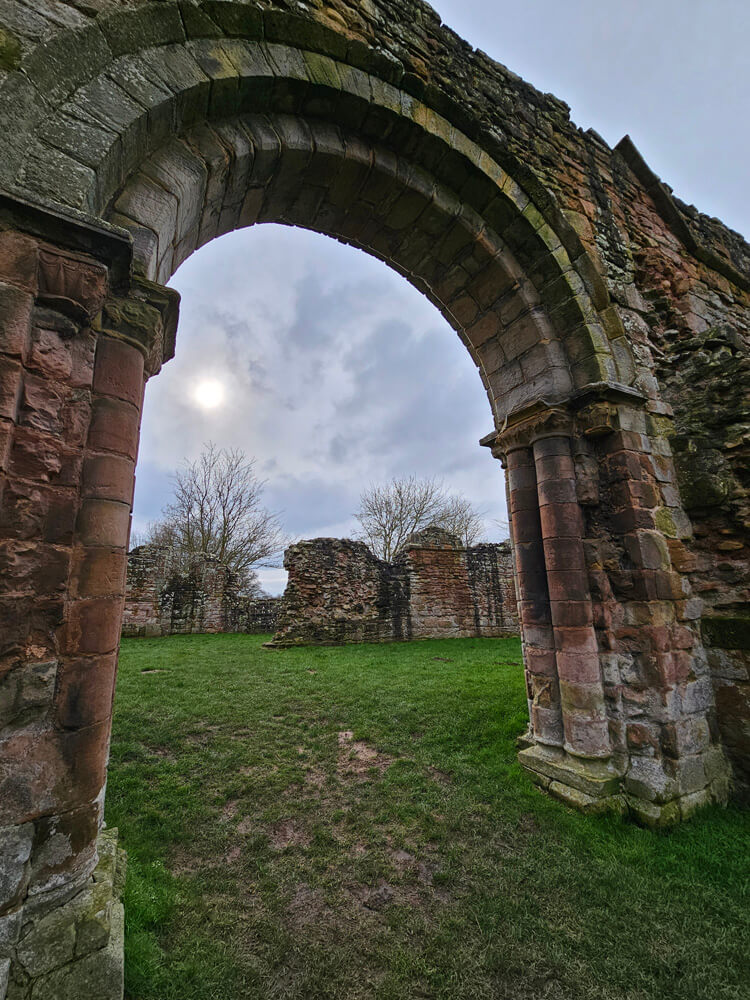
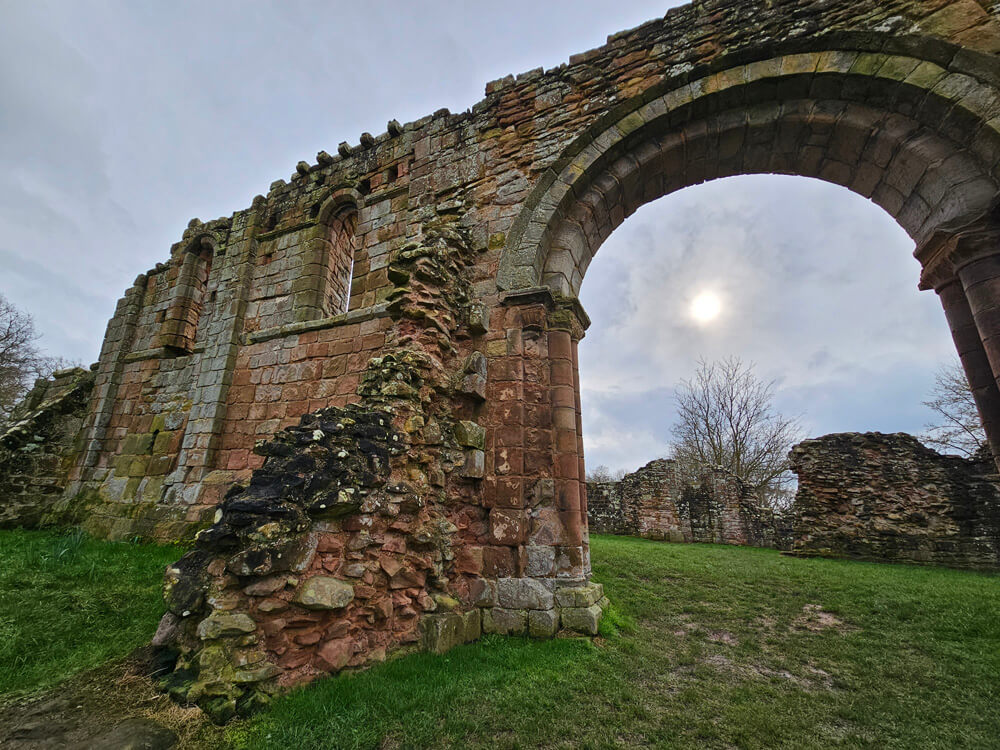
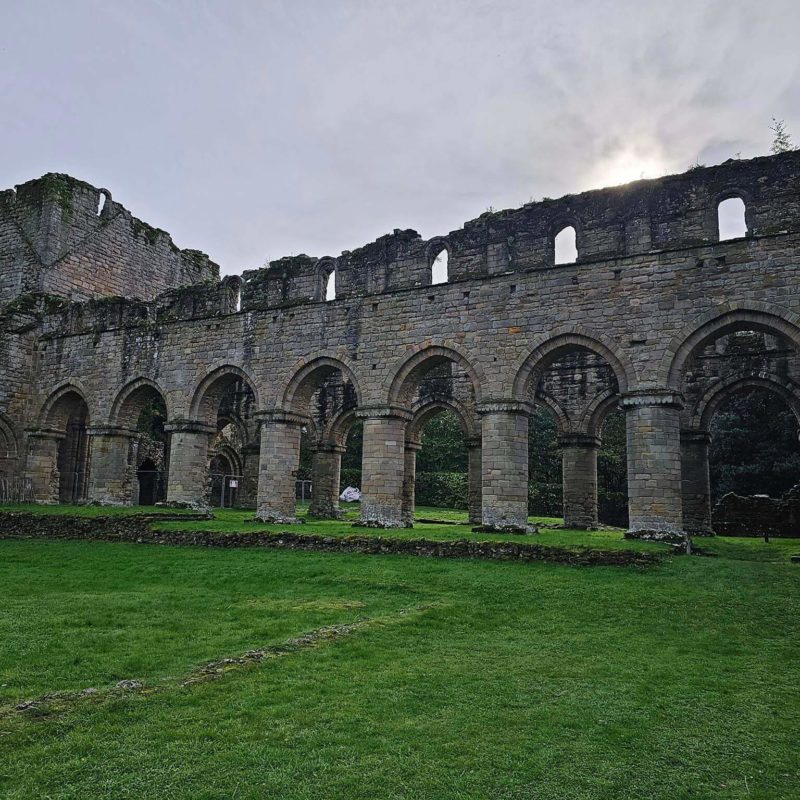
White Ladies house was eventually demolished in the 18th century, leaving only the priory ruins. The only part of the priory still standing is the aisleless church. Parts of the presbytery and transepts survive, as do several medieval grave covers dating from the 12th to the 13th centuries. Several of the doorway arches are in good condition, with some attractive Romanesque column capitals. What is unusual is that the priory buildings changed very little from when they were built, so what we see today is essentially what the nuns would have seen in the 12th century, though not in such good condition.
Photo Gallery.
Did you enjoy this post?
I hope you found this post useful. I put a great deal of time and effort in to building, maintaining and populating the website. If you like, you could say a small thank you by buying me a coffee. You don't have to, but it would be nice :)
Buy me a coffee
Stay up to Date
Follow me on my journey and get notified whenever a new post is published by following Kings & Castles on Facebook.
Follow MeExplore The Map
Discover the hundreds of castles, churches, monasteries, cathedrals and other historic locations that I've personally visited across England and Wales. Search by location, explore nearby sites and plan your next historical adventure.
Share: